
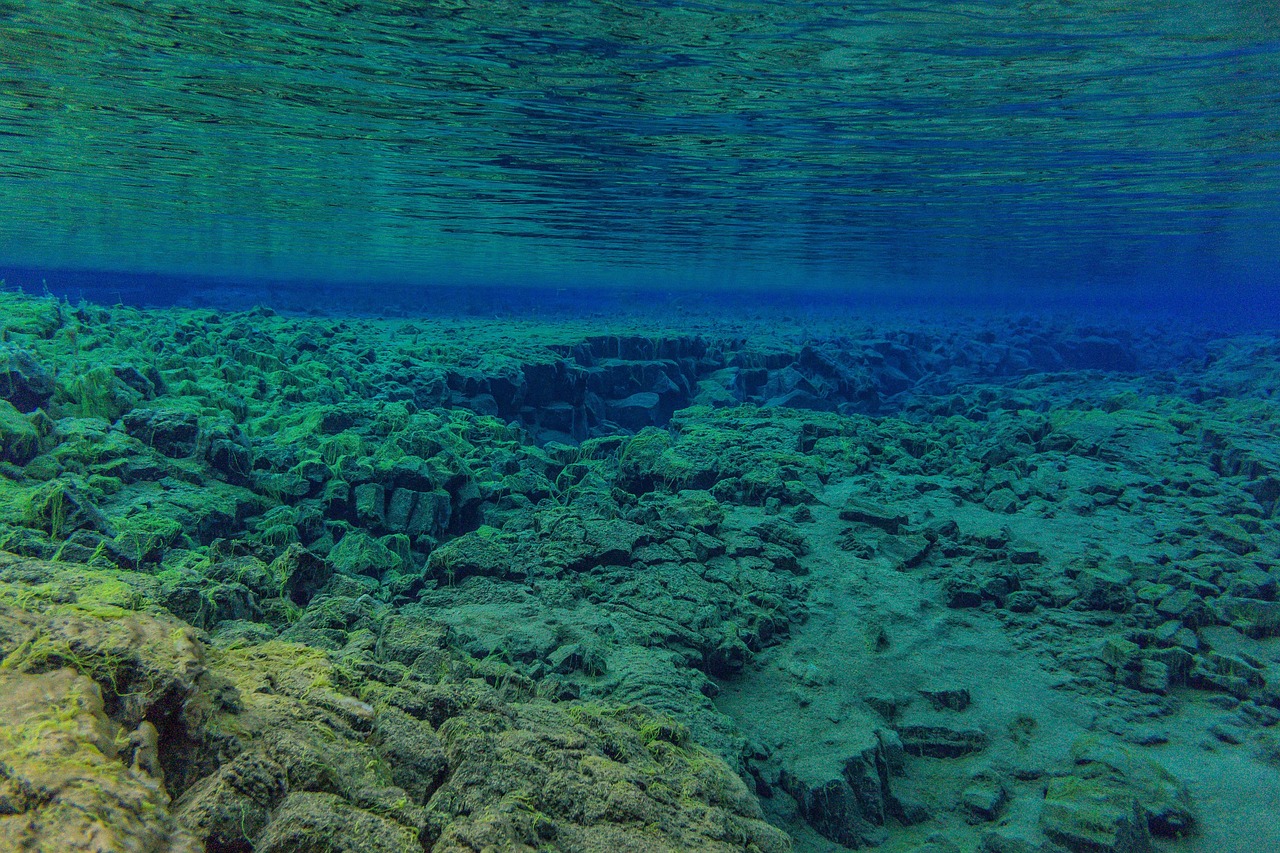
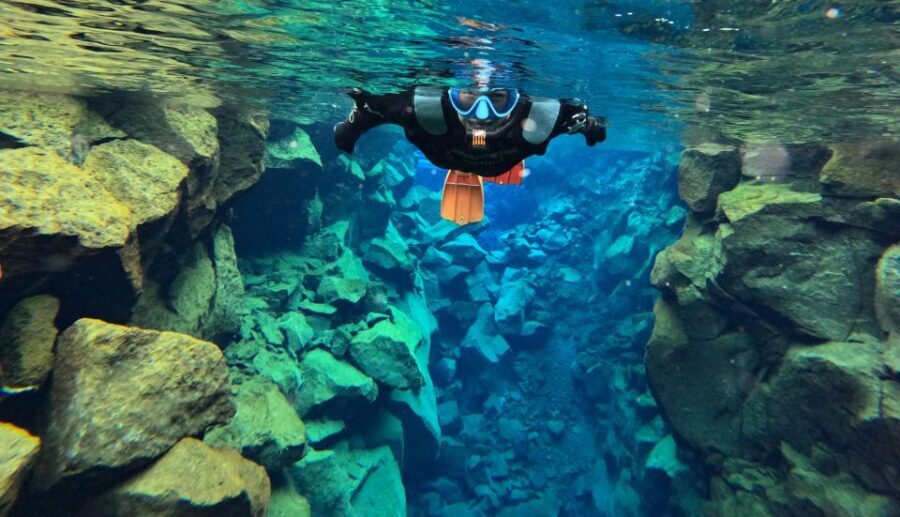
The water was so clear I forgot I was looking through it. That was the strange part about Silfra — not the cold, not the drysuit, not the fact that I was floating between two continental plates. It was the moment my brain stopped processing the water as water. I was staring at rocks forty metres below and they looked close enough to touch.
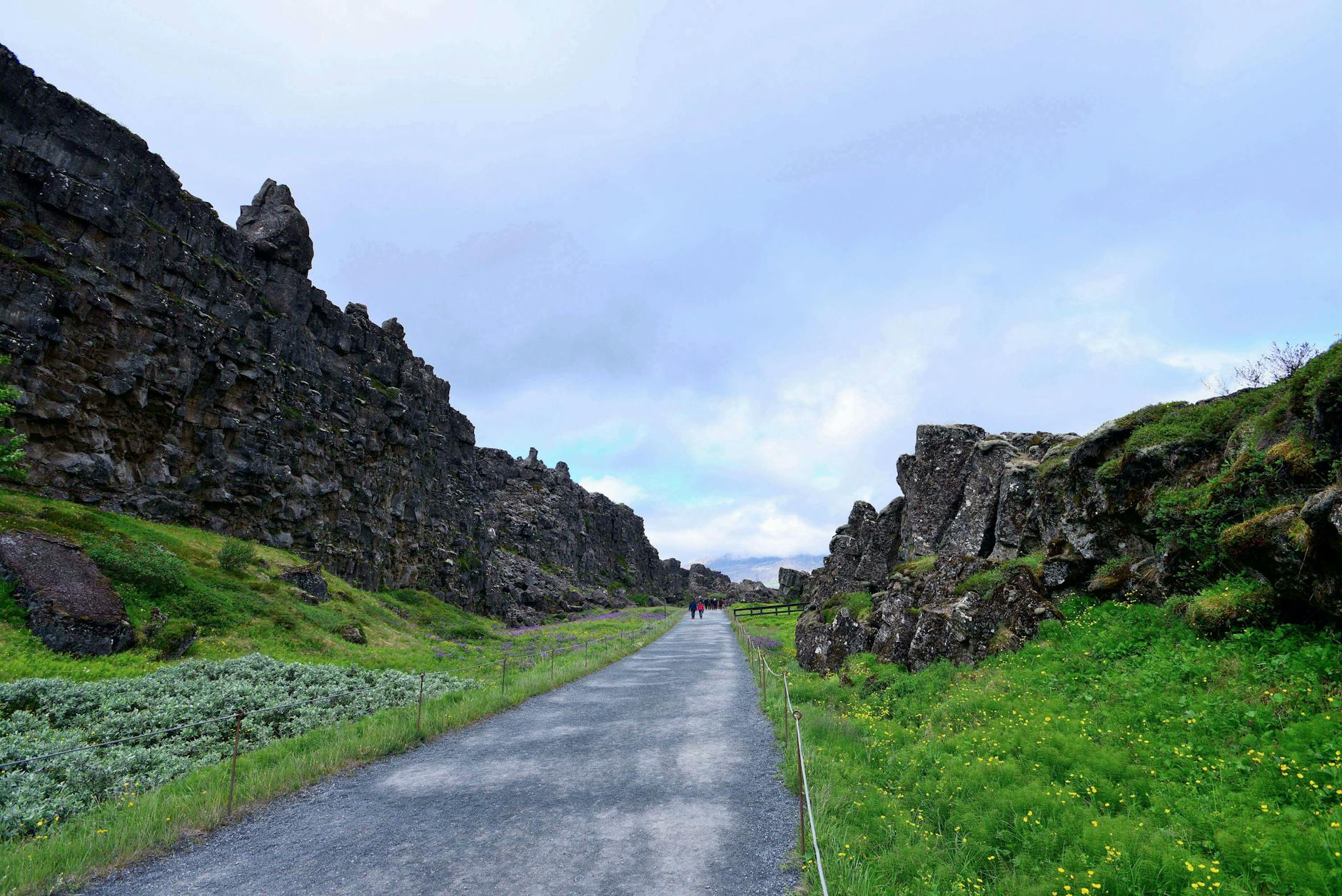
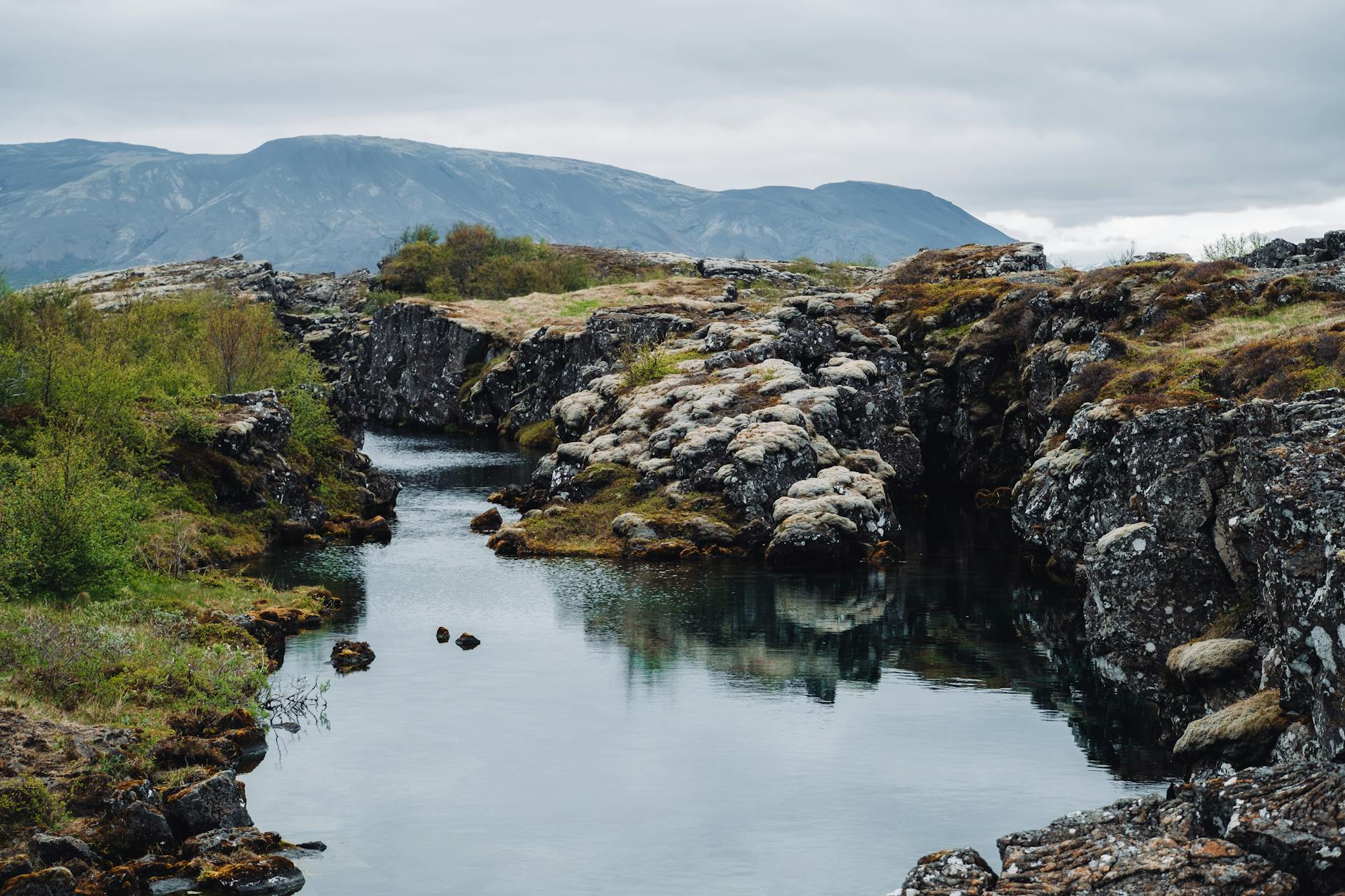
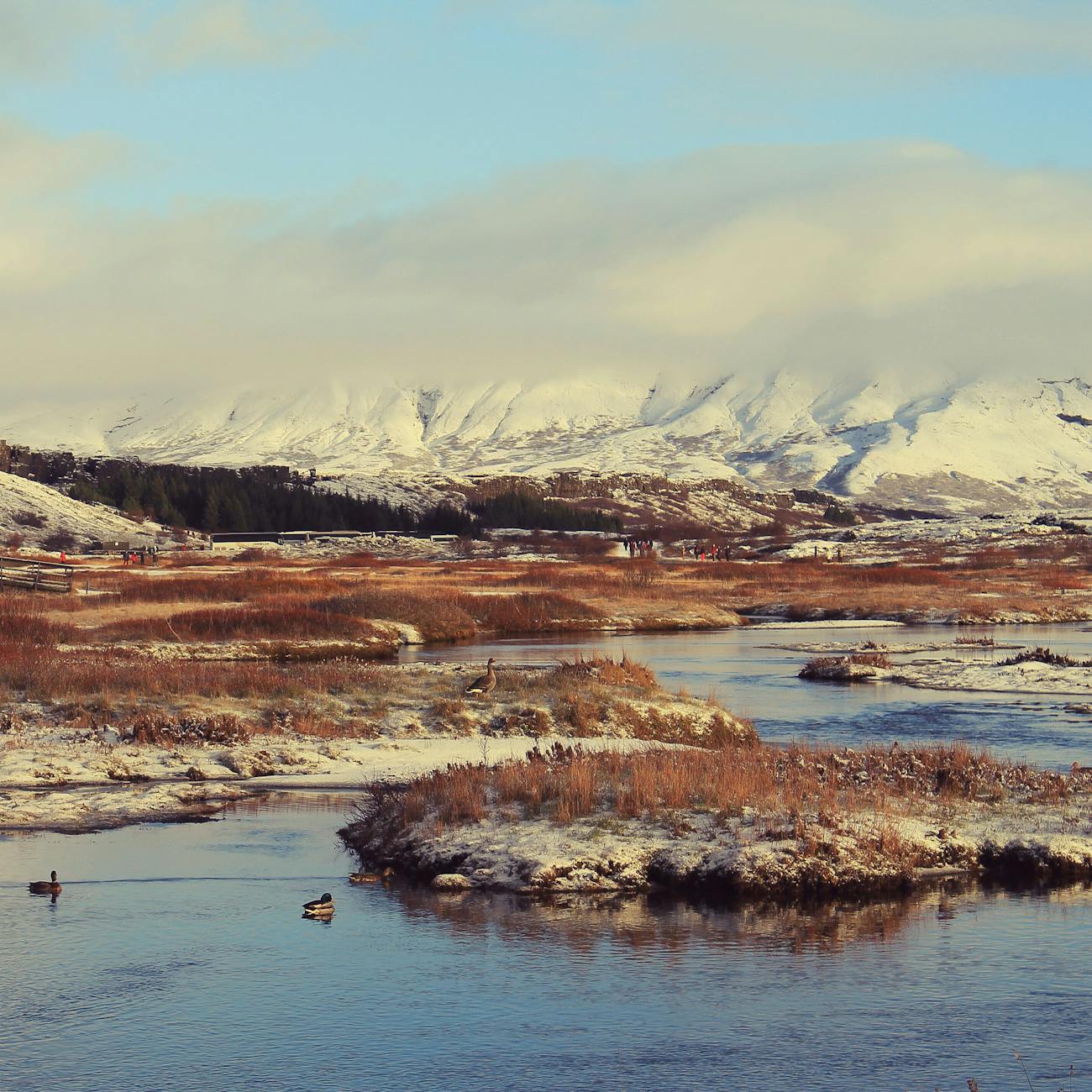
Silfra sits inside Thingvellir National Park, about an hour east of Reykjavik. The fissure opened where the North American and Eurasian tectonic plates pull apart — roughly two centimetres per year — and the gap fills with glacial meltwater that’s been filtering through underground lava rock for decades before it reaches the surface. The result is some of the clearest freshwater on the planet. Visibility regularly hits 100 metres.
And the water temperature? A constant 2-4°C, all year round. You read that right.
Best overall: Silfra: Snorkeling Between Tectonic Plates — $154. Meet on location, the original Dive.is tour with the most experienced guides. Worth every penny.
Best value: Silfra Fissure Snorkeling with Underwater Photos — $148. Troll Expeditions runs this one. Great guides, free underwater photos included.
Best with pickup: Reykjavik: Silfra Fissure Snorkeling — $140. Hotel pickup from Reykjavik if you don’t have a rental car. The pickup adds time but removes the driving stress.
- How Silfra Snorkeling Actually Works
- Self-Drive vs Pickup from Reykjavik
- Snorkeling vs Diving: Which One to Book
- The Best Silfra Snorkeling Tours to Book
- 1. Silfra: Snorkeling Between Tectonic Plates — 4
- 2. Silfra Fissure Snorkeling Tour with Underwater Photos — 8
- 3. Reykjavik: Silfra Fissure Snorkeling — 0
- 4. Silfra Drysuit Snorkeling with Free Photos — 0
- When to Go
- How to Get There
- What to Bring (and What Not To)
- What You’ll Actually See Underwater
- Tips That Will Save You Time and Discomfort
- Booking Requirements and Fine Print
- Planning the Rest of Your Iceland Trip
How Silfra Snorkeling Actually Works
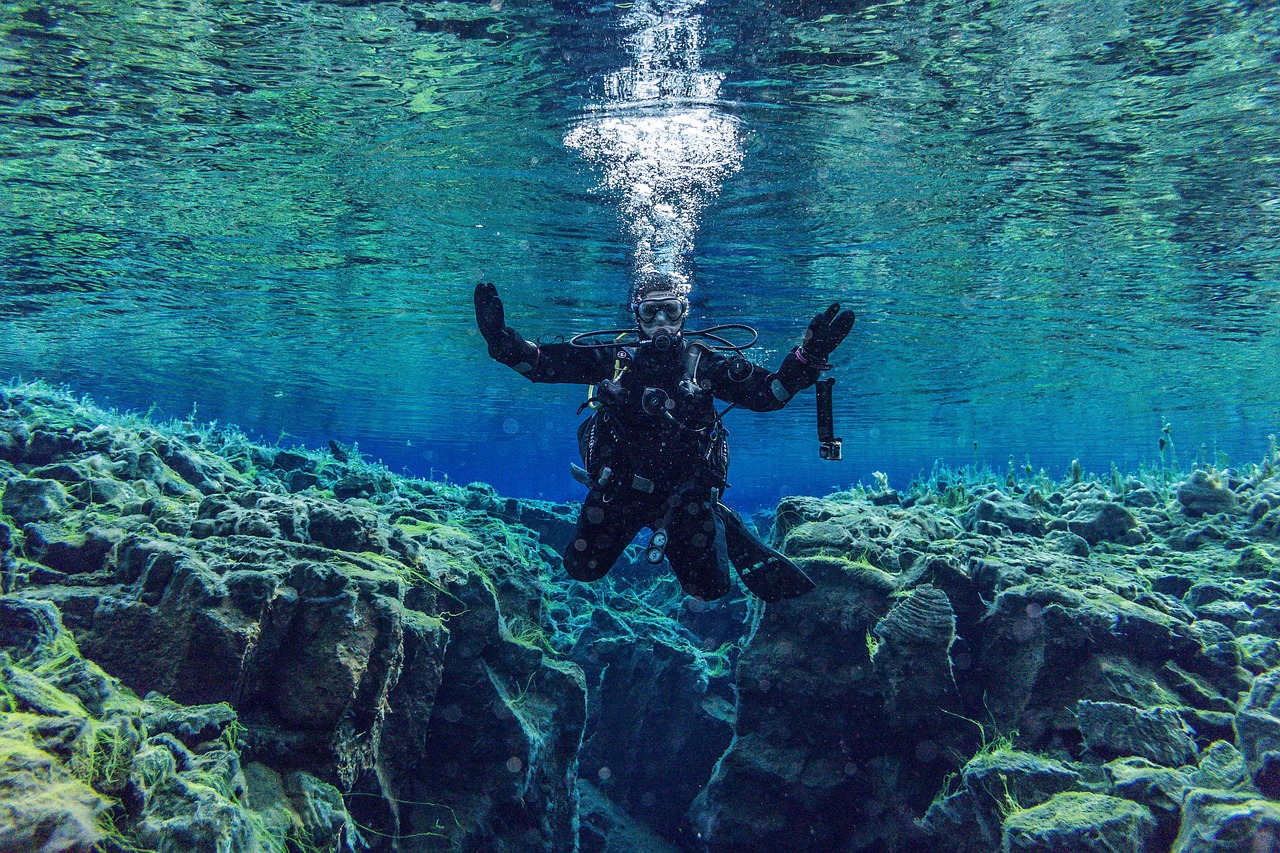
Every Silfra snorkeling tour follows roughly the same format, regardless of which operator you book with. You’re not doing this independently — all snorkeling in Silfra goes through licensed tour operators who provide the gear, the guides, and the safety briefing.
Here’s what to expect. You either drive yourself to Thingvellir and park at Lot P5, or your tour includes a pickup from Reykjavik (which adds about 90 minutes of driving each way). At the meeting point near the car park, guides walk you through gear fitting. The suit-up process takes about 20-30 minutes and it’s honestly the least glamorous part — you’ll layer thin thermals, then a thick fleece onesie, then a full drysuit with hood, gloves, mask, snorkel, and fins.
It feels like getting dressed for space. But once you’re sealed in and walk the short path to the water entry point, the drysuit is the only thing between you and hypothermia, so you’ll be glad it’s there.
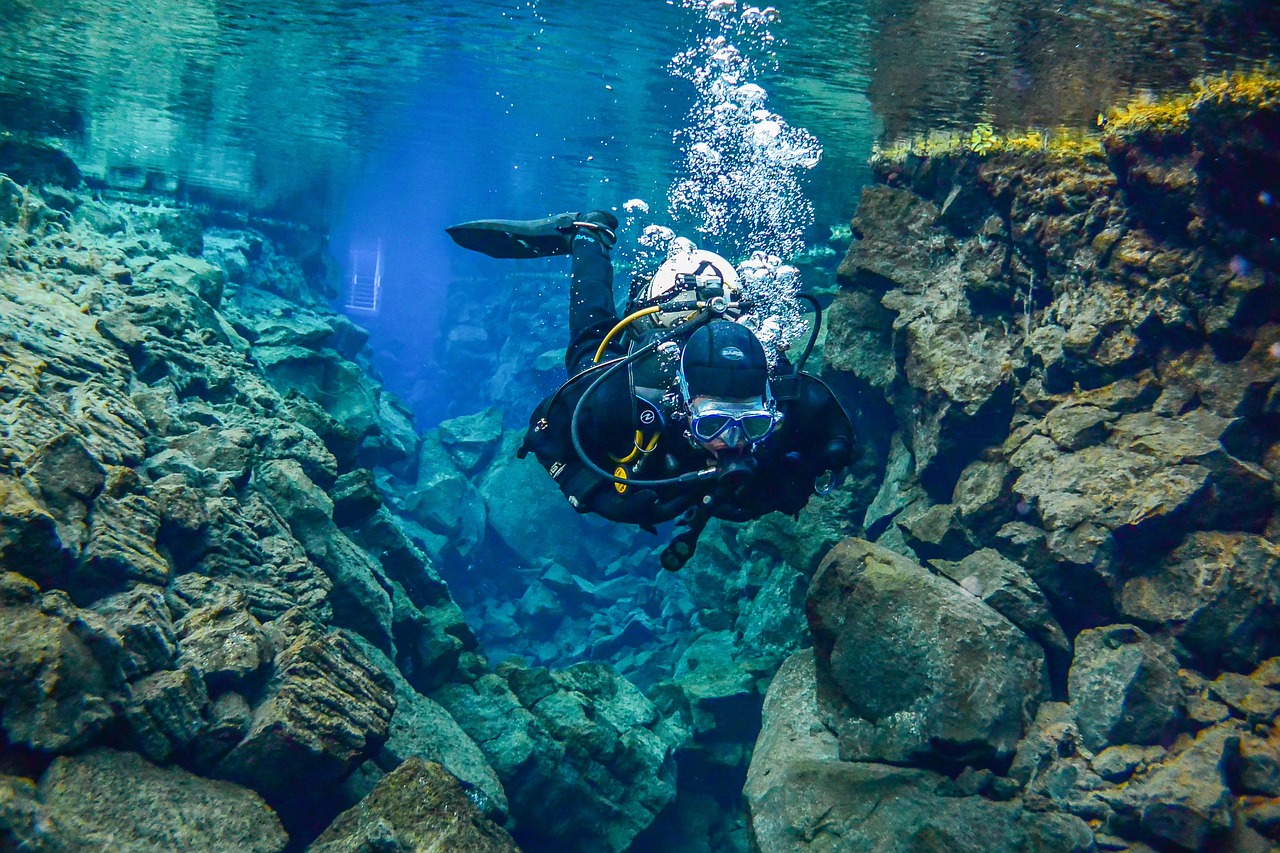
The actual snorkeling takes about 30-40 minutes. A gentle current carries you through the fissure — you barely need to kick. The route passes through four named sections: Big Crack, Silfra Hall, Silfra Cathedral, and Silfra Lagoon. Cathedral is the wide-open section where the visibility really hits you. Lagoon is where most people get out, and it’s the warmest part (relatively speaking).
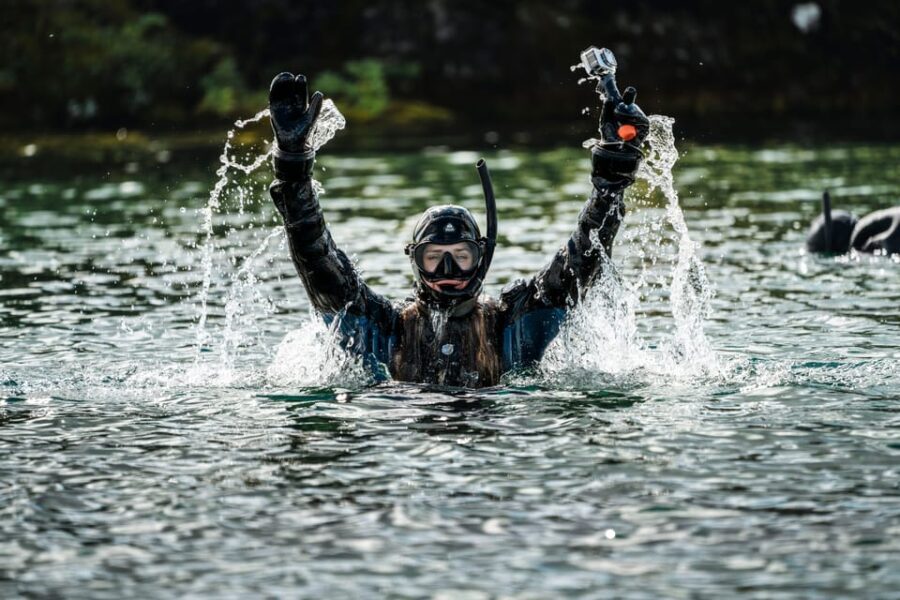
Afterward, every operator does the same thing: hot chocolate, tea, and cookies by the car park. Your hands will be freezing — that’s the universal complaint. The drysuit keeps your body warm but the neoprene gloves only do so much at 2°C. Nobody skips the hot chocolate.
Self-Drive vs Pickup from Reykjavik
This is the first real decision you’ll make when booking. Self-drive tours meet at Thingvellir National Park and cost around $140-$154. Pickup tours collect you from your Reykjavik hotel and run $189-$225. The snorkeling experience is identical either way.
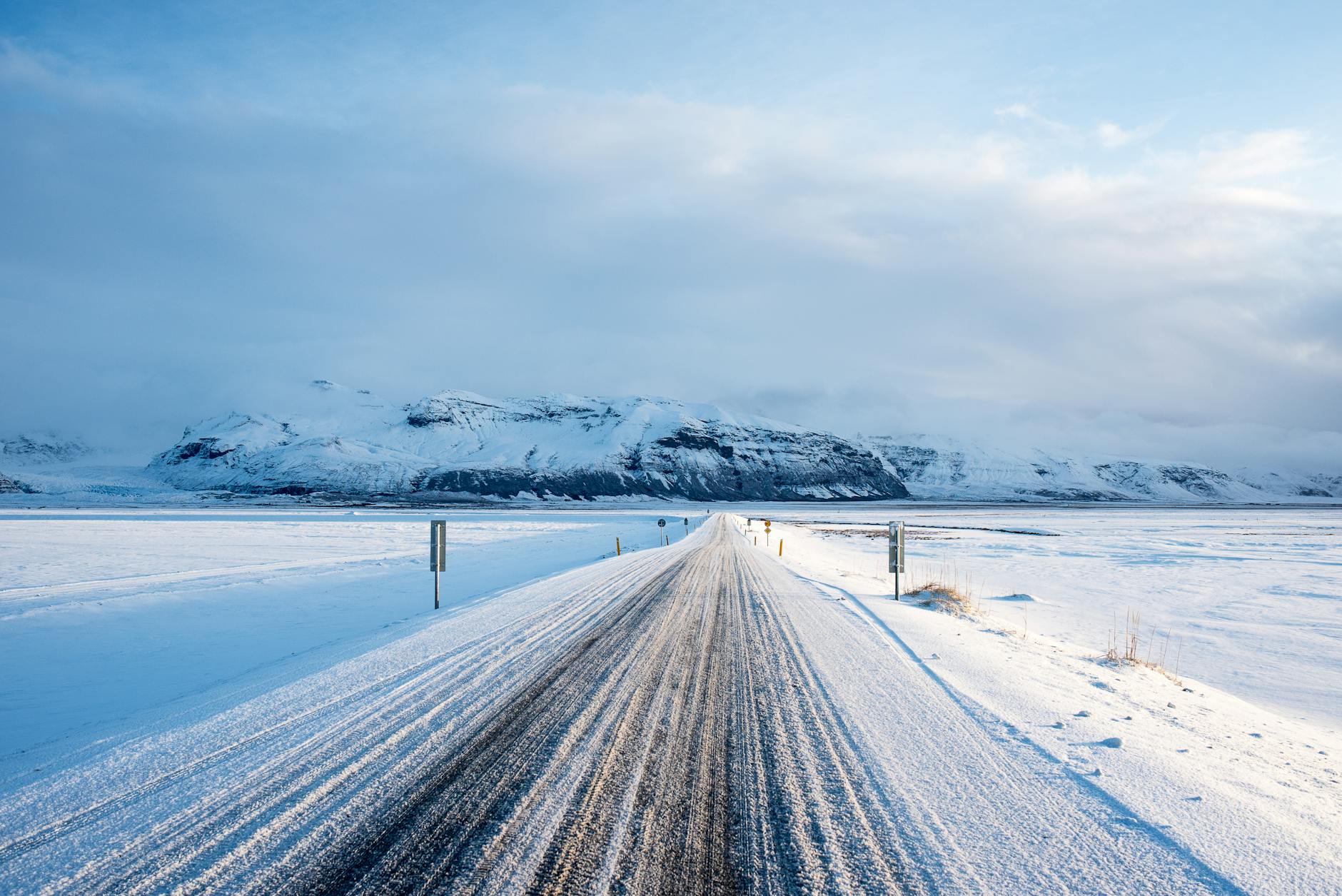
If you’ve got a rental car — and most people exploring Iceland beyond Reykjavik do — self-drive is the obvious choice. The drive from Reykjavik to Thingvellir takes about 45 minutes on Route 36, and you’ll pass some genuinely striking landscape on the way. Plus, you can combine Silfra with the rest of the Golden Circle on the same day if you time it right (Silfra sits at the first stop, Thingvellir, making it a natural morning activity before heading to Geysir and Gullfoss).
If you don’t have a car, the pickup tours work fine. Just know that hotel pickups start early (around 8:00-9:00 AM) and you won’t be back in Reykjavik until early afternoon. The extra cost covers the transport, not a better snorkeling experience.
Snorkeling vs Diving: Which One to Book
Most visitors snorkel. A handful dive. The difference matters more than you’d think.
Snorkeling keeps you on the surface. You float face-down, carried by the current, looking through the clear water at the rock formations below. No experience needed — if you can breathe through a snorkel, you can do this. The visibility is so good from the surface that you don’t feel like you’re missing much. Minimum age is typically 12, and you need to be comfortable in water.
Diving takes you down to 10-18 metres into the fissure. You’ll swim through narrow passages that snorkelers can only look down at. It costs roughly double ($296-$325) and you need a drysuit diving certification — a standard open water PADI cert isn’t enough for Silfra. If you’re already drysuit certified, the diving is supposed to be extraordinary. If you’d need to get certified first, that’s a separate multi-day course.
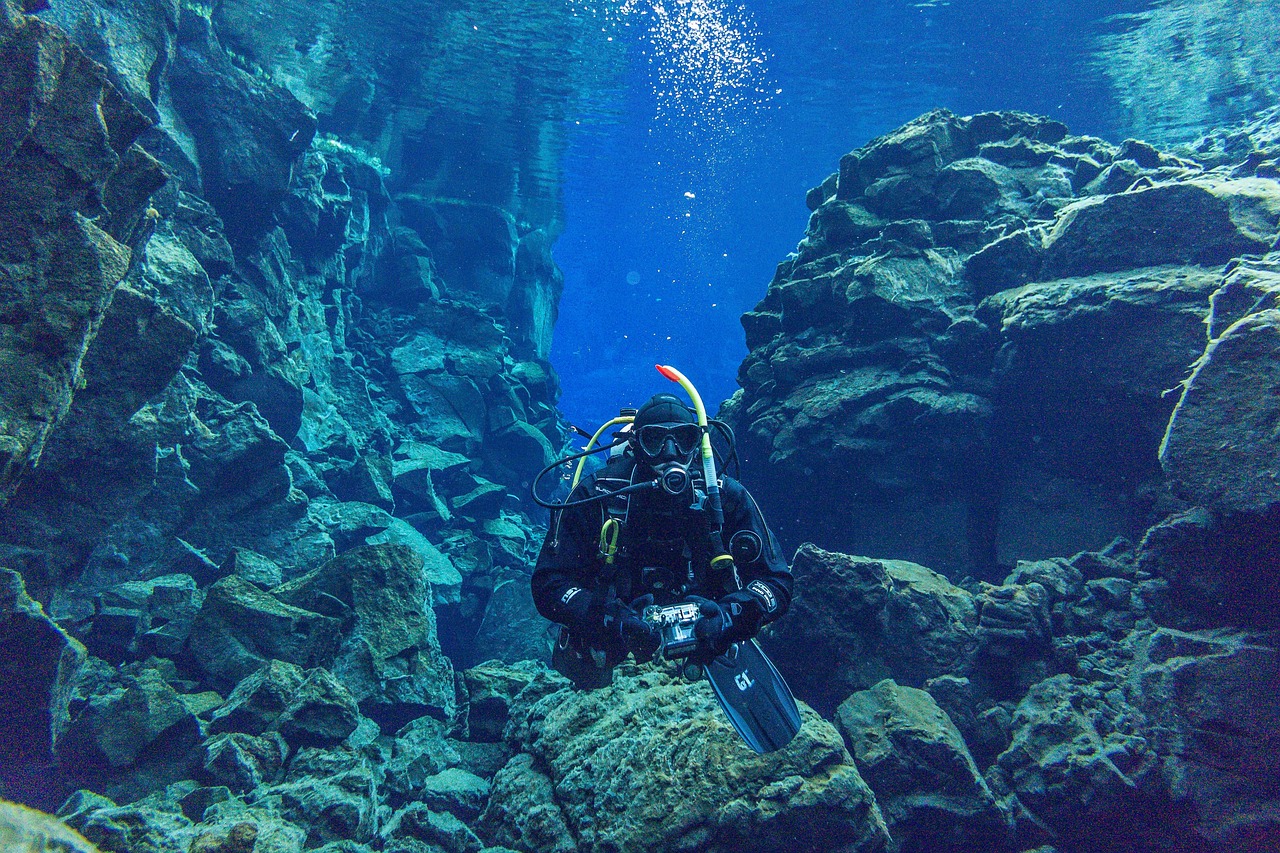
My honest take: snorkeling is the right call for most people. The visibility is so extreme that you see almost everything from the surface anyway. Save the diving for people who already have the certification and want to add Silfra to their logbook.
The Best Silfra Snorkeling Tours to Book
I’ve compared the main operators and narrowed it down to four tours worth booking. All of them include drysuits, guides, and the full Silfra route. The differences come down to price, pickup options, which operator runs the tour, and whether underwater photos are included.
1. Silfra: Snorkeling Between Tectonic Plates — $154
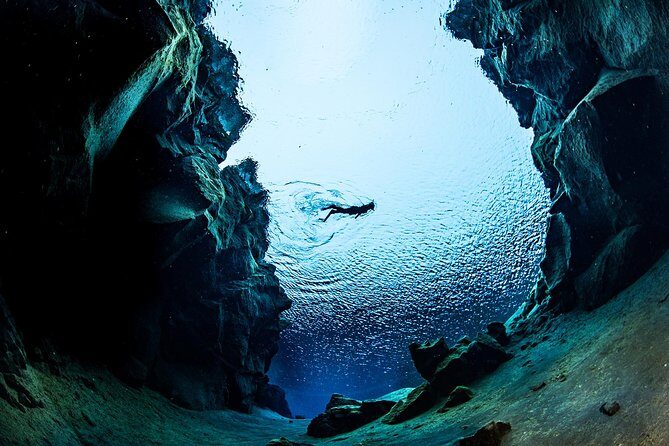
This is the one I’d book if I were doing it again. Run by Dive.is, the company that essentially pioneered Silfra snorkeling, this self-drive tour meets at Thingvellir and lasts about 2.5 hours. You get the full fissure route from Big Crack to Silfra Lagoon, with experienced guides who’ve done this thousands of times. The $154 price tag is slightly higher than competitors, but Dive.is guides consistently get praised for being thorough with the safety briefing without making it feel like a lecture.
Hot chocolate and cookies included afterward. Photos available for purchase separately — that’s the one downside compared to tours that bundle them in. But if you want the most reliable, established operator at Silfra, this is it.
2. Silfra Fissure Snorkeling Tour with Underwater Photos — $148
Run by Troll Expeditions, this is the best value self-drive option. At $148 it’s a touch cheaper than Dive.is, and the big draw is that professional underwater photos are included — your guide shoots throughout the snorkel and you get the images afterward. Given that taking your own photos in a drysuit with numb fingers is genuinely difficult, having someone else handle it is a real perk.
The tour runs about 3 hours total including the suit-up. Guides here are knowledgeable and chatty — they tend to share geology and history of the fissure during the briefing, which adds context you won’t get just floating through. The hot chocolate comes with the signature Troll twist.
3. Reykjavik: Silfra Fissure Snorkeling — $140
If you don’t have a rental car, this is the tour to book. $140 includes hotel pickup and drop-off in Reykjavik, which is remarkable given that some self-drive tours cost the same without transport. The trade-off is time — budget 3-5.5 hours total including the driving. But for anyone staying in Reykjavik without a car, this removes the logistics entirely.
The snorkeling itself is run by the same calibre of guides as the self-drive options. You get the full Silfra route, drysuits, and the post-snorkel warm-up. If you’re visiting Iceland for a short city break and Silfra is on your list, this is the most practical way to make it happen without renting a car for a single day trip.
4. Silfra Drysuit Snorkeling with Free Photos — $140

Run by Adventure Vikings, this self-drive option matches the lowest price at $140 and includes free underwater photos. The differentiator here is group size — Adventure Vikings tends to run smaller groups than the bigger operators, which means less crowding in the narrower fissure sections and more face time with your guide.
The tour runs about 3 hours including gear fitting. Guides here get consistently strong marks for being patient with nervous first-timers — if you’re not a confident swimmer or the idea of 2°C water makes you anxious, this might be the most comfortable environment to do it in. The photos they take are solid quality and you’ll have them same-day.
When to Go
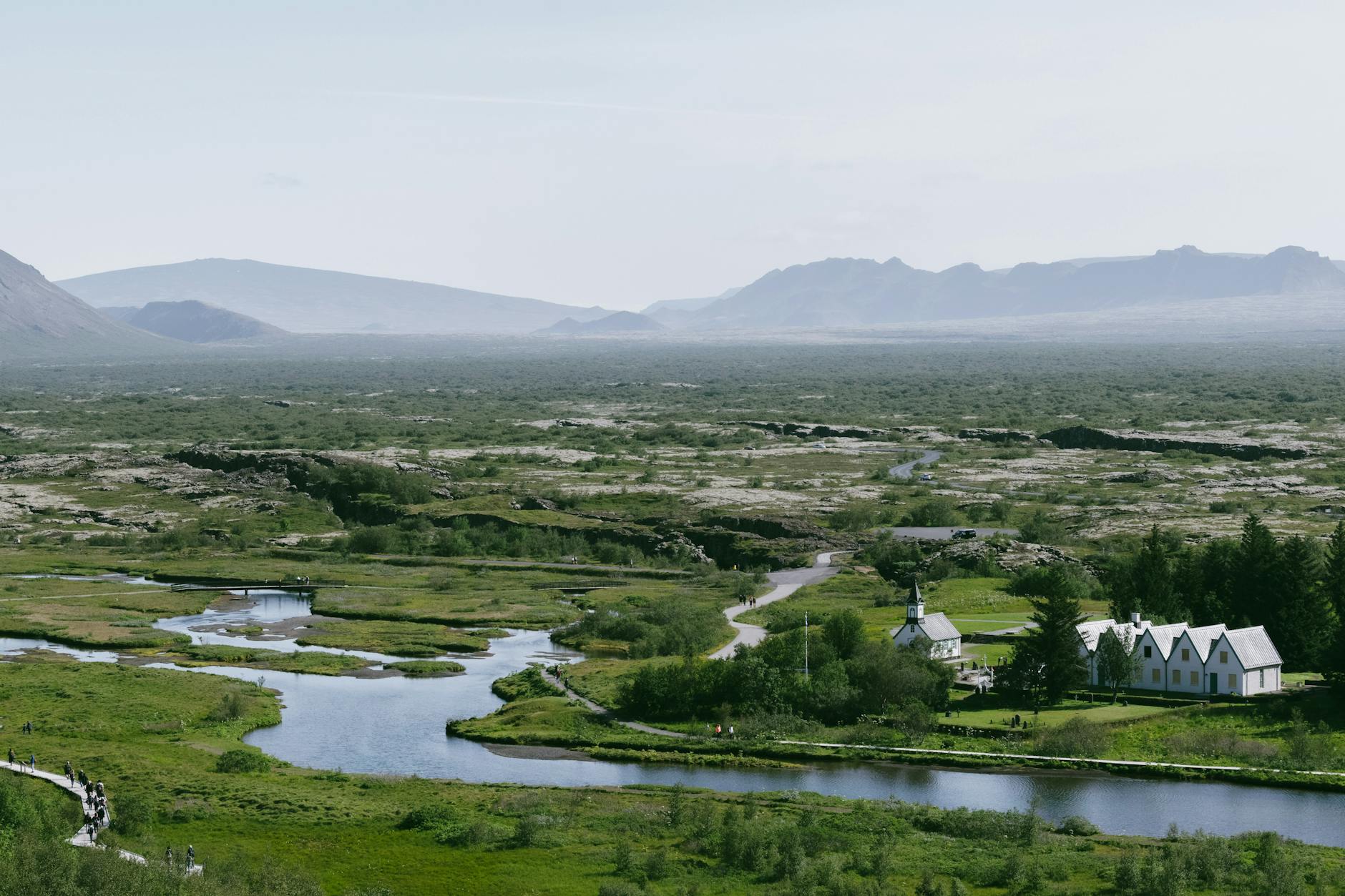
Silfra runs year-round. The water temperature barely shifts between seasons because it’s glacial meltwater fed from deep underground — it’s 2-4°C whether you visit in January or July. So the question isn’t really about water conditions. It’s about everything around the snorkeling.
Summer (June-August) gives you nearly 24 hours of daylight, which means more flexibility with timing and better light for underwater photos. The drive to Thingvellir is straightforward and roads are always clear. Downside: this is peak tourist season and Silfra gets busy. Book at least 2-3 weeks in advance for your preferred time slot.
Shoulder season (April-May, September-October) is the sweet spot for most people. Fewer travelers, lower prices on flights and accommodation, and the snorkeling experience is identical. The roads to Thingvellir are generally fine, though you might hit rain. September and October bring potential northern lights on the drive back.
Winter (November-March) means limited daylight — as few as 4-5 hours in December. Tours run in the dark or twilight. The drive can be tricky if there’s ice or snow on Route 36, so check road conditions on vedur.is before you leave. But if you’re already in Iceland for northern lights season, adding Silfra is completely doable. Just pick a midday slot.
How to Get There
From Reykjavik by car: Take Route 1 north, then turn onto Route 36 toward Thingvellir. The drive is about 45 minutes in good conditions. Park at Lot P5 (Silfra car park) — parking costs 750 ISK (about $5) and you pay at the machine in the lot. From the car park, it’s a short walk to the meeting point where your tour operator will be waiting with a banner or sign.
Without a car: Book a tour with Reykjavik pickup (see Tour #3 above). There’s no public bus to Thingvellir that works for Silfra timing. Some Golden Circle day tours include a Silfra stop, but those combo tours are a packed day — you’re rushing between Silfra, Geysir, and Gullfoss with limited time at each.
Combining with the Golden Circle: This is the smart play if you’re driving. Do Silfra first thing in the morning (book the earliest slot), then continue the Golden Circle loop — Geysir and Gullfoss are about 60-90 minutes further along Route 35. You’ll be done with Silfra by late morning and have the whole afternoon for the rest.
What to Bring (and What Not To)
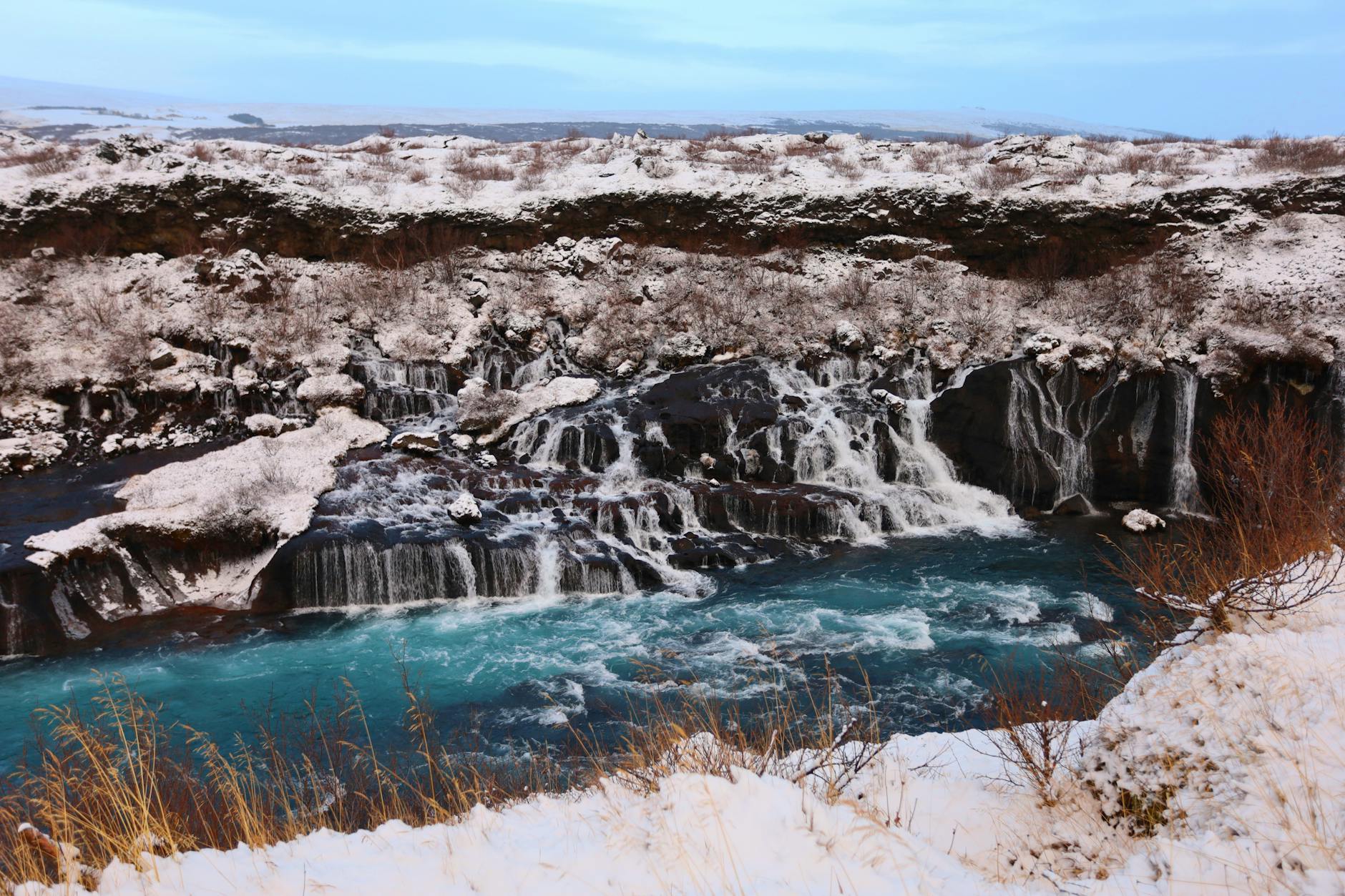
Wear under the drysuit:
- Thin thermal base layers (top and bottom) — avoid cotton, it holds cold
- Thick wool socks — the operators mean it when they say thick
- Most operators provide a fleece onesie to wear over your thermals
Bring:
- A change of warm clothes — your hair will be wet and you’ll want dry layers after
- A warm hat and gloves for after (your hands will be freezing)
- Towel — some operators provide one, some don’t
- Snacks — the hot chocolate and cookies are nice but you might want more after the adrenaline wears off
Leave behind:
- Your phone or camera in your pocket — everything goes in the car before you suit up. The drysuit seal process doesn’t work if you’ve got stuff in your pockets
- Jewellery — remove rings and watches before the neoprene gloves go on
- Contact lenses are fine under the mask, but bring glasses for before and after
What You’ll Actually See Underwater
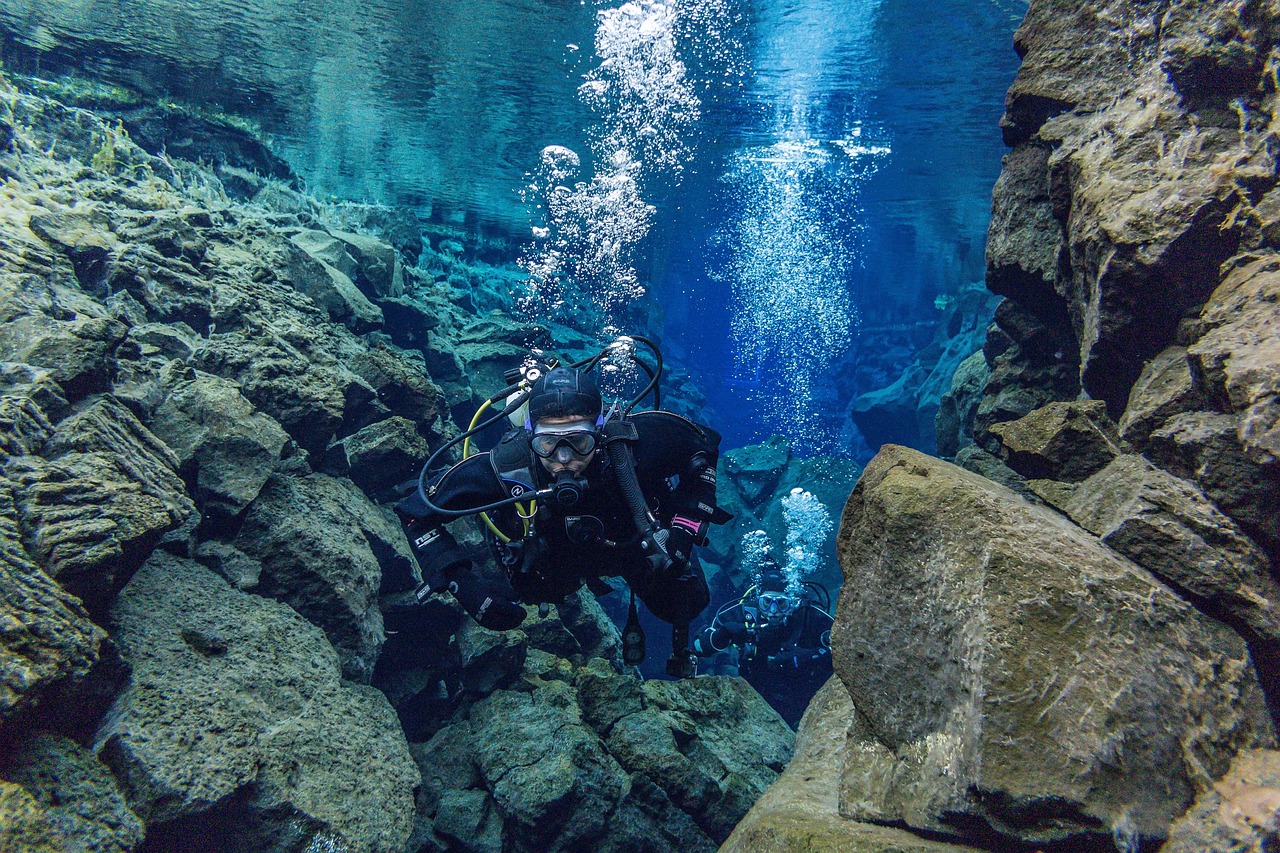
The snorkeling route passes through four distinct sections, each with a different character. Big Crack comes first — a narrow channel where the rock walls close in on both sides and the depth drops away beneath you. It’s the most dramatic section visually because the walls are right there and the clarity makes it feel like you’re floating in air.
Silfra Hall opens up into a wider section with a sandy bottom and green algae swaying in the current. It’s shallower here and the light comes through differently. Silfra Cathedral is the showstopper — a wide, deep chamber where the turquoise water seems to glow. This is where most of the iconic Silfra photos come from, and it’s where your brain genuinely struggles to understand what it’s seeing. The water is so clear that depth becomes meaningless.
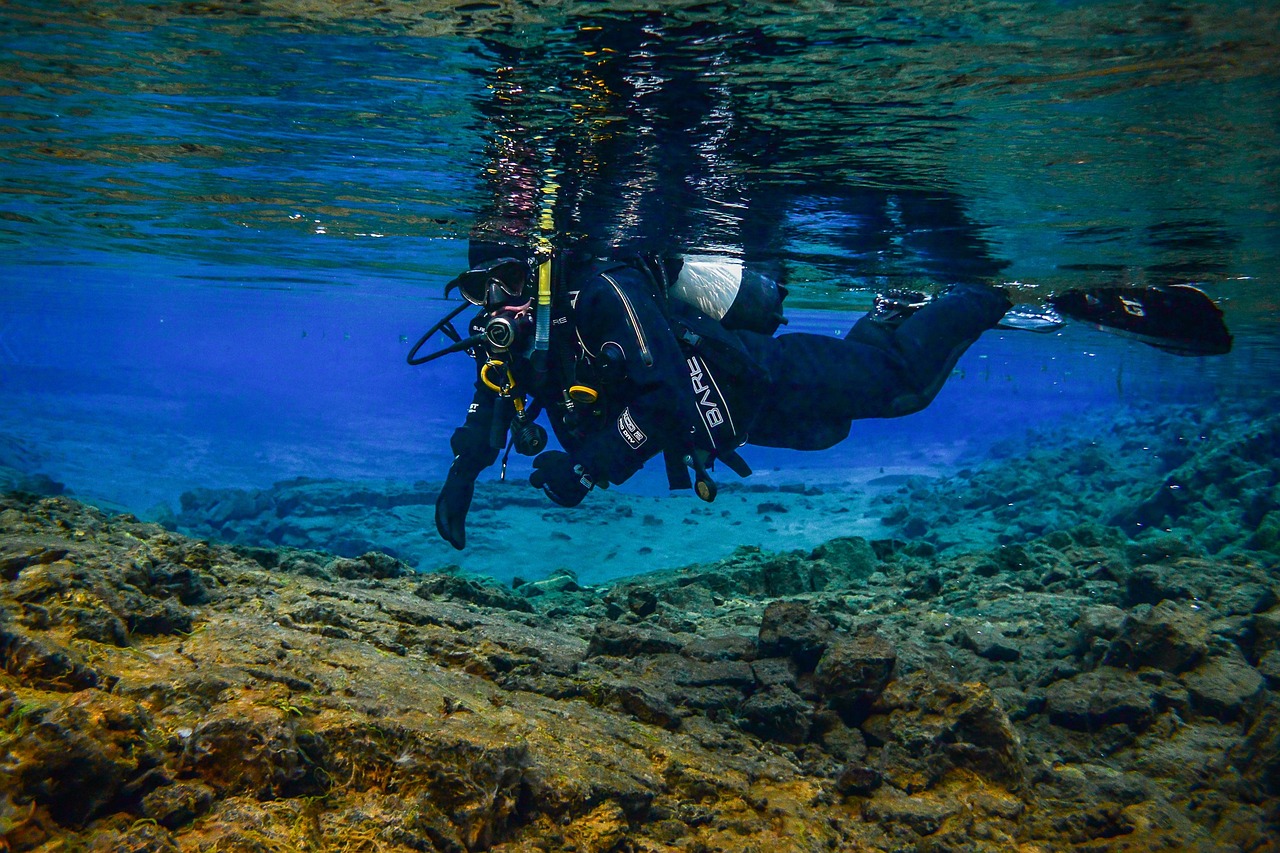
Silfra Lagoon is the final section — a wider, calmer pool where most tours end. The water here is drinkable straight from the fissure (the guides usually encourage you to try it — it tastes like nothing, which is exactly what pure glacial melt tastes like). This is also where you climb out, and honestly, by this point you’re ready. Thirty-five minutes in 2°C water is enough even in a drysuit.
Tips That Will Save You Time and Discomfort
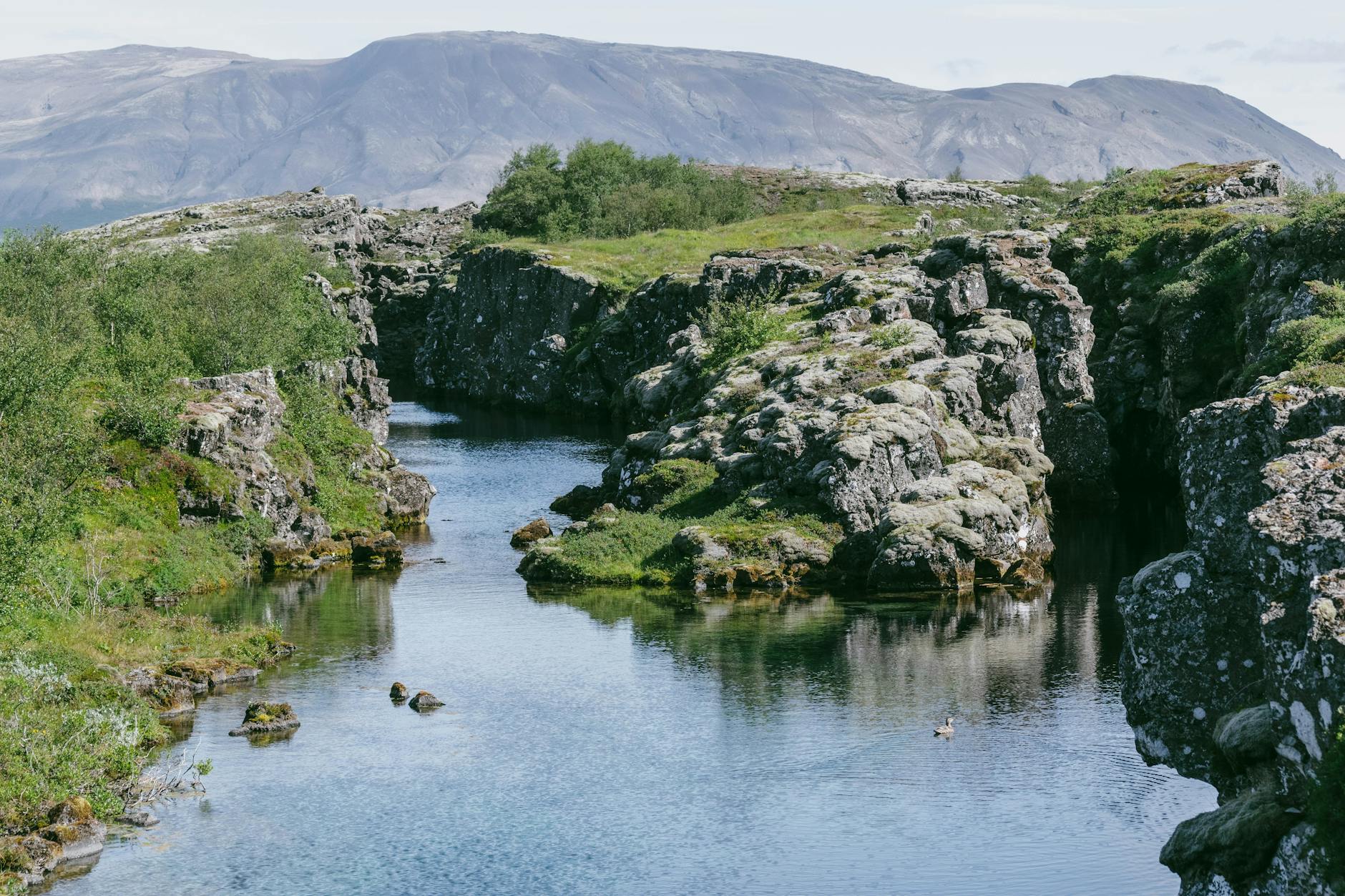
Book the first morning slot if you can. Fewer groups, better light, and you have the rest of your day free for the Golden Circle. The 9:00 or 10:00 AM slots tend to be the least crowded.
Double up on gloves. Some operators sell neoprene glove liners for a few extra dollars. Buy them. Your core stays warm in the drysuit but your hands take the full brunt of the cold water. Thin neoprene liners under the standard gloves make a real difference.
Use the restroom before you suit up. Getting out of a drysuit mid-snorkel is not an option. The guides will remind you, but it bears repeating.
Eat something beforehand. The cold burns calories fast and you’ll feel it more on an empty stomach. A proper breakfast in Reykjavik before the drive is worth the effort.
Check the meeting point carefully. Thingvellir has multiple car parks. You want P5 — the Silfra car park specifically. If you park at P1 (the main visitor centre), you’ll need to drive to P5 and that can cost you your time slot.
Don’t try to take your GoPro. Some operators allow it, but realistically, operating a camera with frozen neoprene fingers while floating in a current isn’t going to produce good results. The tours that include free underwater photos exist for exactly this reason — let the guide who does this daily take the shots.
Booking Requirements and Fine Print
Every operator requires a few things before they’ll take you out:
Age: Minimum 12 years old for snorkeling (some operators say 14 — check when booking). Diving minimum is 17-18 with certification.
Swimming: You need to be comfortable in water. Most operators ask you to confirm this during booking. If you’re not a strong swimmer, the drysuit and current do most of the work, but you should be able to float without panicking.
Medical waiver: You’ll sign one at the meeting point. Standard stuff — no serious heart or breathing conditions. If you’re over 60, some operators require a doctor’s note. Pregnant visitors are generally not allowed.
Cancellation: Most tours offer free cancellation up to 24 hours before. Weather-related cancellations by the operator get a full refund or reschedule. Check your specific tour’s policy, but this is fairly standard across all Silfra operators.
Planning the Rest of Your Iceland Trip
Silfra sits right at the start of Iceland’s most popular driving route, so combining it with other experiences is straightforward. The Golden Circle — Thingvellir, Geysir, and Gullfoss — wraps naturally around a morning Silfra session, and doing the snorkeling first means you arrive at Geysir and Gullfoss when the mid-morning bus crowds have already cleared out. If you are spending multiple days around Reykjavik, the Blue Lagoon makes a good contrast day — going from 2°C glacial water to 39°C geothermal pools in 24 hours is the kind of temperature whiplash that makes a trip memorable. The South Coast day trip is the other essential full-day excursion, covering waterfalls and black sand beaches along a completely different stretch of coastline. And for a quieter evening in the city, the Lava Show is one of the most unusual indoor experiences anywhere in Iceland.
This article contains affiliate links. If you book through our links, we may earn a small commission at no extra cost to you. This helps us keep creating free travel guides.