
The name was supposed to be temporary.
Back in the mid-1990s, France needed a stadium for the 1998 FIFA World Cup. A proper one. Something with 80,000 seats in Saint-Denis, just north of Paris. The government figured a corporate sponsor would pay for naming rights. Nobody offered enough money. So they called it Stade de France — a placeholder name — and moved on. Almost thirty years later, the placeholder stuck. And on July 12, 1998, Zinedine Zidane scored two headers on this pitch to beat Brazil 3-0 in the World Cup final, and the stadium became the most famous in France overnight. 1.5 million people poured onto the Champs-Elysees that night.
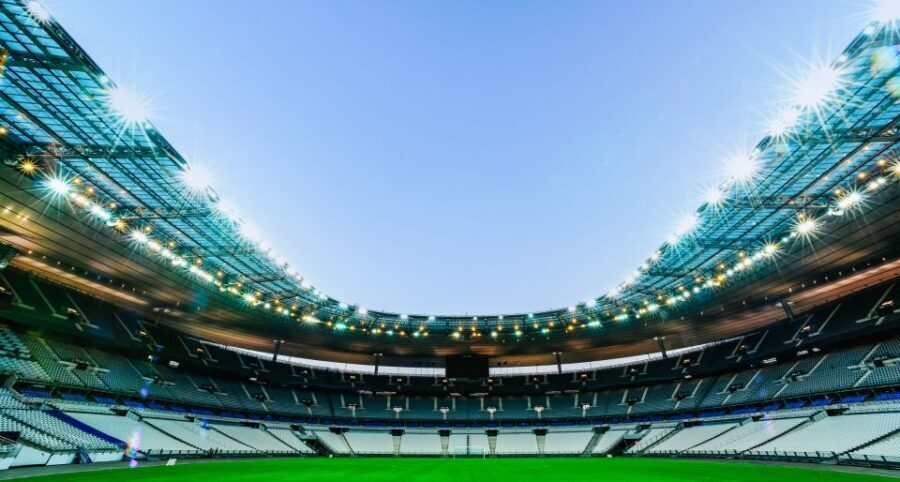
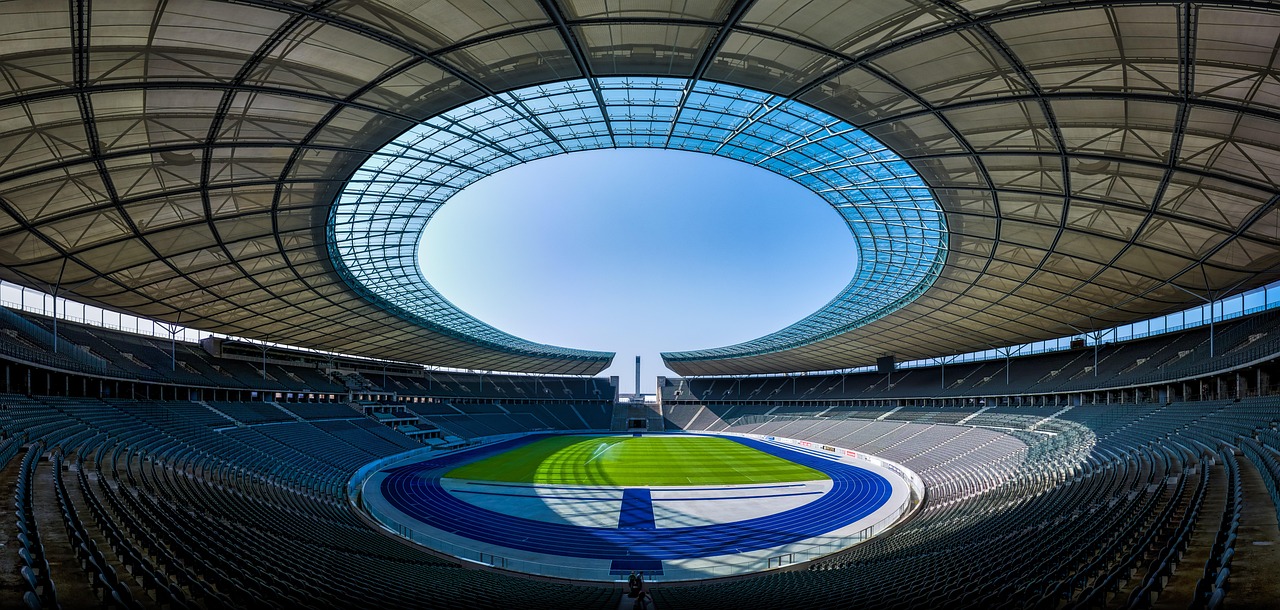
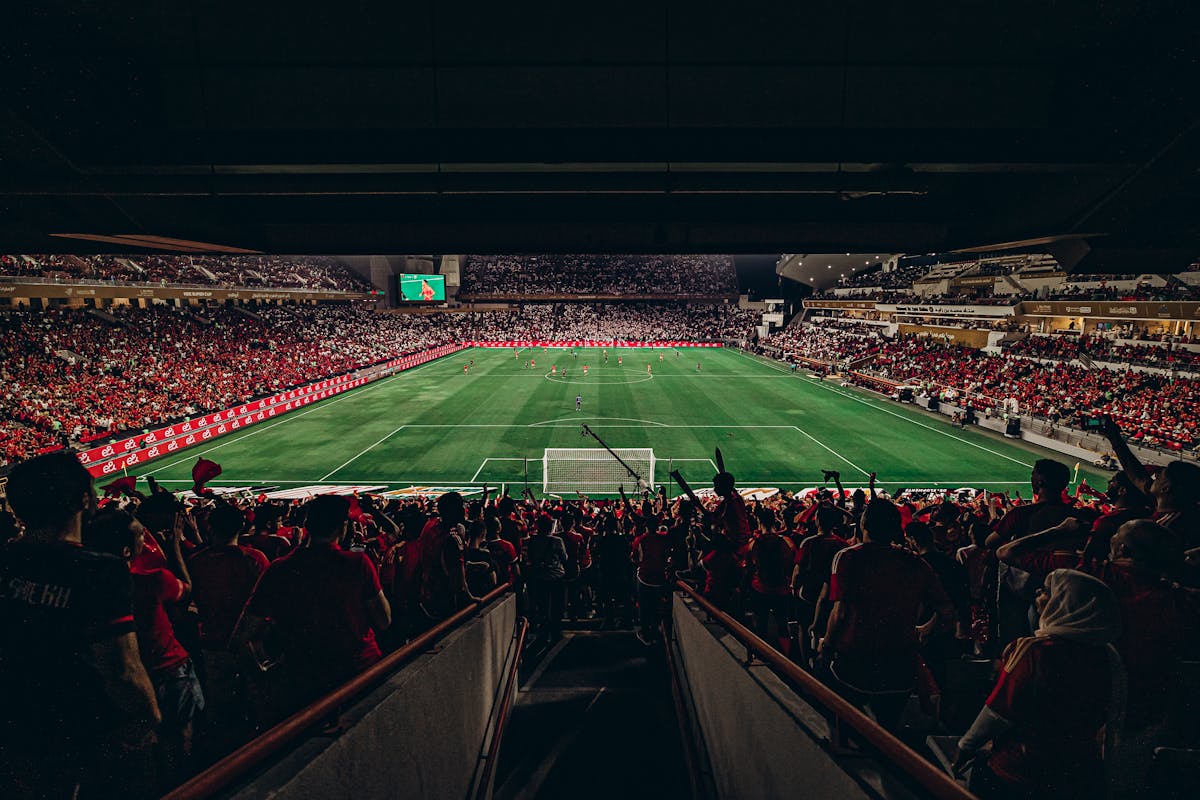
Today, the Stade de France holds 80,698 people, making it the largest stadium in France and one of the biggest in Europe. It’s hosted everything from World Cup finals to the 2024 Paris Olympics athletics events, Six Nations rugby, concerts by everyone from Beyonce to the Rolling Stones, and, on a much darker note, it was one of the targets during the November 2015 Paris terror attacks. The building carries serious weight.

But here’s the thing most people don’t realise: you don’t need to attend a match or concert to get inside. The behind-the-scenes tour takes you through the player tunnel, into the changing rooms, through the VIP boxes, the presidential suite, the press conference room, and right down to pitchside. You walk the same route Zidane walked before that 1998 final. And it costs about twenty euros.
Short on time? Here are my top picks:
Best overall: Stade de France Behind the Scenes Tour (GYG) — $21. The original and most popular option. 90 minutes with a guide, museum access included.
Alternative: Stade de France Behind the Scenes Tour (Viator) — $23. Same tour, different platform. Slightly more expensive but good if you prefer Viator’s cancellation policy.
- How the Stade de France Tour Works
- Buying Tickets Directly vs. Through a Tour Platform
- The Best Stade de France Tours to Book
- 1. Stade de France: Legendary Behind the Scenes Tour —
- 2. Stade de France: Behind the Scenes Tour (Viator) —
- The History — And Why This Isn’t Just Another Stadium
- When to Visit
- How to Get There
- Tips That Will Save You Time
- What You’ll Actually See Inside
- A Stadium That’s Seen Everything
- More Paris Guides
How the Stade de France Tour Works
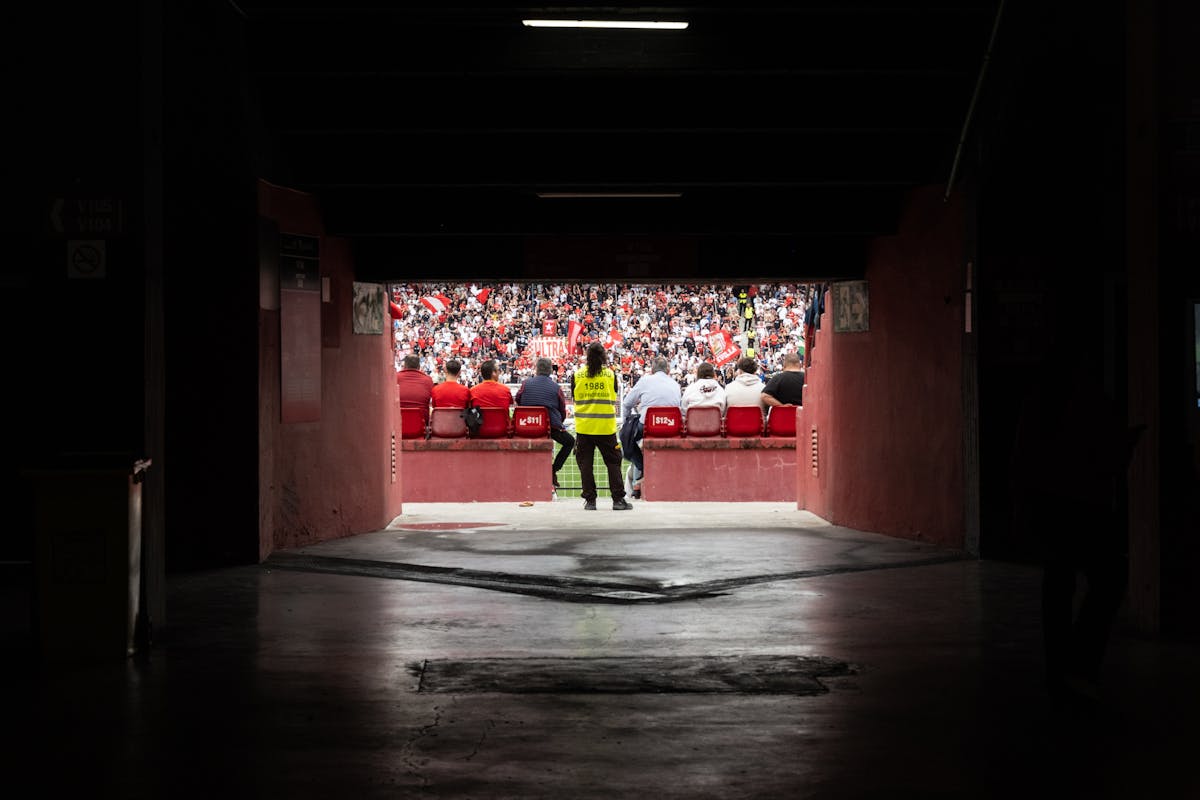
The behind-the-scenes tour runs daily and lasts about 90 minutes. A guide walks you through areas that are normally restricted to players, officials, and VIPs. You don’t just see the pitch from the stands — you walk through the actual player tunnel onto the field, sit in the changing rooms, see the VIP suites, visit the presidential box (where the head of state sits during major events), check out the press conference room with its branded backdrop, and finish at the stadium museum.
The museum is actually worth more time than most people give it. It covers the stadium’s construction for the 1998 World Cup, the major events it’s hosted since, and has memorabilia from football, rugby, and the 2024 Olympics athletics programme. If you’re into sports history at all, budget an extra 20-30 minutes after the guided portion.
Tours are offered in French and English. The English tours tend to be less frequent, so it’s worth checking the schedule in advance and booking ahead. On match days and event days, tours are usually cancelled — the stadium is being set up. So don’t plan your visit for the same day as a Six Nations match or a concert.
Buying Tickets Directly vs. Through a Tour Platform

You can buy tour tickets directly from the Stade de France website. The official price for adults is around EUR 18-20, and there are reduced rates for children (6-18), students, and seniors. Kids under 6 go free. They sell tickets for specific time slots, and English tours are typically available at set times throughout the day.
So why would you book through GetYourGuide or Viator instead? A few reasons. First, the official site is entirely in French — the booking process, the confirmation emails, everything. If your French isn’t solid, navigating it can be frustrating. Second, the third-party platforms offer free cancellation up to 24 hours before, which the official site doesn’t always match. Third, if something goes wrong (tour cancelled, weather issue, you need to change dates), having a GetYourGuide or Viator booking gives you customer service in your language. The price difference is minimal — a euro or two at most.
If you’re comfortable with French and don’t need flexibility, book directly and save a couple of euros. If you want the convenience and cancellation protection, the tour platforms are worth the tiny markup.
The Best Stade de France Tours to Book
1. Stade de France: Legendary Behind the Scenes Tour — $21
This is the one to book. It’s the most popular Stade de France tour on the market for good reason — at $21 per person for a 90-minute guided experience, you’re getting exceptional value. The guide takes you through every major area: the changing rooms (complete with jerseys hung up), the presidential suite with its ridiculous leather seats and private bar, the player tunnel, pitchside access, and the museum. You get to stand exactly where Zidane stood before that 1998 final.
The guides are passionate about the stadium’s history and they don’t just recite facts — they tell stories. The World Cup final, the 2024 Olympics, the concerts and events that have filled this place. One visitor mentioned their guide was multilingual and made sure everyone in the group felt included, which is a small detail that matters when you’re in a mixed-language group.
Museum access is included at the end, so you can take your time looking at memorabilia after the guided portion wraps up. Free cancellation up to 24 hours before on GetYourGuide.
2. Stade de France: Behind the Scenes Tour (Viator) — $23
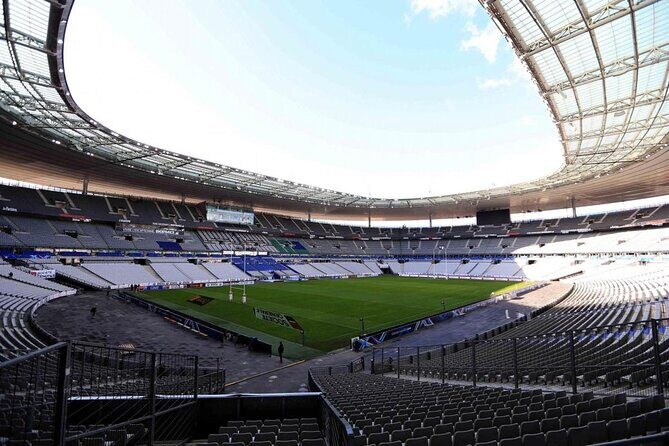
This is essentially the same 90-minute behind-the-scenes tour, booked through Viator instead of GetYourGuide. The price is $23 per person — a couple of dollars more. You see the same areas: changing rooms, tunnel, pitchside, VIP boxes, press room, museum. The guides are the same staff, working the same routes.
Why consider the Viator option? If you’re already booking multiple Paris activities through Viator (the Viator version is popular with people combining several bookings), having everything in one app is convenient. Viator also runs its own loyalty programme and occasional discount codes. But if price is the deciding factor, the GetYourGuide listing above saves you a couple of dollars for the identical experience.
One reviewer described the tour as “much more than we expected” — and that’s the general sentiment. People come thinking it’ll be a 90-minute walk around a stadium, and they leave having learned about everything from World Cup history to Olympic athletics to how they convert the pitch configuration for rugby versus football.
The History — And Why This Isn’t Just Another Stadium

A lot of stadium tours are basically… stadiums. Big concrete bowls with seats and a pitch. The Stade de France earns its tour because of what’s happened inside it. The building carries an unusual density of significant moments.
It was purpose-built for the 1998 FIFA World Cup, designed by the architects Macary, Zublena, Regembal, and Costantini. Construction took two years, which is genuinely fast for a structure this size. The French government funded most of it, and the plan was always to sell naming rights to a sponsor afterwards. But when they put it out to tender, no company offered what the government considered enough money. So “Stade de France” — which was always meant to be a working title — became the permanent name. There’s something brilliantly French about that.

On July 12, 1998, France beat Brazil 3-0 in the World Cup final here. Zidane scored two headers in the first half, Emmanuel Petit added a third in stoppage time. It’s widely considered the greatest sporting event ever held in France — 1.5 million people celebrated on the Champs-Elysees that night, and the country essentially shut down for a day. The stadium tour guides tell this story particularly well, especially when you’re standing in the tunnel where the players walked out.
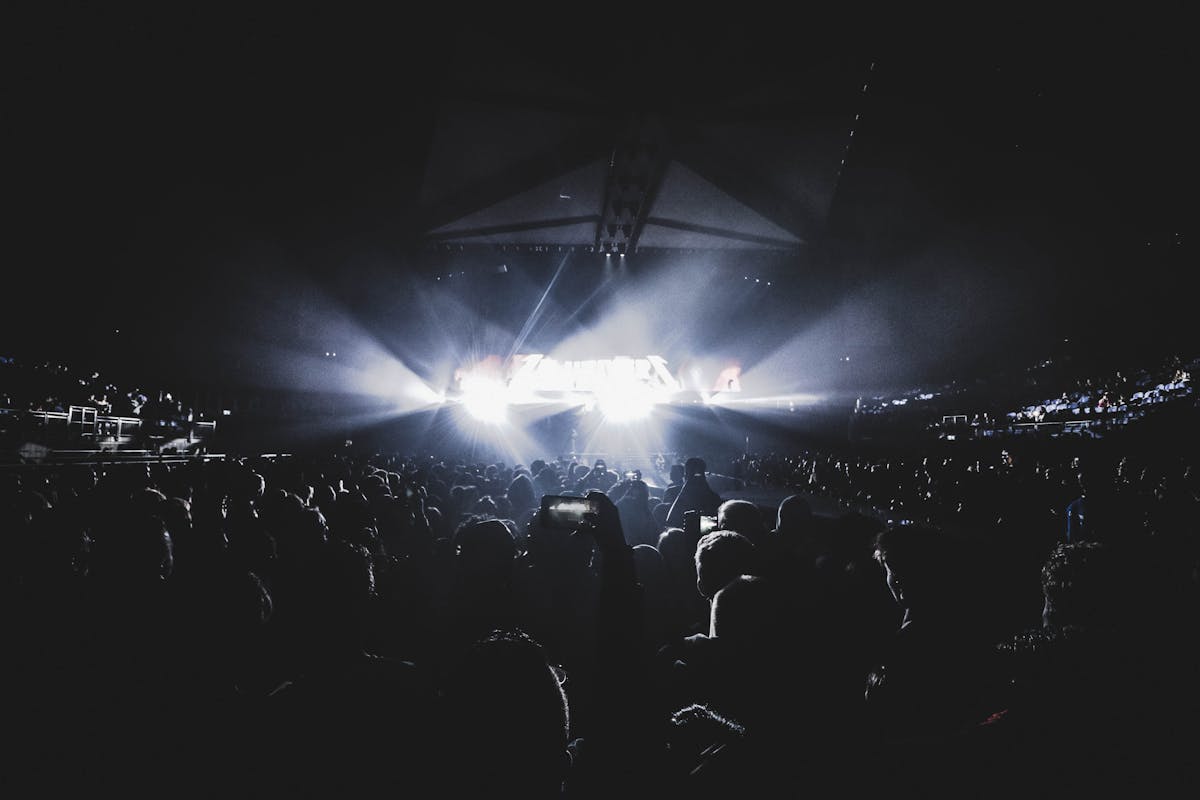
The stadium has hosted six Champions League finals, multiple French cup finals, Six Nations rugby matches, the 2003 World Athletics Championships, and the 2024 Paris Olympics (athletics and rugby sevens). It’s also one of Europe’s biggest concert venues — acts from Beyonce to Depeche Mode to the Rolling Stones have played here.
And then there’s November 13, 2015. During a France-Germany friendly match, three suicide bombers detonated explosives outside the stadium as part of the coordinated Paris attacks. The explosions were audible inside the ground. The match continued — officials decided that stopping play could cause a stampede. When the game ended, spectators were evacuated onto the pitch rather than into the streets. It’s one of the defining moments of the 2015 attacks, and the tour addresses this history with appropriate weight. The museum includes a section on the events and the stadium’s resilience afterwards.
When to Visit
The tour runs most days of the year, but there are important exceptions. On match days and major event days, tours are cancelled. This happens more often than you’d think — between football, rugby, concerts, and special events, the stadium can be unavailable for tours several days a month, especially in spring and autumn when the Six Nations and concert season overlap.
Best strategy: Check the Stade de France event calendar before you book. If there’s a match or concert scheduled on your preferred day, pick a different date.
Tour times vary by season. In peak months (roughly April through October), there are more departure times and more English-language slots. In winter, the schedule tends to shrink. The first tour of the day usually starts around 10:00 AM, with the last tour departing in the early to mid-afternoon.
How long you’ll spend: The guided tour itself is 90 minutes. Add 20-30 minutes if you want to browse the museum properly, and factor in 15-20 minutes for the journey from central Paris. So budget about 2.5 hours door-to-door from a central Paris hotel.
Weekday mornings tend to be quieter than weekends. If you don’t like crowds, Monday to Thursday is your best bet.
How to Get There
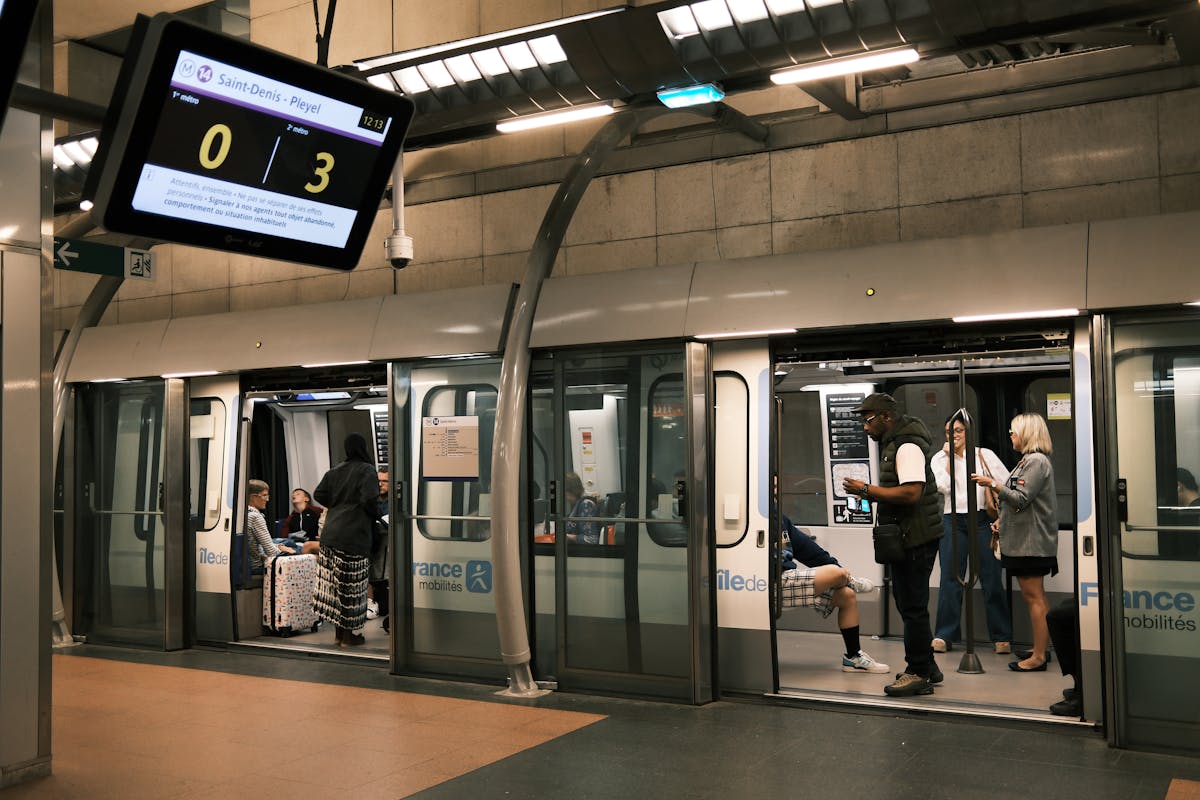
The Stade de France is in Saint-Denis, just north of central Paris. It’s not in the tourist centre, but getting there is simple on public transport.
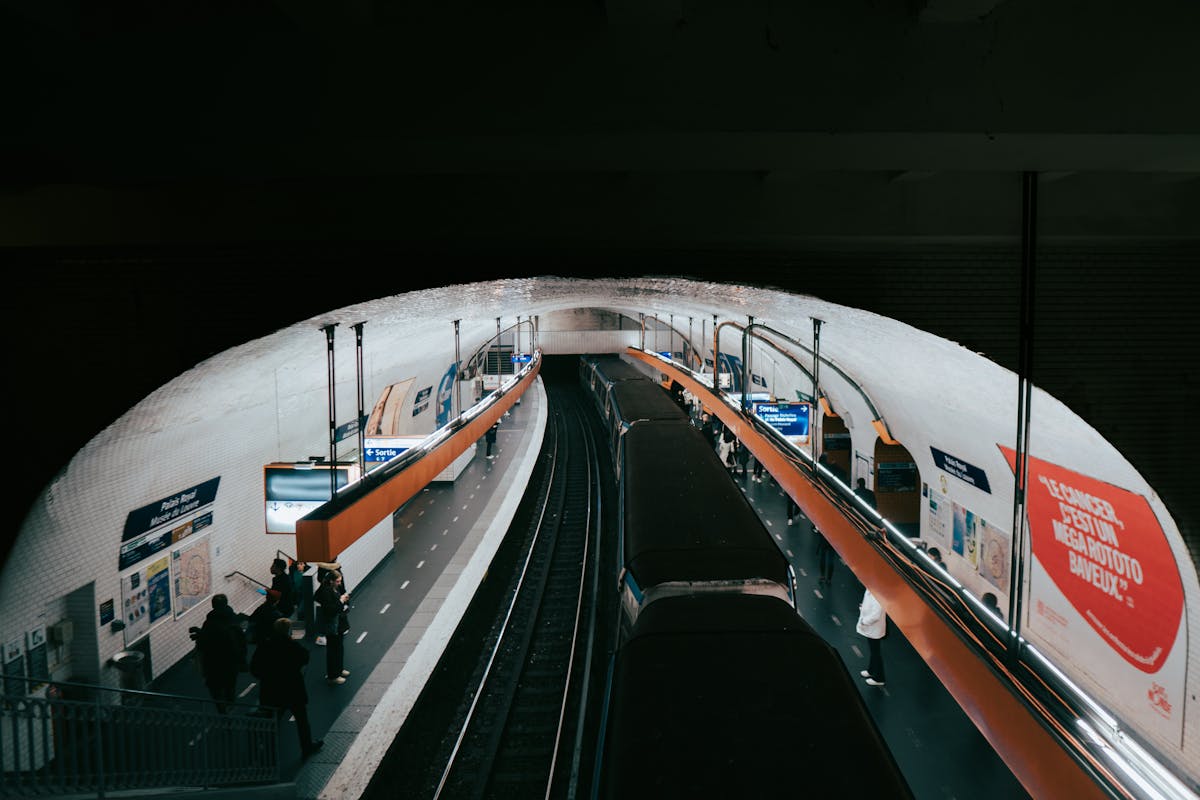
RER B: Take line B to La Plaine – Stade de France station. From Gare du Nord, it’s about 5 minutes. From Chatelet-Les Halles, about 10 minutes. This is the quickest option from most central Paris locations.
RER D: Take line D to Stade de France – Saint-Denis station. Similar journey time from Gare du Nord.
Metro Line 13: Get off at Saint-Denis – Porte de Paris. It’s a 10-minute walk from this station to the stadium — not as convenient as the RER but workable if Line 13 is more direct from where you’re staying.
By car: Don’t. Parking near the stadium is limited and expensive, and the area’s road layout is confusing even for locals. Public transport is genuinely easier here.
From most central Paris hotels, the total door-to-door journey is 20-30 minutes. The Stade de France is well signposted once you exit the RER or metro station — follow the crowd (or the signs) and you can’t really miss it. It’s enormous.
Tips That Will Save You Time
Book ahead for English tours. The French-language tours run more frequently. English slots are limited, especially in off-peak months. Book at least a few days in advance if you specifically want an English-speaking guide.
Check the event calendar first. This is the single biggest cause of disappointed visitors. Tours don’t run on match days or event days, and the stadium hosts more events than you’d expect. A quick check of the schedule saves you a wasted trip to Saint-Denis.
Wear comfortable shoes. You’ll cover a lot of ground — the stadium is genuinely massive. Stairs, tunnels, corridors, stands. It’s not strenuous, but heels or uncomfortable shoes will make the 90 minutes drag.
Bring a camera. Photography is allowed throughout the tour, including in the changing rooms, the tunnel, and pitchside. The tunnel walk onto the pitch is the money shot — everyone takes it, and it looks fantastic.

Combine with other Saint-Denis sights. The Basilica of Saint-Denis (where most French kings are buried) is a 15-minute walk from the stadium. If you’re already making the trip north, it’s worth pairing the two. The basilica is genuinely underrated — most Paris visitors never make it out here.
The museum is self-paced. After the guided portion, you can spend as much or as little time in the museum as you like. If you’re a sports history person, don’t rush it — there’s good content on the World Cup, the Olympics, and the stadium’s construction.
Arrive 10-15 minutes before your tour time. You need to collect tickets and gather with your group at the meeting point. Showing up at the exact start time means you might miss the beginning.
What You’ll Actually See Inside
The tour follows a set route through the stadium’s behind-the-scenes areas. Here’s what you walk through, roughly in order:
The Museum: Covers the stadium’s history from construction in 1995-1998 through to the present. There are jerseys, match memorabilia, photos from major events, and interactive exhibits about the stadium’s engineering. The retractable seating system that converts the venue from football to athletics configuration is particularly interesting — they can reconfigure 25,000 seats.
The Presidential Suite: Where the President of France sits during major events. It’s absurdly luxurious — private viewing area, bar, dining space, all with a direct sightline to the centre of the pitch. The guide will usually mention which presidents have watched which events from here.
The VIP Boxes: The private boxes used by corporate sponsors and high-end guests during events. Full catering setup, private bathrooms, the works. They give you a sense of just how much money flows through this building on event nights.
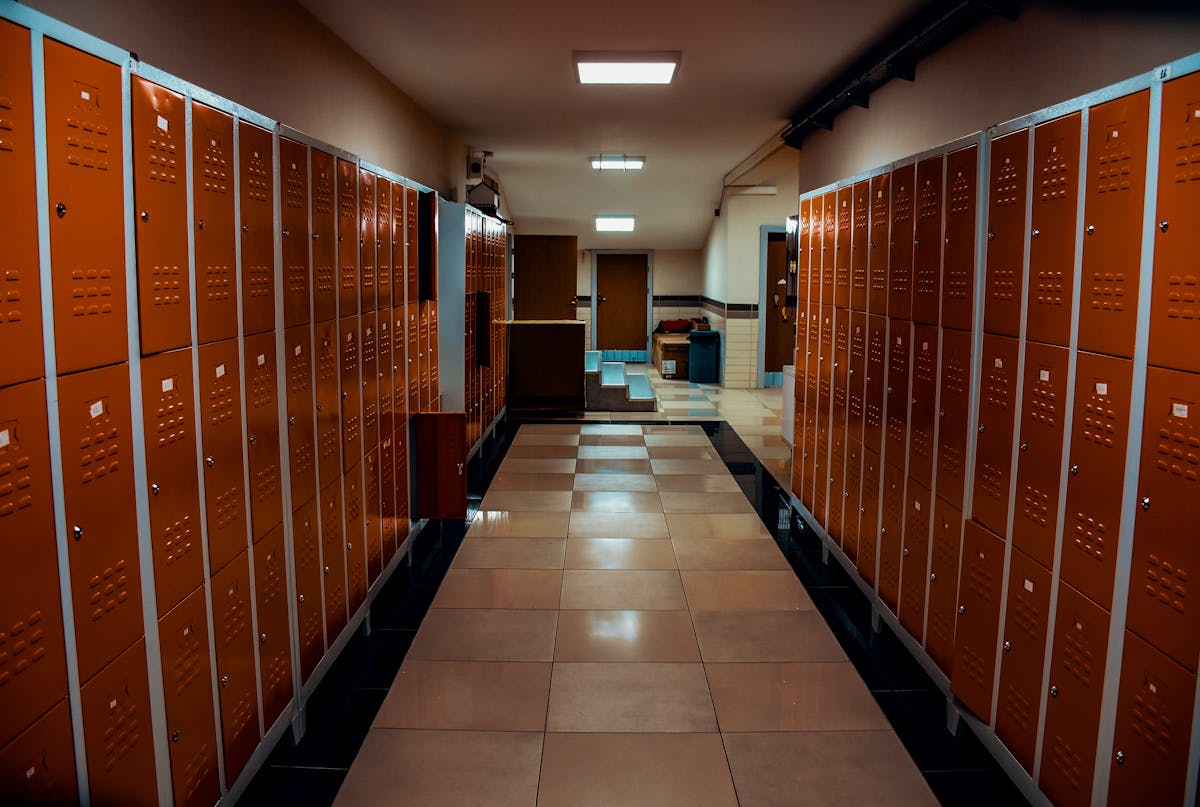
The Changing Rooms: Two of them — one for each team. Jerseys are usually hung up on the hooks, the tactical boards are on the walls, and you get to sit on the same benches where World Cup squads, Champions League finalists, and Olympic athletes have sat. This is where the tour gets real for most visitors. The guide typically tells the story of what happened in this room before the 1998 final.
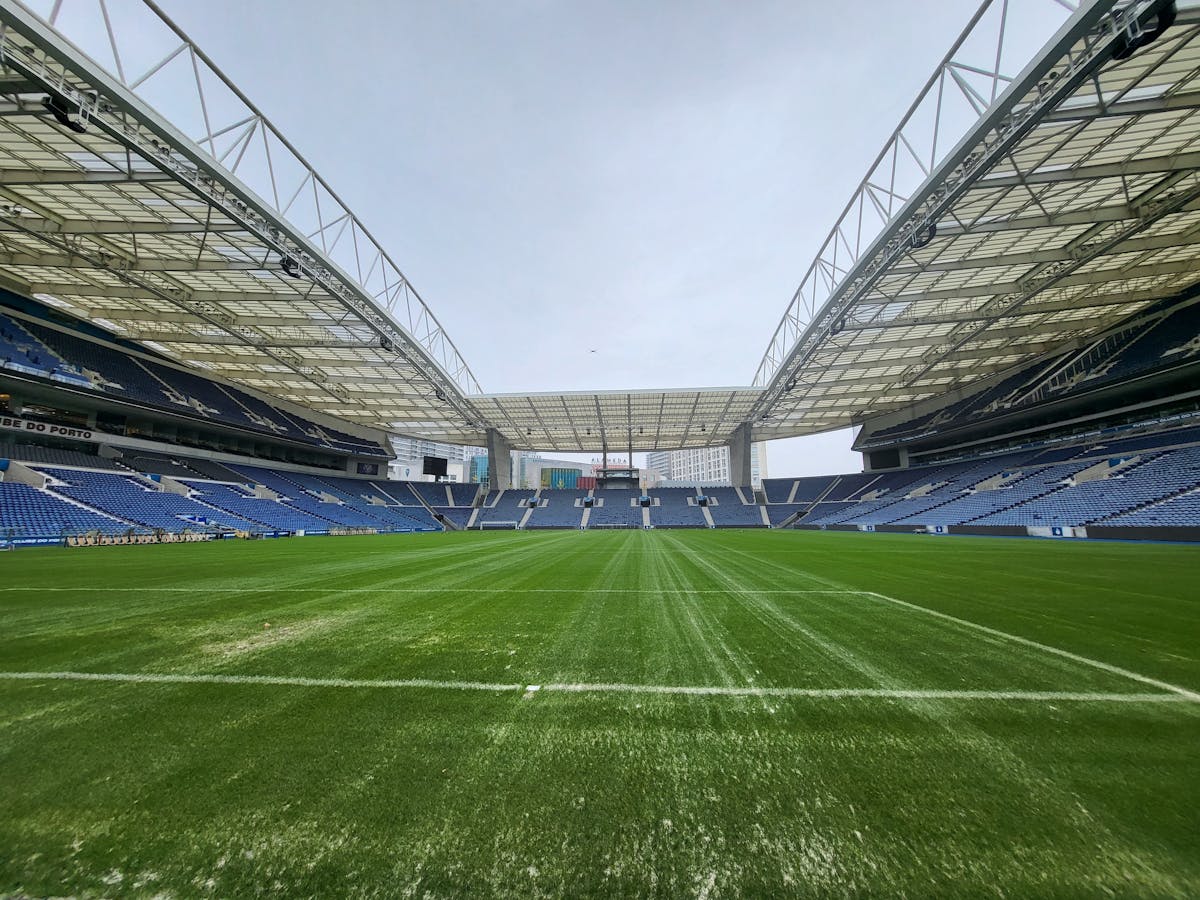
The Player Tunnel: The walk from the changing rooms through the tunnel and out toward the pitch is the highlight of the entire tour. You emerge into the stadium and see all 80,698 empty seats stretched out in front of you. It’s a surreal moment — the scale is hard to process until you’re standing there.

The Press Conference Room: Where managers and players give post-match interviews. You can sit at the desk, the branded backdrop behind you, microphones in front. It’s a great photo opportunity and the guide usually has good stories about memorable press conferences held here.
Pitchside: You walk along the edge of the pitch itself. Depending on the day and what’s scheduled next, you might get close to the actual playing surface. Even from the track, the perspective is completely different from watching on TV — the pitch looks both bigger and more intimate than you’d expect.
A Stadium That’s Seen Everything
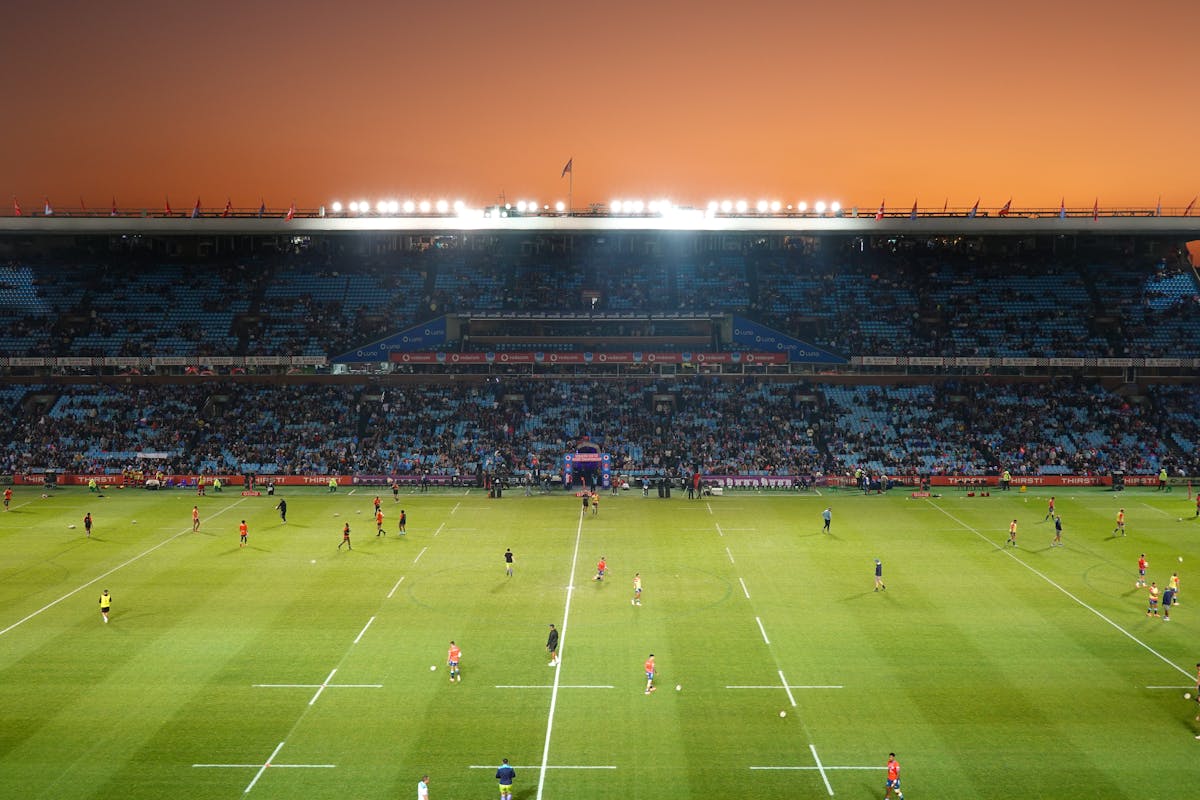
What makes the Stade de France tour different from other stadium tours I’ve done is the range of history packed into one building. Most stadiums are about one sport. This one has hosted a World Cup final, Champions League finals, Olympic athletics, Six Nations rugby, World Athletics Championships, and major concerts — and it’s also been a site of national tragedy. The 2015 attacks left a mark on this place that the tour handles with genuine respect. You don’t leave feeling like you’ve done a corporate PR exercise. You leave feeling like you’ve walked through a building that matters.
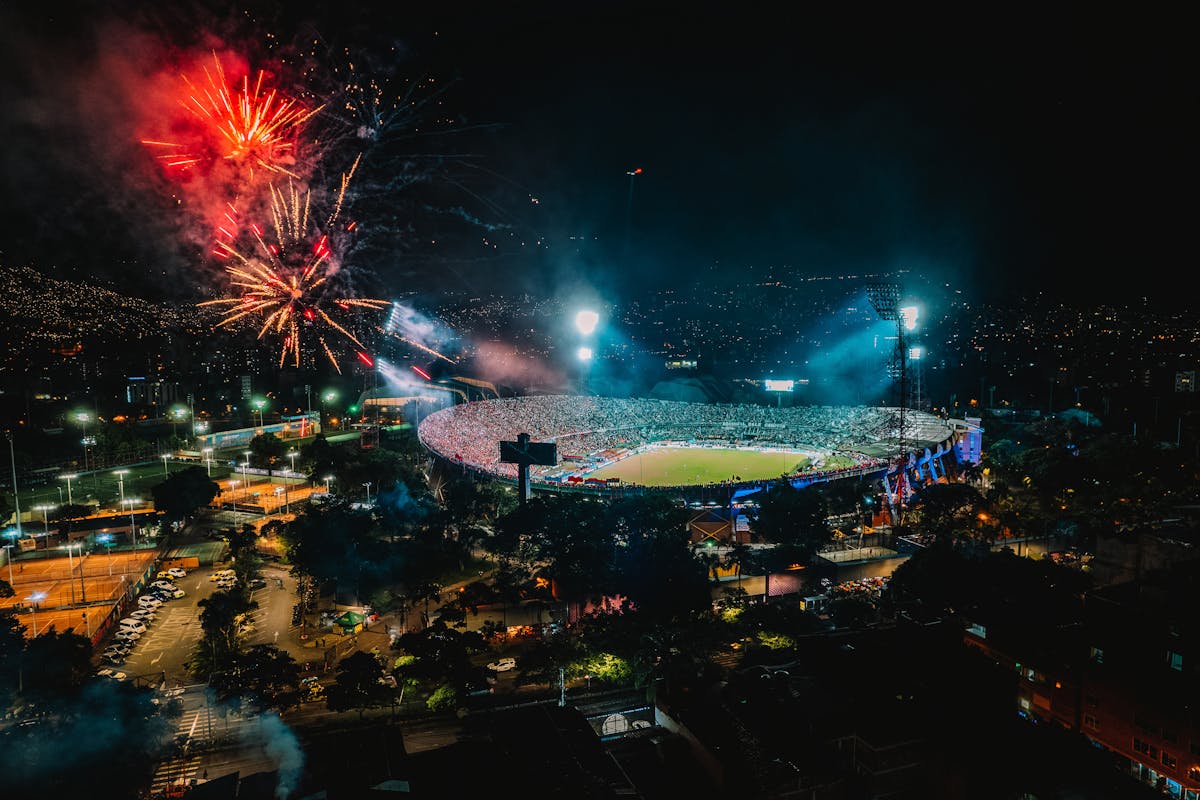
At $21 per person, it’s one of the better-value tours in Paris. The Louvre costs more and you’ll share it with thousands. The Eiffel Tower summit tickets are significantly more. Here, you get 90 minutes with a guide, access to areas the public never sees, and a museum — and the group sizes are usually small enough that you can actually ask questions and take your time.
More Paris Guides
If you’re spending a few days in Paris, there’s no shortage of things to book ahead. The Louvre and Musee d’Orsay both need advance tickets these days, and our guides walk you through the skip-the-line strategies. The Eiffel Tower is the same story — booking early is the difference between a 2-hour queue and walking straight in. For something darker and completely different, the Paris Catacombs are underground and fascinating, though the tours sell out fast. If you’d rather stay above ground, a Seine dinner cruise is a solid way to end a long day, and a Montmartre walking tour covers the most photogenic neighbourhood in the city. For day trips, the Palace of Versailles is the classic choice, or go further afield with a D-Day beaches tour from Paris if you’re interested in WWII history.
This article contains affiliate links. If you book a tour through our links, we earn a small commission at no extra cost to you. This helps us keep creating free travel guides.