
Thirty metres below the surface of the Atlantic, everything goes quiet. The diesel engine cuts out once the Sub Fun Cinco reaches depth, and all you hear is the soft hum of electric motors and the occasional ping of a sonar echo. Through the porthole windows, the volcanic seabed of southern Tenerife stretches out in every direction — lava tubes, sand patches, and the rusted skeleton of a decommissioned fishing boat that the local government sank deliberately to create an artificial reef.
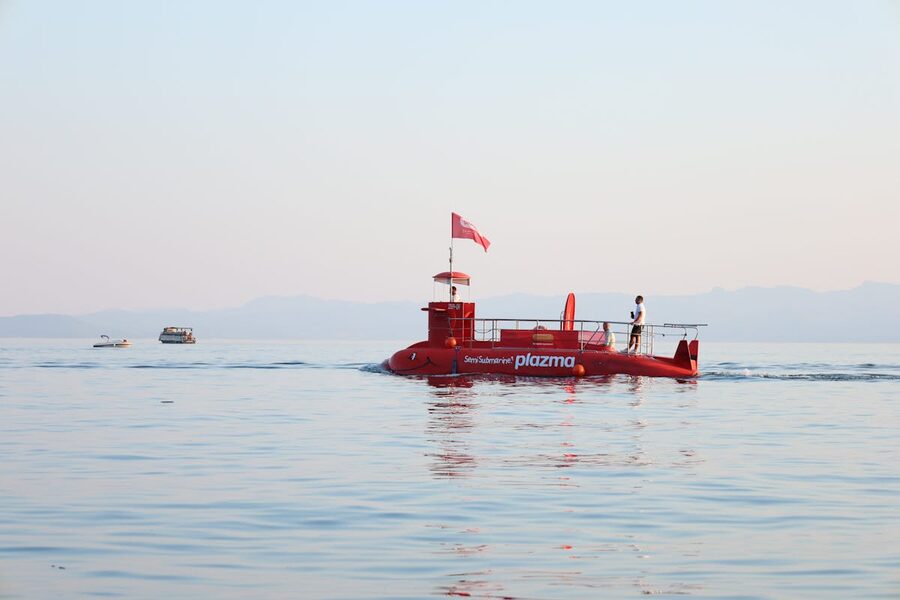
I wasn’t sure what to expect from a tourist submarine. I’d imagined something gimmicky — a glorified glass-bottom boat that barely went below the waterline. This wasn’t that. The Sub Fun Cinco is a proper submarine. It dives to 30 metres, the portholes are big enough to see properly, and the marine life along the southern Tenerife shelf is genuinely impressive.
This guide breaks down the submarine dive options, what you’ll actually see underwater, and all the practical information you need to book the right trip.
- In a Hurry? Top Picks
- Why Tenerife’s Underwater World Is Special
- The Submarine Options
- 1. Southern Tenerife: 50-Minute Submarine Dive —
- 2. Puerto de la Cruz: Submarine Trip and Beach Stop —
- 3. Submarine Tour Tenerife: 1-Hour Underwater Experience —
- What You’ll Actually See Underwater
- How to Book
- The Submarine Itself: What to Know Before You Go
- Tenerife’s Volcanic Underwater World
- Practical Tips
- Who Should Book (and Who Shouldn’t)
- What Else to Do Around the Coast
In a Hurry? Top Picks
Best overall: 50-Minute Submarine Dive from Amarilla Marina — $72/person, 50 min underwater. The main event. Full submarine dive to 30 metres with expert commentary.
Best full-day combo: Submarine Trip and Beach Stop from Puerto de la Cruz — $87/person, 7 hours. Includes transport from the north, the submarine dive, and a beach afternoon in Playa de las Americas.
Best Viator option: 1-Hour Submarine Tour via Viator — $74/person, 1 hour. Same submarine, different booking platform. Good if you prefer Viator’s cancellation policy.
Why Tenerife’s Underwater World Is Special
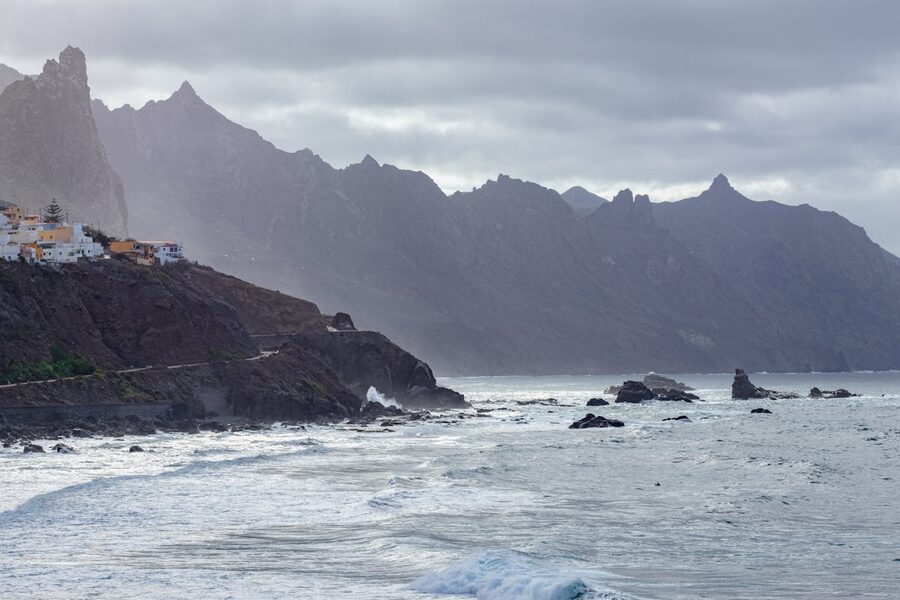
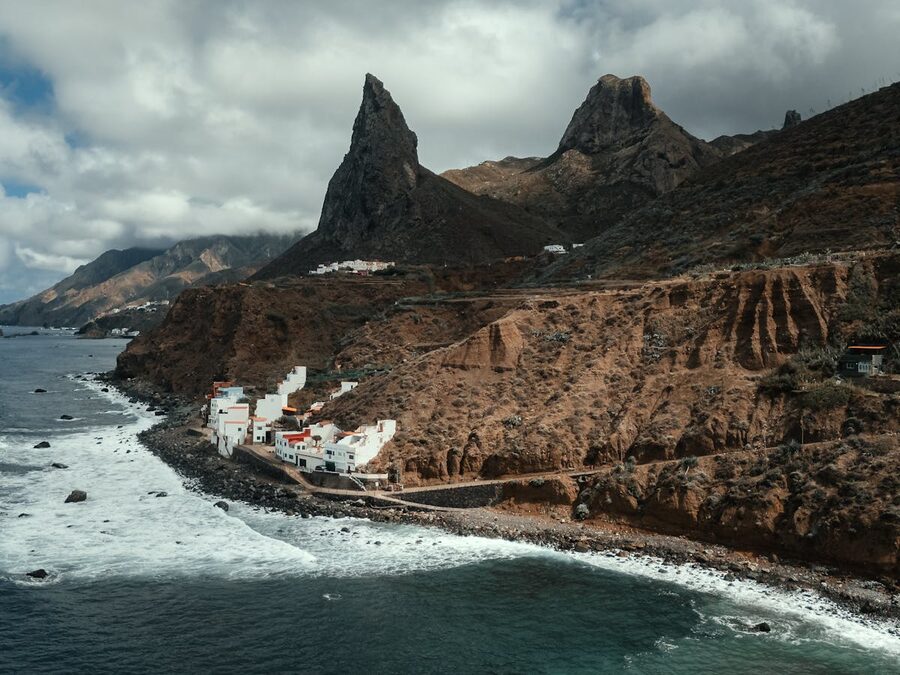
Tenerife’s volcanic topography doesn’t stop at the shoreline. The island’s underwater landscape is a continuation of the same volcanic forces that built Mount Teide — the third tallest volcano in the world, measured from its ocean-floor base. Just a few kilometres offshore, the seabed drops to over 3,000 metres. The submarine route follows the shallow shelf before that abyss, tracing the contours of lava flows that cooled into tubes, arches, and caves thousands of years ago.
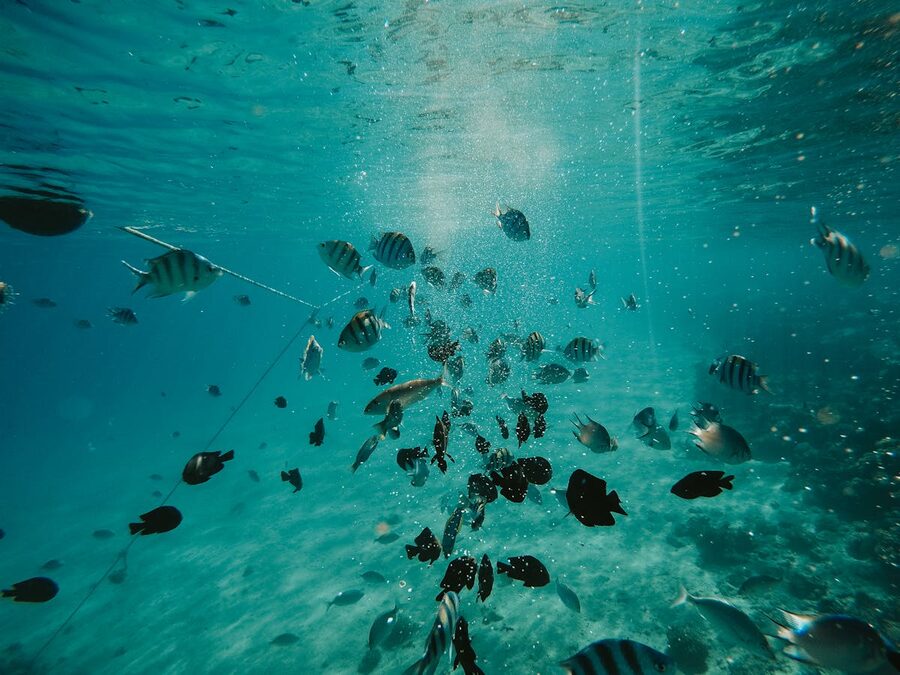
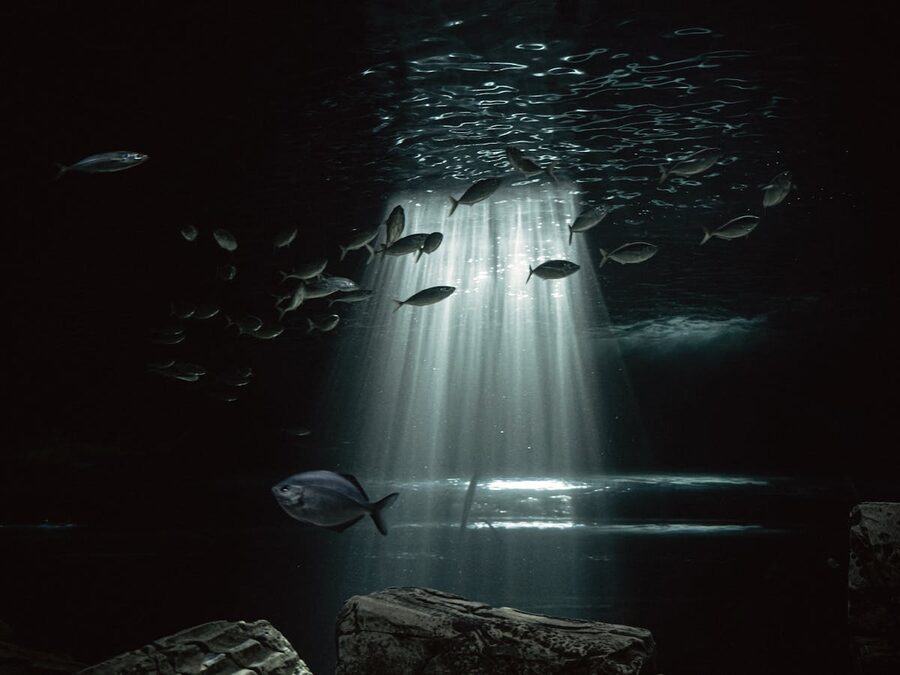
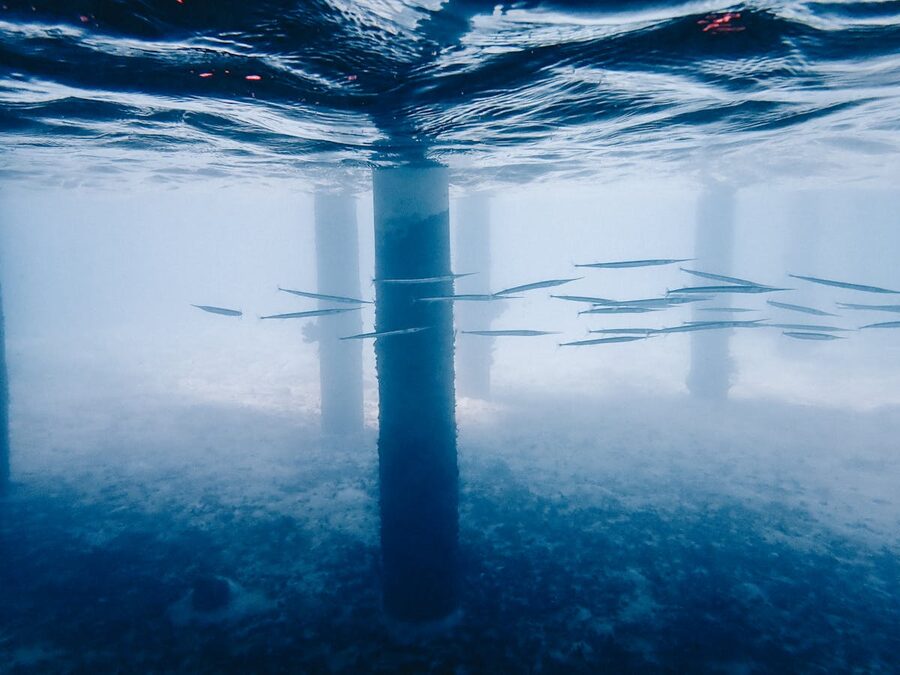
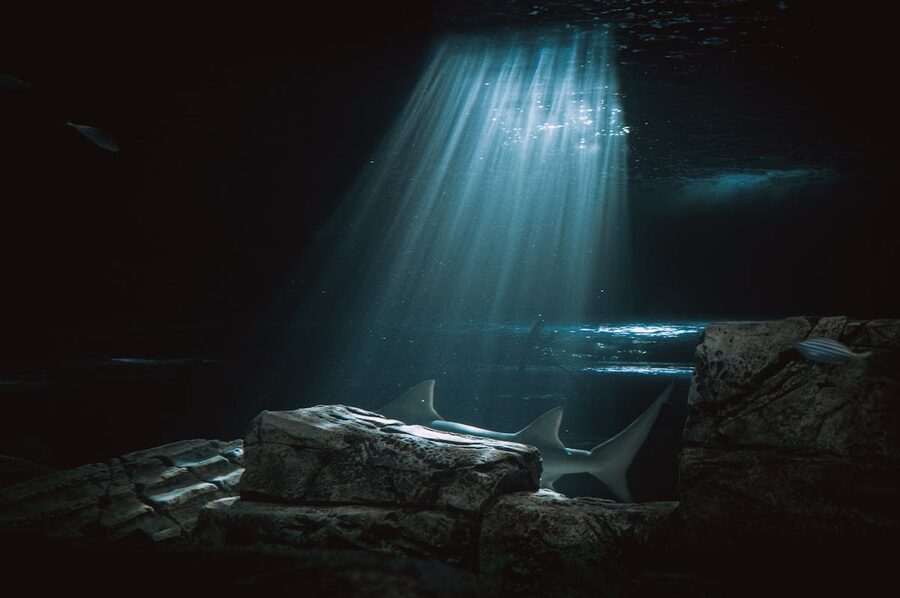
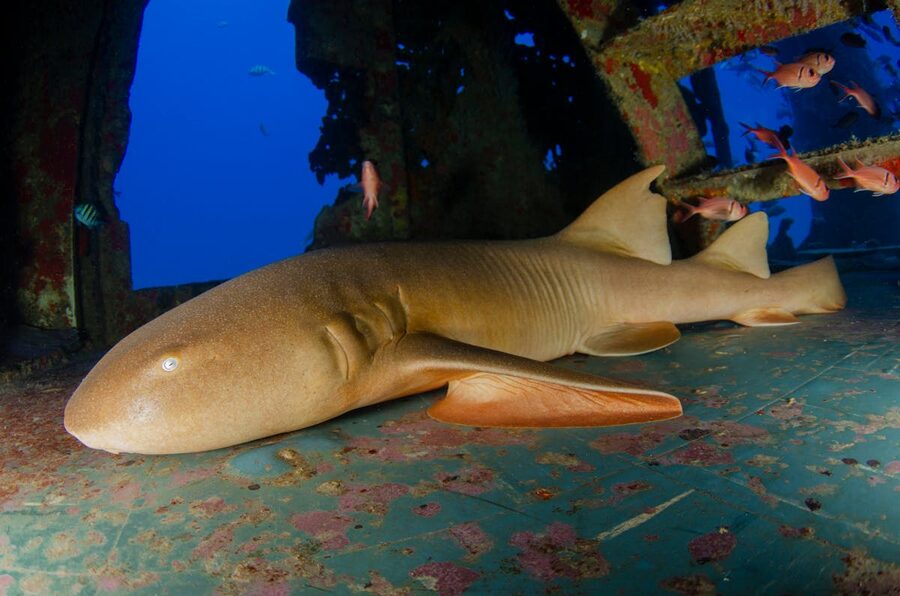
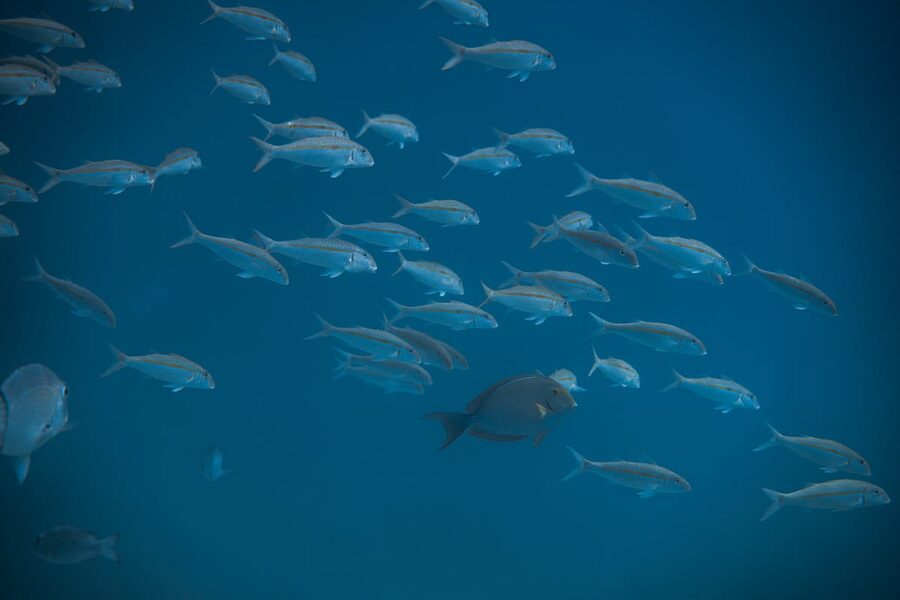
The water temperature in southern Tenerife stays between 18 and 24 degrees Celsius year-round, which means the marine life is a mix of Atlantic and tropical species. Angel sharks hide flat against the sandy patches between lava outcrops. Stingrays cruise the sandy corridors. Large schools of barracuda patrol the mid-water. And the artificial reefs — created from decommissioned boats and concrete structures sunk deliberately — have become magnets for groupers, moray eels, and clouds of damselfish.
The best part: you see all of this without getting wet. The submarine has large viewing windows on both sides, and the underwater lighting illuminates everything within a 10-metre radius. On a good visibility day, you can see 20-25 metres through the portholes.
The Submarine Options
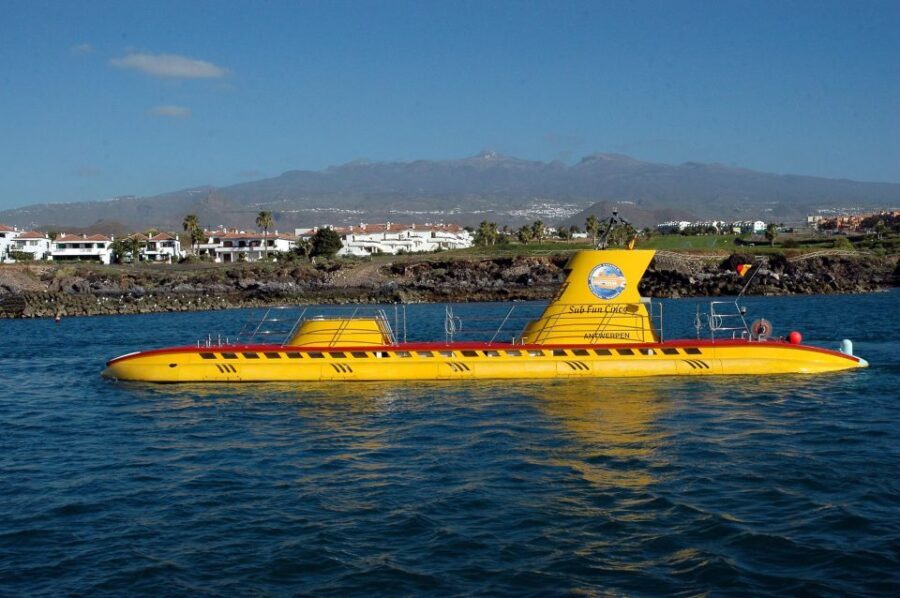
There’s really one submarine operating in Tenerife — the Sub Fun Cinco based at Amarilla Marina in the south. But you can book the experience through different tour packages depending on where you’re staying and what else you want to do.
1. Southern Tenerife: 50-Minute Submarine Dive — $72
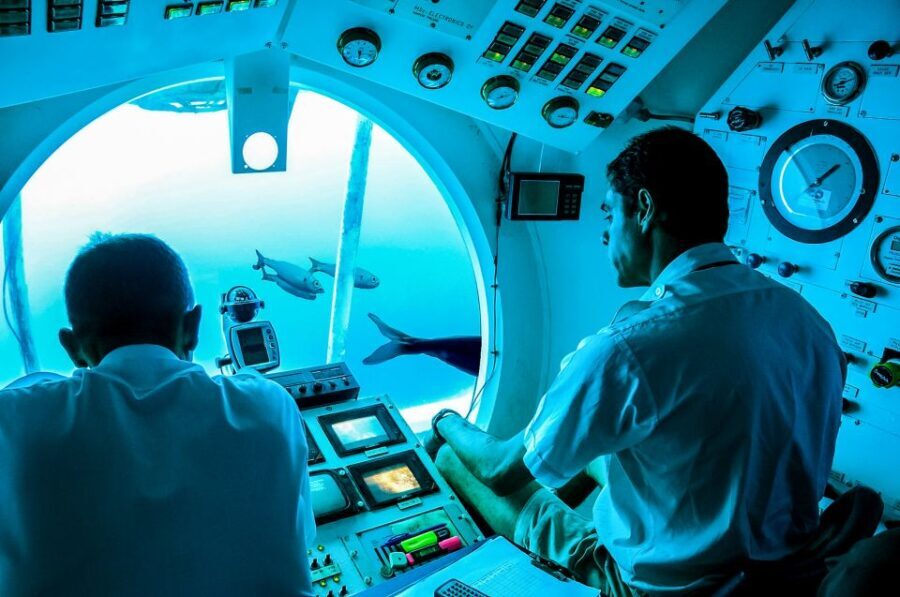
This is the core experience and the one I’d recommend for most people. You board at Amarilla Marina, descend for about 50 minutes, and see the volcanic seabed up close. The commentary comes in multiple languages and the crew points out specific marine life as it appears — angel sharks on the sand, groupers hiding in the wreck, barracuda schooling overhead. At $72, it’s one of the more affordable unique experiences in the Canaries. Our full review of the 50-Minute Submarine Dive covers the seating layout and which side of the sub gets the best views. Book the morning departure for the clearest water.
2. Puerto de la Cruz: Submarine Trip and Beach Stop — $87
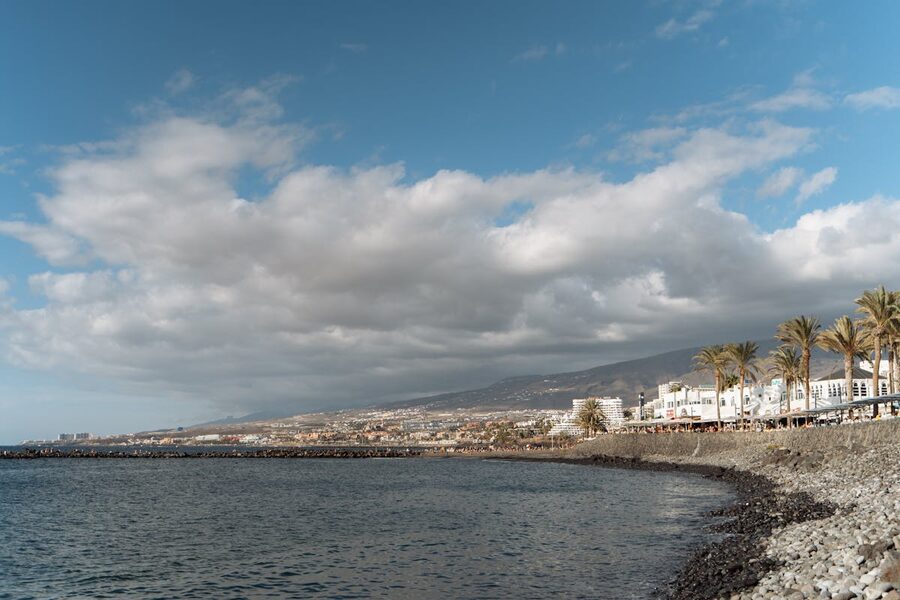
If you’re staying in Puerto de la Cruz or anywhere on the north coast, the submarine is a 90-minute drive south. This 7-hour package solves that problem: coach transfer from Puerto de la Cruz, the submarine dive at Amarilla Marina, then free time on Playa de las Americas beach before the bus brings you back. At $87, you’re paying about $15 over the standalone dive for door-to-door transport and a beach afternoon. Our detailed review of the Puerto de la Cruz Submarine Trip breaks down the timing and whether the beach stop is worth it. Honestly, the beach in Playa de las Americas is nothing special — the submarine is the reason to book this one.
3. Submarine Tour Tenerife: 1-Hour Underwater Experience — $74
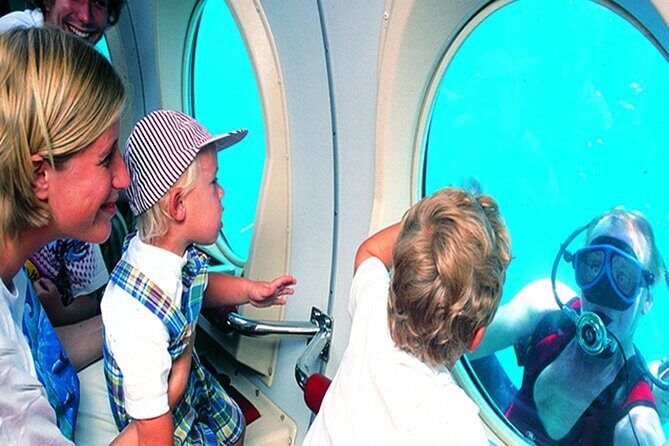
This is the same Sub Fun Cinco experience, listed through Viator rather than GetYourGuide. The dive itself is identical — same submarine, same route, same crew. The price difference is negligible ($74 vs $72). The main reason to consider this version is if you already have Viator credits, prefer their app, or want their specific cancellation terms. The Viator listing review has more detail on the booking process. A diver accompanies the submarine outside during the dive and waves at passengers through the windows, which the kids absolutely love.
What You’ll Actually See Underwater
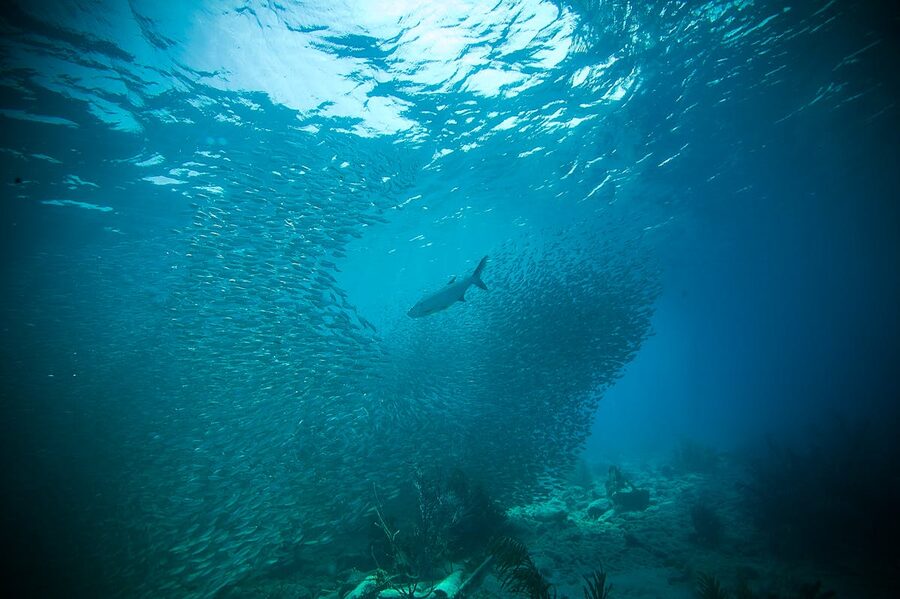
The submarine follows a set route along the southern coast, passing over volcanic rock formations, sand patches, and the deliberately sunken wreck structures. Here’s what to expect at each stage of the dive.
The descent (first 5 minutes): The submarine sinks slowly from the surface, and the colour of the water changes from bright turquoise to deep blue. You can see the surface getting further away through the top windows. Fish start appearing almost immediately — small damselfish and wrasses that live in the shallow zone.
The volcanic landscape (minutes 5-20): Once at depth, the submarine cruises along the lava formations. These aren’t smooth rock faces — they’re rough, pitted, full of holes and overhangs where eels and octopus hide. The lava tubes (hollow tunnels formed when the outer layer of a lava flow cooled while the inside kept flowing) are the most dramatic features. Some are wide enough that the submarine passes right through their shadow.
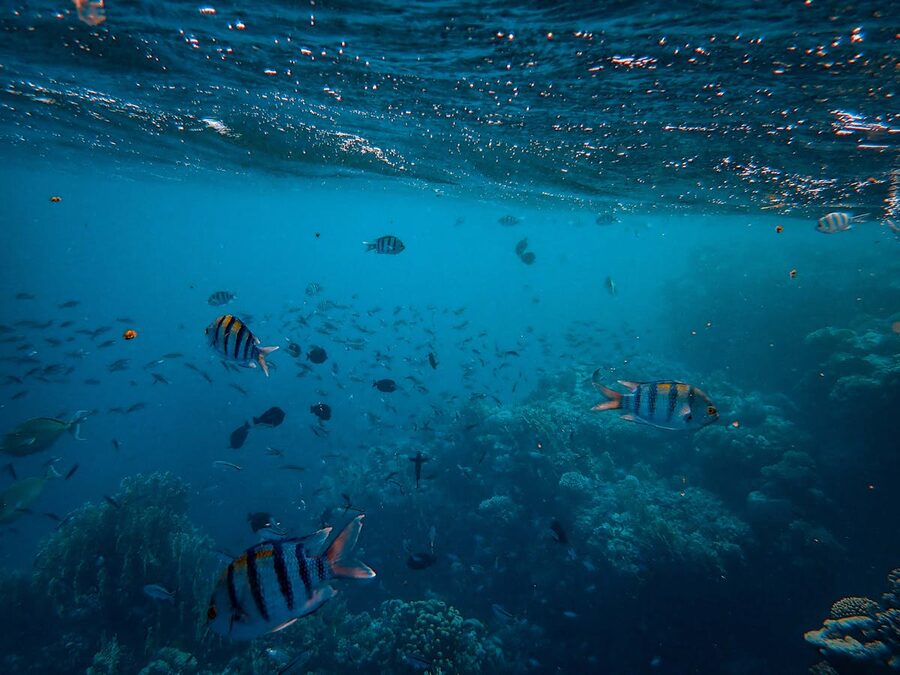
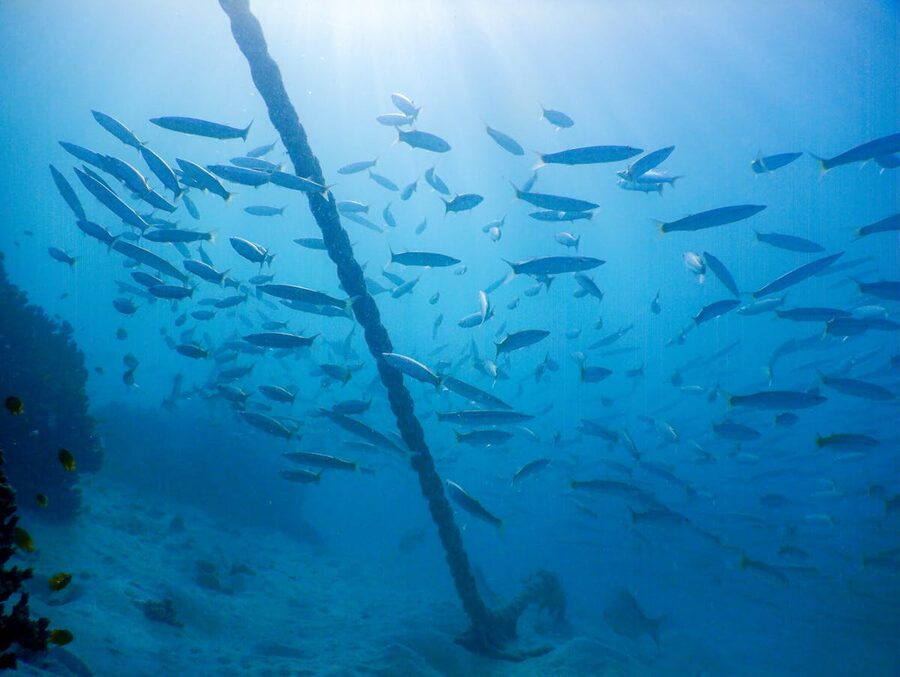
The artificial reef (minutes 20-35): The highlight for most passengers. The government sank several structures — including old boats and concrete blocks — to create habitat for marine life, and it worked spectacularly. Groupers the size of your torso lurk inside the wreck. Barracuda school above it in dense, shimmering clouds. The submarine’s lights illuminate the wreck section by section, and the commentary explains what each species is doing.
The sand flats (minutes 35-45): The submarine crosses open sand patches between rock formations. This is where you look for angel sharks and stingrays. Angel sharks are flat, camouflaged, and almost impossible to see unless you know what to look for — or unless the submarine’s lights catch the outline of their body against the pale sand. Stingrays are easier to spot. They tend to move when the sub approaches, flapping up in a cloud of sand before gliding away.
The ascent (last 5 minutes): The submarine rises back to the surface. The water gets lighter, and the fish thin out. It’s a gentle transition, not dramatic. You dock back at Amarilla Marina, climb out, and that’s it. The whole cycle takes about an hour from boarding to stepping off, with roughly 50 minutes actually underwater.
How to Book
Booking is simple. Choose your date on GetYourGuide or Viator, select a time slot, and pay online. You get an e-ticket to show at the marina. But there are some timing considerations worth knowing.
Book 2-3 days ahead in summer. The submarine runs multiple dives per day, but each one holds about 40 passengers and it sells out regularly from June to September. Off-season (November to March) you can often book the day before.
Morning dives have better visibility. The water is calmest and clearest before 11am. Afternoon dives are fine, but if you care about seeing the maximum detail through the portholes, pick the earliest slot. The submarine lights help regardless, but natural light adds depth and colour to everything.
Free cancellation up to 24 hours. Both the GYG and Viator listings offer full refunds if you cancel at least a day ahead. The submarine doesn’t run in bad weather (high waves make boarding unsafe), and if they cancel due to conditions, you get an automatic refund or can reschedule.
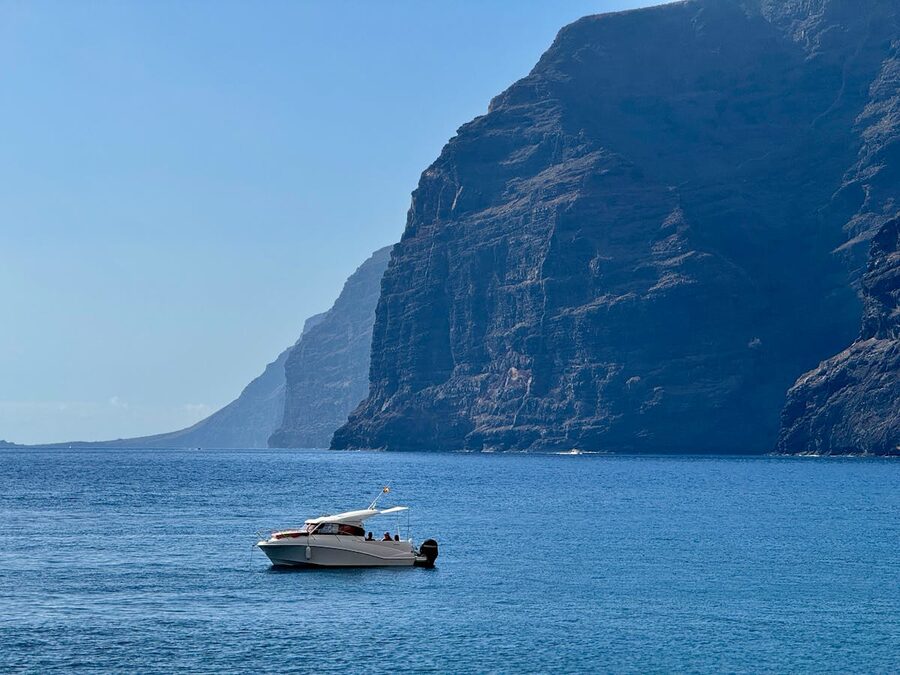
Getting there: Amarilla Marina is on the south coast, between Los Cristianos and the airport. If you’re staying in the south (Playa de las Americas, Los Cristianos, Costa Adeje), it’s a 15-20 minute drive or a short taxi ride. From the north (Puerto de la Cruz, La Orotava), it’s about 90 minutes by car — consider the combo tour with transport included.
The Submarine Itself: What to Know Before You Go
The Sub Fun Cinco is not a toy. It’s a proper submarine, certified to operate at depth, with all the safety systems you’d expect. That said, there are some things worth knowing so you’re not caught off guard.
Space: The submarine holds about 40 passengers. Seating is in rows along both sides, with portholes at each seat. There’s enough legroom for most adults, but it’s not spacious. If you’re very tall (over 190cm) or claustrophobic, be aware. The ceiling is low and the aisle is narrow.
Claustrophobia: This is the number one concern people raise. The submarine is well-lit inside, the portholes give you a constant view outward, and the dive doesn’t go so deep that you feel real pressure changes. Most people who think they’ll be claustrophobic end up fine because there’s always something to look at through the windows. But if you have genuine, diagnosed claustrophobia, think carefully. There’s no way out mid-dive.
Temperature: The submarine is air-conditioned, which matters because it’s in the Canaries and the inside of a sealed metal tube in the sun would be unbearable otherwise. It can still feel warm with 40 bodies inside, so dress light.
Accessibility: Getting into the submarine requires climbing down a narrow ladder through a hatch. If you have significant mobility issues, this may be challenging. The crew helps, but the entry is steep. Wheelchair users cannot board. Children under about 3 years old are technically allowed but will struggle to see through the portholes from the seats.
Photography: You can take photos through the portholes, but manage your expectations. Phone cameras struggle with the low light and the curved glass creates reflections. Turn off your flash (it just bounces off the glass), put your phone lens flat against the porthole surface to cut glare, and take lots of burst shots. Dedicated underwater cameras or GoPros pressed against the glass work better. The best photos come when the submarine’s lights illuminate something close — a grouper staring back at you, a stingray lifting off the sand.
Tenerife’s Volcanic Underwater World
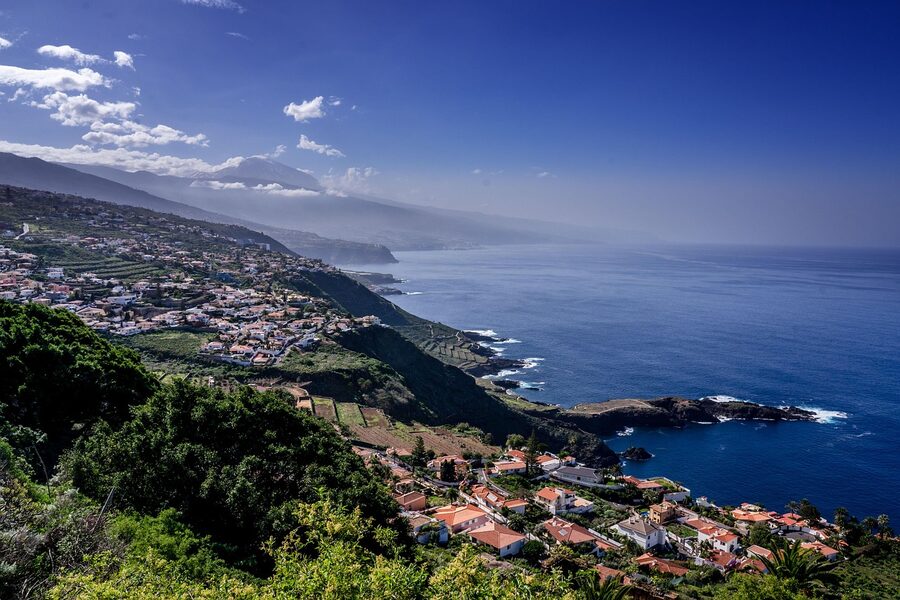
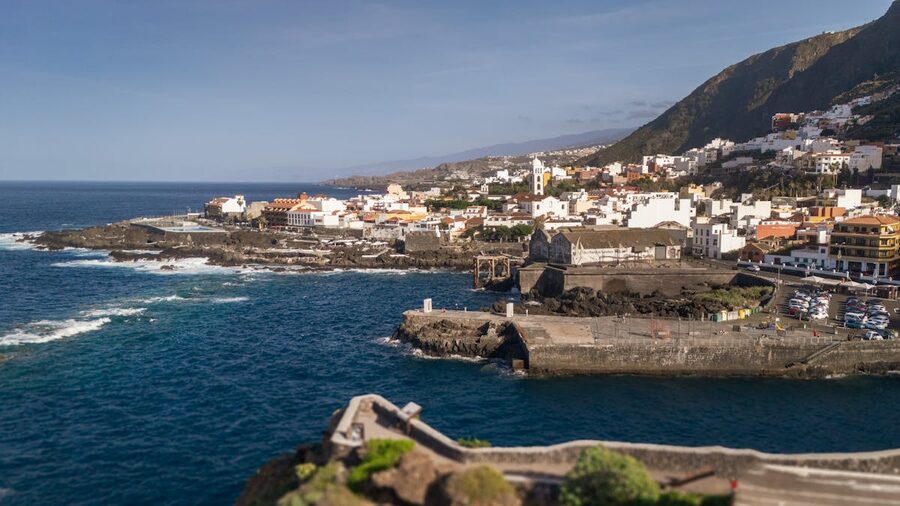
Tenerife is the largest of the Canary Islands and home to Mount Teide, which at 3,718 metres above sea level (and over 7,500 metres from its base on the ocean floor) is the tallest peak in Spain and the third tallest volcanic structure in the world. The same volcanic activity that built Teide shaped the underwater landscape around the island’s coast.
The submarine dive area off the south coast sits on a relatively shallow shelf that extends a few kilometres offshore before dropping catastrophically into the Atlantic abyss. The depth just beyond the shelf edge exceeds 3,000 metres — that’s deeper than many parts of the Mediterranean. The submarine stays well within the safe shallow zone, but knowing that the ocean floor falls away so steeply just beyond where you’re diving adds a certain thrill to the experience.
The lava tubes are the most geologically interesting features on the route. When lava flows into the ocean, the outer surface cools and hardens while the interior continues flowing, leaving hollow tubes behind. Some of these tubes are metres wide and extend for significant distances along the seabed. Marine life uses them as shelter, highways, and hunting grounds. The submarine lights catch the interior surfaces, which are often smooth and black, like the inside of a polished pipe.
The artificial reefs were placed in the early 2000s as part of a broader effort to boost marine biodiversity along Tenerife’s south coast. The strategy worked better than expected. Within just five years, the sunken structures were teeming with life — encrusted with algae, populated by territorial groupers, and patrolled by barracuda. The government has since added more structures, creating a corridor of artificial habitat that the submarine route follows.
Practical Tips
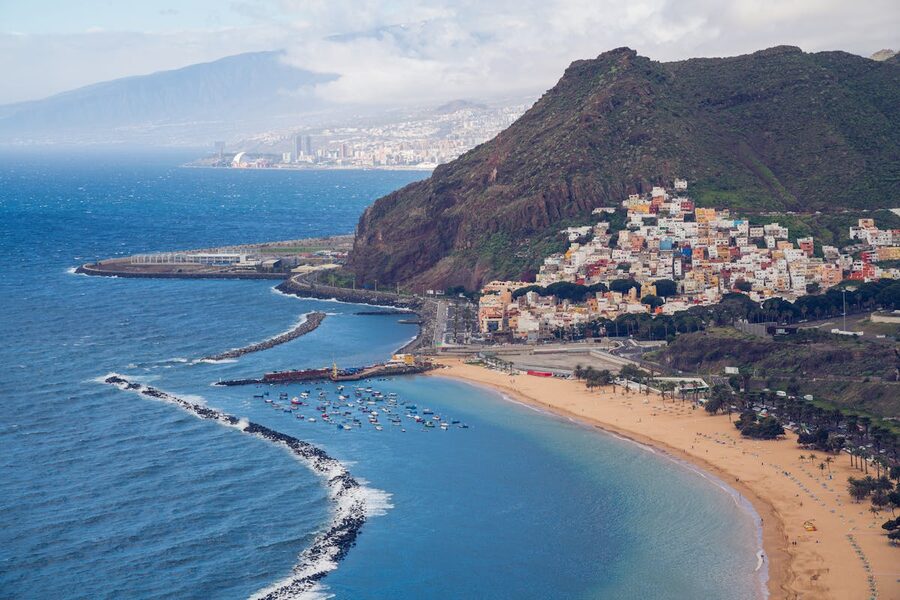
Arrive early. Check-in at Amarilla Marina opens 30 minutes before your dive time. There’s a short safety briefing and then you board. Arriving late means losing your slot — there’s no flexibility on departure times because the submarine runs on a tight schedule between dives.
Eat lightly beforehand. The submarine doesn’t rock like a boat (you’re fully submerged and stable), so seasickness isn’t usually an issue. But the descent can cause mild ear pressure changes, similar to flying. Swallowing or yawning helps equalize. If you’re prone to ear pain on flights, take a decongestant beforehand.
Pick your seat strategically. When boarding, try to sit toward the front of the submarine. The front portholes reach the interesting features first, giving you a few extra seconds to spot and photograph marine life before the sub passes. The back seats aren’t bad — you see everything the front sees — but you’re always looking at things as they pass rather than as they approach.
The diver outside: One of the Sub Fun Cinco’s signature touches is a professional diver who swims alongside the submarine during the dive. They interact with the marine life, point things out for passengers, wave through the portholes, and generally make the experience feel more interactive. Kids especially love this — there’s something surreal about seeing a person swimming freely outside while you’re sealed in a metal tube.
Combine with other activities: Amarilla Marina has a handful of restaurants and a small shopping area. It’s not a destination in itself, but it’s an easy 15-minute drive from the beach resorts. Combine the morning submarine dive with an afternoon at Siam Park (the massive water park nearby) for a full day of completely different water experiences.
Who Should Book (and Who Shouldn’t)
Perfect for: Families with kids over 5 (old enough to understand what they’re seeing and tall enough to look through the portholes comfortably). Non-swimmers who want to see underwater life without getting wet. Anyone who’s done the standard boat tours and wants something genuinely different. Older travellers who can manage the ladder entry but wouldn’t attempt scuba diving.
Not ideal for: People with serious claustrophobia. Anyone expecting a scuba-diving level of immersion (you’re looking through glass, not floating in the water). Thrill-seekers — the submarine is slow, deliberate, and educational rather than adrenaline-pumping. Very young children who can’t sit still for 50 minutes in a confined space.
The honest assessment: this is one of those experiences that’s better than it sounds on paper. “Tourist submarine” sounds cheesy. The reality — descending to 30 metres, watching angel sharks glide past your porthole, seeing a wreck teeming with life in total silence — is genuinely memorable. It’s not the most exciting thing you’ll do in Tenerife, but it might be the most unusual.
What Else to Do Around the Coast
If the submarine gets you curious about Tenerife’s marine life, you’ve got options. Whale watching from Los Cristianos is the island’s most popular ocean excursion — pilot whales are resident year-round and sighting rates are exceptionally high. Kayaking off the coast gets you on the water under your own power, often with dolphins appearing alongside. Over on Gran Canaria, a similar submarine experience operates from Puerto de Mogan — worth comparing if you’re island-hopping. And if you’re spending time in Fuerteventura, the dolphin watching cruises there are some of the best in the Canaries, with sighting rates above 90% in calm conditions. For a completely different Tenerife day out, Loro Parque has one of Europe’s best aquariums, and Siam Park is regularly listed among the world’s top water parks.
Disclosure: This article contains affiliate links. If you book through our links, we earn a small commission at no extra cost to you.