
I found the trattoria by accident. No sign outside, just a cracked wooden door propped open with a wine crate and the sound of someone arguing about calcio on a radio somewhere above. Inside, an elderly man was hand-rolling gnocchi at a marble counter while his wife shouted orders from a kitchen the size of a closet. There was no menu. She brought out whatever she had made that morning — carciofi alla romana, a plate of tonnarelli cacio e pepe so peppery it made my eyes water, and a carafe of white wine from the Castelli Romani that tasted like cold stone fruit. The bill was 14 euros.
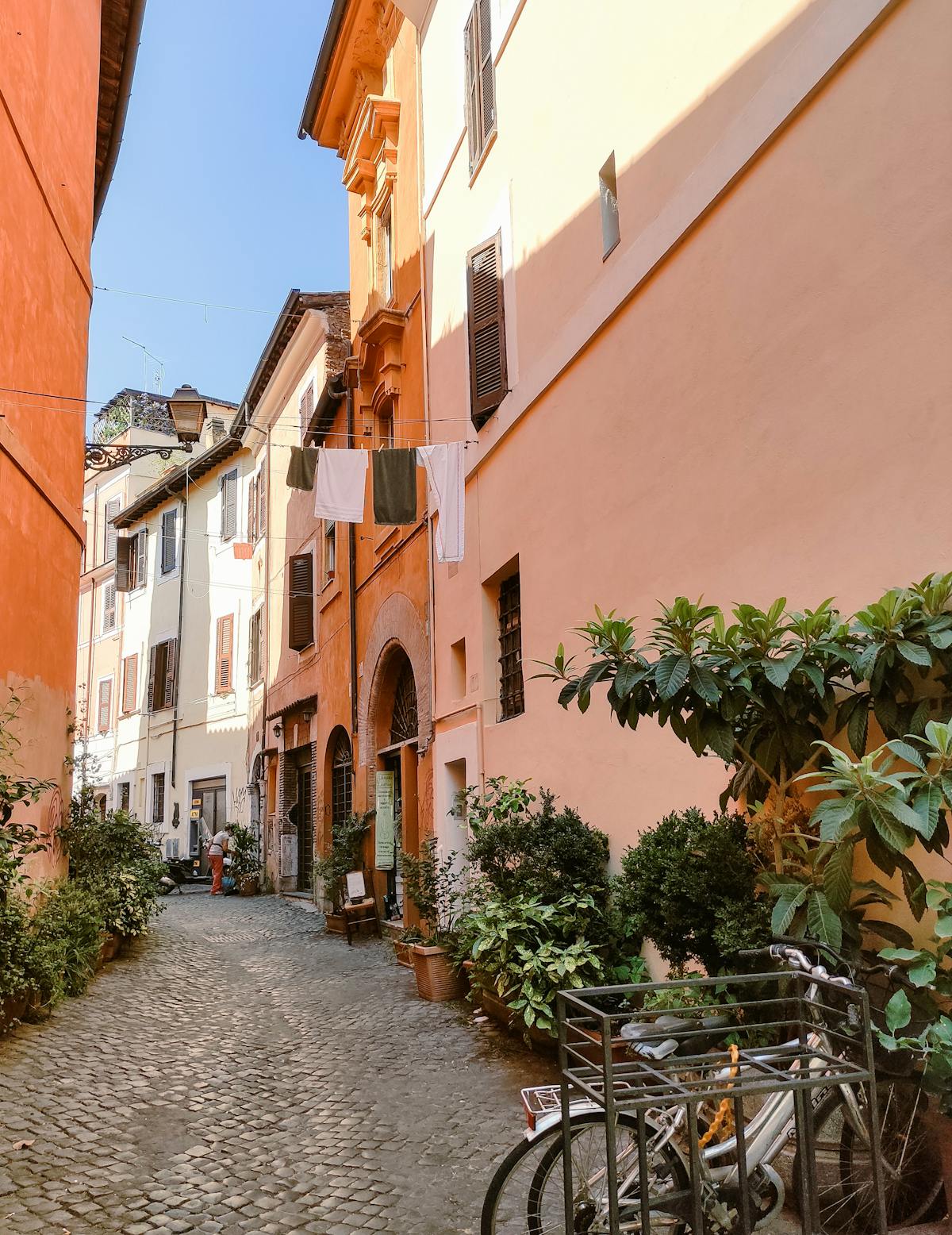
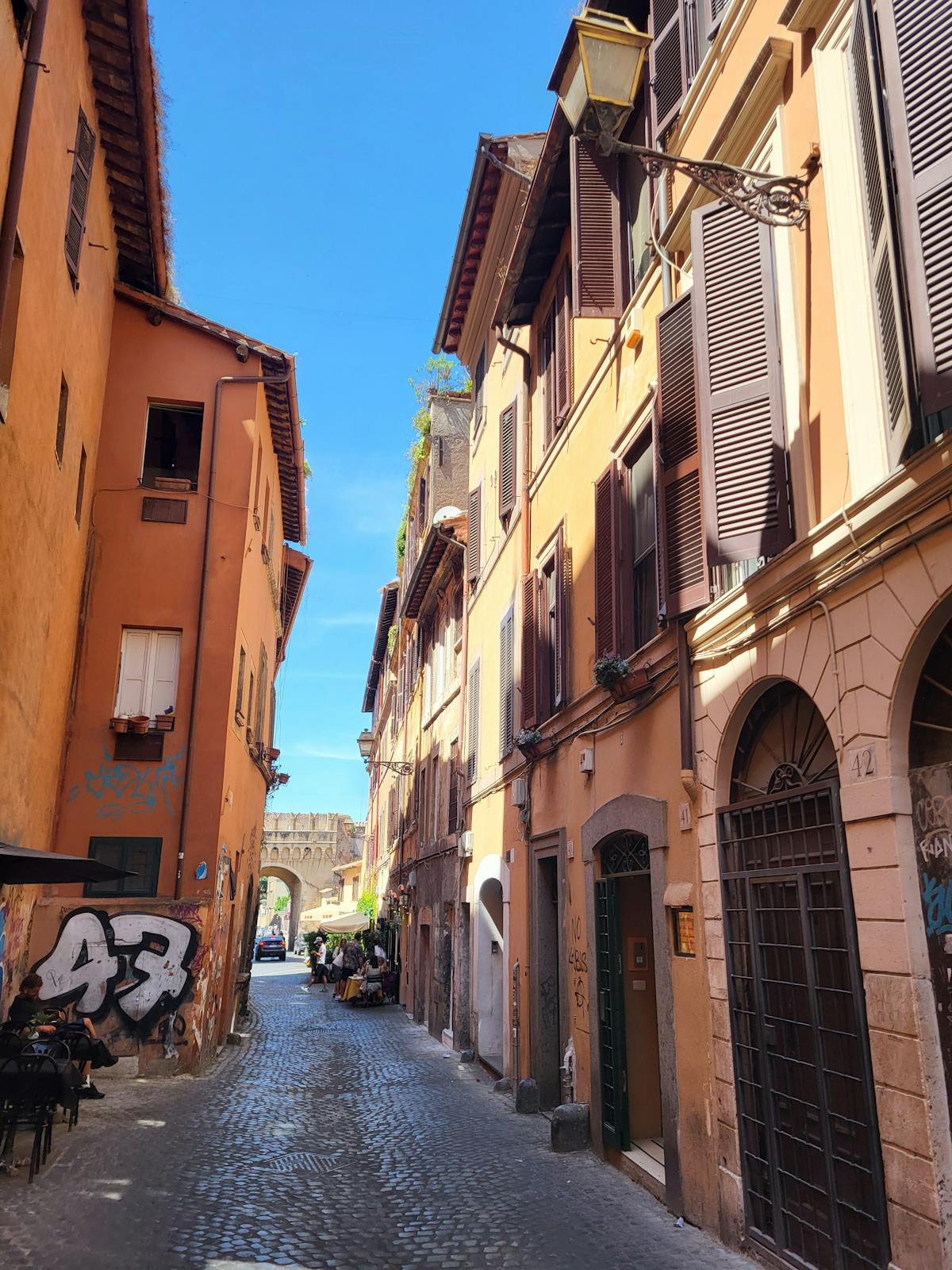
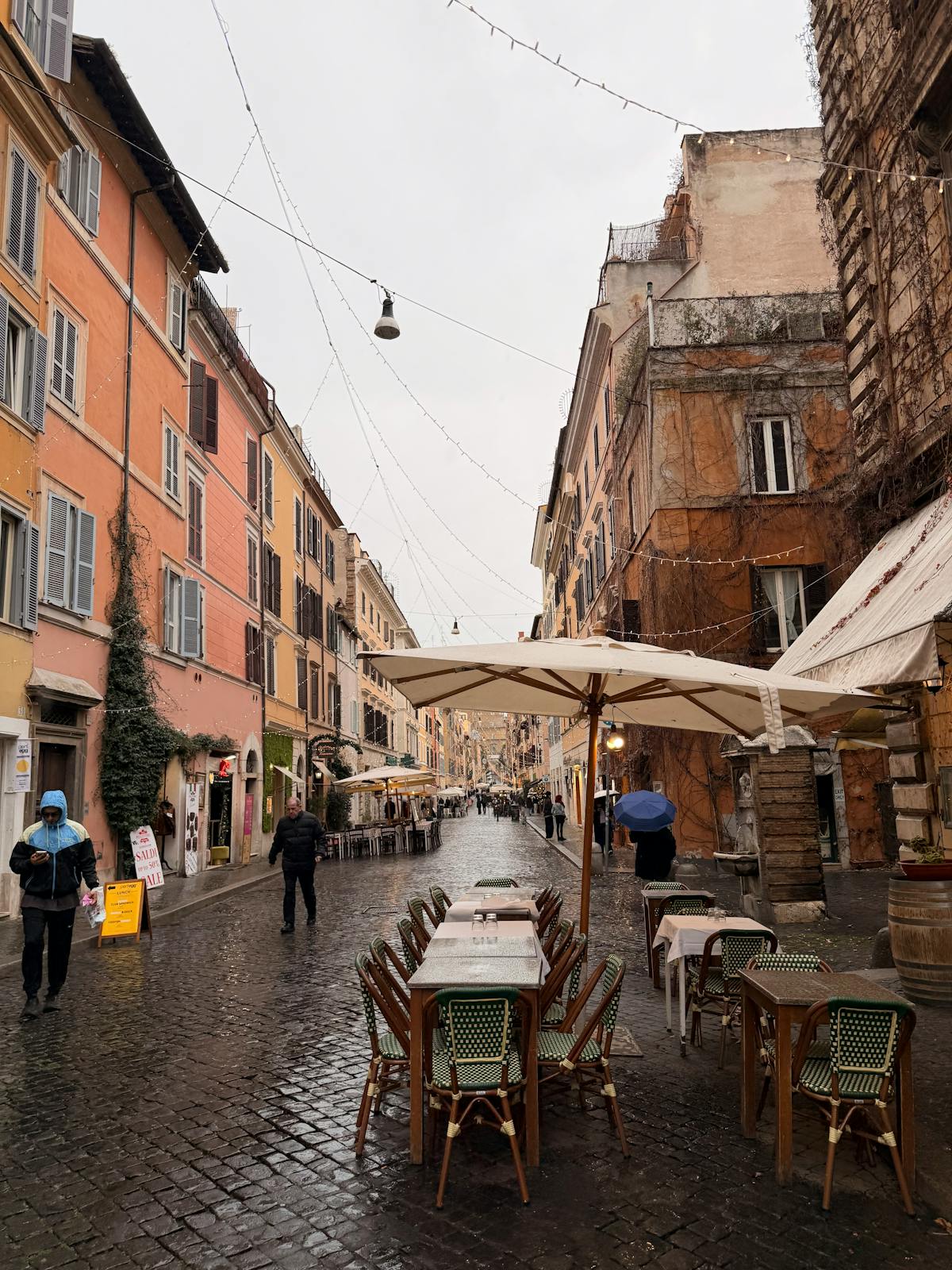
That is Trastevere. The neighborhood west of the Tiber that Romans still consider a separate village, even though it has been part of the city since Augustus decided it should be. It has its own rhythm, its own food traditions, and — critically for anyone visiting Rome — it is one of the few neighborhoods where you can eat extremely well without accidentally ending up at a tourist trap serving microwaved carbonara.
But Trastevere is not a place you can just wander into and expect to find the good stuff on your own. The best trattorias do not advertise. The food shops with the freshest suppli are tucked behind churches. The wine bars worth visiting have no online presence whatsoever. Which is exactly why a guided tour here makes more sense than almost anywhere else in Rome.
In a Hurry? Here Are the Best Trastevere Tours
- Best food tour overall: Rome Trastevere Food Tour at Twilight with Eating Europe — $125.77/person, 4 hours, 10+ tastings with wine
- Best value food tour: Trastevere & Campo de’ Fiori Street Food Walking Tour — $51/person, 2.5 hours, street food focus
- Best wine + dinner combo: The Roman Food Tour in Trastevere with Free-Flowing Fine Wine — $102.79/person, 4 hours, wine included
- Best budget walking tour: Jewish Ghetto and Trastevere Tour — $4.62/person, 1.5-2 hours, history-focused
- Best for hidden spots: Hidden Gems of Trastevere with Dinner & Wine — $52.45/person, 3 hours, off the beaten path
- In a Hurry? Here Are the Best Trastevere Tours
- Why Trastevere Needs a Tour (And Most of Rome Does Not)
- Food Tour vs Walking Tour vs Evening Tour — Which One to Pick
- Food Tours (3-4 Hours, -0)
- Walking/History Tours (1.5-2.5 Hours, -)
- Evening/Nightlife Tours (3-4 Hours, -0)
- The Best Trastevere Tours to Book
- Rome Trastevere Food Tour at Twilight with Eating Europe
- The Roman Food Tour in Trastevere with Free-Flowing Fine Wine
- Trastevere & Campo de’ Fiori Street Food Walking Tour
- Jewish Ghetto and Trastevere Tour Rome
- Rome Food Tour: Hidden Gems of Trastevere with Dinner & Wine
- When to Visit Trastevere (Timing Matters More Than You Think)
- Tips From Someone Who Has Eaten Their Way Through This Neighborhood
- What You Will Actually See and Eat in Trastevere
Why Trastevere Needs a Tour (And Most of Rome Does Not)
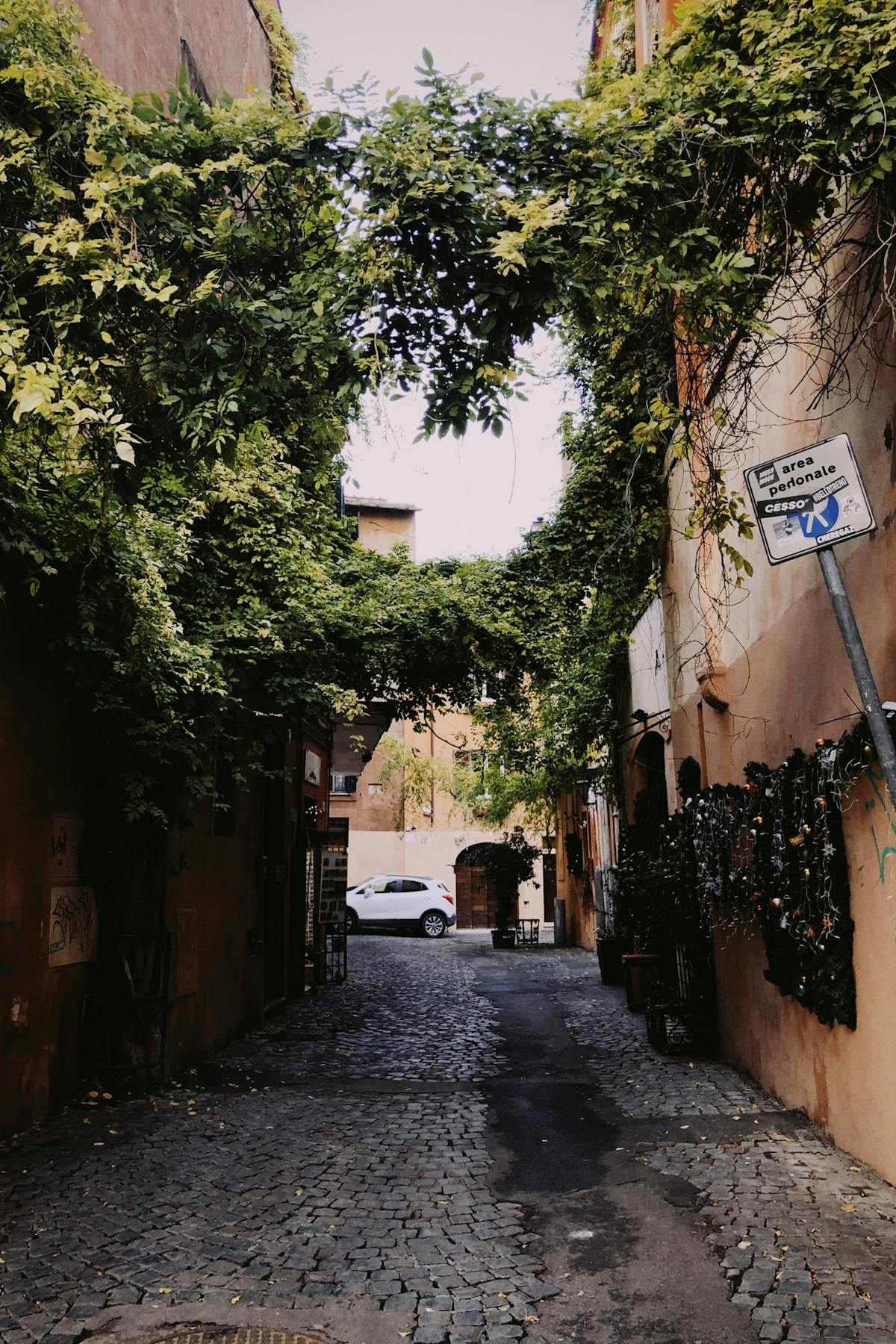
Here is the thing about Trastevere that guidebooks get wrong. They describe it as a charming neighborhood and tell you to wander around and soak up the atmosphere. That is fine if you just want photos. But the neighborhood’s actual value is culinary, and the best food here is hidden behind unmarked doors, down stairways you would never take on your own, and in shops that look closed but are actually open.
A local guide changes everything. They know which suppli vendor uses the right rice (and which one microwaves them from frozen). They know the enoteca where the owner pours wine from unlabeled bottles he drives up to get from a producer in Frascati every Thursday. They know which pizza al taglio spot uses 72-hour fermented dough and which one uses the same dough as everyone else but charges double because it is on the main piazza.
You do not need a guide to visit the Colosseum — a good audioguide or skip-the-line ticket will do. But for eating your way through Trastevere? A guide is the difference between a good meal and a transformative one.
Food Tour vs Walking Tour vs Evening Tour — Which One to Pick
Three types of Trastevere tours exist, and they are genuinely different experiences. Picking the wrong one can leave you disappointed, so let me break this down.
Food Tours (3-4 Hours, $50-$130)
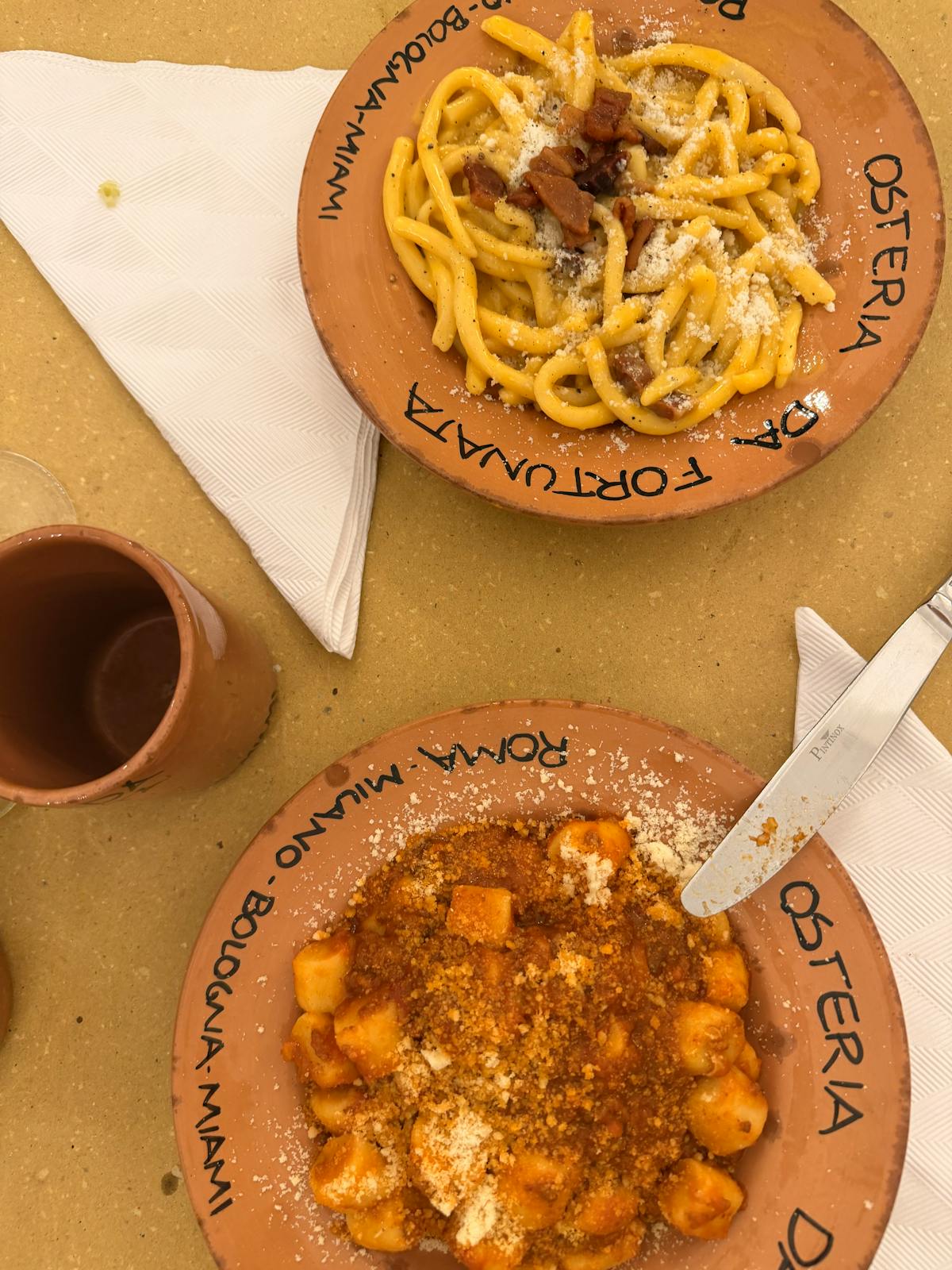
These are the main event. You walk through Trastevere with a guide, stopping at 5-10 restaurants, food shops, and wine bars. At each stop, you eat or drink something — suppli (fried rice balls), cacio e pepe, pizza al taglio, porchetta, artichokes, gelato, local wines. By the end, you have had a full dinner’s worth of food plus enough wine to feel very warm about the whole experience.
The good food tours do not just feed you. The guide explains why Roman cuisine relies on only five pastas (carbonara, cacio e pepe, amatriciana, gricia, and alla checca), why the artichokes taste different here than anywhere else (it is the variety — romanesco — plus the cooking method), and what makes a real suppli different from the tourist version. You leave understanding Roman food, not just having eaten it.
Best for: First-timers in Rome, food lovers, anyone who wants to eat well without doing hours of restaurant research.
Walking/History Tours (1.5-2.5 Hours, $4-$35)
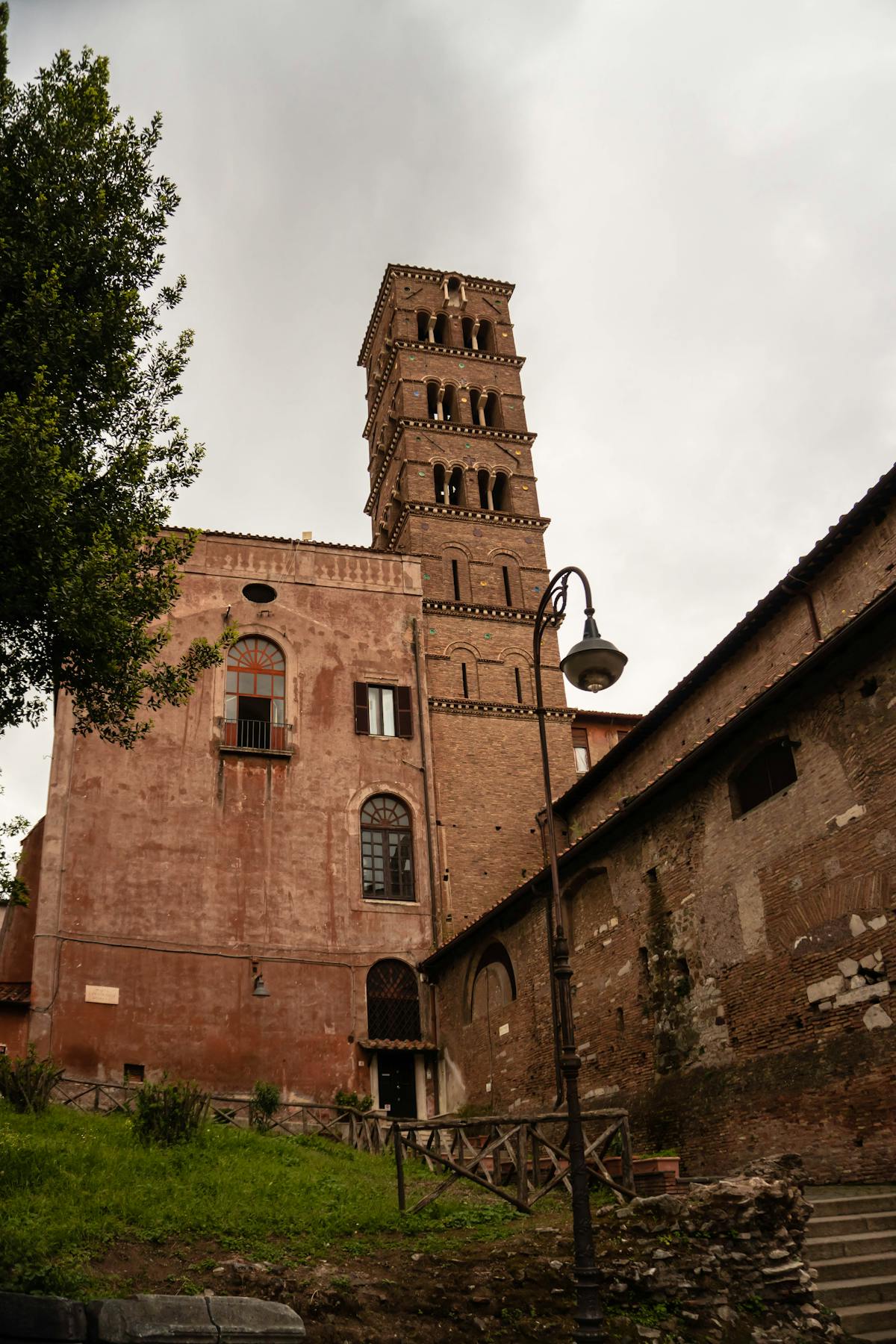
These cover the history and architecture of Trastevere. You will walk through the main piazzas, visit the Basilica of Santa Maria in Trastevere (one of Rome’s oldest churches, with stunning 12th-century mosaics), and hear about the neighborhood’s evolution from a working-class district to the lively area it is today. Some tours extend into the Jewish Ghetto across the river, which adds another layer of Roman history.
Walking tours are cheaper and shorter, but you will not eat much (maybe a gelato stop). Think of these as the “understand Trastevere” option versus the “taste Trastevere” option.
Best for: History buffs, budget travelers, anyone who already has dinner plans and just wants a couple hours of context.
Evening/Nightlife Tours (3-4 Hours, $50-$130)
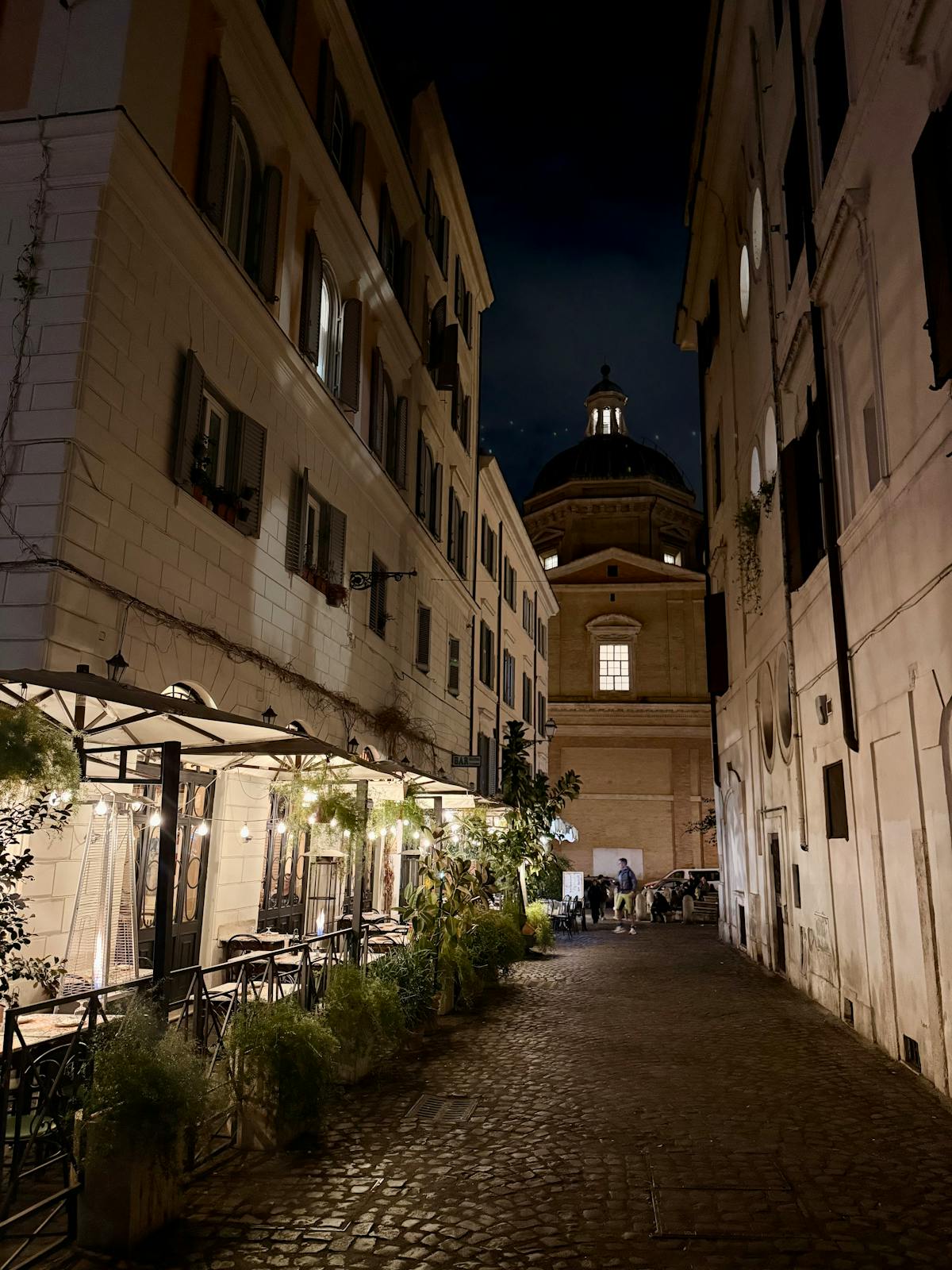
Trastevere transforms after sunset. The daytime travelers leave, the locals come out, and the neighborhood becomes what it has been for centuries — Rome’s dinner table. Evening food tours take advantage of this shift. For a broader experience beyond food, a Rome night tour hits the illuminated monuments along with Trastevere. You eat the same quality of food as the daytime tours, but the atmosphere is completely different. The alleys are lit by restaurant lights and the occasional streetlamp. The piazzas fill with people. There is live music drifting out of wine bars.
The twilight tours (starting around 5-6 PM) are the sweet spot. You catch the golden hour light on the ochre buildings, then watch the transition into nighttime as you eat and drink your way through the streets. These tend to include more wine than the daytime versions.
Best for: Couples, anyone who wants the most atmospheric version of Trastevere, people who do not want to waste daylight hours on a tour when they could be at the Vatican or the Borghese Gallery.
The Best Trastevere Tours to Book
I went through every Trastevere tour on the major booking platforms and picked five that cover different budgets, styles, and interests. All of them have strong track records and deliver what they promise.
Rome Trastevere Food Tour at Twilight with Eating Europe
Price: $125.77/person | Duration: 4 hours | Type: Food Tour (Twilight)
Eating Europe essentially invented the Trastevere food tour concept, and this is their flagship. Four hours through the neighborhood’s best food stops, starting in the golden hour and ending after dark. You hit around 10 tastings — suppli, trapizzino (the triangular pizza pocket that has taken over Rome), cacio e pepe, porchetta, local wines, and a proper sit-down pasta course. The guides are locals who actually live in the neighborhood, not tour company employees reading from a script.
The price is the highest on this list, and honestly? It is worth it. The quality of the food stops is noticeably better than cheaper tours. They take you to places that do not appear on Google Maps and have relationships with the owners that get you dishes you cannot order as a regular walk-in. The wine is good wine, not the house plonk that cheaper tours pour.
One thing to know: these groups cap at 12 people, but they often sell out, so you might be in a full group. If that bothers you, book the first departure time — those tend to be smaller.
The Roman Food Tour in Trastevere with Free-Flowing Fine Wine
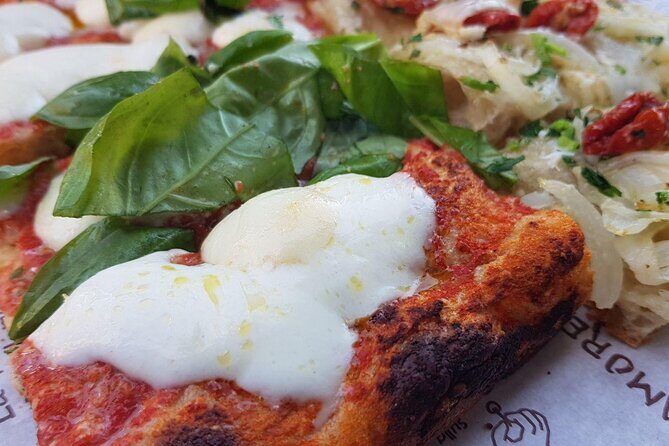
Price: $102.79/person | Duration: 4 hours | Type: Food + Wine Tour
If the Eating Europe tour is the polished original, this one is the rowdier younger sibling. Same four-hour format, same neighborhood, but the emphasis shifts toward wine. “Free-flowing” is not an exaggeration — they pour generously at every stop, and by the third restaurant you will understand why Roman food tours have a reputation for being the most fun activity in the city.
The food quality is excellent. You will eat at trattorias that have been family-run for decades, not the Instagram-friendly places that opened last year. The guide adjusts the route based on what is freshest that day, which means your tour might hit different spots than someone who booked the same tour last week.
Fair warning: this is not the tour for people who want a quiet, refined tasting experience. It is social, it is loud, and by the end everyone is friends. If that sounds like your kind of evening, book this one.
Trastevere & Campo de’ Fiori Street Food Walking Tour
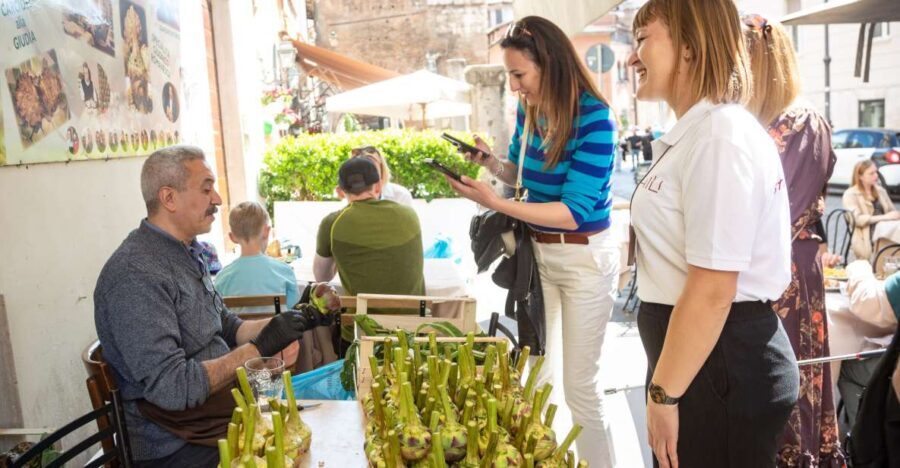
Price: $51/person | Duration: 2.5 hours | Type: Street Food Tour
This is the budget-friendly pick, and it covers more ground than the pricier options by extending beyond Trastevere into Campo de’ Fiori. If you want to explore other neighborhoods too, our guide to Rome food tours covers Testaccio, the Jewish Ghetto, and more. The focus is street food — suppli, pizza al taglio, porchetta sandwiches, fried artichokes — the kind of Roman food you eat standing up or walking. No sit-down courses, no fine wine, just the good cheap stuff that Romans actually eat for lunch.
At $51, it is less than half the price of the Eating Europe tour. The trade-off is obvious: fewer tastings, shorter duration, no wine service. But if you are traveling on a budget or just want a quick introduction to Roman street food culture without committing an entire evening, this gets the job done. The Campo de’ Fiori portion is a nice bonus — you get to see one of Rome’s oldest morning markets and try some of the food stalls there.
Works well as a midday activity. Book the morning slot, eat your way through both neighborhoods, and you will not need lunch.
Jewish Ghetto and Trastevere Tour Rome
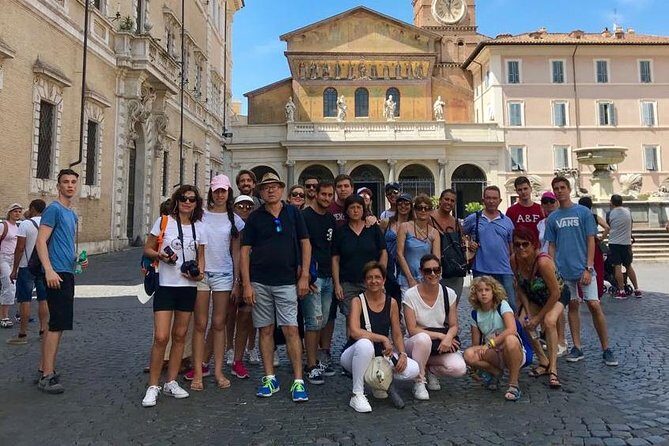
Price: $4.62/person | Duration: 1.5-2 hours | Type: Walking/History Tour
Yes, you read that price correctly. This is a pay-what-you-want style tour with a tiny base price, which makes it by far the cheapest way to see Trastevere with a guide. You cross the Tiber from the Jewish Ghetto into Trastevere, learning about both neighborhoods’ histories along the way. The Jewish Ghetto section covers Rome’s complicated relationship with its Jewish community, the WWII era, and the incredible food tradition (fried artichokes alla giudia originated here). Then you cross into Trastevere for the medieval churches, the piazzas, and the stories about why this neighborhood always felt like its own city.
No food is included at this price, obviously. But the historical content is genuinely excellent, and the guides work on tips, so they are motivated to be engaging. Use this as your orientation walk on your first day in Rome, then come back to Trastevere for dinner armed with the knowledge of what makes the neighborhood tick.
The only downside: because it is so cheap, groups can be large — sometimes 30+ people. If you want a more intimate experience, you will need to pay more.
Rome Food Tour: Hidden Gems of Trastevere with Dinner & Wine
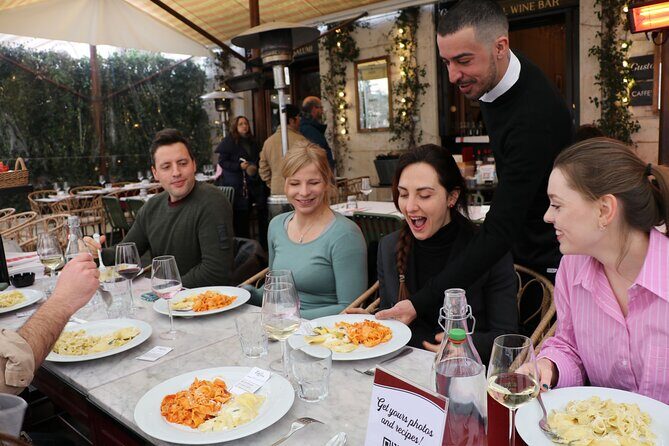
Price: $52.45/person | Duration: 3 hours | Type: Food Tour (Evening)
This is the sleeper pick. At $52 with dinner and wine included, it is absurdly good value for a 3-hour food tour. The “hidden gems” angle is not just marketing — the guide takes you to spots that even the other food tours skip. One stop was a family bakery that has been making the same recipe of pizza bianca since the 1960s and does not appear on any review site. Another was a wine shop where the owner pulled bottles from a cellar that looked like it had not been cleaned since the Renaissance.
The dinner portion is a proper sit-down at a trattoria, not a standing tasting. You get a pasta course, wine, and usually bread and antipasti. The food is comfort-level Roman cooking, not fine dining, which is exactly what Trastevere does best.
The catch? The group sizes can be slightly larger than the premium tours, and the guide’s English varies. But at this price point, for what you get, it is the best deal on this list.
When to Visit Trastevere (Timing Matters More Than You Think)
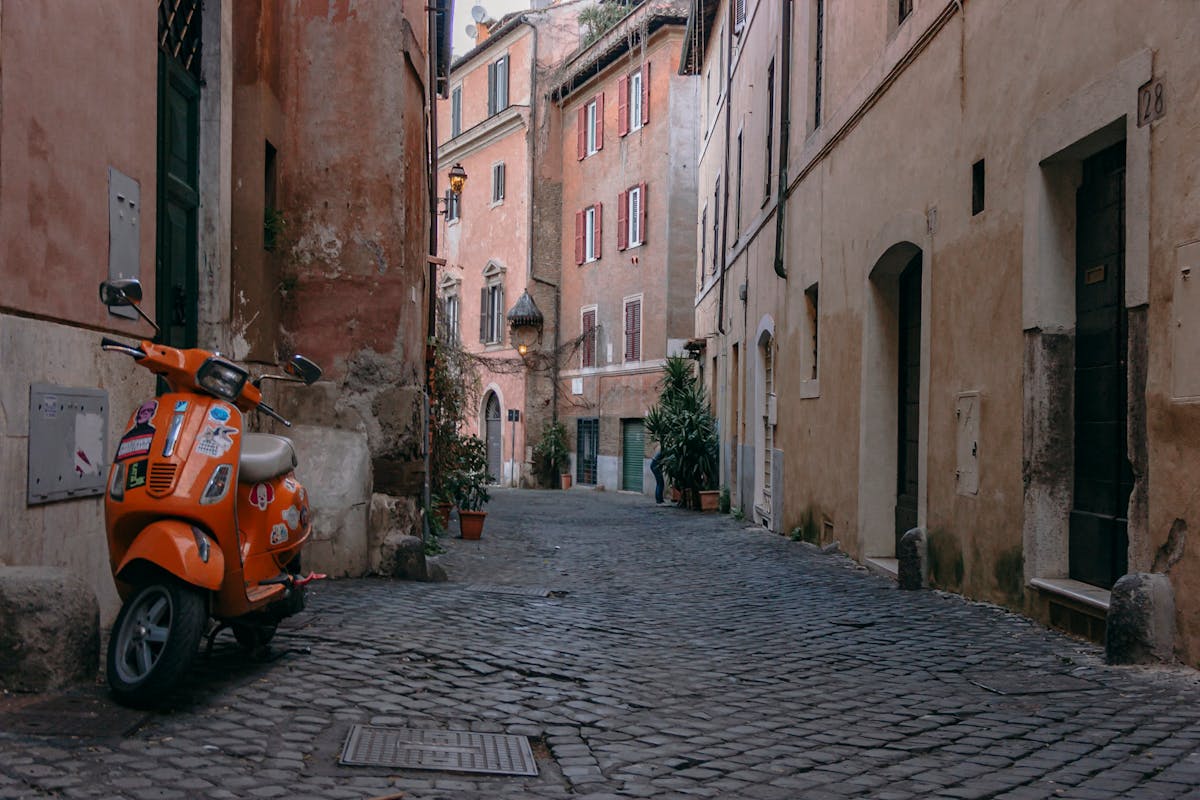
Trastevere has two completely different personalities depending on when you show up.
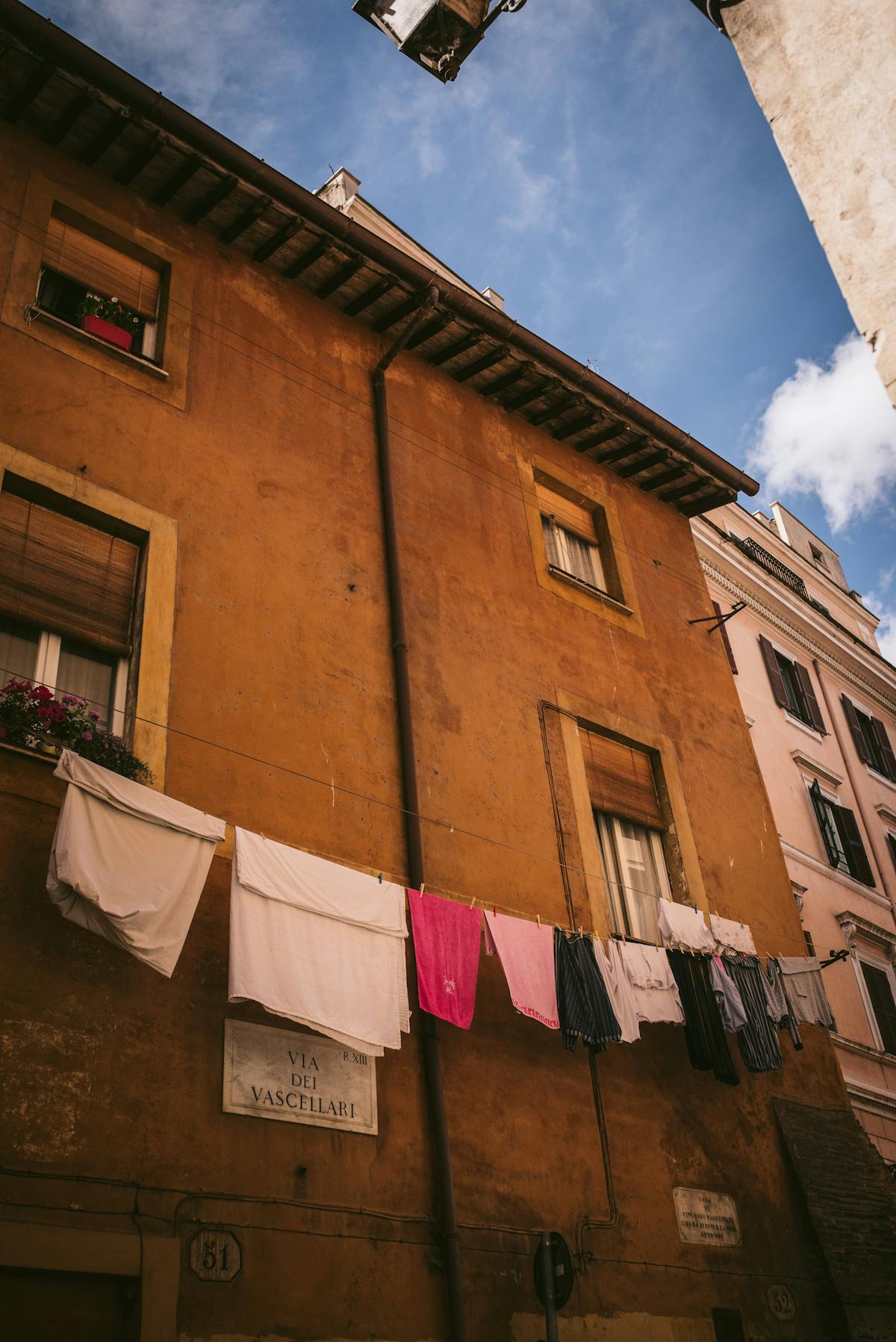
Daytime (10 AM – 4 PM): Quiet, residential, a few travelers photographing laundry hanging between buildings. The morning market at Piazza San Cosimato is worth seeing — locals buying produce, cheese vendors shouting prices, old men arguing about nothing in particular. Most food shops and trattorias are open for lunch but not pushing hard. This is when you see Trastevere as a neighborhood, not a destination.
Evening (5 PM – midnight): This is what everyone pictures. The piazzas fill up, restaurants put tables outside, street musicians set up near the fountain in Piazza di Santa Maria. The food tours all run in the evening for a reason — the energy is completely different. If you only have one shot at Trastevere, do it at night.
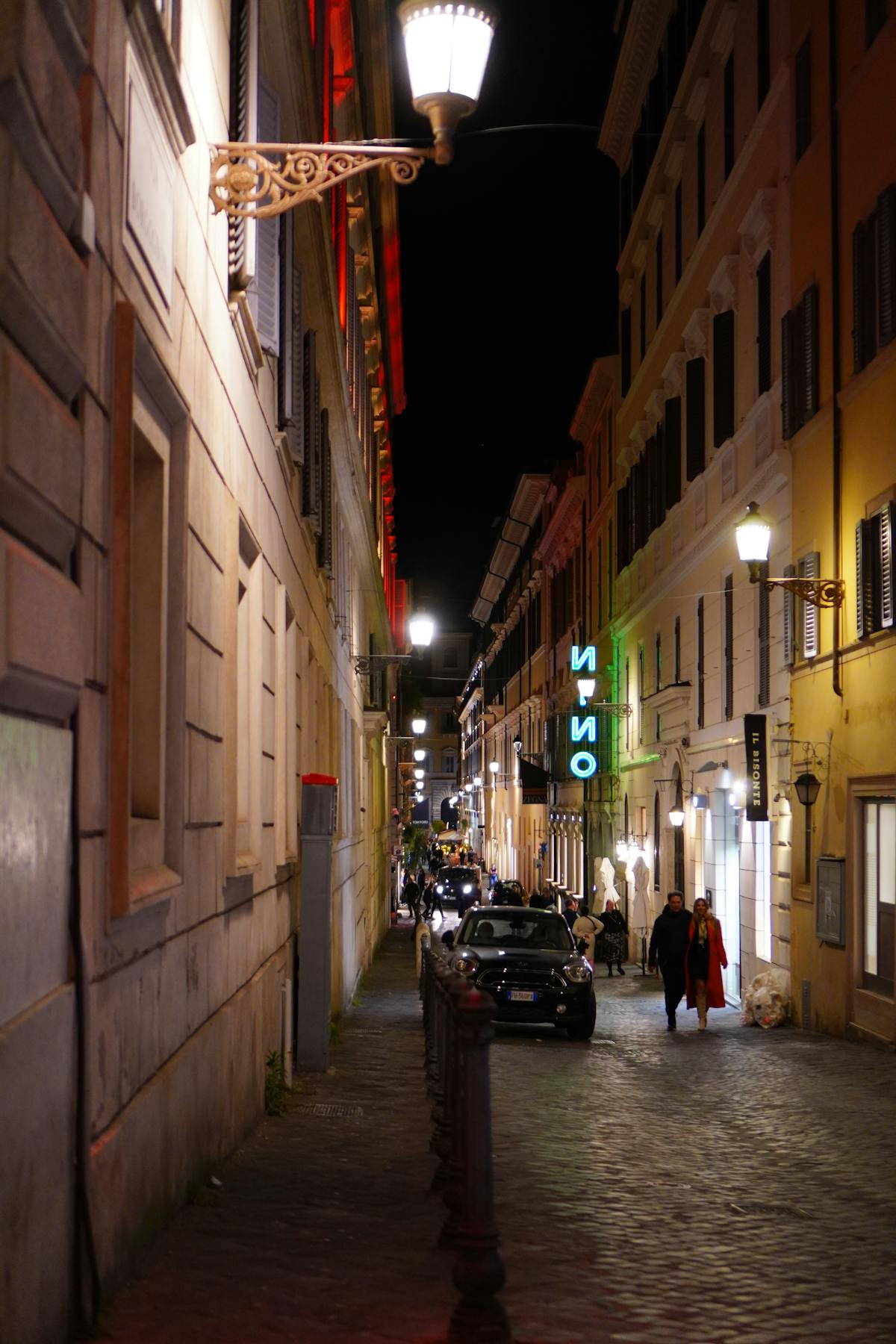
Seasonally: Spring (April-May) and fall (September-October) are ideal. Summer is hot and packed. Winter is quiet but cold enough that sitting outside loses its appeal — and sitting outside is half the point of eating in Trastevere. During August, some family-run restaurants close entirely for vacation (Ferragosto), so check before you go.
Days of the week: Sunday is the local day. Some food shops are closed, but the trattorias that are open tend to be the real ones — families eating long lunches, multi-generational tables spilling out onto the street. Wednesday and Thursday evenings are the sweet spot for tours: enough atmosphere without the Friday/Saturday crowds.
Tips From Someone Who Has Eaten Their Way Through This Neighborhood
Eat before 7:30 PM or after 9:30 PM. Between 7:30 and 9:30, every decent restaurant in Trastevere is jammed. If you are not on a tour (which gets you priority seating), eat early Italian-style or late Roman-style. The food is identical; the crowds are not.
Skip anything on Via della Lungaretta. This is the main drag connecting Trastevere to the rest of Rome, and most of the restaurants along it are tourist traps. Walk one block in any direction and the quality jumps dramatically.
Bring cash. Some of the best food shops and wine bars in Trastevere are cash-only. This is not a charming local tradition — it is a tax avoidance strategy. Either way, bring 20-30 euros in small bills.
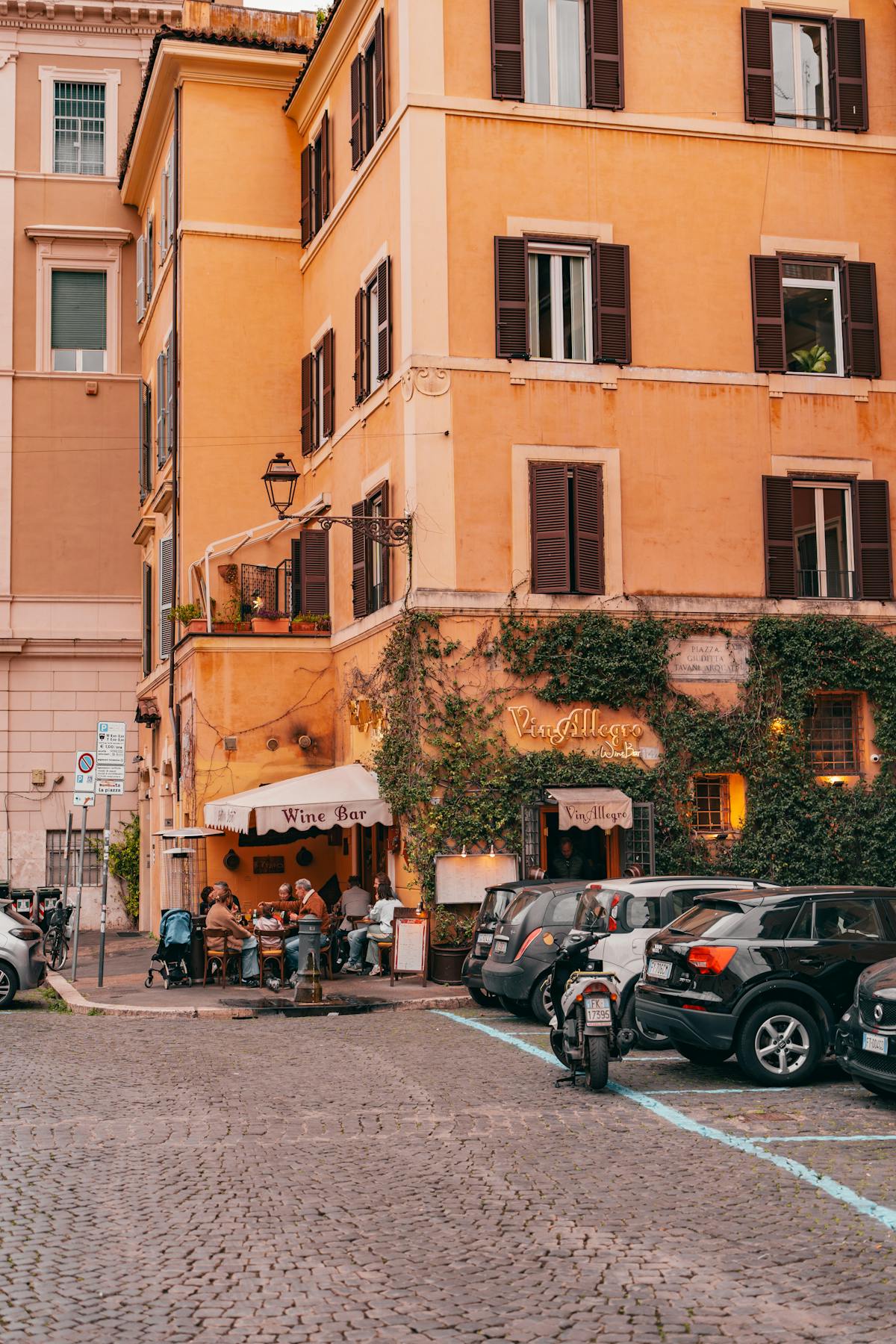
Wear flat shoes. Cobblestones are beautiful in photos and brutal on feet. Every food tour involves 2-3 hours of walking on uneven stone surfaces. Heels are a terrible idea. Sandals are fine in summer but your toes will be black with street dust by the end.
Book food tours at least a week ahead. The good ones — especially the Eating Europe twilight tour — sell out. During peak season (June-August), two weeks is safer. Walking tours are easier to book last-minute because they are cheaper and run more frequently.
If you have already done a cooking class in Rome, do a food tour too. They are completely different experiences. A cooking class teaches you technique. A food tour teaches you where to eat, what to order, and why Roman food tastes the way it does. Together, they are the complete Roman food education.
What You Will Actually See and Eat in Trastevere
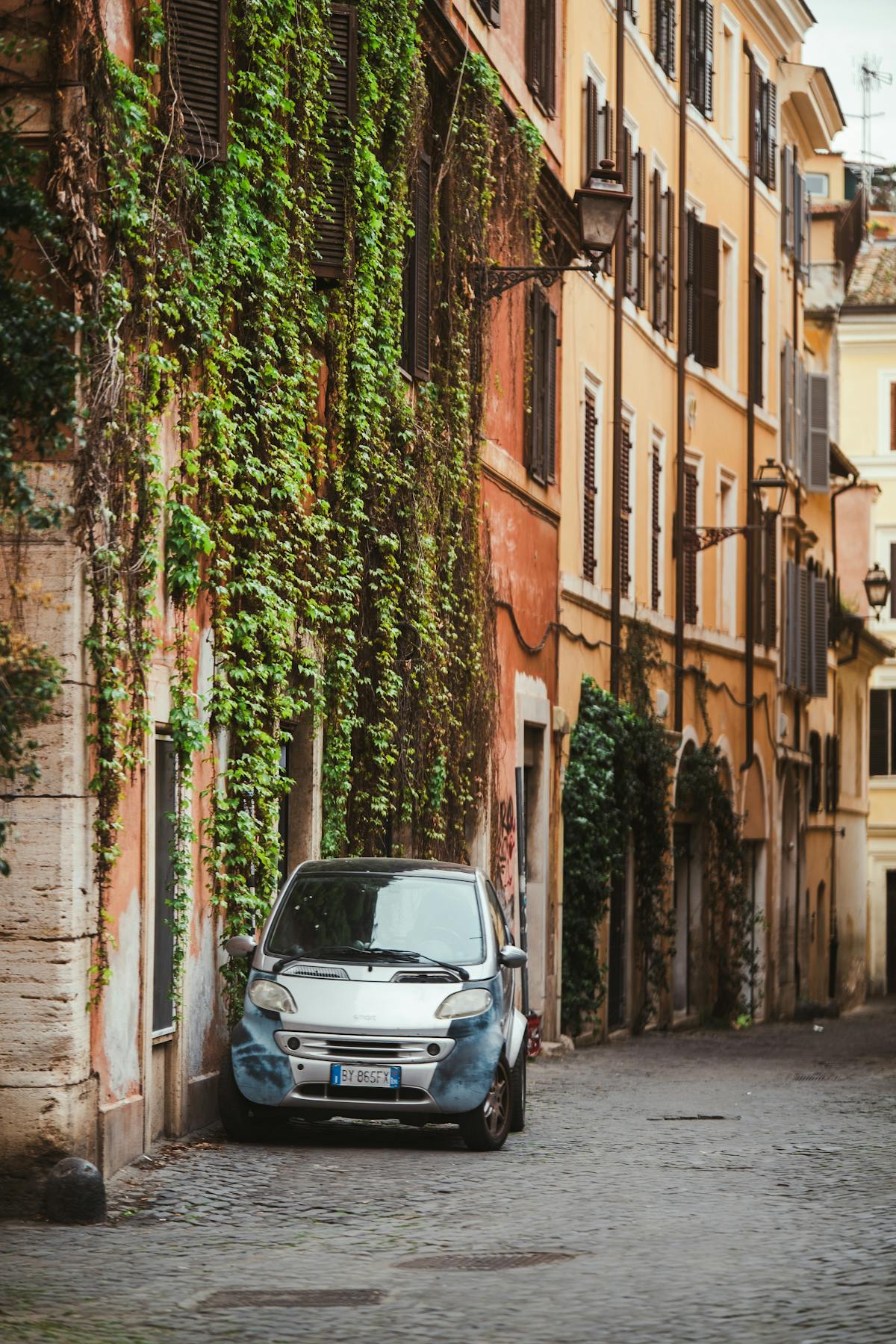
Trastevere is small enough to walk end-to-end in 20 minutes, but dense enough that you could spend three days here and keep finding new things. Here is what most tours cover:
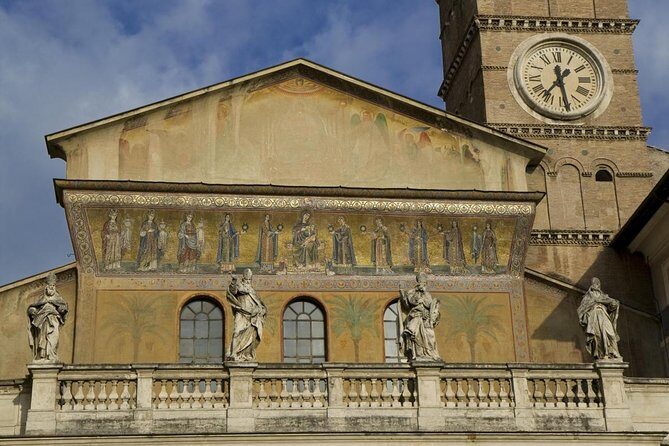
Piazza di Santa Maria in Trastevere — The neighborhood’s main square, anchored by one of Rome’s oldest basilicas. The 12th-century mosaics inside are some of the finest in the city. At night, the piazza fills with street performers and people sitting on the fountain steps drinking wine.
Suppli and street food vendors — Suppli are Rome’s version of arancini — fried rice balls stuffed with tomato ragu and mozzarella. When you pull one apart, the mozzarella stretches into a string, which is why Romans call them “suppli al telefono” (telephone suppli). The good ones have a crispy, golden shell and rice that is properly seasoned, not the bland, greasy version you get at tourist spots.
Trapizzino — A triangular pocket of pizza dough stuffed with slow-cooked Roman dishes: chicken cacciatore, oxtail, eggplant parmigiana. Invented in 2008 by Stefano Callegari in Testaccio, it has since taken over Trastevere too. It is the best fast food in Rome, full stop.
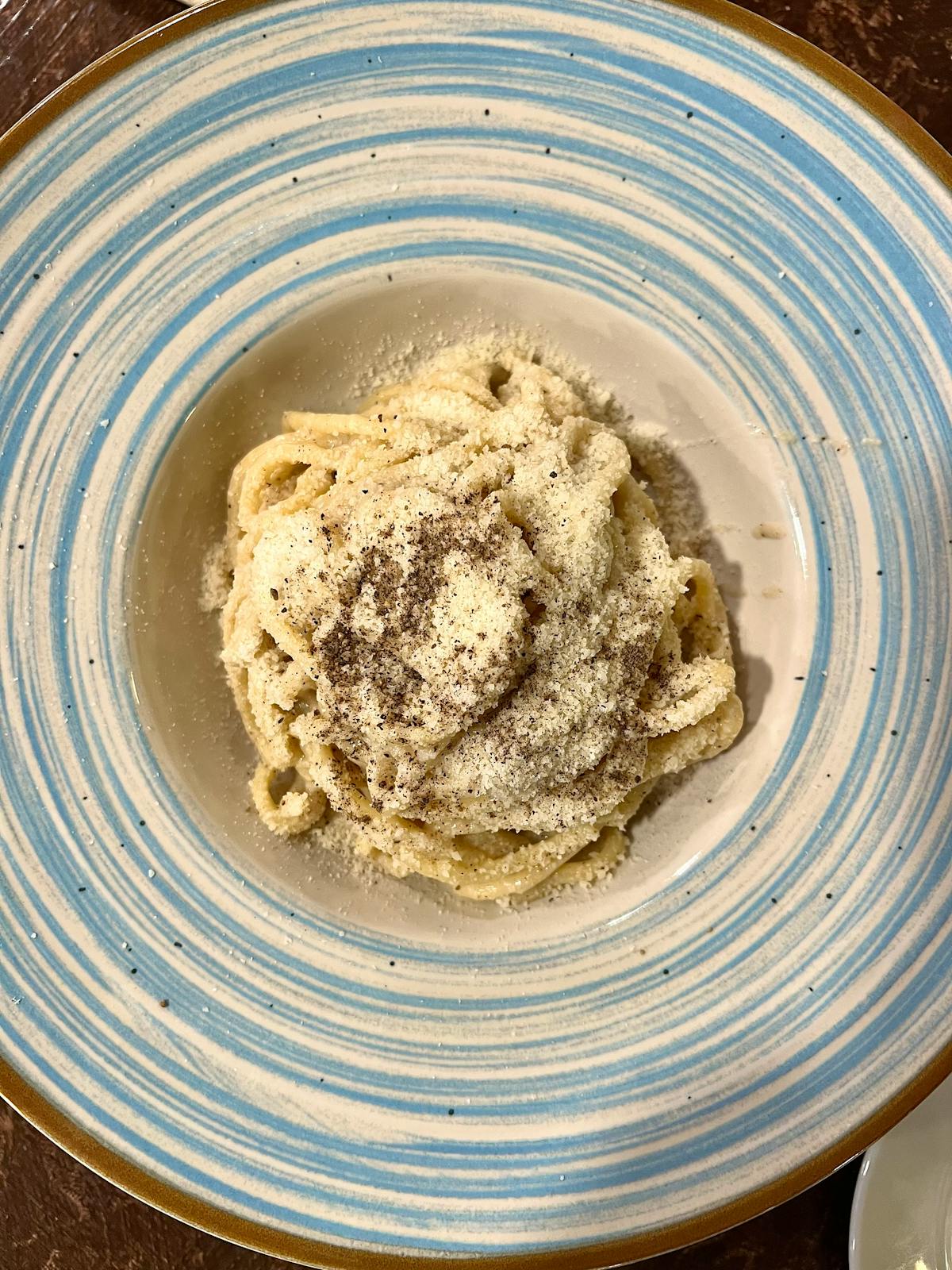
Cacio e pepe — Pecorino Romano, black pepper, pasta water. Three ingredients, and most restaurants still mess it up. The Trastevere trattorias that get the emulsion right — creamy, not clumpy, with enough pepper to make you cough slightly — are destinations in themselves.
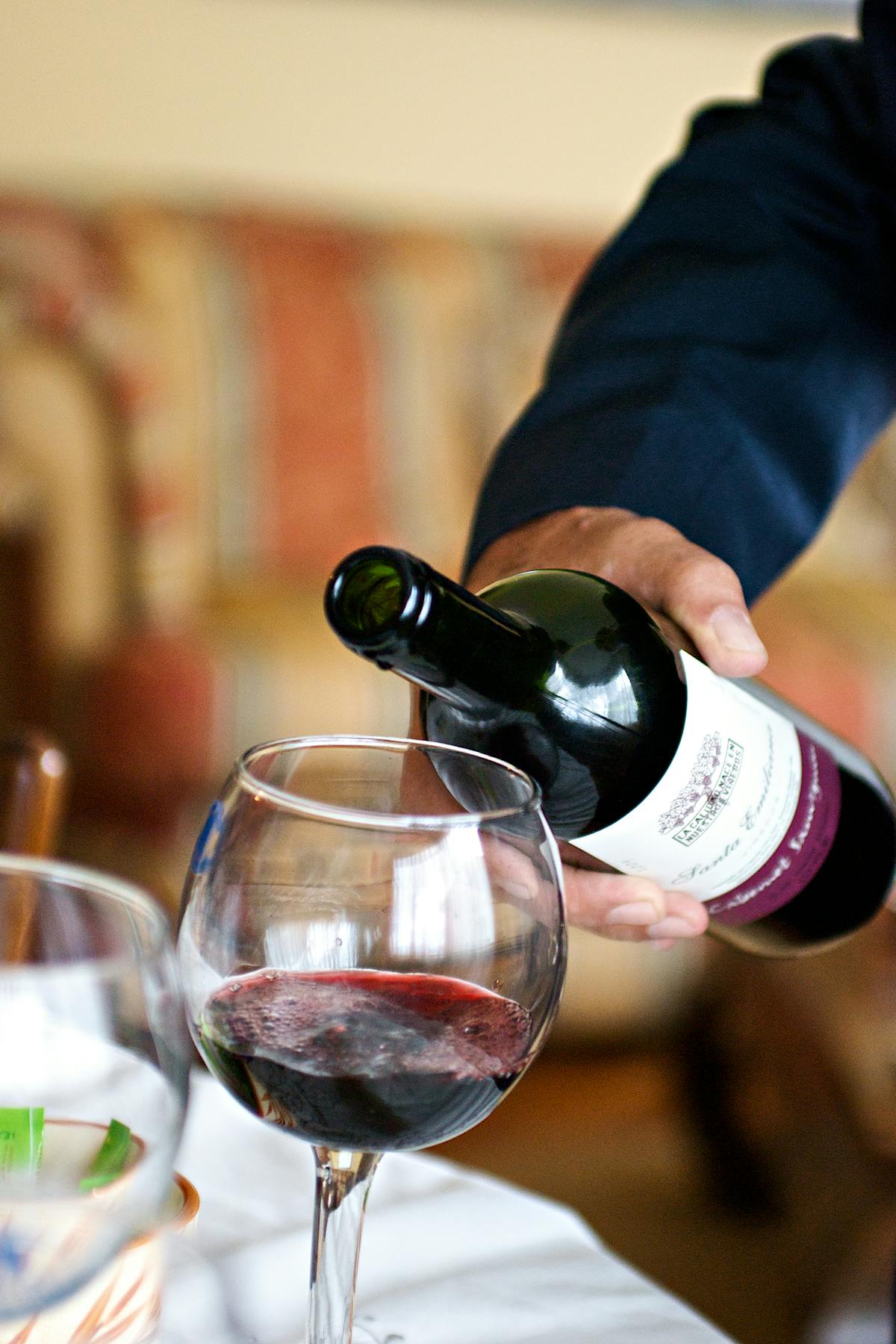
Local wine from Lazio — Frascati, Cesanese, Castelli Romani whites. These wines do not travel well and you will almost never see them outside of Italy. Drinking them in a Trastevere wine bar is one of those experiences that only works in context — the same wine at home would taste ordinary.
Gelato — Not all gelato in Trastevere is good. A lot of it is terrible. The tell-tale signs of bad gelato: unnaturally bright colors, piled high in mountains above the container (real gelato is stored flat), and pistachio that is green instead of grayish-brown. The food tours take you to the right places. On your own, look for the word “artigianale” and check if the pistachio looks ugly. Ugly pistachio = good gelato.
Basilica di Santa Maria in Trastevere — Most walking tours start or end here. The facade mosaics are 13th century and stunning at any time, but at night when they are lit up, they are genuinely breathtaking. Free to enter, and one of the few Roman churches that does not feel like a tourist attraction.
Disclosure: This article contains affiliate links. If you book a tour through one of these links, we earn a small commission at no extra cost to you. We only recommend tours we have researched thoroughly and believe offer genuine value. All prices listed are approximate and may vary based on the date and platform.