
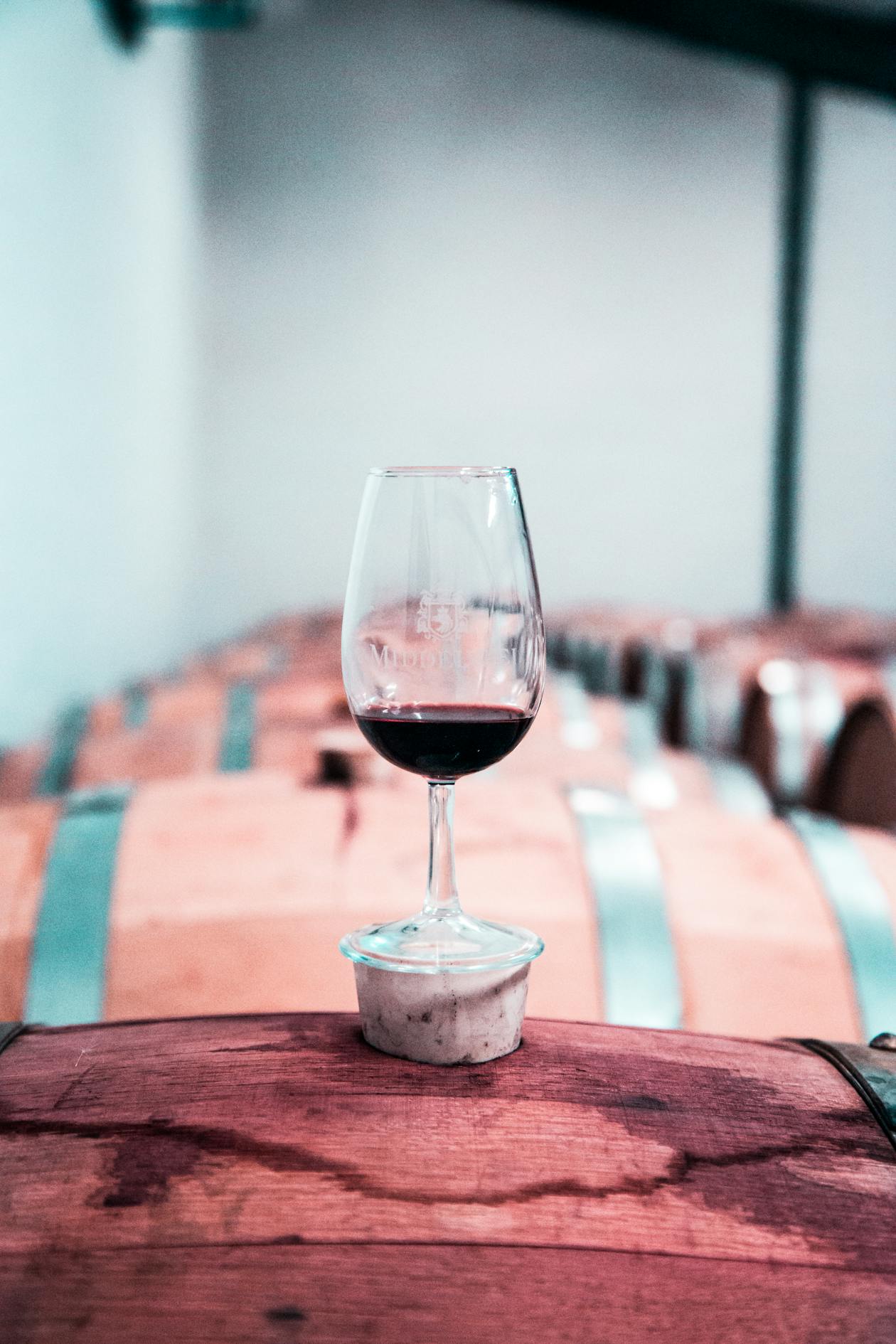
The winemaker pulled a bottle from behind the counter. Not the one we were supposed to taste. Something older, something he kept for himself. He poured it without a word, and the whole table went quiet for a second. That kind of thing doesn’t happen on every wine tour in Tuscany. But it happens more often than you’d think.
Florence is the obvious launching point. Every morning, minibuses leave Santa Maria Novella and head south into the Chianti hills, toward Montalcino, toward Montepulciano. Some tours hit two wineries and call it a day. Others squeeze in five tastings, a cooking lesson, and a stop in a medieval town. The trick is knowing which tour actually matches what you want.
I’ve gone through the tours available from Florence, compared what you actually get for the money, and picked five that are worth booking. Some are cheap, some are not. One involves a bicycle. Here’s the honest breakdown.
If You’re in a Hurry: My Top 3 Picks
- Best budget half-day: Florence: Chianti Wineries Tour with Wine Tasting — $41 per person. Two wineries, real tastings (not sips), and you’re back in Florence by mid-afternoon. Book this tour
- Best adventure: Wine Safaris: Off Road Tuscany Wine Tours — $157 per person. 4×4 through dirt roads, vineyards you’d never find alone, plus a full Tuscan lunch. Book this tour
- Best full-day with town: Tuscany Wine Tour and San Gimignano — $230 per person. Premium wineries plus the medieval skyline of San Gimignano. Worth the splurge. Book this tour
- If You’re in a Hurry: My Top 3 Picks
- What a Tuscany Wine Tour From Florence Actually Includes
- Chianti vs. Montalcino vs. Montepulciano: Which Wine Region?
- 5 Best Tuscany Wine Tours from Florence
- 1. Florence: Chianti Wineries Tour with Wine Tasting —
- 2. Wine Safaris: Off Road Tuscany Wine Tours and Lunch — 7
- 3. Chianti Wine Tour from Florence —
- 4. Tuscany Wine Tour and San Gimignano from Florence — 0
- 5. Tuscany Bike Tour Through the Chianti Hills with Wine Tasting — 5
- When to Book a Tuscany Wine Tour
- Tips for Getting the Most Out of Your Wine Tour
- More Florence & Tuscany Guides
What a Tuscany Wine Tour From Florence Actually Includes
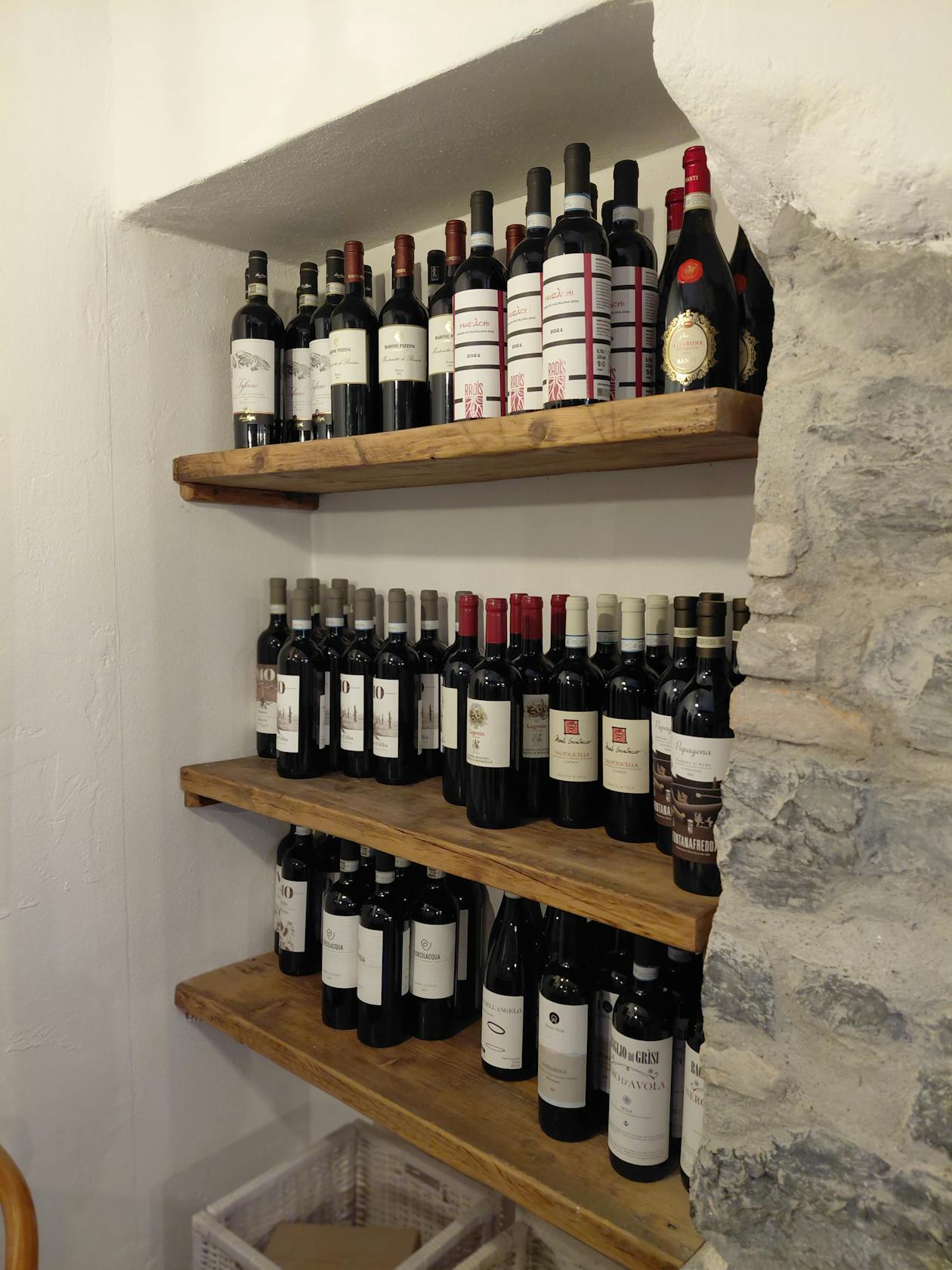
Most tours follow the same basic formula: a minibus picks you up near Florence’s train station (or your hotel, if you’re lucky), then drives 30 to 60 minutes into the Chianti countryside. You visit one, two, or three wineries. At each stop, someone walks you through the vineyard or cellar and explains how they make their wine. Then you taste it.
The tasting itself varies wildly. Budget tours give you three or four pours with some bread and olive oil. Better tours include a full lunch — and I mean a real sit-down meal with pasta, meat, local cheese, and more wine than you probably should have at 1 PM on a Tuesday.
Here’s what separates a good tour from a forgettable one:
- Number of wineries: Two is the sweet spot for a half-day. Three starts to feel rushed. One feels thin unless it’s a deep-dive experience with a long lunch.
- Food included: A light snack of bruschetta and cheese is fine for a quick half-day tour. But the full-day tours that include a proper Tuscan lunch with paired wines are a different experience entirely.
- Group size: Anything under 18 people is manageable. Under 8 is noticeably better — you actually get to ask the winemaker questions without shouting over a crowd.
- The guide: A good guide makes or breaks it. The best ones are locals with actual opinions about which vintages to buy and which to skip. The worst ones read from a script.
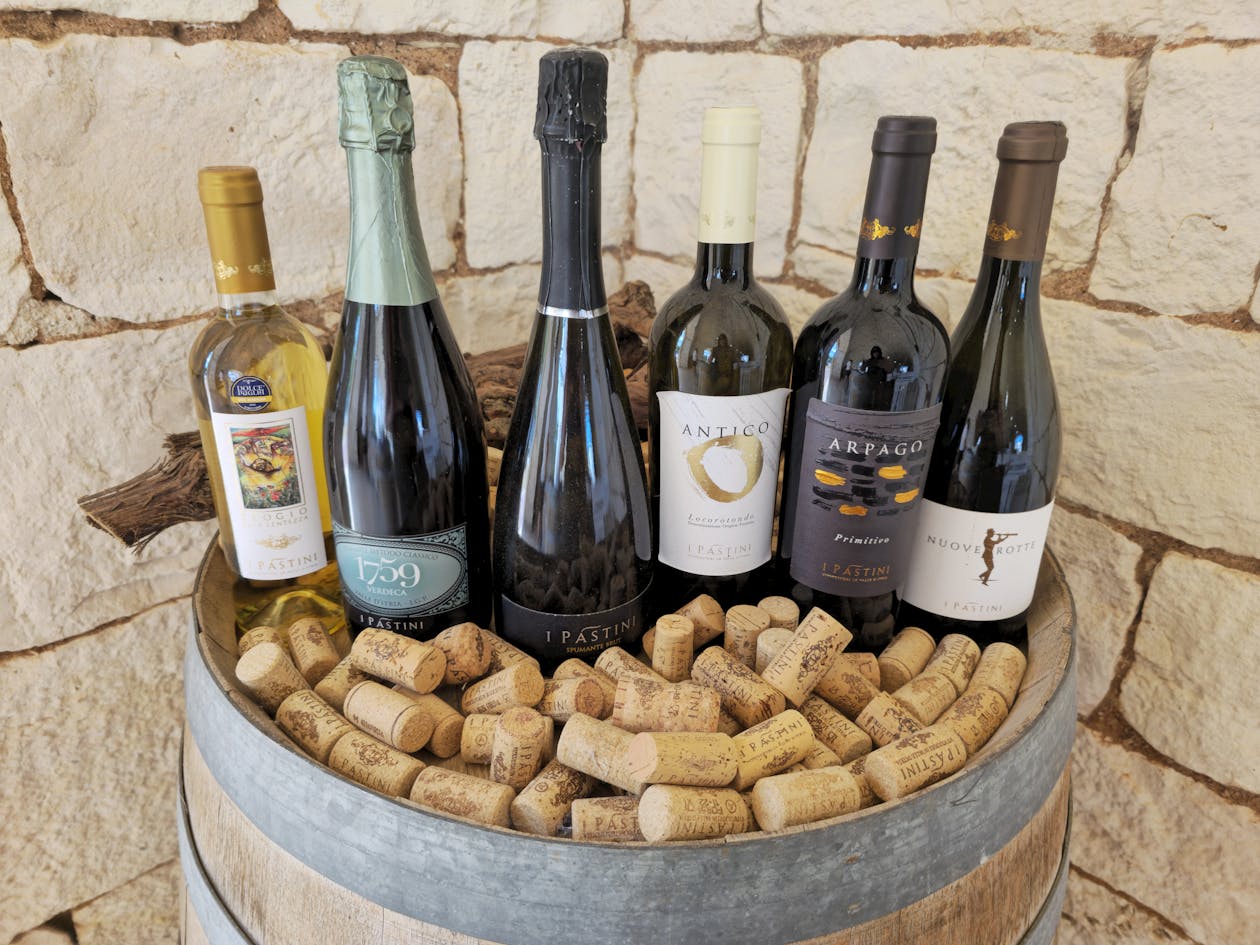
A couple of things almost every tour includes: olive oil tasting (Tuscany takes its olive oil as seriously as its wine), balsamic vinegar, and some form of bruschetta or crostini. If the tour description mentions “light lunch,” expect cheese, salami, bread, and oil. If it says “traditional Tuscan lunch,” expect a full meal with at least two courses.
Chianti vs. Montalcino vs. Montepulciano: Which Wine Region?
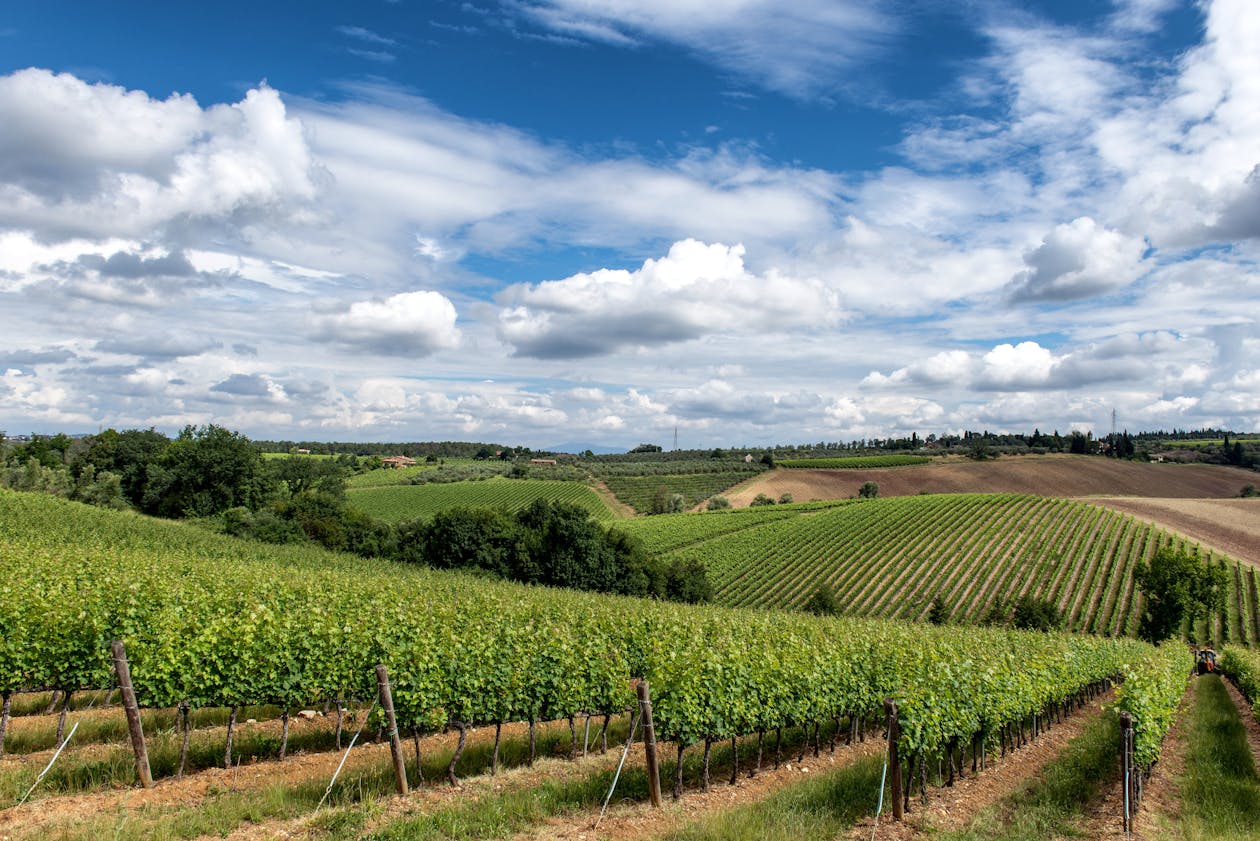
This matters more than most tour descriptions let on. Tuscany is a big region, and the wine changes dramatically depending on where you go.
Chianti (30-45 min from Florence)
The closest wine region and the most popular for day tours. Chianti Classico is the good stuff — made exclusively from Sangiovese grapes grown in the original Chianti zone between Florence and Siena. The wines tend to be medium-bodied, dry, with cherry and earthy notes. Perfect if you’re new to Italian wine or want something approachable. Most half-day tours head here.
Montalcino (1.5-2 hours from Florence)
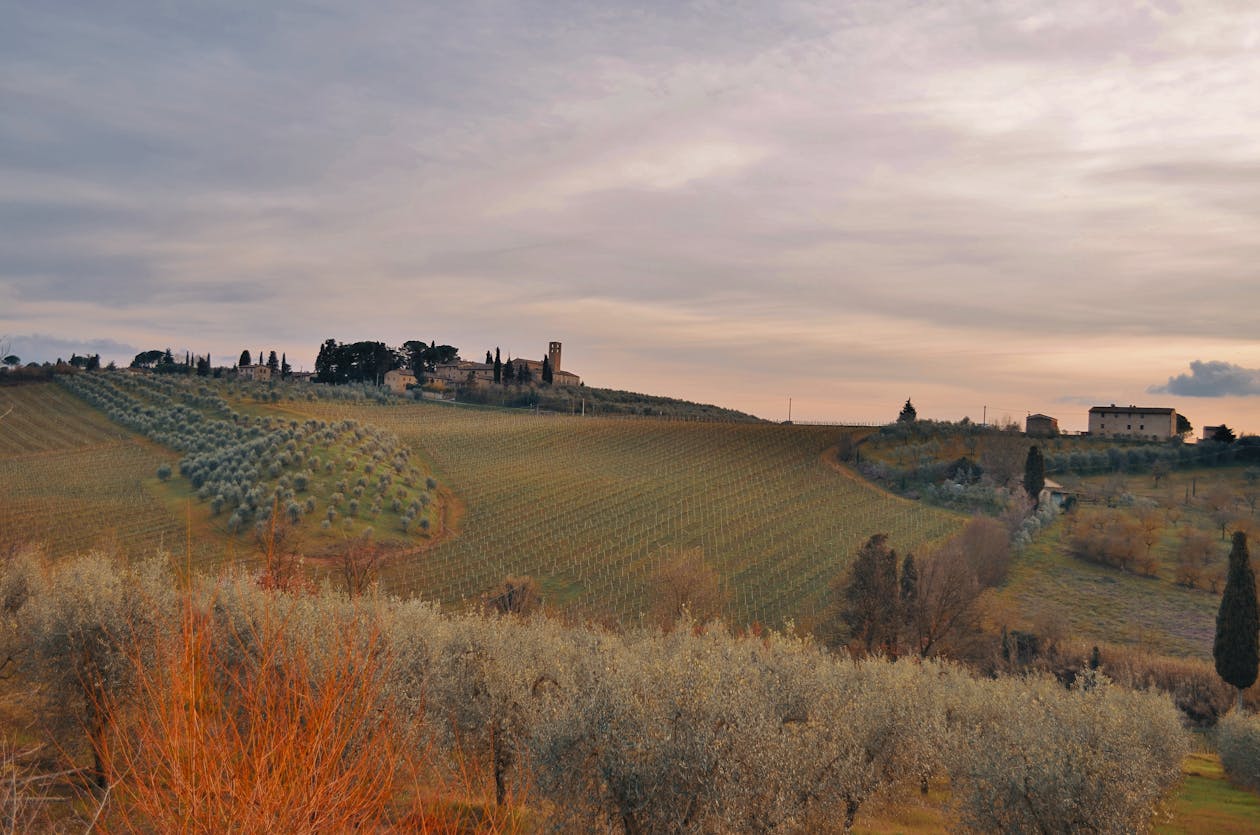
This is Brunello country. Brunello di Montalcino is one of Italy’s most prestigious (and expensive) wines — 100% Sangiovese Grosso, aged a minimum of five years. The town sits on a hill surrounded by vineyards and olive groves. Tours here tend to be full-day affairs because of the drive. But if you care about serious wine, it’s worth the extra time and money. A bottle of Brunello at the winery costs less than half what you’d pay at a wine shop in Florence.
Montepulciano (1.5 hours from Florence)
Vino Nobile di Montepulciano — not to be confused with Montepulciano d’Abruzzo, which is a completely different grape from a completely different region. Nobile is blended Sangiovese, and the town itself is gorgeous. Medieval streets, underground cellars you can walk through, and views that stretch for miles. Fewer tour buses than Chianti, which is a plus.
My take: Chianti for first-timers and anyone short on time. Montalcino for serious wine lovers willing to spend a full day. Montepulciano for people who want great wine plus a beautiful town to wander without the Chianti crowds. If you’re doing a broader Tuscany day trip, you might hit Montepulciano as part of that itinerary.
5 Best Tuscany Wine Tours from Florence
1. Florence: Chianti Wineries Tour with Wine Tasting — $41
Duration: 5 to 5.5 hours | Group size: Small group | Region: Chianti
This is the best value half-day wine tour leaving Florence, and it’s the one I’d recommend if you’ve never done a Tuscan wine tour before. Two Chianti estates, proper guided tastings at each, and enough time at the wineries to actually absorb what you’re drinking instead of being herded through.
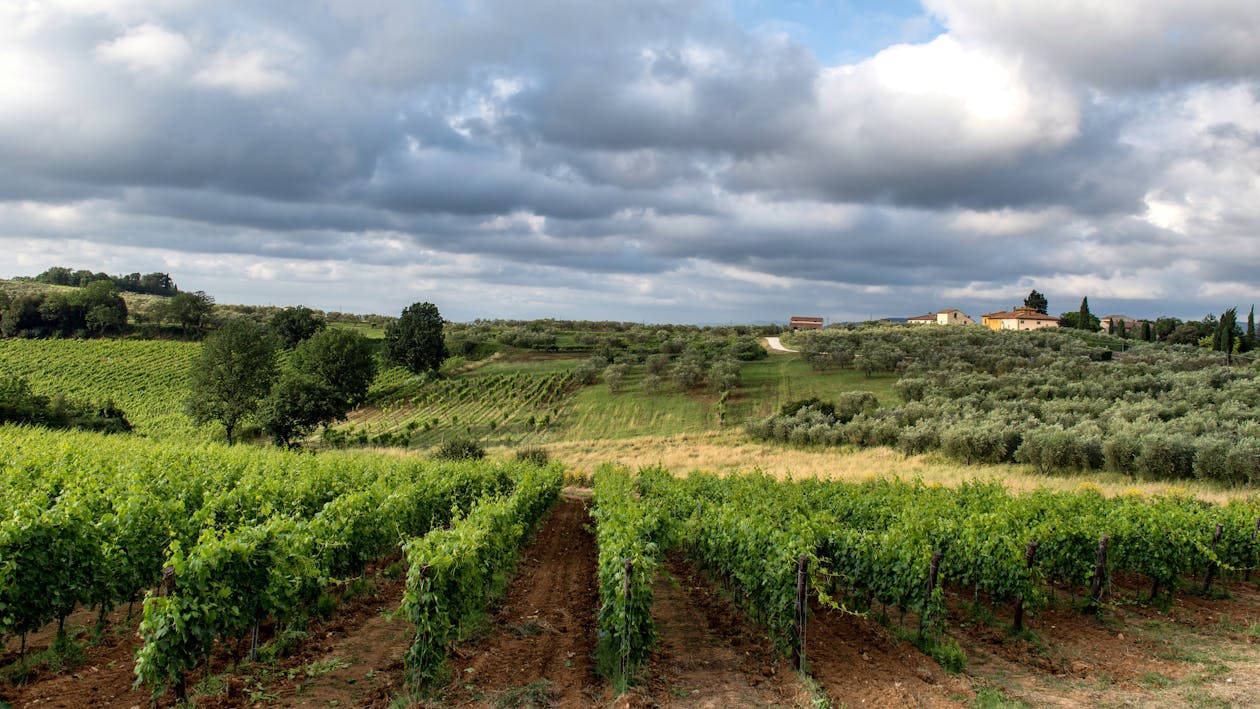
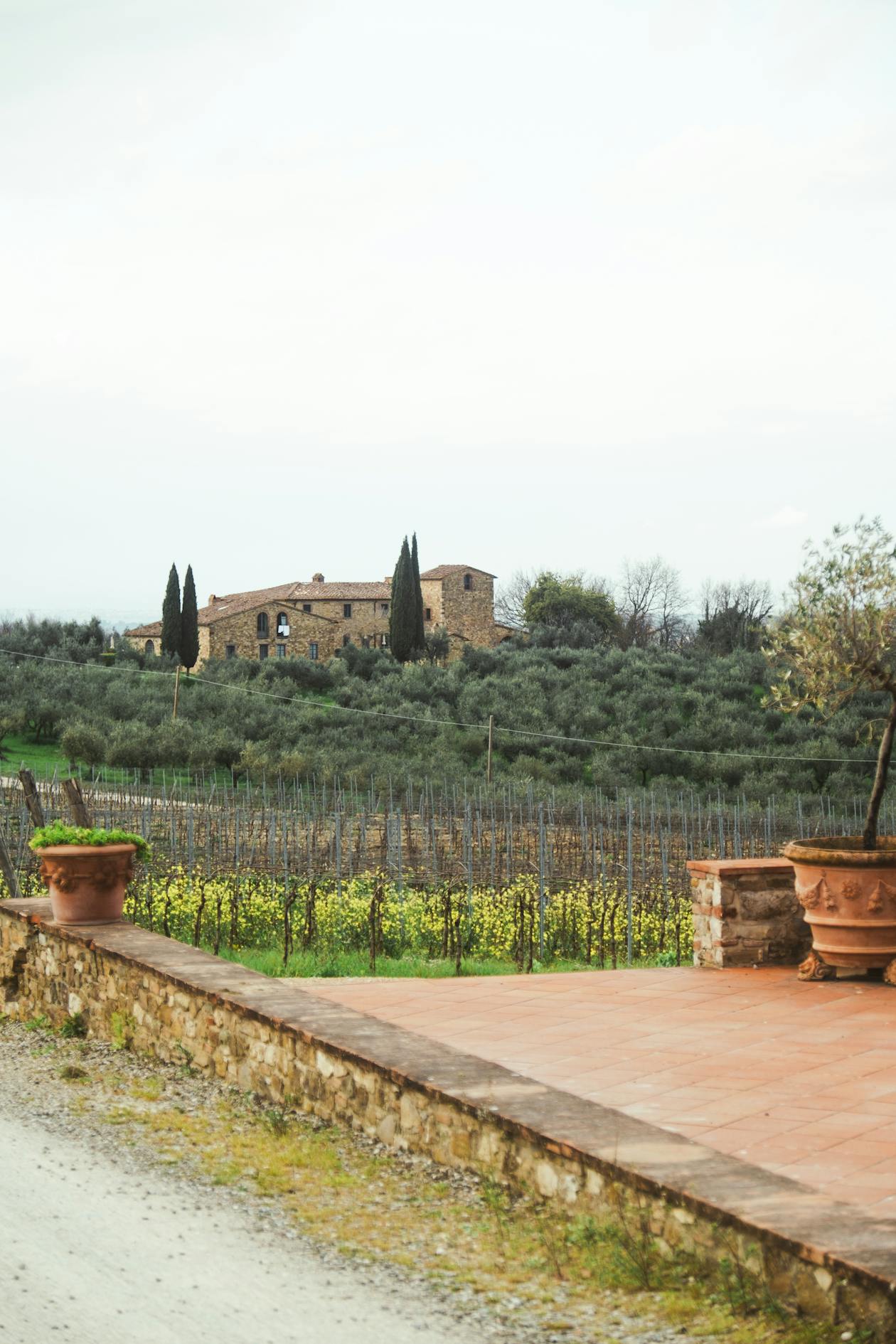
The drive into the Chianti hills takes about 40 minutes, and even that part is good — the landscape shifts from city outskirts to cypress-lined roads and vine-covered slopes before you’re even halfway there. At the wineries, you’ll taste Chianti Classico alongside their olive oils, with explanations from people who actually made the wine. Not a sommelier reading tasting notes off a card.
The only downside: no full lunch included. You get tastings with bread, olive oil, and some local snacks, but if you’re expecting a sit-down meal, you’ll need to eat beforehand or grab something after. For the price, though, this is hard to argue with.
2. Wine Safaris: Off Road Tuscany Wine Tours and Lunch — $157
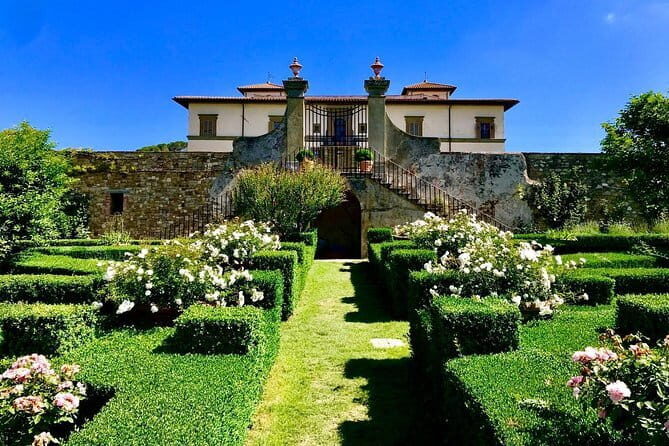
Duration: 7 to 9 hours | Group size: Small group | Region: Chianti
If you want something that doesn’t feel like a standard tour, this is it. You leave Florence in a 4×4 vehicle and head off paved roads into the Chianti backcountry. Dirt tracks between vineyards, stops at estates that don’t get coach tours, and a proper sit-down Tuscan lunch with paired wines.
The “safari” part isn’t just marketing — you actually drive through unpaved vineyard roads, past olive groves and farmhouses that look like they haven’t changed in centuries. The wineries on this route tend to be smaller, family-run operations where the person pouring your wine also pruned the vines that morning.
At $157, it’s almost four times the budget option. But you get 7-9 hours instead of 5, a full multi-course lunch with wine, and an experience that genuinely feels different from the standard minibus tour. If you’re only doing one wine tour in Tuscany and want it to be memorable, this is the one I’d pick.
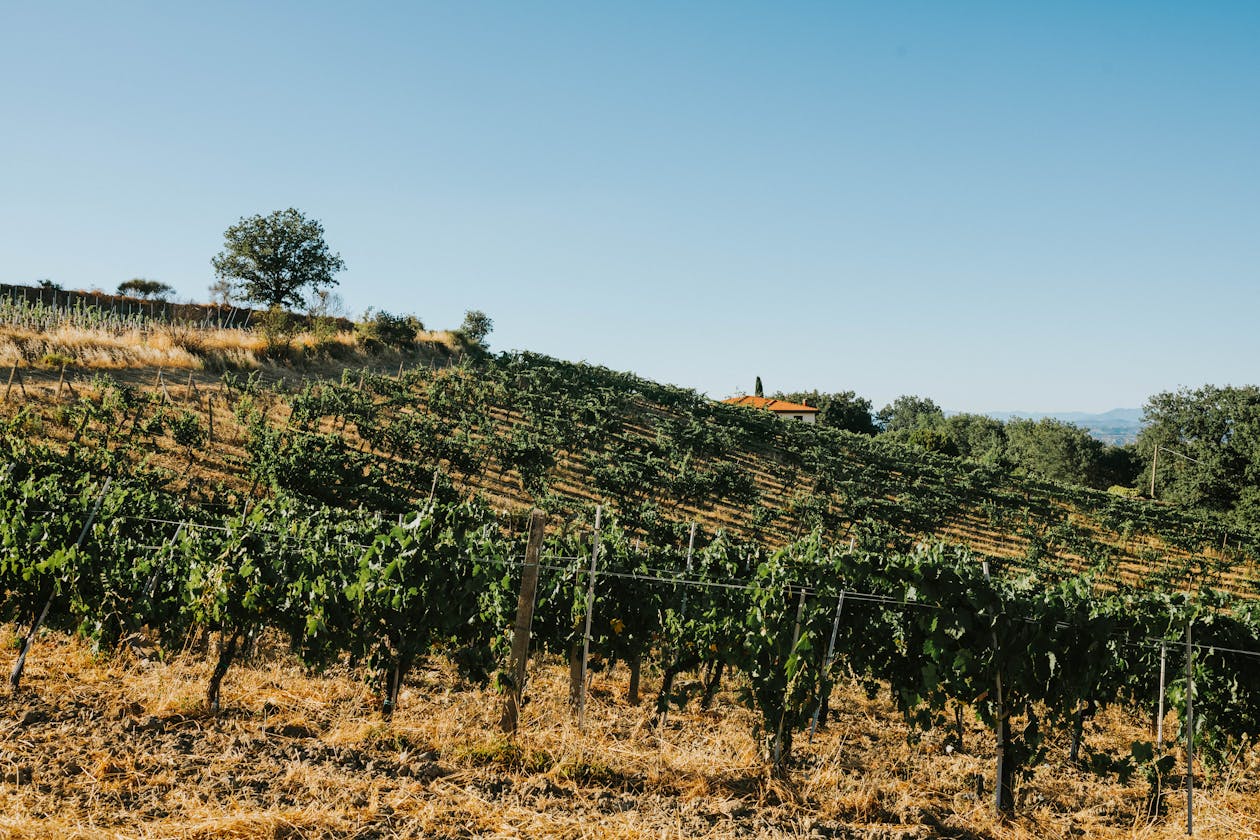
3. Chianti Wine Tour from Florence — $59
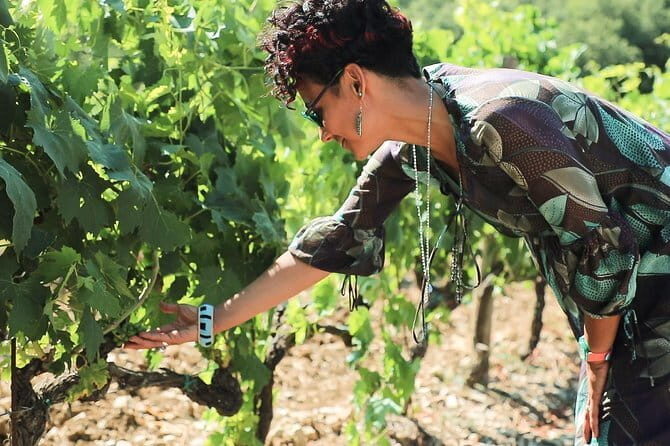
Duration: 5 hours | Group size: Standard group | Region: Chianti
This lands right between budget and premium, and it’s a good option if you want a straightforward Chianti experience without too many bells and whistles. The tour visits estates in the Chianti region with guided tastings, vineyard walks, and cellar tours.
What pushes this above the cheapest options is the quality of the stops. The estates on this route tend to be well-established Chianti Classico producers — not the tourist-facing gift-shop wineries that some budget tours default to. You’ll taste wines that you’d actually want to buy a bottle of, which is the real test.
Like most half-day tours, it wraps up by early afternoon, leaving you time to explore Florence or hit a cooking class in the evening. Not a bad day.
4. Tuscany Wine Tour and San Gimignano from Florence — $230
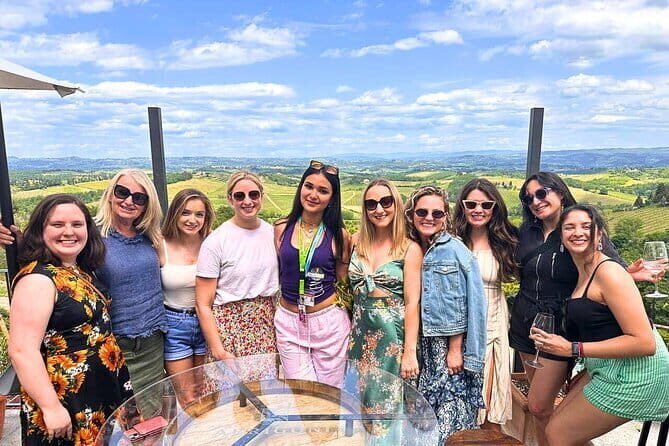
Duration: 7 hours | Group size: Small group | Region: Chianti + San Gimignano
This is the premium option, and it shows. You get Chianti winery visits with tastings, plus time in San Gimignano — one of the most photogenic medieval towns in all of Tuscany. The famous towers, the Vernaccia white wine (the only white in this lineup), narrow stone streets, and views that go on forever.
The combination works well because San Gimignano breaks up the winery visits with something completely different. After two hours of sniffing, swirling, and sipping reds in a cellar, walking through a 13th-century town with a gelato in hand is exactly the change of pace you need.
At $230, this is the most expensive tour on this list by a wide margin. But it packs in a full day’s worth of experiences — wine, food, history, and some of the best landscape views in central Italy. If you’re the type who wants to combine wine with sightseeing rather than doing a pure drinking tour, this is your pick.
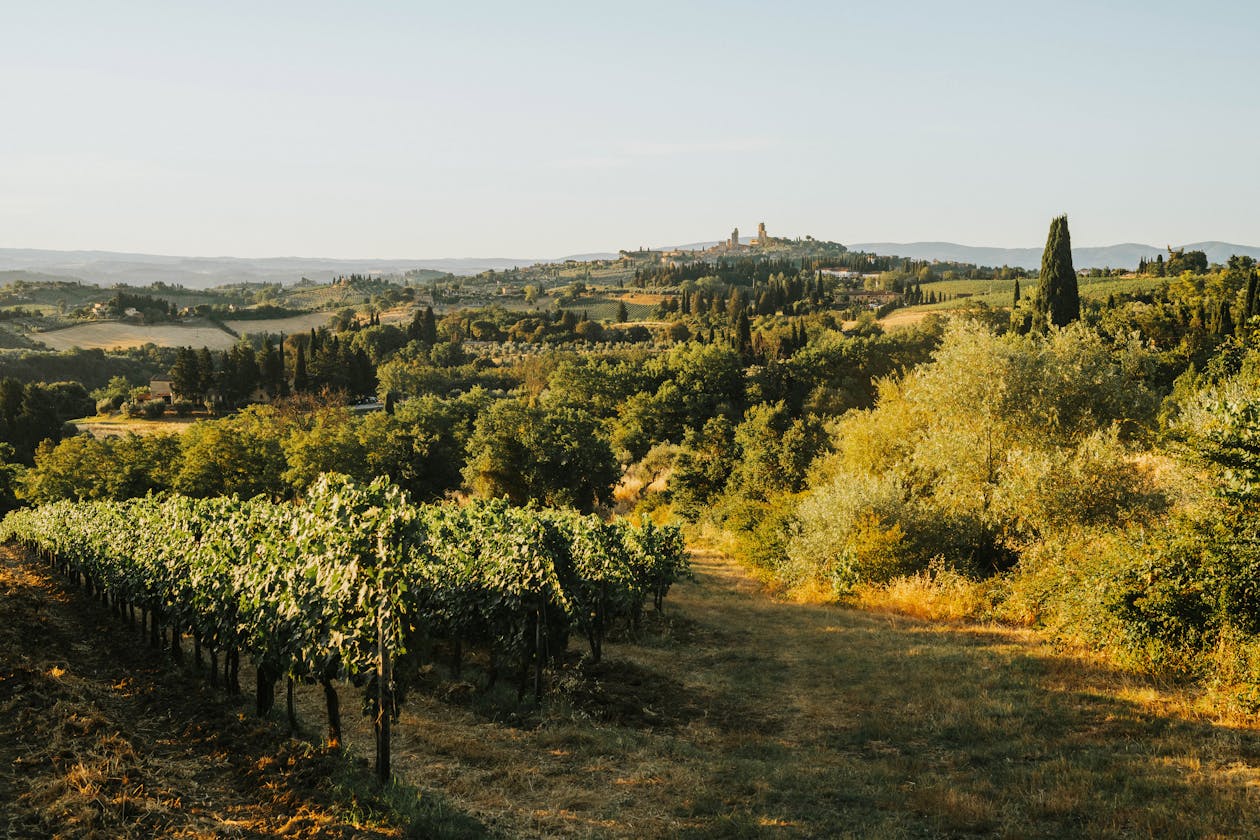
5. Tuscany Bike Tour Through the Chianti Hills with Wine Tasting — $145
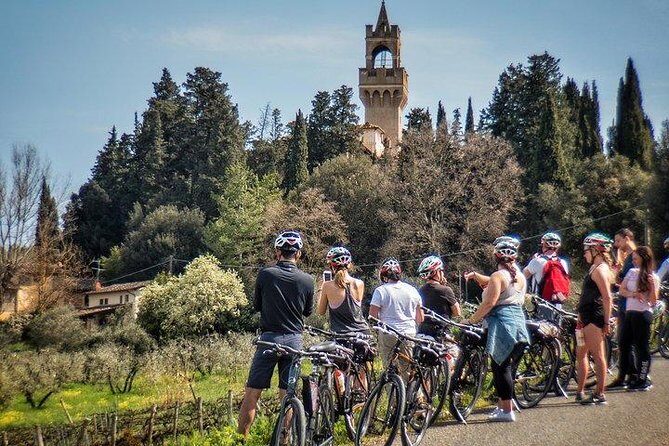
Duration: 6 hours | Group size: Small group | Region: Chianti
Here’s the wildcard. Instead of sitting in a minibus watching the Chianti hills roll past the window, you ride through them on a bike. The route covers vineyard-lined back roads with stops at estates for wine tasting. And yes, you drink wine in the middle of a bike ride. This is Italy, after all.
A word of honesty: the Chianti hills are actual hills. This isn’t a flat, easy pedal along a canal. You’ll work for it. But the route is designed for regular people, not cyclists, and the pace is relaxed. The guide stops frequently, the distances between wineries aren’t long, and e-bikes are usually available if your legs give out.
The combination of physical activity and wine tasting hits different than sitting in a van. You notice more — the smell of the vines, the heat on the road, the quiet between towns. And the wine tastes better after you’ve earned it. At $145, it’s priced between the budget and premium options, and it delivers an experience that’s genuinely unlike anything else on this list.
When to Book a Tuscany Wine Tour
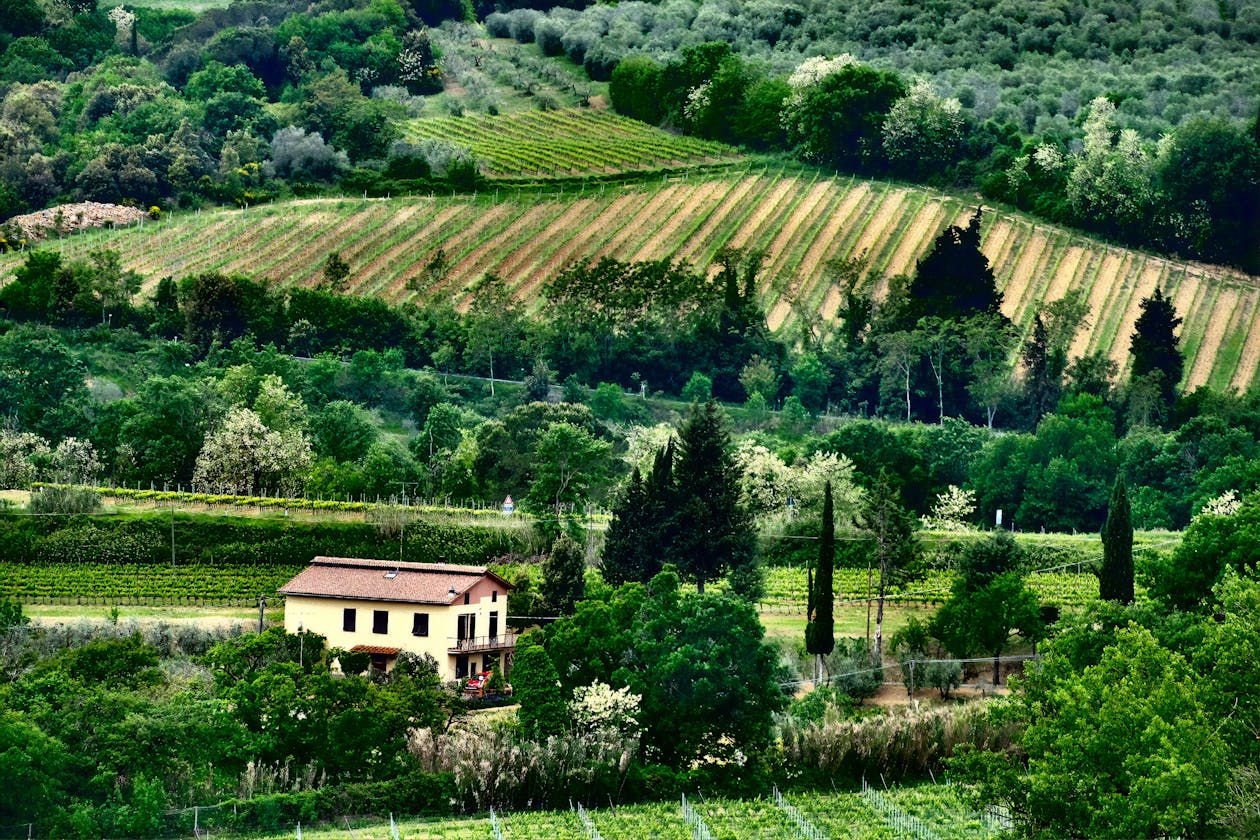
Best months: April through June, and September through October.
Spring (April-June) means green vineyards, wildflowers everywhere, and temperatures that are comfortable for walking through vineyards and sitting in sunny courtyards. The vines are growing but grapes haven’t been harvested yet.
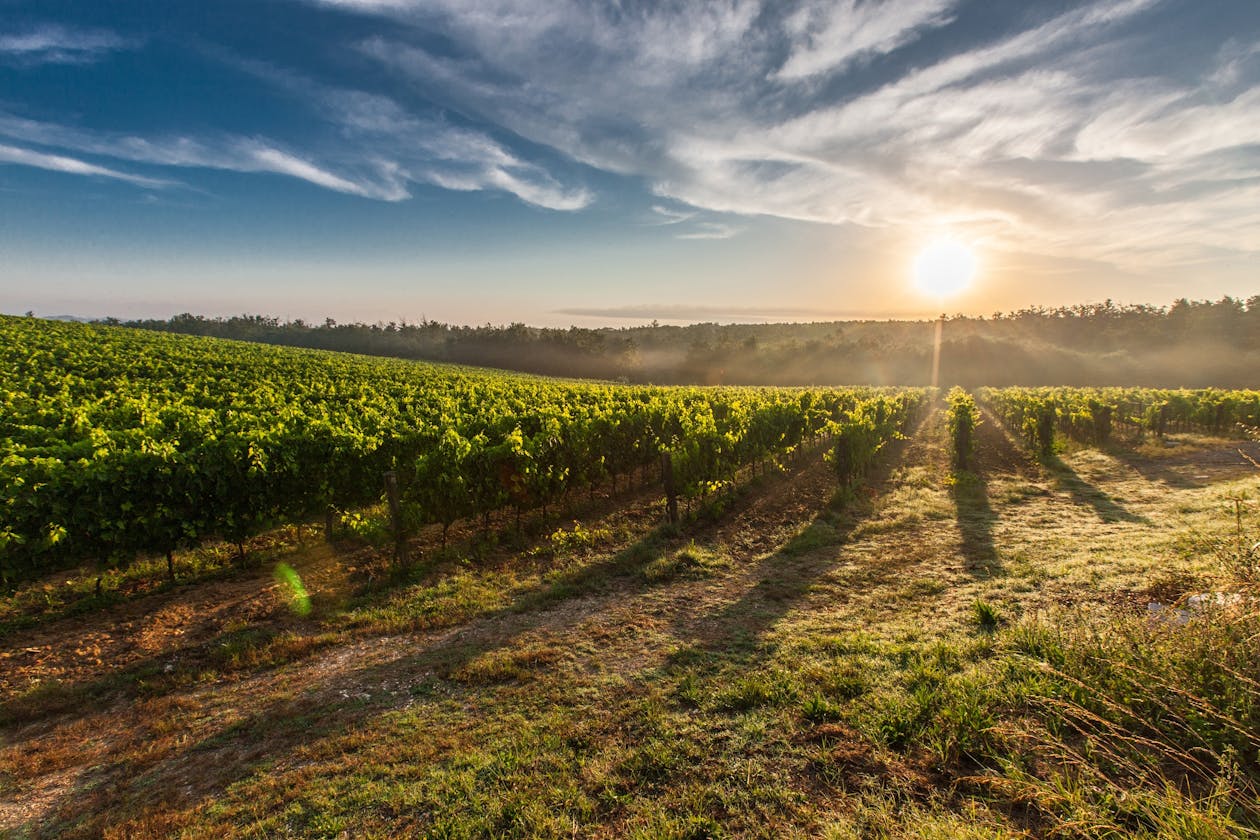
Harvest season (September-October) is the most exciting time. Grapes are being picked, the estates are buzzing with activity, and you might actually see the winemaking process in action. Some tours run special harvest-season itineraries with grape stomping or hands-on picking. The light in October is also incredible — that golden, low-angled Tuscan light that makes everything look like a painting.
July and August are hot. Like, properly hot. 35C+ in the vineyards with no shade. Tours still run, but you’ll be sticky and uncomfortable by midday. The wineries are also busiest because it’s peak tourist season. If summer is your only option, book an early-morning departure.
November through March is quiet season. Some smaller estates close for the winter. Tours still operate but with fewer options and smaller groups. The upside: you’ll often get a more personal experience with fewer travelers. The downside: bare vines aren’t as photogenic, and some outdoor tastings move indoors.
Book at least 2-3 days in advance during peak season (June-September). Popular tours, especially small-group ones, sell out. Off-season, you can often book the day before.
Tips for Getting the Most Out of Your Wine Tour
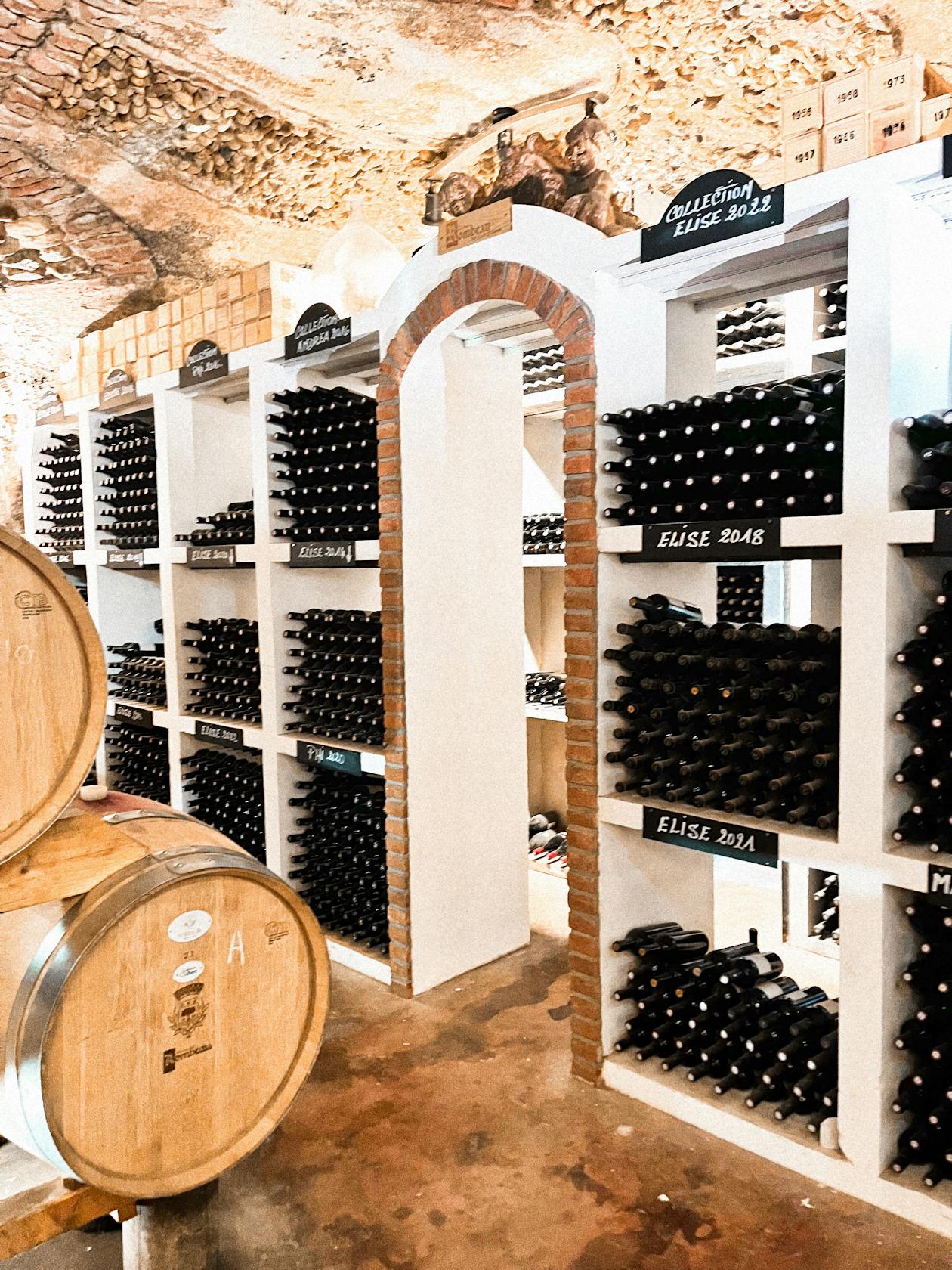
Don’t skip breakfast. You’re going to be drinking wine starting at 10 or 11 AM. Having food in your stomach makes a real difference. A proper Italian breakfast — cornetto and cappuccino — won’t cut it. Eat something substantial.
Wear comfortable shoes. Vineyard walks involve uneven ground, gravel paths, and sometimes actual dirt. Sandals and white sneakers are both bad ideas. Closed-toe shoes with some grip are what you want.
Bring cash for buying wine. Most wineries accept cards, but smaller family estates sometimes don’t. If you taste something you love and want to bring a bottle home, having 20-30 euros in cash avoids awkwardness.
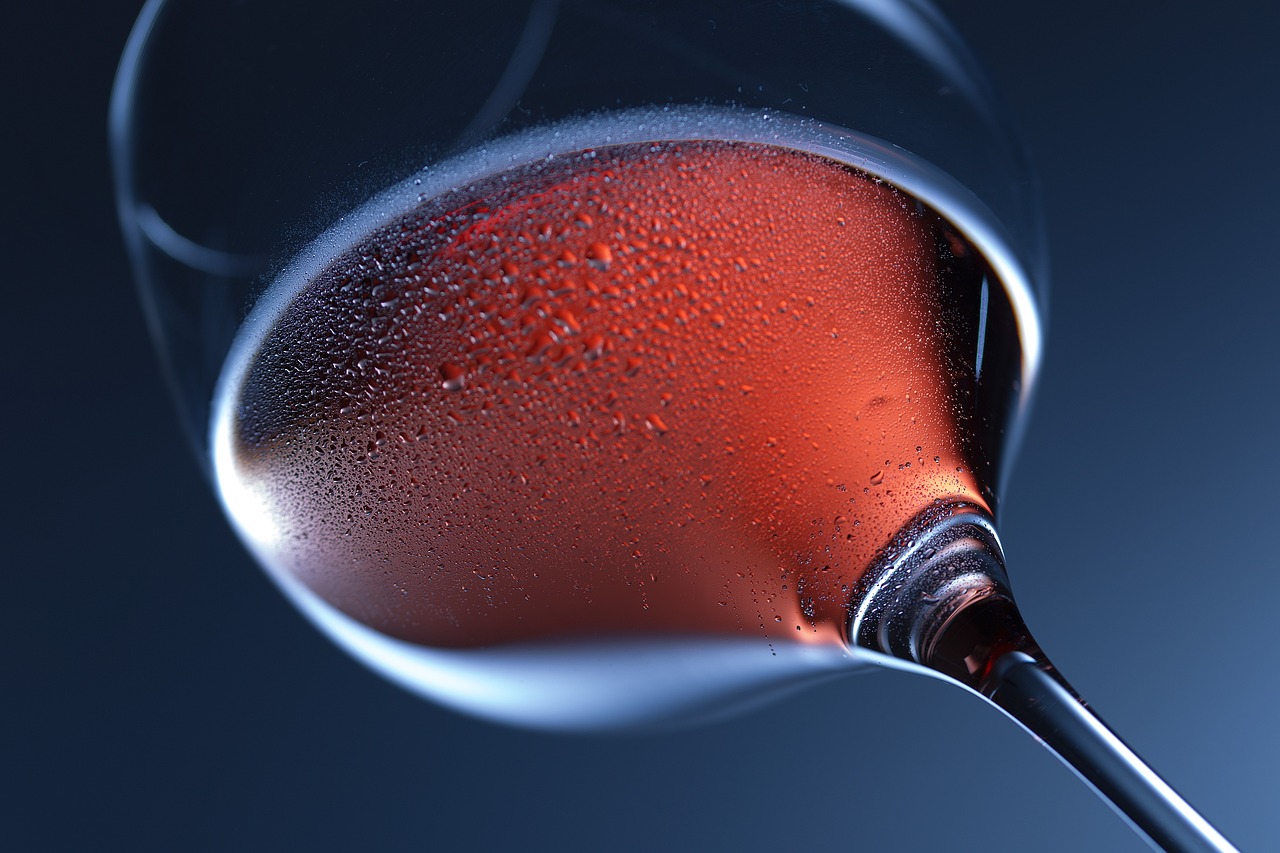
Ask about shipping. Falling in love with a Brunello is easy. Getting it home is the hard part. Some estates ship internationally. Others will pack bottles for your suitcase in protective cases. Ask before you buy six bottles and realize you can’t fit them anywhere.
Use the spit bucket. No one will judge you. If you’re tasting at two or three wineries with four to six pours each, that’s a lot of wine. Professional tasters spit. You can too. Especially if you want to actually remember what you tasted.
Morning tours are better. Your palate is fresher, the light is better for photos, and the wineries are less crowded. Afternoon tours often feel like second shift.
Combine wisely. A morning wine tour pairs well with an afternoon in Florence — visit the Uffizi or Accademia Gallery when you’re back. Or reverse it: morning at the Florence Cathedral and Brunelleschi’s Dome, afternoon wine tour.
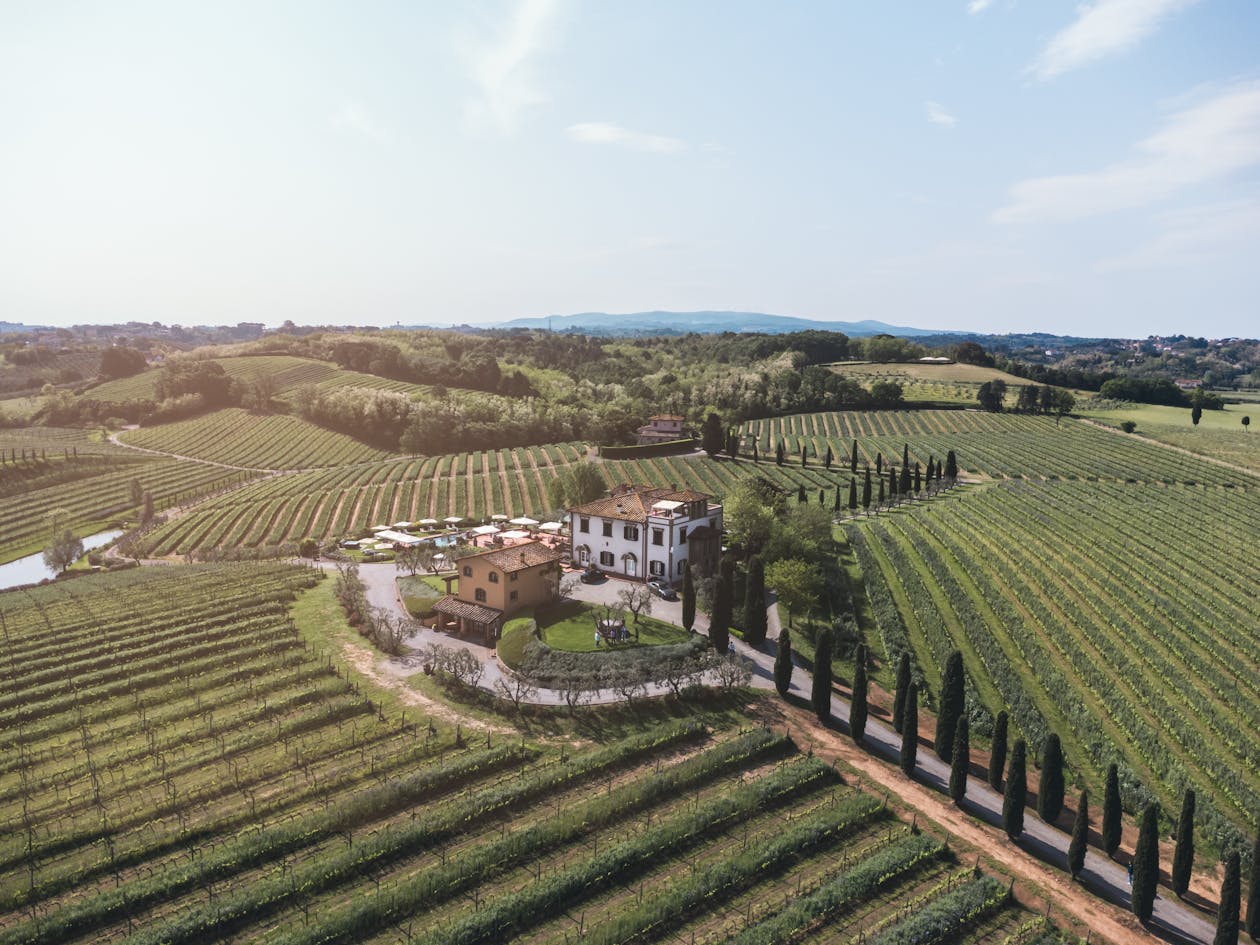
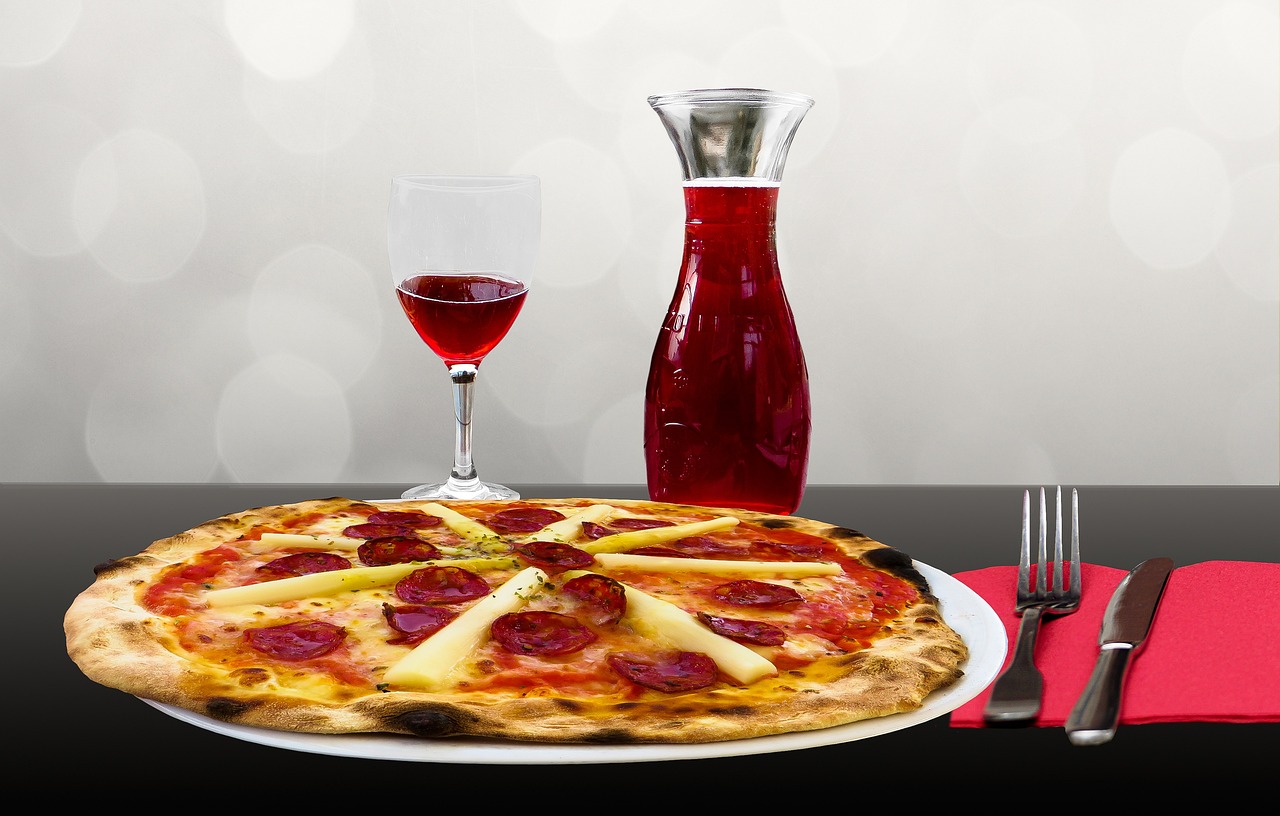
One more thing: if someone on the tour asks you to guess the grape variety, just say Sangiovese. You’ll be right about 80% of the time in Tuscany.
This article contains affiliate links. If you book through our links, we may earn a small commission at no extra cost to you. This helps us keep creating free travel content. We only recommend tours and experiences we’d genuinely suggest to a friend.
More Florence & Tuscany Guides
If your wine tour visits San Gimignano and you want to go deeper, my San Gimignano wine tour guide covers tastings in medieval cellars serving the only white DOCG in Tuscany. For a broader Tuscany experience that mixes wine with hilltop towns and Pisa, check my Tuscany day trip guide comparing eight tours. On your non-wine days in Florence, the Uffizi Gallery and a hands-on cooking class are the two experiences I’d book first.