
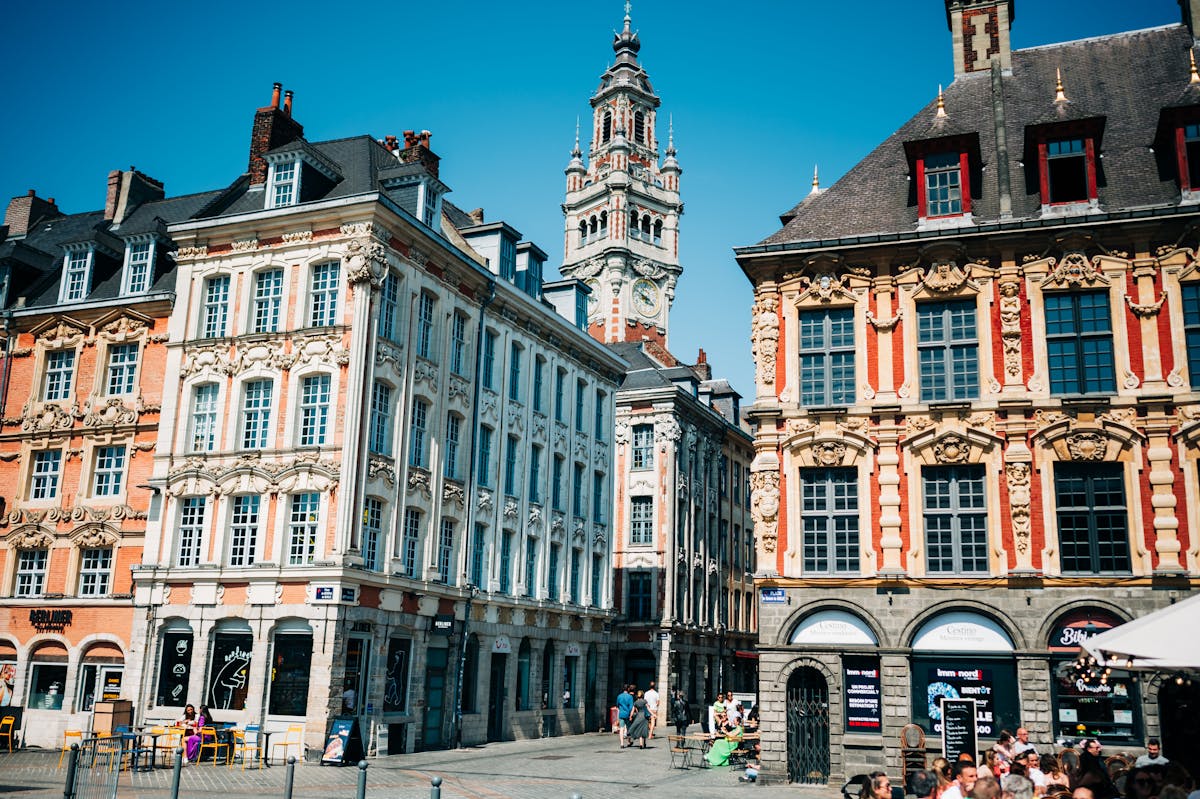
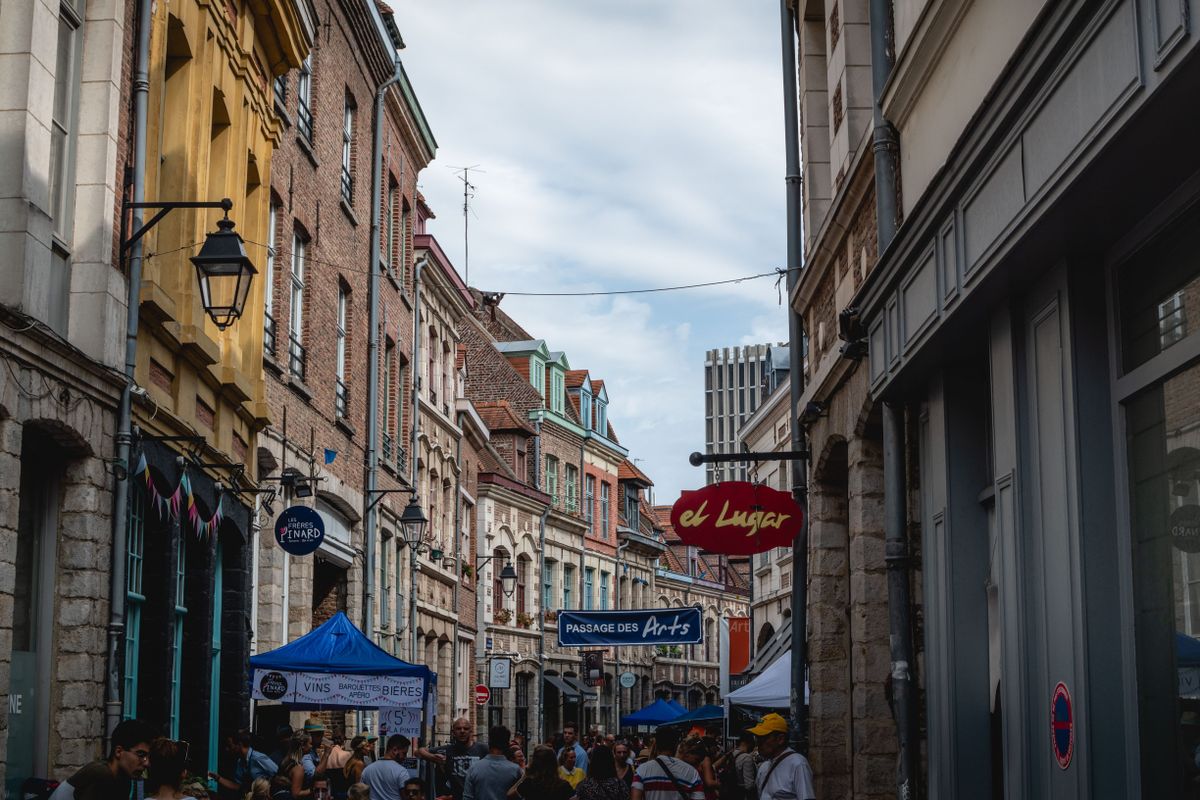
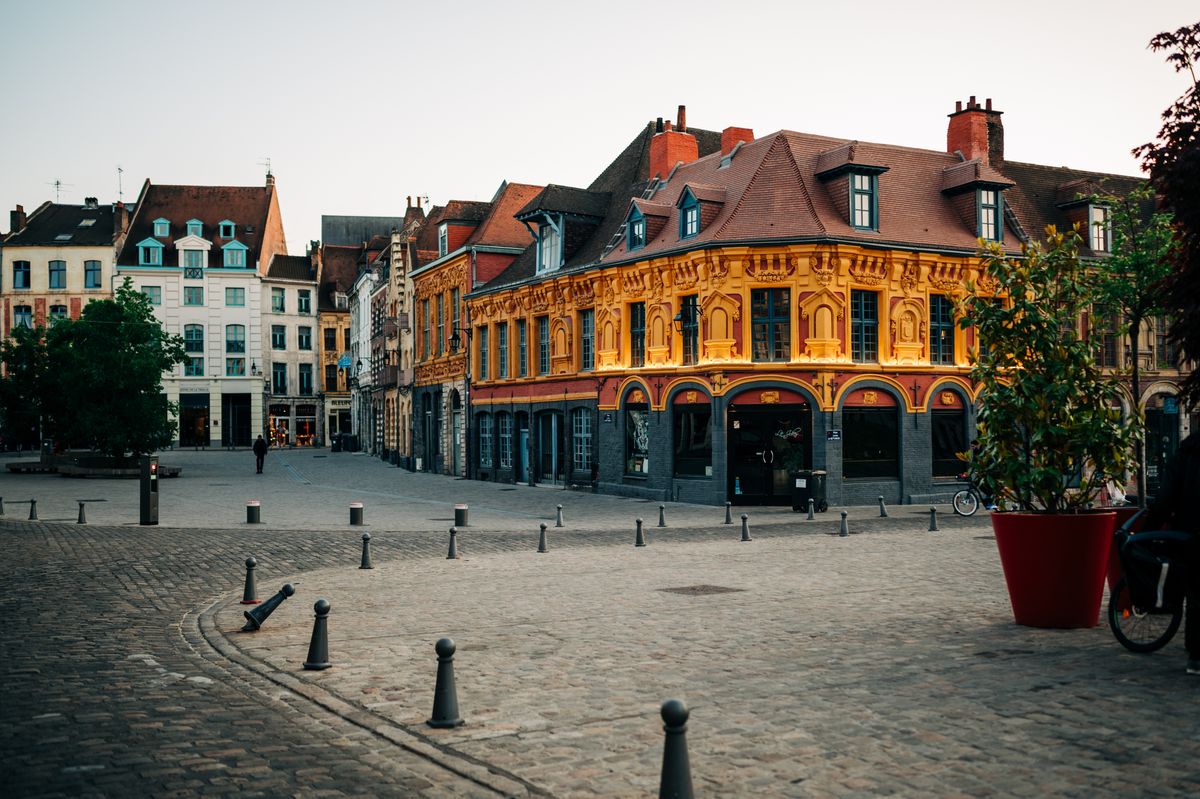
Lille is the French city that looks like it belongs in Belgium — which makes sense, because it was Belgian (well, Flemish) for most of its history. The Grand Place is ringed by ornate Flemish baroque facades in red brick and gilded stone, the old town is a maze of cobblestone lanes with craft beer bars and artisan fromageries, and the Palais des Beaux-Arts holds one of the finest art collections in France outside Paris. Yet most travelers skip Lille entirely on the way to Paris or Brussels, which is precisely why it’s so rewarding to visit.
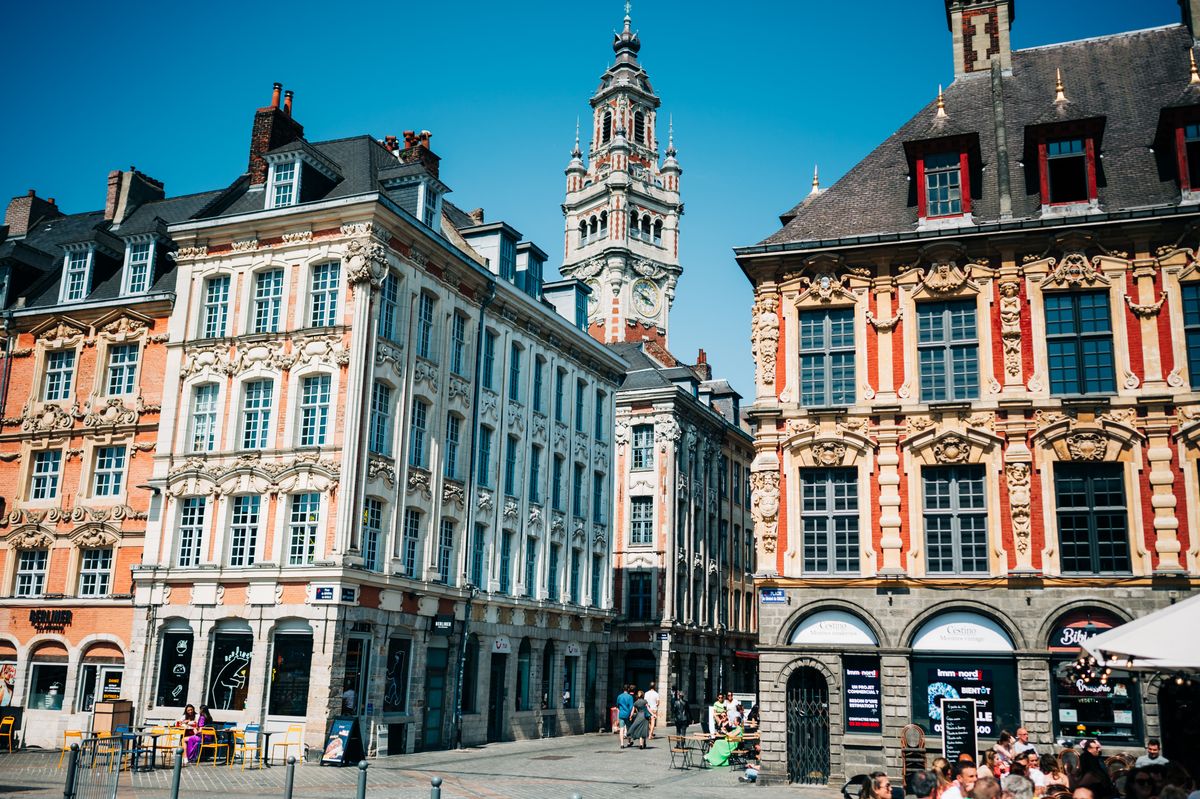
The city sits just an hour from Paris by TGV, thirty minutes from Brussels, and right on the Eurostar route from London. A walking tour is the best way to decode it — the architecture tells a story of shifting borders, Spanish occupation, French conquest, and a Flemish identity that stubbornly survives in the food, the beer, and the faces of the buildings.

I’ve compared the best ways to explore Lille with a guide — from classic walking tours of the old town to the city’s uniquely Lillois experience: touring the streets in a vintage convertible Citroën 2CV.
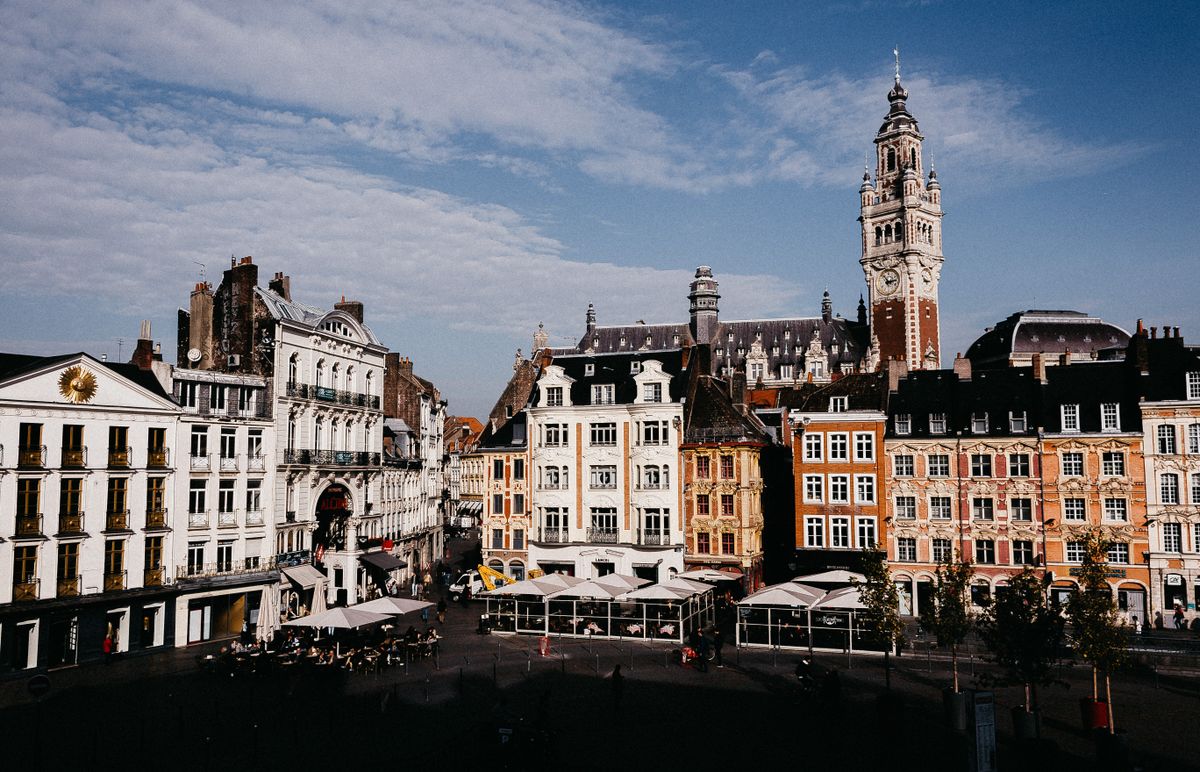
Short on time? Here’s what to book:
Best walking tour: Vieux Lille 2-Hour Guided Walking Tour — €17. The old town on foot with a local guide. Two hours of Flemish history for the price of a coffee and a croissant.
Best overview: Lille City Tour — €19. Covers both old and new Lille including the Citadel district. Slightly broader than the walking tour.
Most fun: Lille by Convertible Citroën 2CV — €34. Wind in your hair, guided commentary, and the most charming transport in France. Pure joy.
- What Makes Lille Different
- It’s Flemish, not Parisian
- It’s compact and walkable
- The Braderie is legendary
- The Best Lille Tours
- 1. Vieux Lille 2-Hour Guided Walking Tour — €17
- 2. Lille City Tour — €19
- 3. Lille by Convertible Citroën 2CV — €34
- A City That Kept Changing Countries
- What to Eat in Lille
- When to Visit
- Frequently Asked Questions
- Is Lille worth visiting if I’ve been to Bruges?
- How much time do I need in Lille?
- Is the 2CV tour suitable for everyone?
- Do I need to speak French?
What Makes Lille Different

It’s Flemish, not Parisian
Lille’s architecture, food, and culture have more in common with Bruges and Ghent than with Paris. The buildings are red brick and ornamental stone, not limestone and zinc. The beer is stronger than the wine. The local dish is carbonnade flamande (beef braised in dark beer), not boeuf bourguignon. A walking tour guide explains these Flemish roots in a way that self-guided wandering misses.
It’s compact and walkable
Vieux Lille (the old town) is about 800 metres across. Everything worth seeing — the Grand Place, the Vieille Bourse, the cathedral, the Rue de la Monnaie shopping street — is within a 15-minute walk. A two-hour guided tour covers the lot with time for stories at each stop.
The Braderie is legendary
Every September, Lille hosts the Braderie — Europe’s largest flea market, stretching over 100 kilometres of pavement. Two million visitors descend on the city for a weekend of bargain-hunting and moules-frites (mussels and chips). Restaurants compete to build the tallest pile of empty mussel shells outside their door. If you’re visiting in early September, plan accordingly.
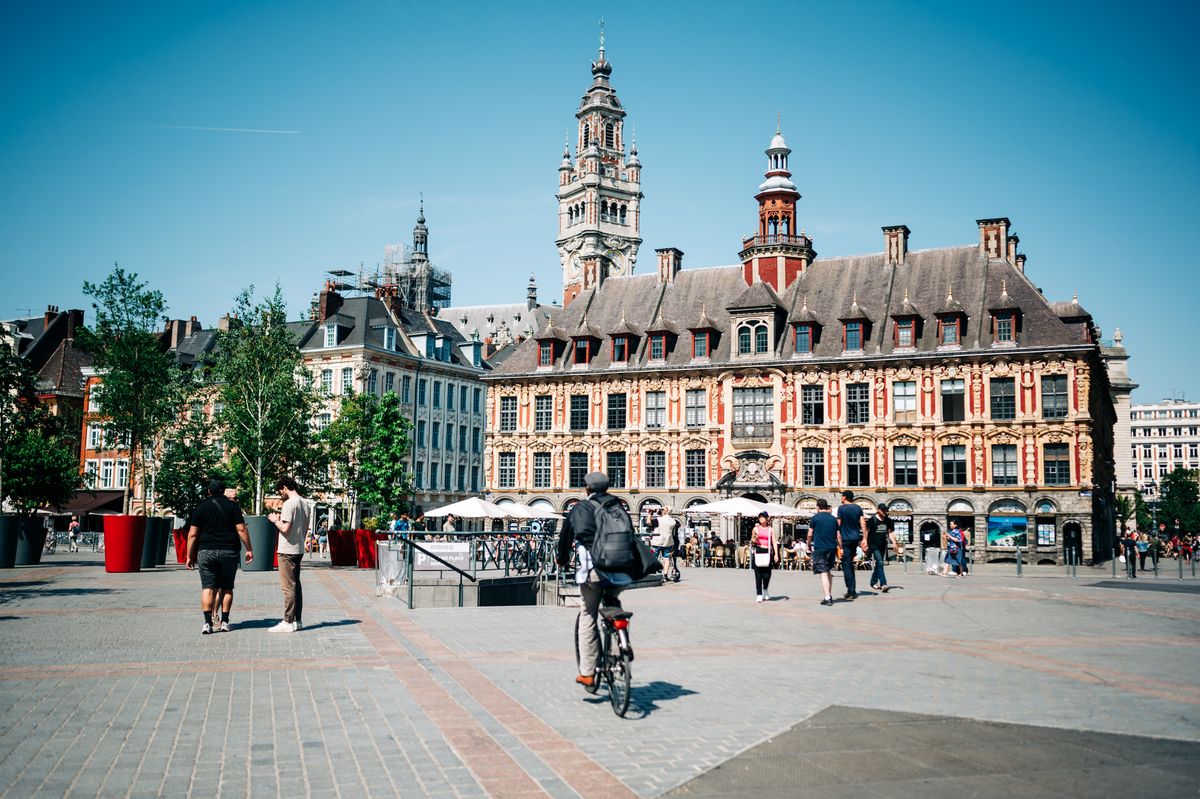
The Best Lille Tours
1. Vieux Lille 2-Hour Guided Walking Tour — €17
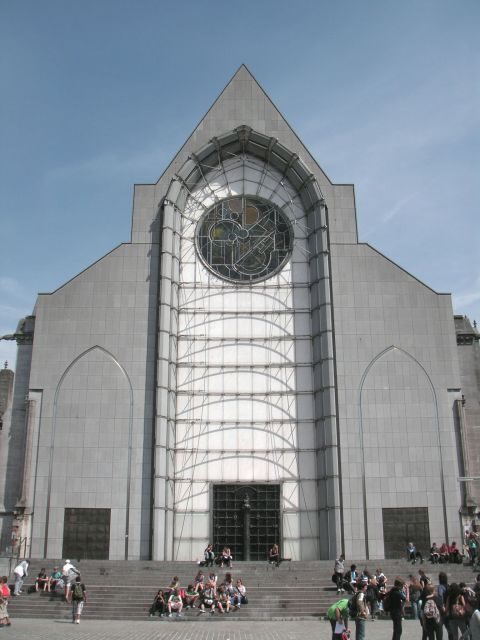
The core Lille walking experience. Your guide leads you through the narrow streets of Vieux Lille — past the Grand Place, through the courtyard of the Vieille Bourse (where book dealers and tango dancers share the space), along the Rue de la Monnaie, and to the cathedral. The commentary weaves between architecture, food, and the complex history of a city that changed nationality multiple times. At €17 for two hours with a local expert, this is one of the best-value guided walks in France — you can see more in our detailed review of what the tour covers.
Duration: 2 hours | Meeting point: Grand Place
2. Lille City Tour — €19
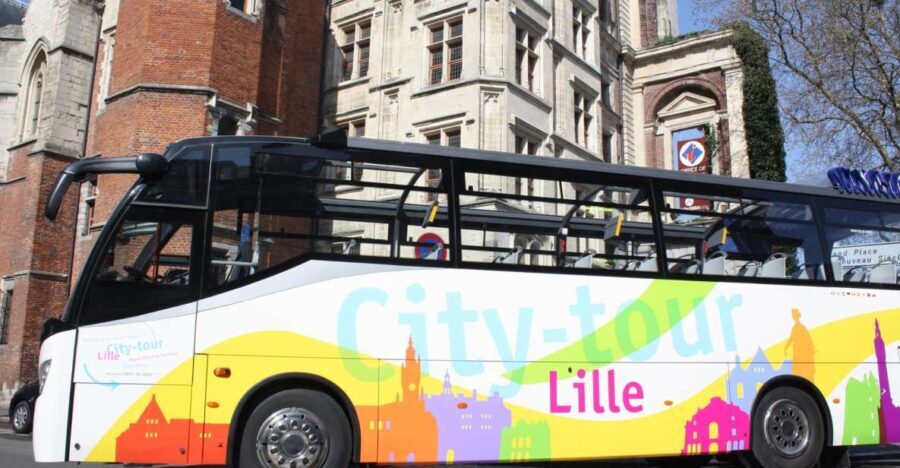
A broader tour that goes beyond the old town to cover Lille’s full story. You still see the Grand Place and Vieille Bourse, but the route extends to the Citadel (a massive star-shaped fortress designed by Vauban for Louis XIV), the Euralille district (a striking 1990s development by Rem Koolhaas), and the neighbourhoods that most travelers never reach. The contrast between 17th-century Flemish architecture and late 20th-century urban planning is genuinely fascinating — as we note in our full review, the guide’s ability to connect these eras makes the slightly higher price worthwhile.
Duration: 2 hours | Meeting point: Central Lille
3. Lille by Convertible Citroën 2CV — €34
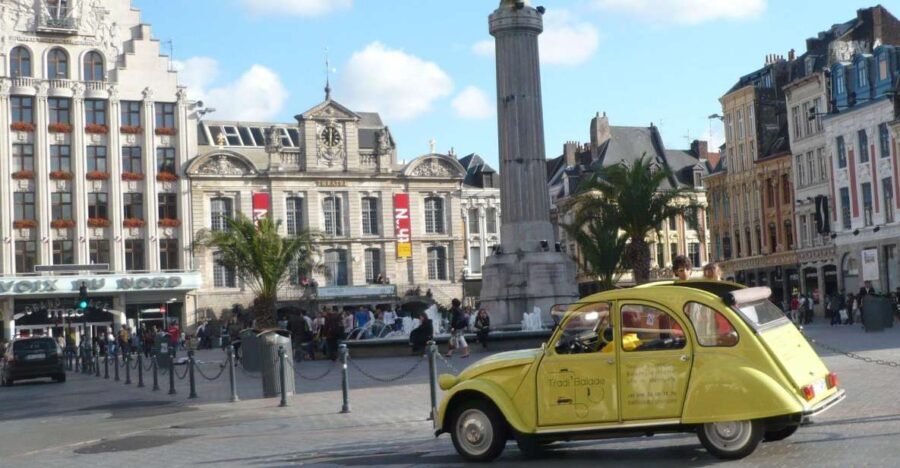
The most charming way to see any city in France. A driver-guide picks you up in a vintage convertible Citroën 2CV — France’s answer to the VW Beetle, and arguably the most beloved car in French history — and tours Lille’s highlights while telling stories, pointing out hidden details, and navigating streets too narrow for modern vehicles. The 2CV’s open top means unobstructed views and photo opportunities, and the car itself generates smiles from every pedestrian you pass. It’s equal parts tour, joy ride, and rolling photo opportunity — our review covers why this was our favourite tour in Lille by a wide margin.
Duration: 1 hour | Meeting point: Central Lille
A City That Kept Changing Countries

Lille has been conquered, sold, traded, and fought over more times than almost any city in Europe. Understanding this is what transforms a walk through pretty streets into something genuinely illuminating.
The city started as a Flemish settlement in the 11th century — the name “L’Isle” refers to the island in the River Deûle where the original castle stood. For 400 years, it was part of the County of Flanders, then the Duchy of Burgundy (the same Burgundian state that produced the great Flemish painters — Van Eyck, Memling, Bosch). The Vieille Bourse, the most beautiful building in Lille, was built during the Spanish period — the Habsburg empire inherited Flanders through a marriage alliance, and Lille was Spanish from 1556 to 1667.
Louis XIV conquered Lille in 1667 after a siege that lasted just nine days. He commissioned Vauban — the greatest military engineer of the 17th century — to build the Citadel, a massive star-shaped fortress that’s still used by the French military today. Vauban called it “the Queen of Citadels” and it remains one of the finest examples of star-fort design in Europe.

The Goddess on her column in the Grand Place commemorates a more recent siege — in 1792, Austrian forces bombarded Lille for eight days during the Revolutionary Wars. The citizens refused to surrender. Women carried ammunition to the ramparts. A cannonball landed in the cellar of the Hôtel de Ville during a council meeting — the mayor reportedly picked it up, set it on the table, and continued the meeting. The story may be embellished, but it captures something real about Lille’s character.
In both World Wars, Lille was occupied by Germany. The city was devastated in 1914 and didn’t fully recover before the Germans returned in 1940. The post-war rebuilding included Euralille — Rem Koolhaas’s strikingly modern development around the TGV station — which deliberately broke from the Flemish architectural tradition and announced Lille’s reinvention as a modern European crossroads.
What to Eat in Lille
Carbonnade flamande: Beef braised in dark beer with onions and brown sugar. It’s Lille’s signature dish and tastes nothing like any French stew you’ve had — the beer gives it a malty depth that red wine can’t match.
Welsh: Not a misspelling — it’s a Lillois dish of cheddar cheese melted over bread and ham, doused in beer. Essentially a Northern French rarebit. Served in every estaminet (traditional Flemish pub/restaurant) in the old town.
Moules-frites: Mussels and fries. The same dish you’d get in Brussels, prepared the same way, because Lille and Brussels share the same culinary DNA. During the Braderie, restaurants serve moules-frites by the metric tonne.
Maroilles: The local cheese — a washed-rind cow’s milk cheese that smells significantly worse than it tastes. It’s used in the regional tart (flamiche au Maroilles), which is genuinely excellent if you can get past the aroma.
Beer: Lille is beer country, not wine country. The local brasseries serve Flemish-style ales — amber, blonde, and brown — from breweries within 50 kilometres. The Rue de Gand in Vieux Lille has the highest concentration of craft beer bars.
When to Visit
Best months: May through September for warm weather and outdoor terraces. June and July are ideal — long evenings, the courtyards of the Vieille Bourse alive with dancers and book browsers.
The Braderie: First weekend of September. Europe’s largest flea market transforms the entire city. Book accommodation months ahead — every hotel room within 30 kilometres sells out. The moules-frites competition alone is worth the trip.
Christmas market: Late November through December. Lille’s Marché de Noël in the Grand Place is one of the best in France — vin chaud, gingerbread, and illuminated Flemish facades.
Getting there: TGV from Paris Gare du Nord takes 62 minutes. Eurostar from London St Pancras takes 80 minutes. Brussels is 35 minutes by train. Lille is arguably the best-connected city in northern Europe — and the most underrated.
Frequently Asked Questions
Is Lille worth visiting if I’ve been to Bruges?
Absolutely. They share Flemish roots but Lille is a living, working French city rather than a preserved medieval tourist town. It has a university, a thriving nightlife, and a food scene that’s evolving fast. Bruges is a museum; Lille is a city that happens to have museum-quality architecture.
How much time do I need in Lille?
A day trip from Paris or Brussels covers the highlights comfortably. Two days lets you visit the Palais des Beaux-Arts (genuinely one of France’s best art museums), explore the Wazemmes market, and eat your way through the old town properly.
Is the 2CV tour suitable for everyone?
The car is small — two passengers plus the driver. It’s a vintage vehicle with minimal suspension, so the ride is bumpy on cobblestones. It’s enormous fun but not ideal for anyone with serious back problems. Children love it.
Do I need to speak French?
All three tours listed here offer English-speaking guides. Lille’s younger population speaks good English, and restaurant staff in the tourist areas are accustomed to English-speaking visitors. A few words of French are always appreciated but never required.
Lille sits at the crossroads of France, Belgium, and England — making it an easy add to any northern European itinerary. An hour south by TGV, Paris offers everything from the Louvre to food tours and walking tours through its historic quartiers. Thirty minutes north, Bruges delivers the Flemish medieval experience at its most photogenic, and Brussels combines chocolate tours with one of Europe’s best beer scenes.