
The first time I walked through Alfama, I got completely lost within ten minutes. The GPS kept spinning, the alleys kept narrowing, and a woman leaning out of her second-floor window pointed me in the wrong direction — on purpose, I think, because she was laughing about it with her neighbor. That is Lisbon. A city built on seven hills where half the streets were laid out before anyone had invented the concept of a grid, and the other half were rebuilt after an earthquake flattened everything in 1755.
You can ride Tram 28 through it. You can take a tuk-tuk. But walking is how Lisbon actually makes sense — the azulejo-covered facades you would blow past in a vehicle, the miradouros that only reveal themselves after a steep climb, the fado drifting out of a doorway in Mouraria at 2pm on a Tuesday. A guided walking tour strips away the confusion and gives you the stories behind all of it.
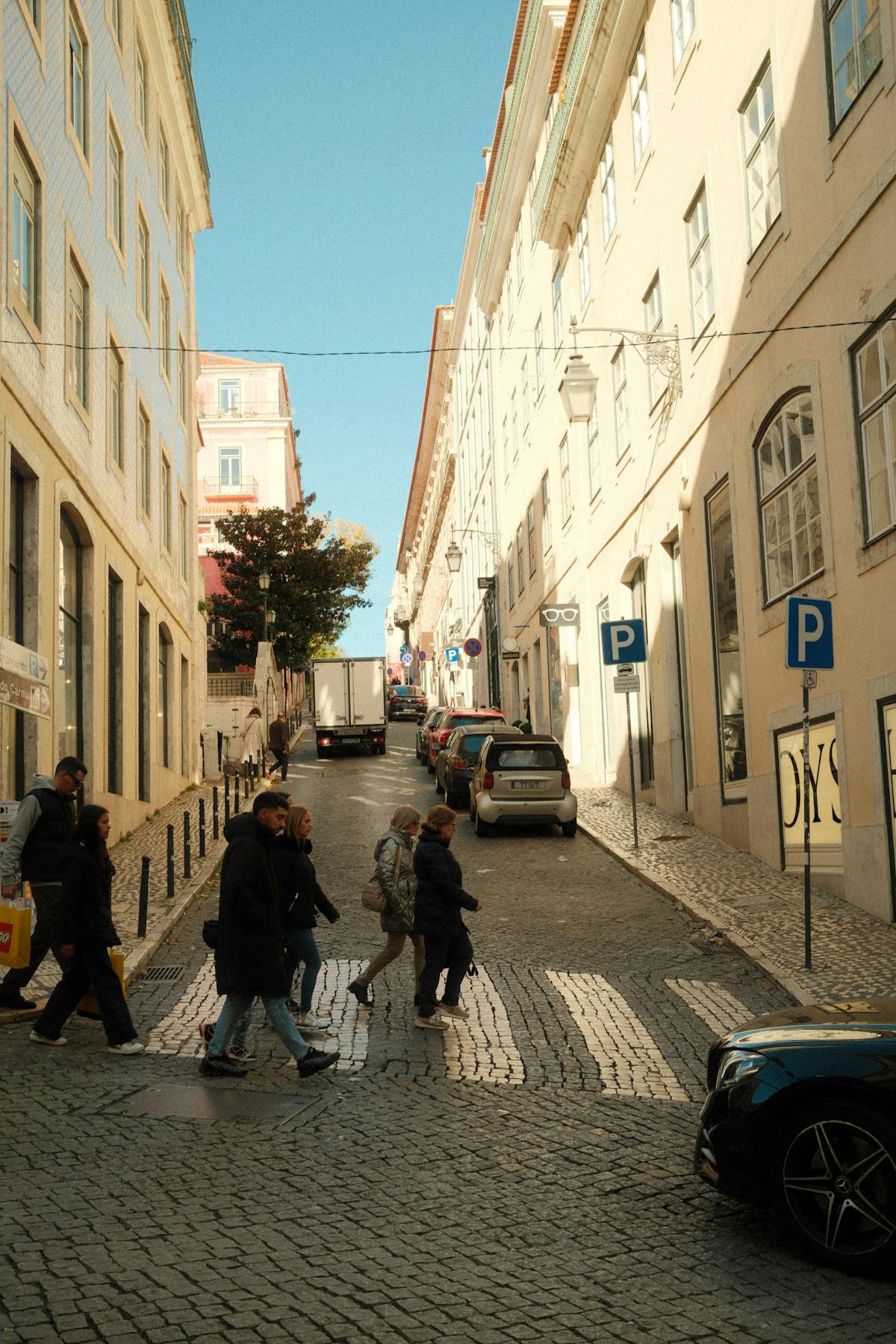



Booking a walking tour here is straightforward, but picking the right one takes a bit more thought. Some cover the historic center end to end. Others zero in on a single neighborhood, or combine walking with a tram ride, or focus entirely on street art. The price difference between them is often just a few euros, so the decision comes down to what you actually want to see and how long you want to be on your feet.
Here is what I found after digging through the options.
Best overall: History, Stories and Lifestyle Walking Tour — $29. Three hours covering Alfama, Mouraria, and the historic center with a guide who actually tells stories instead of reading from a script.
Best value: Rossio, Chiado and Alfama Walking Tour — $23. Hits the three most important neighborhoods in three hours for the lowest price on this list.
Most fun: Tram 28 Ride and Walking Tour — $23. Combines the iconic tram with a guided walk, which means you skip the queue and get the backstory on everything you pass.
- Why Walking Is the Best Way to See Lisbon
- Types of Walking Tours in Lisbon
- The Best Lisbon Walking Tours to Book
- 1. History, Stories and Lifestyle Walking Tour —
- 2. Best of Lisbon Small-Group Walking Tour —
- 3. Rossio, Chiado and Alfama Walking Tour —
- 4. Tram 28 Ride and Walking Tour —
- 5. Kickstart Street Art Walking Tour —
- When to Walk Lisbon
- Practical Tips for Walking Lisbon
- More Lisbon Guides
Why Walking Is the Best Way to See Lisbon
Lisbon is not a city that works well from a bus window. The things that make it special — the way the light hits a tiled wall at the end of a narrow alley, the sound of fado leaking out of a restaurant at lunchtime, the sudden view of the Tagus River appearing between two buildings — these only happen on foot.
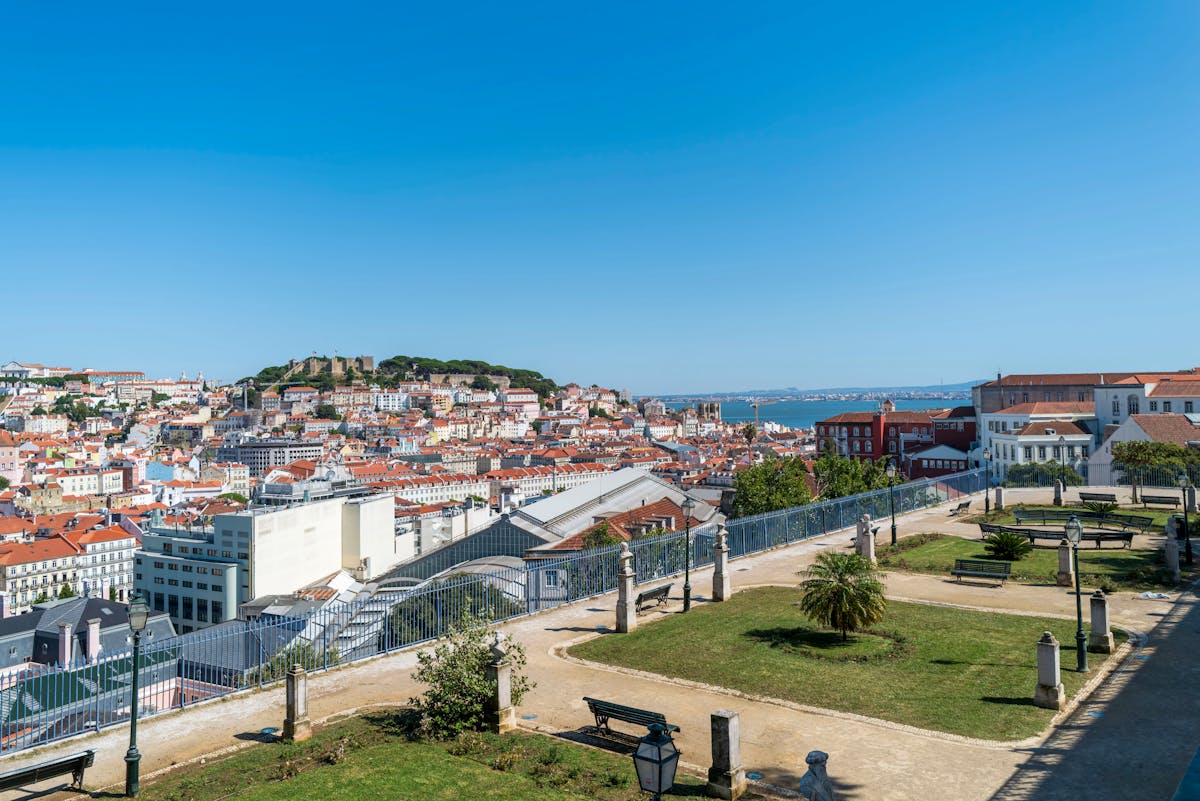
The city’s layout makes it ideal for walking tours. Alfama, Baixa, Chiado, Bairro Alto, and Mouraria are all within walking distance of each other, but they feel like completely different places. Alfama is medieval and tangled. Baixa is Pombaline grid perfection, rebuilt after the 1755 earthquake. Chiado is where the literary cafes are. Bairro Alto is dead during the day and alive at night. A three-hour guided walk connects the dots between them in a way that wandering on your own simply does not.
The hills are the other reason. Lisbon’s seven hills are not gentle slopes — some of them are genuinely punishing, especially in summer heat. A guide who knows the routes will take you up the gradual side and show you the view from the top, rather than having you slog up the steep face and arrive too exhausted to appreciate anything.
Types of Walking Tours in Lisbon

Classic city overview tours cover the major neighborhoods in three to four hours. These are best if it is your first time in Lisbon and you want orientation. Most start at Rossio or Praca do Comercio and work through Baixa, Alfama, and Chiado. Expect a mix of history, architecture, and practical tips about where to eat and what to skip.
Neighborhood-specific tours go deep into one area. An Alfama-focused tour spends the entire time in the oldest district — fado history, Moorish-era walls, tiny bars where locals still drink ginjinha standing up. These are better for repeat visitors or anyone who would rather know one neighborhood well than skim five.
Tram combo tours pair a ride on Tram 28 with a guided walk along the route. This is clever because Tram 28 is worth riding but the queue can be 45 minutes long in peak season. Tour groups board at less crowded stops and the guide explains what you are passing through.
Street art tours take you through LX Factory and the neighborhoods where Lisbon’s mural scene has exploded over the last decade. Shorter (usually 90 minutes) and a good option if you have already done the historic center but want to see a different side of the city.
The Best Lisbon Walking Tours to Book
I pulled these from our database of tour reviews and picked five that cover different styles — a comprehensive history walk, a small-group experience, a neighborhood deep-dive, a tram combo, and a street art option. Prices are current as of early 2026.
1. History, Stories and Lifestyle Walking Tour — $29
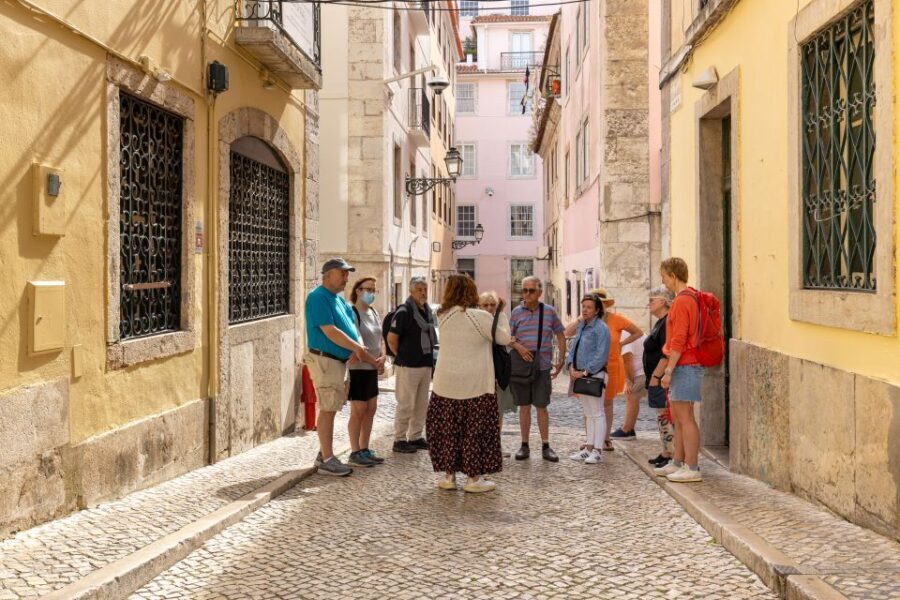
Three hours, covers Alfama, Mouraria, Rossio, and parts of Chiado. The itinerary hits the big landmarks but also detours into places most travelers walk right past — a tiny chapel, a hidden courtyard, a wall of azulejos that tells a specific story about the 1755 earthquake. The guides are local and tend to have strong opinions about what is overrated and what is not, which makes the tour feel less rehearsed than many alternatives.
At $29 for three hours with a knowledgeable local guide, this is well priced for what you get. It is also the most reviewed walking tour in Lisbon in our database by a wide margin, which usually means the operator has been running it long enough to have the logistics down.
2. Best of Lisbon Small-Group Walking Tour — $24

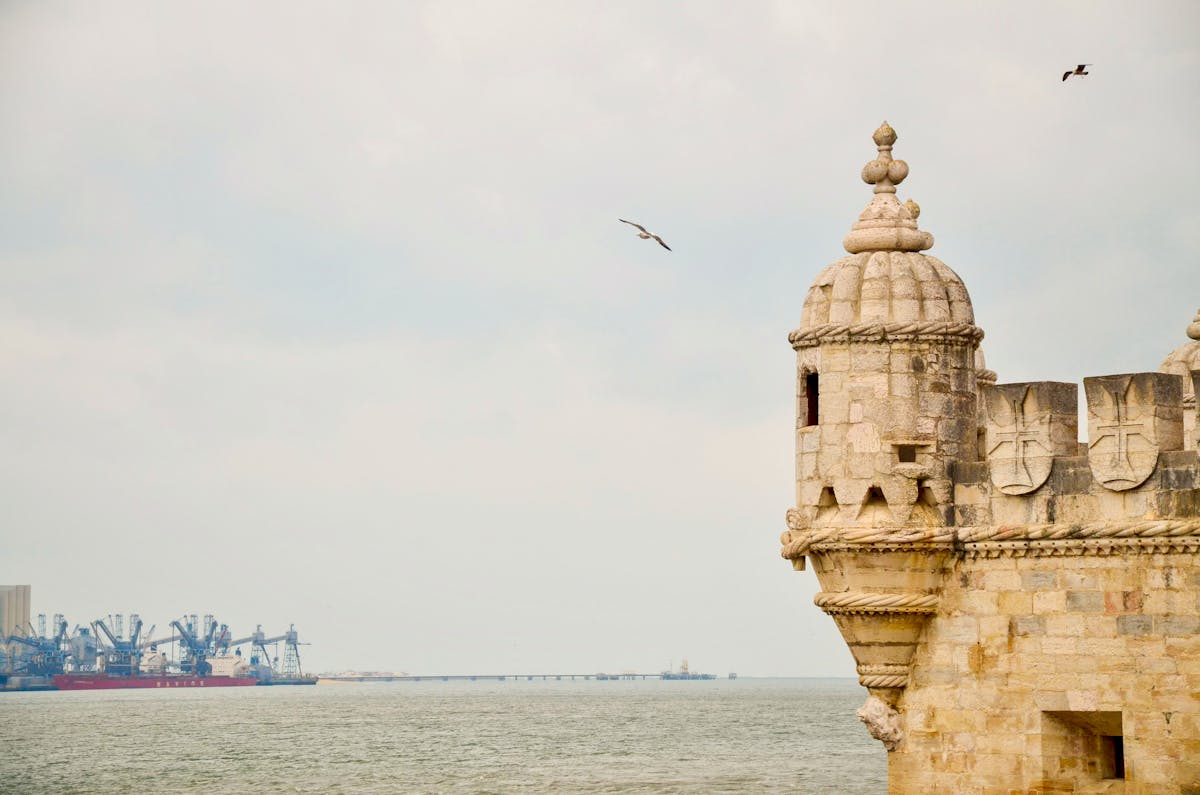
If the idea of walking in a group of 25 strangers makes you tense, this is the alternative. The group size is capped small enough that the guide can adjust the pace, answer questions properly, and take you into places where a larger group physically would not fit — some of Alfama’s alleys are barely wide enough for two people side by side.
The tour runs three to four hours and includes a couple of food stops, which is a nice touch because you are going to be walking through neighborhoods with some of the best pasteis de nata and ginjinha in the city. It would be a waste to march past them. The Rick Steves forum crowd specifically mentioned this tour by name as a recommendation, and that community tends to be picky about tour quality.
3. Rossio, Chiado and Alfama Walking Tour — $23

This is the straightforward pick for anyone who wants maximum coverage at the lowest price. Three hours, three of Lisbon’s most important neighborhoods, and $23. The route connects Rossio’s grand squares with Chiado’s cafe culture and Alfama’s medieval maze, giving you a sampler of the city’s different personalities in one walk.
The downside of the lower price point is that these tours sometimes run larger groups. If that bothers you, book the first departure of the day — morning tours tend to have fewer participants. But honestly, for the price and the ground covered, this is hard to beat as a first-day orientation walk. You will finish knowing where you want to go back to on your own.
4. Tram 28 Ride and Walking Tour — $23
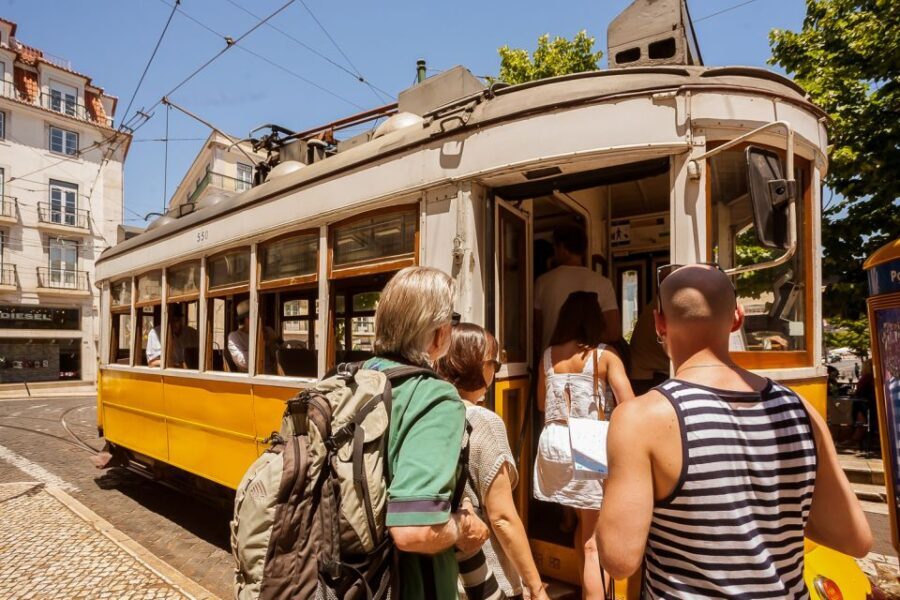
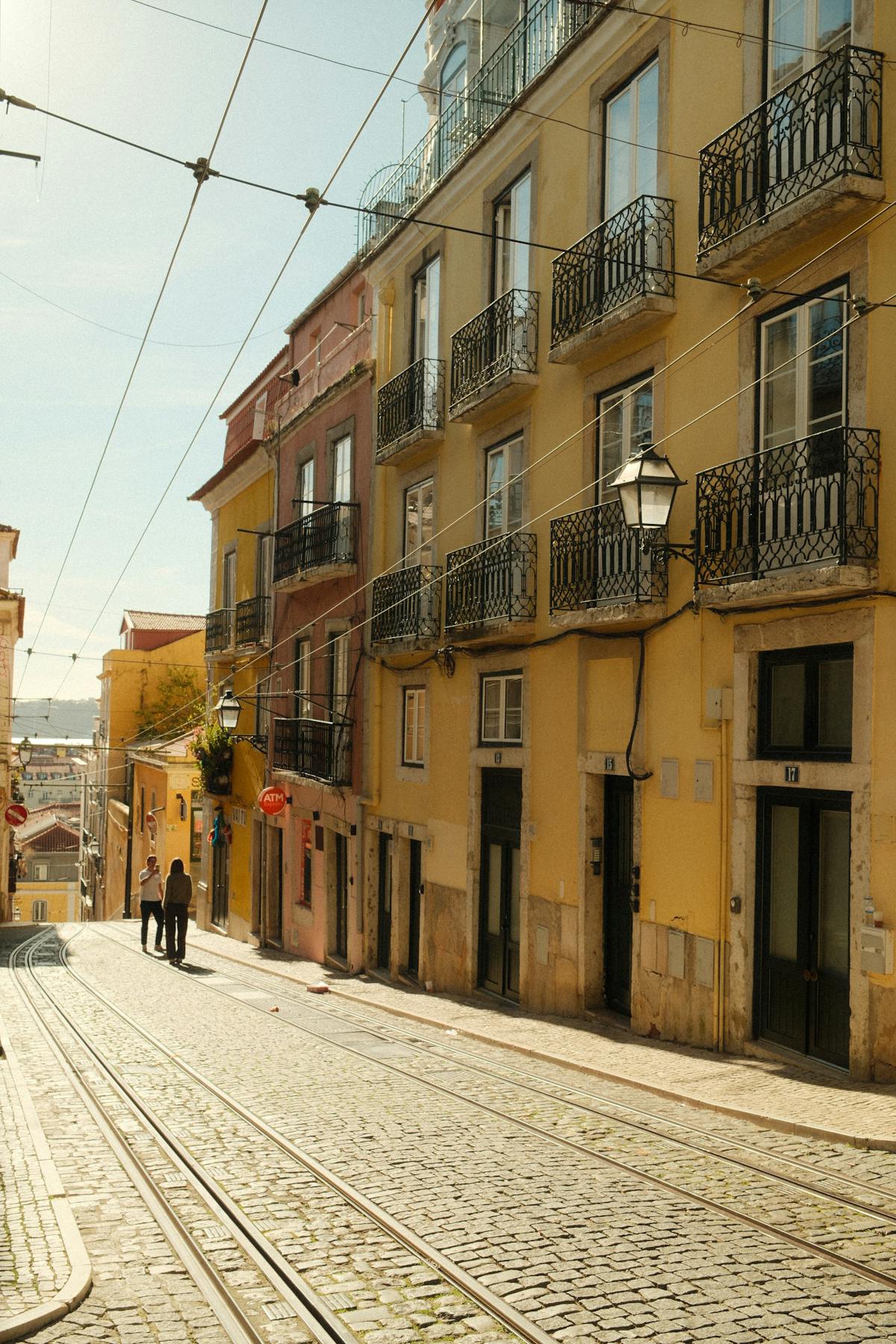
Tram 28 is on every Lisbon bucket list, and rightly so — the route cuts through Graca, Alfama, Baixa, and up to Estrela, passing some of the city’s most photogenic streets along the way. The problem is that the queue at the popular stops can stretch to 45 minutes in high season, and once you are on the tram, there is no commentary. You are just watching streets go by without context.
This tour solves both problems. The group boards at a quieter stop, the guide explains what you are passing, and you hop off at key points for walking segments. Three hours total. At $23, it costs the same as most walking-only tours but gives you the iconic tram experience built in. The trade-off is that the walking portions are shorter since you spend some time on the tram — but for most first-timers, the combination is more memorable than either element alone.
5. Kickstart Street Art Walking Tour — $23

Lisbon’s street art scene is genuinely world-class and this is the tour for people who would rather look at murals than monuments. Ninety minutes through neighborhoods where local and international artists have turned blank walls into massive pieces — some political, some playful, some just strange in the best way. The guides are usually plugged into the local art scene and can tell you who painted what, why, and whether the building owner was happy about it.
At 90 minutes, this is significantly shorter than the other tours on this list, which makes it a good add-on rather than a replacement. Do a classic walking tour in the morning, grab lunch, and hit this one in the afternoon. You will see a completely different side of the city.
When to Walk Lisbon

Best months: March through May, and September through November. The heat in July and August is not a joke — Lisbon regularly hits 35 to 40 degrees Celsius and there is almost no shade on those hills. Walking three hours uphill in that kind of heat is genuinely unpleasant, and the city is packed with summer travelers besides.
Spring is ideal. Temperatures hover around 18 to 24 degrees, the jacaranda trees bloom purple across the city in late May, and the light has that soft quality that makes everything look like a film set. Autumn is nearly as good — warm enough for shirt sleeves but cool enough that the hills do not destroy you.
Winter works too, and most people overlook it. December through February means temperatures around 10 to 15 degrees, occasional rain, and far fewer travelers. Walking tours run year-round and the smaller group sizes in winter mean you often get a more personal experience. Pack a rain jacket and you are fine.
Time of day: Morning tours (starting at 9 or 10am) beat the heat and the crowds. By early afternoon in summer, Alfama’s narrow alleys trap heat like an oven. If you are visiting in spring or autumn, an afternoon start at 2 or 3pm gives you the option of ending near a miradouro at golden hour.
Practical Tips for Walking Lisbon
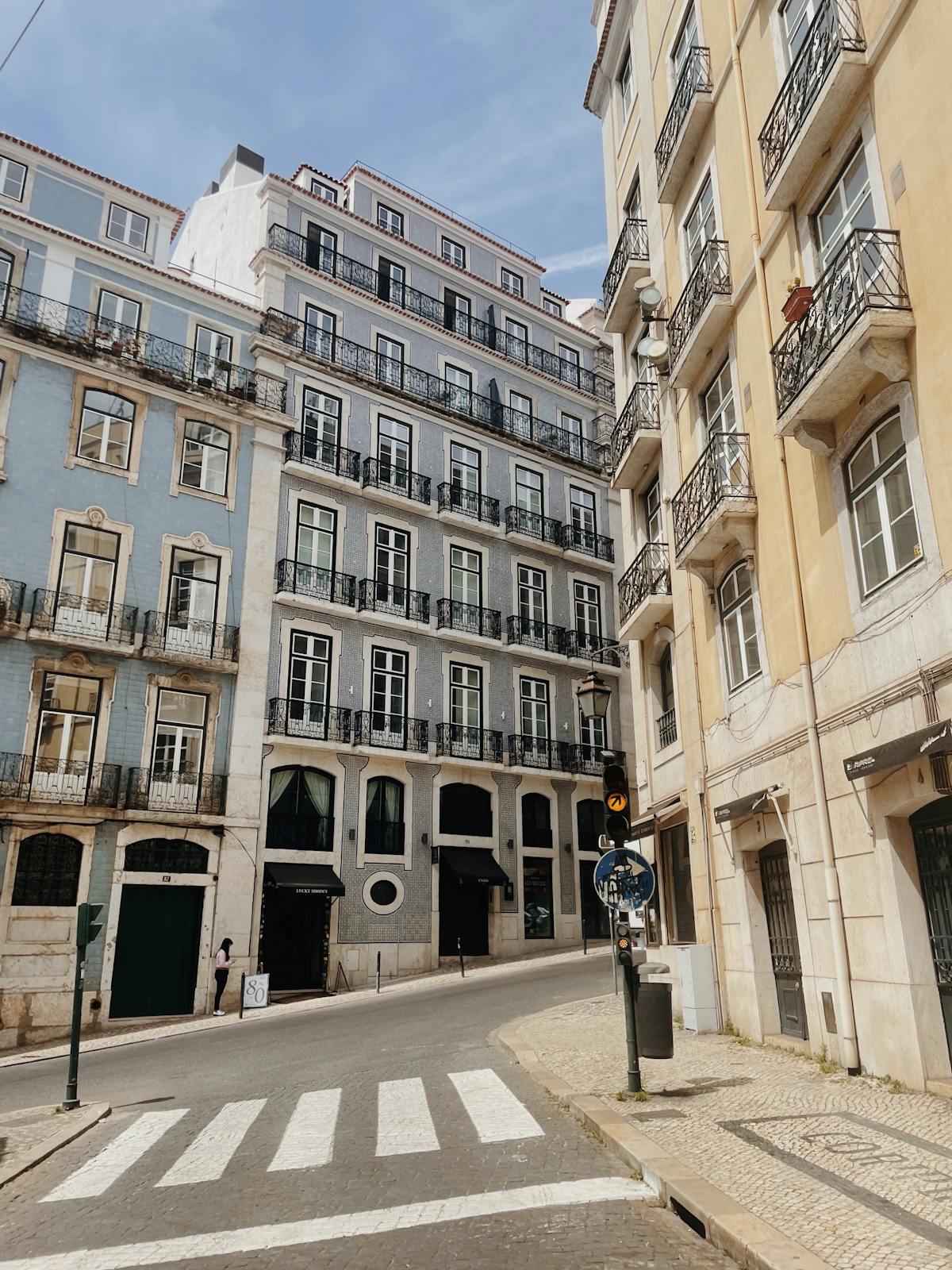
Shoes matter more here than in most cities. Lisbon’s calcada portuguesa — those black-and-white mosaic pavements — look beautiful but become skating rinks when wet. Add steep gradients and narrow stairs without handrails, and bad shoes will ruin your day. Wear broken-in sneakers or hiking shoes with proper grip. Flip-flops are asking for trouble.
Bring water. There are public drinking fountains scattered around the city, but you will not always find one when you need it. A 500ml bottle in your bag saves you from buying overpriced water at tourist kiosks.
The hills are real. If you have mobility concerns or just hate stairs, mention it when booking. Some tour operators offer flatter routes, or you can ask to start from the top of a hill (accessed via tram or elevator) rather than climbing it.
Pickpockets work the tourist areas. Tram 28, the Santa Justa Elevator queue, Rossio Square, and the Alfama flea market are the main spots. Keep your phone in a front pocket and your bag zipped and in front of you. This is not fearmongering — it is just standard practice in any southern European capital and the guides will usually remind you at the start.

Tipping your guide is expected but not required. Most walking tours in Lisbon run on a model where the guide earns a base rate plus tips. Five to ten euros per person is standard for a three-hour tour if the guide was good. Free walking tours (tip-based only) are a different story — those guides work entirely on tips, so be generous if the experience was worth your time.
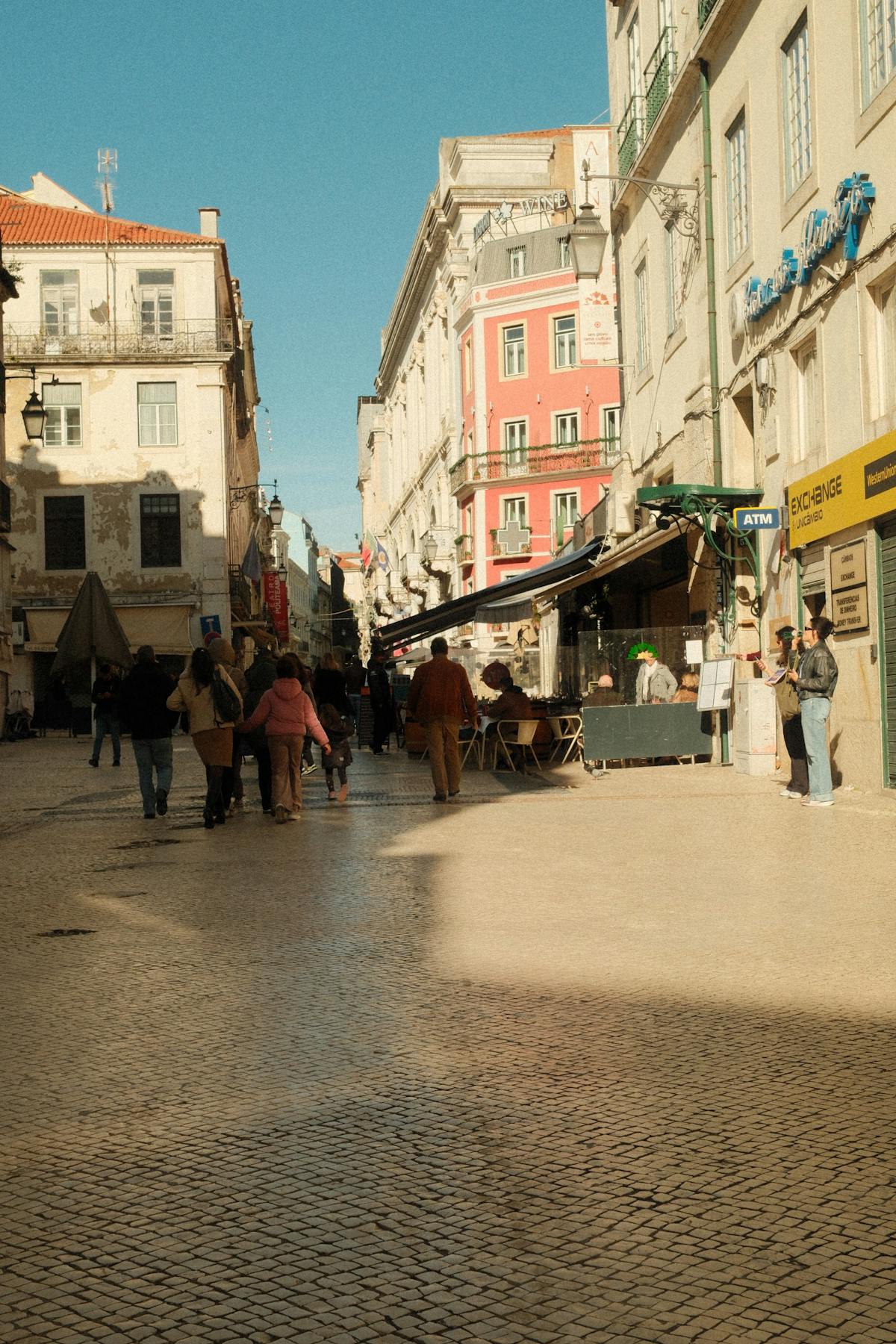
Lisbon is one of those cities where walking changes what you see. From a car or a bus, it is pretty. On foot, it is something else — the sound of your shoes on the calcada, the way a street opens suddenly onto a view of the river, the smell of grilled sardines drifting from somewhere you cannot quite find. A good guide fills in the gaps between what your eyes take in and what you would never figure out on your own. And at twenty-three to twenty-nine euros for three hours, it is one of the cheapest ways to actually understand a city that has been confusing visitors for the better part of a thousand years.
Some links in this article are affiliate links. If you book through them, we may earn a small commission at no extra cost to you. This helps us keep producing free travel content.
More Lisbon Guides
A walking tour gives you the framework, but Lisbon rewards you the more you dig into specific neighbourhoods and experiences. If you liked the Alfama section of your walk, an Alfama walking tour goes deeper into the old quarter with guides who know every hidden courtyard. For a different pace, a tuk-tuk tour in Lisbon covers the same hills without the effort, and a bike tour in Lisbon takes you along the riverfront towards Belem on two wheels. When you want to get on the water, a boat tour in Lisbon shows you the whole city from the Tagus. Evening plans practically write themselves with a fado show in Lisbon in one of the old quarter’s tiny restaurants. For day trips, visiting Sintra from Lisbon is the obvious first choice, and visiting Fatima from Lisbon offers something completely different about ninety minutes north.