
The guide who met us outside the Saint-Jean Cathedral wasn’t what I expected. No clipboard, no lanyard, no flag on a stick. Just a guy in a rumpled jacket who immediately pointed at a doorway across the square and said, “See that? There’s a passageway behind it that runs 150 meters through three buildings. The Nazis never found it.”
That’s Lyon in a sentence. A city that hides its best stuff behind ordinary doors.
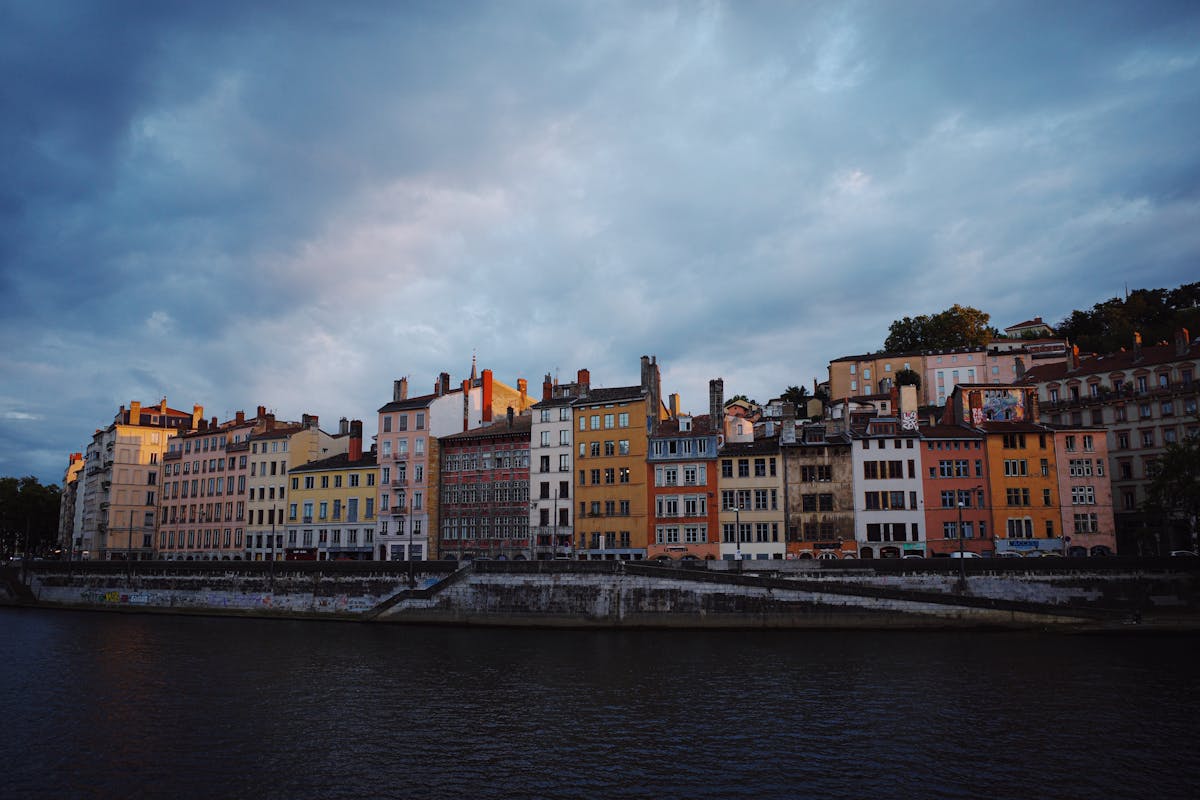
I’d been to Paris twice, spent a week in Provence, and somehow never made it to Lyon. Big mistake. This is the city where cinema was born, where the French Resistance operated under the Gestapo’s nose, and where the food is so taken seriously that the local restaurant type — the bouchon lyonnais — has a protected designation, like champagne. Walking tours here aren’t a nice-to-have. They’re the only way to find half of what makes the city worth visiting, because most of it is literally behind closed doors.
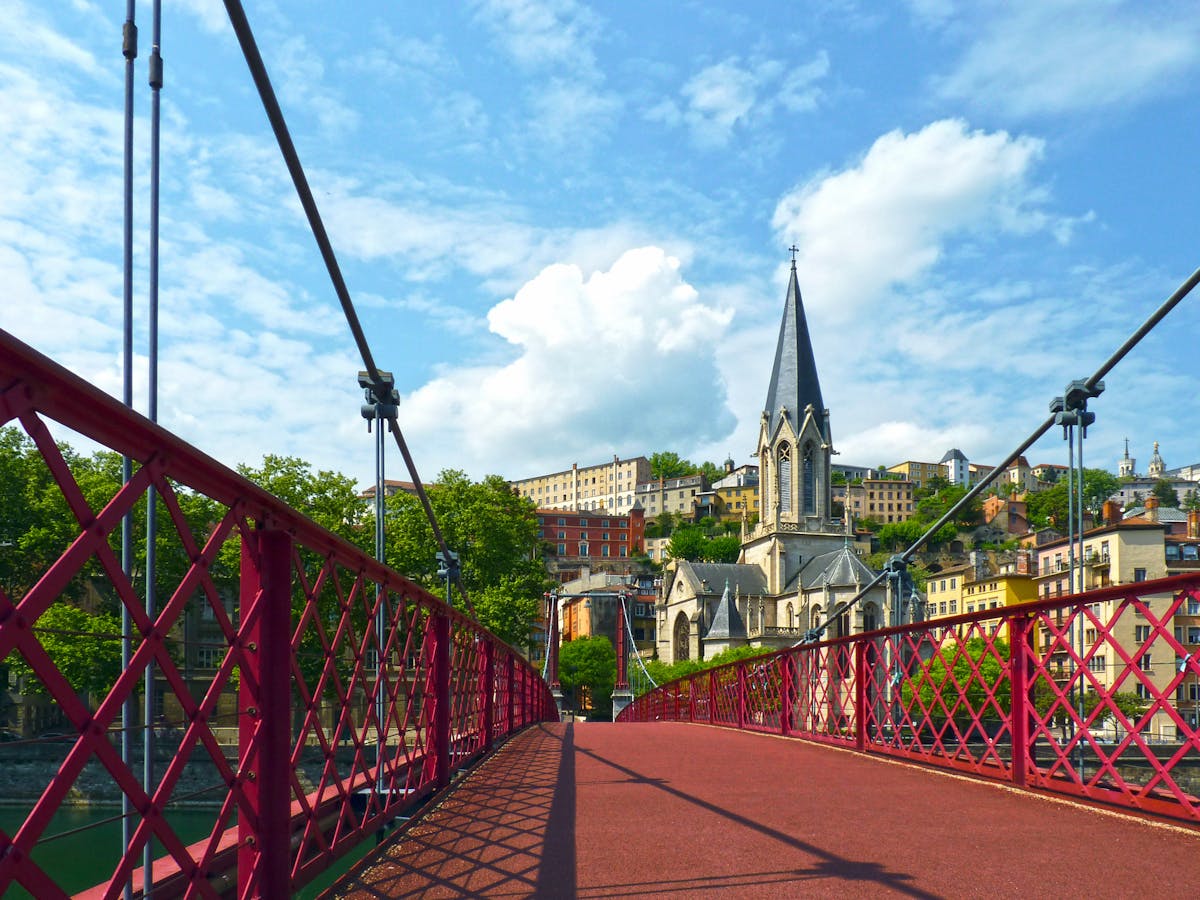
Here’s what I learned about booking walking tours in Lyon — what’s worth your money, which tours actually get you into the traboules, and where the food tours go that you’d never find on your own.
Short on time? Here are my top picks:
Best overall: Vieux Lyon Cultural & Historical Walking Tour — $6. Absurdly good value for a 2-hour deep dive into the old town with traboule access.
Best for foodies: Do Eat Better Lyon Food Tour — $93. Three and a half hours of eating your way through bouchons, wine bars, and pastry shops. You won’t need dinner.
Best for traboules: Private Traboules Walking Tour — $43. A private guide who knows which doors to push open. The WWII resistance stories alone are worth it.
- What Makes Lyon Walking Tours Different
- Self-Guided vs. Guided — an Honest Comparison
- The Best Lyon Walking Tours to Book
- 1. Vieux Lyon Cultural & Historical Walking Tour —
- 2. Private Traboules Walking Tour —
- 3. Lyon Highlights & Secrets Walking Tour with Funicular —
- 4. Do Eat Better Lyon Food Tour —
- 5. Secret Food Tours Lyon — 1
- When to Visit Lyon (and When to Avoid It)
- How to Get to the Meeting Points
- Tips That Will Actually Save You Time
- The History You’ll Walk Through
- What the Different Neighborhoods Cover
- More France Walking Guides
What Makes Lyon Walking Tours Different
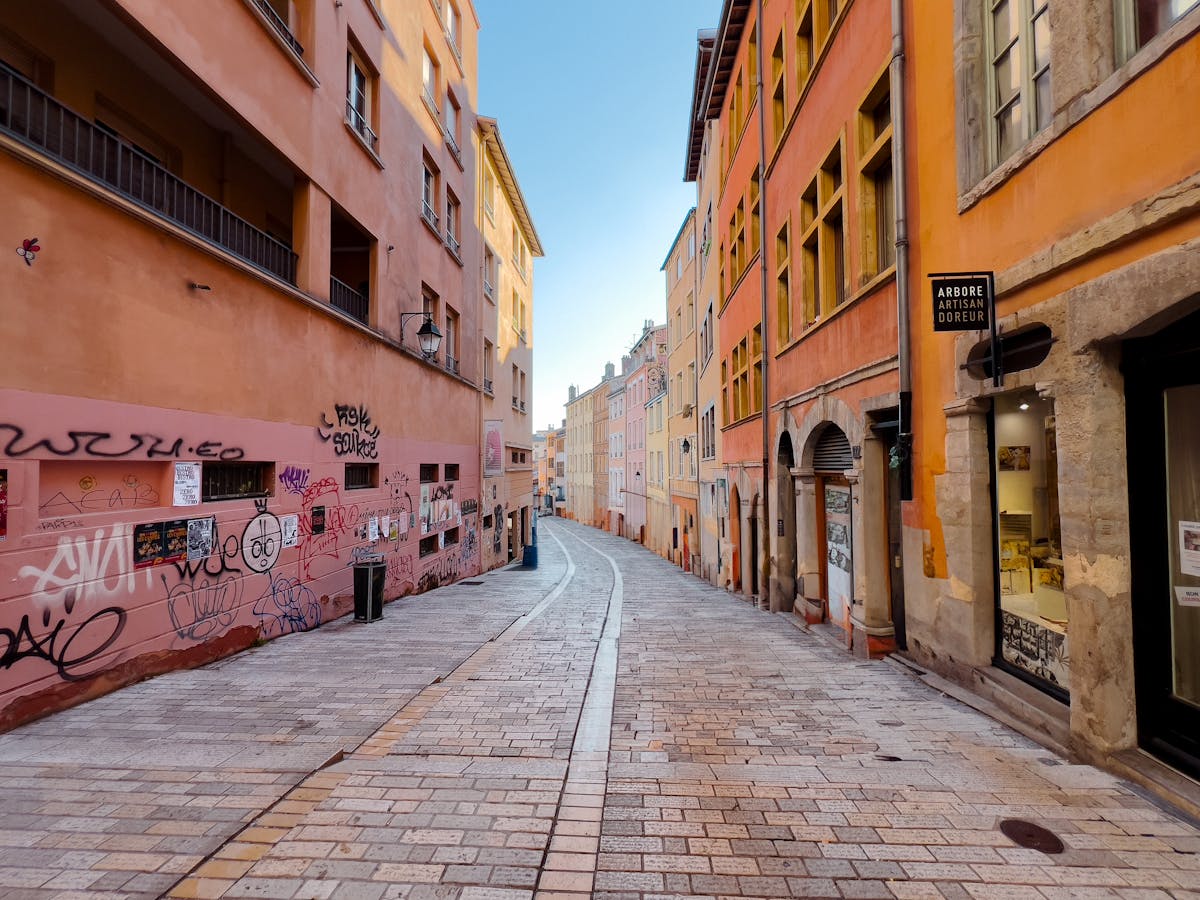
Lyon isn’t a city you can figure out with a map. I tried. Walked past four traboules on my first day without knowing they were there — they look like regular apartment entrances. A guide changes everything because they have the codes, the knowledge of which doors are actually open to the public, and the context that turns a covered alleyway into a story about silk workers dodging rain or Resistance fighters evading Gestapo patrols.
The other thing about Lyon: the history is layered in a way that’s hard to piece together alone. This city was the capital of Roman Gaul before it was the capital of French silk, then the capital of French cuisine, then the capital of the Resistance. A two-hour walk covers two thousand years if the guide is any good.
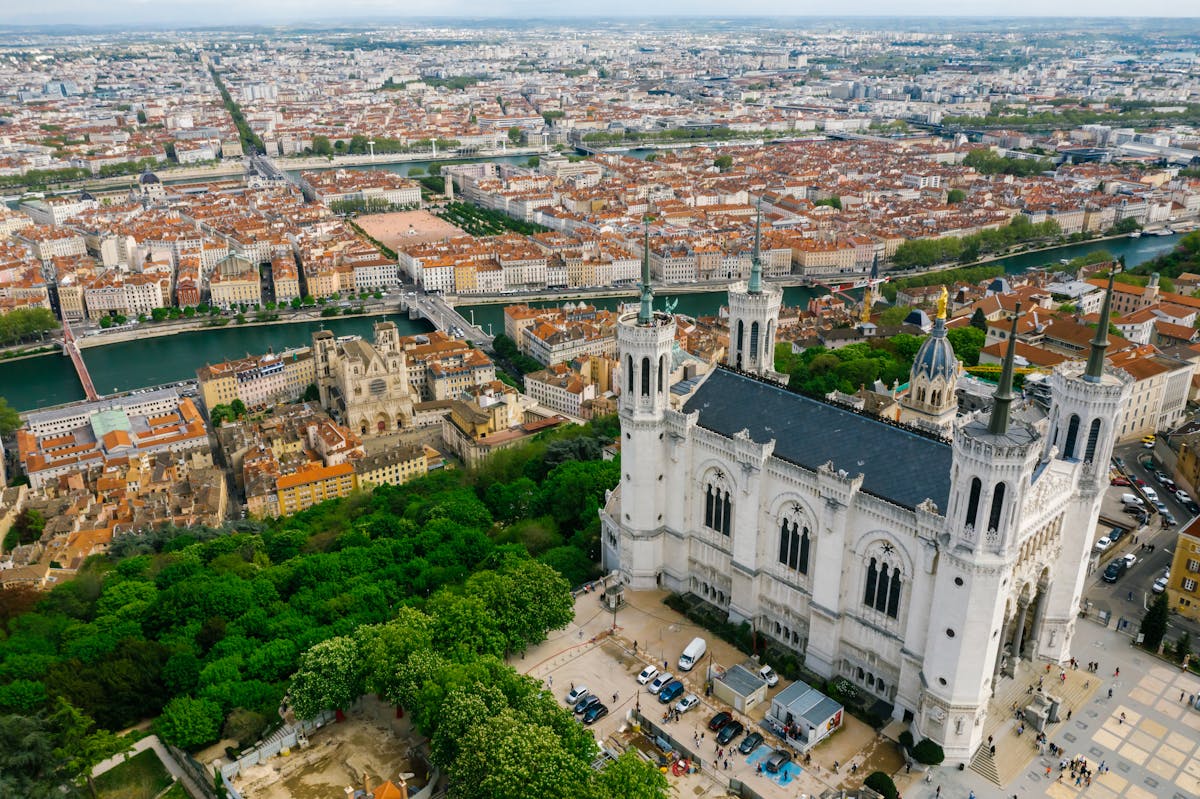
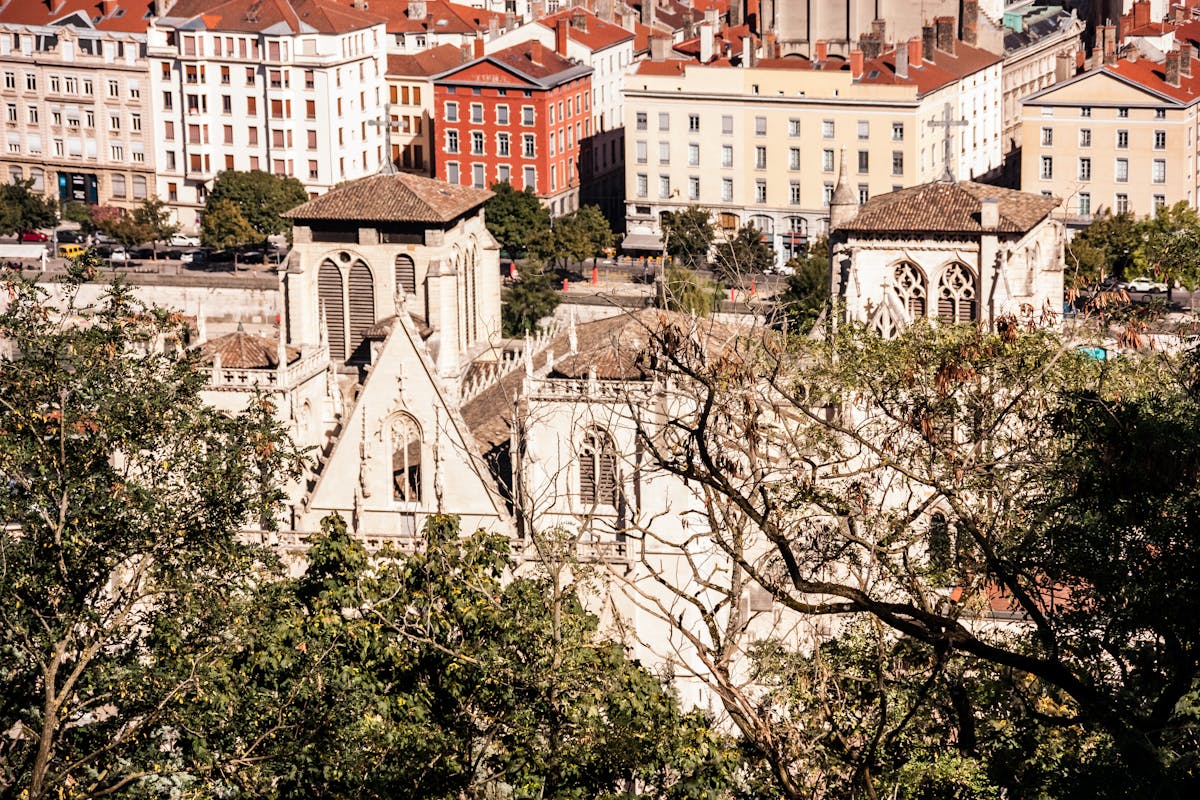
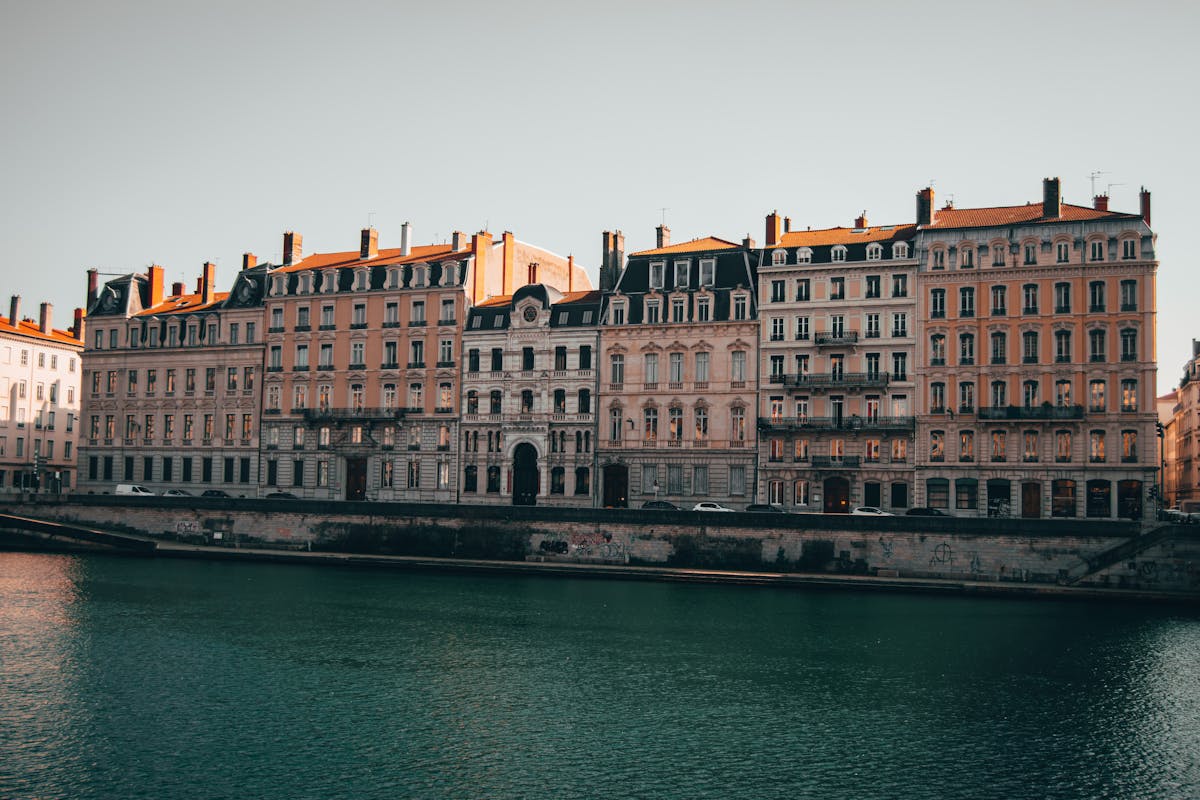
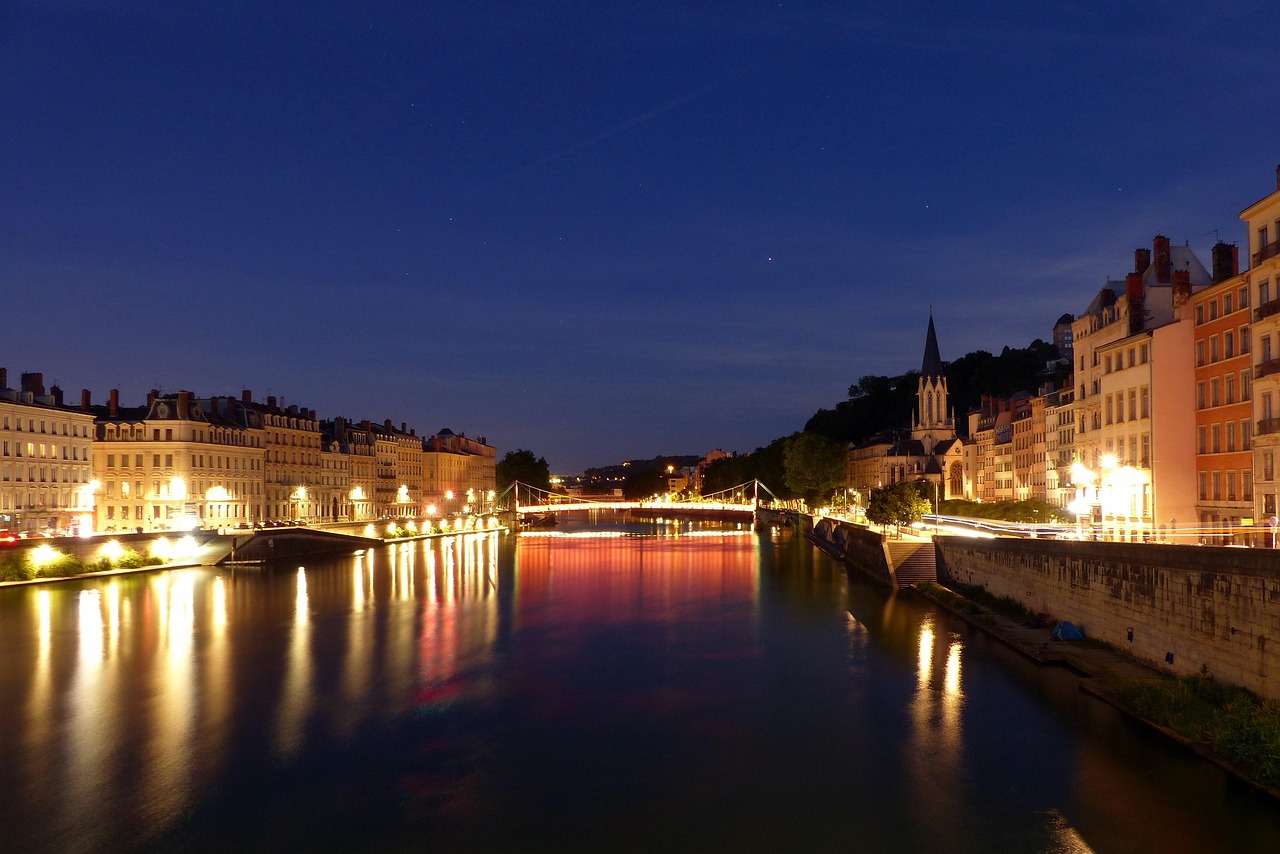
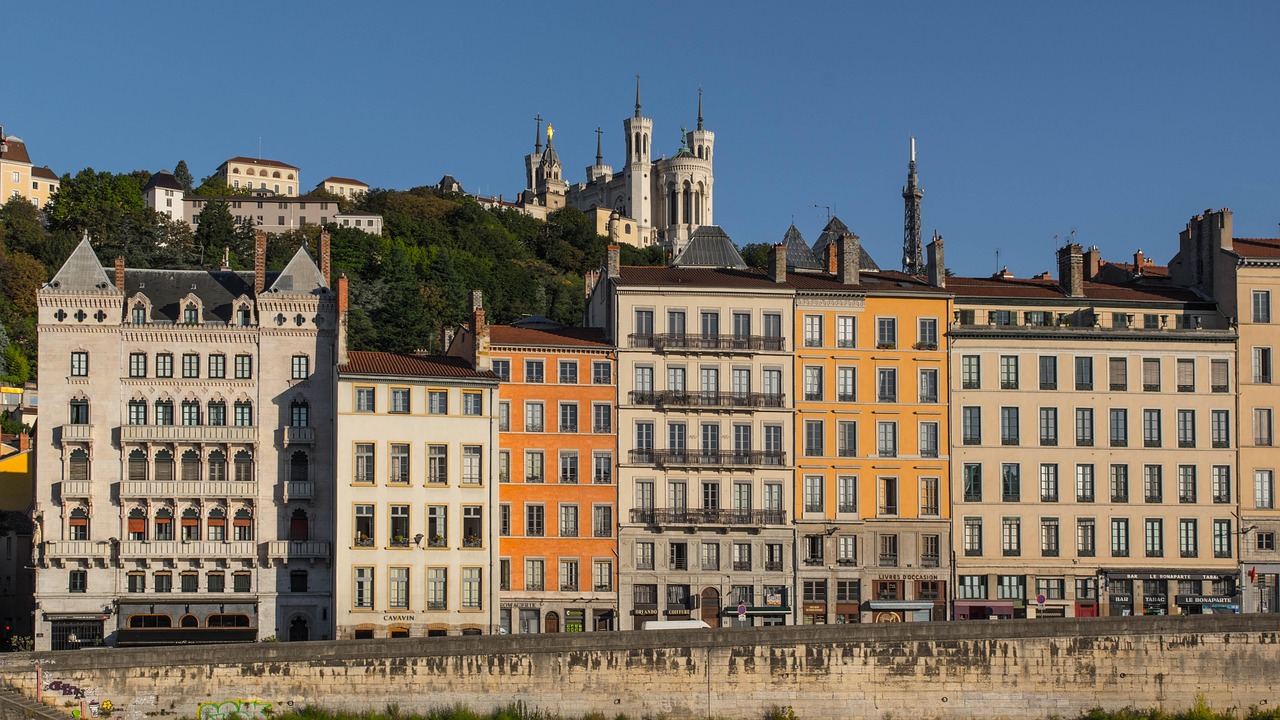
Most tours operate in Vieux Lyon (the old town on the west bank of the Saone) and the Presqu’ile (the peninsula between the two rivers). Some include the funicular ride up to Fourviere hill, which adds another dimension — Roman ruins, a basilica that took 25 years to build, and a view that makes the whole city click into place.
Self-Guided vs. Guided — an Honest Comparison
You can absolutely walk around Vieux Lyon on your own. The streets are gorgeous, the restaurants are everywhere, and you’ll stumble into some nice spots. But here’s the difference: on my own, I found maybe three open traboules. With a guide, we went through eleven — some of them multiple stories tall, with Renaissance-era staircases and courtyards that felt like private museums.
The food situation is similar. You can find bouchons easily enough — there are plenty in the old town. But a food tour guide knows which ones are actually traditional (many places call themselves bouchons without the official certification) and which dishes to order. The difference between a real quenelle de brochet made properly and the mass-produced version is significant.
Self-guided works if: you’ve been to Lyon before, speak some French, and mainly want to wander and eat at your own pace. Download a traboule map from the Lyon tourism office website first.
Guided is better if: it’s your first visit, you want to get inside traboules that are normally locked, you care about history, or you want someone to explain why Lyon’s food culture matters (spoiler: Paul Bocuse ran his three-Michelin-star restaurant outside this city for 50 years and basically invented modern French cooking).
The Best Lyon Walking Tours to Book
I went through the major tours available and picked five that cover different angles — a general old town walk, a traboule-focused private tour, a comprehensive highlights tour with the funicular, and two food tours at different price points. Ordered by how many people have taken and reviewed each one.
1. Vieux Lyon Cultural & Historical Walking Tour — $6
At $6 per person, this is borderline suspicious. Two hours of guided walking through Vieux Lyon, including traboule access and historical context that goes deep — we’re talking silk trade economics, Renaissance architecture from the Italian banker period, and WWII resistance routes. The guides are locals who know this neighborhood at a level that makes guidebooks feel thin.
The nearly 950 reviews are essentially all five-star, and having done this tour, I get it. Our guide Paul didn’t just know the history — he knew which doors to push, which courtyards to duck into, and the kind of detail you only get from someone who grew up walking these streets. For the price of a coffee in the old town, you get a proper education in what makes Lyon tick.
2. Private Traboules Walking Tour — $43
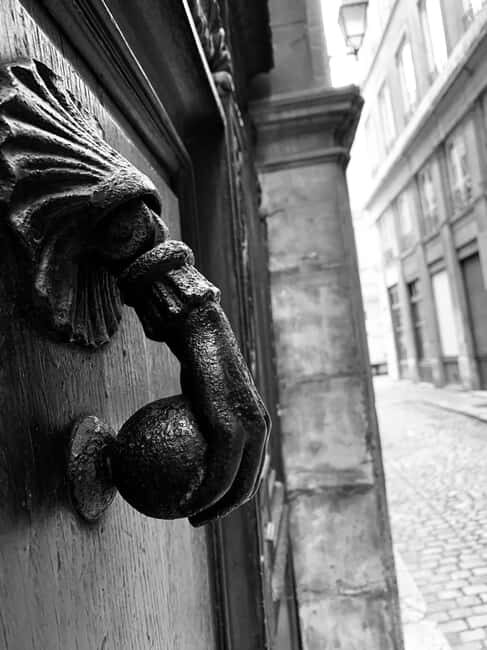
This is the one if traboules are your main reason for visiting Lyon. $43 gets you a private guide for 2.5 hours who focuses specifically on the covered passageways — the ones the silk workers (canuts) used in the 19th century to transport bolts of fabric without getting them wet, and the ones the French Resistance later used to move through the city unseen during the German occupation. Over 400 traboules exist in Lyon, but most are behind locked doors. A private guide knows which ones are accessible and, more importantly, which ones have the best stories.
The fact that it’s private means the pace is yours. You can linger in a 16th-century courtyard or push through to see more ground. The reviews from recent visitors consistently mention a guide named Yannick who’s apparently both a history expert and genuinely funny — a combination that’s rarer than it should be on guided tours.
3. Lyon Highlights & Secrets Walking Tour with Funicular — $40
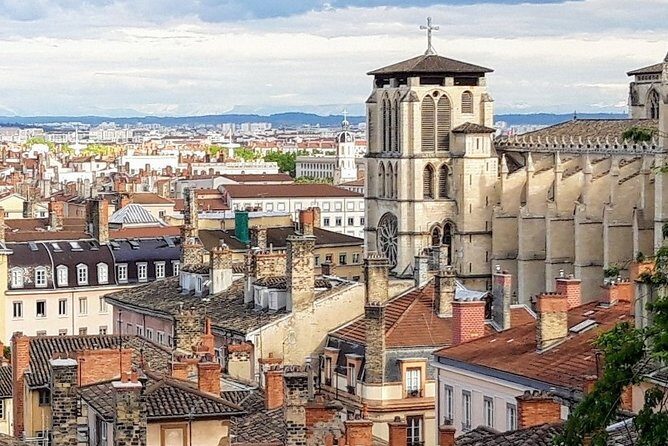
If you only have time for one tour in Lyon, this is probably it. $40 for three hours in a small group (they cap it, which matters), covering Vieux Lyon, the traboules, AND a funicular ride up to Fourviere. That last part is what sets it apart from the cheaper options — you get the hilltop perspective, the Roman amphitheater ruins, and a look at the basilica that dominates Lyon’s skyline from every angle.
It’s a proper workout, mind you. Three hours of walking plus the hill, and Lyon in summer gets genuinely hot. But the guide Toni gets mentioned constantly in reviews for keeping the energy up and injecting humor into what could otherwise be a standard history lecture. The small group size means you can actually ask questions and go slightly off-script.
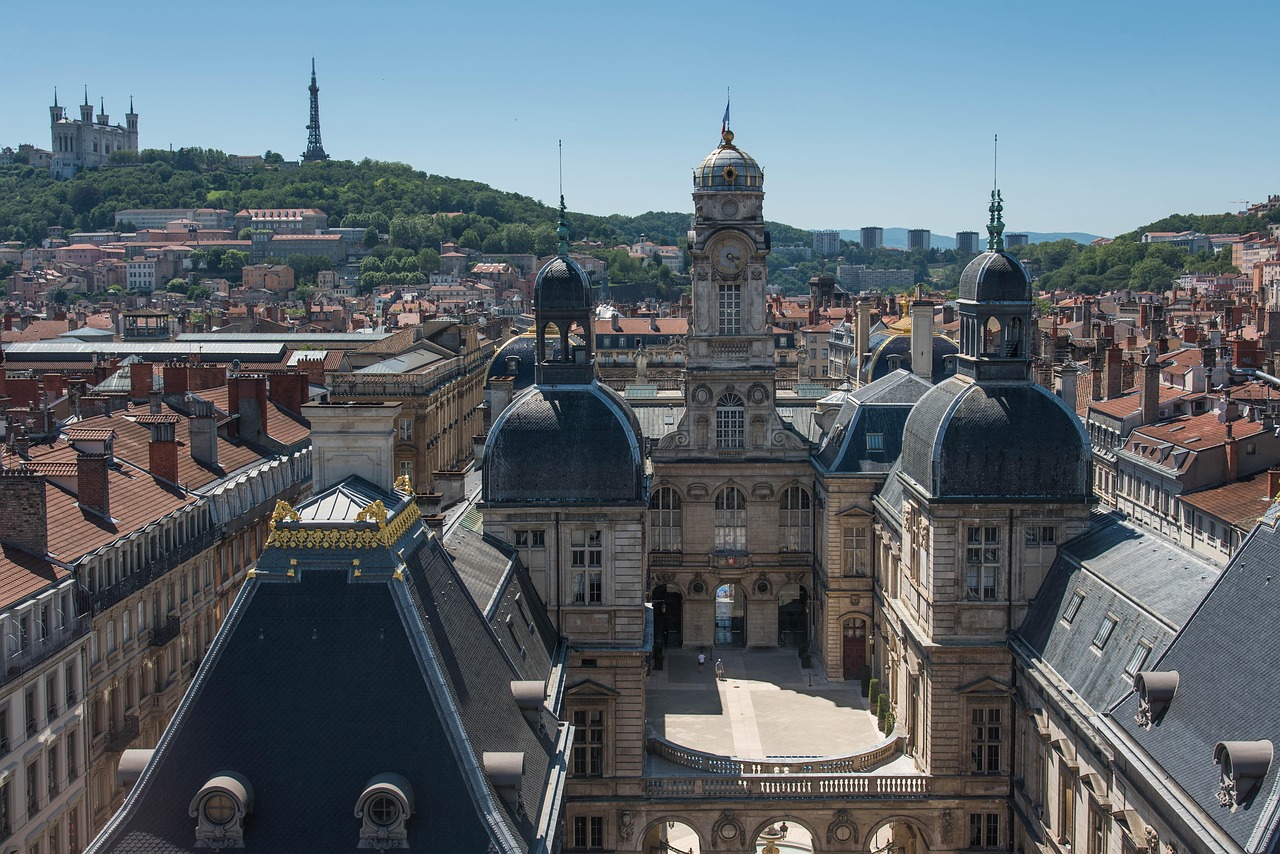
4. Do Eat Better Lyon Food Tour — $93
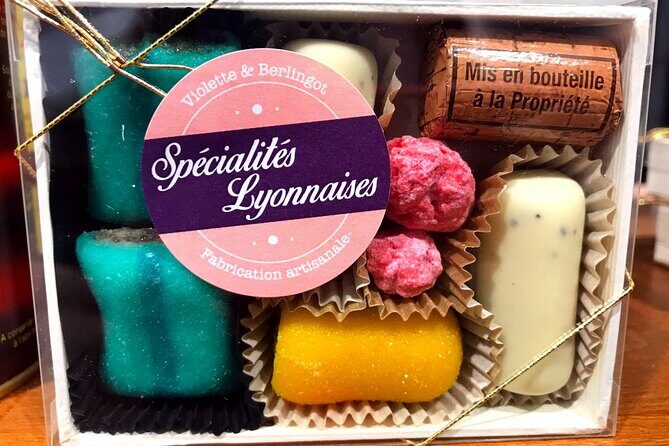
Lyon didn’t become the gastronomic capital of France by accident. Paul Bocuse, who many consider the father of modern French cooking, ran his restaurant here for half a century. The bouchon lyonnais — a specifically Lyonnaise type of traditional restaurant — is as protected a designation as champagne. You don’t just call yourself a bouchon. You earn it.
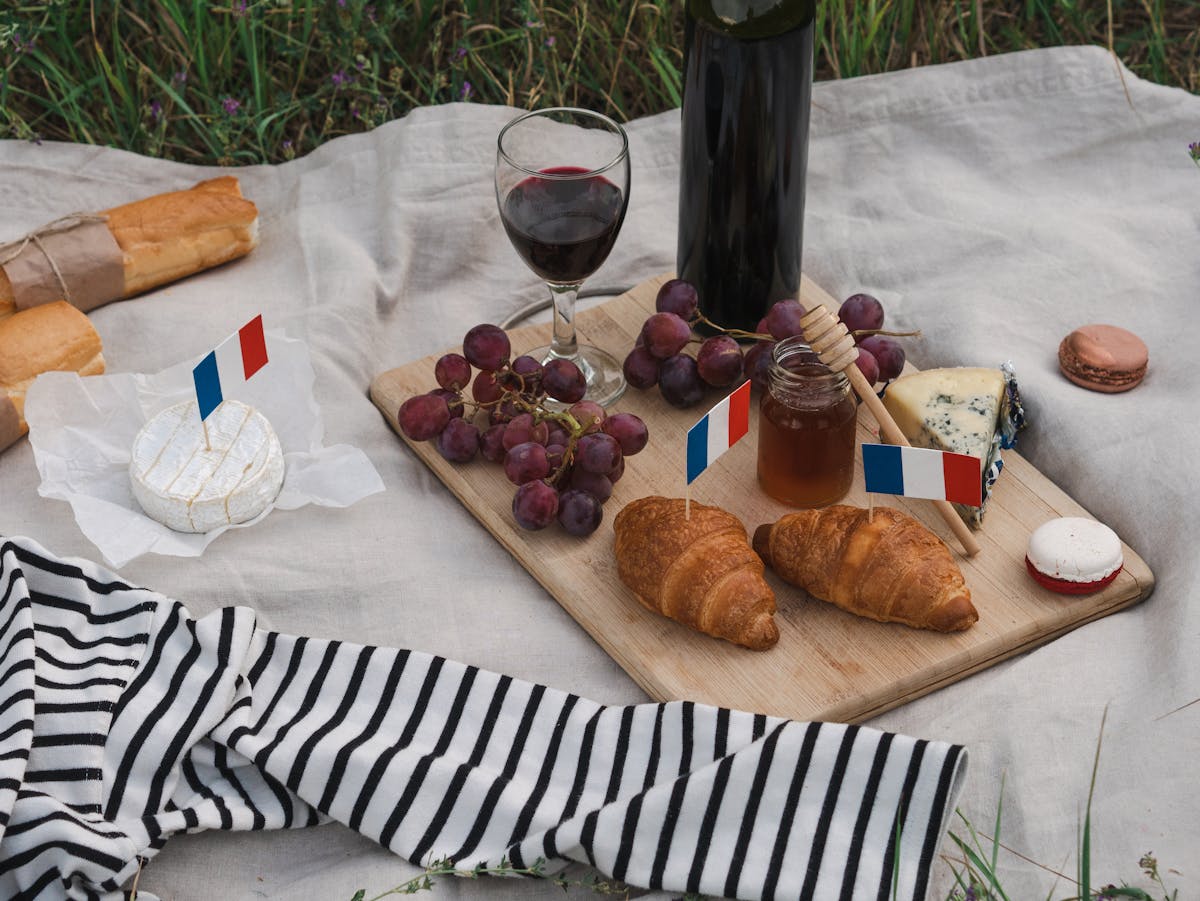
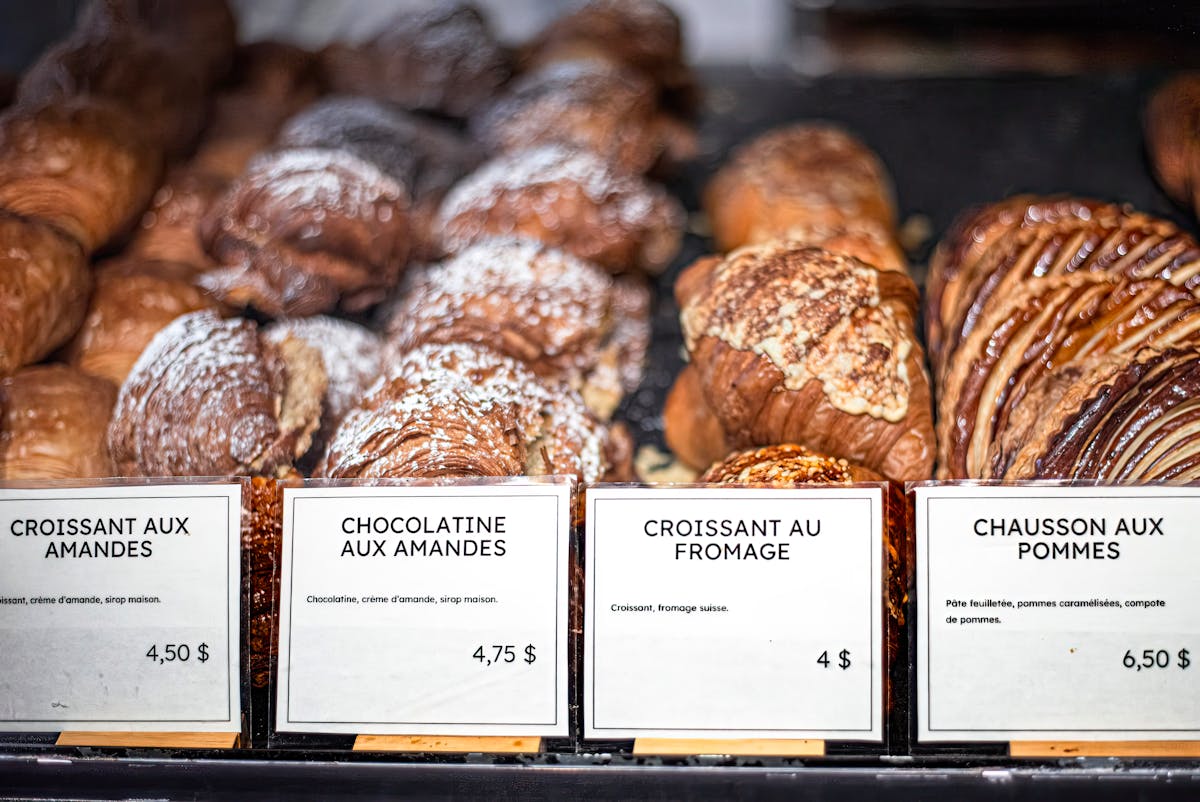
This tour takes that food culture seriously. $93 for 3.5 hours of eating through Vieux Lyon — an aperitif with local wine, charcuterie from a shop that’s been curing meat since before most of us were born, a proper sit-down dish in a certified bouchon, and a finish at a chocolate and pastry shop. You will not need dinner afterward. The guides are food people, not just tour people, and the 600+ reviews reflect that — they know the producers, the chefs, and the stories behind what you’re eating.
5. Secret Food Tours Lyon — $131
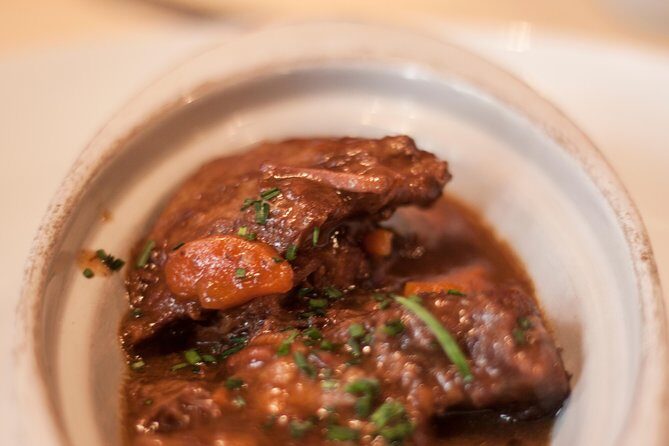
The pricier option at $131, and the reviews are more mixed than the Do Eat Better tour — some people loved it, others felt the food-to-price ratio wasn’t quite right. What you get is 3.5 hours of tastings across the old town: regional wines, local cheese, a proper bouchon main course, and sweets from notable patisseries. There’s also a private tour option if you want the whole experience to yourself.
Where this tour wins is the storytelling. Guides like Nathalie are cited in the reviews for weaving Vieux Lyon history into the food stops, so you get context alongside your quenelles. The trade-off is the price — at more than double the Do Eat Better tour, you need to care about the private option or the specific stops to justify the premium. If budget matters, tour #4 gives you the better value. If you want the full VIP treatment with fewer people, this is your pick.
When to Visit Lyon (and When to Avoid It)
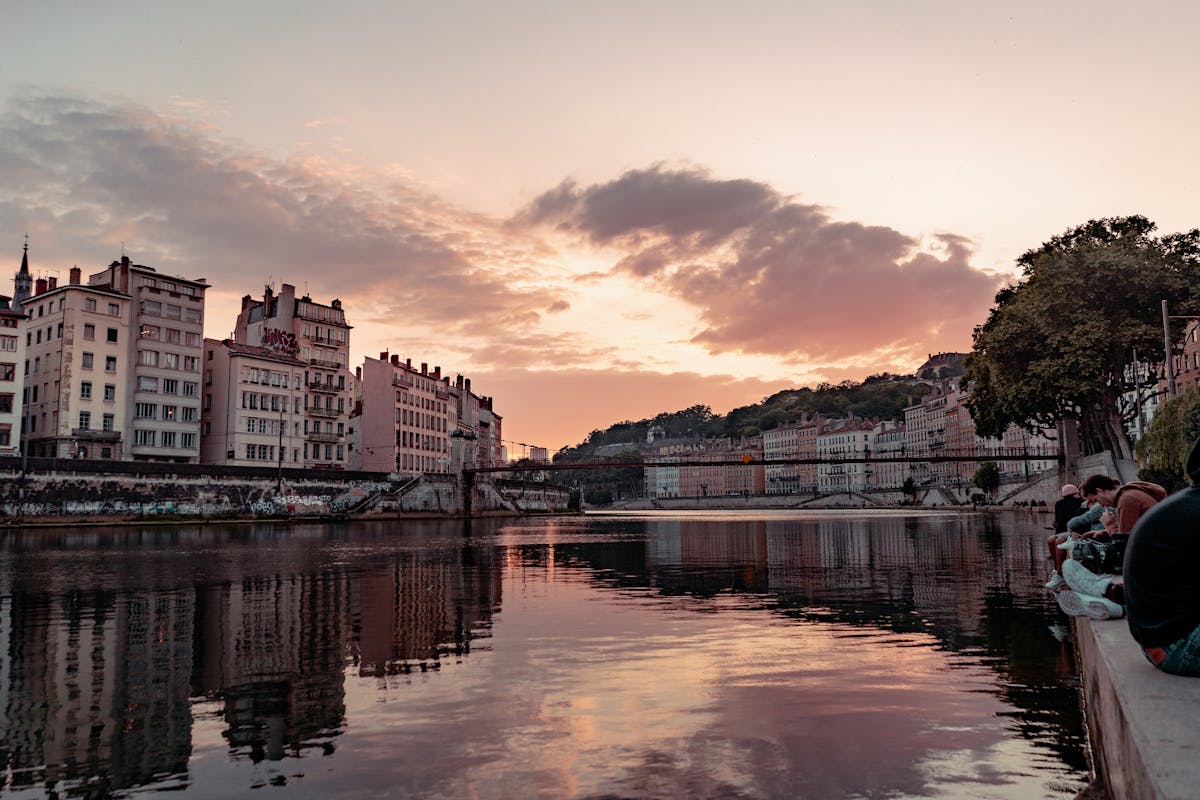
Lyon gets properly hot in July and August. I’m talking 35-38 degrees Celsius, and you’re walking on stone streets that reflect the heat back at you. Walking tours in midsummer can be rough, especially the three-hour ones. If you visit in summer, book the earliest morning slot available.
Best months: May, June, and September. Warm enough for comfortable walking, long daylight hours, and fewer crowds than peak summer. October is solid too if you don’t mind cooler evenings.
Avoid: Early January to mid-February when it’s cold and grey and some of the smaller operators reduce their schedules.
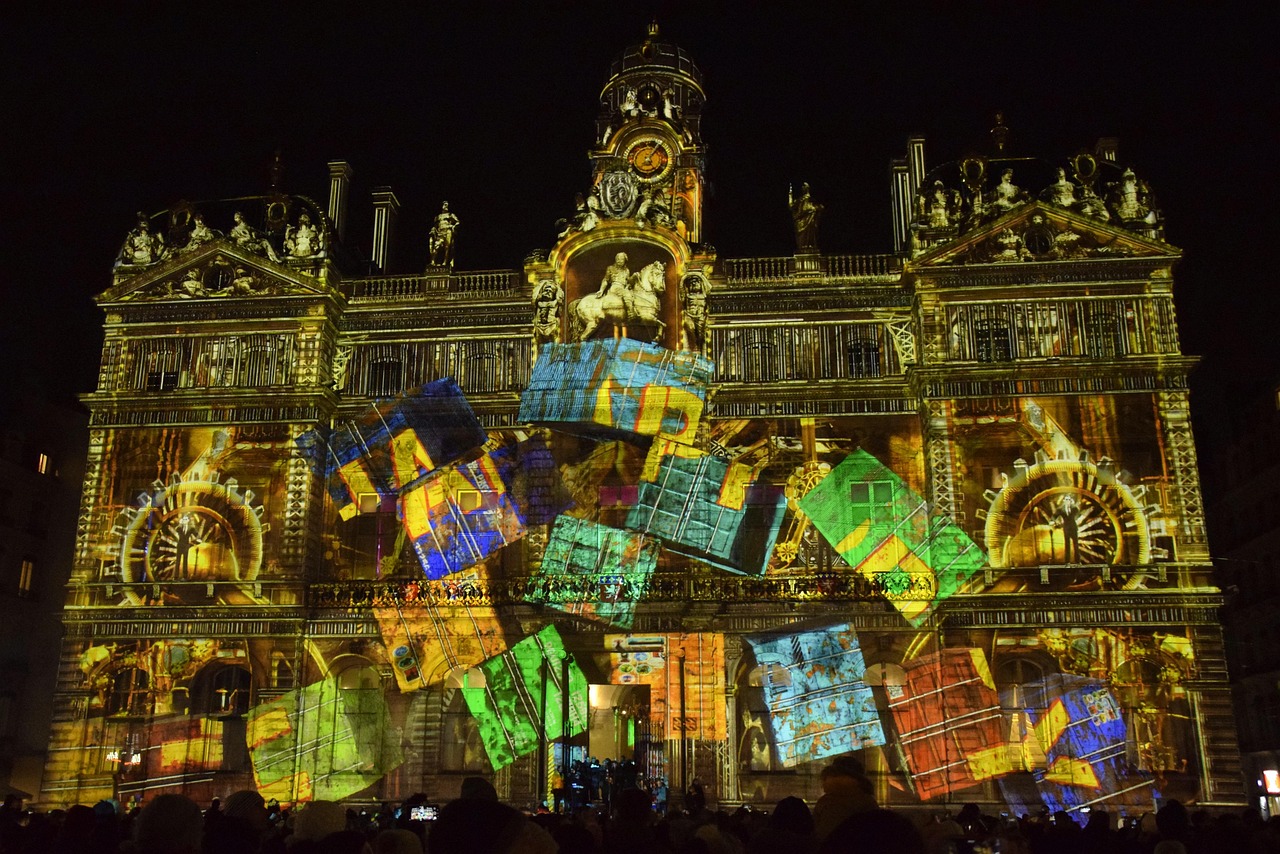
The exception: The Fete des Lumieres (Festival of Lights) in early December is spectacular — four nights of light installations projected onto buildings across the city. If you can deal with the cold and the crowds, it’s genuinely one of the best events in France. Walking tours during the festival sell out fast, so book at least two weeks ahead.
Most walking tours run daily from March through November. Morning tours (typically 9:30 or 10 AM) are best for photos and cooler temperatures. Afternoon tours (2 PM or 2:30 PM) work better if you want to end at a bouchon for dinner — most open at 7 PM.
How to Get to the Meeting Points
Almost every walking tour meets at or near the Cathedral Saint-Jean in Vieux Lyon. This is easy to reach:
Metro: Line D to Vieux Lyon station. You’re a 2-minute walk from the cathedral.
From Part-Dieu train station: Metro Line B to Saxe-Gambetta, then Line D to Vieux Lyon. About 15 minutes total.
From the airport: The Rhonexpress tram goes to Part-Dieu station in 30 minutes. From there, follow the metro directions above. Total journey: about 45 minutes.
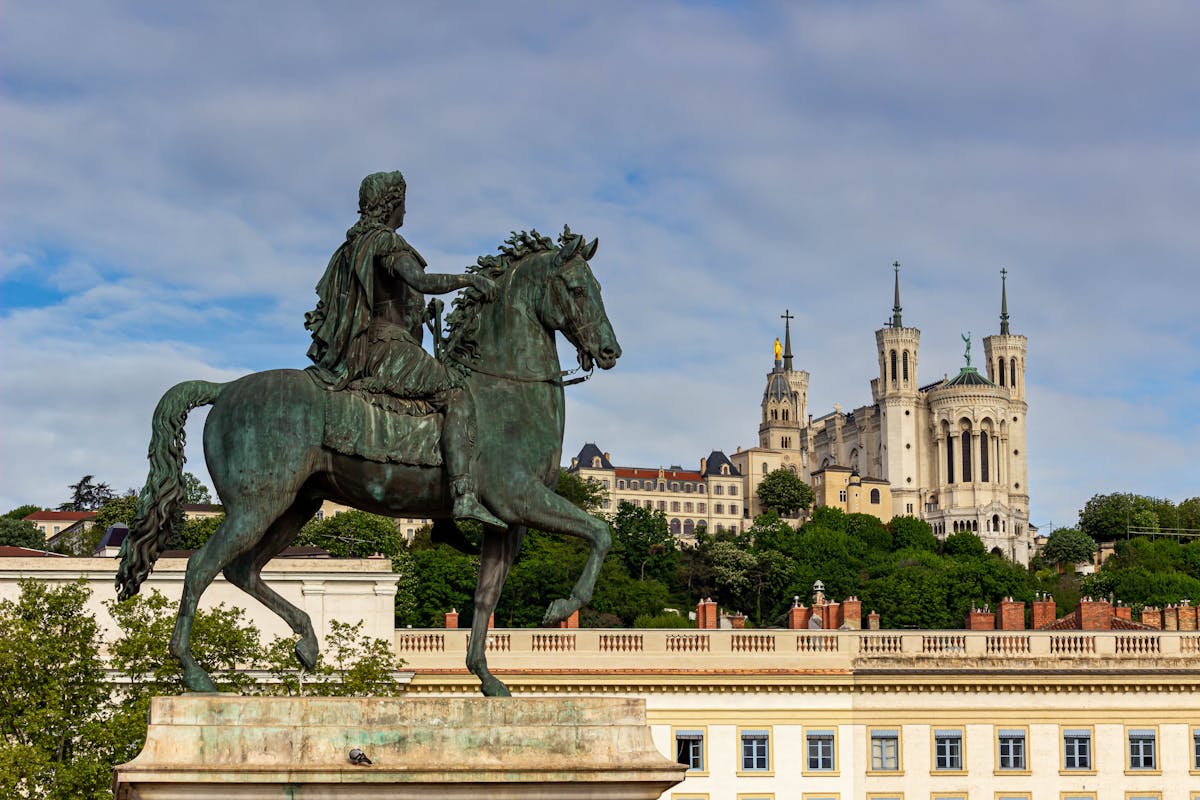
Walking from Presqu’ile: If you’re staying in the central peninsula between the two rivers, Vieux Lyon is a 10-15 minute walk across any of the bridges spanning the Saone.
Tips That Will Actually Save You Time
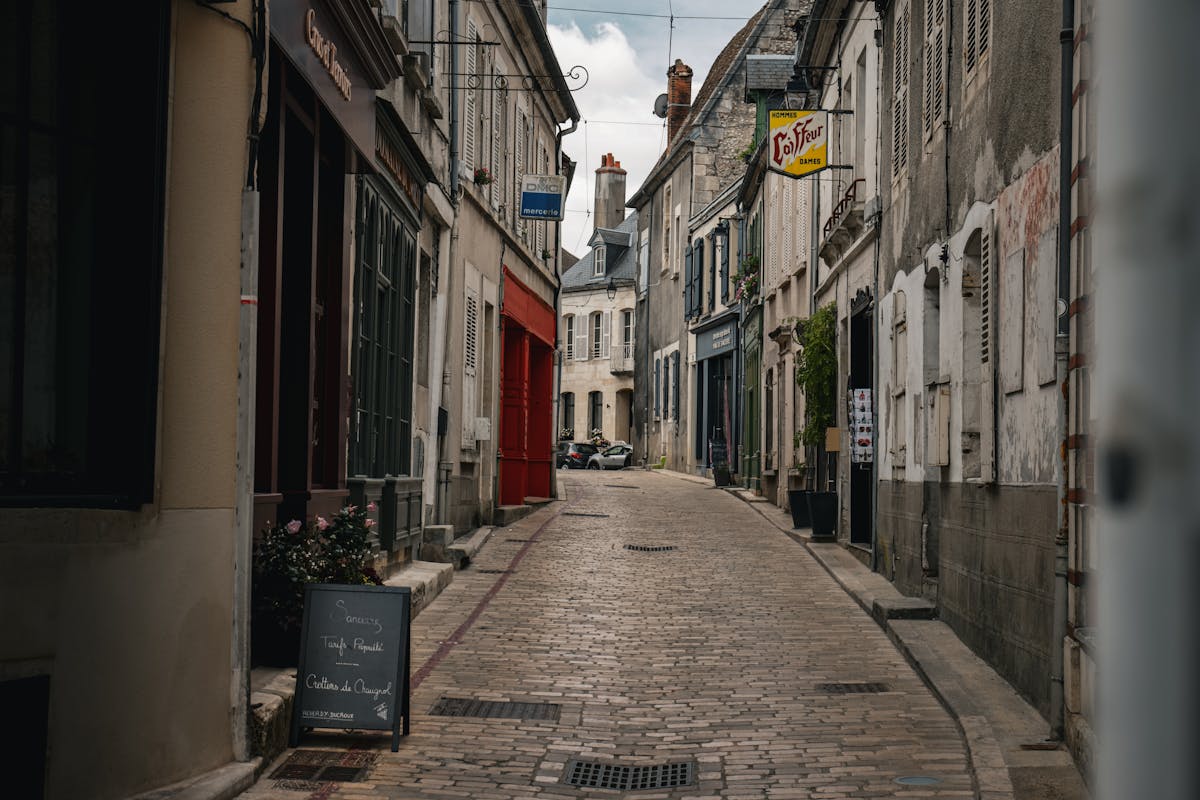
Wear proper shoes. I cannot stress this enough. Vieux Lyon is all cobblestones, and if your tour includes the Fourviere funicular, there’s more uneven ground at the top. Sandals or thin-soled shoes will leave your feet aching within an hour.
Book food tours on an empty stomach. Obvious, maybe, but the portions are bigger than you expect. Don’t eat a big breakfast before a 10 AM food tour — you’ll regret it by stop three.
The Lyon City Card exists. If you’re spending 2-3 days, it includes unlimited public transport, most museum entries, and a river cruise. It doesn’t cover walking tours, but it saves money on everything else.
Cash is still useful. Some of the smaller bouchons and shops in Vieux Lyon are card-friendly, but a few of the older places prefer cash. Keep 20-30 euros on you.
The funicular is free with a metro ticket. If your tour doesn’t include Fourviere, go on your own — the funicular from Vieux Lyon station takes 5 minutes and is covered by a standard TCL transport ticket.
Ask your guide about the Croix-Rousse. Most tours focus on Vieux Lyon, but the Croix-Rousse hill district — the silk workers’ neighborhood — has its own traboules, its own character, and far fewer travelers. If your guide offers a recommendation for exploring it independently, take it.

The History You’ll Walk Through
This is where Lyon really separates itself from other French cities. Paris has more famous landmarks, but Lyon has layers of history that physically overlap in ways you can touch.
The Roman chapter: Lyon (then Lugdunum) was the capital of all three Gallic provinces and one of the most important cities in the Roman Empire. The amphitheaters on Fourviere hill still host concerts in summer — 2,000-year-old Roman engineering with surprisingly decent acoustics.
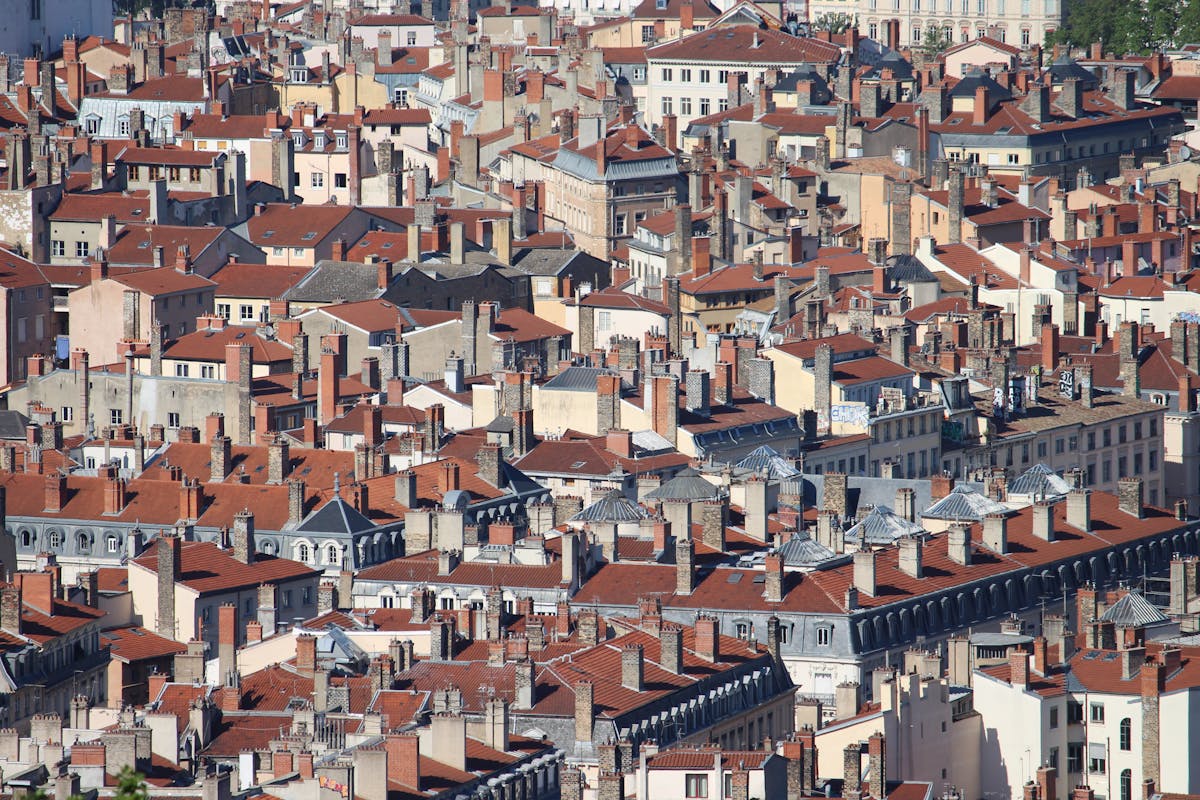
The Italian Renaissance chapter: Vieux Lyon is the largest Renaissance district in France after the Marais in Paris. In the 15th and 16th centuries, Italian bankers and silk merchants flooded in, building ornate townhouses with internal courtyards and the now-famous traboules. The architecture is Florentine in style but distinctly Lyonnaise in function — the passageways weren’t decorative. They were logistics.
The silk chapter: By the 19th century, Lyon was Europe’s silk capital. The canuts (silk workers) lived and worked on the Croix-Rousse hill, using the traboules to transport delicate fabric between workshops and warehouses without exposing it to rain. Their apartments had absurdly high ceilings — not for luxury, but because the looms were enormous.
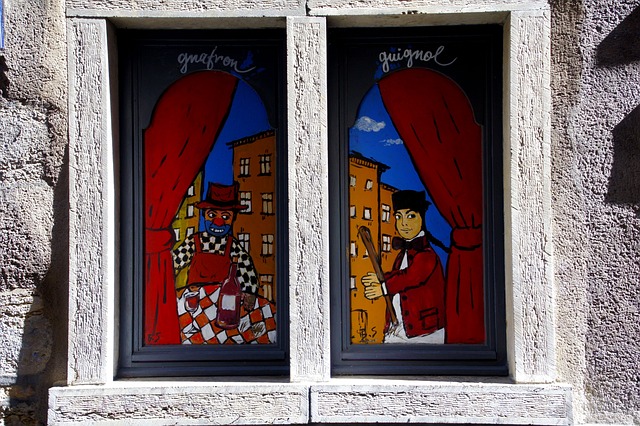
The Resistance chapter: Lyon was the capital of the French Resistance during WWII. Jean Moulin, the most famous resistance leader, operated from here until he was betrayed, captured, and tortured to death by Klaus Barbie — the Gestapo chief known as the Butcher of Lyon. The traboules were essential to resistance operations, allowing fighters to move between safe houses without being spotted on the streets. Walking through these passageways with that context gives them a gravity that’s hard to describe.
The cinema chapter: Auguste and Louis Lumiere invented the motion picture in their Lyon factory. The first films ever made were shot in the city. The Lumiere Museum is still in the family’s old villa and is genuinely fascinating even if you’re not a film person.
What the Different Neighborhoods Cover
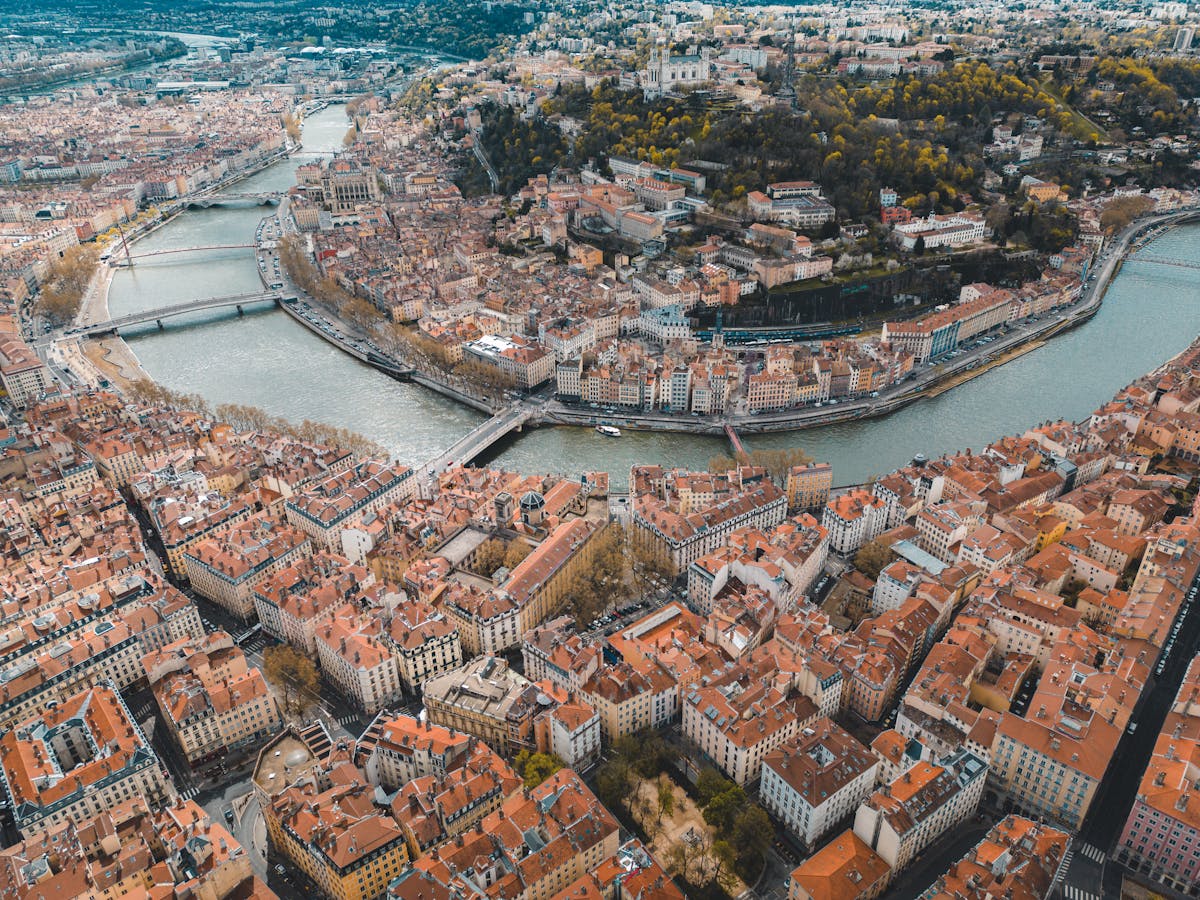
Vieux Lyon (Old Lyon): This is where 90% of walking tours operate. The Renaissance district, the cathedral, the traboules, and most of the bouchons. Three sub-areas: Saint-Jean (tourist center), Saint-Paul (quieter, more residential), and Saint-Georges (the prettiest, least crowded).
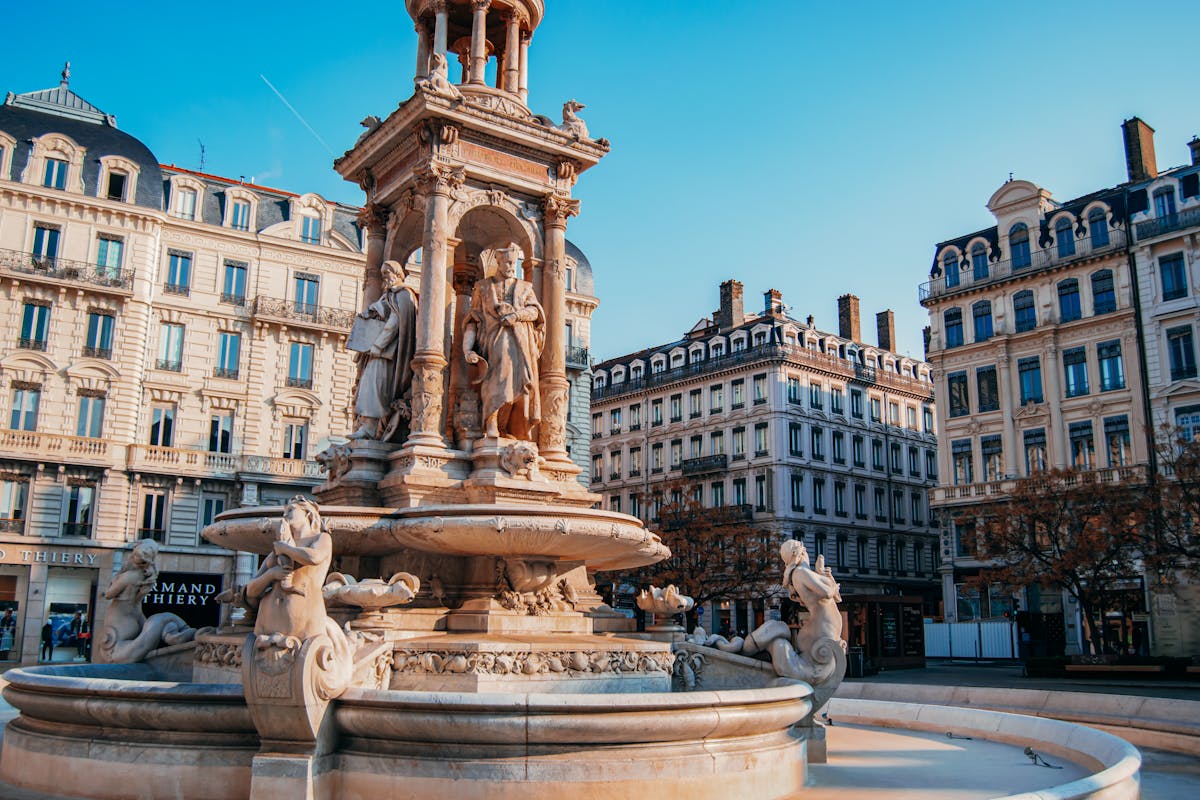
Presqu’ile: The peninsula between the Rhone and Saone rivers. Place Bellecour, the shopping streets, Place des Terreaux with the famous Bartholdi fountain (yes, the same sculptor who did the Statue of Liberty). Some tours start or end here.
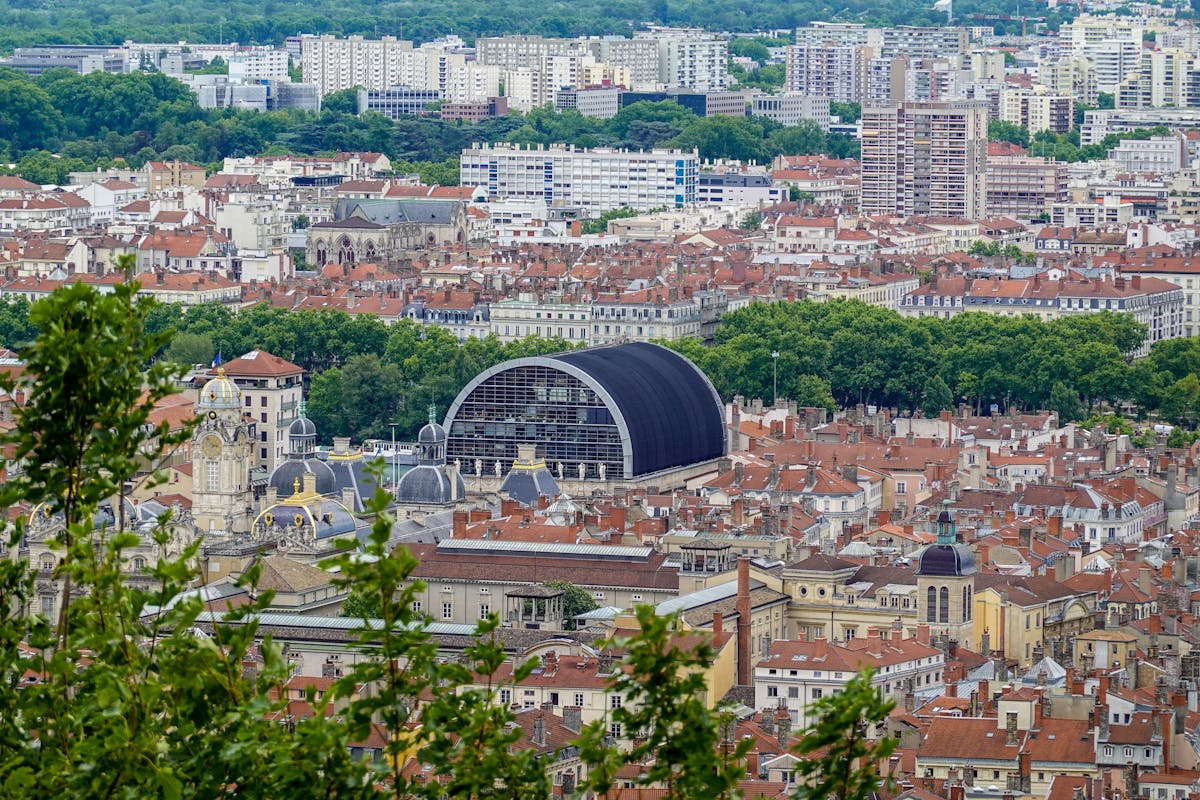
Fourviere Hill: The basilica, the Roman theaters, and the panoramic views. Reached by funicular from Vieux Lyon. Included in longer tours (3+ hours).
Croix-Rousse: The silk workers’ hill. Has its own traboules, more street art, and a weekly market that locals actually use. Few standard tours go here, but it’s worth exploring on your own or asking your guide for tips.
More France Walking Guides
If you’re spending time beyond Lyon, we’ve covered the main walking and food tours across France. A Paris food tour makes for an obvious comparison — the styles are completely different (Paris is more polished, Lyon is more rustic), and both are worth doing if you’re traveling between the two cities. For day trips from Lyon, the Saint-Emilion wine region is reachable by TGV, and the Champagne region is an easy add-on if you’re heading north. Down south, the French Riviera tours from Nice and the Gorges du Verdon day trip are both solid picks if you’re continuing along the Mediterranean.
This article contains affiliate links. If you book through our links, we earn a small commission at no extra cost to you. This helps us keep writing these guides.