
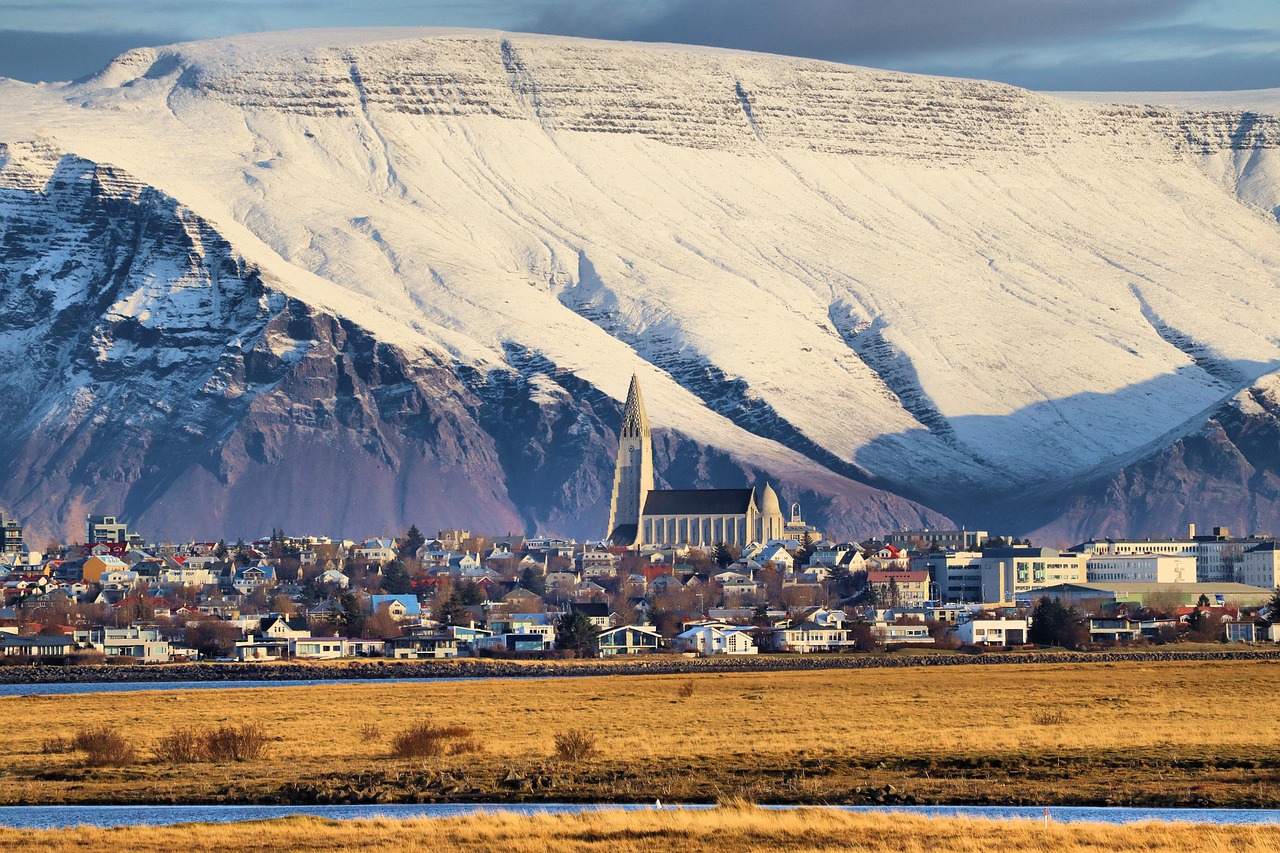
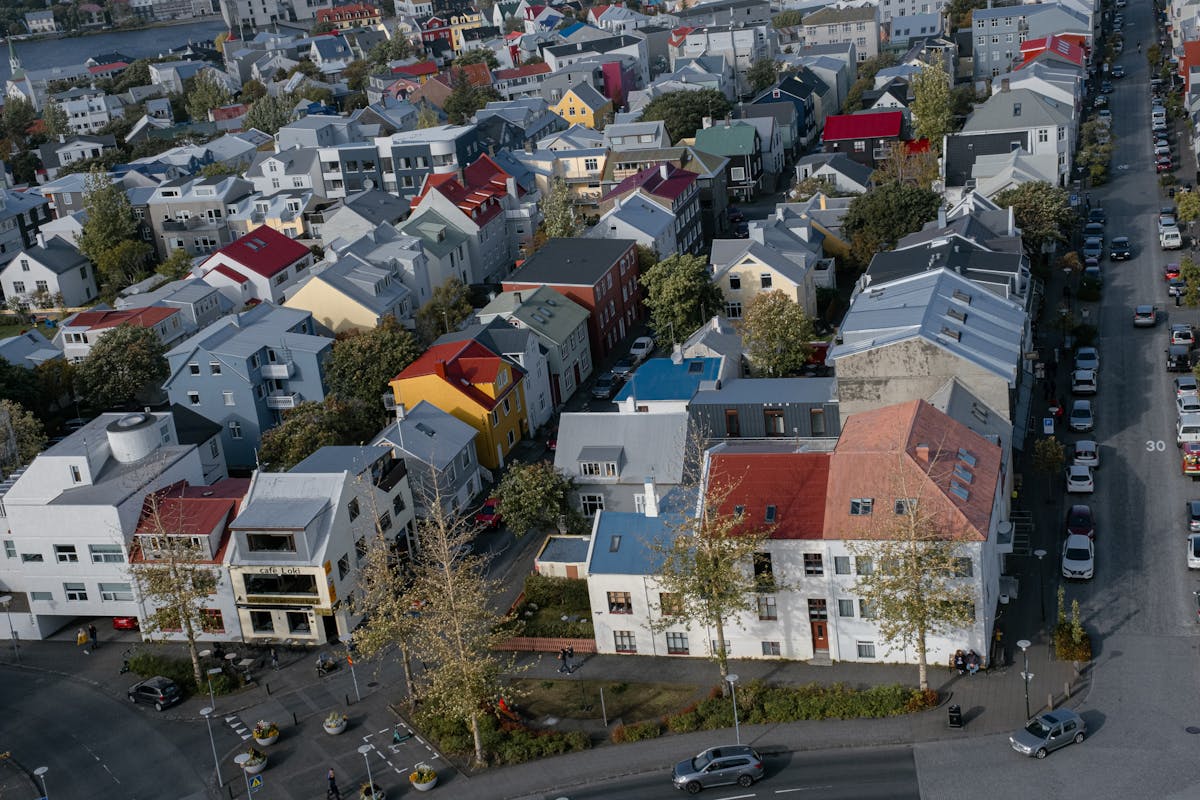
I spent my first afternoon in Reykjavik walking into the wind along the harbour, squinting at the mountains across the bay, and realising I had absolutely no idea what I was looking at. The colourful tin-roofed houses were gorgeous, sure. The church on the hill was impossible to miss. But I walked right past the spot where the last Catholic bishop of Iceland was executed, had no clue why every other building had corrugated iron walls, and missed the parliament building entirely because it looks like a modest country house.
That is the problem with Reykjavik. It is small enough to walk in an afternoon, but the stories are invisible unless someone tells them to you.
A guided walking tour fixed that gap completely. Two hours later I knew why the houses are painted those specific colours, where the sagas actually happened, and which hot dog stand is the one locals actually go to (not the one from the TV show). Here is how to book the right one.
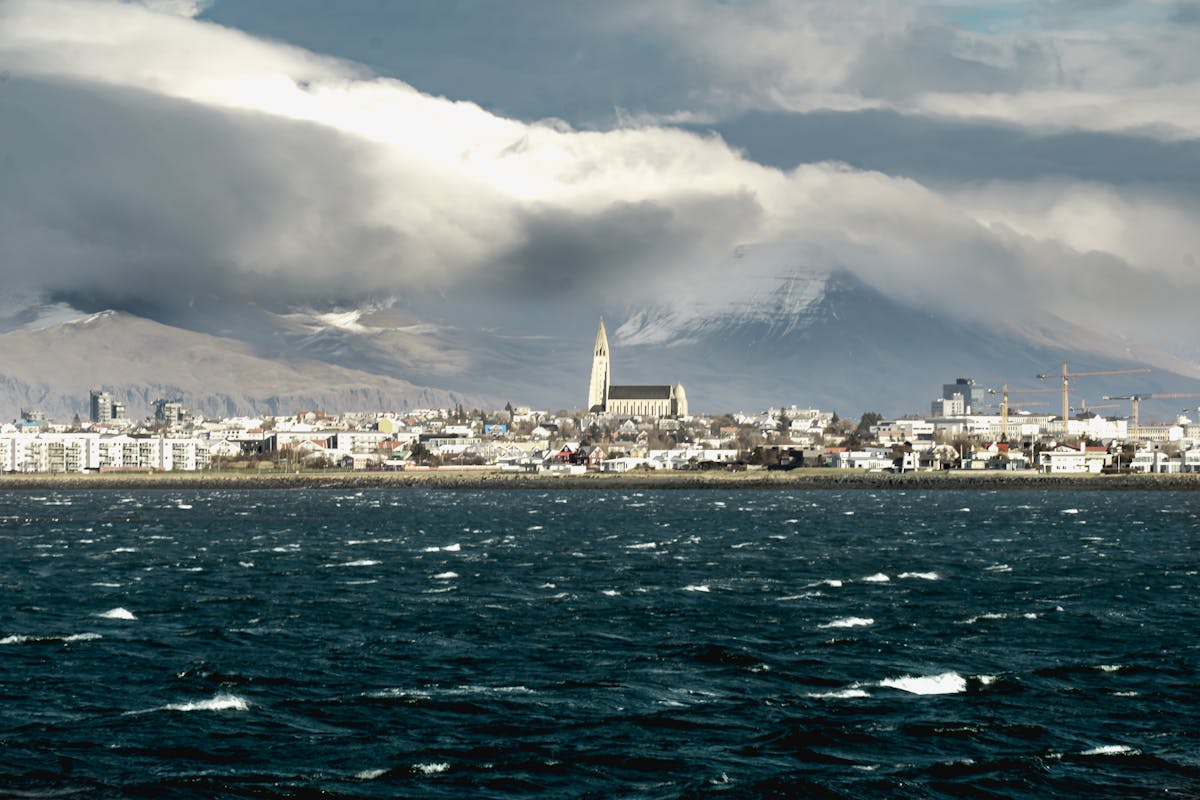
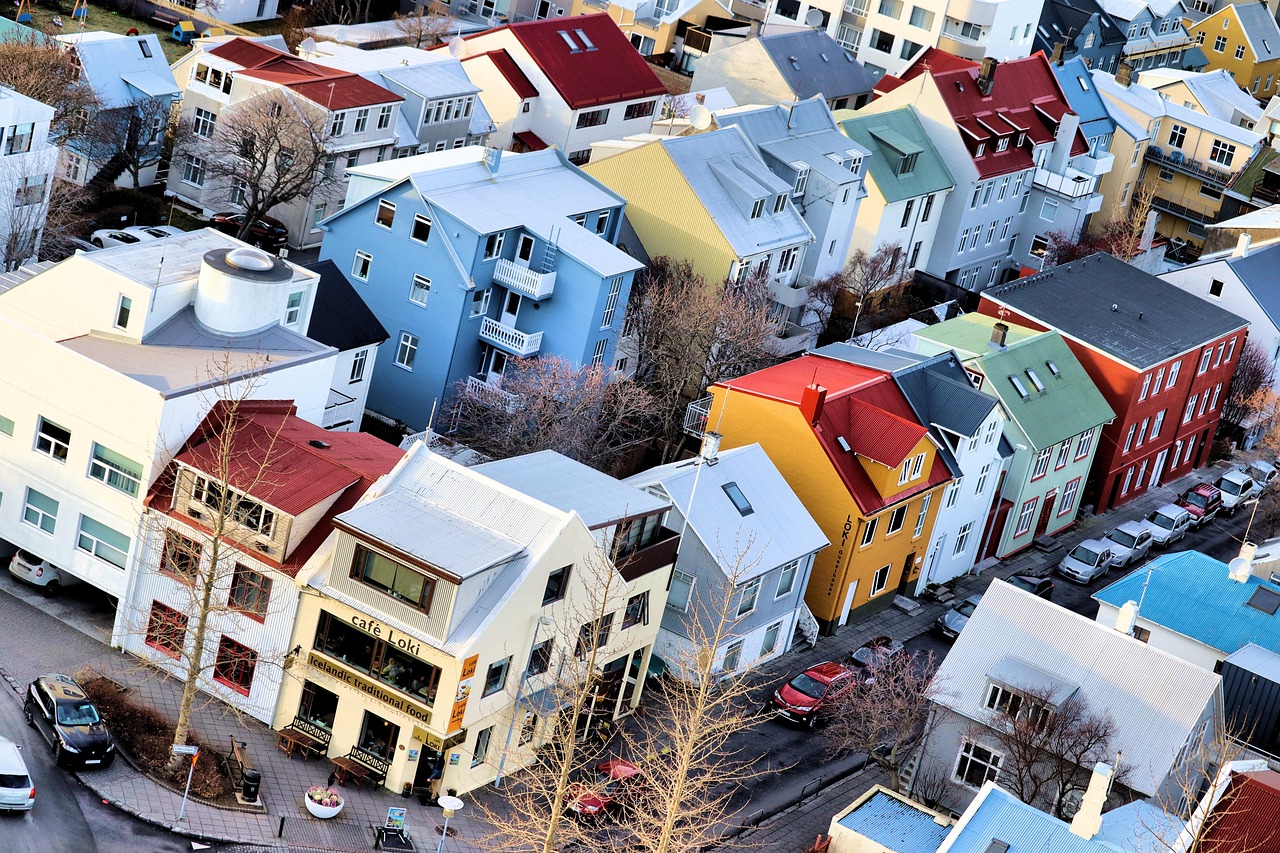
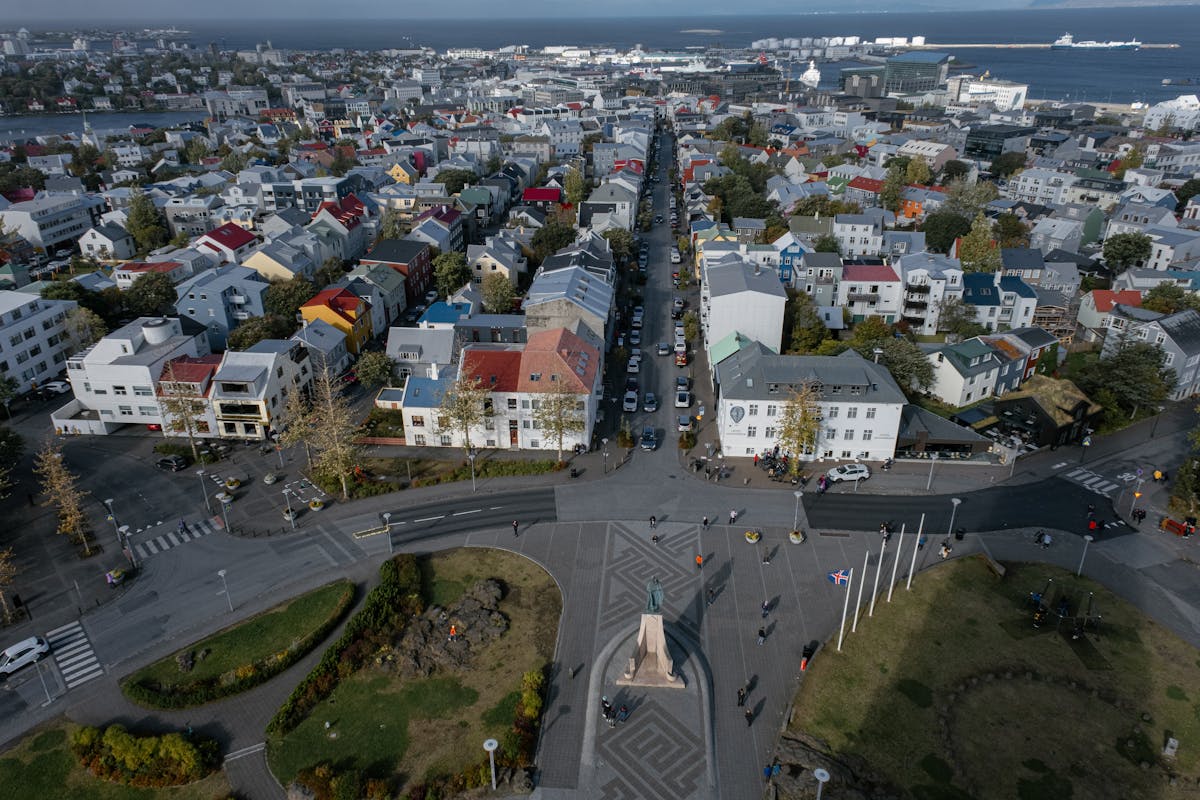
Best overall: CityWalk Small Group Walking Tour — $53. Two hours with a certified Icelandic guide, indoor warm-up stops included, and consistently the highest-rated walking tour in the city.
Best for history lovers: Walk With a Viking Tour — $56. A local guide who traces the Viking settlement story from the original hot springs to the modern parliament.
Best budget option: Self-Guided Audio Walk — $12. GPS-guided narration at your own pace — perfect if you hate group schedules or want to stop for every photo.
- How Walking Tours in Reykjavik Actually Work
- Guided Tour vs Exploring on Your Own
- The Best Reykjavik Walking Tours to Book
- 1. CityWalk Small Group Walking Tour —
- 2. Walk With a Viking —
- 3. Self-Guided Audio Walk —
- When to Take a Walking Tour in Reykjavik
- What You Will Actually See on a Walking Tour
- How to Get Around Reykjavik
- Tips That Will Save You Time and Money
- Beyond the City Centre
How Walking Tours in Reykjavik Actually Work
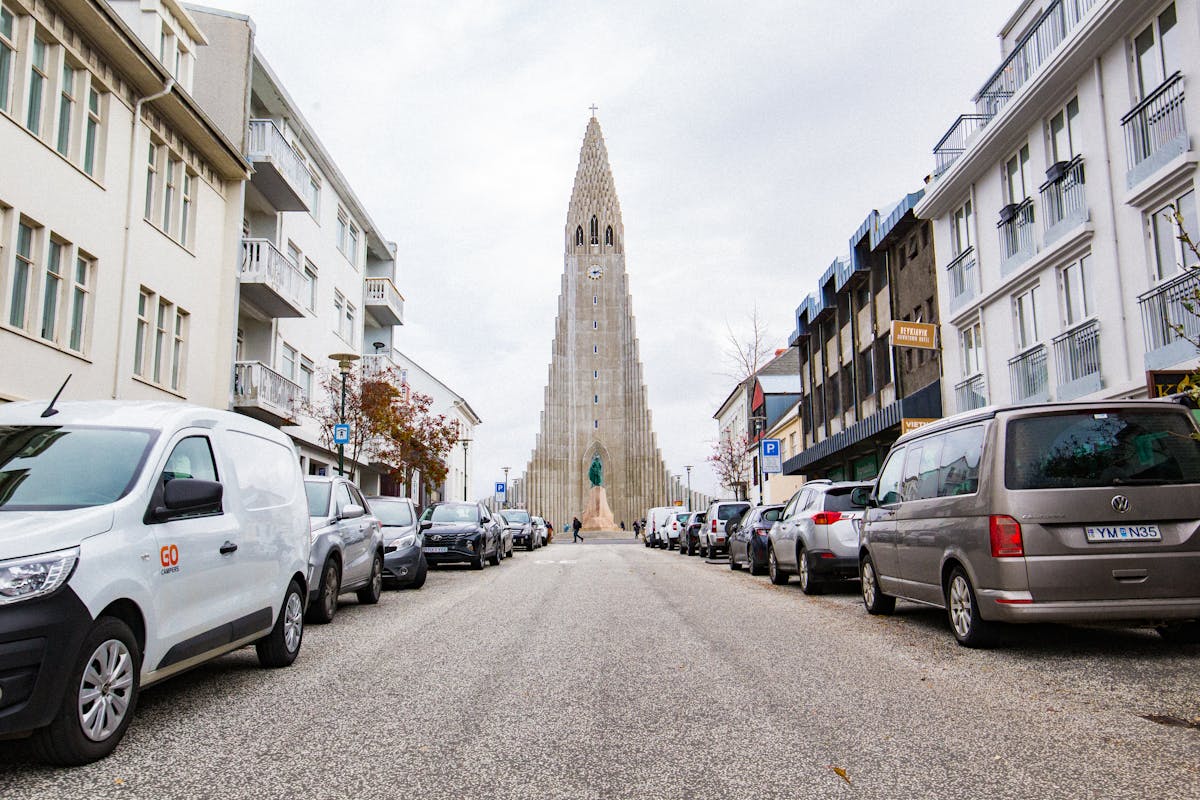
Reykjavik is compact. The entire city centre — from the harbour to Hallgrimskirkja, from the Parliament to the university district — covers about one square kilometre. A walking tour here is not the kind where you are on your feet for four hours crossing multiple neighbourhoods. Most last around two hours and cover 15-20 stops within easy walking distance of each other.
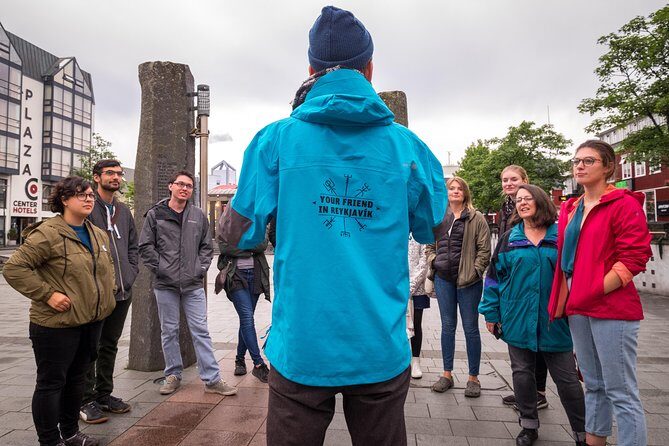
The standard format is a small group (typically 8-20 people) led by a certified local guide. Iceland actually has a formal tour guide school, and the best operators hire graduates. That matters because the history here is dense — settlement-era sagas, volcanic eruptions that shaped the architecture, the independence movement, the 2008 financial crash — and a trained guide connects all of it without reading off a script.
Most tours meet at a central point like Hallgrimskirkja or the main square by the Parliament, and the route weaves through the key landmarks: the church, the old harbour, Harpa concert hall, the Sun Voyager sculpture, Laugavegur shopping street, and a handful of hidden spots the guidebooks skip.
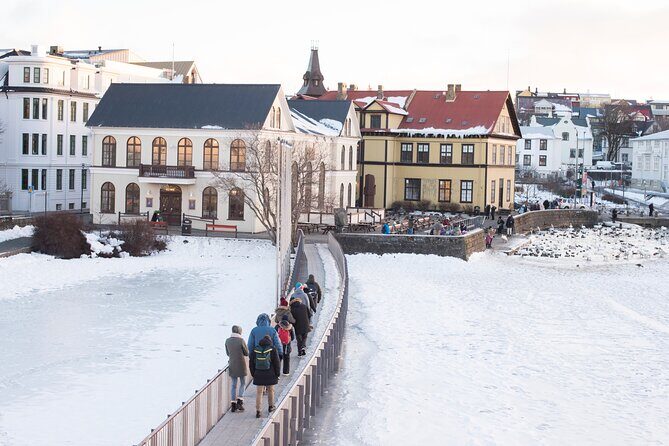
There are also free walking tours in Reykjavik (CityWalk runs one where you tip at the end), but the paid small-group versions tend to be better because the guides are guaranteed a wage and the group size stays manageable. On a free tour you might end up with 40 people straining to hear over the wind — and wind in Reykjavik is not optional, it is a permanent feature.
Booking is straightforward. All the main tours are available on GetYourGuide or Viator with free cancellation up to 24 hours before. You do not need to book weeks in advance unless you are visiting during peak summer (June-August), when the midnight sun brings crowds. For shoulder season and winter, booking a day or two ahead is usually fine.
Guided Tour vs Exploring on Your Own
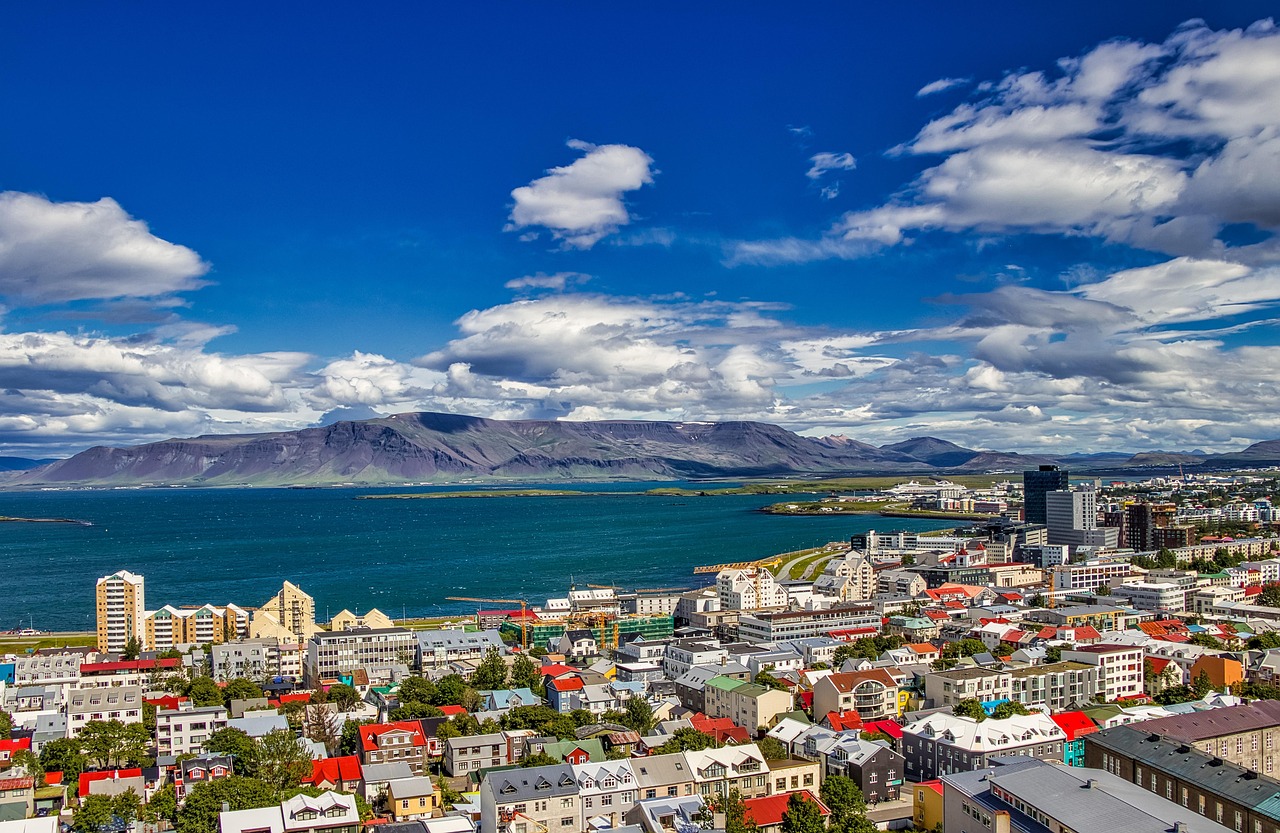
You can absolutely walk Reykjavik on your own. It is flat, safe, well-signed, and small. But here is what you will miss: context. The city does not wear its history on its sleeve. The oldest building in town looks like a white warehouse. The parliament building is smaller than most cafes. The spot where the first settler built his farm is now a car park. Without a guide pointing these out and explaining the significance, you will walk right past them — which is exactly what I did the first time.
A guided tour is best if you are spending one or two days in Reykjavik and want to orient yourself quickly. Most people do the tour on their first morning and then spend the rest of the trip revisiting the places that interested them.
The self-guided audio option splits the difference. You get the narration and the GPS-mapped route, but you walk at your own speed, stop when you want, and skip what does not interest you. It costs a fraction of the guided tour price and works well for people who find group tours frustrating.
The Best Reykjavik Walking Tours to Book
I went through the full list of walking tours available in Reykjavik and narrowed it down to three that are worth your time and money. Each one covers different ground and suits a different type of traveller.
1. CityWalk Small Group Walking Tour — $53
This is the one I recommend to most people. CityWalk has been running tours in Reykjavik for years and they have built a reputation for hiring genuinely entertaining local guides — not just people who memorised a script, but storytellers who grew up here and can answer the weird follow-up questions you did not know you had.
The tour lasts two hours and hits all the major landmarks, but what sets it apart is the indoor stops. Reykjavik weather is unpredictable and the wind off the North Atlantic can cut right through you. CityWalk deliberately builds in warm-up points along the route — a church interior here, a covered market there — which makes the whole experience more comfortable than tours that keep you outside the entire time. At $53 per person, it is fairly priced for Iceland (where everything costs more than you expect).
2. Walk With a Viking — $56
If you are the kind of person who reads the Wikipedia article about a place before you visit, this one is for you. The Walk With a Viking tour focuses on the Norse settlement story — how Ingolfur Arnarson chose this particular bay in 874 AD because of the steam rising from the hot springs (Reykjavik literally translates to “smoky bay”), how the Althingi parliament was founded, and how a tiny fishing village eventually became a capital city.
The guides are local Icelanders who know the sagas and the modern stories equally well. The tour covers similar ground to CityWalk but spends more time on history and less on contemporary culture. At $56 it is essentially the same price, so the choice comes down to whether you want broad cultural context (CityWalk) or deep historical narrative (Walk With a Viking). Two hours, small groups, and a pace that leaves time for photos and questions.
3. Self-Guided Audio Walk — $12
This is the one for people who do not like group tours. For $12 per person you get a GPS-guided audio narration that covers all the main sights plus a few hidden spots that guided tours sometimes skip. The app tracks your location and triggers the relevant commentary as you approach each point of interest.
The route takes about 90 minutes to two hours depending on how often you stop, and you can do it at any time of day — no meeting point, no waiting for stragglers, no walking at someone else’s pace. It is not going to replace the experience of having a charismatic local guide answering your questions in real time, but at a tenth of the price it is a solid alternative. Particularly useful if you arrived late, have an early flight, or just prefer to explore alone.
When to Take a Walking Tour in Reykjavik
Summer (June-August) is peak season. The midnight sun means you can technically take a walking tour at 11pm and still have daylight. The weather is warmer (10-15C on a good day), but this is also when Reykjavik is most crowded and prices for everything spike. Book your walking tour a few days ahead during these months.
Shoulder season (May and September) is my pick. The crowds thin out, prices drop, the weather is still manageable, and in September you get the first chance of seeing the northern lights. Most walking tours run year-round, so availability is not an issue.
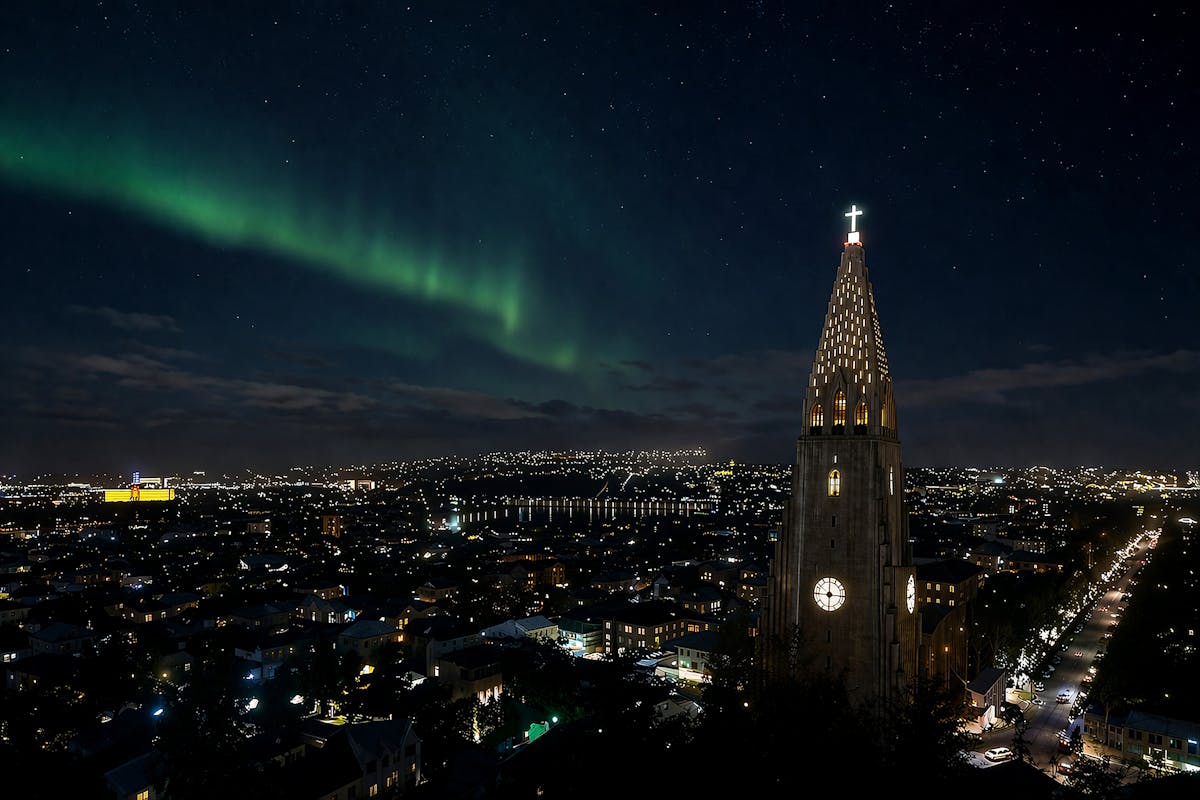
Winter (November-February) means short daylight hours (as few as 4-5 hours in December), cold temperatures, and wind. Walking tours still run, but dress for it — thermal base layer, windproof jacket, hat, gloves, and proper walking shoes with grip. The upside is that winter Reykjavik has its own atmosphere: warm cafe light against dark skies, fewer travelers, and the possibility of northern lights appearing right above the city.
Best time of day: Morning tours tend to have smaller groups. If you are taking a walking tour in summer, the late afternoon light (around 6-8pm) is particularly good for photos, with long shadows and warm tones across the tin rooftops.
What You Will Actually See on a Walking Tour
Most Reykjavik walking tours follow a similar route through the city centre, hitting these key stops:
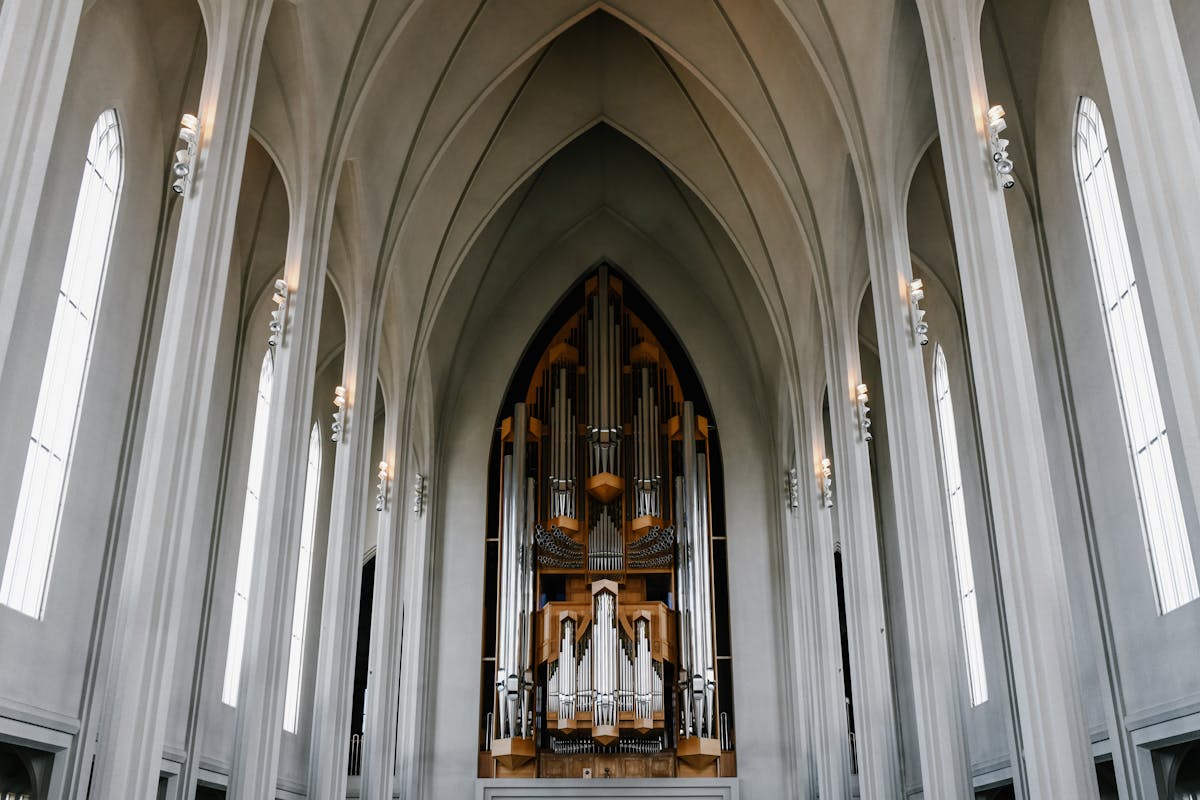
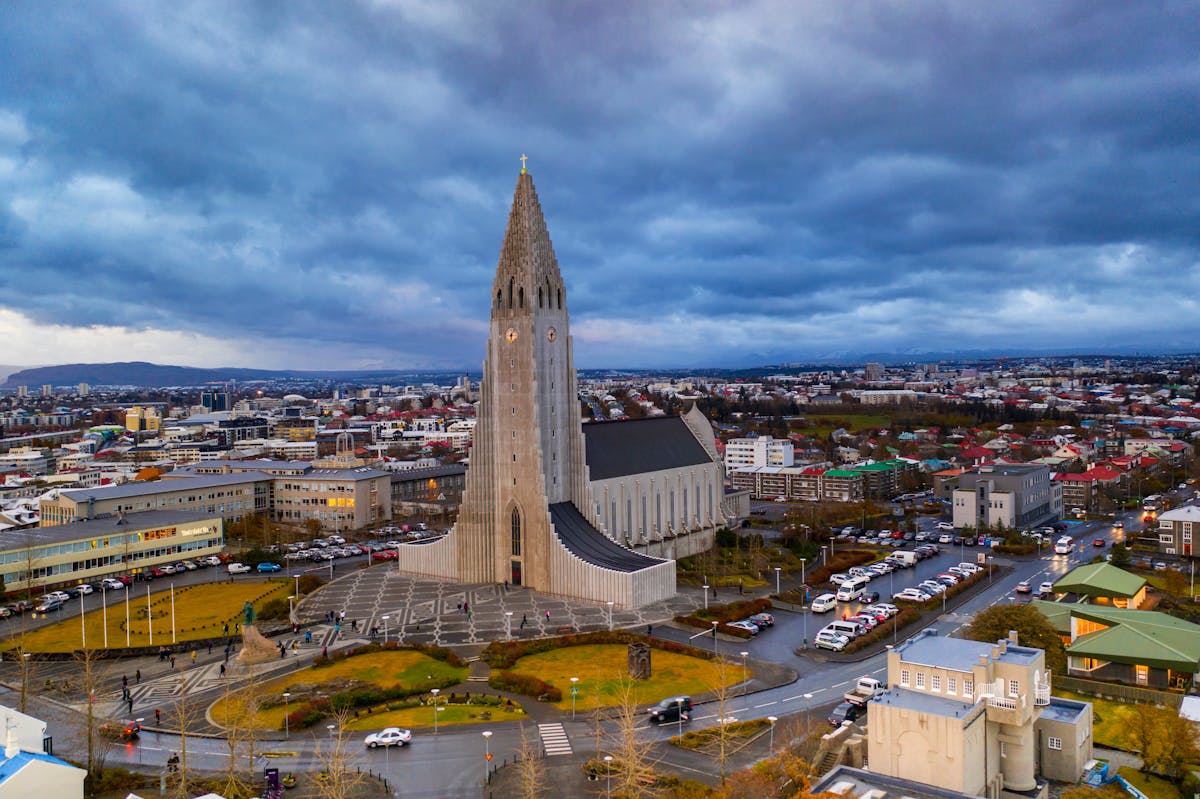
Hallgrimskirkja — The massive concrete church that dominates the skyline. Designed by state architect Gudjon Samuelsson and inspired by the basalt column formations found across Iceland. Construction started in 1945 and took 41 years to finish. The tower offers the best panoramic view of the city, but that is a separate ticket (about 1,000 ISK).
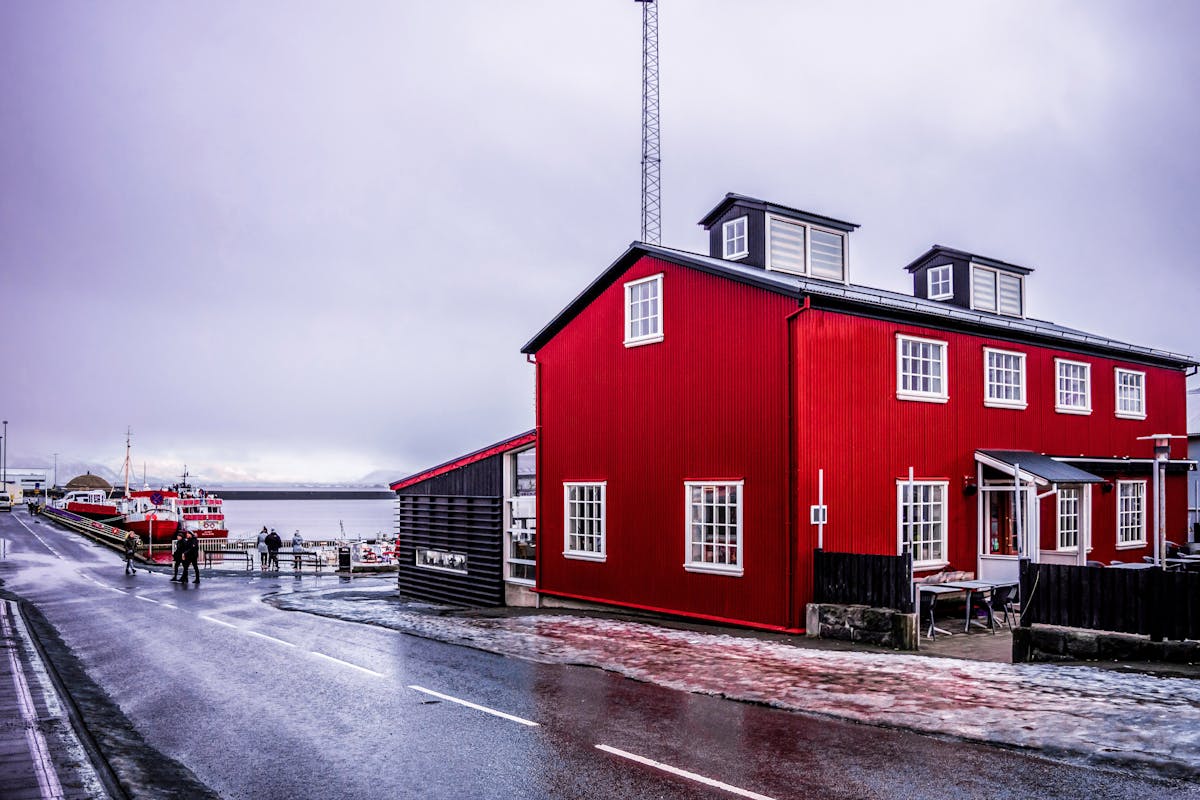
The Old Harbour — Where the whale watching boats dock and where you will find some of the best fish restaurants in the city. This area was a working fishing harbour until relatively recently, and some tours include stories about the cod wars with Britain.
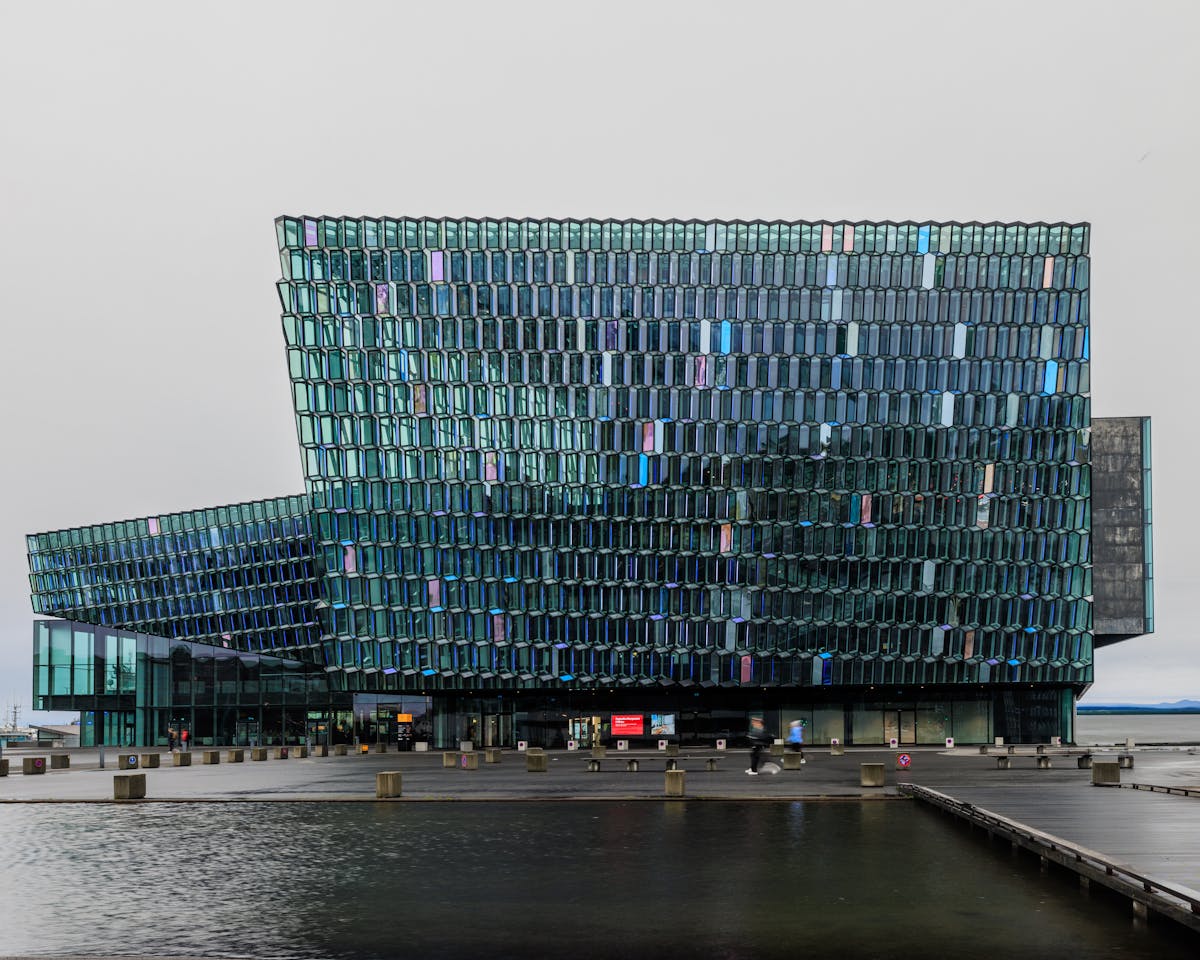
Harpa Concert Hall — The glass-and-steel building on the waterfront that looks different every time you see it. Designed by Olafur Eliasson (the artist behind the weather project at Tate Modern). The building nearly did not get built — the 2008 financial crash halted construction and it sat as a steel skeleton for years before funding was found to finish it.
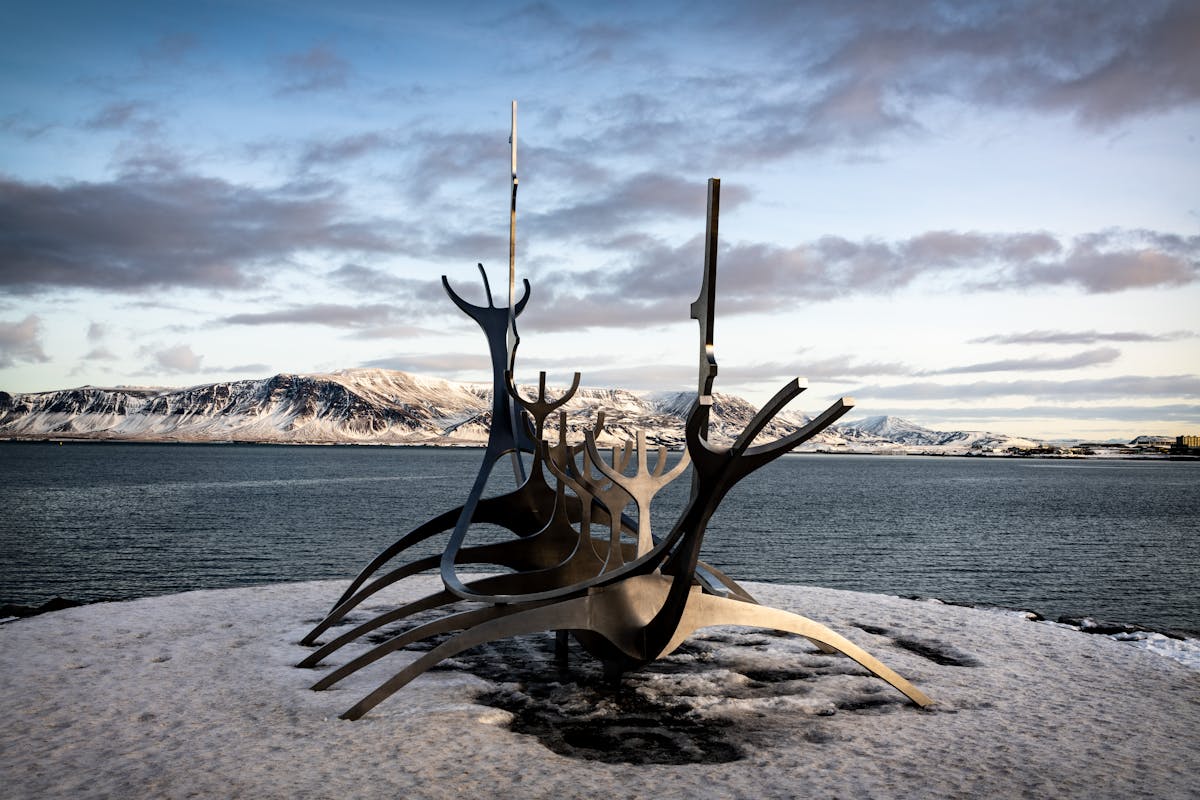
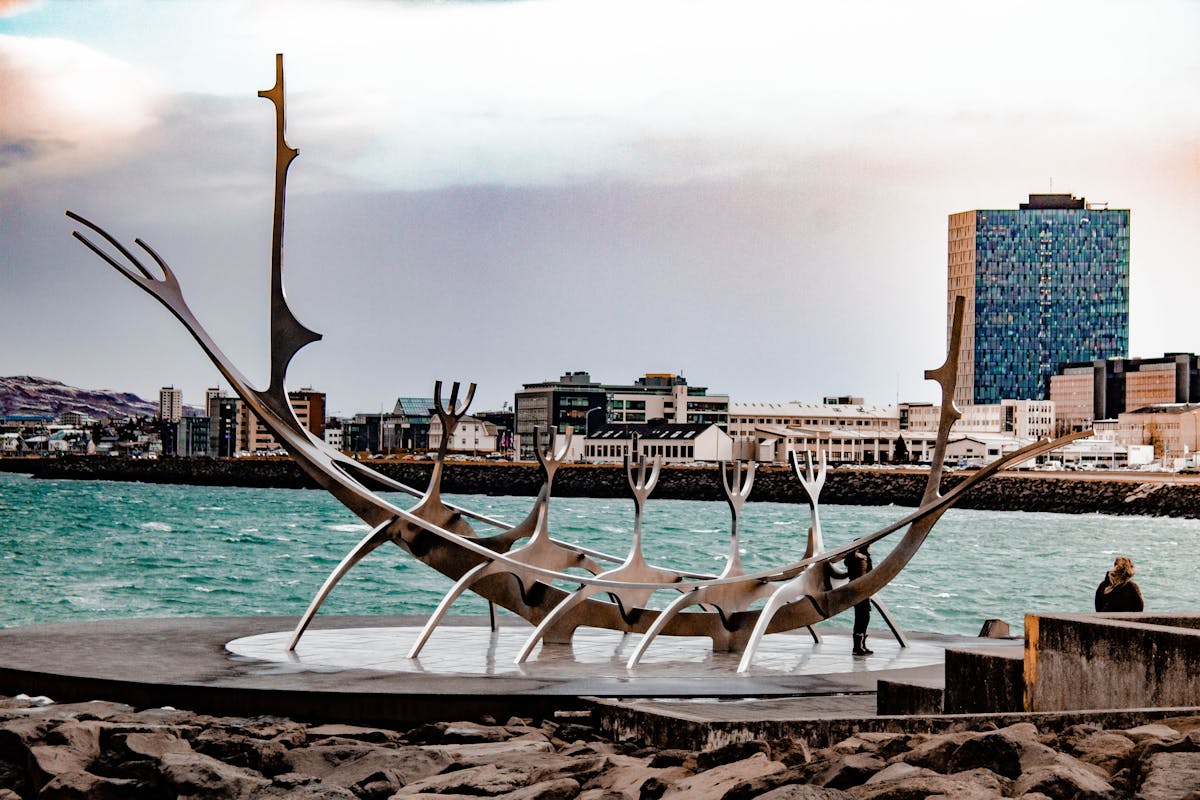
Sun Voyager (Solfar) — The stainless steel sculpture on the waterfront that everyone photographs. It faces north toward Mount Esja, not west into the sunset — a fact that surprises most visitors. The sculptor, Jon Gunnar Arnason, described it as a dream boat and an ode to undiscovered territory.
Althingi (Parliament) — One of the oldest surviving parliaments in the world, founded in 930 AD (though the current building dates to 1881). It is remarkably modest — you could walk past it without noticing. Guides usually spend time here explaining how Iceland went from a Viking commonwealth to Danish rule and back to independence in 1944.
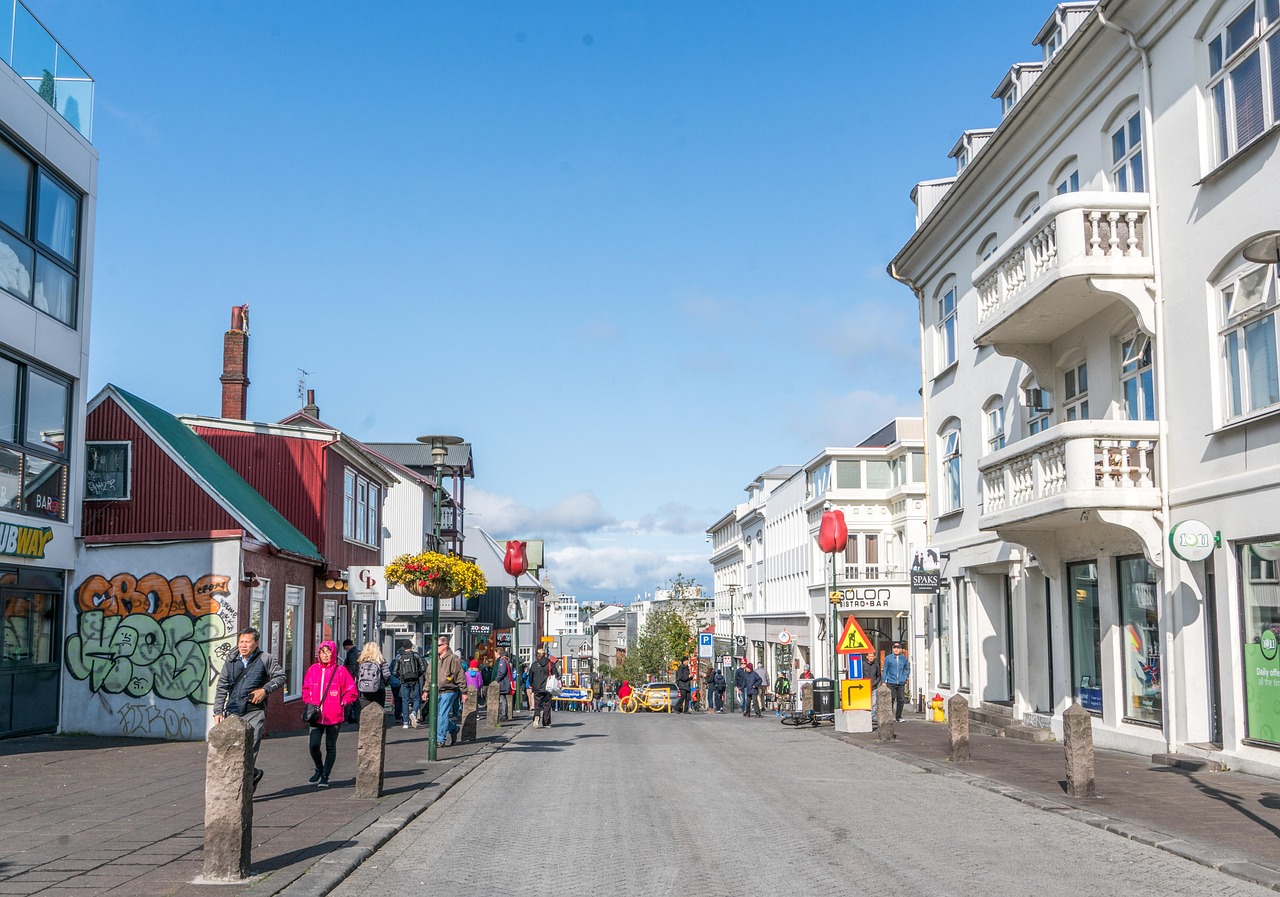
Laugavegur — The main shopping and cafe street. Laugavegur translates to “wash road” because it was originally the path people took to the hot springs to do their laundry. Today it is full of Icelandic design shops, wool sweaters, and overpriced tourist stores selling puffin souvenirs.
How to Get Around Reykjavik
You do not need transport for a walking tour — the whole point is that everything is on foot. But getting to the starting point is worth knowing about.
From Keflavik Airport: The airport is 50km southwest of the city (about a 45-minute drive). The Flybus or Airport Direct shuttle costs around 3,500-4,000 ISK one way and drops you at BSI bus terminal, which is walking distance from the city centre. You can also book a private transfer but it costs significantly more.
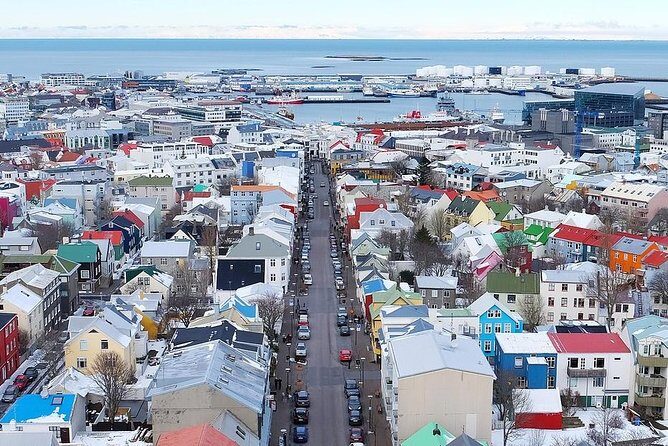
Within the city: Reykjavik has a bus system (Straeto) but for the central area you genuinely will not need it. The walk from the harbour to Hallgrimskirkja is about 15 minutes. From the bus terminal to the main square is 10 minutes. Nothing in the tour zone is more than 20 minutes on foot from anything else.
Parking: If you have a rental car, street parking in the centre is metered and limited. The car parks near Harpa and Hallgrimskirkja are your best bet. Some walking tours start near these car parks, which is convenient.
Tips That Will Save You Time and Money
Layer up, always. Reykjavik weather changes every 20 minutes. You will start a two-hour tour in sunshine and finish in sideways rain. Windproof outer layer, warm middle layer, and a hat are non-negotiable even in summer. Waterproof shoes make a real difference on the harbour stretch.
Do the walking tour first. Schedule it for your first morning in the city. You will learn the layout, get restaurant recommendations from your guide, and know which spots you want to revisit on your own. Everything else you do in Reykjavik will make more sense after the tour.
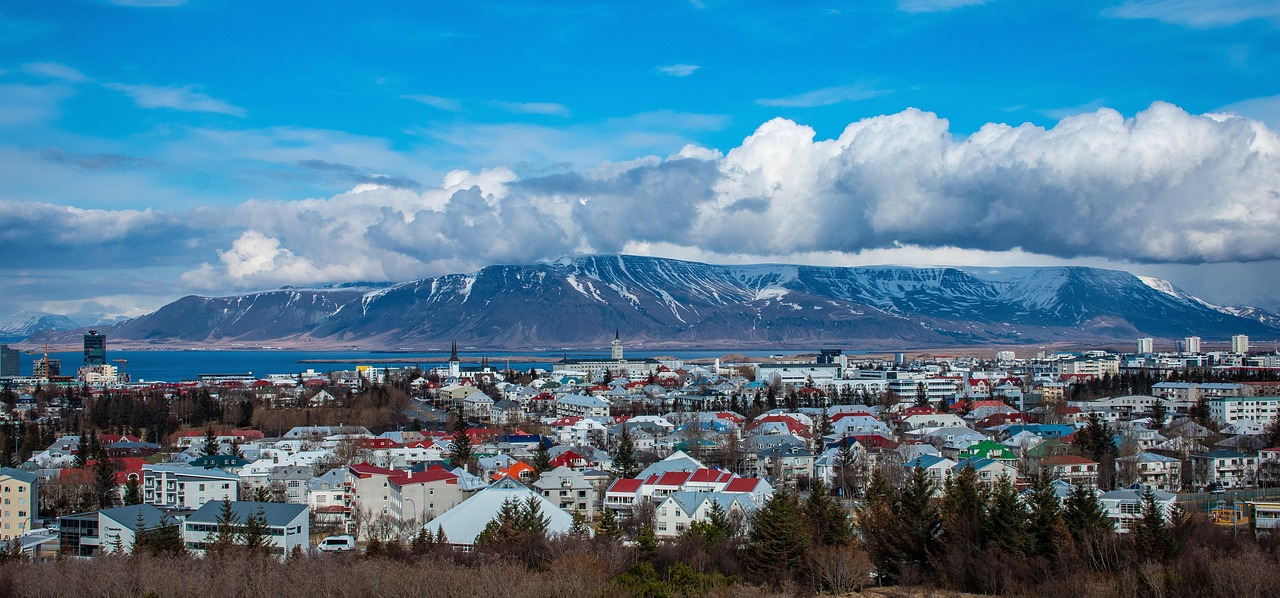
The Hallgrimskirkja tower is separate. Walking tours pass the church but do not include the tower entry (about 1,000 ISK). Go back on your own after the tour — the view from the top is the best way to see the coloured rooftops and the mountains beyond.
Free cancellation matters here. Iceland weather can be genuinely bad. All the tours listed above offer free cancellation up to 24 hours before, so book early and cancel if a storm rolls in. Better to reschedule than to spend two hours walking into horizontal rain.
Tip your guide. Tipping is not part of Icelandic culture, but walking tour guides are an exception. If your guide was good, 1,000-2,000 ISK (or the equivalent in whatever currency you have) is appreciated.
Combine with a food tour. If you want to go deeper than a general walking tour, the Reykjavik Food Walk is the most popular food tour in Iceland — three hours, six tastings, and a much more intimate look at Icelandic cuisine than you will get wandering into restaurants on your own.
Beyond the City Centre
Walking tours are the best way to start your Reykjavik visit, but most people in Iceland are here for what lies outside the city. Once you have got your bearings downtown, the big day trips open up.
The Golden Circle is the classic first day trip — Thingvellir National Park, the Geysir geothermal area, and Gullfoss waterfall, all reachable in a single day from the city. If you are more interested in ice and glaciers, a glacier and ice cave tour takes you out to the edge of a glacier for a guided hike inside the ice. For wildlife, whale watching from the Old Harbour runs year-round and you can book it for the afternoon after your morning walking tour. And if you came to Iceland for the water, snorkelling at Silfra in Thingvellir is one of the most unusual things you can do anywhere in the world — crystal-clear glacial water between two tectonic plates.
The South Coast is the other essential day trip, with black sand beaches, waterfalls you can walk behind, and the basalt columns that inspired the design of Hallgrimskirkja — you will appreciate them even more after your walking tour guide has explained the connection.
This article contains affiliate links. If you book a tour through the links above, we earn a small commission at no extra cost to you. This helps us keep producing free travel guides.