
The Knights of St John spent four months in 1565 fighting off 40,000 Ottoman soldiers with barely 6,000 defenders. When the smoke cleared and the Ottomans finally retreated, Grand Master Jean de Valette looked at the devastated coastline and said — roughly paraphrased — “Right, we’re building a proper city this time.” That city is Valletta. And walking through it today, you’re walking through the result of one man’s refusal to let an empire dictate his future.
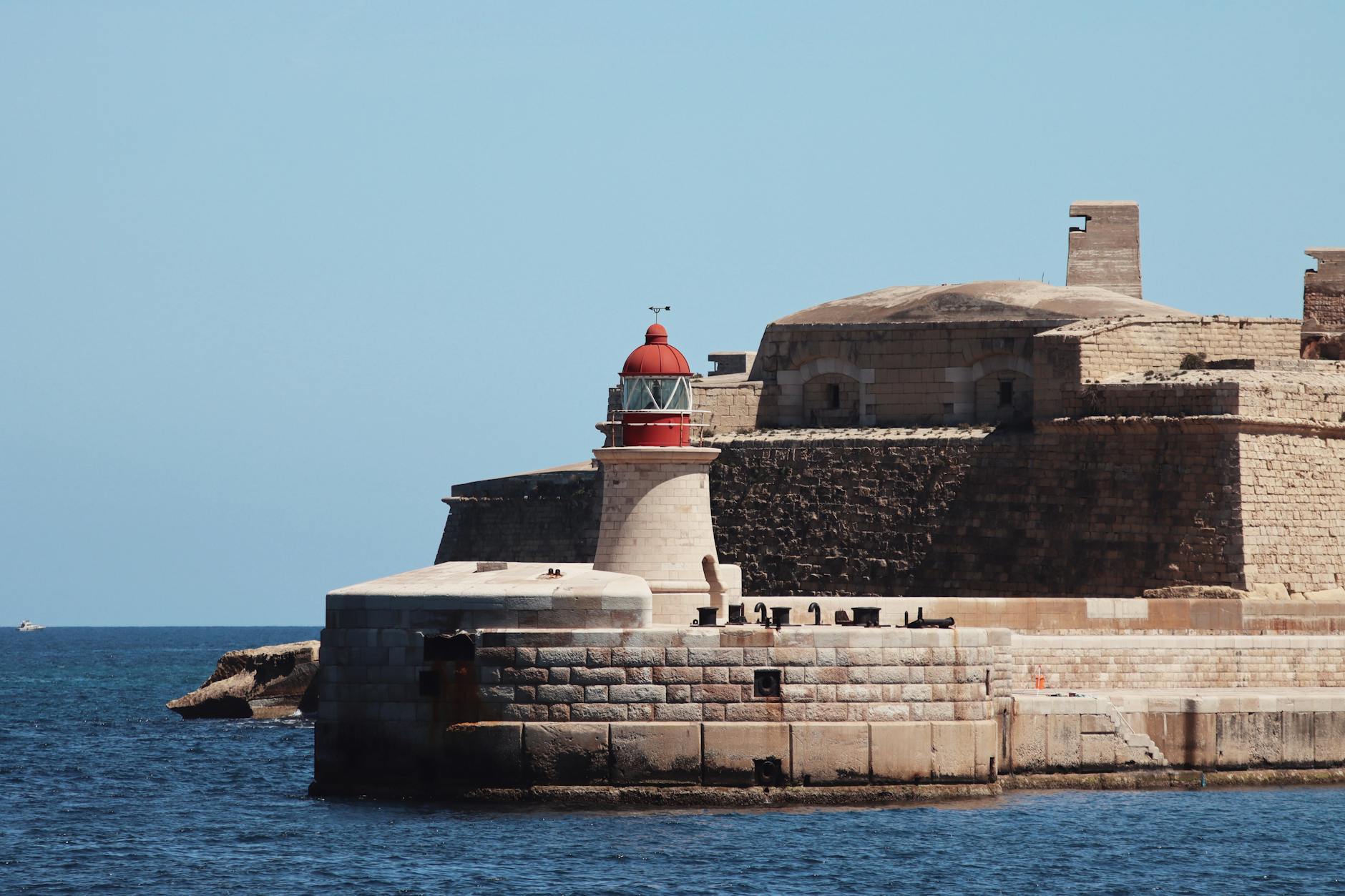
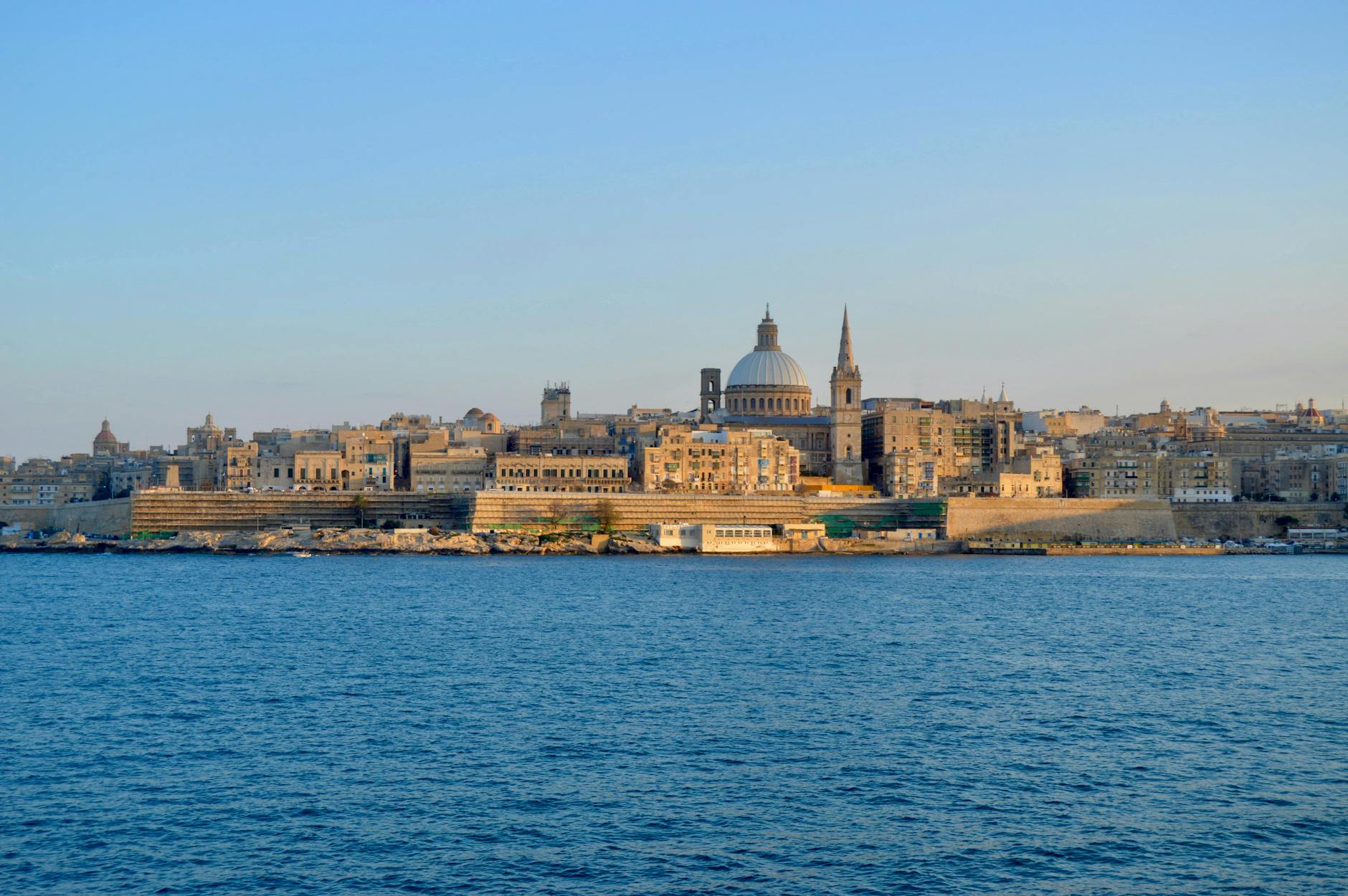
I’d been to plenty of Mediterranean capitals before Malta. Most of them grew organically over centuries — a church here, a market square there, streets that curve for no apparent reason. Valletta is different. It was designed from scratch by Francesco Laparelli, a military architect who’d worked alongside Michelangelo, and it shows. The grid layout, the uniform limestone, the way every street either ends at the sea or funnels you toward a fortification. This is Europe’s first planned city, and honestly it still feels intentional in a way that most cities don’t.
But here’s the thing about Valletta — you can walk every street in a couple of hours without a guide and come away thinking it’s a pretty city with nice views. Or you can walk it with someone who knows the stories behind the limestone, and suddenly every doorway and coat of arms means something. That’s why a walking tour here is worth it in a way it isn’t in most cities.
Short on time? Here are my top picks:
Best overall: The Original Valletta Walking Tour — $27. Three hours with a guide who genuinely drills into the history. The one most people book, and for good reason.
Best budget: City Walking Tour (Small Group) — $24. Smaller groups mean more conversation with the guide and less standing around waiting for stragglers.
Best for cathedral access: Walking Tour with Optional Cathedral — $46. If St John’s Co-Cathedral is on your list (it should be), this bundles the entrance and a proper explanation of the Caravaggio.
- How Walking Tours in Valletta Actually Work
- Self-Guided vs Guided: Which One Makes Sense
- The Best Valletta Walking Tours to Book
- 1. The Original Valletta Walking Tour —
- 2. Valletta: 3-Hour Walking Tour —
- 3. City Walking Tour in a Small Group —
- 4. Guided City Walking Tour —
- 5. Walking Tour with Optional Cathedral —
- When to Visit Valletta
- Getting to Valletta
- Tips That Will Actually Save You Time
- What a Walking Tour Actually Shows You
- The History That Makes Valletta Extraordinary
- Practical Details: Hours, Prices, Access
- Beyond Valletta
How Walking Tours in Valletta Actually Work
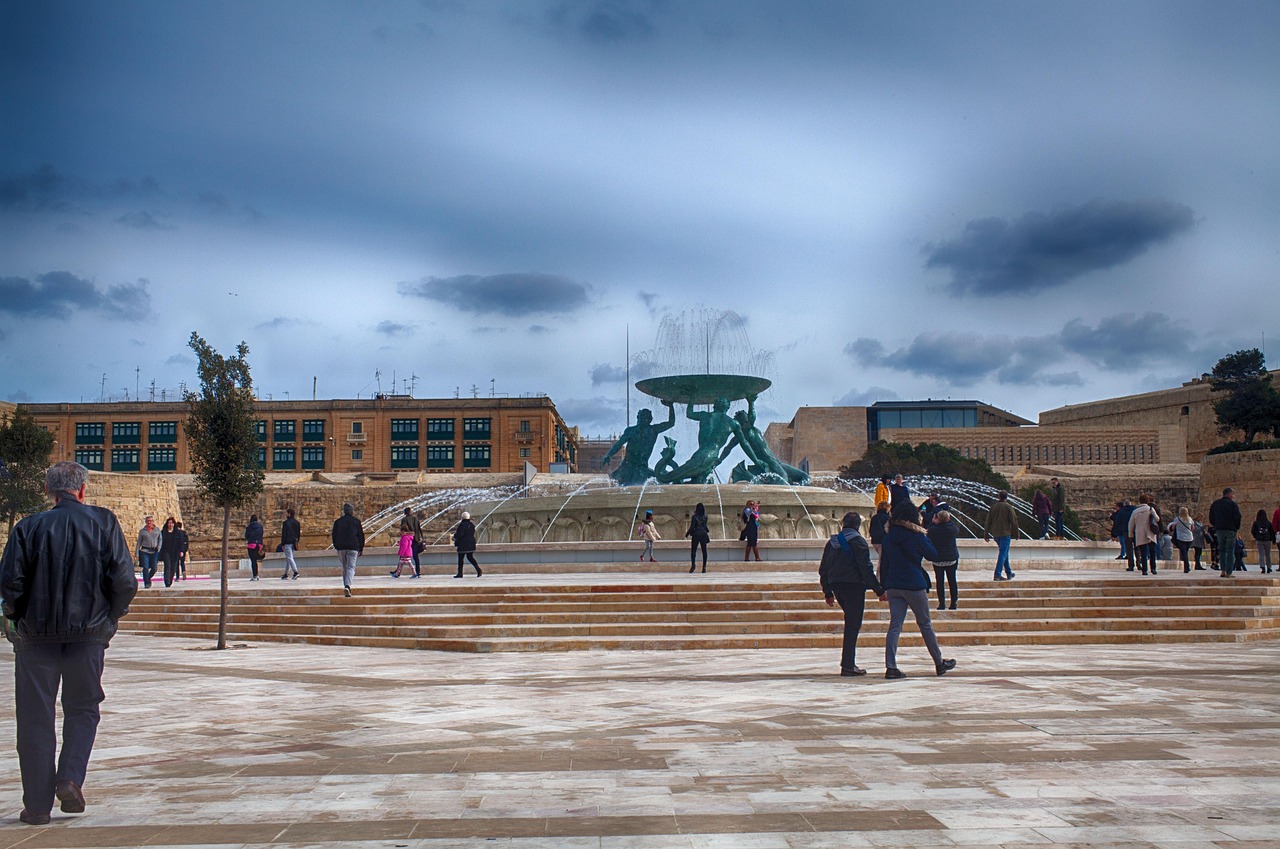
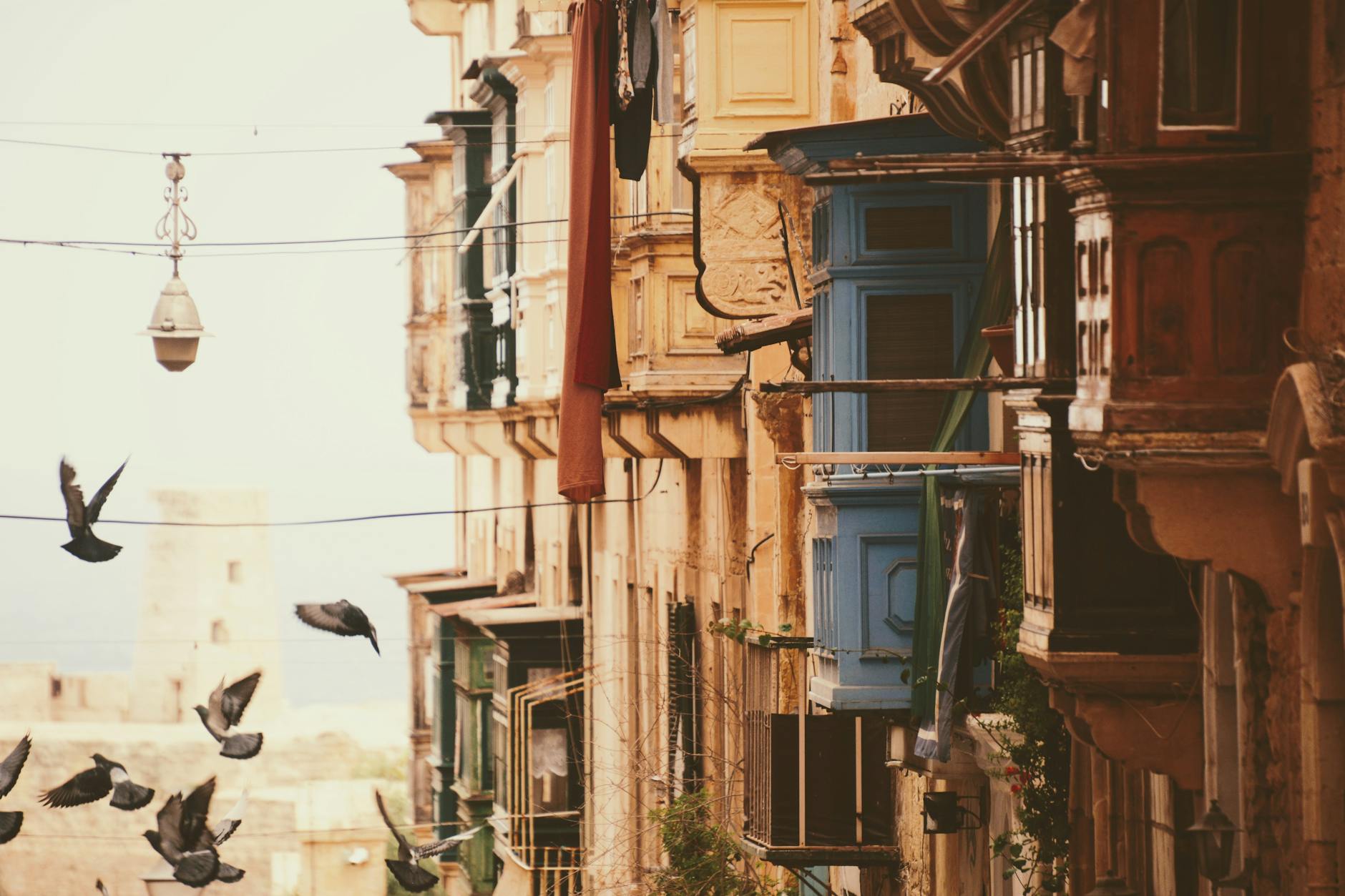
Most Valletta walking tours follow a similar pattern. You’ll meet near the City Gate — usually at the Triton Fountain or just inside the gate near the ruins of the old Royal Opera House (bombed in WWII and now an open-air performance venue). From there, the route typically hits Republic Street, St George’s Square, the Grand Master’s Palace, the Upper Barrakka Gardens, and winds through the side streets toward Fort St Elmo.
The standard tour runs 2.5 to 3 hours. Some stretch to 4 hours if they include cathedral entry. Almost all of them are on foot with no transport involved, which makes sense — Valletta is only about 1 kilometre long and 600 metres wide. You’re covering the whole peninsula regardless.
Prices range from about $24 to $46 depending on group size and what’s included. The cheaper tours skip interior visits. The pricier ones add St John’s Co-Cathedral (which normally costs around EUR 15 to enter separately, so the bundle is decent value).
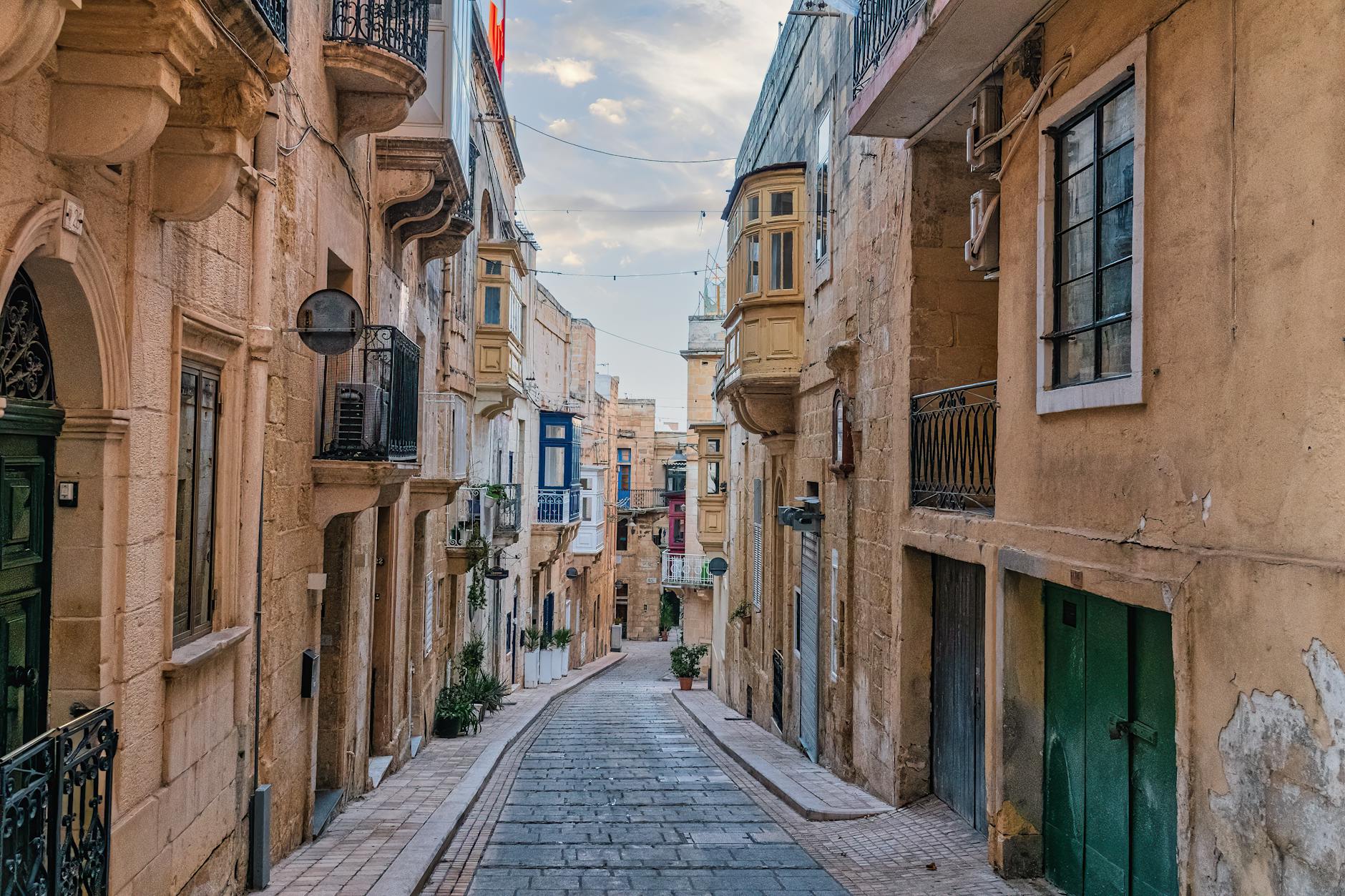
One thing to know: Valletta is compact but hilly. The main spine along Republic Street is flat, but the streets running perpendicular drop steeply toward the harbours on either side. Wear proper shoes. I’ve seen people in flip-flops struggling on the polished limestone steps — they get slippery, especially after rain.
Self-Guided vs Guided: Which One Makes Sense
You can absolutely explore Valletta on your own. It’s small, safe, and well-signposted. But I’d argue the guided option is stronger here than in most cities, and the reason comes down to layers.
The case for self-guided:
- Valletta is walkable in 2-3 hours at your own pace
- The Upper Barrakka Gardens, harbour views, and street scenes don’t need narration
- Audio guides are available for about $10 if you want some context without a schedule
- You can duck into cafes or shops whenever you want
The case for a guided tour:
- The history is extraordinarily dense and almost nothing is obvious from the outside
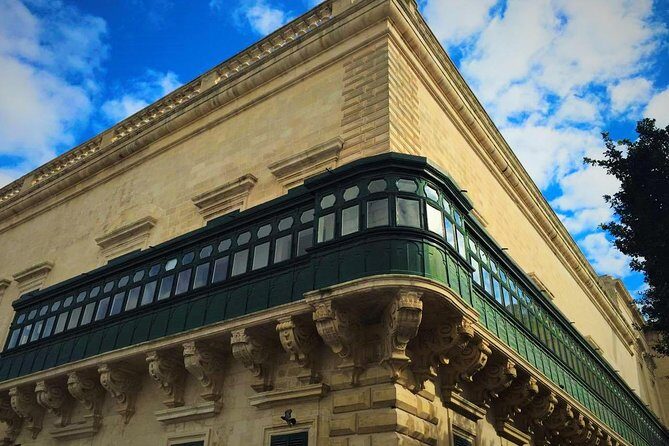
- The Grand Master’s Palace, the Auberges (lodges for different nationalities of Knights), the defensive architecture — all of it looks like generic old buildings without context
- Malta’s specific history — Knights Hospitaller, Napoleon’s brief takeover, British rule, WWII bombing — isn’t common knowledge for most visitors
- Guides point out details you’d walk straight past: mason’s marks, coat of arms, cannon ball damage still visible in walls
My honest take: if you’ve read extensively about Malta’s history and you’re the type who reads every plaque, go self-guided. If not, the $24-27 for a guided tour is one of the better values in European tourism. Three hours of deep local knowledge for less than two cocktails at a harbour bar.
The Best Valletta Walking Tours to Book
Here are the walking tours worth your time, ranked by the ones I’d recommend first. I’ve focused on general walking tours — food tours and night tours are separate articles.
1. The Original Valletta Walking Tour — $27
This is the one with the most bookings for a reason. Three hours, a guide who knows the granular details of Valletta’s history, and a route that covers the major landmarks plus some less obvious stops. The guides have a reputation for being thorough — sometimes very thorough. One reviewer mentioned spending significant time at individual stops while the guide explained the full historical context, which some people loved and others found required patience. That depth is exactly what makes it good, though. If you wanted bullet points, you’d read a Wikipedia page.
At $27 for three hours of expert commentary in a UNESCO World Heritage city, this is hard to beat on value. It’s run through Viator, and it consistently pulls some of the highest satisfaction scores among Valletta tours.
2. Valletta: 3-Hour Walking Tour — $25
The GetYourGuide equivalent of the classic Valletta walking tour. Same 3-hour format, same key stops, and the guides are local Maltese who bring personal connections to the history. Julia, Marisa, Karl — the names keep coming up in reviews because these are people who genuinely care about their city’s story, not just reciting a script.
The practical difference between this and option #1 is platform preference more than quality. If you already use GetYourGuide and like keeping your bookings in one place, go with this one. $25 is essentially the same price point, and the experience is comparable.
3. City Walking Tour in a Small Group — $24
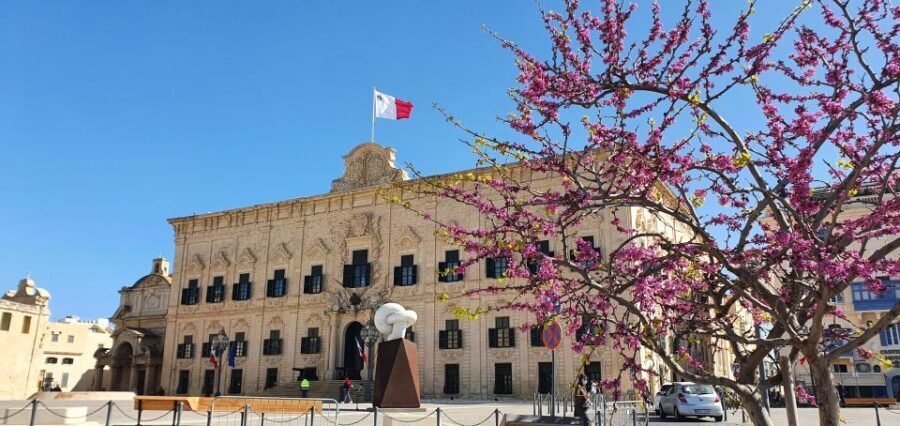
If your issue with group tours is normally the “group” part, this is the one to pick. The small group format means you’re not fighting for earshot of the guide, and the conversation flows more naturally. Karl, who leads many of these, has a gift for storytelling that works better at close range — the kind of guide who adjusts the route based on what the group is interested in rather than sticking rigidly to a script.
At $24 it’s actually the cheapest option on this list, which makes the small group format even more appealing. Two and a half hours is plenty for the main highlights without the fatigue that sets in during longer tours.
4. Guided City Walking Tour — $24
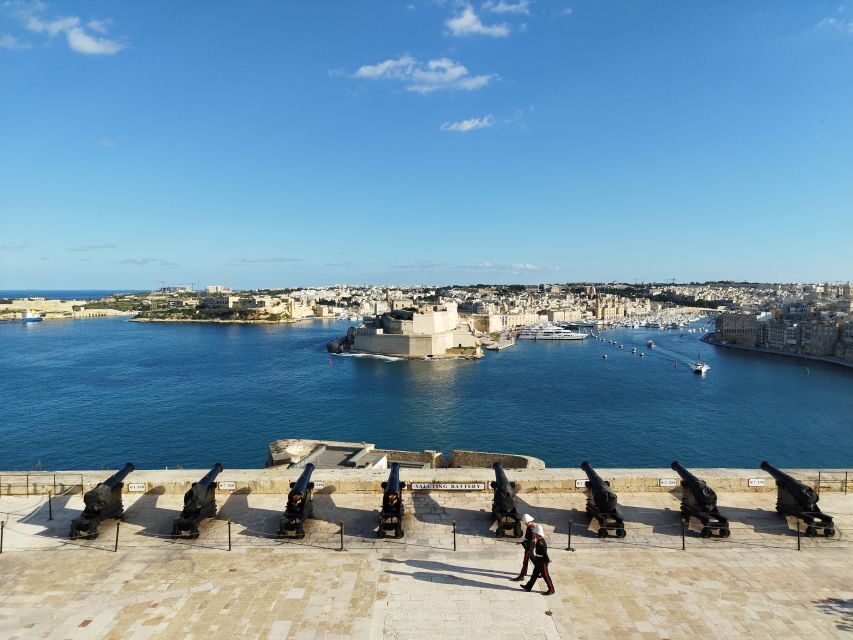
The no-frills option that still delivers. Two and a half hours, the main landmarks, local stories, and done. No cathedral entry, no extended deep-dives, just a solid overview of the city with a knowledgeable local guide. Marisa and Angel both get consistently mentioned as standouts — the kind of guides who make history feel like gossip rather than a lecture.
This works well if you’re arriving in Valletta on a cruise ship or day trip from the Three Cities and want an efficient orientation. $24 for 2.5 hours is straightforward value, and the reviews suggest the guides pack in more than you’d expect for the price.
5. Walking Tour with Optional Cathedral — $46
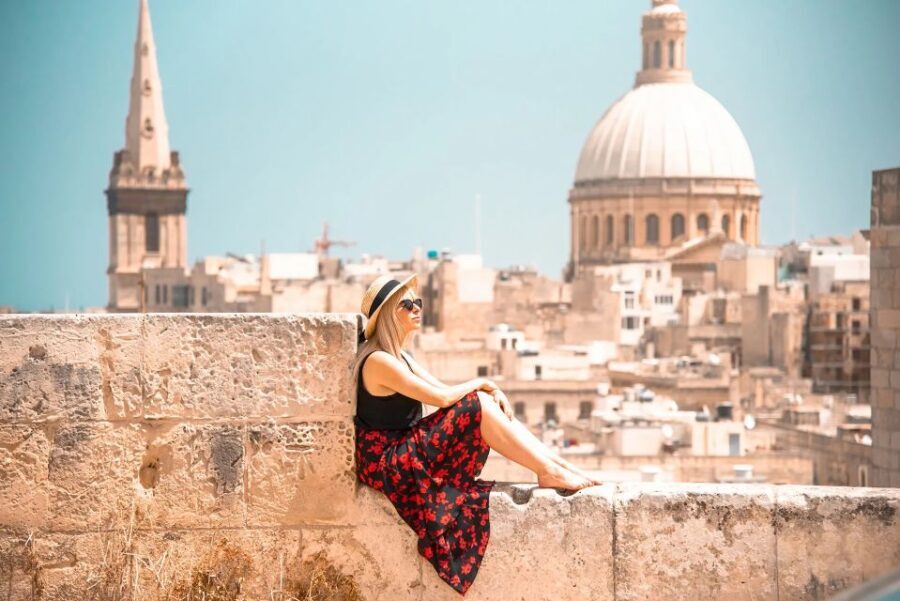
This is the premium pick, and the price jump is almost entirely justified by one thing: guided access to St John’s Co-Cathedral. The cathedral costs around EUR 15 on its own, and even then you’re wandering around with an audio guide that barely scratches the surface. With this tour, you get someone who can explain why Caravaggio fled to Malta, how the floor is literally paved with the tombs of 400 Knights, and why the Baroque interior was a deliberate statement of power after the Great Siege.
Four hours is long, and honestly the outdoor portion is solid but not dramatically better than the cheaper options. The cathedral component is the differentiator. If seeing the Caravaggio properly matters to you — and it should, since it’s the only painting he ever signed — $46 is reasonable for what amounts to a private art history lesson inside one of Europe’s most extraordinary churches.
When to Visit Valletta
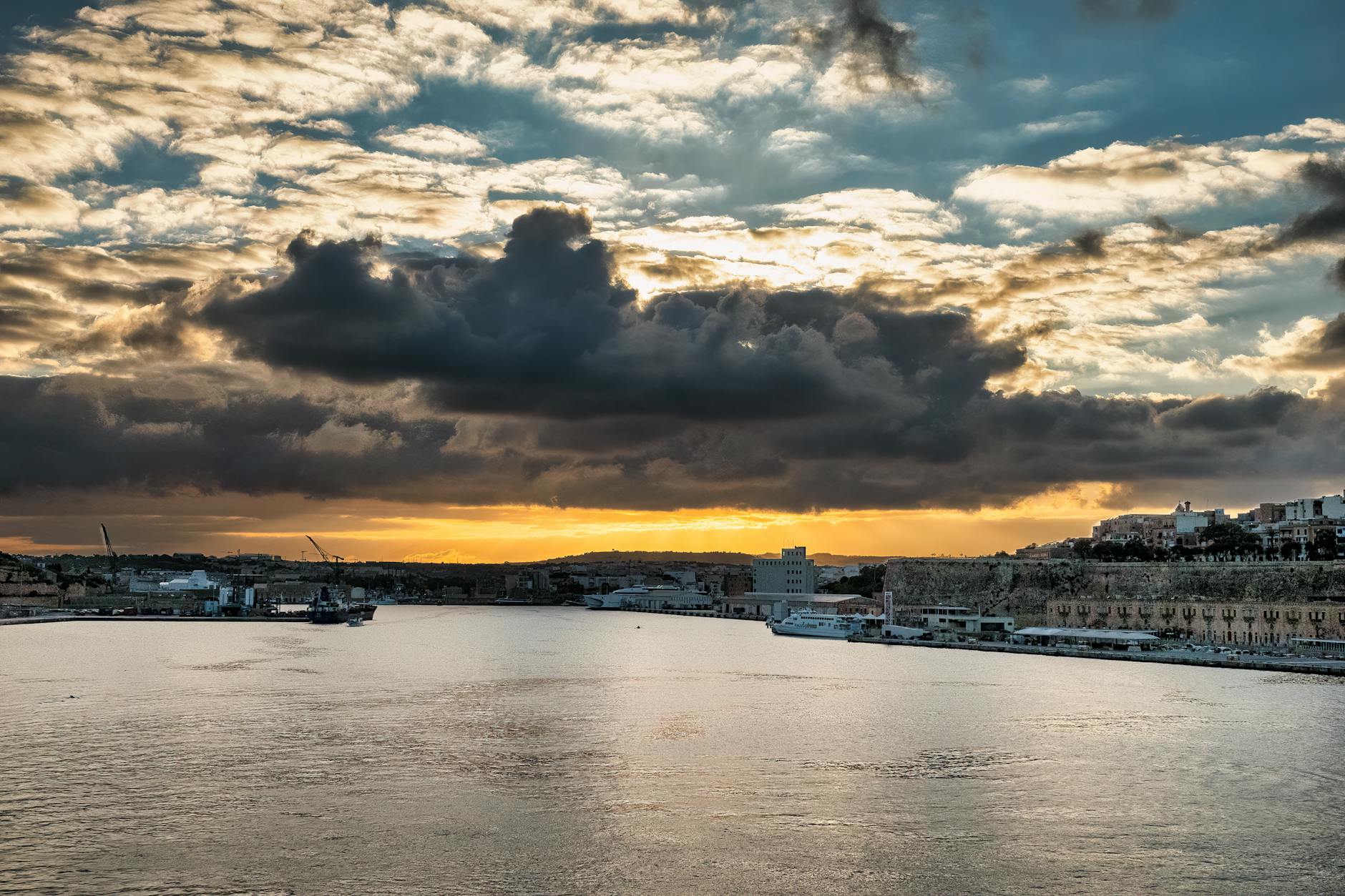
Malta gets genuinely hot. July and August regularly hit 35-38 degrees, and Valletta’s limestone streets turn into a reflective oven with almost no shade on the main thoroughfares. Walking tours in peak summer are not pleasant — I’ve spoken to guides who say half their summer groups are more focused on finding water than listening to history.
Best months for a walking tour:
- October to November — warm enough for short sleeves, tourist crowds thinning, golden light for photos
- March to May — spring wildflowers on the bastions, comfortable walking temperature, Easter celebrations add atmosphere
- September — still warm but the worst of summer has broken
Best time of day:
- Morning tours (9-10am start) beat the heat in every season
- The Upper Barrakka Gardens cannon firing at noon makes a good midpoint break
- Avoid 1-3pm in summer entirely — the streets empty for a reason
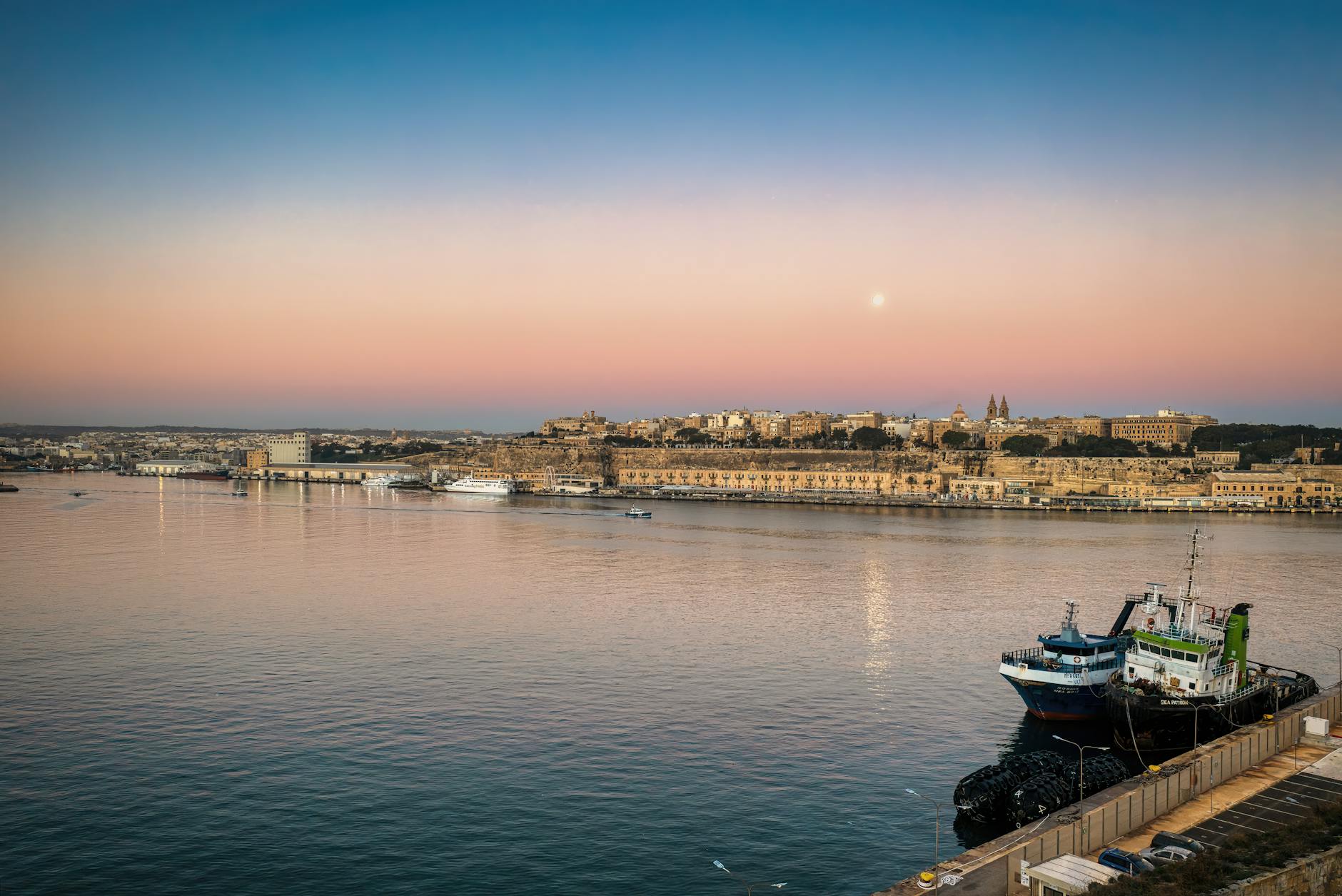
Getting to Valletta
Valletta is on a peninsula and it’s small, so there’s basically one entrance by land — the City Gate, right at the bus terminus.
From Malta International Airport: Bus routes 71, 72, or 73 run directly to the Valletta bus terminus. Takes about 30-40 minutes depending on traffic. A taxi costs around EUR 15-20. The airport is in Luqa, roughly 8 kilometres south.
From Sliema/St Julian’s: The Sliema-Valletta ferry is hands-down the best option. It runs every 30 minutes, costs EUR 1.50 each way, takes about 5 minutes, and drops you right at the Valletta waterfront below the Barrakka Gardens. From there it’s a short lift ride (free) up to the city level. The bus alternative (routes 13, 14, 16) takes 20-30 minutes through traffic.
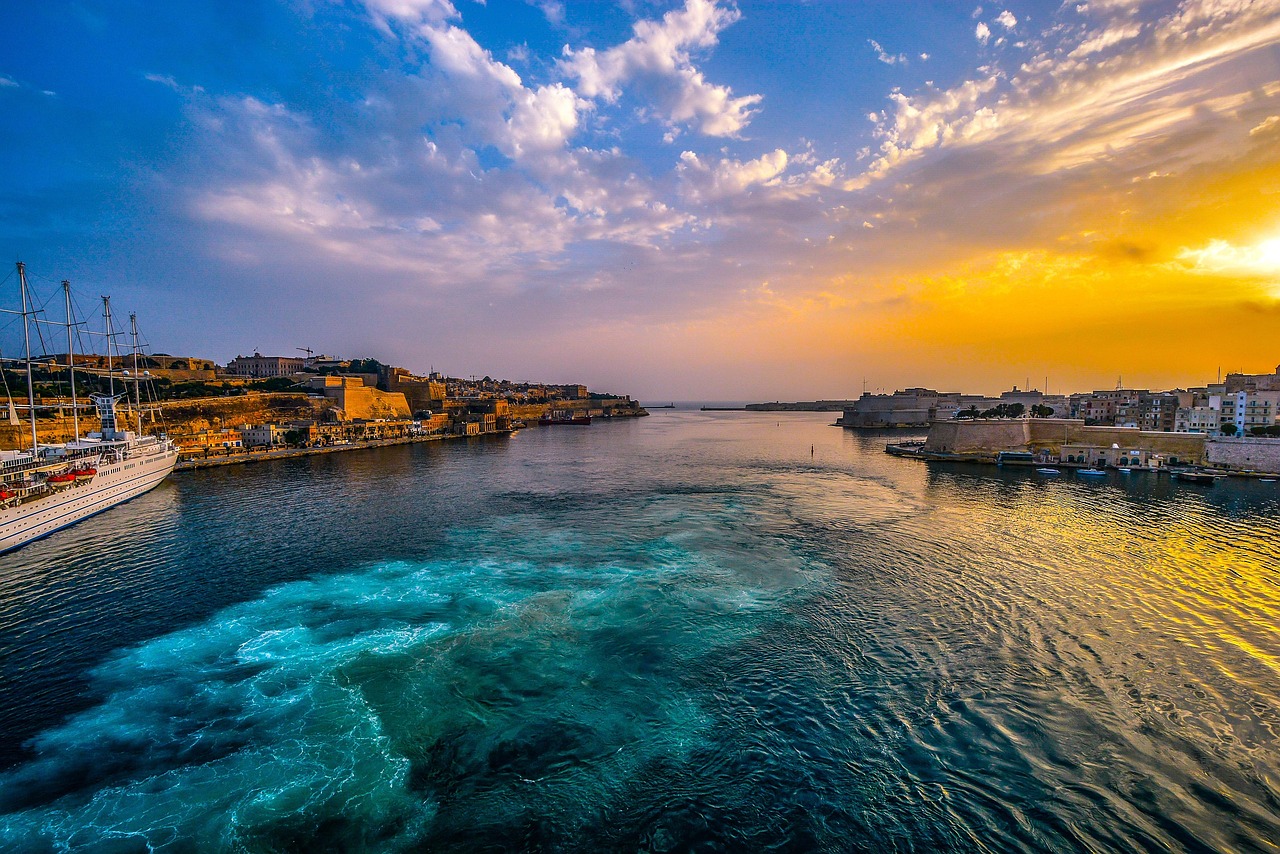
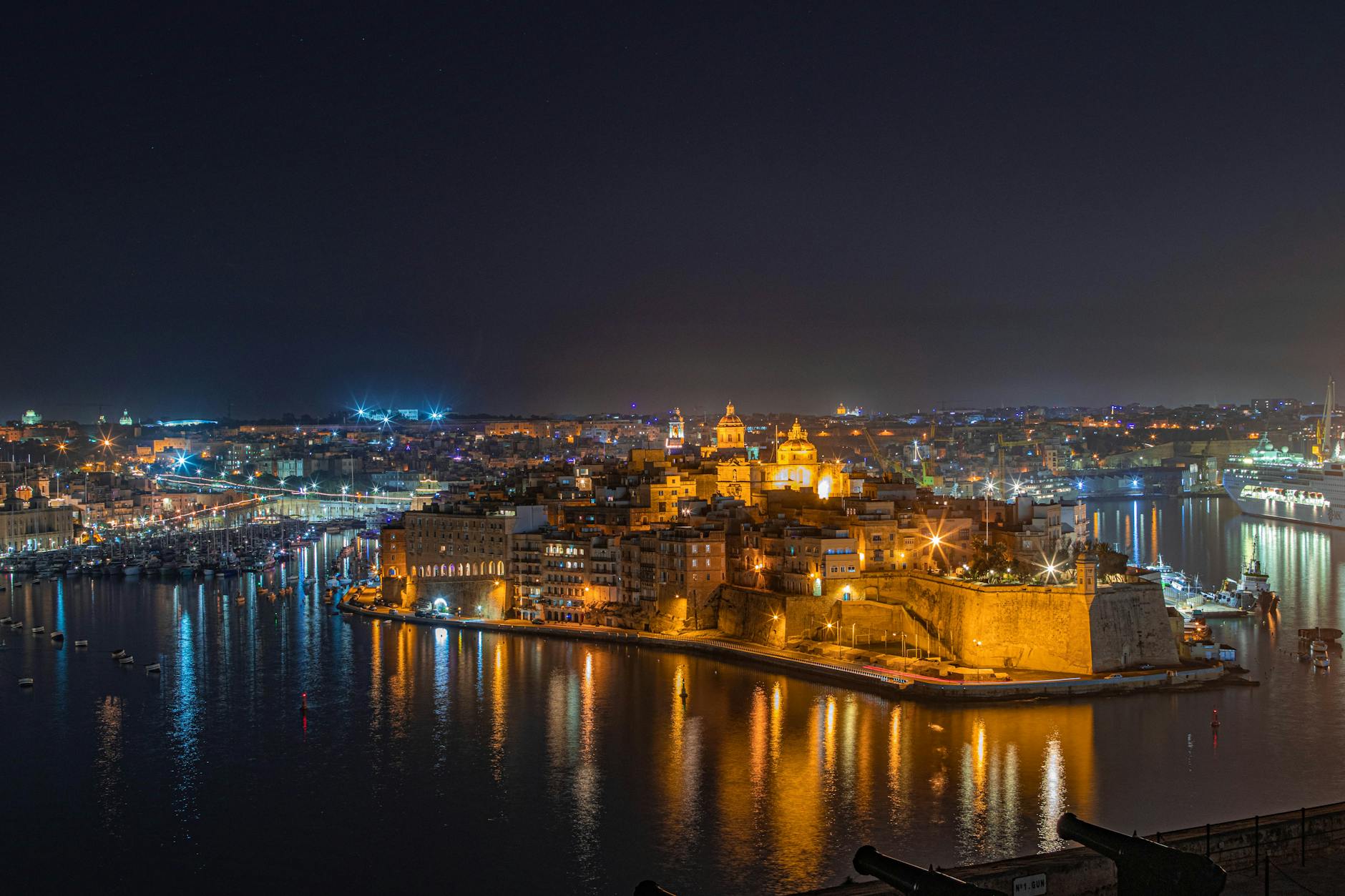
From the Three Cities (Birgu/Vittoriosa): A small ferry crosses the Grand Harbour in about 10 minutes. It’s a beautiful crossing with views of both Valletta and Fort St Angelo.
From cruise port: The cruise terminal is at the base of the Valletta fortifications. There’s a lift up to the Barrakka Gardens, or you can walk up through the stepped streets. Most walking tours offer cruise ship pickup as an option.
Tips That Will Actually Save You Time
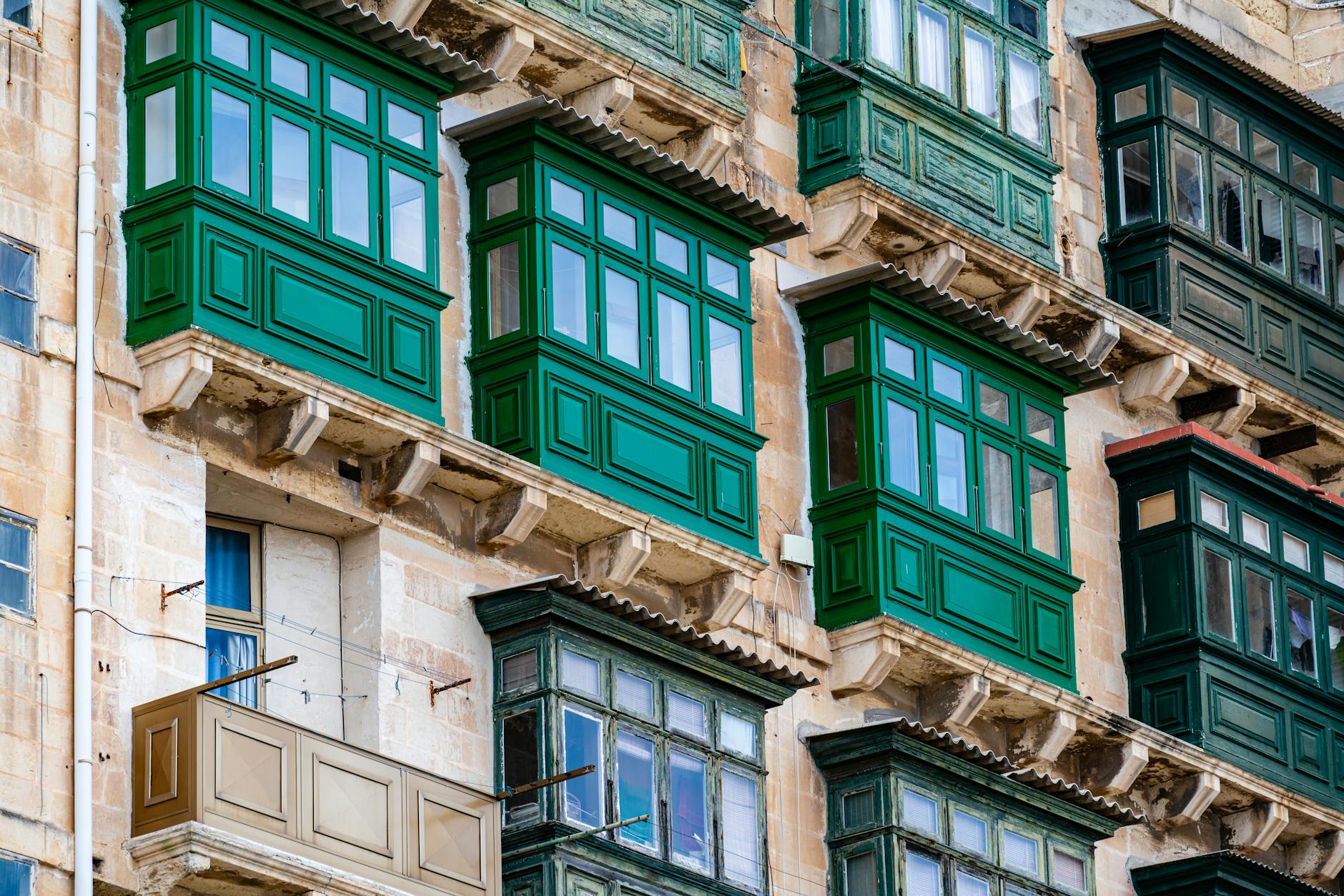
- Book at least 2-3 days ahead in peak season (June-September). Morning slots fill first. In winter you can usually book same-day without issues.
- Wear proper walking shoes. The limestone gets polished and slippery, especially the steps leading down to the harbour areas. Trainers with grip, not sandals.
- Bring water. There aren’t many public fountains inside the city walls, and the cafes on Republic Street charge tourist prices.
- The Valletta 2-in-1 card gives discounted entry to multiple museums and attractions. If you’re planning to visit St John’s Co-Cathedral, the War Museum at Fort St Elmo, and the National Museum of Archaeology, the card pays for itself.
- Start early, explore after. Do the guided tour in the morning, then spend the afternoon revisiting the spots that interested you most. The Grandmaster’s Palace armoury and the MUZA art museum are both worth returning to.
- Pickpockets are rare in Valletta but the steep streets mean watch your step more than your wallet.
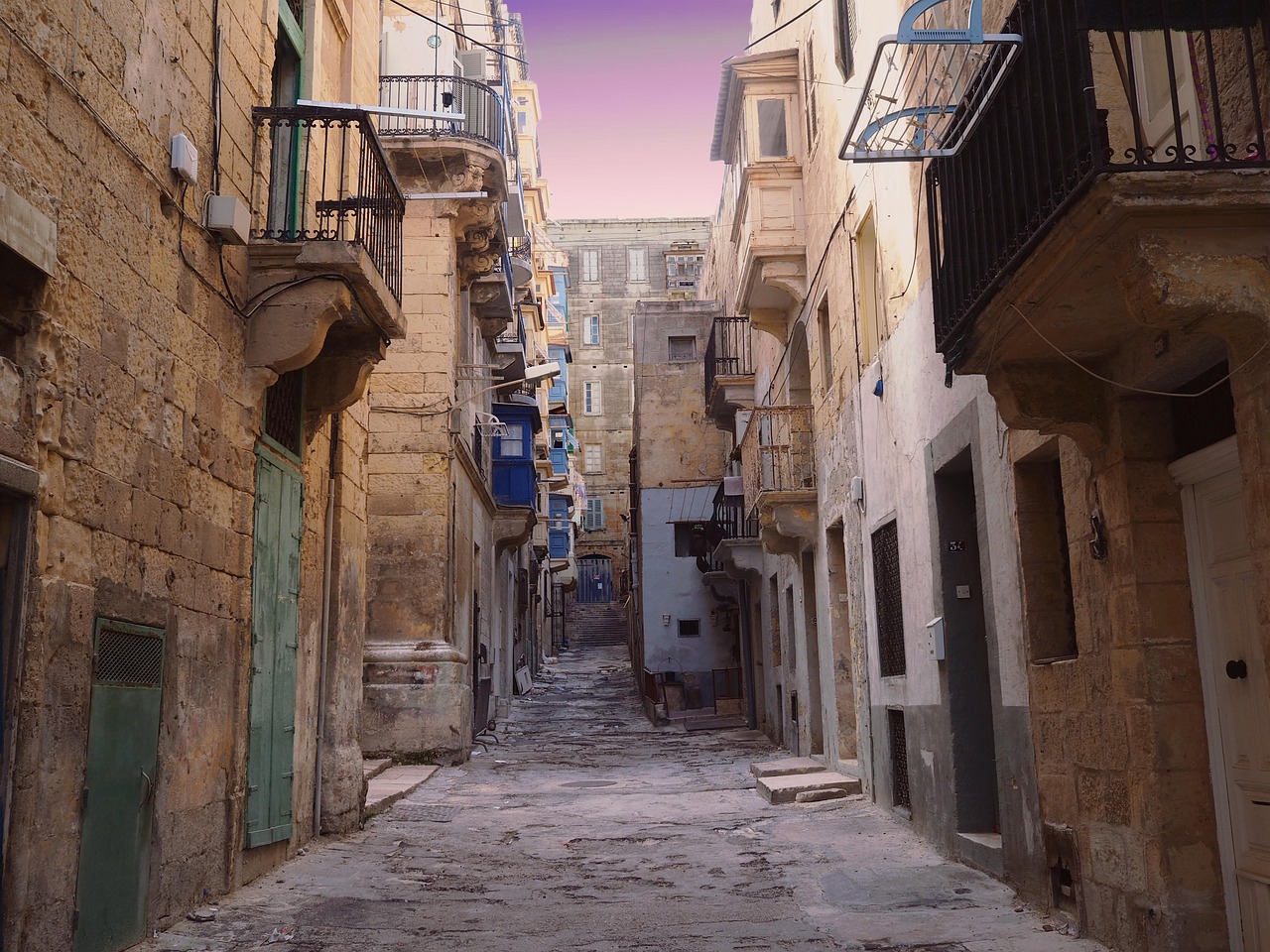
What a Walking Tour Actually Shows You
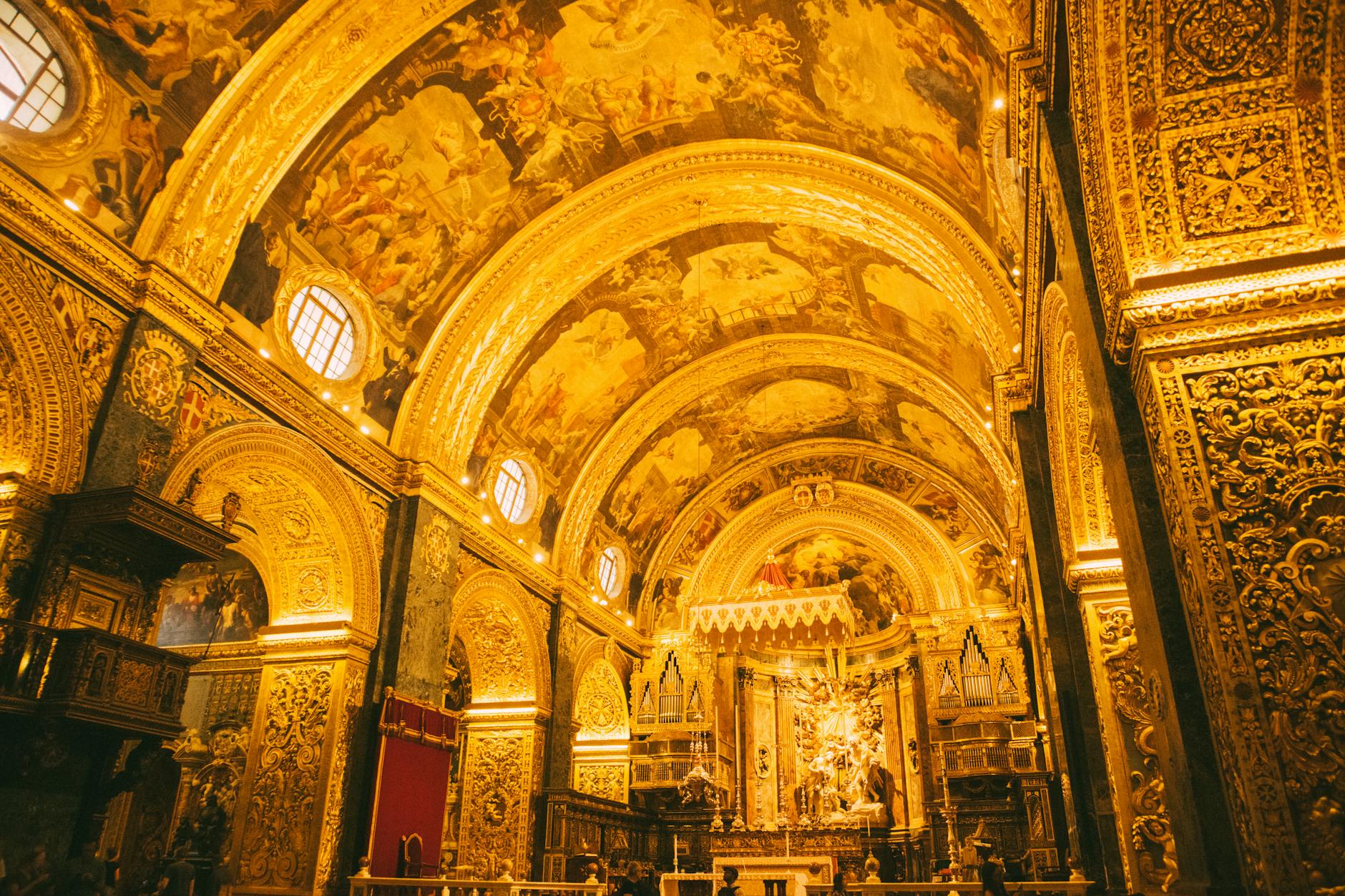
Valletta covers a lot of ground in a small area. A good walking tour will hit most of these, with the depth depending on how long your tour runs:
Republic Street and the City Gate: The main pedestrian artery running the full length of the peninsula. The new City Gate (designed by Renzo Piano, who also designed the Shard in London) replaced the original in 2014 and was controversial. The ruins of the old Royal Opera House next to it were bombed in 1942 and deliberately left as a memorial — it’s now an open-air performance venue.
The Grand Master’s Palace: Home to the Order of St John’s leaders for over 200 years, now partially the Office of the President of Malta. The State Rooms and Armoury are open to visitors, and the armoury contains one of the largest collections of historical armour in Europe. The Knights weren’t just monks with swords — they were a wealthy, powerful military order that ran hospitals, warships, and an entire state.
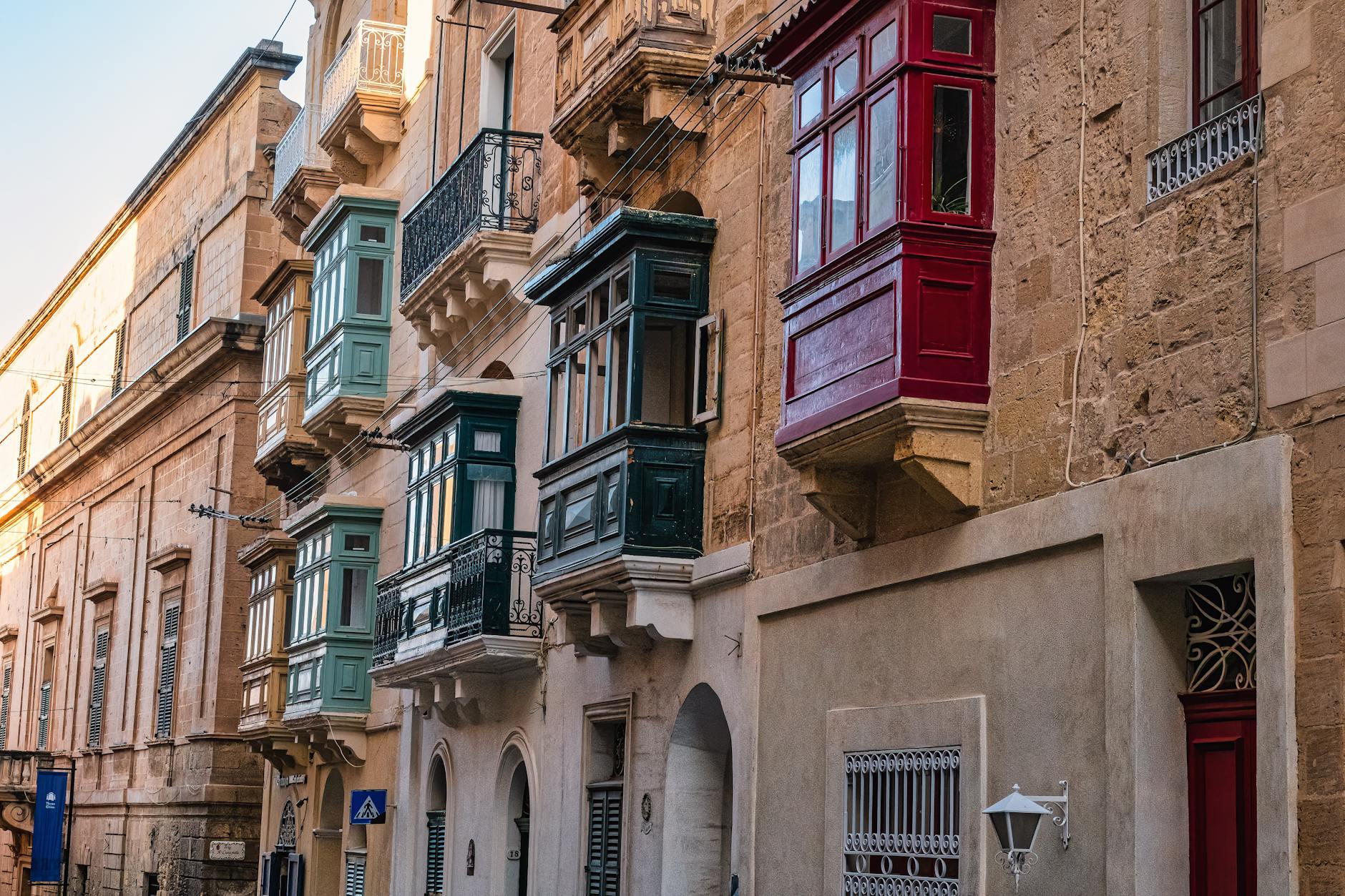
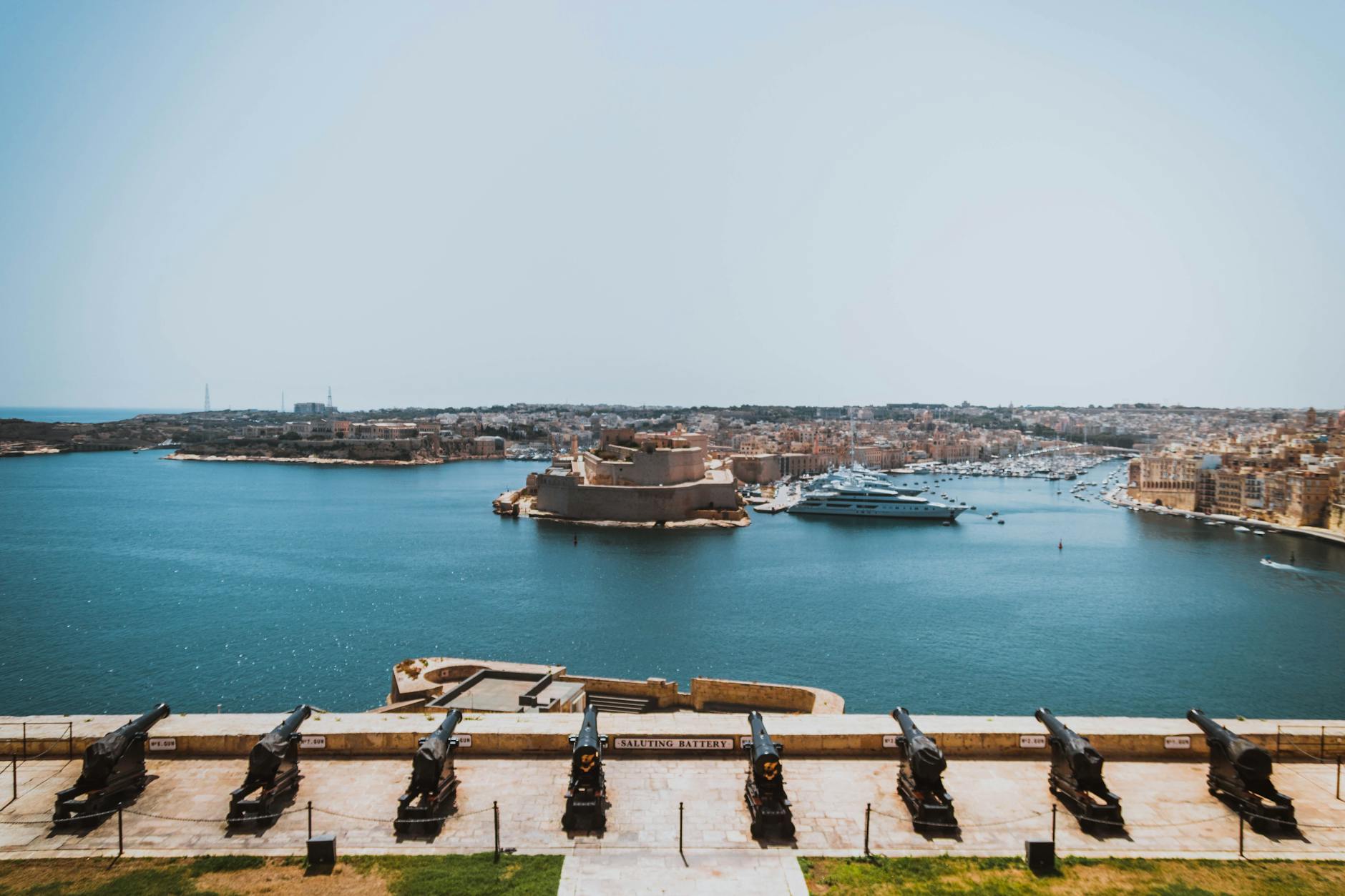
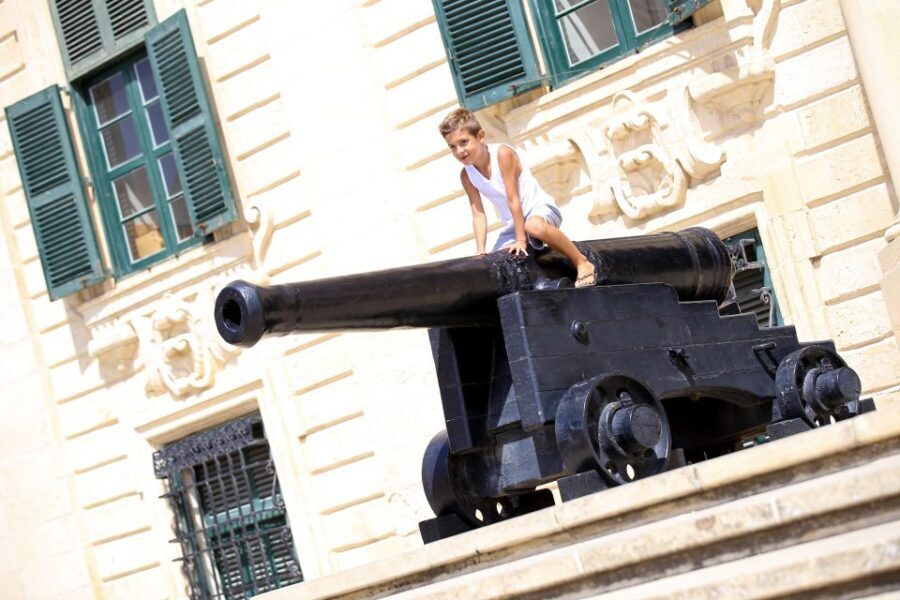
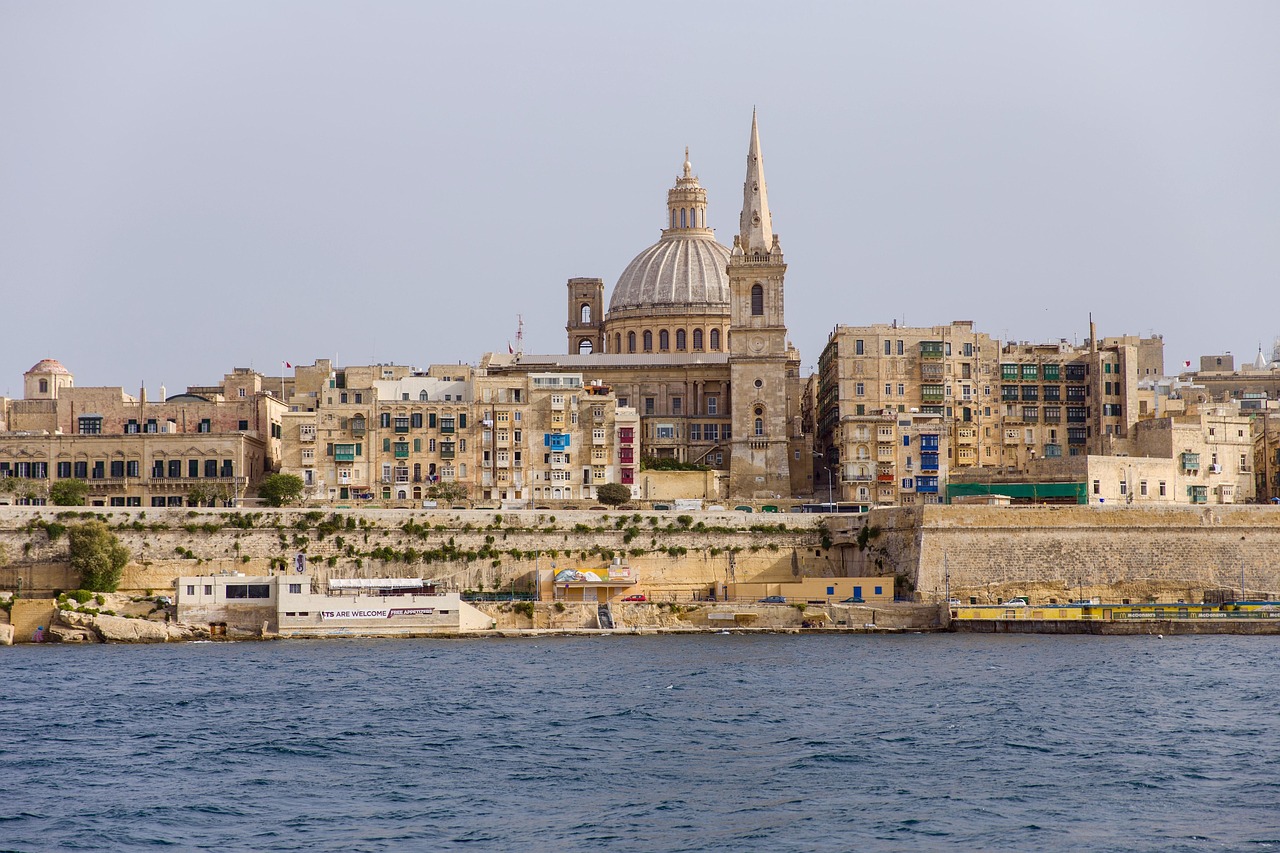
Upper Barrakka Gardens: The best viewpoint in Valletta, overlooking the Grand Harbour and the Three Cities across the water. The Saluting Battery directly below fires a cannon at noon and 4pm daily — loud enough to make you jump if you’re not expecting it. Free entry to the gardens. The lower part has a nice cafe with harbour views if you need a break.
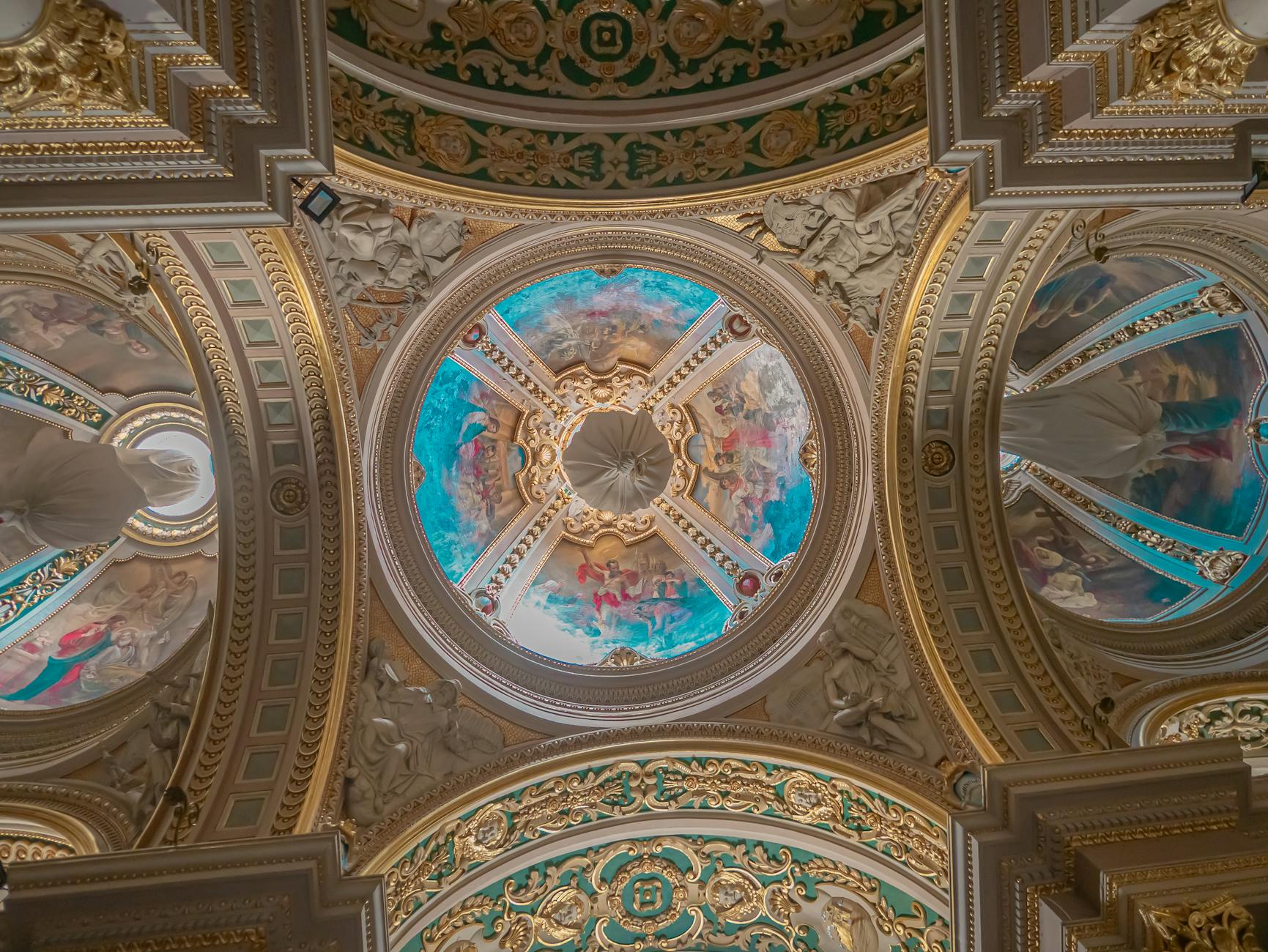
St John’s Co-Cathedral: This is the showpiece. Built between 1573 and 1578 as the conventual church of the Order, every surface inside is covered in painted vaults, gilded carvings, and inlaid marble tombstones. The floor alone has 374 marble tombstones of Knights. But the real draw is Caravaggio.
The History That Makes Valletta Extraordinary
This is where Valletta separates itself from every other pretty European capital. Most cities accumulate history gradually. Valletta’s entire existence is the result of a single, specific, world-changing event.
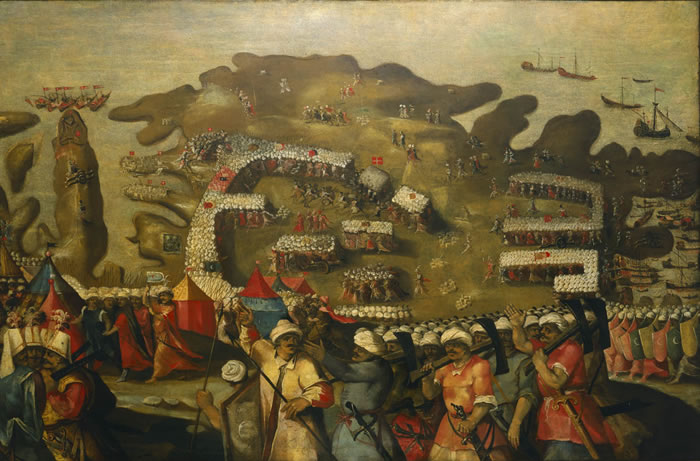
The Great Siege of 1565 is one of the most significant military engagements in European history, though it’s shockingly underknown outside Malta. The Ottoman Empire under Suleiman the Magnificent sent around 40,000 troops to take Malta from the Knights of St John, a military-religious order that had been harassing Ottoman shipping from the island. The Knights had about 6,000 defenders — a mix of soldiers, Maltese militia, and the Knights themselves.
The siege lasted from May to September. Fort St Elmo, at the tip of what is now Valletta’s peninsula, held out for a month against constant bombardment — far longer than the Ottomans expected. By the time it fell, the Ottoman losses were so heavy that their commander reportedly wondered what the main fortifications would cost them, given how dearly they’d paid for the smaller fort. And he was right. The main defences at Birgu and Senglea held, reinforcements arrived from Sicily, and the Ottomans eventually withdrew.
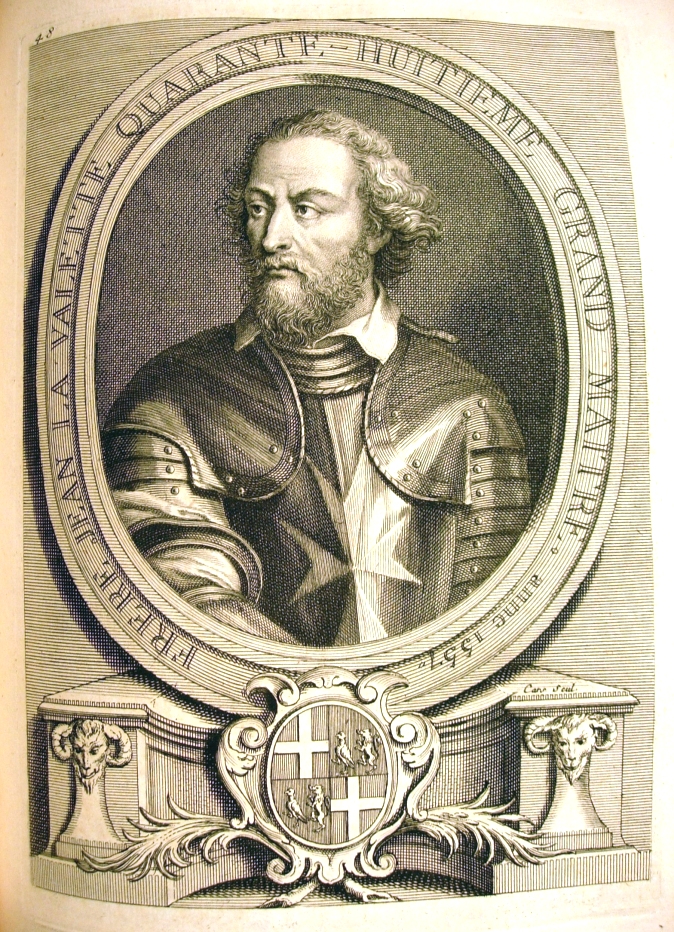
Jean de Valette, the Grand Master who led the defence, immediately began planning a new fortified city on the Mount Sceberras peninsula — the high ground between the two harbours that the Ottomans had used against the Knights during the siege. He commissioned Francesco Laparelli, an Italian military architect who had worked with Michelangelo on the fortifications of Rome, to design it.
The result was Europe’s first planned city. A rectangular grid of streets oriented to channel sea breezes for ventilation. Fortifications designed with the latest bastion technology. Public drainage and sanitation systems that were centuries ahead of most European cities. Laparelli died of plague in 1570 before the city was finished, and his Maltese assistant Gerolamo Cassar completed the work — including designing St John’s Co-Cathedral.
Caravaggio arrived in Malta in 1607, fleeing a murder charge in Rome. The Knights welcomed him — his fame was useful for their prestige — and commissioned him to paint “The Beheading of Saint John the Baptist” for the oratory of St John’s Co-Cathedral. It remains the largest painting Caravaggio ever produced, and the only one he signed — he wrote his name in the blood flowing from the saint’s neck. He was made a Knight of Obedience, but within a year he’d gotten into another fight, was imprisoned in Fort St Angelo, escaped, and fled to Sicily. The painting stayed.

WWII turned Valletta into the most bombed place on Earth. Between 1940 and 1943, the Axis powers dropped an estimated 6,700 tons of bombs on Malta — more per square mile than on London during the Blitz. The Royal Opera House was destroyed. Entire streets were levelled. But Malta held, and King George VI awarded the entire island the George Cross in 1942 — making it the only country to receive the honour. The George Cross still appears on Malta’s flag today.
Valletta was designated a UNESCO World Heritage Site in 1980 and served as European Capital of Culture in 2018, which triggered a significant restoration programme including the new Parliament building and City Gate.
Practical Details: Hours, Prices, Access
St John’s Co-Cathedral: Monday to Saturday, 9:30am to 4:30pm (last entry 4pm). Closed Sundays and public holidays. Entry EUR 15 adults, EUR 12 seniors/students. Free for under 12. The cathedral gets crowded after 11am on cruise ship days — aim for opening time.
Grand Master’s Palace State Rooms and Armoury: Daily 10am to 4:30pm. EUR 10 combined ticket. The armoury alone is worth the price — it holds about 5,000 pieces of armour and weaponry.
Fort St Elmo and the National War Museum: Daily 9am to 5pm. EUR 10 adults. The fort is where the siege of 1565 was fiercest, and the war museum covers Malta’s WWII role in detail.
Upper Barrakka Gardens: Open daily, free entry. The Saluting Battery below has a small museum (EUR 3) and fires its cannons at noon and 4pm.
Walking tour meeting points: Nearly all tours meet at the Triton Fountain or City Gate. Confirm your exact meeting point in your booking confirmation — a few use the old British bus shelter remnant near the fountain as a secondary point.
Beyond Valletta
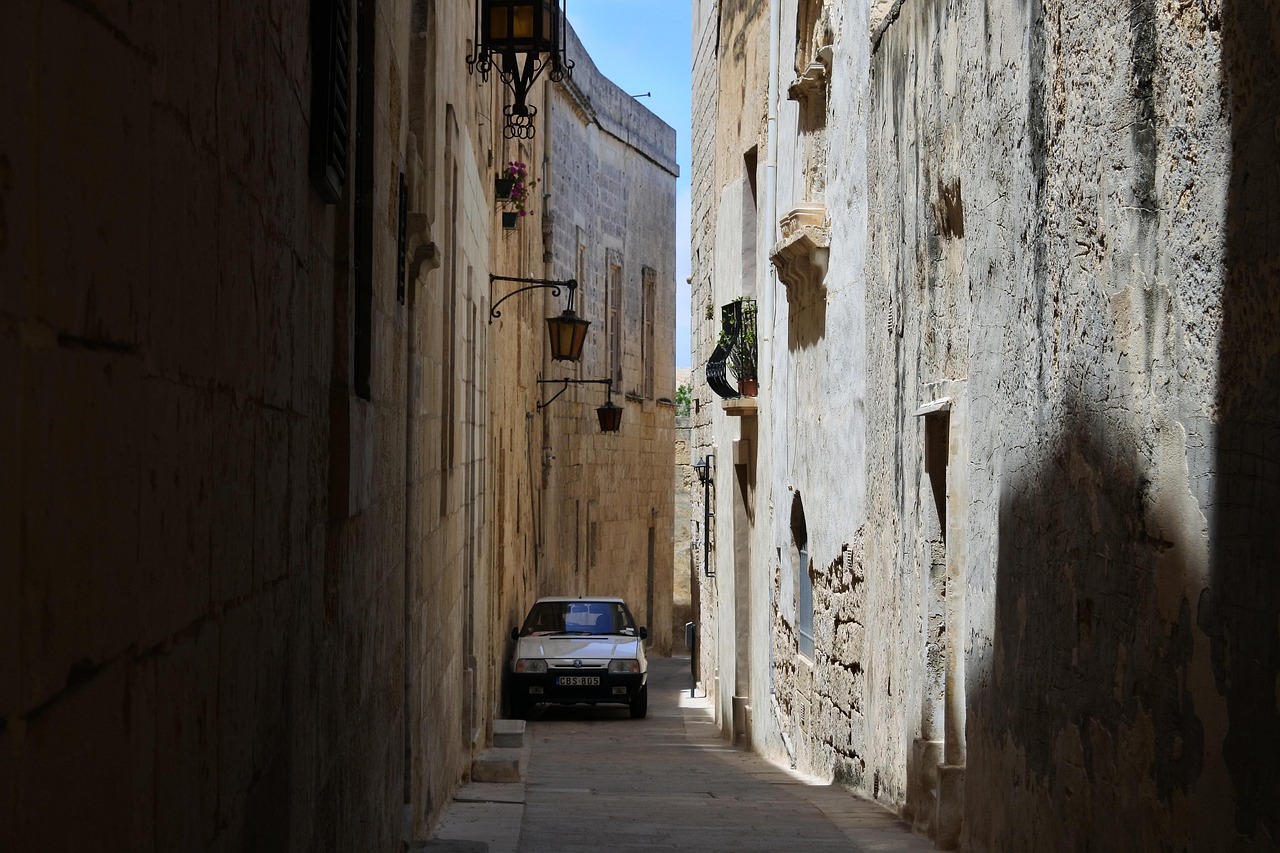
If you’ve got more than a day in Malta, Valletta is just the starting point. The ferry from Sliema gets you back to the hotel district in five minutes, and from there Gozo Island is a day trip that’s genuinely worth the effort — different pace entirely, more rural, and the Ggantija Temples predate Stonehenge by a thousand years. The Three Cities across the Grand Harbour — Birgu, Senglea, and Cospicua — have a fraction of Valletta’s tourist traffic and arguably more authentic local atmosphere. And Mdina, the old capital in the island’s centre, is essentially a medieval walled city with a population of about 300 people and no cars.
This article contains affiliate links to tour booking platforms. If you book through these links, we may earn a small commission at no extra cost to you. This helps support our content and keeps our guides free.