
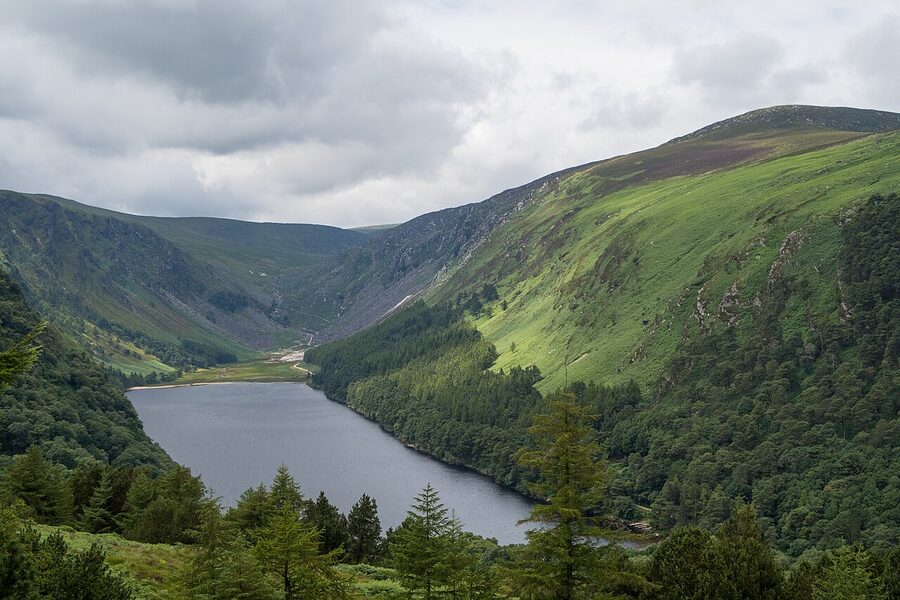
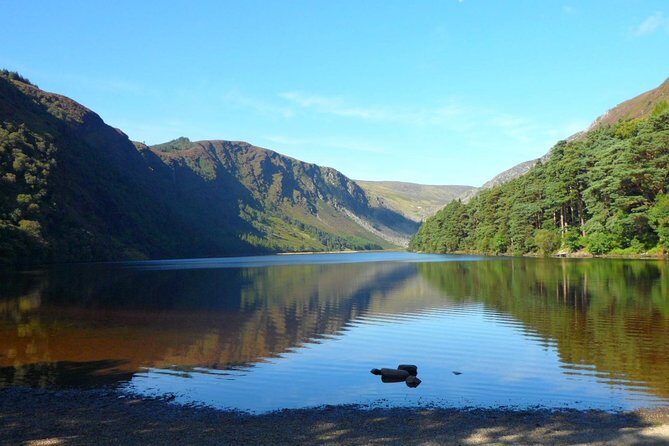
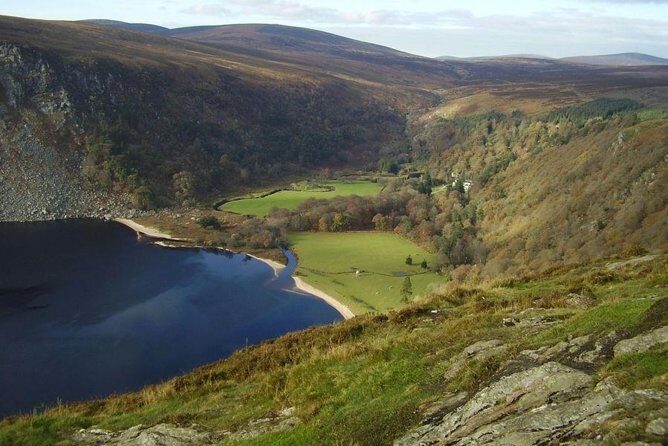
The silence at Glendalough’s Upper Lake is the first thing you notice. The ridges rise on three sides, the water stays unnaturally still most days, and the monastery ruins sit half a mile back down the valley. You understand why the monks came here in the 6th century to disappear.

This guide covers how to book a Dublin day trip south to Wicklow, Glendalough, and Kilkenny: the three most-reviewed operators, what the itinerary actually covers, and whether the 10-hour bus day is worth it compared to the 13-hour Causeway trip in the other direction.

In a Hurry? The Three Versions Worth Picking Between
- Cheapest, biggest group — includes sheepdog demo: Kilkenny + Wicklow + Glendalough + Sheepdog Trial — around $48, 10 hours, coach tour with a sheepdog demonstration at Laragh.
- Guide-led alternative: Glendalough + Wicklow + Kilkenny Full Day Guided Tour — around $48, 9.25 hours, slightly shorter, more time at Glendalough.
- Small group, scenic focus: Wild Wicklow Tour incl Glendalough — around $67, 8.5 hours, smaller bus, skips Kilkenny in favour of more Wicklow time.

- In a Hurry? The Three Versions Worth Picking Between
- The Day Hour by Hour
- The Three Tours Compared
- 1. Kilkenny + Wicklow + Glendalough + Sheepdog Trial —
- 2. Glendalough + Wicklow + Kilkenny Full Day Guided Tour —
- 3. Wild Wicklow Tour incl Glendalough —
- Glendalough — What You Actually See
- Wicklow Mountains — the Drive
- Kilkenny — What to Do in Two Hours
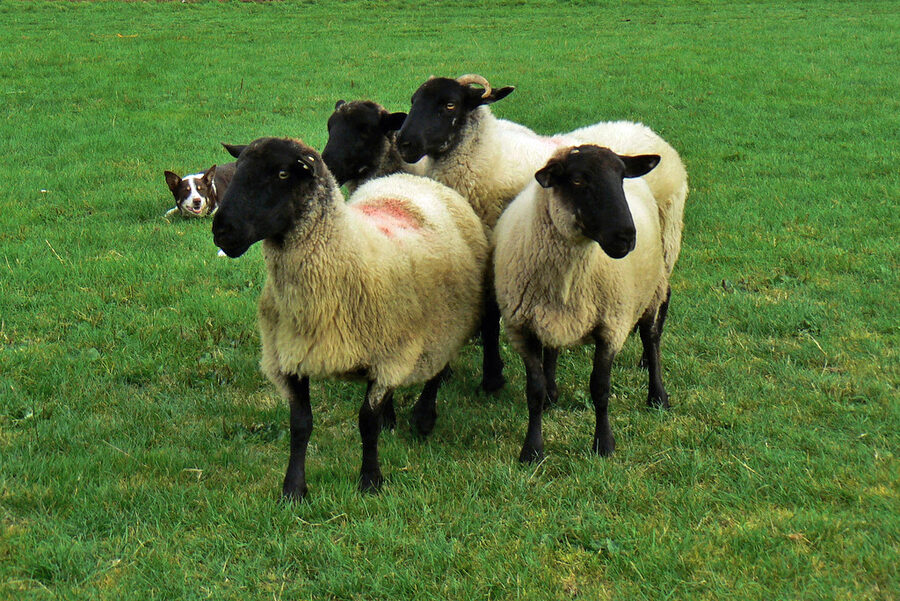
- The Sheepdog Demonstration
- How This Compares to the Causeway Day Trip
- Getting to the Pickup
- What to Bring
- When to Book
- Practical Details
- Other Ireland Guides Worth Reading
The Day Hour by Hour
8:30am. Meet at a central Dublin pickup point — usually Suffolk Street or O’Connell Street. Coach departs south.
9:30am. Cross the M50 and enter the Wicklow Mountains. First stop is usually the Sally Gap viewpoint or Lough Tay, about 30 minutes in.
10:30am. Arrive at Glendalough. You get roughly 90 minutes here — enough for the monastic ruins (cathedral, round tower, St Kevin’s Kitchen church) and a walk to the Upper Lake viewpoint. Not enough for the longer lake trails.
12:15pm. Back on the bus, drive to Laragh (a village 2km from Glendalough) for a 30-minute sheepdog demonstration on the sheep-trial tours, or straight on to Kilkenny on the other versions.

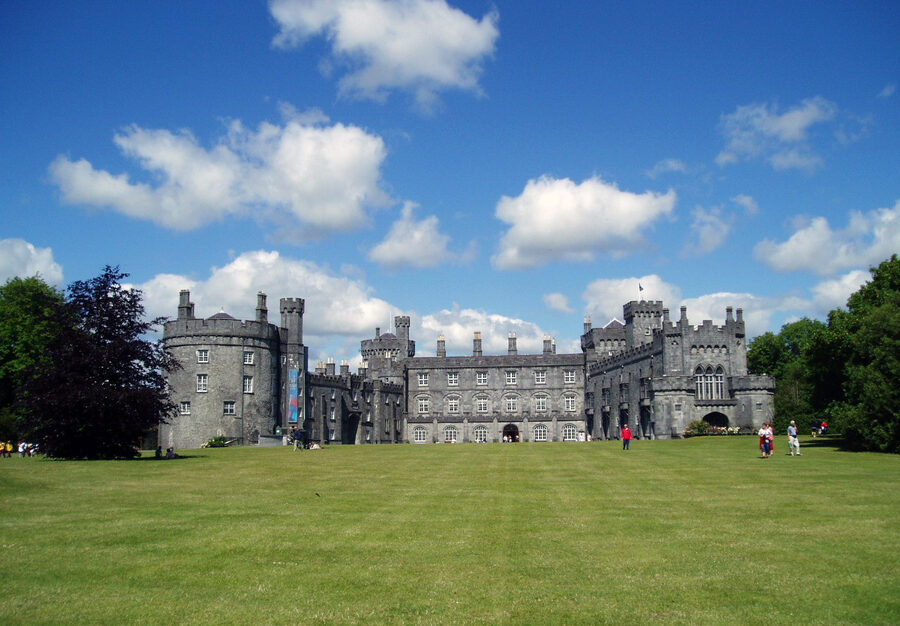
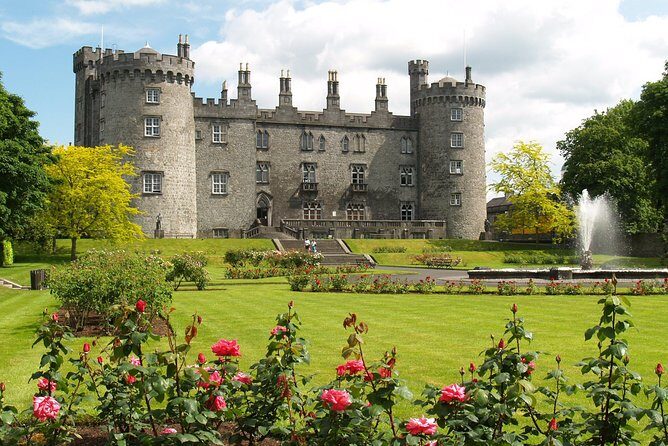
1:30-3:30pm. Kilkenny. Two hours includes the castle exterior (you don’t tour the interior on this day trip — the tower queue is a 40-minute wait), lunch in the Medieval Mile, and a walk down to the River Nore. You buy lunch yourself; budget €10-15 for a pub meal.
3:30-5:30pm. Drive back to Dublin via the M9 motorway. Arrive central Dublin by 6-6:30pm.
The Three Tours Compared
1. Kilkenny + Wicklow + Glendalough + Sheepdog Trial — $48
This is the one to book if budget matters. $48 is low for a 10-hour guided coach day, and the sheepdog demonstration is the kind of small, specific thing that makes you feel like you got more than you paid for. Groups run 40-50 on the big bus, which is the trade-off. Our full review covers how the sheepdog stop is structured and what to expect at Laragh.
2. Glendalough + Wicklow + Kilkenny Full Day Guided Tour — $48
The same three headline stops at the same price, but without the sheepdog stop. The 45 minutes saved goes into longer Glendalough time and a slightly earlier Dublin return. Pick this one if you want to walk further than the standard Glendalough loop, or if farm demonstrations aren’t your thing. Our review compares the two $48 tours in detail.
3. Wild Wicklow Tour incl Glendalough — $67
The pick if you’ve already done Kilkenny separately or care more about Wicklow itself than the town stop. Smaller minibus rather than a coach (25 max vs 50), more off-road Wicklow detours (Sally Gap, Lough Tay, Glenmacnass waterfall), and a consistently well-rated guide. $19 more than options 1 and 2 but you get a noticeably different day. Our review explains when the premium is worth it.
Glendalough — What You Actually See
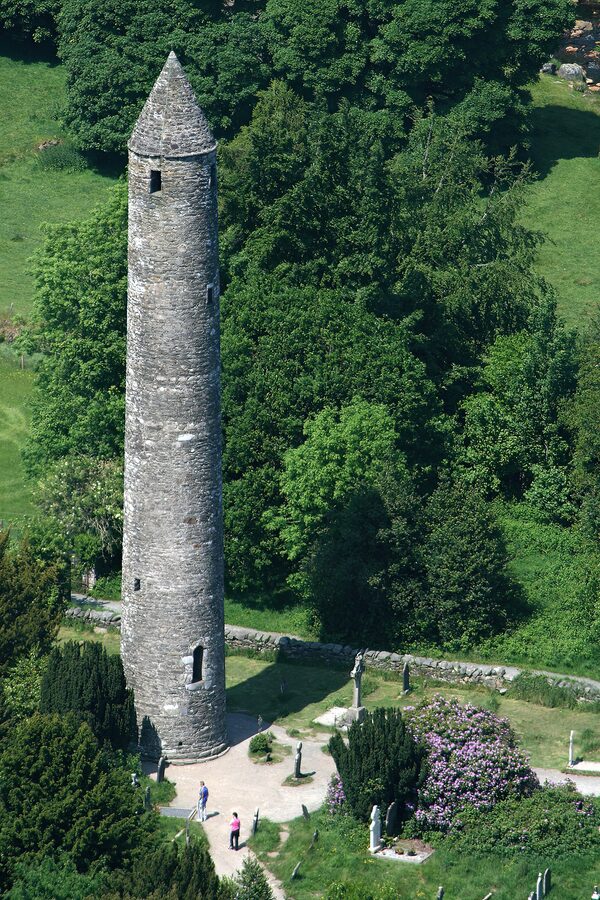
Glendalough (pronounced “glen-DA-lock”) is a 6th-century monastic complex in a glacial valley. St Kevin founded it in 589 AD as a hermitage and it grew into a monastic community that became one of the most important in early Christian Europe. Viking raids in the 9th-12th centuries, a fire in 1398, and slow dissolution after the 1530s ended the community. What remains is a cluster of medieval stone ruins and a round tower.
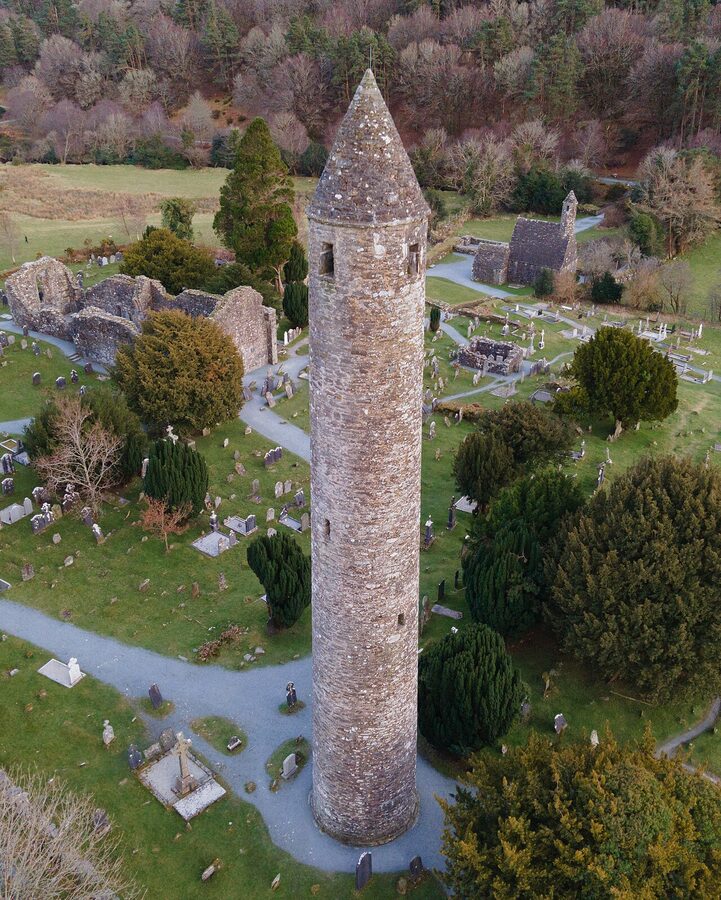

The monastic site is free to enter. The associated visitor centre (€5) is worth the entry if the weather’s bad — it covers the archaeology and history with artefacts from the site — but most tour stops are too short for both the ruins and the centre.
The classic tour route covers:
- The Gateway. The only surviving stone church-gateway in Ireland. Two granite arches.
- The Round Tower. 30 metres tall, 10th-12th century, doorway six metres off the ground.
- The Cathedral. 12th-13th century, stone-built, now roofless.
- St Kevin’s Kitchen. A small stone oratory with a chimney-like belfry. Not actually a kitchen.
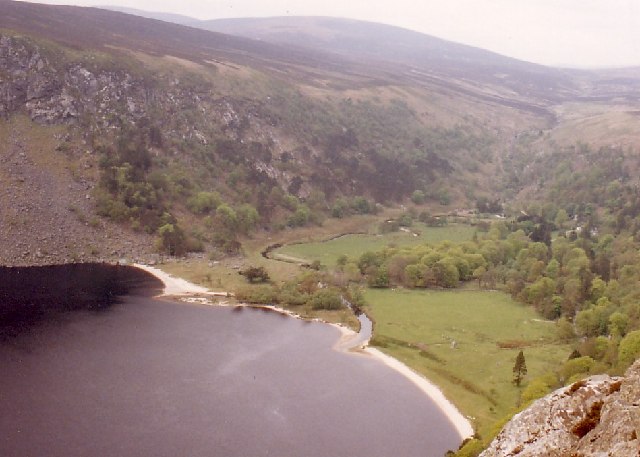
- The Upper Lake viewpoint. 15-minute walk from the ruins.
If you have 90 minutes, you can see all of these. If you have two hours (some tours do), add the Poulanass waterfall trail. If you have a whole day, the Spinc loop trail goes up the ridge above the Upper Lake — about 4 hours round trip and arguably the best hike in Wicklow — but no day tour has time.
Wicklow Mountains — the Drive
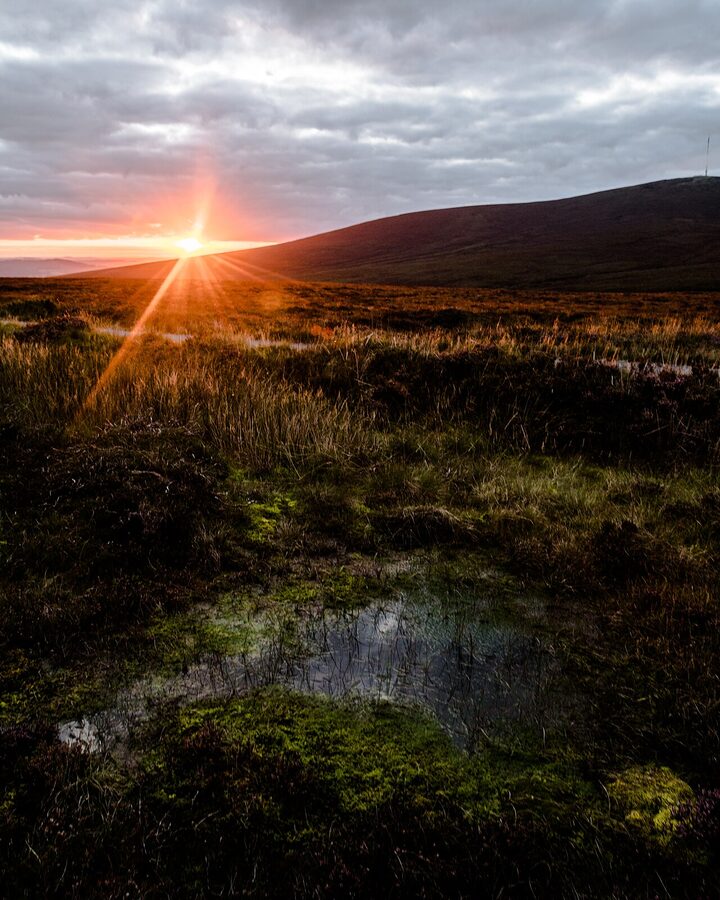
The Wicklow Mountains are a range of rolling granite peaks south of Dublin. Not Alpine — the highest peak (Lugnaquilla) is 925 metres — but the valleys are steep, the moorland is extensive, and the whole area was designated a National Park in 1991.
The bus tours don’t hike. What they do is drive the scenic roads across the range, stopping at viewpoints. The main ones:
- Sally Gap. A road crossing the central spine of the mountains. Bog on both sides, no villages for 15 kilometres, dramatic in clear weather.
- Lough Tay. The “Guinness Lake” — dark water, pale sandy beach at one end, owned until recently by the Guinness family’s Luggala Estate.
- Glenmacnass Waterfall. 80 metres tall, roadside, best after rain.
- P.S. I Love You Bridge. A small stone bridge featured in the 2007 film. Tours mention it in passing.
Note: the Wicklow Mountains are wet. The average rainfall up in the range is roughly 2,000mm per year — double Dublin’s. A scenic Wicklow day is weather-dependent, and tours go ahead in rain. Bring a waterproof.
Kilkenny — What to Do in Two Hours
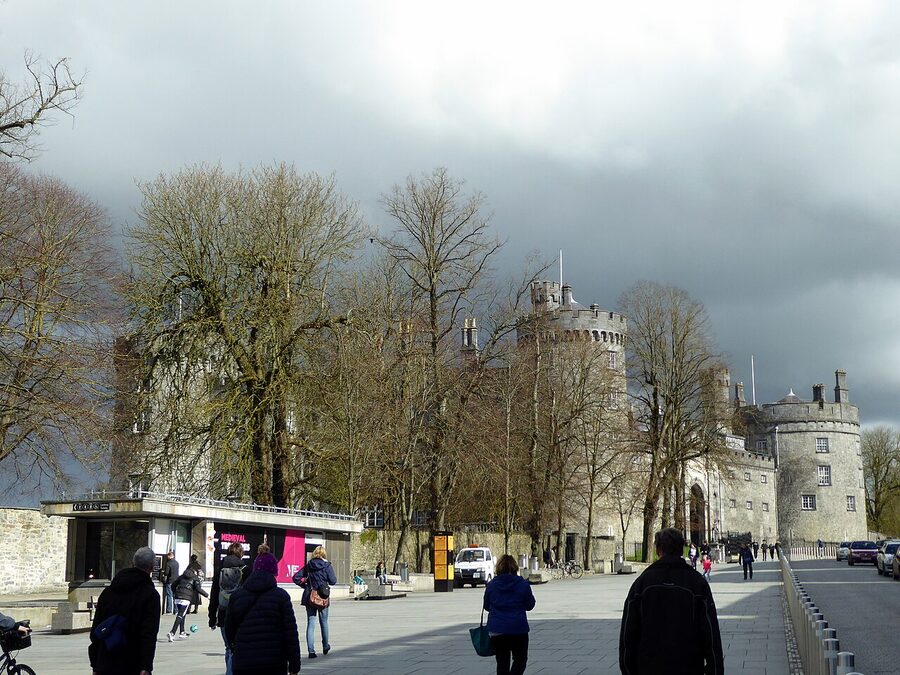
Kilkenny is a 13th-century medieval city on the River Nore, 90 minutes south-west of Dublin by motorway. It preserves its medieval layout better than almost any other Irish town — the “Medieval Mile” runs from Kilkenny Castle at the south end to St Canice’s Cathedral at the north, with the narrow “Butter Slip” lane and original medieval burgage plots still visible in the street pattern.

Two-hour priority list:
- Kilkenny Castle exterior and gardens. Free. The interior tour is €8 with a 30-40 minute queue, which eats half your Kilkenny time; on a day trip it’s usually not worth it.
- Lunch in the Medieval Mile. Kytelers Inn (established 1324) or Matt the Millers (riverside, bigger) are the two obvious choices. Pub food, around €12-16 per head.
- The Butter Slip. A 1616 cobbled lane between High Street and Low Lane. 30 seconds to walk through, Instagram-essential.
- St Canice’s Cathedral and Round Tower (optional). The other Kilkenny round tower, the one you can climb (€6). Skip if you want to linger at the castle.
The Sheepdog Demonstration
Only the cheapest tour (option 1 above) includes this. It’s a working farm in Laragh, 2km from Glendalough, where a farmer (usually Tom Egan, who’s been running these demos for 25 years) demonstrates his border collies herding a flock. 20-minute show, lots of whistle commands, the dogs move sheep in and out of pens at speed.
Border collies are trained with five basic commands — “come by” (left), “away” (right), “walk up” (forward), “stand” (stop), and “that’ll do” (return). Demonstrations show all five and then some.
Honest assessment: it’s a tourist demonstration, not a country fair. The farmer is used to the audience, the dogs perform reliably, and the sheep put up with it. Kids love it. Adults enjoy it for 15 of the 20 minutes. If you grew up around dogs you’ll appreciate the work ethic the collies show; if you didn’t, you’ll just enjoy that border collies are very fast.
How This Compares to the Causeway Day Trip
Two Dublin day trips dominate the Ireland tour market: this one south (Wicklow-Kilkenny-Glendalough, 10 hours, $48-67) and the north one (Giant’s Causeway / Belfast, 13 hours, $97). If you can only do one, the choice depends on what you want:
- Pick Wicklow-Glendalough-Kilkenny if you want scenery and early Christian history, prefer a shorter day, want to stay within the Republic of Ireland, or are travelling on a budget.
- Pick the Causeway trip if you want geology, Northern Ireland, Game of Thrones sites, or if you specifically want to see Belfast.
Both are worthwhile on different trips. If you have three days in Dublin, do both on separate days — they’re quite different experiences despite the similar format.
Getting to the Pickup
Tours pick up in central Dublin. Common meeting points:
- Suffolk Street (opposite Molly Malone statue)
- O’Connell Street (near the Spire)
- Molesworth Street (near Kildare Street)
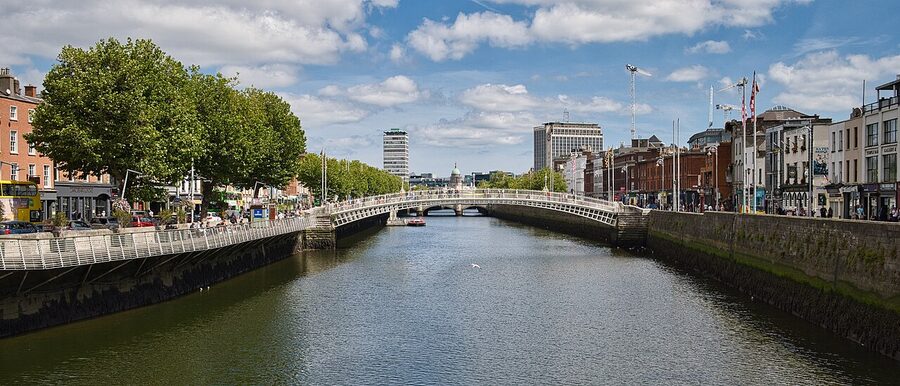

Exact address is on your booking. If you’re not sure, ask the hotel front desk the night before — Dublin hotel staff know the pickup locations for the major tour companies by name.
What to Bring
- Waterproof jacket. Wicklow is wetter than Dublin and tours continue in rain.
- Walking shoes. Glendalough paths are uneven in places and the monastic site has grass around the ruins.
- Layers. Temperature at Sally Gap is typically 4-5°C cooler than Dublin city.
- Cash (euros). For lunch in Kilkenny and optional castle interior entry. Cards work at most places but not all.
- A packed snack. The Glendalough stop has no food kiosk; the visitor centre has a small café with a long queue at lunchtime.
When to Book
Tours run year-round, 7 days a week in summer, 5-6 days a week in winter. Peak summer (June-August) tours sell 2-3 days ahead, especially the Wild Wicklow Tour which runs smaller groups. May, September, and October are quieter and have the best light for photographs. Winter tours have much smaller groups and tend to have excellent Wicklow visibility if the sky is clear — but also the risk of the mountain roads being closed by snow or fog, which reroutes the tour via lower-elevation roads.
Practical Details
Duration. 8.5-10 hours depending on operator.
Group size. 25 on the Wild Wicklow minibus; 40-50 on the coach tours.
Price. $48-67.
Inclusions. Coach transport, guide, Glendalough visitor centre (on some tours), sheepdog demonstration (on option 1 only).
Not included. Lunch, Kilkenny Castle interior, Glendalough visitor centre (on option 3).
Cancellation. Free up to 24 hours before on most operators.
Other Ireland Guides Worth Reading
The obvious next day from Dublin if this trip went well is the Causeway Coast trip north. Different day, different feel, longer drive but bigger landscape. If you’re specifically drawn to the Wicklow ruins, you’d likely also enjoy the Dublin walking tour through Georgian Dublin, and a visit to the Guinness Storehouse — which overlaps tonally with the Kilkenny medieval-mile experience (heavy on heritage, honest about tourism).
For Ireland’s best-known landscape, the Cliffs of Moher are the third major Dublin day-trip option. Longer bus day than this one but one of the most photographed stretches of coastline in Europe.
Disclosure: This site earns a commission on bookings made through the links above, at no extra cost to you. We only recommend tours we’ve researched and would book ourselves.