
A single bottle of Romanee-Conti sold for $558,000 in 2018. The vineyard that produced it covers just 1.8 hectares — about the size of two football pitches. I stood at the edge of that plot on a Tuesday morning, and honestly, it looks like any other patch of vines. Nothing fancy. No sign, no velvet rope. Just dirt and grape leaves.
That is Burgundy in a nutshell. The most precise, obsessive wine region on Earth does not advertise. You have to go find it.
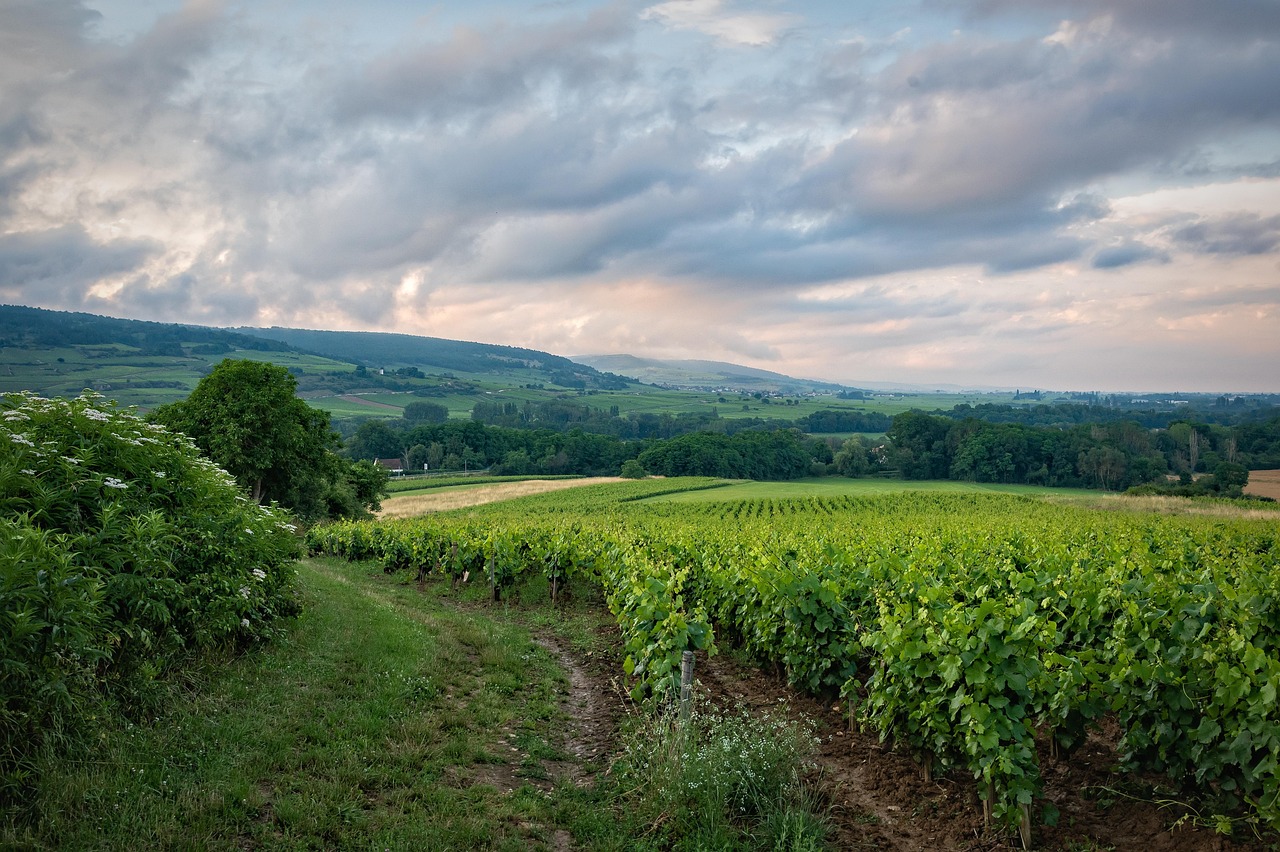
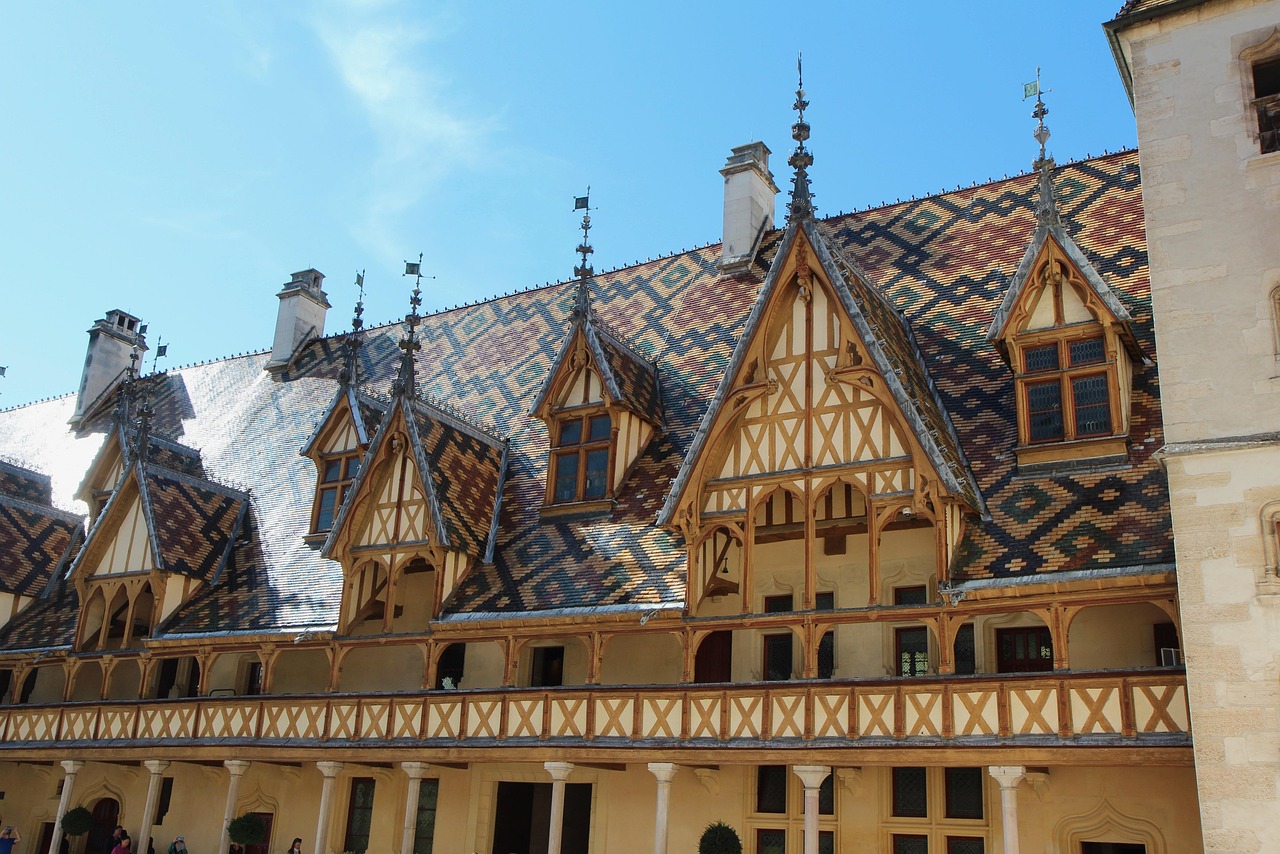
Beaune is where most Burgundy wine tours start and end. It is a small, walkable town with more wine cellars per square metre than anywhere I have been, and the 15th-century Hospices de Beaune alone is worth the train ride from Paris. But the real draw is what surrounds it: the Cote de Beaune and Cote de Nuits, two strips of vineyard-covered hillside that produce some of the most expensive wine on the planet.
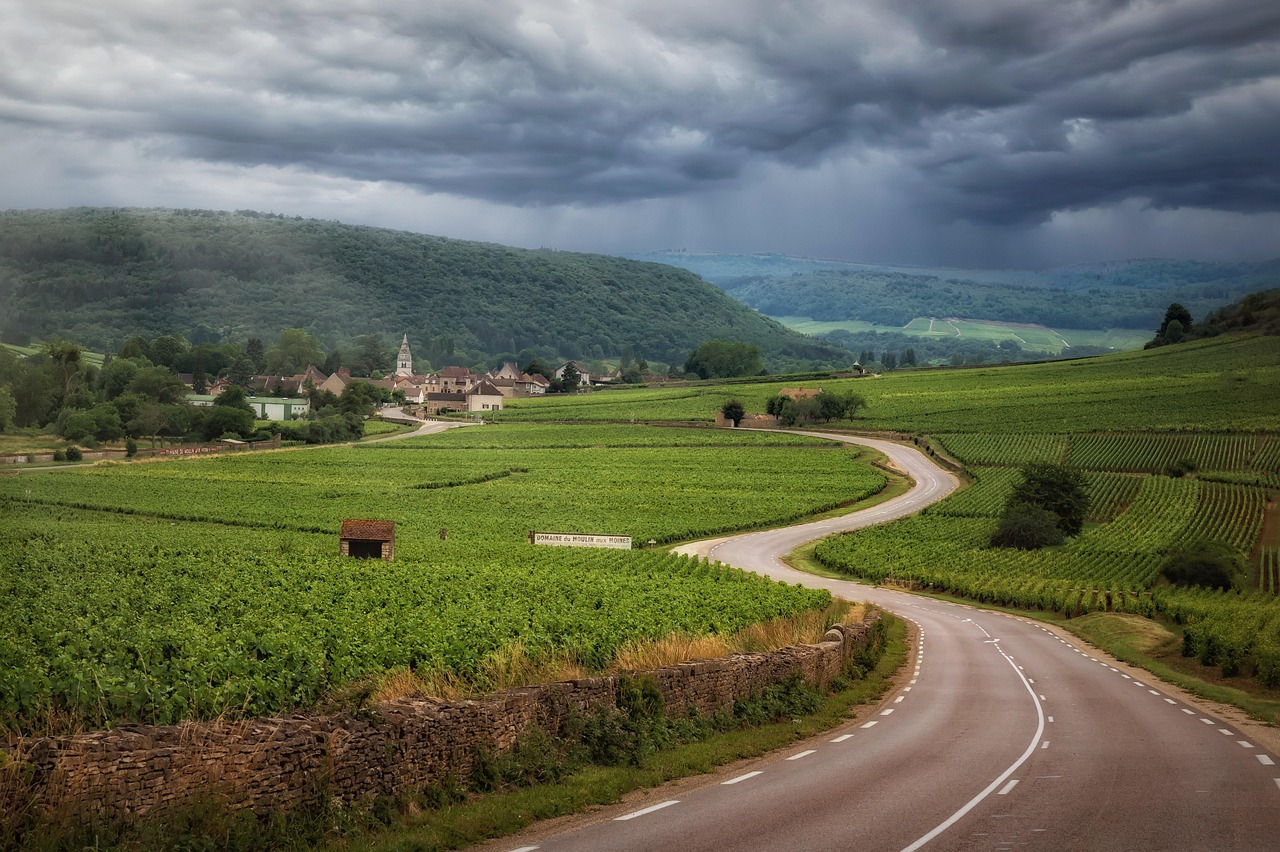
Best overall: Burgundy Bike Tour with Wine Tasting from Beaune — $254. Full day cycling the Route des Grands Crus with multiple tastings and lunch included. The definitive Beaune wine experience.
Best budget: Maison Champy Guided Cellar Tour with Wine Tasting — $29. 90 minutes in a 15th-century cellar with five wines. Best value-for-money wine experience in Beaune, full stop.
Best full-day guided: Small-Group Full-Day Tour of Cote de Nuits and Cote de Beaune — $161. Covers both slopes in one day with domain visits and Beaune old town walkthrough.
- How Wine Touring Works in Beaune
- Cycling the Vineyards vs. a Guided Van Tour vs. a Cellar Tasting
- The Best Beaune Wine Tours to Book
- 1. Burgundy Bike Tour with Wine Tasting from Beaune — 4
- 2. Maison Champy Guided Cellar Tour with Wine Tasting —
- 3. Small-Group Full-Day Tour of Cote de Nuits and Cote de Beaune — 1
- When to Visit Beaune for Wine Touring
- Getting to Beaune
- Tips That Will Actually Help
- What You Will Actually Experience
- More France Wine Guides
How Wine Touring Works in Beaune
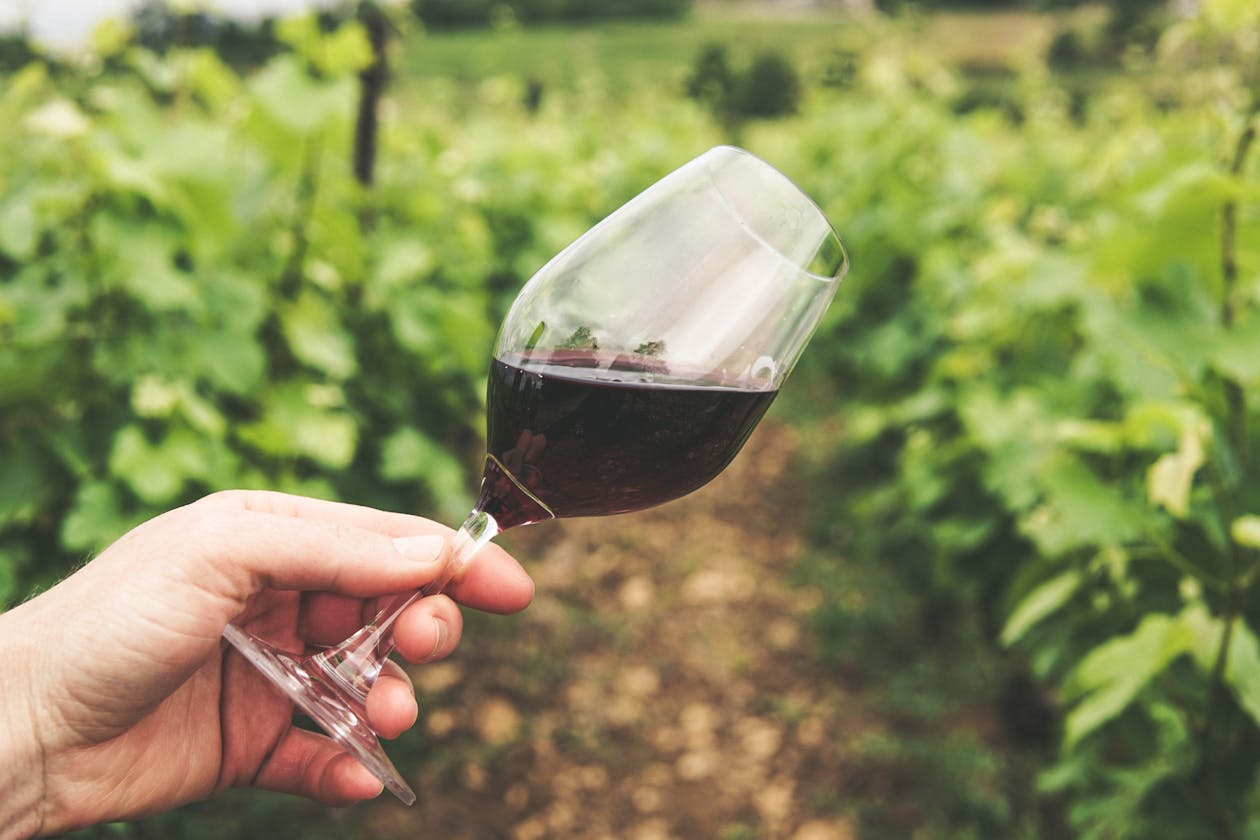
Burgundy is not like Bordeaux or Napa, where you can rock up to a chateau and ask for a tasting. Most Burgundy domains are tiny family operations — some make just a few thousand bottles a year — and they generally do not accept walk-ins. Even the bigger names like Joseph Drouhin or Louis Jadot require advance bookings for their cellar visits.
This is why an organized tour makes so much more sense here than going solo. A good tour operator has relationships with the winemakers, knows which cellars are open on which days, and handles all the logistics so you can focus on the wine. Plus, the designated driver problem disappears entirely.
There are three main ways to tour the vineyards around Beaune:
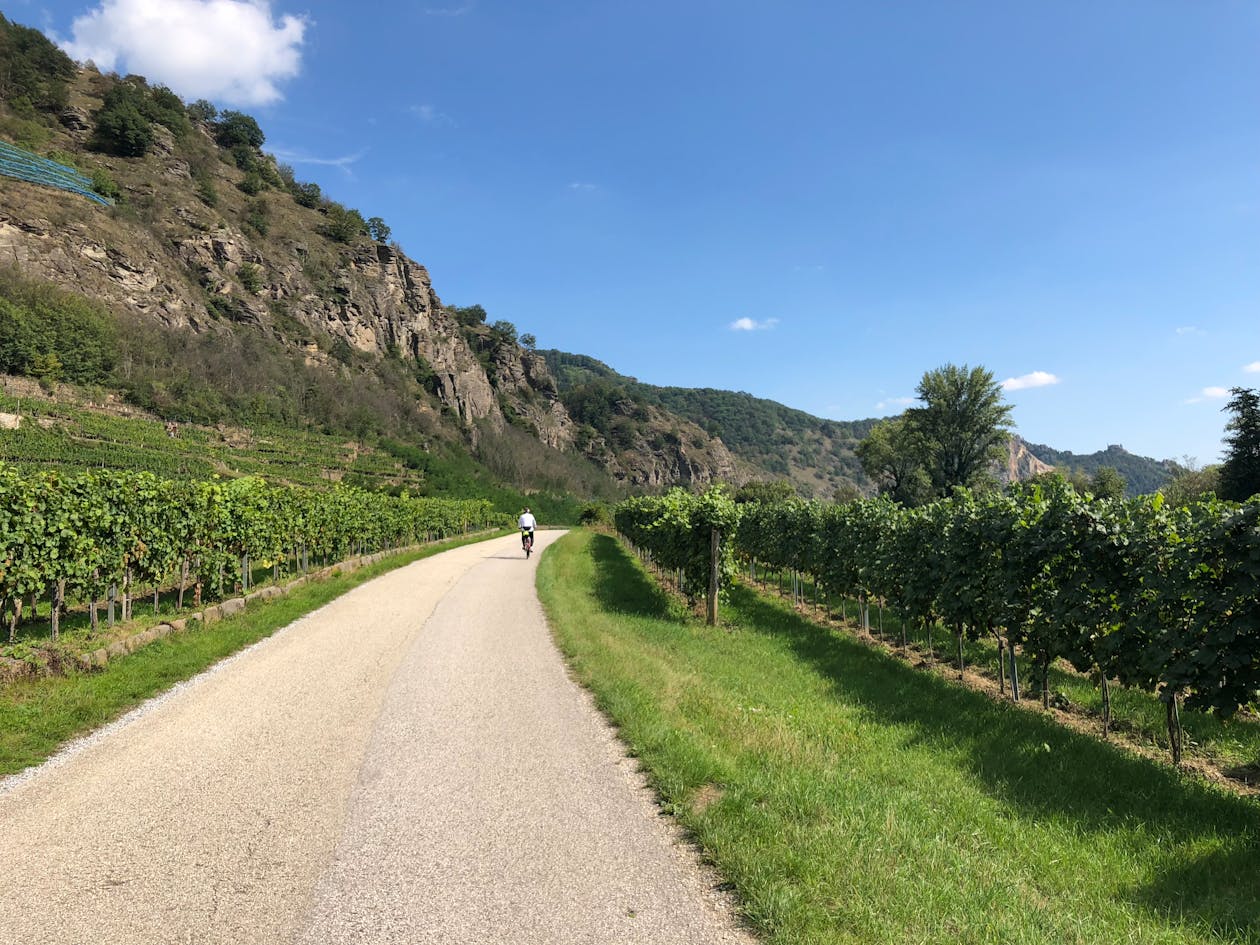
By bike — The Route des Grands Crus is flat to gently rolling, and cycling is genuinely the best way to experience it. You ride between villages, stop at domains, and see the vines up close. E-bikes are available on most tours, and I would strongly recommend them. After a few tasting stops, pedalling uphill gets harder than you would expect.
By minibus/van — A guide drives you to multiple domains across both the Cote de Nuits and Cote de Beaune. You cover more ground than cycling and visit places that would be too far apart on a bike. Small-group tours (8-12 people) are the standard.
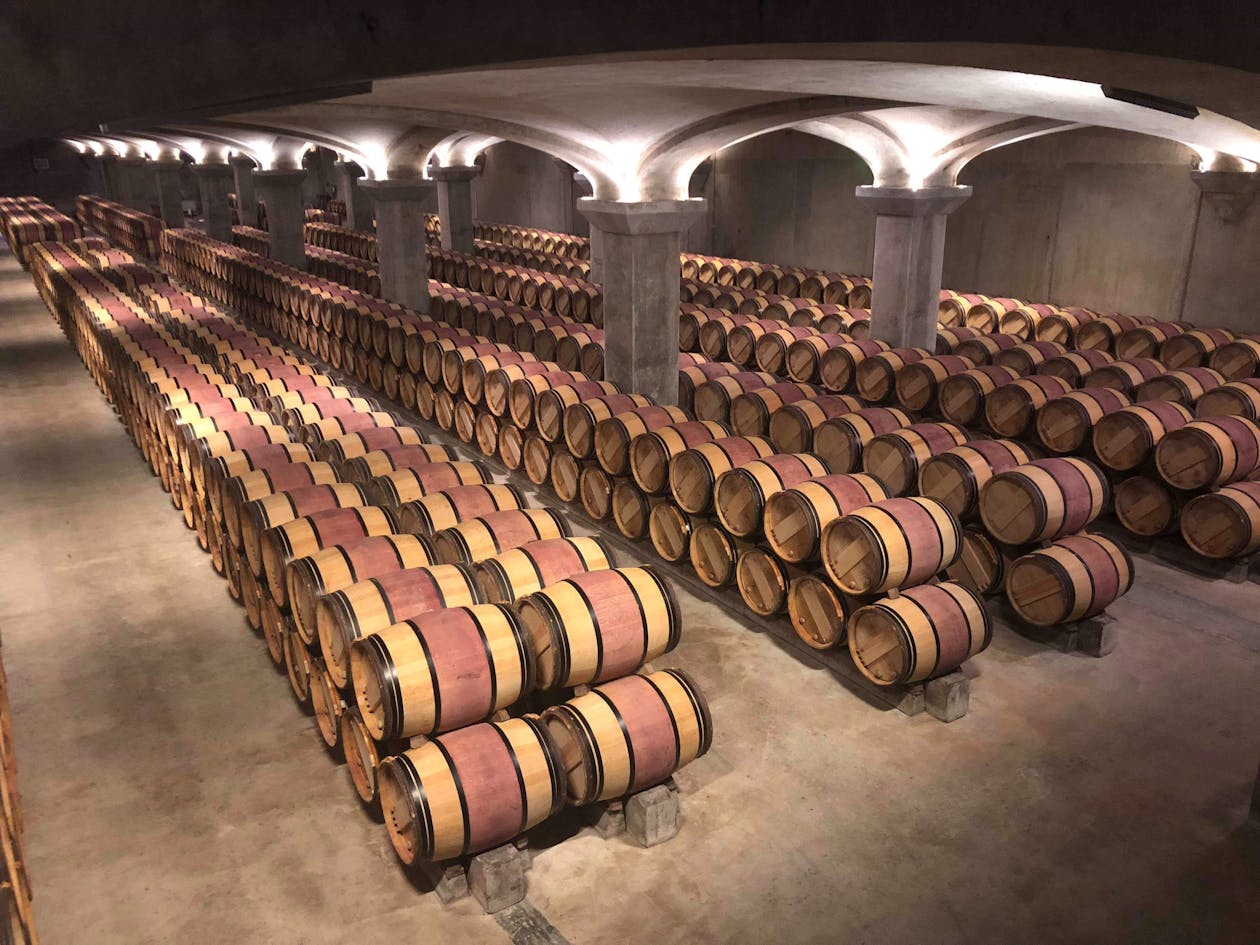
Cellar visits in Beaune — Several historic maisons in Beaune itself offer guided cellar tours and tastings without leaving town. Maison Champy, Patriarche, and Bouchard Pere et Fils all have cellars you can visit. These range from 90 minutes to half a day and start as low as EUR 25.
Cycling the Vineyards vs. a Guided Van Tour vs. a Cellar Tasting
Each format suits a different type of trip, and honestly, if you have two days in Beaune, I would do two of these.
The bike tour is the most memorable. You are physically in the vineyards, riding past plots of Romanee-Conti, Clos de Vougeot, and Corton-Charlemagne. The pace is slow, the scenery is absurd, and the tastings are built into the ride. But it is a full-day commitment (7+ hours), and it is physical — especially in July heat. It also costs more, typically EUR 200-250 per person with lunch.
The van tour is the practical choice if you want to see both the Cote de Nuits and Cote de Beaune in one day without breaking a sweat. Guides pick you up from your hotel in Beaune or Dijon, drive between three or four domains, and usually include a walking tour of Beaune old town. Prices range from EUR 140-200 per person for a full day. The downside? You spend time in a vehicle, and the experience is less immersive than cycling.
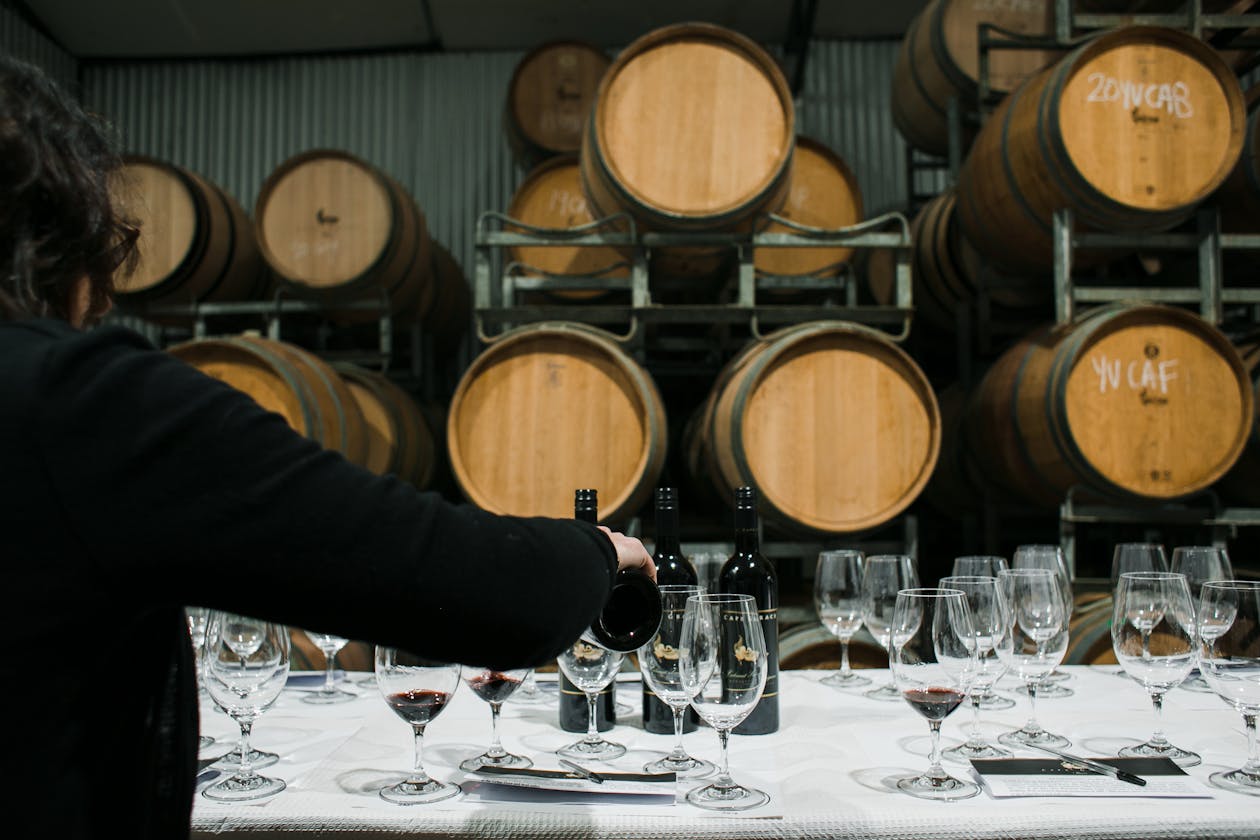
The cellar tasting is perfect if you only have an afternoon, if you are on a budget, or if cycling is not your thing. Maison Champy charges around EUR 25-30 for a 90-minute guided tour of 15th-century cellars followed by five wines. Patriarche, the largest cellar in Beaune, offers a self-guided candle-lit walk through their tunnels. These are surprisingly educational — you will learn more about Burgundy’s classification system in one cellar visit than from any guidebook.
The Best Beaune Wine Tours to Book
1. Burgundy Bike Tour with Wine Tasting from Beaune — $254
This is the one. Seven hours on a bike through the Cote de Beaune, stopping at family-run domains for tastings, with a proper sit-down lunch in the middle. The guides are local wine enthusiasts who know every vineyard by name, and the route covers ground you simply cannot reach on a van tour — tiny hamlets, unmarked cellar doors, and vineyard paths that do not appear on Google Maps.
At $254 per person, it is the most expensive option on this list, but it includes everything: bike rental, tastings at multiple domains, and a full lunch. Over 670 travellers have rated it a perfect 5.0, and the most common feedback is that the guides make it feel personal rather than touristy. E-bikes are available, and I would recommend them — you are covering real distance between stops, and nobody wants to be the sweaty one at the tasting table.
2. Maison Champy Guided Cellar Tour with Wine Tasting — $29
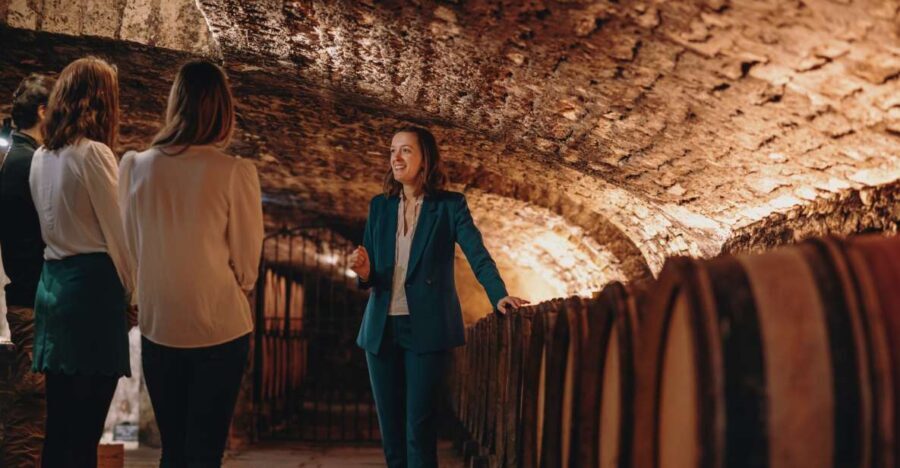
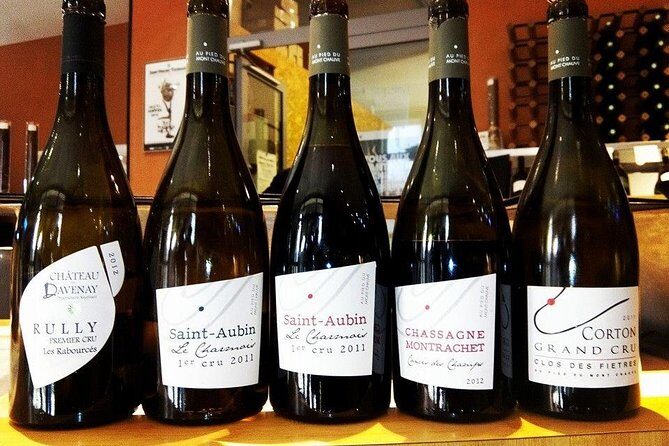
If you want a genuine Burgundy wine education without spending a full day or a fortune, this is it. Maison Champy is one of the oldest wine houses in Beaune, and their 90-minute guided cellar tour walks you through centuries-old underground corridors before finishing with five wines that cover the full Burgundy spectrum — from village-level to premier cru.
At $29 per person, this is absurdly good value. The guided experience at Maison Champy consistently gets praised for the quality of the guides, who encourage questions and make the classification system actually make sense. The tasting happens in the cave itself, which adds something that a surface-level tasting room simply does not have. If you only do one wine activity in Beaune, this should be a strong contender.
3. Small-Group Full-Day Tour of Cote de Nuits and Cote de Beaune — $161
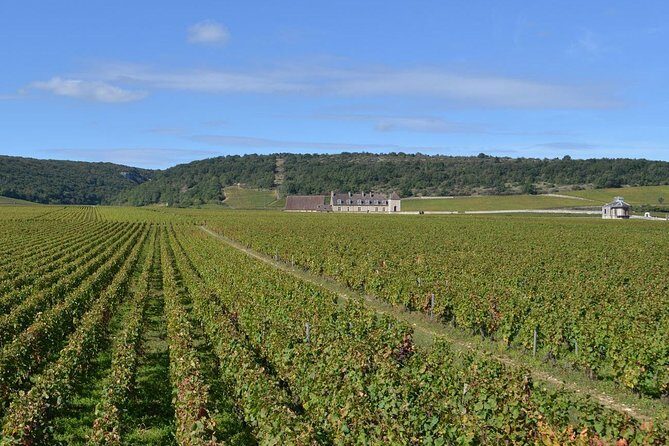
This is the tour for people who want to see the full picture. Over 7.5 hours, you hit both the Cote de Nuits (the red wine heartland, home to Gevrey-Chambertin and Vosne-Romanee) and the Cote de Beaune (where the great whites of Meursault and Puligny-Montrachet come from), plus a walking tour of Beaune’s historic centre. The guide drives, so tastings at two different domains come worry-free.
At $161 per person, it sits right in the middle price-wise and delivers serious depth. The full-day Burgundy vineyards tour runs in small groups, which means you get genuine interaction with the winemakers rather than being herded through. One thing to know: the quality of individual domain visits can vary — some winemakers are warm and generous, others are more businesslike. That is just the nature of visiting working estates. But the overall experience covers more ground than any other single-day option from Dijon or Beaune.
When to Visit Beaune for Wine Touring
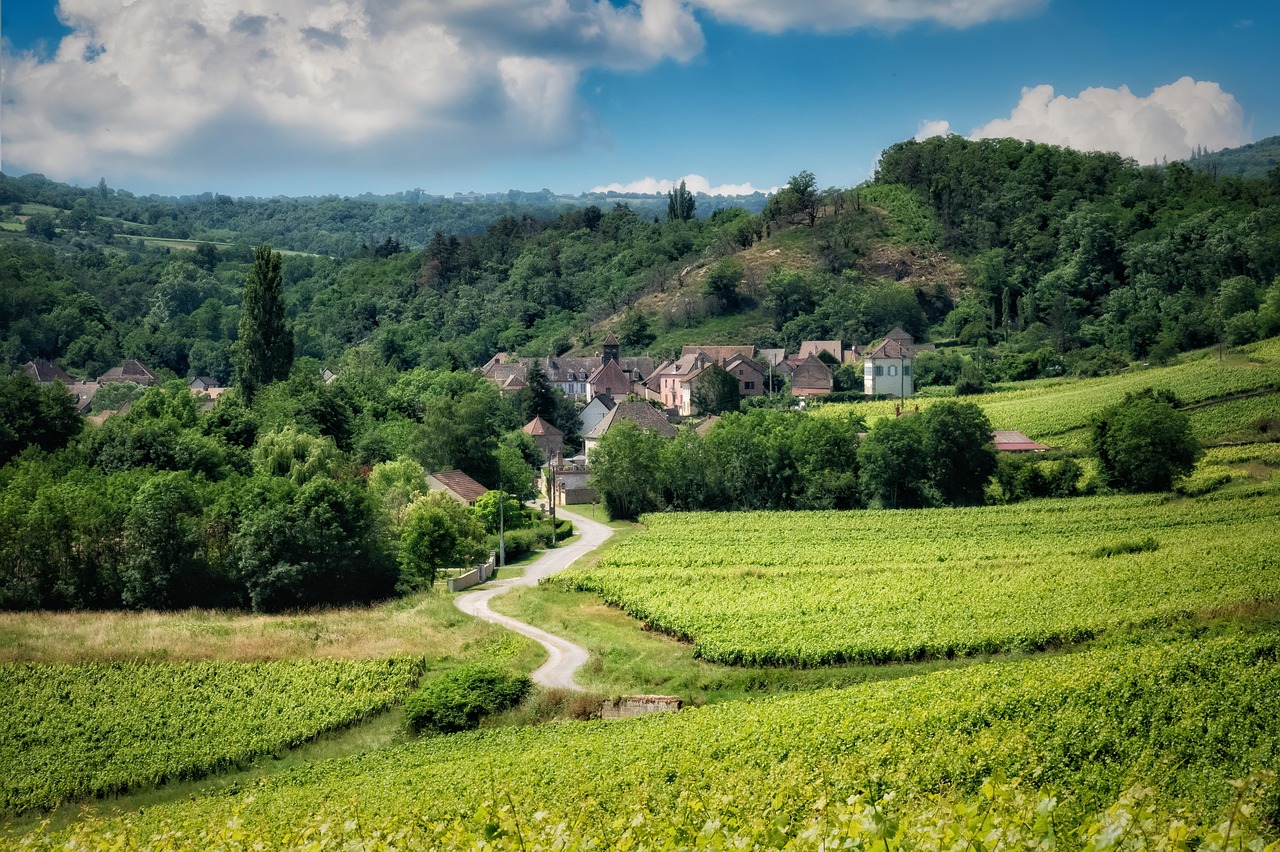
Best months: May, June, September, October. The vines are green and full, the weather is warm but not punishing, and the tour operators are running at full capacity. September and October get bonus points because harvest season is underway — you might see grape-picking in action, and the golden light is genuinely unbeatable for photos.
July and August work but can be hot, especially on a bike. Temperatures regularly hit 35C, and there is very little shade on the Route des Grands Crus. If you go in peak summer, book the earliest departure time available and bring more water than you think you need.
November is a special case. The Hospices de Beaune wine auction happens on the third Sunday of November, and it is the most famous charity wine auction in the world. The whole town fills up, prices for everything double, and the atmosphere is electric. If you time your visit for auction weekend, book accommodation months ahead — Beaune is a small town and it sells out completely.
Winter (December to March) is quiet. Many outdoor tours do not run, and some smaller domains close their doors entirely. But the cellar tours in Beaune itself operate year-round, so a winter cellar visit is still very doable — and you will have the town almost to yourself.
Getting to Beaune
From Paris: TGV direct to Beaune takes about 2 hours 20 minutes. Trains run multiple times daily from Gare de Lyon. This is the easiest option by far and drops you right in the centre of town. Book via SNCF or Trainline — prices start around EUR 30-40 if you book 2-3 weeks ahead.
From Dijon: Regional trains take 20-25 minutes and run frequently. Dijon is the nearest big city and the departure point for several wine tours. If you are staying in Dijon, most full-day tours include hotel pickup, so you do not even need the train.
From Lyon: About 1 hour 45 minutes by TGV. Lyon to Beaune is a straightforward connection and makes Burgundy easy to add to a combined Lyon-Burgundy trip.
By car: Beaune sits right on the A6 motorway (the Autoroute du Soleil), roughly 3 hours south of Paris. But driving to a wine tour defeats the purpose — the whole point is not having to worry about a designated driver. Park the car at your hotel and let the tour operators handle transport.
Tips That Will Actually Help
Book 2-3 weeks ahead in summer. The bike tours especially sell out fast — they cap group sizes and only run once or twice a day. In May-October, do not assume you can book the morning of.
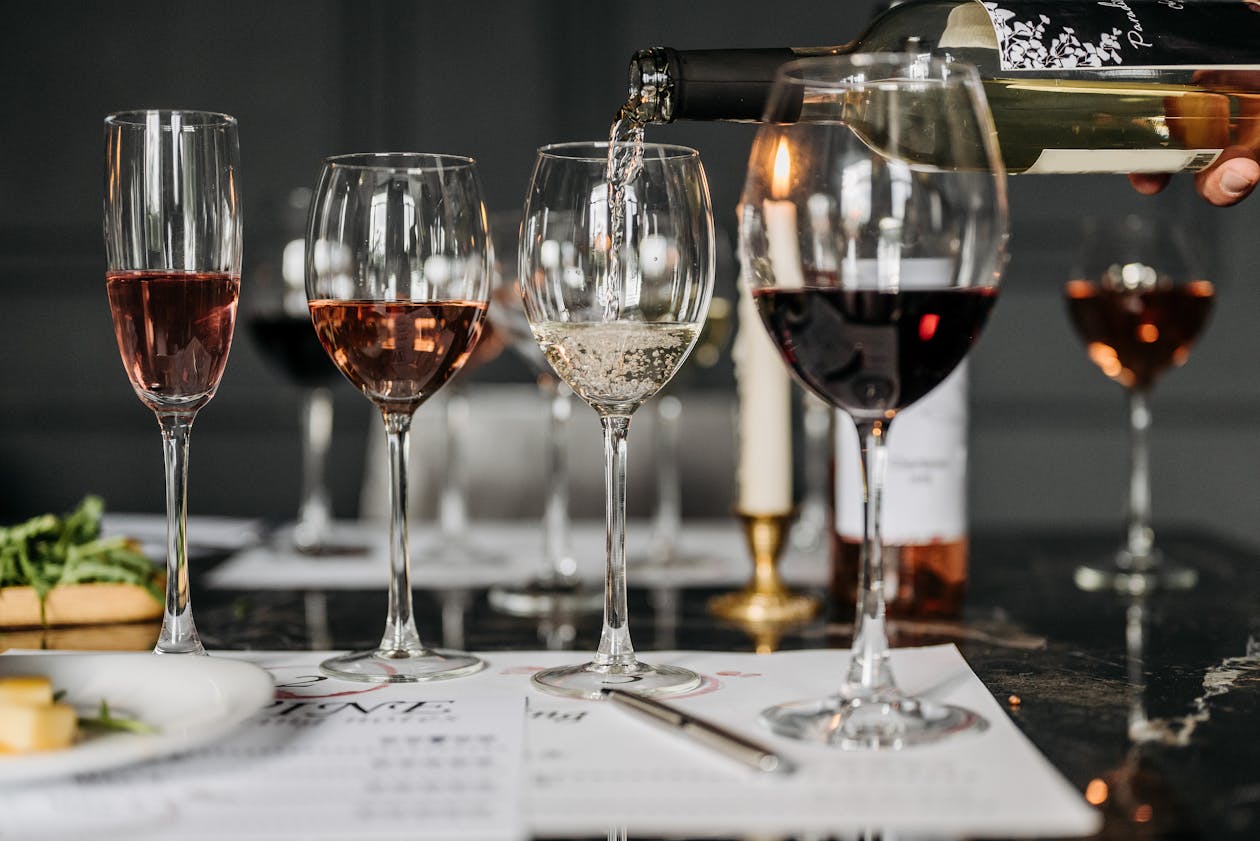
Start with white, end with red. If you are doing multiple tastings in a day, this order protects your palate. Burgundy whites (Chablis, Meursault, Puligny-Montrachet) are some of the best in the world, and they deserve a fresh mouth. Save the pinot noirs for the afternoon.
Learn the four-tier system before you go. Burgundy classifies its wines into Regional, Village, Premier Cru, and Grand Cru. The jump in quality (and price) between each tier is real and dramatic. Understanding this before a tasting makes the whole experience richer — you will notice the differences rather than just drinking five wines that all taste “pretty good.”
Spit. Seriously. Professional wine tasters spit for a reason. If you are doing a bike tour with four or five tasting stops, swallowing everything means you are drunk by the third domain. Spitting is expected and normal — every cellar provides spit buckets. Use them.
Wear layers underground. Burgundy cellars stay at about 12-14C year-round. In summer, the temperature shock when you step from 35C sunshine into a medieval cellar is real. Bring a light jacket or cardigan even in August.
Budget for wine purchases. You will want to buy bottles. Tasting at the source means you discover wines you cannot find at home, and the prices are often better than retail. Some domains ship internationally, but the easiest option is to bring a wine suitcase or a few padded bottle bags. Most bike tours can carry a few bottles in their support vehicle.
What You Will Actually Experience
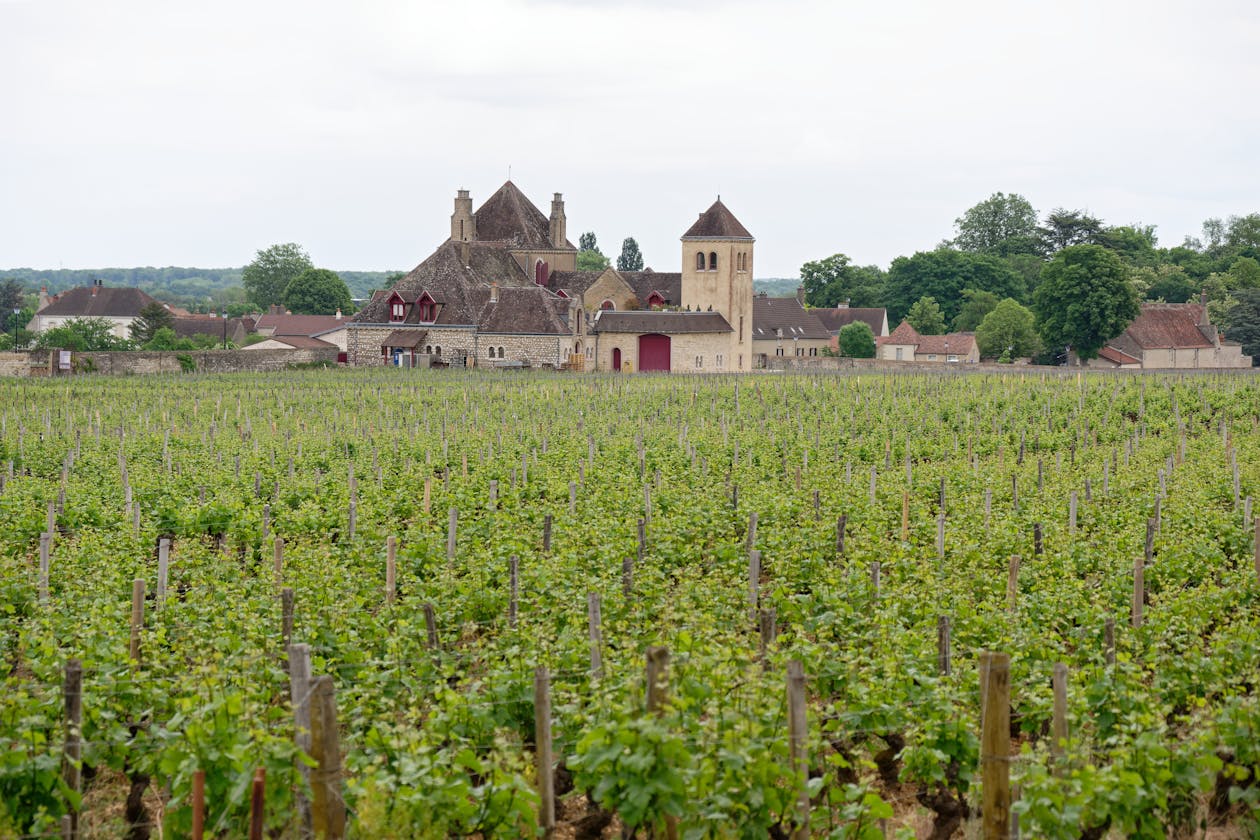
Burgundy’s wine hierarchy is the most precise in the world, and it exists because of monks. The Cistercians of Citeaux Abbey spent roughly 700 years walking the vineyards, tasting the grapes, and systematically recording which patches of soil produced the best wine. They figured out that two vines planted just metres apart could yield completely different results — and they documented every finding. The concept they developed, terroir, became the foundation of French winemaking and eventually spread to wine regions everywhere.
The classification they created still holds. A Grand Cru vineyard in Burgundy is grand cru because monks identified it as superior six or seven centuries ago, and nobody since has been able to argue with the results. There are only 33 grand cru vineyards in all of Burgundy, covering less than 2% of the total vineyard area. Each one has a name, a history, and a waiting list of buyers.
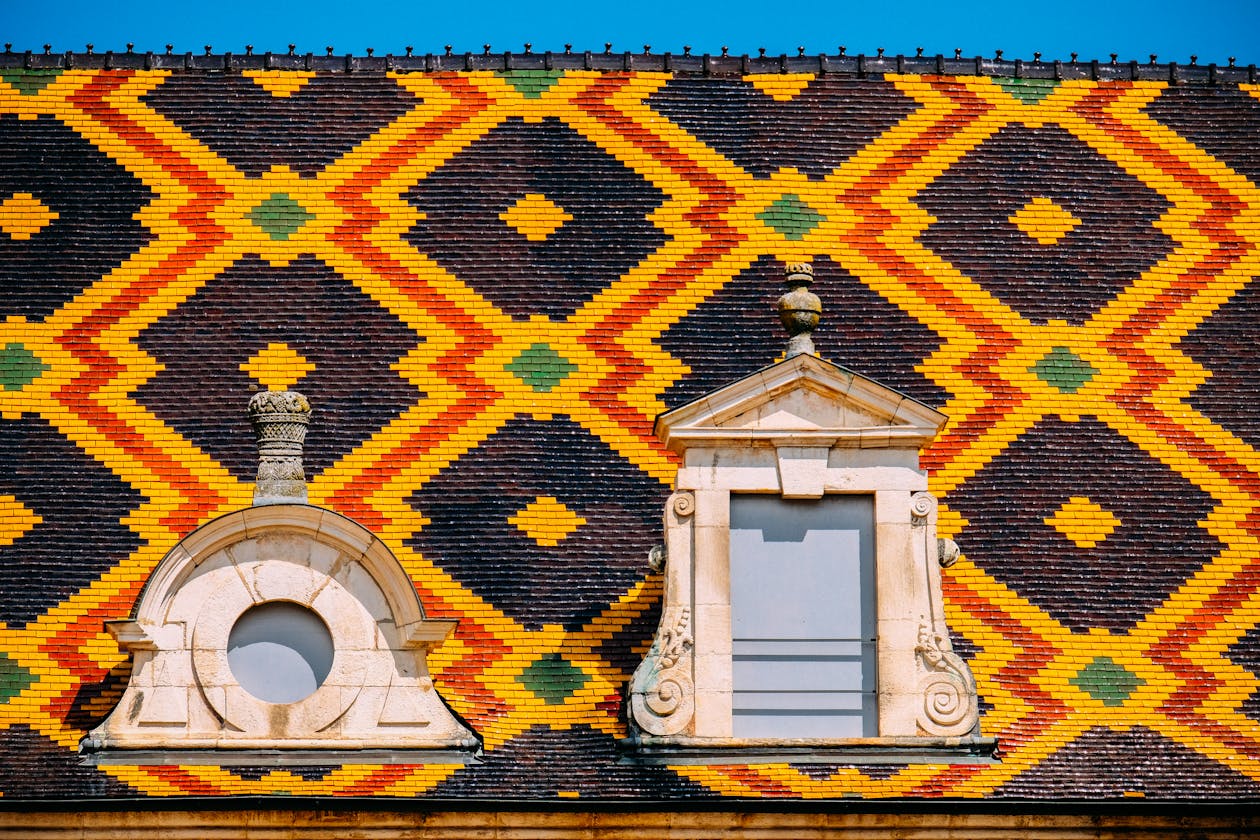
The Hospices de Beaune ties all of this together. Nicolas Rolin, chancellor of Burgundy, founded it in 1443 as a hospital for the poor. Its polychrome tiled roof is one of the most photographed buildings in France. But the real story is the wine auction. Every year on the third Sunday of November, the Hospices sells barrels of wine from its own vineyards — donated over the centuries by Burgundy winemakers. The auction prices set the benchmark for the entire vintage. A high-selling auction signals a great year; a soft one means the market adjusts downward. It is essentially the stock exchange of Burgundy wine, and it has been running since the 15th century.
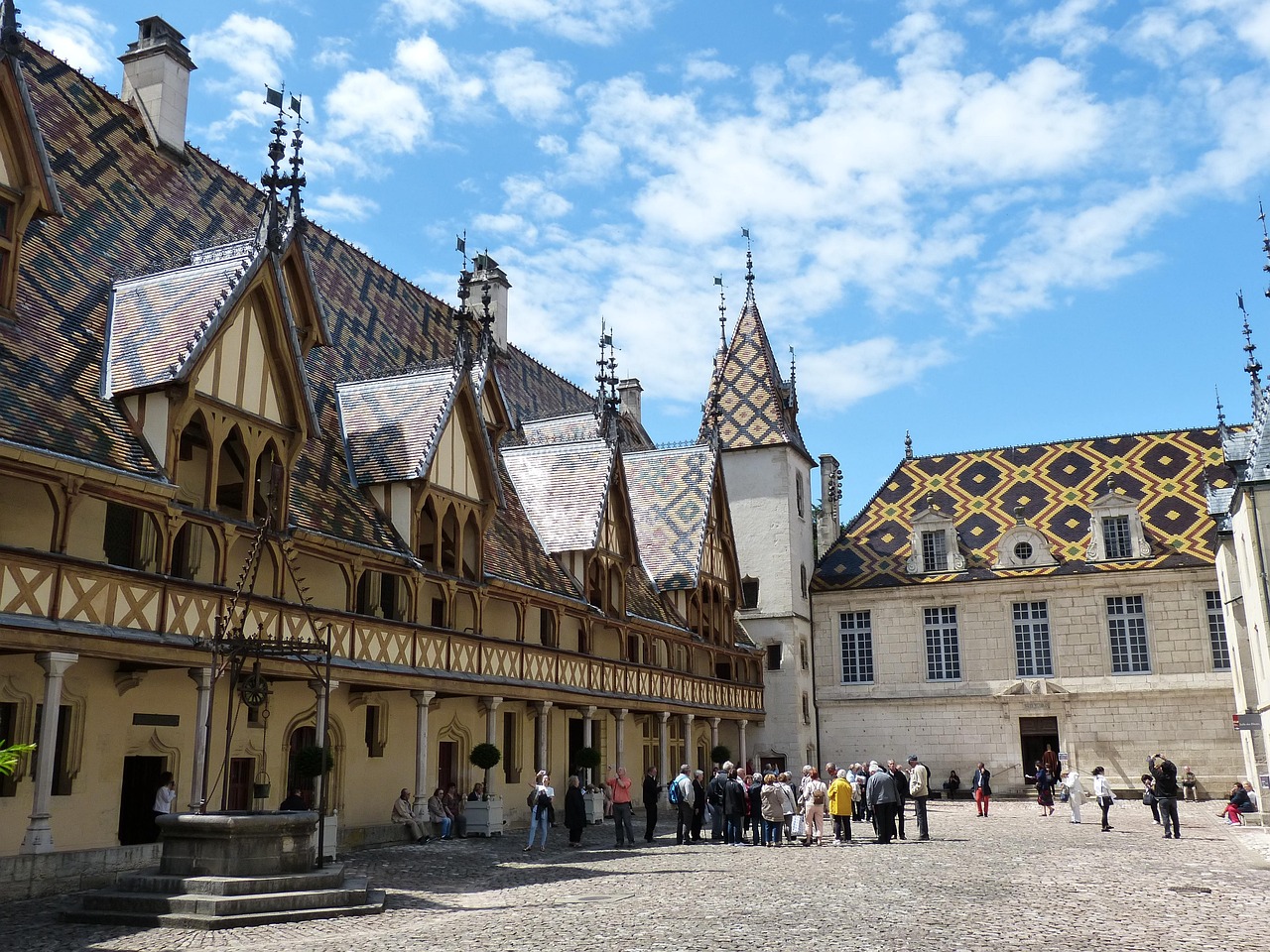
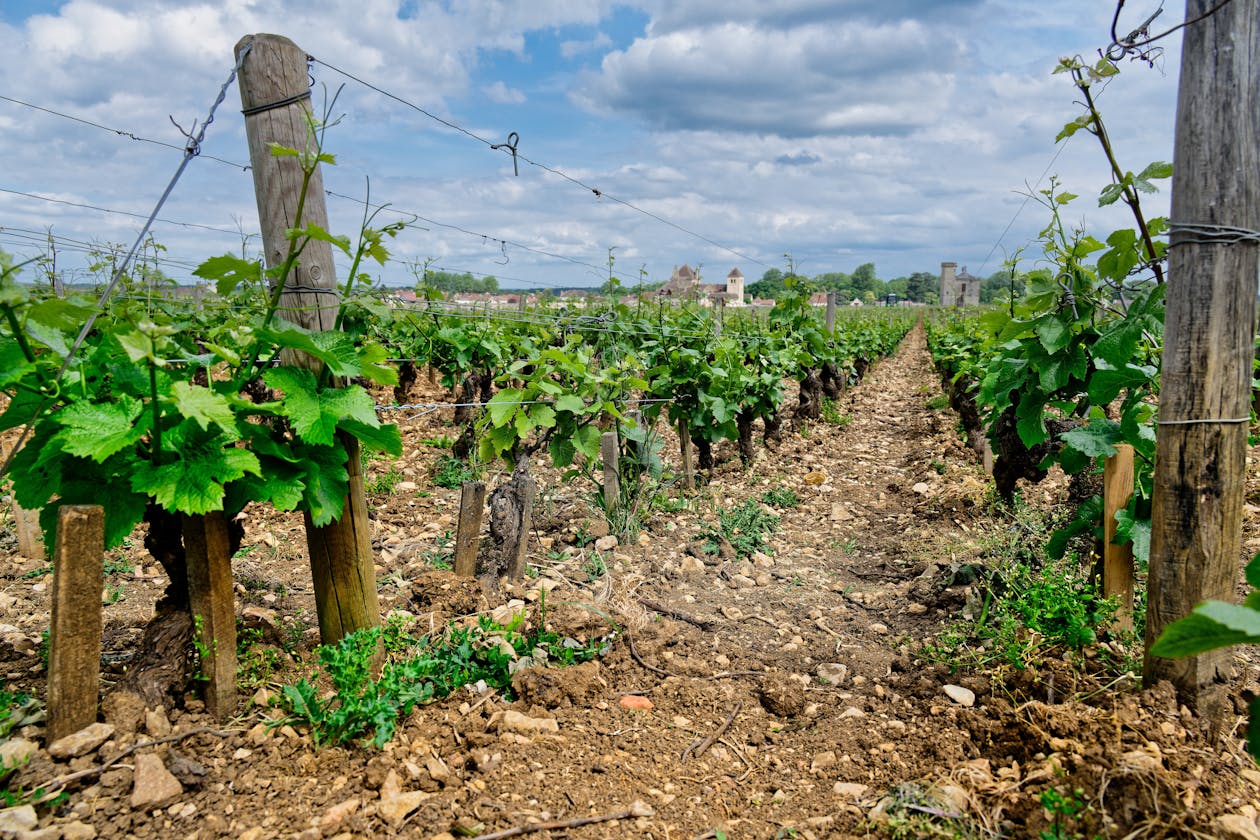
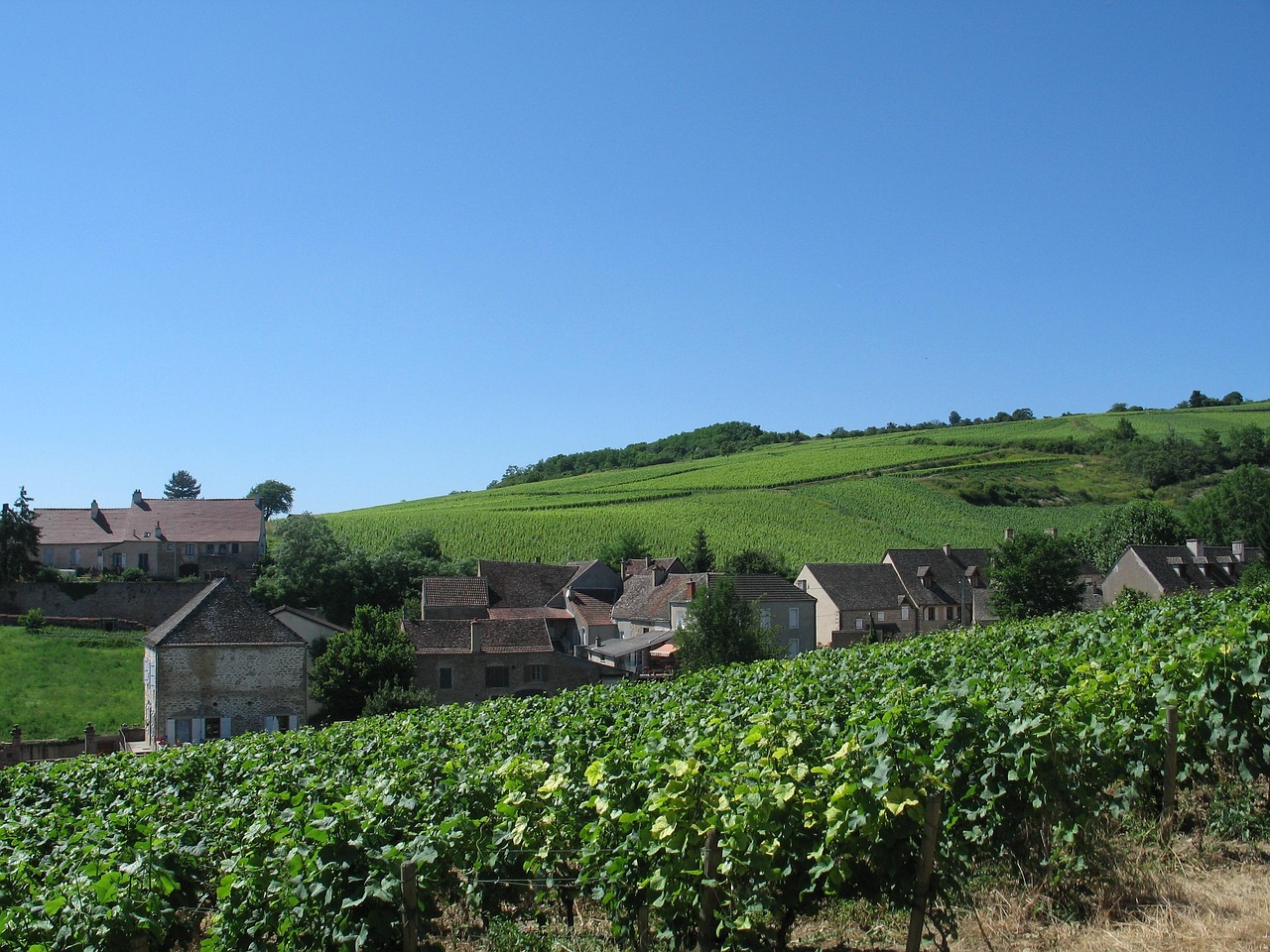
What makes Beaune different from other wine regions is that the terroir is not marketing — it is geology. The Cote d’Or (Golden Slope) is a narrow strip of east-facing limestone escarpment where the soil composition changes every few hundred metres. Marl, clay, limestone, chalk — each combination produces a different wine character. A Gevrey-Chambertin from the Cote de Nuits tastes nothing like a Pommard from the Cote de Beaune, even though they are grown under the same sky, in the same climate, by people using the same techniques. The only difference is the dirt.
On a bike tour, you ride past these transitions in real time. Your guide points to a stone wall and explains that the vines on one side are village-level (EUR 25 a bottle) and the vines on the other side are grand cru (EUR 500 a bottle). Same grape, same sun, same rain. Different soil. It is the kind of thing that sounds unbelievable until you taste both wines side by side.
More France Wine Guides
Burgundy pairs naturally with a few other French wine regions that are equally worth your time. If you are heading south towards Bordeaux, our guide on how to book a wine tour in Bordeaux covers the Medoc and right bank in the same format, and the Saint-Emilion wine tour guide is specifically useful if you like smaller, more intimate domain visits. For something completely different, booking a Champagne tour in Reims is just 2.5 hours north of Beaune by car and makes an easy add-on if you are already in eastern France. And if you want to see the river side of Bordeaux wine country, the Bordeaux river cruise is a different pace entirely — slower, with wine served on the water instead of in a cellar. The Cite du Vin in Bordeaux rounds things out if you want the museum-meets-wine-bar experience.
This article contains affiliate links. If you book a tour through the links above, we earn a small commission at no extra cost to you. This helps keep the site running and the guides free.