
The woman at the tourist office handed me a laminated card and a thick booklet of discounts. “This is everything,” she said, like she was handing over a cheat code. And honestly? She kind of was.
I’d spent the morning doing the maths on Valencia’s museums, transport, and attractions. The numbers weren’t even close. The Valencia Tourist Card pays for itself before lunch on day one if you know what you’re doing — and most visitors don’t, because they either skip it entirely or buy the wrong duration.
So here’s what I actually learned about making this card work — the pricing breakdown, the free stuff that’s worth your time, the discounts that aren’t worth the detour, and which duration makes sense depending on your trip.
Best overall: Valencia Tourist Card (24/48/72h) — From $20. Free transport, free museums, free tapas — this is the one to get.
Best for families: City of Arts & Sciences Combo — $54. Oceanografic + Hemisferic + Science Museum in one ticket. Kids lose their minds here.
Best for sightseeing: Hop-On Hop-Off Bus — $31. Covers the beach, old town, and City of Arts in one loop. Lazy but effective.
- What the Valencia Tourist Card Actually Includes
- The Maths: Is It Actually Worth It?
- Where to Buy and How to Activate
- Valencia Tourist Card vs City of Arts Combo — Which One?
- The Best Tours to Pair With Your Card
- 1. Valencia Tourist Card (24/48/72h) — From
- 2. Hop-On Hop-Off Bus —
- 3. Oceanografic + Hemisferic + Science Museum Combo —
- When to Visit Valencia
- How to Get Around Valencia
- Tips That’ll Save You Time and Money
- What You’ll Actually See With the Card
- More Valencia Guides
What the Valencia Tourist Card Actually Includes
The Valencia Tourist Card comes in three durations: 24 hours, 48 hours, and 72 hours. The clock starts ticking the first time you use it on public transport or scan it at a museum — not when you buy it. That matters, because you can buy it weeks ahead and activate it on the day that works best.
Here’s what every card includes regardless of duration:
Free unlimited public transport. Metro, bus, and tram across the entire city network. This alone is worth about EUR 4-8 per day if you’re moving between the old town, the beach, and the City of Arts and Sciences — which you will be, because they’re spread across 6km.
Free entry to municipal museums. That means the Museum of Fine Arts (one of Spain’s best, and free anyway), the Valencia History Museum, the Ceramics Museum, MUVIM (modern culture), and about 15 others. Some of these are already free, but several charge EUR 2-4 without the card.
A free tapas dish and a drink. You get a voucher for one tapa plus one drink at participating restaurants. It’s not going to be the best meal of your trip, but it’s a genuine free lunch — and Valencia invented paella, so even the average places are decent.
Discounts on paid attractions. This is where it gets interesting. The big one: 15-20% off City of Arts and Sciences tickets (Oceanografic, Hemisferic, Science Museum). The Oceanografic alone costs EUR 37.40 at full price, so a 15% discount saves you about EUR 5.60. The card also gets you discounts on the Bioparc zoo, various boat tours, and some restaurants.
The Maths: Is It Actually Worth It?
Let’s run the numbers for a typical 2-day visit. This is what most visitors actually do:
Without the card:
- Metro rides (4 trips): ~EUR 6
- Silk Museum: EUR 8
- Cathedral + Miguelete tower: EUR 9
- Ceramics Museum: EUR 3
- Oceanografic (with Tourist Card discount): saves ~EUR 5.60
Total without card: about EUR 26 in admissions + transport
With the 48-hour card (EUR 20-25): All of the above is free or discounted. You break even on day one and everything after that is profit. The tapas voucher is a bonus on top.
The 24-hour card (around EUR 15) makes sense if you’re only spending one full day and want to pack in 3-4 museums. The 72-hour version (around EUR 25-30) is best if you’re doing 3 full days and plan to hit the City of Arts complex, the Bioparc, and the old town museums.
When it’s NOT worth it: If you’re only visiting free attractions (Turia Gardens, Central Market, the beach) and walking everywhere, skip it. Also skip it if you’re only going to the City of Arts — the combo ticket is better value for that specifically.
Where to Buy and How to Activate
You’ve got two options. The smart move is buying online through GetYourGuide or the official Visit Valencia website. Online purchases let you skip the queue at pickup — you just show your confirmation and collect the card.
Pickup points are at Valencia Airport (arrivals hall), Joaquin Sorolla train station, and the main tourist offices in the city centre. The airport pickup is the most convenient if you’re arriving by plane, because the card covers your metro ride into town — that’s an immediate EUR 5.80 saved on the airport-to-city transfer.
The card activates on first use, not on purchase or pickup. So if you arrive on a Saturday evening, grab your card at the airport, and wait until Sunday morning to tap it on the metro. That way your 24 or 48 hours of coverage starts when you’re actually doing things.
One thing to know: the card is a physical card, not digital. You’ll need to carry it with you and show it at museum entrances. Some places scan it, others just check the date. Don’t lose it — replacements aren’t free.
Valencia Tourist Card vs City of Arts Combo — Which One?
This confuses a lot of people, so let me break it down simply.
The Valencia Tourist Card is a city-wide pass. Transport, museums, tapas, discounts. It gives you a percentage off at the City of Arts and Sciences but doesn’t include full entry.
The City of Arts Combo tickets give you direct entry to 2 or 3 venues in the complex (Oceanografic, Hemisferic, Science Museum) at a bundled price. No transport, no other museums, no tapas.
If you’re spending 2-3 days exploring all of Valencia: Get the Tourist Card AND a City of Arts combo. Use the card’s discount on the combo ticket. This gives you the most coverage for the least money.
If you’re only visiting the City of Arts complex: Skip the Tourist Card, just get the combo. The Oceanografic + Hemisferic + Science Museum triple combo runs about EUR 41 and covers the three big venues.
If you don’t care about aquariums and science: The Tourist Card alone is plenty. The municipal museums, the Silk Exchange (UNESCO World Heritage), the cathedral, and the old town are all covered or discounted.
The Best Tours to Pair With Your Card
The Tourist Card covers the basics, but some experiences are better with a guide or a structured tour. Here are the three I’d recommend alongside the card — each one fills a different gap.
1. Valencia Tourist Card (24/48/72h) — From $20
This is the foundation of any Valencia trip. The 48-hour version hits the sweet spot for most visitors — enough time to cover the old town museums on day one and the City of Arts complex on day two, with free metro rides between everything.
What makes the Tourist Card different from similar city passes in Barcelona or Madrid is that Valencia’s municipal museum network is genuinely good. The Ceramics Museum (inside a wild Baroque palace), the Silk Museum, and MUVIM are all solid — and all free with the card. Most visitors would pay EUR 15-20 in entry fees across these alone.
The free tapas voucher is a nice touch. Not a game-changer, but it’s a real dish at a real restaurant, not a sad sample at a tourist trap. Pick a place in Ruzafa for the best options.
2. Hop-On Hop-Off Bus — $31

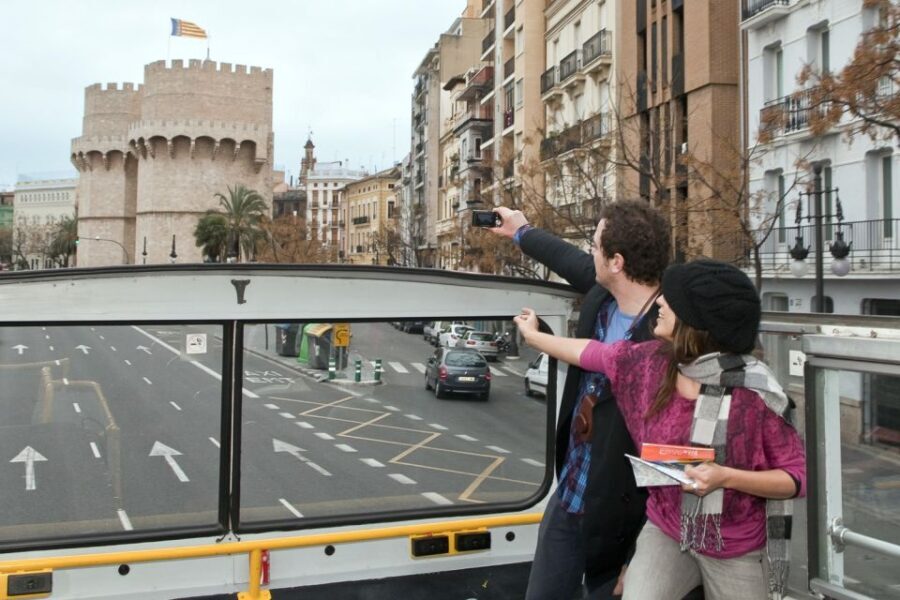
I know, I know — hop-on hop-off buses aren’t exactly cool. But Valencia is one of the cities where they genuinely make sense, because the distances between the three main areas (old town, City of Arts, and the beach/port) are substantial. Walking from the cathedral to the Oceanografic takes about 40 minutes. The bus does it in 15.
The 24-hour ticket covers the Maritime Route, which loops through the port area, Malvarrosa beach, and the City of Arts. Audio guides come in multiple languages. The buses run every 20-30 minutes, which is frequent enough that you’re not waiting around too long.
Fair warning: the rating is middling (3.9 out of 5) and some riders complain about bus frequency dropping in the afternoon. Go early, use it strategically to cover ground between main areas, and switch to walking once you’re in each neighbourhood. That’s how you get the most from it.
3. Oceanografic + Hemisferic + Science Museum Combo — $54
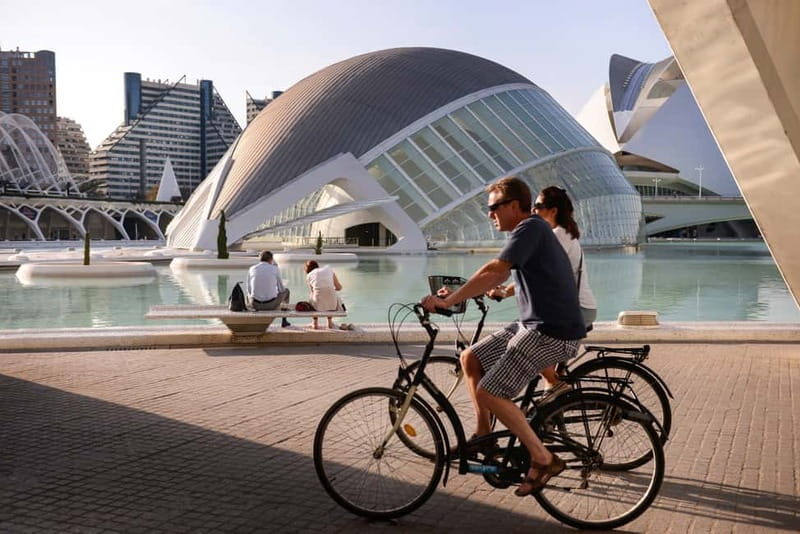
If the Tourist Card is the foundation, this combo is the centrepiece. The Oceanografic is Europe’s largest aquarium and it’s not even close — 45,000 animals across 9 underwater ecosystems, from Arctic belugas to tropical reef sharks. Kids go absolutely wild, but I’ve seen plenty of adults standing slack-jawed at the tunnel walkthrough too.
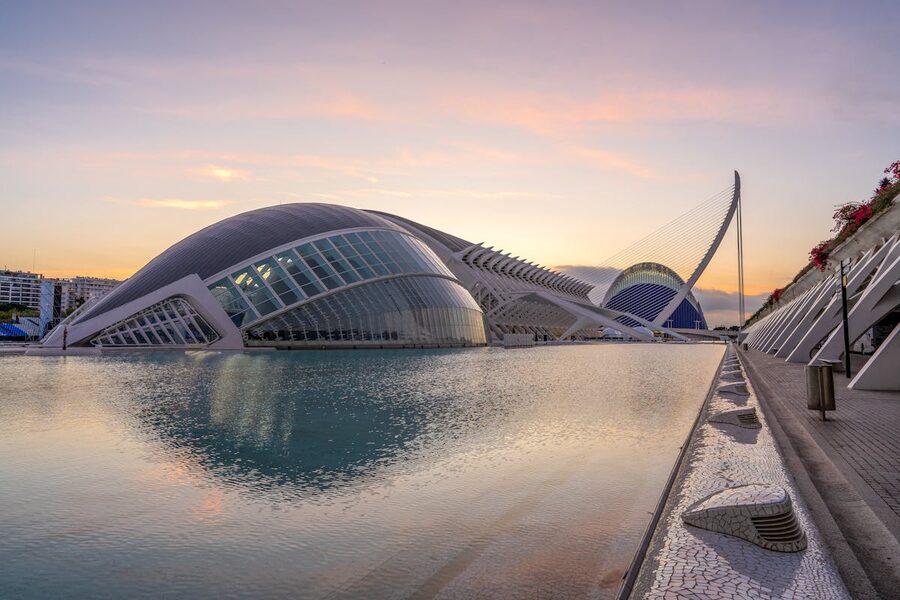
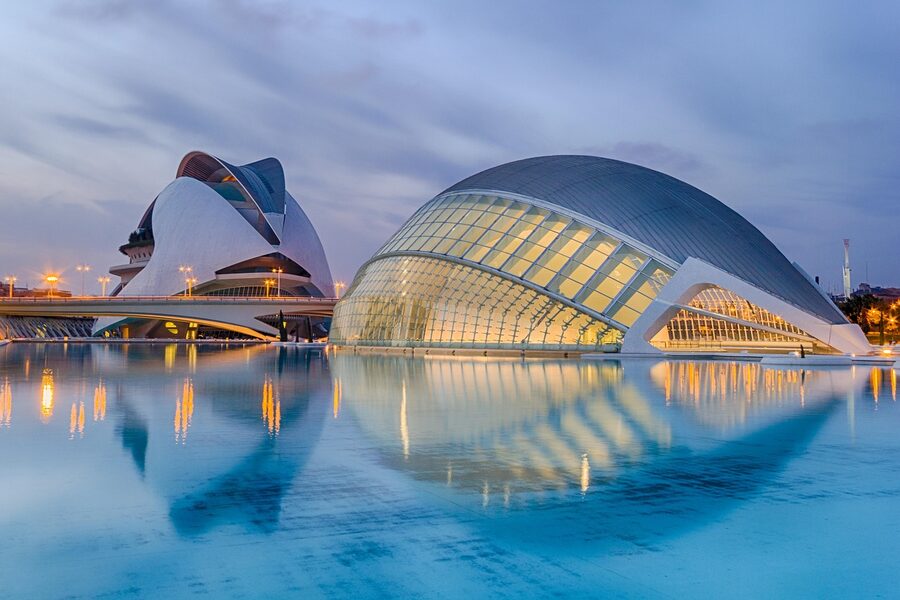
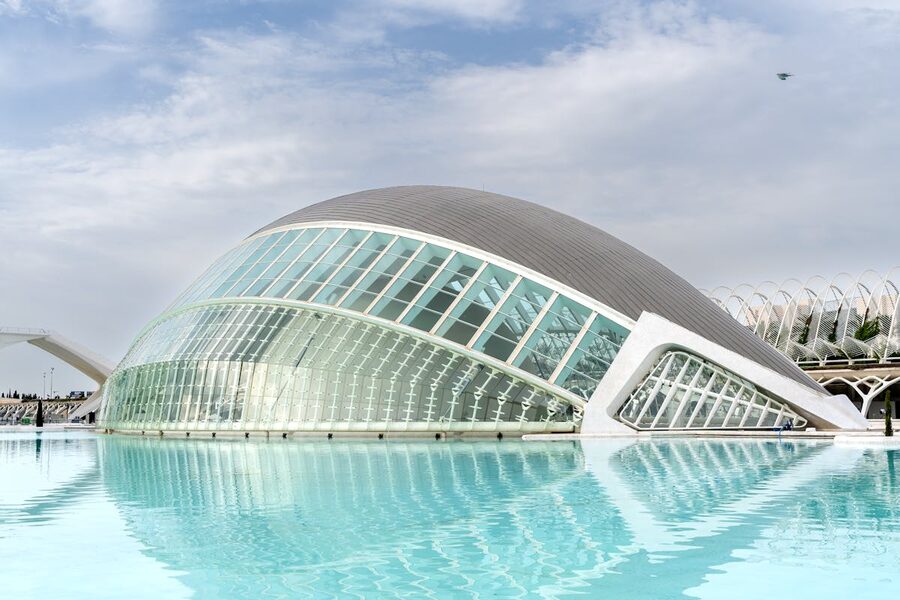
The Hemisferic is an IMAX cinema inside a building shaped like a human eye (classic Calatrava). Films rotate seasonally and last about 45 minutes. The Science Museum is more hands-on and interactive — better for older kids and curious adults than for toddlers.
At $54 for all three, the combo saves you about EUR 15-20 versus buying individual tickets. If you also have the Tourist Card, you can sometimes stack the discount for an additional 10-15% off, though this varies by season. Buy the combo online to guarantee your time slot at the Oceanografic — it sells out on weekends and holidays.
When to Visit Valencia
Best months: March through May, and September through October. The weather is warm but not brutal, the crowds are manageable, and museum queues are shorter. March also brings Las Fallas — Valencia’s famous festival where giant papier-mache sculptures are burned in the streets. It’s spectacular chaos, but hotels triple in price and the city is packed beyond belief.
Summer (June-August): Hot. Really hot. Temperatures hit 35-40°C regularly. The beach is rammed, the City of Arts has no shade, and walking between attractions feels like punishment. If you go in summer, plan your sightseeing for early morning and evening, and spend the middle of the day at the beach or on a boat.
Winter (November-February): Mild compared to northern Europe — daytime temps around 12-17°C. Some outdoor attractions have reduced hours. But museums are empty, prices are low, and you can actually get a table at the good paella restaurants without a reservation.
Opening hours to know: Most municipal museums are open Tuesday to Sunday, 10am-7pm (closed Mondays). The Oceanografic opens at 10am and closes between 6pm-8pm depending on season. Valencia Cathedral opens at 10am. The Silk Exchange (La Lonja) keeps similar hours. Plan your card activation around these — there’s no point starting your 24-hour clock at 4pm when everything closes at 7pm.
How to Get Around Valencia
Valencia has a solid metro and bus network, and the Tourist Card covers all of it. Here’s what actually matters:
Metro: The most useful lines are L3 and L5, connecting the city centre to the City of Arts area. The airport is on L3 and L5 — a single trip costs EUR 5.80, which the Tourist Card covers. Trains run every 5-15 minutes depending on the time of day.
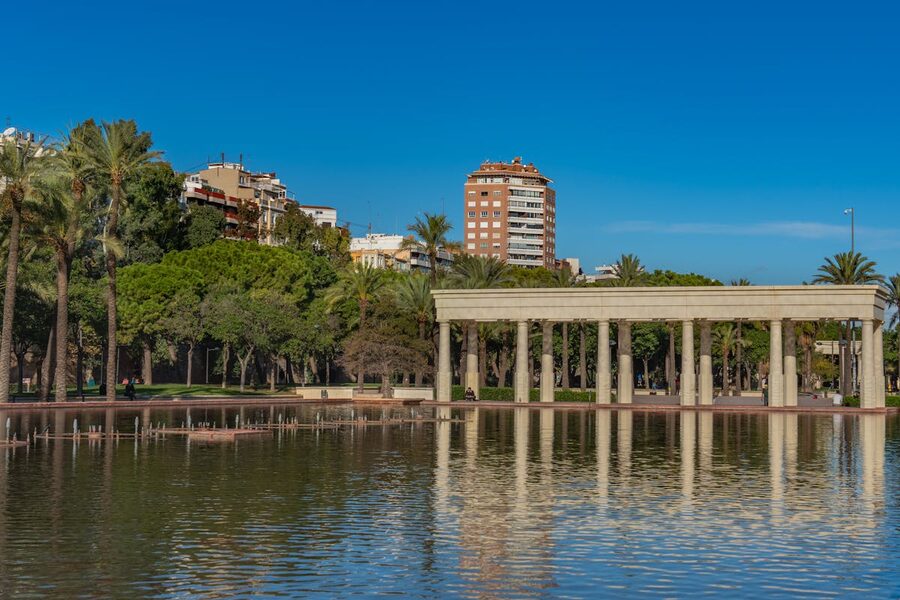
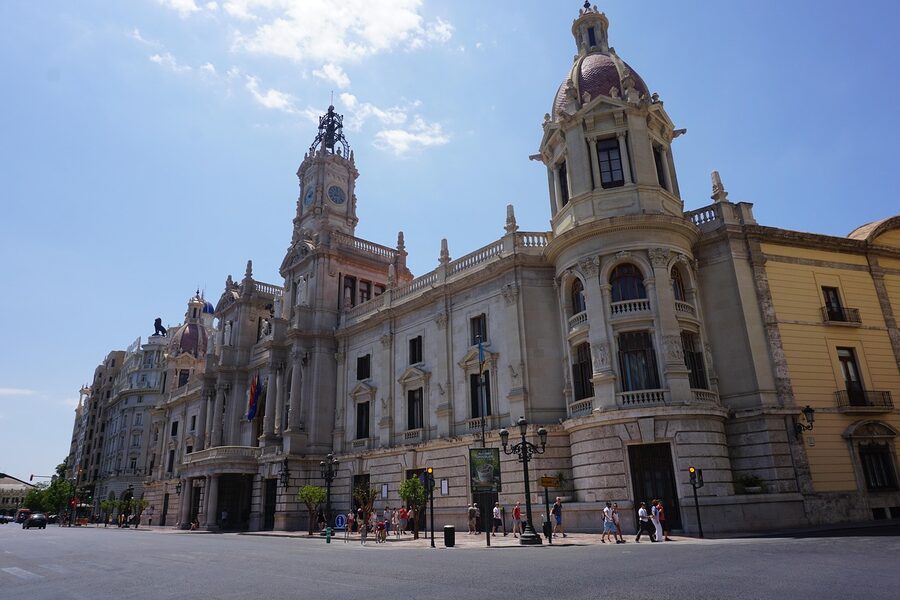
Walking: The old town is very walkable — you can cover the cathedral, Central Market, La Lonja, and Plaza del Ayuntamiento on foot in an afternoon. The Turia Gardens path connects the old town to the City of Arts, and it’s a pleasant walk (about 25-30 minutes) through what used to be the Turia River before the catastrophic 1957 floods led to its diversion.
Bikes: Valencia is extremely bike-friendly with dedicated lanes throughout the city. The bike path from the city to the beach is one of the best urban cycling routes in Spain. Valenbisi (public bike-share) costs about EUR 13 for a week, but the Tourist Card doesn’t cover it.
From the airport: Take Metro L3 or L5 from the airport into the city centre. With the Tourist Card, this ride is free. Without it, the single fare is EUR 5.80. Taxis cost about EUR 20-25. The metro takes about 25 minutes to Xativa station in the centre.
Tips That’ll Save You Time and Money
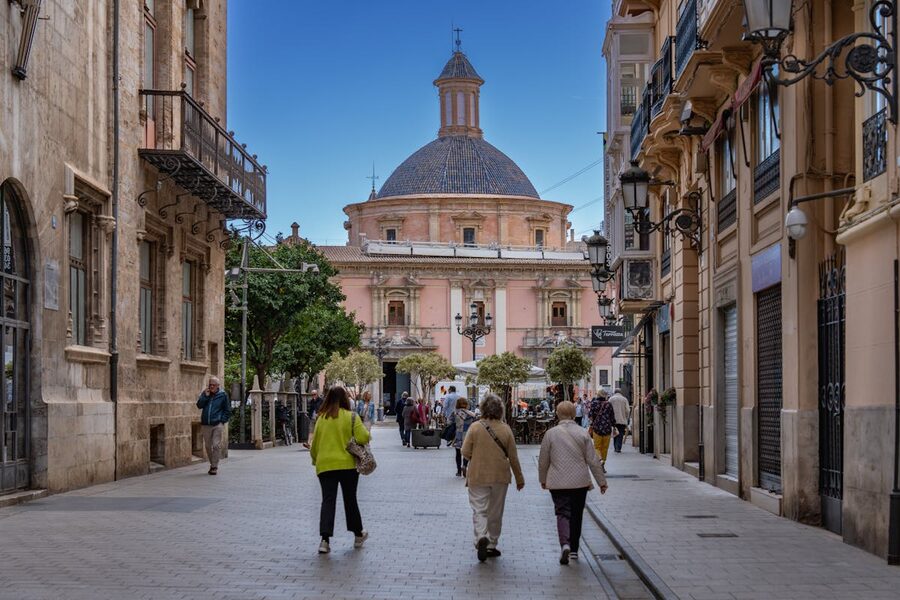
Activate at the airport. If you’re flying in, pick up and activate your Tourist Card at the airport. Your first free metro ride into the city pays for a chunk of the card immediately.
Hit the Silk Exchange (La Lonja) early. This UNESCO World Heritage Site is free with the Tourist Card and genuinely impressive — a 15th-century silk trading hall with twisted columns that look like they belong in a fantasy film. It gets crowded by 11am.
Don’t waste a card day on Monday. Most municipal museums are closed Mondays. If you have a 24-hour card, make sure it doesn’t fall on a Monday. The 48 and 72-hour cards can absorb a Monday more easily since you’ve got other days for museums.
The Cathedral’s Holy Grail. Valencia Cathedral claims to hold the actual Holy Grail — a 1st-century agate cup that the Vatican has acknowledged as having a credible claim. Entry is about EUR 9 without the card. The Miguelete tower climb (207 steps) gives you the best panoramic view of the city, and it’s included.
Central Market is free (and essential). You don’t need the Tourist Card for this — it’s free to wander. But go hungry. The Mercado Central is one of Europe’s largest fresh markets, housed in a gorgeous Modernist building. Get a fresh juice and some jamon iberico while you walk the aisles. It closes at 2:30pm, so go before lunch.
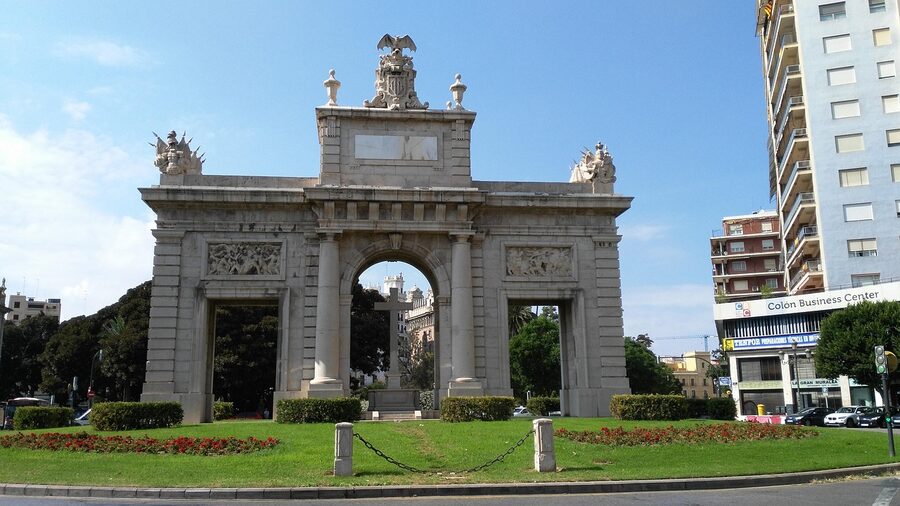
Pair with a bike tour for the Turia Gardens. The 9km Turia Gardens park (built in the old riverbed) is best experienced on two wheels. You’ll cover more ground and actually reach the City of Arts complex without arriving exhausted. The Tourist Card doesn’t cover bike rental, but the park is free.
What You’ll Actually See With the Card
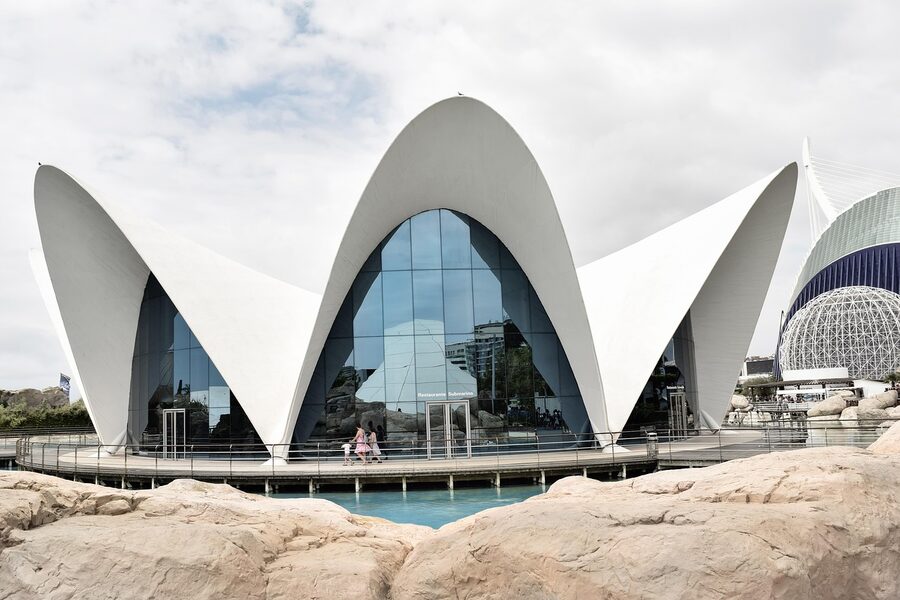
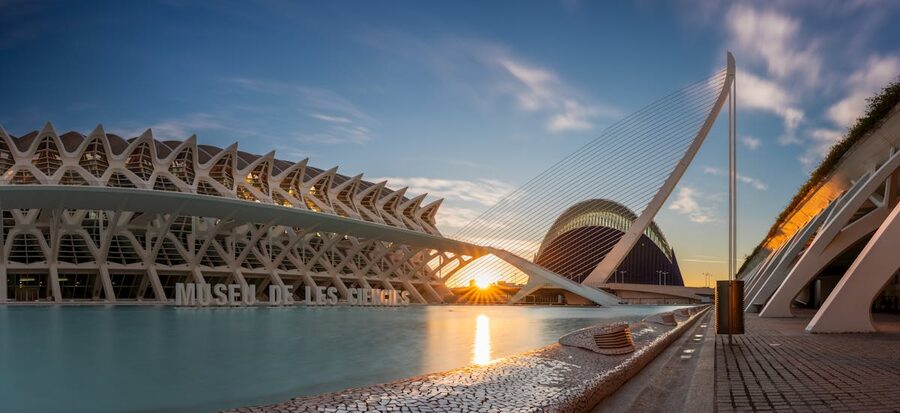
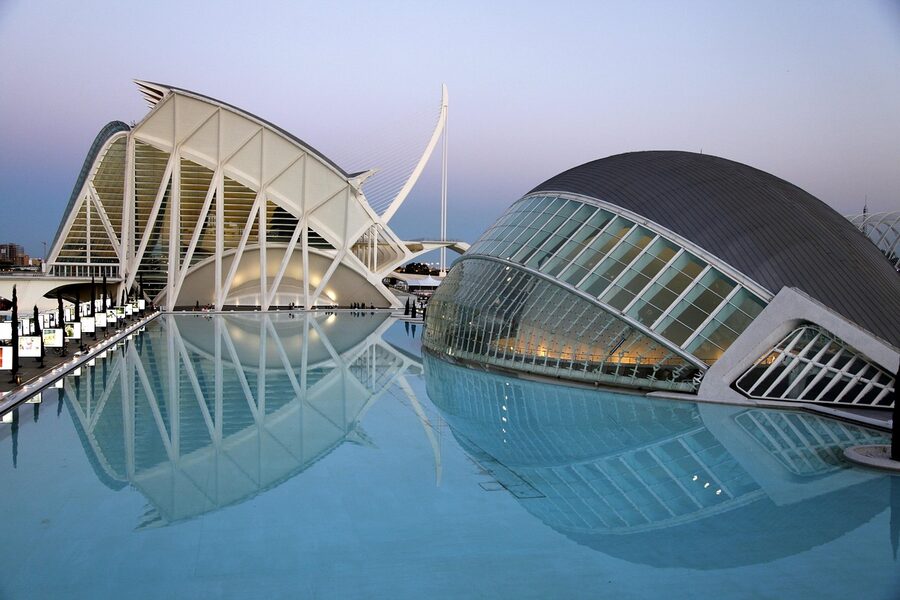
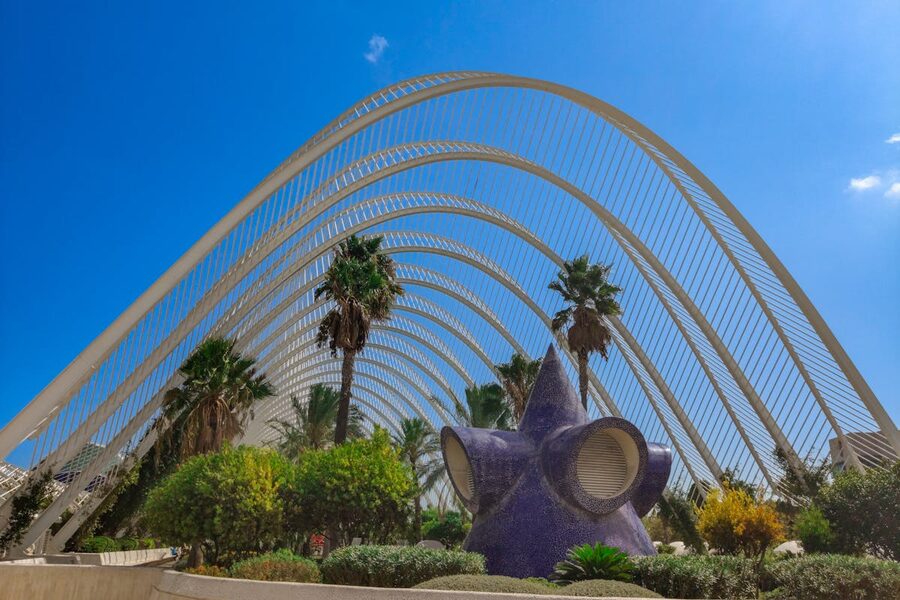
Valencia’s main draw is the City of Arts and Sciences — a complex of five futuristic buildings designed by Santiago Calatrava, a Valencian architect whose work divides opinion sharply. Some call it architectural genius. Others point out that it cost roughly three times the original budget and leaked badly when it first opened. Both things are true. It sits in the drained bed of the old Turia River, which was rerouted after floods killed 81 people in 1957.
Inside the complex, the Oceanografic is the headliner. It’s Europe’s largest aquarium by a significant margin, with belugas, sharks, dolphins, penguins, and a walk-through tropical tunnel that alone justifies the entry fee. Plan at least 3-4 hours here. The Hemisferic is an IMAX cinema inside an eye-shaped building — the films are usually nature documentaries projected onto a massive curved screen. The Science Museum (Principe Felipe) is hands-on and interactive, better for older kids and adults who like pushing buttons.

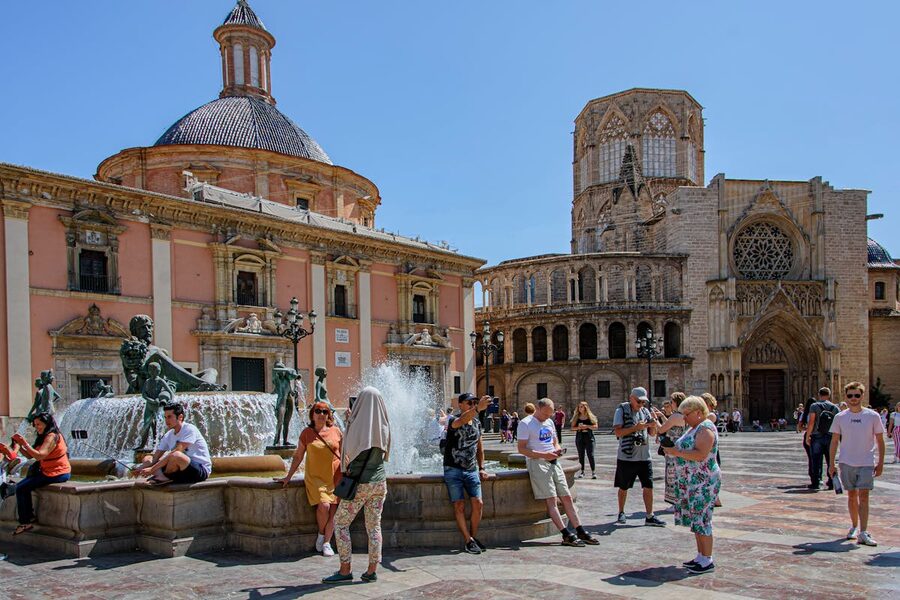
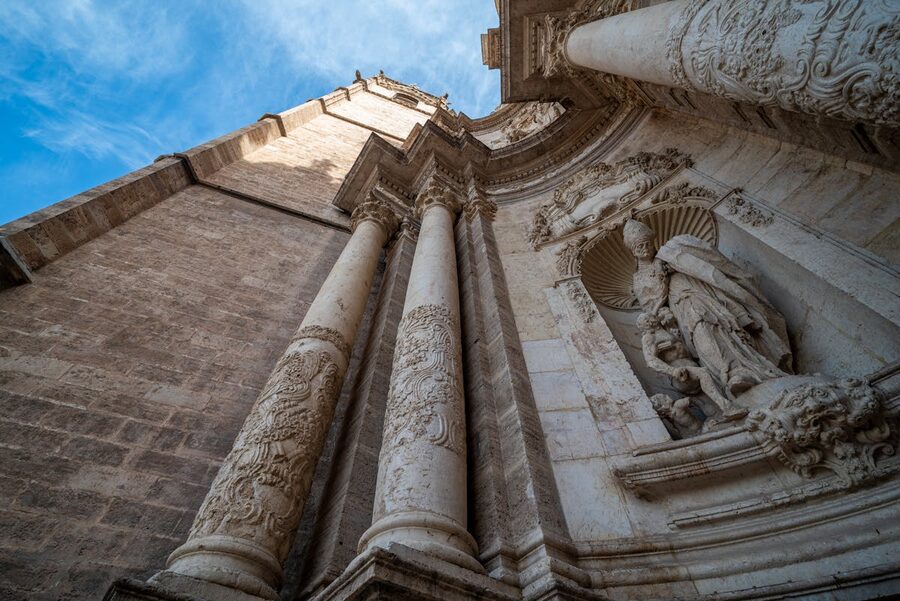
In the old town, the Tourist Card gets you into the Ceramics Museum (housed in the Marques de Dos Aguas palace, whose Baroque facade is almost absurdly ornate), the Silk Museum (inside the 15th-century Silk Exchange building), and Valencia Cathedral with its famous Miguelete tower. The cathedral is genuinely interesting — it’s got Romanesque, Gothic, and Baroque elements all smashed together, plus the alleged Holy Grail in a chapel off the nave.
For something different, the Bioparc (discounted with the Tourist Card) is a barrier-free zoo where the animals aren’t behind obvious fences. It’s on the western end of the Turia Gardens — combine it with a morning walk through the park.
More Valencia Guides
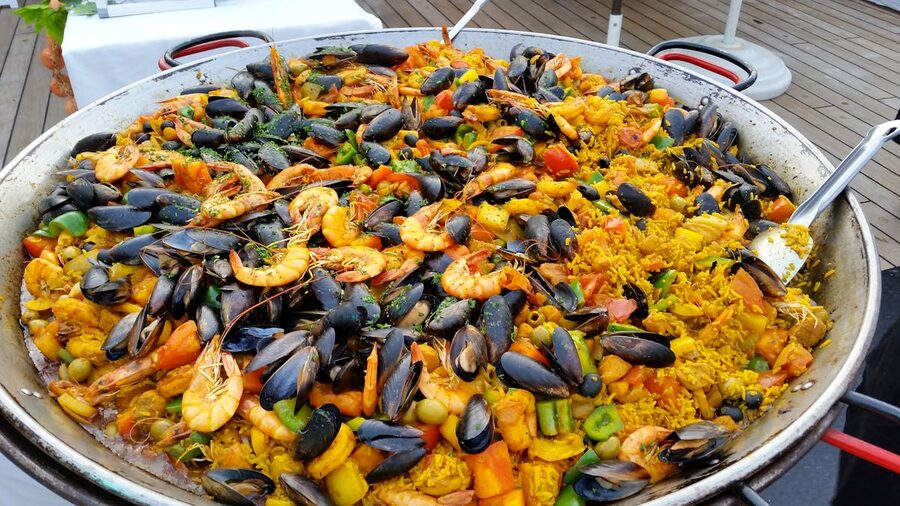
If you’re spending more than a couple of days in Valencia, there’s a lot beyond the Tourist Card attractions. A boat tour through the port and along the coast gives you a different perspective on the city, especially at sunset. The food tour scene is excellent — Valencia is the birthplace of paella, and the rivalry with Barcelona over who makes it better is genuinely heated. For a more active day, the bike route from the city centre to the beach runs through the Turia Gardens and takes about 45 minutes at a relaxed pace. And if you want to get on the water, the Mundo Marino catamaran does sunset sails that are hard to beat for the price.
This article contains affiliate links. If you book through our links, we may earn a small commission at no extra cost to you. This helps us keep creating free travel guides.