
The bookcase swings open and there’s a set of stairs behind it. Steep, narrow stairs — the kind where you have to turn sideways. And then it hits you. Eight people hid behind this bookcase for over two years. Every creak on those floorboards could have been the end.
The Anne Frank House isn’t like other museums. There’s no gift shop at the entrance trying to sell you a tote bag. No audio guide telling you where to stand. It’s just the building, the rooms, and the weight of what happened there.
But getting tickets? That’s where most people’s plans fall apart.
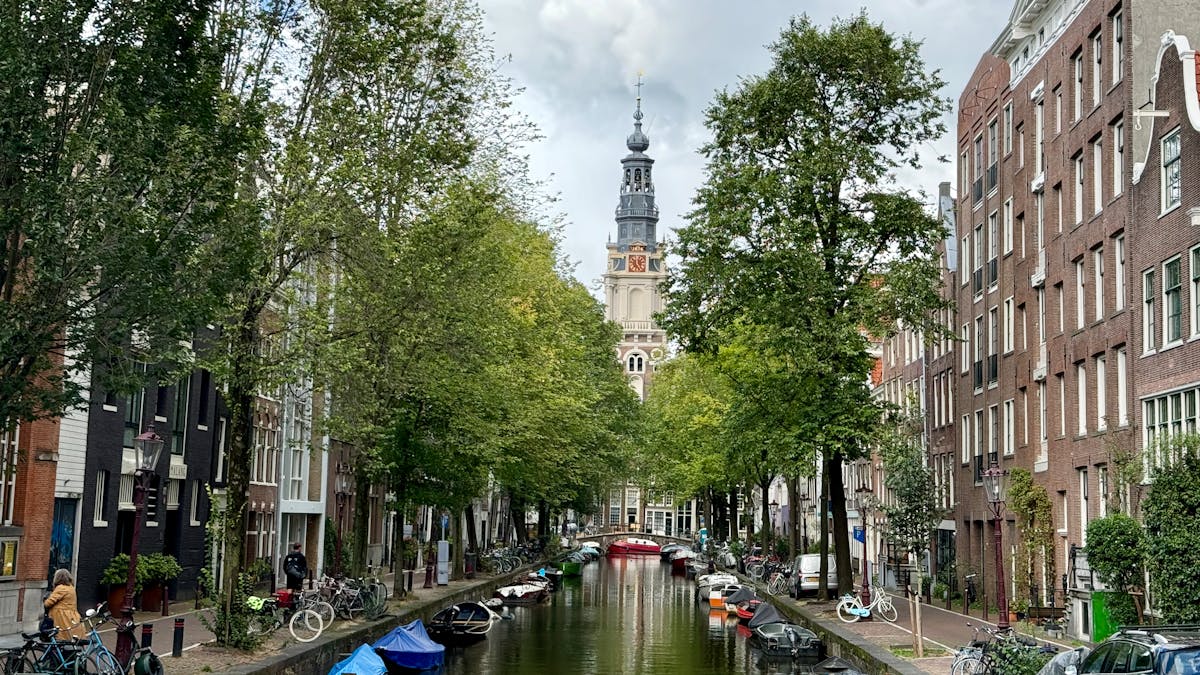
Best walking tour: Anne Frank & Jewish Quarter Walking Tour — $39. Two hours through the Jordaan and Jewish Quarter with a seriously knowledgeable guide. The most popular option for a reason.
Best budget option: The Fascinating Story of Anne Frank — $27. Covers the key sites with solid storytelling. Great value if you don’t need the extended Jewish Quarter segment.
Most unique: Anne Frank’s Last Walk + VR Experience — $43. Includes a virtual reality walkthrough of the Secret Annex with original furnishings reconstructed digitally. Nothing else like it.
- How the Official Ticket System Works
- What If Official Tickets Are Sold Out
- The Best Anne Frank Walking Tours
- 1. Anne Frank & Jewish Quarter Walking Tour —
- 2. The Fascinating Story of Anne Frank —
- 3. Anne Frank’s Last Walk + Virtual Reality —
- 4. Private Anne Frank & Jewish Quarter Tour — 7
- When to Visit
- How to Get There
- Tips That Will Save You Time
- What You’ll Actually See Inside
- More Amsterdam Guides
How the Official Ticket System Works
Here’s the thing nobody tells you until it’s too late: you cannot buy Anne Frank House tickets at the door. There is no ticket window. No standby line. No “maybe if I show up early enough” option. Every single ticket is sold online, and they sell out fast.
The system works like this. Every Tuesday at 10:00 AM Central European time, the museum releases all available tickets for a date six weeks out. So on a Tuesday in early March, you’d be buying tickets for a mid-April visit. That’s it. One release per week, one shot at the date you want.
You book a specific date and a specific 30-minute entry window. Miss your slot and you’re out of luck — they’re strict about timing. The museum itself takes about an hour to walk through, sometimes longer depending on how crowded it is.
Prices as of 2026:
- Adults: EUR 16.50 (includes EUR 1 booking fee)
- Ages 10-17: EUR 7
- Under 10: EUR 1 (booking fee only)
- Museumkaart holders: EUR 1
There’s also an option for a 30-minute introductory program in English before your visit, which adds context to what you’re about to see. Worth considering if this is your first time learning about Anne Frank’s story in depth. Student cards and I amsterdam City Cards don’t get you a discount here, so don’t count on those.
What If Official Tickets Are Sold Out
They will be. For most dates, every ticket is gone within minutes of the Tuesday release. If you missed the window, you have two realistic options.
Option 1: Try again next Tuesday. Set an alarm for 9:55 AM CET. Have the ticket page loaded and ready. Don’t wait to pick the “perfect” time slot — grab whatever shows as available first. You can always adjust your day around it. The morning and late afternoon slots go fastest, so if you’re flexible on timing, the midday slots sometimes linger a few minutes longer.
Option 2: Book a guided walking tour. This is what most people end up doing, and honestly it’s often the better experience anyway. The tours don’t go inside the Anne Frank House itself (no tour operator has indoor access), but they take you through the neighborhood, past the building, through the Jewish Quarter, and fill in the historical context that makes the whole story land harder.
The walking tours are also available last-minute, which is a big deal if you’re the kind of traveler who doesn’t plan six weeks ahead. And several of them are genuinely excellent — led by guides who specialize in WWII Amsterdam history and know details that no audio guide covers.
The Best Anne Frank Walking Tours
I’ve gone through every Anne Frank tour available in Amsterdam and narrowed it down to four that are worth your time. Each one takes a different angle, so the right pick depends on what you’re after.
1. Anne Frank & Jewish Quarter Walking Tour — $39
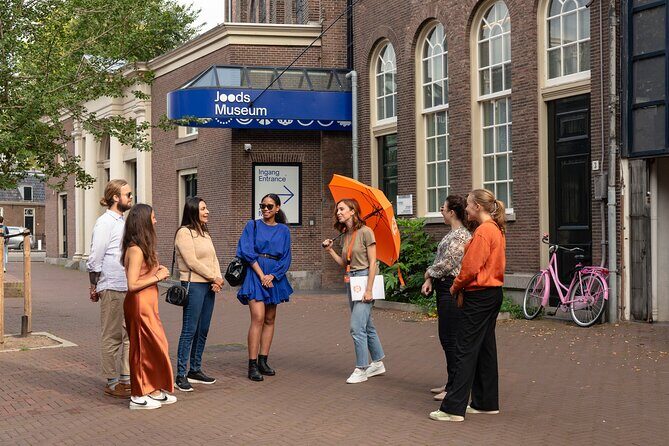
This is the one I’d pick if you’re only doing one Anne Frank activity in Amsterdam. Two hours, small group, and covers both the Anne Frank story and the broader Jewish history of the city. You’ll walk past the Anne Frank House, through the Jordaan where the resistance operated, and into the old Jewish Quarter on the other side of town.
The guides on this tour tend to be exceptionally well-versed in the material. At $39 per person for a two-hour tour with a specialist guide, the price is fair. It’s the most booked Anne Frank tour in Amsterdam by a wide margin, and the consistent feedback says it lives up to that reputation.
2. The Fascinating Story of Anne Frank — $27
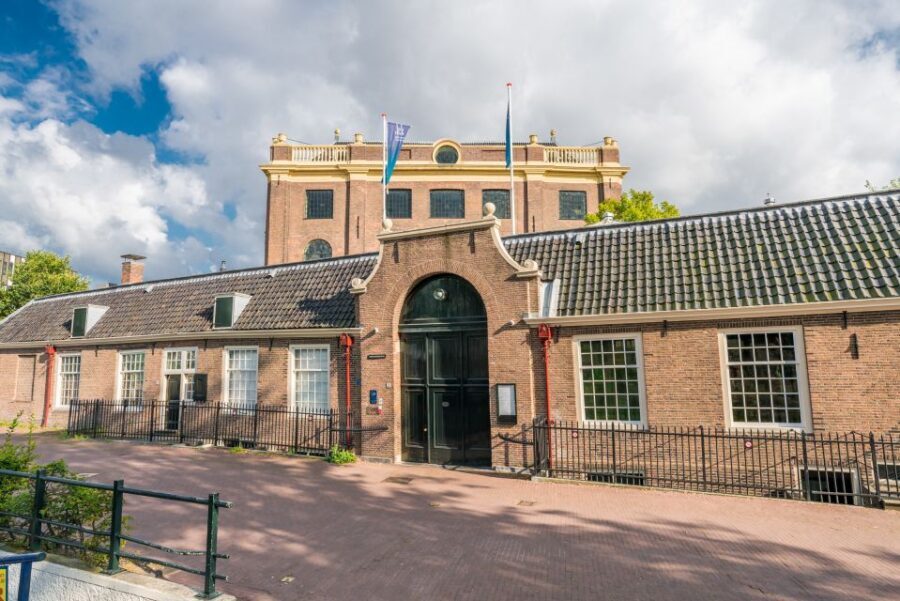
If you want the core Anne Frank experience without the extended Jewish Quarter portion, this is the one. It focuses tightly on Anne’s story — the hiding place, the betrayal, the diary — and takes you through the streets where it all happened. Less walking than the first option, which is a plus if you’ve already been on your feet all day.
At $27 per person, it’s the most affordable guided option and still covers all the essential ground. The guides are engaging storytellers, and you’ll come away with a much deeper understanding of what daily life looked like in occupied Amsterdam. Good pick if you’re traveling on a budget or have limited time.
3. Anne Frank’s Last Walk + Virtual Reality — $43

This is the unusual one, and it’s brilliant. The tour follows the walking route of Anne’s last journey through Amsterdam, combined with a virtual reality experience that recreates the Secret Annex as it looked when the Frank family lived there. The VR headset lets you “walk through” the rooms with the original furniture, the blackout curtains, the marks on the wall where Otto Frank tracked the children’s heights.
At $43 per person for 2.5 hours, it’s the priciest of the group tours but the VR element genuinely adds something no other tour offers. If you couldn’t get tickets to the actual museum, this is the next best thing for seeing what the hiding place looked like. The walking portion itself is solid too — well-paced and emotionally honest.
4. Private Anne Frank & Jewish Quarter Tour — $157
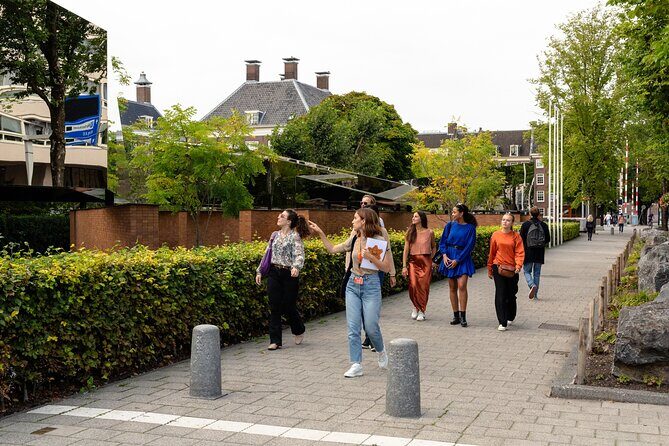
For families or small groups who want the guide entirely to themselves, this is the premium option. Two hours, just your group, and the guide adjusts the route and depth based on what interests you most. Some people want more about the resistance movement, others want to focus on the Jewish Quarter’s pre-war culture. Private means you get to choose.
At $157 per person, it’s not cheap. But split between four or five people in a family, it becomes more reasonable. The guides who run the private tours are typically the most experienced on the roster, and the feedback consistently highlights how personal and tailored the experience feels compared to the group options.
When to Visit
The Anne Frank House is open daily, though hours shift by season. Generally 9:00 AM to 10:00 PM, with extended hours in summer and shorter windows in winter. The last entry is usually 30 minutes before closing.
For the quietest experience, aim for a weekday evening slot. The last time slots of the day — around 7:00 or 8:00 PM — tend to be the least crowded. You’ll have more room to read the displays, fewer people on the steep stairs, and a more reflective atmosphere overall. Saturday mornings are the worst. Avoid those if you can.
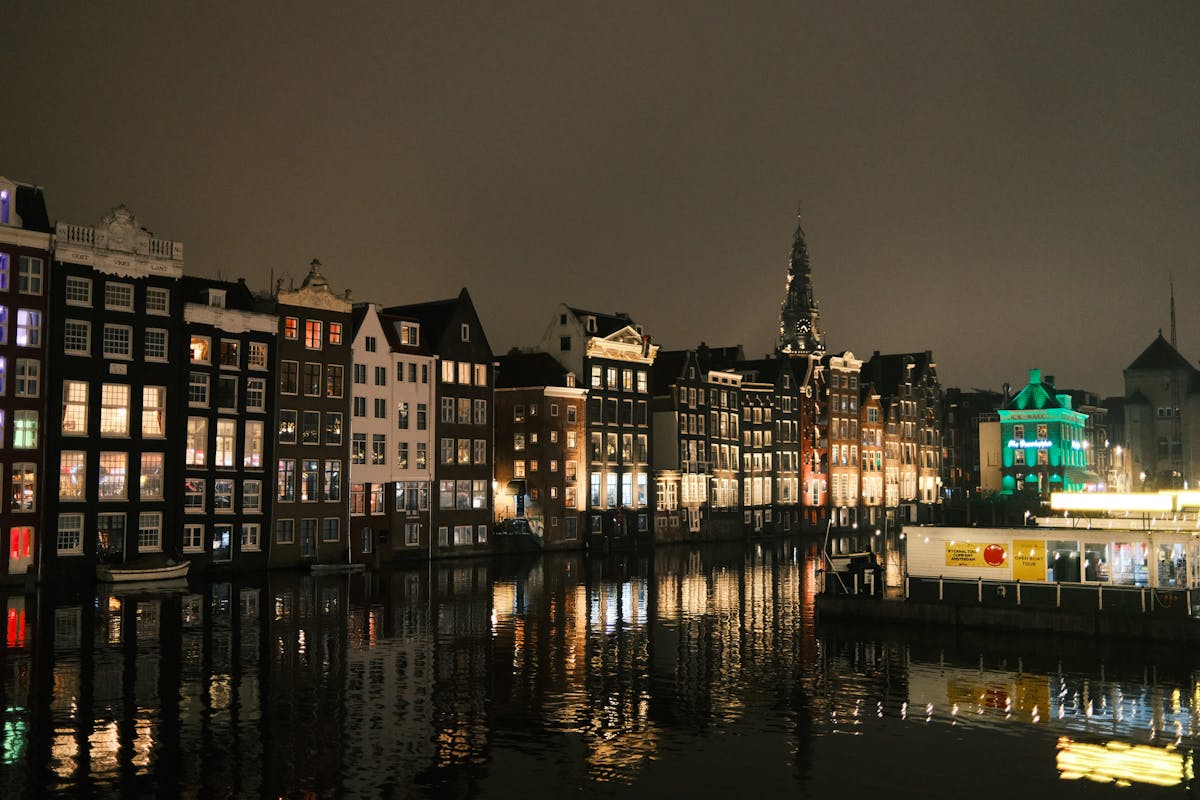
Season-wise, late autumn and winter see the shortest queues. March through September is peak tourist season in Amsterdam, and the Anne Frank House is one of the city’s most visited sites. But since everything is timed entry, “crowded” at the museum really just means a denser flow through the rooms — you’ll still get through.
How to Get There
The museum entrance is at Westermarkt 20 — not on the Prinsengracht canal side where the building is most recognizable, but around the corner by the Westerkerk church. It’s a detail that trips up a surprising number of first-time visitors.
From Amsterdam Centraal Station, it’s about a 20-minute walk heading southwest through the Jordaan. The walk itself is pleasant — canals, bridges, narrow streets lined with cafes. If walking isn’t your thing, trams 13, 17, and 19 stop at Westermarkt, which is literally right outside the entrance.
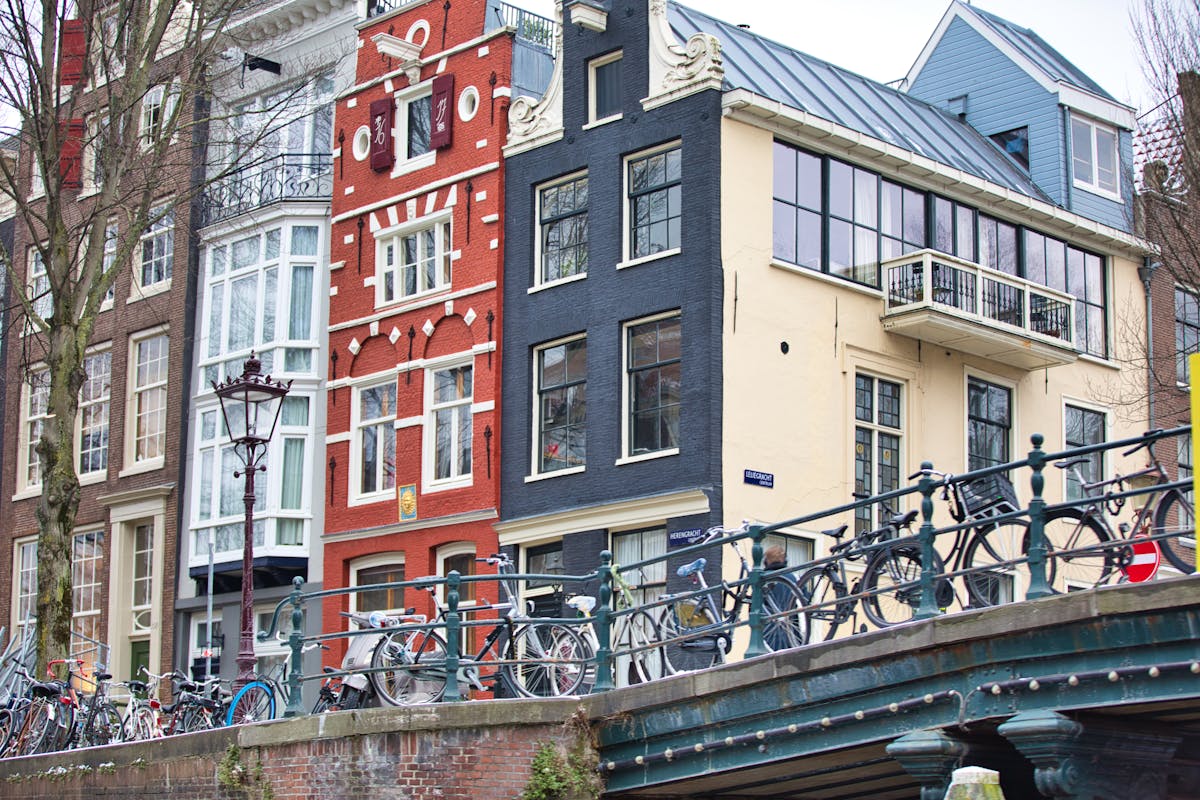
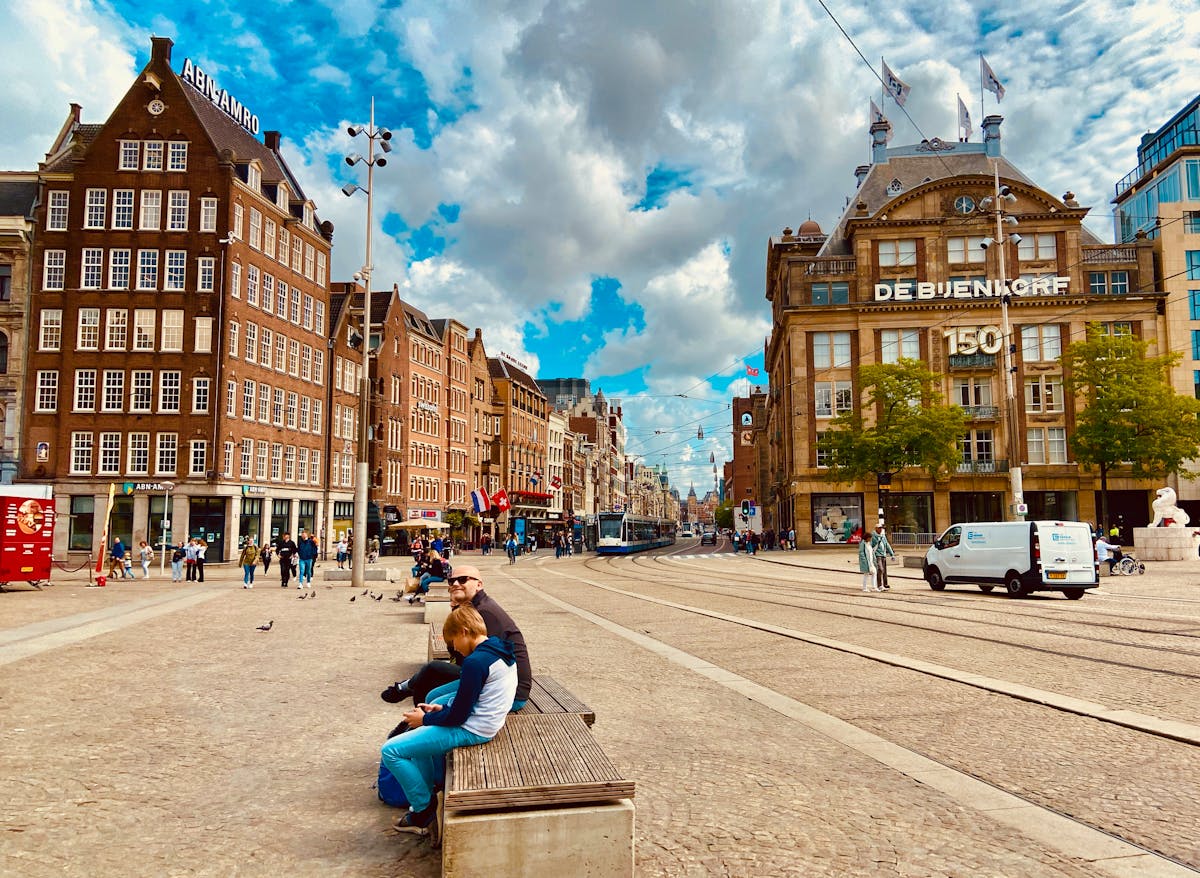
From Dam Square, it’s a 10-minute walk west. Just head down Raadhuisstraat toward the Westerkerk tower — you can see it from the square. Note that tram service runs to Dam Square from various points in the city, but due to construction work running through 2028, some routes may be diverted. Check the GVB app for real-time updates on your visit day.
There’s no dedicated parking near the museum. If you’re driving, the nearest garages are Parking Centrum Westerdok (10-minute walk) and P+R locations at the city edges. Honestly, don’t drive into central Amsterdam unless you have to. The public transport is excellent and the one-way streets will make you question every life choice.
Tips That Will Save You Time
Set a Tuesday alarm. Tickets go on sale at 10:00 AM CET every Tuesday for visits six weeks out. Be on the site at 9:55. Have your payment method ready. Don’t browse time slots — grab the first one that appears and adjust your day plan around it.
Bag policy is strict. Only bags smaller than A4 paper size are allowed inside. Leave your daypack at the hotel or use the cloakroom for coats. Trying to get through with a backpack will mean a trip to the cloakroom and wasted minutes of your time slot.
No photos inside. Photography and filming are not permitted anywhere in the museum. And yes, that includes smart glasses. Just be present for this one.
Minimum age is 10. Kids under 10 are not admitted. The museum’s position is that the content is too intense for younger children, and honestly they’re right. If you’re traveling with small children, have a plan for childcare during the visit.
Budget more time than you think. The museum says visits average about an hour. I’d plan for 90 minutes to be safe. The rooms are small and you’ll want to read the displays, not rush past them. The annexed rooms at the top are particularly powerful, and you won’t want to be watching the clock.
The stairs are no joke. The building has many flights of steep, narrow stairs — including the famous ones behind the bookcase. If you have mobility issues, this is worth knowing in advance. The museum has some accessibility provisions, but the historical building itself is inherently difficult to navigate.
The audio tour is included. Available in nine languages, it adds a personal layer to the visit. There’s a separate version designed for younger visitors called “Anne’s Story.” Both are worth using.
The cafe and shop are inside. You can only access the museum cafe and bookshop by going through the museum — there’s no separate entrance. Both are card payment only. The bookshop has a solid selection of Anne Frank’s diary in various editions if you want to pick one up on the way out.
What You’ll Actually See Inside
The museum takes you through the building at Prinsengracht 263 where Anne Frank and seven others hid from July 1942 until their arrest in August 1944. Otto Frank’s business — Opekta, a company that sold pectin for making jam — occupied the front of the building. Behind it, concealed by a bookcase built into the wall, was the Secret Annex.
You’ll walk through the offices first, where the employees who helped hide the families worked. Then through the bookcase entrance and up into the annex itself. The rooms are empty now — Otto Frank requested the furnishings not be replaced when the museum opened in 1960 — but the walls still have the original decorations. Magazine cutouts Anne pasted up are still there. So are the height marks on the wall where Otto tracked the children growing.

The final rooms display pages from Anne’s diary — the actual diary, not reproductions — along with documents about the arrest, the deportation to Westerbork and then to Bergen-Belsen, and what happened to each of the eight people who hid in the annex. Only Otto survived.
It ends with a space for reflection. No dramatic music, no guided conclusion. Just a quiet room where you can sit and think about what you just walked through.
More Amsterdam Guides
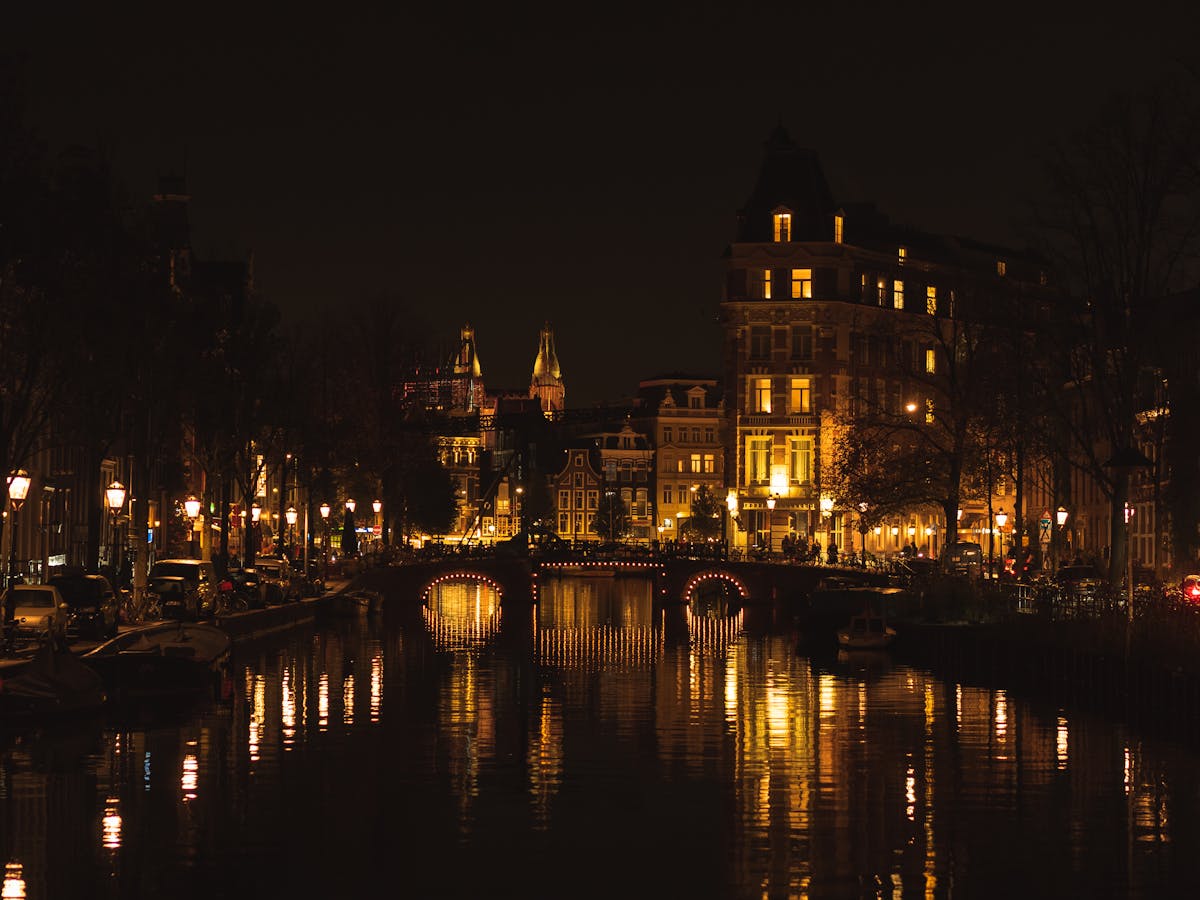
If you’re spending a few days in Amsterdam, a canal cruise is one of those things that sounds touristy but is actually worth every minute — especially in the evening when the bridge lights come on. The Van Gogh Museum is about a 25-minute walk south from the Anne Frank House and has its own ticket headaches, so plan that one early too. And if you want something completely different after a heavy day, the Heineken Experience is loud, silly, and fun in exactly the way you need after an emotionally intense museum visit. The Rijksmuseum and Vondelpark are both in the same southern cluster if you want to make a full day of it.
This article contains affiliate links. If you book a tour through our links, we earn a small commission at no extra cost to you. This helps us keep producing these guides.
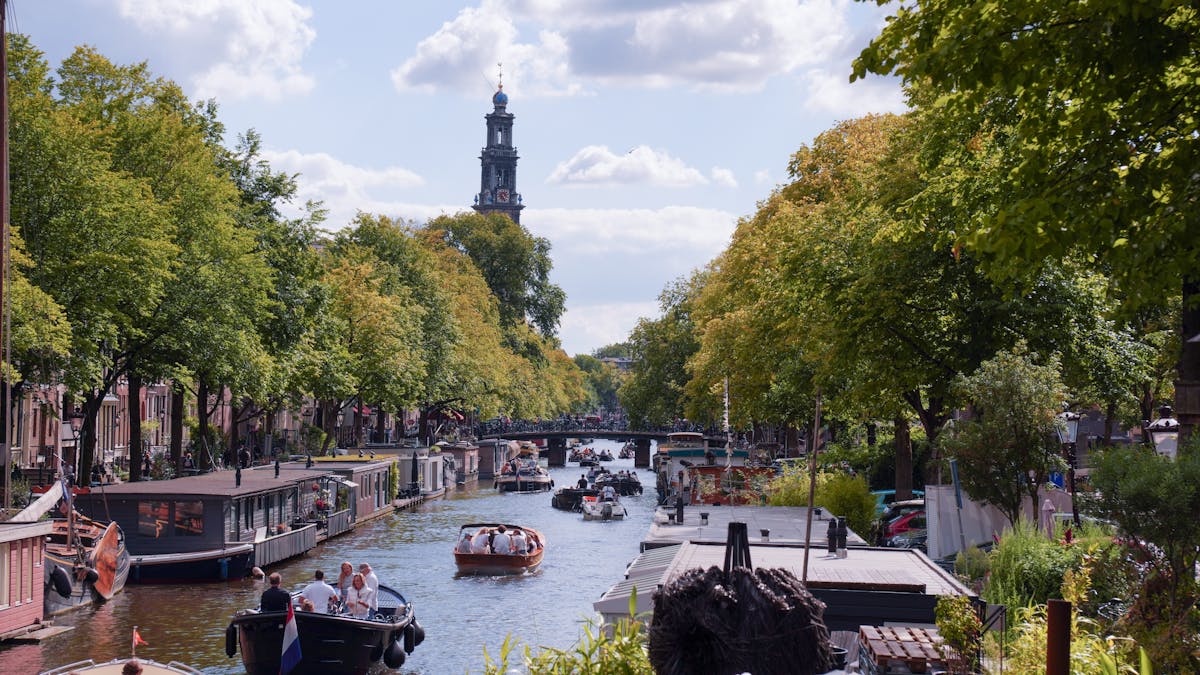
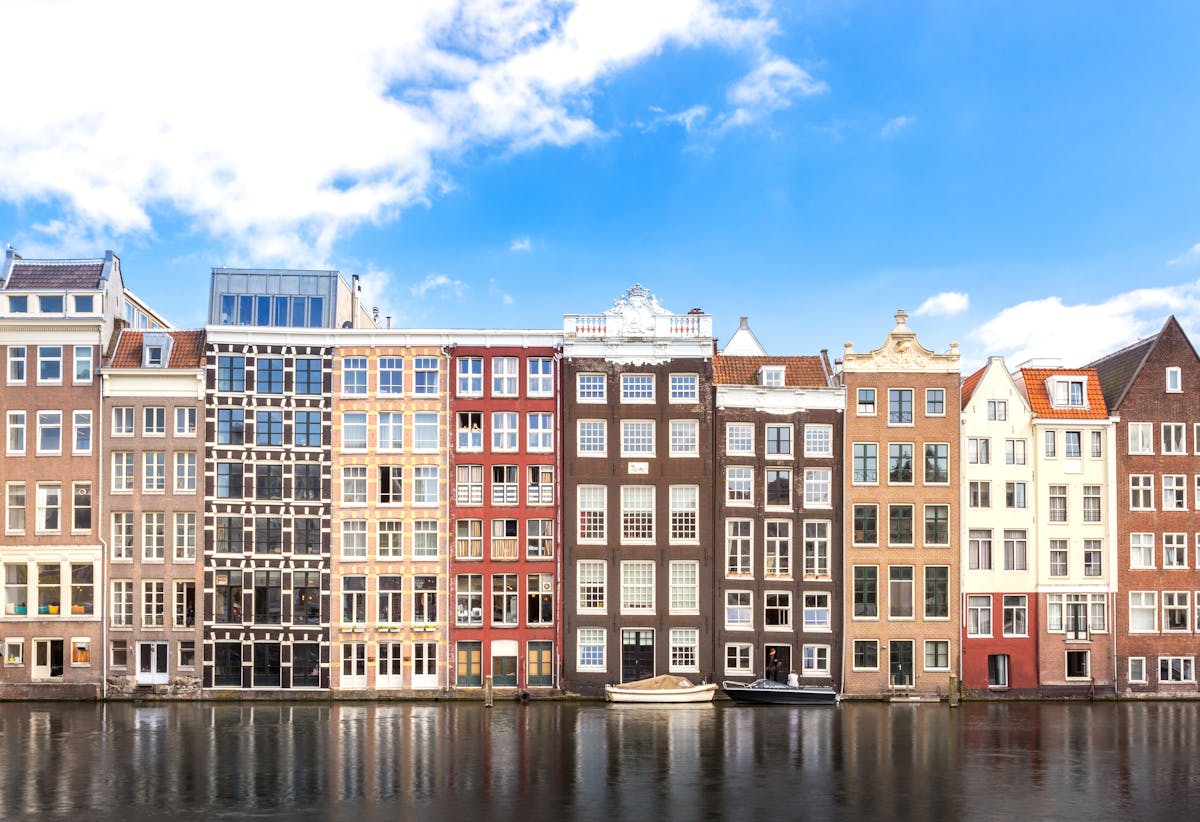
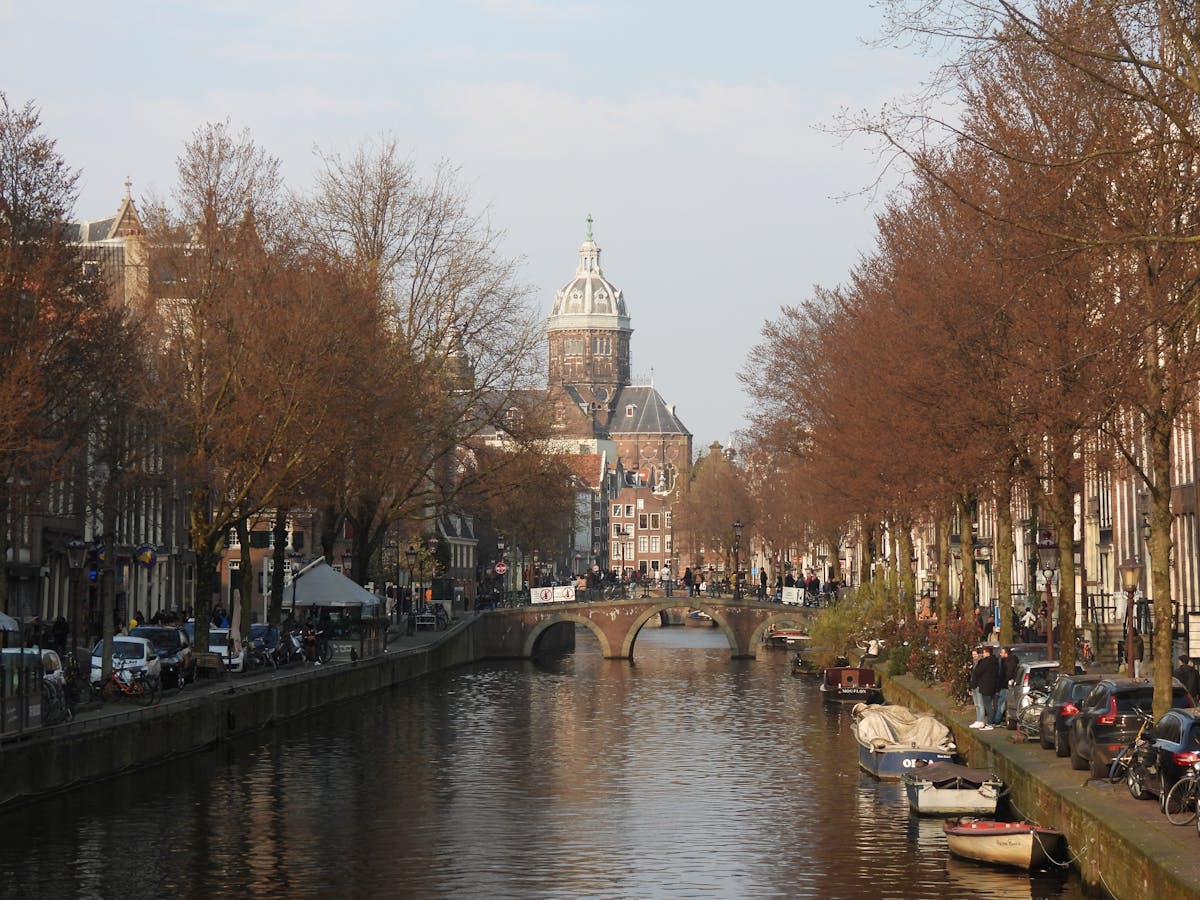
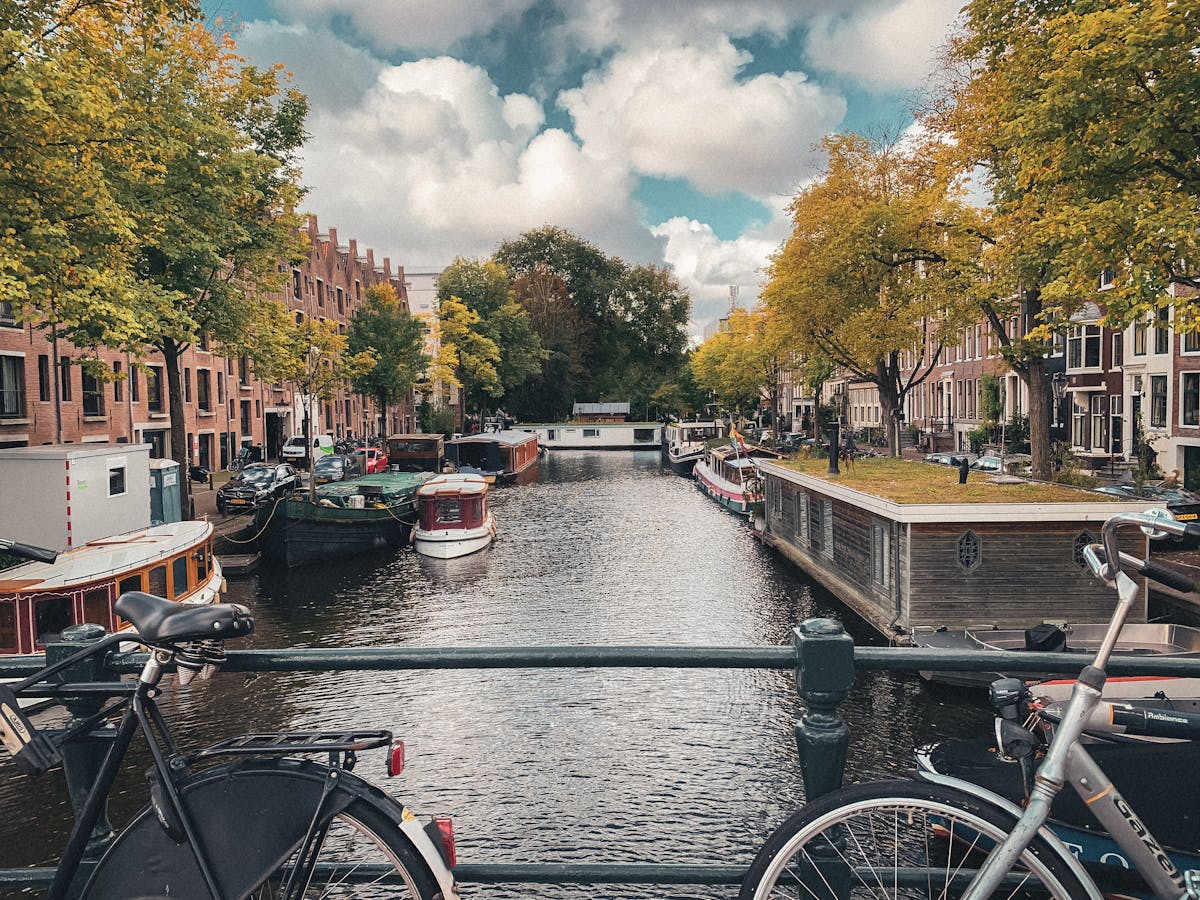
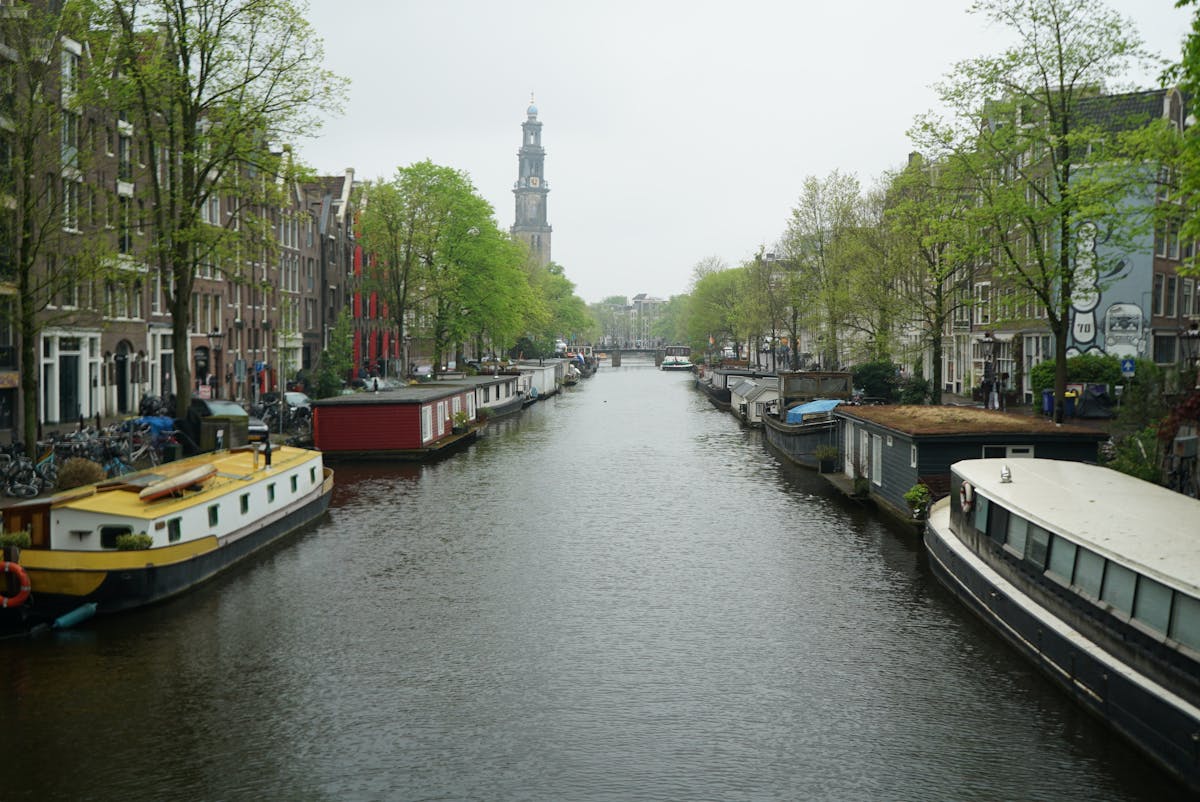
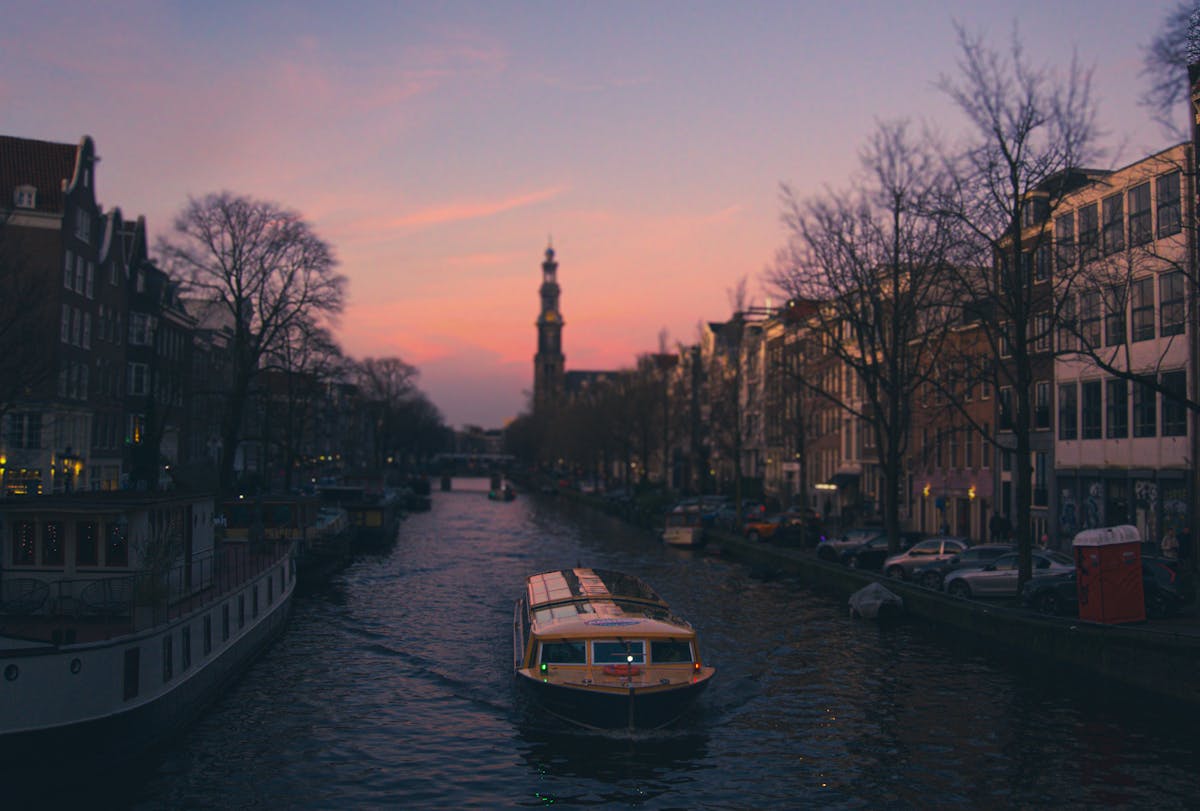
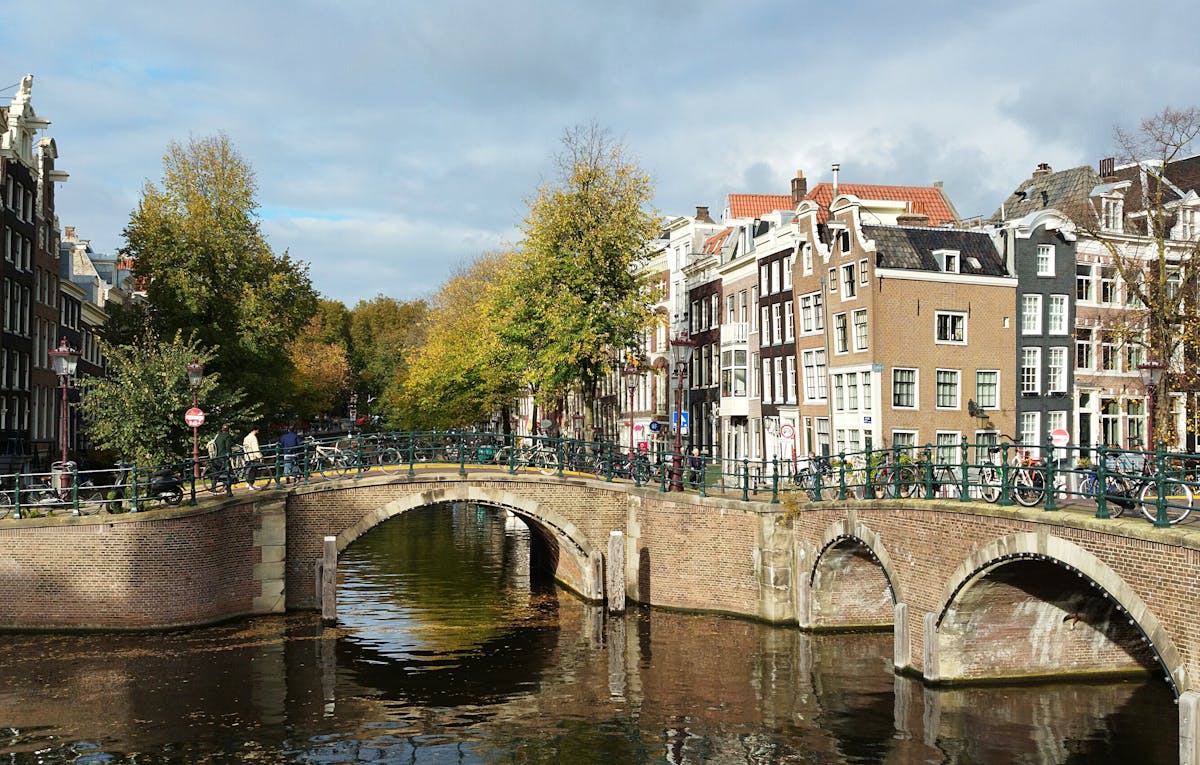
The Anne Frank House sits on the Prinsengracht, one of the main canals threading through the Jordaan neighborhood. A canal cruise after your visit puts you right on the same waterway, and the shift from the cramped annex to open sky is something most visitors appreciate. The walking tours that cover the Jordaan usually include the Anne Frank House as a stop, and the guides add context about wartime Amsterdam that the museum itself only touches on.
For a very different side of the city, the Moco Museum on Museumplein has Banksy pieces that deal with war and power in ways that echo what you just experienced. The Rijksmuseum and Van Gogh Museum are both a twenty-minute walk south through the canal ring, and filling your afternoon with art after a morning at the Anne Frank House is one of the better rhythms for a day in Amsterdam.