
The Antikythera Mechanism sat behind glass, roughly the size of a shoebox, corroded green from two thousand years on the ocean floor. I almost walked right past it. There was no spotlight, no rope barrier, no crowd of selfie-takers. Just a small plaque explaining that this crumbling lump of bronze gears is the oldest known analog computer on earth, built sometime around 100 BC to track celestial movements, and recovered from a Roman-era shipwreck off a tiny Greek island.
That’s the National Archaeological Museum in Athens for you. The most important artifacts aren’t always the most obvious ones.
I’ve been to this museum three times now, and I still haven’t seen everything. With over 11,000 exhibits spread across five permanent collections, it’s the kind of place where you turn a corner expecting another row of marble heads and instead find yourself face-to-face with the golden Mask of Agamemnon or a 2-meter bronze of Poseidon mid-throw. Here’s how to get tickets without the headaches I dealt with on my first visit.
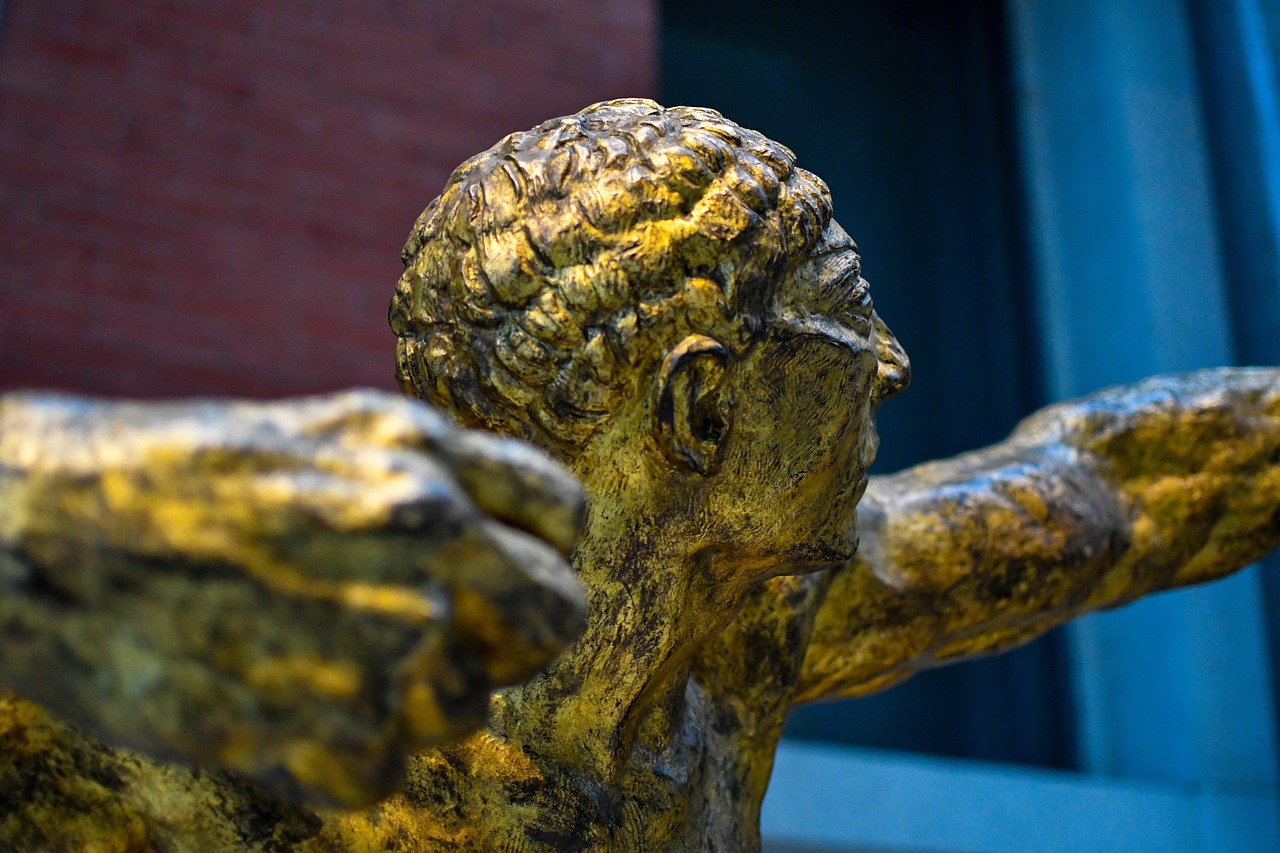
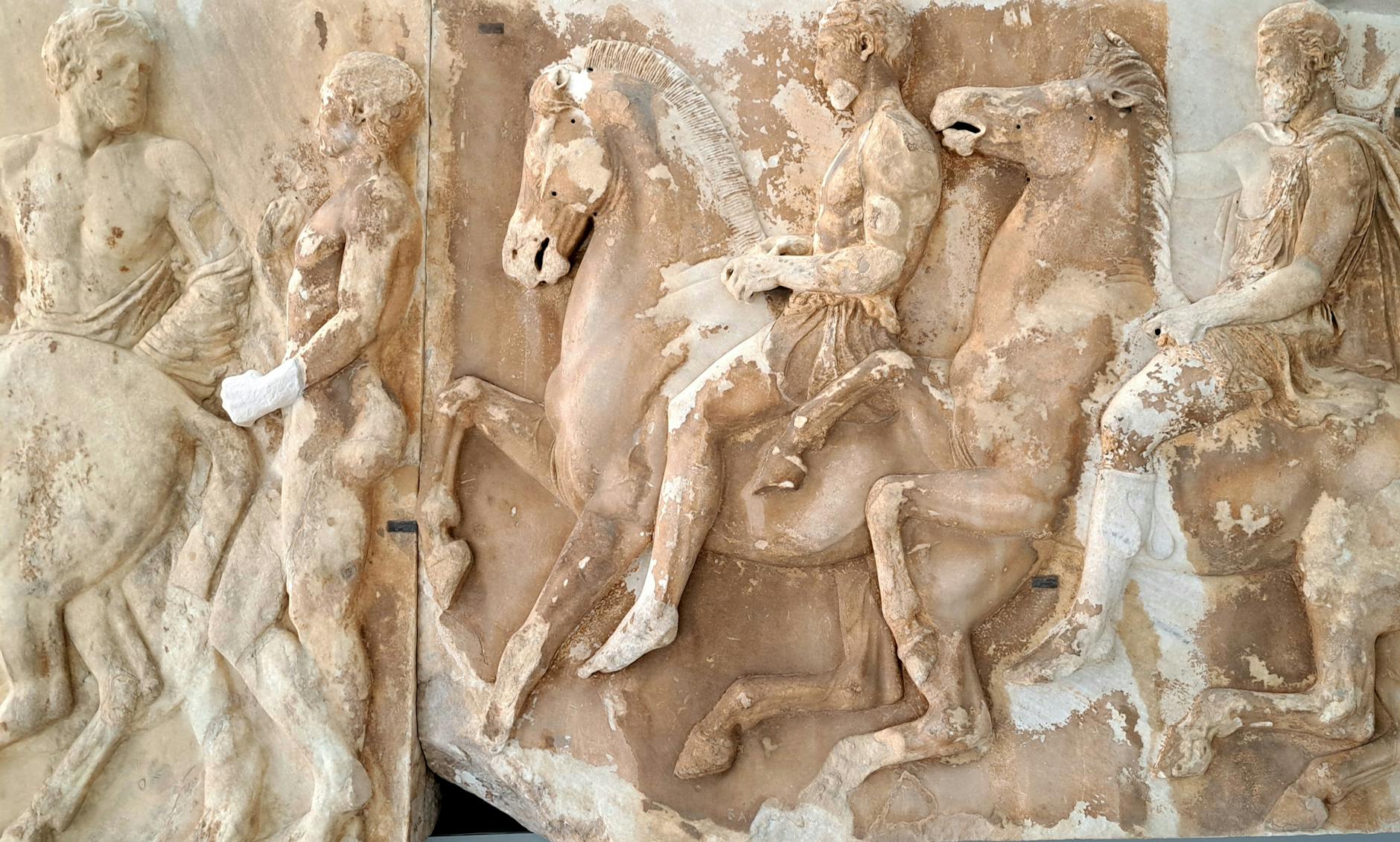
Best value: National Archaeological Museum Ticket with Optional Audio — $30. Skip-the-line entry plus an audio guide app that actually explains what you’re looking at. The smart pick for most visitors.
Best for deep learning: Private Tour with Licensed Expert Guide — $188. A licensed archaeologist walks you through the highlights in two hours. Worth every cent if you want the stories behind the artifacts.
Best budget: Basic Museum Ticket — $21. Simple entry ticket with self-guided audio. No frills, no fuss.
- How the Official Ticket System Works
- Official Tickets vs. Guided Tours
- The Best National Archaeological Museum Tours
- 1. National Archaeological Museum Ticket with Optional Audio —
- 2. Private Tour with Licensed Expert Guide — 8
- 3. Basic Museum Ticket —
- When to Visit
- How to Get There
- Tips That Will Save You Time
- What You’ll Actually See Inside
- More Athens Guides
- More Greece Guides
How the Official Ticket System Works
The National Archaeological Museum sells tickets through the Greek government’s official e-ticketing platform at hhticket.gr. It’s a straightforward system, but there are a few quirks worth knowing about before you pull out your credit card.
Standard adult admission costs EUR 12 during the regular season (April through October) and drops to EUR 6 in winter (November through March). If you’re an EU citizen aged 18 to 25, you’ll pay a reduced rate of EUR 6 year-round. Under 18? Free entry regardless of nationality. There are also free admission days scattered throughout the year, typically the first Sunday of each month during the November-March off-season and a handful of national holidays like March 6th and October 28th.

The online ticketing system lets you pick a specific entry time slot, and I’d strongly recommend booking in advance during peak season. The museum doesn’t have the crushing crowds of the Acropolis, but the ticket desk queue can still eat 20-30 minutes of your morning if you show up without a reservation. Online tickets also include the option to add a multimedia audio guide for an extra fee, which I’ll get into below.
Important detail: your online ticket is valid for 12 hours from the time slot you select, so there’s no pressure to rush through. I’ve seen people buy a morning ticket, explore for two hours, grab lunch in Exarchia around the corner, and come back for the Egyptian collection in the afternoon.
Official Tickets vs. Guided Tours
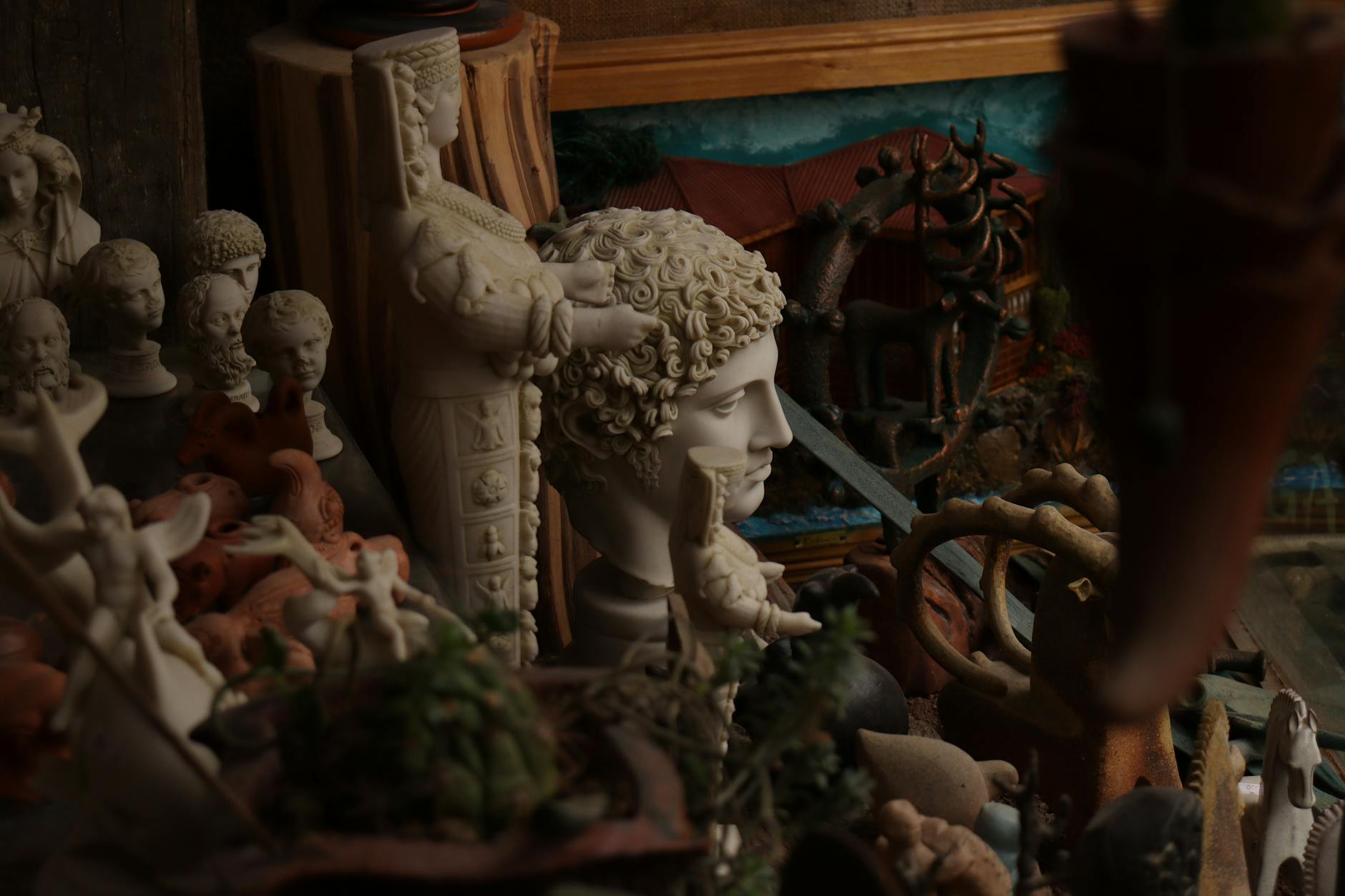
This is a museum where context matters more than almost anywhere else in Athens. The Acropolis speaks for itself — you can see the Parthenon and feel its weight without anyone explaining it. But a 3,500-year-old Mycenaean funeral mask in a glass case? Without context, it’s just gold metal shaped like a face. With context, it’s the moment Heinrich Schliemann believed he’d gazed upon the face of Agamemnon himself.
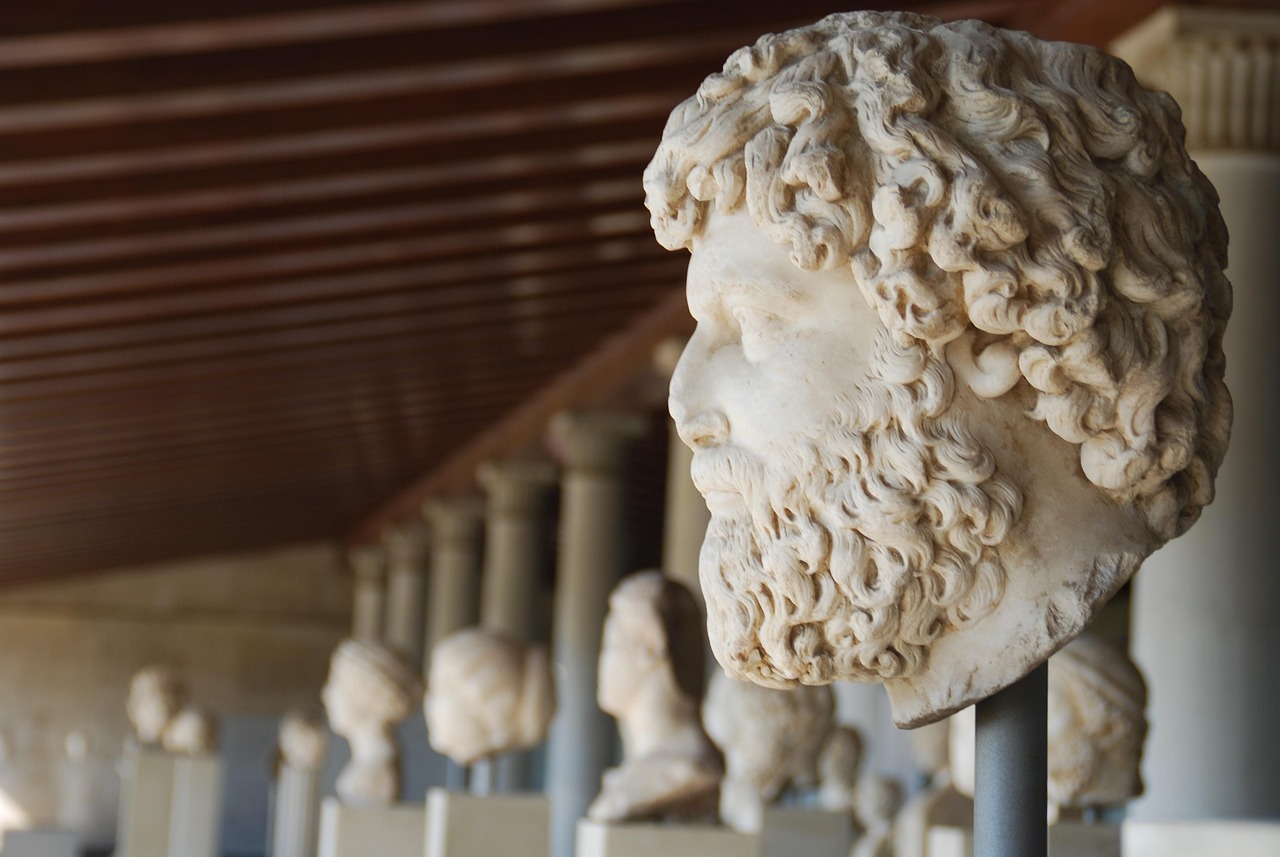
Go with a basic ticket if you’re an independent explorer who reads every plaque, you’ve already done some homework on Greek archaeology, or you genuinely prefer wandering at your own pace. The museum’s own signage is decent and the audio guide fills gaps. Budget travelers will also appreciate keeping costs under EUR 15.
Go with a guided tour if this is your first serious archaeological museum, if you have limited time and want to hit the highlights without missing the Antikythera Mechanism tucked in its corner, or if you’re the kind of person who remembers stories better than placard text. A licensed guide who studied classical archaeology at a Greek university will connect dots between artifacts that no audio recording can match — they’ll point at a tiny bronze figurine and explain how it links to the massive Poseidon statue three rooms over.
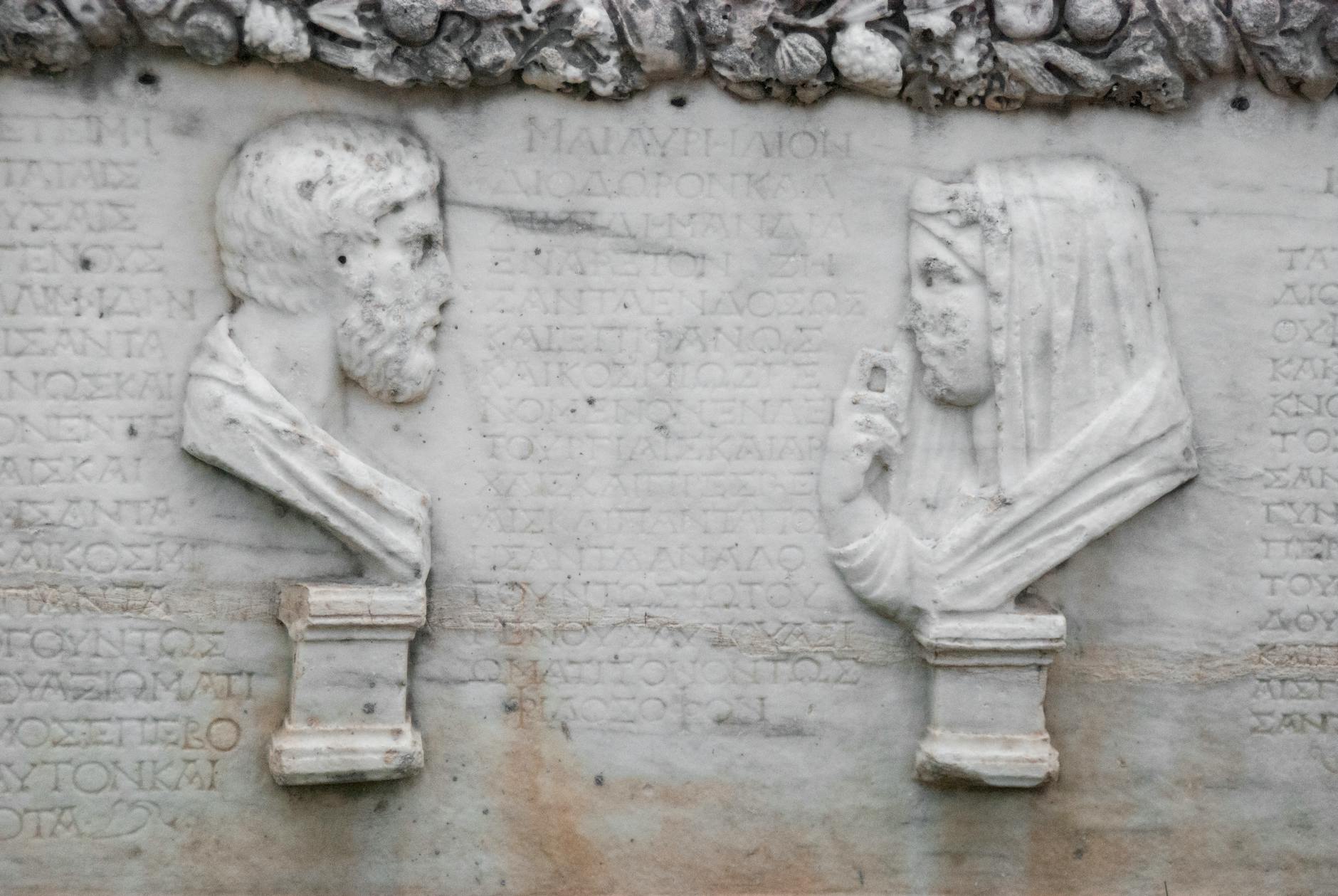
The Best National Archaeological Museum Tours
I’ve compared every available guided option for this museum. Here are the three that stand out, ranked by what they actually deliver for the money.
1. National Archaeological Museum Ticket with Optional Audio — $30
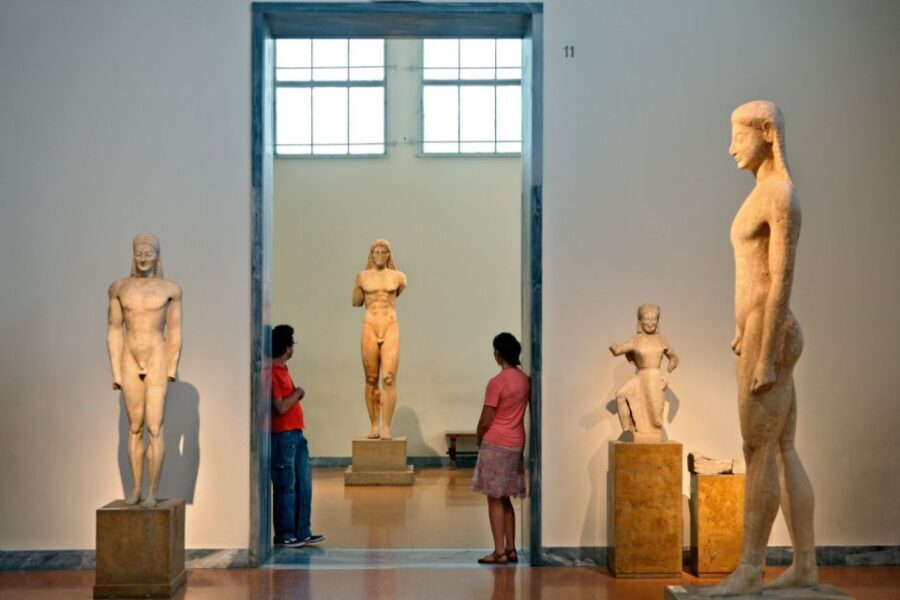
This is the option I’d recommend to most visitors. You get skip-the-line entry, which alone saves you the queue time that can stretch past half an hour during summer mornings, plus an optional multilingual audio guide app that covers the major highlights across all five collections. At $30 it’s priced just above the official ticket but adds genuine value with the audio companion.
The audio guide is available in multiple languages and works through your own phone — no need to pick up a clunky device at the entrance. I’ve used it on my second visit when I wanted to focus on the Mycenaean collection without reading every single plaque, and it struck the right balance between depth and pace. If you’re reasonably interested in ancient Greek history but don’t need someone hand-holding you through each room, this is your ticket.
2. Private Tour with Licensed Expert Guide — $188
If you’re going to splurge on one cultural experience in Athens, make it this one instead of another overpriced rooftop dinner. A licensed expert guide walks you through the museum’s greatest hits over roughly two hours, connecting the dots between the Mycenaean gold, the Archaic-period kourai, and the Classical bronzes in ways the audio guide simply can’t match. At $188 per person it’s an investment, but you’re getting a private archaeologist, not a group tour leader reading from a script.
The guides assigned to this tour are required to hold a Greek archaeology license, which means they studied at university level and passed government exams. That makes a real difference when you’re standing in front of the Antikythera Mechanism and your guide can explain not just what it did, but how its discovery in 1901 rewrote the history of ancient technology. Worth it for couples, families, or anyone who considers this museum the main event of their Athens trip rather than a checkbox.
3. Basic Museum Ticket — $21
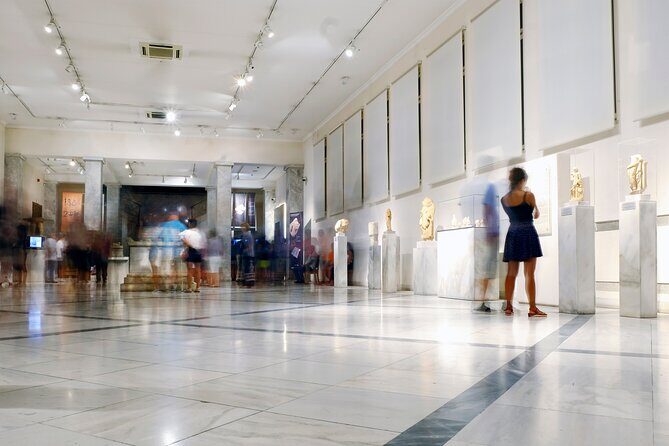
The no-frills option that gets you through the door without fuss. At $21 this is essentially the official ticket price with the convenience of pre-booking and skip-the-line entry included. You get a self-guided audio companion as well, though it’s more basic than the upgraded version in option one.
I’d point budget travelers and repeat visitors toward this one. If you’ve already done the museum once with a guide and want to revisit your favorite sections at your own pace, there’s no reason to pay more. It’s also a solid choice if you’re combining the archaeological museum with the Acropolis on the same day and don’t want to blow your entire budget on a single attraction. Just note that the basic ticket doesn’t include the premium audio content — you’ll get entry and basic orientation, but the deeper exhibit explanations require the upgraded option.
When to Visit
The museum is open Tuesday through Sunday from 8:30 AM to 8:00 PM during the summer season (April through October), with slightly shorter hours in winter (8:30 AM to 4:00 PM). It’s closed on Mondays year-round. Note that the ticket office closes 30 minutes before the museum does, so don’t cut it too close.

Best time to go: Weekday afternoons between 1:00 PM and 3:00 PM. The morning tour groups have cleared out, the school trips are done, and you’ll have entire galleries to yourself. I visited on a Wednesday at 2:00 PM in October and counted maybe forty other people in the entire building.
Worst time to go: Saturday mornings in July and August. The museum fills with a mix of cruise-ship passengers on organized excursions and families with restless kids. It never reaches Acropolis-level madness, but the Mycenaean gold room can feel cramped when three tour groups converge on the Mask of Agamemnon at once.
Hidden gem timing: The last two hours before closing on summer evenings are genuinely magical. The light shifts, the crowds thin dramatically, and you can stand in front of the Poseidon bronze without anyone bumping your elbow. The museum garden also opens in warmer months and makes for a quiet place to decompress between galleries.

How to Get There
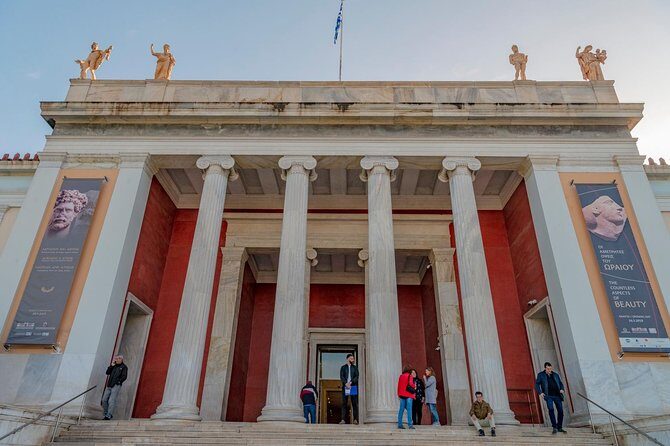
The museum sits at 44 Patission Street (also called 28th October Avenue), about a 15-minute walk north of Omonia Square. Getting there is straightforward from most parts of central Athens.
Metro: Take Line 1 (green) to Victoria station or Omonia station. Victoria is the closer of the two — about a 5-minute walk east along Tositsa Street. From Omonia, it’s roughly 10 minutes north along Patission. Both stations are well-signed.
Bus: Several bus lines stop directly in front of the museum on Patission Street. Routes 024, 224, and A7 all pass by. If you’re coming from Syntagma Square, the 224 drops you right at the door.

Walking from the Acropolis area: If you’re coming from Plaka or Monastiraki, expect a 25-30 minute walk heading north. It’s flat and mostly pedestrian-friendly, passing through the Omonia neighborhood. Not the most scenic route, but perfectly safe during daylight. I’d suggest walking up and taking the metro back when your legs give out.
Taxi: From Syntagma Square or the Plaka area, a taxi costs EUR 5-7 and takes about 10 minutes outside rush hour. From Piraeus port (if you’re arriving by cruise ship or ferry), figure EUR 15-20 and 30-40 minutes depending on traffic.
Tips That Will Save You Time
- Book online, always. Even when the museum isn’t packed, the ticket desk queue moves slowly because staff have to process cash payments and student discounts one at a time. Online ticket holders walk straight to the entrance scanner.
- Bring a portable charger. If you’re using the audio guide app on your phone, two hours of continuous playback plus camera use will drain your battery fast. The museum has no charging stations.
- Start with the Mycenaean collection on the ground floor. It’s the most famous section (Mask of Agamemnon, gold cups, bronze daggers) and gets the most crowded. If you arrive when the doors open, head there first while tour groups are still assembling in the lobby.
- Don’t skip the Egyptian collection upstairs. Most visitors run out of energy before they reach the upper floors. The Egyptian rooms are small but surprisingly good, with genuine mummies and sarcophagi that rival what you’d see in smaller dedicated Egyptian museums elsewhere in Europe.
- The museum shop is better than average. Quality reproductions of famous artifacts, decent archaeology books, and jewelry inspired by Mycenaean goldwork. It’s on your right as you exit — worth 10 minutes even if you’re not a souvenir person.
- Photography is allowed without flash in all permanent galleries. No tripods, though. The lighting is good enough for phone cameras in most rooms, but the bronze galleries can be dim — steady your phone against a railing if you need to.
- Bags larger than a backpack must be checked. The cloakroom is free and efficient. Don’t bring a suitcase thinking you’ll visit on the way to the airport — the X-ray security at the entrance will slow you down and the cloakroom has size limits.
What You’ll Actually See Inside
The museum’s five permanent collections span roughly 7,000 years of Greek civilization. That’s not a typo. Here’s what fills the rooms and why it matters.
The Prehistoric Collection covers everything from the Neolithic period through the Mycenaean civilization. The Mask of Agamemnon is here — a gold funeral mask from around 1550 BC that Schliemann discovered at Mycenae and dramatically (and incorrectly) attributed to the legendary king. Whether or not Agamemnon ever wore it, the craftsmanship is breathtaking. The room also holds the gold cups from Vaphio, Mycenaean bronze swords inlaid with hunting scenes in gold and silver, and tiny carved gemstones whose detail you can only appreciate with the magnifying lens the museum provides.
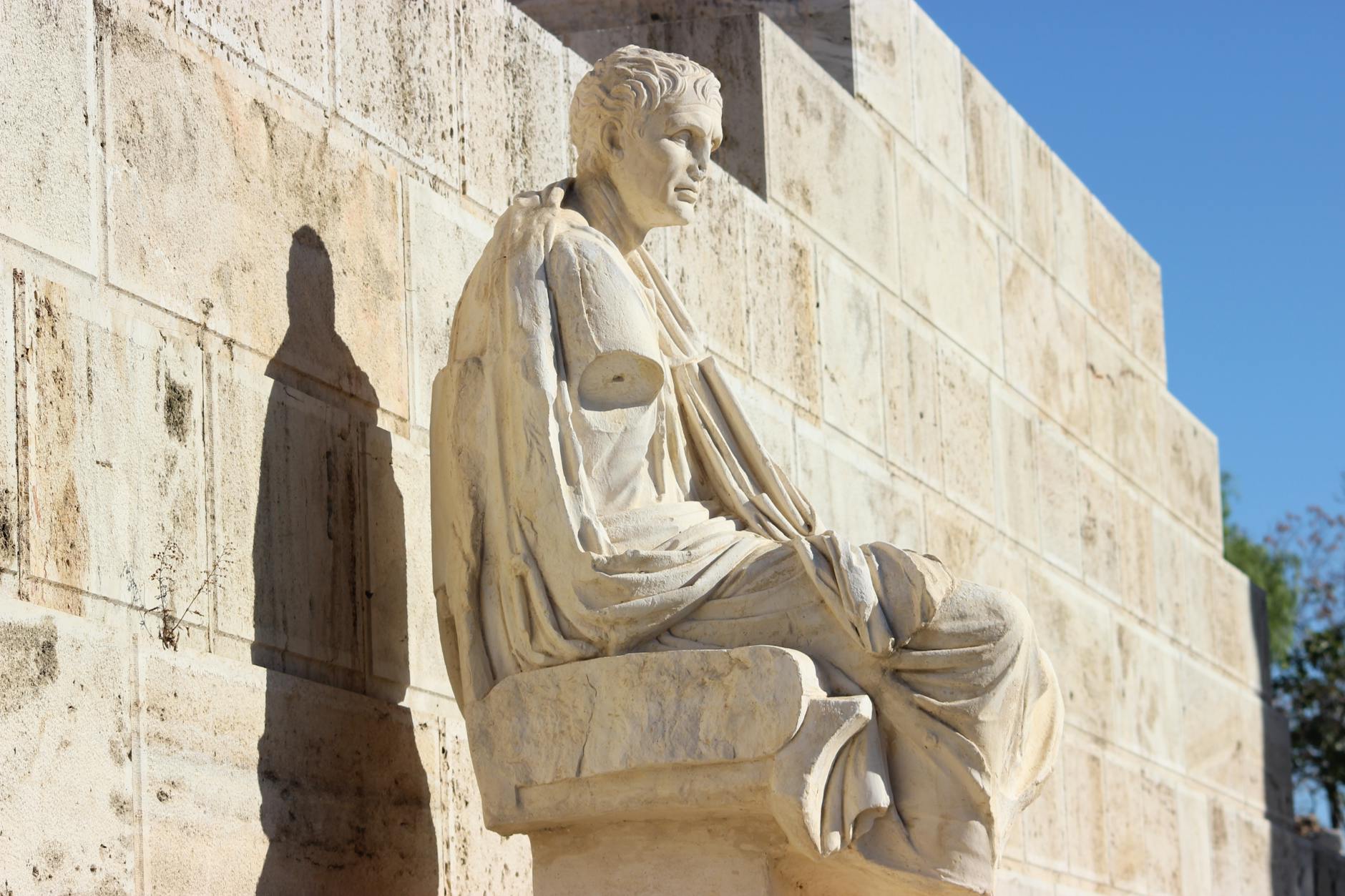
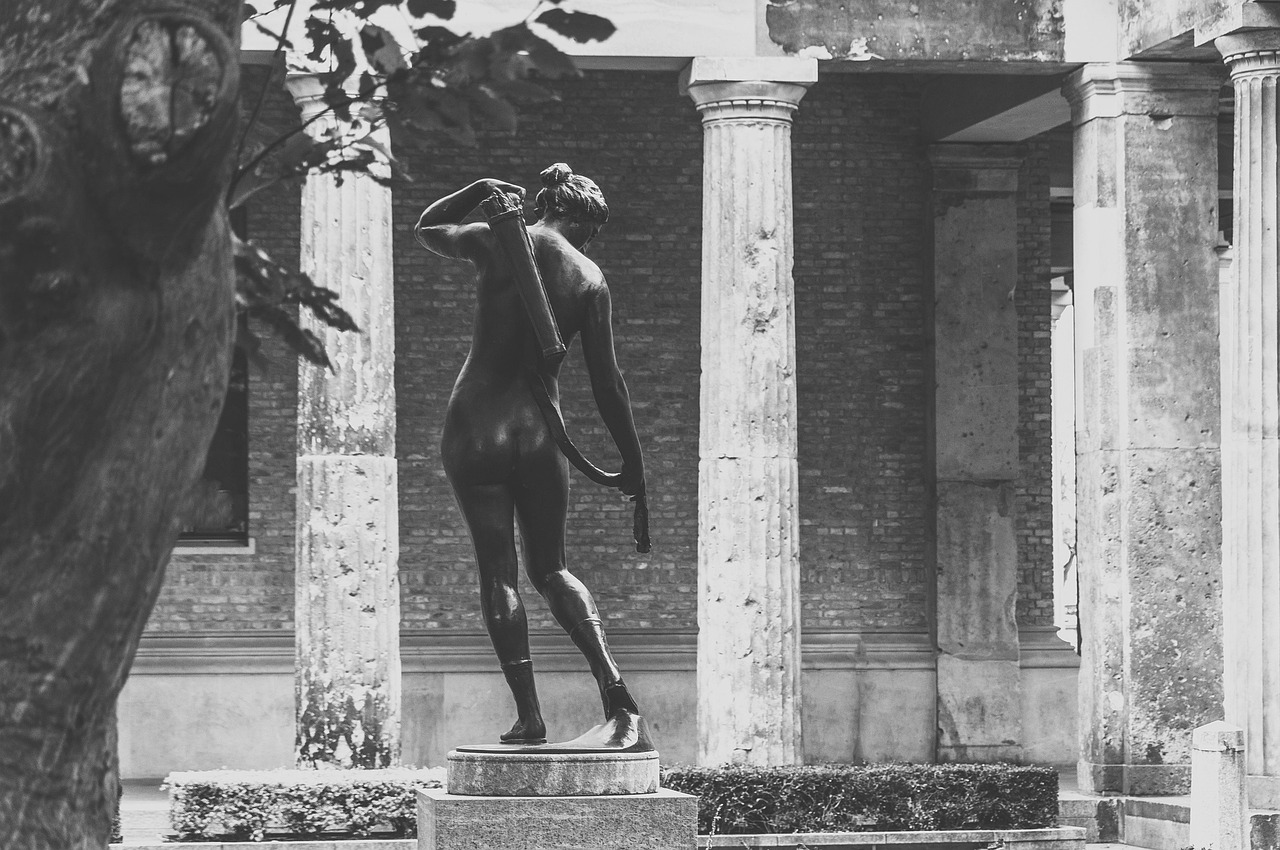
The Sculpture Collection fills the museum’s long central hall and is probably what most people picture when they think of Greek museums. It traces Greek sculptural development from the stiff, Egyptian-influenced kouroi of the 7th century BC through the naturalistic masterpieces of the Classical and Hellenistic periods. The bronze Poseidon (or Zeus — scholars still argue about which god it represents) stands mid-throw at the center of the hall, one of the finest surviving Greek bronzes anywhere in the world.
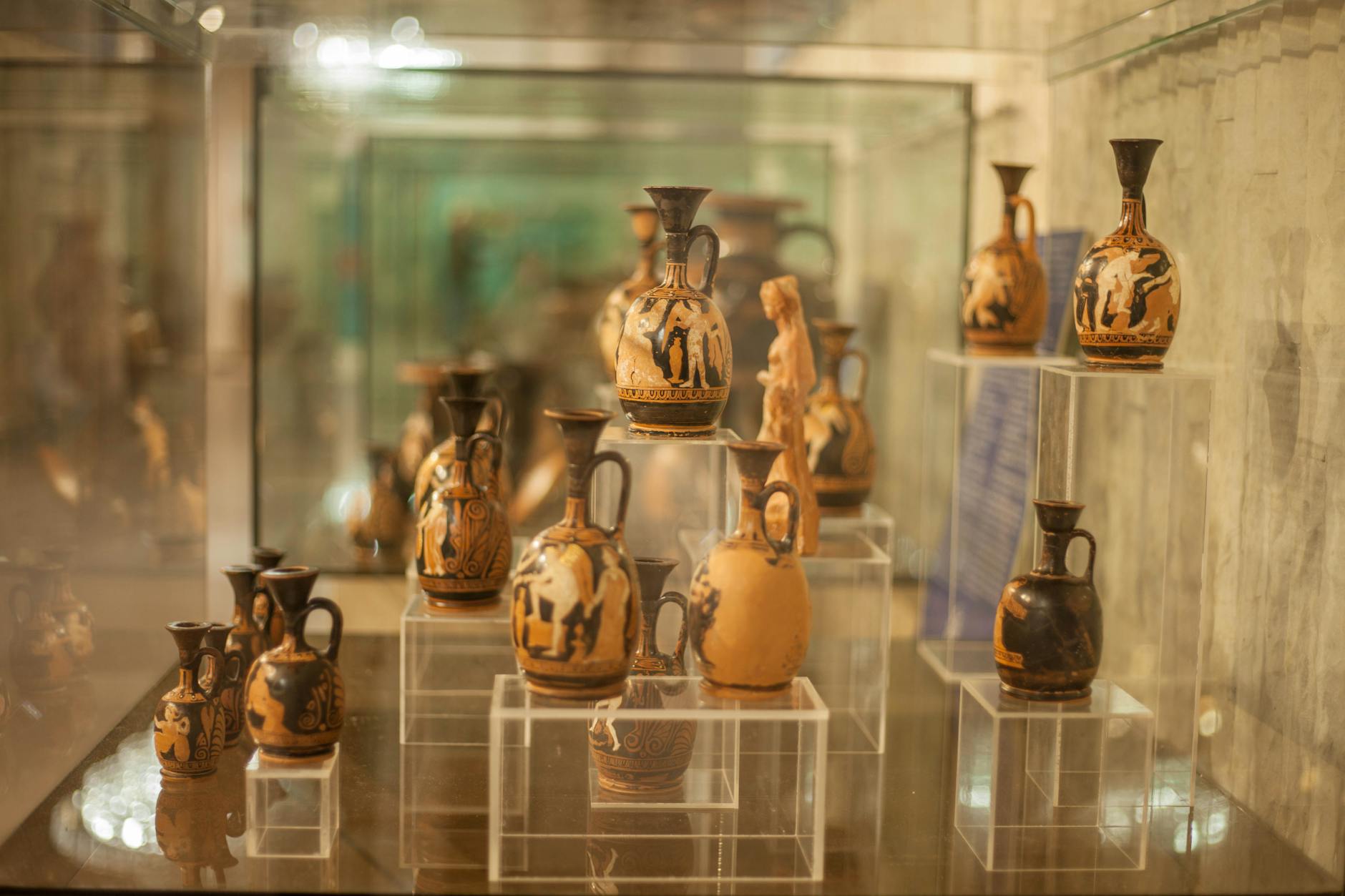
The Vase and Minor Objects Collection is where you’ll find the painted pottery that decorates every Greek-history textbook. Black-figure and red-figure vases depicting mythological scenes, Olympic competitions, and daily life — drinking parties, olive harvests, soldiers arming for battle. It’s an entire visual encyclopedia of the ancient Greek world painted on clay.
The Bronze Collection includes the Antikythera Mechanism I mentioned at the start, plus bronze statuettes, mirrors, vessels, and weapons recovered from sites across Greece and the Mediterranean. The Antikythera Youth, a large bronze statue pulled from the same shipwreck as the Mechanism, stands near the entrance of this section and is one of the museum’s most photographed pieces.
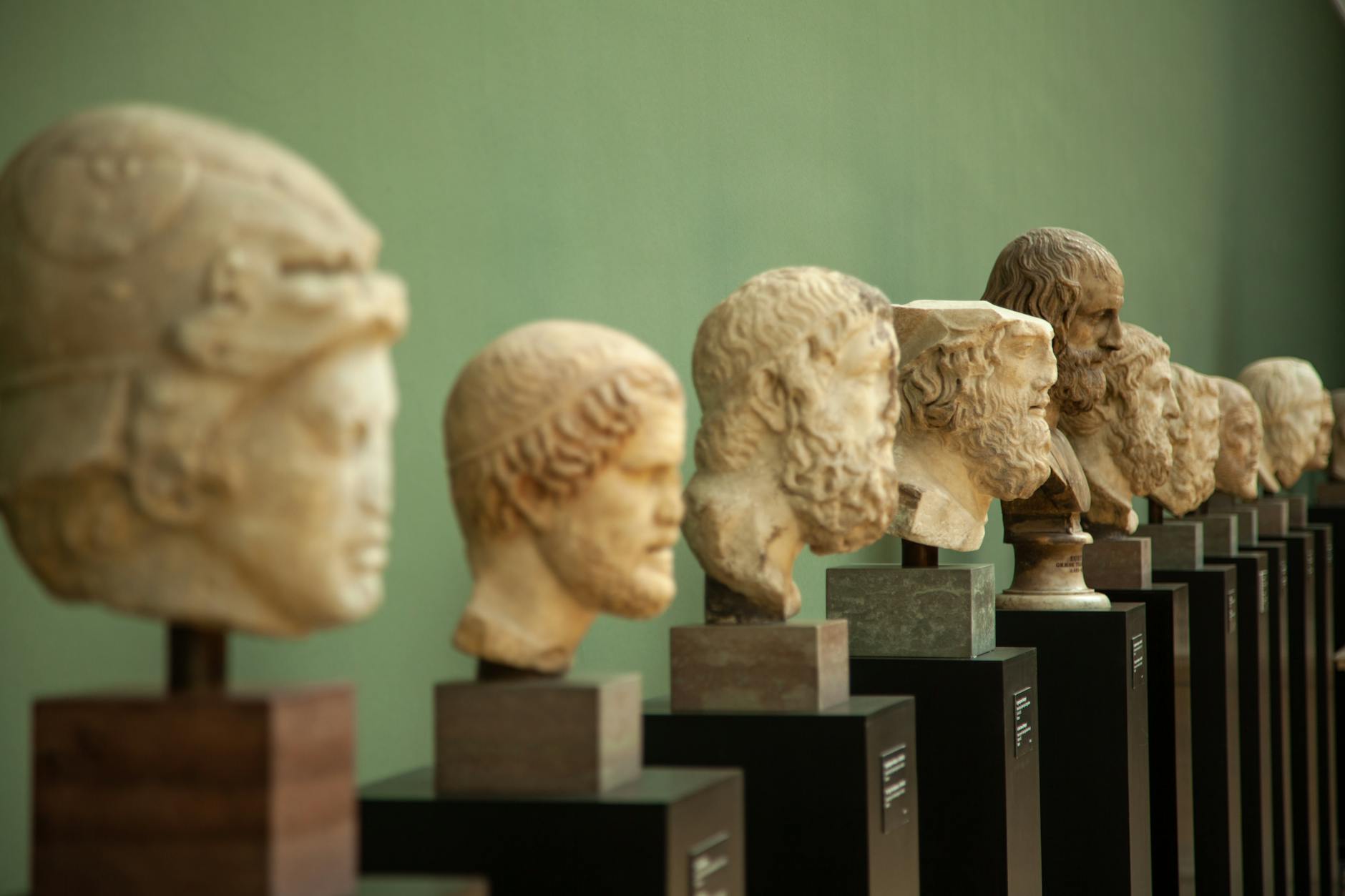
The Egyptian and Near Eastern Collection upstairs is small but worthwhile, with artifacts spanning from 5000 BC to the Roman conquest. Real mummies, painted sarcophagi, Canopic jars, and bronze statuettes of Egyptian gods. It’s a nice change of pace after hours of Greek marble, and the rooms are almost always empty.
More Athens Guides
The National Archaeological Museum pairs well with a full day of Athens exploration if you plan your timing right. Start your morning at the Acropolis before the heat builds, then head north to the museum for the afternoon when it’s quietest. If ancient history is your thing, a day trip to Delphi or Mycenae and Epidaurus makes a perfect complement — seeing Mycenae in person gives the museum’s gold collection completely new meaning. For something lighter after all that antiquity, an Athens food tour through the neighborhoods around the museum will introduce you to the Exarchia district, where the street art and tavernas feel like a different city entirely. And if you’re covering Athens over several days, the hop-on hop-off bus stops right outside the museum entrance, which makes it easy to connect your visit with the ancient Agora, Temple of Zeus, and Panathenaic Stadium without fighting Athens traffic on foot.

This article contains affiliate links to tours and tickets. If you book through these links, we may earn a small commission at no extra cost to you. This helps us keep creating free travel guides.
More Greece Guides
The museum pairs well with a visit to the Acropolis — many of the artifacts here were excavated from the hilltop site and surrounding slopes. Seeing both in the same day gives you context that neither manages alone.
Between museum visits, eating your way through the city is half the point. The Athens food tours running through the Central Market area pass within a few blocks of the museum entrance, making it easy to combine both in a single afternoon.
For day trips from Athens that build on what the museum covers, Epidaurus and Mycenae take you to the actual sites where many of these artifacts were found. The hop-on hop-off bus is a good way to connect the museum with the Acropolis on your in-city day.