
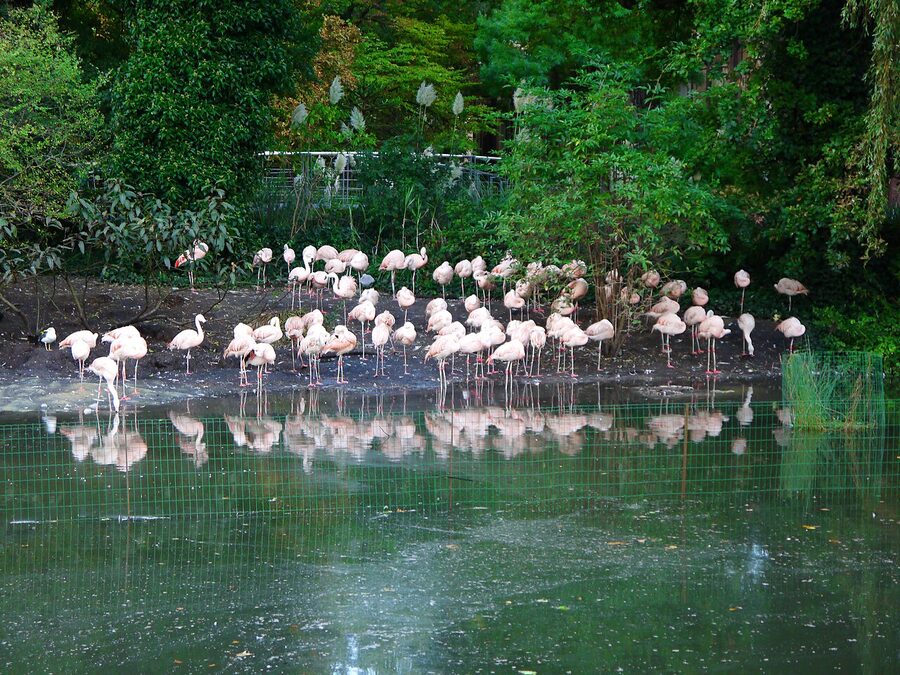
Most visitors arrive at ARTIS expecting a standard city zoo and leave asking why every old European city doesn’t have one. The 14-hectare grounds feel less like a zoo than a Victorian park that happens to have giraffes — neoclassical aquarium building, 1920s planetarium, a flamingo pond that reflects the old trees like a painting. It also happens to be the oldest zoo on mainland Europe, open since 1838, but that’s a detail you only register later.
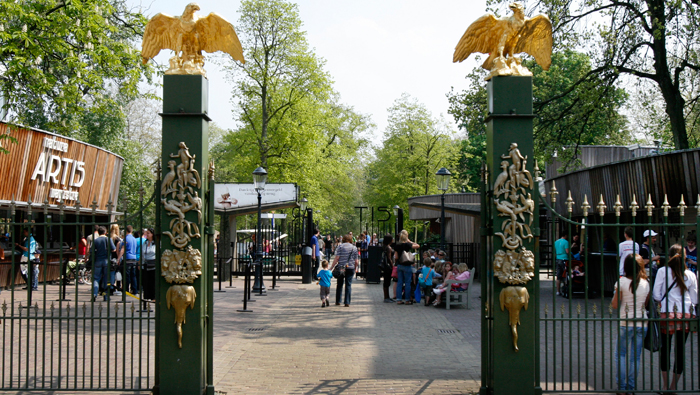

Standard entry is €26, the visit takes 4-6 hours if you do it properly, and it’s consistently the single best family day out in Amsterdam for kids aged 3 to 14. For adults without kids, it’s a genuinely pretty half-day — the grounds feel less like a zoo circuit and more like a forgotten Victorian park with occasional giraffes.


In a Hurry?
- Best overall: ARTIS Zoo + Animals on the Canal Cruise — zoo entry plus a 75-minute canal cruise passing the zoo’s canal-facing enclosures. Uniquely Amsterdam. €32.
- Best value combo: Zoo + Groote Museum — zoo plus the 2022-reopened natural history museum. €34, deeper day.
- Best for science fans: Zoo + Micropia — zoo plus the world’s first microbiology museum, right at the gates. €34.
- In a Hurry?
- What’s in the Zoo — What to See, in What Order
- The Three Ticket Options
- 1. Zoo + Animals on the Canal Cruise — from €32
- 2. Zoo + Groote Museum — from €34
- 3. Zoo + Micropia — from €34
- A Short History — Natura Artis Magistra
- How Long to Plan
- When to Go
- Getting There
- Tickets and Prices (2026)
- Food and Drink
- Accessibility
- With Kids — What Works
- The Groote Museum — Why It’s Worth the Combo
- Micropia — The Microbiology Museum
- Pairing With Other Amsterdam Activities
- Animal Welfare — Where ARTIS Sits
- What Not to Miss
- Common Mistakes
- For Amsterdam Families — Where ARTIS Ranks
- The Short Version
What’s in the Zoo — What to See, in What Order

ARTIS keeps around 900 animals from 200 species on 14 hectares. You won’t see everything in one visit; the strength is variety in a small footprint rather than scale.
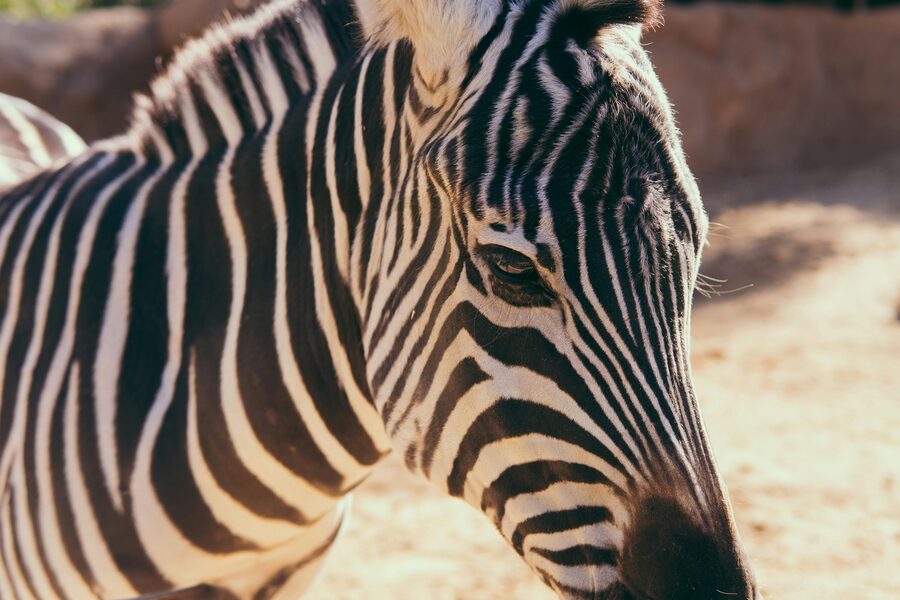
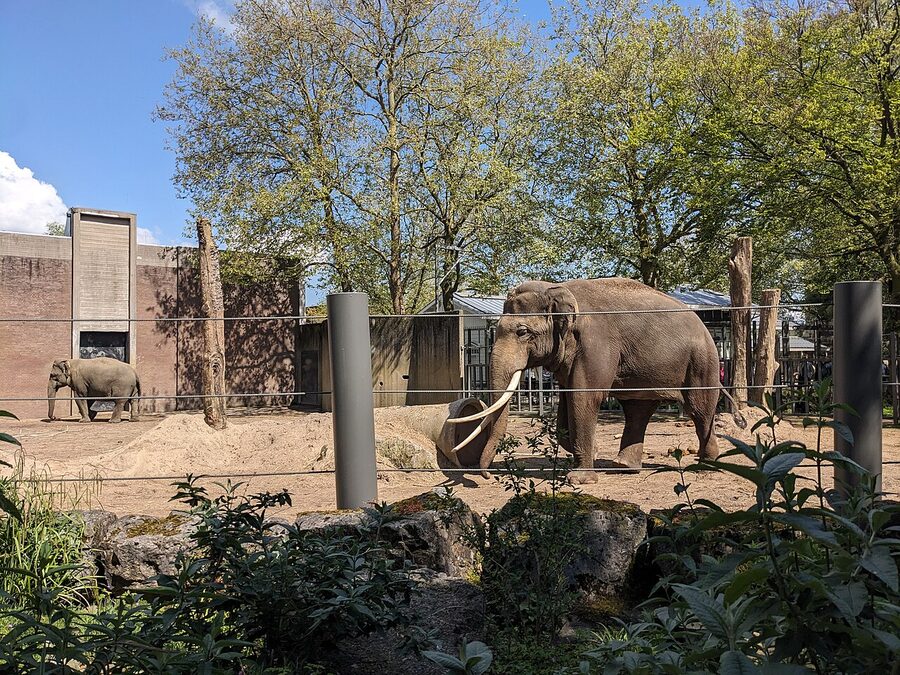
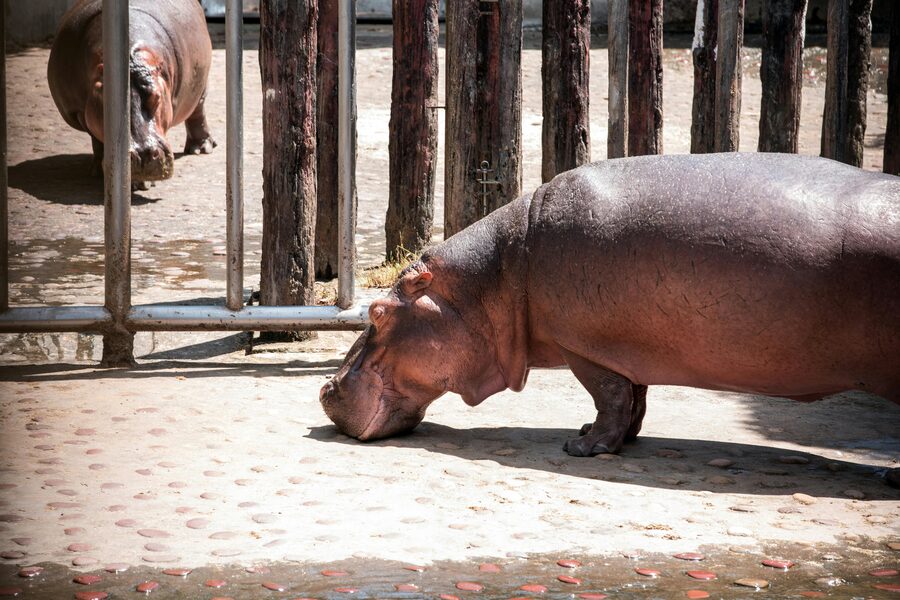
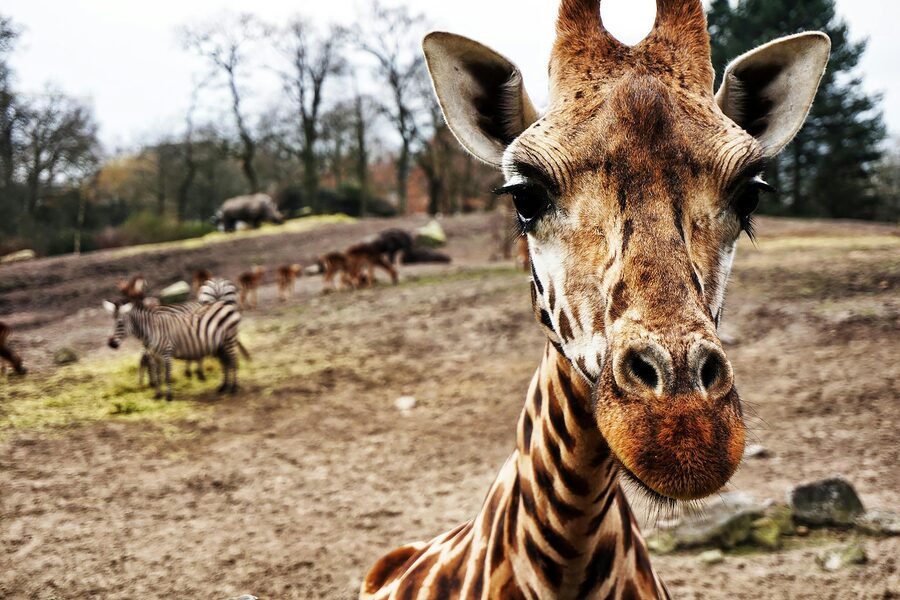
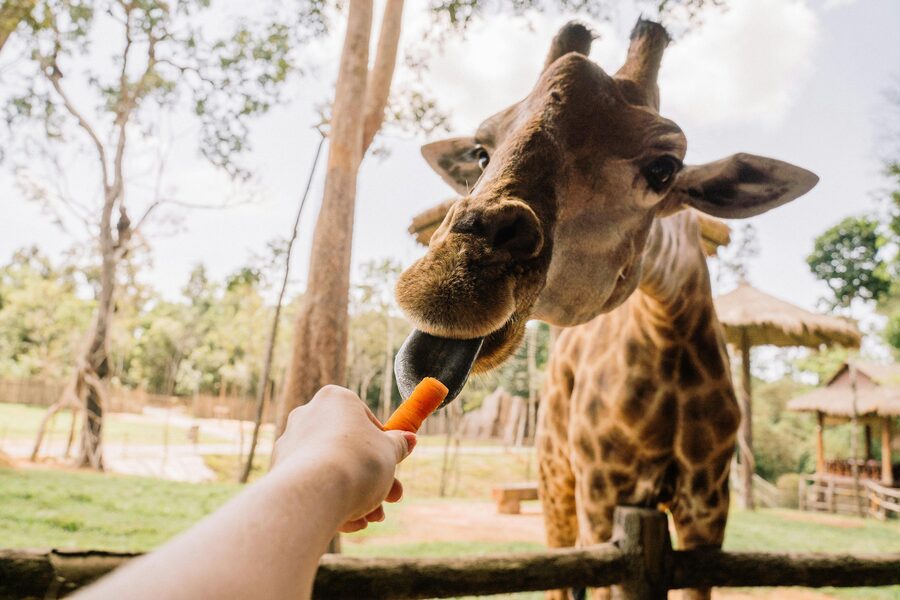
Large mammals. Elephants, giraffes, lions, zebras, hippos. Enclosure renovations over the last 15 years have consistently moved these toward larger, more enriched habitats — smaller species inventory, better conditions per animal. The elephants have the most space, in a habitat redesigned in 2019.
Primates. Chimpanzees, gorillas, orangutans. The primate house gets busy with school groups; weekday mornings are calmer.
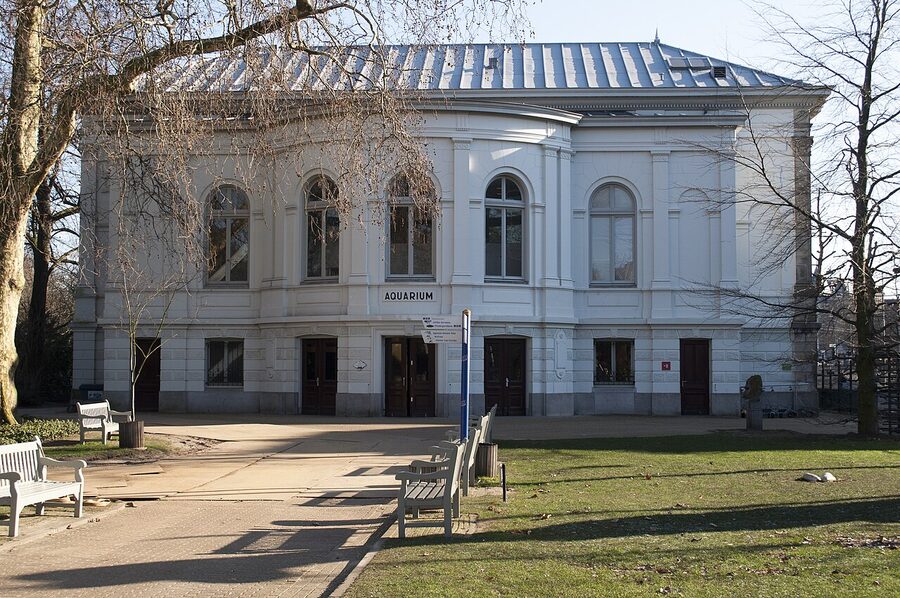

The aquarium. One of ARTIS’s genuine highlights and consistently under-appreciated by first-time visitors. It sits underground, inside a neoclassical 19th-century building. Cold-water fish on one side, tropical on the other, with a central pool of sharks and rays. Kids who “came for the lions” consistently spend 30+ minutes here. Worth the 45 minutes even if you’re not planning a family-oriented day.
Reptiles and amphibians. Small reptile house, open year-round. The consistent indoor temperature makes it a reliable winter stop.
Birds. Several aviaries plus free-flying birds across the park — expect pelicans wandering the paths. The small bird house has specific Amsterdam-owl species worth finding.
Butterfly Pavilion. Climate-controlled dome with hundreds of butterflies. They land on you. Heat and humidity are both high; 5-15 minutes for most visitors, longer if you have patience.
Planetarium. Astronomy shows throughout the day. Dutch most sessions, English twice a week. 30 minutes. One of the oldest working planetariums in Europe — the 16m Zeiss dome dates from 1988 (a replacement for an older 1940s unit).
Micropia. Micro-scale museum at the gates. Live tardigrades, skin scanner showing your own microbe collection, a “kissing booth” measuring microbial exchange. Not a traditional zoo stop, but on the combo ticket — worth 60-90 minutes for science-curious visitors.
Groote Museum. Reopened 2022 after a decade of renovation. Natural history, 19th-century cabinets plus modern interactive. 60-90 minutes.
The Three Ticket Options
1. Zoo + Animals on the Canal Cruise — from €32

The combo that’s genuinely unique to ARTIS. The cruise passes the zoo’s Plantage canal side, showing lions, elephants, and giraffes from the water. Then zoo entry on the same ticket. Best for first-time Amsterdam visitors wanting the full “only in Amsterdam” experience. Full review has the cruise schedule.
2. Zoo + Groote Museum — from €34

Best for rainy days or travellers who want depth. The Groote Museum is one of the best-designed natural history museums in the Netherlands after its 2022 renovation. Kids 8+ engage well; younger kids prefer the live animals. 60-90 minutes on top of the zoo. Full review.
3. Zoo + Micropia — from €34
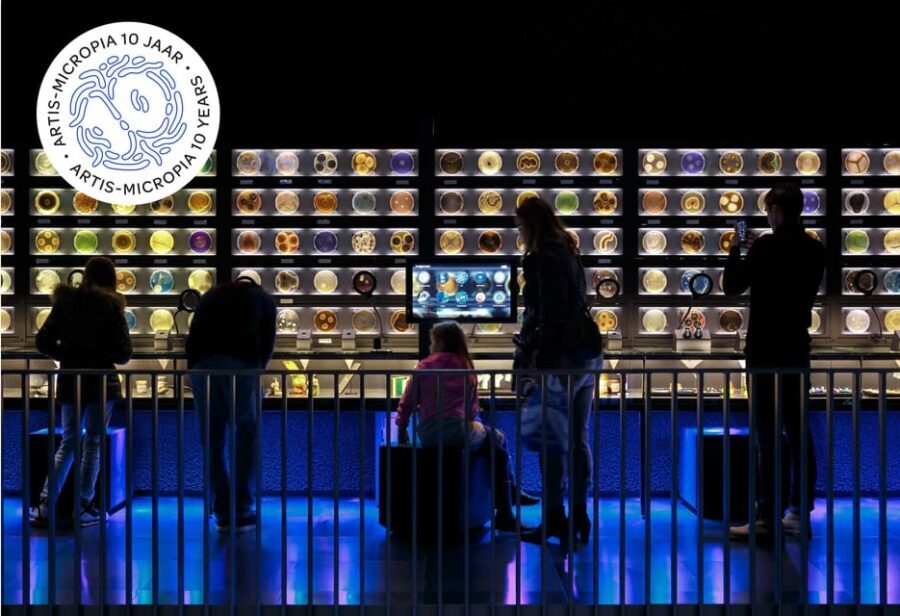
The underrated combo. Micropia is a proper small science museum on life at microscopic scale — live tardigrades, electron microscopes, a skin microbe scanner. 60-90 minutes. Works best for curious kids 10+ and adults interested in science museums.
A Short History — Natura Artis Magistra
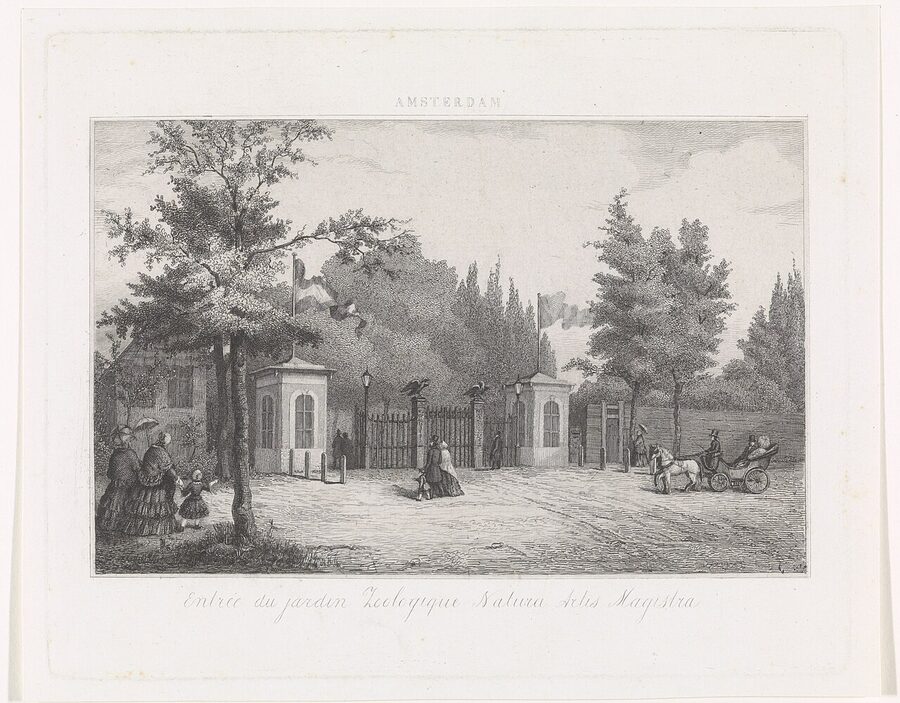
ARTIS is the oldest zoo on the European mainland (only London Zoo, opened 1828, and Dublin Zoo, 1831, predate it in Europe). Its founding story is specifically Dutch.
,_RP-P-1908-3378.jpg)
In 1838, three Amsterdam bird collectors — Gerardus Westerman, Jacobus Becker, and Johannes Willinck — pooled their private collections and founded the Koninklijk Zoölogisch Genootschap Natura Artis Magistra (“Royal Zoological Society Nature, the Teacher of Art”). The society was a members-only club, and for its first hundred years ARTIS was a private garden accessed by annual subscription. You paid to join, you visited as often as you wanted, and the animal collection grew through members’ donations and the society’s trading connections across the Dutch colonial empire.
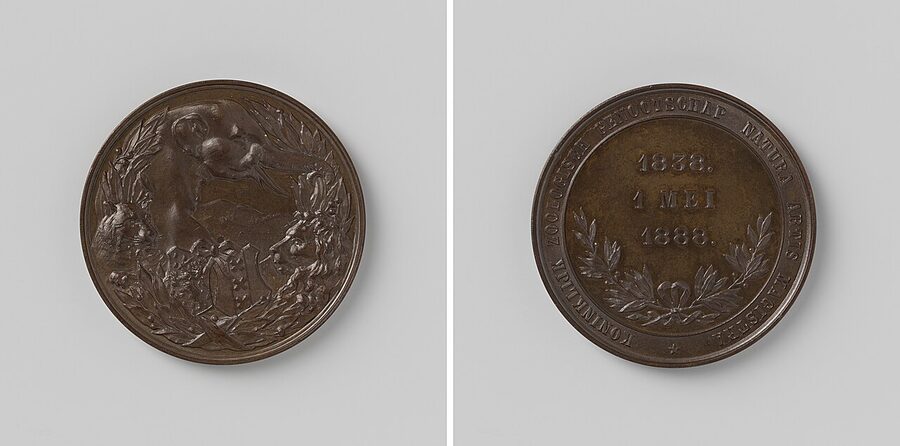

The zoo’s layout — wandering paths, small clusters of enclosures separated by gardens, benches among mature trees — comes from this members’-club origin. It wasn’t designed to process thousands of visitors efficiently; it was designed for residents to stroll in on weekends. Much of that atmosphere survives.
The aquarium building went up in 1882, designed by the architect G.B. Salm in neoclassical style. It’s one of the oldest public aquariums in Europe still in its original building. The planetarium followed in the 1920s. The Groote Museum (the natural history wing) dates to the 1850s but was dormant from 1947 until the 2022 reopening.


ARTIS stayed a private members’ club until the 1950s, when financial pressure forced the opening of public ticketed admission. The zoological society still technically exists and owns the grounds; the city of Amsterdam is a major co-financier.
In 2010s-2020s, ARTIS has been steadily repositioning itself from “variety-of-species zoo” toward “fewer animals in better habitats.” Large predators with too-small enclosures have been phased out. The strategy has been controversial — ARTIS fans miss certain species — but in line with current European zoo best practice.
How Long to Plan
Official guidance says 4-5 hours. Actual visitor time varies widely:
- Fast visit (no aquarium, no planetarium): 2-2.5 hours
- Normal family pace: 4-6 hours
- Full day with Micropia + Groote Museum: 8+ hours
If you have kids under 8, plan for 5+ hours including one long break for food. The central cafeteria (De Plantage) is actually decent, not a tourist trap.
When to Go

Best time of year: April-May and September. Mild weather, active animals, tulip-season visitors don’t spill much into the zoo.
Summer: July-August. Hot animals hide indoors during midday, reducing what you see. The aquarium fills with families. Go early.
Winter: December-February. Many outdoor animals are in heated indoor quarters. Less to see but no crowds. Worth it for adults wanting a quiet day; harder for kids under 6.
Best day of week: weekdays. Saturday-Sunday brings both Dutch families and tourists.
Best time of day: 9am opening. Keeper feeds happen at scheduled times throughout the day (check the board when you arrive); animals are livelier in the morning and late afternoon.
Avoid: Saturday 11am-3pm, Dutch school holiday weeks (especially February and May).
Getting There
ARTIS sits in the Plantage neighbourhood, a 15-minute walk east of Waterlooplein.
From Centraal Station: tram 14 (direction Flevopark) to Plantage Kerklaan — 15 minutes. Or walk (25 minutes) via Nieuwmarkt.
From Dam Square: tram 14 or walk 20 minutes.
By bike: ride to ARTIS. Flat 12-15 minute ride from central Amsterdam. Bike parking at the entrance.
By car: paid parking at nearby P+R lots, but the Plantage is heavy on pedestrians and bikes — driving is discouraged.
Tickets and Prices (2026)
Standard zoo entry: €26 adult, €21 child 3-9. Under 3 free. Seniors €25.
Combo with Micropia: €34 adult, €29 child.
Combo with Groote Museum: €34 adult.
Combo with “Animals on the Canal” cruise: €32 adult.
Amsterdam City Card: includes ARTIS. Worth considering if you’re visiting 3+ attractions. See our City Card guide.
Museumkaart: includes ARTIS free.
Annual pass: €75. Pays for itself in three visits.
Food and Drink
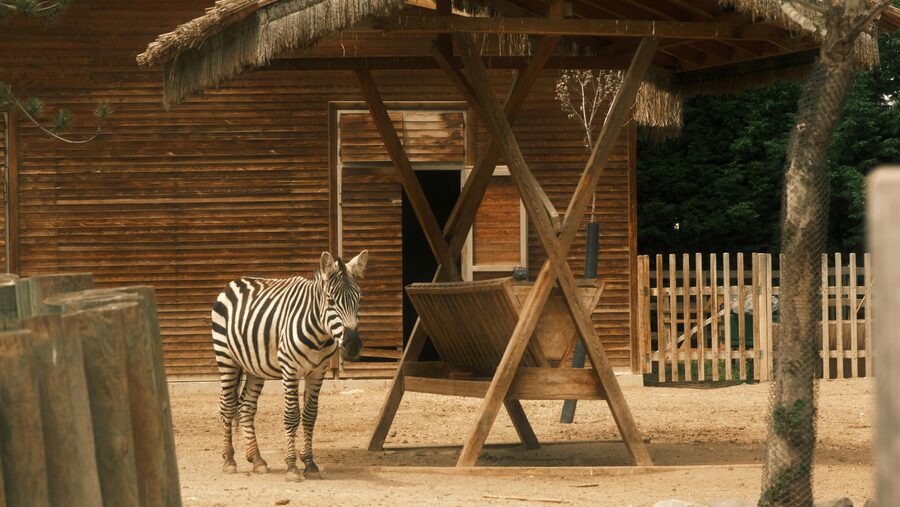
De Plantage (main cafeteria): central, glass-walled, near the giraffes. Mains €12-18, kids’ meals €8. Actually decent food.
Two Cents Coffee Bar: near the entrance. Specialty coffee, pastries. €4-6.
Outdoor kiosks: scattered across the grounds. Hot dogs, fries, ice cream. €4-8.
Bring your own: allowed. Picnic areas near the planetarium are quiet. On sunny days this is the best option.
Water refills: fountains throughout.
Accessibility
Mostly wheelchair accessible via paved paths, though some older sections have uneven surfaces or tree roots. Main buildings (aquarium, reptile house, Micropia, Groote Museum) are step-free or have elevators.
Wheelchair and mobility-scooter rental at the main entrance — €10 deposit, free rental. Book ahead on busy weekends.
Service dogs welcome. Pet dogs are not.
With Kids — What Works
ARTIS is the best zoo experience in Amsterdam for kids 3-12. Specific tips:
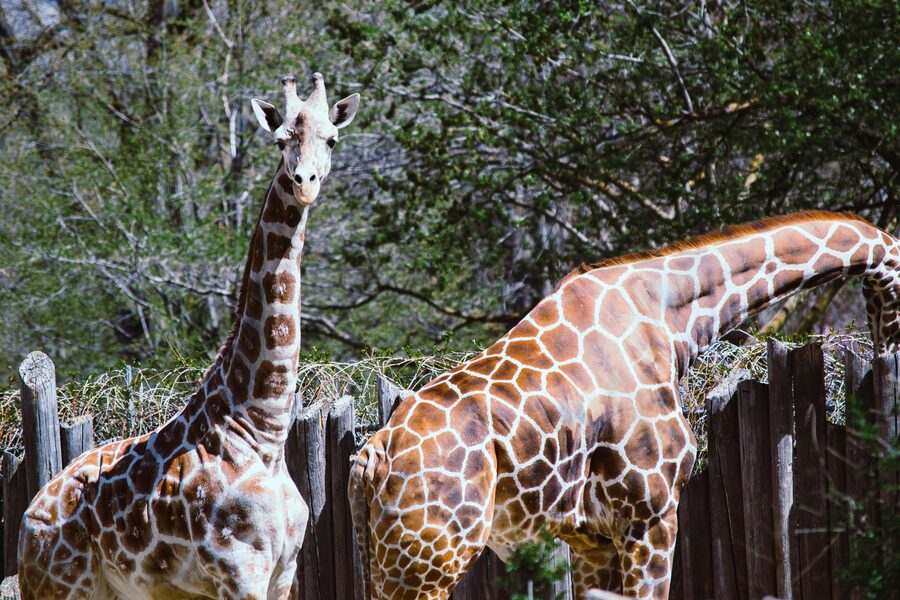
Plan a loop, don’t wander. The grounds are large enough that kids can cover 4km without noticing, which ends in meltdowns. Pick a starting point, walk clockwise, loop back.
Book the feeding times. Keeper talks happen multiple times a day — usually big cats, penguins, sea lions, elephants. These are the kid-favourite moments.
Use the playground. A proper kids’ playground sits next to the central cafeteria. Leave 30-45 minutes for unstructured play if you have kids under 8.
Don’t skip the aquarium. Kids consistently rank it as a favourite — even the ones who “came for the lions.”
Snacks matter. Cafeteria queues hit 15-20 minutes on busy days. Pack snacks.
Sun and rain: partly outdoors. Bring rain jackets even in summer, sun hats in July-August.
The Groote Museum — Why It’s Worth the Combo
The Groote Museum reopened in 2022 after a decade of renovation. It’s across the grounds from the main gate and genuinely the second-best thing in ARTIS after the aquarium.
Inside:
- 19th-century natural history cabinets with original specimens
- Modern interactive exhibits on evolution, biodiversity, ecosystems
- A 20-minute “life’s journey” multimedia piece
- Short films on ecosystem interactions
60-90 minutes. Best for kids 8+ and adults with any science interest. If you have a rainy-day slot, the Groote Museum alone can absorb 90 minutes.
Micropia — The Microbiology Museum
Right at the gates, in the same building as the ticket office. The world’s first museum dedicated to microbes.
Highlights:
- Body scanner: step inside, see which microbes live on your skin
- Electron microscopes: real live specimens under magnification
- Tardigrade tank: the “indestructible” microscopic animals, alive and visible
- Kissing booth: measures microbial exchange from a kiss. Yes, really.
60-90 minutes. Works for curious kids and adults. Rare in making something genuinely obscure feel accessible.
Pairing With Other Amsterdam Activities

The Plantage district has a cluster of other attractions worth a full day:
Dutch Resistance Museum (Verzetsmuseum): 5 min walk. WWII history. Adult tone — a contrast after a family zoo morning.
Portuguese Synagogue: 8 min walk. 17th-century synagogue, architecturally striking. €18.
Hermitage Amsterdam: 12 min walk. Rotating art exhibitions.
Hortus Botanicus: 2 min walk from ARTIS. One of the world’s oldest botanical gardens. €13. Pair with half-day ARTIS for a full day of green space in central Amsterdam.
A canal cruise: if you took the “Animals on the Canal” combo, you’ve already done this. Otherwise walk back toward Centraal and board a regular cruise. Our Amsterdam canal cruise guide has options.
Rembrandt House: 10 minutes on foot from ARTIS. Thematically different but both culturally significant. See our Rembrandt House guide.
Animal Welfare — Where ARTIS Sits
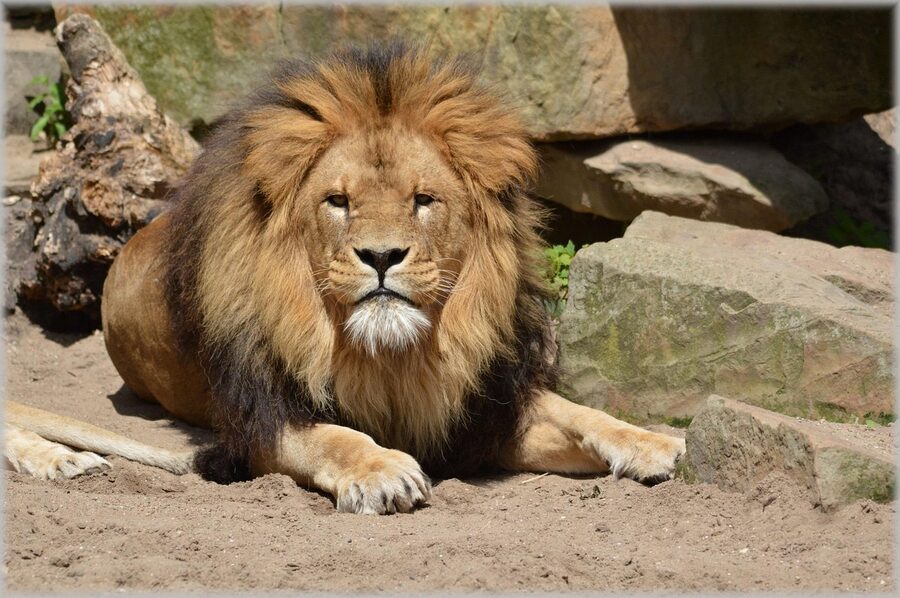
ARTIS has a reasonable, not exceptional, reputation on animal welfare. It’s a 190-year-old zoo in a city centre, which means the enclosures are smaller than modern purpose-built parks (Pairi Daiza in Belgium, Berlin’s Tierpark). Some habitats have been renovated well; others show their age.
The zoo is EAZA-accredited (European Association of Zoos and Aquaria), participates in European conservation breeding programmes, and has been gradually moving toward fewer species in larger enclosures since 2010. Big cat habitats specifically have been re-done with more space and more enrichment.
If you have strong views against zoos generally, ARTIS won’t change your mind. If you’re neutral-to-positive, you’ll find the experience well-maintained and thoughtful.
What Not to Miss
- The aquarium. Most-skipped highlight. Go first in summer or mid-afternoon on rainy days.
- Butterfly pavilion. Brief but memorable. Dress for heat.
- Keeper feeding talks. Check schedule on arrival.
- Planetarium show. 30-minute astronomy. Grab a time slot when buying the zoo ticket.
- Micropia (if combo). Strange and thoughtful. Punches above its size.
- The Atlas statue on the Aquarium building. Most visitors never notice the bronze sculpture on the roof.
Common Mistakes
Arriving at 2pm on a sunny summer Sunday. Food queues 20+ minutes, aquarium packed, animals lethargic. Either arrive at 9am or skip for a weekday.
Trying to see everything in 2 hours. You’ll miss the aquarium, planetarium, and several outdoor enclosures.
Not checking feeding-time schedule. It’s posted at the entrance — take a photo on arrival.
Buying a standalone ticket when you have the City Card or Museumkaart. Both cover ARTIS entirely.
Skipping Micropia. Because it “looks small.” It’s one of Amsterdam’s best-designed science museums, and 90 minutes well spent.
For Amsterdam Families — Where ARTIS Ranks

A ranking of Amsterdam family-friendly attractions:
- ARTIS Royal Zoo (ages 3-14)
- NEMO Science Museum (ages 6-14)
- Body Worlds (ages 10+) — our Body Worlds guide
- A’DAM Lookout with swing (ages 8+) — our A’DAM guide
- Madame Tussauds (ages 8+) — our Tussauds guide
- Keukenhof (tulip season, ages 5+) — our Keukenhof guide
For ages 3-8 specifically, ARTIS is the clear #1 family activity in Amsterdam.
The Short Version
Book the €26 zoo ticket (or €34 Micropia combo for science fans), arrive at 9am opening, walk counter-clockwise from the entrance, plan for 4-6 hours. Don’t skip the aquarium or the keeper feeding times. Pack snacks or eat at De Plantage cafeteria.
For family Amsterdam trips, ARTIS is non-negotiable — the best value for a memorable half-day. For solo travellers and couples, the zoo-plus-canal-cruise combo makes a surprisingly good afternoon.

Affiliate disclosure: Some links in this article are affiliate links. If you book through them we may earn a small commission at no cost to you. All recommendations are based on my own visit.