
I went to the wrong entrance. Not a little wrong — completely wrong side of the stadium, about a fifteen-minute walk from where I should have been. The Civitas Metropolitano is genuinely massive, and unless you’ve been before, the sheer scale of the thing catches you off guard. It opened in 2017, seats over 68,000 people, and hosted the Champions League final in 2019. From the outside, it looks more like a spaceship than a football ground.

But here’s the thing most people don’t realize: you don’t need to attend a match to get inside. The stadium tour gives you access to the tunnel, the changing rooms, the pitch, the VIP boxes, and the interactive museum. And it’s one of the best football stadium tours I’ve done in Spain — partly because of the VR stations, which are a genuine surprise.


- In a Hurry? My Top Picks
- What You Actually Get on an Atletico Madrid Stadium Tour
- How to Book Your Tickets
- Best Atletico Madrid Stadium Tours
- 1. Atletico de Madrid Stadium Entry —
- 2. Civitas Metropolitano Stadium Guided Tour —
- 3. Atletico de Madrid Stadium & Interactive Museum Admission —
- Self-Guided vs Guided: Which Should You Pick?
- Getting to the Civitas Metropolitano
- Practical Tips That Actually Matter
- The Story Behind Los Colchoneros
- Atletico vs Bernabeu: Which Stadium Tour Is Better?
- What to See Near the Stadium
- Also Worth Checking Out in Madrid
In a Hurry? My Top Picks
Best overall: Atletico de Madrid Stadium Entry — $29, self-guided access with VR stations and interactive museum
Best with guide: Civitas Metropolitano Guided Tour — $52, a proper behind-the-scenes walkthrough with a club guide
Budget pick: Stadium & Museum Admission Ticket — $30, straightforward entry to the museum and stadium areas
What You Actually Get on an Atletico Madrid Stadium Tour

The standard tour covers more ground than you’d expect. You start in the interactive museum — which is less “dusty cabinets of old boots” and more “multimedia experience.” Screens, projections, memorabilia from the club’s 120-year history. There’s a section on the founding of the club in 1903 by a group of Basque students who broke away from Athletic Bilbao. That origin story alone is worth knowing before you walk through.
From the museum, you move into the stadium itself. The tunnel is the highlight for most people. You walk out onto the pitch through the same passageway the players use, and the sense of scale when you emerge into the bowl of 68,000 seats is something photos don’t capture well.
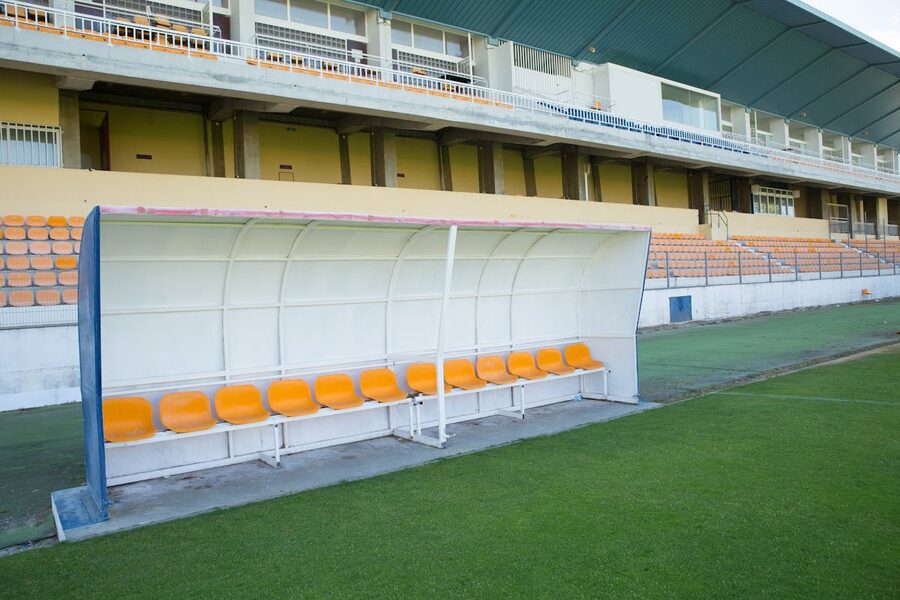
The changing rooms are included too. You can see the actual lockers, the treatment area, and the showers (yes, the showers). It’s oddly fascinating seeing the mundane side of elite football. And then there are the VR stations, which let you experience matchday from a player’s perspective. They’re the standout surprise — one of the few stadium tours in Europe that includes anything like this.

How to Book Your Tickets

Booking in advance is essential. Not because it always sells out, but because walk-ups aren’t guaranteed and the price at the door is sometimes higher. Three main options exist, and they’re all bookable online:
Option 1: Self-Guided Entry ($29) — The most popular choice. You get the museum, the stadium, the tunnel, pitch access, changing rooms, and the VR stations. Budget about 90 minutes to two hours. You go at your own pace, which means you can linger at the museum exhibits or rush through to the pitch. Most people find 90 minutes about right.
Option 2: Guided Tour ($52) — Same areas, but with a club guide who actually knows the stories. They’ll tell you things the info boards don’t cover — like which players have specific superstitions before matches, or which seat in the VIP box is technically the best view. Worth the extra money if you care about football. If you don’t, the self-guided option is fine.
Option 3: Museum & Stadium Admission ($30) — Similar to Option 1 but through Viator. The ticket gets you into the museum and stadium sections. Good if you prefer booking through Viator’s cancellation policy.

Timing tip: tours run daily, but schedules shift on matchdays. If Atletico is playing at home, the tour usually closes the day before and the day of the match. Check the calendar before you book. Morning slots (before 11am) tend to be the quietest.
Best Atletico Madrid Stadium Tours
1. Atletico de Madrid Stadium Entry — $29

This is the one most people book, and for good reason. The self-guided format means you’re not waiting around for groups, and the VR experience is a genuine differentiator from other stadium tours. I’d put it ahead of the Camp Nou tour for overall experience, though Real Madrid’s revamped Bernabeu gives it competition. Our full review covers the VR stations in more detail — they’re the highlight for non-football fans too.
2. Civitas Metropolitano Stadium Guided Tour — $52
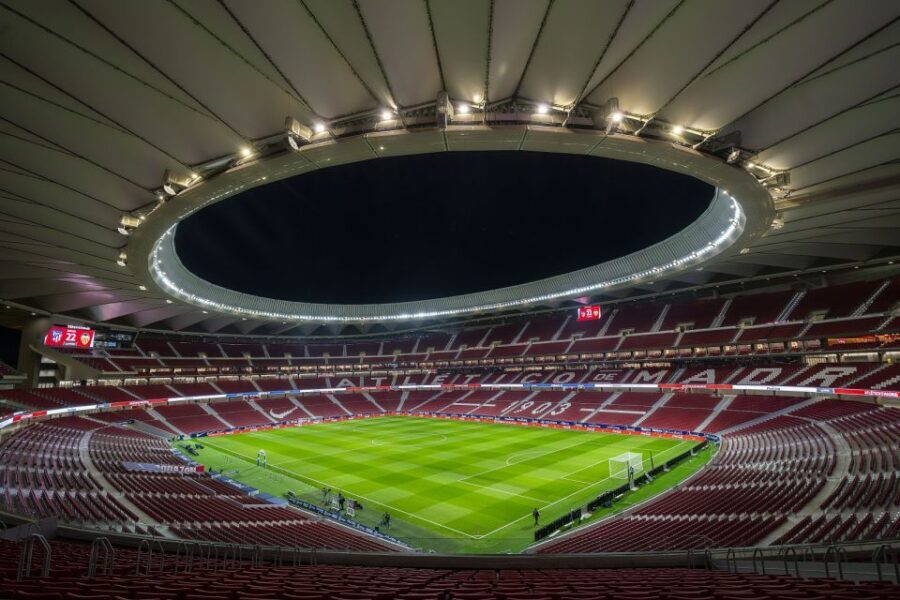
The guided option is worth the premium if you want the insider stories. The guides are club staff, not generic tour operators, and they know the place cold. One guide told us about the specific design decisions behind the stadium roof — it was built to amplify crowd noise back toward the pitch, which explains why the Metropolitano atmosphere is so intense. Our review breaks down what makes this different from the self-guided version.
3. Atletico de Madrid Stadium & Interactive Museum Admission — $30

This is essentially the same experience as Option 1 but booked through Viator, which some travelers prefer for the cancellation flexibility. The ticket covers the museum and stadium access. It’s a good call if your plans might shift — Viator’s free cancellation window is generous. Our review has the full breakdown of what’s included.
Self-Guided vs Guided: Which Should You Pick?

Honest answer: if you’re a football fan, go guided. The extra $23 buys you stories you won’t get from info boards. The guides are passionate and know the club inside out. One visitor mentioned the guide took photos for the group at every stop, which is a small touch that makes a difference.
If you’re visiting with kids, the self-guided is probably better. Kids get bored standing around listening to adults talk, and the VR stations and interactive museum are the parts they’ll love most. Let them run at their own pace.

Not a football fan at all? Still worth going — seriously. The architecture alone is impressive, and the interactive museum is designed for a general audience, not just hardcore supporters. But don’t pay for the guided tour. The self-guided option at $29 is plenty.
Getting to the Civitas Metropolitano

The stadium sits in the San Blas-Canillejas district, east of the city center. It’s not in the tourist zone, but getting there is straightforward.
By Metro: Line 7 to Estadio Metropolitano station. The station exits practically at the stadium gates. From Sol (city center), it’s about 25-30 minutes with one change. This is what most people do.
By Bus: Lines 77, 140, and 174 all stop nearby. Slower than the metro, but fine if you’re coming from somewhere already on those routes.
By Taxi/Uber: About 15 minutes from the center, depending on traffic. Expect around 10-15 euros. This is the easiest option if you’re running late for a timed entry.
Walking from the center: Don’t. It’s about 8km from Sol. I’ve seen travelers attempt this and regret it by the halfway mark.

Practical Tips That Actually Matter

Book at least 2-3 days ahead. Same-day availability exists but isn’t reliable, especially on weekends and during school holidays. Matchday schedules change everything — tours close the day before home games.
The gift shop is at the end. It’s well-stocked and the prices are what you’d expect from a football club shop. Jerseys, scarves, keychains. Kids will want everything. Budget warning.
Photography is allowed everywhere on the tour. No restrictions on any area, including the tunnel and changing rooms. Bring a phone with space — you’ll take more photos than you planned.
Accessibility: the stadium is fully wheelchair accessible, including all areas of the tour route. The lifts work well and the staff are genuinely helpful with accessibility needs.
Food options nearby: limited around the stadium itself. Eat before you go or head back to the center afterward. The area around the Estadio Metropolitano metro isn’t a dining destination.

The Story Behind Los Colchoneros
Every football club has a story, but Atletico’s is genuinely unusual. The club was founded in 1903 by three Basque students living in Madrid who wanted to create a branch of Athletic Bilbao. They played in blue and white at first — the red and white stripes only came later, and the reason for the switch is still debated. The most popular theory? The club imported mattress fabric from England because it was the cheapest red-and-white striped material available. That’s supposedly where the nickname “Los Colchoneros” — the mattress makers — comes from.
For decades, Atletico was Madrid’s working-class club. While Real Madrid attracted the hotel, Atletico drew support from the city’s southern neighborhoods, from factory workers and immigrants. That identity still holds today, even though modern football has blurred a lot of those class lines.

The move to the Civitas Metropolitano in 2017 was a big deal. Their old ground, the Vicente Calderon, sat right by the Manzanares River and had been home since 1966. Leaving it was emotional. But the new stadium is something else — 68,456 seats, a retractable roof design that was considered revolutionary at the time, and acoustics specifically engineered to amplify crowd noise. When the south stand gets going during a Champions League night, the sound is physical.
Diego Simeone took over as manager in 2011 and transformed the club from perennial underachievers into genuine contenders. Under him, Atletico won La Liga in 2014, reached two Champions League finals, and developed a defensive style so effective that opponents started studying it like a military strategy. The museum covers the Simeone era extensively — it’s some of the best content in the whole tour.

Atletico vs Bernabeu: Which Stadium Tour Is Better?

I get asked this constantly. Both are excellent, but they offer different things. The Bernabeu tour is grander in scale — Real Madrid’s recently renovated stadium is jaw-dropping, with a futuristic retractable pitch and a massive trophy room. If you’re into architecture and sheer spectacle, the Bernabeu wins.
But the Atletico tour is more personal. It feels less like a corporate experience and more like a football experience. The VR stations give it an edge for interactivity. The museum tells a grittier story. And it’s about half the price of the Bernabeu tour, which matters if you’re travelling on a budget.

My recommendation? If you have time and budget for both, do both. They complement each other perfectly. If you can only pick one and you’re a casual fan, go Bernabeu for the spectacle. If you actually care about football culture, Atletico.
What to See Near the Stadium

The Metropolitano isn’t in the touristy part of Madrid, so there’s not much within walking distance. Your best bet is to combine the stadium visit with a morning or afternoon in the city center.
Pair it with a Madrid walking tour in the morning, then head to the stadium after lunch. Or do the stadium first thing, then spend the afternoon at the Royal Palace or the Prado Museum. The metro connections are good enough that you can bounce between the stadium and central Madrid in about 30 minutes.

If you’re doing a full Madrid football tour, the obvious combination is Atletico in the morning and Bernabeu in the afternoon (or vice versa). They’re on different metro lines but easily doable in one day. Throw in a Madrid sightseeing tour the next day and you’ve got a solid two-day itinerary.


Also Worth Checking Out in Madrid
If the Atletico stadium tour gets your blood going, there’s plenty more to see in Madrid. The Santiago Bernabeu tour is the obvious next stop — it’s Real Madrid’s recently renovated home and one of the most impressive stadiums in the world. For something completely different, the Prado Museum houses one of Europe’s finest art collections, and the Royal Palace is worth at least half a day. When you’re done with the big sights, a Madrid walking tour is the best way to get your bearings in the old town — the guides know all the shortcuts and hidden squares. And if you’re still hungry after all that walking, a tapas tour is basically mandatory — it’s Madrid, after all.
Affiliate disclosure: This article contains links to tour operators. If you book through these links, we may earn a small commission at no extra cost to you. This helps us keep producing free travel guides.