
Three hundred and thirty-six marble columns holding up an underground lake. That’s what Emperor Justinian built beneath Constantinople in 532 AD, and somehow it survived fifteen centuries of earthquakes, conquests, and one very confused neighbourhood that had no idea they were living above a Byzantine water palace.
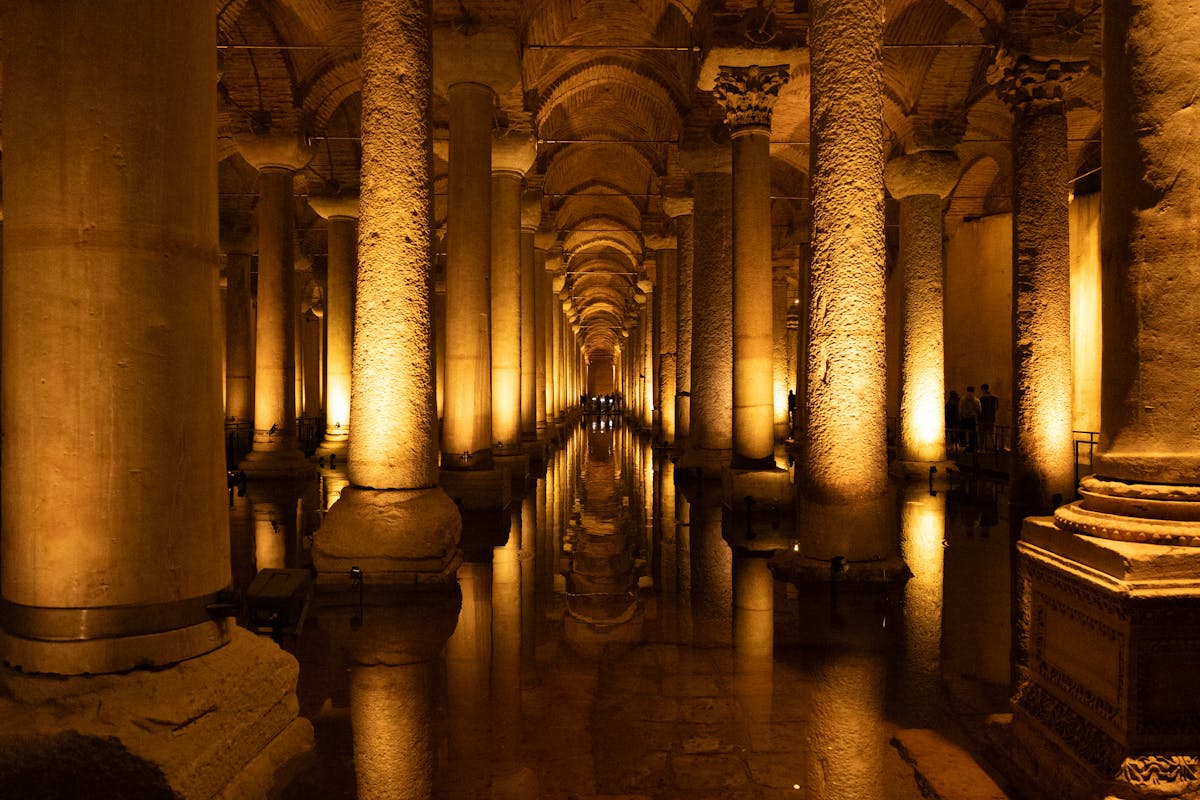
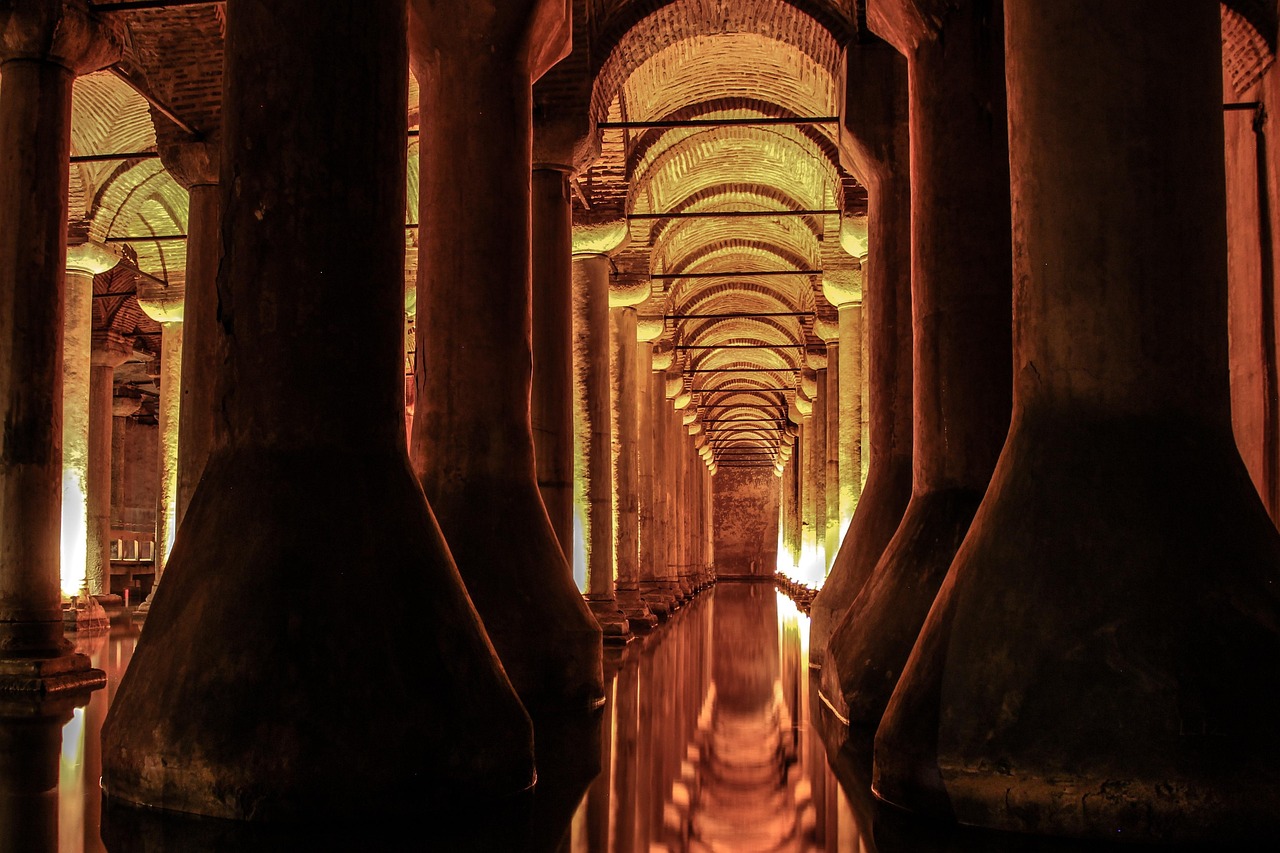
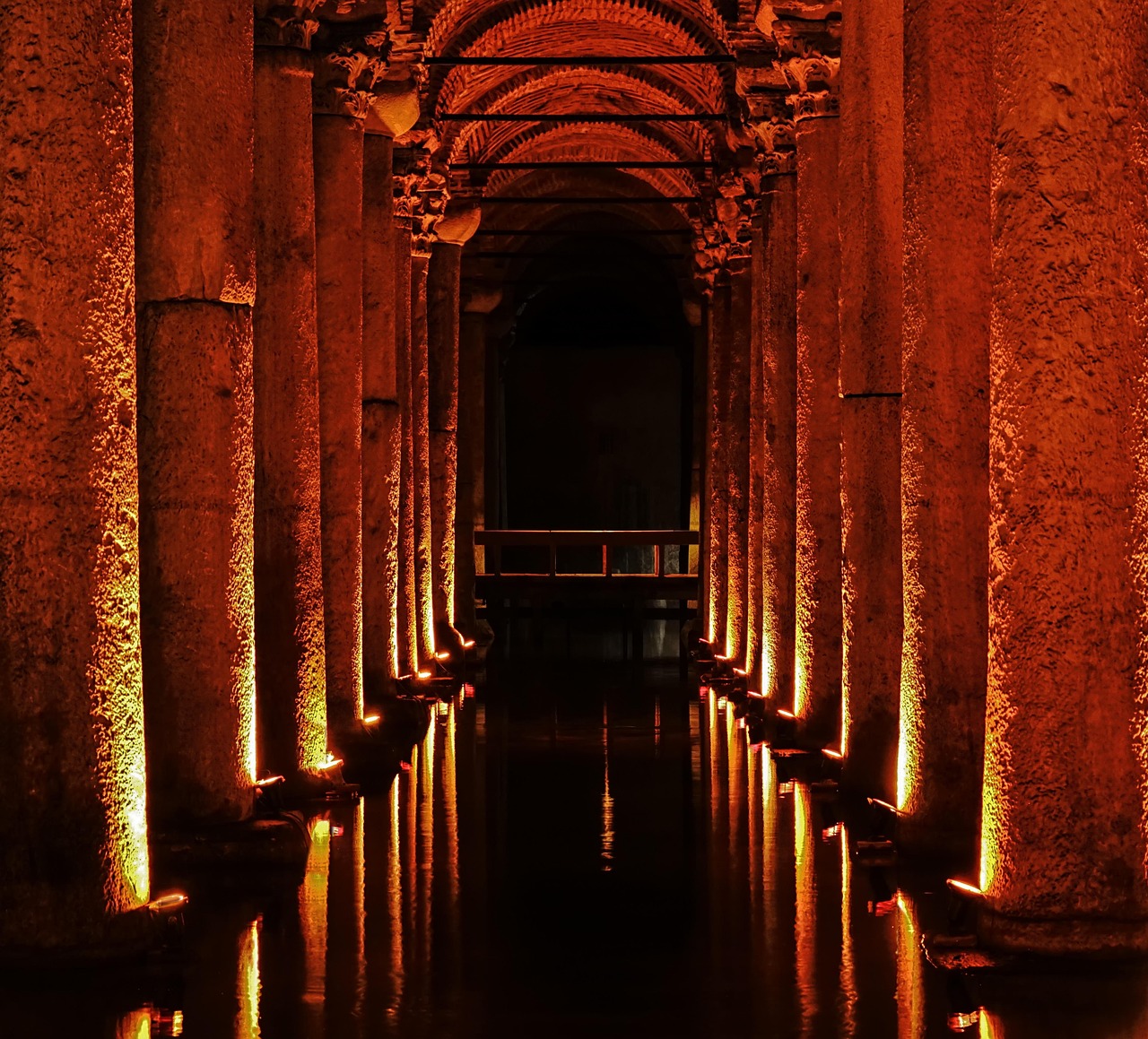
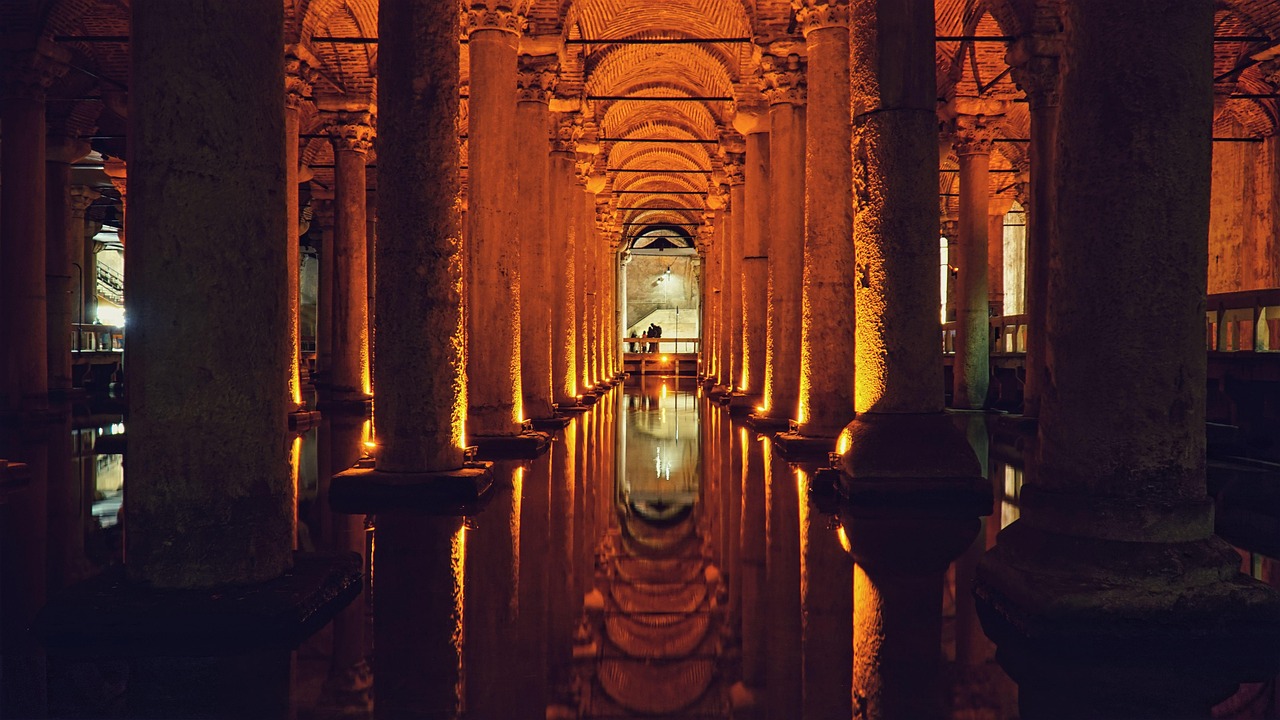
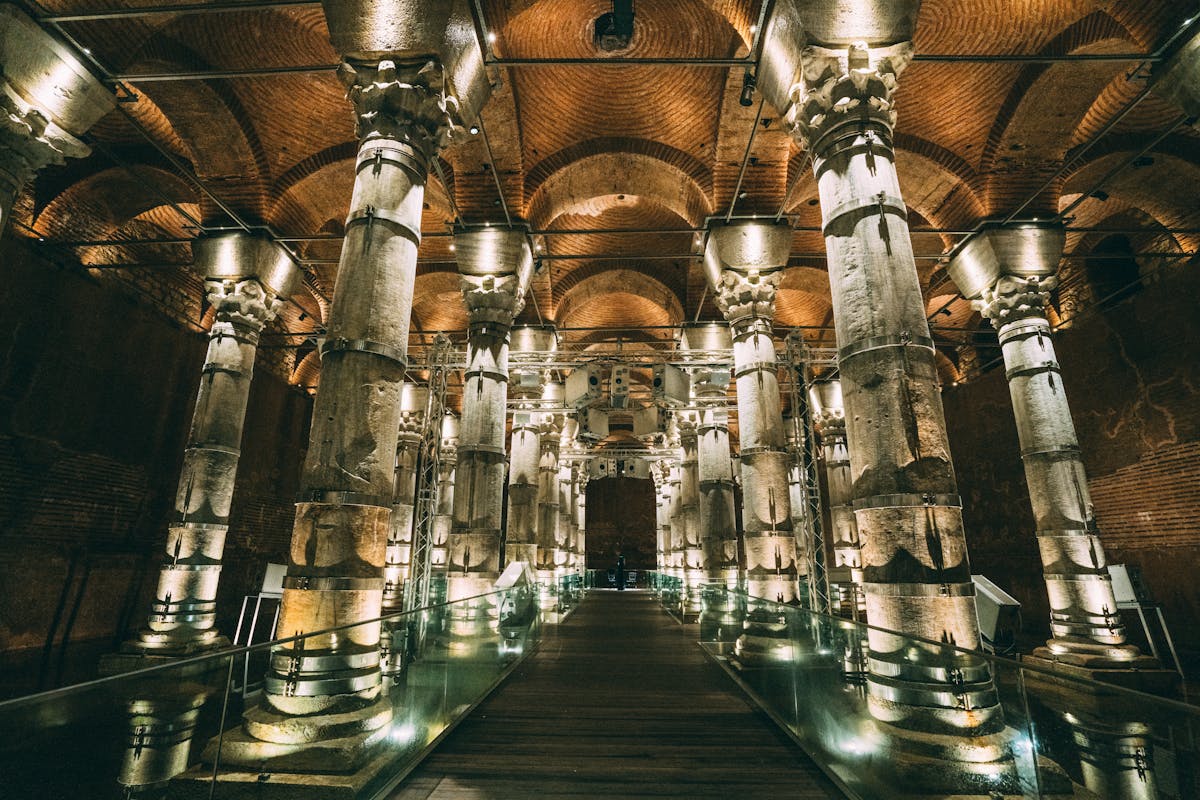
I went on a weekday morning thinking I’d breeze through in twenty minutes. An hour later I was still down there, photographing the light hitting the water from different angles and trying to find the Medusa heads without a guide. The Basilica Cistern (Yerebatan Sarayi, if you want to sound local) is one of those places that photographs well, but feels completely different in person. The air is cool and damp, the light shifts through these amber-orange tones, and the sound of water dripping echoes off the vaulted ceiling in a way that makes the whole place feel alive.
But here’s the thing that catches most people off guard: tickets are not cheap for international visitors. The Basilica Cistern charges TL 600 (roughly $18-20 USD) for foreigners, compared to TL 90 for Turkish citizens. And the Istanbul Museum Pass doesn’t cover it. You need a separate ticket.
So the question becomes: do you just buy the standard entry, or do you get a guided tour that includes skip-the-line access? Having done it both ways, I can tell you the answer depends on whether you’re visiting in summer (guided, absolutely) or in the off-season (you can probably wing it alone).
Best overall: Skip-the-Line Ticket with Guided Tour — $50. The most popular option for good reason. Gets you past the queue and a guide who actually explains the Medusa heads.
Best budget: Basilica Cistern Guided Tours — $19. No-frills guided entry at a fraction of the price. Solid if you’re watching your budget.
Best VIP experience: Expert Guided Tour with VIP Access — $35. Small group with a licensed local guide who goes deep on Byzantine history.
- How the Basilica Cistern Ticket System Works
- Official Ticket vs Guided Tour — Which Makes More Sense?
- The Best Basilica Cistern Tours to Book
- 1. Basilica Cistern Skip-the-Line Ticket with Guided Tour —
- 2. Basilica Cistern Guided Tours in Istanbul —
- 3. Expert Guided Tour with VIP Access —
- When to Visit the Basilica Cistern
- How to Get to the Basilica Cistern
- Tips That Will Actually Save You Time
- What You’ll Actually See Inside
- More Istanbul Guides
How the Basilica Cistern Ticket System Works
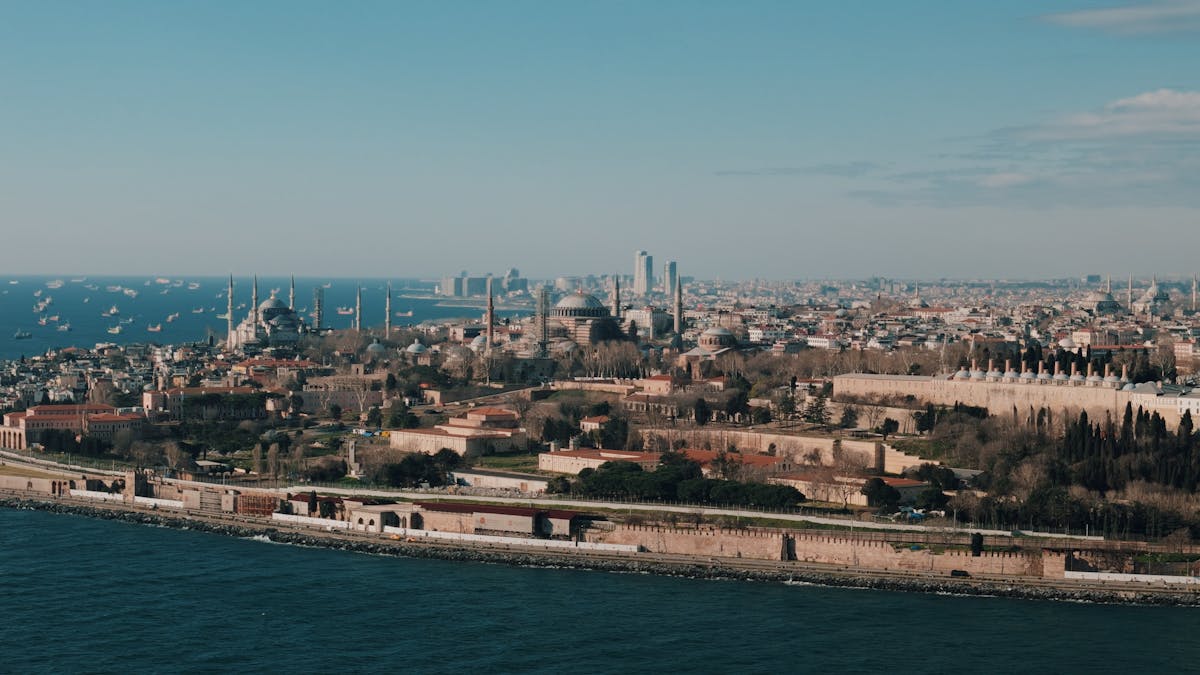
The official entry point is on Yerebatan Caddesi, about 150 metres southwest of Hagia Sophia. You literally can’t miss it if you’re walking around Sultanahmet — there’s a small stone building with a queue snaking out the front.
Standard ticket price: TL 600 for international visitors, TL 90 for Turkish citizens. Children under 8 get in free. There’s no student discount for foreigners.
You can buy tickets two ways:
At the door: Cash or card at the ticket booth. Expect a queue of 20-40 minutes in summer, especially between 10am and 3pm. In winter, you might walk straight in.
Online in advance: The official site (yerebatan.com) sells timed tickets. This doesn’t guarantee skip-the-line entry, but it saves you the ticket booth queue. You still enter through the same door and may wait at the actual entrance.
One important thing: the Istanbul Museum Pass does NOT include the Basilica Cistern. This catches a lot of people out. The cistern is privately managed, separate from the government museum network. So even if you’ve got the Museum Pass for Hagia Sophia and Topkapi Palace, you’re buying a separate ticket here.
Opening hours: 9:00am to 6:30pm daily, with a separate evening session from 7:30pm to 10:00pm (the night visits are worth considering if you want a more atmospheric experience with fewer people).
Official Ticket vs Guided Tour — Which Makes More Sense?
This is where I have a strong opinion. The Basilica Cistern is beautiful to look at, but it’s actually quite small. Most people do a self-guided visit in about 20 minutes — you walk in, follow the elevated platform through the columns, find the Medusa heads, take some photos, and walk out. Done.
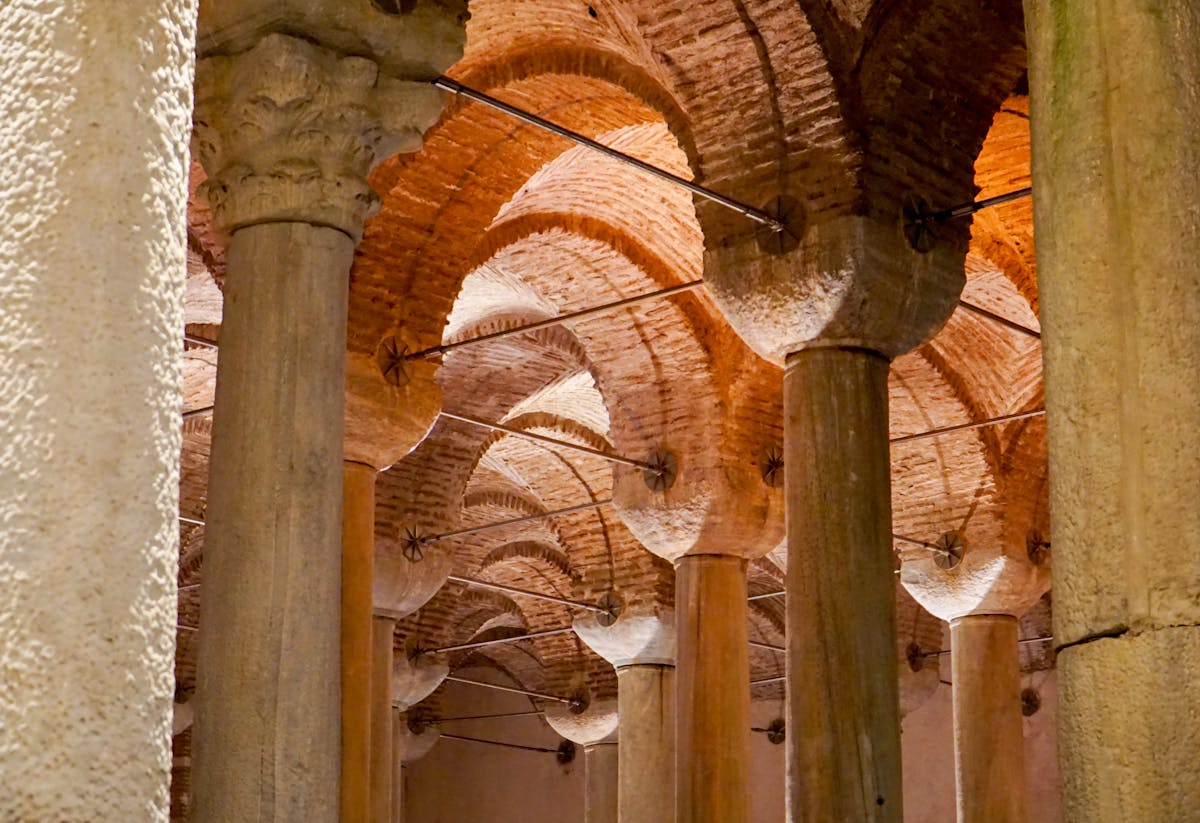
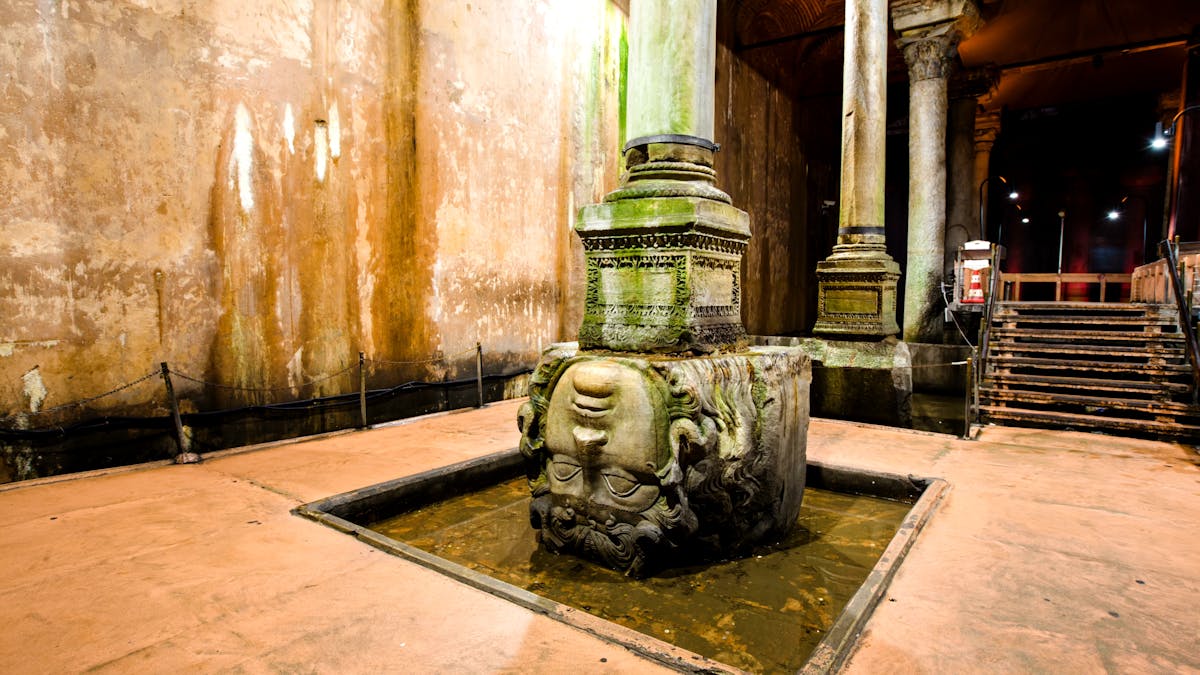
A guide changes that experience significantly. The cistern has details that are genuinely hard to notice on your own: columns salvaged from ruined Roman temples (which is why they’re all different styles), the hen’s eye column with its teardrop pattern, and the two Medusa head bases that are positioned sideways and upside-down — and nobody is entirely sure why. A guide turns a 20-minute photo op into a 45-minute history lesson.
Go with a standard ticket if: You’re visiting in the off-season (November through March), you don’t mind a short queue, and you’ve already read up on the history. The cistern is small enough to explore alone.
Go with a guided tour if: You’re visiting between April and October (the queues get painful), you want skip-the-line access, or you actually care about the Byzantine engineering behind what you’re looking at. The guides on these tours are licensed and know things you won’t find on the Wikipedia page.
The Best Basilica Cistern Tours to Book
I’ve narrowed this down to three. There are dozens of Basilica Cistern tours out there, but most of them are combo tours that spend an hour at the cistern and then drag you through the Grand Bazaar or Blue Mosque. These three focus on the cistern specifically, which is what you actually want.
1. Basilica Cistern Skip-the-Line Ticket with Guided Tour — $50
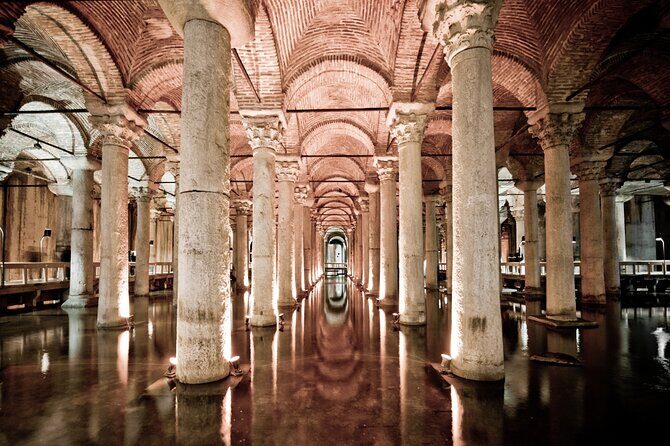
This is the one most people end up booking, and honestly it makes sense. You skip the ticket queue entirely, get a licensed English-speaking guide, and the whole thing takes about 20-30 minutes. The guide walks you through the column hall, explains the recycled Roman stonework, and takes you directly to the Medusa heads without the usual wandering-around-trying-to-find-them phase.
At $50 per person, it’s not the cheapest option, but when you factor in skipping a 30-40 minute summer queue and actually understanding what you’re looking at, it pays for itself. The tour runs multiple times daily, so you’ve got flexibility on timing. If you’re doing this in July or August, this is the one I’d go with.
2. Basilica Cistern Guided Tours in Istanbul — $19
If you’re watching your spending — and in Istanbul that’s reasonable because the entrance fees to major sites add up fast — this is the tour that makes the maths work. $19 per person for a 40-minute guided visit with a local guide. That’s roughly the same as a standard ticket with a bit extra for someone who knows the difference between Ionic and Corinthian column capitals and can point out which ones were nicked from pagan temples.
The catch? Groups can be a bit larger than the premium options, and the skip-the-line benefit depends on the day. But the guide quality is consistently good, and you’re spending a third of what the first option costs. If you’re visiting Istanbul on a tighter budget and doing a Bosphorus cruise and a hammam visit the same week, this keeps the total reasonable.
3. Expert Guided Tour with VIP Access — $35
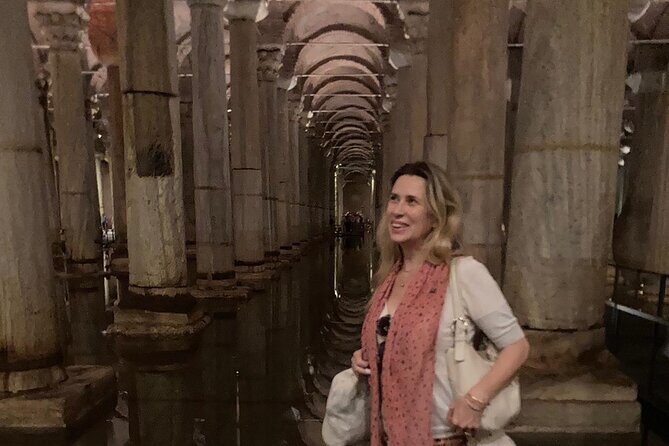
This is the pick for history people. The guide on this one is a licensed local who goes deep on the Byzantine engineering: how they built a cistern to hold 80,000 cubic metres of water, why the column heights are all slightly different, and the theories behind the upside-down Medusa placement. It runs as a small group (not a crowd of 25), which matters because the cistern echoes badly and large groups turn into a wall of noise.
At $35 per person with an hour of guided time and VIP no-wait access, this sits right in the sweet spot between budget and premium. You’re getting a longer, more detailed tour than either of the options above, with a smaller group. If you’re the type who reads the information plaques at museums and wants to actually understand what Justinian was trying to achieve, this is your tour.
When to Visit the Basilica Cistern
Best months: March to May and September to November. The weather in Istanbul is pleasant, the queues are manageable, and you won’t be drenched in sweat walking through Sultanahmet to get here. Summer (June through August) is peak tourist season and the queues reflect that.
Best time of day: First thing at 9am or in the last hour before the 6:30pm close. Midday is the worst — every tour bus in Istanbul dumps its passengers in Sultanahmet between 11am and 2pm.
Night visits: The cistern reopens from 7:30pm to 10pm with a different lighting setup. It’s moodier, quieter, and honestly a bit eerie in a good way. If you’ve already seen the major daytime sites and want something different for an evening, this is a solid option. The ticket price is the same.
Winter visits: December through February is the quietest period. Queues are short or nonexistent, but Istanbul can be cold and rainy. The cistern is underground and climate-controlled, though, so the weather doesn’t really affect the experience. Just dress warmly for the walk there.
How to Get to the Basilica Cistern
The cistern sits at Alemdar, Yerebatan Caddesi 1/3, in the Fatih district — basically in the middle of everything you’ll want to see in Sultanahmet.
By tram: Take the T1 line to the Sultanahmet stop. The cistern entrance is about a 3-minute walk. This is the easiest option and the one I’d recommend.
Walking from Hagia Sophia: It’s literally across the road. If you’re coming from Hagia Sophia, turn left out the main exit and you’ll see the cistern entrance on your left within 150 metres.
Walking from the Grand Bazaar: About 10-12 minutes downhill through the side streets. Follow Divan Yolu Caddesi east and you’ll hit it.
From Taksim or Galata: Take the T1 tram from Karakoy to Sultanahmet (about 15 minutes), or walk across the Galata Bridge and up through Eminonu — roughly 25-30 minutes on foot.
Tips That Will Actually Save You Time
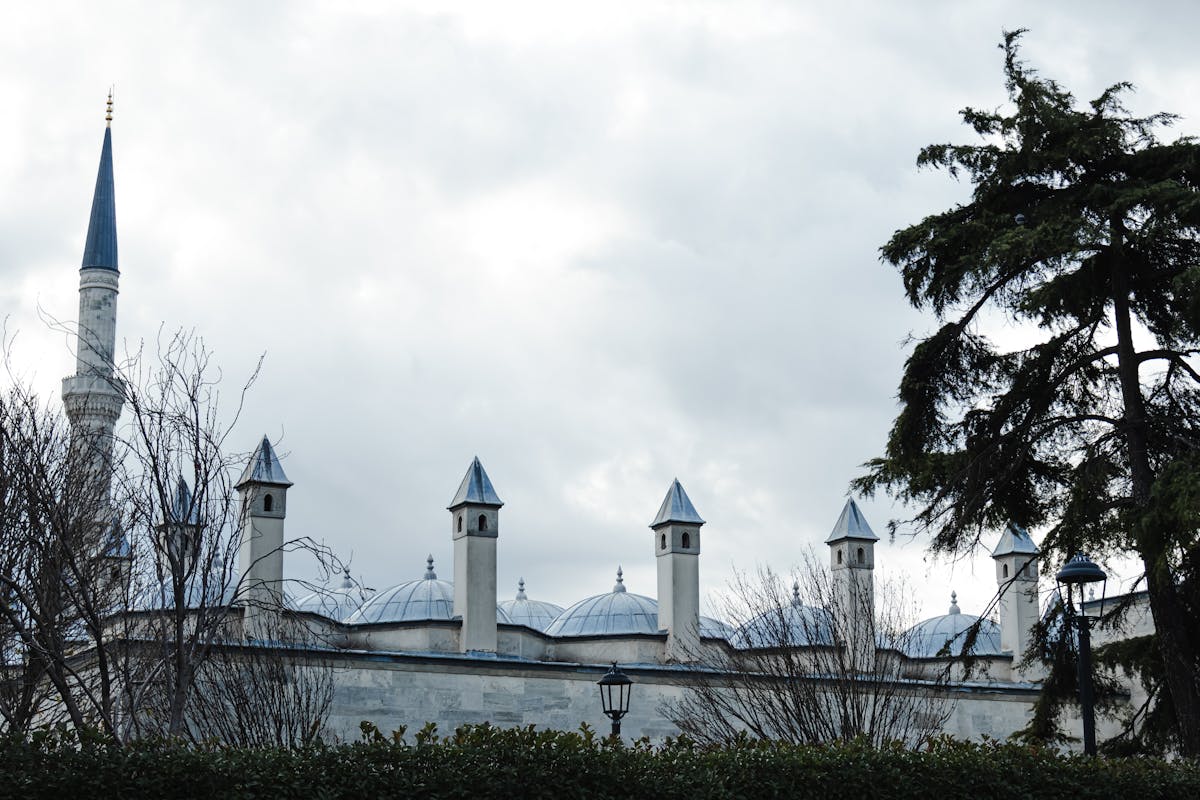
Combine with Hagia Sophia. They’re 150 metres apart. Do the cistern first thing at 9am (shorter queue), then cross the road to Hagia Sophia. By the time you finish there, the Topkapi Palace tour groups will have thinned out.
Bring a light jacket. The cistern sits about 8 metres underground and stays cool year-round. In summer you’ll appreciate the relief from the heat, but in winter it can feel properly cold down there. A thin layer is enough.
The Medusa heads are in the far-left corner. Most people wander around looking for them. Head to the northwest corner of the cistern — you’ll see a small crowd gathered around two column bases with carved Medusa faces. One is sideways, the other upside-down. The prevailing theory is they were just the right size to serve as bases, but nobody knows for sure.
Photography is allowed and free. No tripod restriction that I noticed. The low light means your phone will struggle a bit — if you care about photos, bump the ISO manually rather than using auto mode.
Skip the gift shop. It’s tiny and overpriced. You’ll find the same “evil eye” souvenirs for half the price at the Grand Bazaar or Arasta Bazaar.
Budget about 30-45 minutes. The cistern is not huge. Self-guided visitors average 20 minutes, guided tours take 30-45. Don’t schedule a full morning for this — pair it with other Sultanahmet sites.
What You’ll Actually See Inside
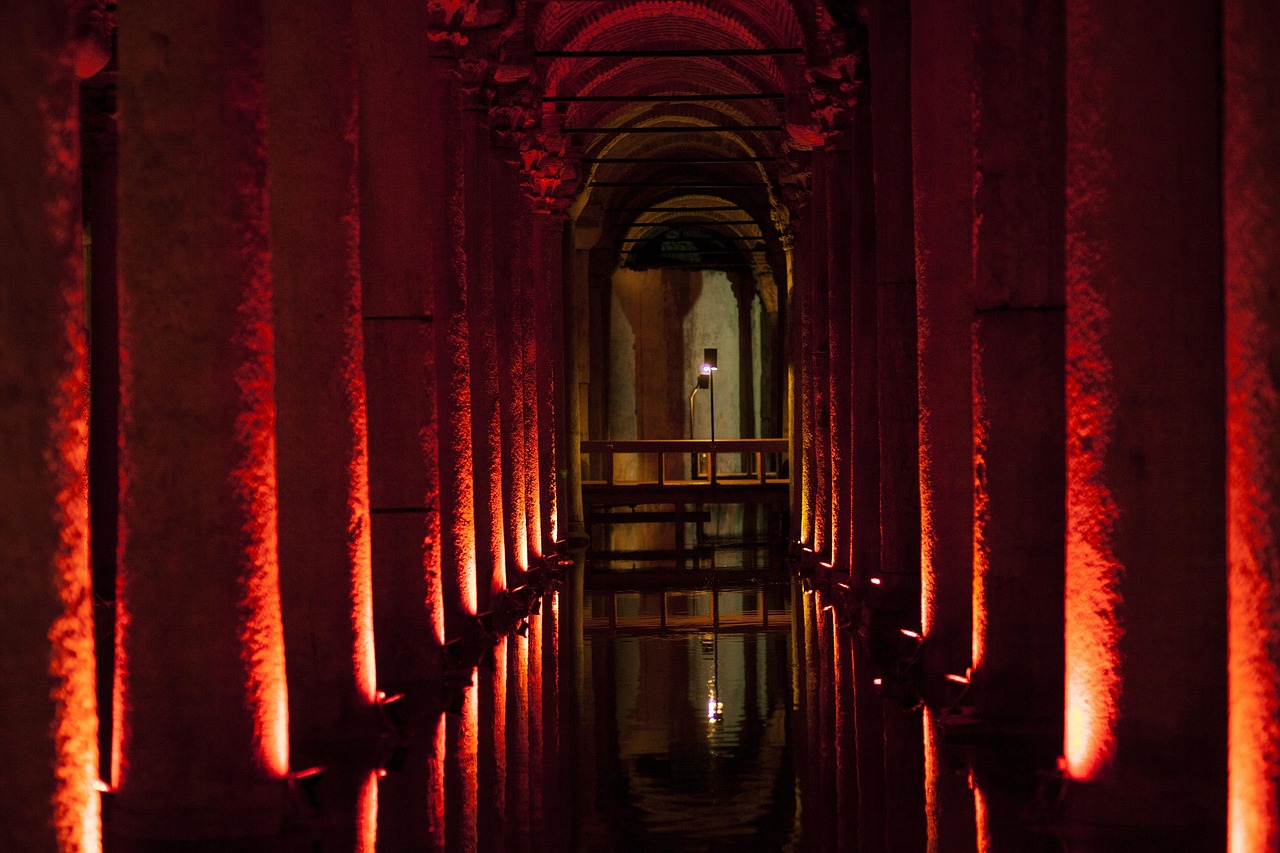
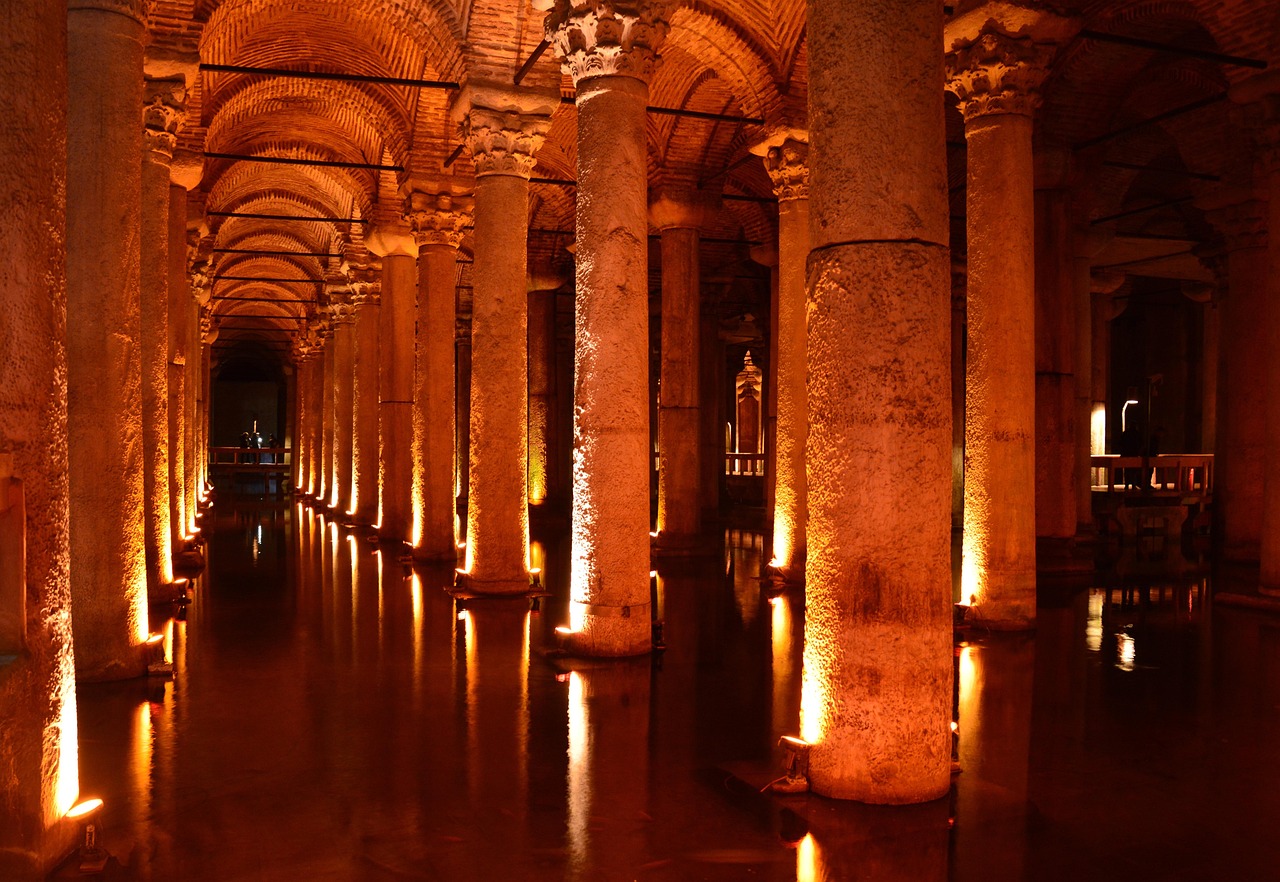
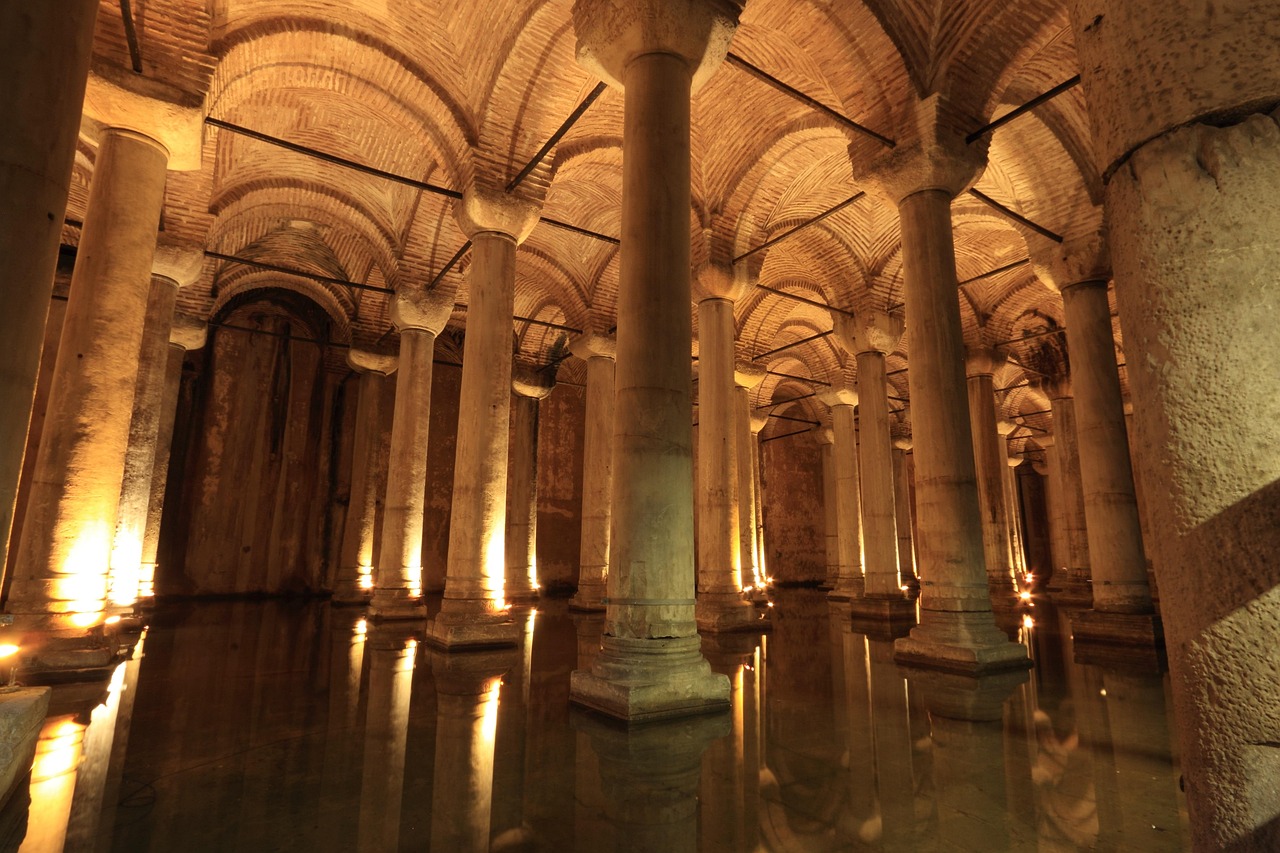
The Basilica Cistern is the largest of several hundred ancient cisterns that lie beneath Istanbul. Emperor Justinian I commissioned it in 532 AD to supply water to the Great Palace and surrounding buildings. It measures 138 metres by 65 metres — roughly the size of two football pitches — and those 336 marble columns stand about 9 metres high, each one salvaged from ruined temples and buildings across the Byzantine Empire.
That last detail is what makes it architecturally fascinating. Because the columns were recycled from different sources, they’re all slightly different. Some have Corinthian capitals, others Ionic. Some are smooth, others fluted. A few have carved decorative patterns that scholars still argue about. The whole place is basically a museum of classical architectural styles, assembled underground as structural support for a water tank.
The two Medusa heads are the star attraction, and rightfully so. They sit at the base of two columns in the northwest corner — one placed sideways, the other upside-down. The most accepted theory is that they were simply re-used as column bases because they were the right dimensions, but the mystery of their positioning has generated decades of debate. Some scholars suggest they were deliberately inverted to “neutralise” the Medusa’s mythological gaze.
After a major restoration completed in 2022, the cistern added a modern light installation that shifts colours throughout the day. Opinion on this is divided. Purists hate it. But I thought it worked — the shifting amber and blue tones add depth to the space and make the water reflections more dramatic. The walkways were also improved, making the whole experience more accessible.
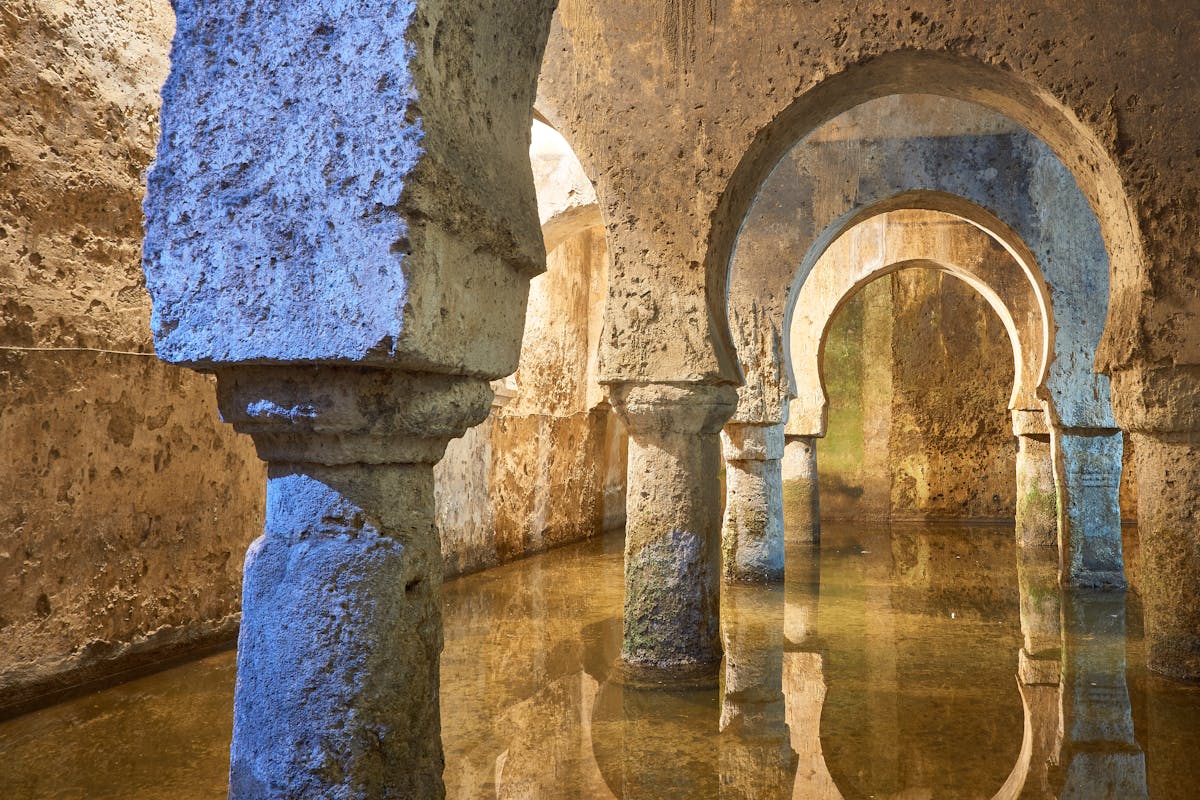
The Hen’s Eye Column is another detail worth finding. One column near the centre has teardrop-shaped carvings running down its surface, resembling eyes. Legend says it commemorates the slaves who died during construction. It’s easy to walk past if you don’t know to look for it.
If you’ve seen the cistern featured in film — most famously in a James Bond movie — the modern experience is a bit different. The water level is much lower now, the lighting is controlled, and there’s a proper elevated walkway instead of the rowboat-accessible flooded chamber from the old days. But the atmosphere is still genuinely impressive.
More Istanbul Guides
The Basilica Cistern sits directly between Istanbul’s two heavyweight attractions. Hagia Sophia is a two-minute walk up the stairs and across the plaza — the cistern was actually built to supply water to the buildings on this hill. Topkapi Palace is another five minutes beyond that, through the Imperial Gate. Visiting all three in one morning is completely doable if you start early.
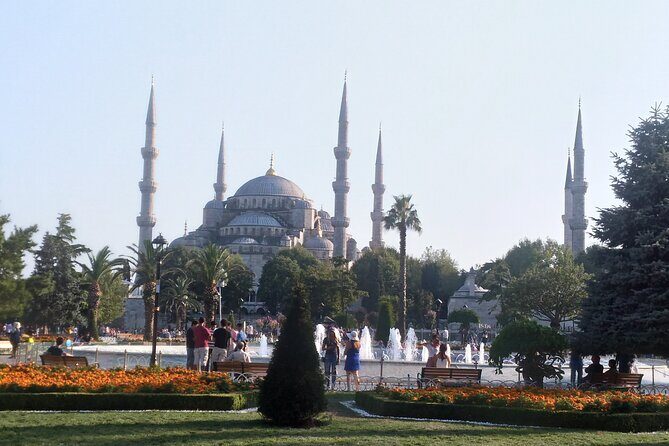
An Old City walking tour typically includes the cistern stop and ties it together with the Blue Mosque and Grand Bazaar, which saves you the trouble of figuring out the sequence yourself. For something completely different in the afternoon, take the tram up to Kabatas and visit Dolmabahce Palace — it is a jarring but fascinating contrast to the underground austerity of the cistern.
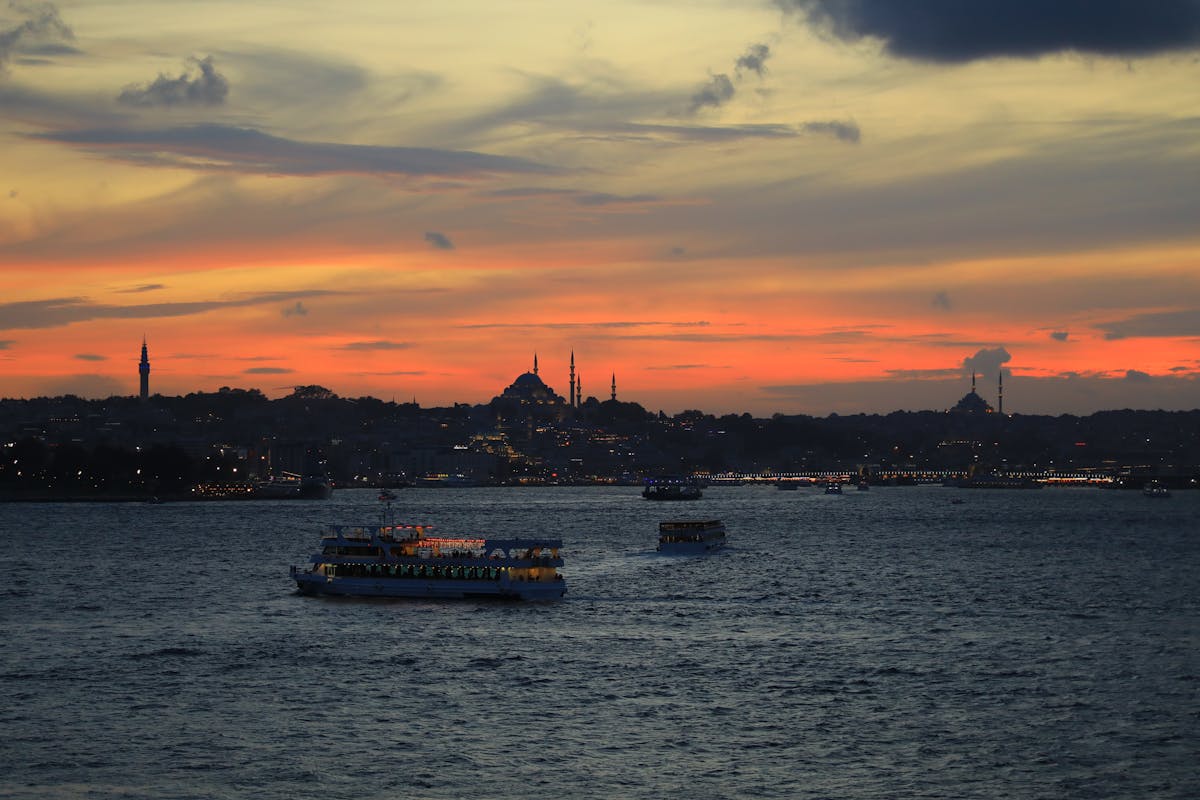
Two of Istanbul’s most unique experiences pair well with a cistern visit. A Turkish bath in one of the nearby historic hamams trades the underground columns for steamy marble domes, and a whirling dervish ceremony brings a contemplative energy that matches the cistern’s atmosphere. A Bosphorus cruise makes a good evening capstone, especially the sunset departures.