
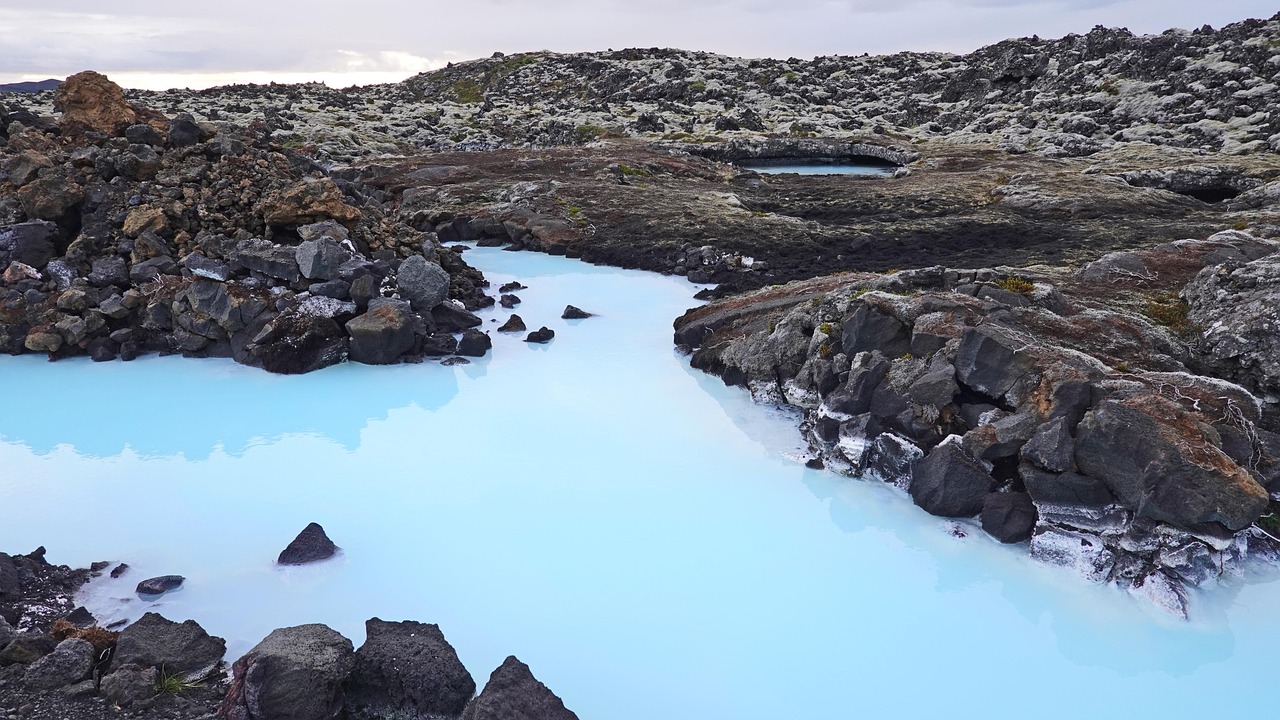
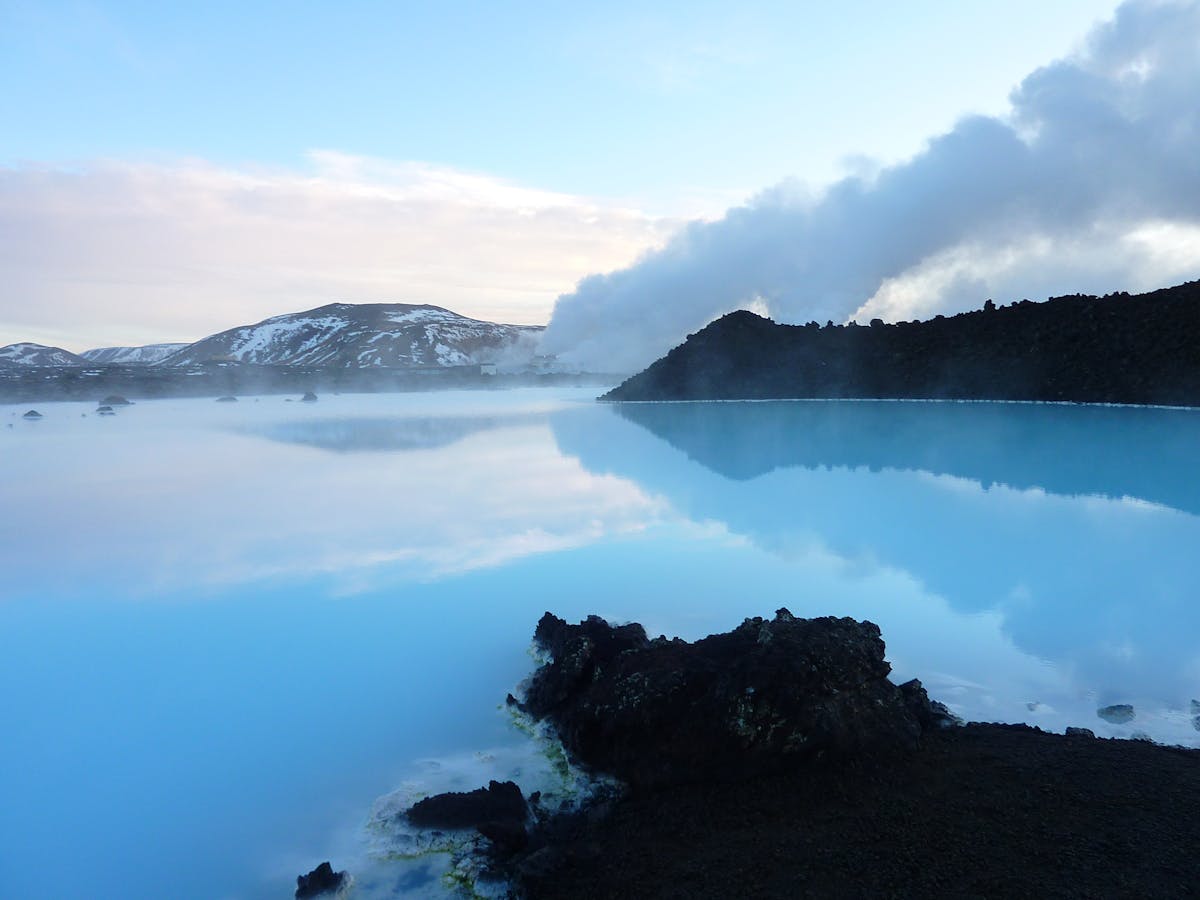
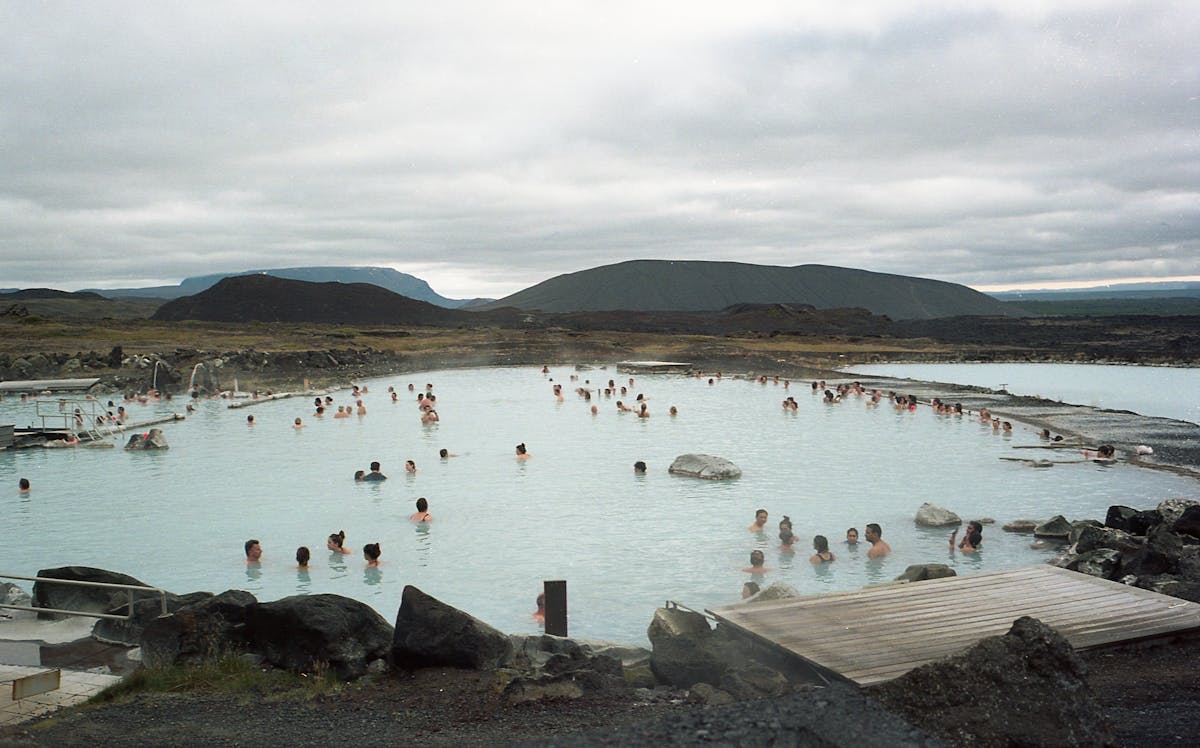
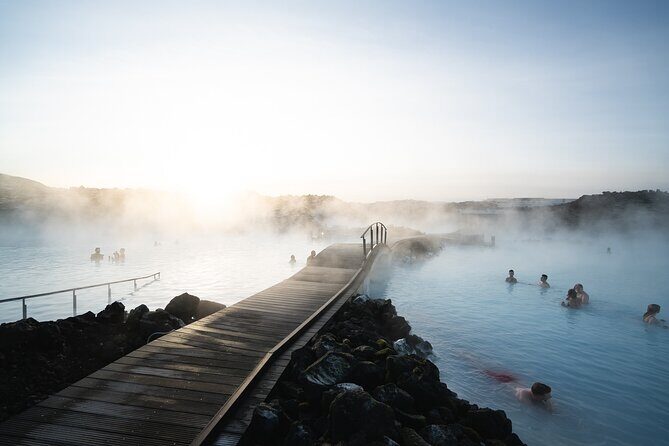
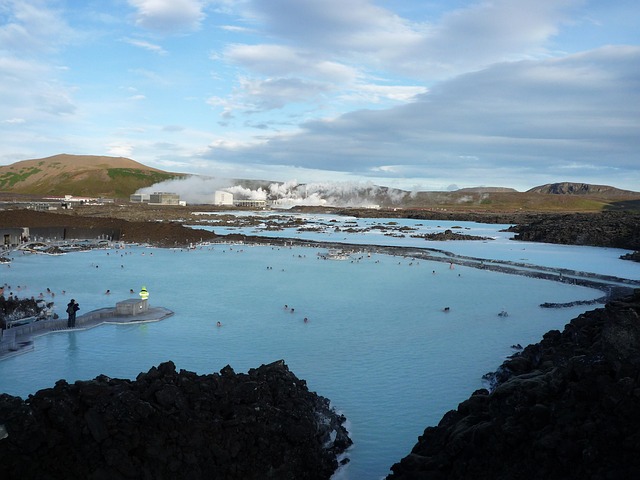
The water is the colour of a swimming pool somebody forgot to chlorinate. That milky, almost alien blue sitting in the middle of a black lava field with steam curling off the surface. You step in and the warmth hits you immediately — not scalding, just deeply, perfectly warm, like the earth itself is running you a bath.
That’s the Blue Lagoon. And yes, it really does look like the photos.
But here’s what the photos don’t tell you: this place sells out. Not “maybe check a few days ahead” sells out. Weeks ahead, sometimes a month or more during peak summer. I’ve seen people arrive at the gate without tickets and get turned away, looking genuinely crushed.
Best overall: Blue Lagoon Admission Package — $109. Includes your drink, towel, and silica mud mask. Everything you need, nothing you don’t.
Best combo deal: Golden Circle + Blue Lagoon Day Trip — $249. Hits Thingvellir, Geysir, Gullfoss, and the lagoon in one very long but very good day.
Best upgrade: Blue Lagoon Premium Package — $123. Extra drinks, a second mask, and use of the Retreat Spa area. Worth the bump if you want the full experience.
- How the Blue Lagoon Ticket System Works
- Official Tickets vs Guided Tours
- The Best Blue Lagoon Tours to Book
- 1. Blue Lagoon Admission Package with Drink, Towel, and Mask — 9
- 2. Golden Circle + Blue Lagoon with Kerid Crater — 9
- 3. Golden Circle, Kerid Crater, and Blue Lagoon Tour — 9
- 4. Blue Lagoon Admission with Round-Trip Transfers — 1
- 5. Blue Lagoon Premium with Drinks and Face Masks — 3
- When to Visit the Blue Lagoon
- How to Get to the Blue Lagoon
- Tips That’ll Save You Time and Money
- What You’ll Find at the Blue Lagoon
- Blue Lagoon vs Sky Lagoon
- Beyond the Blue Lagoon
How the Blue Lagoon Ticket System Works
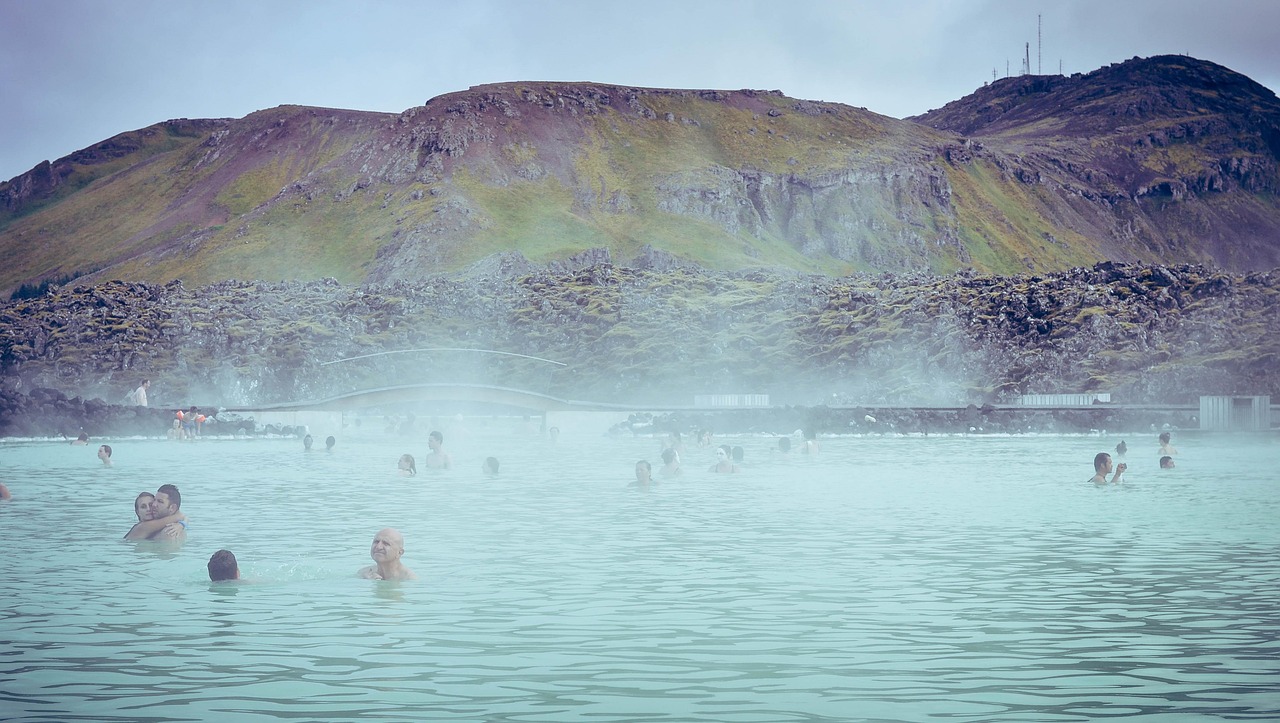
Everything runs through the official Blue Lagoon website at bluelagoon.com. There’s no walk-up ticket window. No showing up and hoping for the best. Every single person in that water booked a timed entry slot online.
The system releases time slots roughly three months in advance. Each slot is for a specific 30-minute arrival window, and they take capacity limits seriously. Once a slot fills up, that’s it.
There are three ticket tiers right now:
- Comfort — the entry-level package. Gets you into the lagoon with a silica mud mask, a towel, and one drink from the swim-up bar. This is what most people buy.
- Premium — adds a second mask (algae this time), a bathrobe, slippers, a table reservation at the Lava Restaurant, and an extra drink. Solid upgrade if you want to make an afternoon of it.
- Retreat Spa — the high-end option with access to a private lounge, a 4-course dinner, and the exclusive Retreat Lagoon area. This costs considerably more and needs to be booked even further ahead.
Prices fluctuate by season and demand. Summer slots (June through August) are the most expensive and the first to sell out. Shoulder season — September and early October — often has better prices and smaller crowds.
Children under 2 aren’t allowed. Kids aged 2 to 13 get in free but must be accompanied by a parent. Anyone under 16 needs a guardian with them at all times. And yes, they check.
Official Tickets vs Guided Tours
You’ve got two routes here, and the right one depends on what the rest of your day looks like.
Buying direct from the Blue Lagoon website makes sense if you’ve got a rental car or want maximum flexibility. You drive out to the Reykjanes Peninsula (about 50 minutes from Reykjavik, 20 minutes from KEF airport), soak for as long as you like, and leave when you’re ready. The parking lot is free.
Booking a guided tour with transfer makes sense if you don’t have a car, or if you want to combine the Blue Lagoon with the Golden Circle or another day trip. The tours handle all the logistics — hotel pickup, the drive, your lagoon entry ticket, and the return. Some even throw in lunch.
The trade-off is time. On a combo tour you’ll usually get 2-3 hours at the lagoon, which is plenty for most people but doesn’t leave room for a long leisurely soak. Going on your own, you can easily spend 4-5 hours there.
One thing worth knowing: the Blue Lagoon sits right between Reykjavik and Keflavik Airport. A lot of travellers visit on their way to or from their flight. It works surprisingly well — the lagoon even has luggage storage. Just make sure you leave enough buffer time before a departure.
The Best Blue Lagoon Tours to Book
I’ve gone through the main options and narrowed it down to five that cover different budgets and styles. Some are lagoon-only, some combine the visit with Iceland’s biggest day trip route.
1. Blue Lagoon Admission Package with Drink, Towel, and Mask — $109
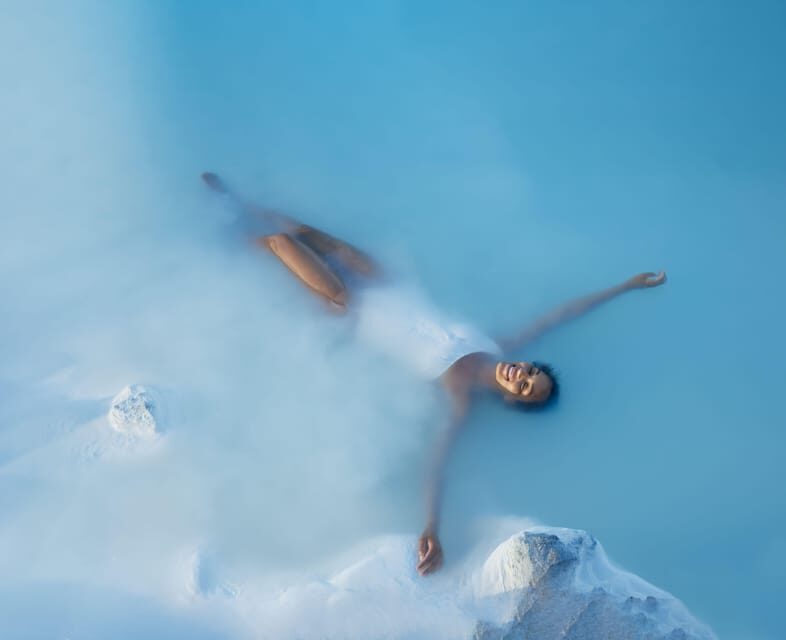
This is the one most people should book. At $109 you get the Comfort-level entry which includes a silica mud mask, a towel, and one drink at the in-water bar. That drink alone is an experience — standing in steaming geothermal water, sipping an Icelandic beer, looking out at a black lava field. Hard to beat.
The package is booked through GetYourGuide, which means easier cancellation policies than going direct in some cases. You pick your time slot during checkout. This is the most reviewed Blue Lagoon entry option on the market for good reason — it’s straightforward and covers the essentials without the premium price tag.
If you just want the lagoon experience without extras or combo day trips, start here.
2. Golden Circle + Blue Lagoon with Kerid Crater — $249
If you’re only in Iceland for a few days, this is how you maximise your time. $249 gets you the Golden Circle route — Thingvellir National Park, the Geysir geothermal area, Gullfoss waterfall — plus the Kerid volcanic crater AND Blue Lagoon entry. All in one 11-hour day with hotel pickup and drop-off.
The Blue Lagoon portion usually falls at the end of the day, which is actually ideal. You’re tired from a full day of sightseeing, and sinking into 38-degree water as the sun starts dipping is about as good as it gets. This Golden Circle and Blue Lagoon combo is the highest-rated option on Viator, and the guide quality is consistently strong.
Fair warning: it’s a packed schedule. You won’t have the luxury of lingering at any single stop. But if your alternative is choosing between the Golden Circle and the lagoon, this solves that problem.
3. Golden Circle, Kerid Crater, and Blue Lagoon Tour — $249
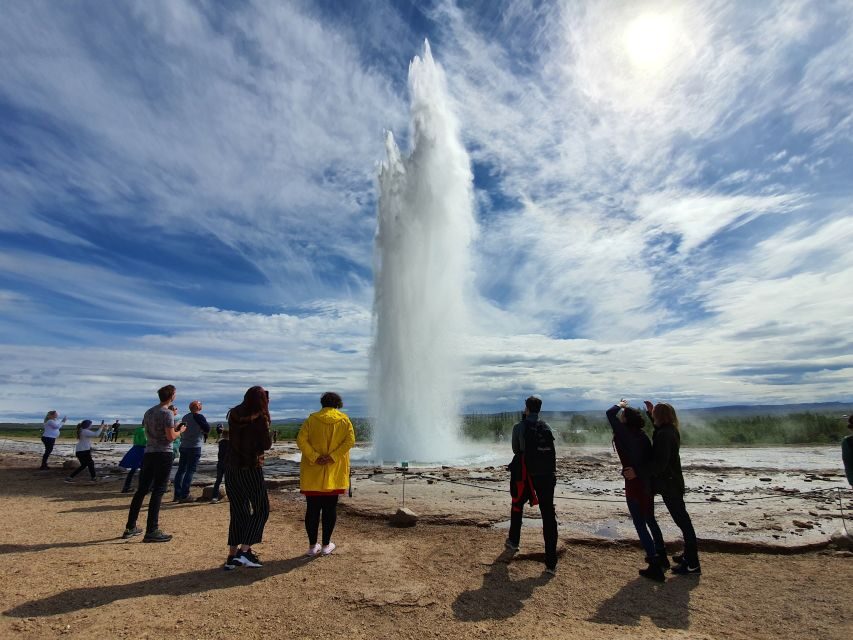
Same price, same route, different platform. This one runs through GetYourGuide instead of Viator, and the groups tend to be slightly smaller. The itinerary hits all the same stops — Thingvellir, Geysir, Gullfoss, Kerid, and the Blue Lagoon — in roughly the same 11-hour window.
What I like about this particular version of the Golden Circle combo is the flexibility in how much time you get at the lagoon. The guides seem more willing to adjust timing based on the group’s preferences.
At $249 it’s identical pricing to the Viator option. Comes down to which platform you prefer and which dates have availability. Worth checking both.
4. Blue Lagoon Admission with Round-Trip Transfers — $231
This is the “just get me there and back” option. $231 covers your Comfort-level lagoon entry and return bus transfers from central Reykjavik. No Golden Circle, no crater stops, no packed schedule — just the lagoon.
At first glance $231 seems steep for what’s essentially transport plus a $109 entry ticket. But factor in the cost of a rental car, fuel, and parking stress, and the premium starts making more sense. The Blue Lagoon transfer package gives you about 4 hours at the lagoon, which is generous.
Best for solo travellers or couples without a car who want a relaxed half-day rather than the full Golden Circle marathon.
5. Blue Lagoon Premium with Drinks and Face Masks — $123
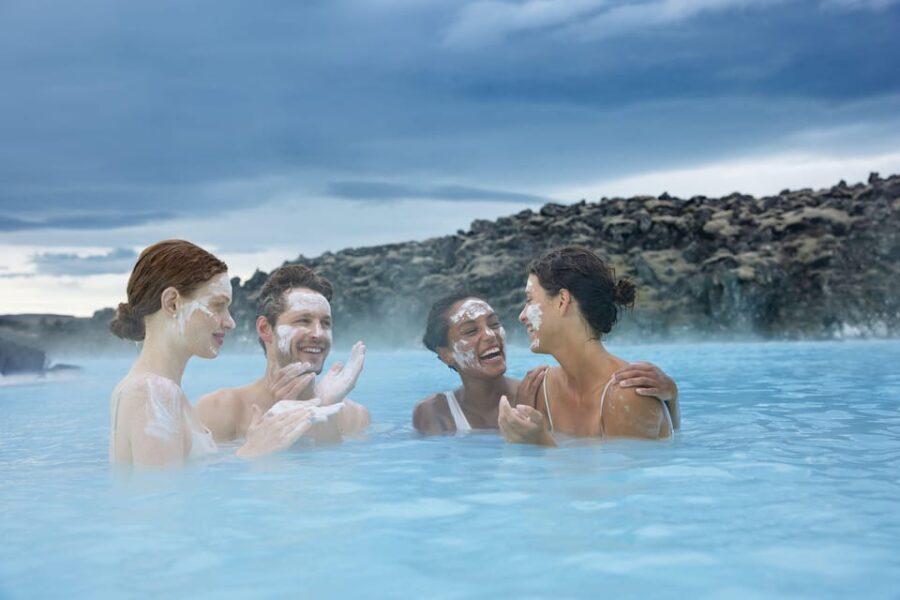
For just $14 more than the Comfort package, the Premium tier adds a second face mask (the green algae one, which is genuinely nice), a bathrobe, slippers, and a second drink. If you’re going to the trouble of visiting the Blue Lagoon — which for most people is a once-in-a-lifetime thing — the Premium upgrade is hard to argue against.
You also get a reserved table at the Lava Restaurant, which overlooks the lagoon through floor-to-ceiling windows. The food there is actually decent, not just tourist-trap pricing for mediocre plates. The Premium package is the sweet spot between the basic entry and the full Retreat Spa splurge.
This doesn’t include transfers, so you’ll need your own car or to arrange transport separately.
When to Visit the Blue Lagoon
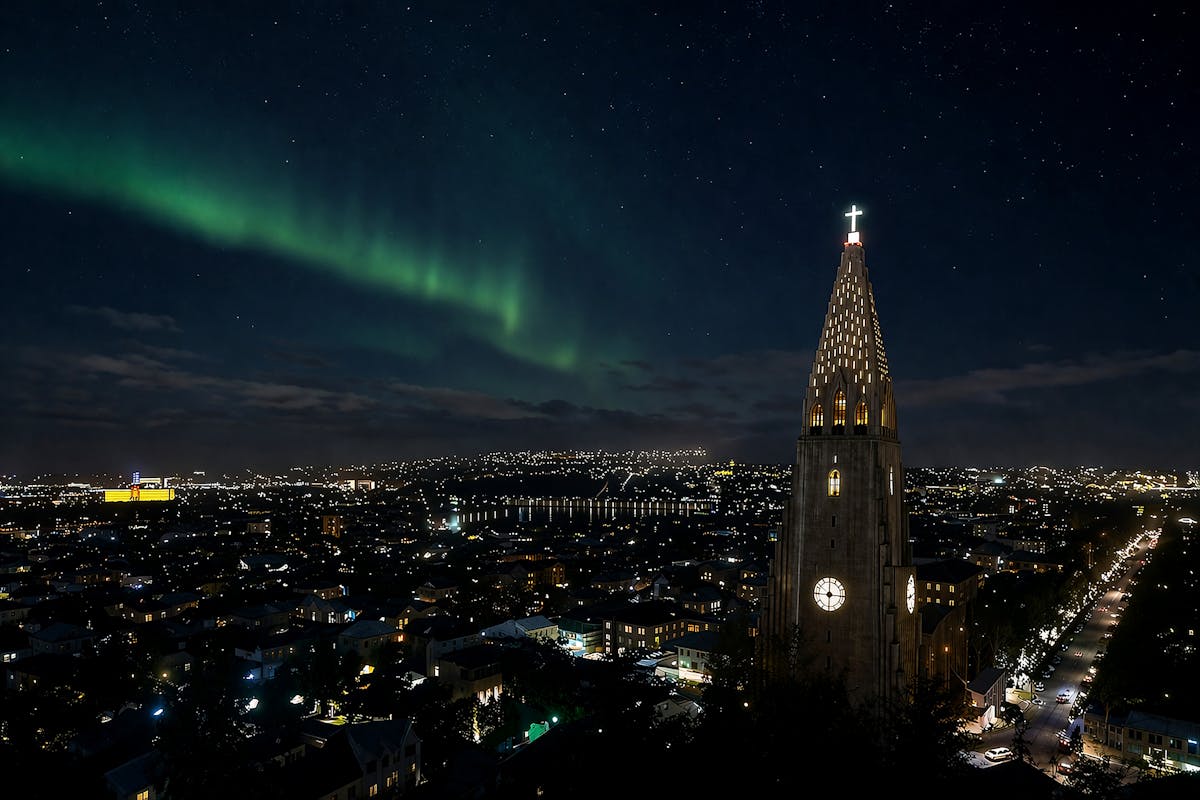
The lagoon is open year-round, with hours shifting by season. Summer hours typically run from 7:00 AM to midnight. Winter hours are shorter, usually 8:00 AM to 9:00 PM, though they extend around Christmas and New Year.
Best time to go: Early morning (first slot of the day) or late evening. The midday rush between 11:00 AM and 3:00 PM is when the tour buses dump everyone at the door. Early birds get the water practically to themselves. Evening visits have the bonus of dimmer lighting, steam lit from below, and in winter, the chance of seeing the northern lights while floating in hot water.
Best season: September through October. The summer crowds have gone, prices drop a bit, and you get that moody Icelandic light that makes everything look cinematic. Plus the weather is still manageable — cold but not brutal.
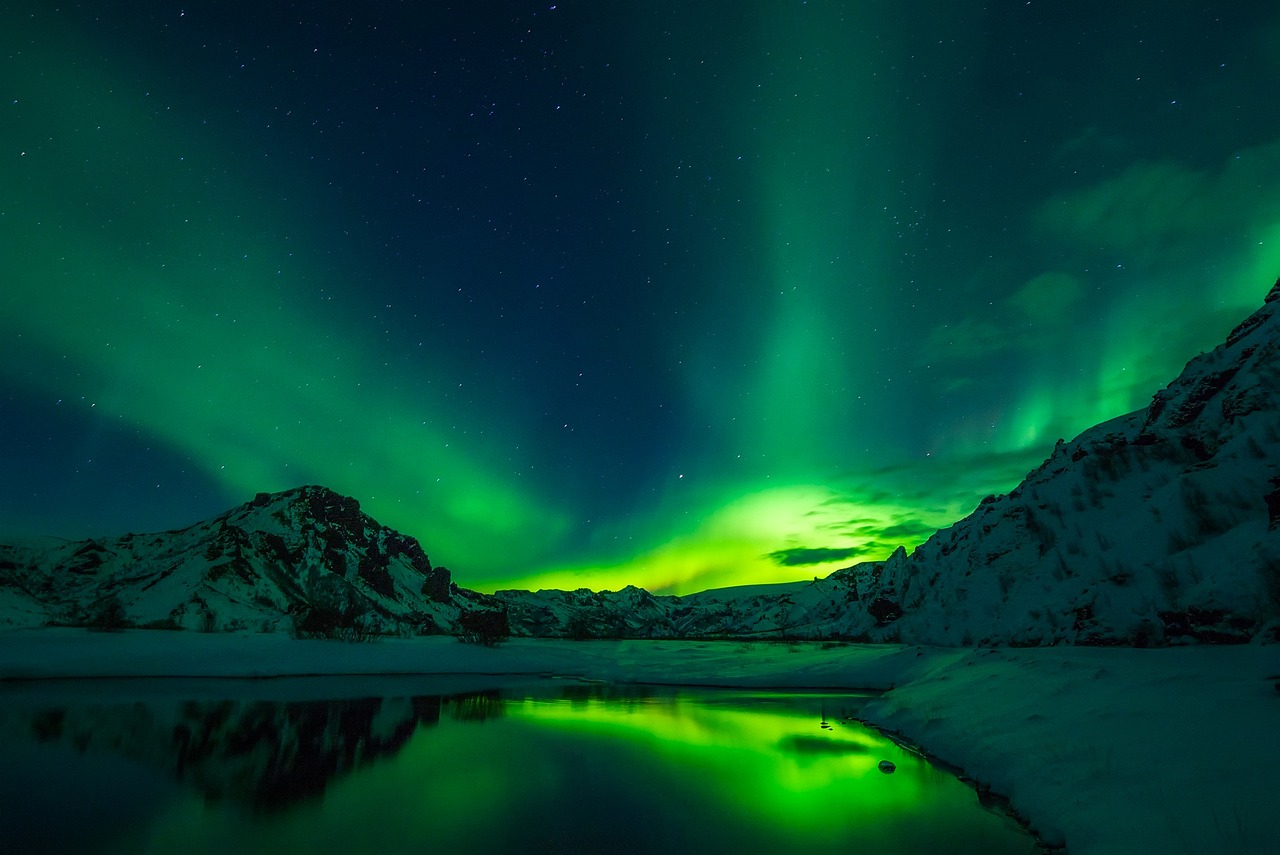
Winter visits (December through February) are something else entirely. Walking from the heated changing room to the lagoon in sub-zero temperatures with snow on the ground sounds terrible, but once you’re in the water you won’t care. The contrast between the freezing air on your face and the hot water on your body is genuinely addictive. And the steam is so thick on cold days you can barely see the person next to you.
Avoid: Mid-July if you can. This is peak cruise ship season and the lagoon hits capacity almost every day. Prices are at their highest and you’ll need to book at least 3-4 weeks ahead.
How to Get to the Blue Lagoon
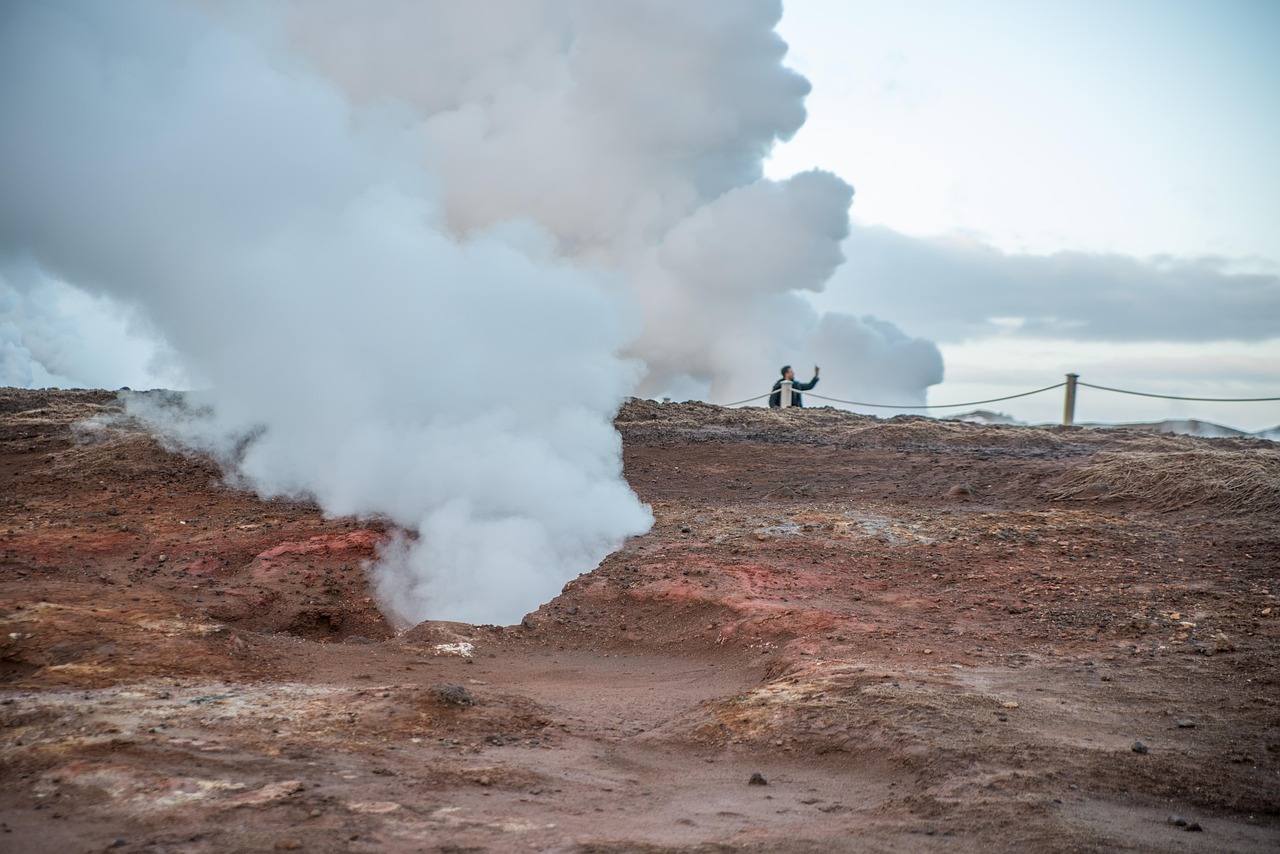
The Blue Lagoon is on the Reykjanes Peninsula, roughly halfway between Reykjavik and Keflavik International Airport. Here’s how to get there from both:
From Reykjavik: About 50 minutes by car via Route 41. The road is well-maintained and easy to drive, even in winter. Free parking at the lagoon.
From Keflavik Airport: 20 minutes. This is why so many people visit on their arrival or departure day. The lagoon offers luggage storage (ISK 990 per bag, roughly $7), so you can go straight from your flight, soak, and continue into the city.
Without a car: The Blue Lagoon runs its own shuttle bus, Destination Blue Lagoon, from the BSI bus terminal in Reykjavik. Round trips cost about ISK 5,000-6,000 ($35-42). They also run transfers from Keflavik Airport. Or book one of the tour packages above that includes transport.
Public transport doesn’t go to the Blue Lagoon. Taxis from Reykjavik run around ISK 15,000-20,000 ($105-140) each way, which makes very little sense when the bus is a fraction of that.
Tips That’ll Save You Time and Money
Book as early as possible. As soon as you know your Iceland dates, book your slot. Three months ahead for summer. At least 2-3 weeks for shoulder season. Winter you can sometimes get away with a week’s notice, but don’t push it.
Shower before you enter. This isn’t optional — they enforce it. You shower without a swimsuit in the open changing area (separated by gender). It’s an Icelandic thing. Don’t skip it, and don’t be weird about it.
Condition your hair before getting in. The silica absolutely wrecks hair. Slather it in conditioner before you enter the water and don’t wash it out until you’re done soaking. They provide free conditioner in the showers for exactly this reason. Long hair should be tied up.
Bring your own towel and bathrobe if you booked Comfort and want to save on rental fees. The Comfort tier includes one towel, but if you’re travelling with one anyway, save yourself the hassle.
Skip the silica mask near your eyes. It stings. Keep it on your cheeks, forehead, and chin. Rinse thoroughly when done.
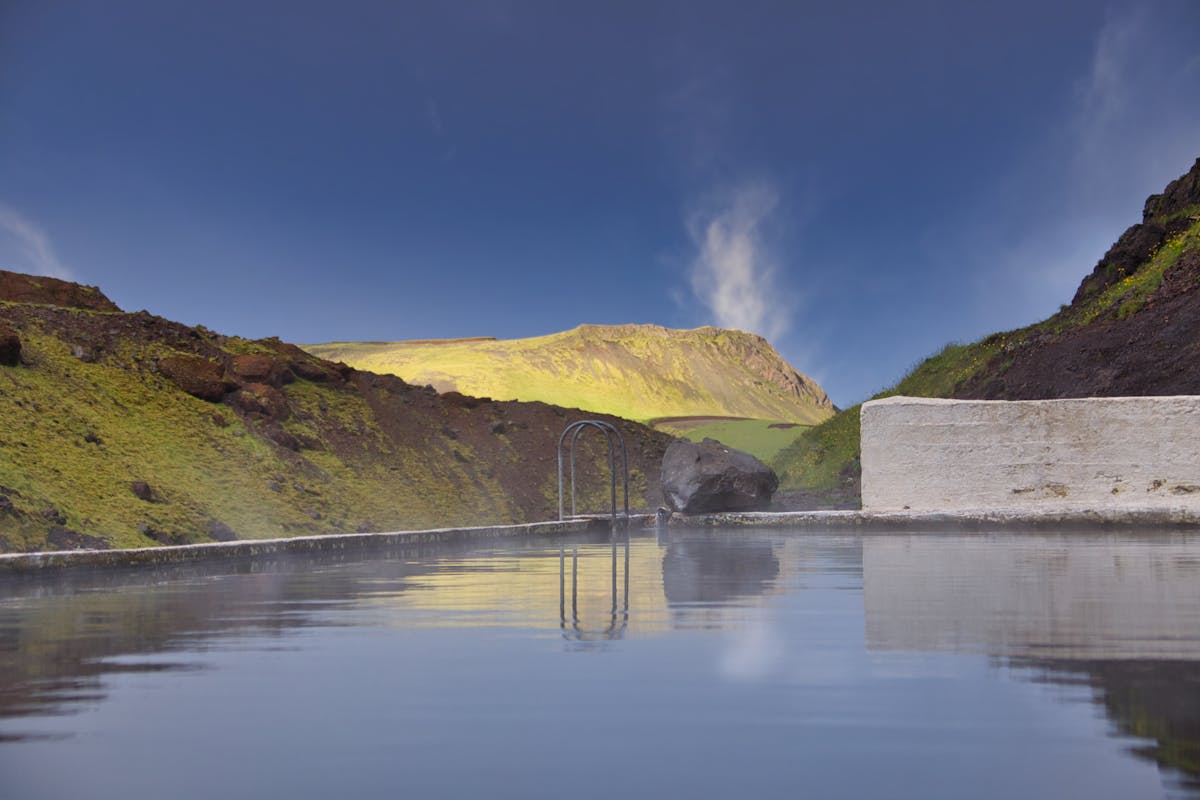
The swim-up bar accepts wristbands only. You get an electronic wristband when you check in. It links to your ticket tier and tracks your included drinks. Extra drinks are charged to the wristband and settled at checkout. No cash, no cards in the water.
Don’t bring a nice swimsuit. The minerals will fade the colour over time. Bring one you don’t mind sacrificing. Dark colours hold up better.
The last entry slot is often the best deal. Fewer people, lower prices sometimes, and you get the moody evening atmosphere. In summer, the midnight sun means you’ll still have light at 10 PM.
What You’ll Find at the Blue Lagoon
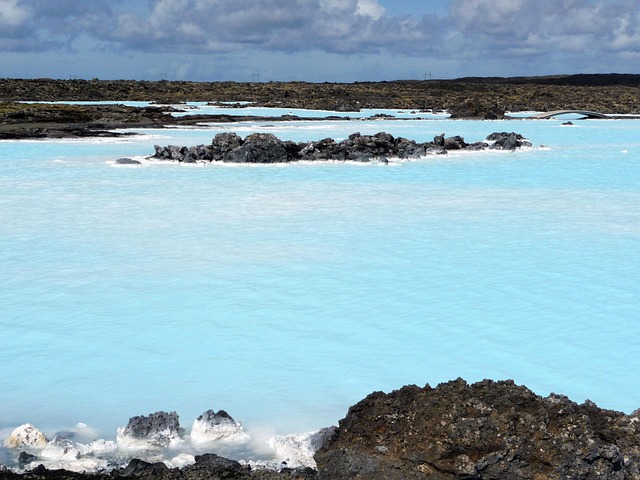
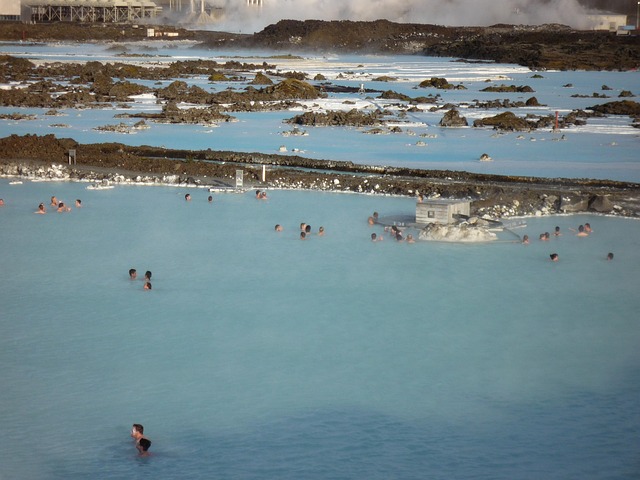
The lagoon itself covers about 8,700 square metres, which is massive. The water sits at 37-40 degrees Celsius and is naturally renewed every 40 hours by the Svartsengi geothermal power plant right next door. It’s rich in silica, algae, and minerals that do genuinely good things for your skin — this isn’t just marketing.
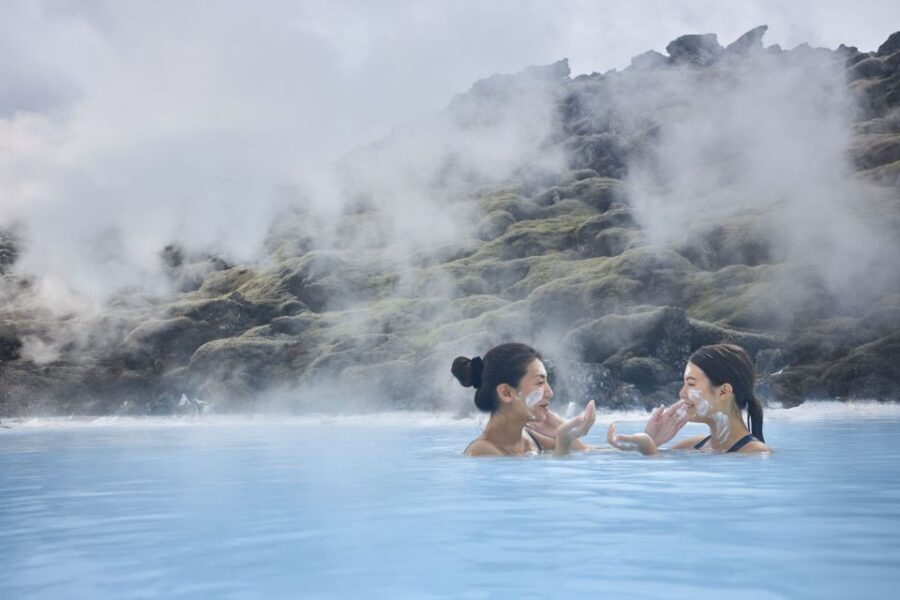
Beyond the main pool, there’s a steam room carved into the lava rock, a sauna, a waterfall you can stand under for a shoulder massage, and the famous swim-up bar. The silica mud masks are self-serve from stations around the lagoon edges. Just scoop, apply, wait 10 minutes, and rinse.
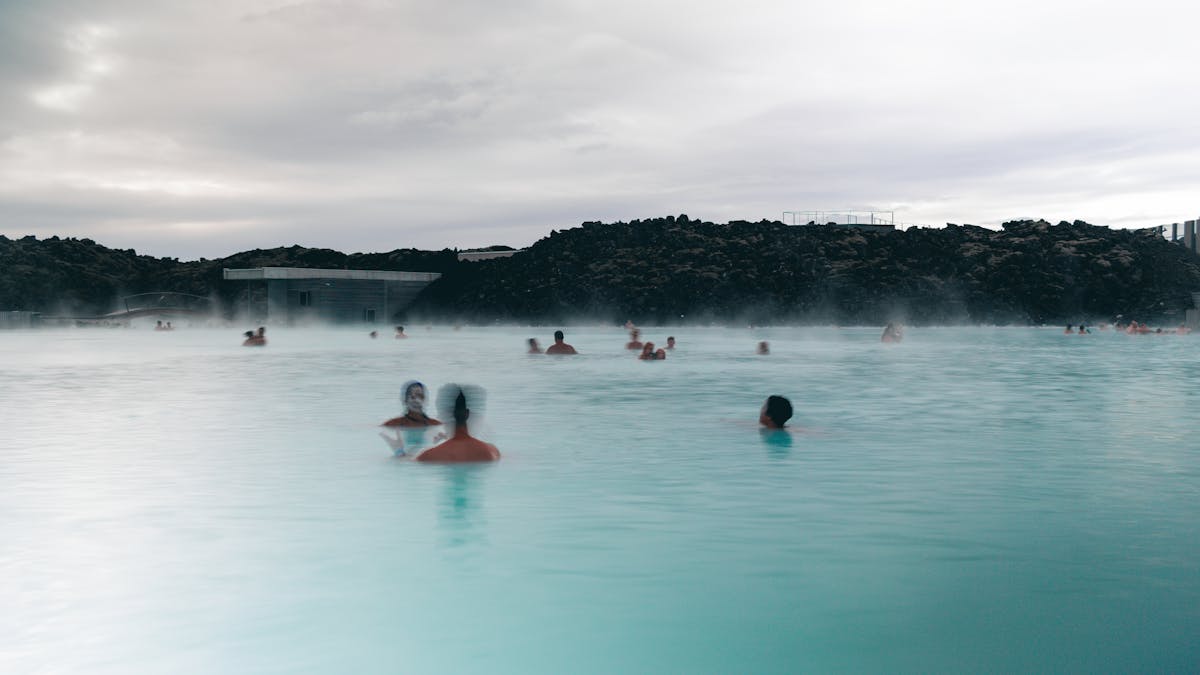
The Lava Restaurant on site serves Icelandic cuisine — lamb, fish, wild berries — and it’s better than most attraction restaurants. Premium and Retreat ticket holders get a reserved table. Comfort holders can book if there’s space, but don’t count on it during busy periods.
There’s also a gift shop selling the Blue Lagoon skincare line. The products are legitimately good (the in-water mask alone convinced me), but the prices are steep. You can find the same products for less at the Keflavik Airport duty-free shop.
Blue Lagoon vs Sky Lagoon
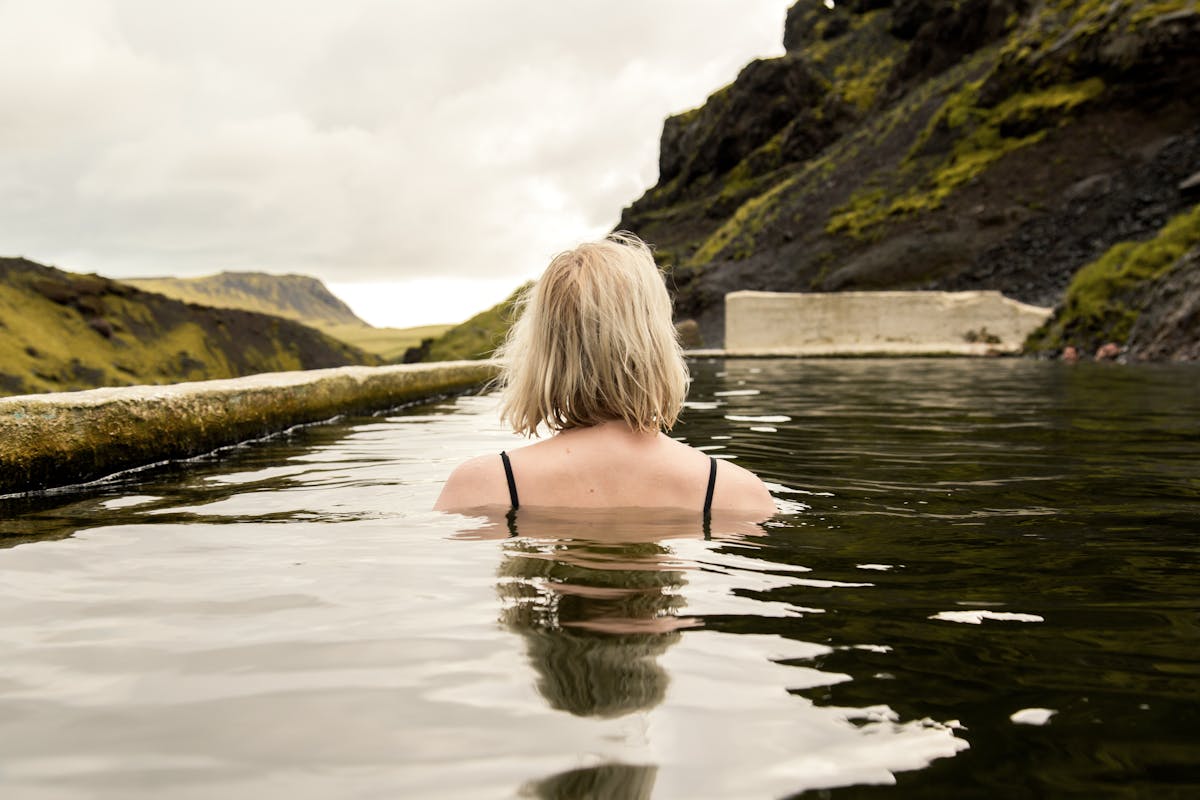
This comes up constantly, so let me give you my honest take.
Sky Lagoon opened in 2021 on the outskirts of Reykjavik. It’s smaller, more modern, and has an infinity-edge pool overlooking the ocean. The 7-step spa ritual is included with every ticket and it’s genuinely lovely. Getting there is much easier — 15 minutes from downtown Reykjavik by bus or car.
Blue Lagoon is the original. It’s bigger, more famous, sits in a lava field instead of a city edge, and has that unmistakable milky blue colour you can’t get anywhere else. The setting is simply more dramatic.
If you’re only picking one: Blue Lagoon if it’s your first time in Iceland and you want the iconic experience. Sky Lagoon if you’ve done the Blue Lagoon before or want something less touristy and closer to the city. Both are excellent. Neither is a waste of money.
Beyond the Blue Lagoon
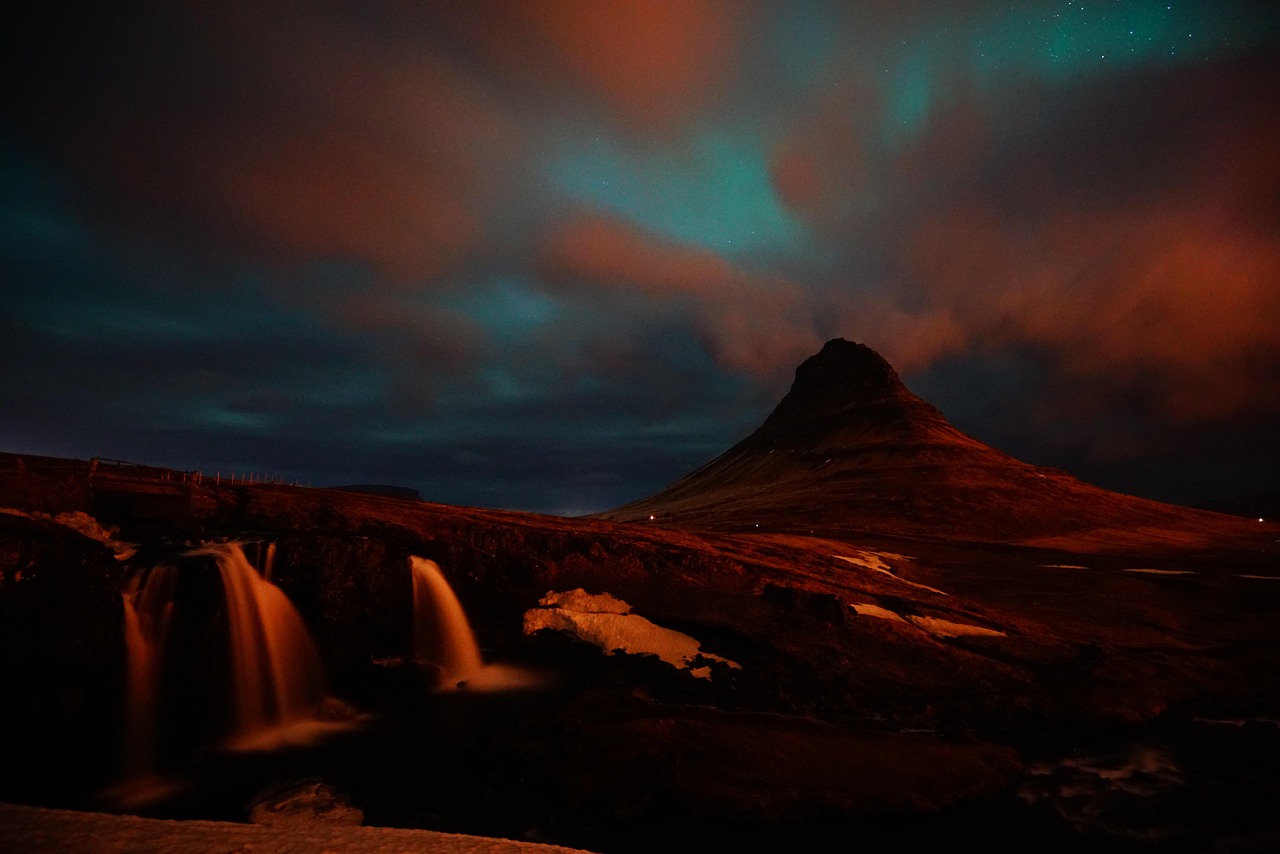
If you are putting together a few days in Iceland, the Blue Lagoon pairs naturally with the Golden Circle route — Thingvellir, Geysir, and Gullfoss are all doable in the same day if you book one of the combo tours above. For evening entertainment back in Reykjavik, a northern lights tour is the obvious companion during winter months. The South Coast day trip makes a strong second full-day excursion, covering waterfalls and black sand beaches along a completely different stretch of coastline. If you want to explore the city itself, a Reykjavik walking tour covers the history and hidden corners downtown, while whale watching from the Old Harbour runs year-round with decent sighting rates.
This article contains affiliate links. When you book through these links, we earn a small commission at no extra cost to you. It helps keep the lights on and the guides coming.