
I spent three days in Bordeaux last autumn doing the math on every city pass, discount card, and combo ticket the tourism office throws at visitors. The Bordeaux CityPass came out ahead — but not by as much as the brochure wants you to believe.
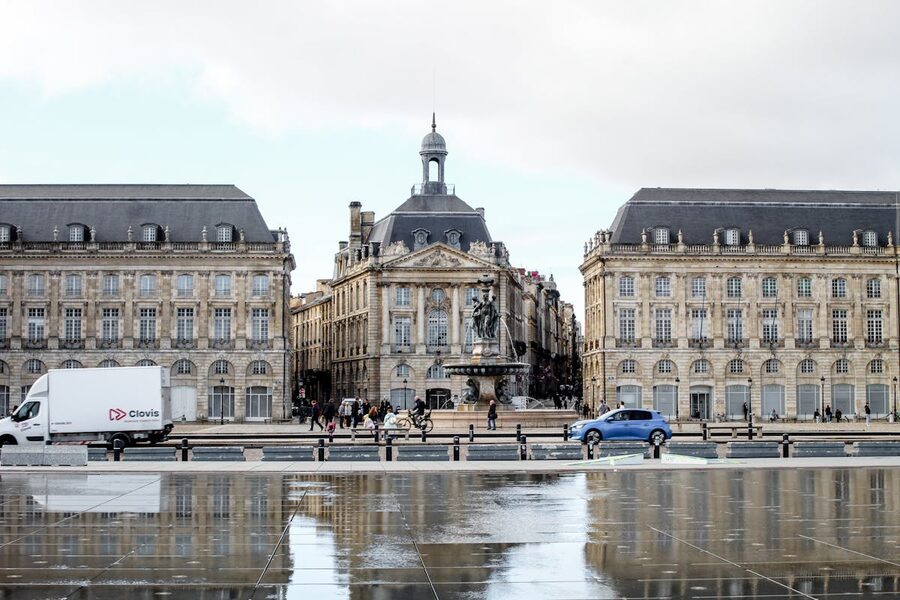
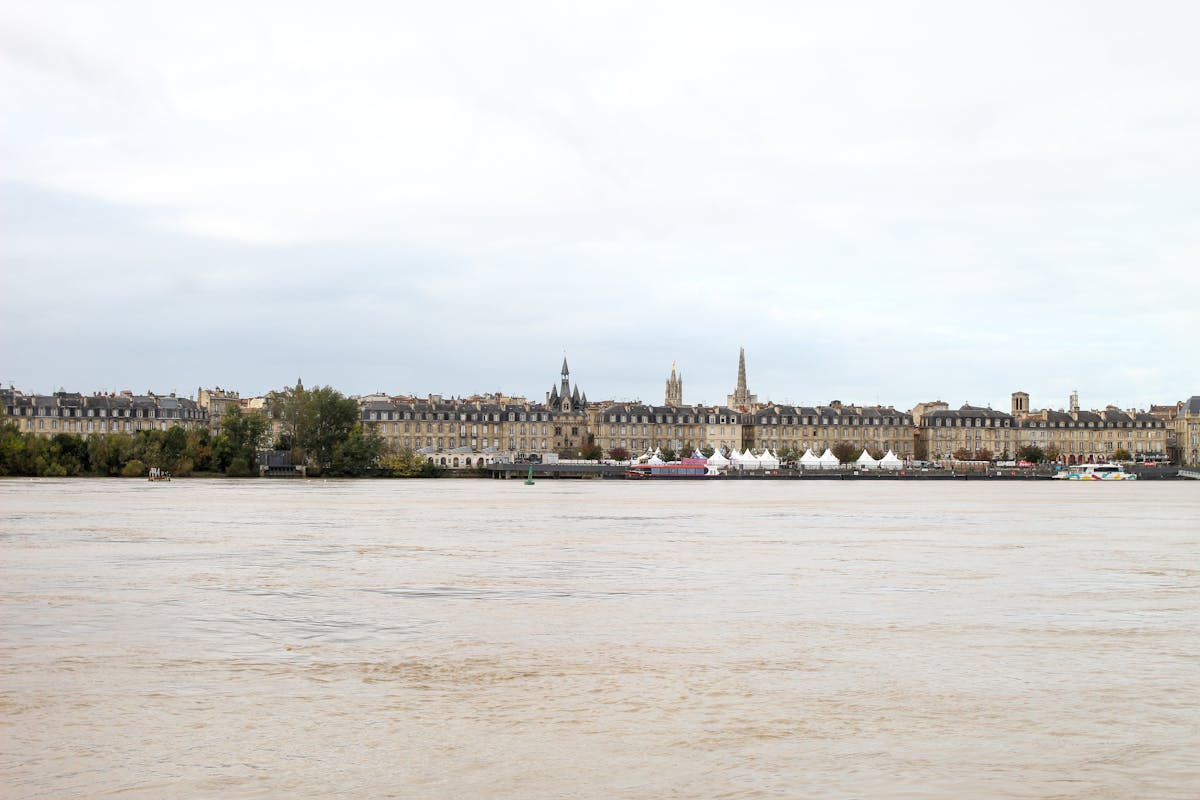
Here’s the thing about Bordeaux: it’s a city that rewards people who actually go inside places. The 18th-century facades along the Garonne look spectacular from the outside, sure. But the real payoff is behind the doors — La Cité du Vin, the Musée d’Aquitaine, the Cathedral tower climb, the river cruises at golden hour. The CityPass bundles all of that together, and if you pick the right duration, it saves real money.

But it can also waste your money if you’re the kind of traveller who mostly walks around, eats, and only pops into one or two museums. So let me break it all down.

Best overall: Bordeaux CityPass (2-3 day) — $57. Covers Cite du Vin, 20+ museums, river cruise, unlimited tram. Best value if you’re staying 2+ days.
Best for sightseeing: Hop-On Hop-Off Bus — $29. Covers the main sights fast, good if you only have one day and want orientation.
Best budget option: Bordeaux City Pass via Viator — $62. Same CityPass, sometimes bundled with extras. Compare prices on both platforms before buying.
- What the Bordeaux CityPass Actually Includes
- Is It Worth It? Let Me Do the Math
- Official CityPass vs Guided Tour Packages
- The Best Bordeaux Tour Passes to Book
- 1. Bordeaux CityPass —
- 2. Bordeaux Hop-On Hop-Off Bus —
- 3. Bordeaux City Pass (Viator) —
- When to Visit Bordeaux
- How to Get Around Bordeaux
- Tips That Will Save You Time
- What You’ll Actually See in Bordeaux
- Pairing the CityPass with Wine Country
- Planning the Rest of Your Bordeaux Trip
What the Bordeaux CityPass Actually Includes
The CityPass comes in 24-hour, 48-hour, and 72-hour versions. Here’s what you get with all three:
Free entry to 20+ museums and attractions:
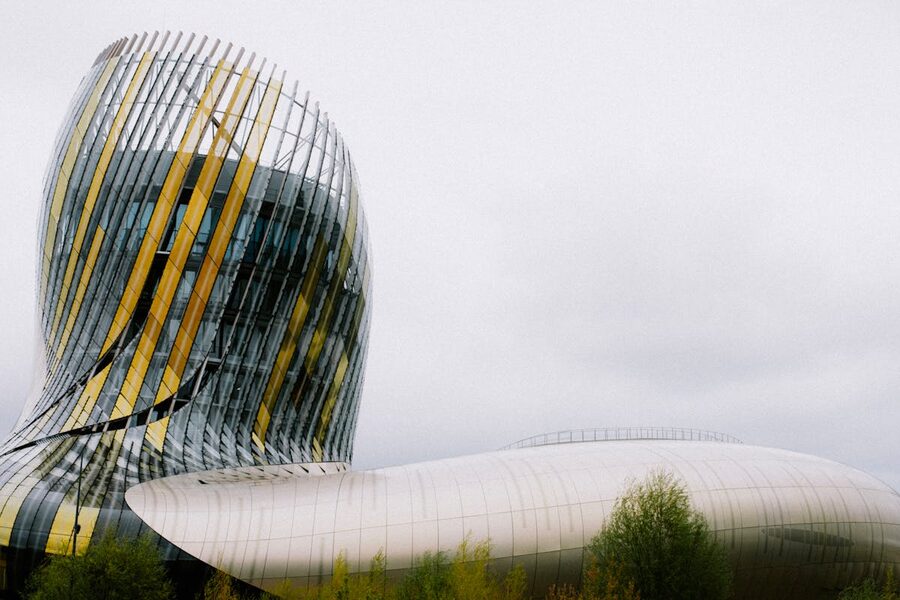
- La Cite du Vin (the big one — normally EUR 22)
- Musee d’Aquitaine (Bordeaux’s main history museum)
- CAPC Musee d’Art Contemporain
- Musee des Beaux-Arts
- Musee des Arts Decoratifs et du Design
- Tour Pey-Berland (the cathedral bell tower — great views)
- Basilique Saint-Seurin crypt
- Centre Jean Moulin (WWII resistance museum)
- Musee Mer Marine
Transport and tours included:
- Unlimited public transport (tram + bus network)
- One guided walking tour of the city centre
- One Garonne river cruise
Discounts:
- 10-20% off partner restaurants and wine bars
- Reduced prices on certain wine tastings and workshops
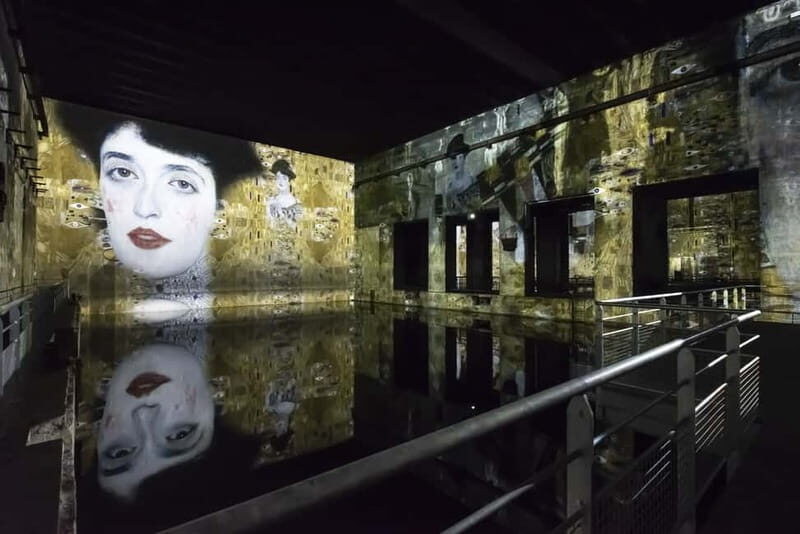
- Discounted entry to Bassins de Lumieres (the immersive art space in the former submarine base)

Is It Worth It? Let Me Do the Math
This is where most city pass articles get vague. I’m going to be specific.
48-hour CityPass: approximately EUR 45-55 (varies by season)
A realistic 2-day Bordeaux itinerary might include:

- La Cite du Vin: EUR 22
- Musee d’Aquitaine: EUR 5
- Tour Pey-Berland: EUR 6
- CAPC Contemporary Art: EUR 7
- Garonne river cruise: EUR 10-15
- Guided walking tour: EUR 12-15
- 2 days unlimited tram: EUR 9.80 (2 x day passes at EUR 4.90)
Total if bought individually: roughly EUR 72-80
So the 48-hour CityPass saves you around EUR 20-30 if you actually use all of those. That’s genuine savings — not huge, but the convenience factor is real. You skip several ticket queues, and the tram access alone saves hassle.
When it’s NOT worth it:
If you’re only planning to visit Cite du Vin and walk around the old town, the pass loses money. You’d pay EUR 55 for something you could do for EUR 22 + free walking. Only buy the CityPass if you’ll visit at least 3-4 paid attractions plus use the transport.
Official CityPass vs Guided Tour Packages
There are two different ways to approach Bordeaux with a pass or package, and they serve different types of visitors.
The CityPass is a self-guided approach. You get access to attractions, transport, and one walking tour, but you plan your own route and pace. Best for independent travellers who want flexibility. You can spend three hours at Cite du Vin if the wine exhibits pull you in, then rush through the Beaux-Arts in 45 minutes before the river cruise. Your call.
Guided tour packages (like the hop-on hop-off bus) are structured. Someone else does the route planning. Better if you’re short on time, want commentary on the architecture, or don’t feel like navigating the tram system. The tradeoff is less flexibility and usually fewer museum entries.

For most visitors staying 2+ days, the CityPass wins. For a quick overnight or single day, the hop-on hop-off gives you better coverage for the time you have.
The Best Bordeaux Tour Passes to Book
1. Bordeaux CityPass — $57
This is the one most Bordeaux visitors should buy. Available in 24, 48, and 72-hour versions, the CityPass is your all-access key to the city’s best museums, unlimited tram rides, a guided walking tour of Bordeaux, and a Garonne river cruise. The 48-hour version hits the sweet spot for most people.
Start at La Cite du Vin on the first morning while you’re fresh (it’s a lot to take in), then work your way through the old town museums over two days. The included transport makes it easy to reach the Bassins de Lumieres submarine base across the river without paying for extra tickets. At $57 for a 48-hour pass, you’ll break even by mid-afternoon on day one if you hit Cite du Vin plus one museum plus the tram.
2. Bordeaux Hop-On Hop-Off Bus — $29

If you only have one day in Bordeaux — maybe you’re on a cruise port stop or passing through on a road trip — the hop-on hop-off is a solid option. It hits the major landmarks along a loop route with audio commentary, and at $29 for a full day, it’s hard to argue with the price. The 2-day version exists too for a bit more.
The downside? No museum entries are included (unlike the CityPass), and the bus route sticks to the main roads. You won’t see the little wine bars in Saint-Pierre or the market halls near the Chartrons. But for a quick overview with frequent photo stops, it does the job. Just don’t expect the commentary to go deep on Bordeaux’s fascinating 18th-century history — you’ll want a proper guided walk for that.
3. Bordeaux City Pass (Viator) — $62
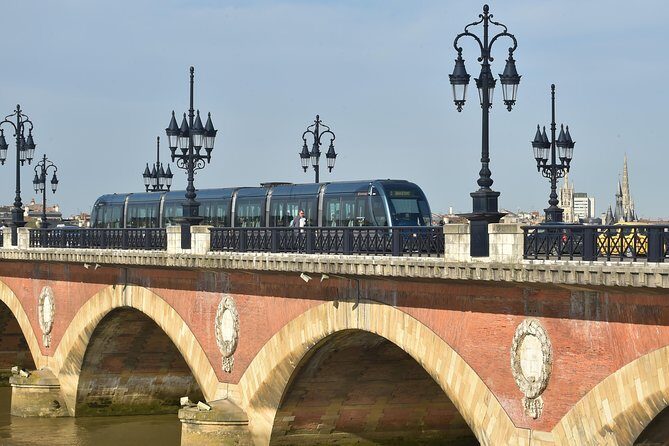
This is essentially the same Bordeaux CityPass product sold through Viator rather than GetYourGuide. The core inclusions are identical — same museums, same transport, same river cruise. So why list it separately? Because the pricing and bundling can differ. Viator sometimes packages it with slight extras or runs promotions that make it cheaper than buying directly.
At $62, it’s a touch more expensive than the GYG version at the time of writing, but prices shift. My advice: check both platforms before buying. Also worth checking the official Bordeaux tourism office website, which occasionally offers the pass at the local EUR price without exchange markup. If you’re planning a full Bordeaux trip, pair this with a wine tour outside the city — the CityPass covers the city, but the surrounding vineyards of Saint-Emilion are a separate day trip worth booking.
When to Visit Bordeaux

Best months: May, June, and September. Warm enough to enjoy the Miroir d’eau and outdoor cafes, not so hot that museum visits feel like an escape plan. The grape harvest happens in September-October, which adds an extra layer to any wine-related visits.
Avoid August if you can. It’s peak tourist season, many Bordelais leave the city, and some smaller museums shorten hours. Temperatures regularly push past 35C, which makes that hop-on hop-off bus feel less appealing when the top deck is an oven.
Winter (November-February) is quiet and hotels are cheaper, but some attractions reduce hours and the river cruise schedule thins out. The CityPass still works, but you’ll get less value from it if half the included experiences are seasonal.

Opening hours to know:
Most museums open 11am-6pm, closed Mondays. La Cite du Vin keeps slightly different hours (usually 10am-7pm, open daily in summer). The guided walking tour included with the CityPass typically departs at 10am or 2pm from the tourism office on Cours du 30 Juillet — book your slot when you pick up the pass.
How to Get Around Bordeaux

Bordeaux’s tram system has three lines (A, B, C) that cover the city centre and extend to the suburbs. For travelers, Line C is the most useful — it connects the train station (Gare Saint-Jean) to the city centre and runs along the waterfront past Place de la Bourse, the Chartrons, and up to the Bassins de Lumieres.
Without a CityPass: A single tram ticket costs EUR 1.80, valid for one hour with transfers. A day pass is EUR 4.90. If you’re riding the tram 3+ times in a day, the day pass is worth it.
With a CityPass: Unlimited rides on all tram and bus lines. This is one of the sneaky value adds — you stop thinking about transport costs and just hop on whenever your feet get tired. Over 2-3 days of sightseeing, this easily saves EUR 10-15.
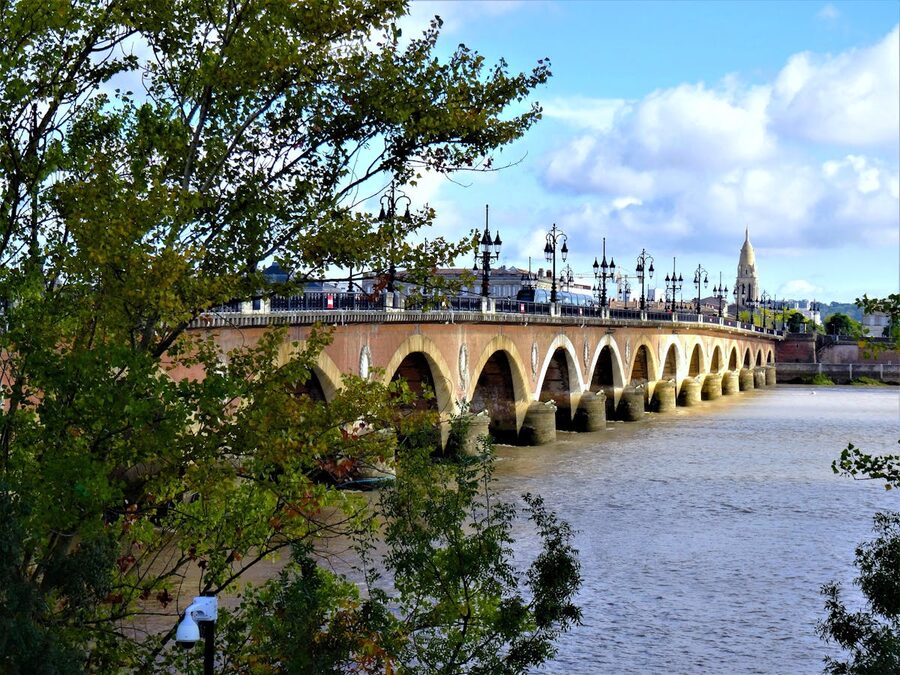
From the airport: The 1+Express shuttle runs every 30-60 minutes to Gare Saint-Jean (about 45 minutes, EUR 8). From there, the tram connects to the city centre in 15 minutes. The CityPass does NOT cover the airport shuttle — only the city tram and bus network.
Walking: Honestly, central Bordeaux is very walkable. The main sights cluster within about 2.5km along the river. But the tram is handy for reaching Cite du Vin (about 20 minutes north of the centre on foot) and Bassins de Lumieres (across the river).
Tips That Will Save You Time

Pick up the CityPass at the tourism office first thing in the morning. The office on Cours du 30 Juillet opens at 9:30am. Your pass activates on first use, not on purchase — so you can buy it the evening before and start using it the next morning without losing time.
Book the walking tour and river cruise immediately. These have limited spots and specific departure times. The walk is usually at 10am and 2pm; the cruise at various times depending on season. Don’t leave this for day two and find it’s fully booked.
Hit Cite du Vin early or late. It’s the biggest draw on the CityPass, and midday crowds make it harder to enjoy the interactive exhibits. First thing in the morning (10am opening) or after 4pm are your best windows. The tasting room on the top floor — included with entry — has some of the best views in Bordeaux.
The 48-hour pass is the sweet spot. The 24-hour version forces you to rush. The 72-hour version is only worth it if you plan to visit nearly every museum on the list. For most people, 48 hours gives enough time to do Cite du Vin, 2-3 museums, the walking tour, river cruise, and plenty of tram rides.
Don’t bother with the CityPass for a cruise port day. If you’re in Bordeaux for 6-8 hours off a river cruise, you won’t use enough attractions to justify the price. The hop-on hop-off bus or a single Cite du Vin ticket is better value for a quick stop.
Check the official tourism website for seasonal extras. The CityPass occasionally adds temporary inclusions — seasonal exhibits, partner restaurants, or limited-time discounts that aren’t on the standard list.
What You’ll Actually See in Bordeaux
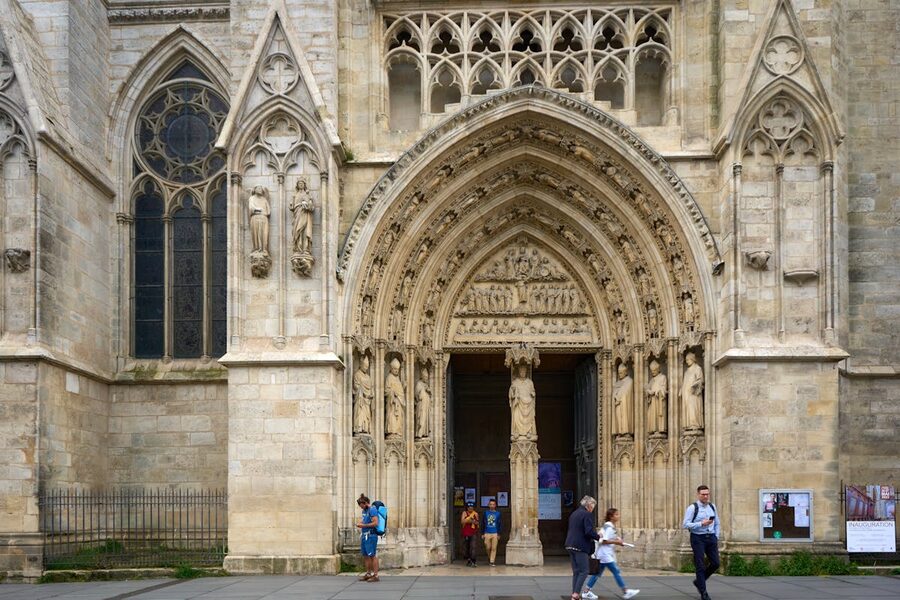
Bordeaux reinvented itself in the 18th century when the wine trade was booming and the city’s intendants (royal governors) decided to tear down the medieval walls and build what you see today: those sweeping limestone facades, the grand squares, the theatre. UNESCO gave the entire city centre World Heritage status in 2007, calling it an outstanding example of classical and neoclassical urban architecture.
The Musee d’Aquitaine covers this history in depth, from Roman Burdigala through the English period (Bordeaux was English for 300 years, which is why they exported so much claret to London) to the controversial 18th-century wealth built partly on the slave trade. It’s one of the best regional history museums in France, and it’s on the CityPass.
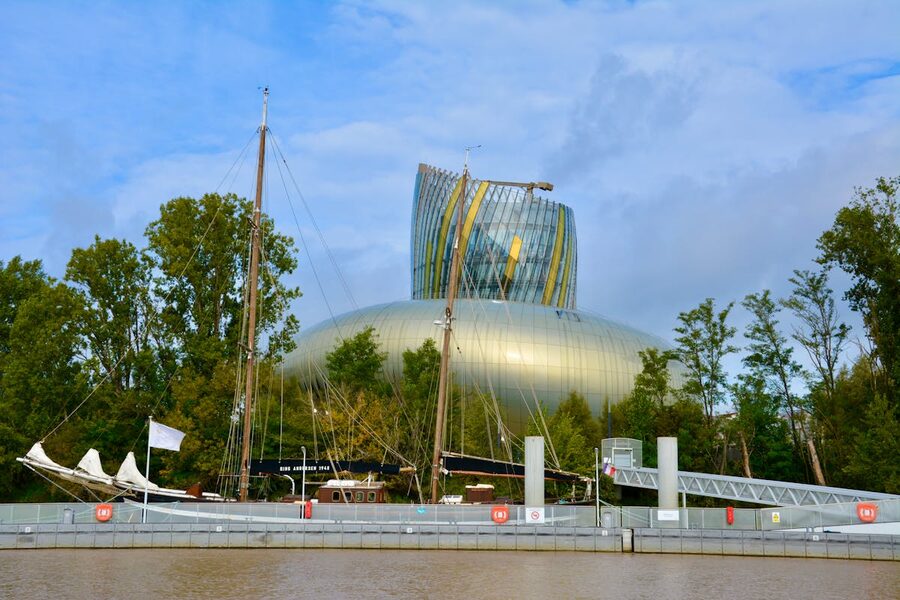
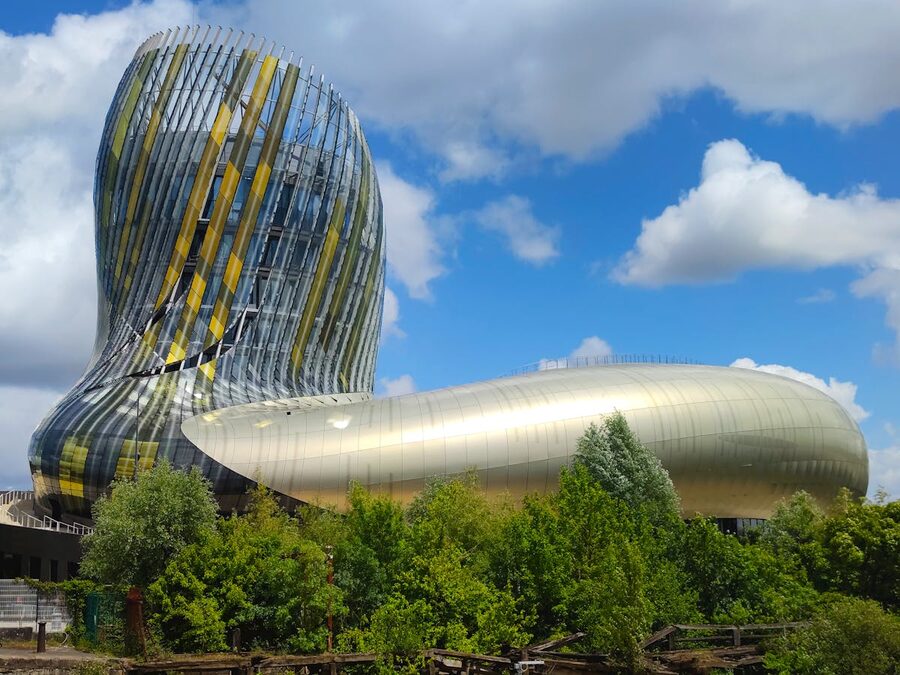
La Cite du Vin is the headliner. It’s not a museum exactly — more of an immersive experience about wine culture worldwide. The permanent exhibition takes 2-3 hours if you do it properly, and the rooftop tasting at the Belvedere (a glass of wine from a rotating selection) is included with your ticket. On a clear day you can see all the way down the Garonne towards the estuary.
The CAPC (Contemporary Art Museum) sits in a converted 19th-century warehouse in the Chartrons district. The building alone is worth seeing — massive stone columns and raw industrial space. If contemporary art isn’t your thing, the Musee des Beaux-Arts on the other side of town has a solid collection of European painting from the Renaissance through 20th century.
Pairing the CityPass with Wine Country

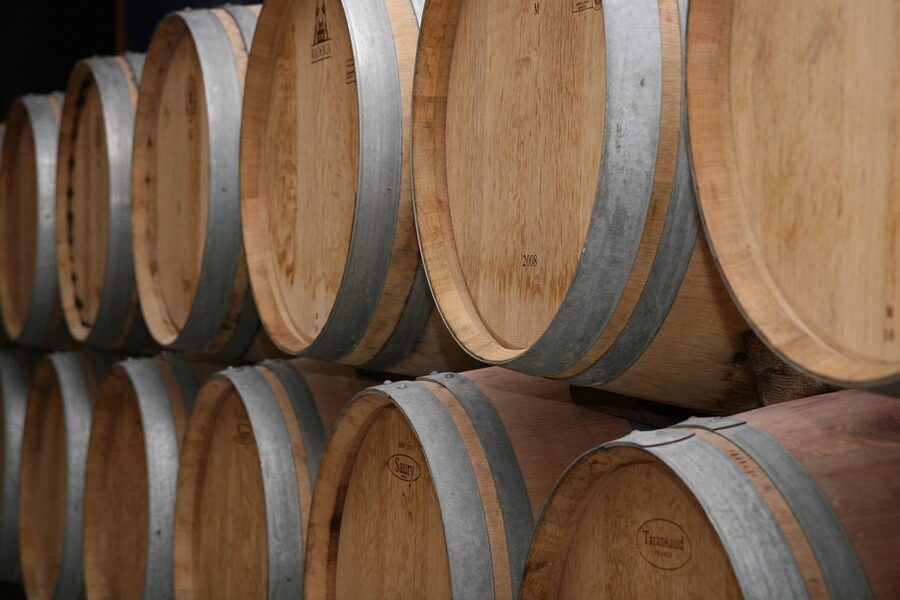
The CityPass handles Bordeaux the city, but the real magic of the region is the wine country surrounding it. If you have 3+ days, dedicate one full day to a wine tour. The most popular option is a half-day trip to Saint-Emilion — the medieval village is gorgeous, and the Grand Cru wineries are right there. It’s about 40 minutes by car or organised tour from Bordeaux.
Use the CityPass for days 1-2 (city museums, walking tour, river cruise), then spend day 3 in the vineyards without the pass. That’s the sequence that gets you the most for your money.
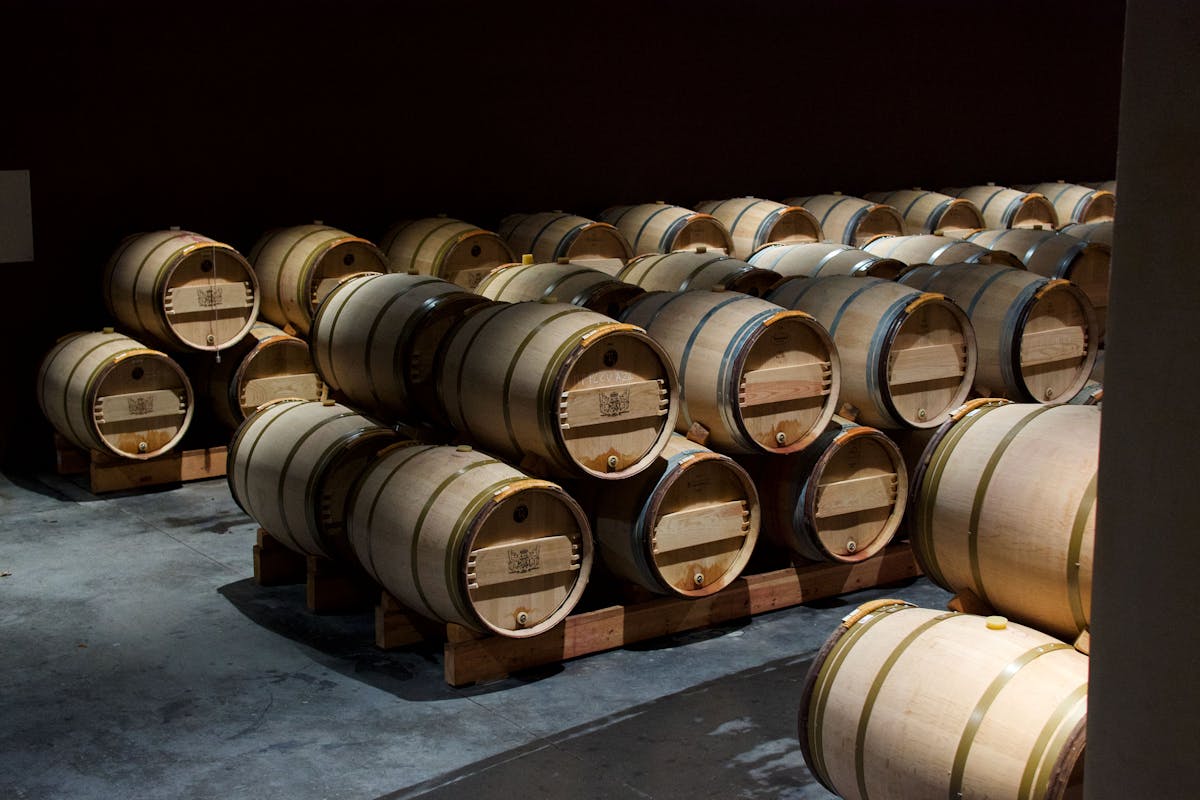
A Garonne river cruise is also worth booking beyond the one included with the CityPass — the longer evening cruises with wine and caneles serve as a proper Bordeaux dinner experience, and the city looks entirely different from the water at sunset.

Planning the Rest of Your Bordeaux Trip
If you’re spending more than a couple of days in the area, our other Bordeaux guides cover the specifics. The Cite du Vin tickets guide goes deep on skip-the-line strategies and what to see inside, which is worth reading before you go. For getting out of the city, our Bordeaux wine tour guide compares all the half-day and full-day options across Medoc, Saint-Emilion, and Graves. The walking tour guide is helpful if you want a guided walk beyond the one included with the CityPass, and the river cruise comparison covers the evening cruises with food and wine that go beyond the basic sightseeing cruise the pass includes. If wine country is your main draw, Saint-Emilion is the obvious day trip, with some of the best Grand Cru estates in the world just 40 minutes from the city.
This article contains affiliate links. If you book through our links, we earn a small commission at no extra cost to you. This helps us keep producing detailed travel guides.