
I bought tickets at the gate. That was my first mistake.
The line at Bran Castle wrapped around the parking lot, past the souvenir stands selling plastic fangs and “I survived Dracula’s Castle” t-shirts, and disappeared behind a row of food stalls. Forty-five minutes of shuffling forward in July heat, surrounded by tour groups with matching lanyards, before I even got inside.
The second visit, I did it right. Booked a day trip from Bucharest that included Bran, Peles Castle, and a stop in Brasov. The guide handled the tickets. We skipped the line. And I actually enjoyed the place.
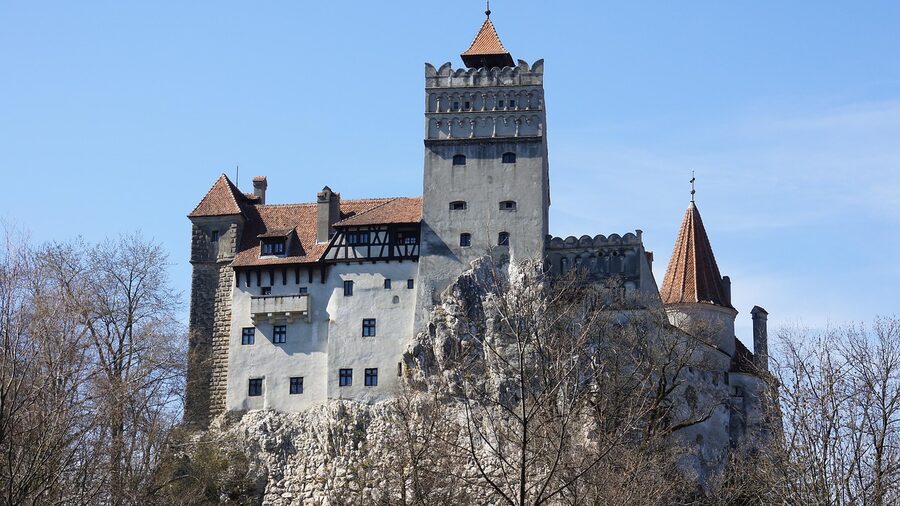
If you’re coming from Bucharest, here’s what you need to know: Bran Castle is about 180 km northwest, in the Carpathian foothills near Brasov. You can technically get there independently by train and bus, but it takes 4-5 hours each way and involves at least one transfer. A guided day trip runs 12 hours door to door, covers two or three castles, and someone else deals with the driving on those winding mountain roads.
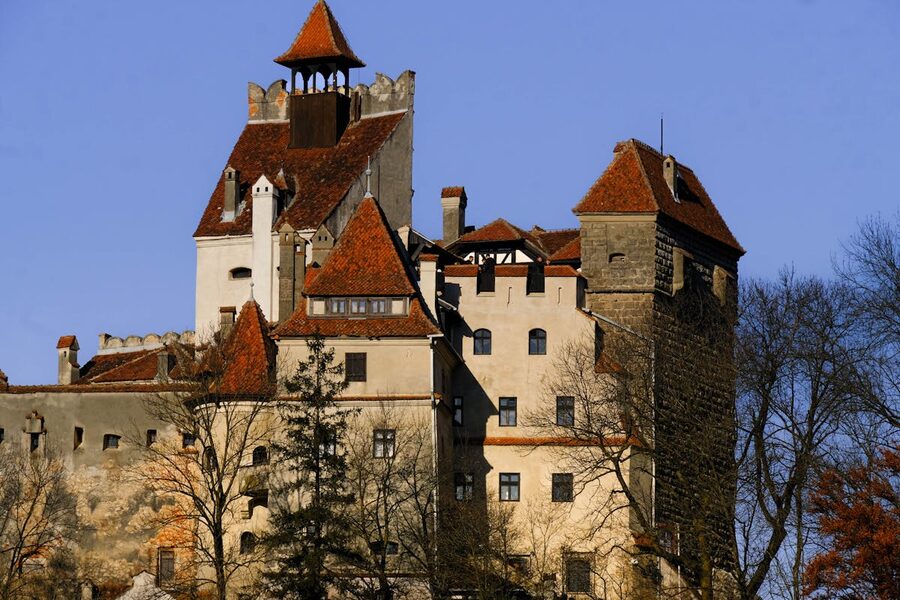
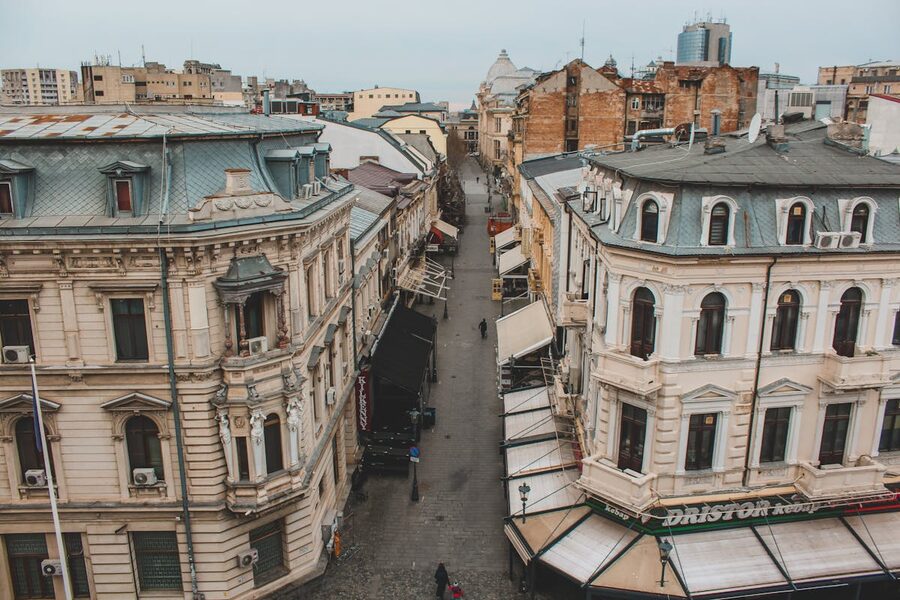
Short on time? Here are my top picks:
Best overall: Bran Castle, Peles Castle & Brasov Old Town — $40. The most popular option for a reason. Covers all three highlights with a knowledgeable guide, and timing at each stop feels unhurried.
Best budget: Bran Castle, Peles Castle & Brasov Day Trip — $36. Same route, slightly leaner operation. Solid value if you don’t need extras.
Best for small groups: Bucharest to Dracula Castle Guided Tour — $34. Viator option with a more intimate group size and a good guide who actually knows the history beyond the Dracula myths.
- How the Ticket System Works at Bran Castle
- On Your Own vs. a Guided Tour — Which Makes Sense?
- The Best Bran Castle Tours from Bucharest
- 1. Bran Castle, Peles Castle & Brasov Old Town —
- 2. Dracula Castle, Peles & Brasov Full-Day Trip —
- 3. Bran Castle, Peles Castle & Brasov Day Trip —
- 4. Day Trip to Dracula Castle, Peles Castle & Brasov —
- 5. Bucharest to Dracula Castle, Peles Castle and Brasov Guided Tour —
- When to Visit Bran Castle
- Getting from Bucharest to Bran Castle
- Tips That Will Actually Save You Time
- The Real History Behind the Dracula Legend
- What You’ll Actually See Inside
- Peles Castle: The Stop That Steals the Show
- Brasov: The Medieval Town That Deserves More Than 45 Minutes
- While You’re Planning Your Romania Trip
How the Ticket System Works at Bran Castle
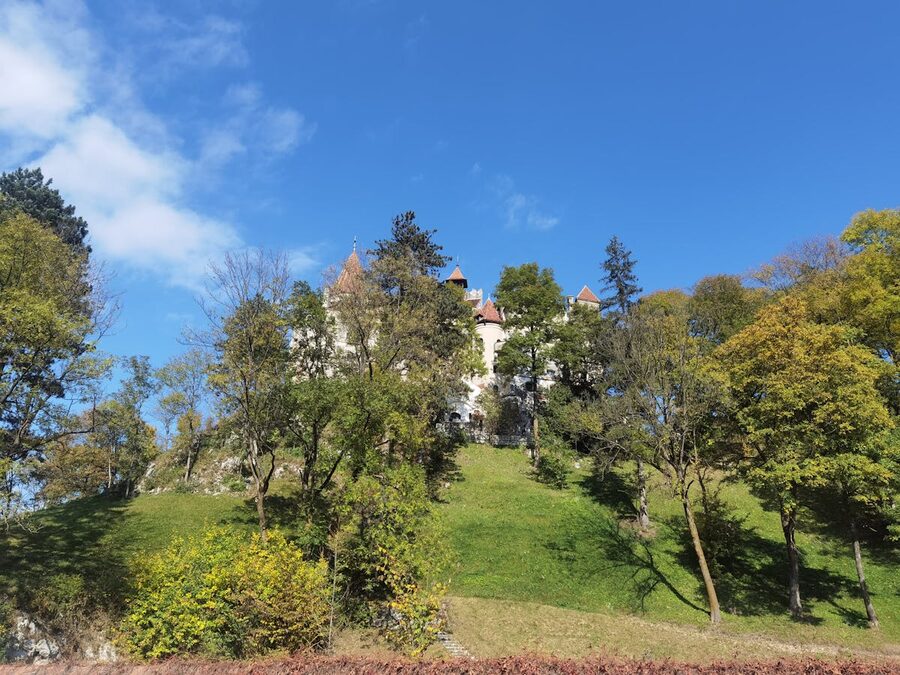
Bran Castle tickets are straightforward if you know the system. You can buy them three ways:
At the gate: Cash or card, no advance booking required. Standard adult ticket is 60 RON (roughly $13). Students and seniors get a discount to 35 RON, kids under 7 are free. The problem? During summer and around Halloween, the queue can hit 45-60 minutes. Not because it’s complicated, just because they only let so many people in at a time.
Online at the official website: You can buy timed-entry tickets through the castle’s own site. Same price, but you pick a time slot and skip the general line. This is the smart move if you’re going independently. Tickets go on sale about 30 days before the visit date.
Through a guided tour: Your guide handles everything. Most Bucharest day trips include castle entry in the price or have the guide purchase it on arrival through a dedicated group queue. Either way, you walk past the line.
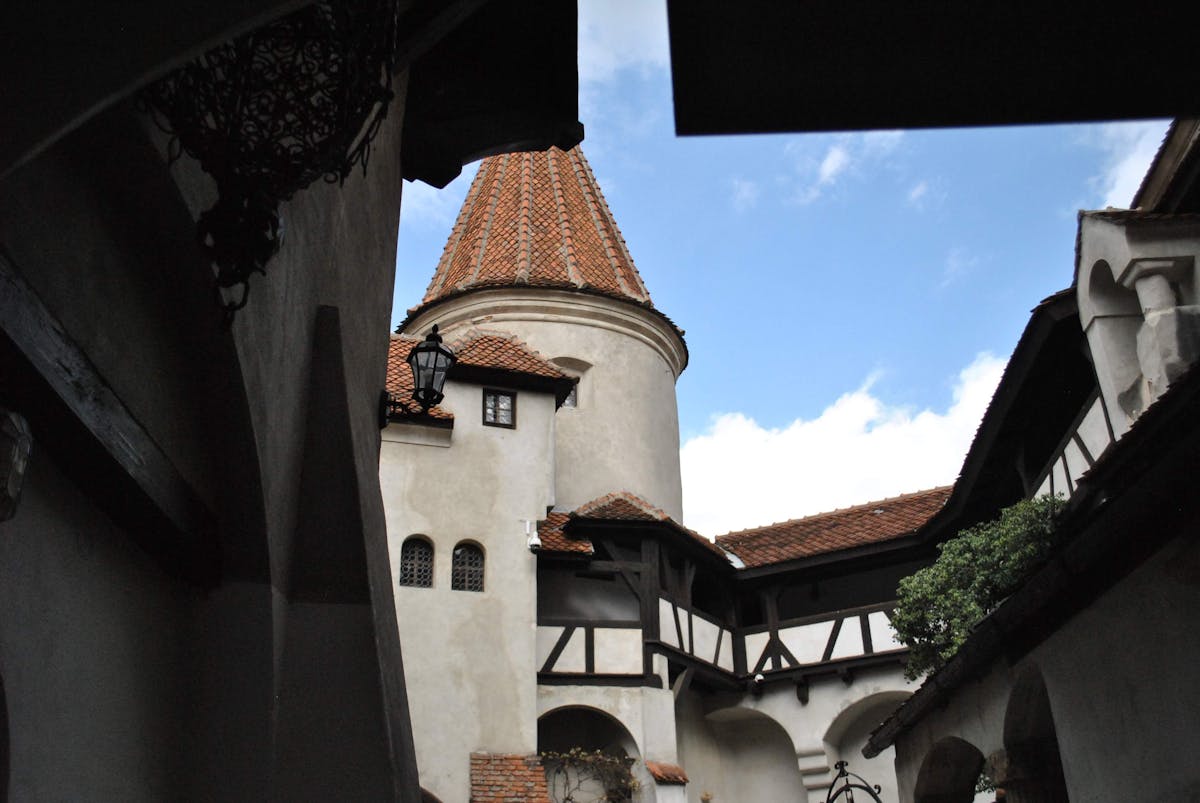
A few things worth knowing: the castle is open every day except Mondays (when it opens at noon). Tuesday through Sunday, hours are 9:00 to 18:00 in summer, shorter in winter. Photography is allowed everywhere except a few rooms. And there’s no audio guide included, which is why having a guide who can explain what you’re looking at makes a real difference.
On Your Own vs. a Guided Tour — Which Makes Sense?
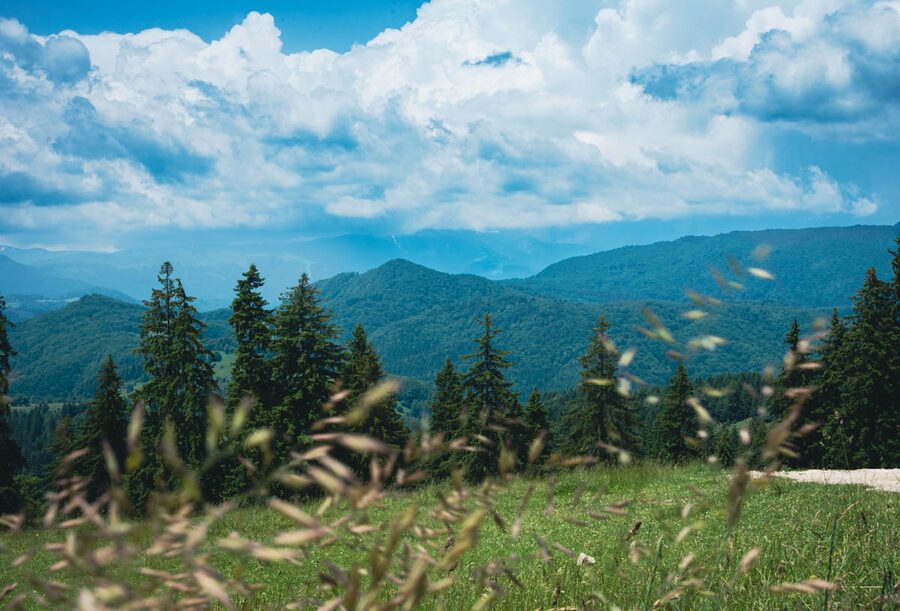
Going independently is possible but honestly annoying. Here’s the breakdown:
By public transport: Train from Bucharest Nord to Brasov (about 2.5-3 hours, tickets around 50-70 RON depending on the train). Then a local bus from Brasov Autogara 2 to Bran village (another 45 minutes, about 10 RON). You’ll spend a full hour just getting between Brasov station and the bus terminal. Total each way: 3.5-4.5 hours. You’ll see Bran Castle and nothing else, and you’ll be exhausted by the time you get back to Bucharest.
By rental car: About 2.5-3 hours from Bucharest if traffic cooperates. The E60/DN1 route is scenic but narrow in places, and Romanian drivers are… confident. Parking near Bran Castle costs 10-20 RON. The upside is flexibility. The downside is navigating unfamiliar mountain roads and giving up a full day of driving.
With a guided tour: Hotel pickup in Bucharest around 8:00 AM, back by 8:00-9:00 PM. Most tours hit Peles Castle, Bran Castle, and Brasov in one loop. Your guide handles tickets, gives historical context at each stop, and you can sleep in the van on the way back. For $33-45 per person, it’s genuinely hard to justify doing it any other way unless you have a car already and want to spend multiple days in Transylvania.
The math is clear. Independent travel costs nearly as much when you add up train tickets, bus fares, and the Bran entry fee, but eats up twice the time and gives you a third of the experience.
The Best Bran Castle Tours from Bucharest
I’ve gone through every major tour option running from Bucharest to Bran Castle. These five are the ones worth booking, ranked by overall quality and value.
1. Bran Castle, Peles Castle & Brasov Old Town — $40
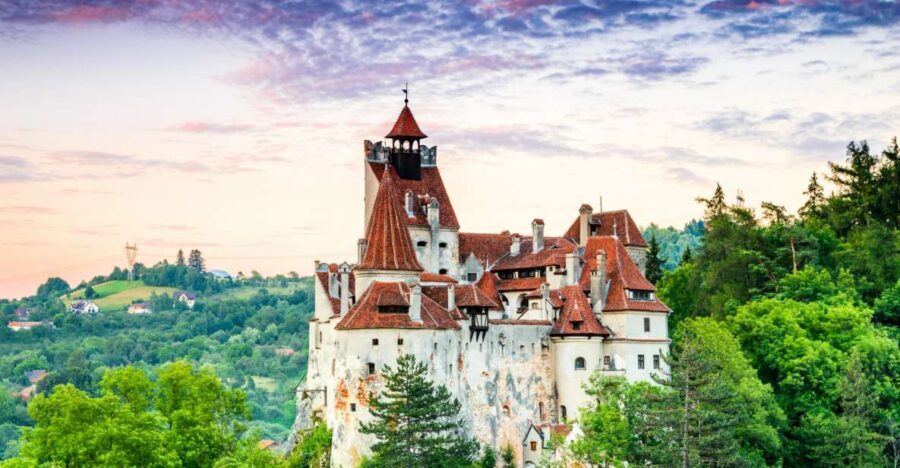
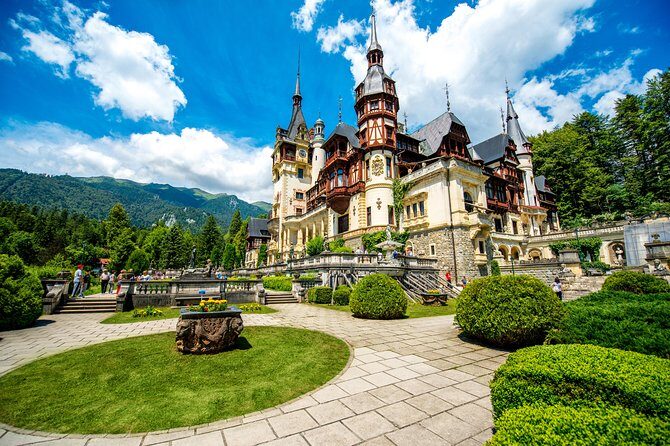
This is the one most people end up booking, and honestly, they’re making the right call. The itinerary hits all three essential stops in a logical order: Peles Castle first (the fairy-tale Neo-Renaissance palace that makes everyone’s jaw drop), then Bran Castle, then free time in Brasov’s gorgeous medieval old town.
What separates this from cheaper options is the pacing. You get enough time at each stop that it doesn’t feel like a race. The guides are consistently good — they know how to balance the Dracula legend with actual Romanian history, and they’re upfront about what’s myth vs. reality. At $40 per person for a full 12-hour day including transport, it’s one of the best-value day trips I’ve taken anywhere in Europe.
2. Dracula Castle, Peles & Brasov Full-Day Trip — $40
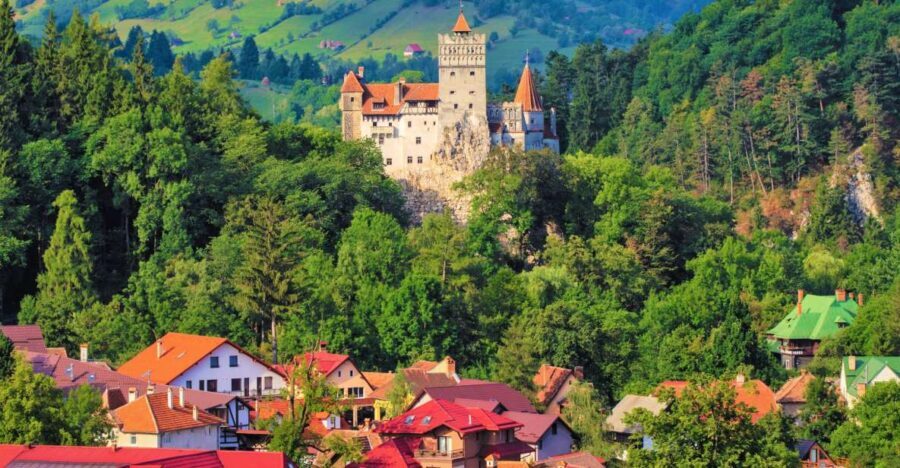
Nearly identical itinerary to the top pick, but from a different operator. The reason it’s worth considering: this one has the highest average rating of the bunch. The guides on this particular tour tend to be especially good at weaving Romanian history into the experience, going beyond the standard Dracula spiel.
The tour typically starts with Peles, moves to Bran, and finishes with Brasov. Castle entry tickets are not included in the price, so budget an additional 60 RON for Bran and 50 RON for Peles. Some guides offer to purchase tickets on the bus, which saves time at the gate. At the same $40 price point, your choice between this and option #1 really comes down to availability on your travel dates.
3. Bran Castle, Peles Castle & Brasov Day Trip — $36
The budget pick, and it’s only $4 less than the top options. Same three-stop route, same 12-hour duration. The difference is mostly in the extras — slightly larger group sizes, less flexibility with timing at each stop, and the guides can be hit-or-miss. When you get a great one, this tour is indistinguishable from the pricier options. When you don’t, it feels a bit more like a bus shuttle with occasional commentary.
At $36 per person, it’s the cheapest way to do the Bucharest-Bran-Peles-Brasov triangle with a guide. If you’re travelling on a tight budget and just want to tick off the highlights, this gets the job done.
4. Day Trip to Dracula Castle, Peles Castle & Brasov — $45
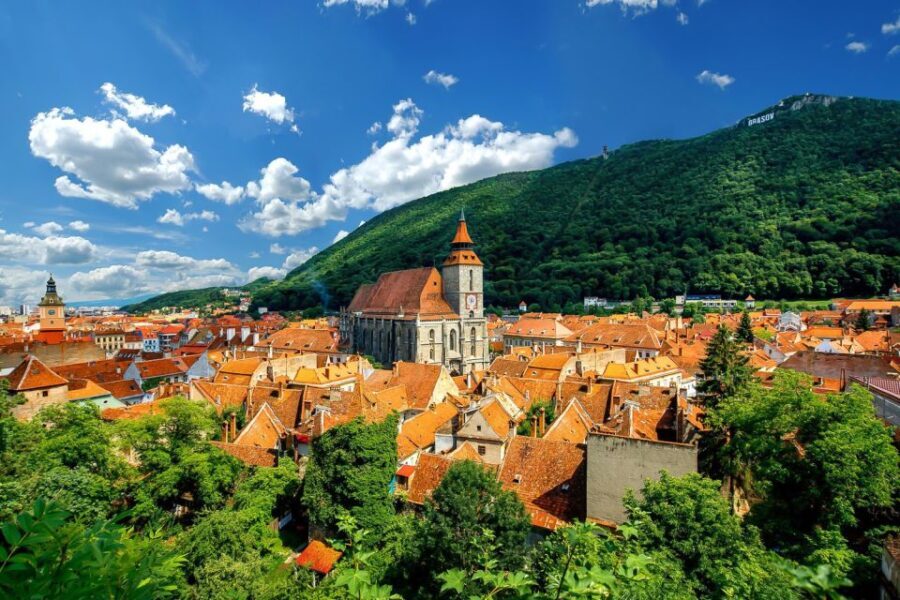
This is the longer option — 14 hours instead of the standard 12. That extra two hours makes a noticeable difference. You get more time at Brasov, which is genuinely one of the most beautiful medieval towns in Europe and deserves more than the 45-minute speed walk most tours give it.
The downside is obvious: it’s a long day. You’re leaving Bucharest early and getting back late. If you’re the type who’s wiped after 10 hours of sightseeing, this might be too much. But if you want the fullest experience without staying overnight in Brasov, the $45 price point buys you a noticeably more relaxed pace.
5. Bucharest to Dracula Castle, Peles Castle and Brasov Guided Tour — $34
This one’s on Viator rather than GetYourGuide, and it’s the cheapest option on the list. Same basic itinerary — Peles, Bran, Brasov — in a 12-hour loop from Bucharest. The group sizes tend to be smaller than the GYG equivalents, which means more personal attention from the guide and easier logistics at each stop.
The guides on this tour lean heavily into the historical angle, which I actually prefer. You’ll hear about the real history of Wallachia and the Ottoman wars rather than just the Dracula legend on repeat. At $34, it’s arguably the best bang for your buck if you care more about history than Instagram shots.
When to Visit Bran Castle
The best time to visit depends on what you’re after.
May-June and September-October are the sweet spots. Weather is comfortable, the forests around the castle are green (or turning gold in autumn), and the tourist crowds are manageable. September is probably the single best month — warm days, cooler evenings, and autumn colours starting to appear on the surrounding hills.
July-August is peak season. The castle gets absolutely packed, especially on weekends. Expect long queues, crowded rooms inside, and that general feeling of being herded through an attraction rather than exploring it. The upside: longer opening hours and reliably warm weather.
Late October / Halloween is its own thing. Bran Castle runs special Halloween events that sell out months in advance. If you want the Dracula experience cranked to eleven, this is it. But don’t expect a quiet or authentic visit — it’s pure spectacle.
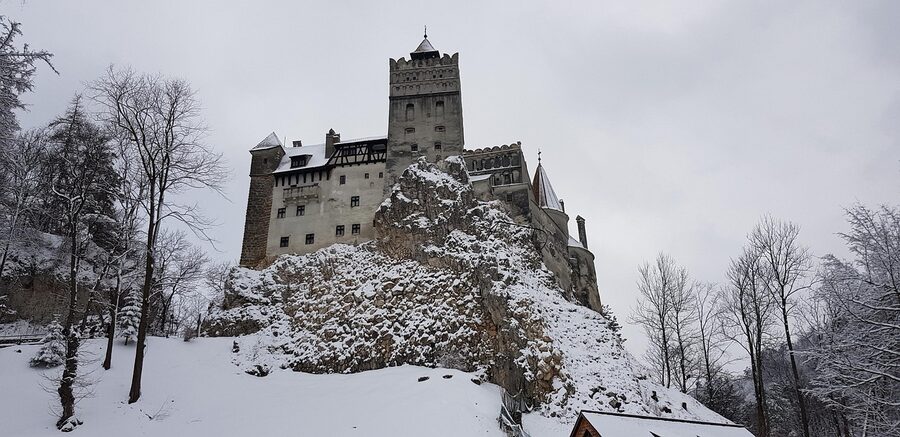
November-March is low season. Shorter hours, possible closures, and cold that cuts through you on the castle’s exposed hilltop. But the crowds disappear entirely, and on a clear winter day with snow on the ground, Bran Castle looks more like the real Dracula’s lair than it does in any other season.
Getting from Bucharest to Bran Castle
Bran Castle sits about 180 km northwest of Bucharest, in the commune of Bran, Brasov County. Here’s every way to get there:
Guided tour (recommended): Most tours depart from central Bucharest between 7:30-8:30 AM and return around 8:00-9:00 PM. Hotel pickup is usually included. You sit in a comfortable minibus or coach, and someone else handles the navigation. The drive takes about 2.5-3 hours each way, with stops for coffee and restrooms.
Train + bus: Take the train from Bucharest Nord to Brasov (2.5-3 hours, roughly 50-70 RON). From Brasov, catch a minibus or local bus from Autogara 2 to Bran village (45 minutes, around 10 RON). The walk from Bran bus stop to the castle is about 10 minutes uphill. Be aware: the last bus back to Brasov leaves around 6:00 PM, and you’ll need to check the return train schedule carefully.
Rental car: Take the E60/DN1 north through Ploiesti and over the mountains via Sinaia. Google Maps says 2.5 hours, but budget 3+ hours with traffic. Parking at Bran costs 10-20 RON. The road through the Prahova Valley is scenic but can be slow behind trucks. On weekends and holidays, expect heavy traffic on the DN1.
Tips That Will Actually Save You Time
A few things I wish someone had told me before my first visit:
Book your tour at least 3-4 days ahead in summer. The popular ones sell out, especially on weekends. Mid-week departures are easier to get and less crowded at every stop.
Wear comfortable shoes. Bran Castle involves a lot of stairs — narrow, uneven, medieval stairs that were built for people significantly shorter than modern humans. The courtyard and surrounding area are also on a slope.
Bring snacks for the drive. The tour stops along the way are fine for coffee, but the food options are overpriced tourist fare. Pack something for the bus.
Don’t skip Peles Castle. Seriously. Most people book this trip for Bran, but Peles is the actual showstopper. It’s one of the most beautiful palaces in Europe, and you’ll spend more time talking about it afterward than you will about Bran.
Cash is useful but not essential. Bran Castle accepts cards, and so do most restaurants in the area. But some of the market stalls around the castle base are cash-only. ATMs are available in Bran village.
Use the bathroom at Peles, not Bran. The facilities at Bran Castle are limited and usually have a queue. Peles has much better restrooms.
Ask your guide about the secret passages. Bran Castle has a network of hidden staircases connecting different floors. Not all tours point them out, but they’re the most interesting part of the interior architecture.
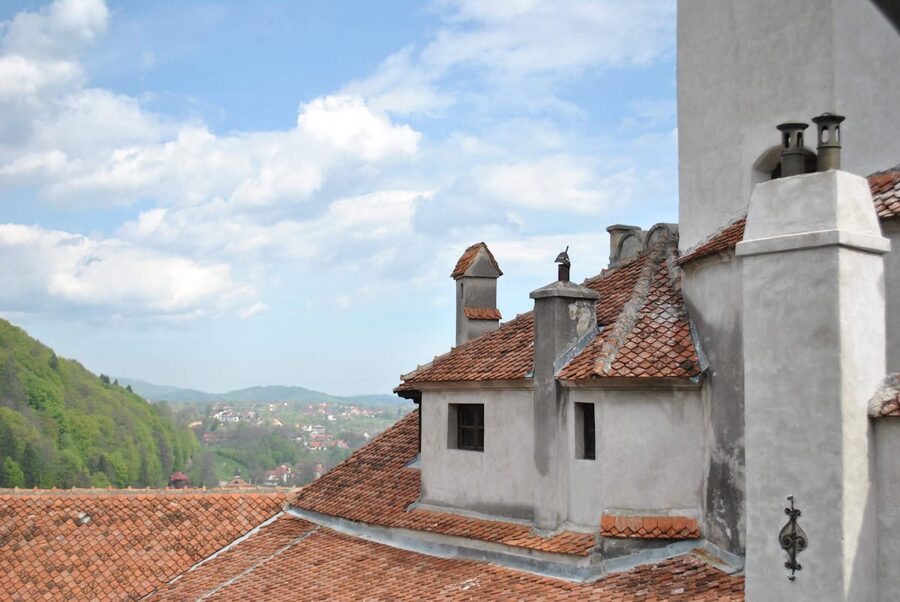
The Real History Behind the Dracula Legend
This is where Bran Castle gets genuinely interesting, and it’s the part most travelers completely miss because they’re too focused on the vampire angle.
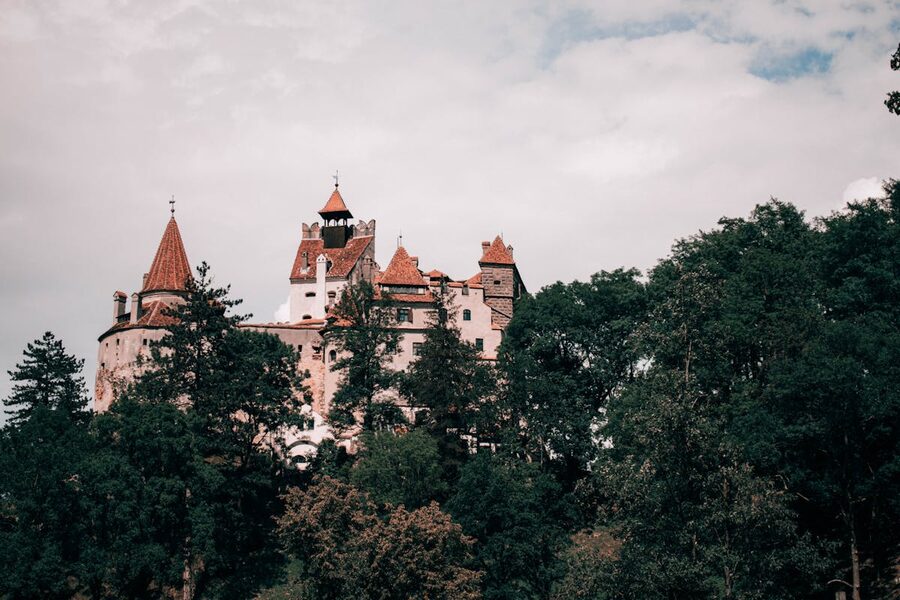
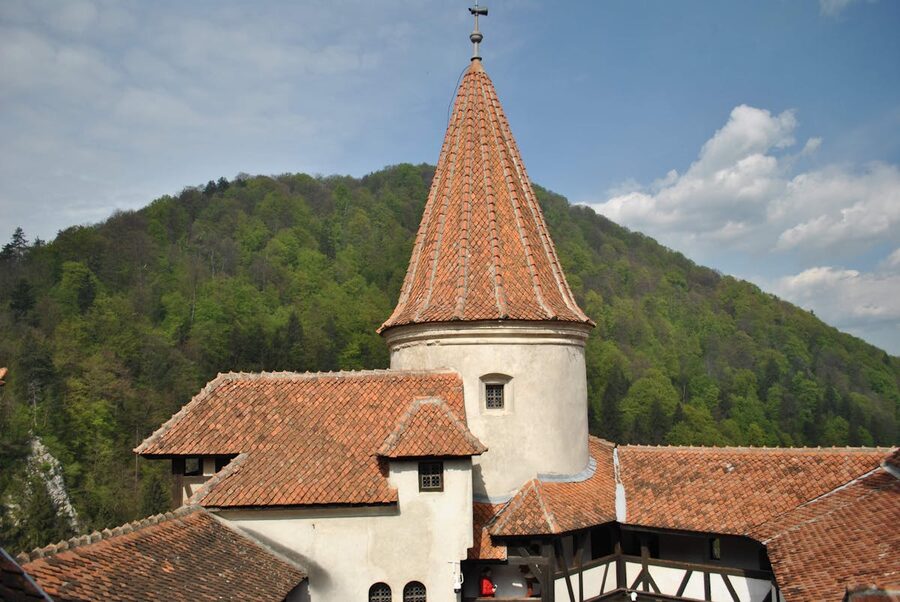
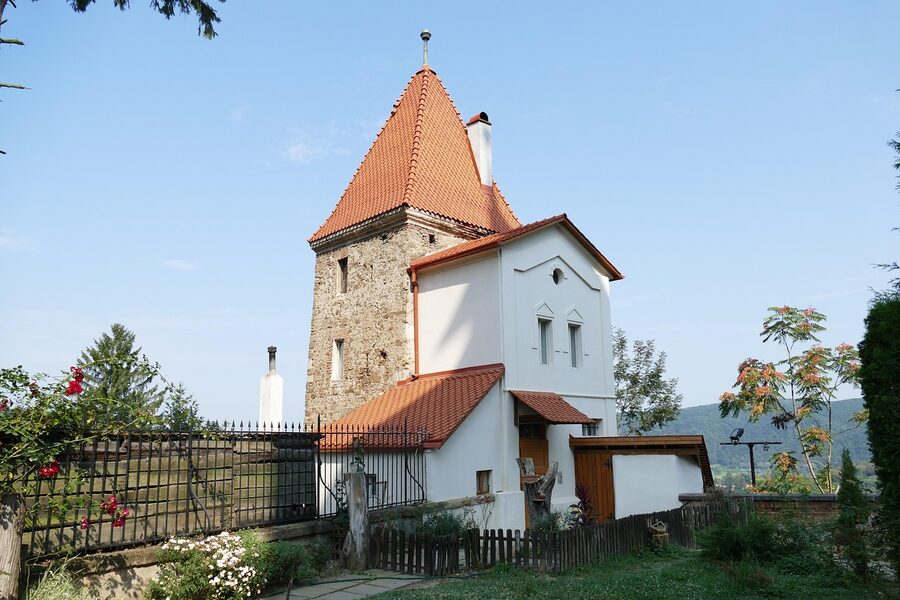
The castle itself (1388): Bran Castle was built by the Saxons of Kronstadt (modern-day Brasov) as a customs post and military fortress guarding the Rucar-Bran pass — one of the main routes connecting Transylvania to Wallachia. The Teutonic Knights had built a wooden fortress here even earlier, but the stone castle dates to 1388. It changed hands repeatedly between Hungarian kings, Transylvanian Saxons, and Wallachian rulers over the centuries.
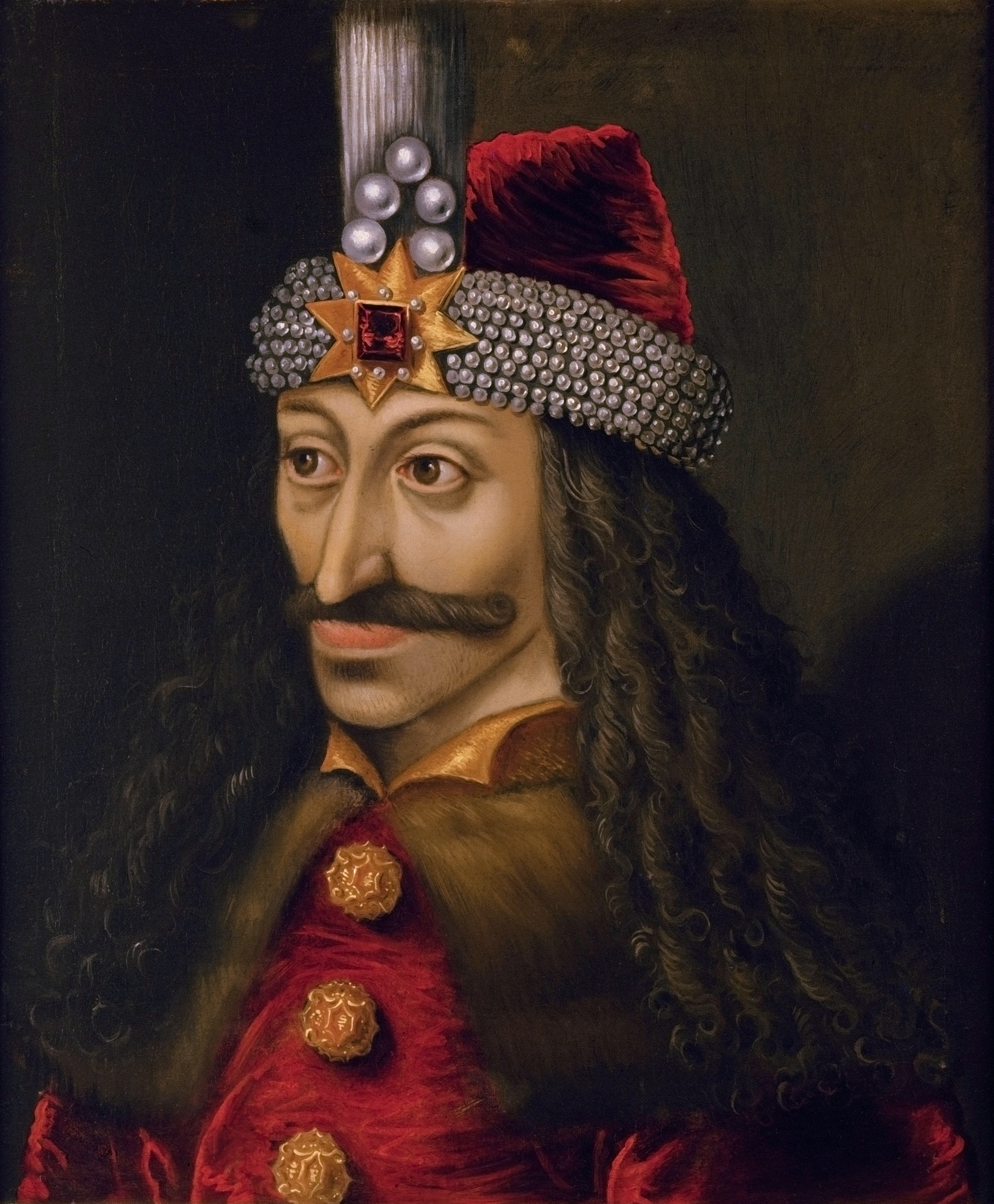
Vlad III “The Impaler” (1431-1476): The real Dracula. Born in Sighisoara in 1431 as the son of Vlad II Dracul (member of the Order of the Dragon, hence “Dracul” — the dragon). Vlad III became Prince of Wallachia three times in a turbulent career defined by his wars against the Ottoman Empire.
His nickname “Tepes” (The Impaler) came from his preferred method of executing enemies — reportedly impaling over 20,000 Ottoman prisoners outside the city of Targoviste in 1462 to psychologically terrorize Sultan Mehmed II’s advancing army. It worked. Mehmed’s troops reportedly turned back at the sight.
Here’s the thing most people don’t realize: Vlad’s connection to Bran Castle is tenuous at best. He may have been held briefly at Bran as a prisoner during one of his many political reversals, and he certainly passed through the area during his campaigns. But Bran was never “Dracula’s Castle” in any meaningful sense. His actual strongholds were Targoviste, Poenari (a truly dramatic clifftop ruin deeper in the mountains), and the fortress at Bucharest.
Bram Stoker and the 1897 novel: Bram Stoker never visited Romania. He never visited Transylvania. His novel “Dracula” was written in London, drawing on a patchwork of sources — some Romanian folklore, some accounts of Vlad Tepes, and a lot of pure Victorian gothic imagination. The castle described in the book doesn’t really match Bran at all. Stoker placed his fictional Castle Dracula in the Borgo Pass, about 300 km north of Bran.
The connection between Bram Stoker’s Dracula and Bran Castle was largely manufactured by Romanian tourism officials in the 1970s and 1980s. They needed a photogenic castle to associate with the novel, and Bran — perched dramatically on its rock, looking suitably gothic — fit the bill. It worked brilliantly. Bran Castle is now the most visited attraction in Romania.
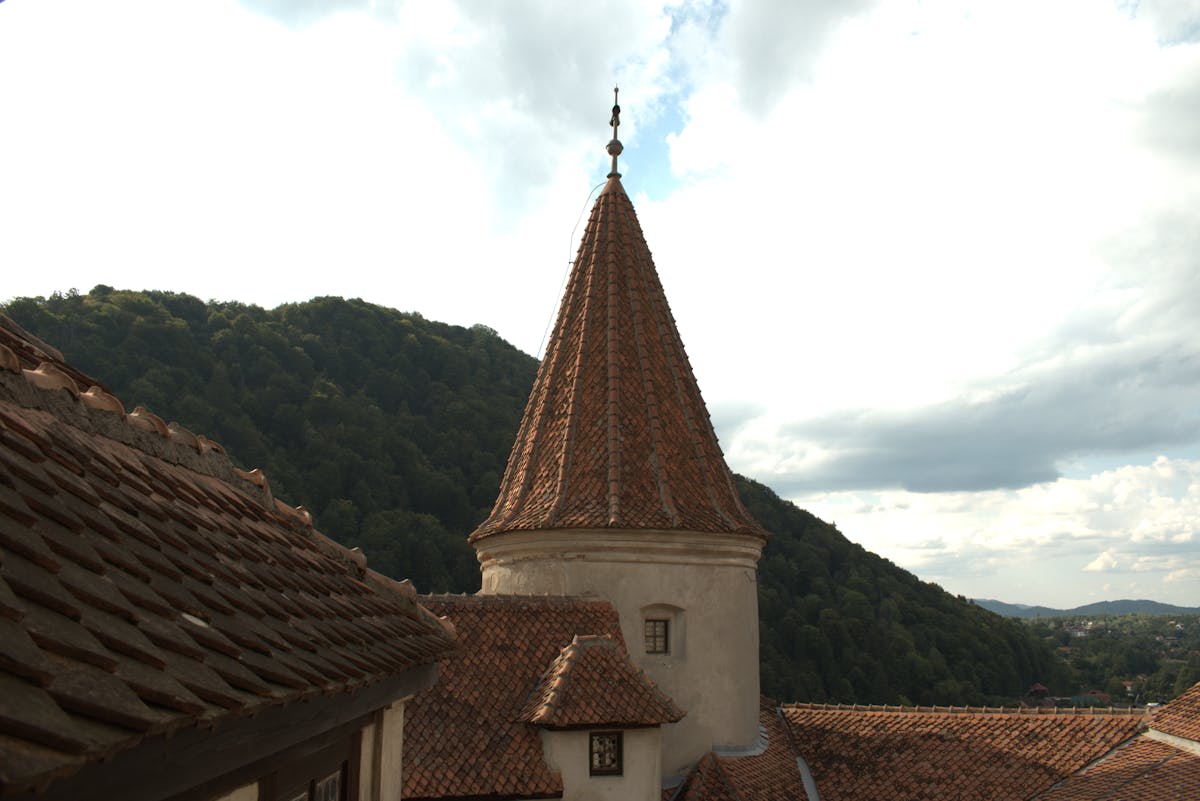
Queen Marie of Romania (1914-1938): The castle’s most famous actual resident was Queen Marie, a granddaughter of Queen Victoria. After World War I, Bran Castle was gifted to the Romanian royal family, and Marie fell in love with the place. She restored it as a summer residence, adding gardens, a tea house by the lake, and the personal touches visible throughout the interior today.
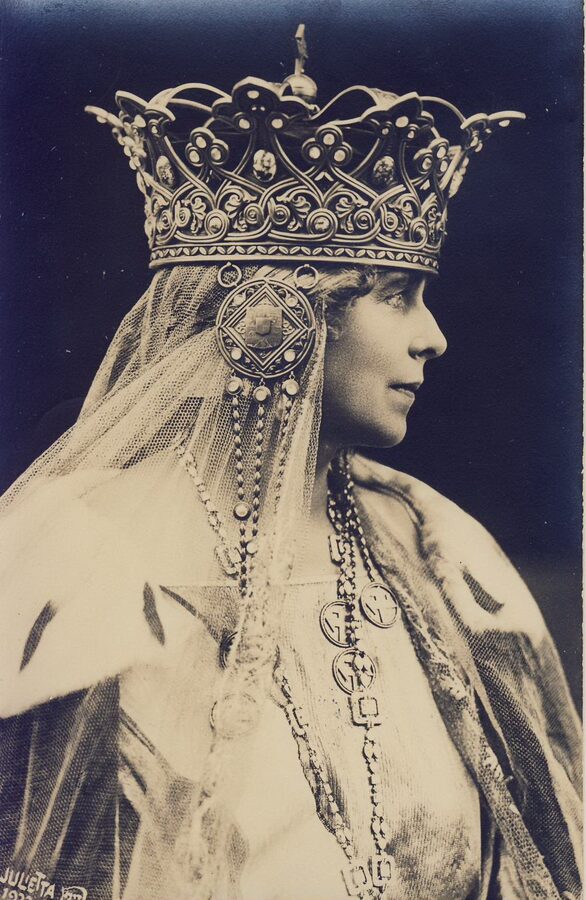
Marie was no ordinary royal. She personally nursed wounded soldiers during World War I, led Romania’s diplomatic campaign at the 1919 Paris Peace Conference (securing massive territorial gains), and was widely considered the most powerful woman in Europe during the interwar period. When you walk through Bran Castle’s rooms, you’re walking through her home far more than anything connected to Vlad Tepes.
The contrast is what makes Bran Castle genuinely fascinating: a medieval fortress built to repel Ottoman invasions, loosely connected to a bloodthirsty warlord, turned into a royal home by a British-born queen, then co-opted as a vampire tourist attraction by a communist government. Every layer of that story is more interesting than the Dracula fiction.
What You’ll Actually See Inside
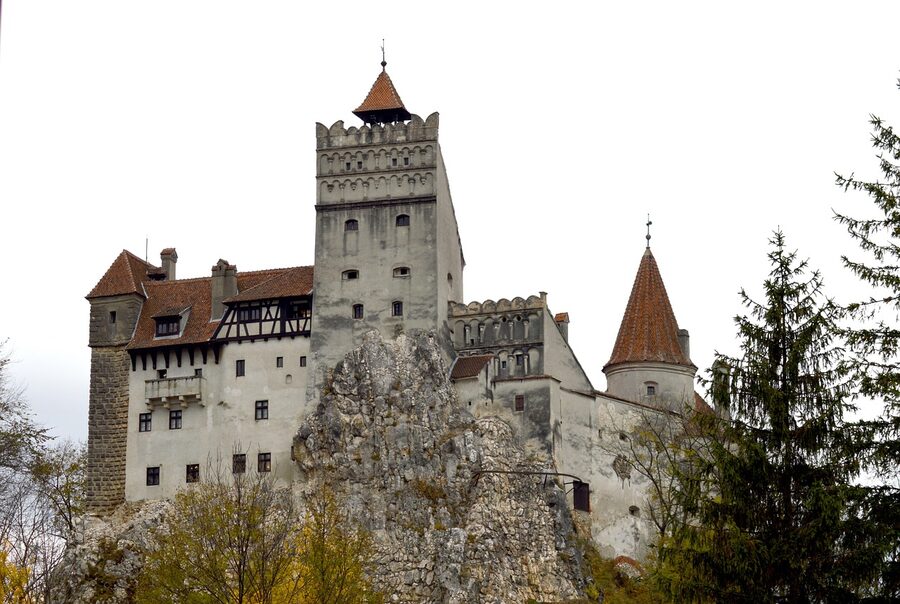
Bran Castle isn’t huge. The self-guided tour takes about 45-60 minutes through narrow corridors, steep staircases, and surprisingly small rooms filled with a mix of medieval furniture, royal-era furnishings from Queen Marie’s time, and weapons displays.
The highlights: Queen Marie’s personal chambers and the elegant furniture she brought from England. The hidden staircases connecting the first and third floors — built so defenders could move between levels without being seen from outside. The weapons collection, which includes some brutal-looking Ottoman and Wallachian arms. And the view from the upper terrace, which on a clear day extends across the entire Rucar-Bran valley.
Don’t expect a spooky haunted house experience. Despite the Dracula marketing, the interior feels more like a cozy royal residence than a vampire’s lair. The rooms are small, well-lit, and filled with domestic objects. There’s more about Queen Marie’s afternoon tea habits than there is about impaling.
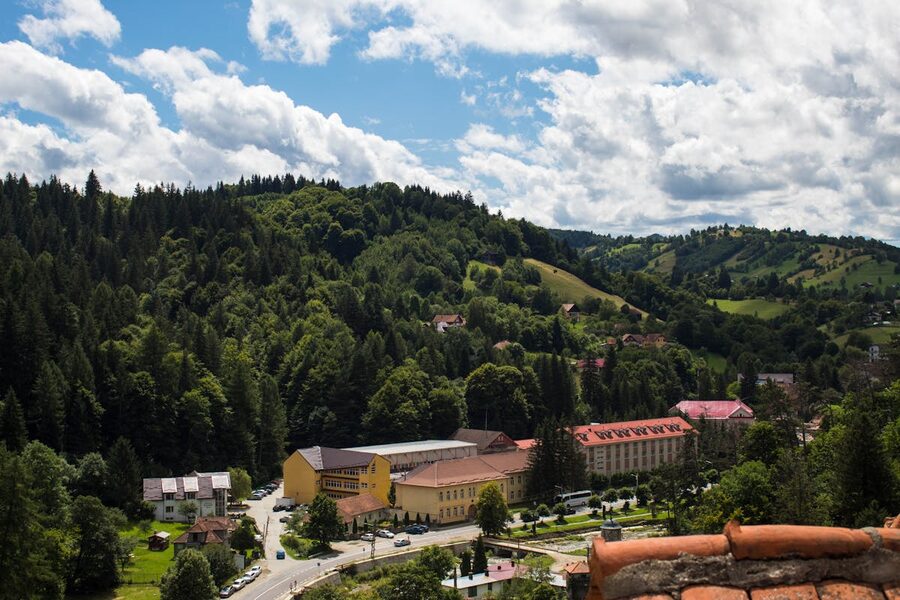
At the base of the castle, there’s an open-air village museum with traditional Transylvanian houses and a marketplace that’s touristy but fun. The local products — sheep cheese, jams, embroidered textiles — are genuinely good if you can dodge the plastic vampire teeth.
Peles Castle: The Stop That Steals the Show
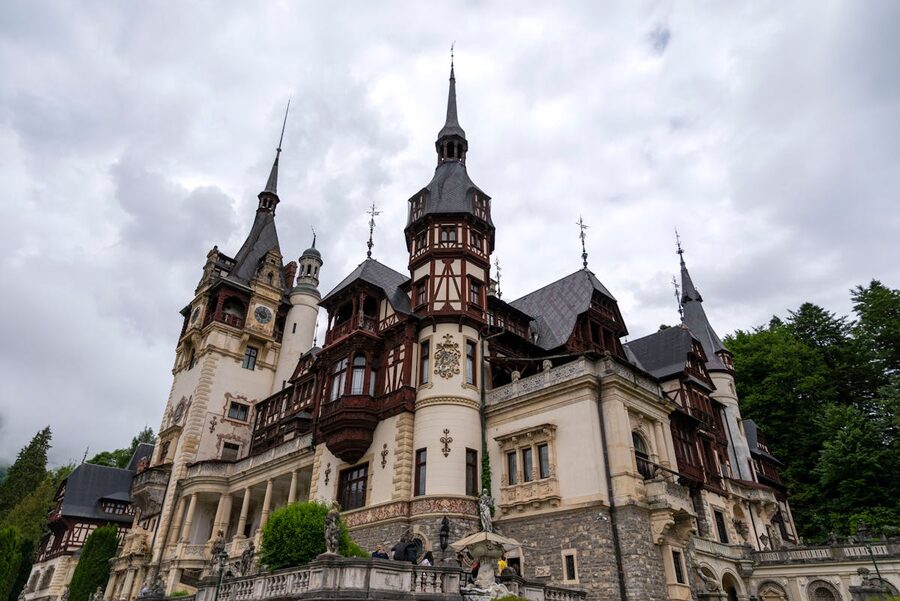
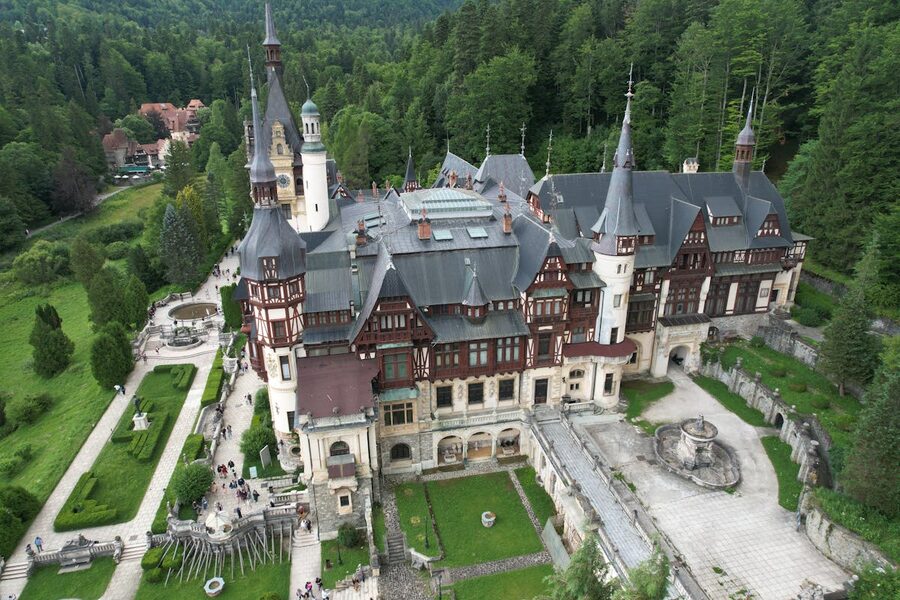
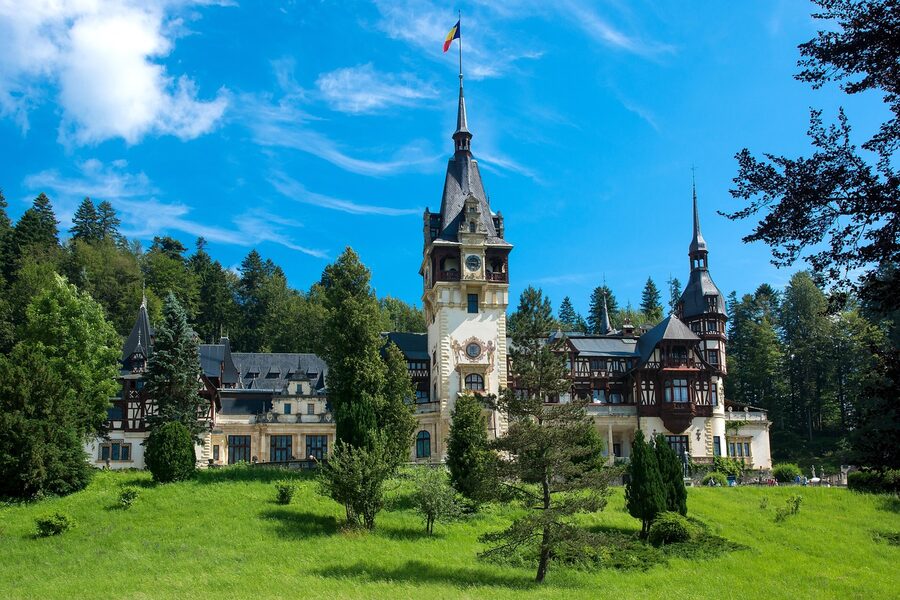
Every Bucharest-to-Bran tour stops at Peles Castle in Sinaia, and I need to be honest: most people end up preferring it to Bran. Built between 1873 and 1914 as the summer residence of King Carol I, Peles is one of the most beautiful palaces in Europe. The interior guided tour takes you through a succession of rooms, each more elaborately decorated than the last — Moorish, Florentine, German Renaissance, all mixed together in a way that shouldn’t work but somehow does.
Entry to Peles is separate from Bran (50 RON for adults). The interior tour is guided and takes about 45 minutes. Photography inside costs an additional 35 RON — worth it if you’re into architecture or interior design.
Brasov: The Medieval Town That Deserves More Than 45 Minutes
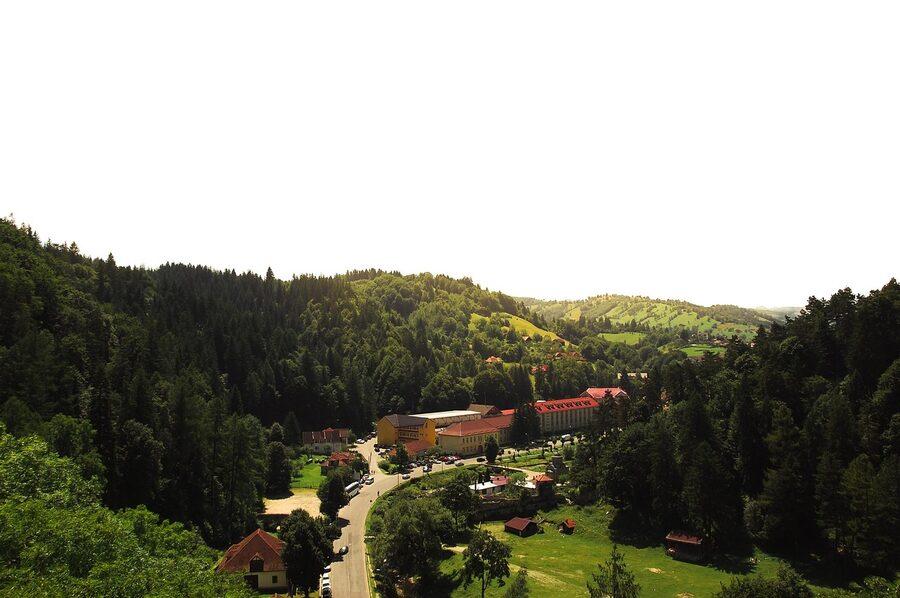
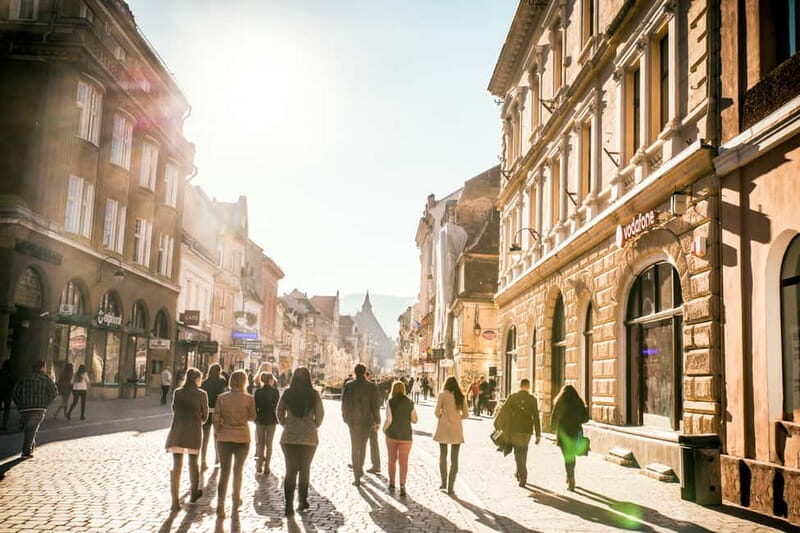
Most day tours give you about 1-2 hours of free time in Brasov, which is enough to walk around the main square (Piata Sfatului), peek into the Black Church (the largest Gothic church in southeastern Europe), and grab a coffee at one of the cafes lining the square.
But Brasov deserves more. The old town is genuinely medieval in a way that most European cities have long since paved over. The streets are narrow and winding, the buildings date to the 14th and 15th centuries, and the surrounding mountains press in from all sides. If you can, consider staying overnight in Brasov and visiting Bran Castle independently from there — it’s only 30 km away.
The Tampa Mountain cable car runs from the edge of the old town to the top of the mountain, where you get panoramic views of the city and the surrounding Carpathians. It’s 20 RON round trip and worth every lei.
While You’re Planning Your Romania Trip
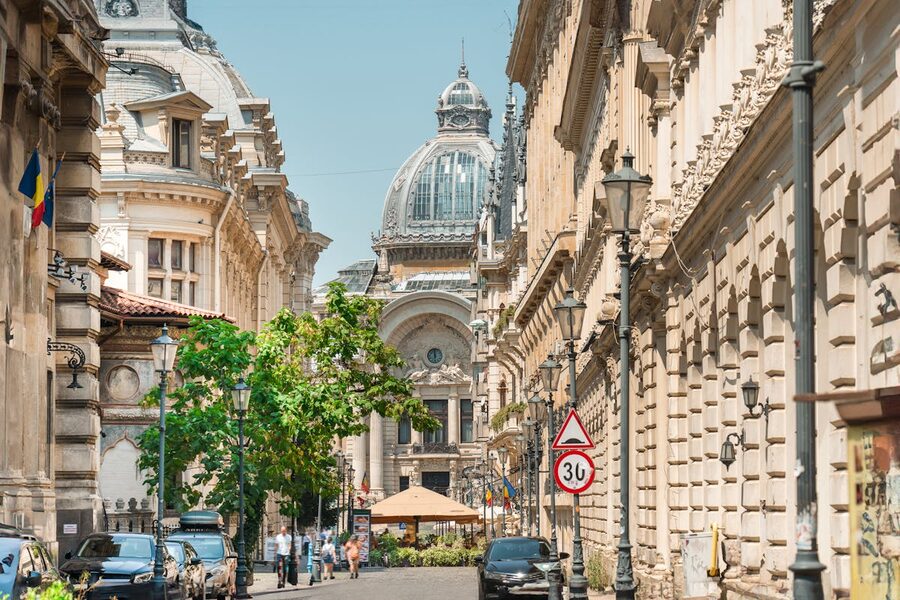
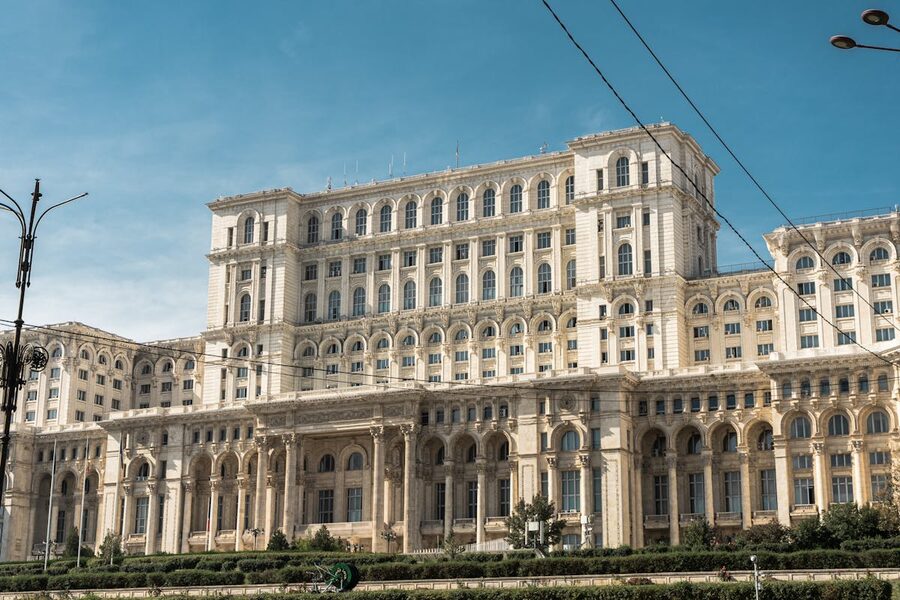
Bran Castle is the gateway drug to Transylvania, but there’s a lot more worth seeing in Romania beyond the Dracula circuit. If you’re spending a few days in Bucharest, the city itself is wildly underrated — the Old Town has genuinely good restaurants and bars, the Palace of the Parliament tours are fascinating in a dark-history kind of way, and the village museums on the outskirts are some of the best open-air museums in Europe. The countryside between Bucharest and the Carpathians is flat and unremarkable, but once you hit the mountains, everything changes. If this is your first trip to Romania, give it more time than you think you need. Three days minimum for Bucharest plus Transylvania, five if you want to do it properly.
This article contains affiliate links. When you book through our links, we may earn a small commission at no extra cost to you. This helps keep our guides free and independent.