
I was sitting in the third row of a Baroque church on a Tuesday evening, watching a string quartet play Mozart by candlelight, and the woman next to me was openly crying. Not from sadness — from the sheer force of what happens when you hear a piece written in this city, performed in a building that was standing when the ink was still wet on the manuscript. Vienna does that to people.
This is the city where Mozart, Beethoven, Schubert, Brahms, and Strauss all lived and worked. The city where Haydn premiered symphonies, where Mahler conducted the opera, where the waltz was invented. Classical music did not just happen here — it was born here. And the concert scene today is not some dusty museum piece. It is alive, affordable, and running nearly every single night of the year.
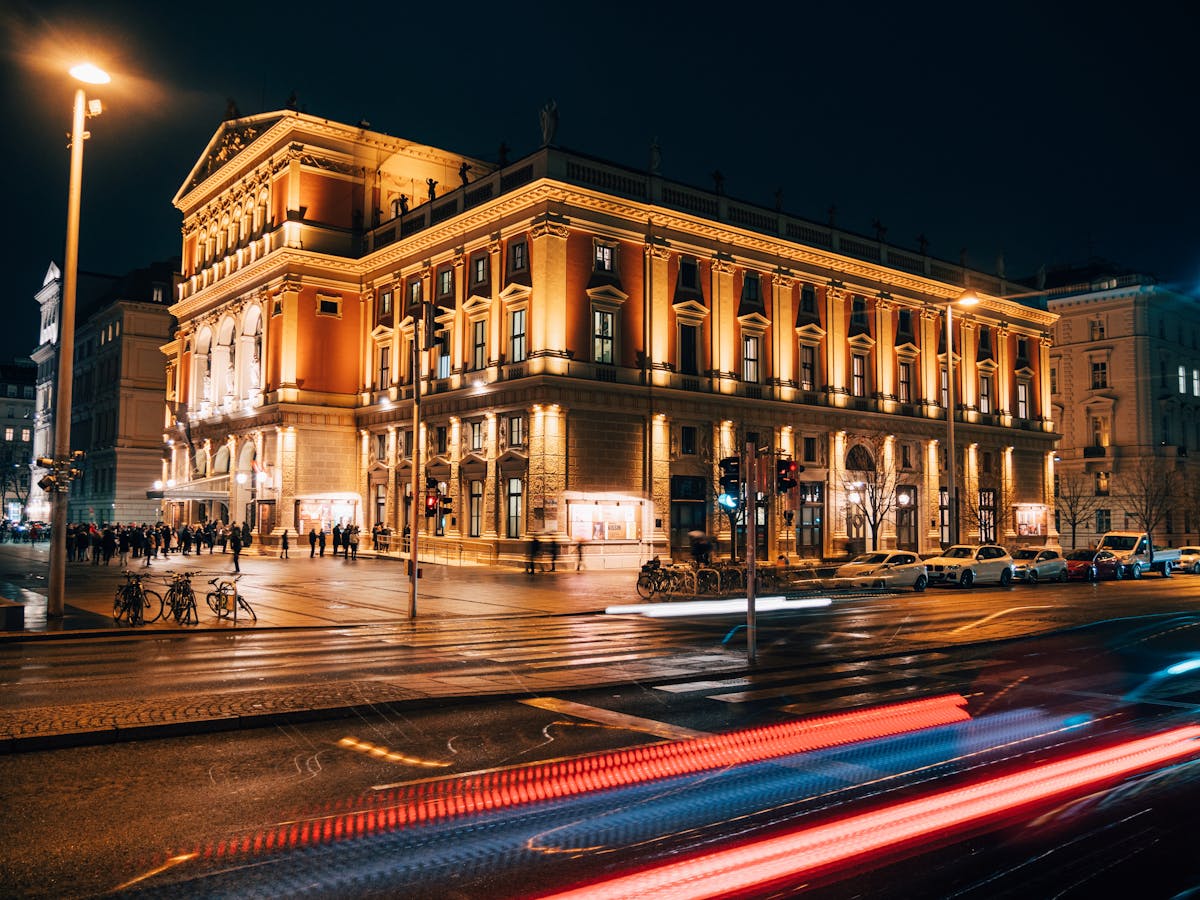
The tricky part is not finding a concert. It is picking the right one. Between the Musikverein, Konzerthaus, Schonbrunn Orangery, half a dozen churches, and the State Opera, there are hundreds of performances each month. Some are world-class. Some are tourist traps in wigs. This guide will help you tell the difference, book the right tickets, and walk into the room already knowing what to expect.
Best overall: Mozart Concert at the Musikverein — $83. The Golden Hall, period costumes, the full Vienna experience in one evening.
Best value: Vivaldi Four Seasons at Karlskirche — $41. Period instruments in a stunning Baroque church. Seventy-five minutes of perfection.
Best splurge: Schonbrunn Palace Concert — $66. Mozart and Strauss in the imperial Orangery. Dinner-and-concert packages available.
- How Vienna’s Classical Concert Scene Works
- Buying Tickets Directly vs. Booking a Concert Experience
- The Best Vienna Classical Concerts to Book
- 1. Mozart Concert in Historical Costumes at the Musikverein —
- 2. Classical Concert at St. Peter’s Church —
- 3. Schonbrunn Palace Concert —
- 4. Vivaldi Four Seasons at Karlskirche —
- 5. Hofburg Orchestra: Mozart & Strauss at the Konzerthaus —
- When to Go
- How to Get to the Main Venues
- Tips That Will Save You Time and Money
- What You Will Actually Experience Inside
- More Vienna Guides
How Vienna’s Classical Concert Scene Works
Vienna is not like other cities where you book “a classical concert” and hope for the best. The scene here splits into a few distinct categories, and understanding them will save you from accidentally paying premium prices for a middling tourist show — or from missing something extraordinary because you did not know it existed.
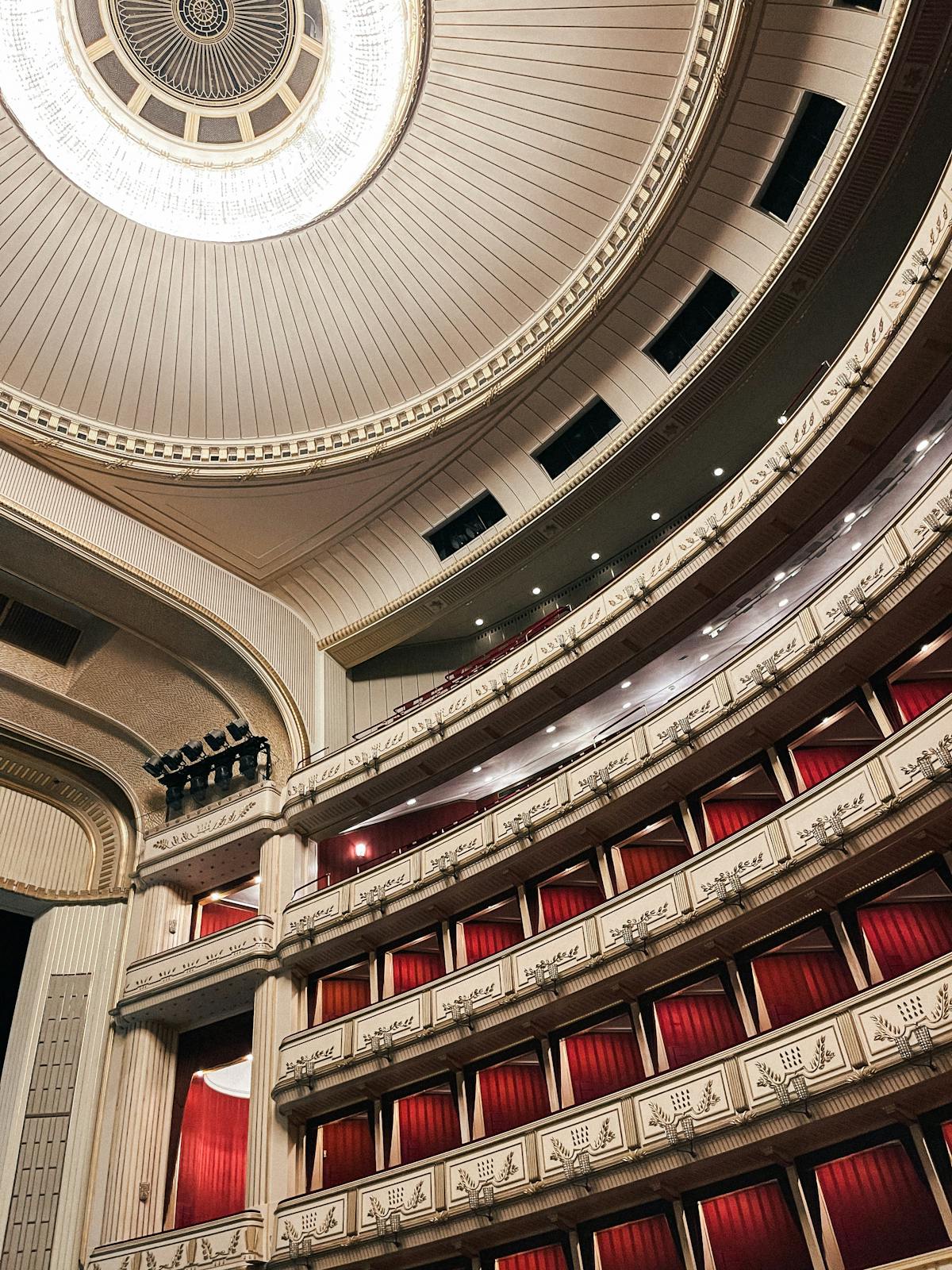
The big concert halls — the Musikverein and the Konzerthaus — host the Vienna Philharmonic, visiting international orchestras, and high-profile soloists. These are the real deal. Ticket prices range from around $30 for restricted-view seats up to $200+ for prime positions at marquee performances. The Musikverein’s Grosser Saal (Great Hall) is regularly called the finest acoustic space in the world, and hearing anything performed there is a genuine once-in-a-lifetime experience. You can buy tickets through their official websites (musikverein.at and konzerthaus.at), but popular performances sell out weeks or months ahead.
Church concerts run year-round in venues like St. Peter’s Church, Karlskirche, St. Anne’s Church, and St. Stephen’s Cathedral. These are typically chamber music — smaller ensembles playing Mozart, Vivaldi, Bach, and Schubert. Prices sit between $30 and $55, the settings are jaw-dropping, and the quality ranges from very good to exceptional. The Karlskirche Vivaldi performances by Orchestra 1756 on period instruments are particularly well-regarded.
Palace concerts at Schonbrunn and other imperial venues pair the music with the setting. You are hearing Mozart and Strauss in rooms where the Habsburgs actually listened to Mozart and Strauss. Prices run $55 to $90+, with VIP and dinner packages pushing higher. The Schonbrunn Orangery concerts are the most popular.
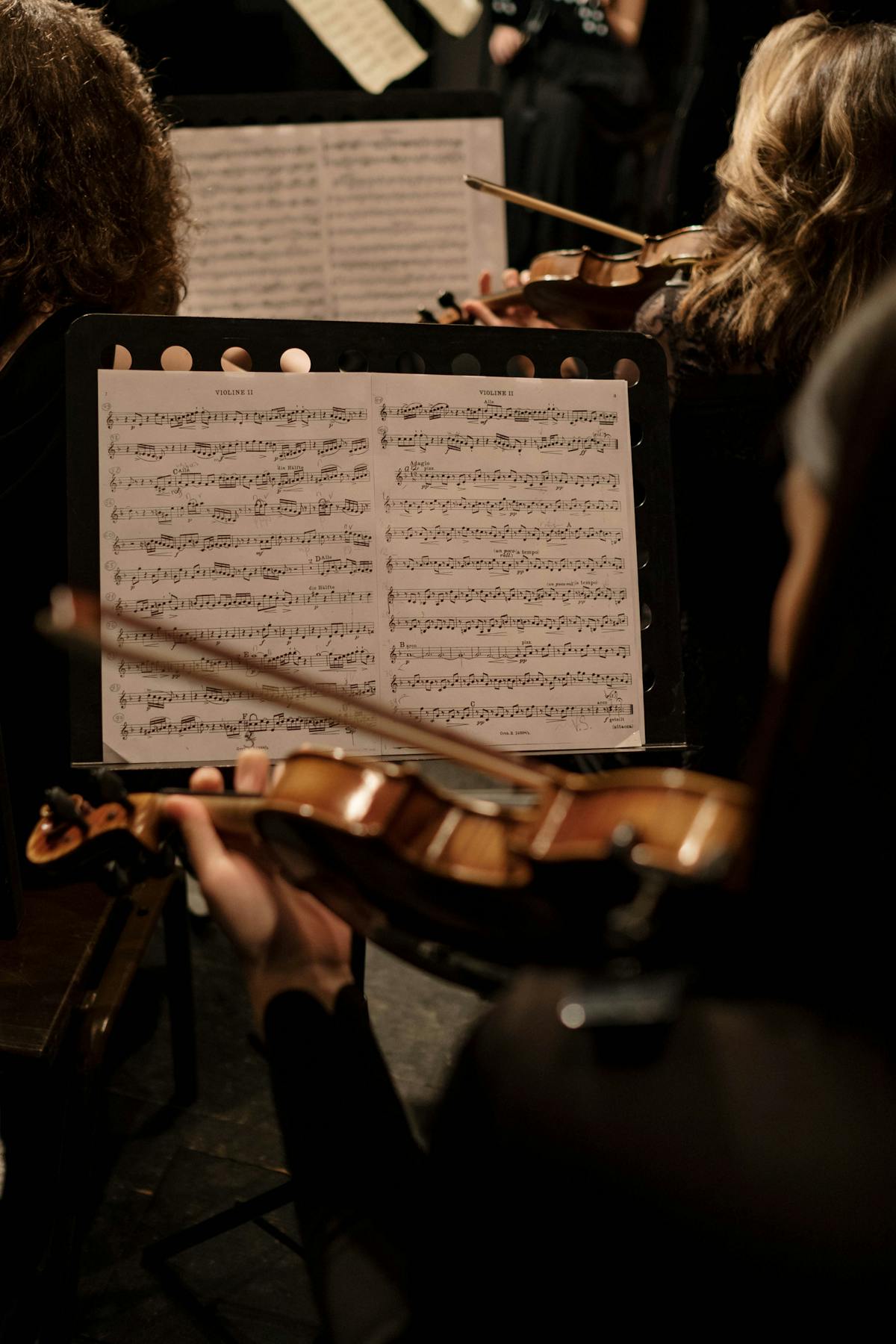
“Mozart concerts” in period costumes are the most tourist-facing option. Performers dress in 18th-century wigs and frock coats, playing greatest-hits programs of Mozart and Strauss. The quality varies — some of these ensembles are genuinely excellent (the Musikverein-based ones tend to be strong), while others lean more on spectacle than musicianship. They are still fun, especially if you are not a regular concertgoer and want an accessible, entertaining evening.
Buying Tickets Directly vs. Booking a Concert Experience
You have two main paths here, and each makes sense for different people.
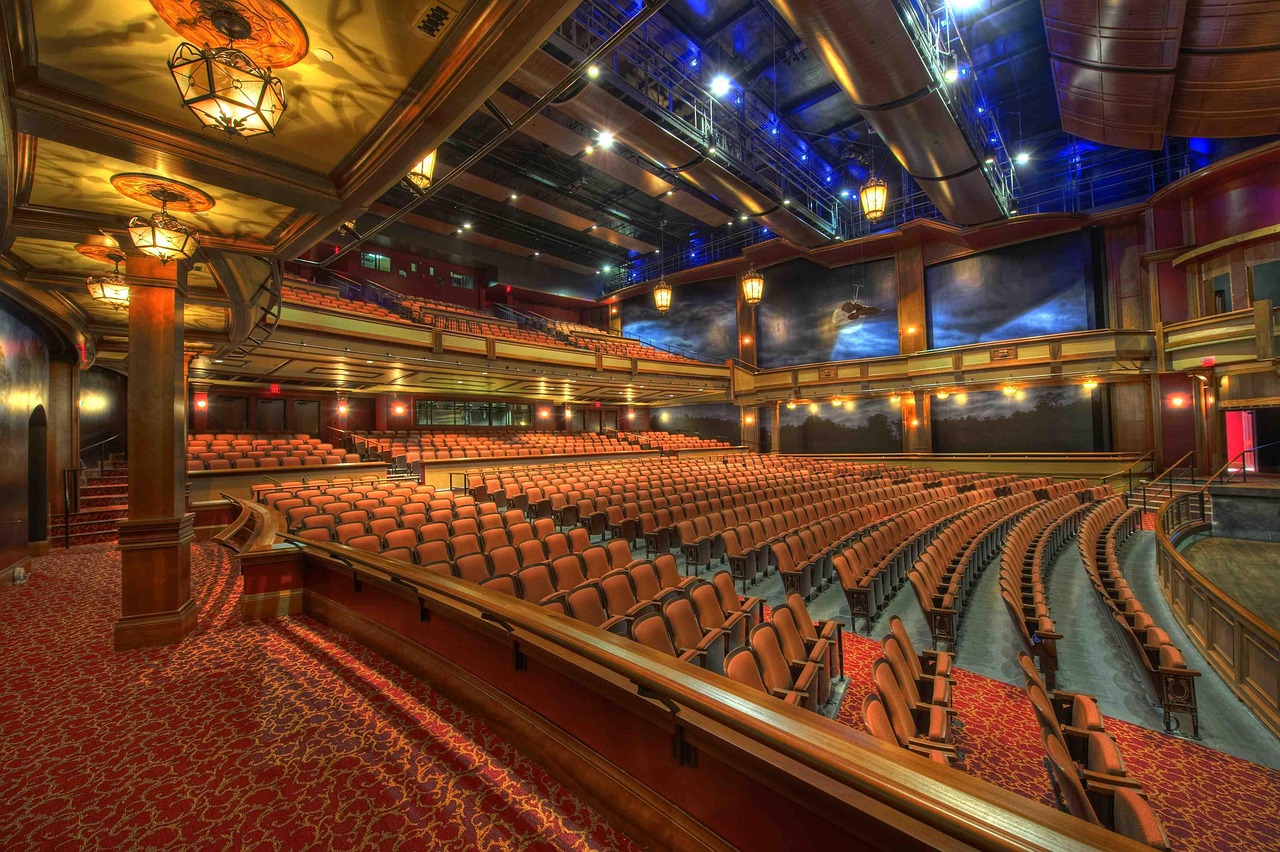
Buying direct from the venue websites (musikverein.at, konzerthaus.at, wiener-staatsoper.at) gives you the widest selection and usually the best prices for specific performances. This works well if you know exactly what you want, you are comfortable navigating German-language booking systems (most have English versions), and you are planning far enough ahead to get good seats. The Vienna Philharmonic and State Opera performances frequently sell out, so direct booking 2-3 months ahead is smart for those.
Booking through a tour platform (Viator, GetYourGuide) makes sense when you want a curated experience with guaranteed good seats, instant confirmation, and free cancellation. The platforms typically partner with specific ensembles — the Schonbrunn Palace concerts, the Musikverein Mozart concerts, the church performances — and handle the seat allocation for you. Prices are slightly higher than the cheapest direct tickets, but you get flexibility and zero logistics headaches. For first-time visitors or anyone booking during peak season, this is usually the smoother path.
My honest take: if you are going to a Vienna Philharmonic or State Opera performance, book direct. For everything else — church concerts, palace concerts, costumed Mozart shows — the tour platforms offer the same experience with better cancellation policies and easier booking.
The Best Vienna Classical Concerts to Book
I have gone through the full range of classical concerts available in Vienna and narrowed it down to five that cover every price point, venue type, and musical taste. Each one is a different flavor of the Vienna experience.
1. Mozart Concert in Historical Costumes at the Musikverein — $83
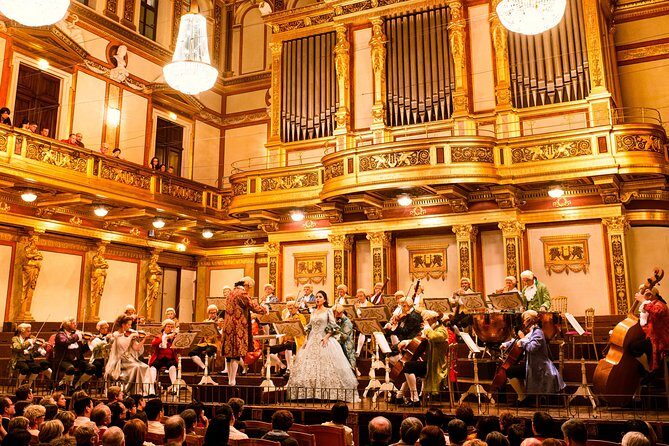
This is the one that combines the two things most visitors come to Vienna for: the Musikverein Golden Hall and a Mozart program. The performers wear period costumes, the program mixes Mozart’s most recognizable orchestral pieces with opera arias and ballet, and the setting is the most famous concert hall in the world. At $83 per person for a two-hour performance, it is not cheap — but given that you would pay similar money for a decent seat at any major symphony back home, the Musikverein premium is worth it.
What sets this apart from other costumed Mozart shows is the venue. The Golden Hall’s acoustics are not just marketing — the room was specifically engineered for classical music, and the difference between hearing an orchestra here versus a church or palace hall is immediately obvious. Book Category A or B seats if budget allows; the higher tiers lose some of the acoustic magic.
2. Classical Concert at St. Peter’s Church — $47
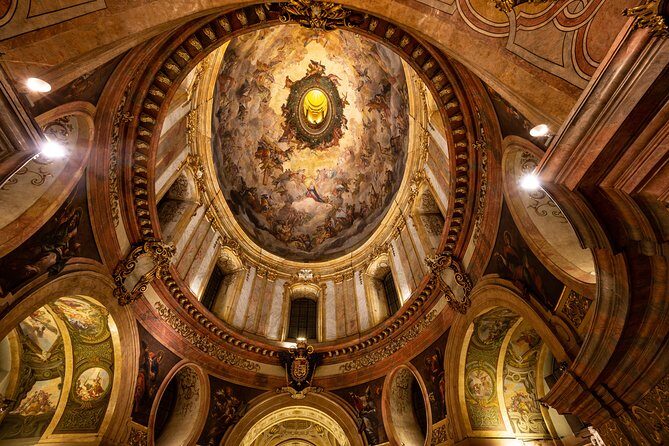
St. Peter’s Church is one of the most beautiful Baroque churches in Vienna, and the Classic Ensemble Vienna performs here regularly with programs focused on Mozart, Vivaldi, and Schubert. The one-hour format is perfect if you do not want to commit an entire evening — concerts typically start at 8:15 PM, and you are out by 9:30 with the rest of the night still ahead of you. At $47, it is solid value for a central location and a genuinely impressive venue.
The church is intimate enough that every seat feels close to the performers, and the painted dome ceiling overhead adds a visual dimension that even the Musikverein cannot match. This is my top pick for anyone who wants a quality classical concert at St. Peter’s without spending the whole evening or breaking the budget.
3. Schonbrunn Palace Concert — $66
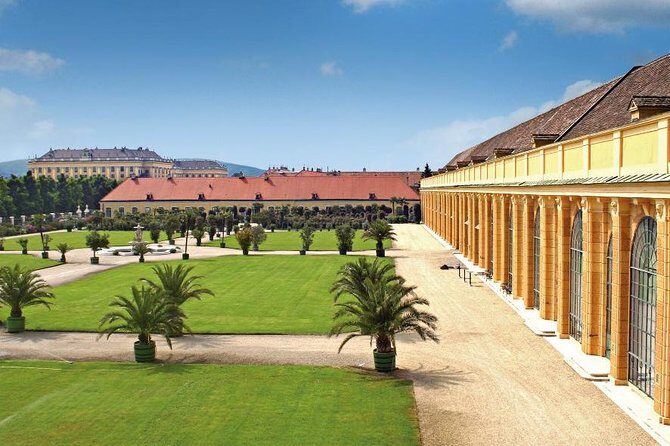
The Schonbrunn Palace concert is the option for people who want their classical music served with a side of imperial grandeur. The concerts take place in the Orangery, an elegant long hall attached to the palace that was originally used as a greenhouse for the Habsburg citrus collection. The program is pure Vienna — Mozart and Strauss, performed by the Schonbrunn Palace Orchestra in a 90-minute set that moves through orchestral highlights, opera arias, and ballet.
At $66 for standard seating, it sits in the middle of the price range. VIP packages with dinner push into the $100+ territory but include a three-course meal at the palace restaurant beforehand, which turns the whole thing into a proper evening out. If you are already planning to visit Schonbrunn Palace and its gardens, the concert is an easy add-on — just schedule the palace tour for the afternoon and the concert for the evening.
4. Vivaldi Four Seasons at Karlskirche — $41
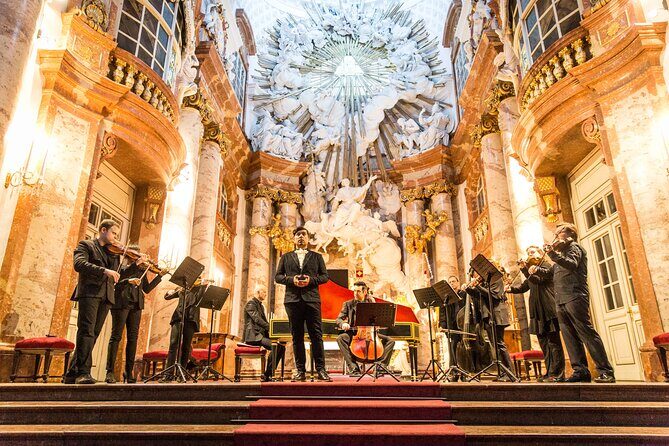
This is my favorite value pick. Orchestra 1756 performs Vivaldi’s Four Seasons on period instruments — meaning gut strings, historical bows, and tuning pitched slightly lower than modern standard. The result is a warmer, more textured sound than you would get from a modern ensemble, and it is closer to what Vivaldi himself would have heard. The Karlskirche performance at $41 is the most affordable serious concert on this list.
Karlskirche (St. Charles’s Church) is a masterpiece of Baroque architecture sitting at the edge of the Resselpark. The interior dome, the frescoes, the sheer height of the space — it all becomes part of the performance. Concerts run 75 minutes without intermission, which is the right length. You feel satisfied without feeling trapped. Show up 15 minutes early to grab a good spot — seating is not always assigned in church venues.
5. Hofburg Orchestra: Mozart & Strauss at the Konzerthaus — $64
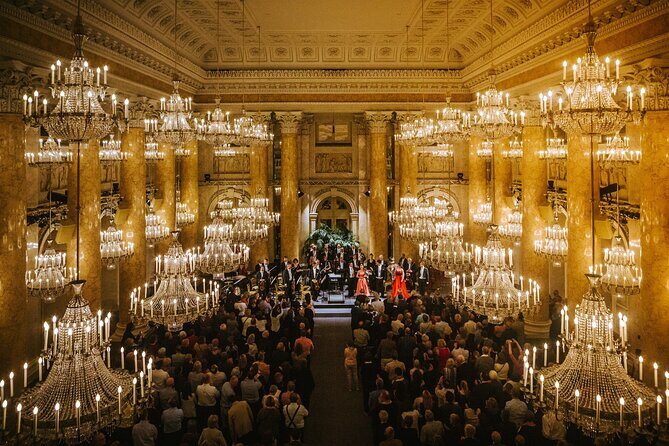
The Konzerthaus is Vienna’s other great concert hall, and it deserves more attention than it gets from visitors who fixate on the Musikverein. The Hofburg Orchestra performs a mixed Mozart and Strauss program here with a full orchestra, vocal soloists, and ballet dancers. At $64, it is slightly cheaper than the Musikverein costumed concerts while offering a comparable experience in an equally historic venue.
The Konzerthaus was built in 1913 and has three halls — the orchestra performs in the Grosser Saal, which seats about 1,800. The programming leans toward accessibility: famous overtures, well-known arias, and crowd-pleasing Strauss waltzes. If you are torn between the Musikverein and the Konzerthaus, my practical advice is to book whichever has better seat availability for your dates. Both halls deliver.
When to Go
Vienna has classical concerts running every single night of the year, including Christmas and New Year’s Eve (especially New Year’s Eve, actually — the Musikverein’s televised New Year’s Concert is one of the most-watched broadcasts on the planet). That said, some seasons are better than others.
September through June is the main concert season. This is when the Vienna Philharmonic, the Konzerthaus, and the State Opera run their full programs. The highest concentration of performances happens from October through December and again from March through May. If you want the widest selection of concerts, visit during these windows.
July and August see the big institutions go dark or scale back, but church concerts and tourist-oriented performances (Schonbrunn, costumed Mozart shows) run year-round. Summer also brings outdoor concerts in the Rathausplatz and other open-air venues, plus the Schonbrunn Summer Night Concert — a free open-air performance by the Vienna Philharmonic in the palace gardens that draws tens of thousands of people.
December is magical. Christmas concerts in the churches, Advent performances at the Musikverein, and the atmosphere of the city itself — lit up with Christmas markets and the smell of Punsch and roasted chestnuts — makes everything feel more special. Book early for December dates; they sell fast.
Most evening concerts start between 7:30 and 8:30 PM. Church concerts sometimes have earlier afternoon slots (around 3:00 or 4:00 PM) and late evening options at 9:00 PM. Check the specific venue schedule for your dates.
How to Get to the Main Venues
Musikverein and Konzerthaus are both in the city center, a few minutes’ walk from Karlsplatz U-Bahn station (U1, U2, U4). From Stephansplatz, it is about a 10-minute walk south along Karntner Strasse. Both halls are within a block of each other on Musikvereinsplatz and Lothringerstrasse.
St. Peter’s Church sits right off the Graben in the 1st district — about 3 minutes on foot from Stephansplatz U-Bahn. You cannot miss it.
Karlskirche is on Karlsplatz, directly above the U-Bahn station of the same name. Exit towards Resselpark, and the church dome is visible immediately.
Schonbrunn Palace is further out — take the U4 to Schonbrunn station, and the palace is a 5-minute walk from the exit. Give yourself an extra 10 minutes to walk through the main courtyard and find the Orangery entrance on the east side of the palace.
Vienna State Opera sits on the Ringstrasse at Opernring, right next to Karlsplatz U-Bahn (exit Operngasse). It is walkable from anywhere in the 1st district.
Tips That Will Save You Time and Money
Standing-room tickets at the State Opera are one of Vienna’s best-kept affordable secrets. They cost just a few euros (typically $4-6) and go on sale about 80 minutes before each performance at the Stehplatz entrance on Operngasse. The catch: you need to queue, and popular performances can attract lines 2+ hours before. But for the price of a coffee, you can hear world-class opera in one of Europe’s grandest theaters.
Dress code is smart casual for most tourist-oriented concerts (church concerts, Schonbrunn, costumed Mozart shows). Nobody expects a tuxedo. Clean jeans with a nice top work fine. The Vienna Philharmonic and State Opera evenings tend to be dressier — locals wear suits and cocktail dresses — but even there, you will not be turned away in smart casual.
Book at least 1-2 weeks ahead during peak season (October through December, March through May). Church concerts and palace concerts are easier to get last-minute, but the Musikverein and Konzerthaus sell out their best seats early. For the Vienna Philharmonic specifically, you may need to book 2-3 months ahead.
Free cancellation matters. If you book through Viator or GetYourGuide, most concerts offer free cancellation up to 24 hours before. Direct venue bookings are usually non-refundable. In a city where weather and travel plans shift constantly, that flexibility is worth a few extra dollars.
Arrive 15-20 minutes early, especially for church concerts where seating is first-come, first-served. The best seats in St. Peter’s and Karlskirche go to the early birds. At the Musikverein and Konzerthaus, your seat is assigned, but arriving early lets you explore the foyer, grab a drink at the bar, and soak in the atmosphere before the lights dim.
Combine a concert with dinner for the full Viennese evening. The area around the Musikverein and State Opera is packed with restaurants. Grab a Wiener Schnitzel at Figlmuller (book ahead), coffee and cake at Cafe Central, or a quick bite at one of the Naschmarkt stalls if you are heading to Karlskirche. The Schonbrunn concerts offer their own dinner-and-concert packages if you want everything sorted in one booking.
What You Will Actually Experience Inside
Vienna’s classical music scene is not a relic. The city has been doing this for over 300 years, and the infrastructure around it — the halls, the training programs, the audience culture — is as deep and refined as anywhere on earth. What that means in practice is that even a “tourist” concert here would qualify as a prestige event in most other cities.
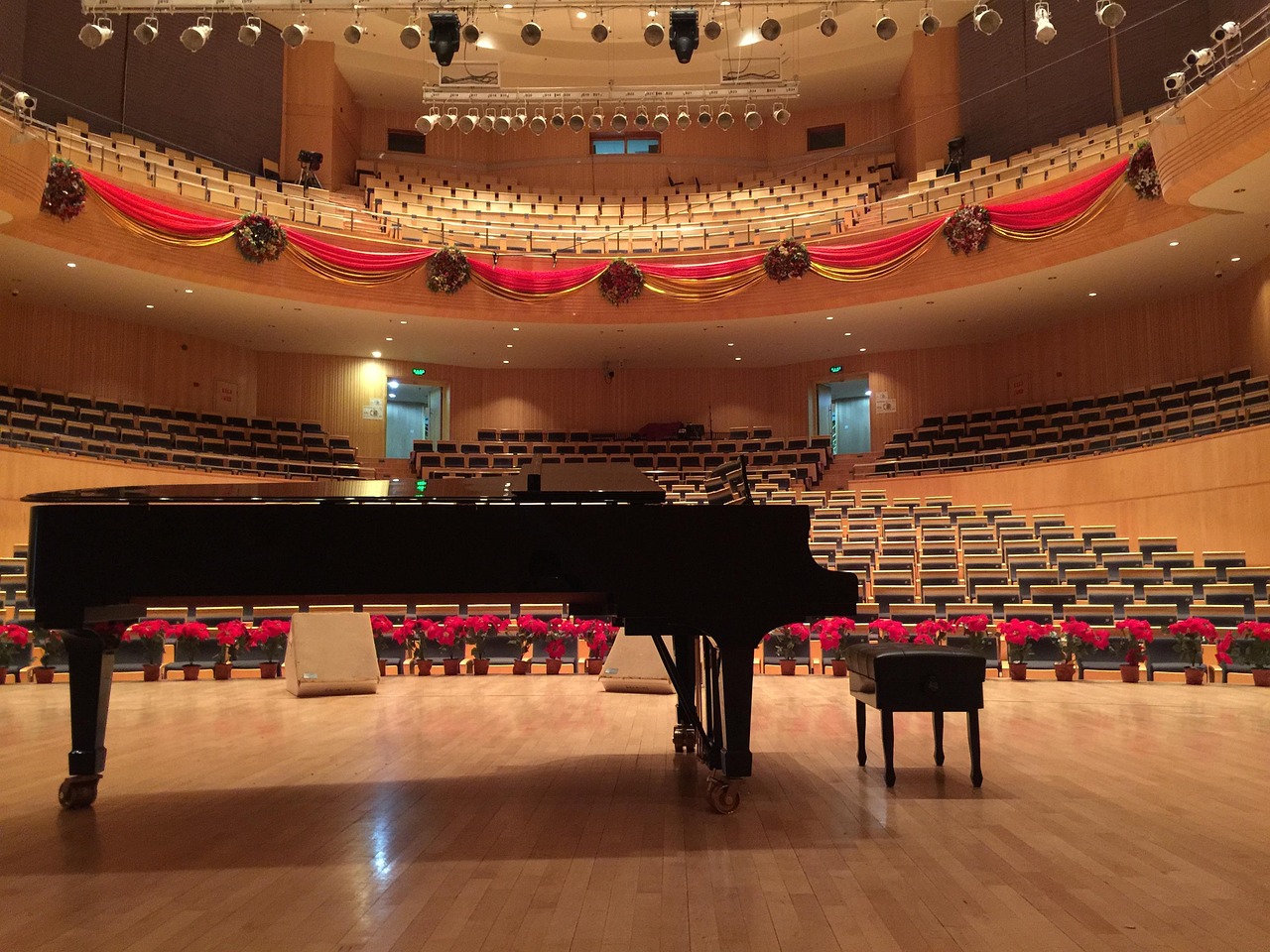
The Musikverein’s acoustics are the standard by which recording engineers calibrate their equipment. Every note blooms and decays in a way that makes amplified music sound flat by comparison. The church venues offer something different — raw intimacy, stone walls reflecting sound in unpredictable ways, the visual drama of frescoed domes and candlelight. The palace concerts add a layer of historical context that you cannot replicate elsewhere. Mozart actually performed at Schonbrunn. Beethoven premiered works in the halls around the Ringstrasse.
Programs at the tourist-oriented concerts tend to focus on crowd-pleasers: Eine Kleine Nachtmusik, The Blue Danube waltz, arias from The Magic Flute and Don Giovanni, Strauss polkas. You do not need any prior knowledge to enjoy these — they are famous for a reason, and hearing them live in the buildings where they were first performed hits differently than any recording ever could.
For deeper immersion, look at the Konzerthaus and Musikverein subscription series. These feature full symphonies, modern compositions, and programs curated by guest conductors. The audience skews more local, the atmosphere is less tourist-oriented, and the musical range is broader. Check the online calendars for both venues — you can often find single tickets for individual concerts within a subscription series.
More Vienna Guides
If you are building a full Vienna itinerary around a concert evening, the daytime options are strong. Schonbrunn Palace fills a solid half-day and the gardens are free to wander, while the Belvedere is closer to the city center with Klimt’s The Kiss as the headline. The Hofburg and Sisi Museum is worth the visit if you want to understand the Habsburgs beyond the concert hall portraits, and the Spanish Riding School inside the Hofburg complex hosts morning training sessions that are surprisingly moving.
For getting around and oriented, the hop-on hop-off bus covers the Ringstrasse loop efficiently on your first day, while a walking tour will take you into the courtyards and backstreets that buses cannot reach. When the sun goes down and you are not at a concert, a Danube cruise with dinner is a good alternative evening out. And if all that sightseeing builds an appetite, a food tour through the Naschmarkt sorts out both lunch and cultural education in one go.
Beyond Vienna, the Hallstatt day trip is doable from the city if you start early. And if your Austria plans extend to Salzburg, the salt mines, Sound of Music tour, and Eagle’s Nest are each worth a full day.