
Empress Elisabeth of Austria exercised for three hours every day. She had gymnastic rings installed in her dressing room at the Hofburg, maintained a 50-centimetre waist through obsessive fasting, and walked so far and so fast that her ladies-in-waiting had to be replaced in shifts. When you visit the Sisi Museum inside the Hofburg, you will see the actual equipment, the corsets, the beauty rituals — and you will start to understand why this woman was the most fascinating and troubled royal figure of the nineteenth century.
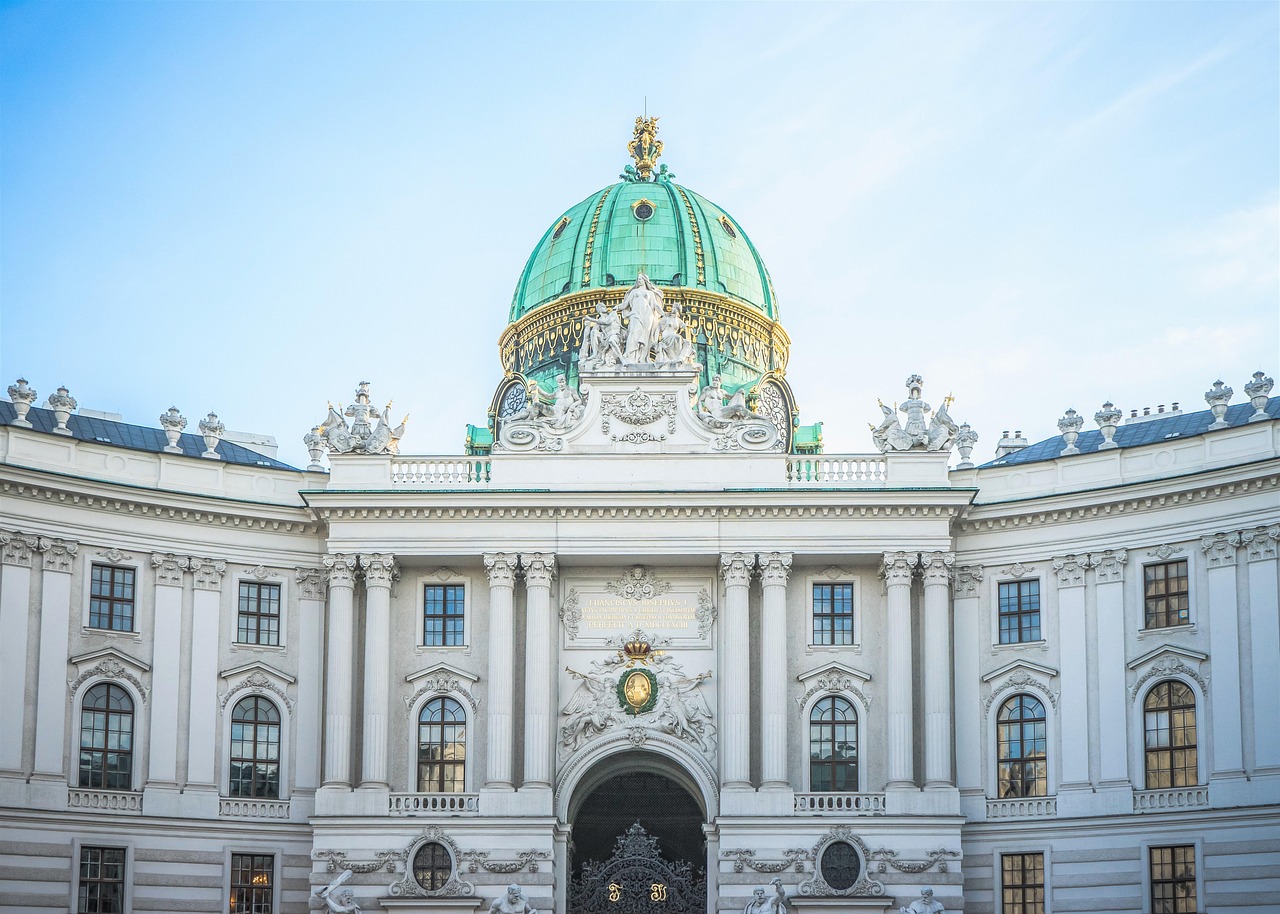
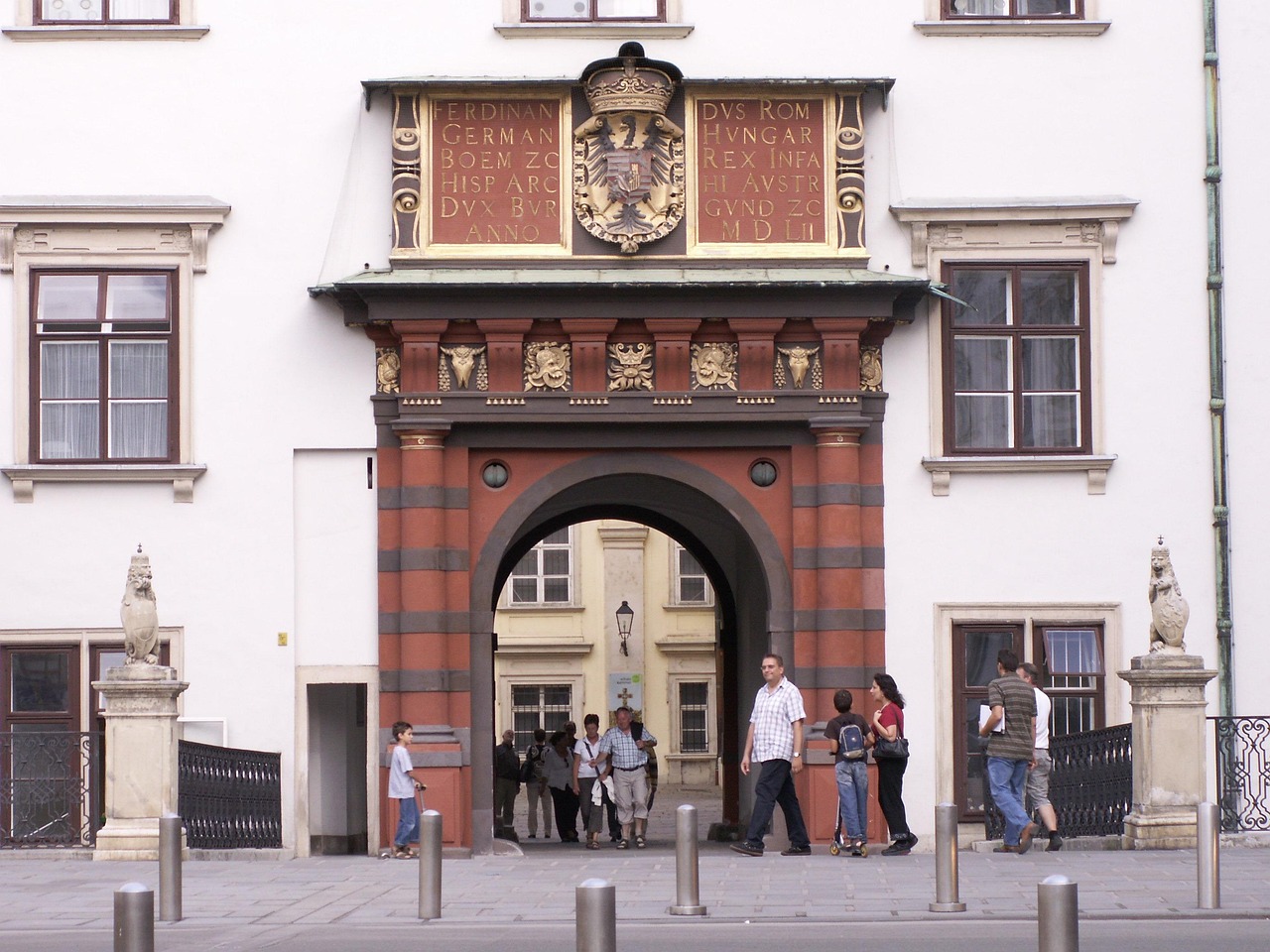
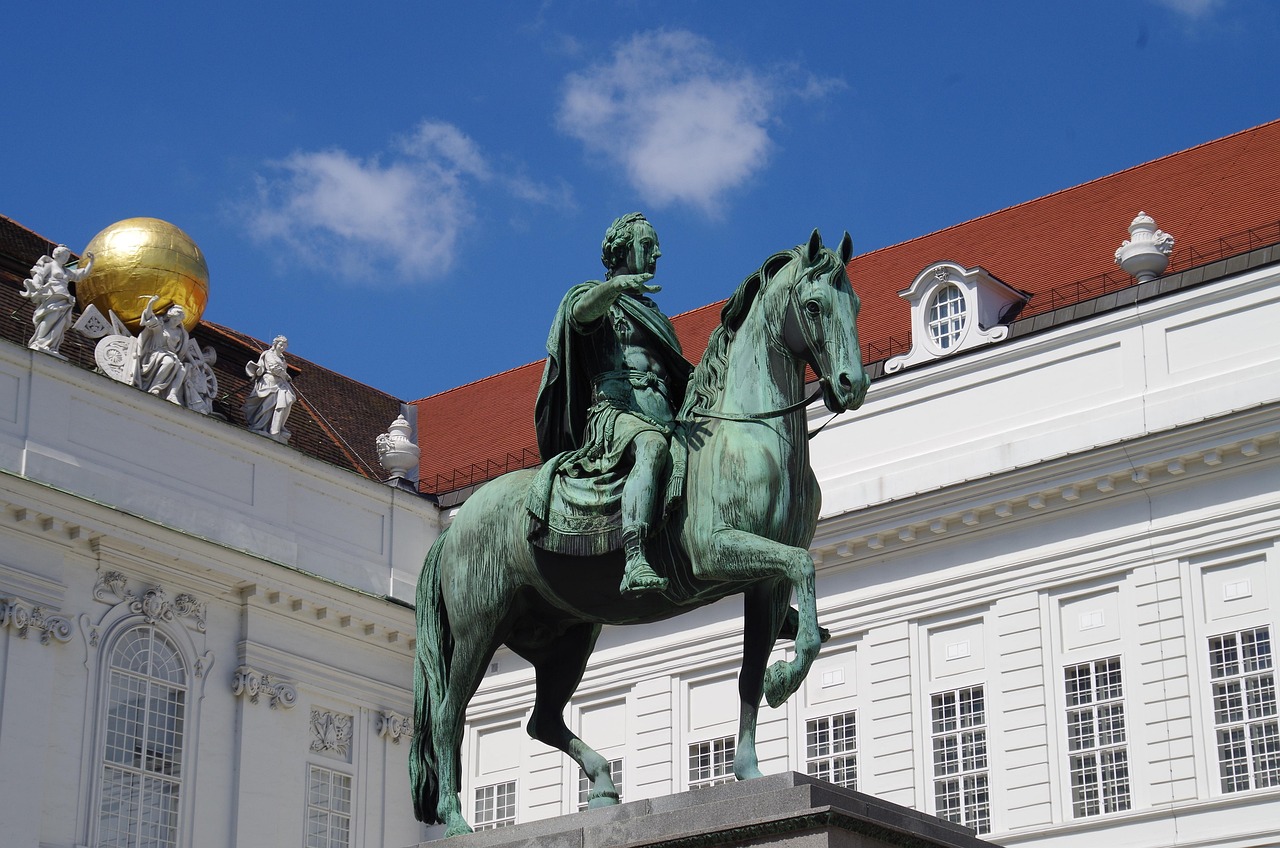
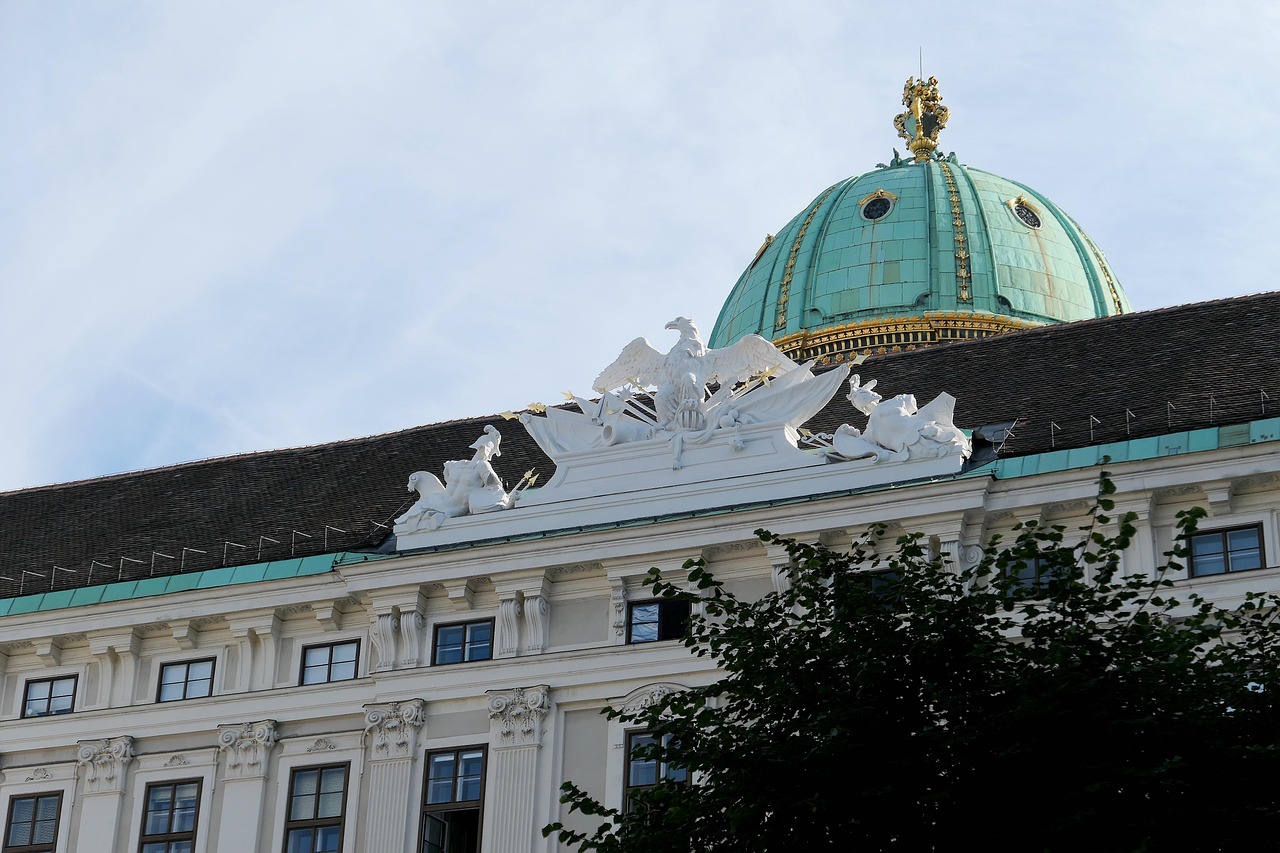
The Hofburg itself is something else entirely. It was the Habsburg seat of power for over six hundred years, and it sprawls across an entire district of central Vienna like a palace that never learned when to stop growing. The Imperial Apartments, the Silver Collection, the Sisi Museum — they are all part of the same ticket, and together they give you an unfiltered look at how an empire ran its daily life.
Getting tickets is straightforward once you know the system. But the combination of ticket types, timed entry slots, and the question of whether a guided tour is worth the extra cost can make the whole thing feel more complicated than it needs to be. I have broken it all down below.
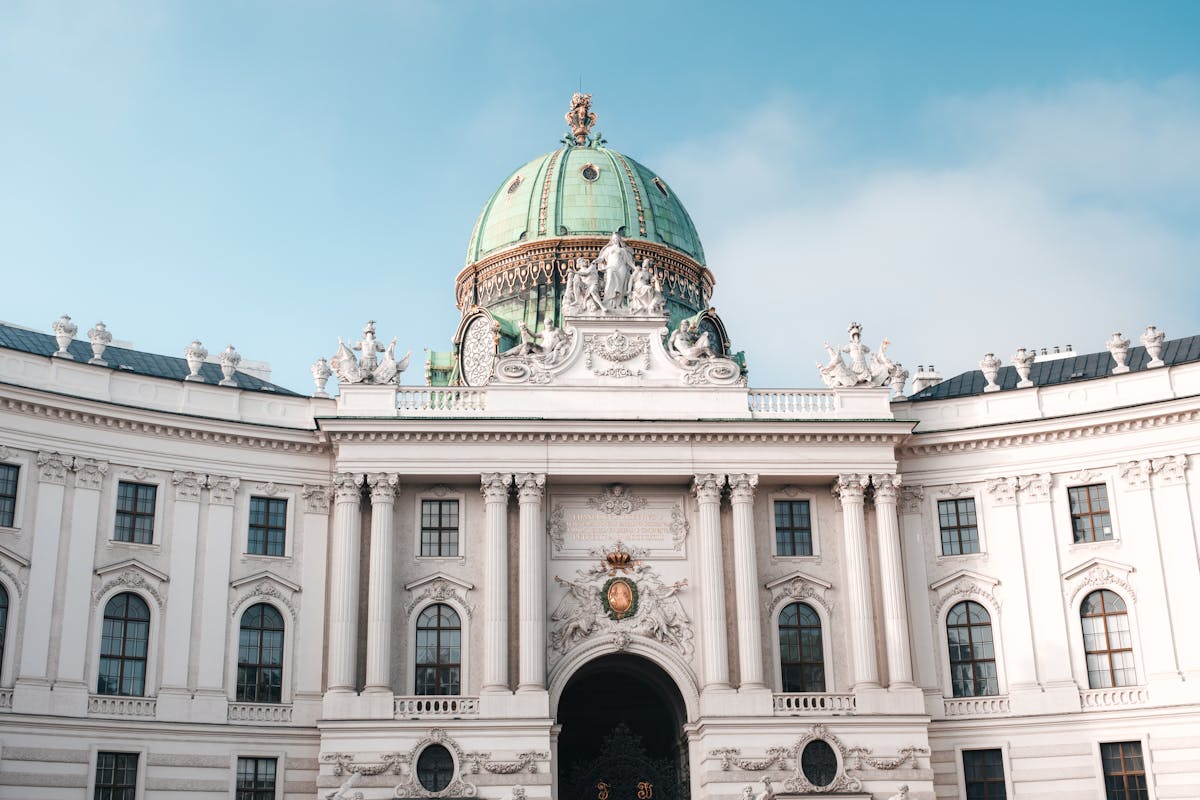
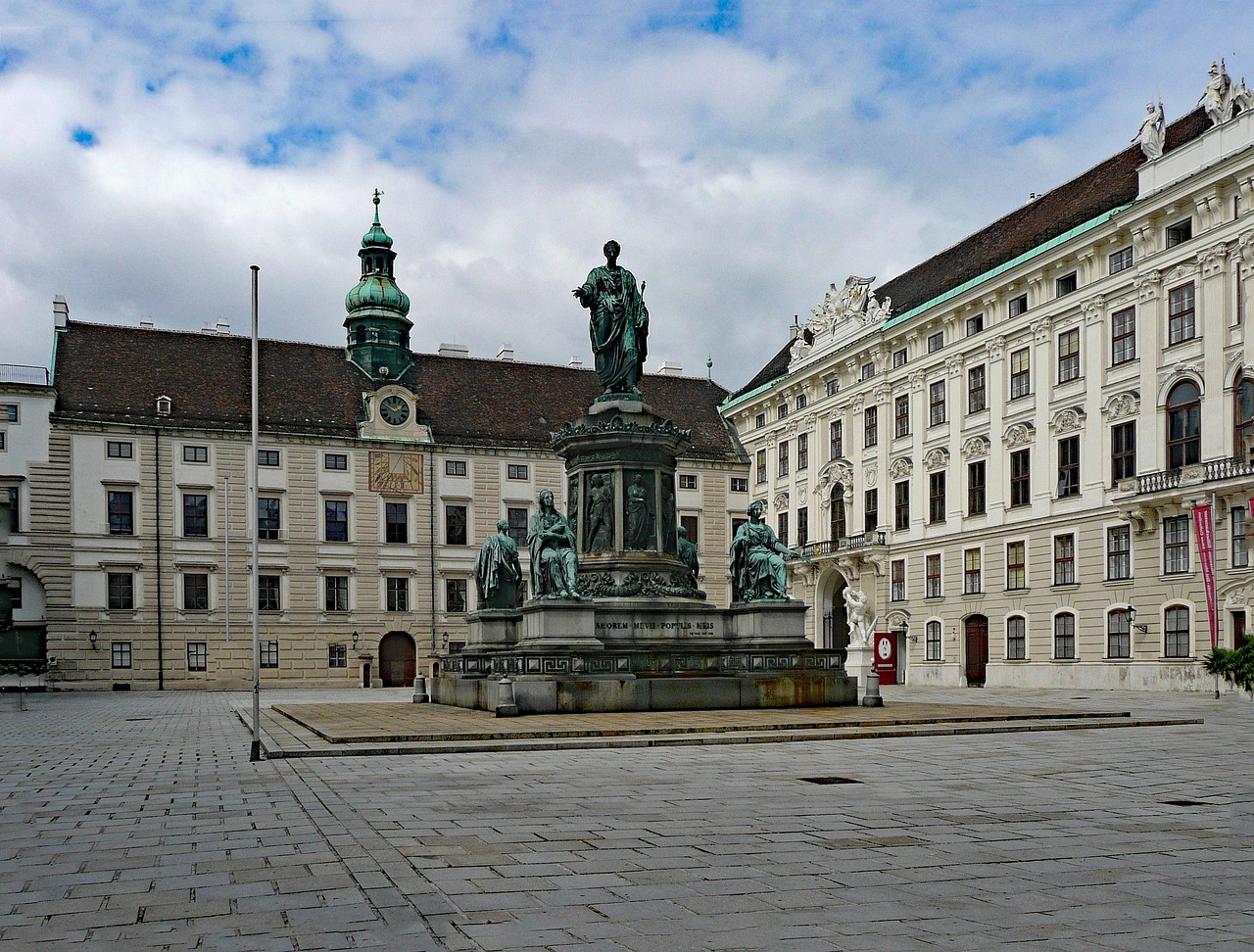
Best overall: Skip-the-Line Sisi Museum, Hofburg and Gardens Tour — $58. Two and a half hours with a guide who actually makes Habsburg politics interesting. Skip-the-line access included.
Best premium: Hofburg Palace Private Guided Tour — $256. Private guide, flexible pacing, up to four hours if you want them. Worth it for small groups who want the deep dive.
Best budget: Buy your ticket directly at imperialtickets.com — EUR 20. Self-guided, full access, audioguide included in the price.
- How the Hofburg Ticket System Works
- The Sisi Pass: Worth It?
- Official Tickets vs Guided Tours
- The Best Hofburg and Sisi Museum Tours to Book
- 1. Skip-the-Line Sisi Museum, Hofburg and Gardens Tour —
- 2. Hofburg Palace, Sisi Museum Private Guided Tour — 6
- 3. Vienna Hofburg Palace Skip-the-Line Ticket and Sisi Museum Tour — 4
- When to Visit the Hofburg
- How to Get There
- Tips That Will Save You Time
- What You Will Actually See Inside
- The Sisi Museum
- The Imperial Apartments
- The Silver Collection
- More Vienna Guides
How the Hofburg Ticket System Works
The Hofburg ticketing is managed through imperialtickets.com, the official platform run by the Schoenbrunn Group (the same people behind Schoenbrunn Palace). This is the only legitimate source for direct tickets — any other site selling Hofburg tickets is a reseller adding a markup.
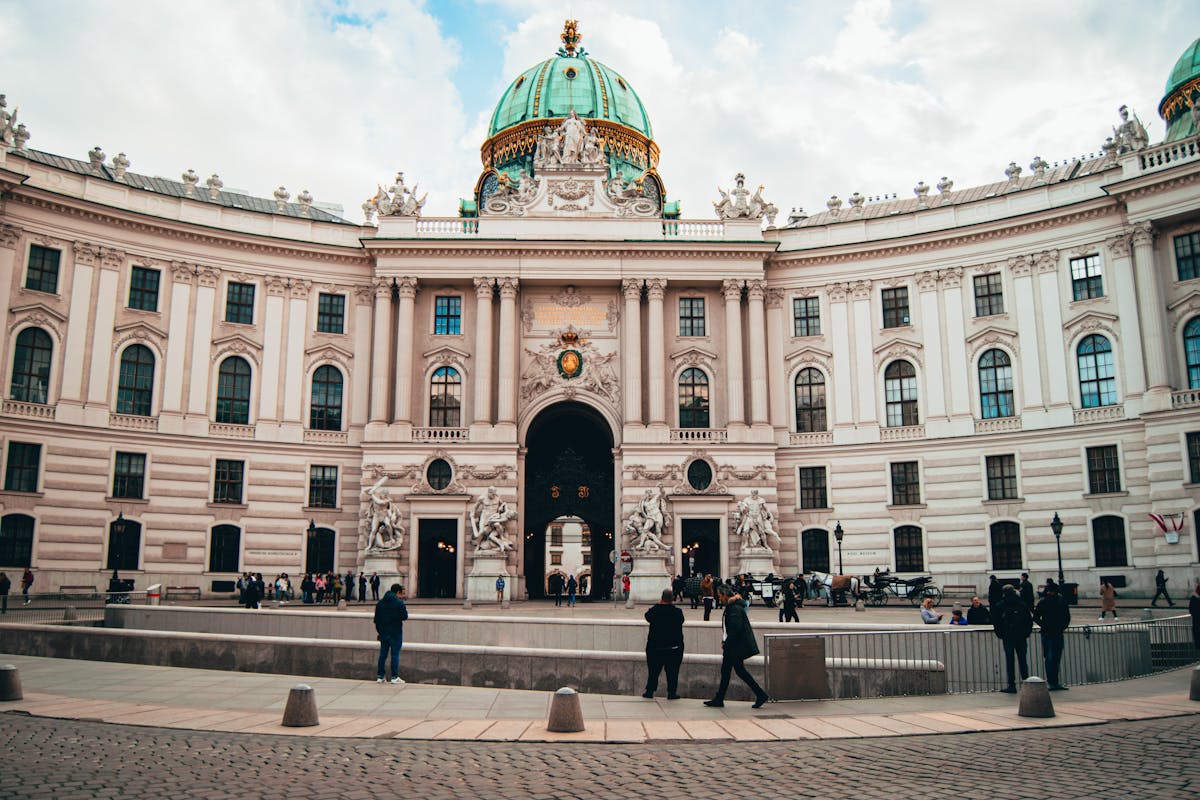
Your standard Day Ticket (EUR 20 for adults) includes three things bundled together: the Sisi Museum, the Imperial Apartments, and the Silver Collection. You cannot buy separate tickets for each — it is all or nothing, which is actually a good deal since the Silver Collection alone would justify a visit. Children aged 6-18 pay EUR 12, students with an ISIC card pay EUR 18, and kids under 6 are free.
When you book online, you select a timed entry slot. This matters. Show up at the wrong time and you will be turned away. The slots start from 9am and run throughout the day, with last admission at 4:30pm. The museum closes at 5:30pm.
There is also a Day Ticket with Guided Tour (EUR 25) that adds a 50-minute guided walkthrough to the standard ticket. Tours run in German at 11:30am and 3:30pm, and in English at 2pm daily. If you are a morning person, the German tour time actually works well because the museum is quieter early.
The Sisi Pass: Worth It?
If you are planning to visit Schoenbrunn Palace as well, the Sisi Pass (EUR 57) is a genuine money-saver. It bundles the Hofburg, Schoenbrunn Palace, and the Vienna Furniture Museum into one ticket valid for a full year. Buying the Hofburg and Schoenbrunn separately would cost you around EUR 50-60, so the Furniture Museum comes essentially free. And honestly, the Furniture Museum is surprisingly good — it traces how the Habsburgs actually furnished their palaces, from ceremonial thrones to chamber pots.
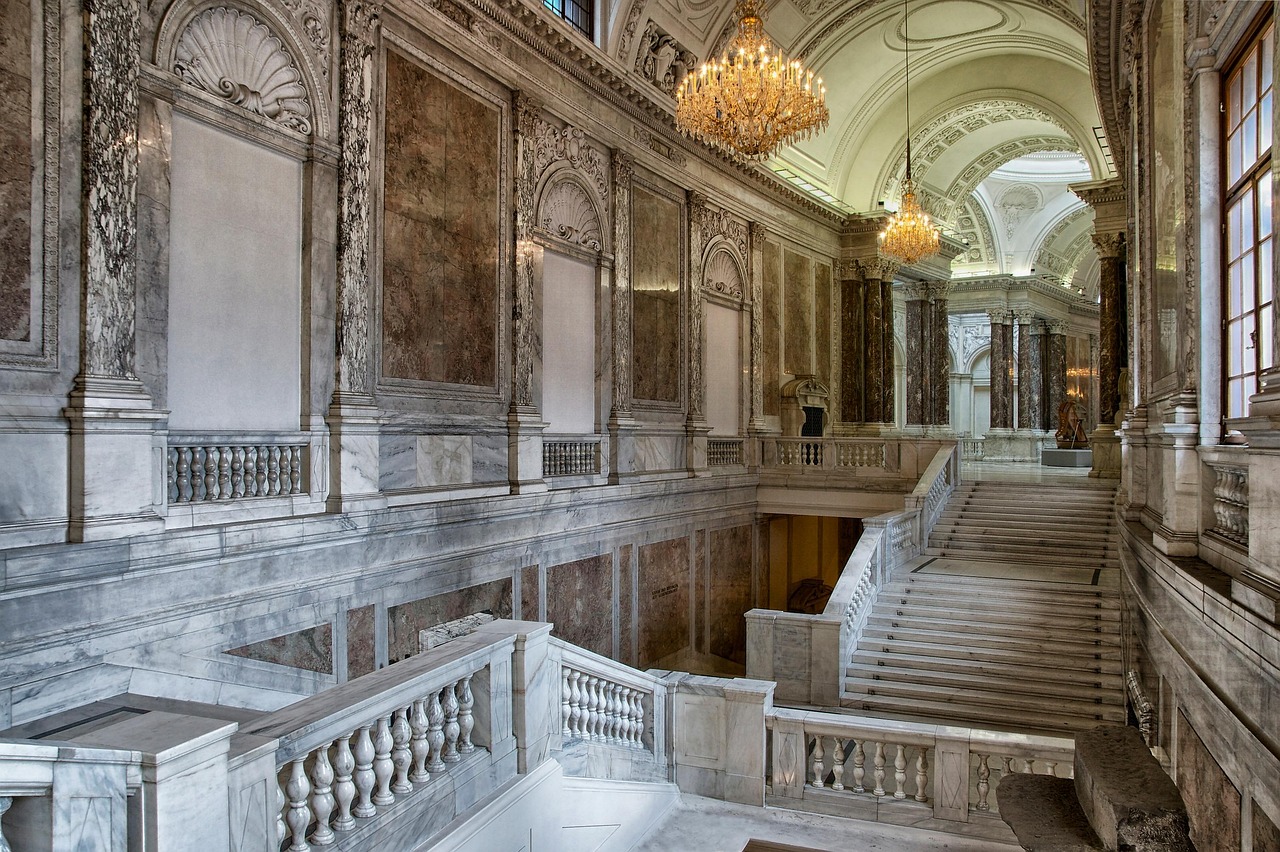
One thing to note: the Silver Collection has been closed for redesign since April 2023 and visitor routes have been modified. Check the official site before you go so you are not surprised by what is accessible.
Official Tickets vs Guided Tours
This is the real question, and the answer depends on how much you care about the stories behind the rooms.
Official self-guided tickets include an audioguide at no extra charge. The audioguide is decent — it covers the main highlights and gives you context on both the Imperial Apartments and the Sisi Museum. If you are a self-directed museum visitor who reads every placard and likes to linger, this is probably enough.
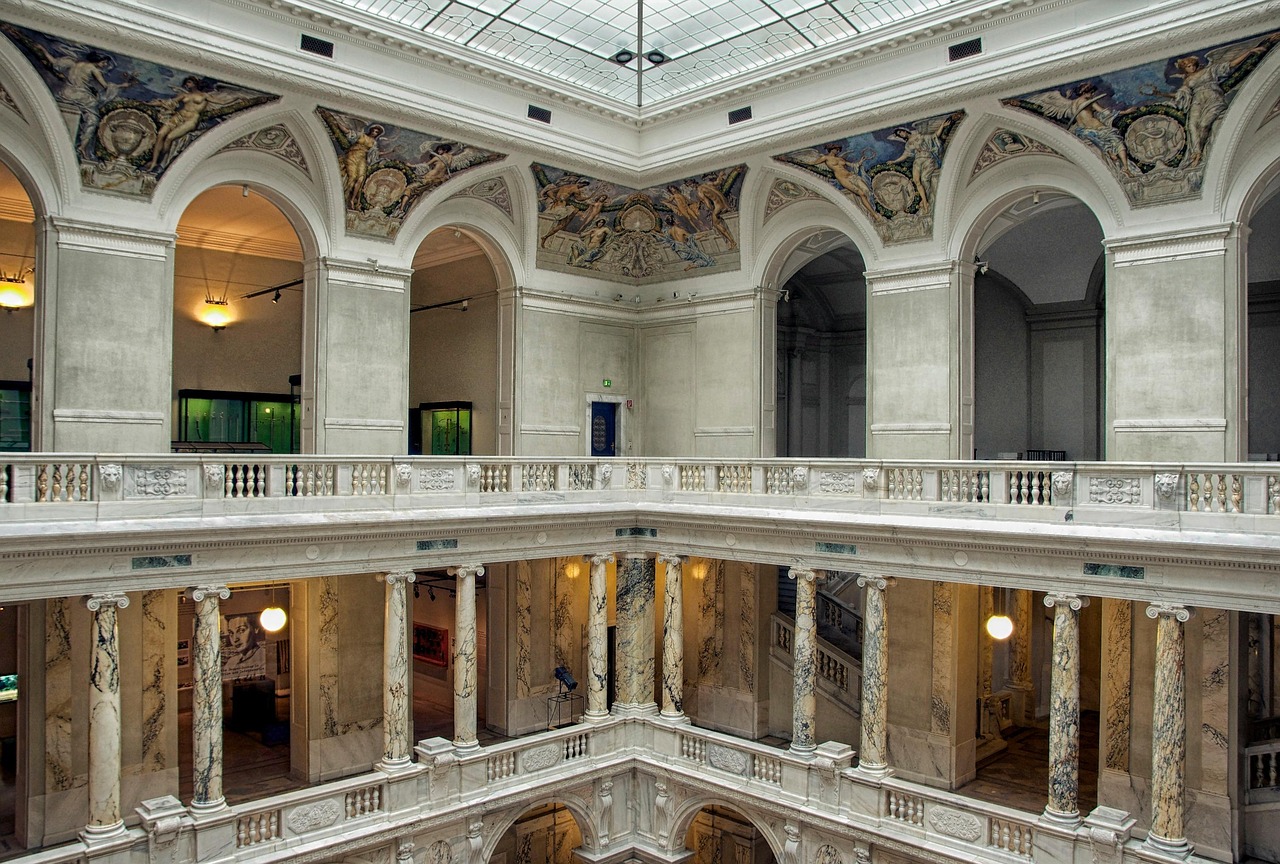
Guided tours through third-party operators (like the ones I recommend below) add something the audioguide cannot: a real person who can answer your questions, point out details you would walk right past, and connect the rooms to the larger story of the Habsburg dynasty. The best guides make you feel the domestic tension between Franz Josef and Elisabeth — how they lived in the same palace but essentially led separate lives, how Sisi rooms reflect a woman desperate to escape her role.
If you are doing the Hofburg as a one-off attraction on a packed Vienna itinerary, the official ticket is fine. If the Habsburgs genuinely interest you, or if you are visiting with family and want someone to keep the experience engaging, a guided tour is the better investment.
The Best Hofburg and Sisi Museum Tours to Book
I have picked three tours from our review database that cover different budgets and styles. Each one includes skip-the-line access, which matters during peak season when the queue at the Michaelerplatz entrance can stretch for 30-40 minutes.
1. Skip-the-Line Sisi Museum, Hofburg and Gardens Tour — $58
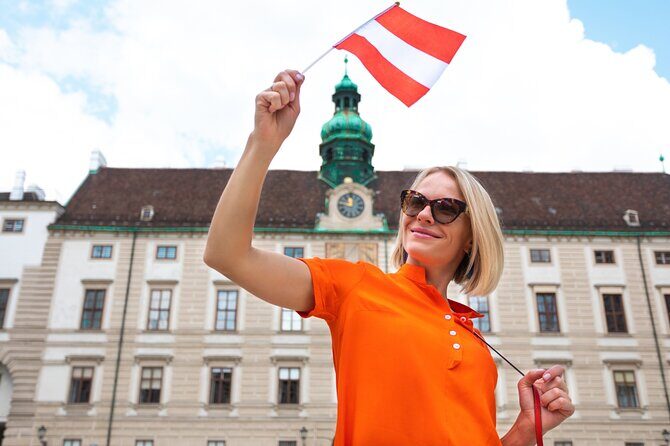
This is the one I would recommend for most visitors. At $58 per person for two and a half hours, it is priced right in the sweet spot — not so cheap that you wonder what you are missing, and not so expensive that you are paying for luxury you do not need.
The tour covers the Imperial Apartments, the Sisi Museum, and then extends into the Hofburg gardens, which is a section most people miss when they visit on their own. The garden portion gives you context on how the grounds connected to the palace daily life. Rosotravel, the operator, has built a strong track record with this one — it is the most reviewed Hofburg tour in our database by a wide margin, and the feedback consistently highlights the guides knowledge and energy.
2. Hofburg Palace, Sisi Museum Private Guided Tour — $256
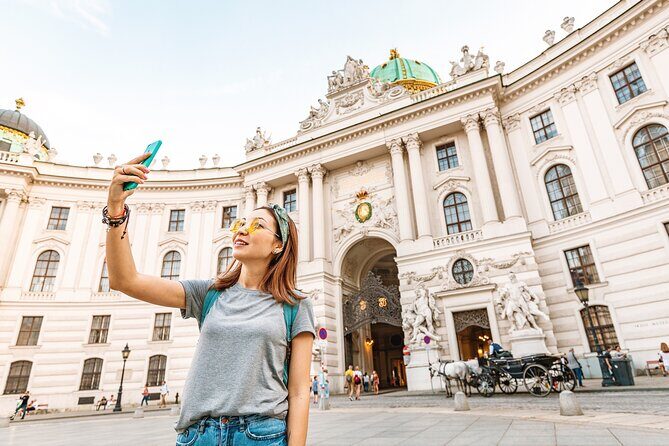
This is the premium option, and the price reflects that. $256 per person gets you a private guide for two to four hours, flexible pacing, and the freedom to focus on whatever interests you most. If you split this between four people, it drops to around $64 each, which suddenly makes it competitive with the group tour above.
The private format works especially well at the Hofburg because the Imperial Apartments and Sisi Museum have rooms that reward closer attention. A private guide can spend extra time in the empress personal chambers explaining the exercise equipment, the hairstyling rituals that took three hours each morning, and the increasingly dark poetry she wrote in her later years. You are not on a clock, and you are not sharing your guide with twenty strangers. The reviews on our site consistently mention how personalized and unhurried the experience feels.
3. Vienna Hofburg Palace Skip-the-Line Ticket and Sisi Museum Tour — $254
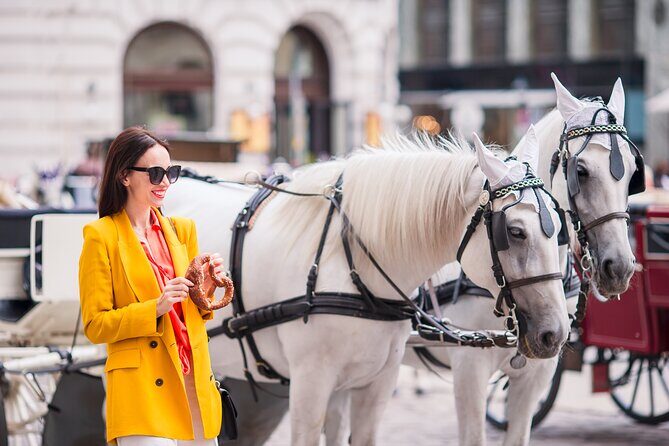
Similar in scope and price to option two, but this one has a slightly different emphasis. At $254 per person it is another private option that runs two to four hours, with the same skip-the-line access and flexibility. What distinguishes it is the guide roster — visitor feedback on our site repeatedly calls out specific guides by name and praises the storytelling quality.
One reviewer mentioned that the guide was secured on very short notice during a busy week, which suggests the operator is responsive and well-staffed. If you are booking late or during peak season and the first private option is sold out, this is an equally strong alternative.
When to Visit the Hofburg
The Hofburg is open daily from 9am to 5:30pm, with last admission at 4:30pm. There are no seasonal closures, no rest days, no quirky Monday closings. It is one of the most reliable museum schedules in Vienna.
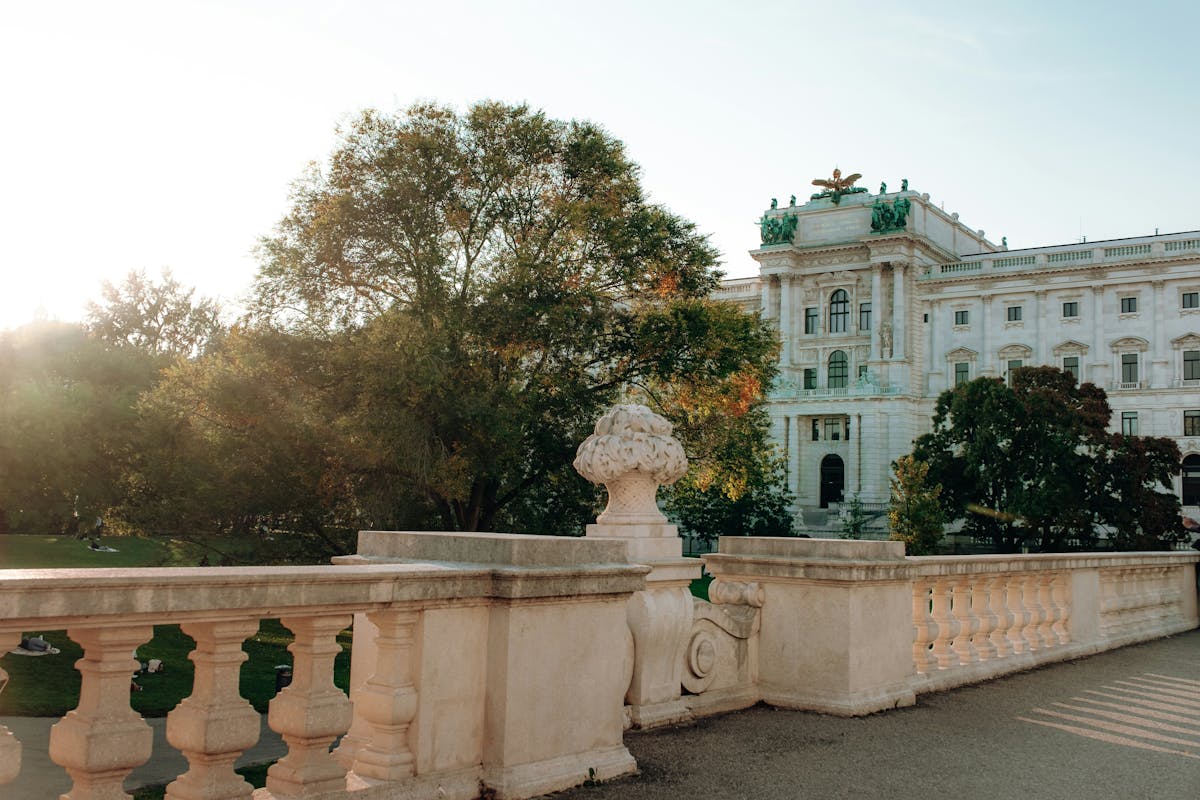
Best time to go: Early morning, especially the 9am or 9:30am slots. The coach tours from outside Vienna do not arrive until around 10:30-11am, so you get a solid 90 minutes of relative quiet in the Imperial Apartments. The Sisi Museum rooms are small, and they get crowded fast — early arrival makes a real difference.
Worst time: Midday in July and August. The combination of summer travelers, cruise ship day-trippers, and the Hofburg imperfect air conditioning makes for a sweaty, shoulder-to-shoulder experience.
Shoulder season advantage: October through March is significantly quieter. The palace interiors are the main draw, so weather barely matters. Some of my favourite visits have been on grey November mornings when the rooms feel more intimate and the guided tours have six people instead of twenty.
How to Get There
The Hofburg is dead center in Vienna first district, so getting there is not the challenge — navigating the sprawling complex once you arrive is the tricky part.
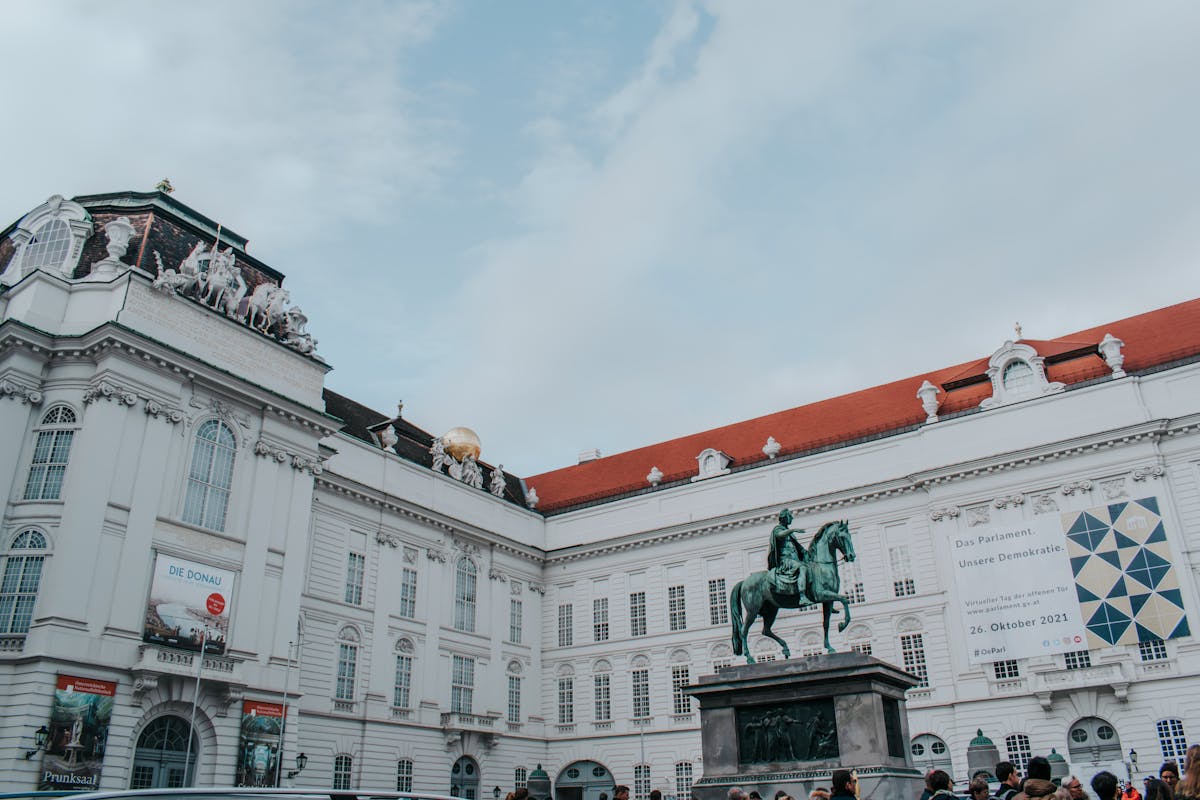
By metro: Take the U3 to Herrengasse station (two-minute walk) or the U1/U3 to Stephansplatz (seven-minute walk through the pedestrian zone). Herrengasse drops you right on the Hofburg doorstep.
By tram: Lines 1, 2, D, and 71 all stop along the Ringstrasse within a five-minute walk of the palace entrances.
On foot: If you are coming from Stephansdom (St. Stephen Cathedral), it is a straight 10-minute walk along the Graben and Kohlmarkt — two of Vienna best shopping streets. If you are coming from the Belvedere Palace, it is about a 25-minute walk or a quick tram ride.
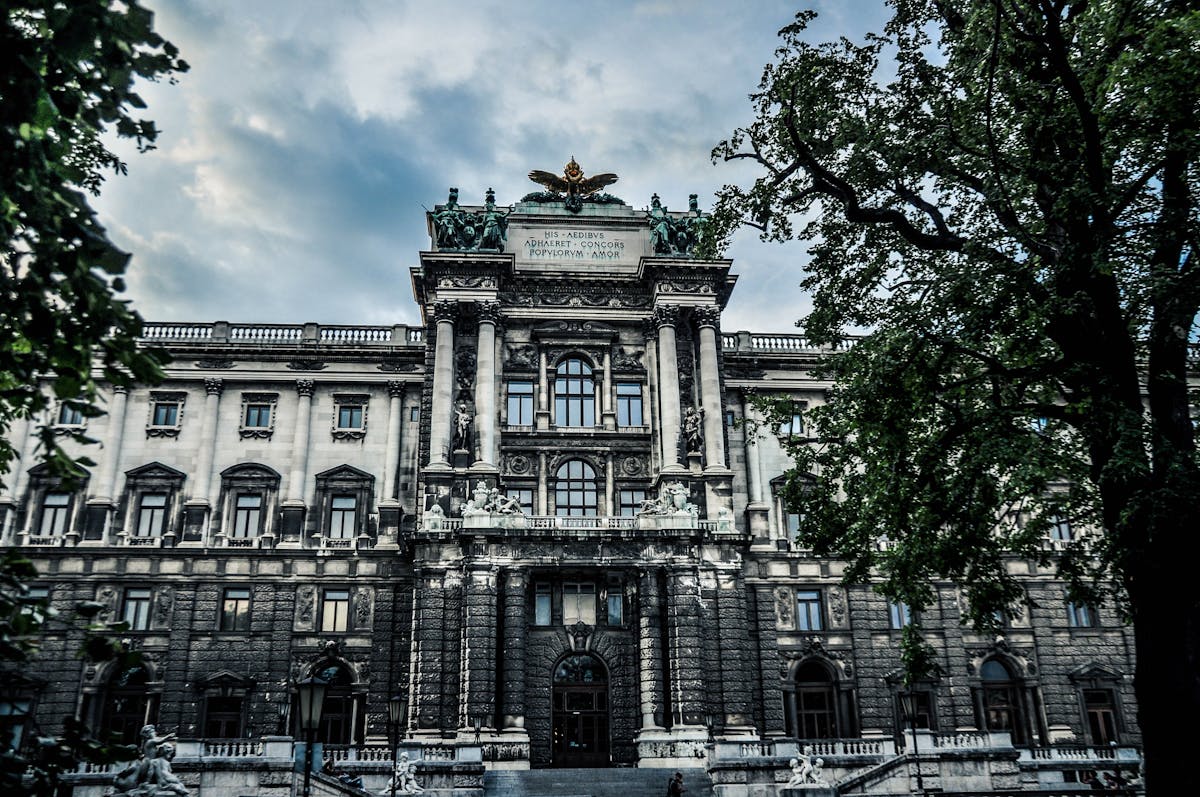
The entrance you want: Head for the Michaelerplatz entrance on the north side. This is where the Sisi Museum and Imperial Apartments ticket desk is located. Do not confuse it with the Neue Burg entrance on the south side, which leads to different museums entirely.
Tips That Will Save You Time
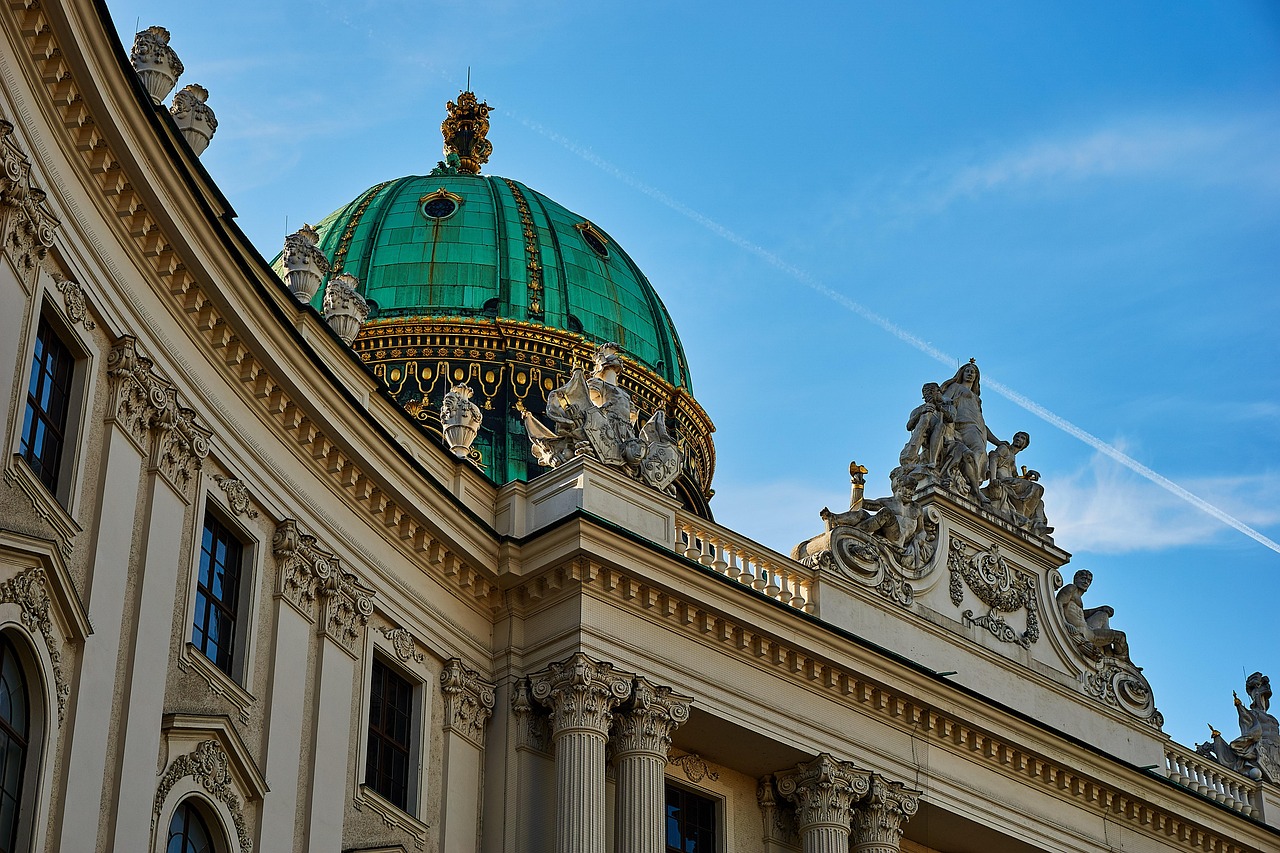
- Book your timed slot online — the ticket desk has a physical queue and it moves slowly. Online booking lets you walk past it.
- No luggage allowed inside the museum. There are lockers, but they are limited. Travel light or leave bags at your hotel.
- Photography is allowed but no flash and no selfie sticks. The rooms are dimly lit, so a phone with a good low-light camera helps.
- Budget 90 minutes minimum for a self-guided visit. The official estimate is 60 minutes, but that assumes you are walking at a brisk pace and ignoring half the Silver Collection.
- The audioguide is included with every ticket. You do not need to rent or pay extra for it. Pick it up at the entrance.
- Combine with the Spanish Riding School — it is literally inside the Hofburg complex. If you are timing a morning training session (check their schedule), you can do both in a single morning without leaving the building.
- The Heldenplatz (Heroes Square) is free to walk through and gives you the best exterior photos of the Neue Burg wing. Do not skip it even if you are not going inside.
What You Will Actually See Inside
The ticket gives you access to three connected sections, and the route takes you through them in order.
The Sisi Museum
This is the emotional heart of the visit. Six rooms dedicated to Empress Elisabeth — her childhood in Bavaria, her reluctant entry into court life, her obsession with beauty and physical fitness, her extensive travels, and her assassination in Geneva in 1898. The museum does not shy away from the darker aspects: her eating disorders, her increasingly reclusive behaviour, and the suffocating protocol that drove her away from Vienna.
The standout exhibits are personal objects — her actual clothing, her exercise equipment, the reconstruction of her luxurious pullman railway carriage, and the file documenting her assassination by an Italian anarchist. It is a surprisingly modern, psychologically honest museum that treats Elisabeth as a complex person rather than a fairy-tale empress.
The Imperial Apartments
Twenty-four rooms that Emperor Franz Josef and Empress Elisabeth actually lived in. You will see Franz Josef spartan study where he worked from 5am every morning (the man was a workaholic on an imperial scale), Sisi dressing room and bathroom with the gymnastic equipment, the shared dining room, the audience chamber where petitioners came to beg favours, and the ornate bedrooms.
The most telling detail is the contrast between their spaces. Franz Josef rooms are functional, military, almost monk-like. Sisi rooms reflect a woman who cared intensely about aesthetics and physical comfort but wanted as little to do with court life as possible.
The Silver Collection
Note: currently closed for redesign. When open, this houses the Habsburg table settings, porcelain, and ceremonial silver — over 7,000 pieces in total. It sounds dry, but the scale is staggering. You see complete table settings for state banquets of 140 guests, gold-plated service sets, and items that trace the evolution of European dining etiquette over four centuries.
More Vienna Guides
If you are building a full Vienna itinerary, the Hofburg pairs naturally with a couple of other Habsburg sites. Schonbrunn Palace is the summer counterpart to the Hofburg — where the Hofburg is urban and political, Schonbrunn is sprawling gardens and imperial retreat. The Sisi Pass covers both, so it makes financial sense to do them on consecutive days. The Spanish Riding School is inside the Hofburg complex itself, and a morning training session is one of Vienna’s most unexpectedly moving experiences. The Belvedere adds Klimt’s The Kiss and a different architectural style to the palace circuit.
For getting around, the hop-on hop-off bus connects these landmarks efficiently, while a walking tour through the Innere Stadt covers the ground between them with context a bus cannot provide. A Danube cruise is a different side of the city entirely, classical concerts fill every evening, and a food tour through the Naschmarkt sorts out lunch and cultural education in one stop. For day trips, Hallstatt is doable from Vienna, while the Salzburg salt mines, Sound of Music tour, and Eagle’s Nest are all based out of Salzburg.
This article contains affiliate links. If you book through our links, we may earn a small commission at no extra cost to you. This helps us keep producing free travel guides.