
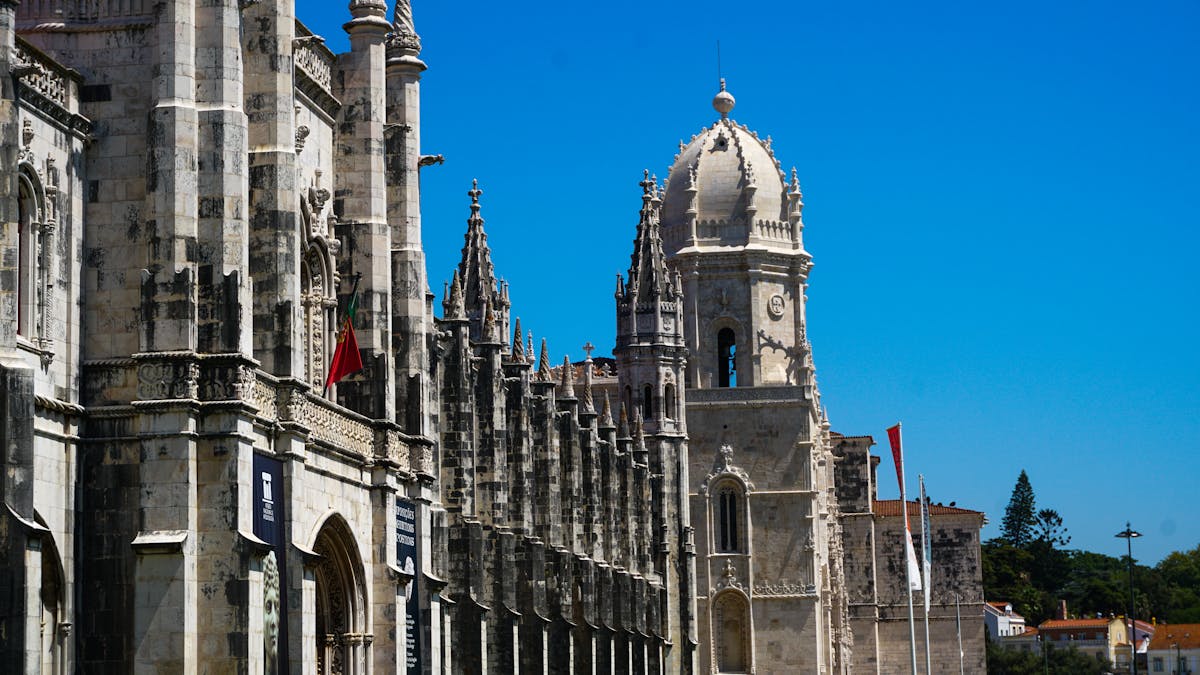
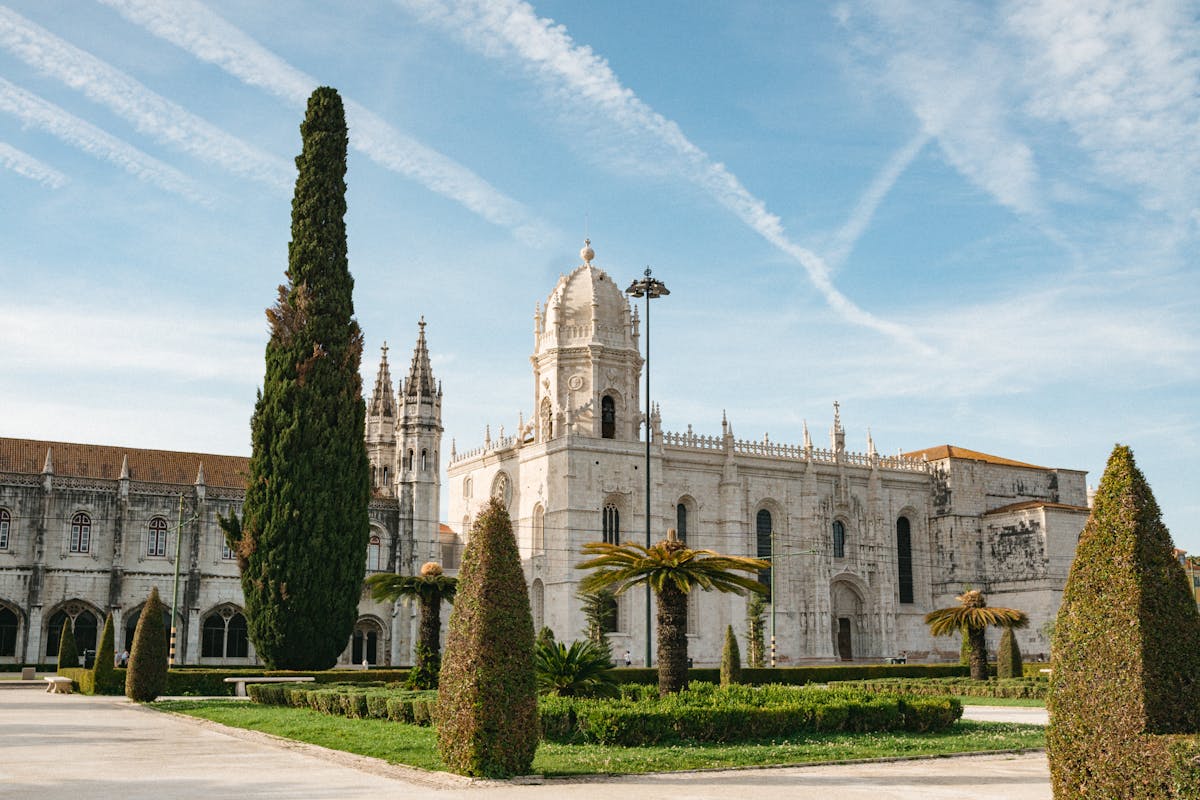
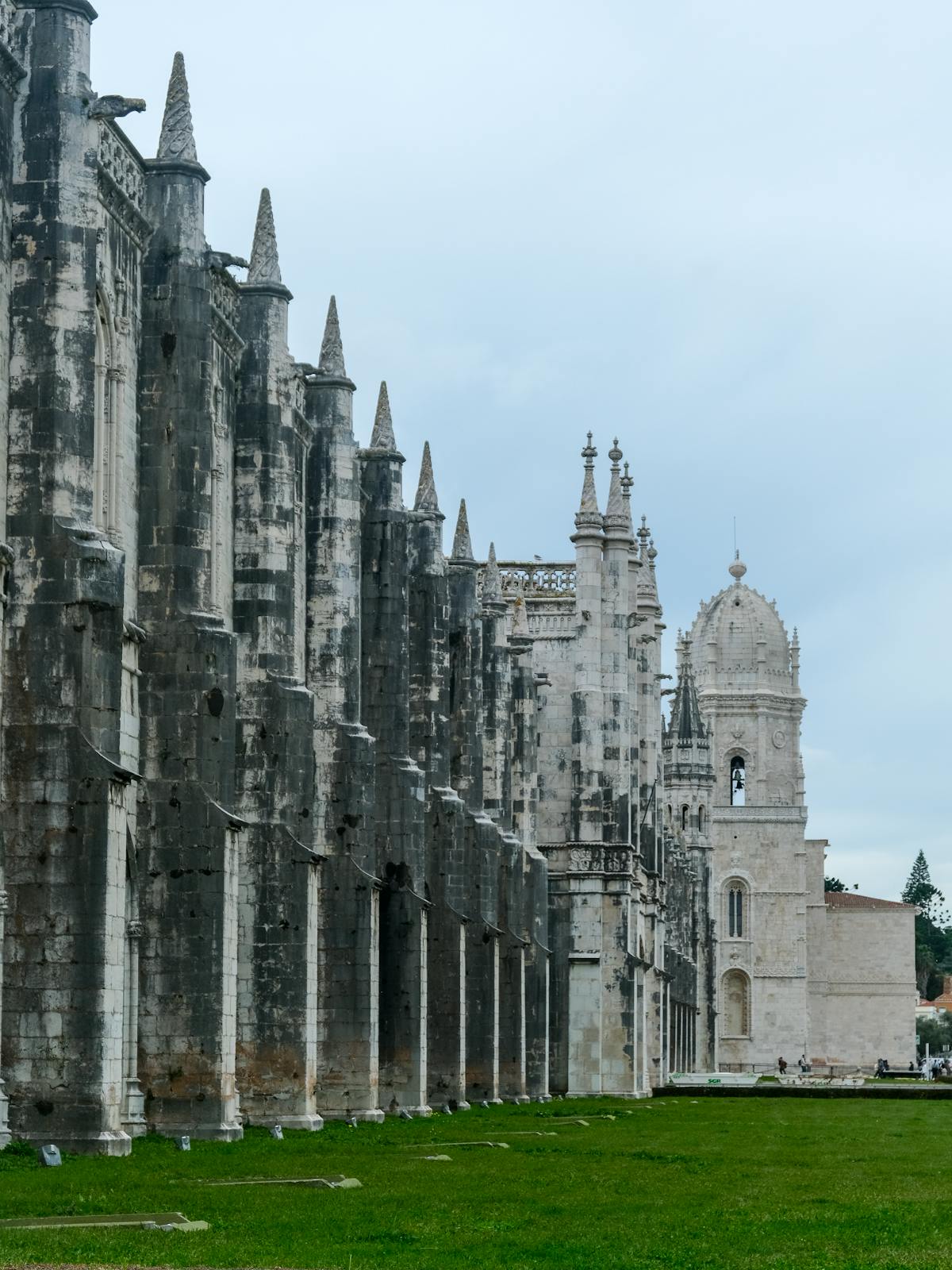
The first thing that stops you outside Jeronimos Monastery isn’t the size. It’s the detail. Stone ropes spiral up columns. Sea creatures claw at window frames. Anchors and armillary spheres cover every surface, carved by masons who had clearly never seen anything like the things Portuguese sailors were bringing home. The whole building is a flex — five hundred years old and still one of the most extravagant things in Lisbon.
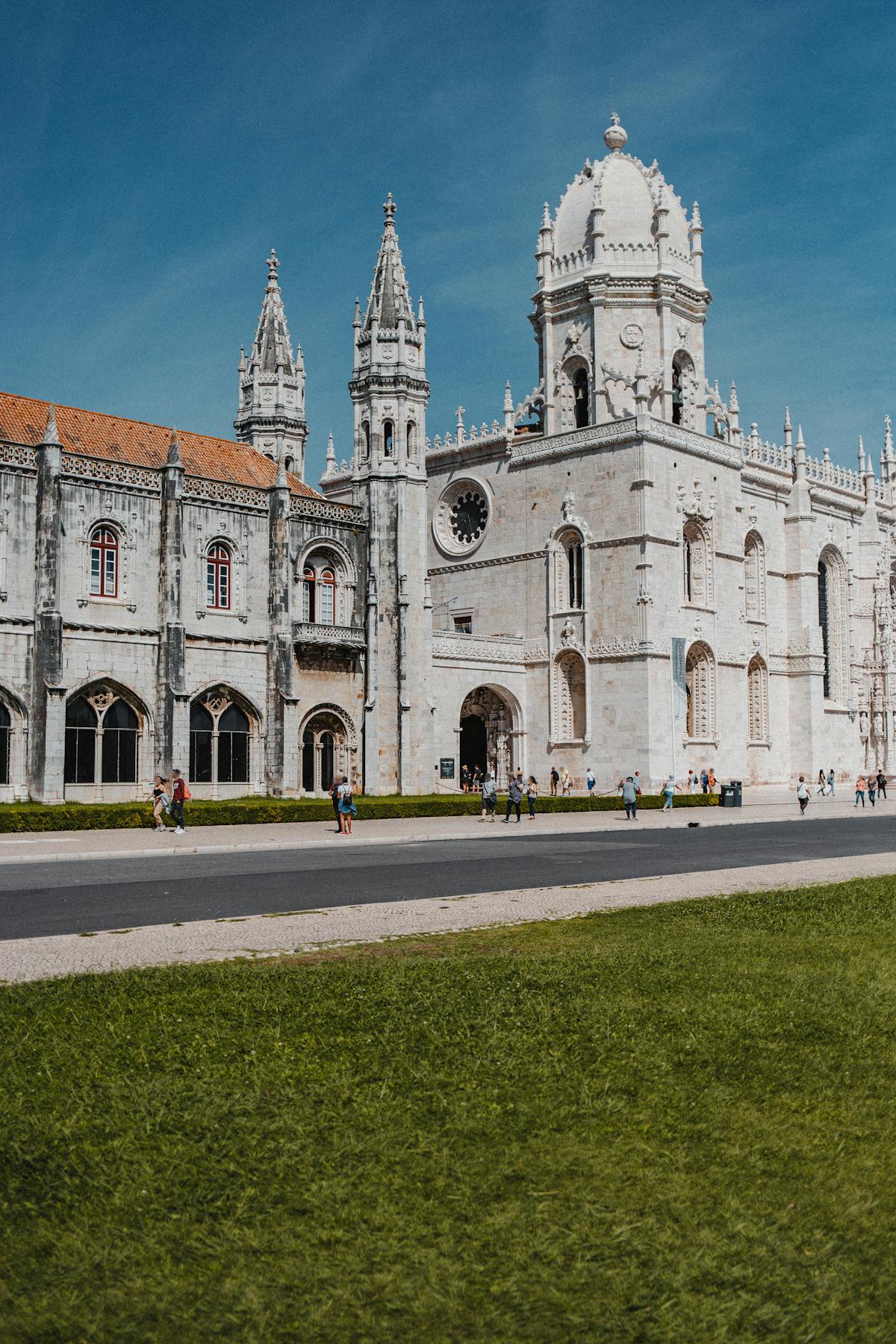
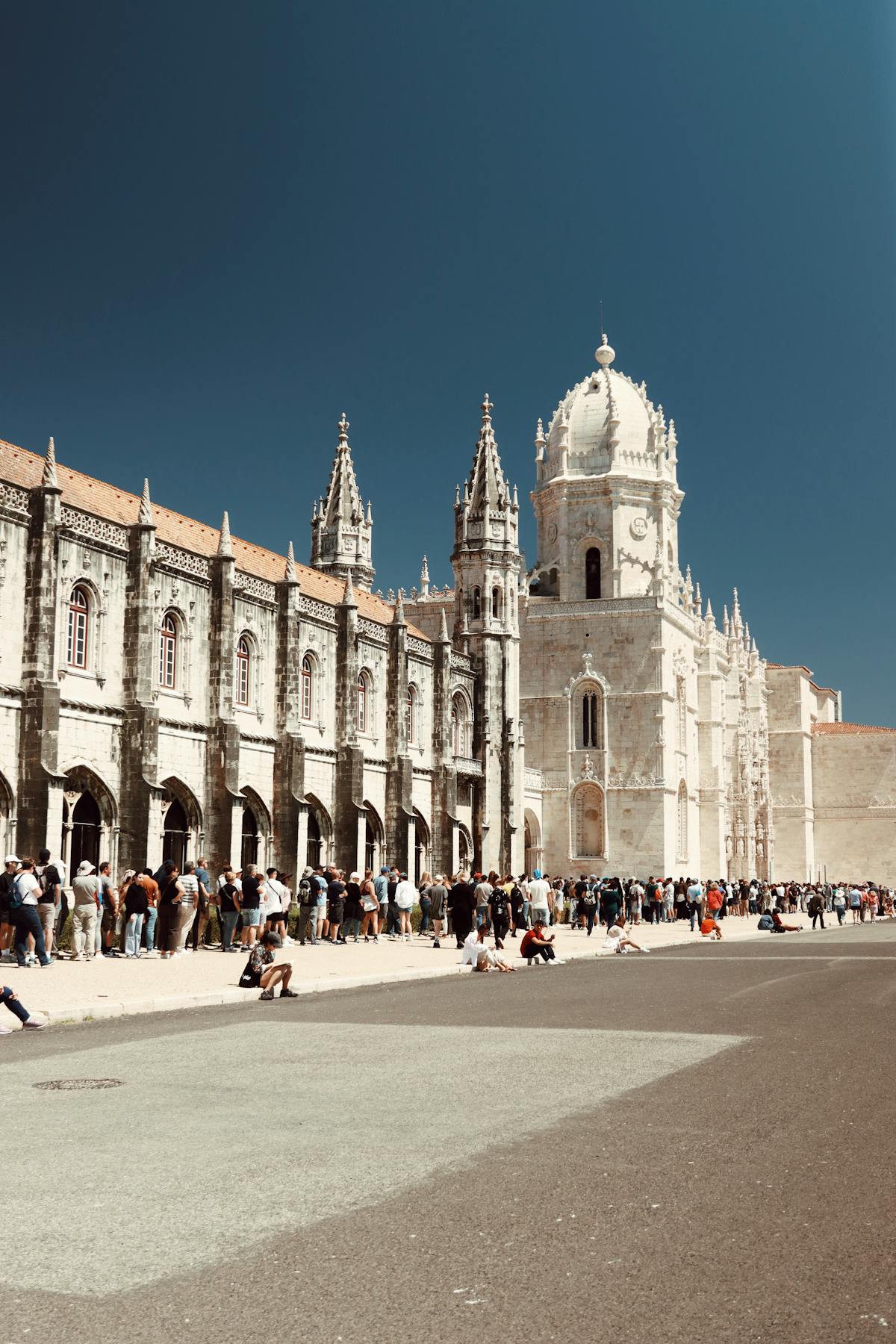
I showed up on a Tuesday morning in October expecting a short line. There were about 200 people ahead of me. This place is genuinely one of the most visited monuments in Portugal, and the queues reflect it. But the ticket situation is actually straightforward once you know how it works — and there are a few ways to skip the worst of the wait.
Here’s everything you need to know about getting Jeronimos Monastery tickets — what they cost, what the different options are, and how to avoid standing in that line.
Best value: Jeronimos Monastery Entrance Ticket — $21. Standard entry, no frills, does the job. Book online to skip the ticket window queue.
Best guided: Small Group Belem Walking Tour + Monastery Tickets — $69. A guide walks you through Belem first, then you skip the line at the monastery. Great context for what you are looking at.
Best full day: Belem Tour with Jeronimos Skip-the-Line — $94. Covers Belem Tower, the monastery, and the whole district in one morning. Skip-the-line included.
- How Tickets Work at Jeronimos Monastery
- The Best Jeronimos Monastery Tours to Book
- 1. Jeronimos Monastery Entrance Ticket —
- 2. Small Group Belem Walking Tour + Monastery Tickets —
- 3. Belem Tour with Jeronimos Monastery Skip-the-Line Entry —
- When to Visit Jeronimos Monastery
- Tips That Will Save You Time
- What You’ll Actually See Inside
- More Lisbon Guides
How Tickets Work at Jeronimos Monastery
The monastery charges a flat entry fee. Adults pay 10 euros at the door, or you can buy online in advance through the official DGPC website or through third-party platforms like GetYourGuide. Kids under 12 get in free. EU residents under 26 and over 65 also get free entry with valid ID — bring your passport or national ID card.
There are two queues at the entrance: one for people who already have tickets (online or via a tour), and one for walk-ups buying at the window. The ticket-holders queue moves about three times faster. On a busy summer morning, the walk-up line can stretch 45 minutes or more. The online ticket line is usually under 15 minutes.
A combo ticket for 12 euros covers both Jeronimos Monastery and the nearby National Archaeology Museum, which shares the same building. If you are spending the day in Belem, it is decent value. There’s also a separate combo with Belem Tower for 12 euros — you can’t do a three-way combo.
Free entry on the first Sunday of every month sounds great on paper. In practice, the queues wrap around the building. If you can visit on any other day, do that instead.
Opening hours: October through April it’s 10am to 5:30pm (last entry at 5pm). May through September it stays open until 6:30pm with last entry at 6pm. Closed every Monday, plus January 1, Easter Sunday, May 1, June 13, and December 25.
The Best Jeronimos Monastery Tours to Book
I’ve gone through every tour option that includes monastery access. These three cover different budgets and travel styles, and they all include either pre-purchased tickets or skip-the-line entry.
1. Jeronimos Monastery Entrance Ticket — $21
This is the one most people go with, and for good reason. It’s a straightforward entry ticket that gets you past the ticket-window queue. You buy it online, show your phone at the door, and you’re in. No guide, no schedule, no group. Just you and the monastery.
At $21 it’s slightly above the door price, but the time you save not standing in line is worth far more than the few extra dollars. Valid for a full day, so you can pop out for pasteis de nata at Belem and come back in if you want. The most booked Jeronimos tour on the market for a reason — it does exactly what it says.
2. Small Group Belem Walking Tour + Monastery Tickets — $69
If you want someone to actually explain what you’re looking at, this small group tour is the one I’d pick. The guide walks you through Belem’s waterfront first — the Monument to the Discoveries, the old harbour area, the story of Portugal’s maritime empire — before taking you inside the monastery with skip-the-line entry.
Groups max out at around 15 people, which keeps things conversational rather than lecture-style. At $69 you’re paying roughly $48 more than just the ticket, but you’re getting three hours of guided context for the whole Belem district, not just the monastery. The guides here are consistently strong — this is one of the highest-rated Belem tours I’ve come across. If you’re only in Lisbon for a day or two and want the full picture, this is your best bet.
3. Belem Tour with Jeronimos Monastery Skip-the-Line Entry — $94
This is the all-in option for people who want to see everything in Belem without planning any of it themselves. The full Belem tour covers Belem Tower, the monastery with skip-the-line access, the Monument to the Discoveries, and a walk through the district’s most interesting corners. Three and a half hours, small group, professional guide.
At $94 this is the most expensive option on this list, and honestly, if you’re a confident independent traveller who reads plaques and does their own research, the entry ticket alone is fine. But if you’re the type who wants stories, historical context, and someone to point out the details you’d walk right past — the hidden symbols on the south portal, the meaning behind each carving in the cloisters — this is worth the premium. Skip-the-line means you waltz past the queue, which on a July morning is genuinely satisfying.
When to Visit Jeronimos Monastery
Timing matters more here than at most Lisbon attractions. The monastery gets hammered with tour buses between 10am and 1pm, especially from May through September. That mid-morning window is the worst — it’s when every cruise-ship excursion and day tour dumps people at the front door simultaneously.
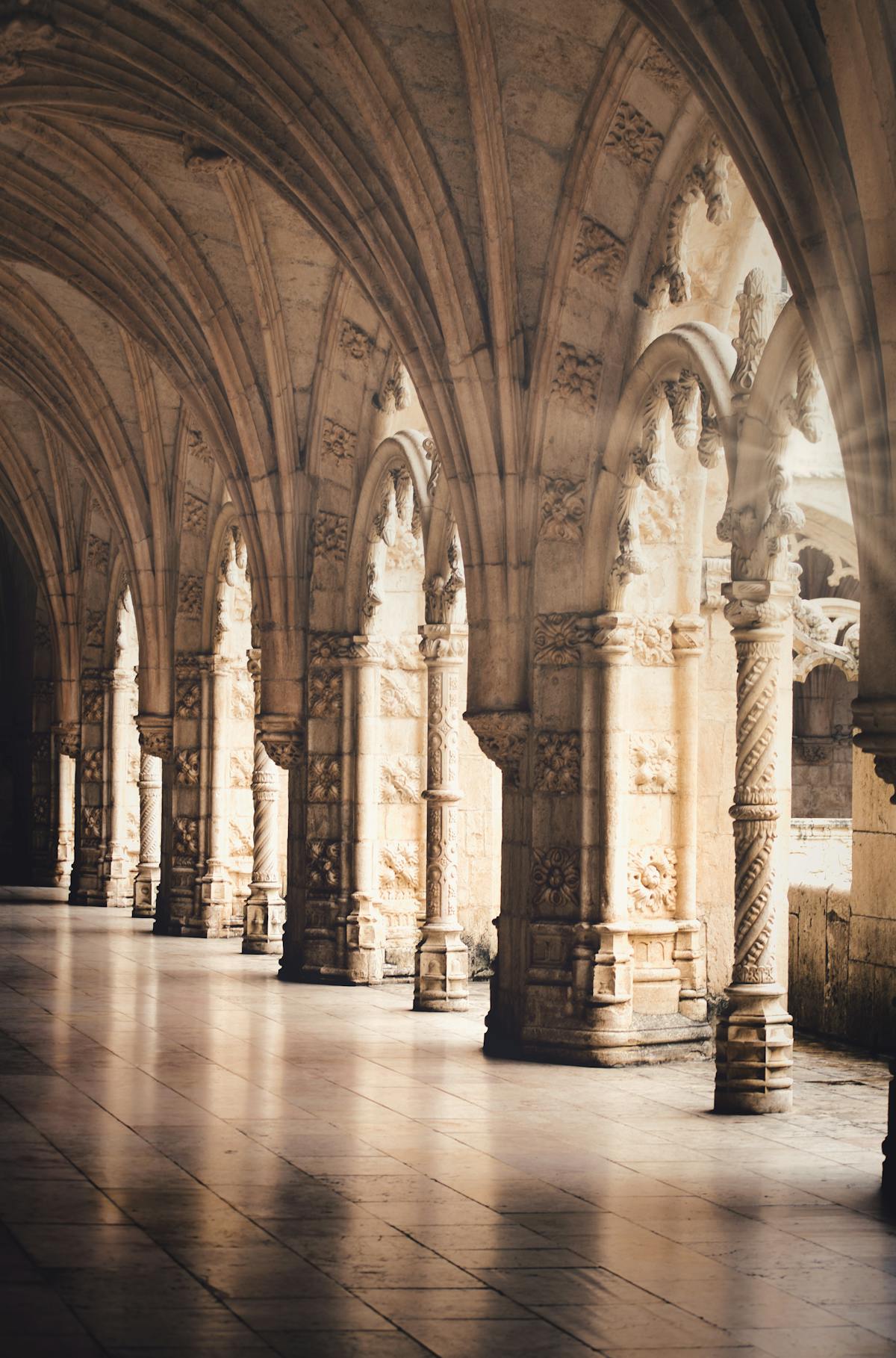
Best times: Right at 10am opening, before the buses arrive. Or after 3pm, when the coaches have moved on to Sintra or the Alfama. The last hour before closing is my favourite — fewer people, better light, and you can actually stand in the cloisters without someone’s selfie stick in your peripheral vision.
Worst times: 11am-1pm on any day from June through September. Saturdays year-round. The first Sunday of the month (free entry = packed). Public holidays.
Best season: October through March is quieter overall. The monastery doesn’t have an outdoor component that requires good weather, so a drizzly November Tuesday is actually ideal for visiting.
Tips That Will Save You Time
Buy your ticket online before you go. This is the single biggest time-saver. The ticket-holder queue and the walk-up queue are separate, and the difference can be 30+ minutes on busy days.
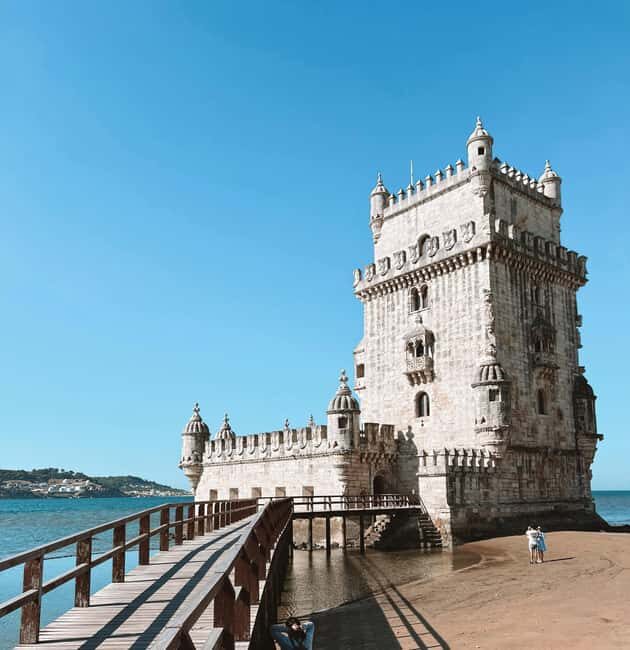
Combine with Belem Tower on the same morning. They’re a ten-minute walk apart. Hit the monastery first thing at 10am, then walk to Belem Tower around noon when the monastery crowds are at their worst. You can get a combo ticket covering both for 12 euros if you buy at the door.
The church is free. The Santa Maria de Belem church, attached to the monastery, is free to enter. Vasco da Gama’s tomb is inside the church, not the paid area. If you’re on a tight budget or short on time, the church alone is worth a quick visit.
Wear comfortable shoes. The cloisters have uneven stone floors, and you’ll be standing and walking for at least an hour if you want to see everything.
Don’t skip the upper gallery of the cloisters. Most visitors stick to the ground floor and miss the upper level, which has better light, fewer people, and a different perspective on the carved columns.
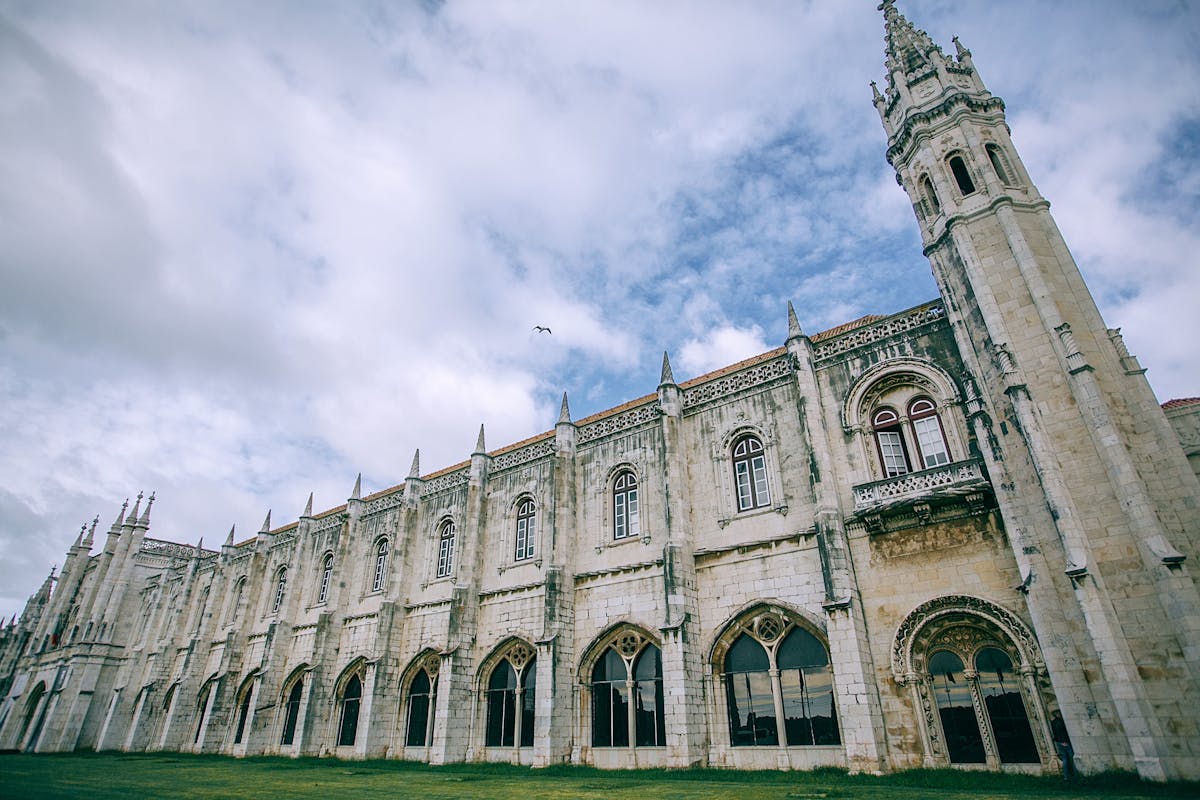
Tram 15E drops you right there. From Praca do Comercio or Cais do Sodre, tram 15E runs along the waterfront directly to Belem. The stop is a two-minute walk from the monastery entrance. Alternatively, trains from Cais do Sodre to Belem station take about ten minutes.
Budget an extra 30 minutes for Pasteis de Belem. The original pastel de nata bakery is a five-minute walk from the monastery. The queue outside looks intimidating but moves quickly. Get a box of six and eat them warm on the waterfront.
What You’ll Actually See Inside
King Manuel I commissioned the monastery in 1501 to celebrate Vasco da Gama’s return from India. The spice trade funded every carved column, every stone rosette, every elaborate vault you see inside. Construction took nearly a century to complete, with work continuing long after Manuel’s death.
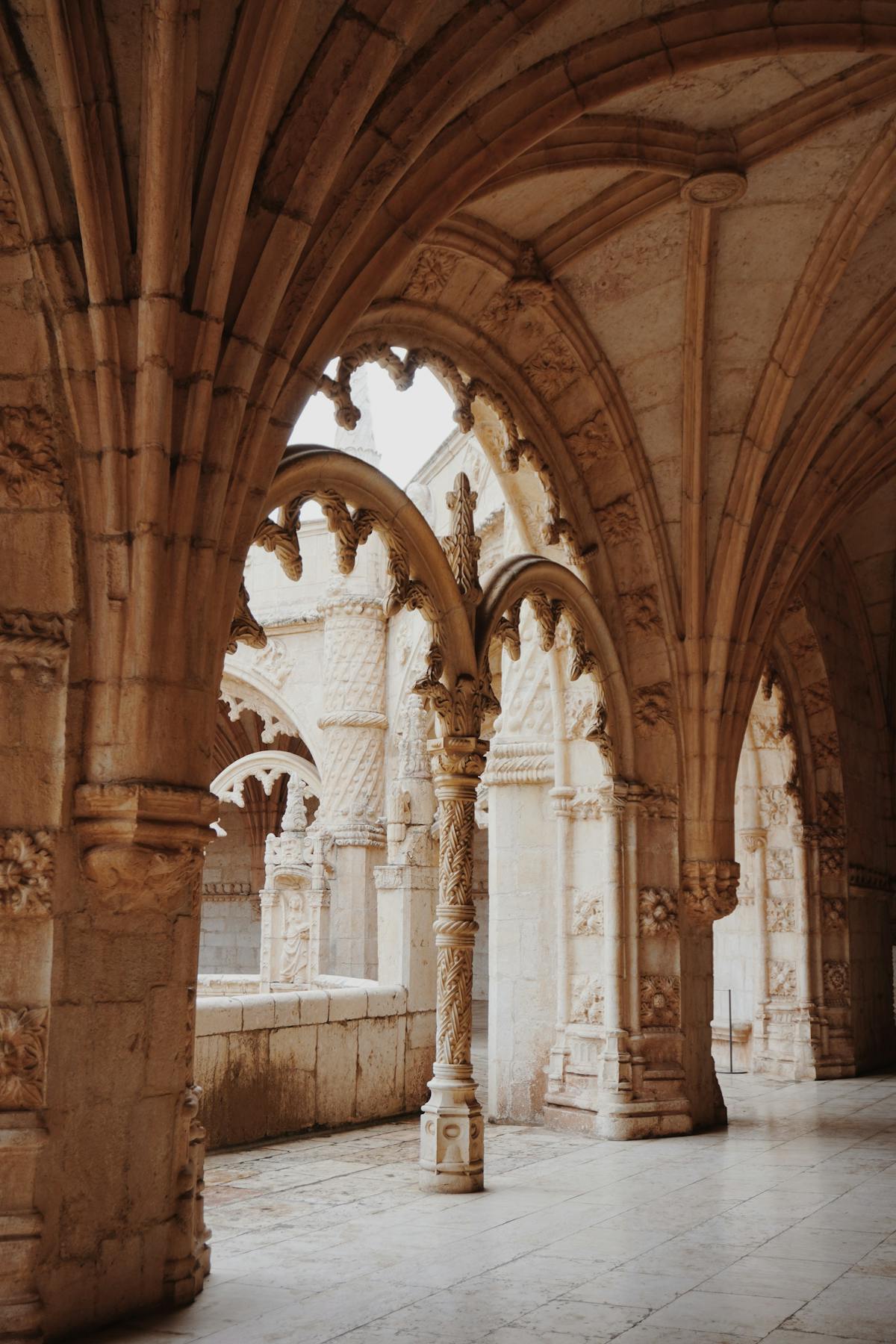
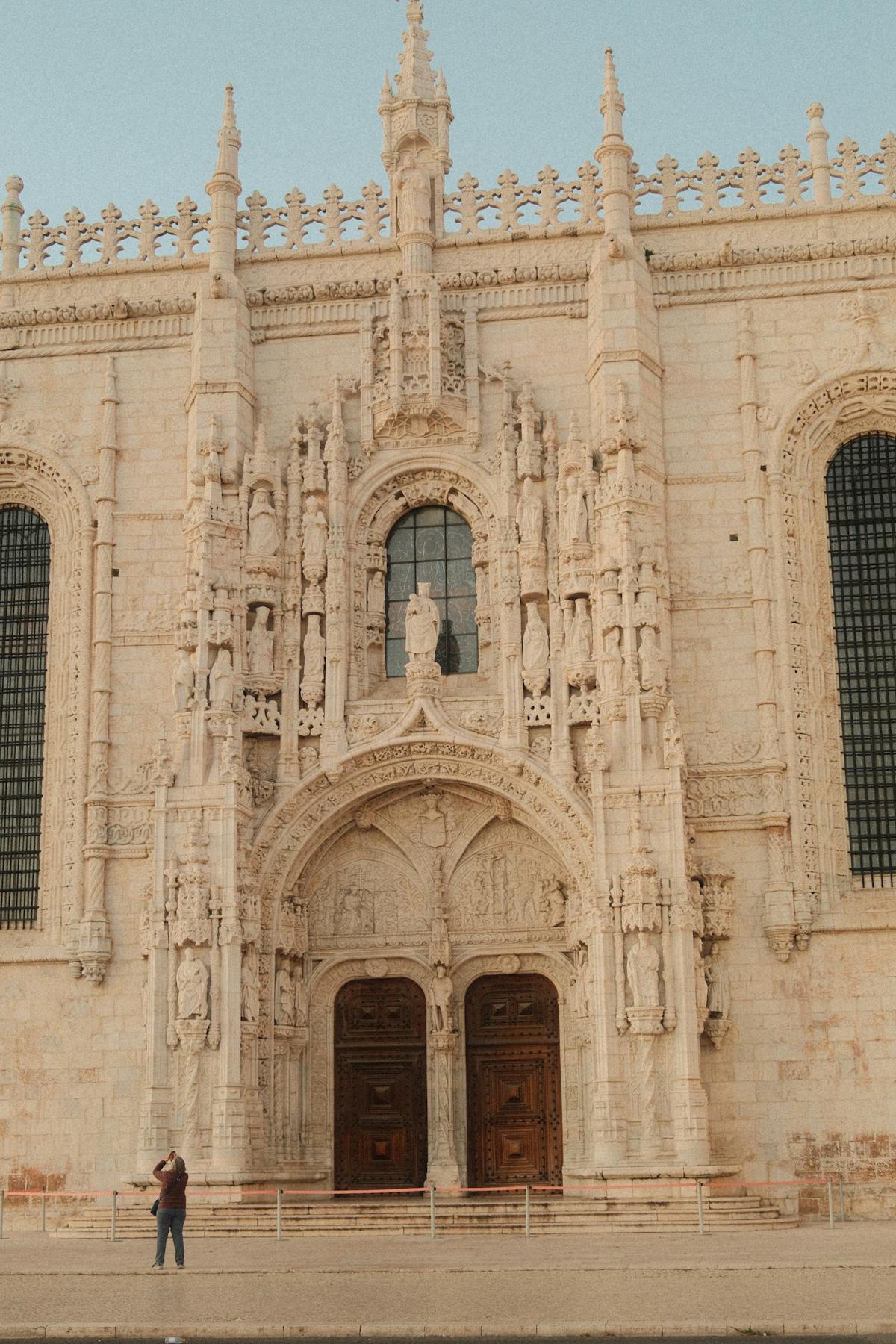
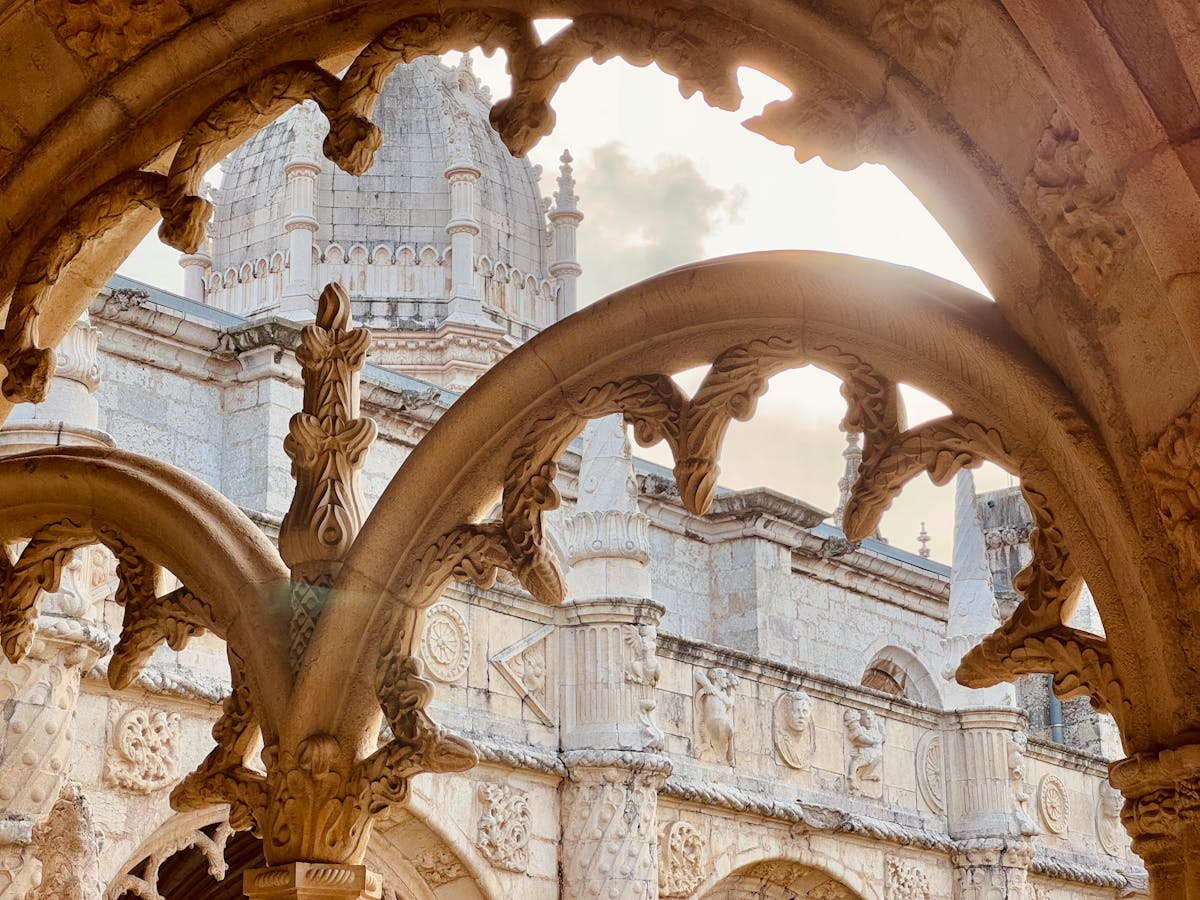
The style is called Manueline, and it’s unique to Portugal. Think late Gothic mixed with maritime obsession. The stone carvings feature ropes, anchors, coral, seaweed, and exotic animals — a whole vocabulary of the sea and the discoveries. The architect Joao de Castilho was the main force behind the cloisters and the south portal, and his work here is considered the peak of the style.
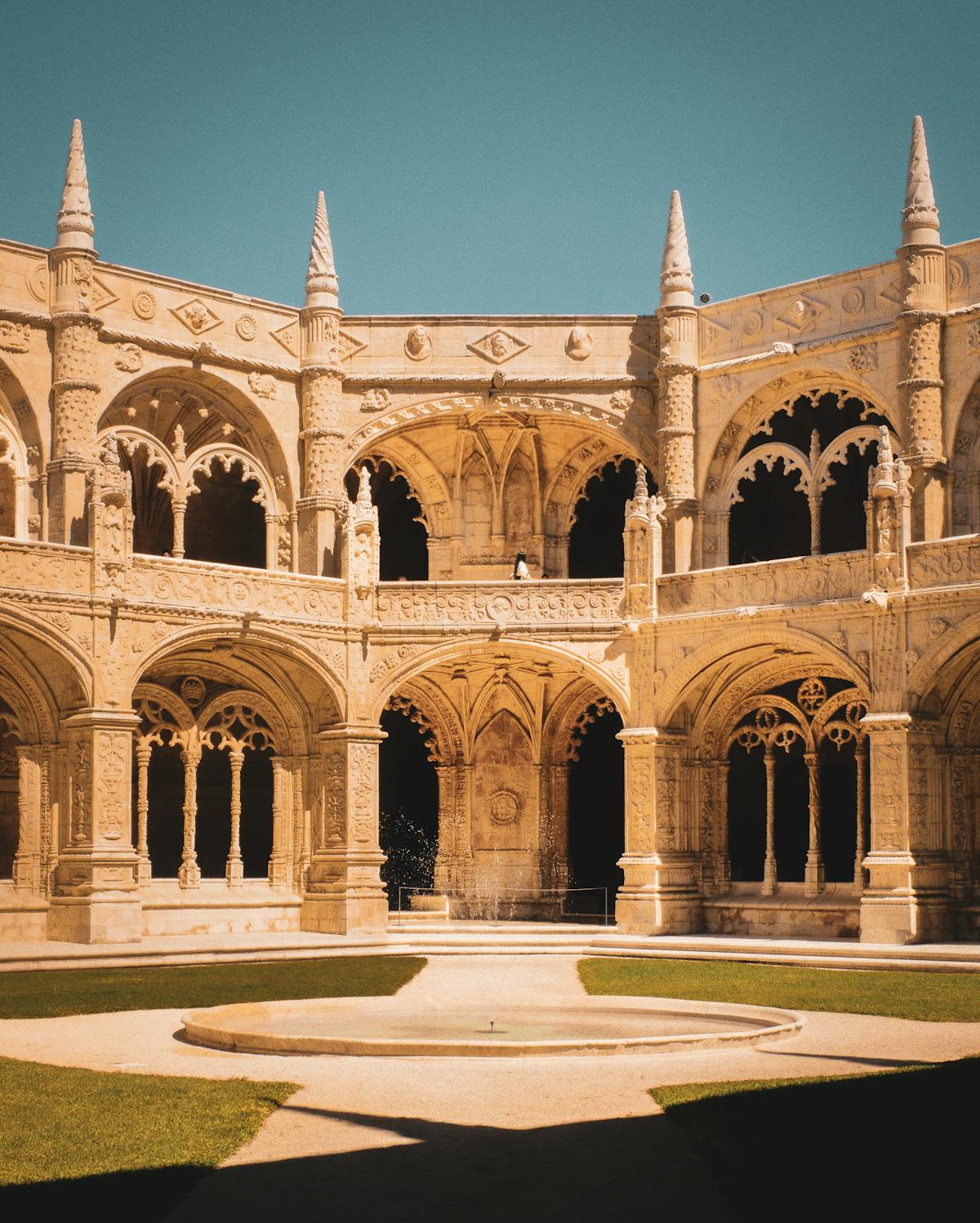
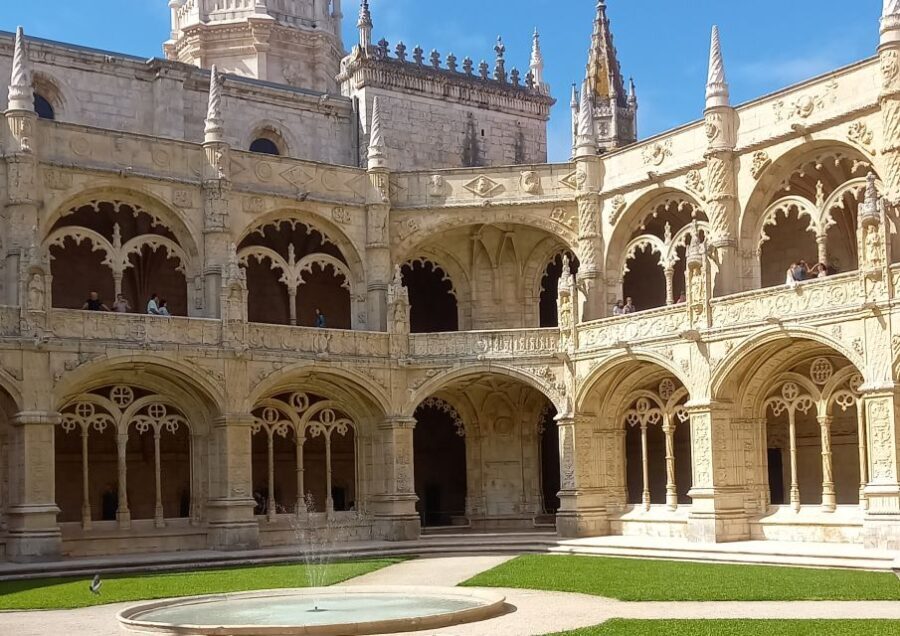
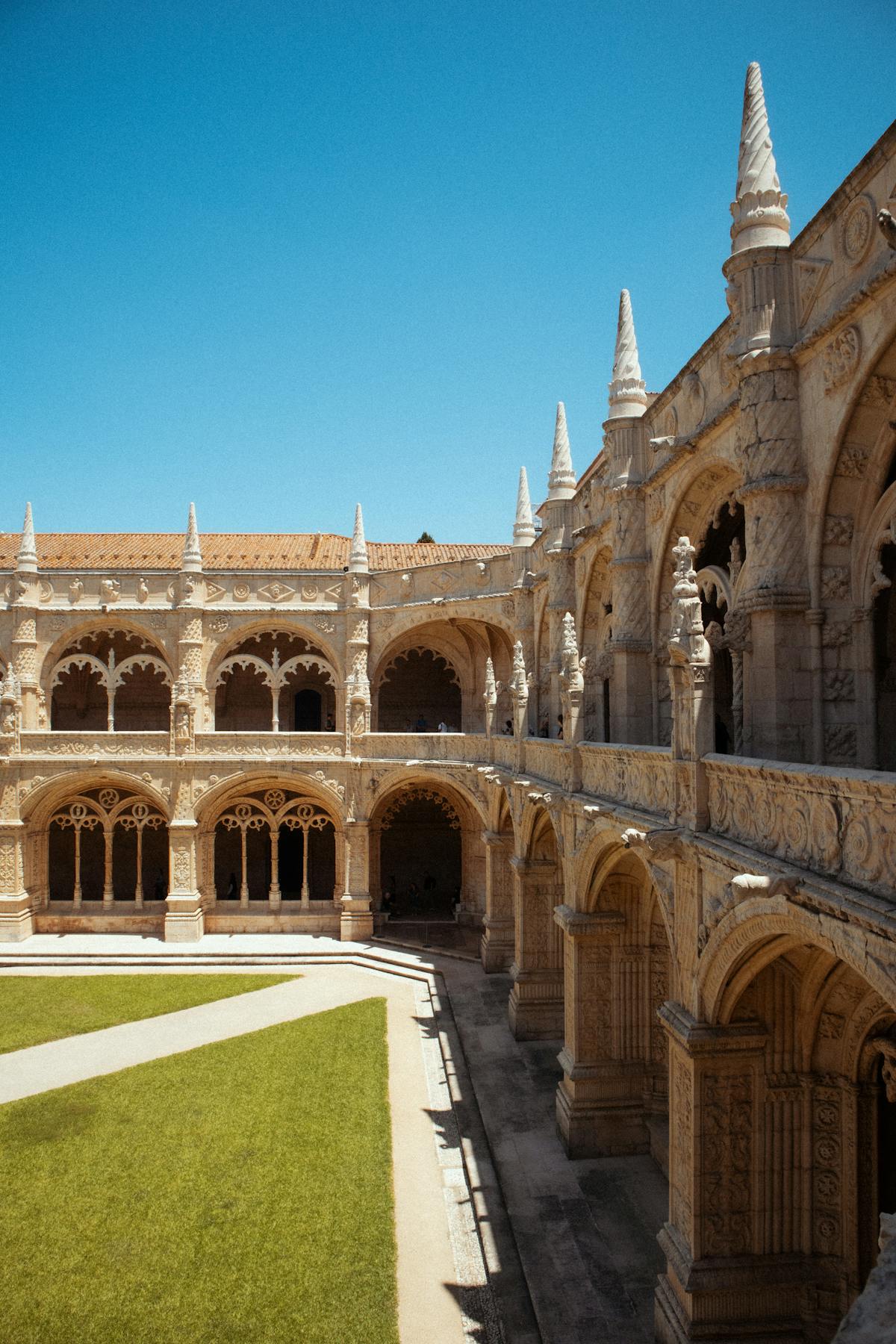
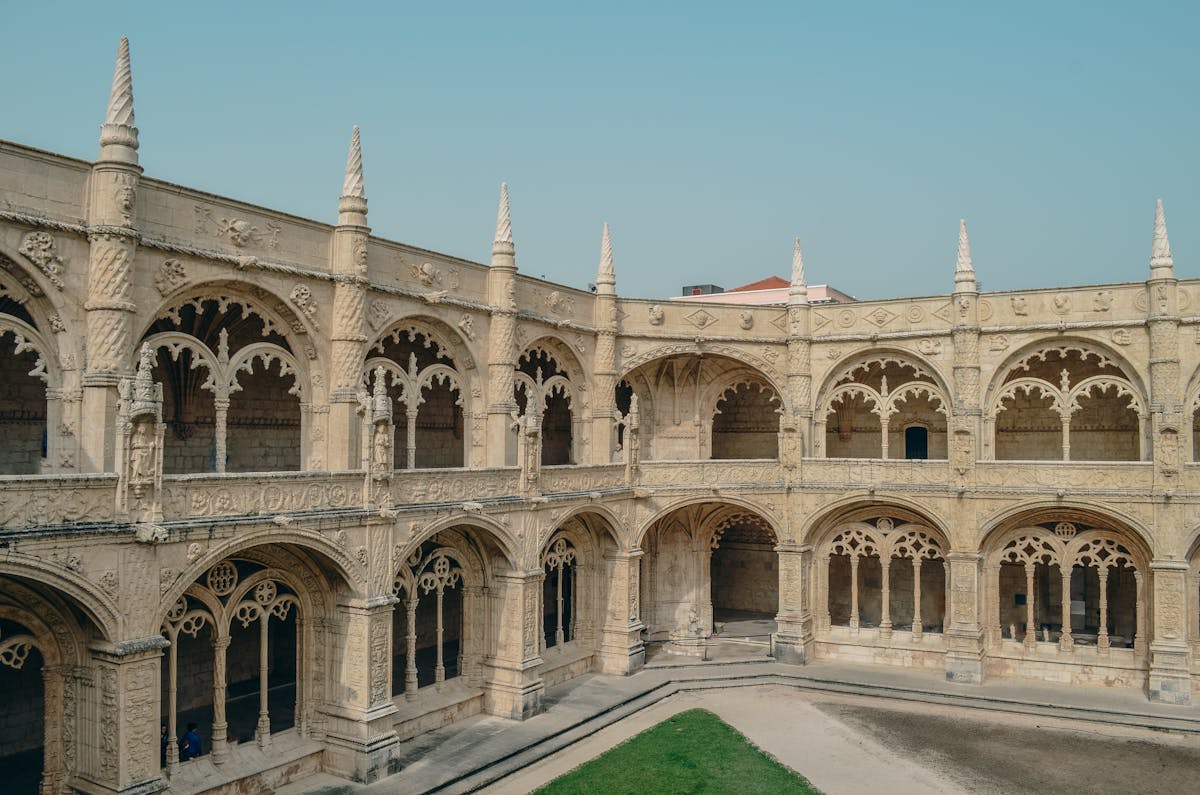
The cloisters are the highlight for most visitors. Two levels of intricately carved arches surrounding a quiet courtyard. Each column is different — no two designs repeat. The upper gallery gives you a bird’s-eye view of the courtyard and better angles on the carving details.
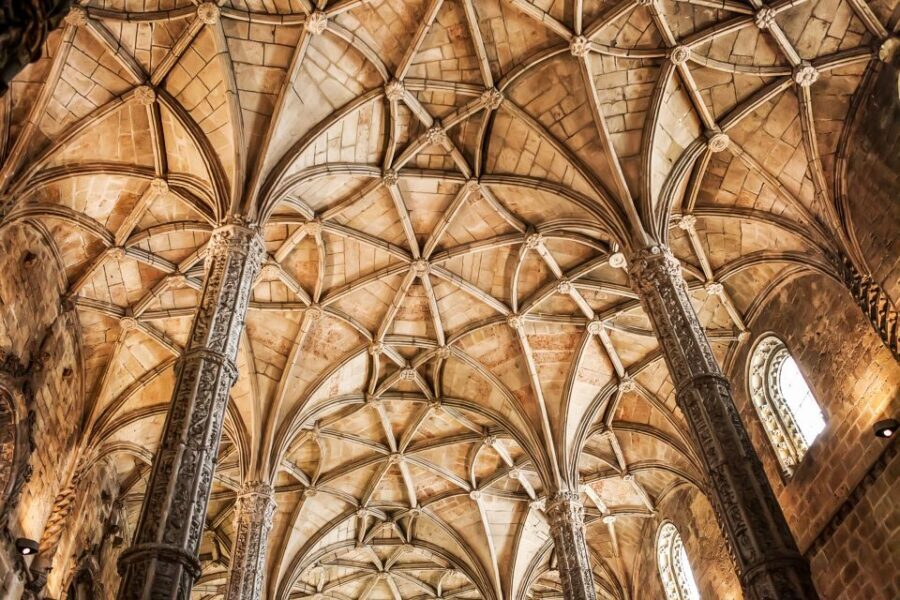
The church nave uses an unusual design: six slender octagonal columns support a massive ribbed vault without any load-bearing walls between them. The effect is an open, light-filled space that feels bigger than it should. Vasco da Gama’s tomb sits near the entrance, along with that of the poet Luis de Camoes.
The south portal is the main entrance facade, and it’s worth spending five minutes just staring at it. The doorway is covered floor to ceiling with figures — Henry the Navigator, the Virgin Mary, apostles, and prophets, all layered in stone with extraordinary precision.
The monastery survived the catastrophic 1755 earthquake that destroyed most of Lisbon. It was one of the few major structures left standing, which is partly why it became such an important symbol for the city. UNESCO added it to the World Heritage list in 1983.
More Lisbon Guides
Jeronimos Monastery anchors the Belem end of Lisbon, but the city stretches a long way east from here. a walking tour in Lisbon takes you through the old centre and up into the hills where the views alone justify the effort. If you want to stick to Belem for a bit, a bike tour in Lisbon runs along the waterfront and often passes right by the monastery. a boat tour in Lisbon gives you a different angle on the whole Belem skyline from the Tagus. Back in the city centre, a food tour in Lisbon is one of the better ways to spend an afternoon, and a fado show in Lisbon handles the evening. For a full day away from Lisbon, visiting Sintra from Lisbon has palaces that rival anything you just saw at Jeronimos for sheer architectural ambition.
This article contains affiliate links to tours and tickets. If you book through these links, we earn a small commission at no extra cost to you. This helps us keep producing free travel guides.