
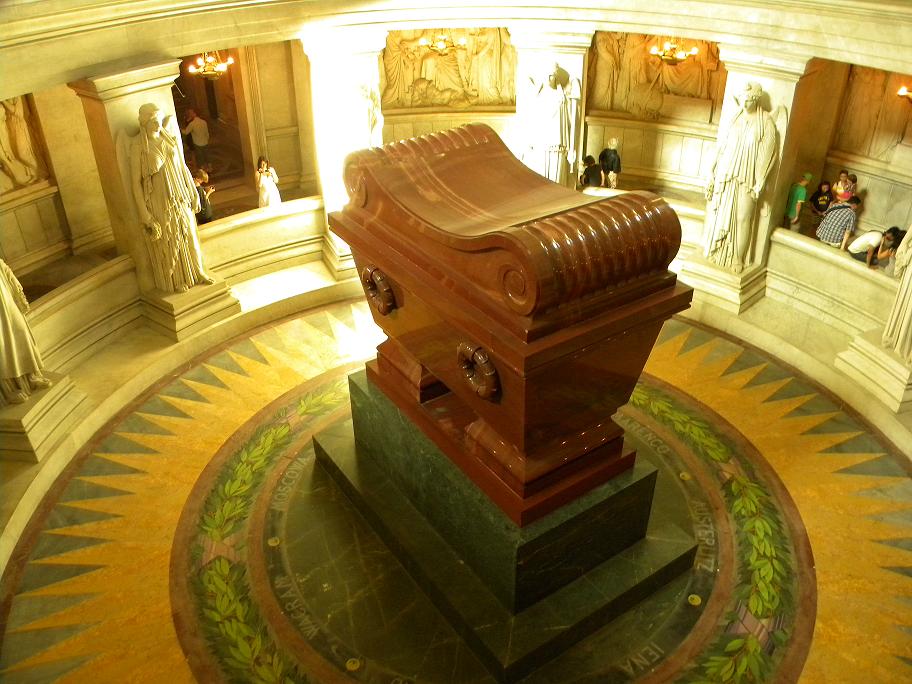
Six coffins. That’s what Napoleon is buried in — tin, mahogany, two lead, ebony, and oak — all nested inside a massive red quartzite sarcophagus shipped from Finland. And here’s the detail that gets everyone: the whole thing sits in an open crypt, meaning you look down at Napoleon from a gallery above. For a man who spent his entire life demanding people look up at him, it’s the ultimate architectural insult.
I spent an entire afternoon at Les Invalides and barely scratched the surface. Most visitors beeline for Napoleon’s Tomb, snap a photo, and leave within 30 minutes. That’s a mistake. The French Army Museum alone has enough to keep a history enthusiast occupied for half a day, and the building itself — built by Louis XIV in 1670 as Europe’s first dedicated military hospital — has more stories in its walls than most cities have in their entire museum districts.

Here’s what you need to know about getting tickets, what to see inside, and which tours are actually worth the money.


Best overall: Les Invalides: Napoleon’s Tomb & Army Museum Entry — $20. Self-paced entry to everything, and at this price there’s no reason to skip it.
Best for history buffs: Invalides and Napoleon’s Tomb Guided Tour — $117. A guide who actually makes Napoleon’s military campaigns interesting. Small group, 90 minutes.
Best budget add-on: Napoleon: Life & Legacy Walking Tour + Tomb — $52. Covers Napoleon’s Paris before ending at his tomb. Great pairing with a self-guided museum visit.
- How the Ticket System Works
- Official Tickets vs Guided Tours — Which Makes Sense?
- The Best Les Invalides Tours to Book
- 1. Les Invalides: Napoleon’s Tomb & Army Museum Entry —
- 2. Paris: Invalides and Napoleon’s Tomb Army Museum Guided Tour — 7
- 3. Skip-the-Line Invalides & Napoleon Tour (Semi-Private, 8 max) — 6
- 4. Les Invalides: Napoleon & French Military History Semi-Private Tour — 0
- 5. Napoleon Bonaparte: Life & Legacy Guided Tour + Visit to His Tomb —
- When to Visit Les Invalides
- How to Get There
- Tips That Will Save You Time
- What You’ll Actually See Inside
- Napoleon’s Tomb and the Dome Church
- The French Army Museum
- The Building Itself
- Planning the Rest of Your Paris Trip
How the Ticket System Works

Les Invalides ticketing is refreshingly straightforward compared to the chaos of booking the Louvre or Eiffel Tower. There’s no timed entry system, no slots that sell out weeks in advance, and no “skip the line” anxiety.
Standard adult ticket: around 15 EUR (prices may change, check the official site). This single ticket covers everything — Napoleon’s Tomb, the Army Museum, the Dome Church, the Order of the Liberation Museum, and the Relief Maps Museum. You don’t need separate tickets for different sections.
Free admission for:
- Under 18 (with ID)
- EU residents aged 18-25
- Disabled visitors and one companion
- First Sunday of each month from November through March
Paris Museum Pass holders: Les Invalides is included. If you’re also planning the Orsay, the Louvre, and Arc de Triomphe rooftop, the pass pays for itself quickly.
You can buy tickets at the door without a long wait on most days. The queues here are nothing compared to other major Paris attractions. That said, summer mornings and weekends do get busy, so either arrive when doors open at 10am or wait until after 2pm when the morning crowds have thinned.
Official Tickets vs Guided Tours — Which Makes Sense?
This is one of those attractions where a guide genuinely adds value — if you pick the right one.
Go self-guided if: You know your Napoleonic history and just want to see the tomb and wander the museum at your own pace. The signage inside is decent, and audio guides are available for rent. You’ll save money and you can spend as long (or as short) as you want in each wing.
Book a guided tour if: You want someone to connect the dots between the artifacts. The Army Museum is enormous — over 500,000 objects — and without context, it’s easy to walk past something remarkable without realizing what you’re looking at. A good guide will take you straight to Napoleon’s campaign tent, his horse Vizir (yes, stuffed and on display), and the bullet-torn uniform he wore at the Battle of Marengo. You’d miss all three on a self-guided visit unless you knew exactly where to look.
The honest downside of guides? Some of the budget options rush through the museum to stay on schedule. If military history is your thing, consider the self-guided ticket plus a solid guidebook or app instead.
The Best Les Invalides Tours to Book
I’ve gone through the major options available and picked five that represent the best range of prices, styles, and tour formats. All of them include skip-the-line entry.
1. Les Invalides: Napoleon’s Tomb & Army Museum Entry — $20

This is the standard entry ticket through GetYourGuide, and it’s the most booked option for Les Invalides by a huge margin. At $20 per person, it’s essentially the same price as buying at the door but with the convenience of having your ticket ready on your phone.
You get full access to everything: Napoleon’s Tomb, the Dome Church, both wings of the Army Museum, and the temporary exhibitions. No guide, no schedule — just walk in and explore at your own pace. For most visitors, this is the right call.
2. Paris: Invalides and Napoleon’s Tomb Army Museum Guided Tour — $117

If you want someone who knows their stuff walking you through the highlights, this 90-minute guided tour does the job well. The guides are specialists in Napoleonic and French military history, not generic Paris tour leaders reading from a script.
At $117, it’s obviously a bigger investment than the self-guided ticket. But the guide takes you directly to the pieces that matter — the Marengo uniform, the campaign artifacts, Napoleon’s death mask — and gives you the stories behind them. You’d walk right past most of this stuff on your own. If the Napoleonic era interests you even a little, the extra cost is justified.
3. Skip-the-Line Invalides & Napoleon Tour (Semi-Private, 8 max) — $156

This is the premium option if you want an intimate experience without paying for a full private tour. Maximum 8 people, which in practice often means 4-6. The two-hour format gives the guide enough time to cover both the Army Museum highlights and Napoleon’s Tomb in real depth.
At $156 it’s the most expensive option on this list, but the small group size means you get a near-private experience. The perfect 5-star rating from visitors backs that up. Worth it if you’re the type who actually wants to discuss Napoleon’s Russian campaign strategy rather than just stare at a glass case.
4. Les Invalides: Napoleon & French Military History Semi-Private Tour — $120

Similar format to option 3 but through Viator and at a slightly lower price point. The 90-minute tour focuses heavily on the military history angle, covering everything from medieval armour to the World Wars. Less Napoleon-specific than some of the other options, which is actually a plus if you want the broader story of French military history rather than just the Bonaparte chapter.
$120 per person for a semi-private experience is reasonable for Paris. The guides on this one are especially strong on the World War sections of the museum, which tend to get overlooked by the Napoleon-focused tours.
5. Napoleon Bonaparte: Life & Legacy Guided Tour + Visit to His Tomb — $52

This is a different format from the others. Instead of starting at Les Invalides, you walk through Napoleon’s Paris first — the places he lived, worked, and held power — before ending at his tomb with included museum access. It’s 2-3 hours total, and the outdoor walking portion gives context that you don’t get from a museum-only tour.
At $52, it’s the best value guided option on this list. The trade-off is that you spend less time inside the museum itself, so this works best if you pair it with a separate self-paced visit on another day. Or just give yourself extra time after the tour to wander the museum wings on your own.
When to Visit Les Invalides

Opening hours: Les Invalides is open daily from 10am to 6pm (until 5pm from November to March). Last entry is 30 minutes before closing. The tomb and dome church close slightly earlier than the museum wings, so don’t save them for last.
Closed: January 1, May 1, and December 25. Also closed on the first Monday of every month except July through September.
Best time to visit: Tuesday through Thursday, arriving either at opening (10am) or after 2pm. The morning rush — mostly tour groups — clears out by early afternoon. Fridays and weekends are noticeably busier.
Worst time: Saturday mornings in summer. The combination of weekend visitors and peak tourist season means the tomb area gets genuinely packed. The museum wings are still manageable even at busy times because they’re so spread out.
Time needed: Most visitors spend 1.5 to 2 hours. That covers the tomb, the Dome Church, and a quick pass through the main museum galleries. But if military history is your thing, you could easily spend 4-5 hours working through the collections — medieval armour, World War I and II galleries, the Charles de Gaulle section, and the extensive weapons and uniform displays. The museum is genuinely that large.
Night visits: Les Invalides occasionally hosts evening events and light shows (like the AURA immersive experience), but these are separate ticketed events — your standard museum ticket doesn’t cover them.
How to Get There
Les Invalides sits in the 7th arrondissement on the Left Bank, south of the Seine. Getting there is easy from almost anywhere in Paris.
Metro:
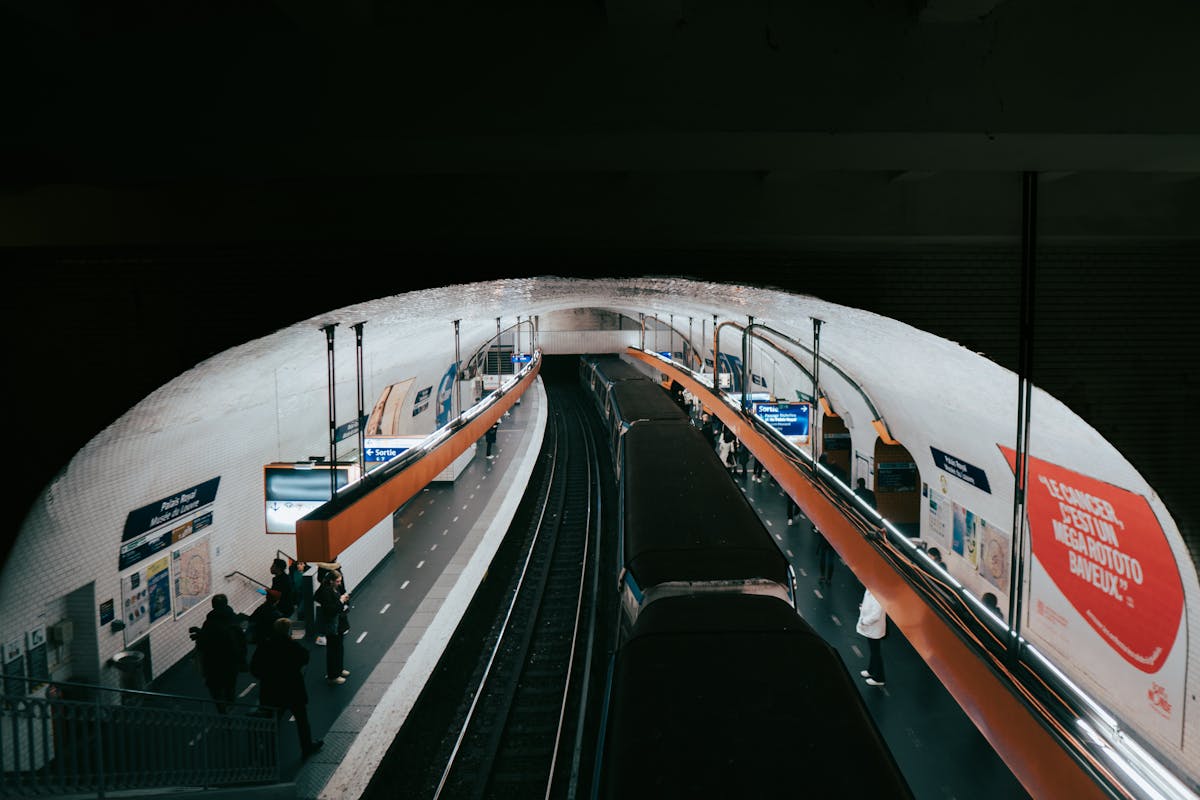
- La Tour-Maubourg (Line 8) — The closest stop, literally a 2-minute walk to the main entrance. This is the one you want.
- Invalides (Lines 8 and 13) — 5-minute walk. Also serves the RER C line, so useful if you’re coming from Versailles.
- Varenne (Line 13) — 5-minute walk from the south entrance. Bonus: the Rodin Museum is on this street.
RER: Invalides station (RER C) connects to Versailles-Rive Gauche, so you can pair a morning at Invalides with an afternoon at Versailles or vice versa.
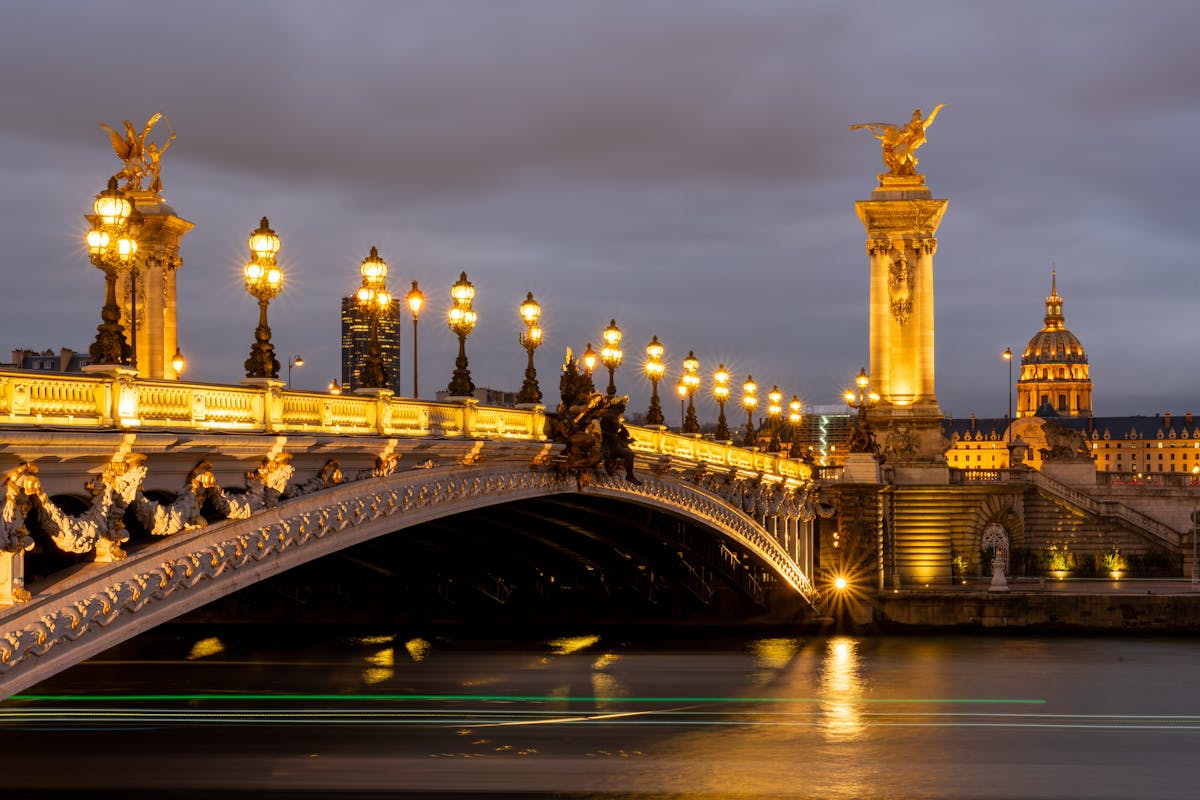
Walking: From the Eiffel Tower, it’s about a 20-minute walk east along the river. From the Orsay Museum, 15 minutes south. And if you cross Pont Alexandre III — which you should, because it’s one of the most beautiful bridges in Paris — you’re connecting the Champs-Elysees area directly to Les Invalides.
Bus: Lines 28, 63, 69, 82, 83, 87, and 92 all stop nearby. But honestly, the Metro is faster from almost everywhere.
Tips That Will Save You Time

Use the south entrance. Most visitors (and all tour groups) enter from the north side, through the main courtyard on Esplanade des Invalides. The south entrance on Place Vauban is quieter and puts you right at the Dome Church and Napoleon’s Tomb. If that’s your priority, this saves you walking through the entire complex.
The Army Museum has two wings — don’t skip the modern one. The west wing covers medieval to Louis XIV era (armour, swords, early firearms). The east wing covers Napoleon to World War II. Most visitors only do the east wing because of the Napoleon connection, but the medieval armour collection is one of the best in the world.
Download the museum app before you go. The free app has an audio guide, interactive maps, and highlight tours. It’s genuinely useful and saves you the cost of renting an audio guide at the desk.
Combine with the Rodin Museum. It’s literally next door (Varenne Metro stop). A combined morning could include the Rodin Museum’s garden and indoor galleries, then Les Invalides after lunch. Both are manageable in a single day without rushing.
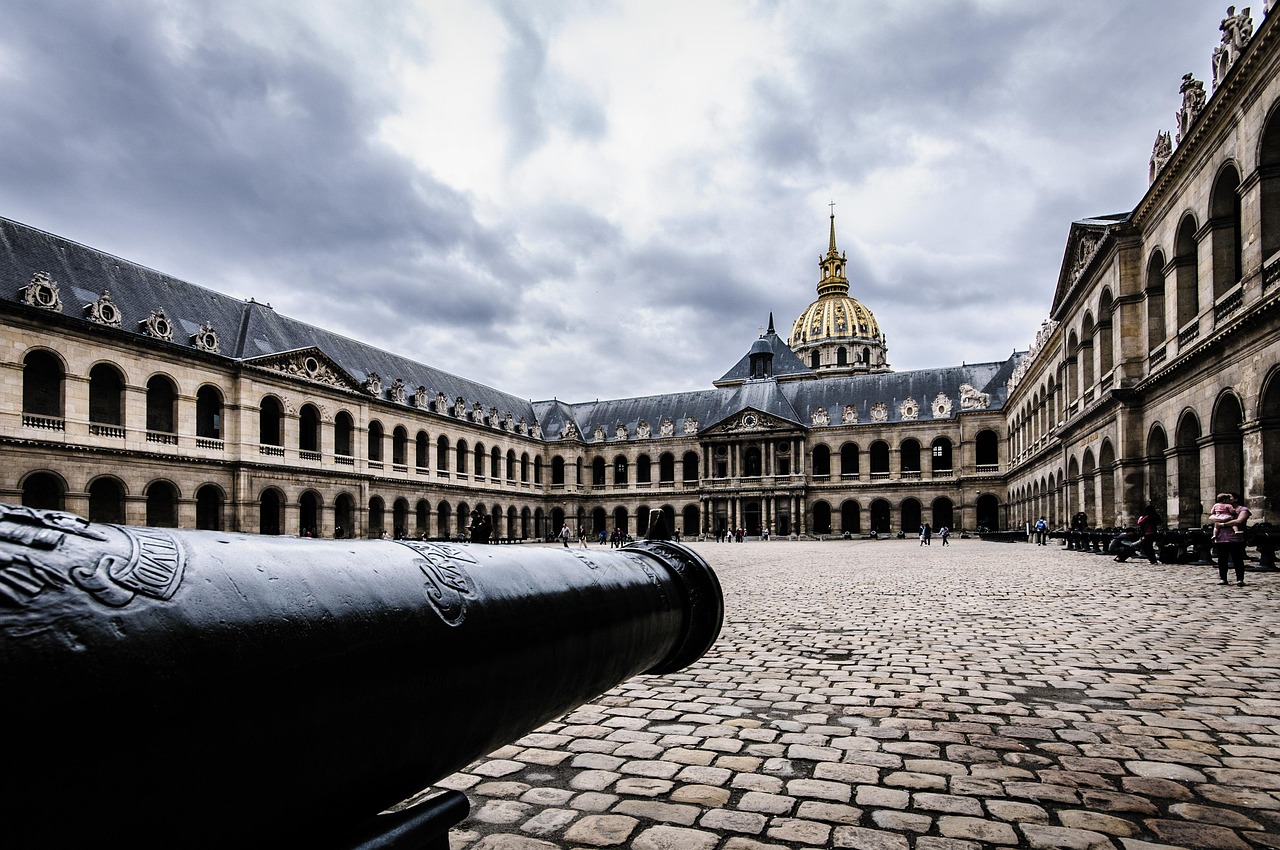
The courtyard is free. You don’t need a ticket to walk through the Cour d’Honneur (main courtyard) and see the cannons, the facade, and the exterior of the buildings. Only the museum, tomb, and dome require a ticket.
Bring water. The museum is large and mostly indoors without great air conditioning. Summer afternoons get warm, especially in the upper galleries.
What You’ll Actually See Inside
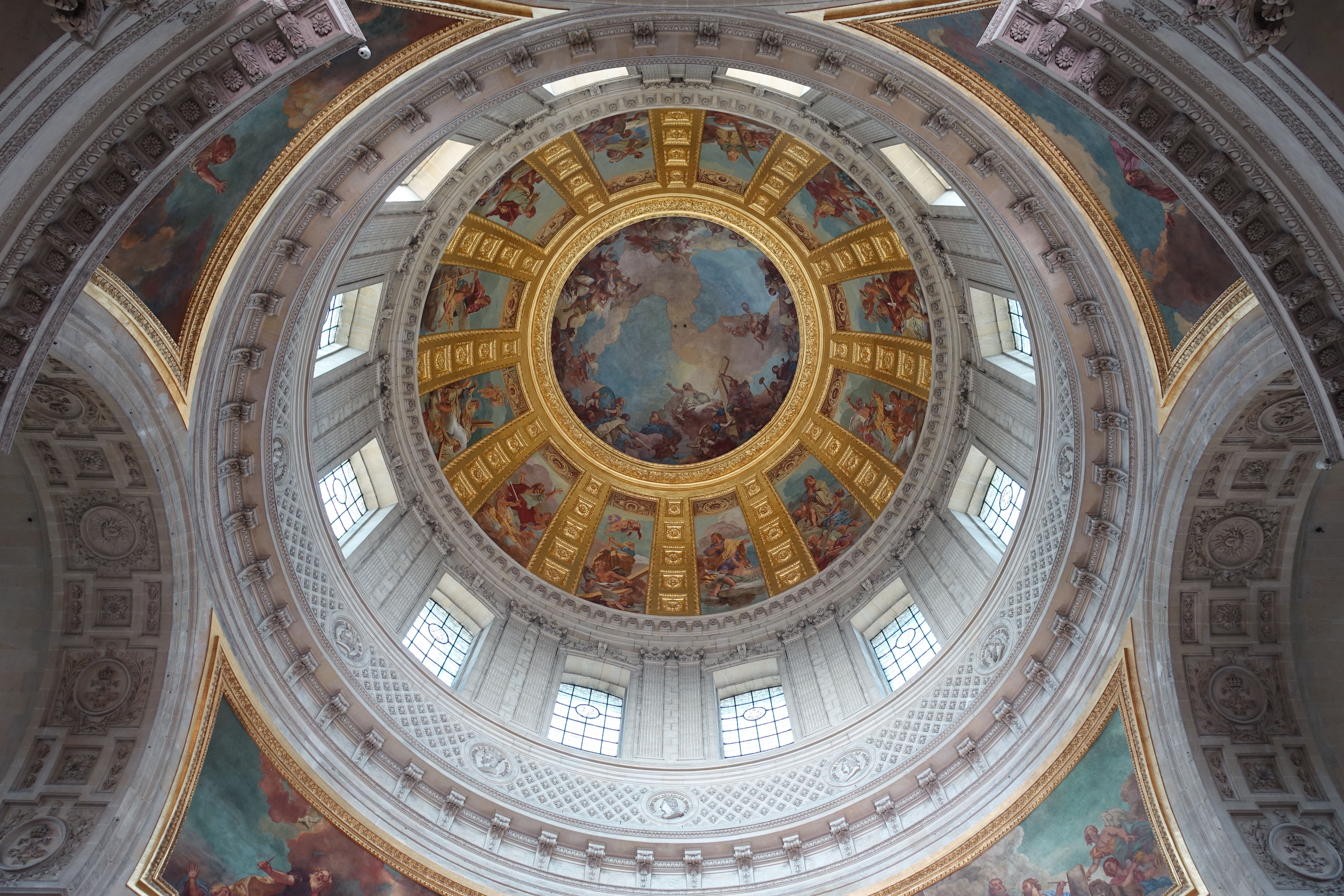
Les Invalides isn’t just one thing — it’s a complex of buildings, churches, and museum wings that spans several centuries of French history. Here’s what’s actually inside, and what most visitors miss.
Napoleon’s Tomb and the Dome Church
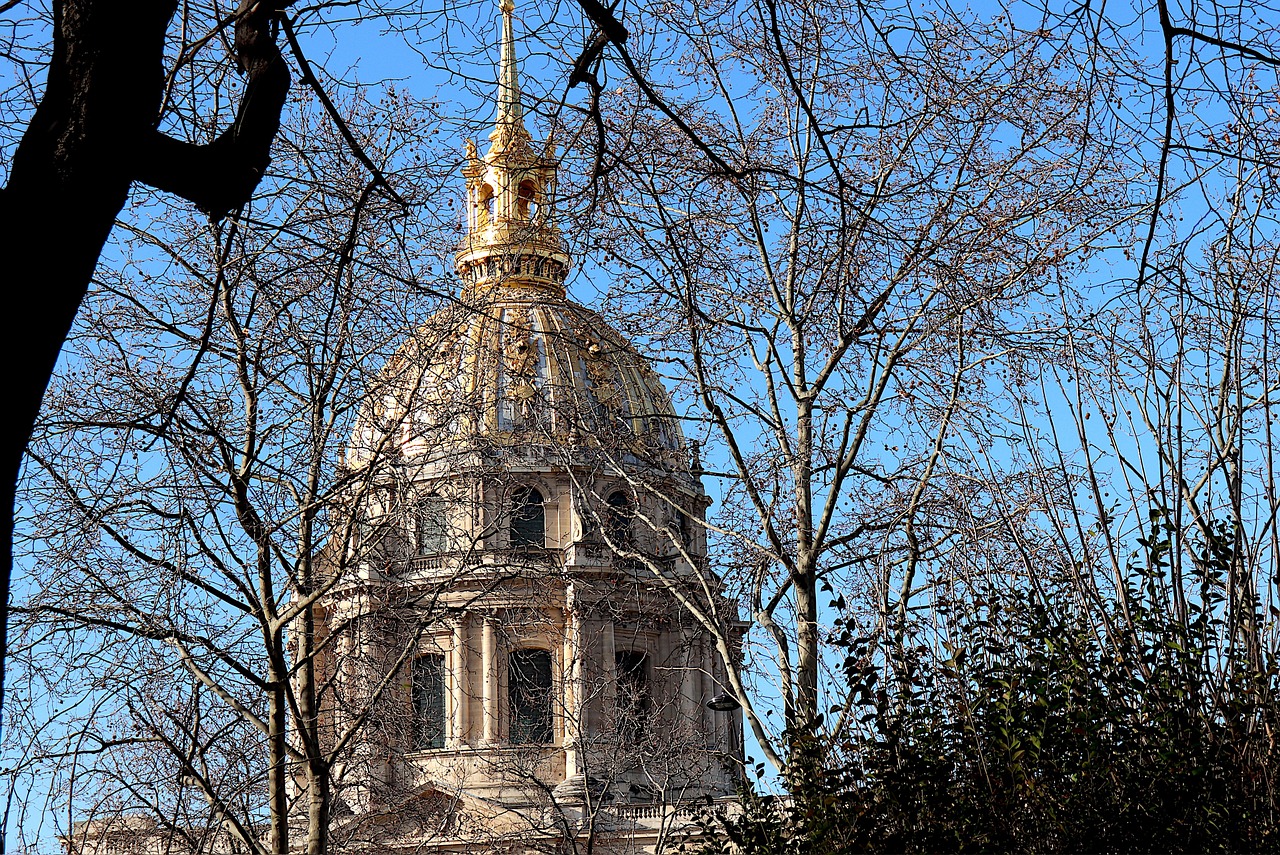
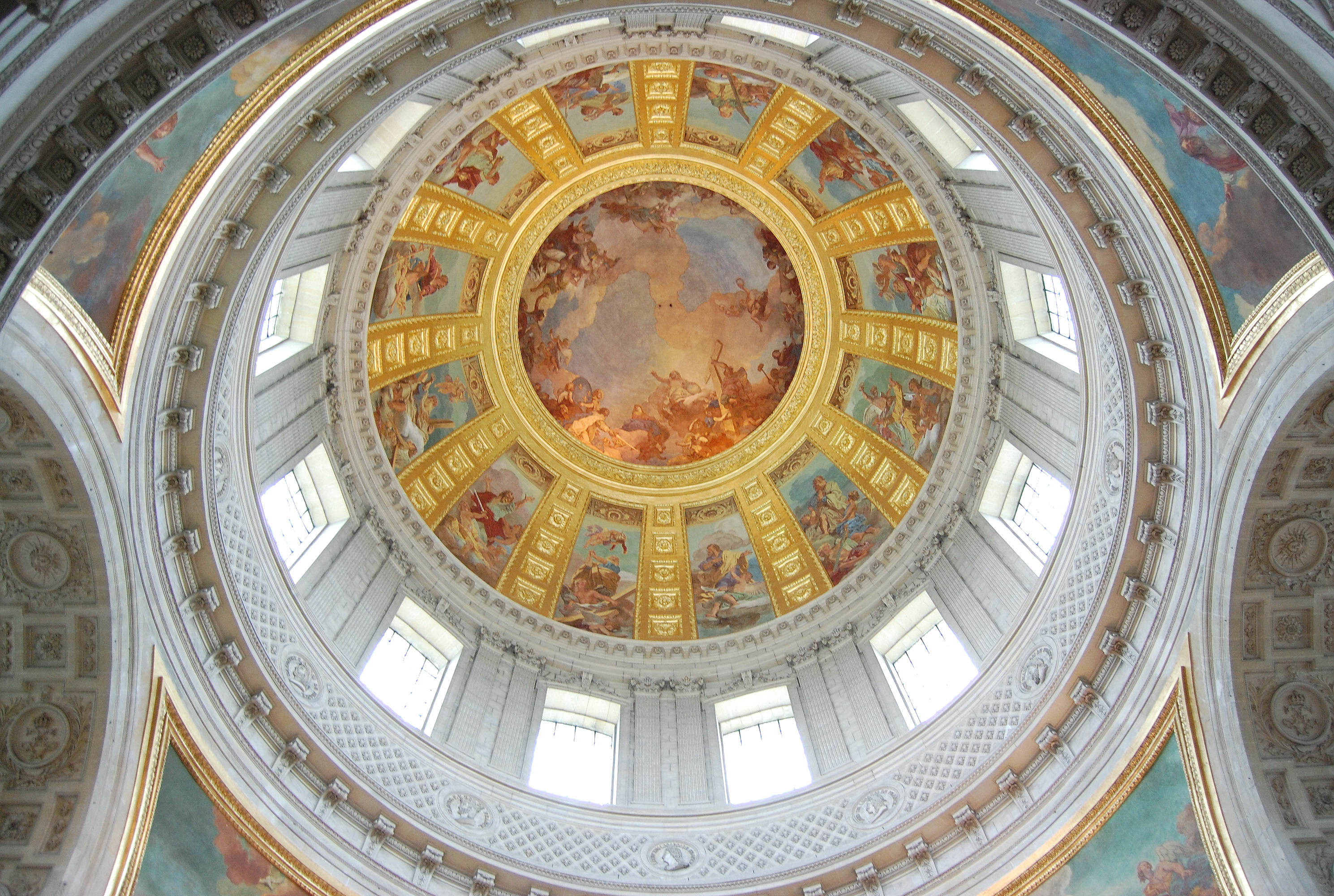
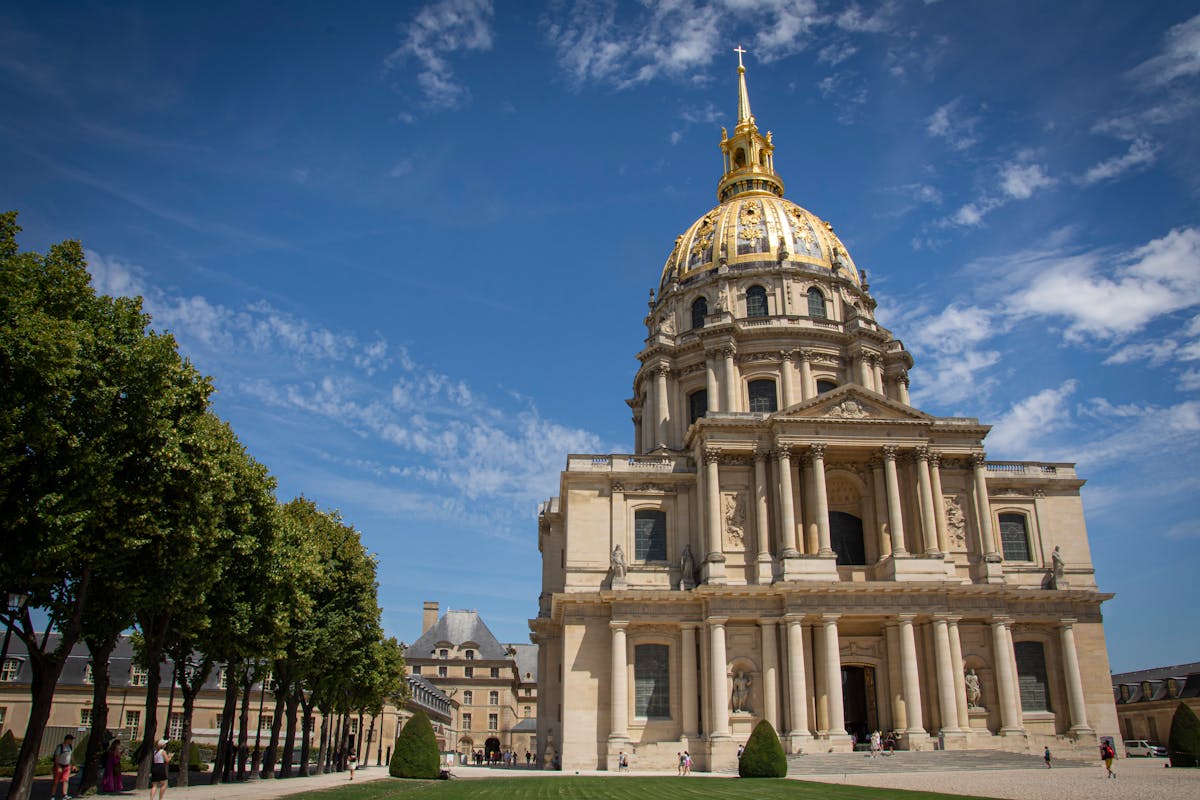
This is what draws most people, and it doesn’t disappoint. The Dome Church (Eglise du Dome) is a masterpiece of French Baroque architecture, designed by Jules Hardouin-Mansart — the same architect behind Versailles. The dome itself is covered in 12 kilograms of gold leaf, regilded most recently in 1989 for the 200th anniversary of the French Revolution.
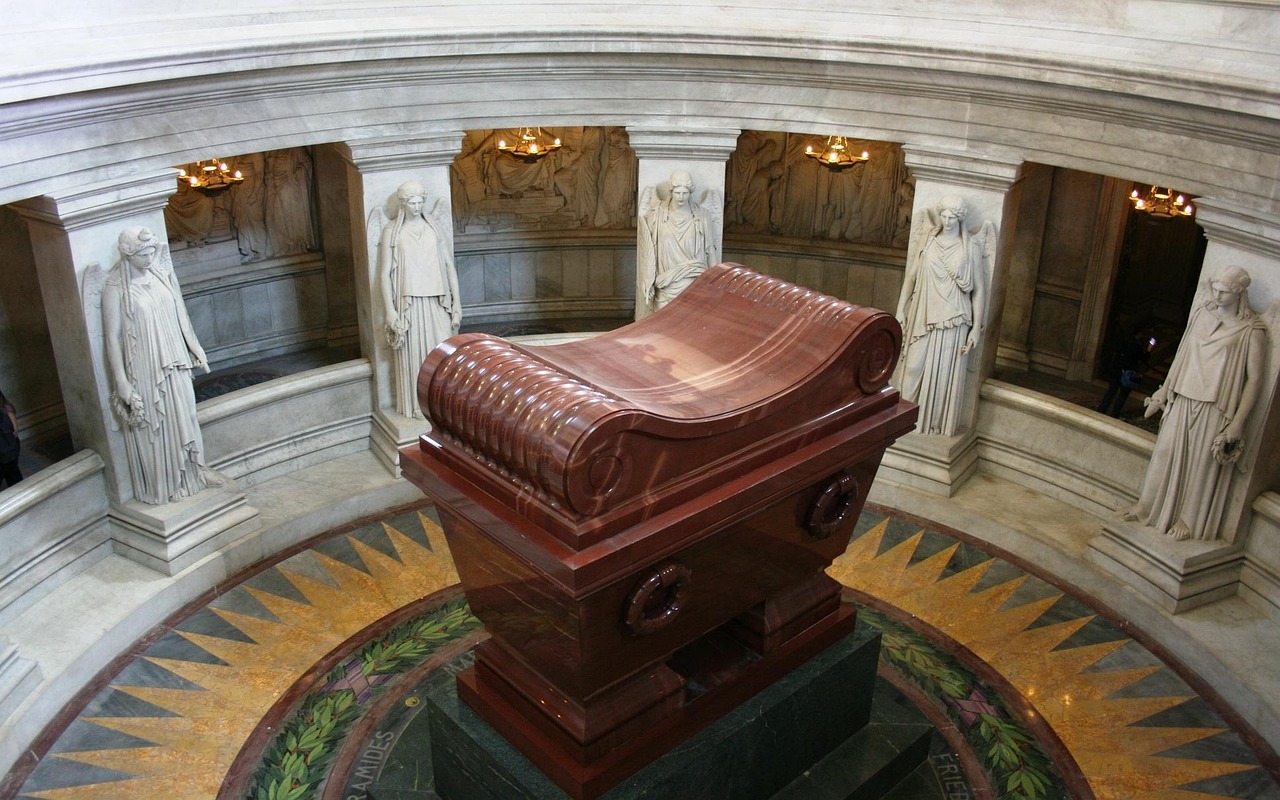
Napoleon’s body was returned from St. Helena in 1840, nineteen years after his death, in an event called the “Return of the Ashes” that became a massive national spectacle. When they opened the coffin during the transfer, his body was reportedly remarkably well preserved. Modern historians believe the arsenic in the wallpaper of his St. Helena residence may have slowly preserved him — a macabre accident of interior decorating.
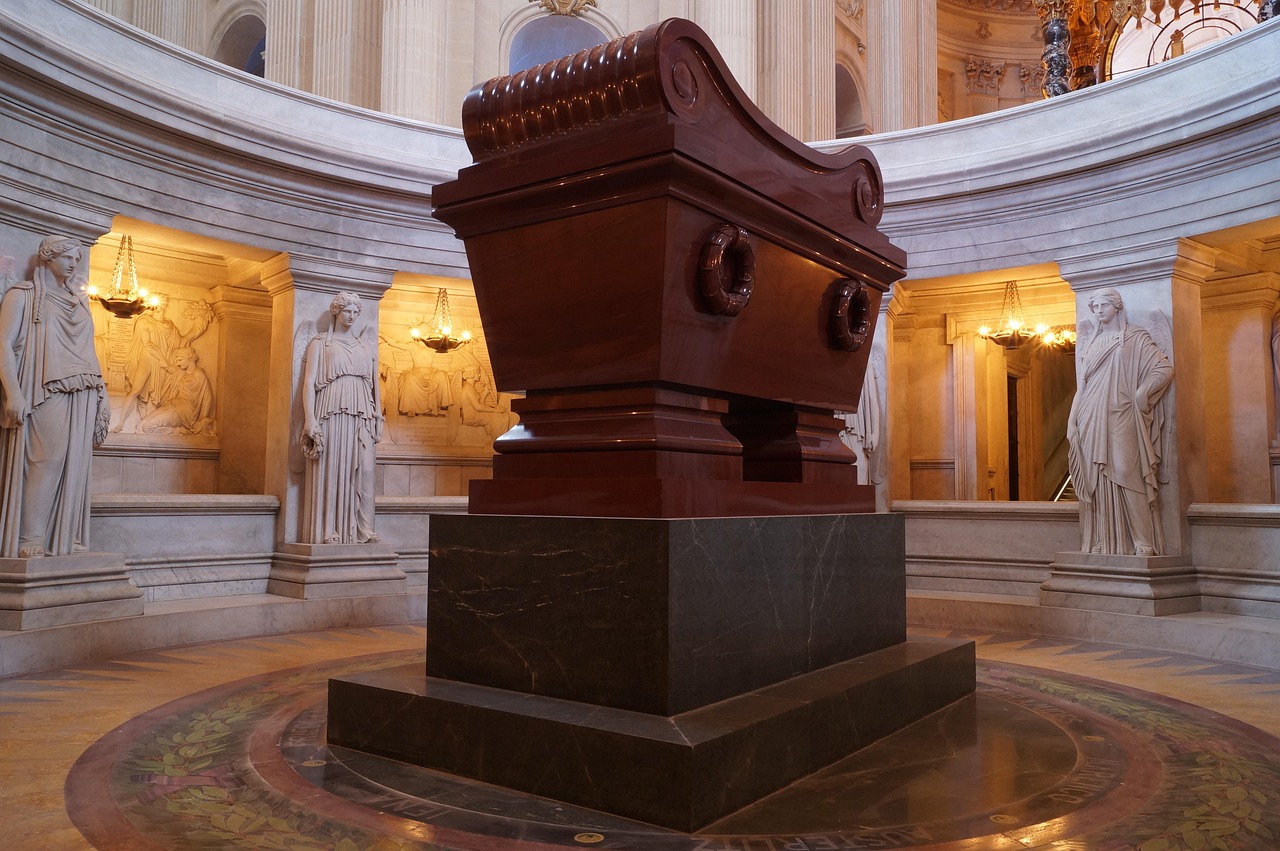
The red quartzite for the sarcophagus was quarried in Finland and took 20 years to prepare. Inside are six nested coffins — tin, mahogany, two lead, ebony, and oak. The open crypt design forces visitors to look down from the circular gallery above. Napoleon, who spent his career making people look up at him, would have absolutely despised it.
Other notable tombs in the complex include those of Joseph and Jerome Bonaparte (Napoleon’s brothers), Marshals Foch and Lyautey, and the heart of Vauban — France’s greatest military engineer.
The French Army Museum
This is where most people underestimate how much time they’ll need. The museum holds over 500,000 items across two main wings, making it one of the largest military history collections anywhere.

Highlights you should not miss:
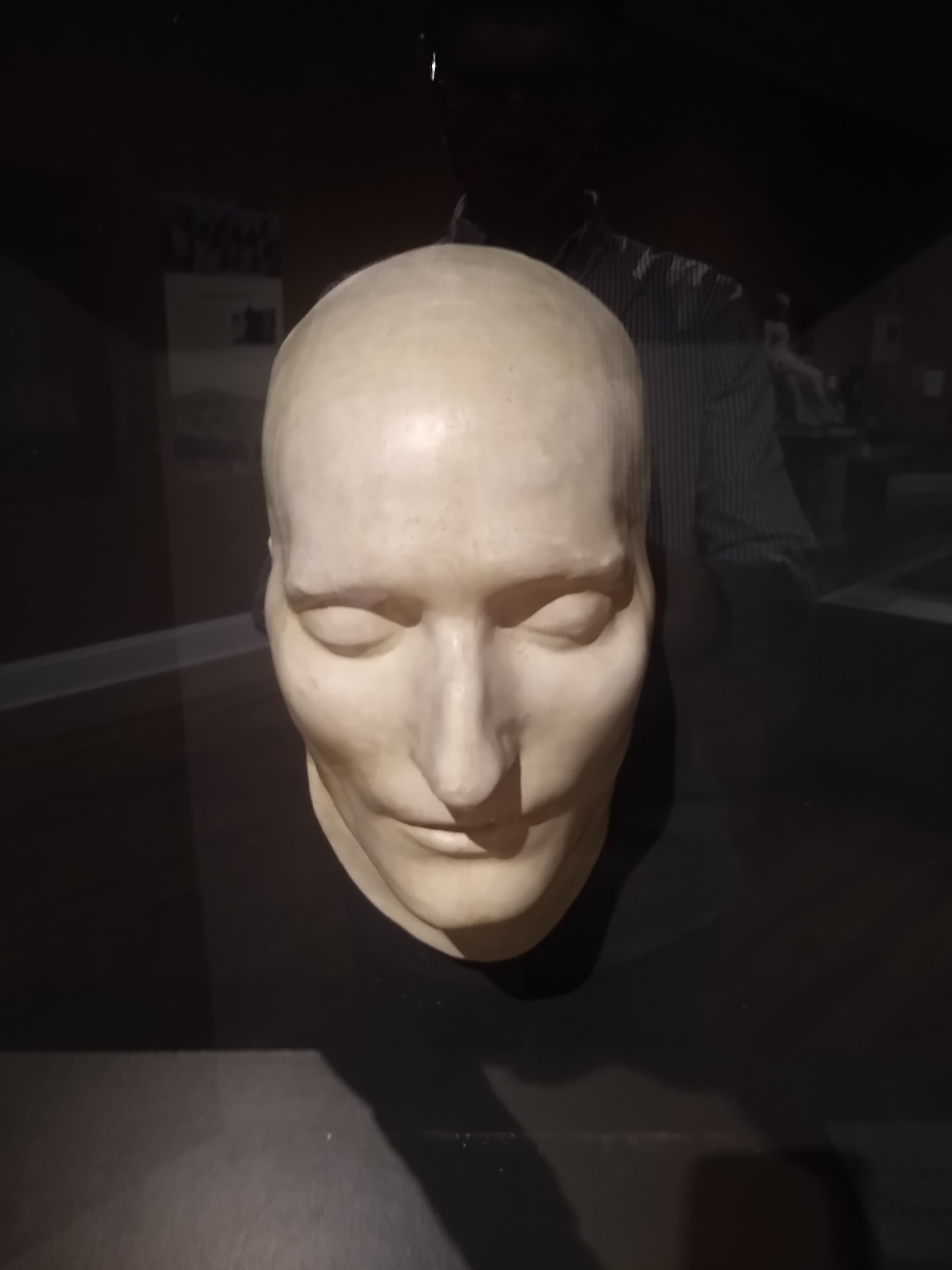
Napoleon’s personal items: His death mask, his stuffed horse Vizir, the campaign tent he used during military campaigns, and the bullet-torn uniform from the Battle of Marengo. These are the pieces that make Napoleon feel real rather than mythological.
Medieval armour collection: One of the finest in the world, rivalling the Tower of London and the Metropolitan Museum of Art. Full plate armour sets, tournament gear, and decorated ceremonial pieces spanning the 13th to 17th centuries.
World War galleries: Both the WWI and WWII sections are substantial and well-organized. The WWII section covers the Resistance, the Free French forces, and the D-Day landings with a depth that’s hard to find outside dedicated war museums. If you’re also doing a D-Day tour from Paris, seeing this section first provides valuable context.
The Charles de Gaulle historial: An interactive exhibit on the general-turned-president that uses multimedia in ways that feel genuinely modern rather than gimmicky.
The Building Itself

Louis XIV commissioned Les Invalides in 1670 as a hospital and retirement home for wounded soldiers — the first dedicated institution of its kind in Europe. At its peak, it housed around 4,000 veterans. The complex was designed by Liberal Bruant, with the famous Dome Church added later by Hardouin-Mansart.
It’s worth spending a few minutes in the main courtyard (Cour d’Honneur) before heading inside. The classical arcades, the rows of historic cannons, and the sundial on the south facade all tell their own stories. A few dozen military veterans still live in the building today — a living connection to the original 1670 mission.
Planning the Rest of Your Paris Trip
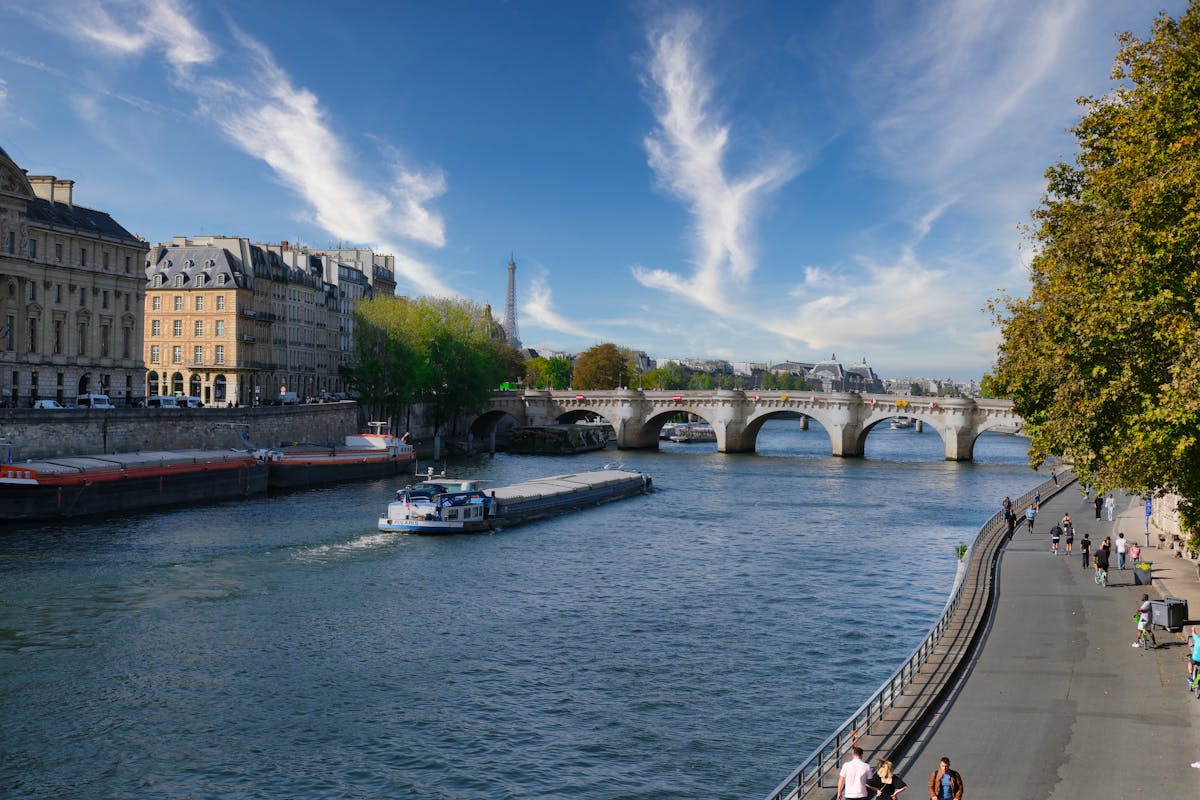

Les Invalides sits in a part of Paris where you can chain several major sights in a single day without needing the Metro. The Eiffel Tower is a 20-minute walk west along the river, and the Musee d’Orsay is about 15 minutes northeast. The Arc de Triomphe rooftop is one Metro stop from Invalides station — our guide covers the best way to skip the queue for the climb. For the evening, a Seine dinner cruise departs from right along the river, and many of them pass directly under Pont Alexandre III with Les Invalides glowing gold in the background. And if you have a full day free, the Loire Valley castles make a fantastic day trip from Paris — the trains run from Montparnasse, which is just a few stops south.

This article contains affiliate links. If you book through our links, we earn a small commission at no extra cost to you. This helps us keep creating free travel guides.