
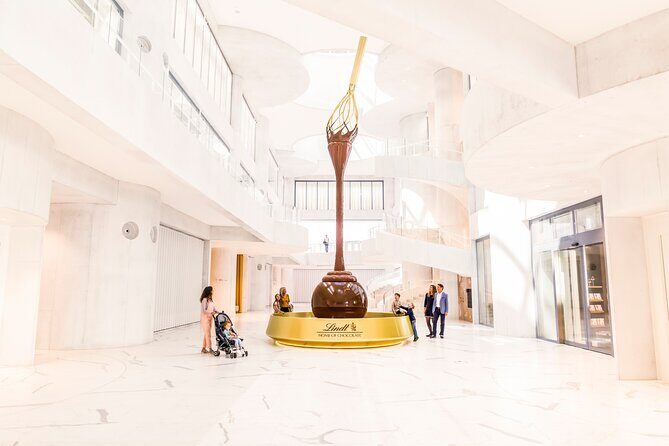
I stood in front of a nine-metre chocolate fountain and watched liquid chocolate cascade down like something out of a fever dream. Not a small decorative trickle — nine actual metres of warm, glossy chocolate flowing from ceiling to floor. That moment at the Lindt Home of Chocolate made me realise this wasn’t just another museum. It was a love letter to an obsession that has defined Swiss culture for nearly two centuries.
And honestly? Getting tickets is the easy part. Knowing when to go, which ticket type to pick, and how to avoid the crowds that can turn a relaxed afternoon into a shuffling queue — that’s where most people mess up.
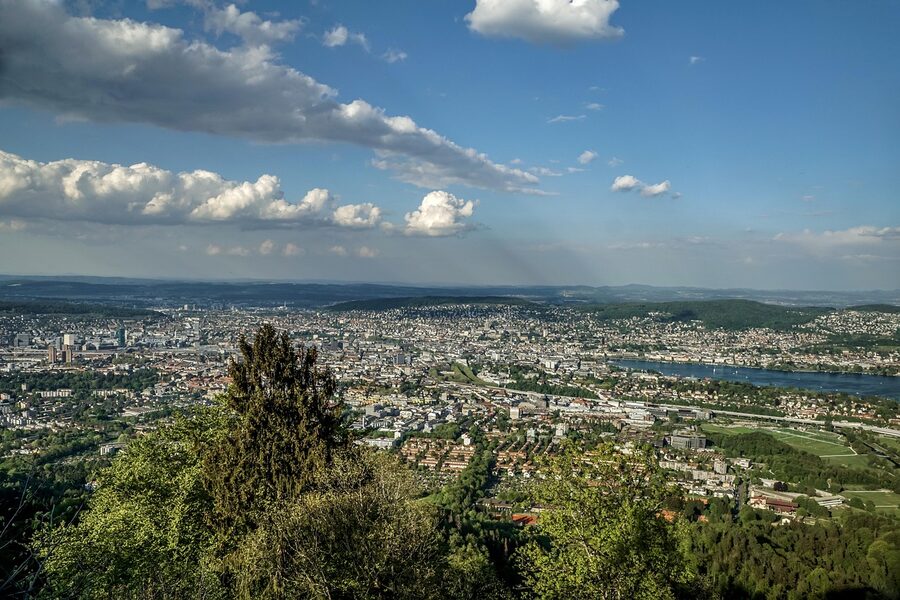
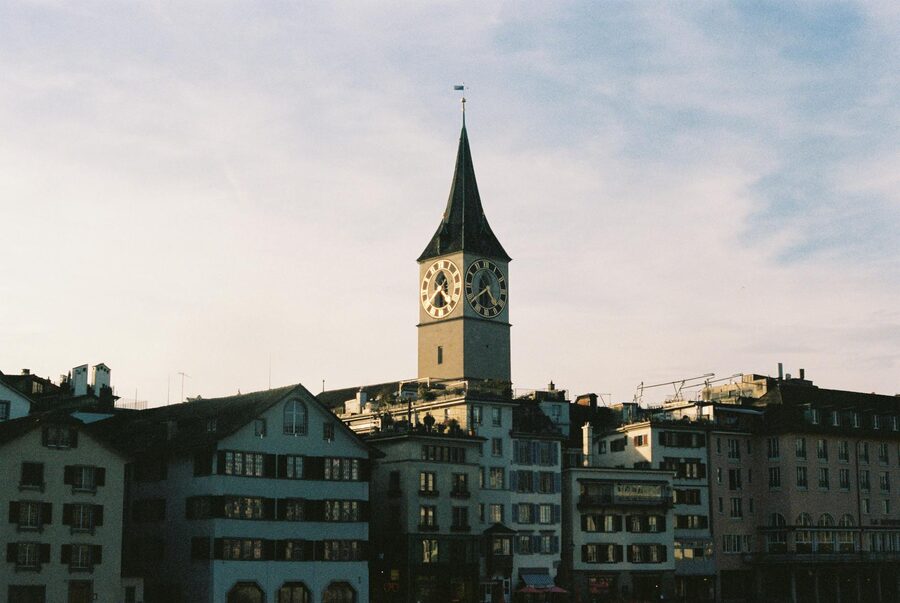
The Lindt Home of Chocolate only opened in 2020, making it one of the newest major attractions in the Zurich area. But the history behind it stretches back to 1845, when David Sprungli opened a small confectionery shop in Zurich’s old town. His business partner Rudolf Lindt later invented the conching process in 1879 — a technique that transformed chocolate from a gritty, bitter paste into the smooth, melt-in-your-mouth stuff we know today. That single invention changed the entire global chocolate industry. And the museum tells that story better than any Wikipedia article ever could.
Short on time? Here are my top picks:
Best value (museum only): Lindt Home of Chocolate Museum Entry Ticket — $22. The standalone museum ticket with tastings and the chocolate fountain. All you really need.
Best full-day experience: Zurich City Tour, Cruise, and Lindt Visit — $103. Combines a city tour, lake cruise, and the chocolate museum. Kills three birds with one ticket.
Budget alternative: Zurich Highlights Tour with Cruise and Lindt — $109. Similar combo but through Viator, slightly different route and guide style.
- How the Lindt Home of Chocolate Ticket System Works
- Official Tickets vs Guided Tours — Which Makes More Sense?
- The Best Lindt Museum Tours to Book
- 1. Lindt Home of Chocolate Museum Entry Ticket —
- 2. Zurich City Tour, Cruise, and Lindt Home of Chocolate Visit — 3
- 3. Zurich Highlights Tour with Cruise and Lindt Home of Chocolate — 9
- When to Visit the Lindt Home of Chocolate
- How to Get to the Lindt Home of Chocolate
- Tips That Will Save You Time (and Money)
- What You’ll Actually See Inside
- A Quick History of Lindt and Swiss Chocolate
- What to Do Near the Lindt Museum
- Planning the Rest of Your Switzerland Trip
How the Lindt Home of Chocolate Ticket System Works
The Lindt Home of Chocolate uses a timed-entry system. You pick a date and a time slot when booking, and that slot is when you walk through the door. Miss it and you’re out of luck — they don’t do flexible entry on standard tickets.
There are two main ways to get in:
Option 1: Buy directly from Lindt. The official website (lindt-home-of-chocolate.com) sells tickets at CHF 16 for adults, CHF 8 for children aged 8-15, and free for kids under 8. These are the cheapest tickets available, but they sell out fast — especially weekends and school holidays. Tickets are released on a rolling basis, and afternoon slots on Saturdays can disappear weeks in advance.
Option 2: Book through a tour platform. GetYourGuide, Viator, and Klook all sell Lindt museum tickets, usually bundled with extras like audio guides, skip-the-line access, or combo tours that include a lake cruise and city sightseeing. These cost more ($22-$109 depending on what’s included) but come with free cancellation policies that the official site doesn’t offer. If your travel dates might shift, this flexibility is worth the premium.
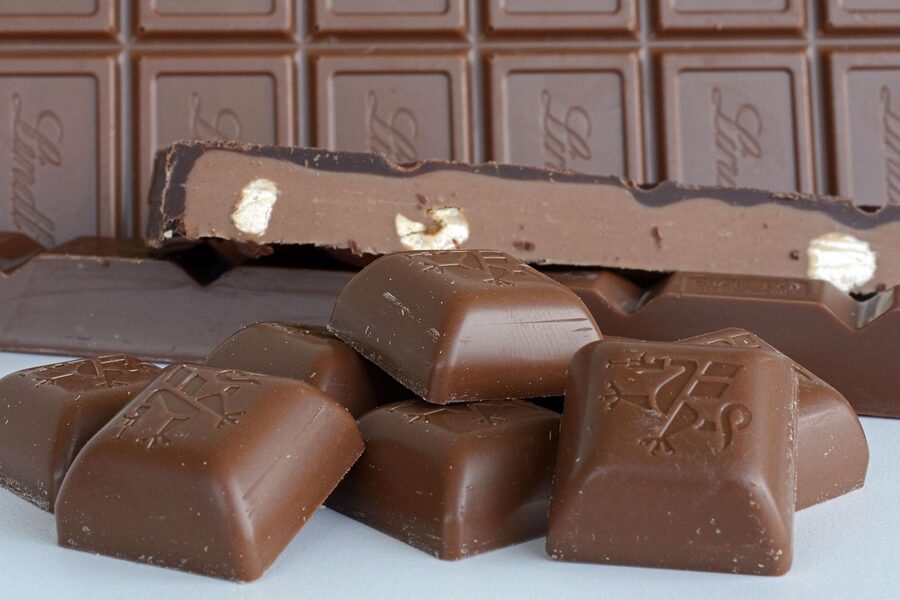
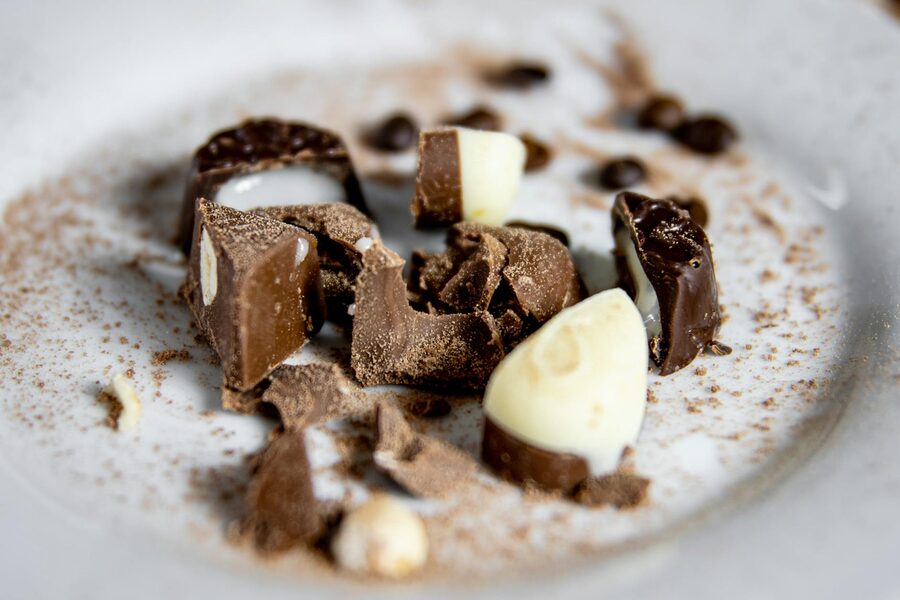
What’s included with every ticket, regardless of where you buy it: full access to all exhibition halls, the multimedia chocolate tour (available in 10 languages via audio guide), the famous nine-metre chocolate fountain, and — the part everyone actually cares about — all-you-can-taste chocolate stations scattered throughout the museum. Yes, you read that right. Unlimited tastings. They hand you chocolate at multiple points along the route, and nobody is counting.
One thing that catches people off guard: the museum is in Kilchberg, not central Zurich. It’s about 8km south of the city centre, sitting right on the western shore of Lake Zurich. Getting there takes about 15-20 minutes by S-Bahn from Zurich Hauptbahnhof. More on transport later.
Official Tickets vs Guided Tours — Which Makes More Sense?
This depends entirely on what kind of day you’re planning.
Go with official tickets if: you just want the museum, you’re comfortable navigating Zurich’s public transport on your own, and you want to spend as little as possible. The CHF 16 official ticket is genuinely good value for what you get — most people spend 1.5 to 2 hours inside, and the tasting alone could justify the price.
Go with a guided tour if: you’re only in Zurich for a day or two and want to combine the chocolate museum with other highlights. The combo tours that include a bus tour of the city, a cruise on Lake Zurich, and the museum visit are popular because they solve three problems in one booking. You don’t need to figure out S-Bahn schedules, you don’t need to plan your own city sightseeing, and you get a guide who actually knows the history behind what you’re seeing.
The honest downside of the combo tours? They’re rushed at the museum. Most give you 60-90 minutes inside, which is enough to see everything but doesn’t leave much time to linger at the chocolate-making stations or browse the massive gift shop (which is genuinely impressive — probably the biggest Lindt store in the world). If chocolate is your main priority, the standalone ticket gives you as much time as you want.
The Best Lindt Museum Tours to Book
I’ve gone through the main options available and ranked them by what they actually deliver. These three cover different budgets and priorities — pick whichever matches your trip.
1. Lindt Home of Chocolate Museum Entry Ticket — $22
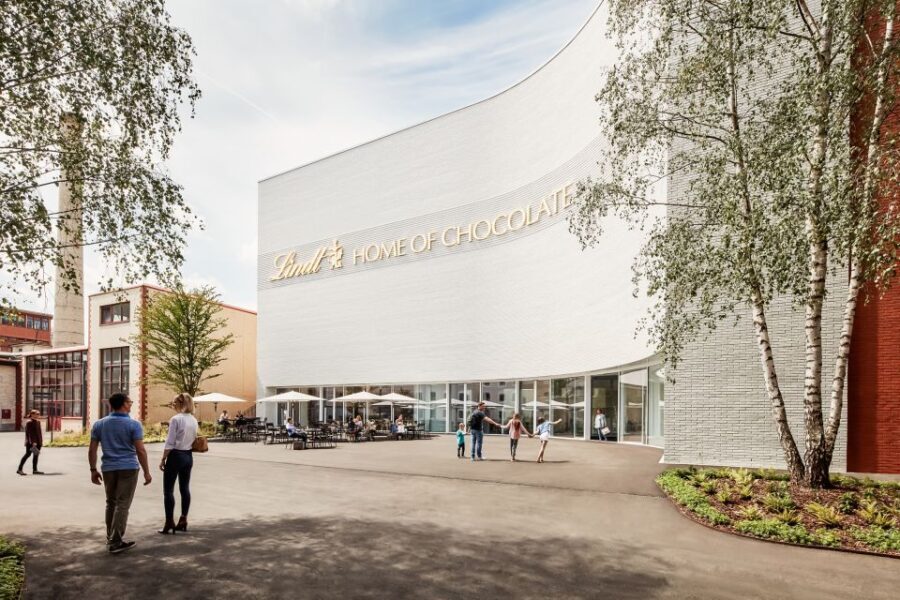
This is the one to get if all you care about is the museum itself. At $22 per person, it’s the most affordable way in, and it includes everything — the full exhibition, audio guide, chocolate fountain, and unlimited tastings. No guide, no transport, no frills. Just you and a lot of chocolate.
What I like about this option: you control your own pace. The exhibition is self-guided with an audio guide in 10 languages, and there’s no group to keep up with. You can spend 45 minutes or 3 hours. The chocolate-making demonstration area in particular is worth taking your time with — watching the chocolatiers work is mesmerising. And the gift shop at the end is enormous, with products you won’t find anywhere else, including some limited-edition flavours exclusive to this location.
The only real downside: you need to sort out your own transport to Kilchberg. But that’s genuinely easy — the S8 or S24 train from Zurich HB gets you there in about 15 minutes.
2. Zurich City Tour, Cruise, and Lindt Home of Chocolate Visit — $103
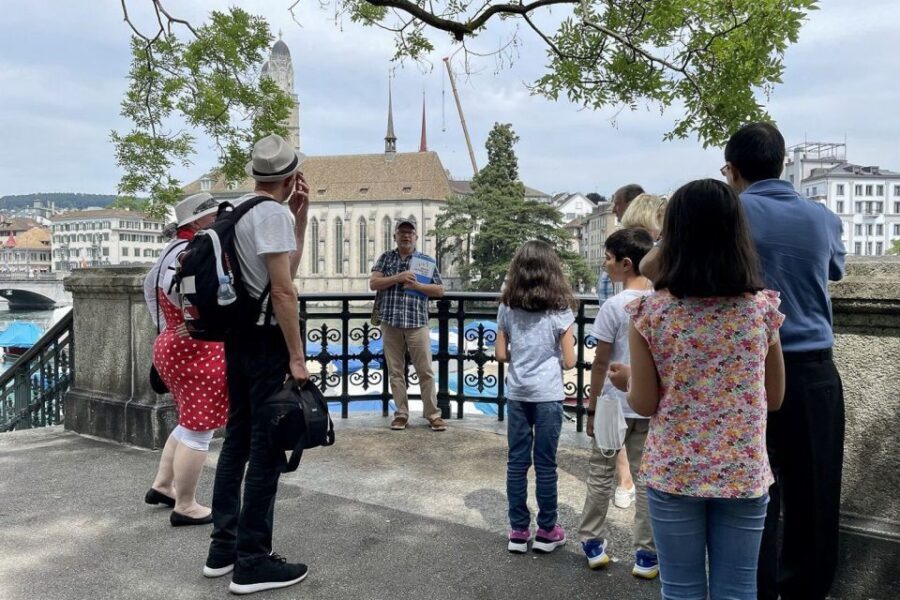
This is the tour I’d recommend to anyone visiting Zurich for the first time. At $103 per person, it packs a city bus and walking tour, a Lake Zurich cruise, and the Lindt museum visit into roughly 5.5-6 hours. The guide handles all the logistics, and pickup is from central Zurich.
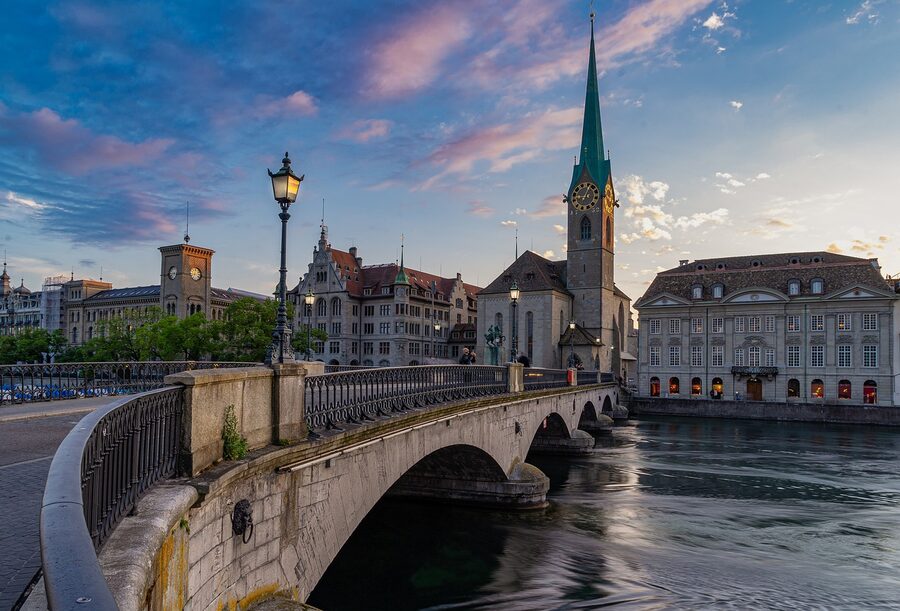
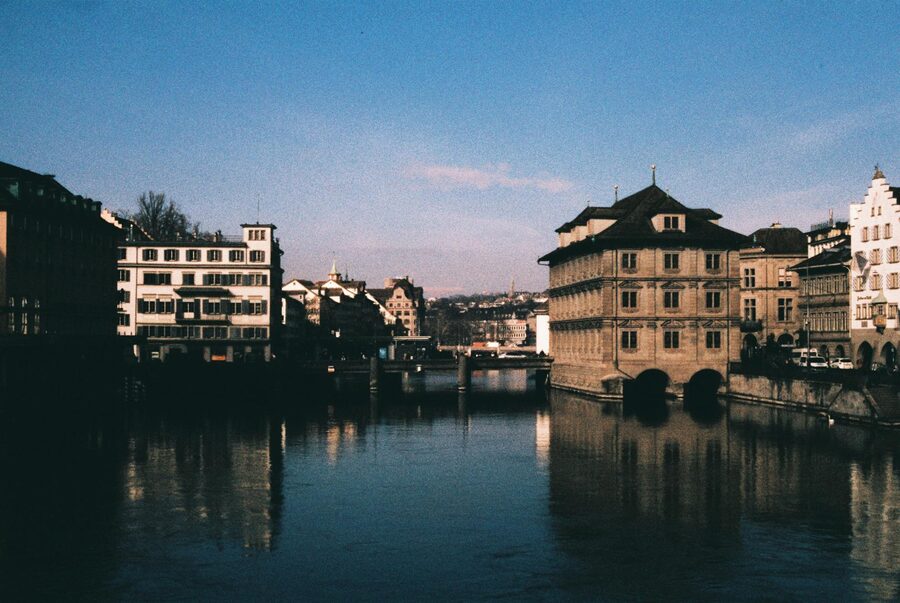
The city portion hits the main landmarks — Bahnhofstrasse, the old town, Grossmunster, and the Limmat riverfront. The lake cruise is a genuine highlight, not just a quick ferry ride. And the Lindt museum section gives you enough time to see the exhibition and load up on tastings, though power shoppers might feel rushed at the gift shop. It’s one of the most consistently well-reviewed combo tours in Zurich, and the guide quality is a big part of that.
Best for: first-time visitors to Zurich, anyone who wants maximum coverage in minimum time, and people who’d rather not deal with Swiss public transport (though it’s excellent, some visitors prefer having everything handled).
3. Zurich Highlights Tour with Cruise and Lindt Home of Chocolate — $109
Similar to the option above but booked through Viator at $109 per person. The tour covers the same ground — city sights, lake cruise, and the Lindt museum — but with some differences in the route and commentary style. The total duration is about 5 hours and 15 minutes, slightly shorter than the GYG version.
The guide on this one tends to focus more on Zurich’s financial history and its role as a banking centre, which some people find fascinating and others find… less so. The chocolate museum section is essentially the same experience — you get the full exhibition, tastings, and gift shop time. Transport between stops is by coach, which is comfortable but means less walking through the actual streets.
Worth it if: the GYG tour is sold out for your dates (which happens), or you prefer Viator’s cancellation policy, or the departure time works better for your schedule.
When to Visit the Lindt Home of Chocolate
The museum is open Wednesday through Monday, 10am to 6pm. Closed on Tuesdays. Last entry is at 5pm, and honestly you want to arrive by 4pm at the latest to give yourself enough time to properly see everything.
Best time to visit: weekday mornings, especially Wednesday or Thursday. The 10am-11am slots are the quietest because most travelers are still exploring central Zurich. By early afternoon the school groups start arriving, and weekends from noon onwards can feel properly crowded.
Worst time to visit: Saturday afternoons and Swiss school holidays. The queue for the chocolate fountain can stretch, and the exhibition halls feel cramped rather than atmospheric. If Saturday is your only option, book the earliest slot available.
Seasonal considerations: Summer (June-August) is peak tourist season in Zurich, so the museum gets busy. But December is arguably worse — the museum runs special Christmas-themed events, and between the holiday shoppers and the cold-weather-indoor-activity crowd, it’s packed. Spring (April-May) and autumn (September-October) are the sweet spots: moderate crowds, pleasant weather for the walk from the station, and generally more availability for time slots.
How to Get to the Lindt Home of Chocolate
The museum address is Schokoladenplatz 1, 8802 Kilchberg. Here’s how to get there:
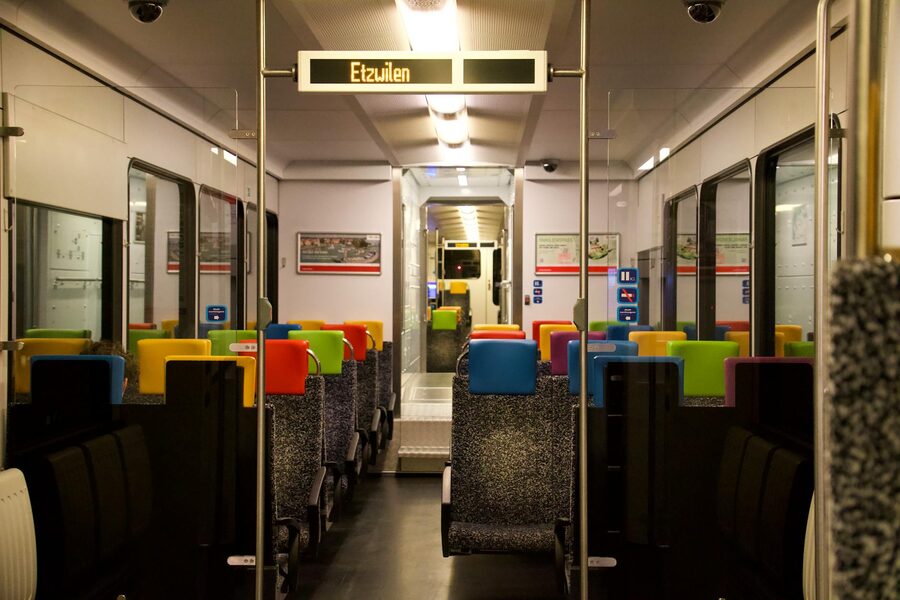
By train (recommended): Take the S8 or S24 from Zurich Hauptbahnhof (HB) towards Thalwil. Get off at Kilchberg station. The ride takes about 14-15 minutes and costs CHF 4.40 one way with a standard ZVV ticket. From the station, it’s a flat 10-minute walk along the lake to the museum. Follow the signs — they’re everywhere once you exit the station.
By bus: Bus 165 runs from Zurich Burkliplatz (at the bottom of Bahnhofstrasse, right by the lake) to Kilchberg. The Chocoladeweg stop is the closest. Takes about 25 minutes depending on traffic.
By car: There’s paid parking on site (CHF 2 per hour). Take the A3 motorway south from Zurich and exit at Kilchberg/Adliswil. The museum is well signposted from the motorway exit. Parking fills up on weekends, so arrive early if you’re driving on a Saturday.
By boat (seasonal): Between April and October, ZSG lake boats stop at Kilchberg pier, which is a short walk from the museum. This is the most scenic way to arrive, though it takes longer and costs more than the train. But if you’re doing a lake cruise anyway, timing it with your museum visit makes for a great day out.
Tips That Will Save You Time (and Money)
Book ahead. Seriously. Walk-up tickets are technically available but slots sell out, especially on weekends. Booking online guarantees your time slot and usually means you can skip any entrance queue.
Bring an empty bag for the shop. The Lindt store at the end of the museum is massive and sells chocolate at factory-outlet prices — significantly cheaper than airport shops or central Zurich retailers. If you’re buying gifts (or just stocking up), this is the place. Some bars and boxes are exclusive to this location.
The Zurich Card covers your transport. If you’re spending a few days in Zurich, the Zurich Card (CHF 27 for 24 hours) gives you unlimited public transport including the S-Bahn to Kilchberg, plus free or discounted entry to most museums. It doesn’t cover the Lindt museum admission, but it pays for itself quickly if you’re using trains, trams, and boats.
Don’t eat a huge lunch before going. Between the tastings along the route and the cafe at the end, you’ll consume more chocolate than you’d expect. Go slightly hungry and you’ll enjoy it more.
Allow 2 hours minimum. The museum says 1-1.5 hours is average, but that doesn’t account for time in the shop, the chocolate course demonstrations, or the cafe. Two hours is comfortable without rushing.
Kids under 8 get in free. And kids aged 8-15 pay half price (CHF 8 on the official site). The interactive exhibits are designed with families in mind, and the chocolate-making workshops (available some weekends) are particularly popular with younger visitors.
What You’ll Actually See Inside
The Lindt Home of Chocolate covers 1,500 square metres across multiple floors, and the exhibition flows in a logical sequence from the history of cacao to modern chocolate production.
You start with the origins — the Mayan and Aztec use of cacao, how it arrived in Europe, and the early days when chocolate was a bitter drink for aristocrats, nothing like what we eat today. The exhibits here mix physical artefacts with multimedia screens, and the audio guide fills in details that the visual displays only hint at.
Then comes the Swiss connection. This is where it gets genuinely interesting. Switzerland didn’t grow cacao — it had no particular advantage in chocolate production. But a handful of Swiss entrepreneurs in the 19th century transformed the entire industry. Francois-Louis Cailler, Philippe Suchard, Daniel Peter (who invented milk chocolate), Henri Nestle, and of course Rudolf Lindt, whose conching process in 1879 created the smooth texture that defined modern chocolate. The museum explains conching in detail, and seeing the original machines makes you appreciate just how radical the invention was.
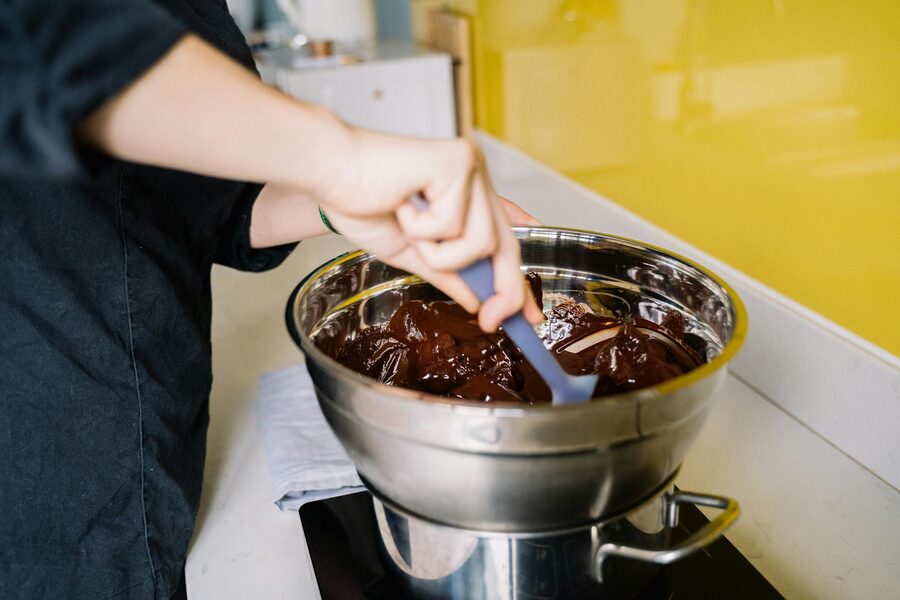
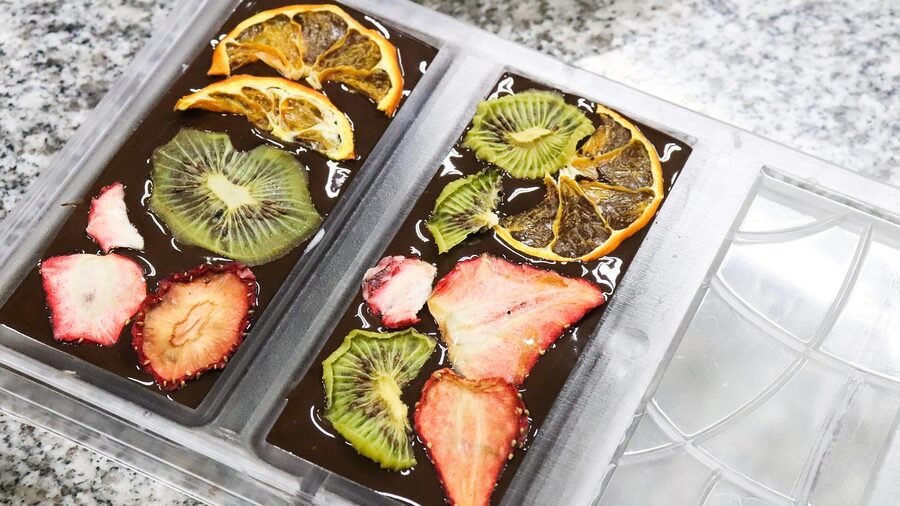
The production section is where you see (and smell) the real thing. A working production line shows how Lindt chocolate is made today, from roasted cacao nibs to finished bars. It’s behind glass, but the smell is unmistakable. Alongside the production line, chocolatiers demonstrate tempering, moulding, and decorating — and yes, you get to taste the results.
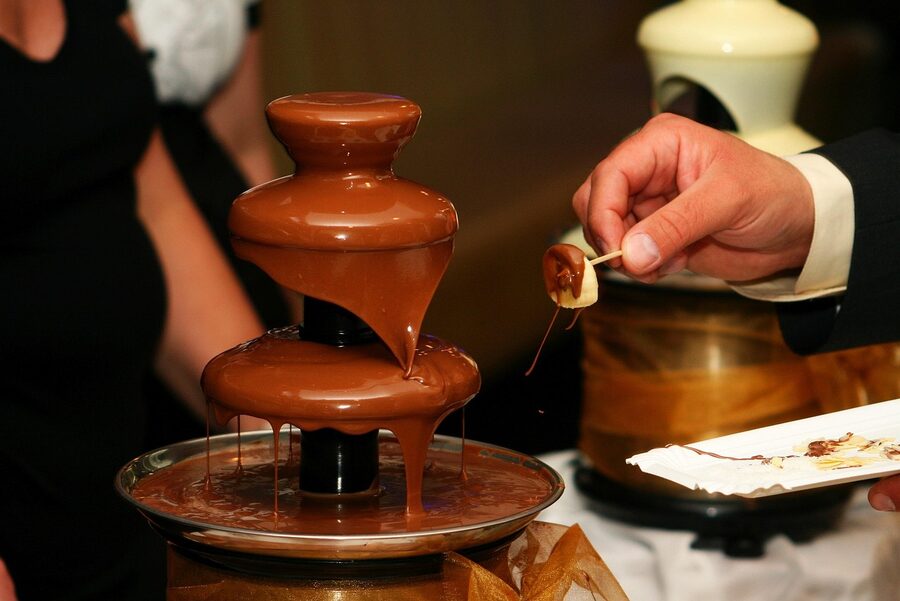
The finale is the famous chocolate fountain. Nine metres tall, 1,500kg of liquid chocolate flowing continuously. It’s dramatic and slightly absurd and everyone takes the same photo, but it works. You get handed a thin wafer dipped in chocolate from the fountain as you pass — the single best tasting moment in the whole museum.
A Quick History of Lindt and Swiss Chocolate
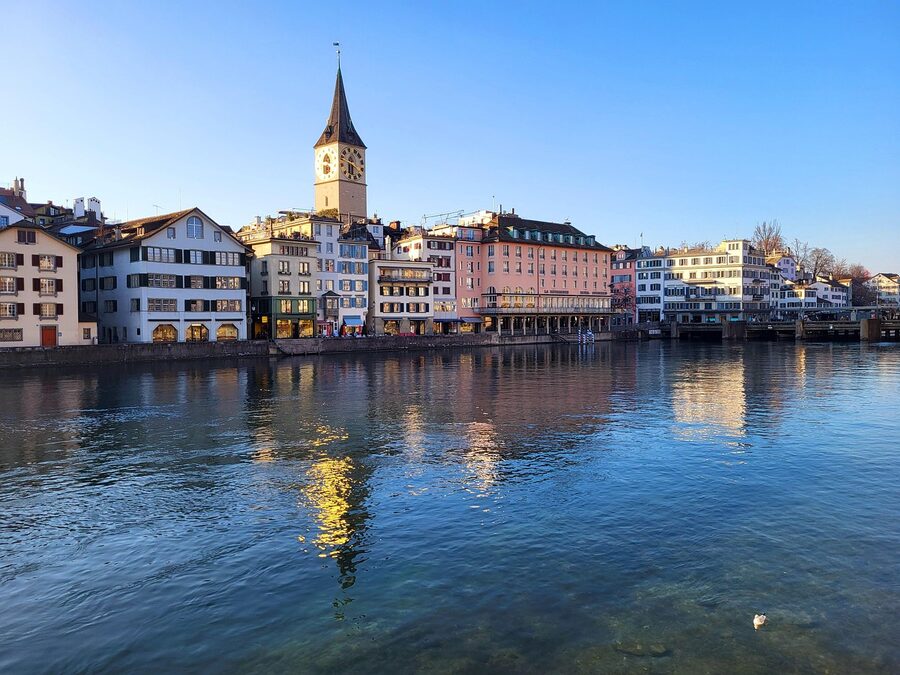
Switzerland’s chocolate story doesn’t start with cacao — it starts with a small pastry shop. In 1845, David Sprungli-Schwarz and his son Rudolf Sprungli-Ammann opened a confiserie in Zurich and began experimenting with solid chocolate production. At the time, chocolate was mostly consumed as a drink. The Sprunglis were among the first in Switzerland to produce it in bar form.
But the real breakthrough came from Rudolf Lindt, who in 1879 accidentally left his conching machine running overnight. He came back to find the chocolate had transformed — it was smoother, shinier, and melted on the tongue in a way no chocolate had before. This was the birth of fondant chocolate, and it changed everything. Before conching, chocolate was grainy and crumbly. After conching, it was what we now think of as “real” chocolate.
In 1899, Rudolf Sprungli-Ammann bought Lindt’s factory and the rights to his processes, merging the two companies into Lindt & Sprungli. The combined expertise of Sprungli’s confectionery heritage and Lindt’s production innovation created the company that still operates today, with headquarters in Kilchberg — the same town where the museum now stands.
The Lindt Home of Chocolate opened on September 10, 2020, designed by Christ & Gantenbein architects. At 1,500 square metres of exhibition space, it’s the largest chocolate museum in the world. The building cost an estimated CHF 100 million to construct, largely funded by the Lindt Chocolate Competence Foundation. Given that over a million visitors have come through since opening, the investment has clearly paid off.
What to Do Near the Lindt Museum

Kilchberg itself is a quiet lakeside town, but there are a few options nearby if you want to extend the trip.
Lake Zurich promenade: The walk along the lake from the museum back towards central Zurich is beautiful on a sunny day. It takes about 45 minutes to walk from Kilchberg to Wollishofen (where you can catch a tram back), and the path is flat and well-maintained.
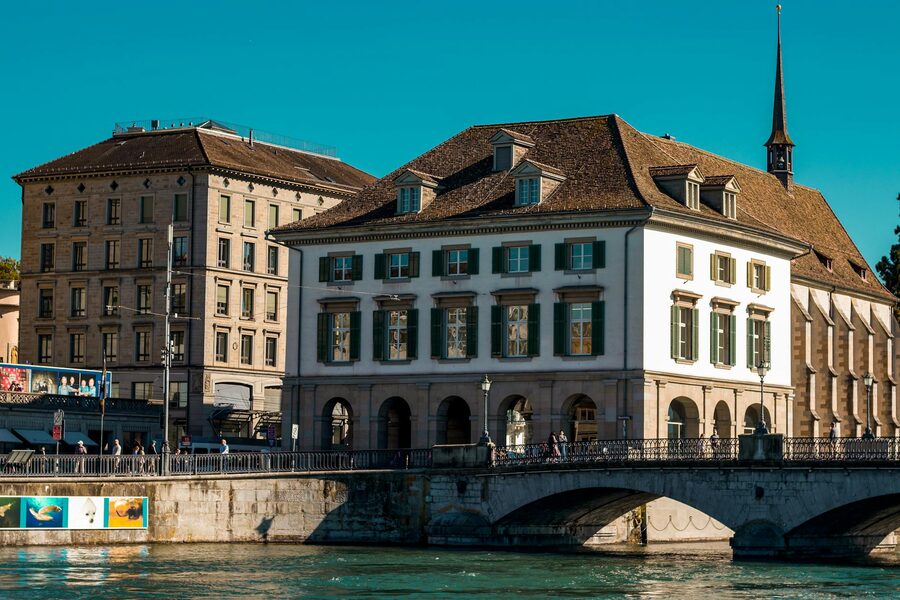
Burkliplatz and Bahnhofstrasse: Once you’re back in central Zurich, Bahnhofstrasse is one of the most famous shopping streets in Europe. And the Sprungli flagship store at Paradeplatz still sells the original Luxemburgerli macarons — a different branch of the chocolate dynasty, but equally worth visiting.
Uetliberg: Zurich’s local mountain (871m) is accessible by S-Bahn in about 20 minutes from the city centre. The views from the top cover the entire lake, the city, and on clear days, the Alps from Santis to the Jungfrau. A good way to walk off the chocolate.
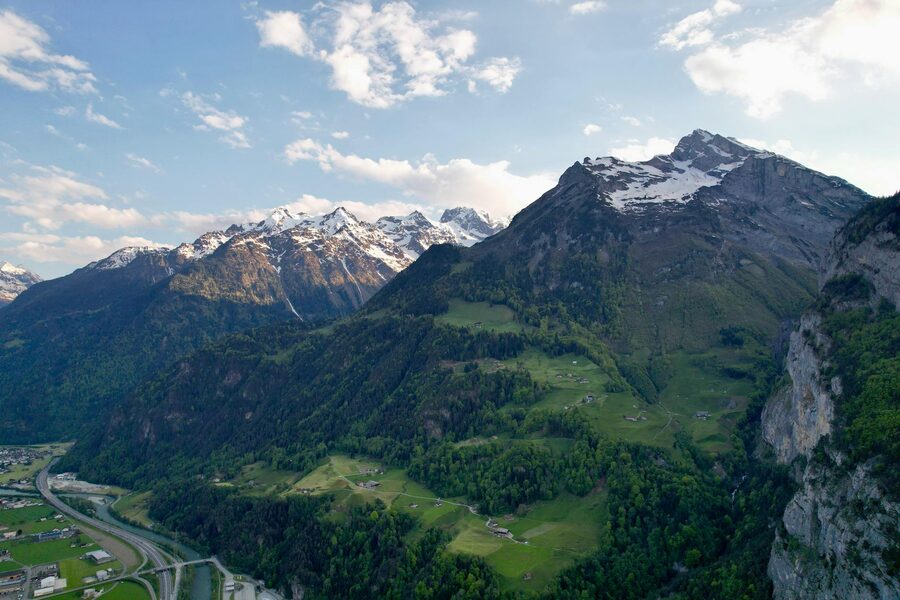
Day trips: If the Lindt museum whets your appetite for Swiss attractions, Zurich is the departure point for some of the country’s best day trips. The train to Lucerne takes under an hour, and from there you can reach Jungfraujoch (the Top of Europe) for one of the most spectacular mountain railway experiences anywhere. The Interlaken area also offers Grindelwald’s jaw-dropping Alpine scenery and even paragliding over the Swiss Alps if you’re feeling bold.
Planning the Rest of Your Switzerland Trip

If you’re spending more than a couple of days in Switzerland, the Lindt museum is best combined with a wider Zurich exploration and perhaps a day trip or two. The Grindelwald and Interlaken area is stunning and reachable in a few hours by train — our guide covers exactly how to plan that trip. For something truly unforgettable, Jungfraujoch takes you to 3,454 metres above sea level on a cogwheel train that cuts through the inside of the Eiger. And if the chocolate museum left you craving more adrenaline rather than more sugar, paragliding over Interlaken is one of those experiences that rewires your brain a little. Zurich itself is worth at least two full days — between the old town, the lake, the art museums, and the food scene, it holds its own against any city in Europe.
This article contains affiliate links. If you book a tour through our links, we earn a small commission at no extra cost to you. This helps us keep producing detailed travel guides.