
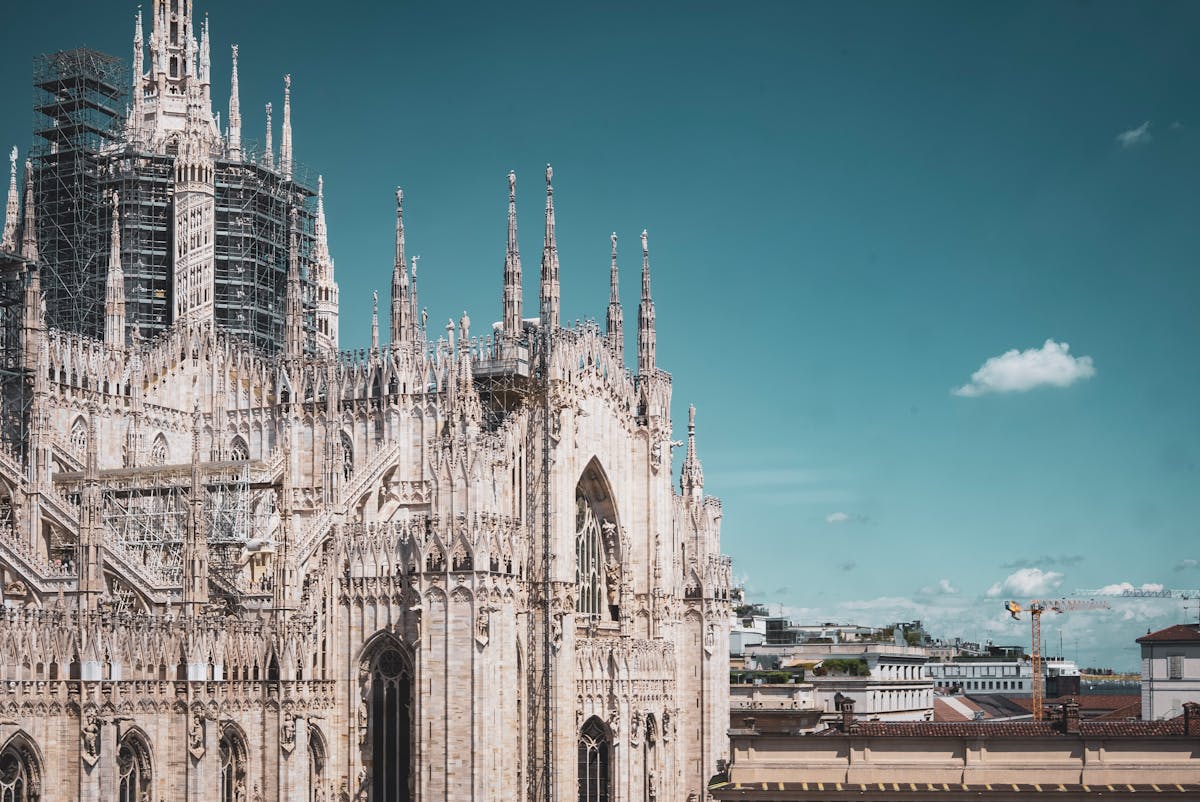
There is a moment on the rooftop terraces of Milan Cathedral that catches everyone off guard. You step through a narrow doorway, the marble walkway opens up, and suddenly you are standing among 135 spires — surrounded by 3,400 statues that took six centuries to carve. The city sprawls out below you. On clear days, the Alps line the horizon. And right above, the Madonnina — the golden Madonna statue that has watched over Milan since 1774 — gleams in the sunlight, close enough that you feel like you could almost touch her.
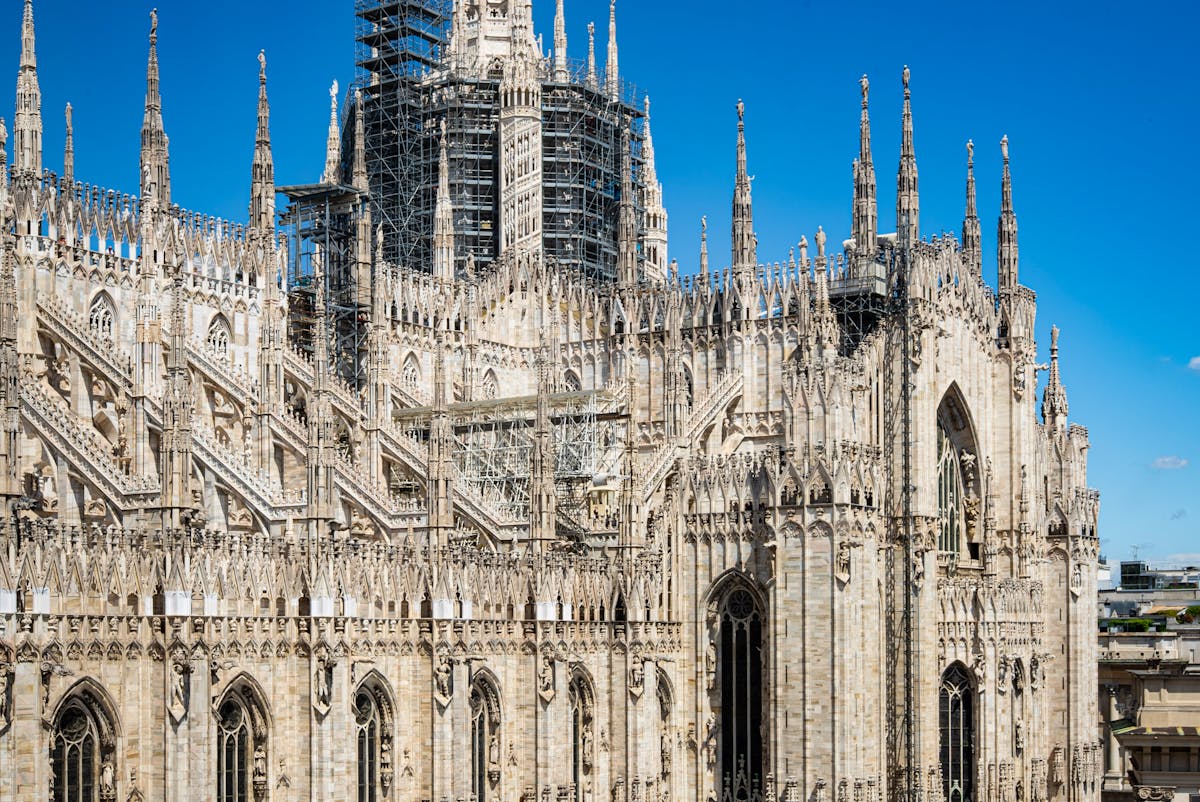
That rooftop experience is what separates the Milan Duomo from every other cathedral in Europe. Notre-Dame has its towers, St. Peter’s has its dome, but nowhere else can you walk across the actual roof of a cathedral, weaving between Gothic pinnacles and marble saints with the entire city at your feet.
But the ticketing can trip you up. The cathedral interior is technically free for worshippers, but tourist entry requires a ticket. The terraces are a separate ticket. The Duomo Museum is another. And then there are combo passes, fast-track options, and guided tours that bundle everything together. It is a lot to sort through, especially when you are standing in Piazza del Duomo with 45 minutes before your dinner reservation.
I have been through the whole process — the official website, the third-party options, the ticket counter lines. This guide breaks down every way to get into the Duomo and onto those terraces, from the cheapest self-guided tickets to the guided tours that are honestly the best option for most visitors.
If you are combining Milan with other Italian destinations, I would suggest sorting out your Last Supper tickets at the same time — that one sells out even faster than the Duomo terraces. And if you have a spare day, a day trip to Lake Como from Milan is one of the best things you can do in northern Italy.
If You’re in a Hurry: My Top 3 Picks
- Cathedral and Terraces Entrance Ticket — The all-in-one ticket that covers the cathedral interior, rooftop terraces (stairs or elevator), and the Duomo Museum. Valid for 2 days, so you can spread the visit across multiple mornings. From $30 per person.
- Fast-Track Cathedral and Terraces Guided Tour — Skip every line and get a licensed guide who knows the stories behind the statues. Includes both the interior and the rooftop. This is the one I recommend for first-time visitors. From $46 per person.
- Duomo Rooftop and Cathedral Guided Tour — A 2-hour deep dive with a guide who focuses on the rooftop terraces and the cathedral’s architectural secrets. The best option if you care most about the terraces. From $57 per person.
- If You’re in a Hurry: My Top 3 Picks
- How Duomo Tickets Actually Work
- Cathedral Only vs. Terraces vs. Guided Tour — Which One to Pick
- Cathedral Interior Only (~13 euros)
- Cathedral + Rooftop Terraces (~22-26 euros with Duomo Pass)
- Guided Tour (46-79 euros)
- The Best Milan Duomo Tours to Book
- Milan: Cathedral and Duomo’s Terraces Entrance Ticket
- Milan: Fast-Track Cathedral and Terraces Guided Tour
- Milan: Duomo Rooftop and Cathedral Guided Tour with Tickets
- Milan: Cathedral Direct Entrance (Terraces Excluded)
- Milan: Cathedral, Archaeological Area and Museum Ticket
- When to Visit the Milan Duomo
- Tips for Visiting the Duomo
- What You Will See Inside and On Top
- Getting There
- More Milan Guides
How Duomo Tickets Actually Work
The Milan Duomo ticketing system is less complicated than Rome’s attractions, but it still has a few quirks that catch people off guard.
Here is the basic breakdown:
The cathedral interior requires a ticket for travelers. If you are entering to pray, you can join the worship line and enter for free. But for sightseeing — taking photos, exploring freely, looking at the art — you need a paid ticket. The basic cathedral-only ticket is about 10-14 euros.
The rooftop terraces are a separate ticket. This is the part most people come for, and it costs 16-28 euros depending on whether you take the stairs or the elevator. The stairs option is cheaper and honestly more fun — you wind up through the interior of the cathedral and emerge gradually among the spires, which is more dramatic than stepping out of an elevator.
Combo passes bundle everything together. The Duomo Pass covers the cathedral, terraces, museum, archaeological area, and the church of San Gottardo. It costs about 22-26 euros and is valid for 2 days, which is genuinely useful because trying to cram the terraces and cathedral into a single visit can feel rushed.
The Fast Track Pass adds line-skipping. For about 32 euros, you get everything in the Duomo Pass plus priority entry. On busy days — which is most days from April through October — this saves you 30 to 60 minutes of standing in the sun on the piazza.
Tickets are timed. When you book online, you choose a date and time slot. For the terraces, this is especially important because they control capacity on the roof. Morning slots (9:00-10:00 AM) and late afternoon slots (after 4:00 PM) tend to be the busiest.
The official website is duomomilano.it. It works fine, but I find that booking through a tour platform gives you better cancellation flexibility. Official tickets are often non-refundable, while platforms like GetYourGuide offer free cancellation up to 24 hours before.
Cathedral Only vs. Terraces vs. Guided Tour — Which One to Pick
This is the decision most visitors struggle with, so let me lay out each option based on what you actually experience.
Cathedral Interior Only (~13 euros)
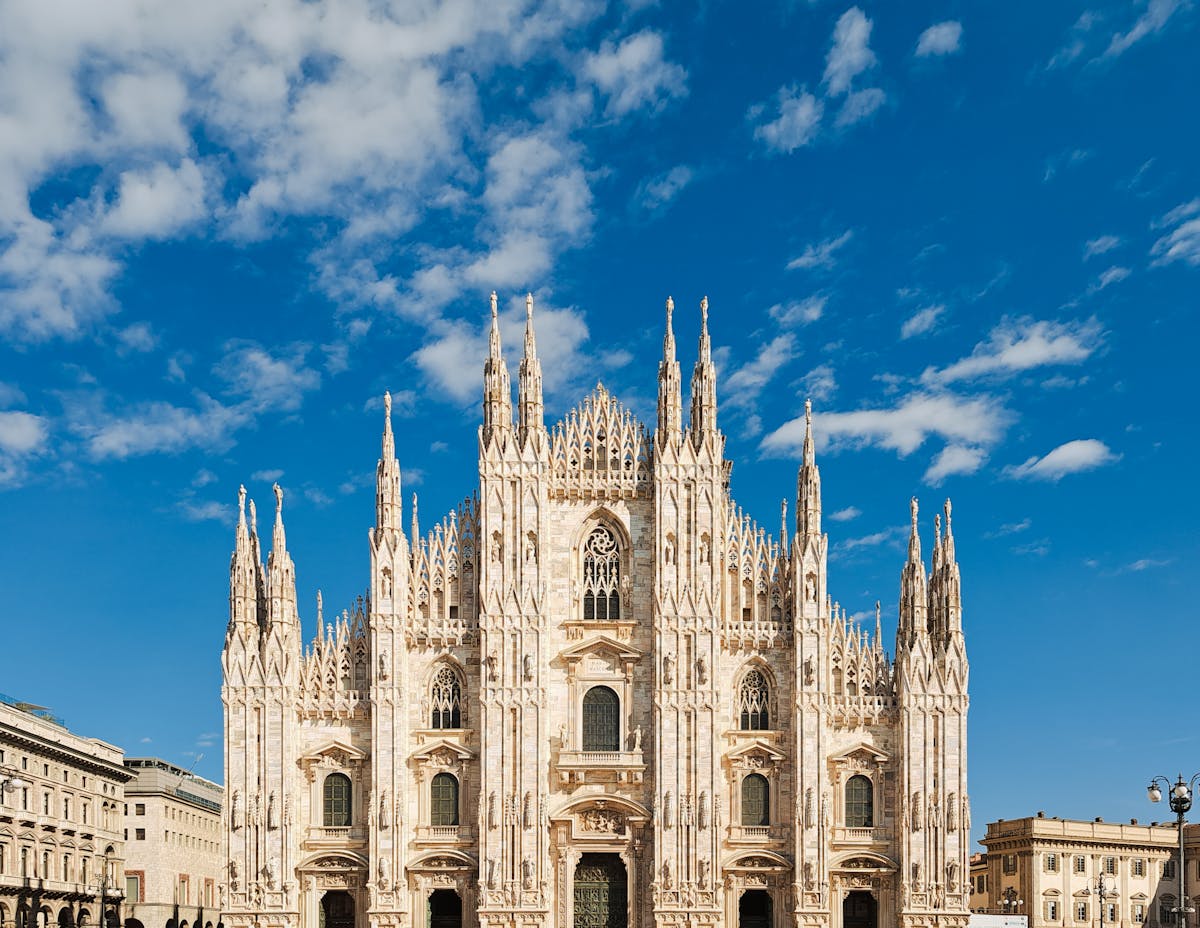
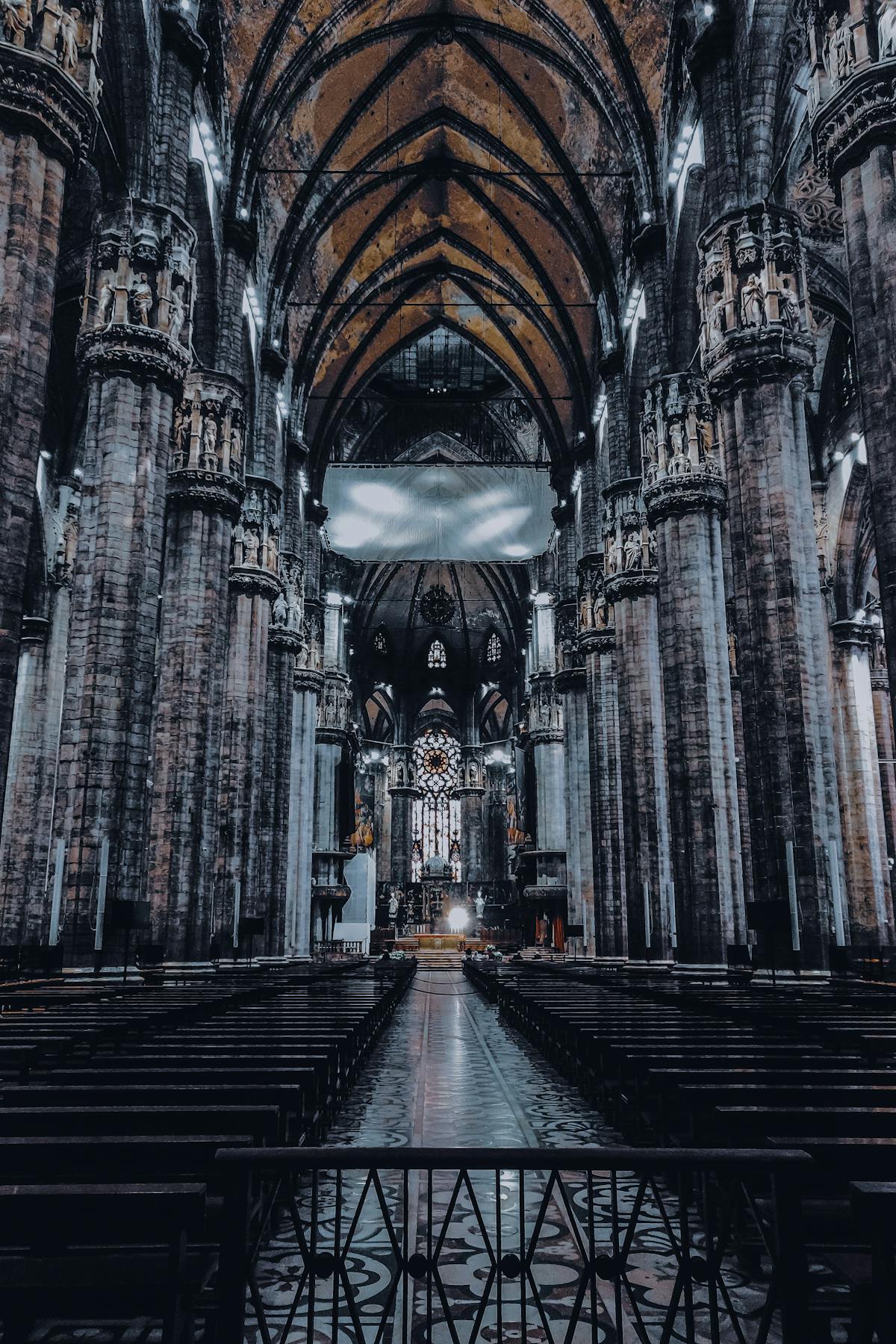
You get access to the five-nave interior, which is genuinely impressive. The Duomo is the third-largest church in the world by area, and it feels vast inside — the vaulted ceilings stretch up 45 meters, supported by 52 massive pillars. The stained glass windows are among the finest in Europe, and in the afternoon when the sun hits them, the interior fills with colored light.
The downside: the cathedral interior alone takes about 30-45 minutes for most visitors. Without the terraces, you are missing the Duomo’s signature experience.
Cathedral + Rooftop Terraces (~22-26 euros with Duomo Pass)
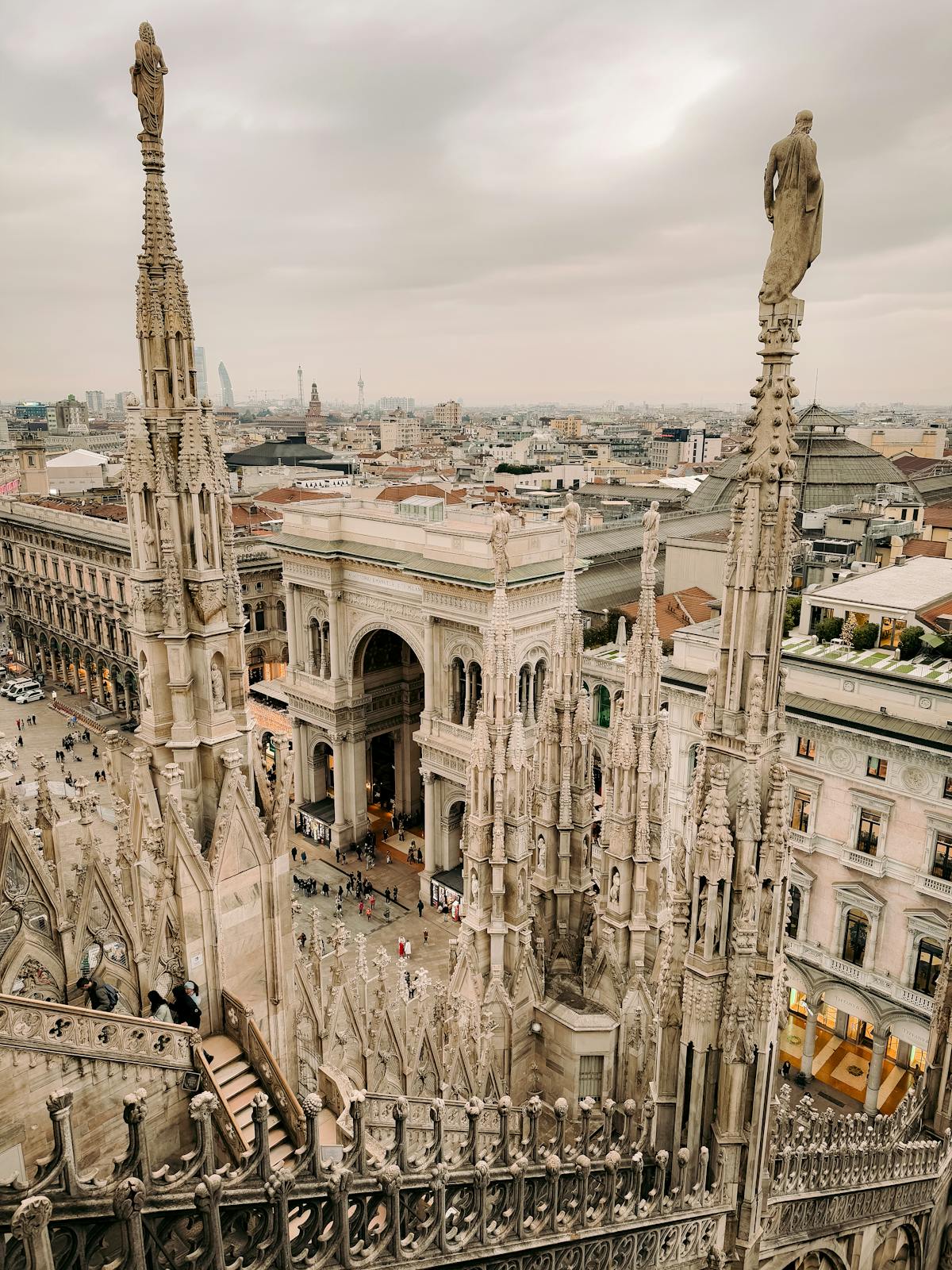
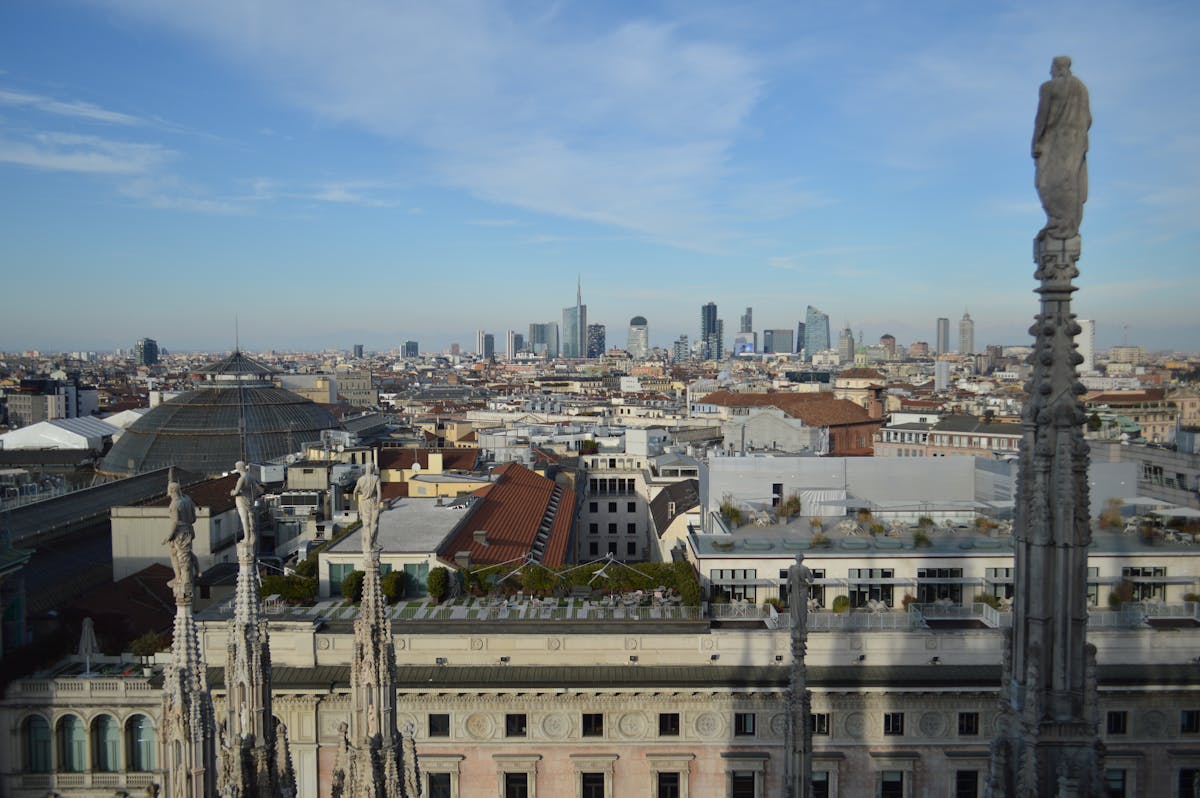
This is what I recommend for the majority of visitors. The terraces are what make the Milan Duomo unique. You are walking across the actual roof of a Gothic cathedral, surrounded by pinnacles and statues that were designed to be seen by angels, not travelers. The 360-degree panorama of Milan is stunning, and on clear days you can see the Alps and the Apennines.
Stairs vs. Elevator: The stairs are 250 steps, which sounds like a lot but the climb is gradual and takes about 10 minutes. The stairway itself is interesting — you pass through parts of the cathedral’s internal structure that you would never see otherwise. The elevator skips the climb but costs 6-8 euros more. I prefer the stairs unless mobility is a concern.
Guided Tour (46-79 euros)
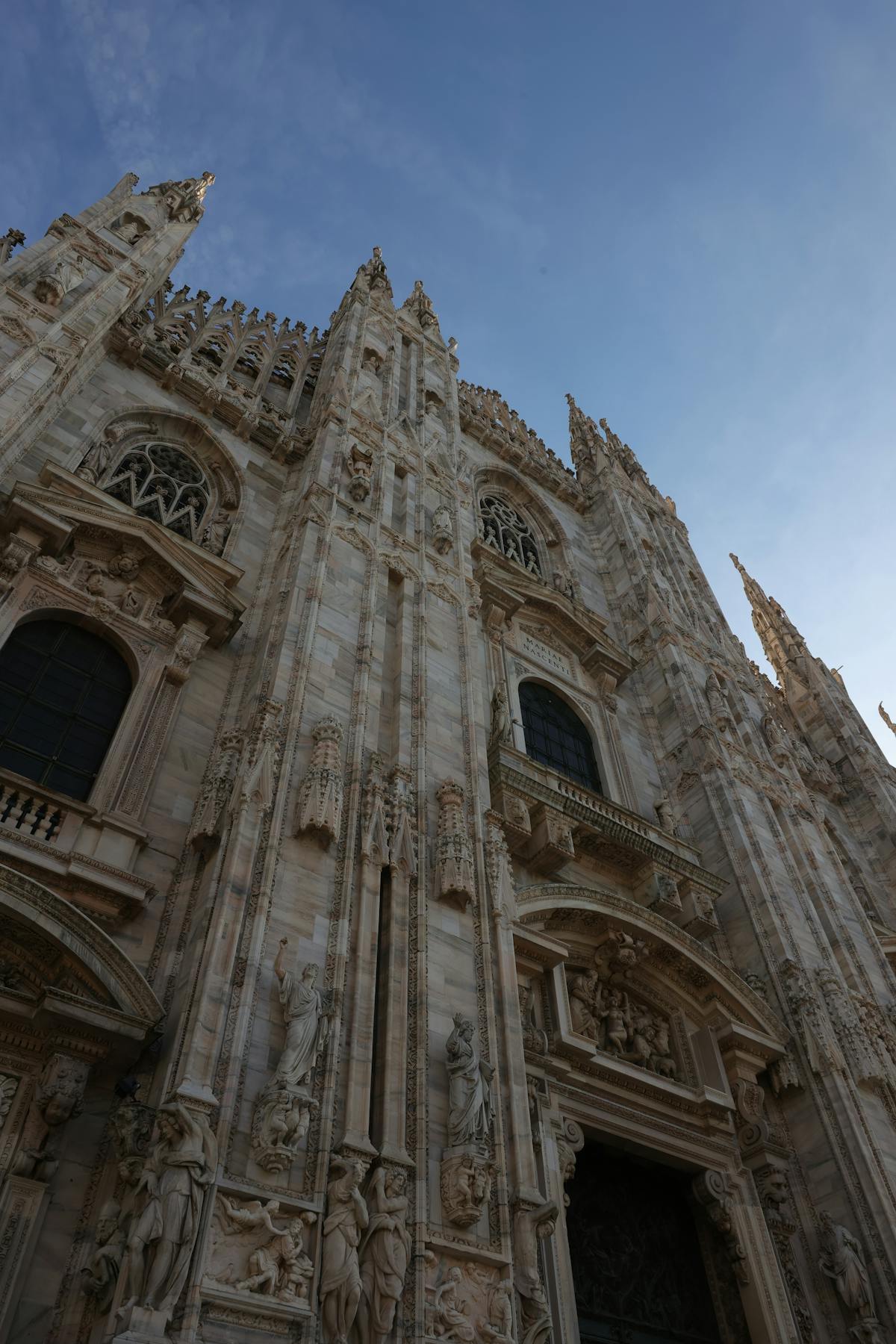
A guide transforms the visit. The Duomo is packed with details that are invisible without context — the zodiac meridian line on the floor, the nail from the True Cross suspended 40 meters overhead, the statue of St. Bartholomew holding his own skin. A good guide connects these details into a narrative about faith, ambition, and six centuries of Milanese politics.
Guided tours also skip the ticket lines, which is a practical advantage on top of the educational one. If this is your only visit to the Duomo, a guided tour is worth the premium.
The Best Milan Duomo Tours to Book
I have sorted these from the most versatile option to the most specialized. Each one includes skip-the-line access, which alone saves you significant waiting time during peak season.
Milan: Cathedral and Duomo’s Terraces Entrance Ticket
Duration: 2 days validity | From: $30 per person
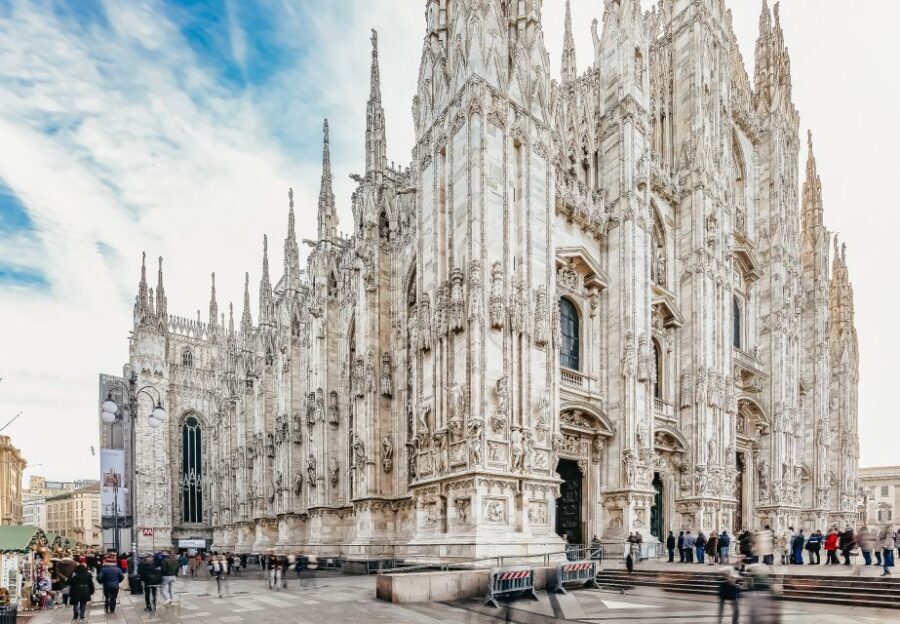
This is the self-guided all-access pass and the ticket I would recommend for independent travelers. It covers the cathedral interior, the rooftop terraces (your choice of stairs or elevator), the Duomo Museum, the archaeological area, and the church of San Gottardo. The 2-day validity is the real advantage here — you can visit the terraces on one morning when the weather is clear, then return for the cathedral interior and museum the next day without feeling rushed. At $30, it is excellent value for everything included. The only downside is that you will still wait in the standard entry queue, which can be 20-40 minutes during peak season.
Milan: Fast-Track Cathedral and Terraces Guided Tour
Duration: 1.5 – 2 hours | From: $46 per person
This is the tour I recommend for first-time visitors who want the full experience without the hassle. A licensed guide takes you through both the cathedral interior and the rooftop terraces, explaining the architecture, history, and hidden details along the way. The fast-track entry means you skip the main queue entirely, which is a genuine time-saver during summer months. The guides here are passionate about the Duomo’s construction history — six centuries of work, dozens of architects, and a building that is still technically unfinished. At 1.5 to 2 hours, it is the right length to be thorough without becoming exhausting. This is the sweet spot between price and experience.
Milan: Duomo Rooftop and Cathedral Guided Tour with Tickets
Duration: 2 hours | From: $57 per person
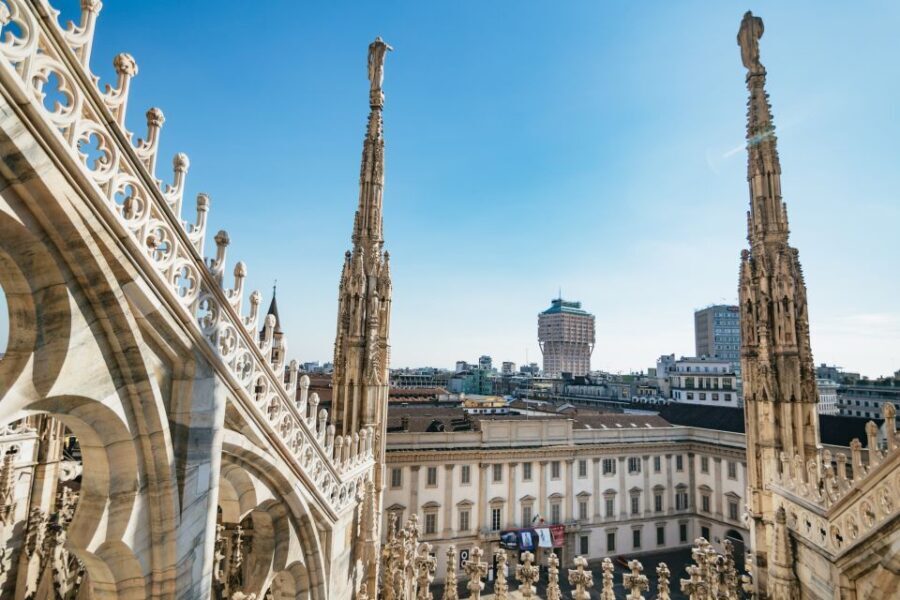
If the rooftop terraces are the reason you are visiting — and for most people, they should be — this is the tour to book. It dedicates more time to the terraces than the standard guided tours, which means your guide can point out specific statues, architectural details, and the best viewpoints for photographs. The 2-hour format gives you breathing room on the roof, rather than rushing through to hit a schedule. The guides here tend to focus heavily on the Duomo’s Gothic architecture and the engineering challenges of building a marble cathedral over 600 years. This is the premium rooftop experience.
Milan: Cathedral Direct Entrance (Terraces Excluded)
Duration: 1 day validity | From: $13 per person
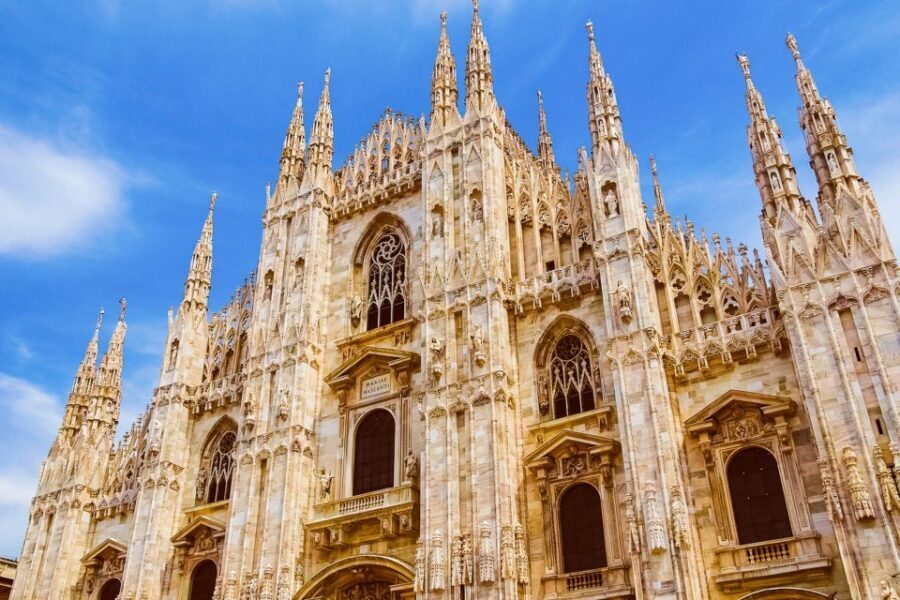
The budget option. This gets you into the cathedral interior with direct entry — no terrace access, no museum, just the church itself. At $13, it is the cheapest way to experience the Duomo’s interior without standing in the free worship line. The direct entry does save time compared to the general queue. This makes sense if you are short on time, have already visited the terraces on a previous trip, or simply want to see the interior without the full Duomo experience. But honestly, for only $17 more you can get the combo ticket with terraces, and that is where the magic is.
Milan: Cathedral, Archaeological Area and Museum Ticket
Duration: 2 days validity | From: $22 per person
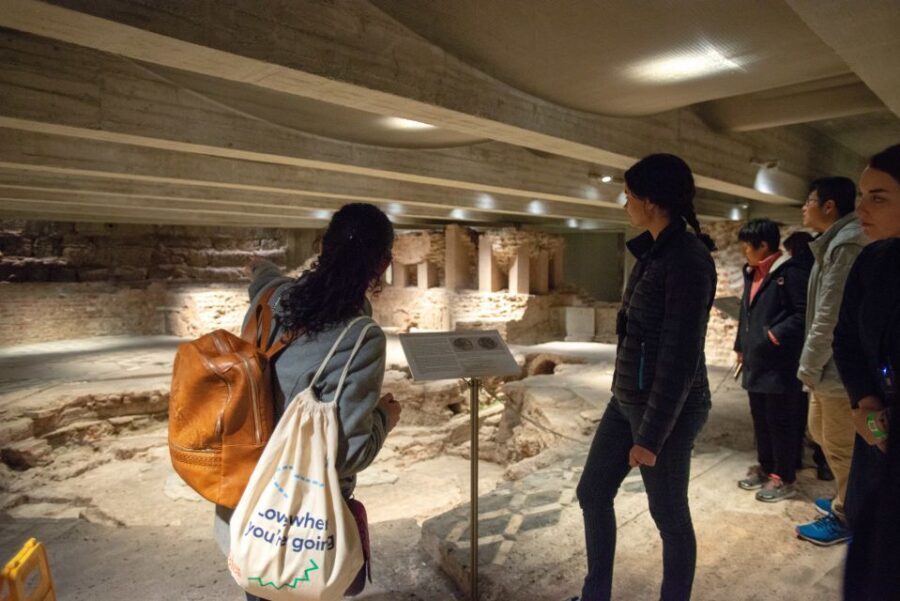
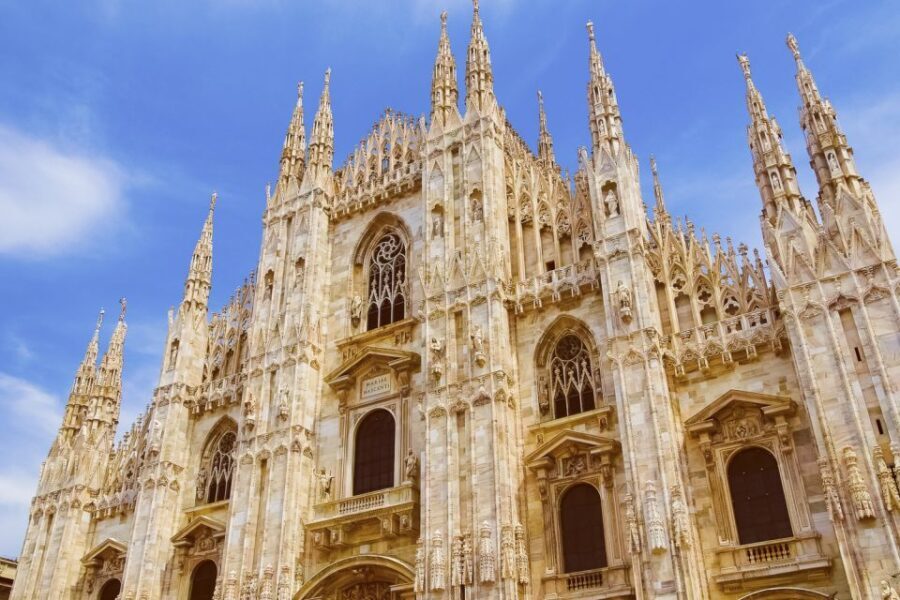
A quieter, more contemplative way to experience the Duomo complex. This ticket covers the cathedral interior, the underground archaeological area (the remains of the 4th-century Baptistery of San Giovanni), and the Duomo Museum across the piazza. The archaeological area is genuinely fascinating — you descend below the cathedral floor and walk among the foundations of the original early Christian church that stood here before the Duomo was built. The museum houses original sculptures, stained glass panels, and models showing the cathedral’s construction over the centuries. At $22 with 2-day validity, it offers deep historical context that most travelers miss. Pair this with a separate terraces ticket if you want both the underground history and the rooftop panorama.
When to Visit the Milan Duomo
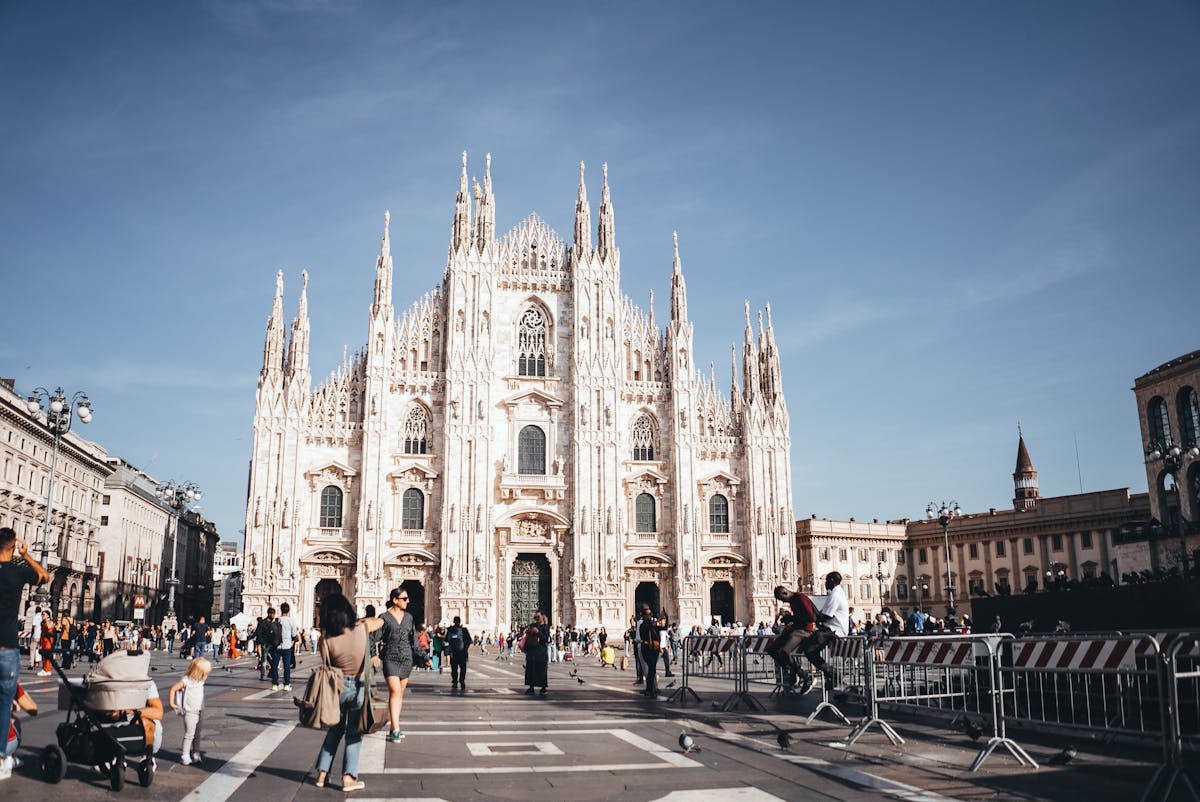
Timing matters at the Duomo, both for crowds and for the experience itself.
Best time of year: October through March gives you the shortest queues. Milan’s tourist season peaks from June through September, when the terrace queue can stretch 45 minutes or more. Spring (April-May) is a good middle ground — pleasant weather, manageable crowds.
Best time of day: First thing in the morning. The cathedral opens at 9:00 AM, and if you arrive by 8:45 AM with tickets already booked, you will walk in with minimal waiting. The terraces are at their most magical in the early morning light, before the midday haze settles over the city. Late afternoon (after 4:00 PM) is the second-best window — the crowds thin, and the golden hour light on the marble is extraordinary.
Worst time of day: 11:00 AM to 2:00 PM. This is when the day-trippers from Lake Como and the cruise-ship excursions from Genoa converge on the piazza. If you arrive during this window without pre-booked tickets, expect significant waiting.
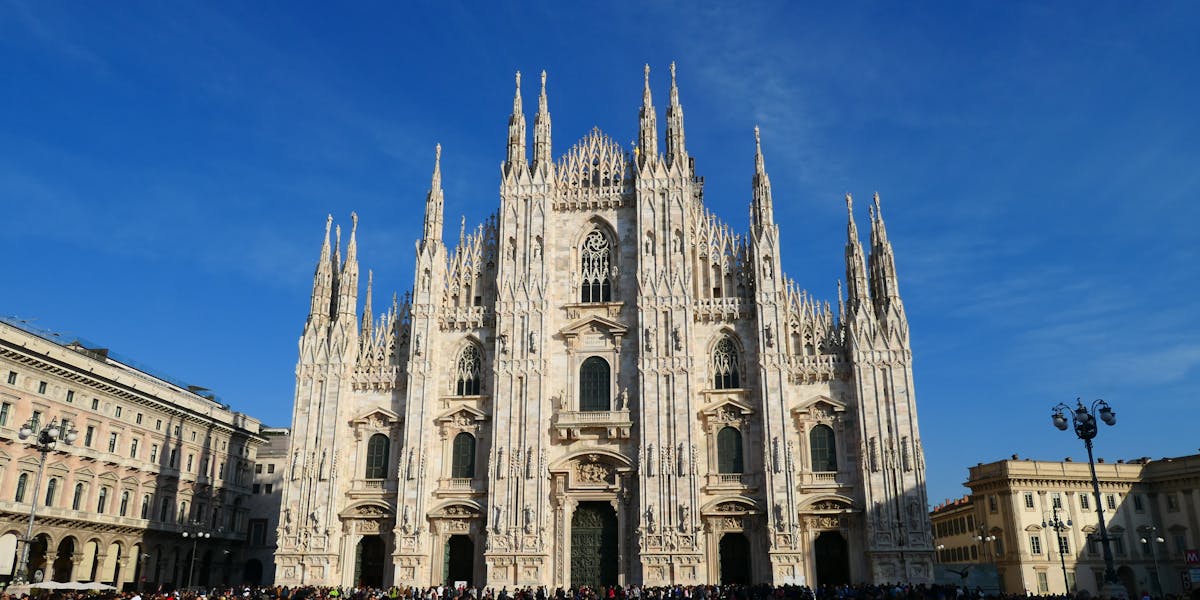
Weather considerations for the terraces: The rooftop is completely open to the elements. Rain means wet marble walkways and limited visibility. Wind can be strong at that height. On the other hand, a clear day after rain often gives the best views because the air is clean — that is when you get the Alpine panorama. Check the weather forecast before committing to your terrace time slot.
Tips for Visiting the Duomo
Dress code is enforced. Shoulders and knees must be covered. No hats or sunglasses allowed inside the cathedral. This catches travelers off guard in summer. Carry a light scarf or shawl in your bag — it takes two seconds to drape it over bare shoulders, and it saves you from being turned away at the door.
Take the stairs to the terraces. The elevator costs 6-8 euros more, and I genuinely believe the stairs are the better experience. The stairway passes through parts of the cathedral’s inner structure — you see the vaulting from the inside, the thickness of the walls, the way the whole building fits together. It is 250 steps spread over a gradual incline, not a brutal climb. Most reasonably fit visitors manage it in 10-15 minutes.
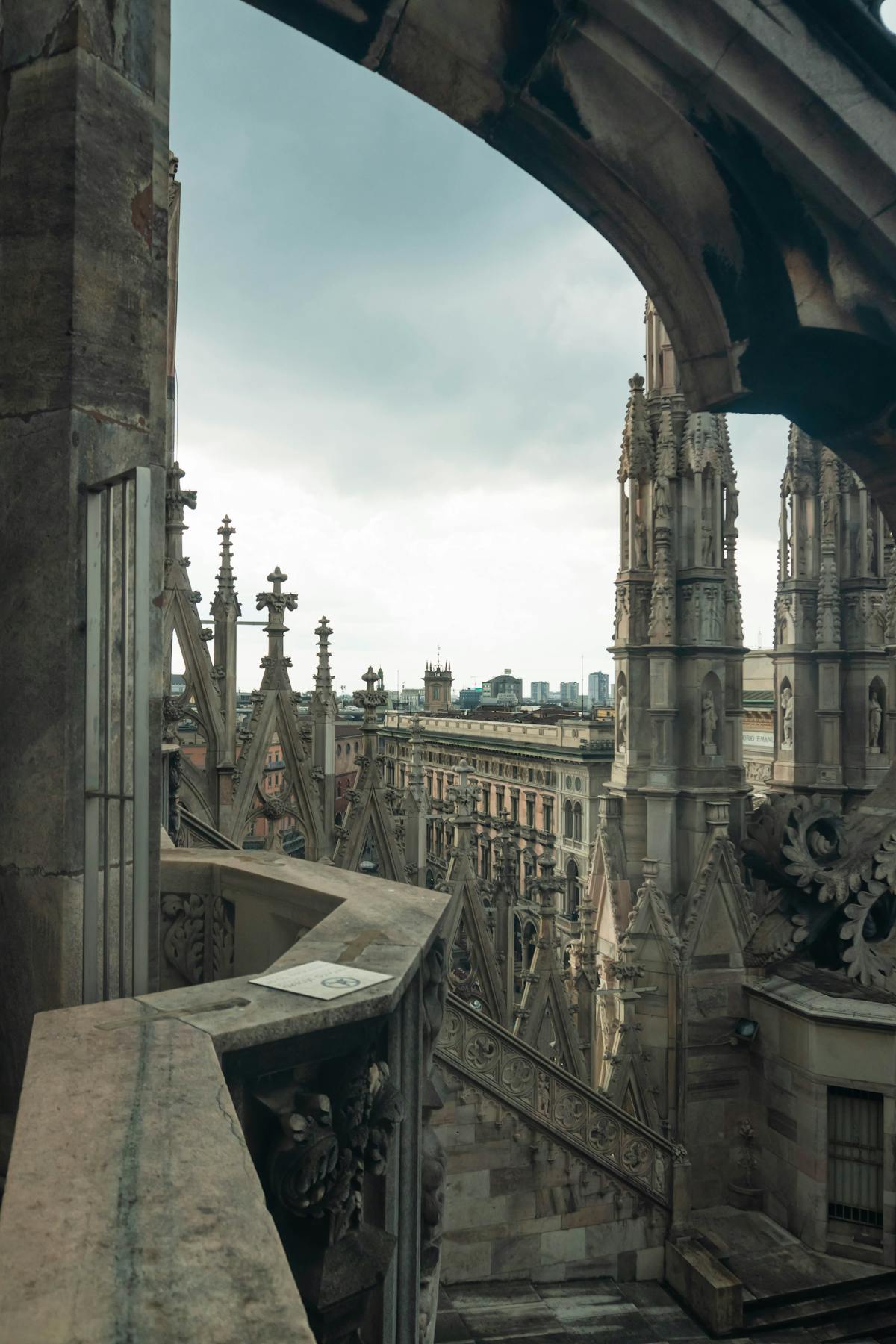
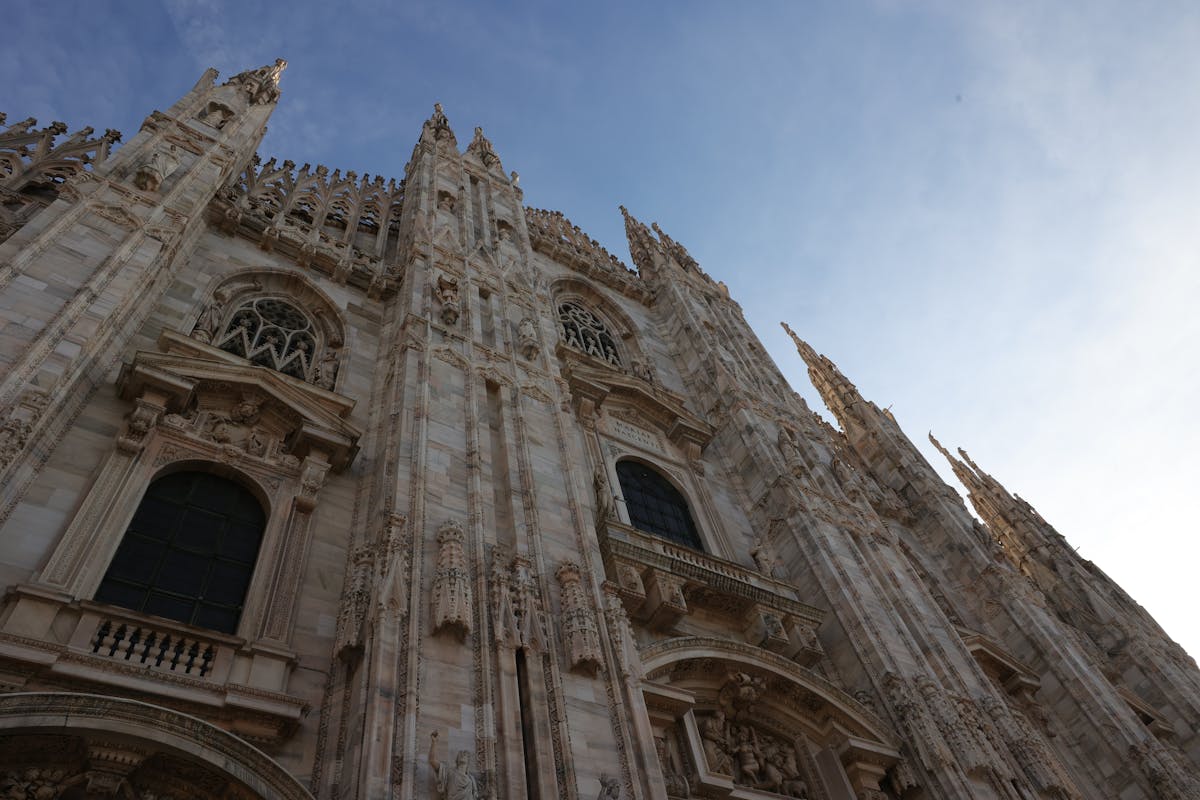
Spend time on the terraces, not just the interior. Many visitors rush through the terraces to check the box. Do not do that. Wander. Look at individual statues. Find the quiet corners away from the main walkway. The details up here are astonishing — each pinnacle has its own unique saint or gargoyle, and many of them are barely visible from ground level. Budget at least 30-45 minutes for the terraces alone.
The archaeological area is underrated. Beneath the Duomo floor, the remains of the 4th-century Baptistery of San Giovanni are some of the oldest Christian structures in Milan. Most travelers skip it entirely, which means you will often have the space nearly to yourself. It is included in several combo tickets and adds meaningful historical depth to your visit.
Bring a camera with zoom. The statues on the terraces and the details on the spires are best appreciated up close. A smartphone with a good zoom lens works fine. The light up on the terraces is excellent for photography throughout the day, but golden hour (roughly an hour before sunset) makes the Candoglia marble glow pink and warm.
Combine with the Galleria. The Galleria Vittorio Emanuele II is directly next to the Duomo, connected to the same piazza. After visiting the cathedral, walk through the Galleria — it is one of the world’s oldest shopping malls and an architectural marvel in its own right, with a stunning glass-vaulted ceiling.
What You Will See Inside and On Top
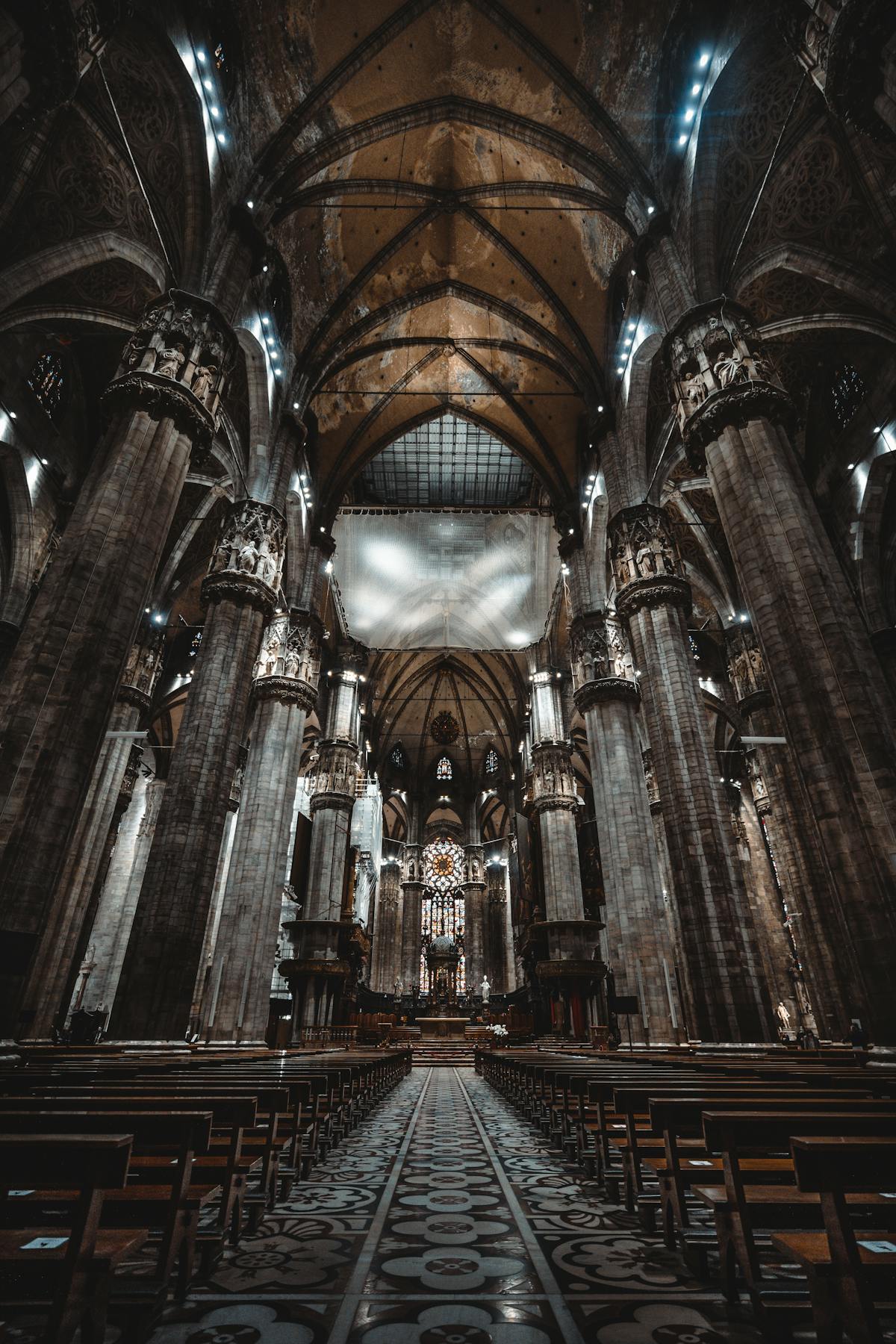
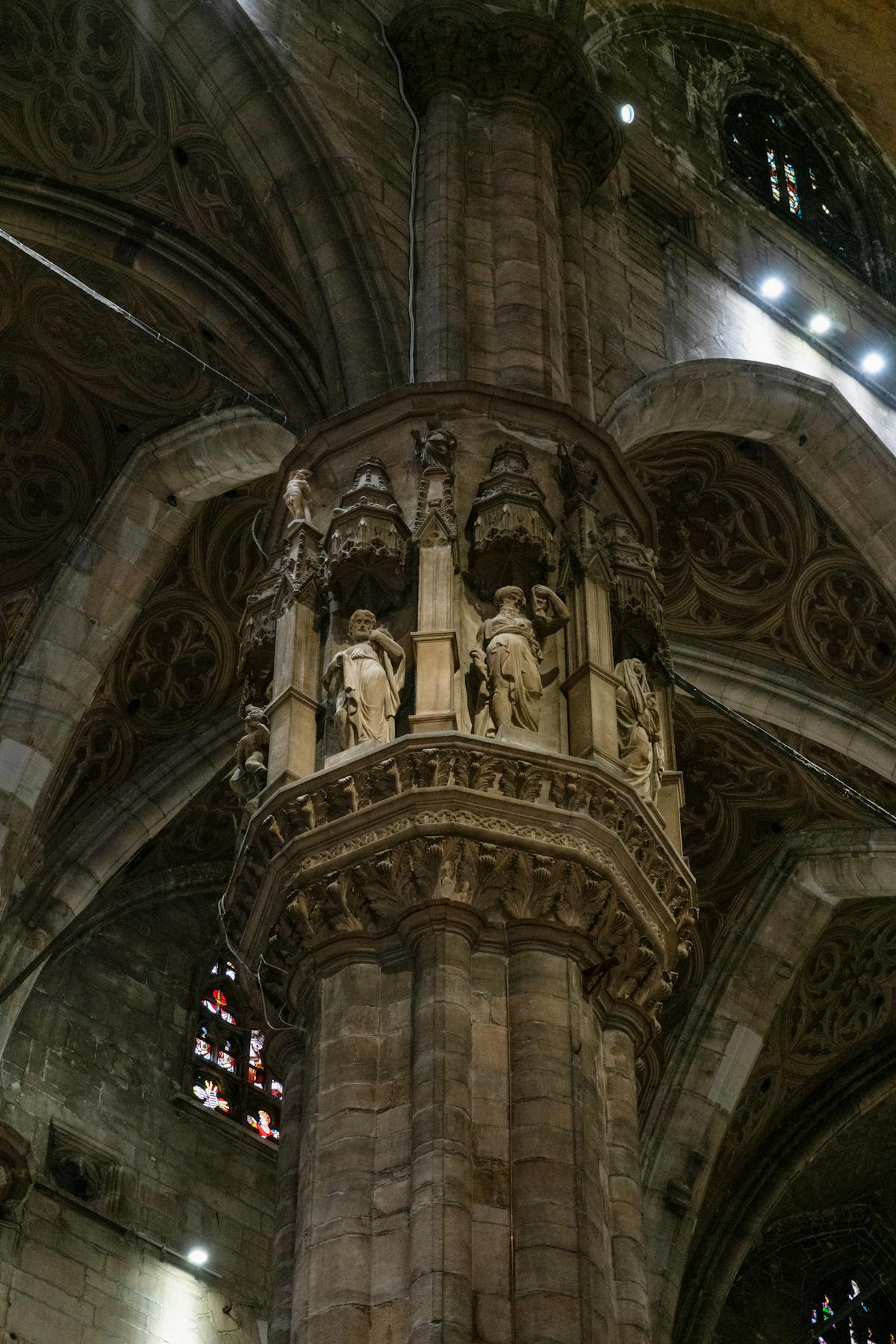
The Interior: The Duomo’s five naves are supported by 52 massive pillars, each one wrapped with statues of saints in niches. The stained glass windows — the largest collection of medieval glass in Italy — flood the interior with color, especially in the afternoon. Look for the sundial meridian line on the floor near the entrance: a brass strip set into the marble that tracks the sun through the zodiac signs throughout the year. It was installed in 1786 and still works.
The most unusual artifact is a nail said to be from the True Cross, suspended in a red light above the apse, 40 meters overhead. Every September during the Rite of the Nivola, a mechanical cloud-shaped platform carries the Archbishop up to retrieve it — a tradition that has continued since the 1600s.
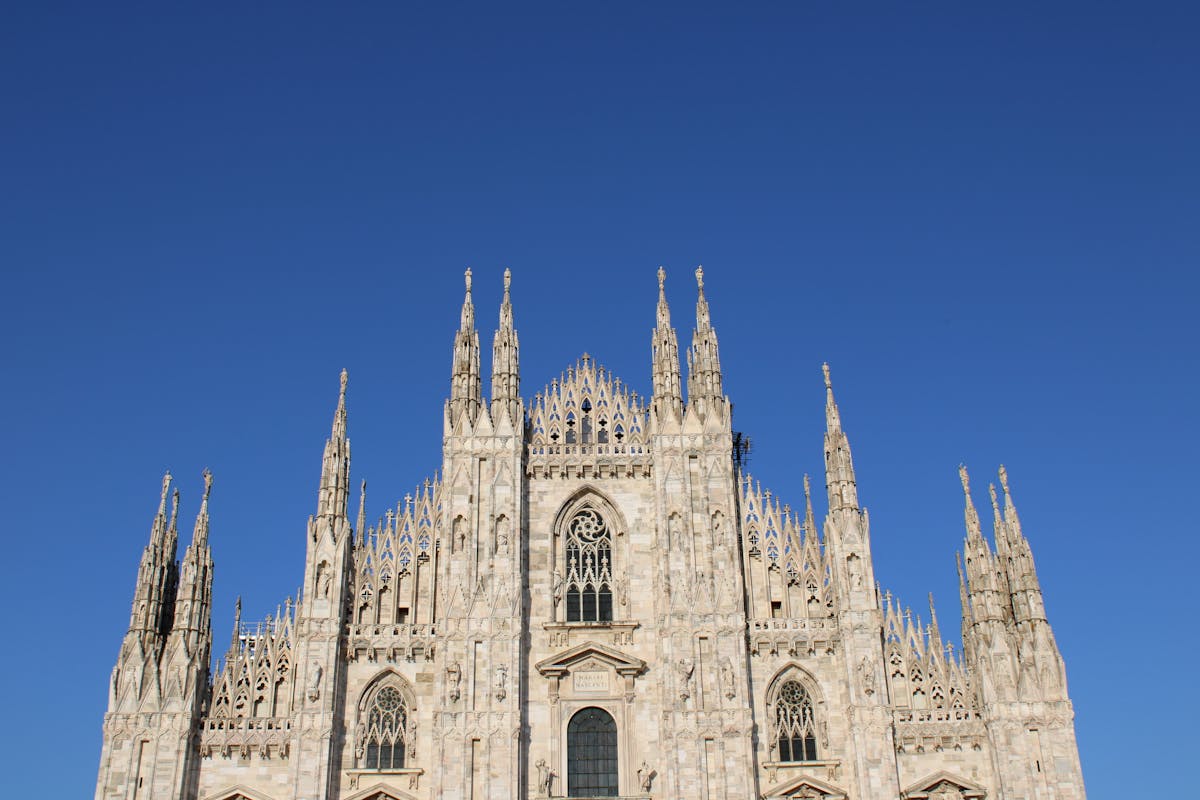
The Terraces: The rooftop covers 8,000 square meters of walkable marble. The level of detail up here is staggering. Each of the 135 spires is unique, topped with a statue that has its own story. Gargoyles function as rainwater spouts. Flying buttresses arc overhead. The Madonnina — the gold-plated copper statue of the Virgin Mary at the cathedral’s highest point — stands 108 meters above the piazza. For centuries, no building in Milan was allowed to be taller.
The Archaeological Area: Descend below the cathedral floor to find the remains of the Baptistery of San Giovanni alle Fonti, dating to the 4th century AD. This octagonal baptismal pool is where Saint Ambrose — Milan’s patron saint — baptized Saint Augustine in 387 AD. The original mosaic floor fragments are still visible, and the space gives you a tangible connection to the 1,700 years of Christian worship on this exact spot.
If you are planning a broader Italian itinerary, the Colosseum in Rome and the Vatican Museums both have their own ticketing challenges worth sorting out in advance. And in Florence, the Uffizi Gallery and Accademia Gallery require similar advance planning.
Getting There
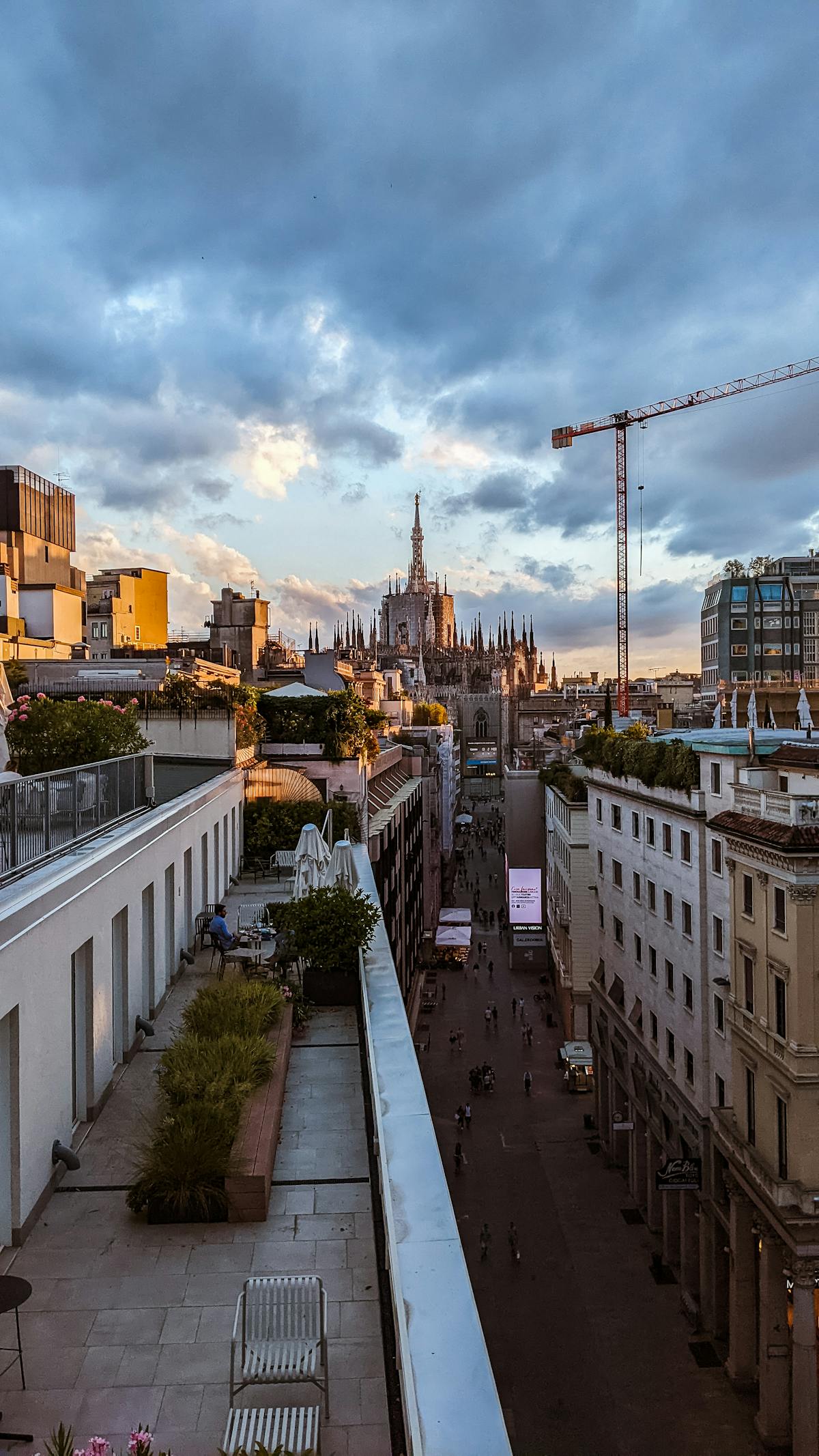
The Duomo sits at the geographic and cultural center of Milan. Getting there is straightforward from anywhere in the city.
Metro: The Duomo station (Lines M1 and M3) exits directly onto Piazza del Duomo. This is the easiest and fastest way to reach the cathedral from any part of Milan. The M1 (red line) connects to Cadorna station if you are arriving from Malpensa Airport, and the M3 (yellow line) connects to Milano Centrale if you are coming from the main train station.
On foot: From Milano Centrale station, it is about a 25-minute walk south through the city center. From the Navigli district, it is 15 minutes north. The walk from either direction passes through interesting neighborhoods and is worth doing at least once.
Opening hours: The cathedral and terraces are open daily from 9:00 AM to 7:00 PM, with last entry at 6:10 PM. The Duomo Museum is open Tuesday through Sunday, 10:00 AM to 7:00 PM, and closed on Mondays.
Address: Piazza del Duomo, 20122 Milano MI, Italy
This article contains affiliate links to tours and activities. If you book through these links, we earn a small commission at no extra cost to you. This helps us keep creating in-depth travel guides.