
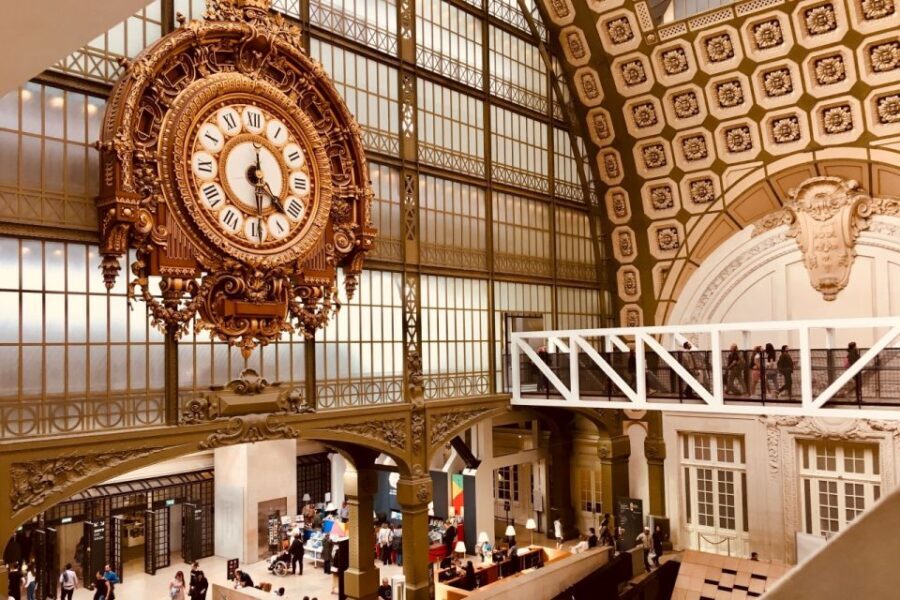
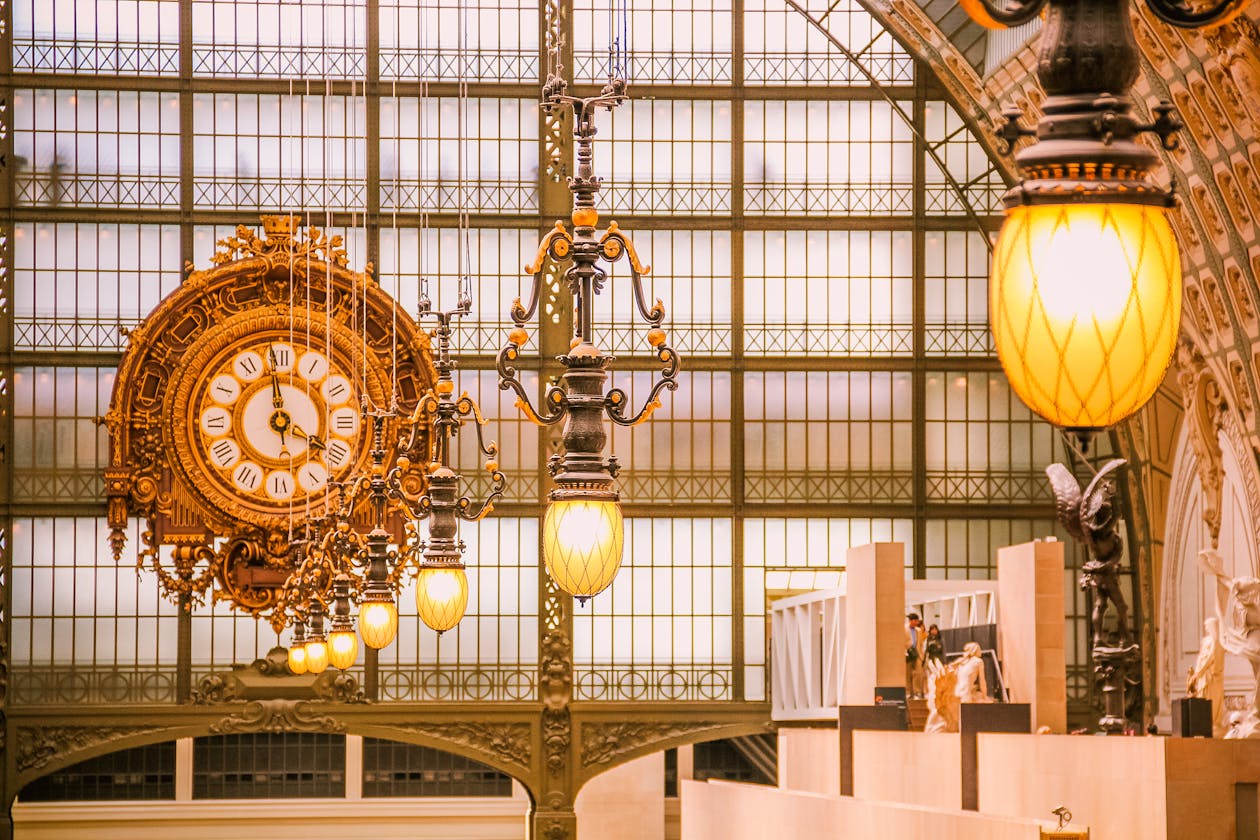
You can stand behind the giant clock face on the fifth floor and look straight through the glass at the Seine, the Tuileries, and Sacre-Coeur on the hill beyond. It’s one of those moments where you stop thinking about art and just stand there. Most people walk right past it because they’re rushing to the Van Goghs.
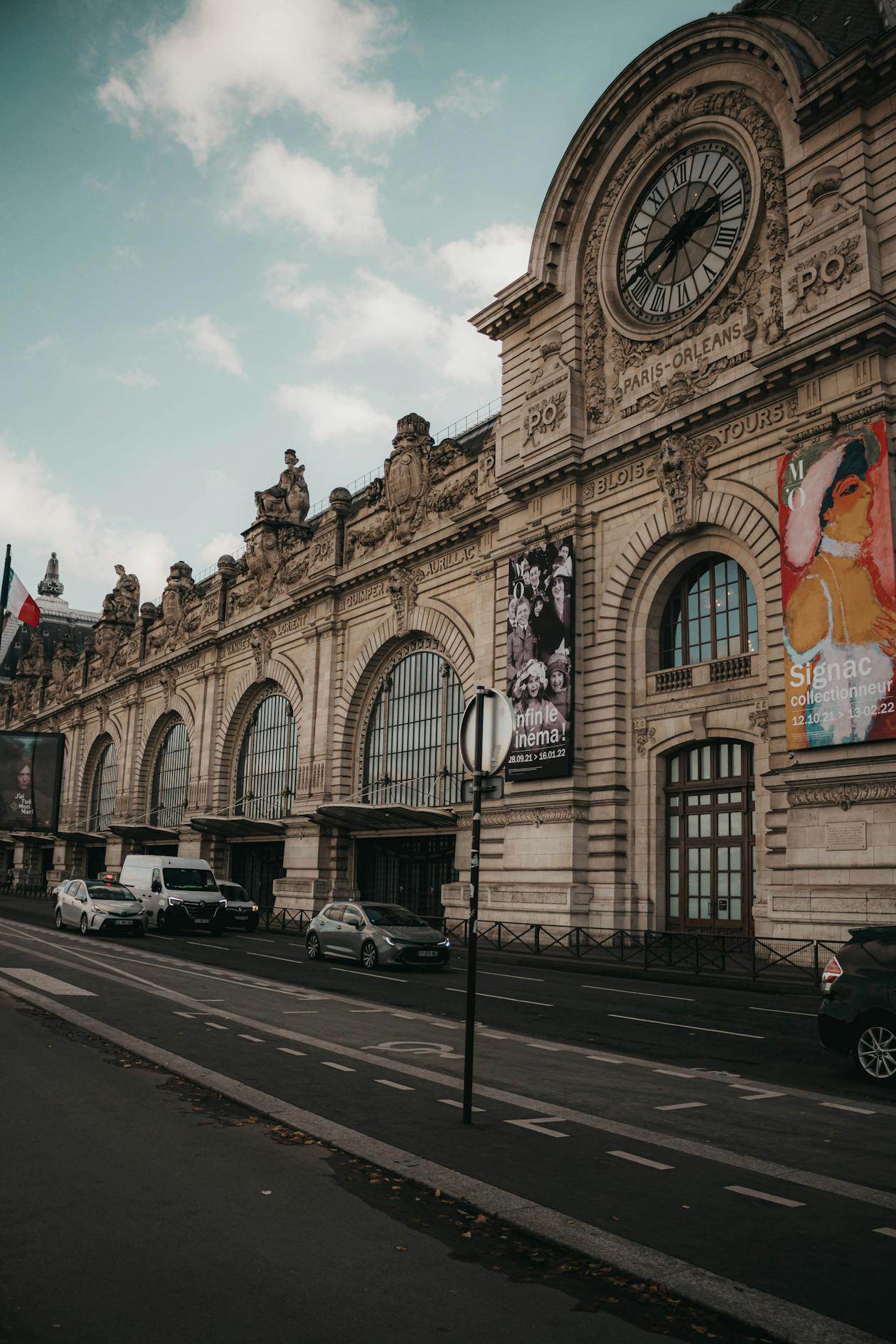
The Musee d’Orsay is, for my money, the best art museum in Paris. That’s a bold claim when the Louvre exists, but hear me out. The Orsay is smaller, the collection is tighter, and you leave feeling like you actually saw something instead of just surviving a marathon.
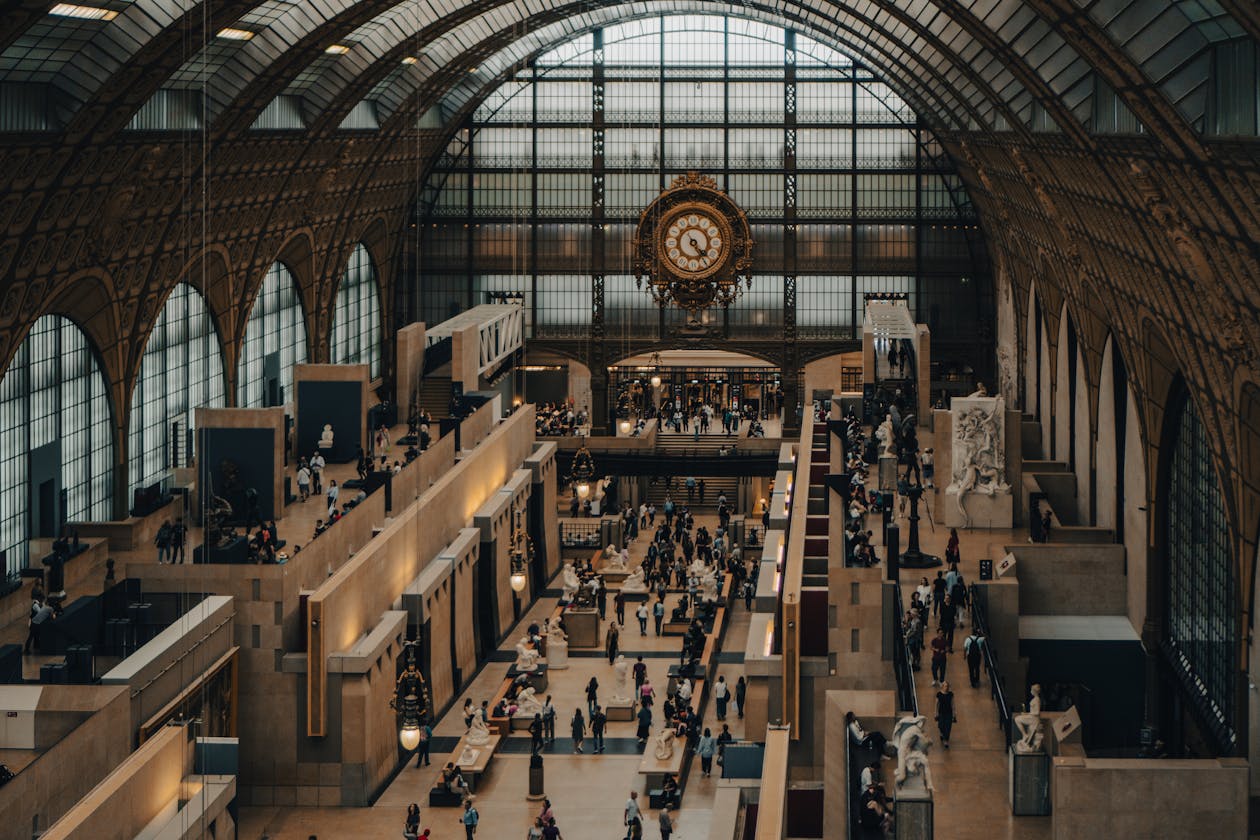
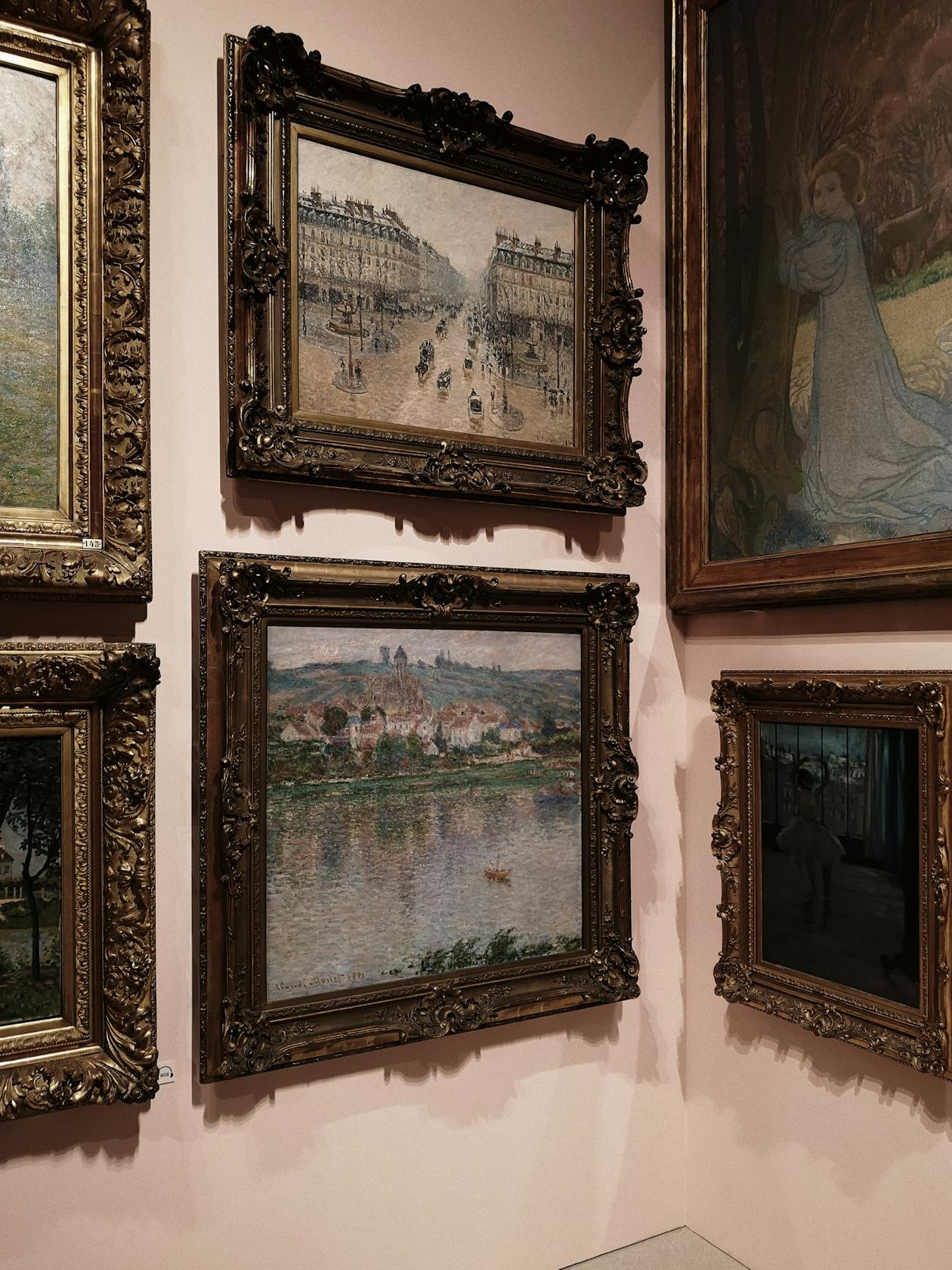
It holds the world’s largest collection of Impressionist and Post-Impressionist art. Monet, Renoir, Degas, Cezanne, Van Gogh, Manet — they’re all here, and they’re all on the upper floors where the natural light pours in through the glass roof. But getting tickets wrong can cost you an hour in the wrong queue. Here’s how to do it right.
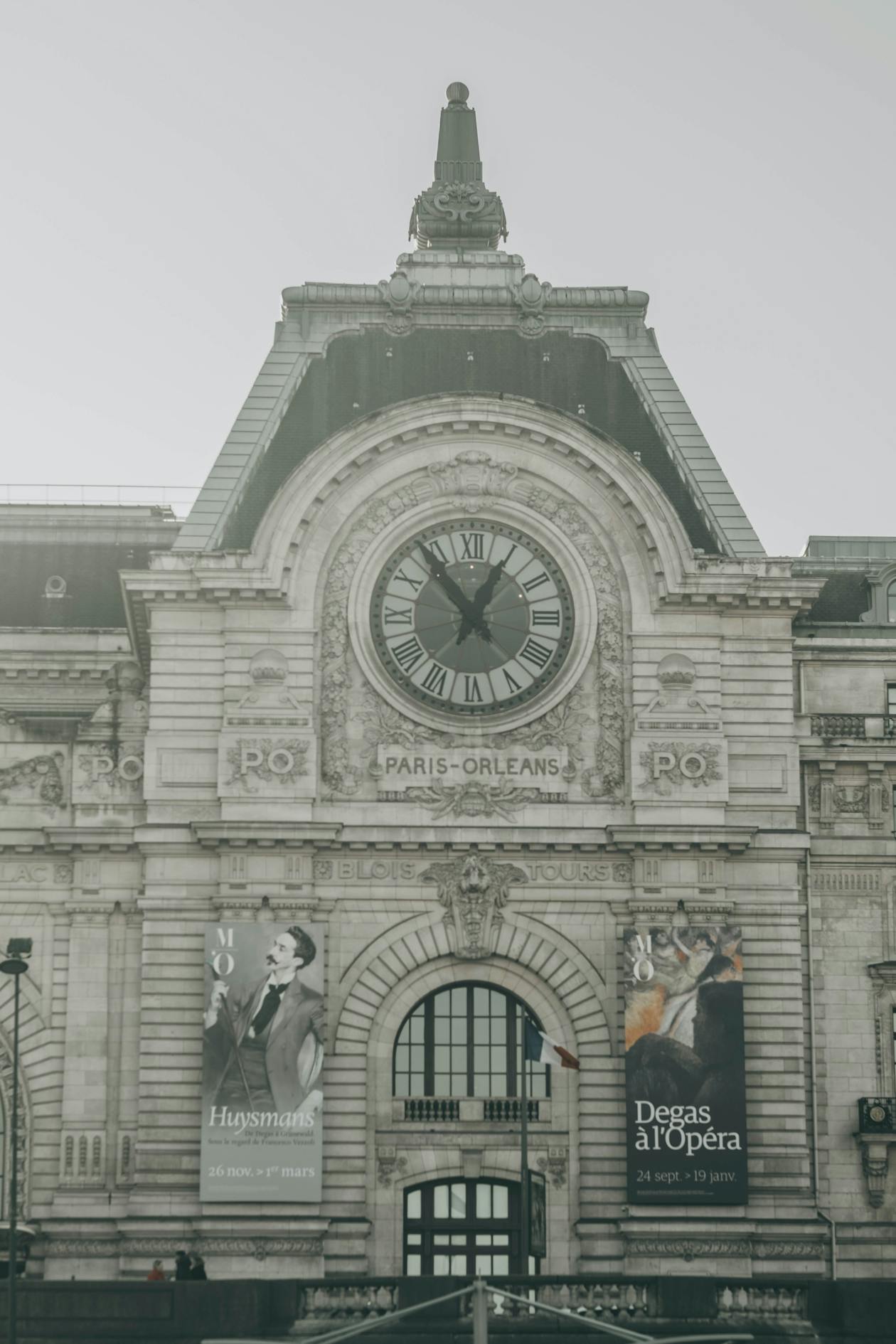
Best overall: Orsay Museum Entry Ticket — $15. Skip-the-line entry, self-paced, and the cheapest legit option. All you need if you know your Impressionists.
Best guided: Musee d’Orsay Guided Tour with Options — $82. A proper art historian walks you through the highlights in 90 minutes. Worth every cent if this is your first time.
Best combo: Orsay Entry + Seine River Cruise — $49. Museum in the morning, boat in the afternoon. A genuinely good Paris day for under fifty bucks.
- How Tickets Work at the Musee d’Orsay
- Self-Guided vs Guided Tours
- The Best Musee d’Orsay Tours to Book
- 1. Orsay Museum Entry Ticket —
- 2. Musee d’Orsay Guided Tour with Options —
- 3. Musee d’Orsay + Seine River Cruise Combo —
- 4. Orsay Museum + Rodin Museum Combo —
- When to Visit the Musee d’Orsay
- How to Get to the Musee d’Orsay
- Tips That Will Save You Time
- What You’ll Actually See Inside
- While You’re on the Left Bank
- More France Guides
How Tickets Work at the Musee d’Orsay
The official ticket costs EUR 16 (about $17) when bought directly from the museum website. You pick a date and a time slot. That’s it. No seat selection, no complicated tier system. One ticket, one price, and it gets you into everything including whatever temporary exhibition is running.
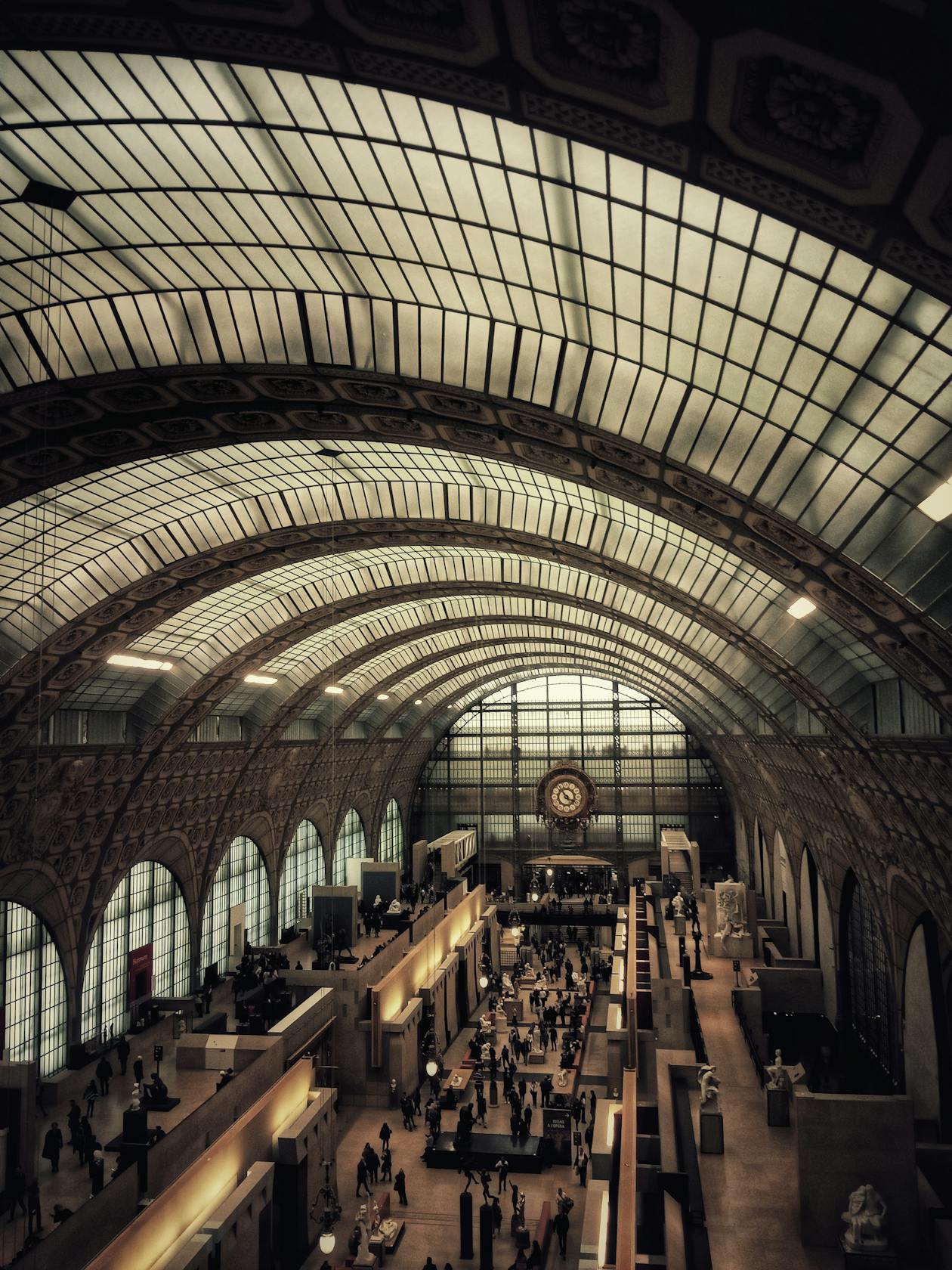
There are two entrances. Entrance A is for people with pre-booked tickets or a museum pass. Entrance C is for everyone else — walk-ups, groups, and anyone who didn’t book ahead. You want Entrance A. The difference on a busy Tuesday in June can be 45 minutes versus five.
Free entry applies to: Under-18s (any nationality), EU residents aged 18-25, disabled visitors plus one companion, and everyone on the first Sunday of each month. The free Sundays are packed. I’m talking hour-long queues packed. If you qualify for free entry any other way, go on a weekday.
The Paris Museum Pass also covers the Orsay. If you’re hitting the Louvre, Versailles, and the Orsay in the same trip, the 4-day pass at EUR 62 pays for itself. But you still need to book a time slot on the Orsay website even with the pass — don’t skip that step or you’ll end up in the Entrance C line anyway.
Self-Guided vs Guided Tours
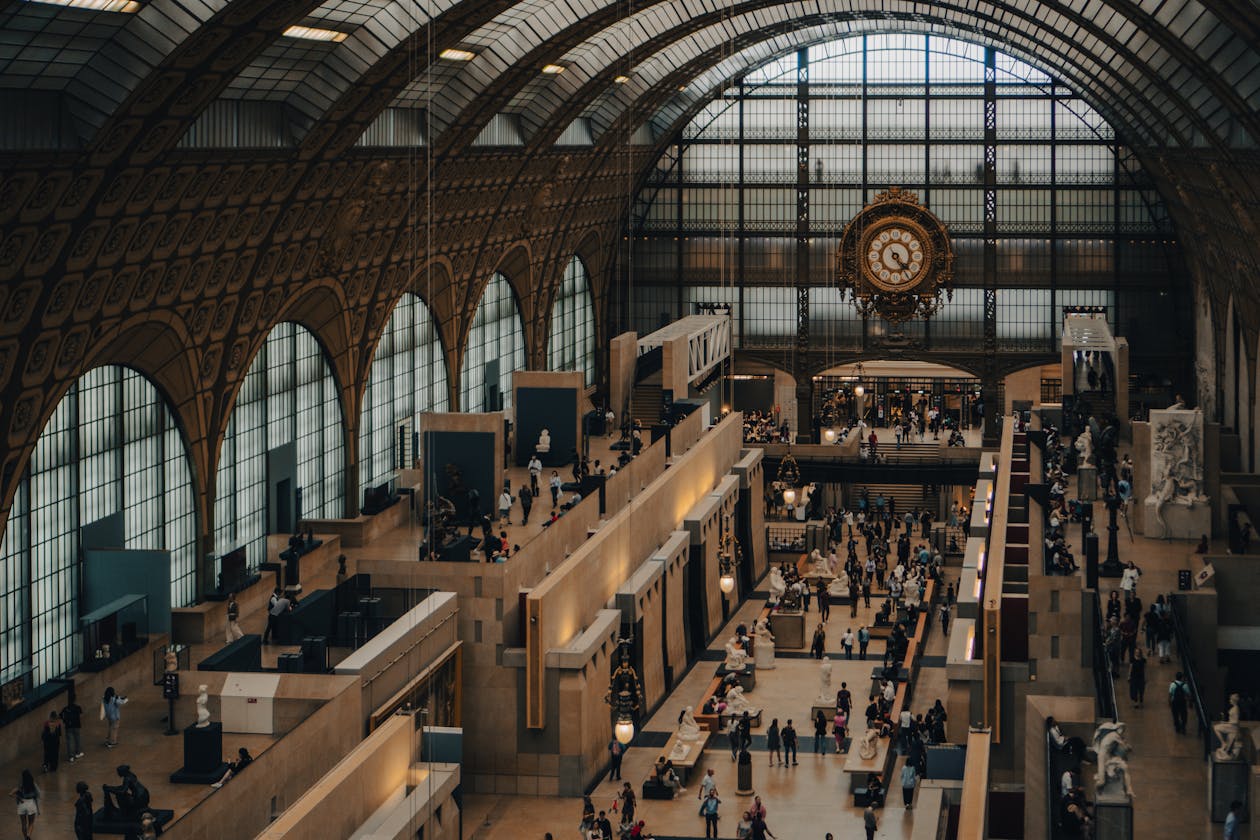
Going self-guided makes sense if you already know what you want to see. The museum layout is logical — sculpture on the ground floor, Impressionists on Level 5, Art Nouveau and Post-Impressionism in between. Grab the free map at the entrance and you’ll be fine.
But here’s the thing. The Orsay is deceptively large. Five floors, thousands of works, and some of the best pieces are in small side rooms that most visitors walk past. A guided tour doesn’t just show you the Monets and Van Goghs that everyone photographs. A good guide explains why Manet’s “Olympia” caused a scandal, or why Courbet’s “The Origin of the World” was hidden in a private collection for over a century.
If you’ve never been, a 90-minute guided tour followed by an hour on your own is the sweet spot. You get the context first, then wander back to your favorites.
If you’ve been before and just want to see the temporary exhibition or spend time with specific paintings, skip the guide and go solo. The audio guide app (available for download) covers 300+ works and costs about EUR 6 on top of your ticket.
The Best Musee d’Orsay Tours to Book
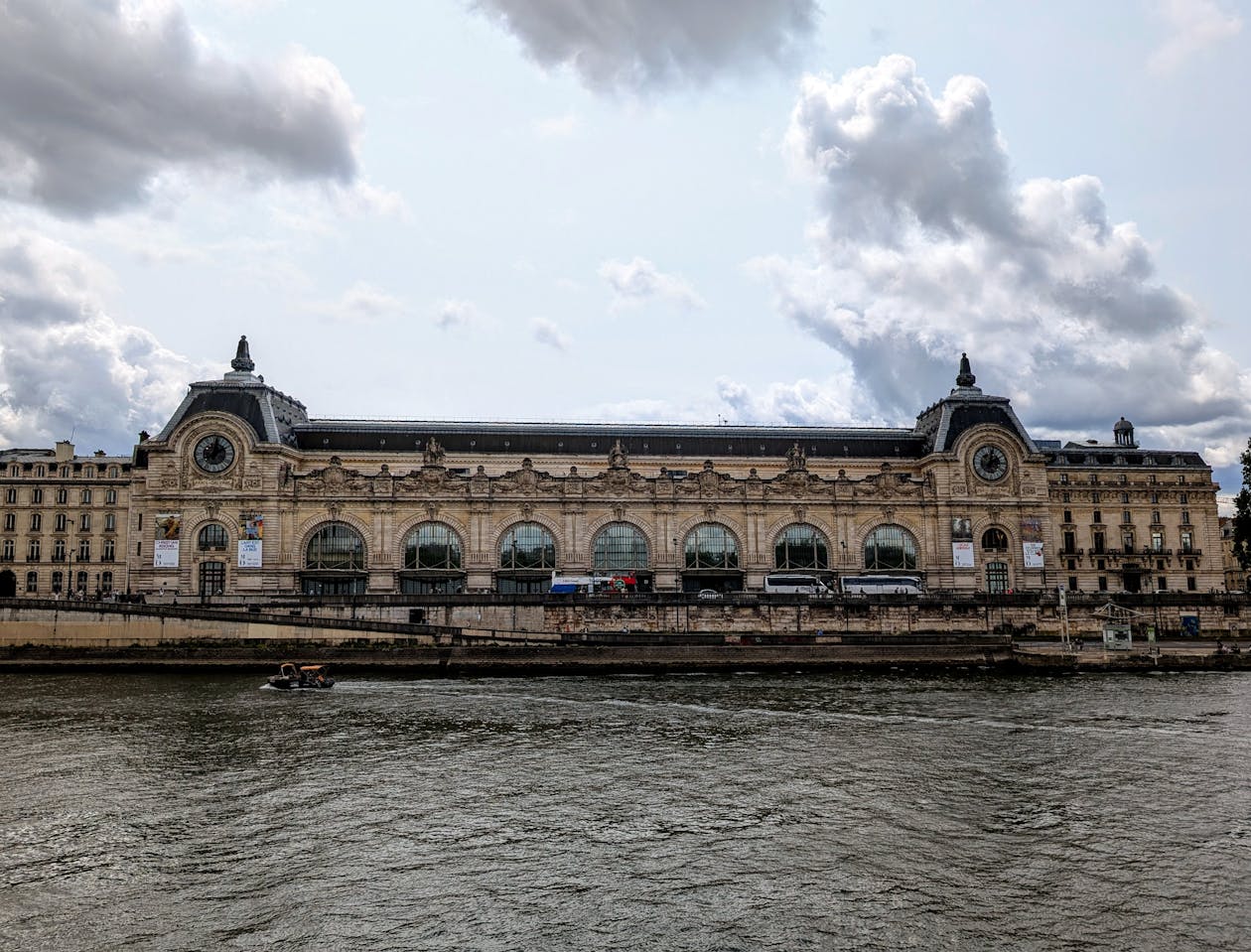
I’ve narrowed this down to four options that cover different budgets and styles. Each one includes skip-the-line access, which alone is worth the booking fee on any day between April and October.
1. Orsay Museum Entry Ticket — $15
This is the most popular way to visit the Orsay, and for good reason. At $15, it’s actually cheaper than buying direct from the museum site once you factor in the booking fees. You get priority entrance through Entrance A, access to the permanent collection and whatever temporary exhibition is showing, and the freedom to spend as long as you want.
It’s the most booked Orsay ticket on the market by a wide margin. The trade-off is no guide and no audio, so you’re on your own for context. But if you’ve read up on the Impressionists or you’re the type who prefers to wander, this is the move. Valid for one full day.
2. Musee d’Orsay Guided Tour with Options — $82
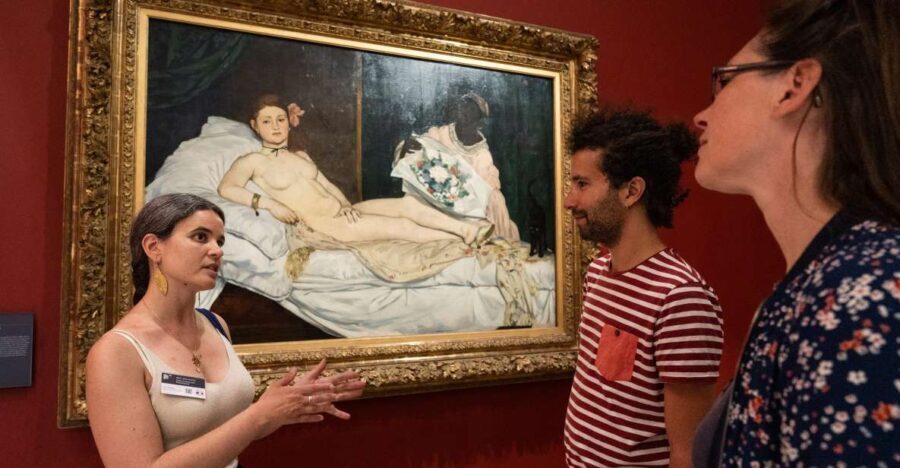
This is the one I recommend to anyone visiting the Orsay for the first time. At $82, it’s not cheap, but the guided experience transforms the visit from “looking at old paintings” to actually understanding why the Impressionist movement turned the art world upside down.
You get skip-the-line access, a licensed guide, and 90 to 150 minutes depending on which option you choose. The guides are consistently excellent — art history graduates who know how to keep things engaging without dumbing it down. You’ll cover Monet, Degas, Renoir, and Van Gogh, but also lesser-known works that most self-guided visitors miss entirely. After the tour, you’re free to stay and explore on your own.
3. Musee d’Orsay + Seine River Cruise Combo — $49
If you’re planning to do both a Seine cruise and the Orsay anyway — and you probably should — this combo ticket at $49 saves you the hassle of booking separately. The cruise runs about an hour past Notre-Dame, under a dozen bridges, and right past the Eiffel Tower.
The museum ticket is the same priority-entry pass as the standalone version. The cruise is a standard one-hour Bateaux Parisiens sailing, not a dinner or VIP thing, but it’s perfectly good for seeing the city from the water. Do the museum first (morning light on Level 5 is incredible) and the cruise in the late afternoon when the light is golden on the bridges. That’s a solid Paris day for under $50.
4. Orsay Museum + Rodin Museum Combo — $53
This is the combo for art lovers who want to go deeper. The Orsay plus Rodin combo at $53 pairs the best Impressionist collection in the world with one of the most beautiful museum gardens in Paris. The Rodin Museum is a 10-minute walk from the Orsay, tucked behind Les Invalides.
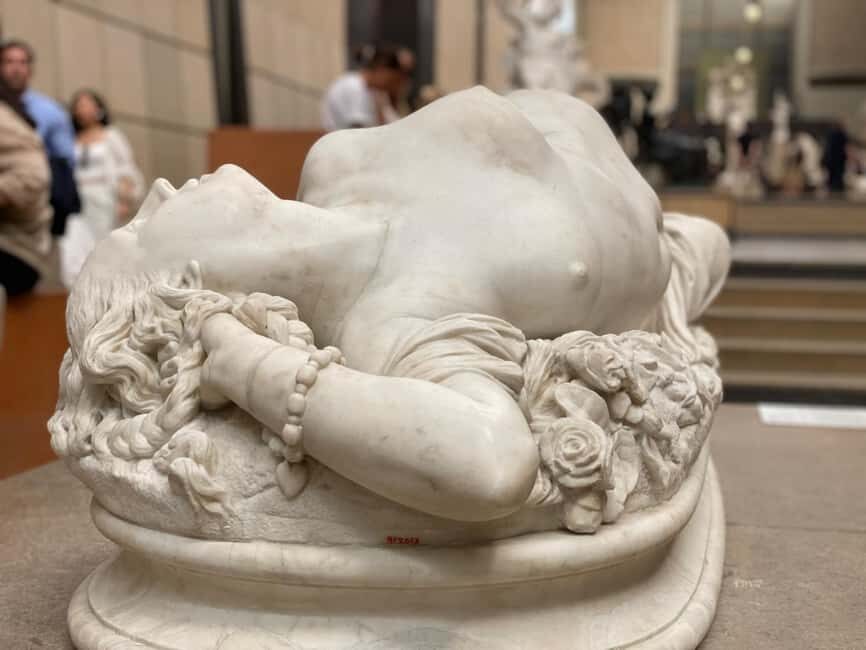
Most visitors don’t realize the Orsay actually has a significant Rodin section on the ground floor — so doing both museums in one day creates a nice thread. You’ll see “The Gates of Hell” in bronze at the Rodin, then walk to the Orsay and find studies and earlier works. At $53 for both, it’s barely more than buying separate tickets, and you skip the line at each. Give yourself a full day for this one.
When to Visit the Musee d’Orsay
The museum is open Tuesday through Sunday, 9:30 AM to 6:00 PM. Closed every Monday. Thursdays it stays open late until 9:45 PM — and those Thursday night sessions are genuinely the best time to visit. The crowds thin out dramatically after 6 PM, and you get the galleries almost to yourself.
Best times: Thursday evenings after 6 PM, or weekday mornings right at 9:30 AM opening. Wednesday and Friday mornings tend to be quieter than Tuesday.
Worst times: Saturday and Sunday afternoons. Also the first Sunday of any month (free entry day) unless you enjoy being in a crowd that moves at the speed of molasses. School holidays in France (February, April, July-August) add another layer of chaos.
Seasonal tip: January and February are the quietest months overall. If you can plan a winter Paris trip, you’ll have rooms full of Monets practically to yourself. November is also underrated.
Last entry is 5:00 PM (9:00 PM on Thursdays). The gift shop closes at 5:45 PM, so if you want books or prints, don’t leave that for the end of a regular day.
How to Get to the Musee d’Orsay
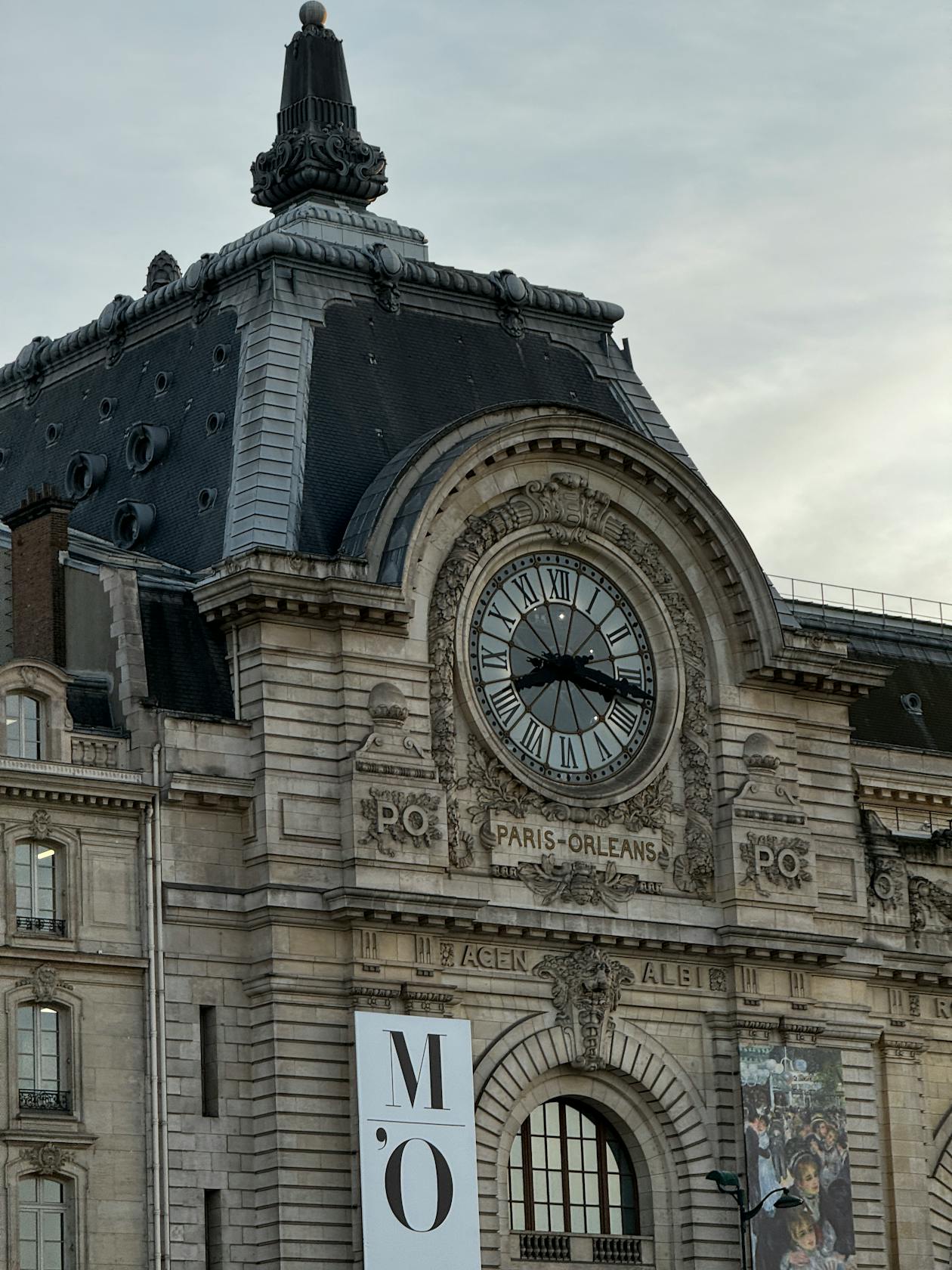
Metro: Solferino station (Line 12) puts you a two-minute walk from the entrance. Musee d’Orsay station (RER C) is literally underneath the building. If you’re on the RER C from Versailles, this is your stop.
Walking from the Louvre: Cross the Pont Royal — about 12 minutes on foot. It’s a beautiful walk along the Seine and you pass the Tuileries.
Walking from the Eiffel Tower: About 25 minutes along the Left Bank. Pleasant walk, especially in the morning.
Bus: Lines 63, 68, 69, 73, 83, 84, and 94 all stop nearby. The 69 from Pere Lachaise is a scenic route across the city.
Tips That Will Save You Time
Book your time slot at least a week ahead during peak season (April to October). Same-day tickets are sometimes available but slots fill up, especially morning ones.
Go to Level 5 first. Everyone else starts on the ground floor and works up. By the time they reach the Impressionists, the rooms are packed. Start at the top, work down, and you’ll have Monet’s cathedral series and Van Gogh’s bedroom painting in relative peace.
The cafe behind the clock on Level 5 has decent coffee and one of the best views in any museum anywhere. It’s not a secret, but it empties out between 2:00 and 3:00 PM.
No large bags. Anything bigger than 45cm gets checked at the cloakroom, and the cloakroom queue at 10 AM is brutal. Travel light.
Photography is allowed in the permanent collection (no flash, no tripods). Temporary exhibitions sometimes restrict it. Put your phone away for the first 20 minutes and actually look. You can photograph everything on the way back out.
The restaurant on Level 1 is in the former hotel dining room of the Gare d’Orsay. The ceiling alone is worth walking in for. Food is decent brasserie fare, not museum cafeteria food. Mains run EUR 18-25.
What You’ll Actually See Inside
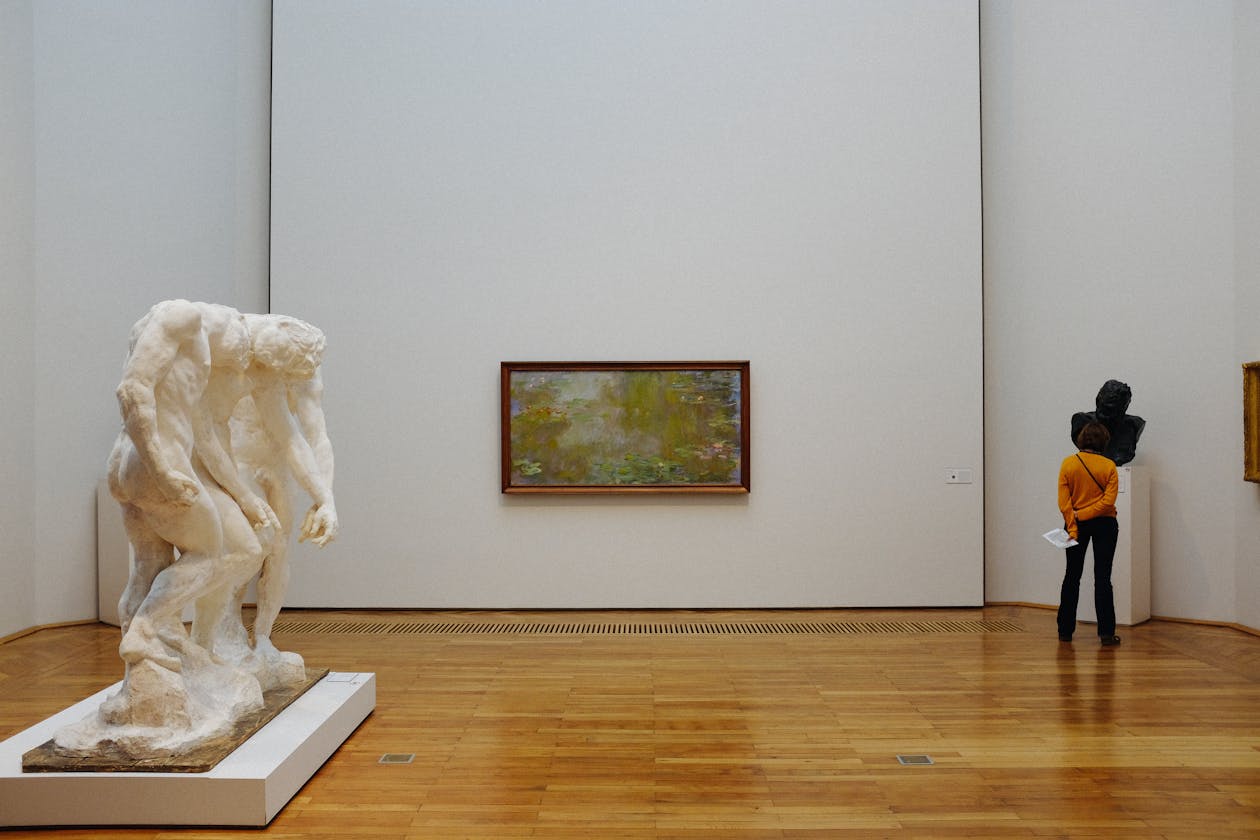
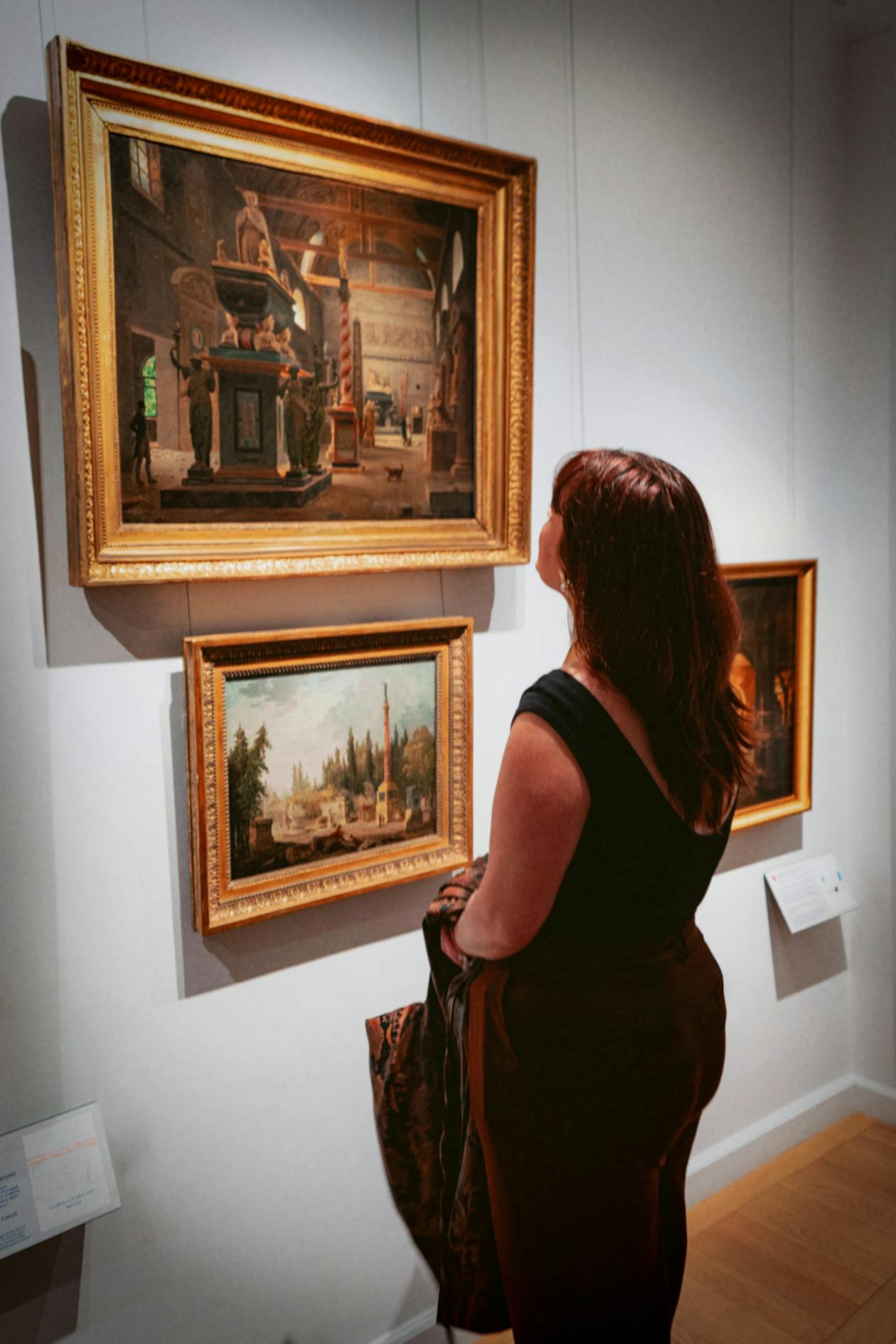
The collection spans 1848 to 1914 — essentially everything between the Louvre’s classical art and the Centre Pompidou’s modern art. That narrow window happens to be one of the most transformative periods in art history.
Level 0 (Ground Floor): Sculpture, early Impressionism, and academic painting. This is where you’ll find Courbet’s massive “The Painter’s Studio” and Manet’s “Olympia” — the painting that scandalized Paris in 1865.
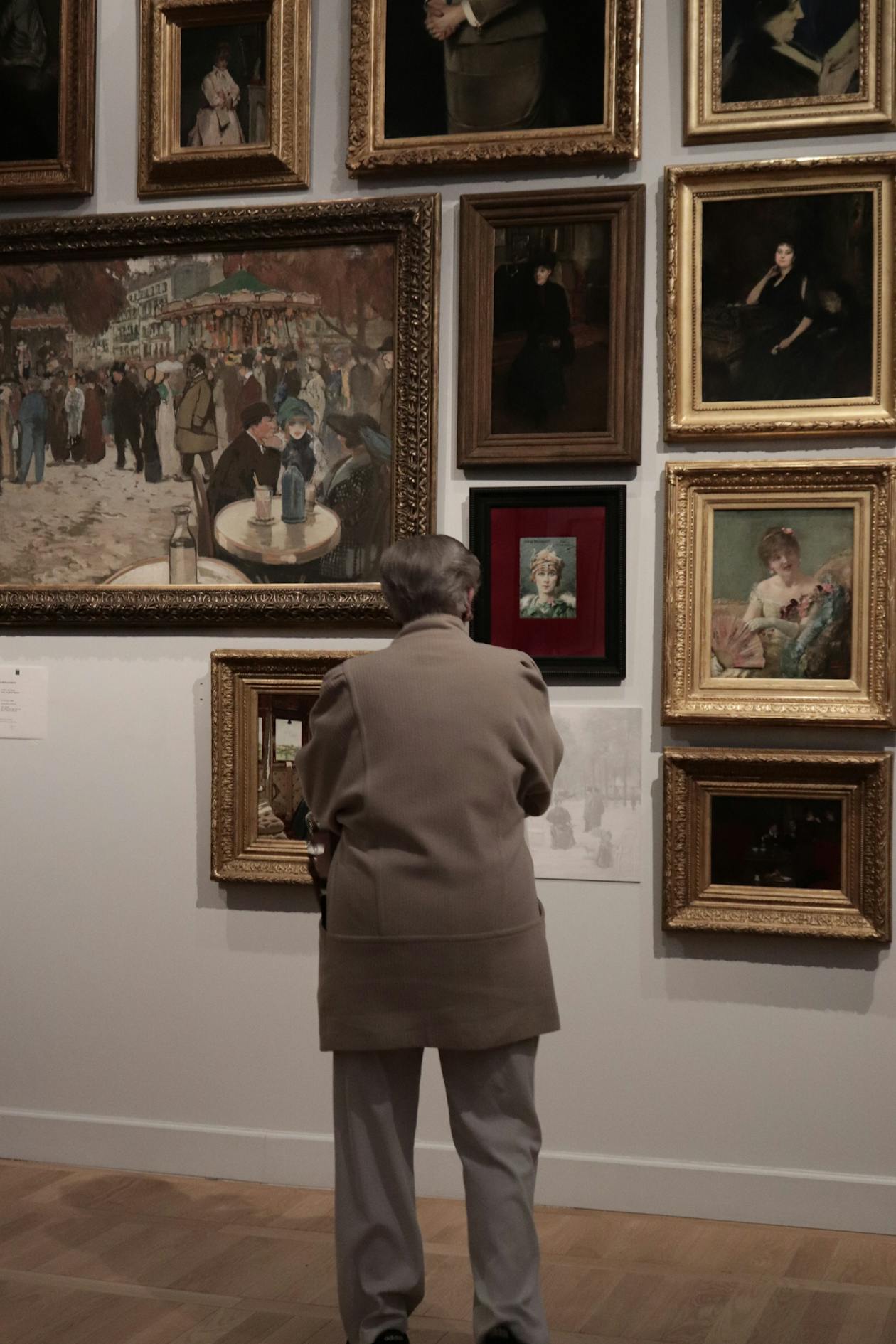
Level 2: Art Nouveau furniture and decorative arts, plus Nabis painters (Bonnard, Vuillard). Most visitors skip this floor entirely, which is a mistake. The Art Nouveau rooms are gorgeous.
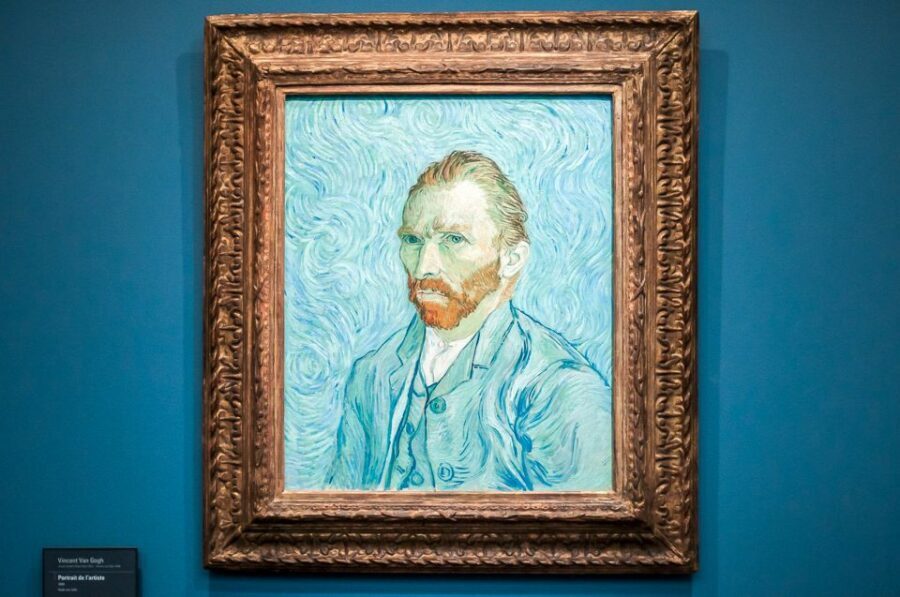
Level 5 (Top Floor): This is why you’re here. The entire Impressionist and Post-Impressionist collection. Monet’s Rouen Cathedral series. Renoir’s “Dance at Le Moulin de la Galette.” Degas’ ballet dancers. Van Gogh’s “Starry Night Over the Rhone” and his self-portrait. Cezanne’s still lifes and landscapes. All in rooms flooded with natural light from the glass ceiling.
Don’t miss the terrace behind the clock face. Walk through the cafe and out to the right. You get that view I mentioned at the start — Sacre-Coeur through the clock glass, the Seine below, and the Tuileries stretching out toward the Louvre.
While You’re on the Left Bank
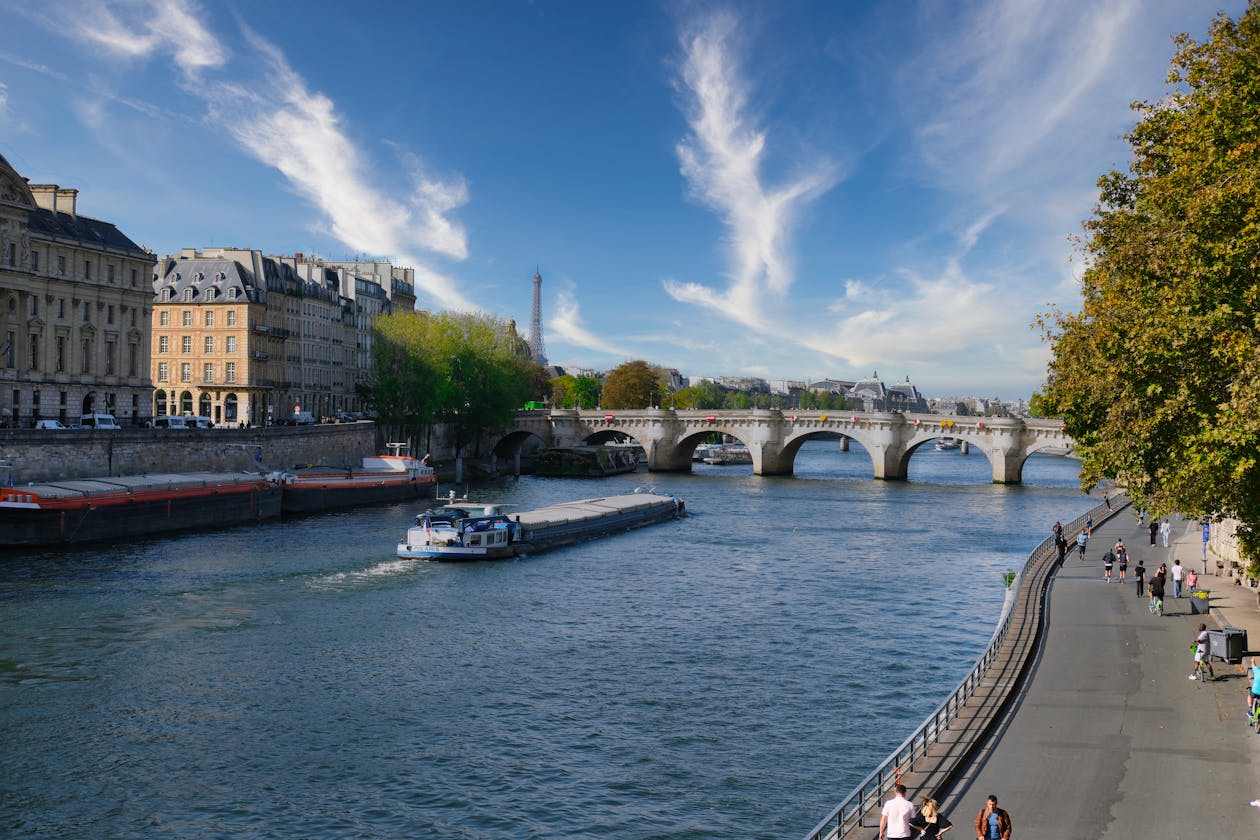
The Orsay sits in one of the best neighborhoods in Paris for a day of museum hopping. The Louvre is a 12-minute walk across the river. The Eiffel Tower is 25 minutes along the quay. And a Seine river cruise picks up from multiple docks within walking distance. If you’re spending a few days in Paris, the Orsay should be your first museum — it’s the most approachable, the most manageable, and frankly the most rewarding. You leave the Louvre exhausted. You leave the Orsay wanting to come back.
More France Guides
The Orsay sits in one of the best neighborhoods in Paris for a full day of exploring. The Louvre is a twelve-minute walk across the river, and covering both museums in one day is doable if you start early. The Eiffel Tower is a 25-minute walk along the quay, and a Seine river cruise picks up from multiple docks within walking distance. On the same bank, Sainte-Chapelle is a short walk east and absolutely worth the detour for its medieval stained glass. If you want something completely different after all that culture, the Catacombs are a twenty-minute Metro ride south.
This article contains affiliate links. When you book through these links, we may earn a small commission at no extra cost to you. This helps us keep creating free travel guides.