
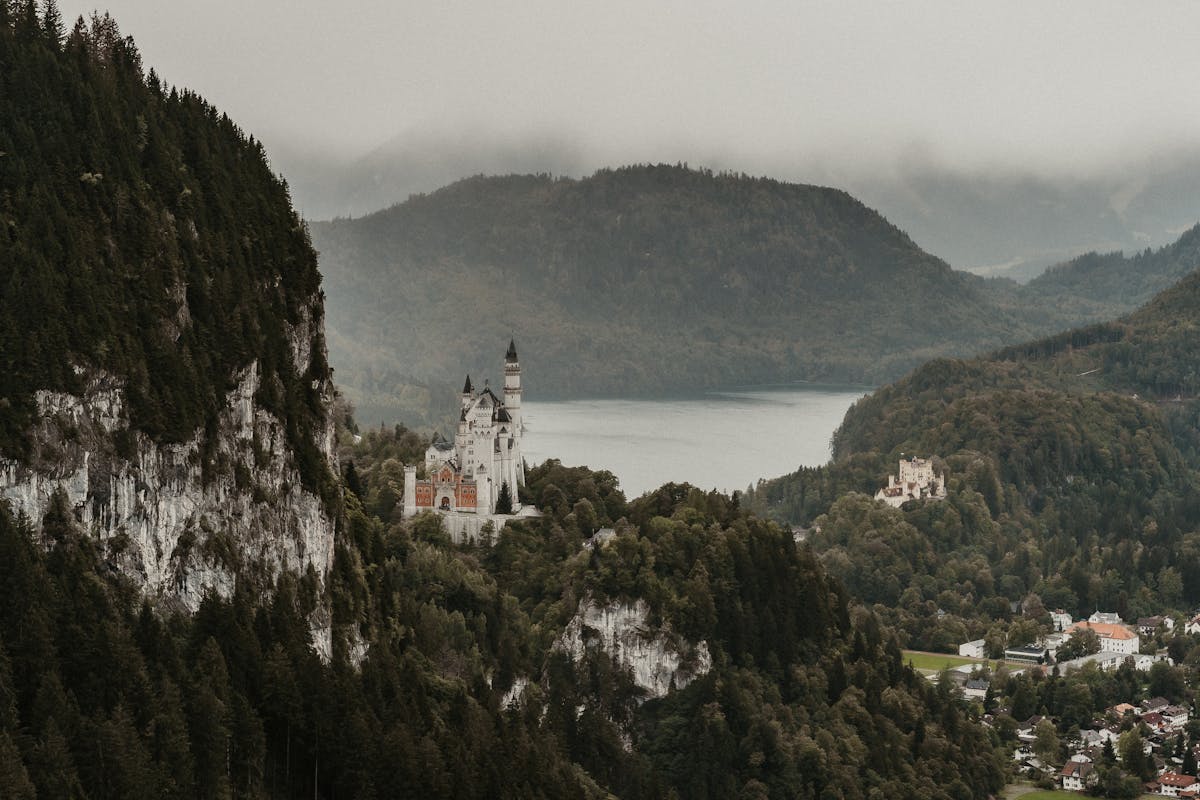
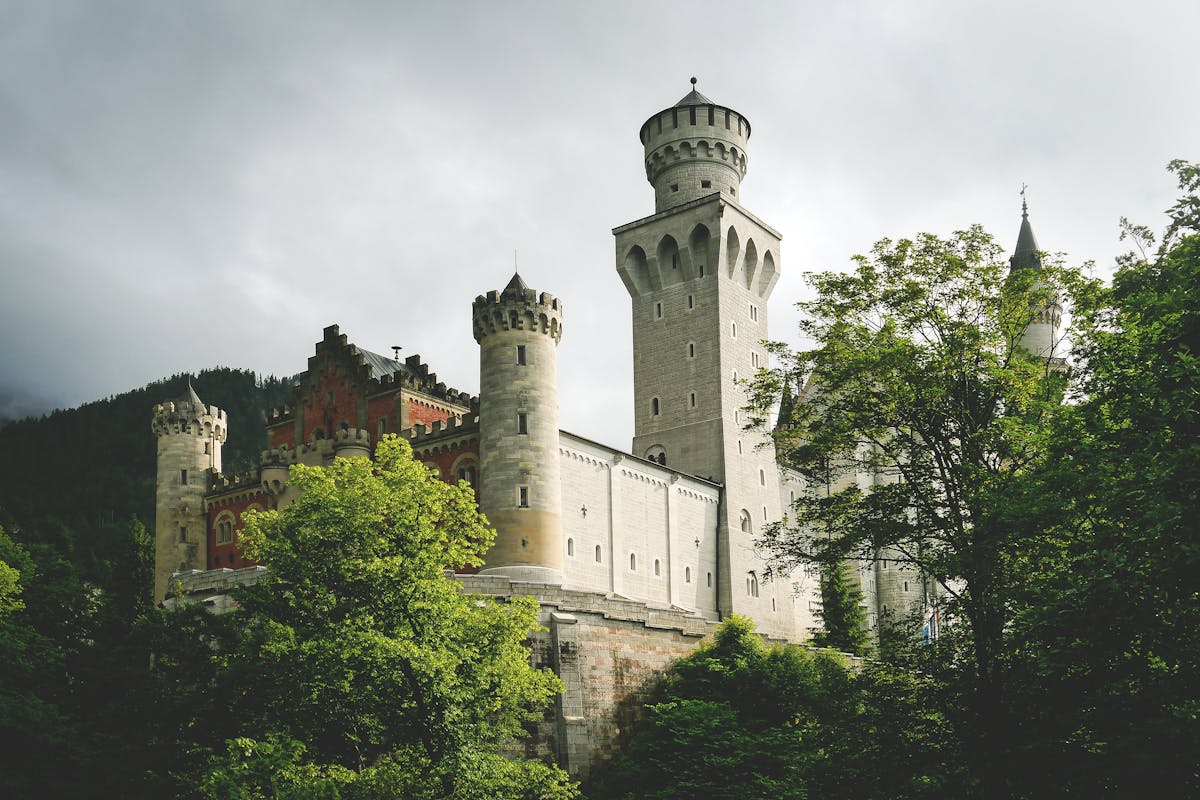
Ludwig II of Bavaria spent 17 years building a castle he would live in for just 172 days. He died under mysterious circumstances before it was finished, the Bavarian government opened it to paying visitors six weeks after his death, and it has not stopped drawing crowds since. Around 1.4 million people walk through those rooms every year, making Neuschwanstein the most visited castle in Germany — and one of the hardest tickets to get in all of Europe.
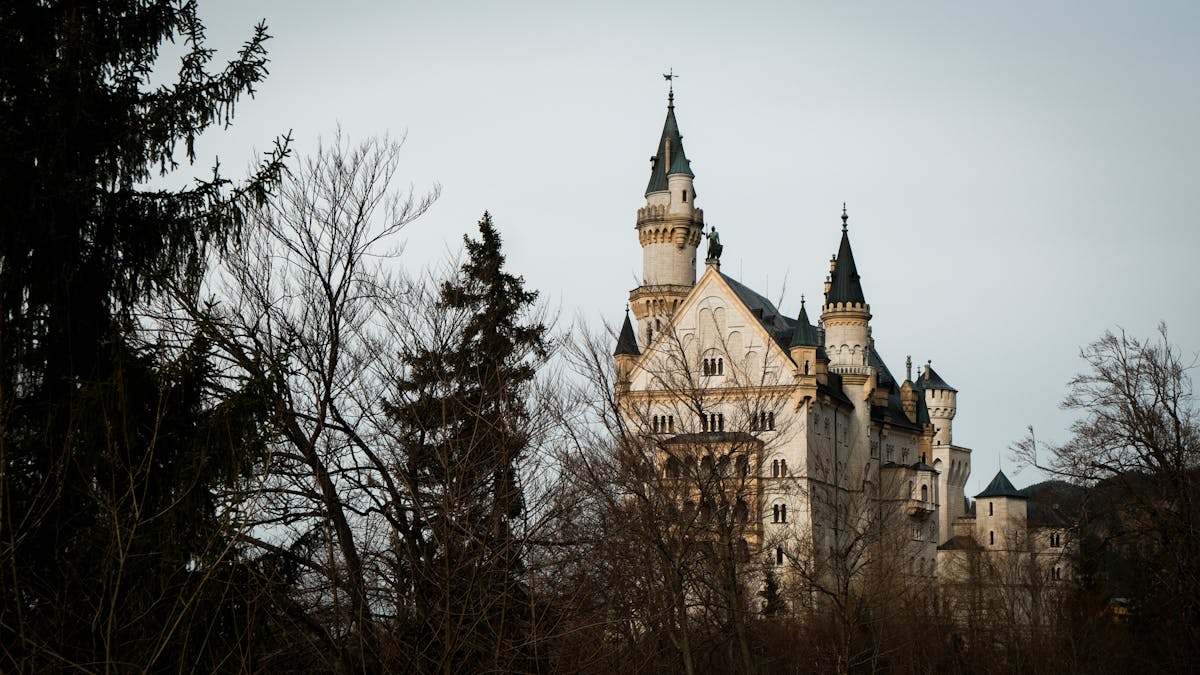
The problem is straightforward: tickets sell out. In peak season (June through September), the ticket office in Hohenschwangau regularly runs dry by late morning. That means 10,000 people want in each day and a good chunk of them leave disappointed. If you are coming from Munich — which is where most visitors start — you are looking at a 2-hour train ride just to reach the area, so showing up without a plan is a genuinely bad idea.
This guide covers every way to get Neuschwanstein Castle tickets from Munich, whether you want to do it yourself with public transport or skip the planning entirely with a guided day trip. Both work. One just requires more patience than the other.
- Neuschwanstein Castle Tour from Munich — The one most people book. Small-group bus from Munich, full day, castle tickets handled for you. From $96.
- Neuschwanstein + Linderhof Palace Day Trip — Two Ludwig II castles in one day. Linderhof is actually more interesting inside. From $92.
- Neuschwanstein by Bus with Bike Ride Option — Adds an alpine bike ride or Hohenschwangau Castle visit. The active option. From $79.
- How Neuschwanstein Tickets Work
- Getting There from Munich on Your Own
- Why a Guided Day Trip Might Be the Better Call
- Best Neuschwanstein Tours from Munich
- 1. Neuschwanstein Castle Tour from Munich
- 2. Neuschwanstein and Linderhof Palace Day Trip
- 3. Neuschwanstein by Bus with Bike Ride or Hohenschwangau
- When to Visit Neuschwanstein
- The Marienbrucke Viewpoint
- What to Know Before You Go
- Quick Comparison: DIY vs. Guided Tour
How Neuschwanstein Tickets Work
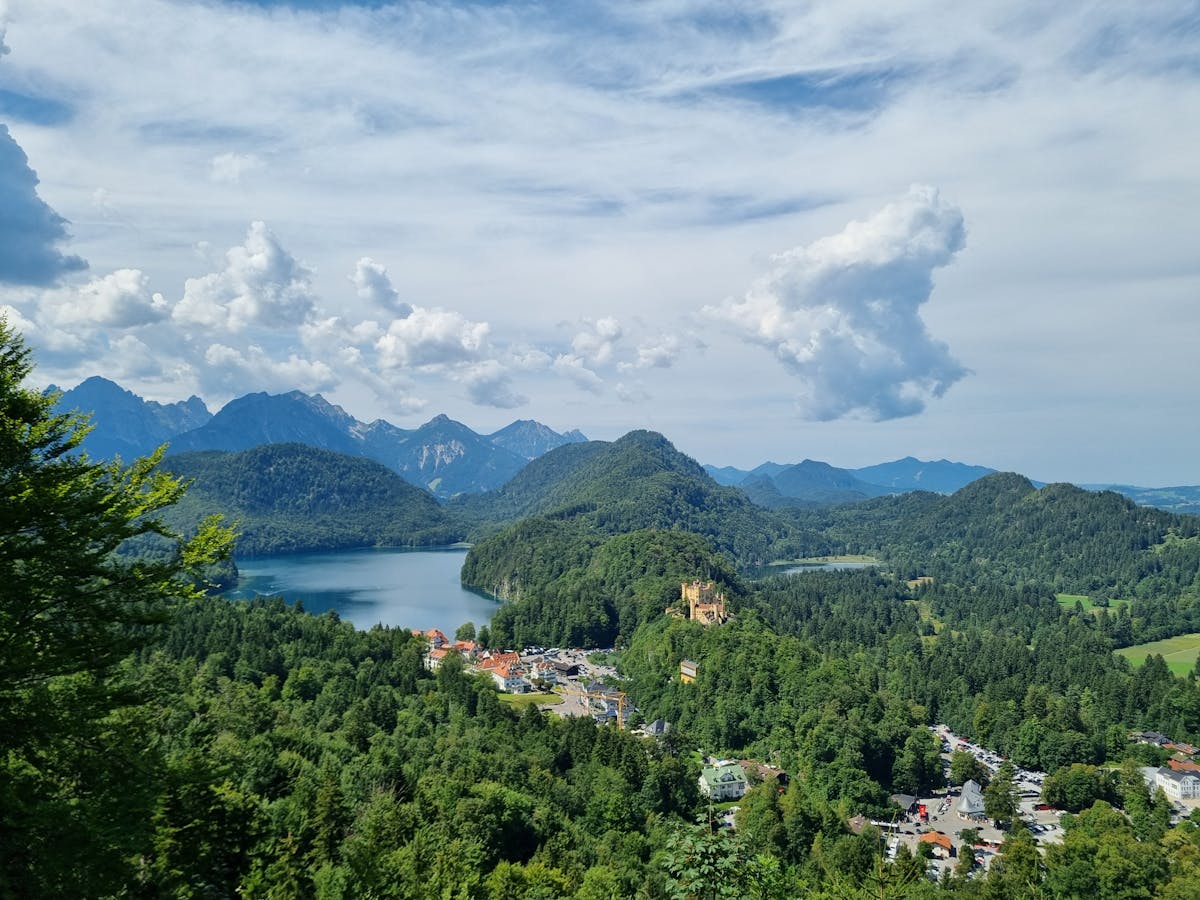
You cannot just walk up to Neuschwanstein and buy a ticket at the door. The castle uses a timed-entry system with mandatory guided tours of about 30 minutes each. Every visitor gets assigned a specific time slot, and if you miss yours, the ticket expires. German punctuality applies here without exception.
Current prices (2026): 60 EUR for adults, 30 EUR for children under 18. Free for children under 7. The ticket includes the mandatory guided tour — there is no option to wander on your own.
Where to buy tickets: The Ticket Center is down in the village of Hohenschwangau, not at the castle itself. This is a 30-40 minute uphill walk from the ticket office to the castle entrance. You can also ride a horse-drawn carriage (uphill only, 5 EUR, weather dependent) or take a shuttle bus when running.
Online booking: The official site (hohenschwangau.de) sells tickets in advance. They release slots a few months ahead, and summer dates go fast. If you see sold out online, there may still be same-day tickets at the physical ticket center — but you would need to be in line by 7:30 AM in peak season to have a realistic chance.
Photos inside: Not allowed. Photography and filming are completely banned inside the castle. Guards enforce it. Your phone stays in your pocket for the 30-minute tour.
What you cannot bring: Backpacks, strollers, and child carriers are banned inside the castle. There are lockers at the entrance.
Getting There from Munich on Your Own
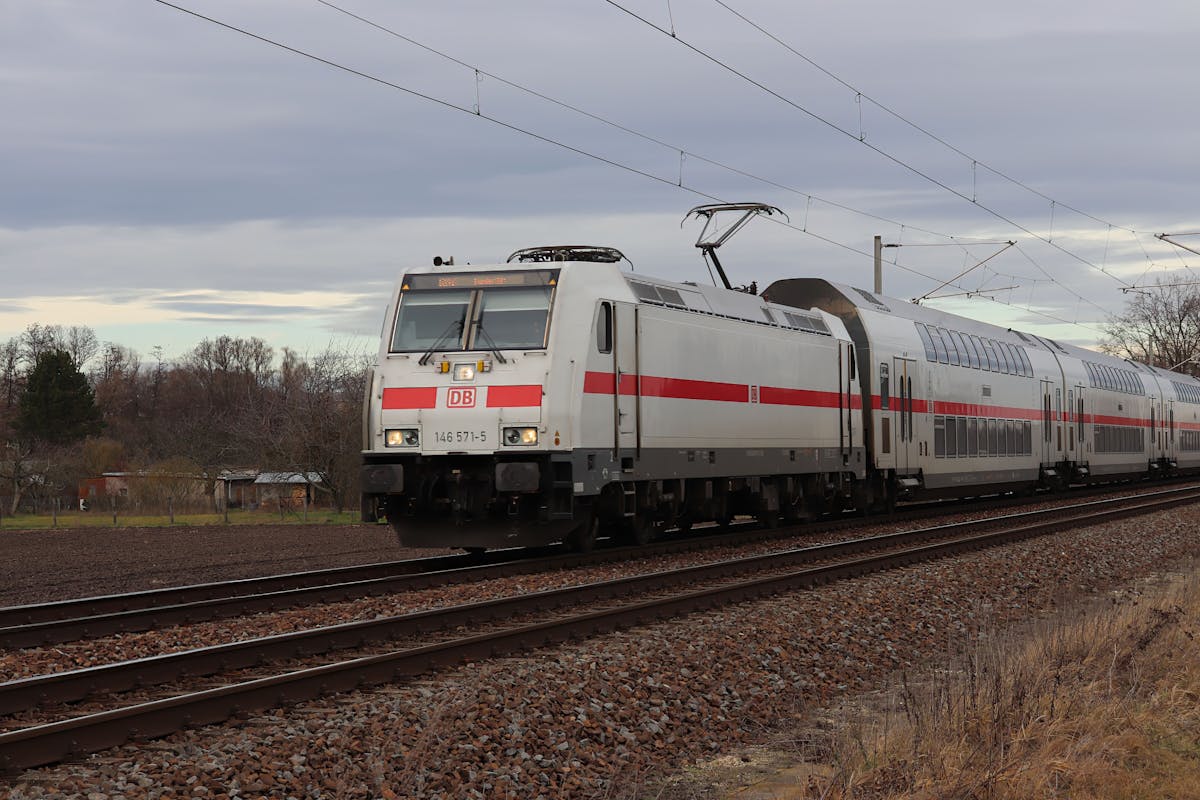
The DIY route is perfectly doable, but it takes commitment. You are looking at 5-6 hours of travel round-trip, plus the castle visit itself. Here is exactly how it works:
Step 1: Train from Munich Hauptbahnhof to Fussen. Direct trains run every two hours and take about 2 hours. The non-direct services run every hour but require a transfer in Buchloe, adding 15-20 minutes. Check the DB Navigator app for exact times on your travel date. A Bayern Ticket (29 EUR for one person, 10 EUR for each additional person up to 5) covers the entire round trip including the bus to the castle — it is by far the best deal. Valid after 9 AM on weekdays, all day on weekends.
Step 2: Bus from Fussen station to Hohenschwangau. Bus 73 (direction Steingaden) or bus 78 (direction Schwangau) — both stop at Hohenschwangau. The ride takes 10 minutes. Covered by your Bayern Ticket. Follow the crowd exiting the train; everyone is going to the same place.
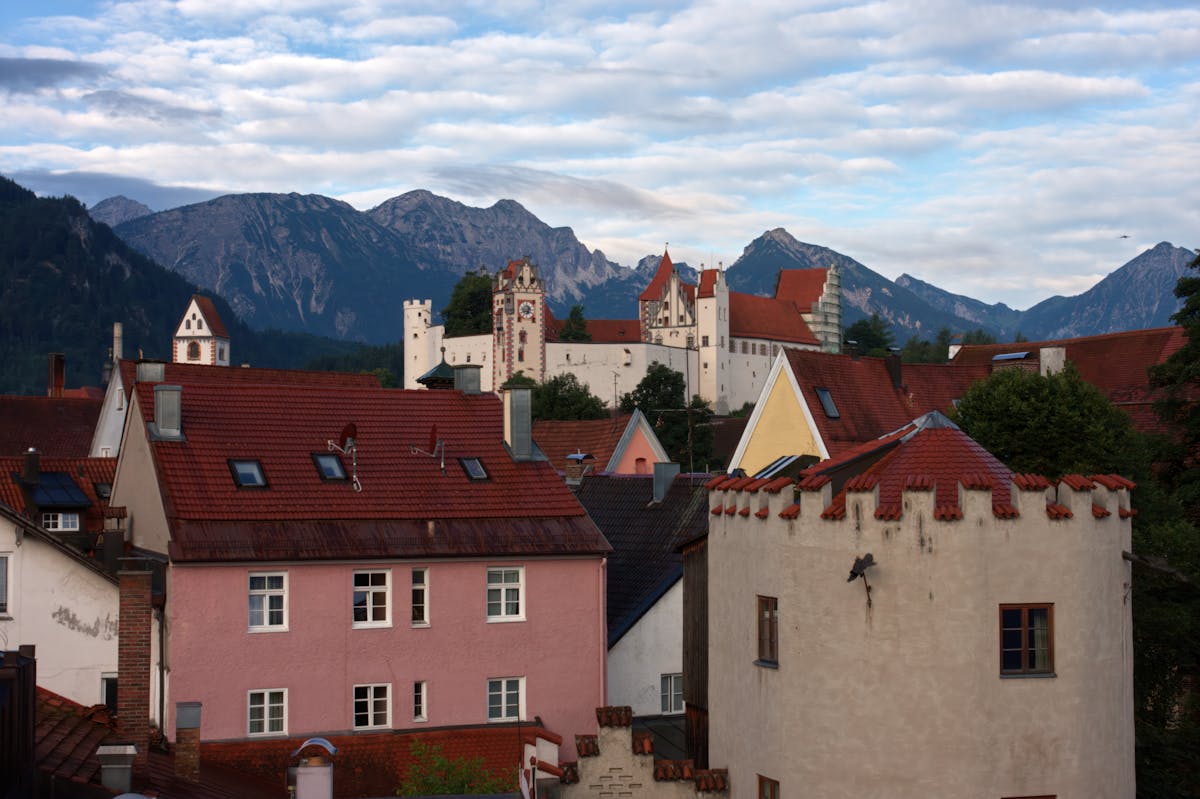
Step 3: Buy tickets or collect pre-booked ones at the Ticket Center. If you booked online, you still need to collect physical tickets here. The ticket center opens at 8:00 AM (April-October) or 8:30 AM (November-March).
Step 4: Walk, carriage, or shuttle up to the castle. The walk takes 30-40 minutes and is uphill the entire way. It is paved but steep. The horse-drawn carriage goes partway (5 EUR, uphill only). The shuttle bus goes to Marienbrucke (the famous viewpoint bridge) and from there it is a 15-minute downhill walk to the castle entrance.
Realistic timeline for a DIY day trip:
Take the 8:52 AM direct train from Munich. Arrive Fussen 10:53 AM. Bus to Hohenschwangau by 11:10 AM. Collect tickets, walk up, tour the castle. Back down to Hohenschwangau by 2:30 PM. Catch bus back to Fussen, then train departing around 3:00 PM. Back in Munich by 5:00 PM. It is a full day, but it works.
Why a Guided Day Trip Might Be the Better Call
The math on DIY vs. guided tour is closer than you would think. A Bayern Ticket for two people costs about 39 EUR. Add castle tickets (120 EUR for two adults) and you are at 159 EUR, plus several hours of logistics, transfers, and standing in ticket lines.
A guided day trip from Munich runs 79-96 EUR per person, handles all the transport, usually includes skip-the-line ticket arrangements, and adds a guide who actually explains who Ludwig II was and why he bankrupted the Bavarian treasury building fantasy castles. Some tours include Linderhof Palace or a bike ride through the Alps as well.
If you are a solo traveler or a confident planner who speaks a bit of German, the DIY route is fine and saves money. If you are traveling with others, especially with kids or anyone who does not want to navigate German regional trains, the guided tours earn their price.
Best Neuschwanstein Tours from Munich
I have gone through the options available and picked three that cover different styles and budgets. All depart from central Munich, include transport, and run as a full-day excursion.
1. Neuschwanstein Castle Tour from Munich
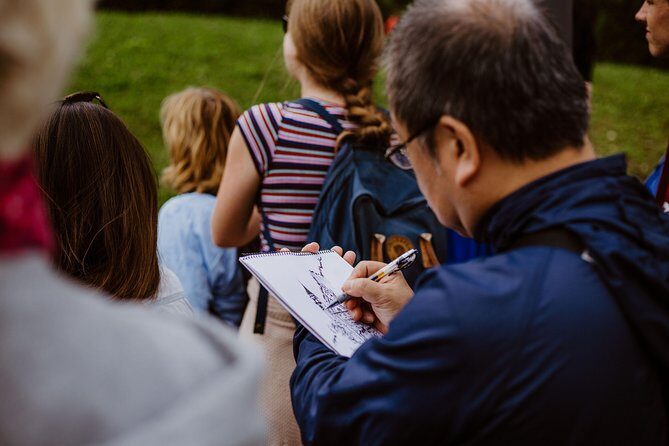
This is the standard-bearer. A small-group bus from Munich takes you directly to Hohenschwangau, where the guide handles the ticket logistics while you enjoy the scenery. The route passes through the Bavarian countryside and the guide covers Ludwig II’s bizarre and fascinating life story along the way — the Swan King who built castles nobody asked for, went increasingly recluse, and drowned under circumstances that Bavaria has never fully explained.
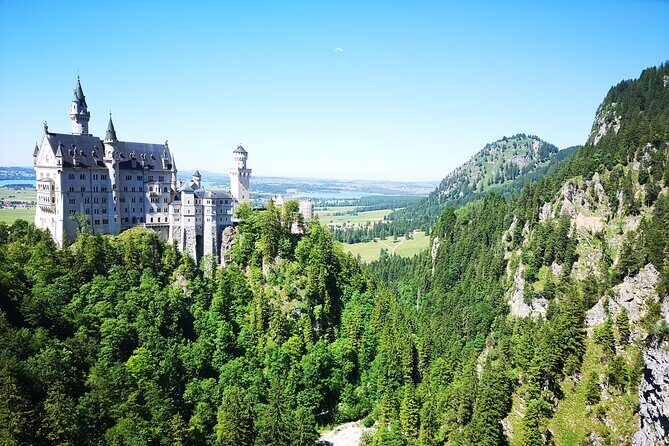
You get free time to explore the village, walk up to Marienbrucke for the classic viewpoint photo (the one you have seen in every travel article, where the castle sits across the gorge with the Alps behind it), and tour the castle interior. The whole thing runs about 10 hours door-to-door, which sounds long but does not feel it.
The guide quality is what separates this from cheaper options. These are not script-readers — they are locals who know the side trails, the best photo angles, and which restaurants in Hohenschwangau are tourist traps (most of them, honestly).
Duration: 10 hours | Price: From $96 per person
Check Availability or read our full review
2. Neuschwanstein and Linderhof Palace Day Trip
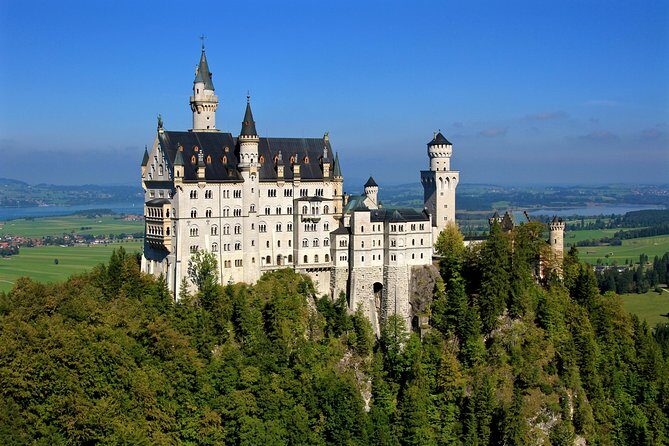
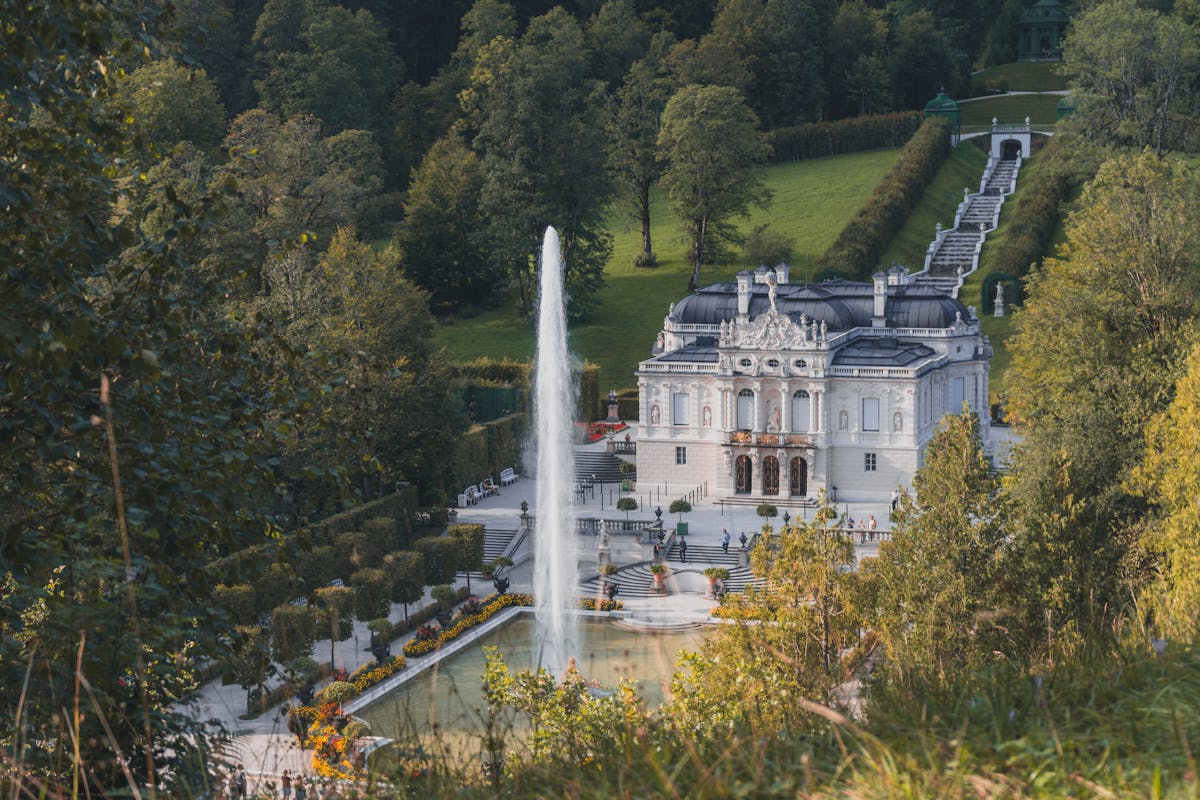
Here is the thing about Linderhof that most visitors do not realize: Ludwig II actually lived there. Neuschwanstein was never finished during his lifetime, but Linderhof was his functioning home, and it shows. The interiors are more intimate, more ornate, and frankly more weird — there is a grotto with an artificial lake that Ludwig had built so he could float around in a shell-shaped boat pretending to be in a Wagner opera. The man was committed to the bit.
This tour pairs Neuschwanstein with Linderhof, which is about 30 km away in the Graswang Valley. You get both castles in a single day trip from Munich, and most people come away saying Linderhof was their favourite. The gardens alone are worth the stop — formal French-style grounds that look transplanted from Versailles.
Transport between the two castles is handled by the tour bus, which would be nearly impossible to coordinate on your own via public transport in a single day. That is the real value here.
Duration: 10.5 hours | Price: From $92 per person
Check Availability or read our full review
3. Neuschwanstein by Bus with Bike Ride or Hohenschwangau
This is the active option. The bus gets you to Hohenschwangau like the other tours, but then you choose: either visit Hohenschwangau Castle (Ludwig II’s childhood home, the yellow one across the valley from Neuschwanstein) or go on a guided bike ride through the alpine meadows with the castles as your backdrop.
The bike ride is the standout. You are cycling through open meadows with both castles visible, the Alps in every direction, and the crystal-clear Alpsee lake below. It is not particularly strenuous — the terrain is mostly flat to gently rolling — but the scenery is genuinely spectacular. Some tours include a swim stop at the lake, weather permitting.
If cycling is not your thing, the Hohenschwangau Castle option is solid too. It is a smaller, more personal castle, and the guided tour explains the Wittelsbach royal family’s history in a way that gives useful context for understanding Ludwig II and why he turned out the way he did.
At $79, this is also the most affordable of the three options.
Duration: 11 hours | Price: From $79 per person
Check Availability or read our full review
When to Visit Neuschwanstein
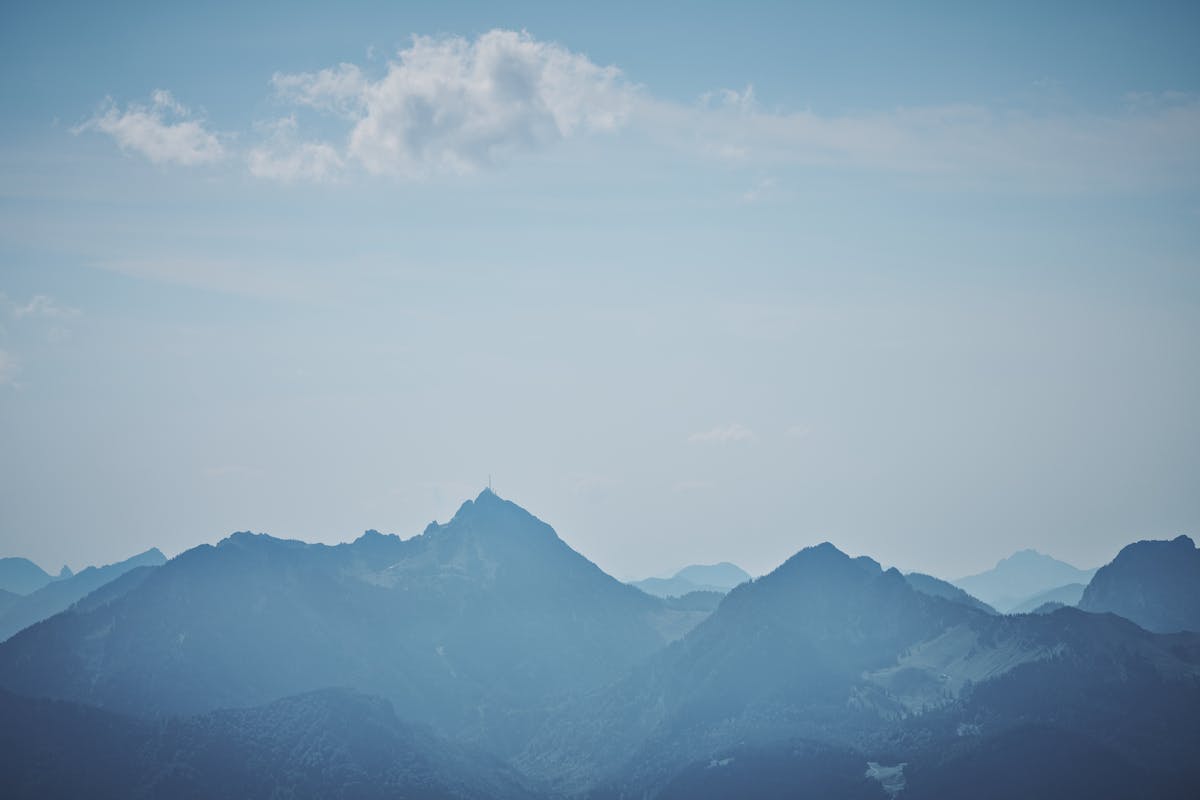
Peak season (June-September): The busiest and most expensive months. Ticket availability is tightest, day trip tours sell out days in advance, and the walk up to the castle becomes a slow procession of tour groups. But the weather is reliable, the days are long, and the Alps look their absolute best with green meadows and wildflowers.
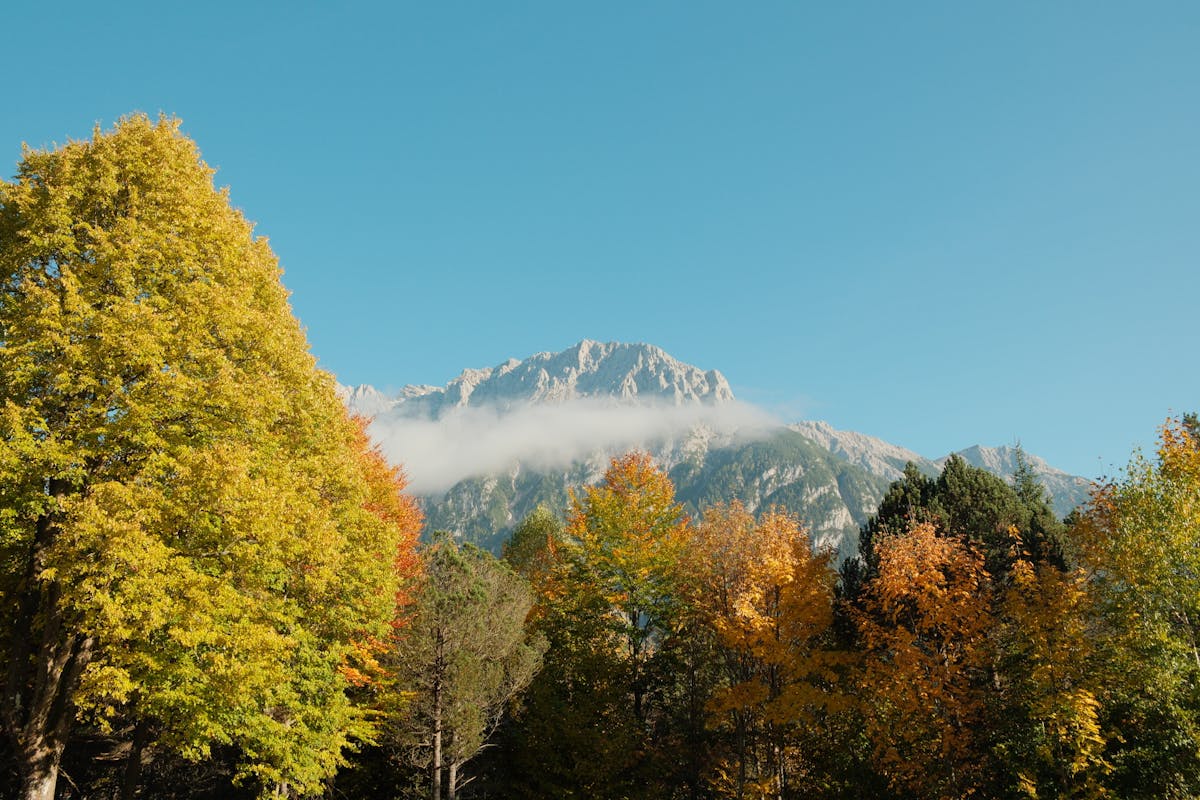
Shoulder season (April-May, October): This is the sweet spot. Fewer crowds, tickets are easier to get, and the scenery is arguably better. October brings autumn colour to the forests around the castle, which is stunning. April and May can be unpredictable weather-wise — pack layers.
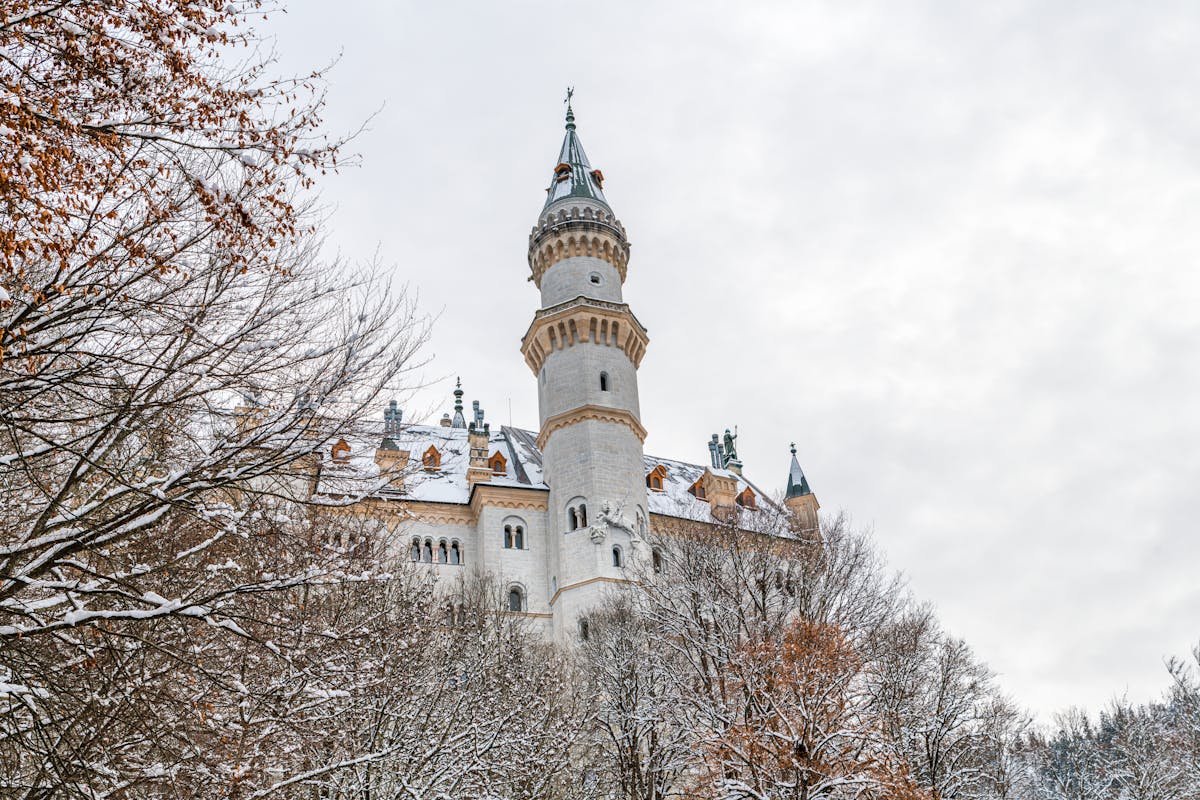
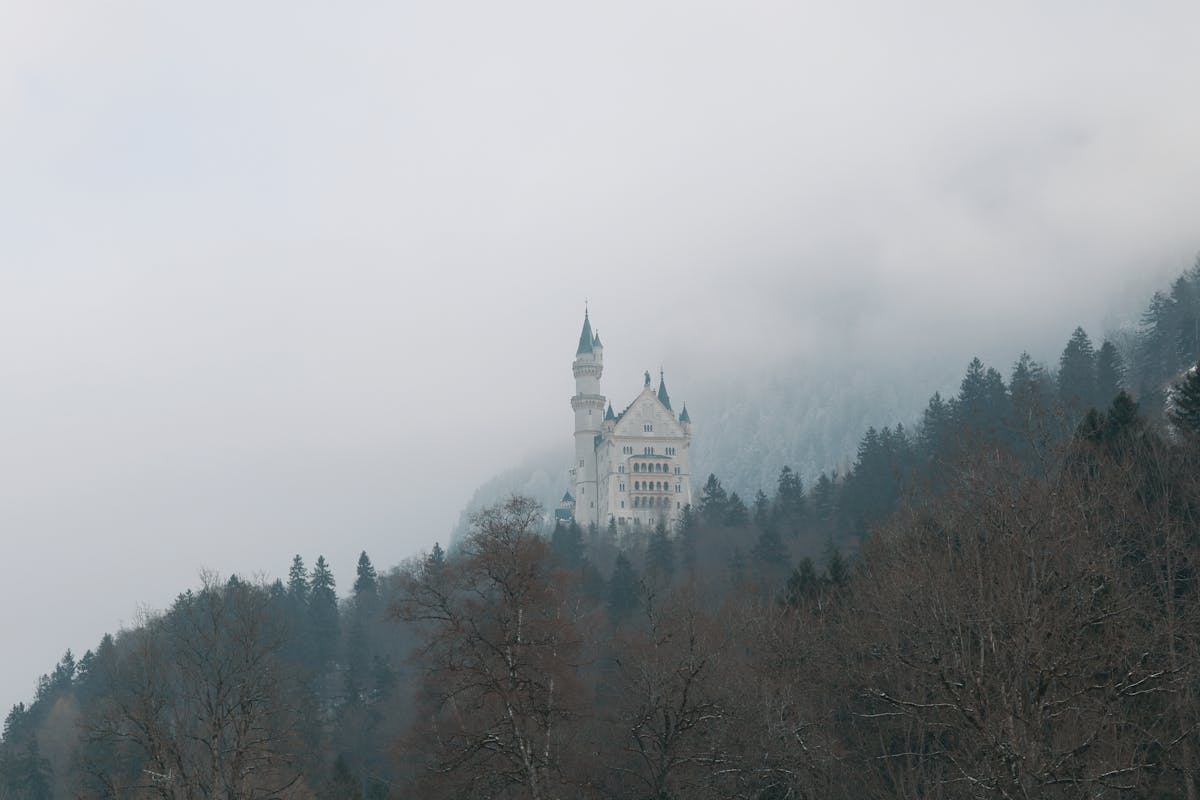
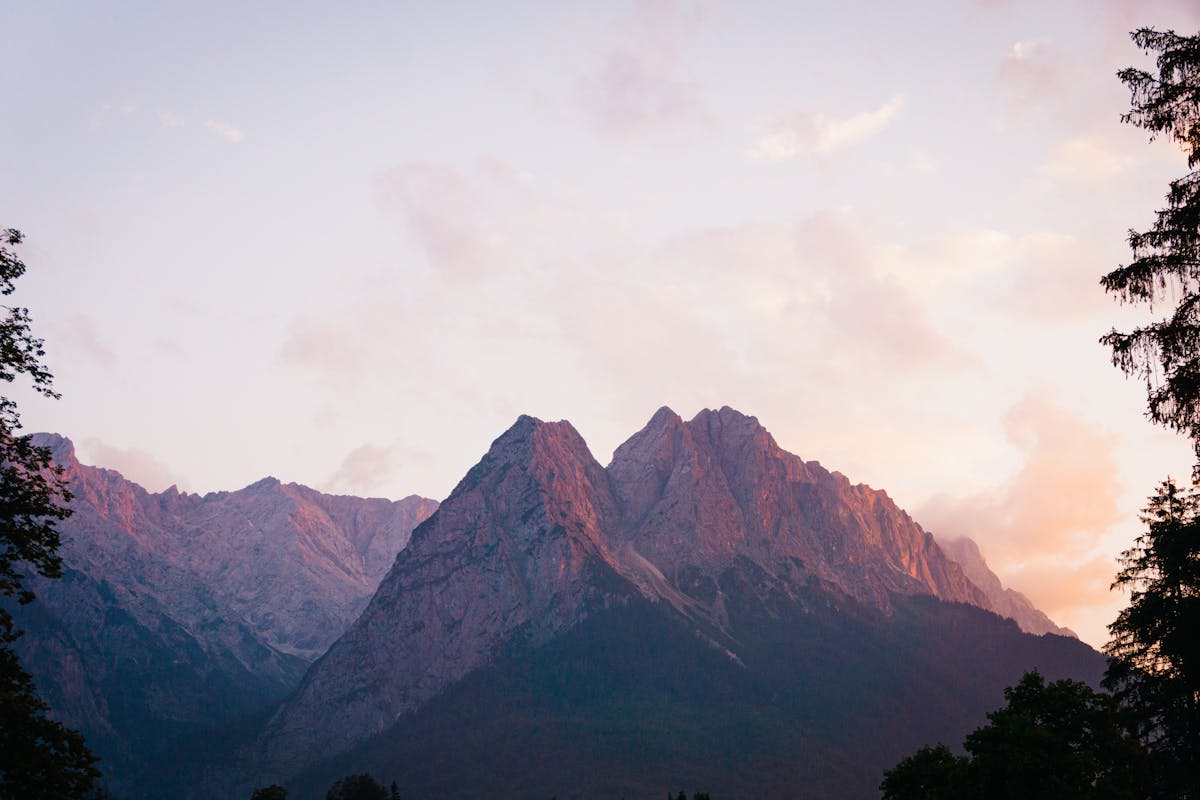
Winter (November-March): The castle stays open except December 24-25, December 31, and January 1. Crowds drop dramatically. Snow on the castle and the surrounding Alps creates the most dramatic scenery of any season. But — and this matters — Marienbrucke (the viewpoint bridge) closes in winter due to ice. That means no classic postcard photo. The horse-drawn carriages and shuttle buses also run less frequently. Tours from Munich still operate but on reduced schedules.
Best day of the week: Tuesday through Thursday. Monday is surprisingly busy because weekend travelers add an extra day. Fridays fill up as weekend visitors arrive early. Saturdays and Sundays are the worst.
The Marienbrucke Viewpoint
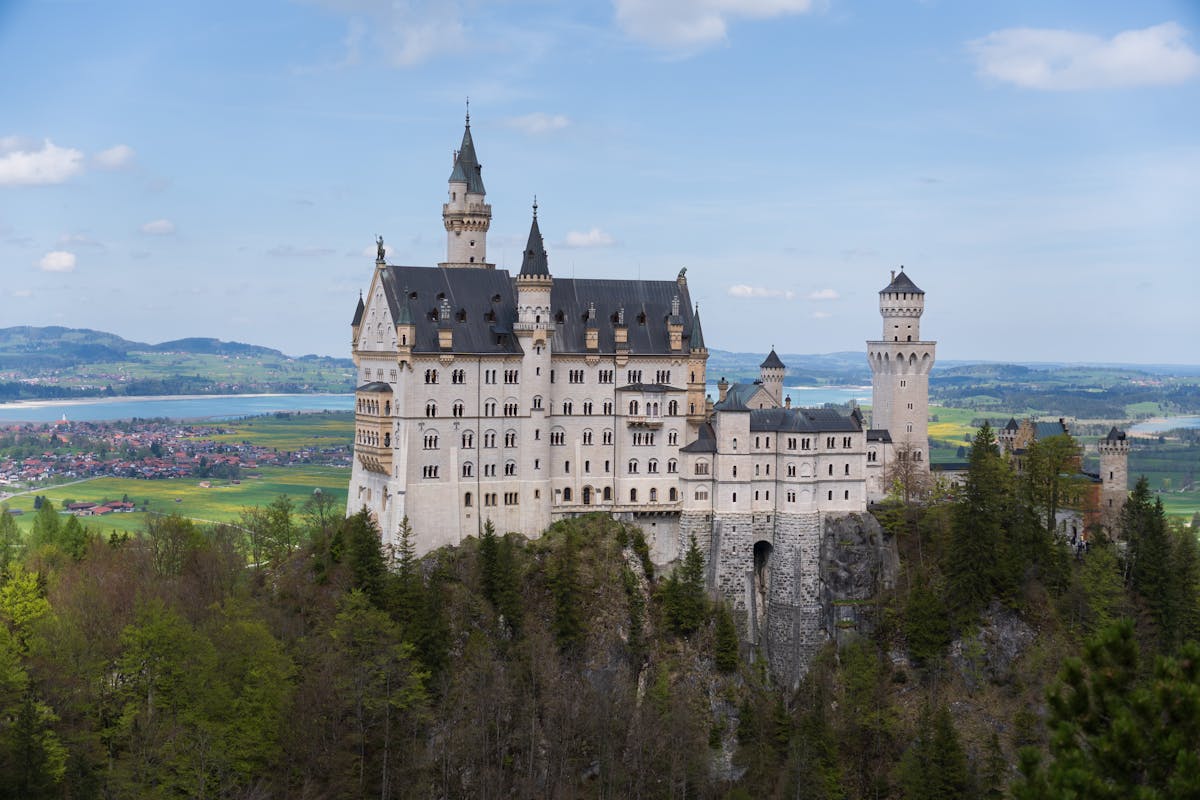
You know the photo. Castle on the left, gorge below, Alps behind, everything backlit. That is taken from Marienbrucke (Mary’s Bridge), a narrow iron bridge spanning the Pollat Gorge about 90 metres above a waterfall.
Getting there: the shuttle bus from Hohenschwangau drops you near the bridge, and from there it is a 15-minute downhill walk to the castle. Or you can walk up from the castle after your tour (15 minutes uphill, steep). Most people do castle first, then bridge, then walk back down.
The bridge gets extremely crowded in summer. Like, uncomfortably so. It is narrow and there is a drop on both sides that makes some people nervous. Early morning or late afternoon gives you the best chance at a photo without 40 people in it. In winter, the bridge closes entirely.
If Marienbrucke is closed or too crowded, there is a trail that continues past the bridge along the hillside. The views from 5 minutes further along are nearly as good and you might have them to yourself.
What to Know Before You Go
Wear proper shoes. The walk from Hohenschwangau to the castle is a 30-40 minute uphill climb on paved but steep paths. Flip-flops and dress shoes are a bad idea. Trainers or light hiking shoes are fine.
Bring cash. The ticket center and some vendors around Hohenschwangau prefer cash. The horse-drawn carriage is cash only. ATMs exist in the village but do not rely on them in peak season.
Do not be late for your time slot. Your ticket has a specific entry time. Miss it by more than a few minutes and the ticket becomes worthless. No refunds, no exceptions. Deutsche Punktlichkeit is real here.
Budget 4 hours minimum at the castle area. Between the walk up, waiting for your time slot, the 30-minute interior tour, Marienbrucke, and the walk back down, 4 hours is realistic. Do not book a tight return train.
The castle interior tour is 30 minutes. That is it. You see the Throne Room, the Singer’s Hall, and about a dozen other rooms. It is impressive but brief. The exterior, the walk up, and the viewpoints are where you will spend most of your time.
Food options are limited and overpriced. There are a couple of restaurants in Hohenschwangau and a kiosk near the castle, but the food is tourist-grade at tourist prices. Bratwurst and pretzels at 2-3x what you would pay in Munich. Eat a proper breakfast in Munich before you leave, and pack snacks.
Combine with Hohenschwangau Castle if you have time. Ludwig’s childhood home sits directly across the valley. It is less famous but arguably more historically interesting — you learn about the family that produced Ludwig II, which makes Neuschwanstein make more sense. A combo ticket covers both castles.
Quick Comparison: DIY vs. Guided Tour
| Factor | DIY (Train + Bus) | Guided Tour |
|---|---|---|
| Cost (2 adults) | ~159 EUR (transport + tickets) | ~146-178 EUR |
| Travel time | 5-6 hrs round trip | Similar, but you are not navigating |
| Ticket stress | You handle booking or queueing | Guide handles it |
| Flexibility | High — your schedule | Fixed itinerary |
| Extras | None (Neuschwanstein only) | Linderhof, bike rides, commentary |
| Best for | Budget solo travelers, planners | Families, groups, first-timers |

Neuschwanstein is one of those rare places that genuinely lives up to the hype. Ludwig II’s impossible castle, perched up in the Alps like something that escaped from a storybook illustration, hits differently in person than it does on a screen. The ticket situation is annoying — there is no way around that — but the payoff for getting organized ahead of time is standing in the Singer’s Hall wondering how one man’s obsession with Wagner operas produced something this beautiful and this absurd at the same time.
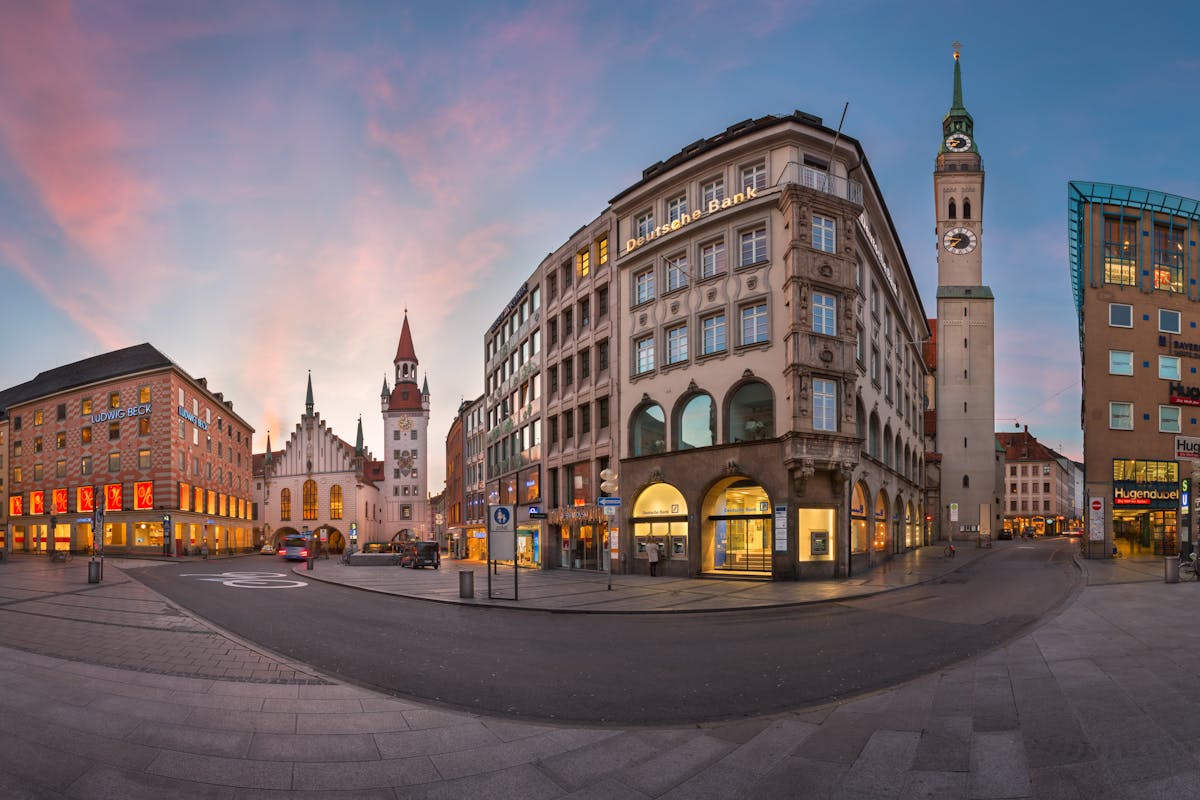
If you have not explored Munich itself yet, a walking tour of the old town is the best way to get oriented before heading out to the castle, and a Munich beer tour is the correct way to debrief afterward. The Dachau Memorial is a sobering but essential half-day from the city — a completely different kind of day trip.
If you are covering more of Germany, a Berlin river cruise and the Reichstag dome are both worth building a day around. And if Ludwig’s Wagner obsession piqued your interest, the Semperoper in Dresden is where those operas were actually premiered — the guided tour of the interior is surprisingly good.