
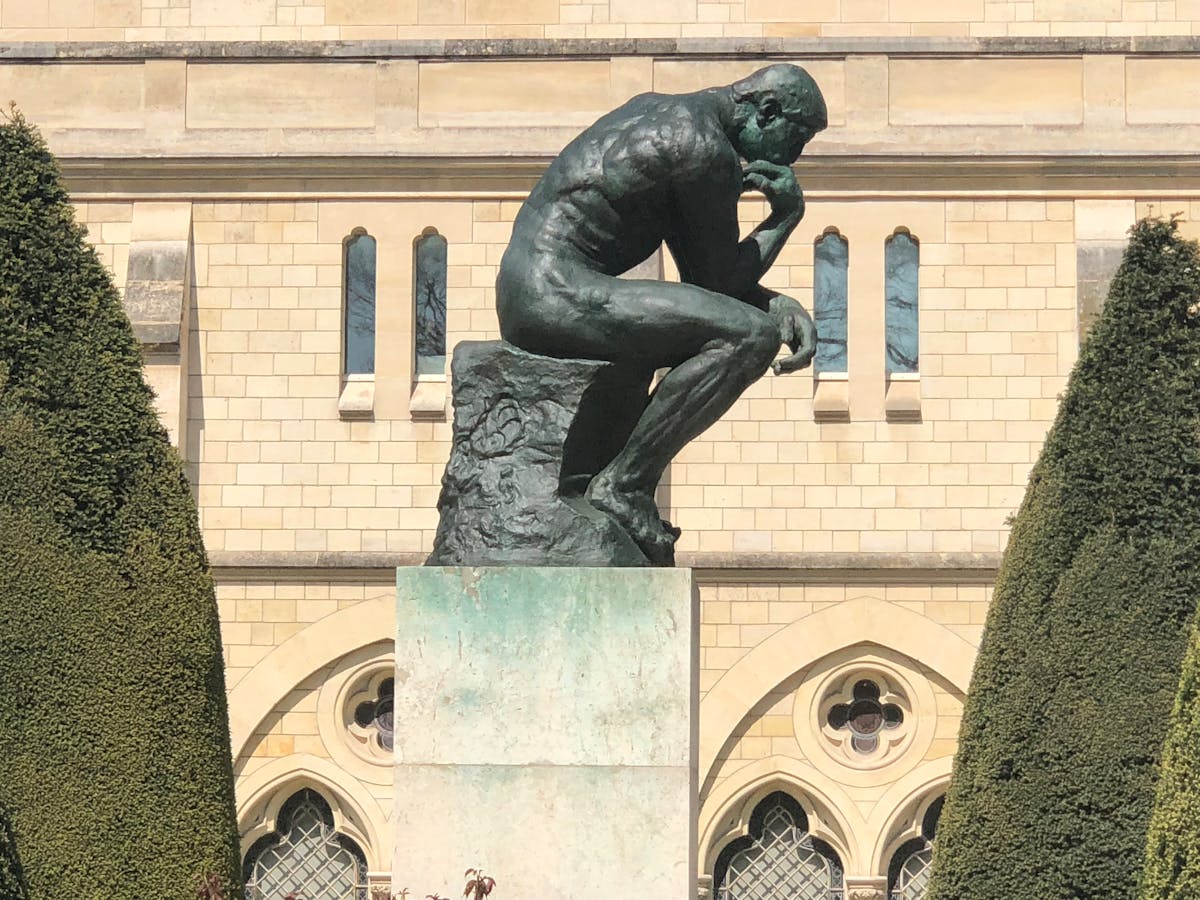
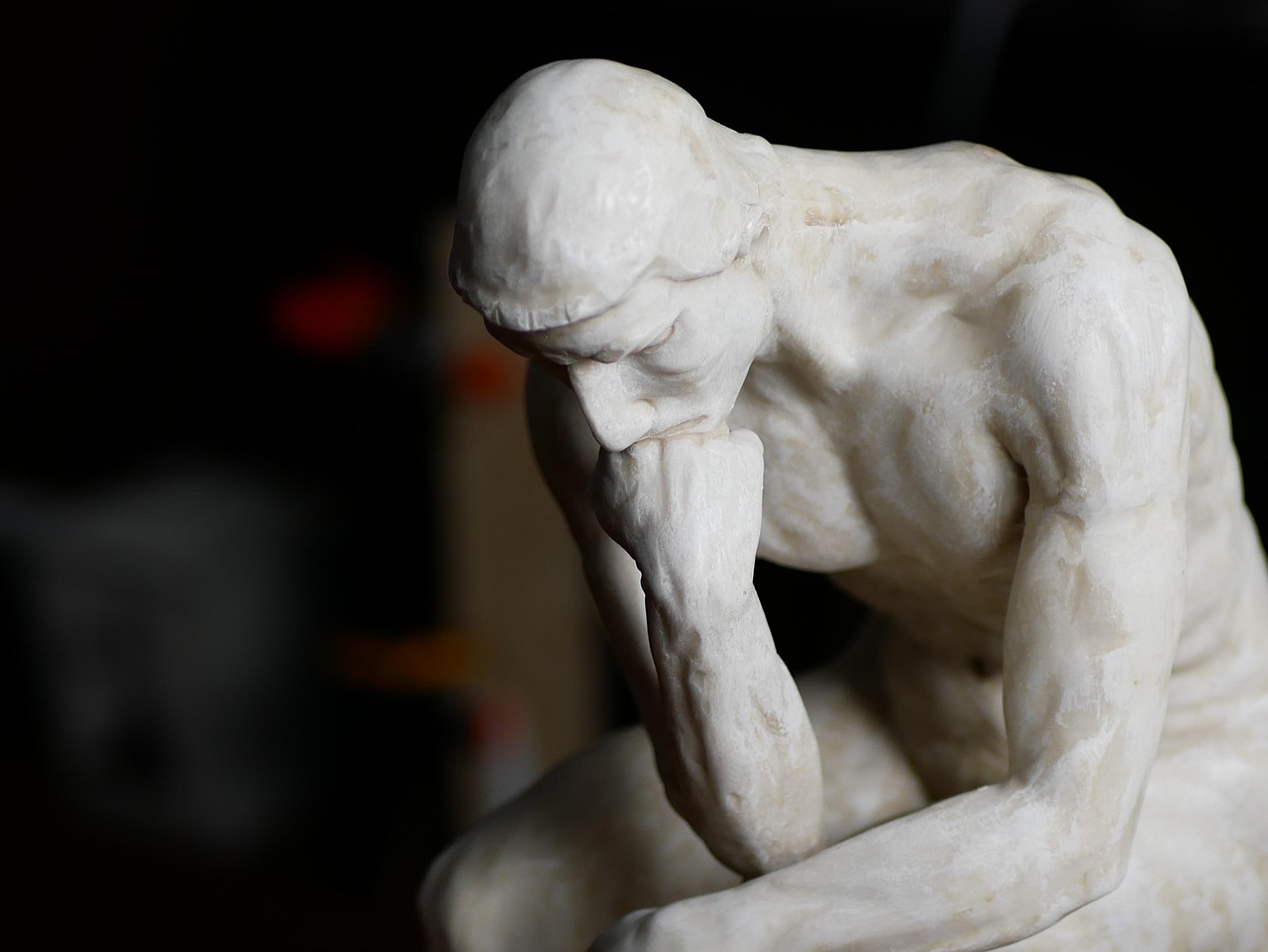
The first time I walked into the Rodin Museum garden, I almost forgot the museum itself existed. It was a Thursday afternoon in late September, and the light was doing that golden thing that only seems to happen in Paris between 3pm and 5pm. The Thinker sat up on his pedestal with the dome of Les Invalides glowing behind him, and a couple of kids were trying to copy his pose on the lawn while their parents pretended not to take photos.
I had bought my ticket online the night before because I am, fundamentally, someone who panics about queues. But standing in that garden, surrounded by bronze figures and the smell of roses, I realised this is one of the few Paris museums where the queue is almost beside the point. The Rodin Museum is small enough to feel personal, grand enough to feel like an event, and cheap enough that you will not need to remortgage anything to get in.
If you are planning a trip and want to know exactly how to sort your tickets, what to expect inside, and whether you need a guided tour or just a good pair of walking shoes, this is the guide for you.
Best value: Rodin Museum Entrance Ticket — $16. Standard admission, no fuss, gets you into everything including the garden.
Best with audio: Rodin Museum Skip-the-Line with Audio Guide — $24. The audio guide transforms a nice visit into a genuinely educational one.
Best combo: Orsay + Rodin Combo Ticket — $53. Two museums, one afternoon, zero regrets. The Orsay is a 15-minute walk away.
- How the Rodin Museum Ticket System Works
- Official Tickets vs Third-Party Bookings vs Guided Tours
- The Best Rodin Museum Tours and Tickets to Book
- 1. Rodin Museum Entrance Ticket —
- 2. Rodin Museum Skip-the-Line Entry with Audio Guide —
- 3. Orsay Museum and Rodin Museum Combo Ticket —
- What You Will Actually See Inside
- Inside the Hotel Biron
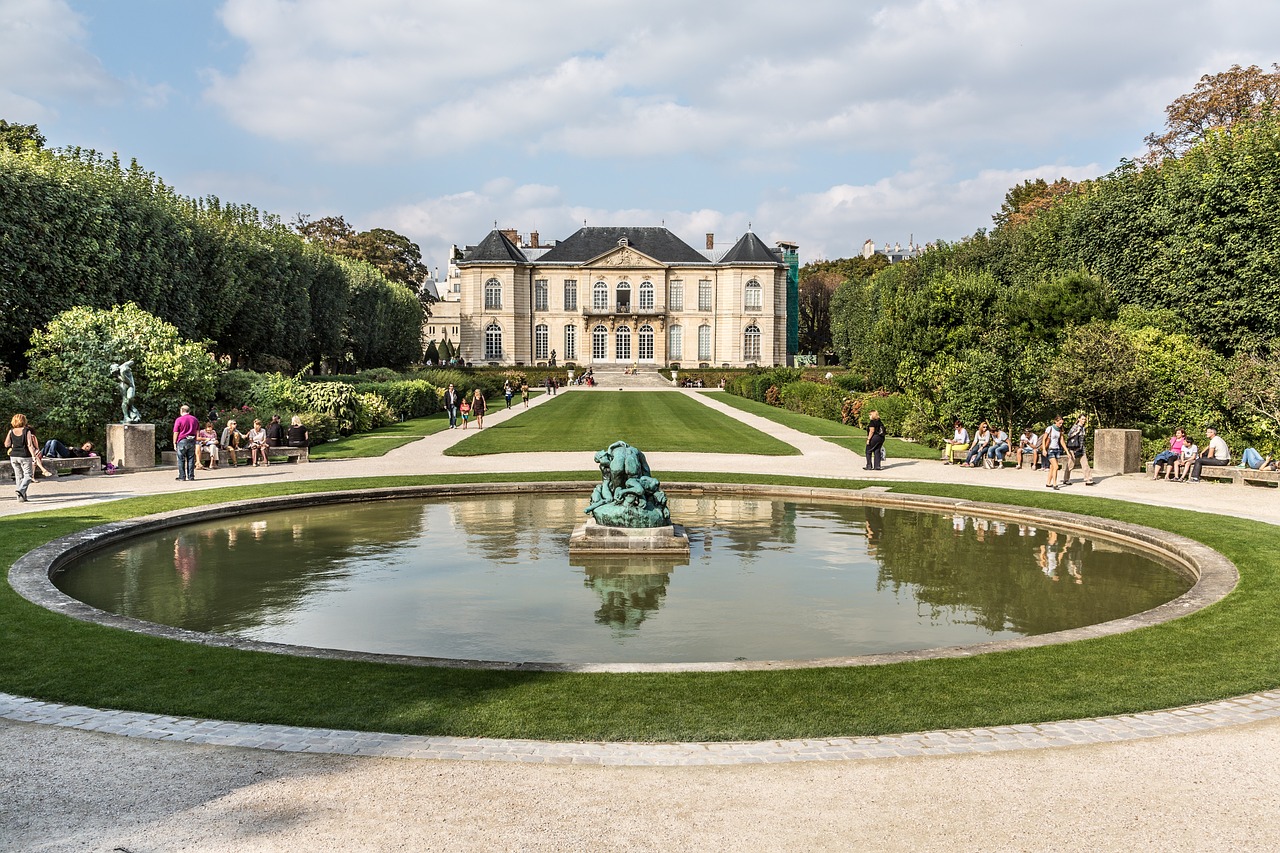
- The Garden
- The Story Behind the Museum
- When to Visit
- How to Get There
- Tips That Will Save You Time
- More Paris Museum Guides
How the Rodin Museum Ticket System Works
The Rodin Museum (Musee Rodin) sits at 77 rue de Varenne in the 7th arrondissement, tucked behind high walls on one of the Left Bank’s quietest streets. It is open every day except Monday, from 10am to 6:30pm, with last entry at 6pm.
Standard ticket prices (at the door or online):
- Full museum + garden: 13 euros
- Garden only: 5 euros (honestly a bargain for what you get)
- Free entry: Under 18s, EU residents under 26, disabled visitors and their companion, first Sunday of the month (October to March)
You can buy tickets directly on the official Rodin Museum website, or through third-party platforms like GetYourGuide which sometimes bundle skip-the-line access or audio guides for a small premium. During summer months and school holidays, the queue at the door can stretch for 20-30 minutes, so pre-booking is worth the few extra euros.
The Paris Museum Pass also covers the Rodin Museum, so if you are hitting the Louvre, Orsay, and Rodin in a few days, the pass pays for itself quickly.

Official Tickets vs Third-Party Bookings vs Guided Tours
You have three paths to getting inside the Rodin Museum, and each makes sense for a different type of visitor.
Official website tickets are the cheapest option at 13 euros. You book a time slot, show up, scan your phone, and walk in. The downside is there is no audio guide included, and the in-museum signage, while decent, does not go deep into the stories behind each piece.
Third-party tickets through GetYourGuide cost a bit more but often come with skip-the-line guarantees and flexible cancellation. For a museum this small, the skip-the-line advantage is mainly useful in peak summer. The real value is the bundled audio guides, which add context you will not get from the wall plaques alone.
Guided tours are the most expensive option but transform the visit entirely. A good guide will tell you about Rodin’s feuds, his relationship with Camille Claudel, and why The Thinker looks nothing like what Rodin originally had in mind. If you are someone who walks through museums thinking “this is nice but I have no idea what I am looking at,” a guided tour is money well spent.
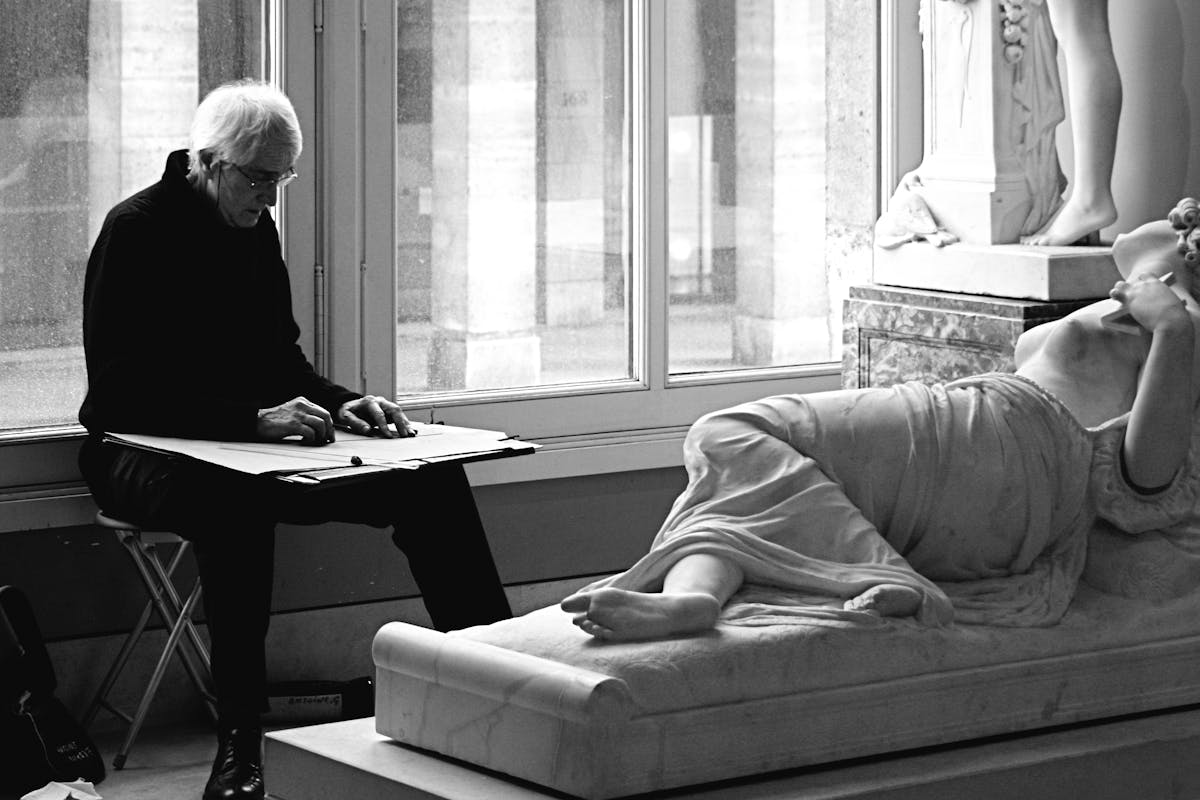
My honest take: for the Rodin Museum specifically, the audio guide version is the sweet spot. The museum is intimate enough that you do not need a guide leading you around, but the stories behind the sculptures are so wild that you want someone explaining them.
The Best Rodin Museum Tours and Tickets to Book
I have gone through the major options and narrowed it down to three that cover every budget and preference. Each of these has been reviewed on our site with real visitor feedback.
1. Rodin Museum Entrance Ticket — $16
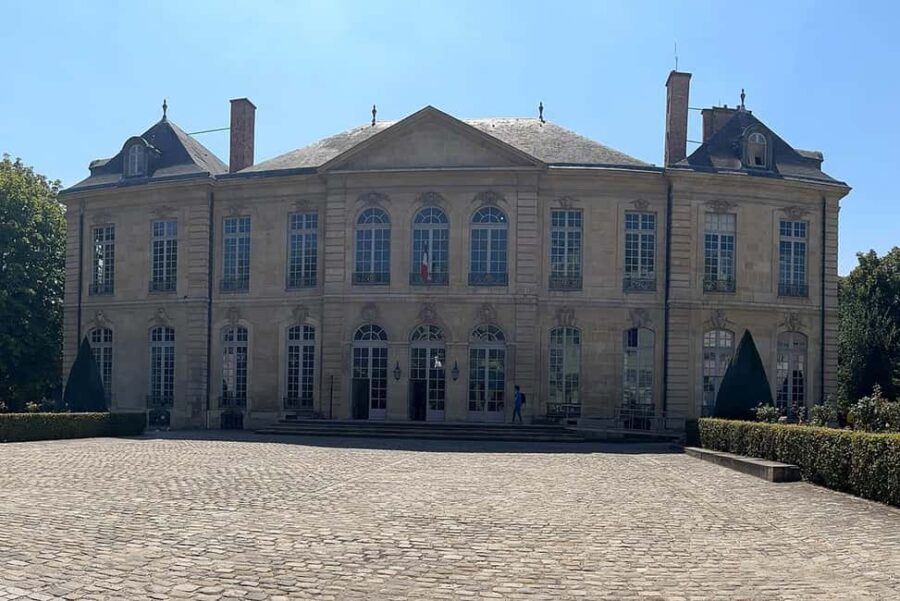
This is the no-frills option and it is genuinely all most people need. At $16 (around 13 euros), you get full access to the museum building, all 18 rooms of the permanent collection, and the entire three-hectare garden. There is no audio guide included, but the sculptures largely speak for themselves, and the wall descriptions are available in French and English.
The standard entry ticket is the most popular booking option by a wide margin, and for good reason. If you have already done your homework on Rodin or you are the type who prefers to wander and form your own impressions, this is the one. The price makes it one of the cheapest major museum visits in Paris.
“Gorgeous gallery and garden, well worth it. It was quiet and calm, loved walking around the garden.” — Cate
2. Rodin Museum Skip-the-Line Entry with Audio Guide — $24
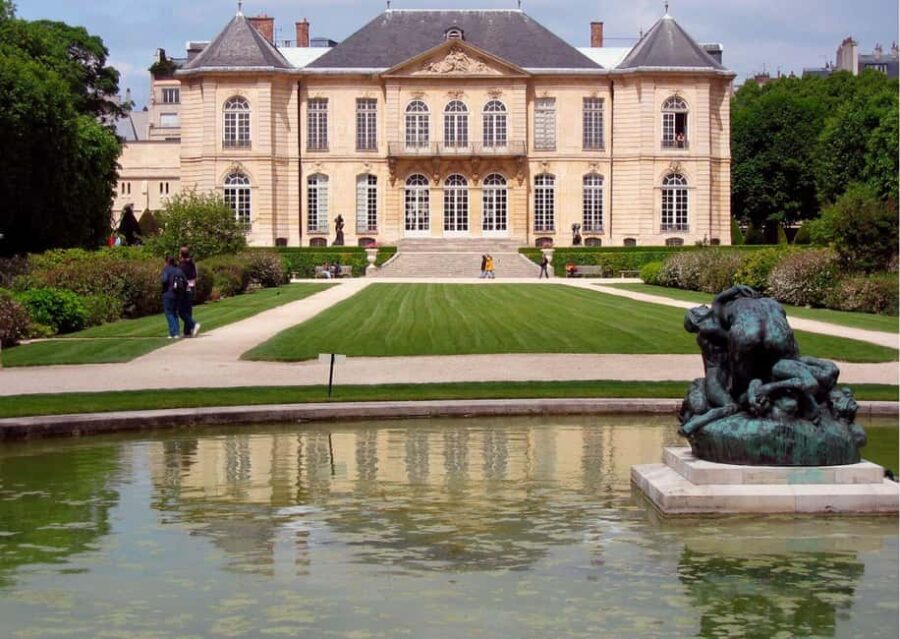
This is the option I recommend to most people. For $24, you get the same full access as the standard ticket plus a digital audio guide that walks you through the collection’s highlights. The stories behind Rodin’s work are genuinely fascinating, from the three art school rejections to the Dante obsession that produced The Gates of Hell, and the audio guide delivers them at exactly the right pace.
Skip-the-line access is bundled in, which matters most between June and September. Outside of peak season, the queue rarely exceeds 10 minutes anyway, so the real value here is the audio content. The audio guide ticket is particularly good for first-time visitors who want to understand what they are seeing without hiring a private guide.
“One of my favorite places in Paris! Stunning and calm. Must see!” — Claire
3. Orsay Museum and Rodin Museum Combo Ticket — $53
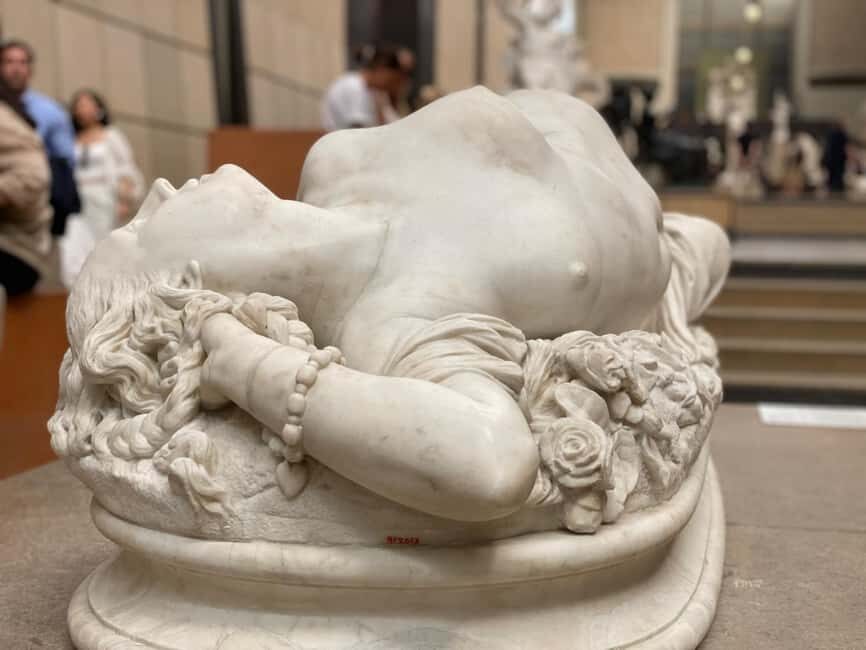
If you are spending more than a day on the Left Bank, this combo saves both money and planning time. For $53, you get entry to the Musee d’Orsay and the Rodin Museum on the same day, with skip-the-line access at both venues. The Orsay alone can cost 16 euros at the door, so the math works out well.
The two museums pair naturally. The Orsay holds an enormous collection of Impressionist and Post-Impressionist art, while the Rodin combo ticket lets you follow that with the most important sculptor of the same era. Start at the Orsay in the morning when it is busiest, then walk to the Rodin Museum after lunch when the crowds thin. The garden is at its best in afternoon light anyway.
“Wonderful and felt absorbed into the world of Rodin. Great to have the indoor and outdoor experience.” — Deborah
What You Will Actually See Inside
The Rodin Museum is split between the mansion (Hotel Biron) and the garden, and you should plan to spend roughly equal time in each. Most visitors finish in 90 minutes to two hours, but you could easily spend three if you stop to read everything and sit in the garden.
Inside the Hotel Biron
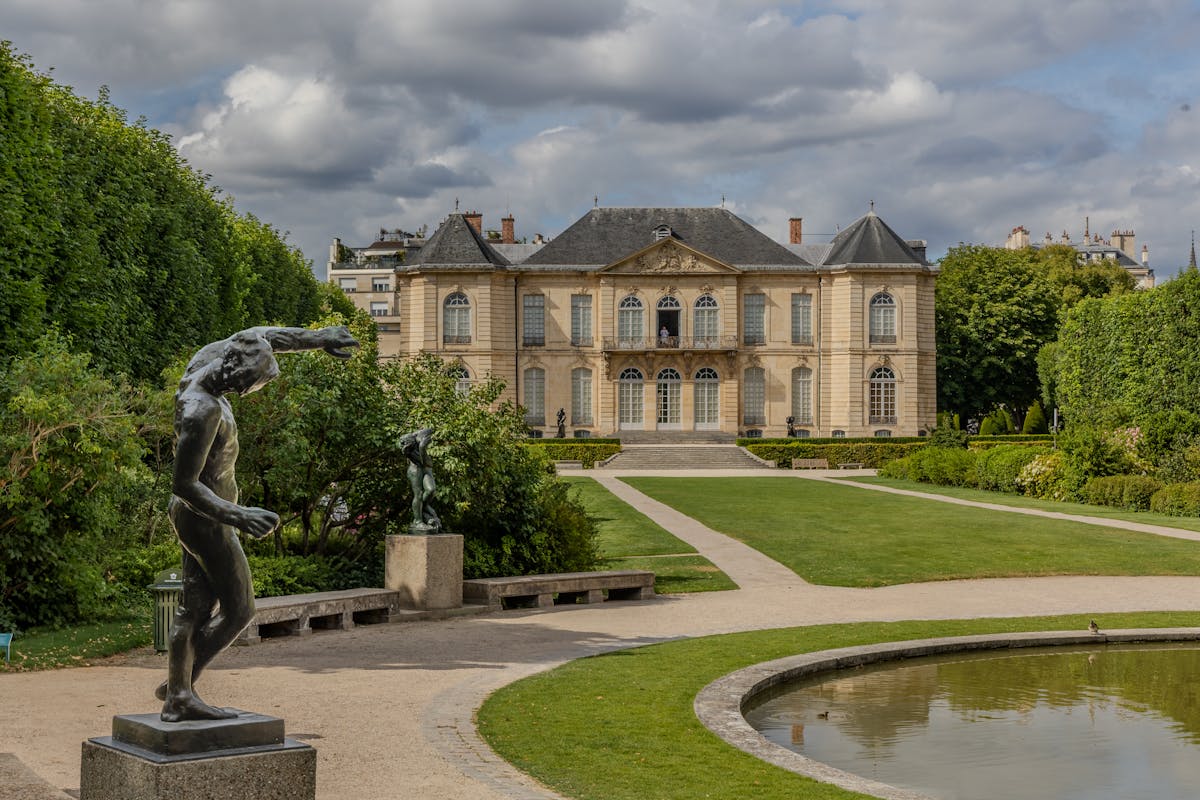
The mansion itself dates to the 1730s and is a work of art before you even look at the sculptures. Eighteen rooms spread across two floors hold the permanent collection, which covers Rodin’s full career from his early academic pieces through to the revolutionary works that made him famous.
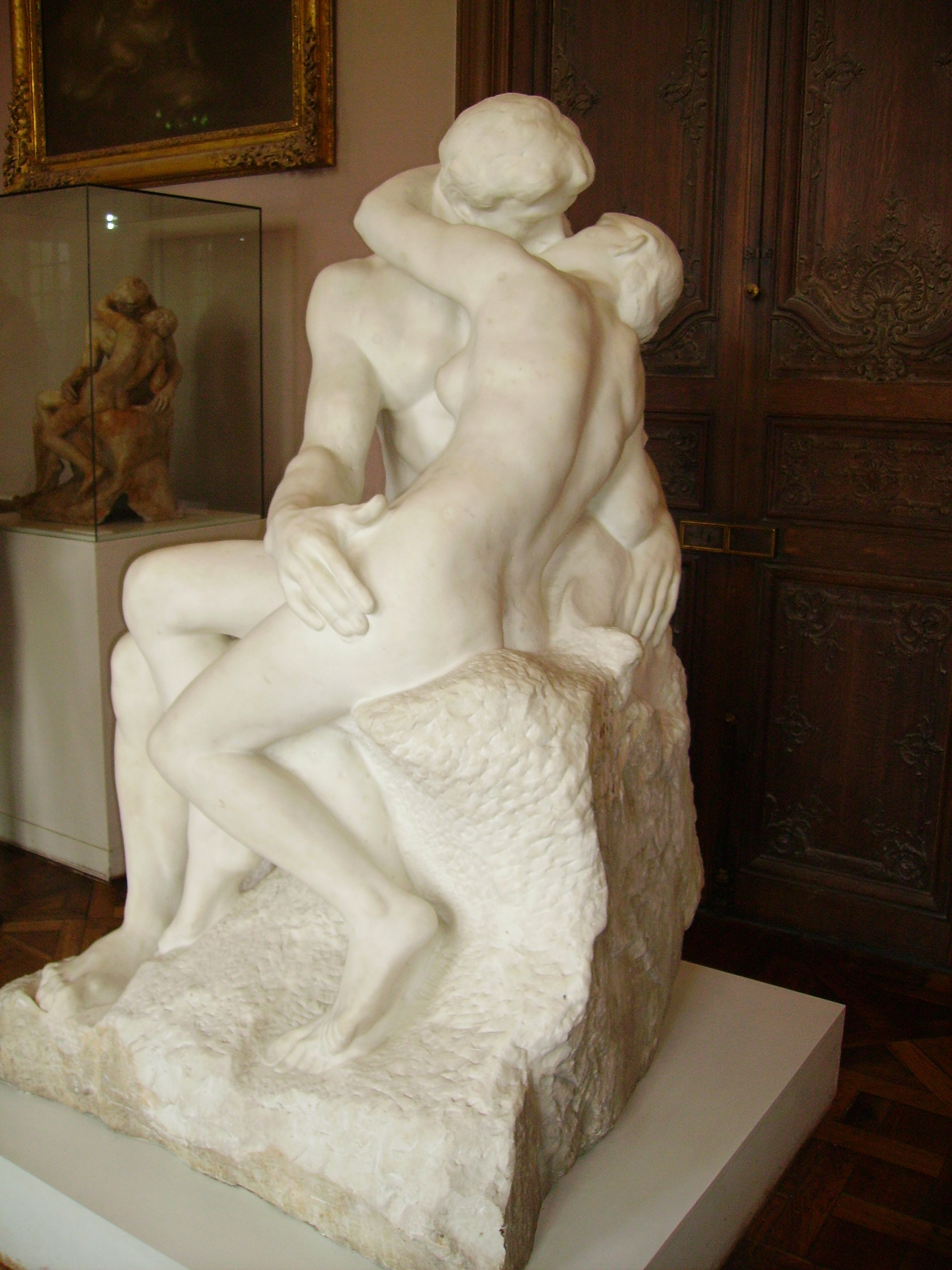
The ground floor is where most of the headline pieces live. The Kiss dominates one room — a life-size marble sculpture that Rodin originally created as part of The Gates of Hell. It was meant to depict Francesca da Rimini and Paolo Malatesta from Dante’s Inferno, two lovers condemned to the second circle of Hell. But Rodin decided the piece was too joyful for a gateway to the underworld, so he pulled it out and let it stand alone. The contrast between its tenderness and its origins in a story about damnation is what makes it hit differently once you know the backstory.
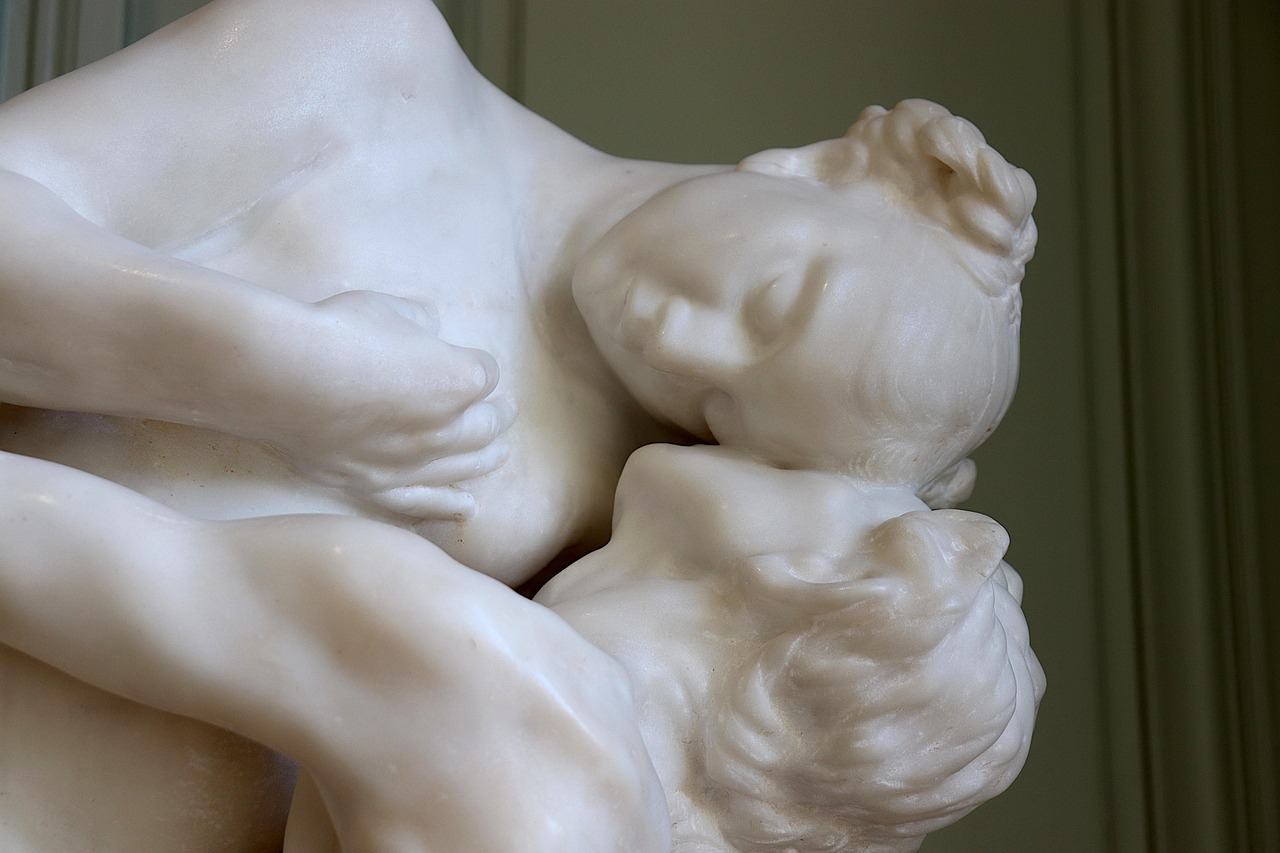
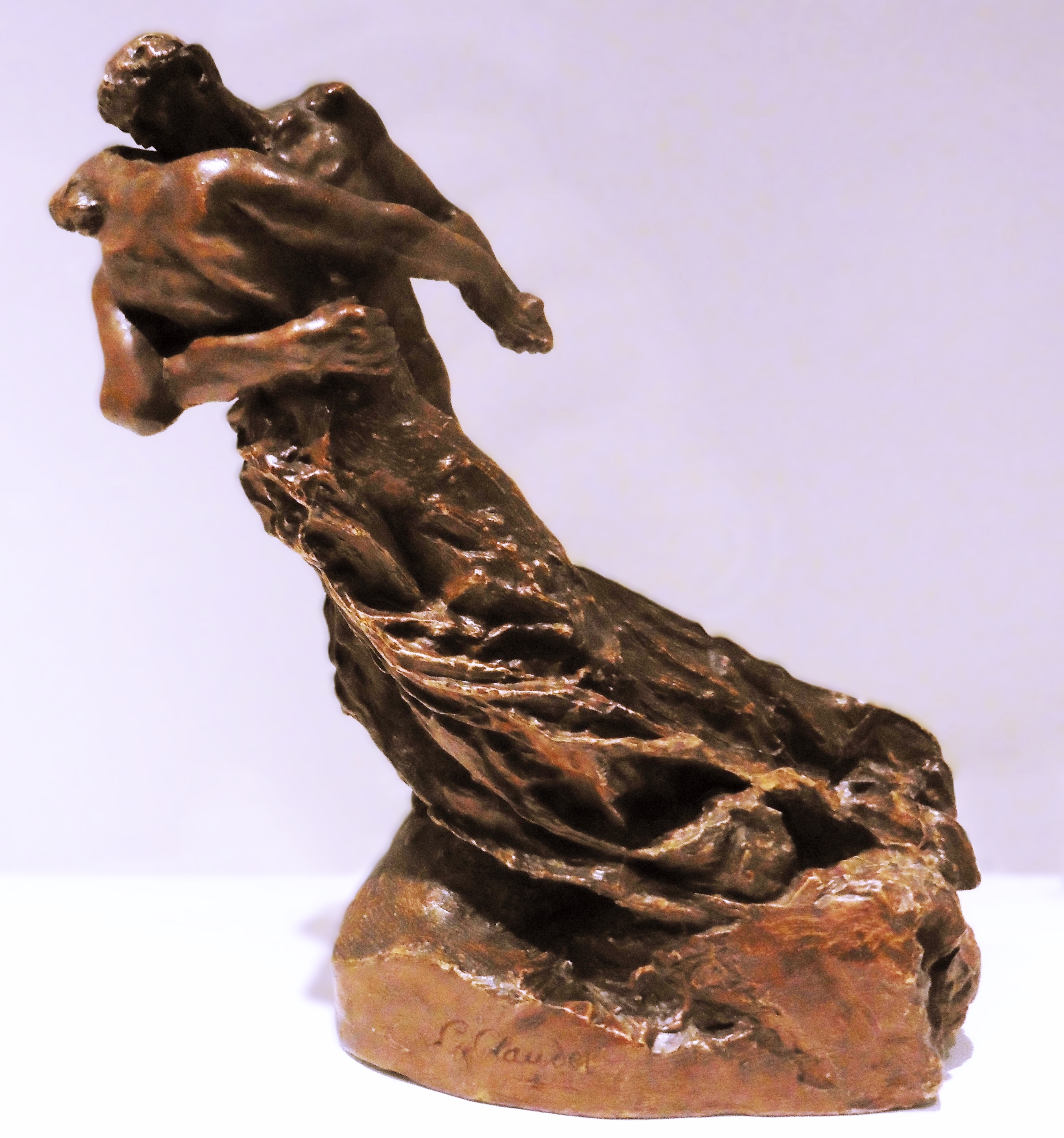
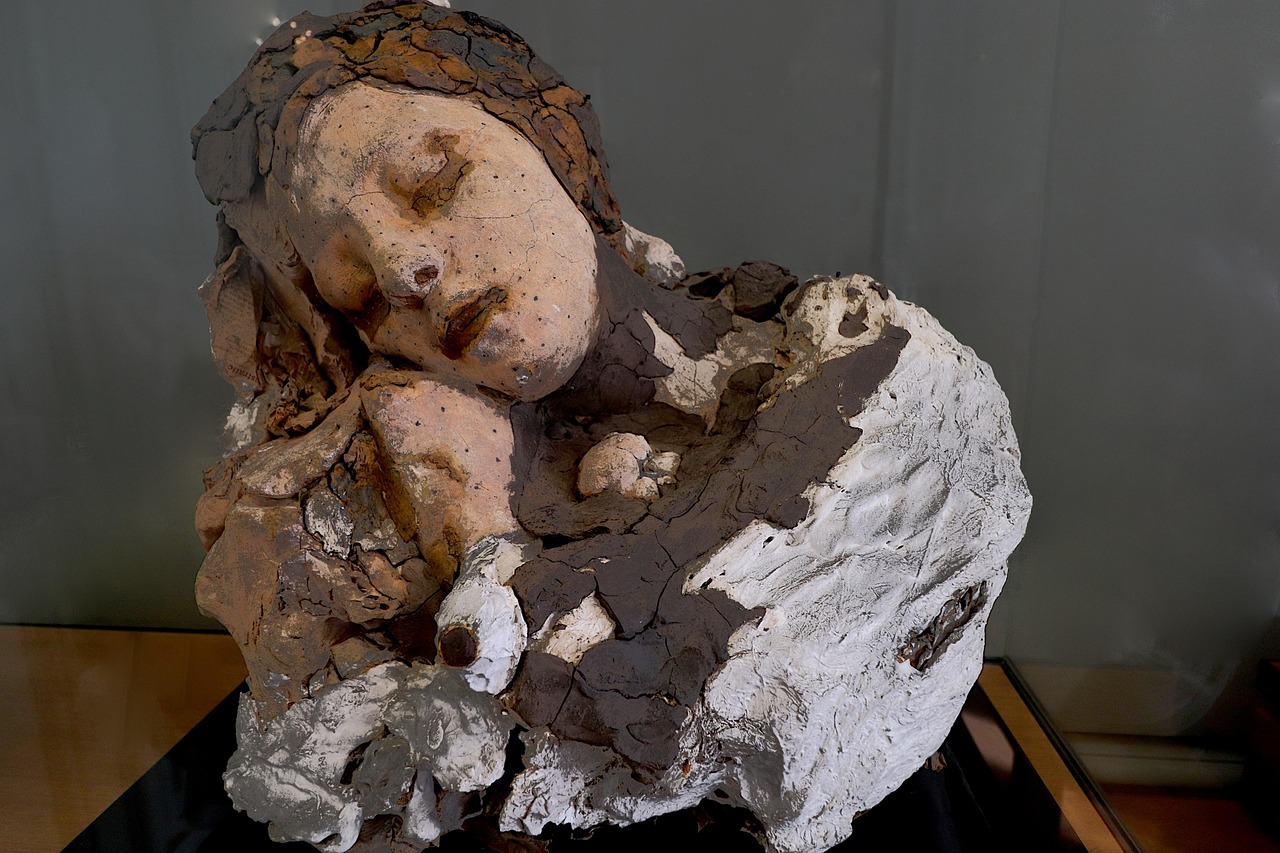
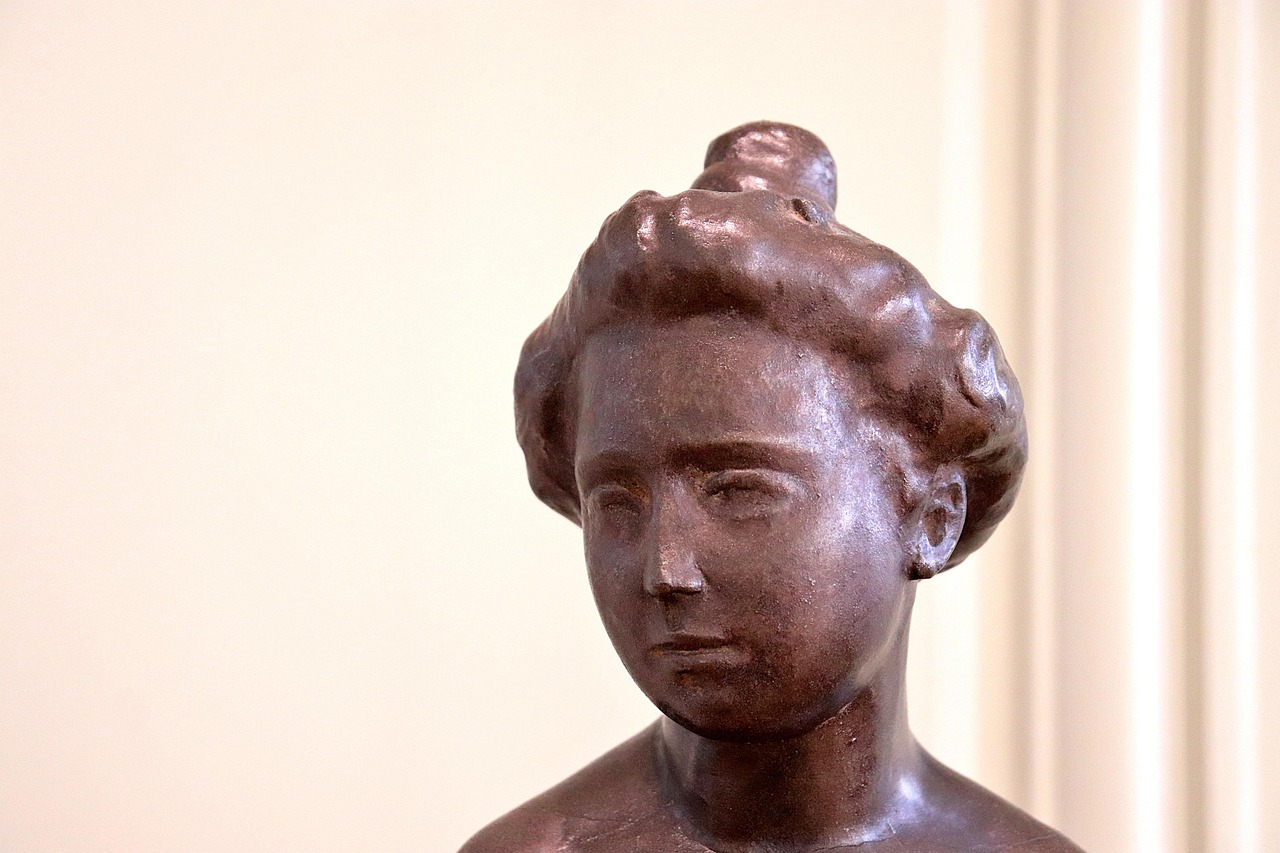
Upstairs you will find smaller pieces, portrait busts, and a room dedicated to Camille Claudel. Her story is one of the most heartbreaking in art history. She was Rodin’s student, his lover, and a sculptor of extraordinary talent in her own right. But she lived in an era that could not handle a woman producing work that rivalled the master’s, and her final 30 years were spent in an asylum. The museum now gives her work the space it deserves, and seeing pieces like La Valse alongside Rodin’s own work makes the connection between their styles impossible to miss.
The Garden
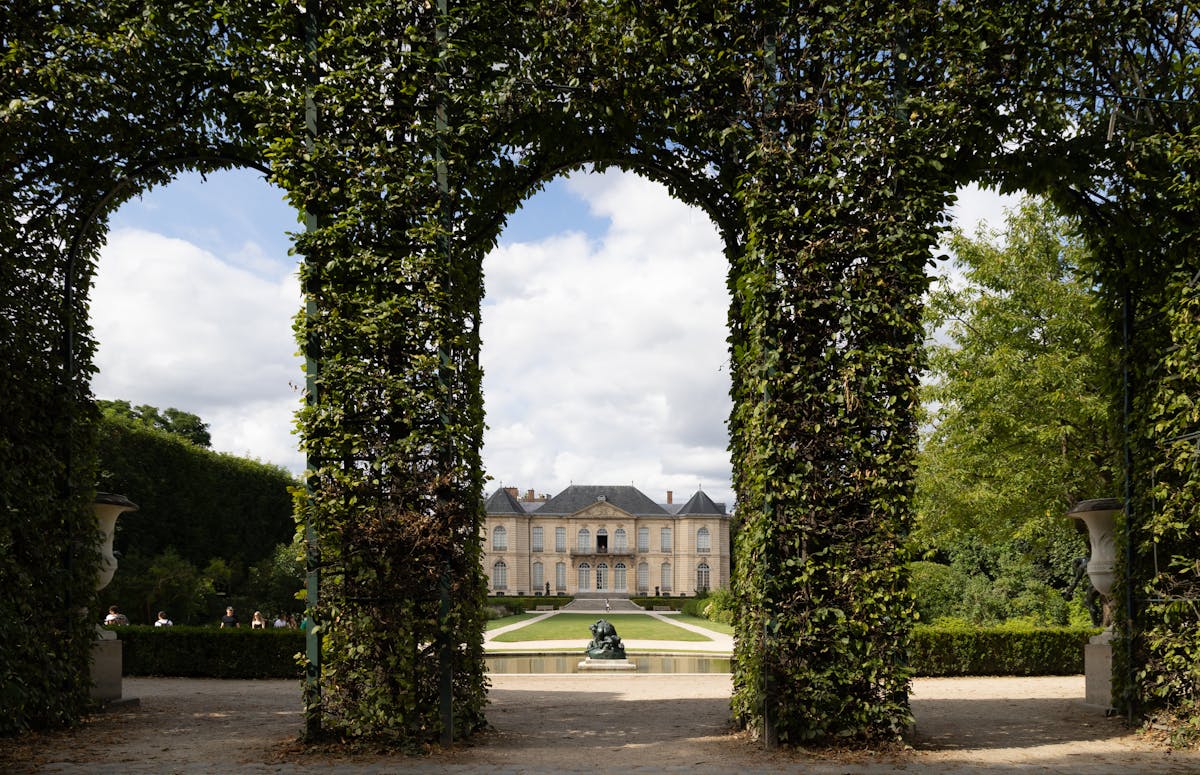
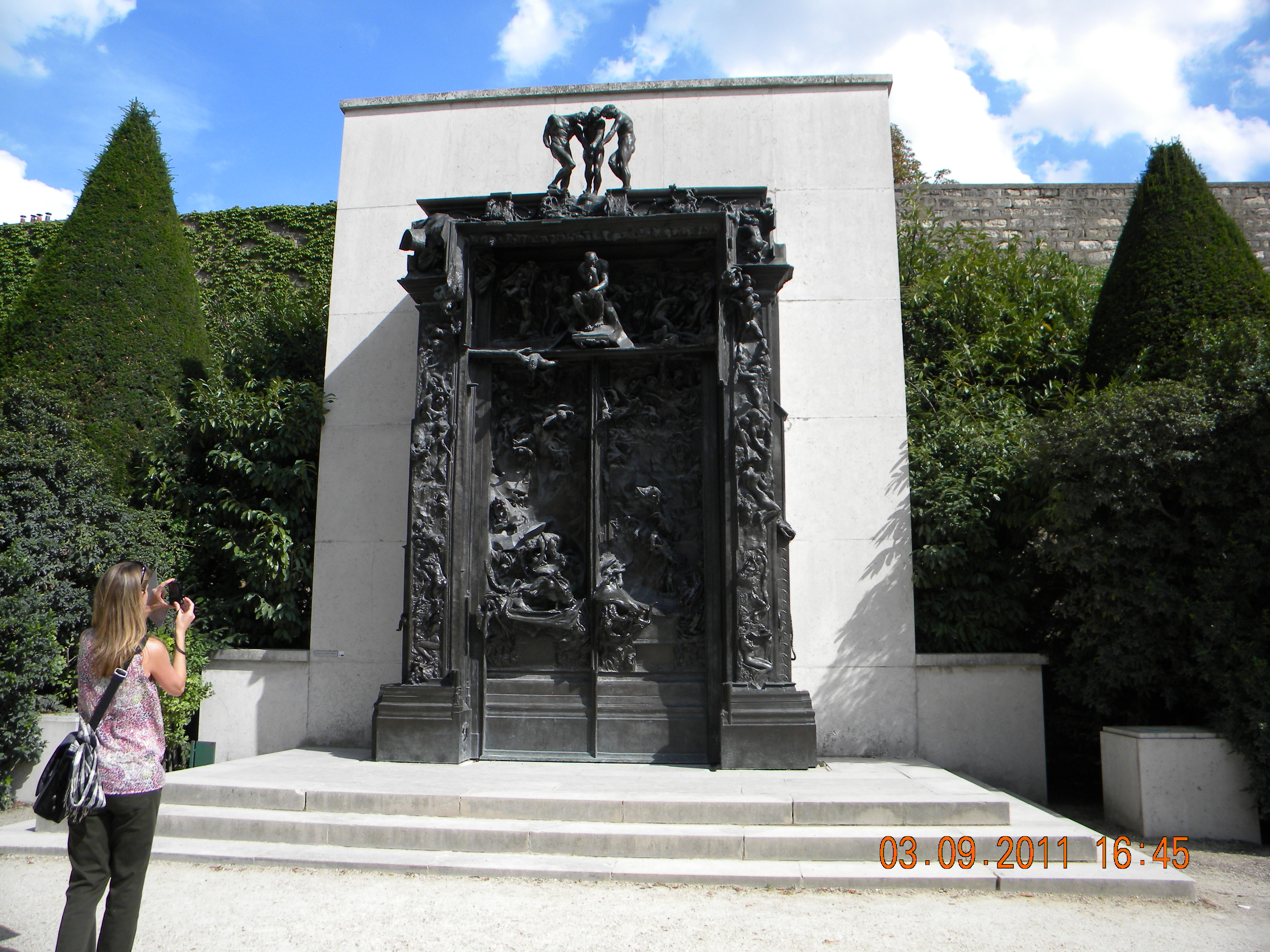
Walk out the back of the mansion and you are in three hectares of landscaped grounds that hold some of Rodin’s most important outdoor works. The Thinker sits on his pedestal looking out over the rose bushes, The Gates of Hell looms against the museum wall, and the Burghers of Calais stand in a solemn cluster near the edge of the grounds.
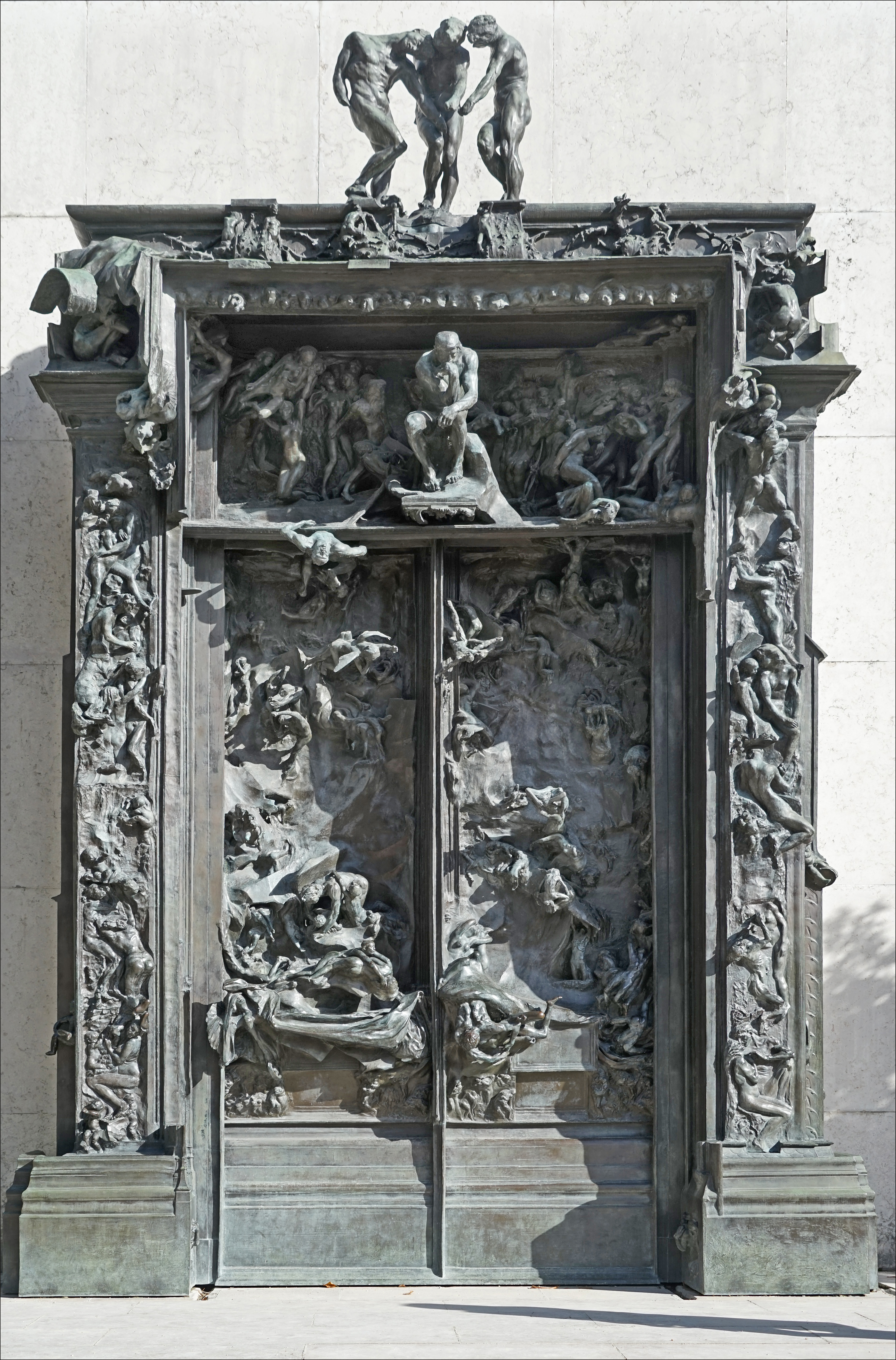
The Gates of Hell is the piece that ties everything together. Rodin received the commission in 1880 for a pair of bronze doors for a planned museum of decorative arts. He worked on it until his death in 1917, and it was never completed in his lifetime. The doors contain over 200 figures, and several of Rodin’s most famous standalone works were pulled from this single project: The Thinker (originally meant to be Dante contemplating the Inferno from above), The Kiss, The Three Shades, and dozens more.
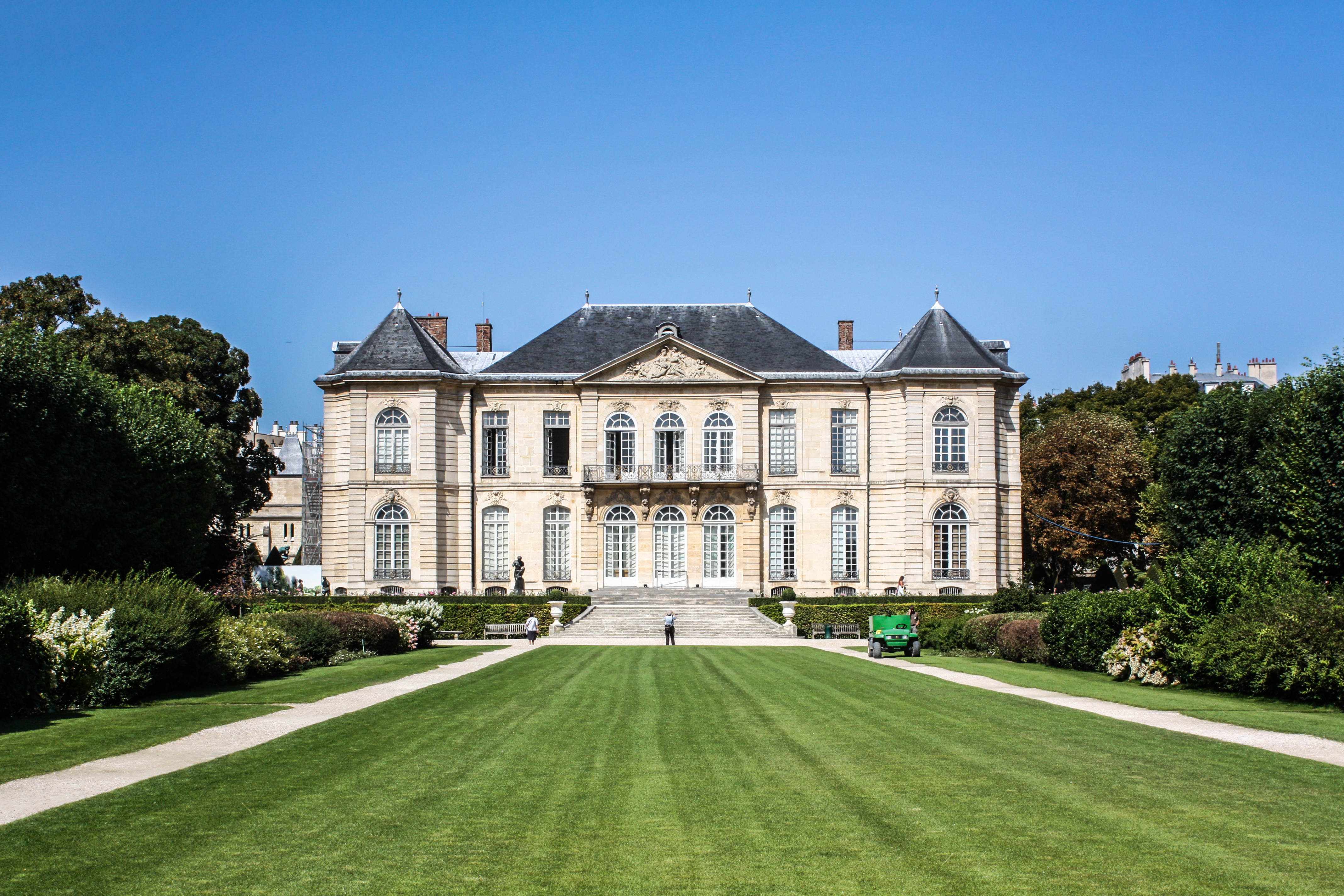
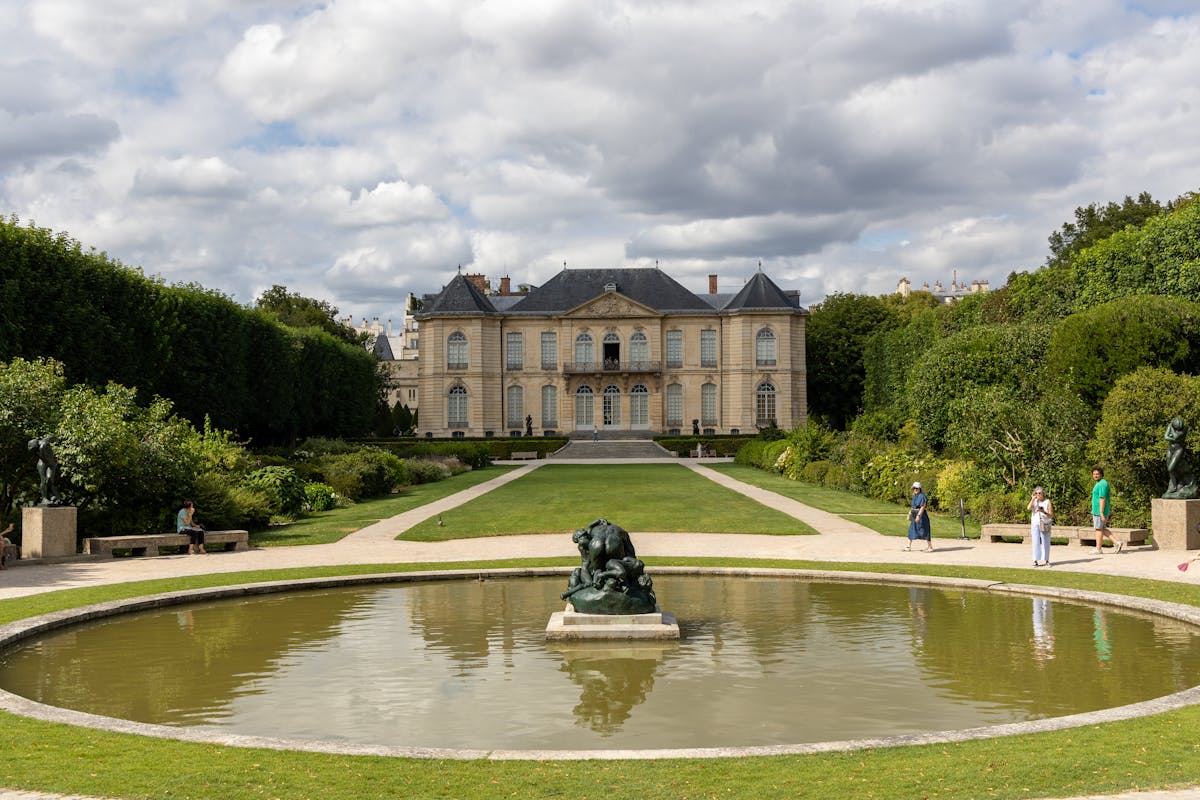
The golden dome of Les Invalides is visible from several spots in the garden, rising above the treeline. It is a reminder that you are standing in one of the most historically layered corners of Paris, where 18th-century architecture, 19th-century sculpture, and Napoleon’s tomb are all within a five-minute walk of each other.
The Story Behind the Museum
The building that houses the Rodin Museum has a history that is almost as interesting as the art inside it. The Hotel Biron was built between 1727 and 1737 as a private mansion for a wealthy wig-maker named Abraham Peyrenc de Moras. It changed hands several times, served as a convent, housed a school, and was eventually acquired by the French government.
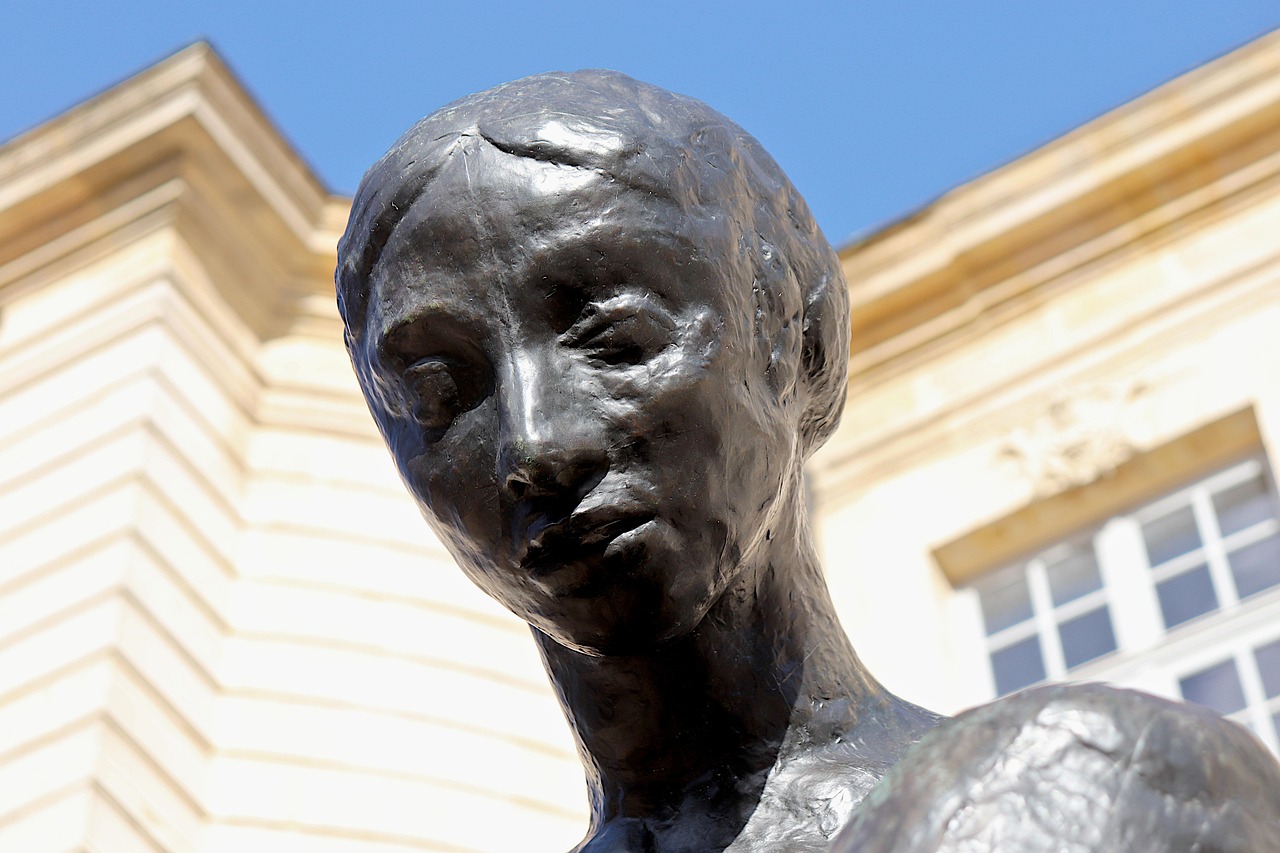
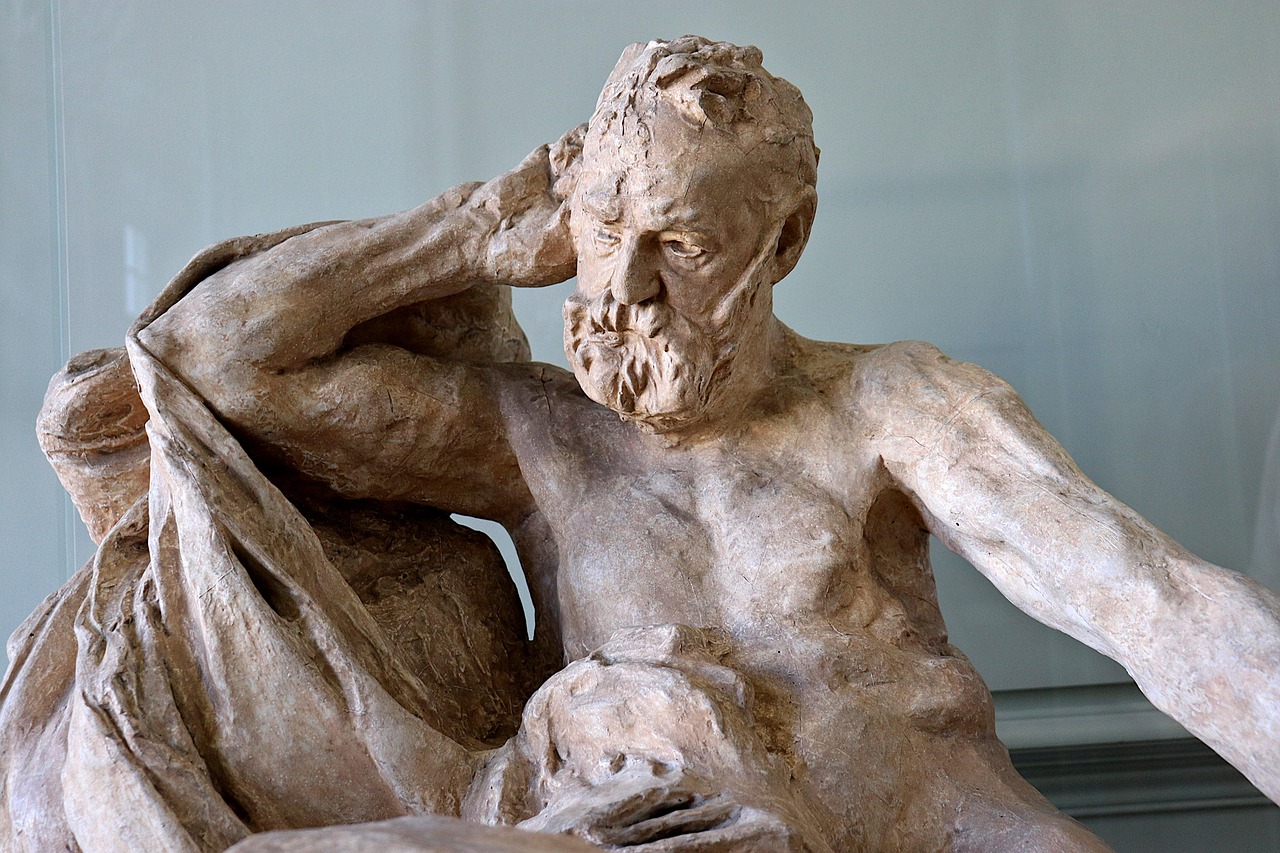
Auguste Rodin himself was a walking contradiction. He is now considered the father of modern sculpture, possibly the most important sculptor since Michelangelo, and his work fetches tens of millions at auction. But he was rejected from the Ecole des Beaux-Arts — France’s premier art school — three times. The most celebrated sculptor in modern history could not get into art school. He was largely self-taught, learning his craft through years of decorative work for other sculptors and architects.
Rodin rented studio space in the Hotel Biron from 1908, working in its grand rooms and filling them with his sculptures. When the government announced plans to sell the building in 1911, Rodin made them an offer that was equal parts generous and cunning: he would donate his entire life’s work — every sculpture, drawing, and mould he owned — to the French state, on the condition that the Hotel Biron would become a museum dedicated to his art.
The government accepted. Rodin died on 17 November 1917, and the museum opened its doors in 1919. It has been here ever since, looking exactly the way Rodin intended — his work displayed in the rooms where he created it, spilling out into the gardens he walked through every day.
When to Visit
The Rodin Museum is open Tuesday to Sunday, 10am to 6:30pm, with last entry at 6pm. It is closed on Mondays, 1 January, 1 May, and 25 December.
Best times to go:
- Weekday mornings (Tuesday-Thursday, 10am-11am): The quietest windows. You will have rooms to yourself and plenty of space in the garden for photos.
- Late afternoon (4pm-5pm): The golden hour light in the garden is spectacular, and most tour groups have already left.
- First Sunday of the month (Oct-March): Free entry, but expect bigger crowds. Worth it if you are on a strict budget.
Times to avoid:
- Saturday afternoons: The busiest period of the week, when both travelers and Parisians descend.
- July and August midday: Hot, crowded, and the garden offers limited shade. Come early or late.
- Rainy days: The garden is half the experience. Check the forecast and pick a clear day if you can.
Plan for at least 90 minutes. Two hours is more comfortable if you want to sit in the garden, and three hours is about right if you are using an audio guide and taking your time.
How to Get There
The Rodin Museum is in the 7th arrondissement, between Les Invalides and the Rue du Bac shopping area.

By Metro:
- Varenne (Line 13): The closest station, literally a two-minute walk. Take the Rue de Varenne exit and the museum entrance is on your left.
- Invalides (Lines 8 and 13): A five-minute walk. You will pass the Les Invalides complex on the way, which makes for a good combined visit.
By Bus: Lines 69, 82, 87, and 92 all stop nearby.
On foot from other landmarks:
- From the Musee d’Orsay: 15 minutes along the Seine and through the Esplanade des Invalides
- From the Eiffel Tower: 20 minutes through the Champ de Mars
- From the Musee de l’Orangerie: About 25 minutes crossing the Pont de la Concorde and heading south
Tips That Will Save You Time
- Buy tickets online before you go. Even if the queue is short, having a confirmed time slot means you walk straight to the entrance.
- Start with the garden. Most visitors go straight into the mansion, which means the garden is quieter in the first hour. Flip the usual route.
- Bring water. The garden has limited shade in summer, and the only cafe is near the entrance. You do not want to cut your garden time short because you are dehydrated.
- The cafe is actually good. The museum’s garden cafe serves decent coffee and light meals at non-ridiculous prices. It is one of the more pleasant spots for lunch on the Left Bank.
- Photography is allowed. No flash, no tripods, but phone and camera photos are fine throughout the museum and garden.
- Combine with Les Invalides. The Army Museum and Napoleon’s Tomb are a five-minute walk away. Both together make a solid half-day on the Left Bank.
- The garden-only ticket is a steal. At 5 euros, the garden ticket gets you access to The Thinker, The Gates of Hell, The Burghers of Calais, and some of Rodin’s best outdoor bronzes. If you are short on time or budget, this is one of the best deals in Paris.
- Audio guides are on your phone. The digital audio guide works through an app, so bring earphones. Do not forget to charge your phone beforehand.
More Paris Museum Guides
The Left Bank has more world-class museums within walking distance than most cities have in total. If you are spending a few days in this part of Paris, our guide to Les Invalides tickets covers the Army Museum and Napoleon’s Tomb, which is right next door. The Musee d’Orsay pairs perfectly with the Rodin Museum for a full day of Impressionist and post-Impressionist art. Across the river, the Musee de l’Orangerie holds Monet’s Water Lilies in rooms designed specifically for them. And if you want to hit multiple sites, the Paris Museum Pass covers all of these and dozens more. For something completely different after a day of art, the Seine dinner cruises pass right by the Invalides esplanade at sunset, and a walking tour of Paris is the best way to connect all these Left Bank landmarks on foot.
This article contains affiliate links. When you book through these links, we may earn a small commission at no extra cost to you. This helps us keep producing free travel guides.