
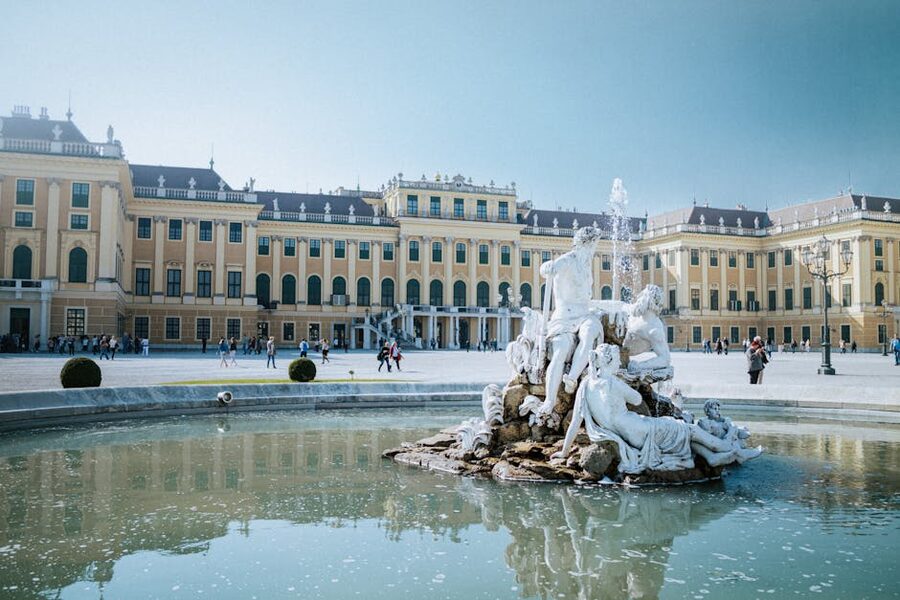
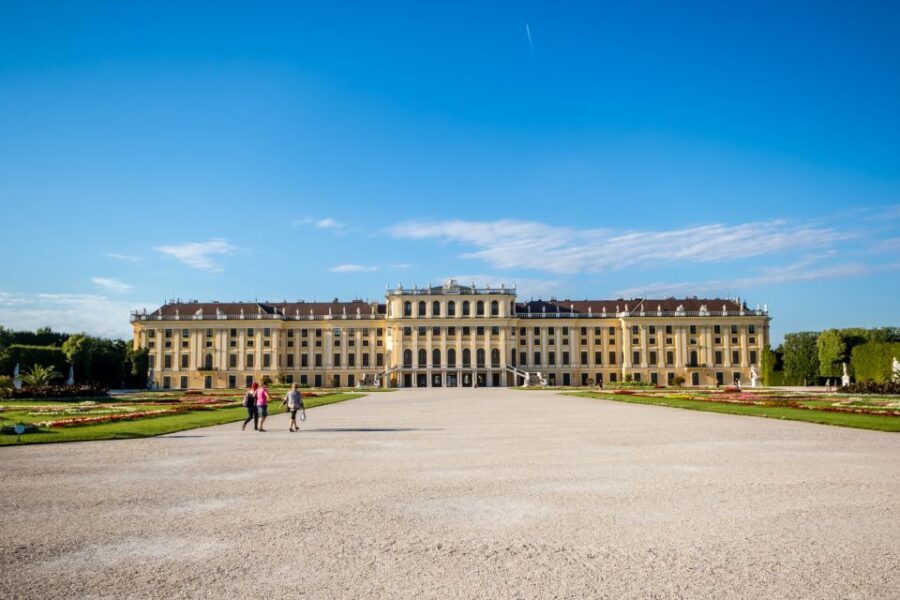
In 1752 Emperor Francis I of Austria ordered a menagerie built in the grounds of Schönbrunn Palace so he could eat breakfast watching exotic animals. He commissioned 13 baroque pavilions arranged in concentric circles around a central Imperial Breakfast Pavilion. 274 years later, the pavilions are still standing, the breakfast pavilion still operates as a café, and Schönbrunn Zoo is the oldest operating zoo on Earth.
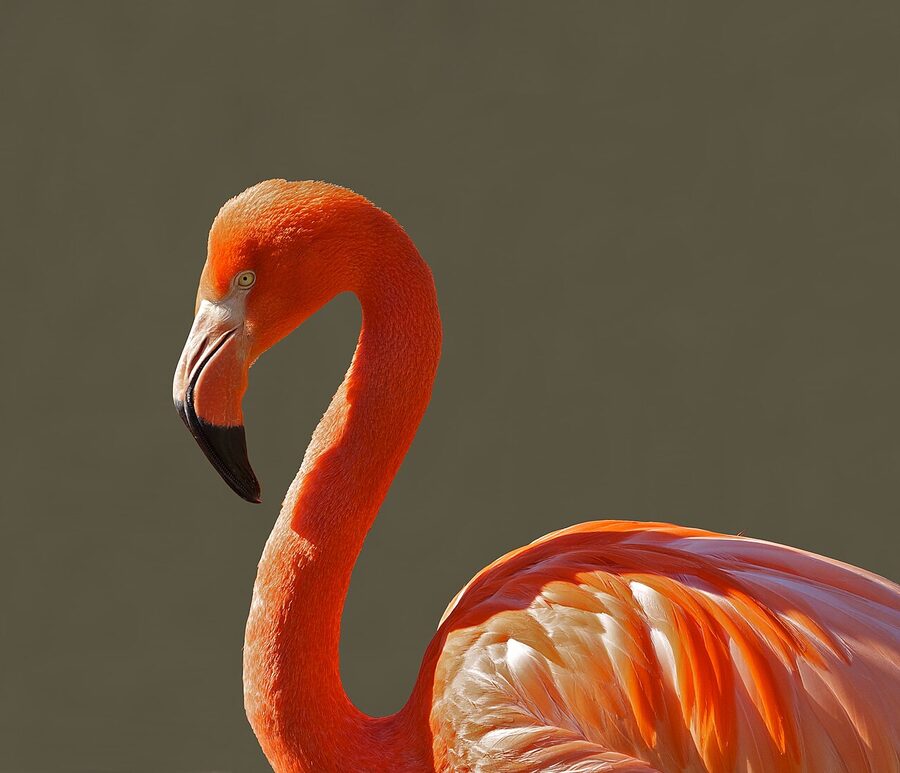

Today’s zoo holds about 7,000 animals across 700 species in a 17-hectare park. Standard admission is €28 adult, €14 child. A full visit takes 4-5 hours; you won’t fit everything in less. It sits inside the Schönbrunn Palace grounds, which means the gardens, Gloriette viewpoint, and Palmenhaus greenhouse are all within walking distance — most visitors combine the zoo with at least one Palace attraction.
In a Hurry? The Three Schönbrunn Zoo Ticket Options
- Best overall: Skip-the-line Schönbrunn Zoo Tickets — €28, skip the summer 20-min ticket queue, 3,213+ reviews.
- Best with grounds: Schönbrunn Panorama Train — €18, hop-on-hop-off train around the Palace grounds and zoo. Nice option for families with young kids.
- Best if seeing 3+ attractions: Vienna PASS (1-6 days) — €128 for 2 days, includes zoo + 60 other attractions. Worth it if you’re on a multi-attraction itinerary.
- In a Hurry? The Three Schönbrunn Zoo Ticket Options
- Which Ticket to Book
- 1. Vienna: Skip-the-line Tickets for Schönbrunn Zoo — from €28
- 2. Vienna: Schönbrunn Panorama Train — from €18
- 3. Vienna PASS (1-6 days) — from 8 for 2 days
- What to See Inside — The Zoo’s Highlights
- The Imperial Breakfast Pavilion — At the Centre
- A Short History — From Menagerie to Modern Zoo
- When to Go
- Getting to the Zoo
- With Kids — Ages 3 to 14
- Combining With Schönbrunn Palace
- Animal Welfare — Where Schönbrunn Sits
- Practical Details
- Common Mistakes
- The Short Version
Which Ticket to Book
1. Vienna: Skip-the-line Tickets for Schönbrunn Zoo — from €28
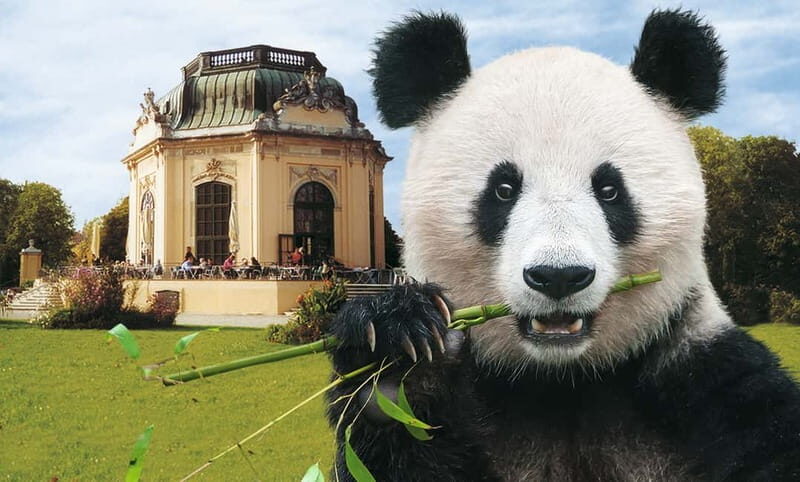
The default ticket. €28 gets you all-day entry with re-entry. The “skip the line” benefit matters mainly on summer weekends and school holidays — queues at the main counter can hit 20-30 minutes in July-August. Outside those times you can usually buy at the gate without queuing. Valid only for the date you book. Our full review covers the recommended zoo route.
2. Vienna: Schönbrunn Panorama Train — from €18
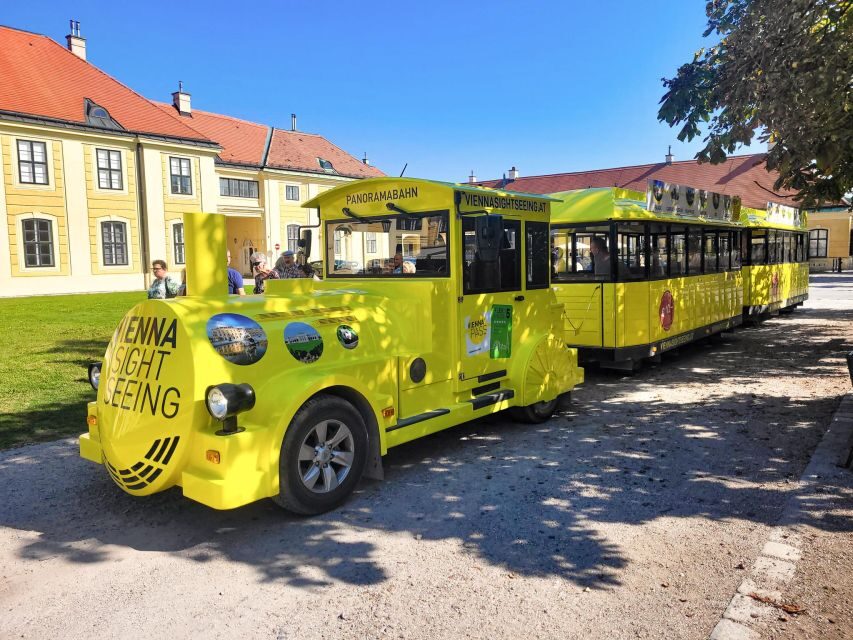
A separate product but useful as a zoo companion. The panorama train runs a 30-minute loop between Schönbrunn Palace, the zoo entrance, the Gloriette hilltop, and the Palmenhaus greenhouse. Hop on and off. Very useful if you’re with a stroller, mobility-limited, or want to see the wider Palace grounds in addition to the zoo. €18 gets you a day pass. Doesn’t include zoo entry — buy it alongside the standard ticket. Our full review has the stop schedule.
3. Vienna PASS (1-6 days) — from $128 for 2 days
Worth considering if the zoo is one of several attractions on your Vienna list. The 2-day pass covers the zoo + any 5-6 other major attractions and saves you €30-50 versus buying individual tickets. The 3-day pass works for a proper Vienna trip. Not worth it if the zoo is your only paid attraction. Our full review breaks down the maths.
What to See Inside — The Zoo’s Highlights
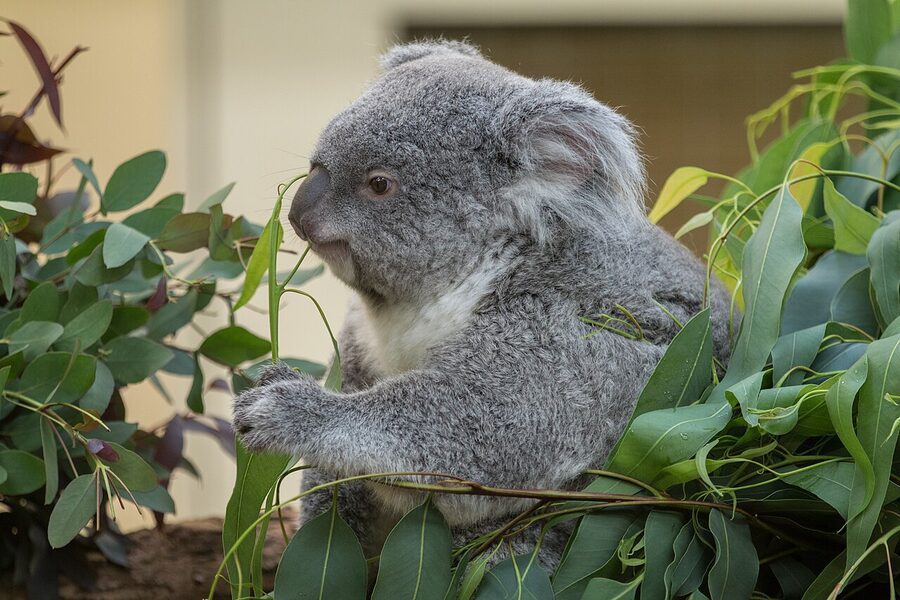

The zoo’s layout follows the original 1752 radial plan, which means the most historic areas are near the central Breakfast Pavilion and the modern additions fan outward. Standard highlights, in rough priority order:
The Giant Pandas. Schönbrunn made global news in 2007 when its pandas bred naturally in captivity — one of the first pair-bondings outside China to produce a cub without human intervention. Multiple cubs have been born since; the current pandas live in a climate-controlled enclosure with indoor + outdoor viewing. Busy at panda-feeding times (9:30am and 2:30pm); quieter mid-afternoon.
The Elephant Park. Asian elephants have been bred at Schönbrunn since 1906. The current herd of 5-7 elephants lives in a 6,000 m² habitat built in 1996 — large for a European zoo, though small compared to US or Asian purpose-built parks. Elephant keeper talks happen at 10:30am and 3pm.
The Rainforest House (Regenwaldhaus). A three-storey glass building kept at 25°C and 80% humidity, housing South American rainforest species. Sloths, tamarins, poison dart frogs, pythons, and bats. You’ll leave sweating. Plan 45 minutes minimum; return visits reveal different active species at different times.
The Aquarium. Three interconnected zones — Amazon, African lakes, tropical reef. Piranhas, electric eels, coral reef tanks. Built into the basement of one of the historic pavilions. Smaller than the Aquarium in Artis or Berlin but tightly chosen.
The Polarium. Home to the zoo’s penguins and polar bears. The polar bear enclosure gets controversy — it’s 1,200 m², modest by modern standards. The zoo has defended it as part of the species conservation programme. Best viewing at 10am and 3pm feeding times.
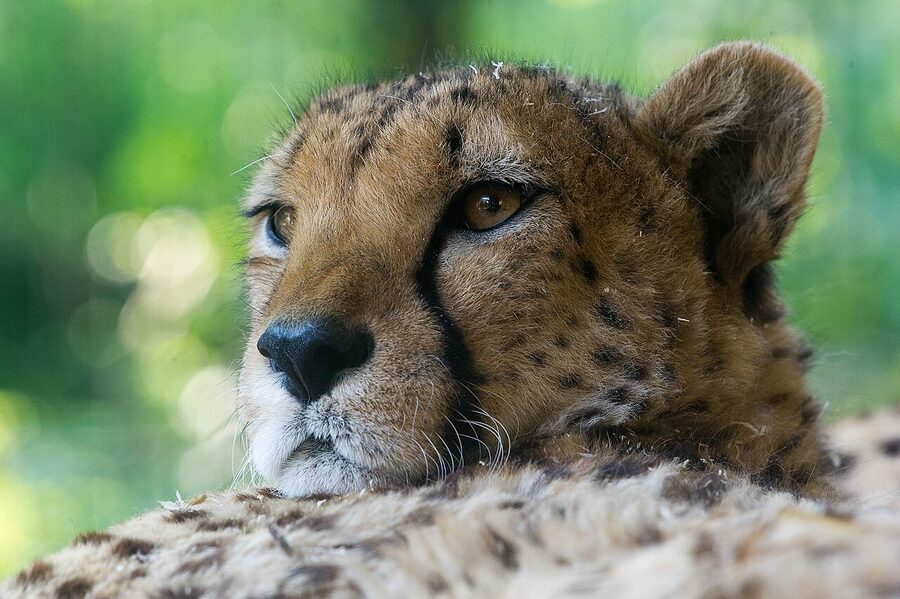

The Africa Panorama. Open savannah-style enclosure with giraffes, zebras, ostriches, and a few smaller antelope species sharing the space. Visible from an elevated walkway. One of the better mixed-species exhibits in European zoos.
The Tirolerhof. A working Tyrolean farmhouse from the 1700s, transplanted to the zoo in 2004 and set up as a petting-zoo-meets-historical-farm. Goats, pigs, sheep, chickens. Popular with kids 3-8.
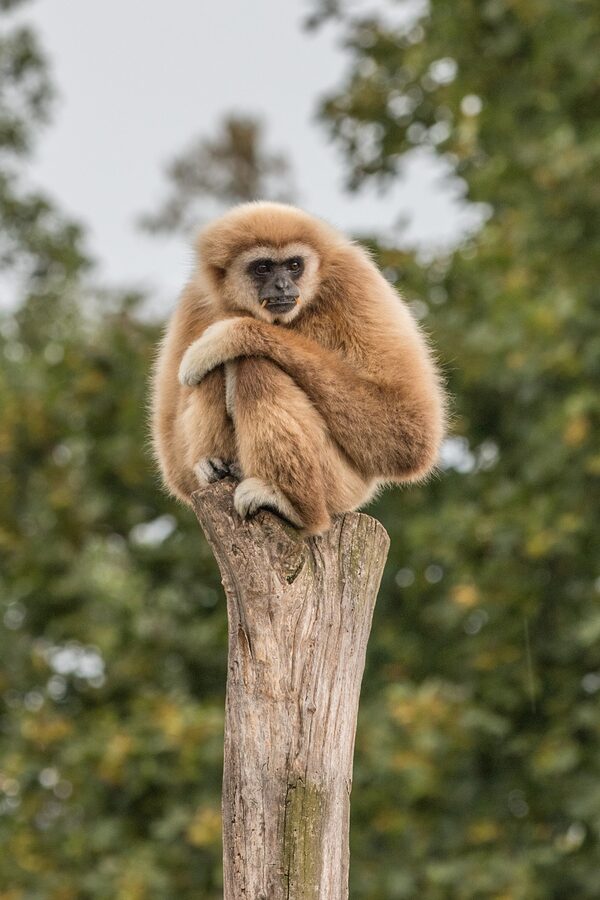
Monkeys and Apes. Orangutans, chimpanzees, gibbons, and various smaller primates. The gibbon enclosure is outdoor with glass walls; the gibbons are constantly in motion and visibly curious about visitors.
The South America House. Recently renovated (2019). Contains the jaguars, tapirs, and various South American birds. Smaller than the Rainforest House but tighter curation.

The Imperial Breakfast Pavilion — At the Centre
The zoo’s central structure is the octagonal Kaiserpavillon, the Imperial Breakfast Pavilion — built in 1759 as the Emperor’s private breakfast room, looking out over the menagerie. Twelve enclosures radiate from it like spokes on a wheel. This was the original zoo layout, and most of it is still intact 267 years later.
Today the pavilion operates as a café. You can sit at the table Emperor Francis I and Empress Maria Theresa used for their breakfasts (with a modern reproduction, but the setting is original) and eat a Wiener Schnitzel with your view directly onto animal enclosures. €14-22 for a main course; coffee and cake €7-10.
It’s also the best map reference in the zoo — if you get lost, work your way back to the octagonal pavilion.
A Short History — From Menagerie to Modern Zoo
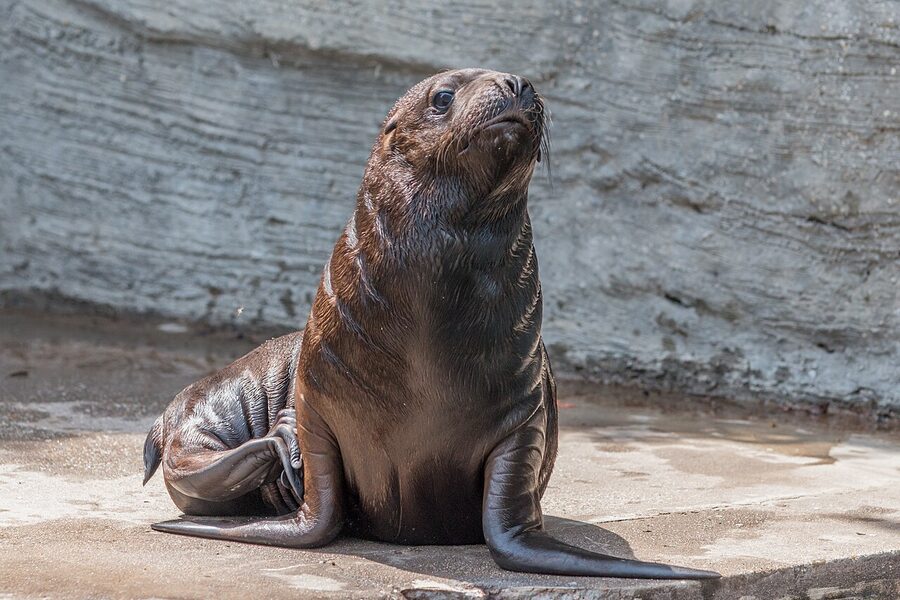

1752 — founded. Emperor Francis I commissioned the menagerie as part of the Schönbrunn Palace development. Jean Nicolas Jadot de Ville-Issey (the Palace’s chief architect) designed the 13-pavilion radial layout. Animals came as diplomatic gifts from European allies and Habsburg colonies — lions from Ottoman Tunisia, monkeys from the Americas, an elephant from India.
1778 — opened to the public. Maria Theresa’s son Emperor Joseph II opened the menagerie to anyone “with clean clothing” one day per week. By 1800 it was open to the general public year-round (by then it was the model many European royal houses imitated).
1828 — first giraffe in Europe. A gift from the Pasha of Egypt. The giraffe died within months (giraffe care was not understood) but sparked a European-wide giraffe obsession — dresses, hats, and hairstyles called “à la giraffe” were fashionable in Vienna for most of 1828-1830.
1906 — first European elephant born in captivity. Siam the elephant was born at the zoo, the first elephant ever successfully bred in Europe. The breeding programme has continued since.
1918 — post-Habsburg transition. The zoo was nationalised as part of the Austrian Republic’s dissolution of Habsburg private property. It struggled financially between 1918-1945; several historic pavilions were damaged in WW2 bombing.
1952 — bicentennial restoration. On the zoo’s 200th birthday, the Austrian government committed to rebuilding the bombed pavilions in their original 1752 design. Much of what you see today dates from this reconstruction.
1990s-2000s — modern rebirth. Helmut Pechlaner’s tenure (1992-2007) rebuilt the zoo as a modern conservation facility. Major new enclosures for elephants (1996), rainforest (2002), pandas (2003), and polar bears (2014) brought it to current European standards.
2007 — the panda birth. Fu Long, the cub born from the zoo’s giant pandas, was the first naturally conceived panda cub born at a European zoo. Made global news; tripled zoo attendance for two years.
When to Go
Best time of year: late April-May and September-October. Mild weather, outdoor animals active, crowds manageable. Austrian school holidays are over by September so weekday visits are genuinely quiet.
Summer (June-August): busiest and hottest. Animals hide indoors at midday. Aim for 9am opening or 5pm evening entry. Also busiest for ticket queues — definitely book skip-the-line.
Winter (November-March): quieter. Outdoor animals are often in heated indoor quarters, which reduces what you see but increases what you can observe clearly. Rainforest and Polarium are at their best in winter. The Christmas market in the Palace grounds (late Nov-Dec) pairs well.
Best day of week: Tuesday-Thursday. Weekends draw Vienna families.
Best time of day: 9am opening. Animals are most active for the first 2-3 hours. Feeding times at the major enclosures (10am-11am and 2:30-3:30pm) are when keepers are present and animals are most visible.
Avoid: Austrian school holidays (early July, mid-February, Easter week). Also public holidays when both schools and businesses are closed.
Getting to the Zoo
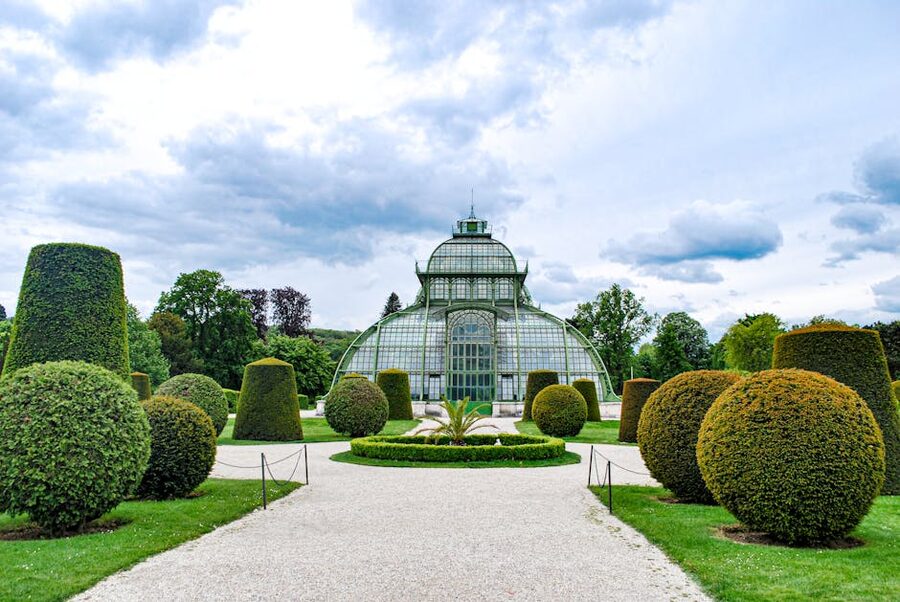
The zoo is inside the Schönbrunn Palace grounds, southwestern Vienna.
U-Bahn: U4 to Hietzing. Follow signs for “Tiergarten” — 5-minute walk. Or U4 to Schönbrunn (main palace entrance) and walk 10 minutes through the grounds to the zoo.
Tram: tram 10 or 60 to Hietzing.
By car: parking garages near the main palace entrance. €6-12 per day. Not recommended — Vienna’s trams are faster.
Bike: the Vienna Citybike network has stations near the Hietzing metro. Ride takes 20-25 min from central Vienna.
On foot from central Vienna: 45 min through Vienna’s inner west. Pleasant in good weather; otherwise take the U-Bahn.
Zoo entrance: Maxingstraße 13b, on the western edge of the Schönbrunn grounds. Signs are clear from Hietzing station.
With Kids — Ages 3 to 14
This is one of the best Vienna family days for kids aged 3-14. Specific advice by age:
Ages 3-5: zone in on the Tirolerhof petting farm, the big-and-easy-to-see outdoor animals (elephants, giraffes, zebras), and the penguins. Skip the Rainforest House (too humid for small lungs) and the aquarium (low-light, hard for little kids to see through glass). Plan 3 hours max; they’ll tire before 2pm.
Ages 6-10: the sweet spot. Pandas, elephants, the Rainforest House, and all the talks. Kids this age also enjoy the Imperial Pavilion café — the “you’re sitting where the emperor ate” angle works.
Ages 11-14: tends to split. Some kids engage deeply with the conservation story and species detail (especially if they’ve read up beforehand). Others treat it as a standard zoo outing. The Aquarium and Rainforest House are the biggest hits; the 1752 historical angle usually lands.
Teenagers: variable. The zoo is best framed as a “Vienna context” stop — the historical significance, the Habsburg patronage, the conservation programmes — rather than an animal-looking outing. The Imperial Pavilion and radial layout give teens something to notice beyond “animals in cages.”
Practical kid tips:
– Strollers are a real help; paths cover 5-8 km depending on route
– Bring snacks and water; food stands queue long in peak times
– Pack sunscreen for summer; pack layers for winter
– The playground near the Tirolerhof is free entry and a good break point
– The Panorama Train is genuinely useful when little legs give out
– Budget €10-15 per kid for food/drinks on top of the ticket
Combining With Schönbrunn Palace
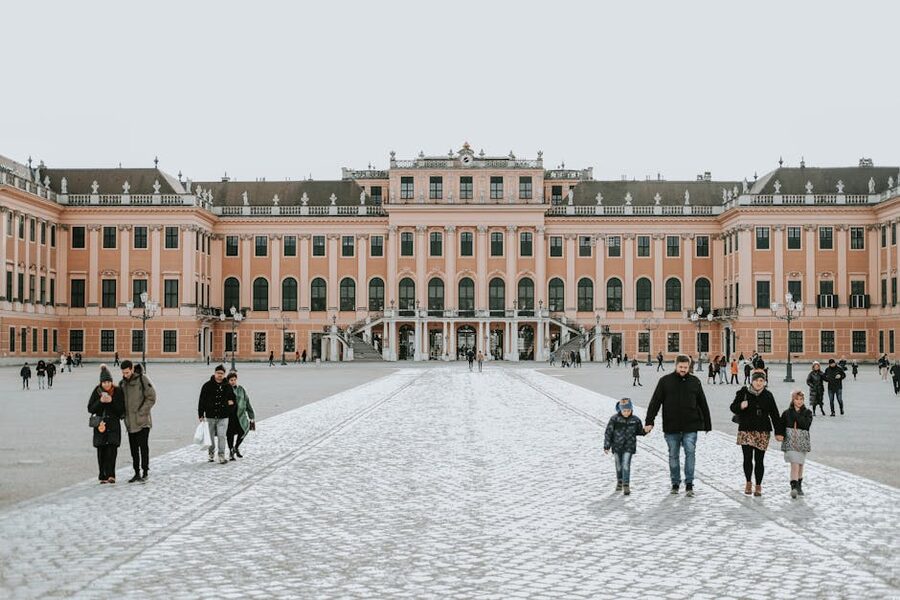
Most visitors combine the zoo with at least one other Schönbrunn attraction. Good combinations:
Palace + Zoo full day: Schönbrunn Palace tour morning (2-3 hours), lunch at the Palace café or the zoo’s Imperial Pavilion, zoo afternoon (4-5 hours). 8-10 hours. Heavy day but covers the essentials.
Zoo + Gloriette + Palmenhaus: zoo morning, Gloriette hilltop for lunch (the café has the best views in Vienna), Palmenhaus (glass conservatory) afternoon. 6-7 hours. Skips the Palace interior — good if you’ve seen similar imperial palaces elsewhere.
With the HOHO bus: most Vienna hop-on-hop-off routes include a Schönbrunn stop. Use the bus as transport to the zoo rather than the metro.
Half-day zoo + central Vienna: zoo morning, metro back to centre for lunch, afternoon at the Kunsthistorisches Museum or Belvedere. 8-hour day covering 3 major sites.
With kids: zoo morning + lunch at the Tirolerhof, afternoon at the Vienna Giant Ferris Wheel in the Prater. Two kid-friendly Vienna sites, opposite sides of the city.
Animal Welfare — Where Schönbrunn Sits
Schönbrunn’s reputation on animal welfare has improved dramatically since the 1990s but the zoo is still working with a 1752 layout constrained by UNESCO heritage protection. Large enclosures for big cats and polar bears are smaller than those at purpose-built modern parks (Pairi Daiza in Belgium, Berlin’s Tierpark).
The zoo is EAZA-accredited (European Association of Zoos and Aquaria), participates in 51 European Endangered Species Programmes, and has a documented conservation research agenda with the University of Vienna. The panda breeding programme has been genuinely significant — multiple cubs born since 2007 have gone to China for reintroduction research.
Where the zoo is weakest: the polar bear enclosure is roughly 1,200 m² (modern standards are 5,000+ m²), and some of the smaller primate exhibits are older than modern zoo design standards. The zoo has published plans to phase out or upgrade these over the next decade.
If you have strong anti-zoo views, Schönbrunn won’t change your mind. If you’re neutral-to-positive, the conservation programmes and the genuine 1752 heritage make it more interesting than a generic city zoo.
Practical Details
Hours: daily 9am-4:30pm (winter) to 9am-6:30pm (summer). Last entry 90 min before closing.
Admission: €28 adult, €14 child 6-18, €26 student, under 6 free.
Annual pass: €68 — pays for itself in 3 visits, useful for Vienna residents.
Included animal talks: several keeper talks daily at different enclosures (elephant, penguin, sea lion, panda). Schedule posted at the entrance. All in German; some keepers answer questions in English.
Food: Imperial Pavilion café (central, historic setting), Tirolerhof restaurant (traditional Austrian, mid-range), several snack stands around the grounds. Bringing your own is allowed; picnic areas are signposted.
Wheelchair access: fully accessible. Paved paths throughout. Wheelchair hire at the entrance (€5 deposit).
Strollers: allowed everywhere. Rental at the entrance (€3).
Photography: allowed without flash. Tripods require a permit.
Pets: not allowed (except service dogs).
Closest metro: U4 Hietzing.
Common Mistakes
Trying to fit it into 2 hours. You’ll see maybe 30% of the animals and the kids will melt down. Plan 4 hours minimum.
Going in midday summer heat. Most of the mammals hide in their indoor enclosures between 12-3pm. Morning or late afternoon is better.
Skipping the Rainforest House because “it’s humid.” It is — and it’s also the single best experience in the zoo. Bring a handkerchief, wipe your camera afterwards, stay for 30 min.
Not booking the skip-the-line ticket in July-August. 20-30 minute ticket queues in summer. €0 extra for skip-the-line online.
Arriving at lunchtime with hungry children. Lines at the food stands can hit 20 minutes in peak summer. Pack snacks or eat before 12 / after 2.
Missing the Imperial Pavilion café. The interior is a historic artifact as much as a café. Even if you don’t eat a full meal, stop for coffee under the 1759 ceiling.
Doing the zoo after the Palace tour. The Palace tour is 2-3 hours standing-time. If you want to do both, do the zoo first (more stamina needed).
The Short Version
Book the €28 skip-the-line zoo ticket for a 9am arrival. Plan 4-5 hours inside. Priority order: pandas + elephants (morning for feeding), Rainforest House, aquarium, breakfast at Imperial Pavilion, Africa Panorama, remaining time in whichever outdoor enclosures are active.
If you’re doing other Vienna attractions, the €128 Vienna PASS (2-day) is worth it for anyone booking 4+ paid sites. If the zoo is your only paid stop, skip the pass.
Don’t rush. This is a 17-hectare park with 700 species, built on a 1752 layout that makes you loop in circles — that’s part of the charm. Arrive early, eat at the Pavilion, leave before your legs give out.
Affiliate disclosure: Some links in this article are affiliate links. If you book through them we may earn a small commission at no cost to you. All recommendations are based on my own visit.