
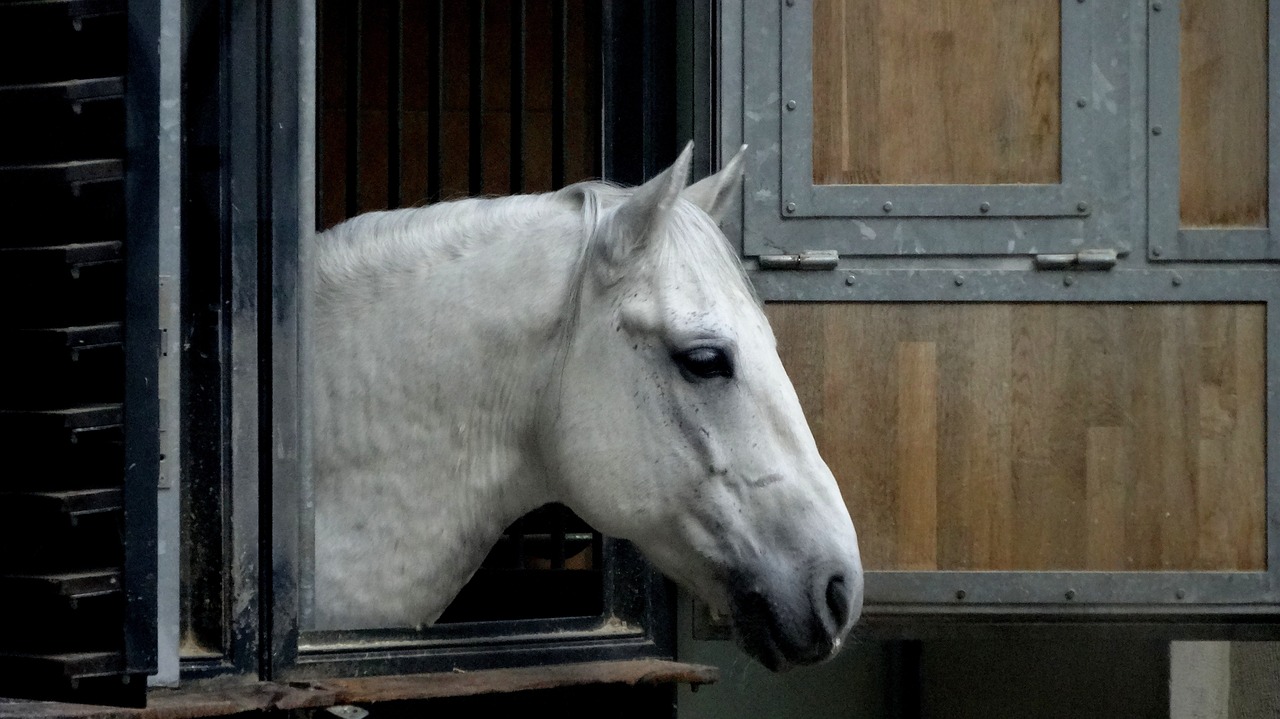
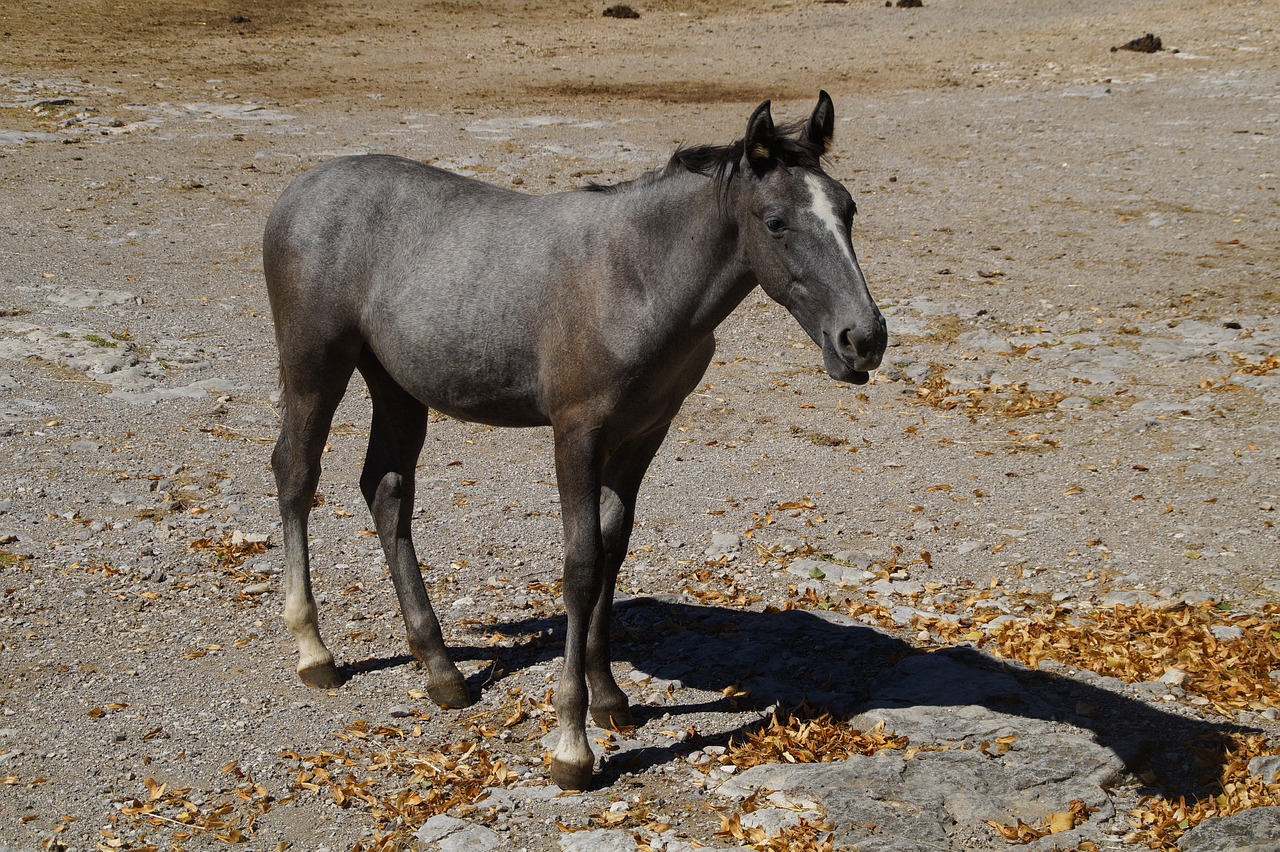
The guide said something I wasn’t expecting. “These horses are born dark brown or black,” she told us, standing in front of a stall where a steel-grey stallion was calmly eyeing the group. “It takes six to ten years for them to turn fully white.” I’d always assumed the Lipizzaners were born that way — some kind of genetic lock on their coat. Turns out the transformation is slow, one of many things about the Spanish Riding School that rewards patience over shortcuts.
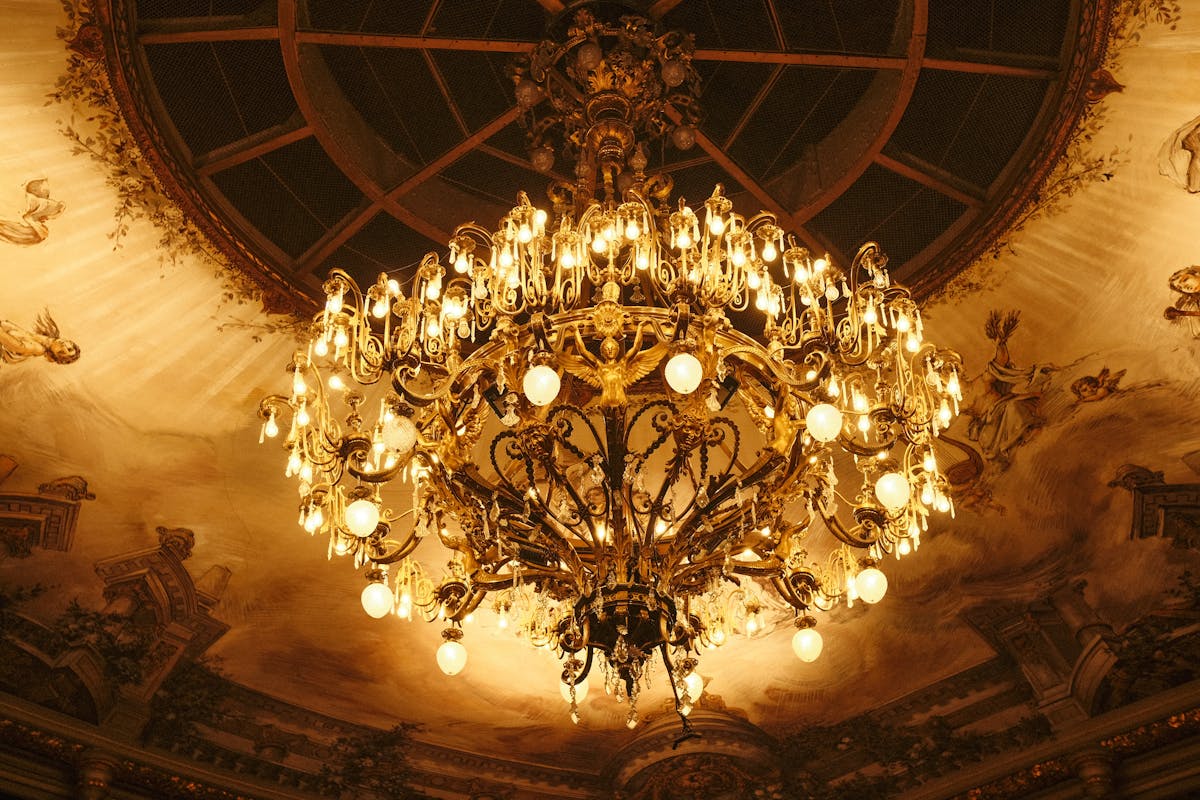
The Spanish Riding School has been training Lipizzaner stallions inside the Hofburg Palace for over 450 years. The Winter Riding School, where performances happen, is one of the most jaw-dropping indoor spaces in Vienna — a baroque hall with columns, a portrait of Charles VI overhead, and crystal chandeliers that throw soft light across the arena. It’s a working training facility that happens to look like a ballroom.
Getting tickets isn’t complicated, but there are several different ways to experience the school, and the prices vary a lot depending on which one you pick. Here’s what actually works and where most visitors get it wrong.
Best overall: Spanish Riding School Guided Tour — $28. The best way to actually learn something. You see the stables, the hall, and get the whole backstory from someone who knows it.
Best budget: Morning Training Session — $20. Watch the horses and riders work through their routines in the baroque hall. No commentary, but the atmosphere makes up for it.
Best for the full experience: Lipizzaner Performance — $46. The full classical dressage show with music, the signature “airs above the ground,” and all the pomp you’d expect from a 450-year-old institution.
- How the Ticket System Works at the Spanish Riding School
- Official Tickets vs Guided Tours — Which Should You Choose?
- The Best Spanish Riding School Tours to Book
- 1. Spanish Riding School Guided Tour —
- 2. Morning Training Session —
- 3. Performance of the Lipizzans —
- When to Visit the Spanish Riding School
- How to Get to the Spanish Riding School
- Tips That Will Save You Time
- What You’ll Actually See Inside
- More to See in Vienna
How the Ticket System Works at the Spanish Riding School
The Spanish Riding School sells tickets directly through their official website at srs.at. This is the cheapest route for most visitors, and where you’ll find the full calendar of performances, morning exercises, and guided tours. Tickets for performances go on sale several months in advance and the popular weekend shows sell out fast — particularly in peak season from April through October.
There are four main ticket types, and each one gives you a very different experience:
Performances run about 75 minutes and cost between EUR 25 and EUR 130+ depending on your seat. This is the full classical dressage show, complete with Viennese waltz music, the famous “airs above the ground” (where stallions leap with all four legs off the floor), and riders in their traditional brown tailcoats and bicorne hats. Standing room starts at EUR 25, seated tickets at EUR 33, and the premium front-row spots go for considerably more. Saturday performances are the hardest tickets to get.
Morning Exercise tickets are EUR 16-18 and give you access to watch the daily training session from about 10am to noon. You can come and go during this window. There’s no commentary and no formal choreography — it’s the horses and riders working through their routines in the Winter Riding School. The atmosphere is more relaxed than a performance, and you get a genuine sense of what daily life at the school looks like. These tickets cannot be reserved online through the official site — you buy them at the door, but third-party platforms like GetYourGuide sell guaranteed entry.
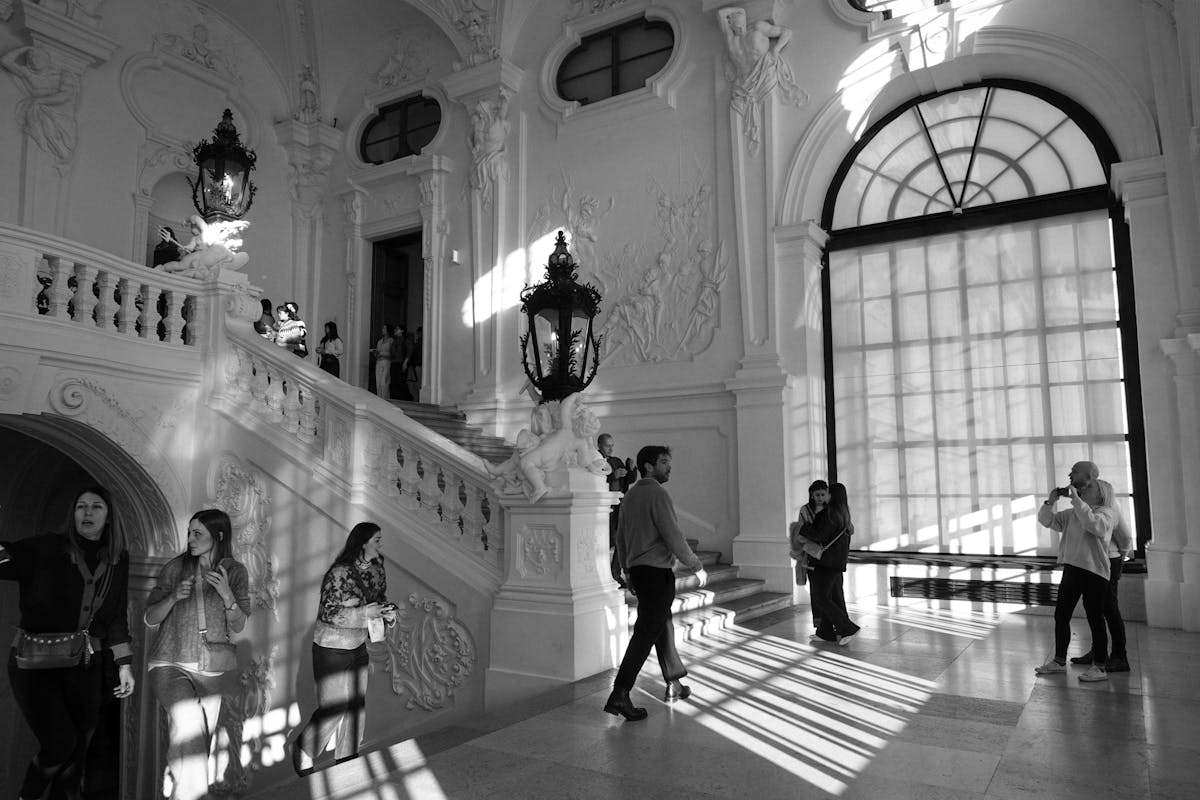
Guided Tours run about 55 minutes and cost EUR 20-22. A guide walks you through the Winter Riding School, the stables where the Lipizzaners live, the tack room, and the Summer Riding School. These tours are offered in English on most afternoons. You’ll learn more on a guided tour than at any other type of visit, and if the horses are in their stalls, you’ll see them at close range.
Architectural Tours are a newer option at around EUR 25, lasting 80 minutes. These focus less on the horses and more on the building itself — the baroque architecture, the history of the Hofburg, hidden rooms and viewpoints you won’t find on the standard tour. Good for architecture buffs or repeat visitors who’ve already seen the horses.
A few things worth knowing about pricing: children under 3 enter free for all events. Kids 3-5 get reduced rates. Students and seniors get discounts on most ticket types. The Vienna Pass includes entry to the guided tour but not performances or morning exercise — a useful perk if you’re visiting multiple attractions.
Official Tickets vs Guided Tours — Which Should You Choose?
This is the question most visitors get stuck on. The official site offers the cheapest prices, but the third-party guided tours through platforms like GetYourGuide bundle things differently and sometimes include perks the official tickets don’t.
Go direct through srs.at if: You want a specific performance date and seat, you’re booking well in advance, or you’re comfortable navigating a German/English website with a calendar-based booking system. The official guided tours are also solid and the cheapest option for a structured visit.
Go through a tour platform if: You want guaranteed entry to morning exercise (which you can’t pre-book officially), you want to combine the visit with other Vienna attractions, or you prefer having everything pre-arranged. The prices are slightly higher, but the convenience factor is real — especially for the morning sessions where the official policy is “show up and hope there’s room.”
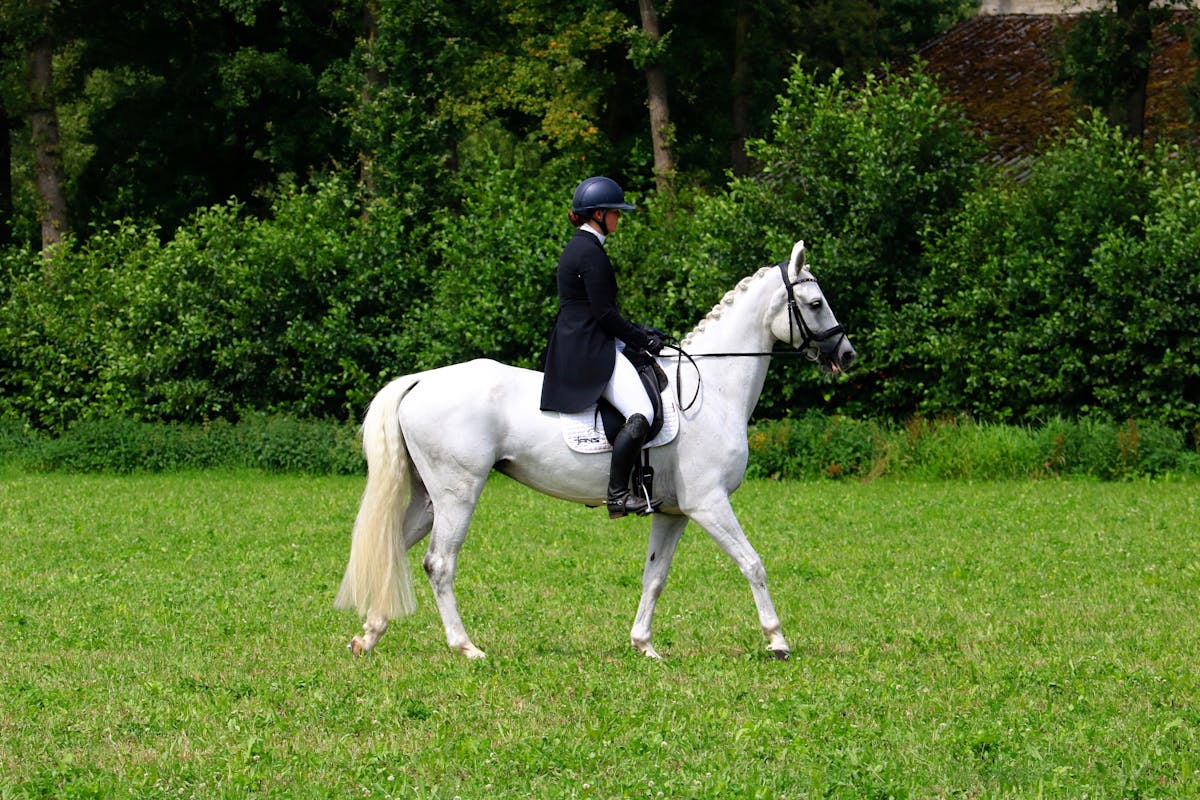
My honest take: if you only do one thing, the guided tour gives you the best overall understanding of what the school actually is. If you’re a horse person or you came specifically for the spectacle, book a performance. The morning exercise is the cheapest option and genuinely atmospheric, but don’t expect a show — it’s a training session, and some mornings are more interesting than others.
The Best Spanish Riding School Tours to Book
1. Spanish Riding School Guided Tour — $28
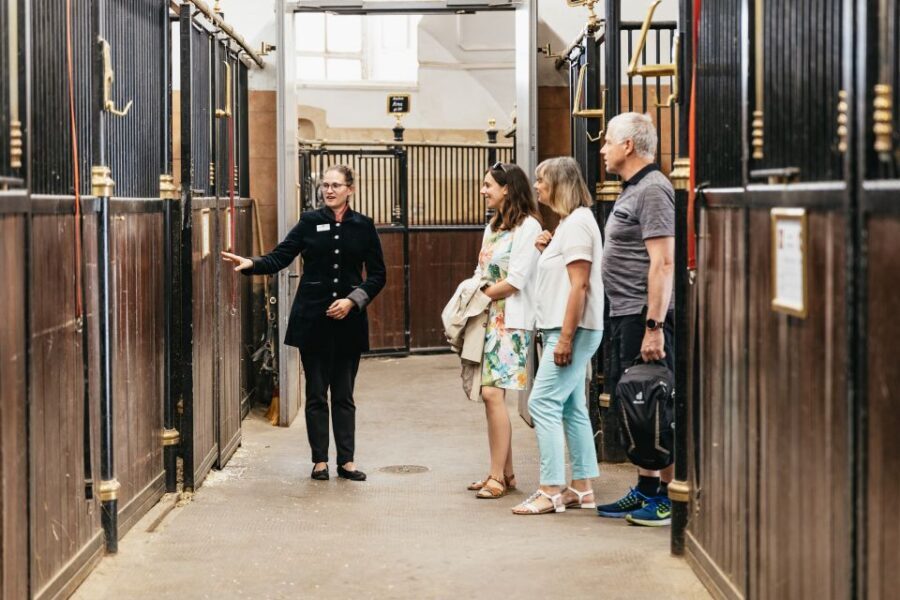
This is the tour I’d recommend to anyone visiting for the first time. In 55 minutes, you get a walk through the Winter Riding School hall, the stables where the Lipizzaners actually live, and a tack room filled with centuries-old saddles and bridles. The English-language guides know their stuff and leave time for questions. One visitor in our group asked whether the horses had individual personalities — the guide spent five minutes telling us about a stallion who apparently refuses to work on Mondays. That kind of detail doesn’t make it into the brochure.
At $28 per person, it’s the sweet spot between depth and value. You’ll learn more here in under an hour than you would watching a full performance, because someone is actually explaining what’s happening and why. The only downside is that you might not see the horses if they’re out training or on summer break at the Piber stud farm — check the schedule before booking.
2. Morning Training Session — $20
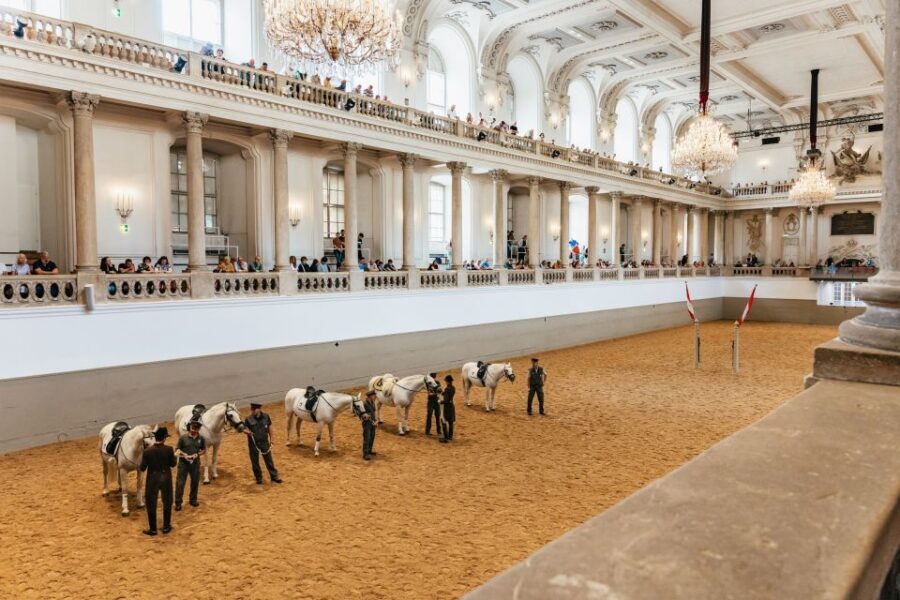
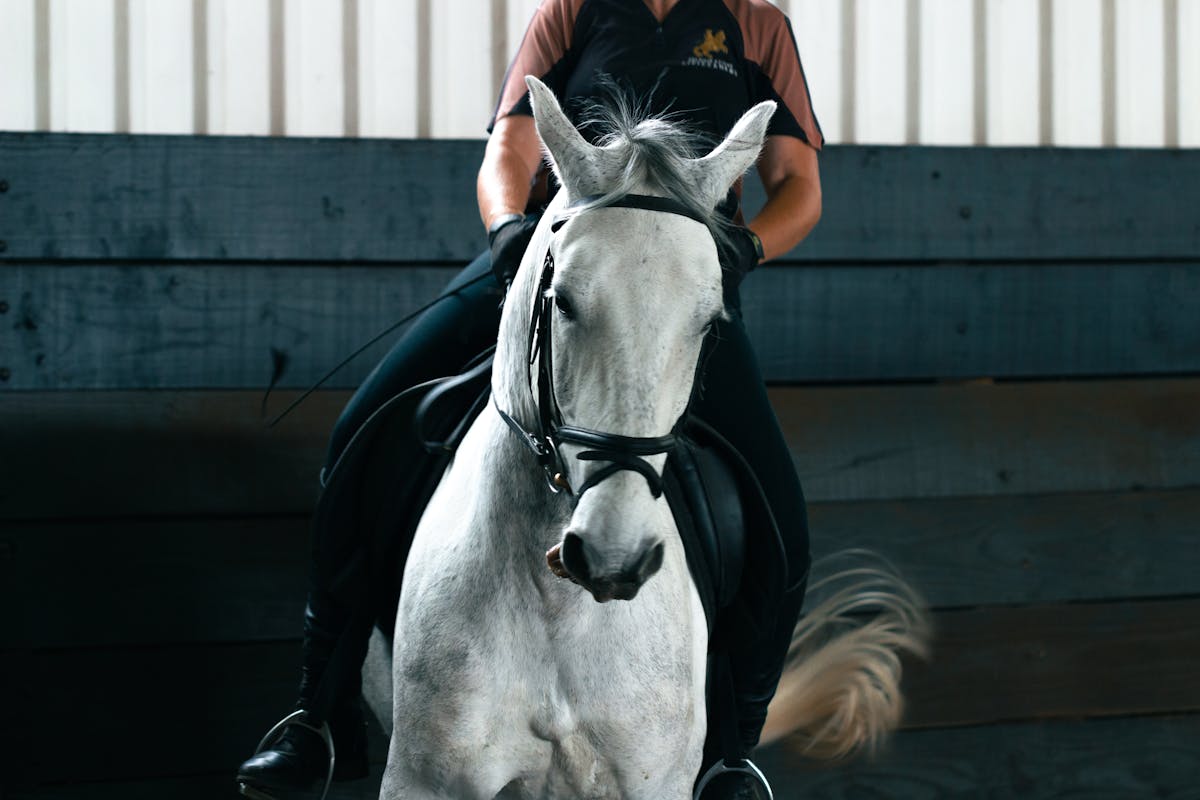
This is the one most budget-conscious visitors go for, and I get why. For $20, you watch the Lipizzaner stallions train in one of the most beautiful indoor spaces in Europe. There’s no narration, no formal program — just riders and horses working through dressage exercises while classical music plays softly in the background. You can arrive anytime between 10am and noon and stay as long as you like.
The thing people don’t always realize is that the quality of the session varies. Some mornings you’ll see advanced movements and maybe even some of the spectacular leaps. Other mornings it’s basic conditioning work that’s less visually exciting. Either way, the morning exercise gives you the most authentic glimpse of daily life at the school. Just know that this is a working rehearsal, not a polished performance — and that’s exactly what makes it feel real.
3. Performance of the Lipizzans — $46
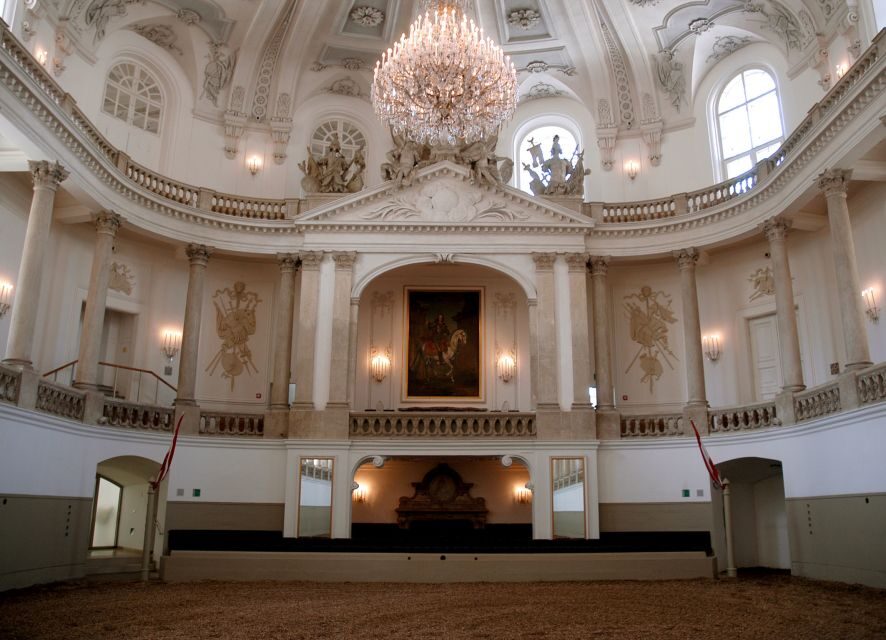
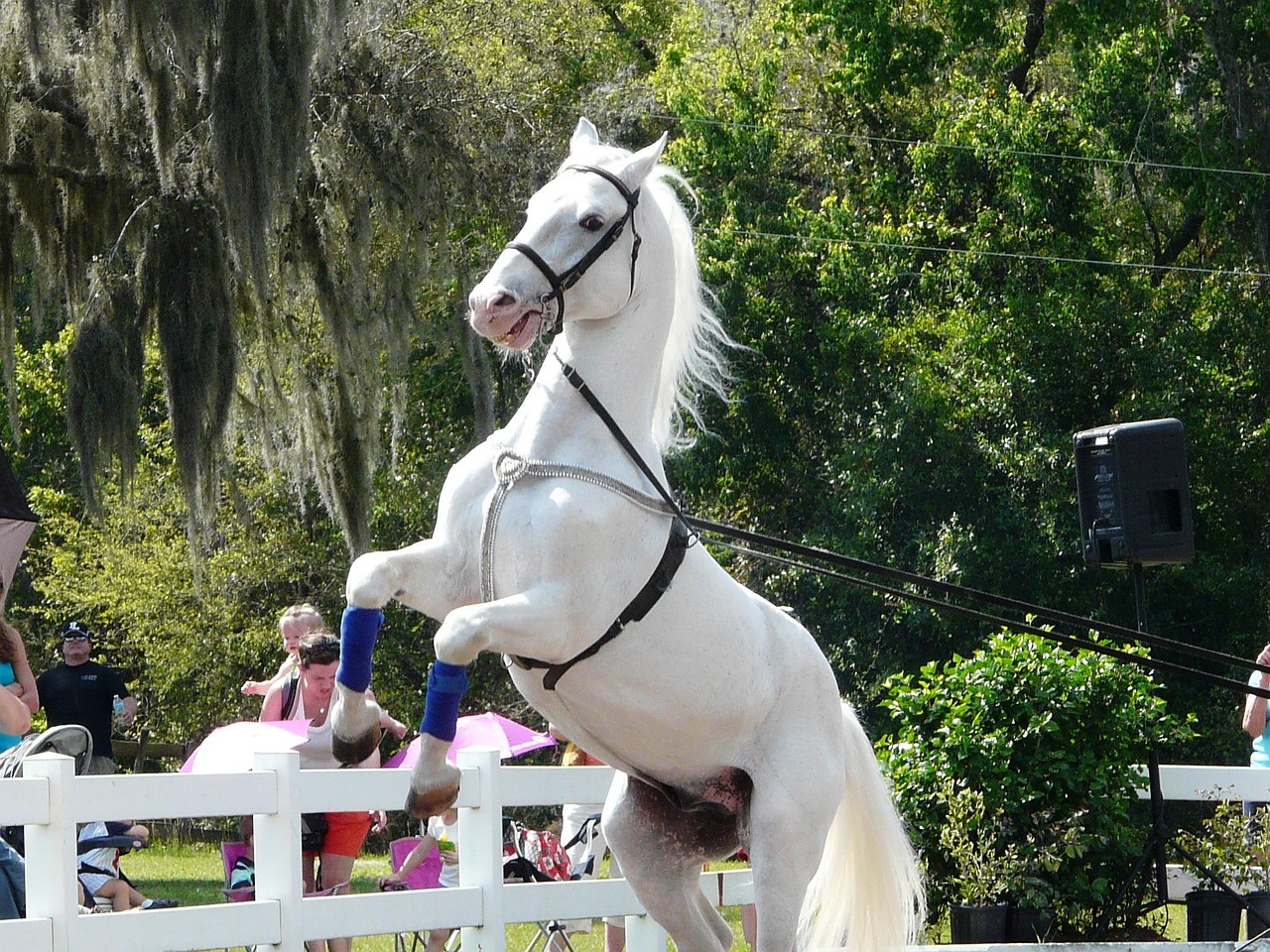
If you want the full production, this is it. The Lipizzaner performance is the flagship event at the Spanish Riding School — a 75-minute classical dressage show set to music in the candlelit Winter Riding School. The riders wear their traditional uniforms, the stallions move through increasingly complex figures, and the finale features the famous “airs above the ground” where the horses leap and kick in mid-air. It’s part equestrian art, part living history, and entirely unlike anything else in Vienna.
At $46 for standing room, this is the priciest option on this list, and seated tickets go higher still. But it’s the only way to see the school at its most spectacular. The weekend shows sell out months in advance, so book early if a performance matters to you. One thing to keep in mind: photography is not allowed during performances (it is during morning exercise), so leave the camera in your bag and just watch.
When to Visit the Spanish Riding School
The school operates year-round, but the schedule shifts with the seasons. Performances run from February through June and September through December, typically on weekends and some weekdays. The horses take a summer break in July and August, spending time at the Piber stud farm in Styria — so if you’re visiting Vienna in mid-summer, your options are limited to architectural tours and whatever training sessions are scheduled.
Morning exercises usually run Tuesday through Saturday, 10am to noon, but check the official calendar — they cancel sessions when the school is preparing for performances or when the horses are touring. The doors open at 10am and close at noon; most visitors stay 45-60 minutes.
Guided tours are offered most afternoons, with English tours typically at 2pm, 3pm, or 4pm depending on the day. Book ahead in peak season — the groups are small and they fill up.
The best months to visit are March through May and September through November. The weather in Vienna is pleasant, the full performance schedule is running, and the tourist crowds haven’t reached their summer peak. December is lovely too — the Christmas markets around the Hofburg add to the atmosphere, but tickets for the holiday-period performances sell out early.
How to Get to the Spanish Riding School
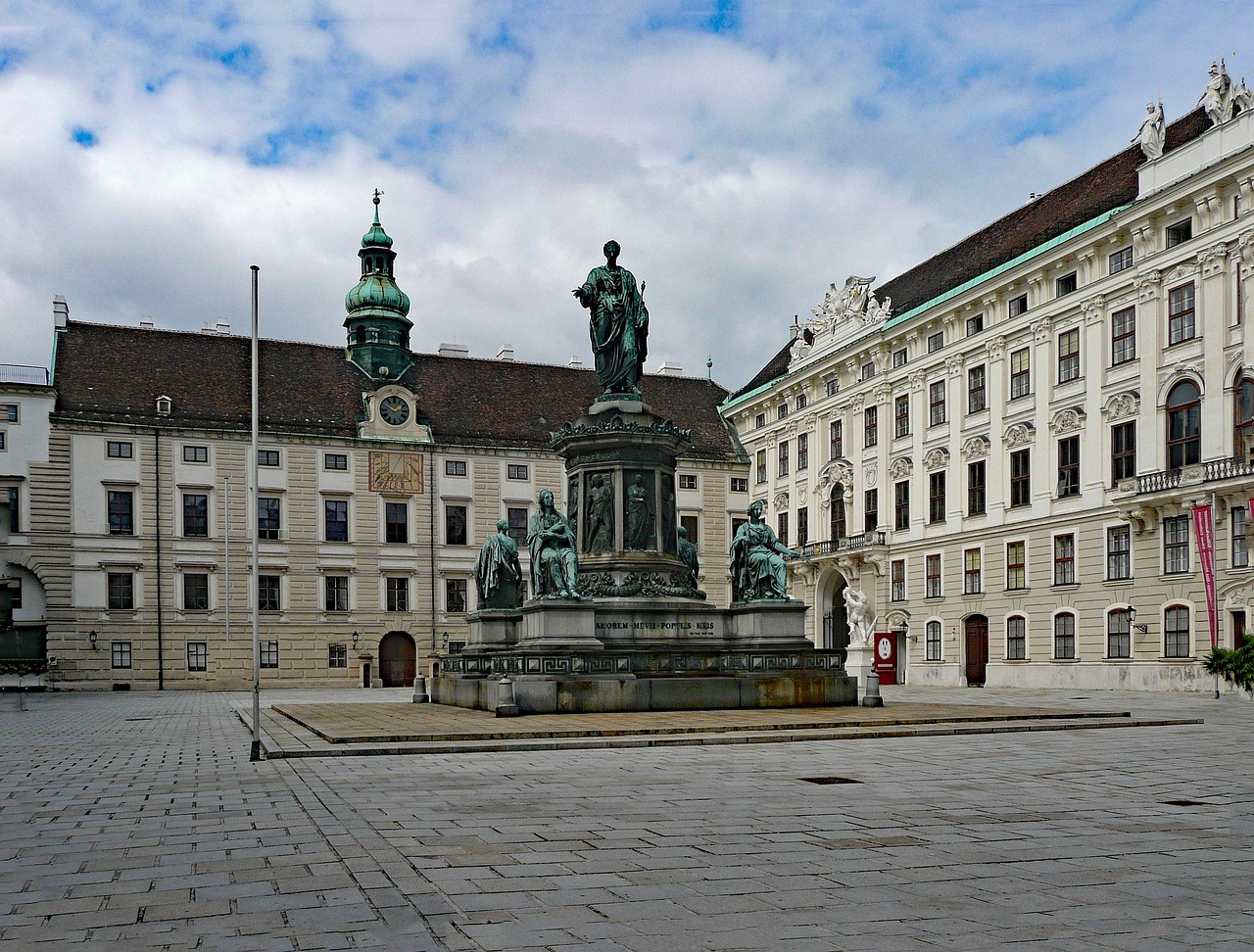
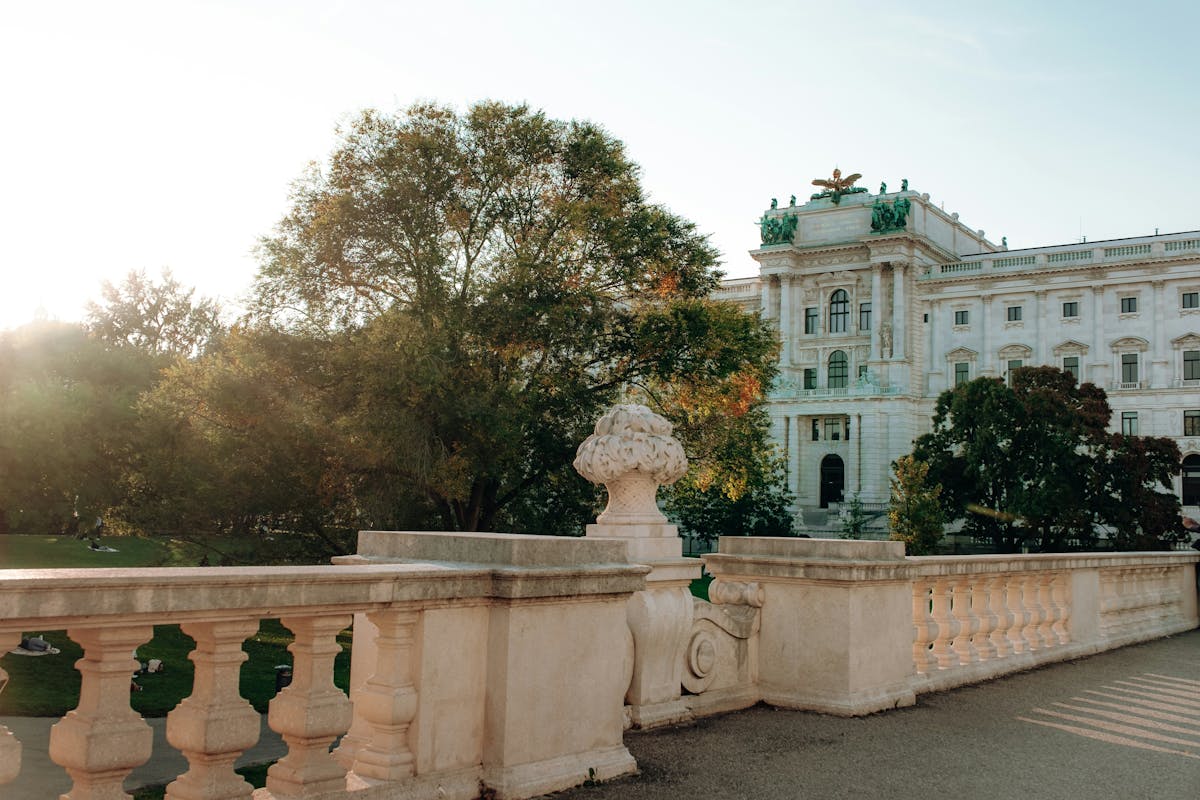
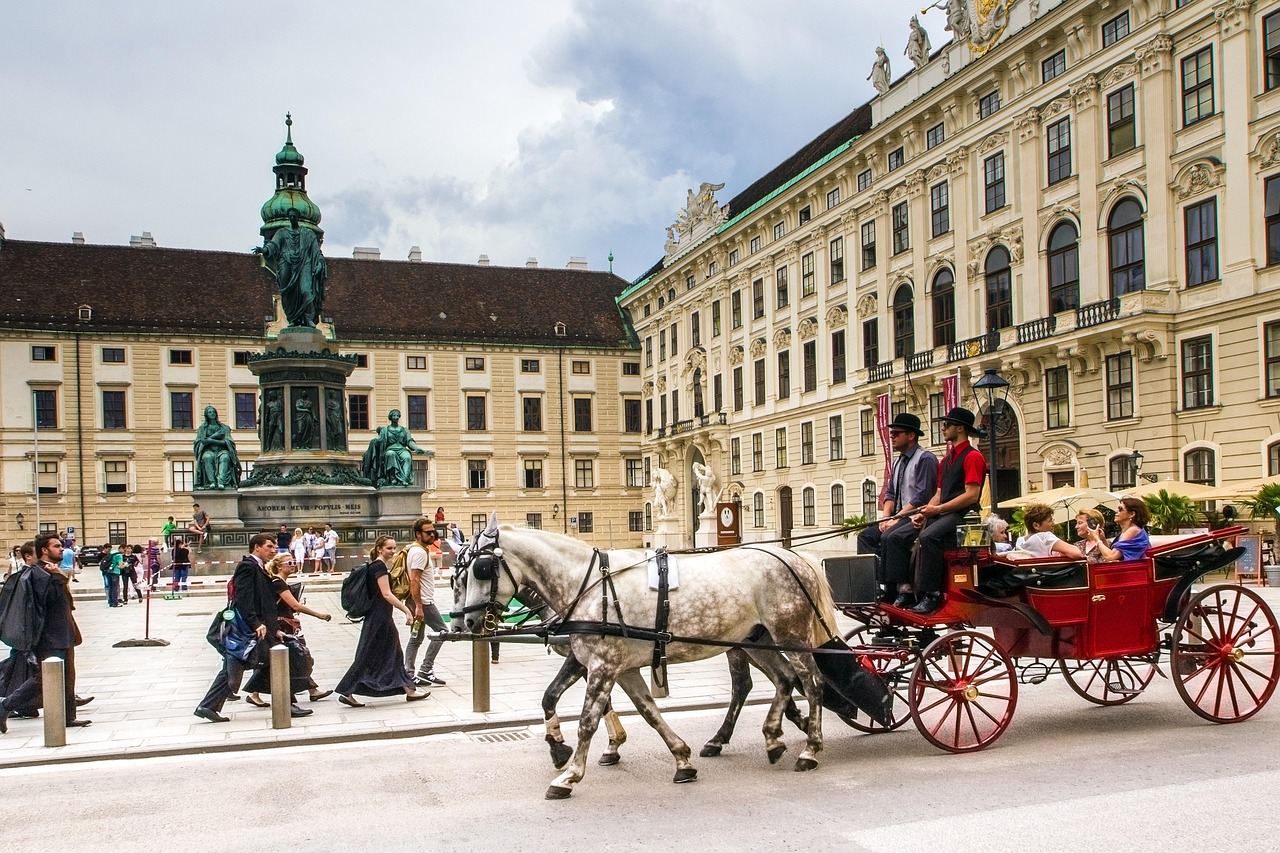
The Spanish Riding School is inside the Hofburg Palace complex, right in the heart of Vienna’s first district. The main entrance is on Josefsplatz, a quiet square between the Austrian National Library and the riding school wing.
By U-Bahn: The closest stations are Herrengasse (U3 line, 2-minute walk) and Stephansplatz (U1/U3, 5-minute walk). From Herrengasse, exit toward Michaelerplatz and walk through the Hofburg archway to Josefsplatz.
By tram: Lines 1, 2, D, and 71 all stop near the Ringstrasse, within a 5-minute walk of the school. The Burgring stop puts you right at the edge of the Hofburg complex.
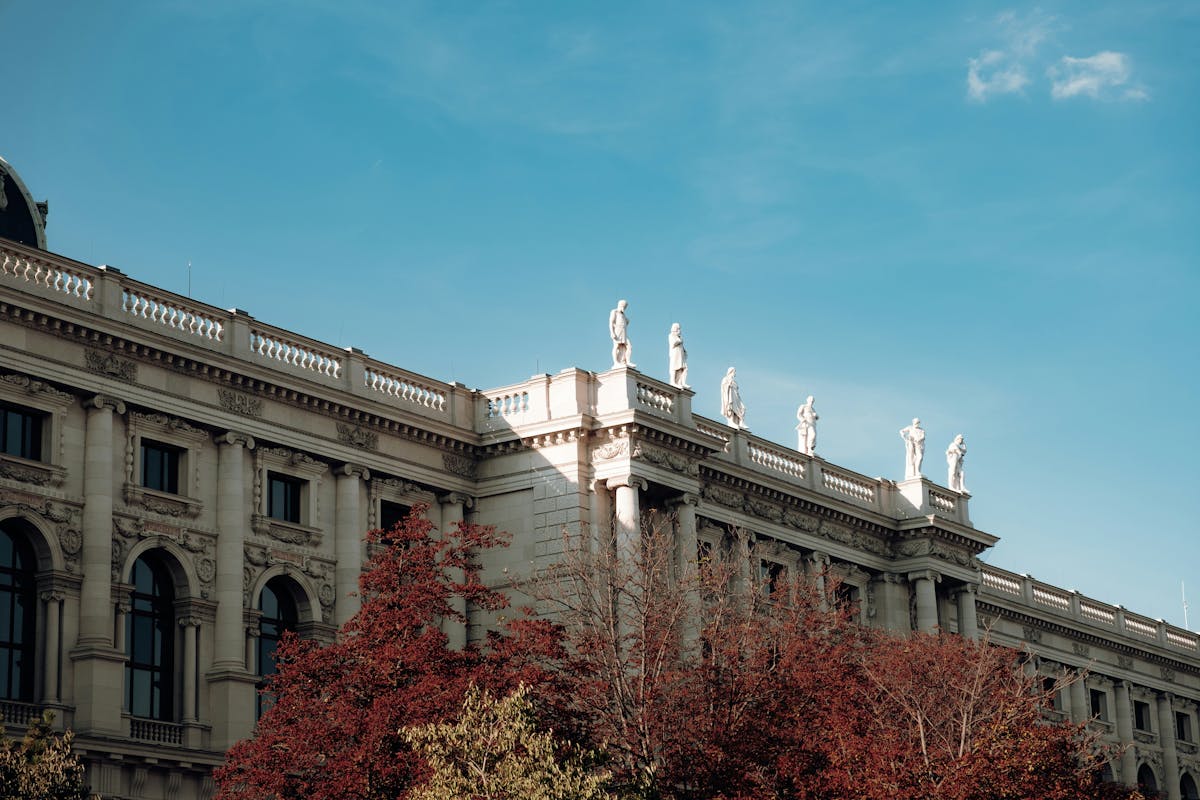
On foot: If you’re coming from Stephansdom or the Graben shopping street, it’s a 10-minute walk west through the pedestrian zone. The route takes you through some of Vienna’s best streets, so give yourself extra time to wander.
There’s no dedicated parking at the Hofburg. If you’re driving, the closest garage is at the Museumsquartier (about 8 minutes on foot). Public transport is the easier option by far.
Tips That Will Save You Time
Book performances at least 2-3 months ahead. Weekend shows sell out fast, and the best seats go first. If you’re visiting in peak season and want a Saturday performance, don’t wait.
Arrive 15-20 minutes early for everything. The school is strict about entry times, and late arrivals are turned away from performances once the doors close. For morning exercise, arriving right at 10am means you catch the beginning of the session when the horses are fresh.
Standing room at performances isn’t bad. The standing area is at the back of the hall, and you can move around to find the best angle. For a 75-minute show it’s perfectly manageable, and you save a significant amount over seated tickets.
The gift shop is surprisingly good. Tucked next to the entrance on Josefsplatz, it sells books about the Lipizzaner breed, high-quality prints, and handmade leather goods. Skip the generic Vienna souvenirs at the tourist shops and pick something up here instead.
Photography rules vary by event. Photos and video are allowed during morning exercise. During performances, photography is strictly prohibited — they will ask you to put your phone away. Guided tours allow photos in most areas.
Combine with the Sisi Museum. The Sisi Museum, Imperial Apartments, and Silver Collection are all in the Hofburg complex, steps from the riding school. If you’re already in the building, it makes sense to visit both on the same morning.
What You’ll Actually See Inside
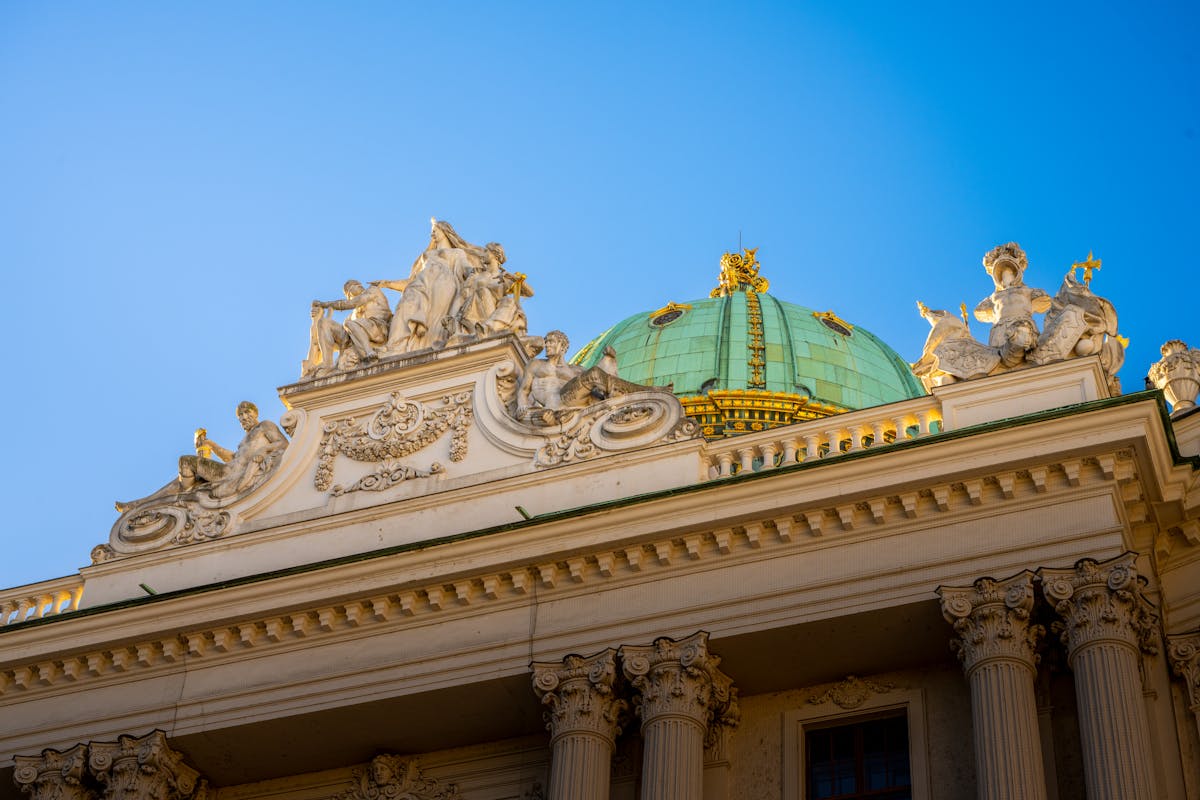
The heart of the Spanish Riding School is the Winter Riding School, completed in 1735 under Emperor Charles VI. It’s the largest oval indoor riding arena in the world — 55 meters long, 18 meters wide, with a ceiling that soars above galleries supported by Corinthian columns. At one end hangs a portrait of Charles VI, and riders salute it every time they enter the arena. They’ve been doing this since the 18th century.
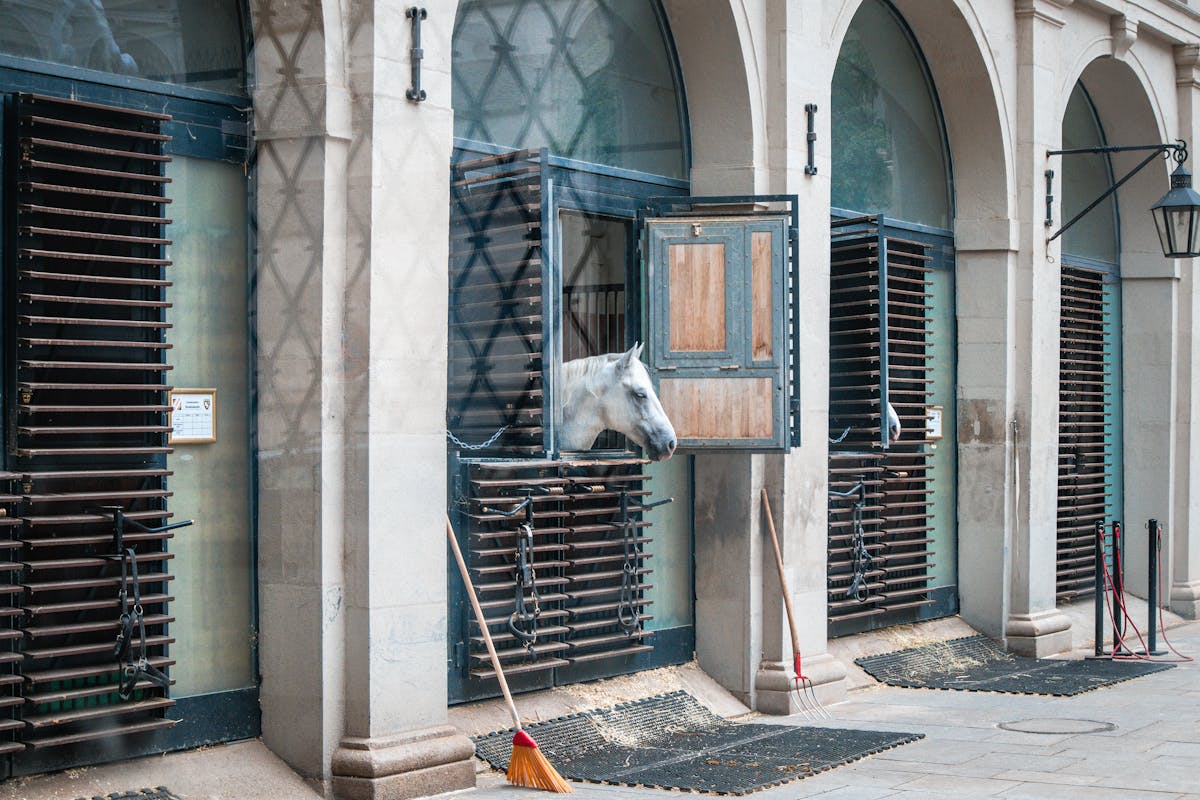
The stables are below the riding school, and on guided tours you’ll walk through the corridors where the stallions live. Each horse has a nameplate on its stall showing its lineage, breeding line, and year of birth. The Lipizzaners come from six founding stallion lines, and the breeding program has been meticulously documented for centuries. The stalls themselves are clean, spacious, and very well maintained — these are some of the most pampered horses on the planet.
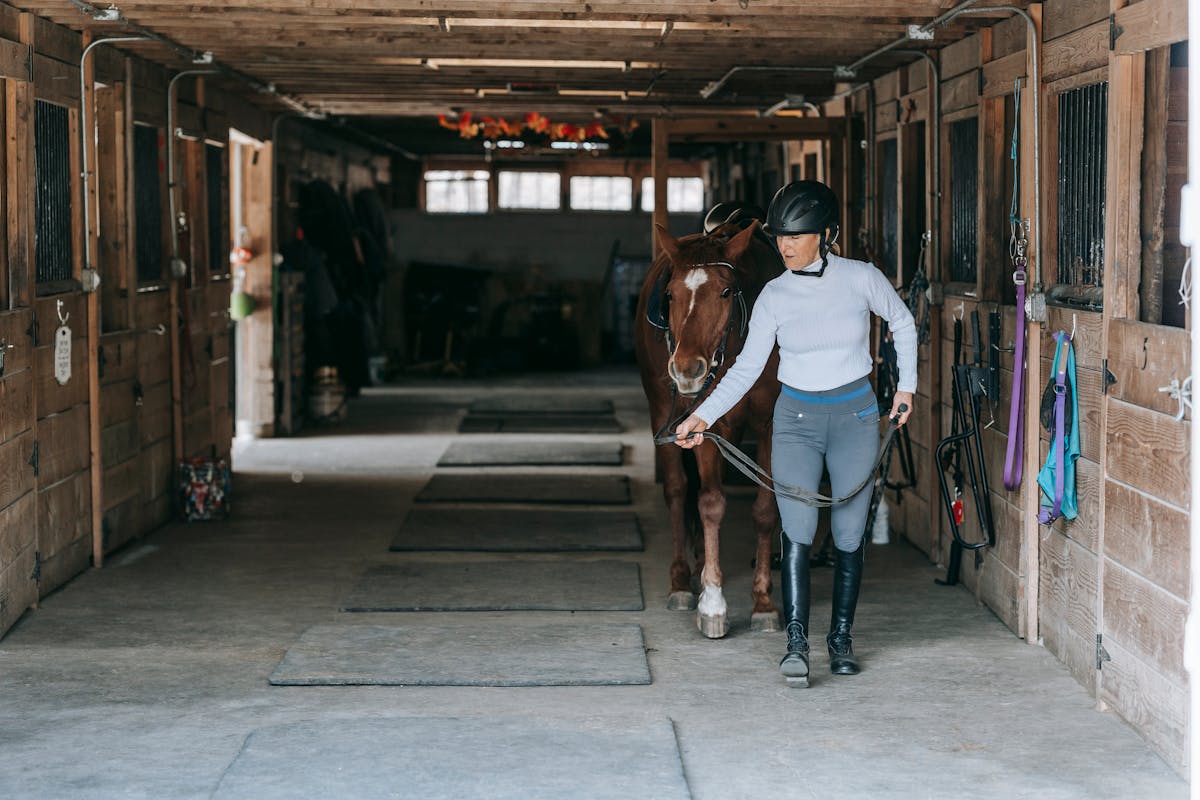
The tack room is a highlight of the guided tour that most visitors don’t expect. It houses the traditional saddles, bridles, and riding equipment that the school has used for generations. Some of the leather work dates back over a century. The attention to craft is obvious — every piece is handmade and maintained to an extraordinary standard.
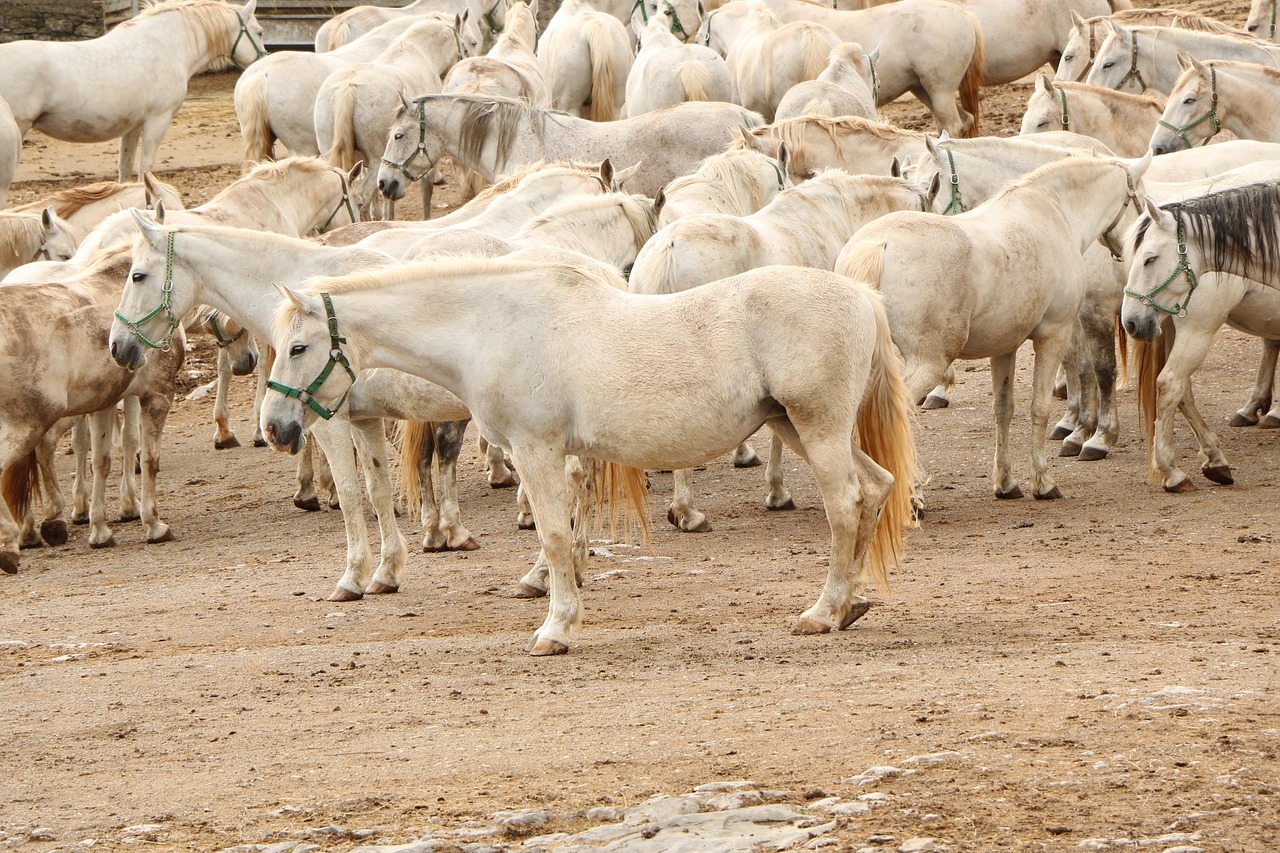
One detail that stuck with me: the Lipizzaners are born dark — usually brown, bay, or black — and gradually lighten to white over 6-10 years. Occasionally a stallion stays dark for life, and the school keeps at least one dark horse in the lineup as a nod to tradition and genetics. If you see a dark horse among the white ones, it’s not a mistake. It’s the original color.
More to See in Vienna
The Spanish Riding School sits inside the Hofburg, so the Hofburg and Sisi Museum is literally steps away — you can do both in the same morning without rushing. Across the city, Schonbrunn Palace covers the summer side of Habsburg life, and the Belvedere adds Klimt and a different garden aesthetic to the palace circuit. For evenings, classical concerts happen every night, from the Musikverein Golden Hall to candlelit church performances.
A walking tour through the old town connects the dots between these landmarks with a local guide, while the hop-on hop-off bus hits the further-flung stops like the Prater and Hundertwasserhaus. If you want something completely different, a Danube cruise swaps cobblestones for the river, and a food tour through the Naschmarkt teaches you more about Vienna through schnitzel and strudel than most museums manage.
Day trips worth considering include Hallstatt from Vienna, or if you are heading to Salzburg, the salt mines, Sound of Music tour, and Eagle’s Nest are all within reach.
This article contains affiliate links. If you book through our links, we earn a small commission at no extra cost to you. This helps us keep producing honest, independent travel guides.