
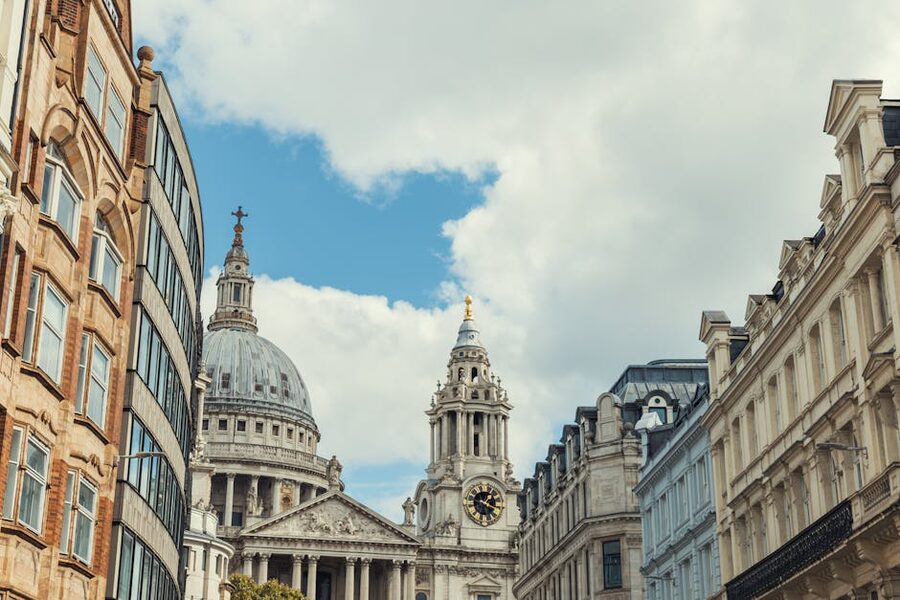
Christopher Wren spent 35 years building St Paul’s Cathedral and was buried in the crypt under the simplest stone in the building. The inscription reads Lector, si monumentum requiris, circumspice — “Reader, if you seek his monument, look around you.” It’s the best piece of tourist information in London and almost nobody knows it exists.
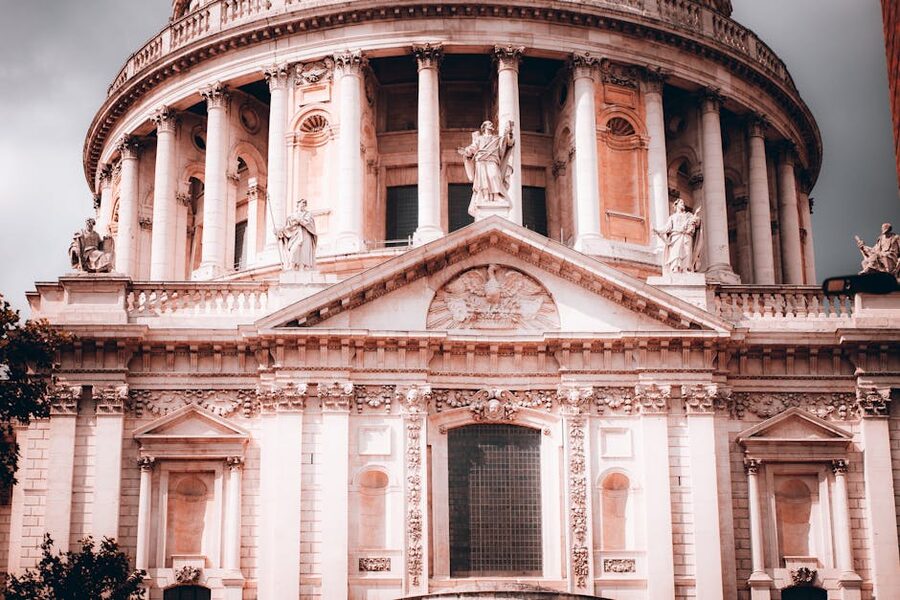
St Paul’s is the fourth-most-visited cathedral in Europe, after Notre-Dame (currently reopening), the Vatican, and Cologne. About 1.5 million people walk through its doors each year. Most of them see the dome, stand in the nave, take a photo, and leave without climbing the 528 steps to the top or finding Wren’s grave.
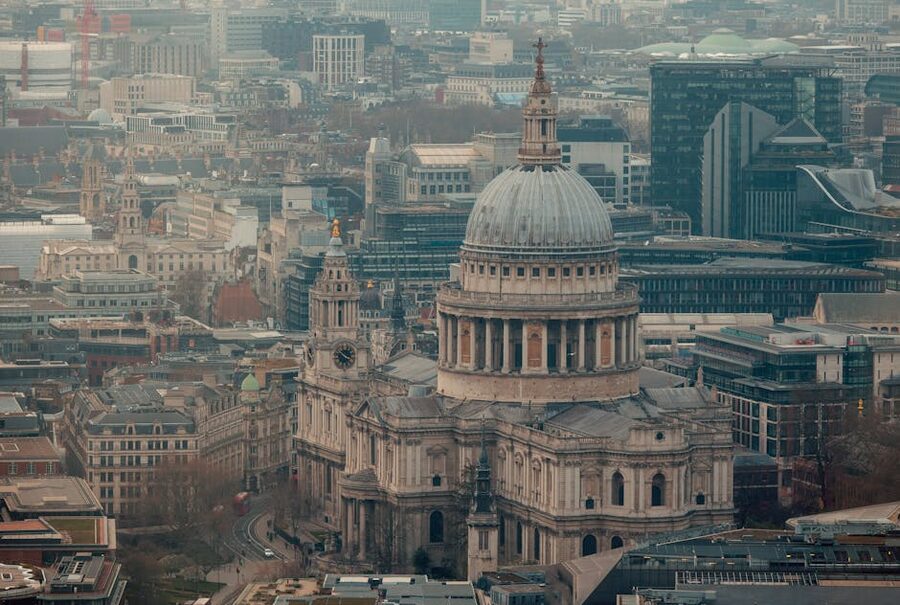
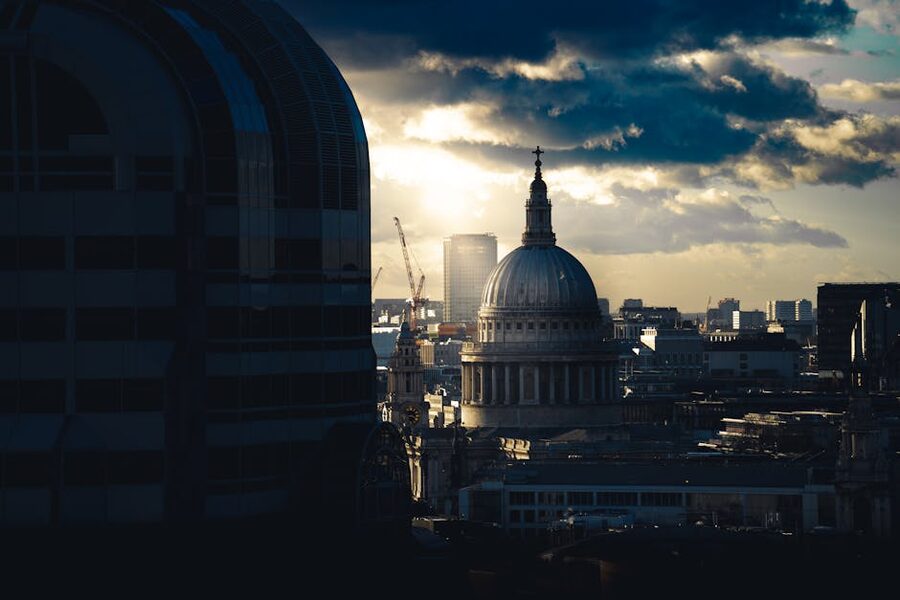
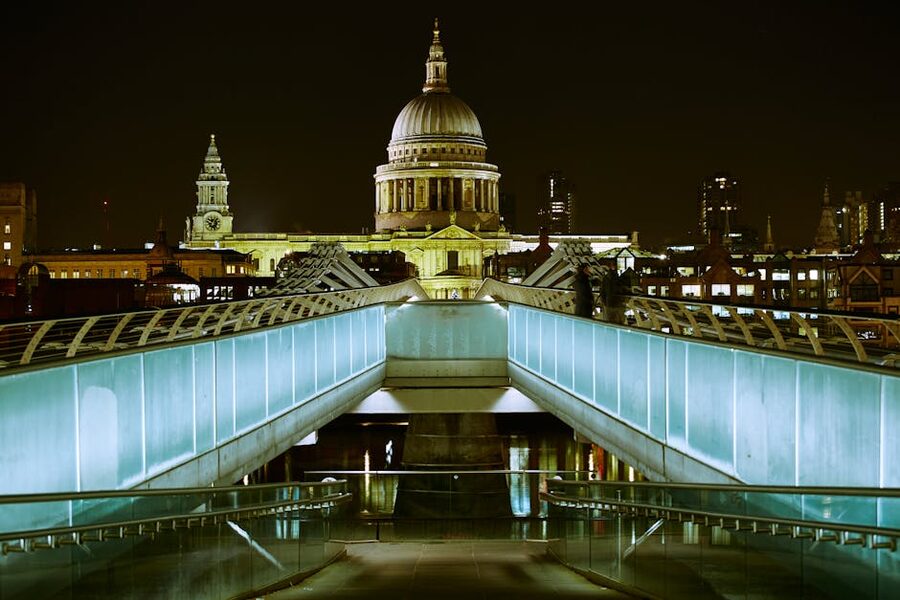
This guide covers how the ticket works, whether you should climb the dome, and what the alternative London attraction passes are actually worth.
- In a Hurry? Here Are the Top Picks
- What’s Actually Inside the Ticket
- The Nave and Main Cathedral
- The Dome Climb
- The Crypt
- The Triforium Tour (Extra Fee)
- The Best Tickets to Book
- 1. London: St Paul’s Cathedral Entry Ticket —
- 2. London Pass — 100+ Attractions — 3
- 3. London Go City Explorer Pass — 2-7 Attractions —
- A Short History
- Climbing the Dome: What to Expect
- When to Visit
- Evensong: The Free Option
- How to Get There
- What to Wear and Bring
- Worth Knowing Before You Book
- Pairing St Paul’s with Other London Attractions
- Worth the Ticket or Skippable?
- More UK Guides
In a Hurry? Here Are the Top Picks
The essential: London: St Paul’s Cathedral Entry Ticket — $36 per person. Standard entry with skip-the-line access. Includes the dome climb and crypt.
Best for many attractions: London Pass — 100+ Attractions — $133 per person. Includes St Paul’s plus Tower of London, Westminster Abbey, hop-on bus, and dozens more. Makes sense for 3+ day London trips.
Best flexible pass: London Go City Explorer Pass (2-7 Attractions) — $72 per person. Pick 3 attractions including St Paul’s and use them over 60 days.
What’s Actually Inside the Ticket
The standard St Paul’s ticket gets you four things. Most visitors do the nave and the dome climb; fewer do the crypt; almost nobody does the triforium tour.
The Nave and Main Cathedral
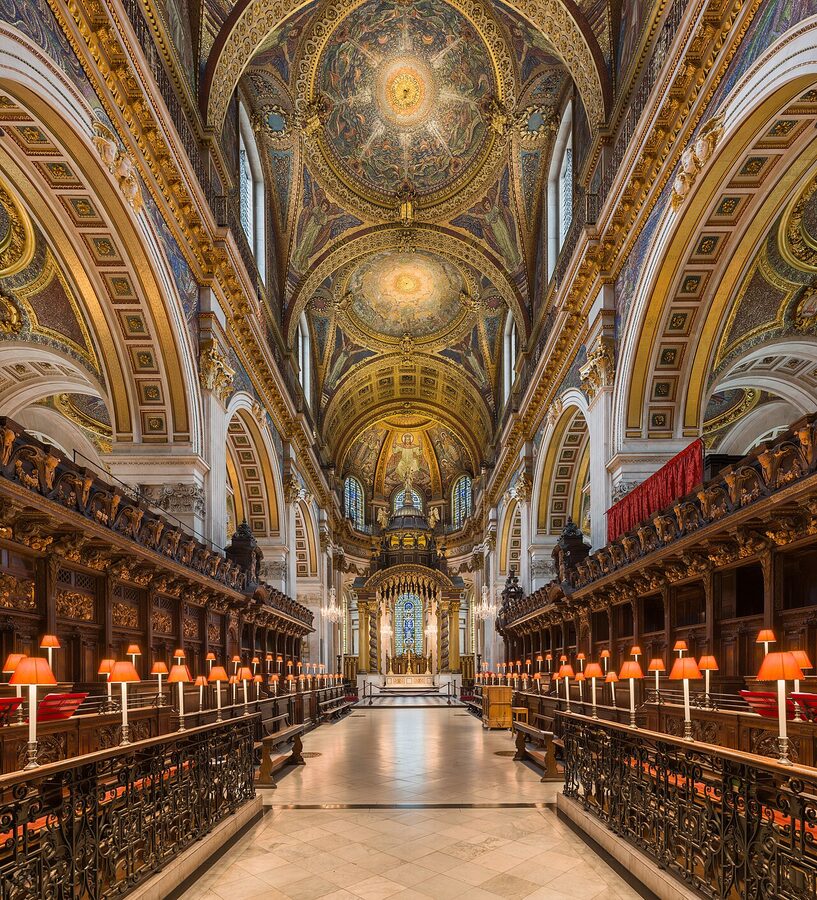
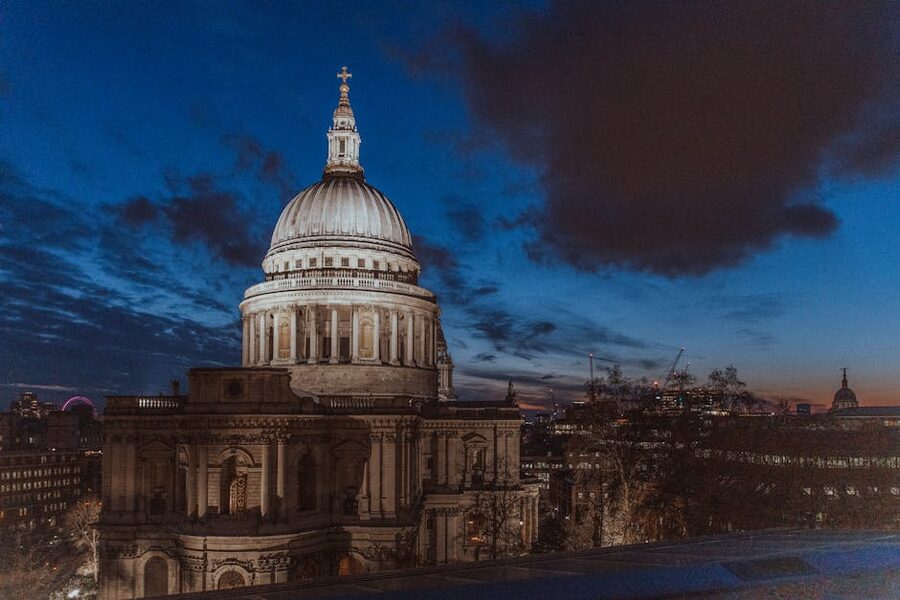
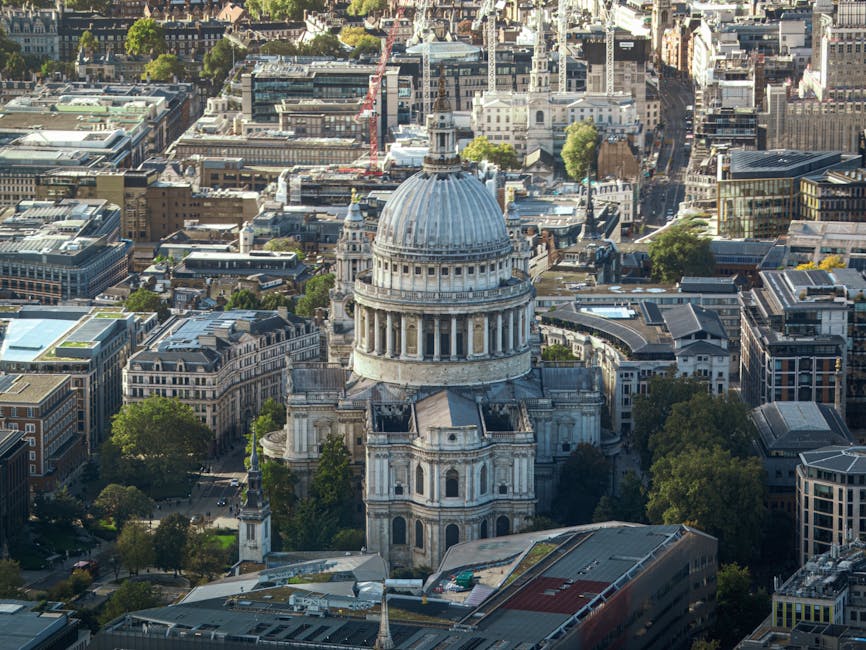
The bit that makes you gasp. The central nave runs 170 metres from door to altar, longer than a football pitch, and the dome sits over the crossing at 112 metres — slightly lower than St Peter’s in Rome but higher than almost anything else in Europe.
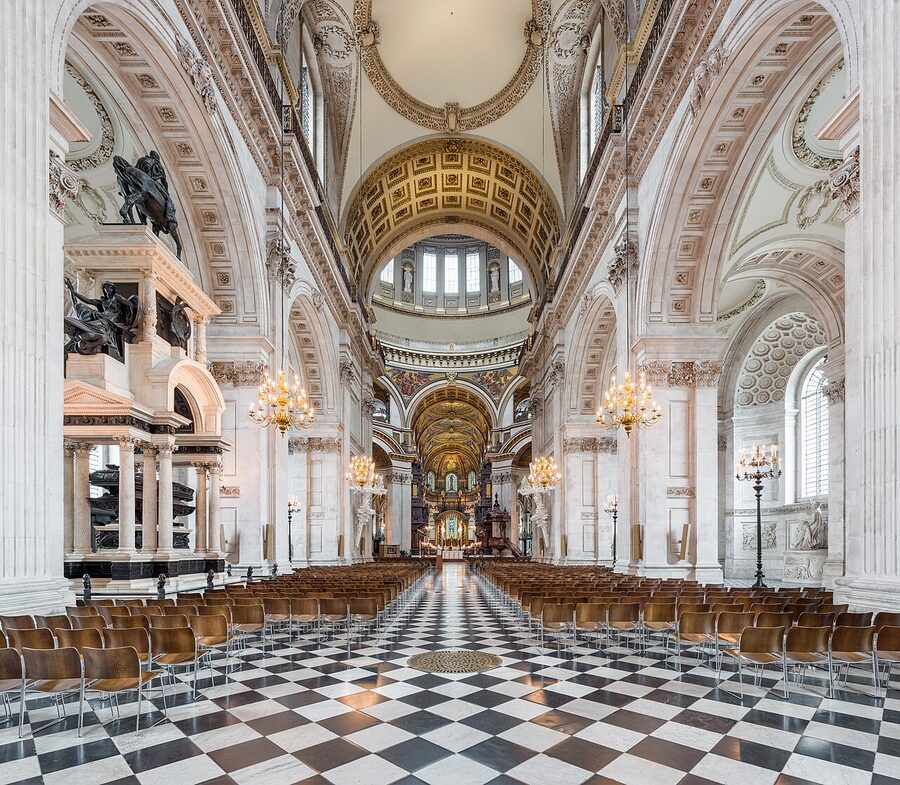

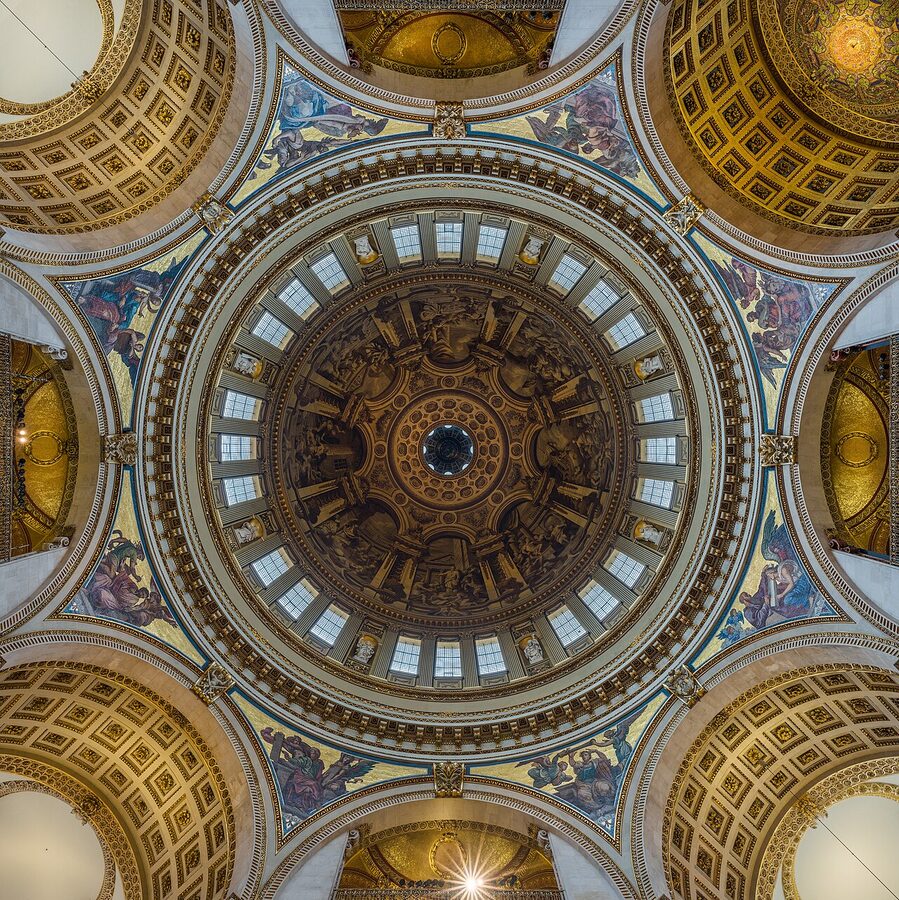
Entry gives you a free audio guide — a hand-held device with 90 minutes of commentary in 12 languages. Most visitors use about 30 minutes of it. The best sections are on the dome painting (Thornhill’s 1715 frescoes of St Paul’s life) and on Wren’s architectural tricks for making the acoustics work.
The Dome Climb
528 steps to the top. Done in three stages, each with a viewing gallery and a rest point.
Whispering Gallery (259 steps up): Named because whispers on one side can be heard clearly across the gallery on the other side — a quirk of the dome’s curved geometry. You’re 30 metres above the cathedral floor with an extraordinary view down into the crossing.
Stone Gallery (376 steps): The first external gallery, outside the dome. Good views across the City of London, especially south over the Thames.
Golden Gallery (528 steps): The top of the dome. Small platform right under the lantern, panoramic views in every direction. The best viewpoint in central London that isn’t the Shard or the London Eye.

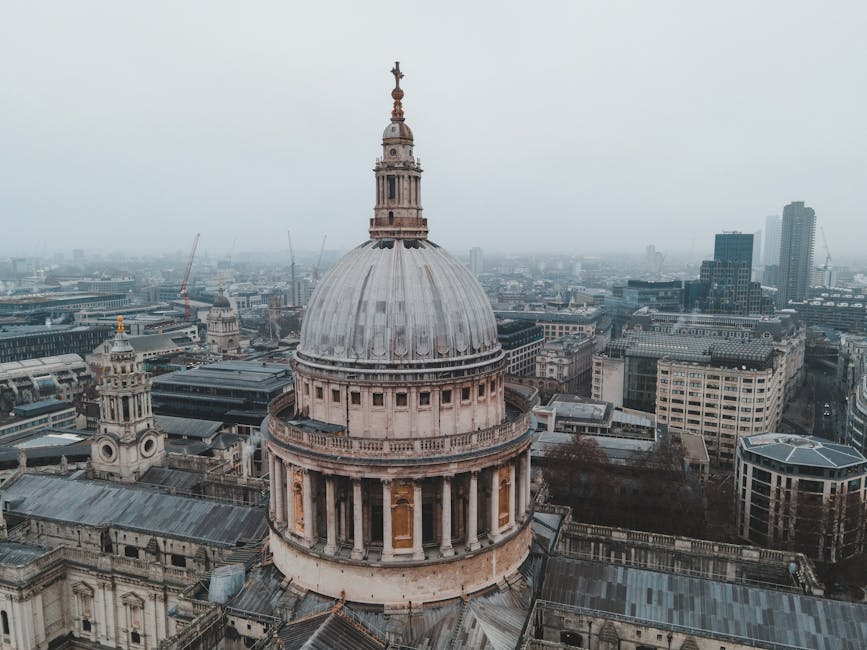
Honest reality: the climb is hard if you’re not used to stairs. The first 259 steps are mostly straight-up spiral staircases. The last 152 steps are narrow and steep, with some sections requiring ducking. Not ideal for people with knee problems or claustrophobia. Once you’re up, though, it’s one of the single best half-hour experiences in London.
The Crypt
Below the main floor. Contains the tombs of Nelson, Wellington, Florence Nightingale, Alexander Fleming, and Christopher Wren himself. Much of the crypt is now a café and gift shop, which feels slightly weird until you realise the cathedral has to pay for itself somehow.
Wren’s tomb is in the south transept of the crypt. It’s a single slab of black marble. The inscription is in Latin. Most visitors walk past it without noticing.

The Triforium Tour (Extra Fee)
A paid add-on tour that takes you into the non-public parts of the cathedral — the library (original Wren drawings!), the Geometric Staircase (filmed as the Divination Class in Harry Potter and the Prisoner of Azkaban), and the Great Model room (Wren’s 1:24 scale wooden model of his original design, which was rejected).
The triforium tour runs twice daily, costs about £20 extra, and must be booked in advance. If you’re a architecture or history buff, this is the best thing you can do at St Paul’s — and most visitors don’t know it exists.
The Best Tickets to Book
1. London: St Paul’s Cathedral Entry Ticket — $36
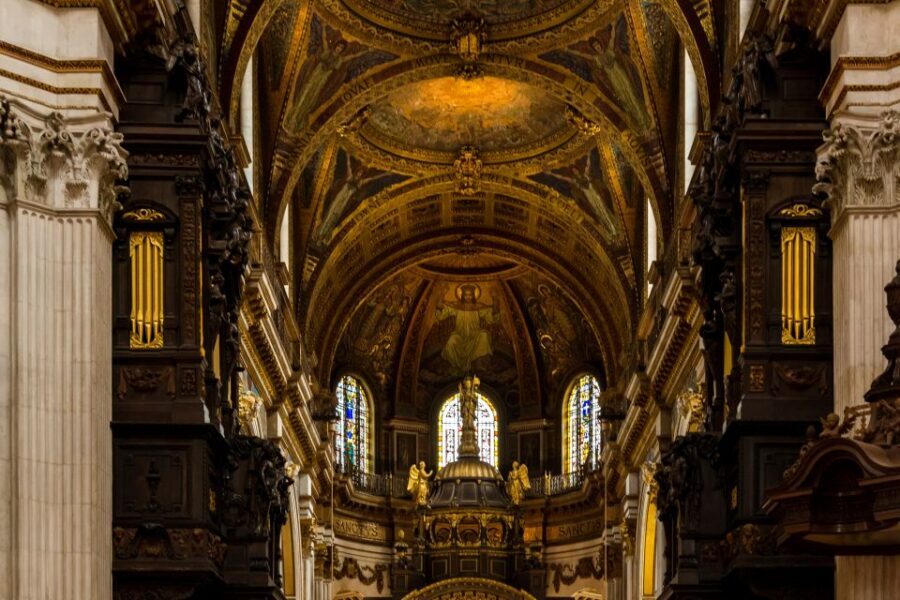
The standard ticket and what most visitors want. Skip-the-line digital entry, audio guide in multiple languages, full access to everything except the triforium tour. Valid for one day, with re-entry usually allowed if you want to step out for lunch and come back. Our review covers exactly what the ticket includes and what each section actually looks like inside. At $36 it’s priced similarly to Westminster Abbey and roughly half the price of the Tower of London — solid value for a major London landmark.
2. London Pass — 100+ Attractions — $133
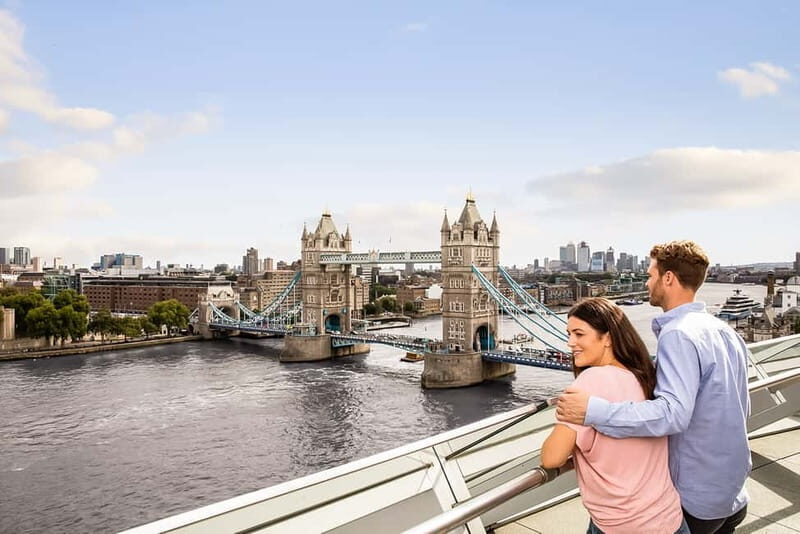
The mass-attractions option. $133 for a 1-day pass; multi-day passes run up to $220 for 10 days. St Paul’s alone is $36, so the pass only makes sense if you’re doing 4+ big attractions — and in London that’s easy. If you’re planning on the Tower of London, Westminster Abbey, Kensington Palace, and St Paul’s in a single trip, the maths works out strongly in the pass’s favour. Our review covers exactly what’s included and which durations make sense for different trip lengths. The hop-on hop-off bus and Thames River Cruise are also included, which most people overlook.
3. London Go City Explorer Pass — 2-7 Attractions — $72
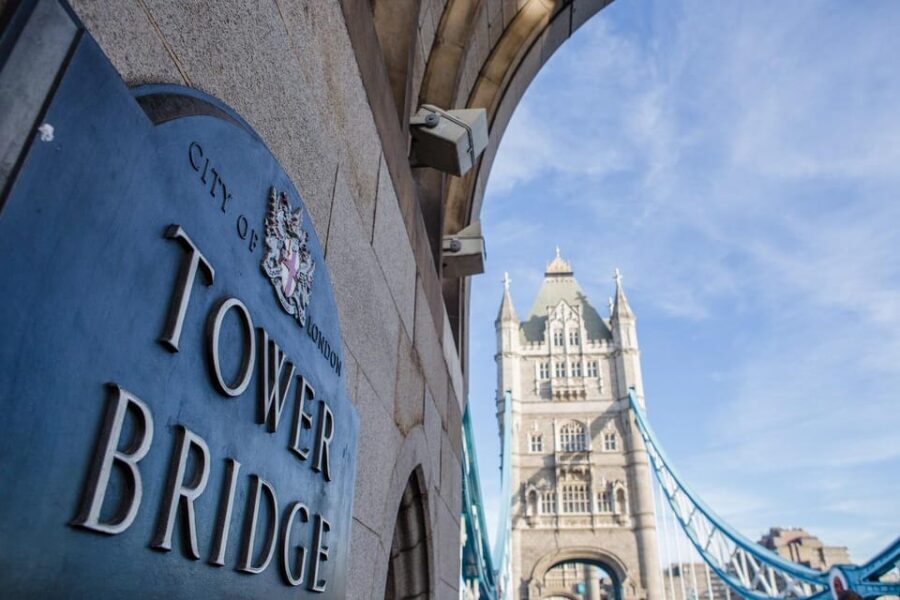
The compromise between single tickets and the full London Pass. Choose between 2, 3, 4, 5, or 7 attractions from a curated list that includes St Paul’s. Valid for 60 days rather than consecutive days — useful if you’re doing a long multi-trip holiday or splitting London across two bookends of a UK trip. Our review compares the Explorer Pass to the full London Pass. For 3 attractions, the maths usually favours the Explorer; for 5+, the London Pass pulls ahead.
A Short History
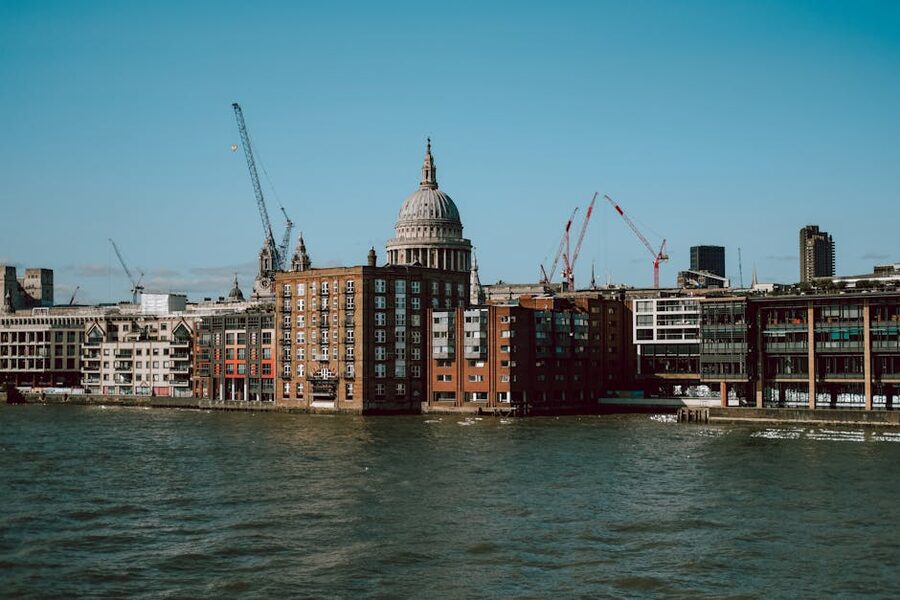
There have been four cathedrals on this site. The first was a wooden Anglo-Saxon building from 604 AD. It burned down. The second was a Norman stone cathedral built after 1087. That one also burned down, in the Great Fire of London in 1666. Wren’s cathedral — the one you see today — was begun in 1675 and finally finished in 1710.
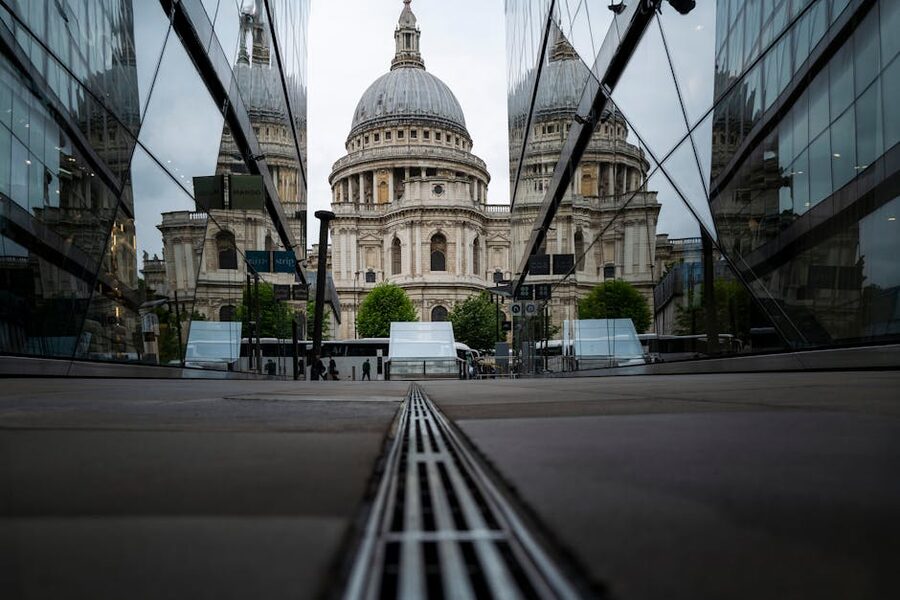
The fourth cathedral came close to being a fifth. On 12 September 1940, a single Nazi bomb landed right through the roof of the choir and buried itself in the foundations without exploding. A Royal Engineers team spent three days defusing it. If they’d failed, the building would have been destroyed.
Winston Churchill personally ordered that St Paul’s be saved at all costs during the Blitz. An iconic 1940 photograph of the dome rising intact above smoke and fire on the night of 29 December 1940 became the symbol of British wartime resistance. You can see the photo on a plaque inside the cathedral.
Climbing the Dome: What to Expect
The climb is the main reason most visitors book an entry ticket. Here’s what you’re signing up for.
First stretch: 259 steps up a spiral staircase to the Whispering Gallery. Wide-ish steps, good handrail, decent lighting. Most people make it without trouble. The gallery itself is at the base of the inner dome — you can look down into the nave or up at Thornhill’s paintings.
Second stretch: 117 steps up to the Stone Gallery. Narrower, steeper. Takes you outside for the first time. At 53 metres above ground level you have good views of the Thames to the south and the City to the north, but through a wrought-iron screen — not perfect for photos.
Third stretch: 152 steps up to the Golden Gallery. This is the hard bit. Narrow, twisty, single-file most of the way, and the air gets thin enough that people breathe heavily. Duck where warned — the ceiling drops without warning on a few turns.
At the top: a narrow circular gallery around the base of the lantern, 85 metres above ground. The view is extraordinary — the whole of central London spread out, the Thames cutting through it, and on a clear day you can see to Greenwich in the east and Richmond Park in the west.
Coming down is optional — there’s a lift to the main floor if you’re tired. But most people do it on foot because the view through the dome interior on the way down is the best one.
When to Visit
Monday to Saturday, 8:30am to 4pm (last entry). Closed Sundays for services — the cathedral is still a working place of worship, and Sunday visits are for attending Evensong rather than sightseeing.
The best time is the first hour after opening. You’ll have the nave mostly to yourself and the dome queues will be short. By 11am tour groups start arriving and it gets progressively busier.
Sundays: you can attend Evensong for free (5pm, except holidays). This is the other way to see the cathedral — without a ticket, with the full choir singing, and as an actual service rather than a museum visit. Worth knowing about even if you’re not religious.
Rainy days are actually good for St Paul’s. The interior is climate-controlled, the dome climb is largely indoors, and other outdoor London attractions suffer worse in bad weather. Tuesdays in February are the single quietest time.
Evensong: The Free Option
Monday-Saturday Evensong at 5pm. Sunday at 3:15pm. Free entry, no ticket needed, about 45 minutes.
The Evensong service includes the cathedral choir singing psalms, prayers, and an anthem. The music is often medieval or Renaissance and the acoustics in the dome are genuinely stunning. You sit in the choir stalls (not the nave) so the choir is 3-4 metres from you.
No photos allowed during the service. No talking. You’re expected to sit quietly, follow along with the service booklet if you want, and stand when the rest of the congregation stands. Dress code is smart-casual — no shorts, no flip-flops.
If you want to see inside St Paul’s without paying for a ticket, or you want to experience the building as it was meant to be experienced (as a church, not a museum), go to Evensong. It’s one of the genuine free secrets of London tourism.
How to Get There
St Paul’s tube station, Central Line, is literally next to the cathedral. Exit, walk 30 metres, you’re there.
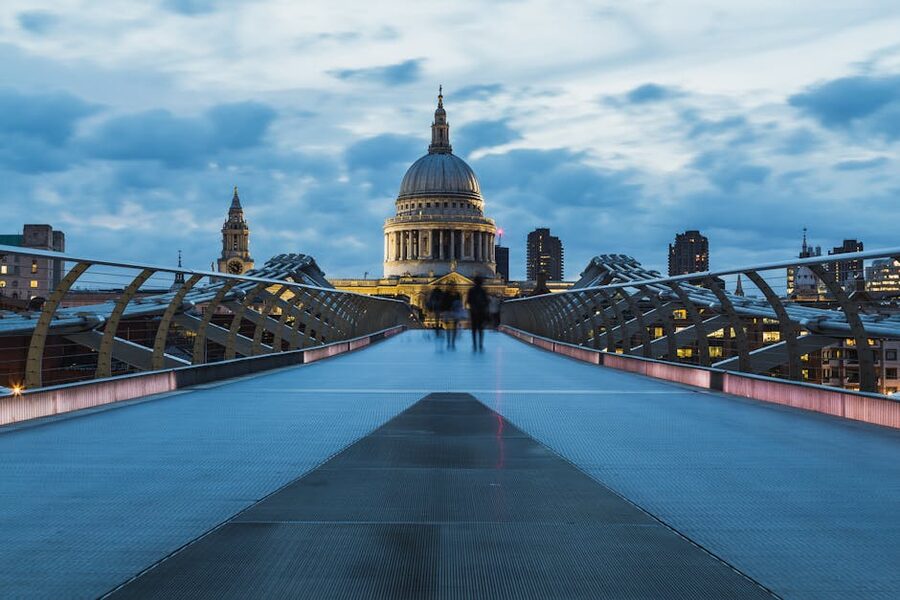
Alternatives: Mansion House (District/Circle), City Thameslink (Thameslink), or Blackfriars (District/Circle/Thameslink) are all within 10 minutes’ walk. The Millennium Bridge from Tate Modern also lands you at the south side of the cathedral in about 5 minutes.
If you’re on a hop-on hop-off tour, stop 14 on most route loops is St Paul’s. Check the specific operator’s map.
What to Wear and Bring
Smart-casual. No strict dress code for the cathedral, but shoulders covered is appreciated and shorts can get you a polite reminder. Flip-flops are allowed but uncomfortable on the dome stairs.
Comfortable walking shoes. 528 steps is 528 steps, and the steps are uneven Victorian stone in places.
Water bottle. Drinking fountains are minimal. Bring a bottle and refill at the café before the dome climb.
Light jacket. The stone gallery and golden gallery are outside the main building and can be windy — even on warm days it’s cooler up there.
Camera or phone. Photos are allowed everywhere inside except during services. No flash, no tripod. Low-light phones are fine; professional cameras are allowed.
Worth Knowing Before You Book
The digital ticket skip-the-line works by showing a QR code at the door. You won’t actually skip a long queue in practice — St Paul’s queues are usually short — but you will skip the ticket-desk queue, which is where the friction is.
The audio guide is included in the ticket. Don’t pay for a guided tour unless you specifically want one; the audio covers the same material.
Bags over 40 litres are not allowed inside. There’s no cloakroom — you’ll be turned away at the door and have to leave your bag in a locker at the nearest tube station.
Children under 6 are free. Ages 6-17 are discounted. Family tickets are usually cheaper than individual tickets if you’re a party of 4+ with kids.
Weddings and events occasionally close parts of the cathedral. Royal funerals close it entirely. Check the official calendar before booking if you’re visiting on a specific date.
The “skip-the-line” upgrade from third-party sellers is usually the same as booking direct. Don’t pay a premium for skip-the-line if you’ve already got a digital ticket — you already have it.
Pairing St Paul’s with Other London Attractions
St Paul’s takes 90-120 minutes including the dome climb. That’s a half-day activity at most. You can pair it with several nearby attractions.
The Millennium Bridge and Tate Modern are 10 minutes south on foot. A classic pairing is St Paul’s in the morning, cross the Millennium Bridge at lunchtime, and spend the afternoon at the Tate.
The Tower of London is 20 minutes’ walk east along the river or one tube stop. Doing both in one day is a lot but doable.
Westminster Abbey is better paired on a separate day — the two cathedrals are very different experiences and deserve their own slots.
A Thames River Cruise is the natural afternoon activity if you’ve done St Paul’s in the morning — catch the boat from Blackfriars Pier, 5 minutes from the cathedral.
For a walking tour of the area around the cathedral, our London walking tour guide covers the options that include St Paul’s as part of a longer city walk.
Worth the Ticket or Skippable?
Worth the ticket if: you’re interested in architecture, history, or British monarchy; you have decent legs for the dome climb; or you want a London viewpoint that isn’t the Shard or the London Eye.
Skippable if: you’re on a 2-day London trip and need to pick between cathedrals — Westminster Abbey has more royal history in a slightly smaller space. You can see St Paul’s from outside for free, and Evensong gives you the interior without paying.
For most first-time London visitors, though, St Paul’s is worth a morning. The dome climb alone justifies the $36. And if nobody else tells you to look for Wren’s tomb, this guide will: south transept of the crypt, plain black marble, easy to miss.
More UK Guides
If you’re building out a London itinerary, the classic pairings with St Paul’s are the Tower of London (a 20-minute walk east), the Westminster Abbey guide (Britain’s other major ecclesiastical building), and a Thames River Cruise from Blackfriars. For a broader city walk, read the London walking tour guide. Harry Potter fans should note that St Paul’s Geometric Staircase appeared in Prisoner of Azkaban — the Harry Potter walking tour guide covers the full list of London filming locations. And if you’re extending your UK trip, the Giants Causeway day trip guide is the natural counterpoint to a city-heavy London week.
Affiliate disclosure: We may earn a small commission from bookings made through the links on this page. It doesn’t change the price you pay and helps keep the site running.