
The Spoonmaker’s Diamond sits in a glass case inside Topkapi Palace, 86 carats of raw sparkle surrounded by 49 smaller diamonds. It’s one of the most famous jewels on earth. And the room it lives in — the Treasury — is just one section of a palace complex that served as the nerve centre of the Ottoman Empire for nearly 400 years.
I spent close to four hours inside Topkapi on my first visit, and I still didn’t see everything. The Harem alone could eat up an entire morning.
This guide covers exactly how the ticket system works, what your options are, and which tours are worth the money if you’d rather skip the queues.
Best overall: Topkapi Palace & Harem Skip-the-Line Tickets with Audio Guide — $73. Palace plus Harem entry with skip-the-line access and a self-paced audio guide. Best for independent visitors who want flexibility.
Best guided experience: Topkapi Palace & Harem Guided Tour with Ticket — $55. Three-hour guided walkthrough with a knowledgeable local. You’ll learn more about the Harem in 45 minutes than a week of reading.
Best combo deal: Topkapi, Hagia Sophia & Basilica Cistern Tour — $117. Knocks out Istanbul’s top three sites in a single four-hour morning. Small groups and skip-the-line everywhere.
- How the Topkapi Palace Ticket System Works
- Ticket Types at a Glance
- Official Tickets vs. Guided Tours
- The Best Topkapi Palace Tours to Book
- 1. Topkapi Palace & Harem Skip-the-Line Tickets with Audio Guide —
- 2. Topkapi Palace & Harem Guided Tour with Ticket —
- 3. Topkapi, Hagia Sophia & Basilica Cistern Tour — 7
- When to Visit Topkapi Palace
- How to Get to Topkapi Palace
- Tips That Will Save You Time
- What You’ll Actually See Inside
- After Topkapi: What’s Nearby
- More Istanbul Guides
How the Topkapi Palace Ticket System Works
There are two separate tickets for Topkapi Palace: one for the main palace and one for the Harem section. You need both if you want to see everything, and you should — the Harem is arguably the best part.
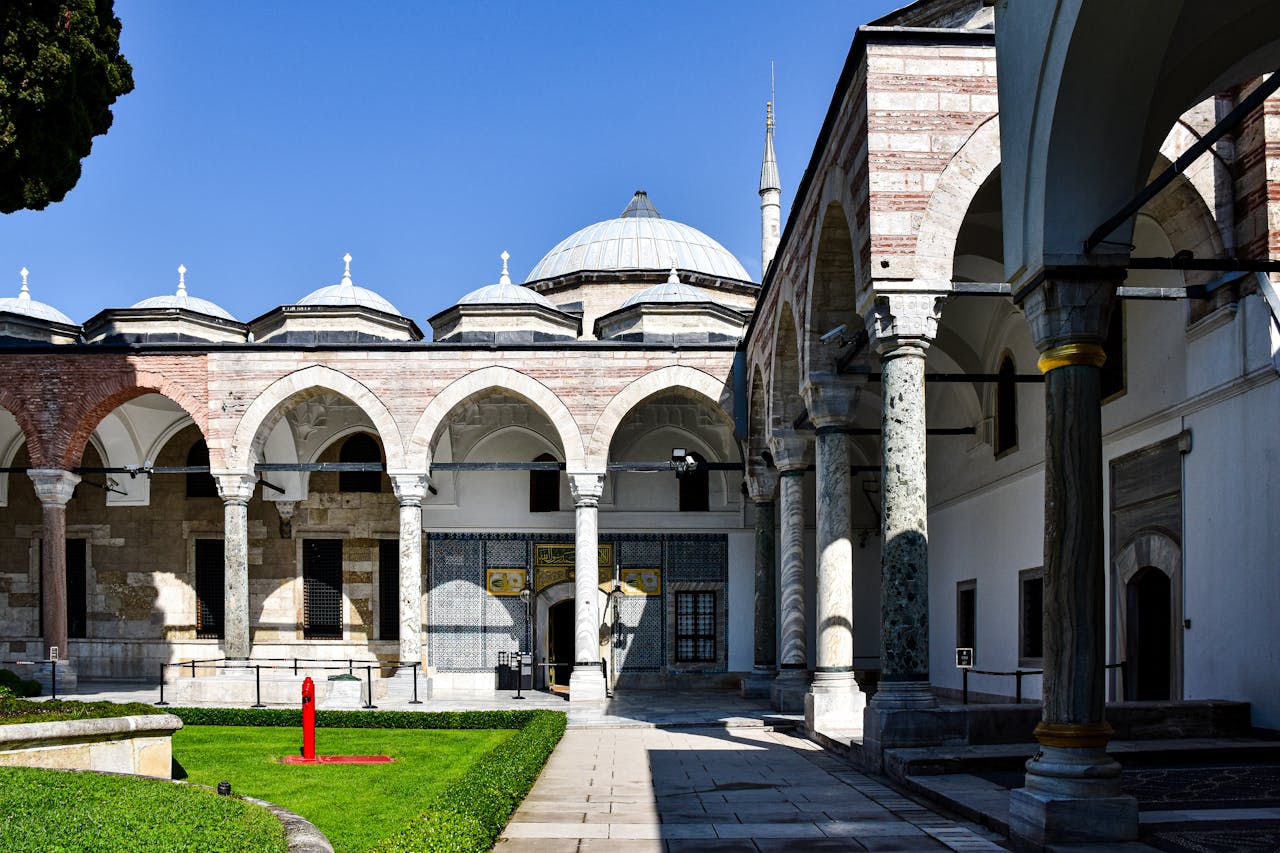
The main palace ticket covers all four courtyards, the Treasury (where the Spoonmaker’s Diamond lives), the Imperial Kitchen collections, and the sacred relics hall. The Harem ticket is purchased separately and gives you access to the private quarters where the sultan, his family, and the concubines lived.
As of 2026, combined tickets (palace + Harem) are available through third-party sellers and cost roughly 1,500 TL (about $45-50 USD) when bought at the door. Prices have gone up significantly in recent years. The museum e-ticket system at muze.gov.tr sometimes sells tickets online, but availability can be patchy — it’s been unreliable in my experience.
Skip-the-line tickets from third-party sellers like GetYourGuide tend to cost more, but you bypass the ticket queue entirely. During peak season (May-September), that queue can stretch 45 minutes to an hour. In winter you might wait 10-15 minutes at most.
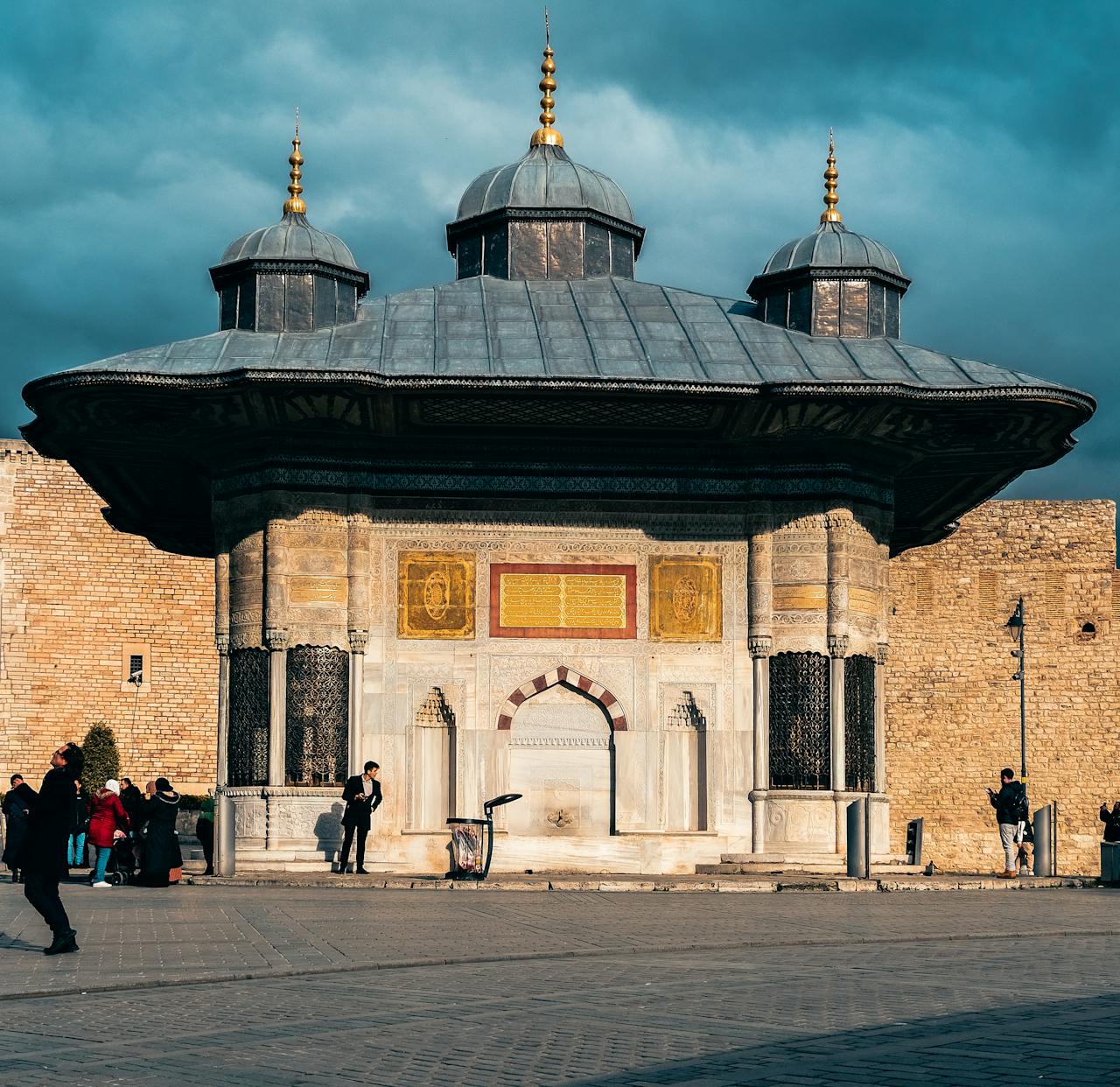
Ticket Types at a Glance
Standard palace entry covers the courtyards, Treasury, kitchens, and relics. Harem add-on gets you into the private imperial quarters — the painted rooms, the Courtyard of the Favourites, and the sultan’s private chambers. Istanbul Museum Pass covers Topkapi plus a handful of other city museums and is worth considering if you’re staying more than two or three days. Combo tickets from tour operators bundle Topkapi with Hagia Sophia, the Basilica Cistern, or both.
Children under 8 enter free. There are discounted rates for Turkish citizens and students with valid ISIC cards — ask at the window.
Official Tickets vs. Guided Tours
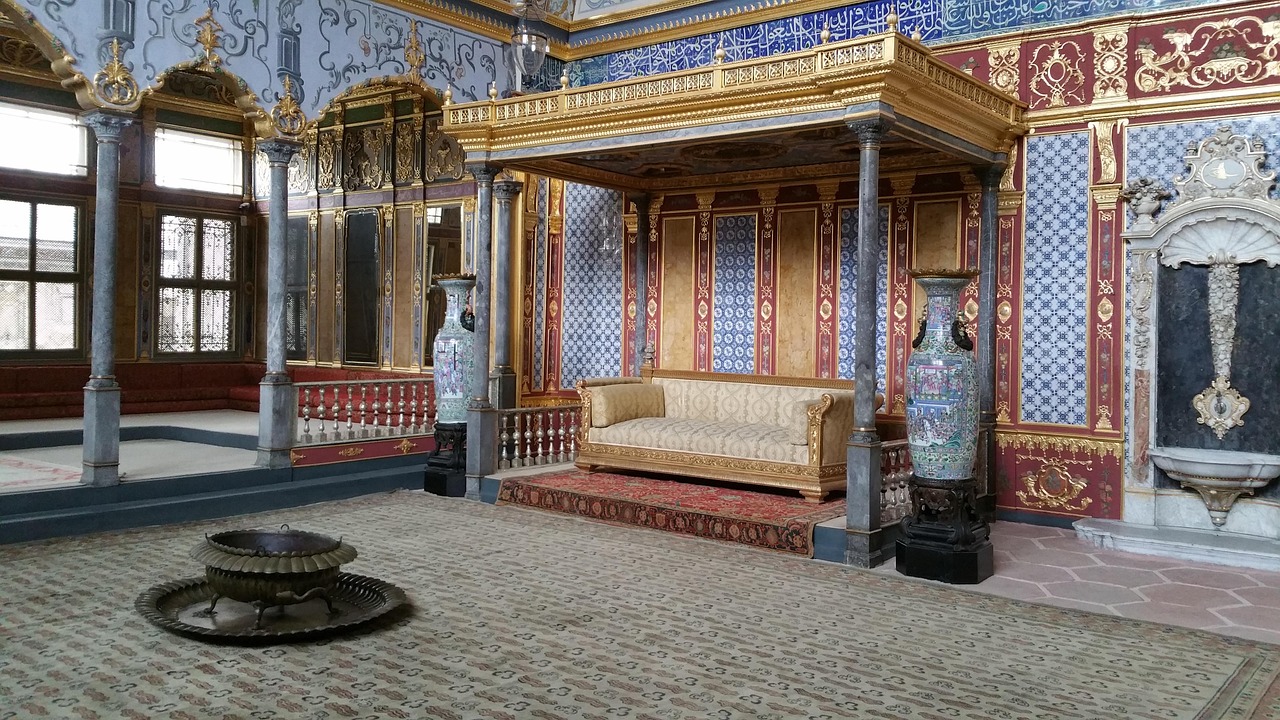
This one’s worth thinking about. Topkapi isn’t like a European palace where you follow a set route through numbered rooms. It’s sprawling, loosely signposted, and the information panels inside are minimal. Without context, you’ll walk through the Harem and think “nice tiles” without understanding that the room you’re standing in decided the fates of empires.
Go self-guided if: you’ve already read up on Ottoman history, you prefer moving at your own pace, or you just want to linger in the Treasury and the terrace viewpoints. An audio guide helps fill in the gaps. Budget 2.5-3 hours minimum.
Go guided if: it’s your first time and you want to understand what you’re looking at. A good guide turns the Harem from “pretty rooms” into a story about political intrigue, survival, and power. The guides will also steer you to the most impressive rooms first while crowds are thin. Budget 2-3 hours for a standard guided tour.
I’d lean toward a guided tour for first-timers, honestly. The palace is dense with history and the signage doesn’t do it justice. Self-guided works fine on a return visit.
The Best Topkapi Palace Tours to Book
I’ve ranked these based on what they include, how they’re reviewed, and what kind of visitor they suit. All three include skip-the-line entry and Harem access — the basics you need regardless.
1. Topkapi Palace & Harem Skip-the-Line Tickets with Audio Guide — $73
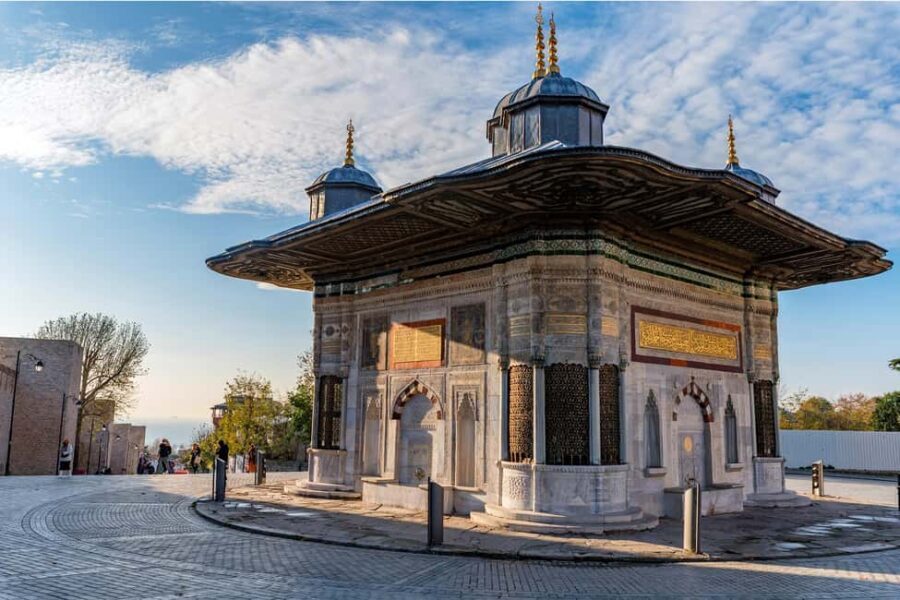
This is the go-to option for most visitors and the most popular Topkapi ticket on the market by a wide margin. You get skip-the-line entry to both the main palace and the Harem, plus a multilingual audio guide that covers the key rooms and exhibits. No guide breathing down your neck, no group schedule to follow.
At $73, it’s more than a walk-up ticket but less than a guided tour — and you save whatever that queue time is worth to you. The audio guide is available in five languages and works well for the Treasury and the Harem, though some of the garden areas aren’t covered in as much detail. If you’re the type who likes to wander and spend extra time photographing the tile work, this is your ticket.
2. Topkapi Palace & Harem Guided Tour with Ticket — $55
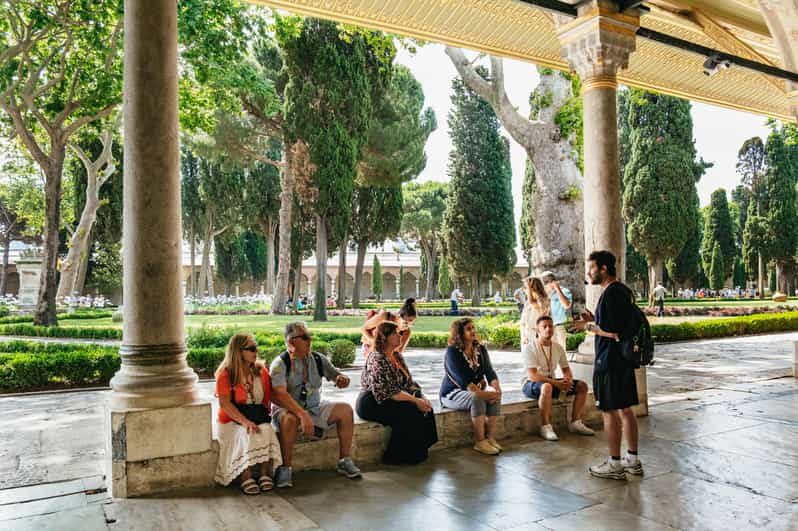
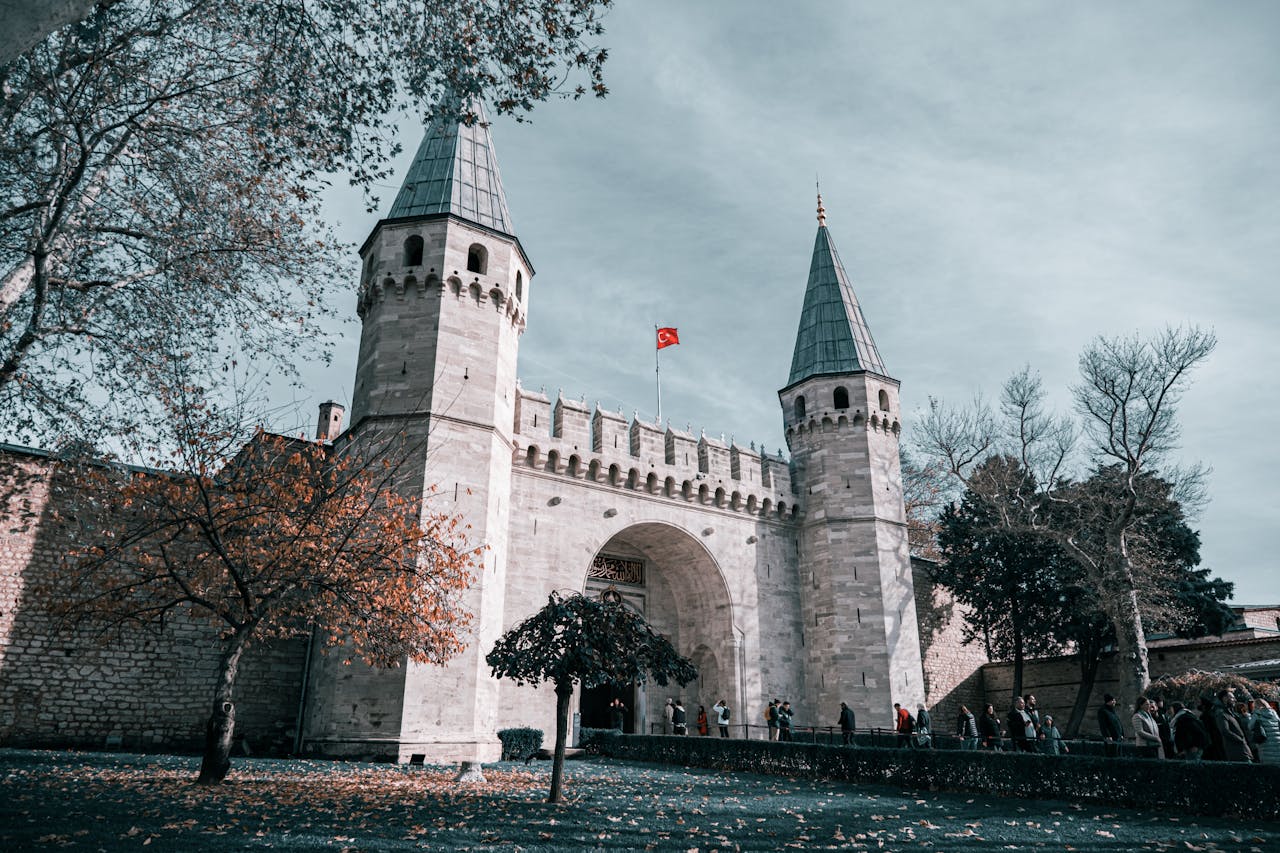
Somehow the cheapest option on this list — and the one I’d recommend for first-time visitors. Three hours with a local guide who walks you through the highlights: the Gate of Salutation, the Imperial Council chambers, the Treasury, and the Harem in full. The guides know which rooms to prioritize and how to time it so you’re not fighting crowds at the Spoonmaker’s Diamond case.
At $55 per person, this undercuts the self-guided audio option by nearly $20 and adds a real human who can answer your questions about the 86-carat diamond or the politics of the Harem. The trade-off is a fixed schedule — you’re with the group for three hours, and you won’t get to linger as long in any single room. But for the depth of context you get, it’s hard to beat.
3. Topkapi, Hagia Sophia & Basilica Cistern Tour — $117
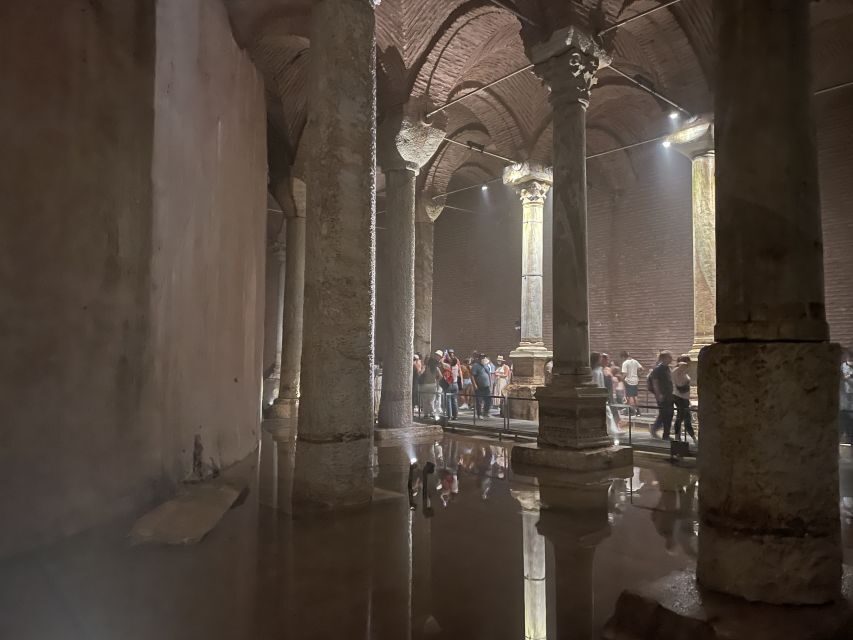
If you’re short on time in Istanbul and want to knock out the big three in a single morning, this is the move. Four hours, small group, skip-the-line at all three sites. The guide walks you from Hagia Sophia through the Basilica Cistern and finishes at Topkapi — all within walking distance of each other in Sultanahmet.
At $117, you’re paying less than buying separate tickets and guides for each site individually. The guides on this route are among the highest-rated in Istanbul, and the small group format (usually under 15 people) means you can actually hear them. The Basilica Cistern section is shorter than I’d like — maybe 30 minutes — but you see the Medusa heads and the illuminated columns, which is the highlight anyway. For the Topkapi portion, you get the Treasury and Harem included.
When to Visit Topkapi Palace
Opening hours: 10:00 AM to 6:00 PM daily, with last entry at 5:00 PM. Closed on Tuesdays — don’t make the mistake of showing up on a Tuesday, because there’s no sign warning you until you’re at the gate. The Harem section sometimes closes 30 minutes before the main palace.
Best time of day: Either first thing at 10 AM or after 3 PM. The midday hours (11 AM-2 PM) are the worst, packed with cruise ship groups and organized bus tours. If you arrive at opening, head straight for the Harem first — most guided groups start in the courtyards and reach the Harem later, so you’ll have it to yourself for the first 45 minutes.
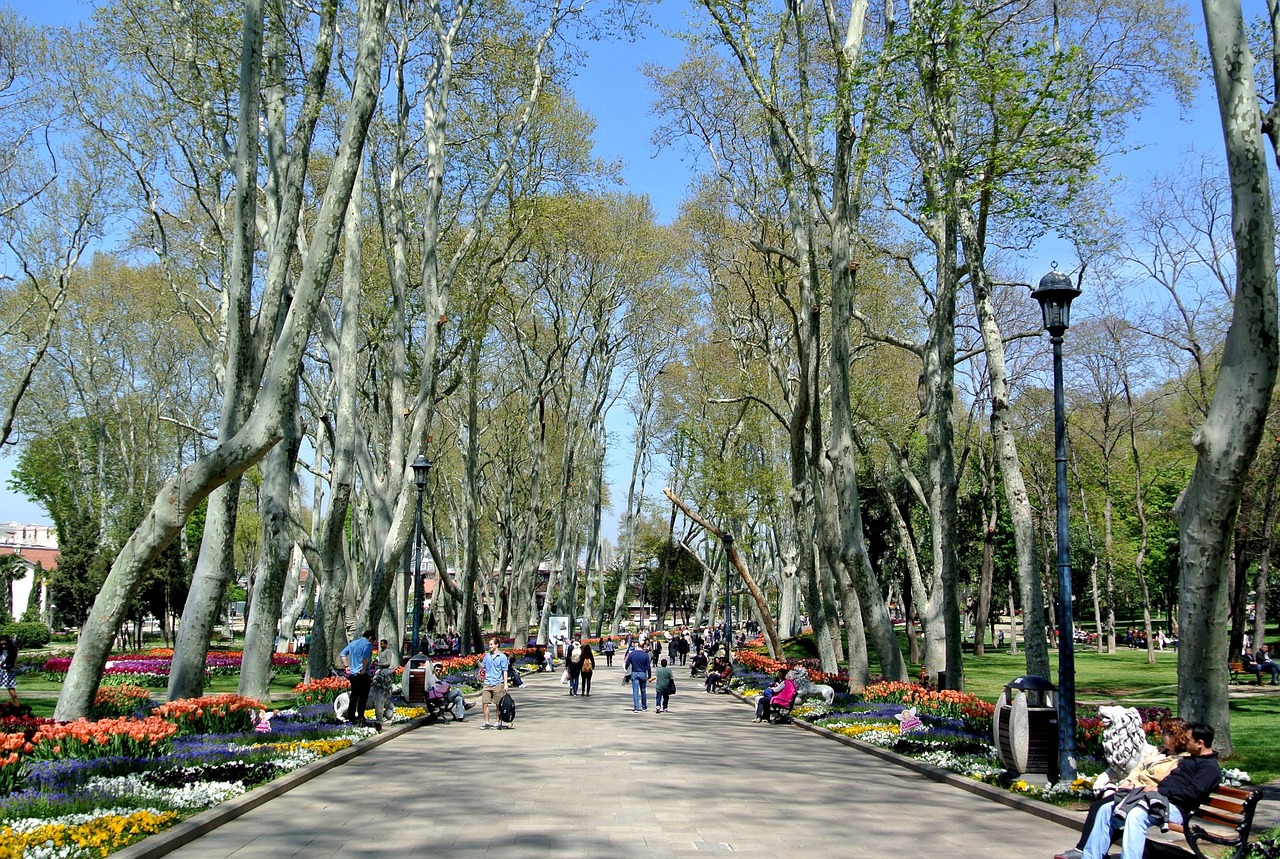
Best season: October and November, or March and April. Summer is scorching (35-40 degrees Celsius) and rammed with travelers. The courtyards have limited shade. Winter is quieter but some outdoor sections can feel bleak. Spring means tulips in the gardens — not a coincidence, the tulip was an Ottoman obsession before the Dutch ever got their hands on them.
Worst time to go: July and August on a weekend. You’ll spend more time queuing than looking at anything.
How to Get to Topkapi Palace
Tram: Take the T1 line to Sultanahmet stop. Walk through the park toward the palace — about 8-10 minutes on foot, passing the Hagia Sophia on your left. The tram is cheap (about 15 TL per ride with an Istanbulkart) and runs every few minutes.
On foot from Eminonu: About 15 minutes uphill from the Galata Bridge area. Not a bad walk if you’re coming from the Spice Bazaar or the waterfront.
From Taksim/Beyoglu: Funicular to Kabatas, then tram to Sultanahmet, or just grab a taxi. The taxi from Taksim Square costs around 100-150 TL depending on traffic.
By ferry: If you’re coming from the Asian side, ferries dock at Eminonu, and it’s a short walk from there. Some Bosphorus cruises also stop near the palace area, which makes combining the two easy.
Tips That Will Save You Time
Buy your tickets in advance. I know it’s obvious, but the number of people I saw buying tickets at the door during high season was painful to watch. Skip-the-line tickets pay for themselves in saved time.
Start with the Harem if you’re on your own. Most group tours save it for the end, so early mornings mean fewer crowds in the Harem’s narrow corridors. By noon the small rooms get uncomfortably packed.
Wear comfortable shoes. The palace grounds are bigger than they look on a map. You’ll cover a lot of cobblestone, and the Harem alone involves several sets of stairs. Heels or slippery sandals are a bad idea.
Bring water but leave the tripod. There are water fountains inside but no café until the Fourth Courtyard restaurant. Tripods are not allowed in any section. Photography is fine everywhere except the Sacred Relics room (no photos at all there).
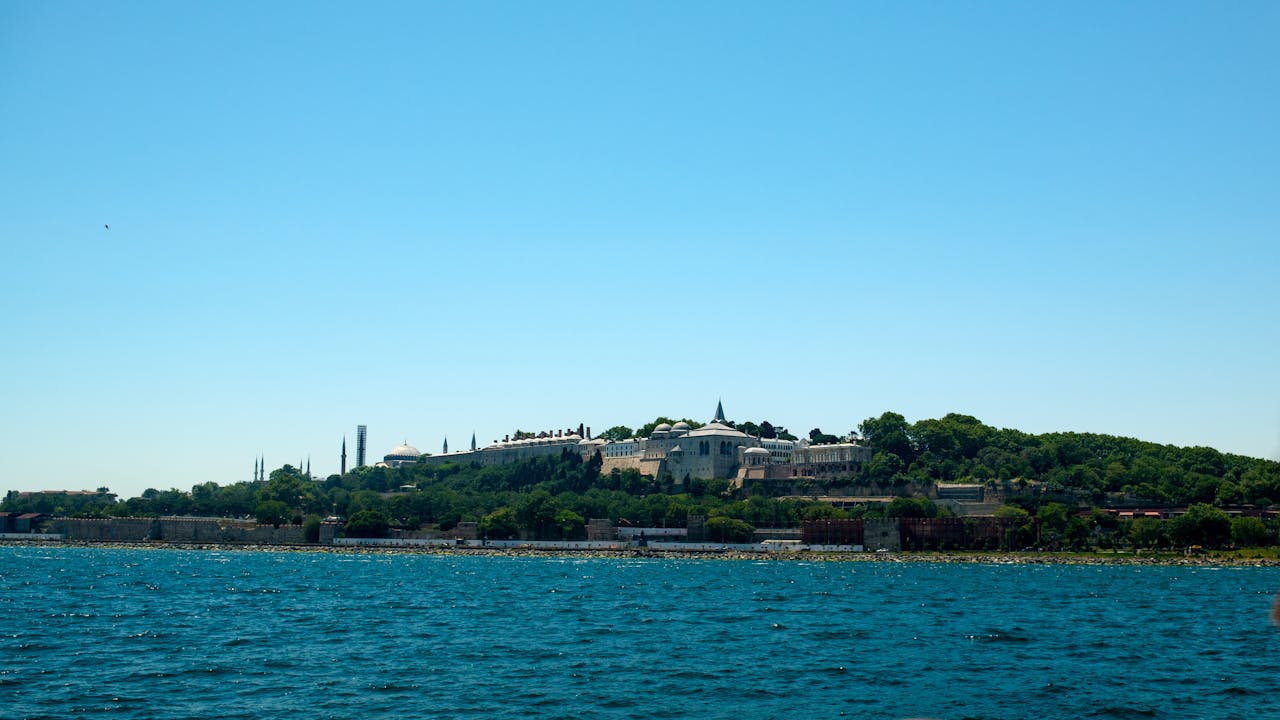
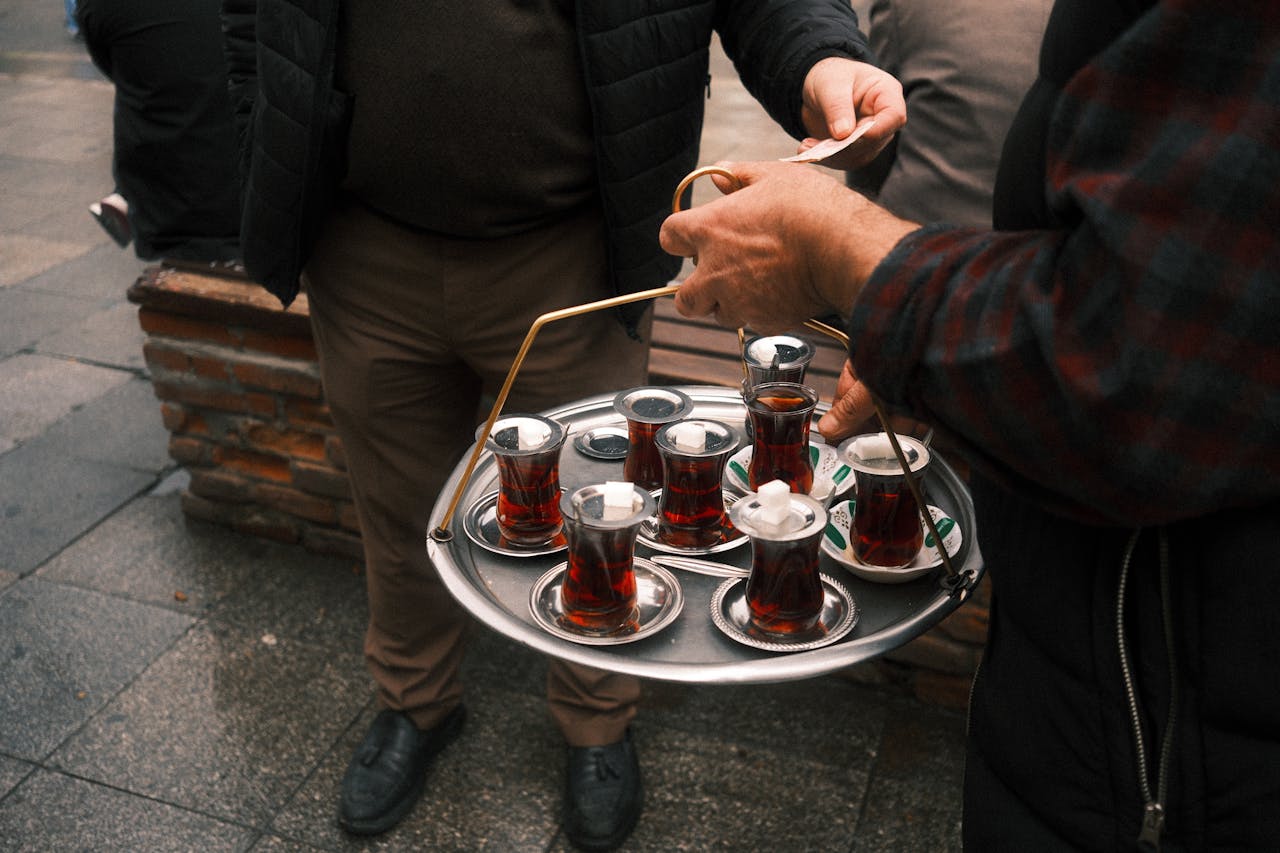
Don’t rush the Fourth Courtyard terrace. Most people burn through it in five minutes, but the views from here — Bosphorus on one side, Golden Horn on the other — are genuinely spectacular. Sit on the terrace, have a Turkish coffee from the kiosk, and take it in.
Check the Tuesday closure. Worth repeating: Topkapi is closed every Tuesday, year-round. I’ve met more than one traveller who lost a morning to this.
Audio guide or download one before you go. Even if you’re not doing a guided tour, the self-paced audio context makes a difference. The palace doesn’t have much in the way of explanatory signage.
What You’ll Actually See Inside
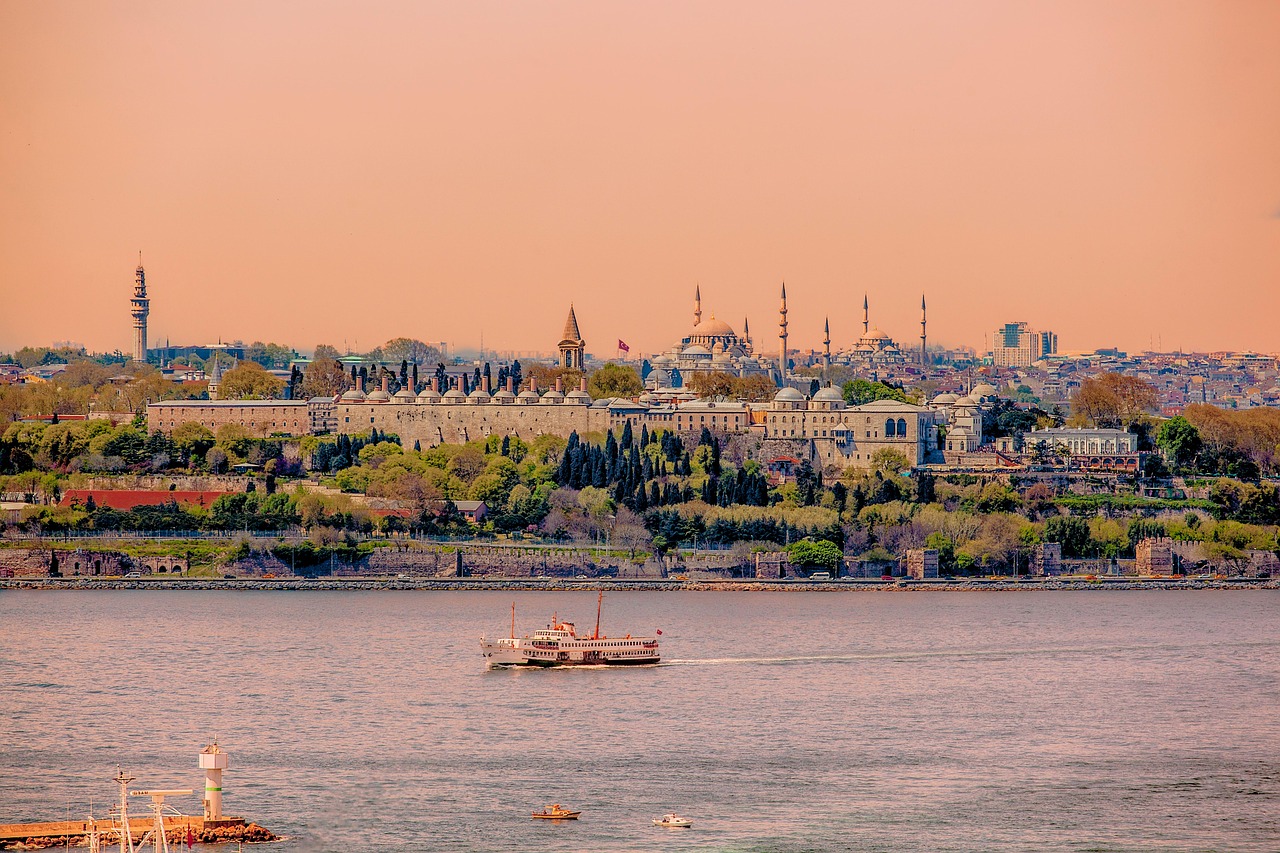
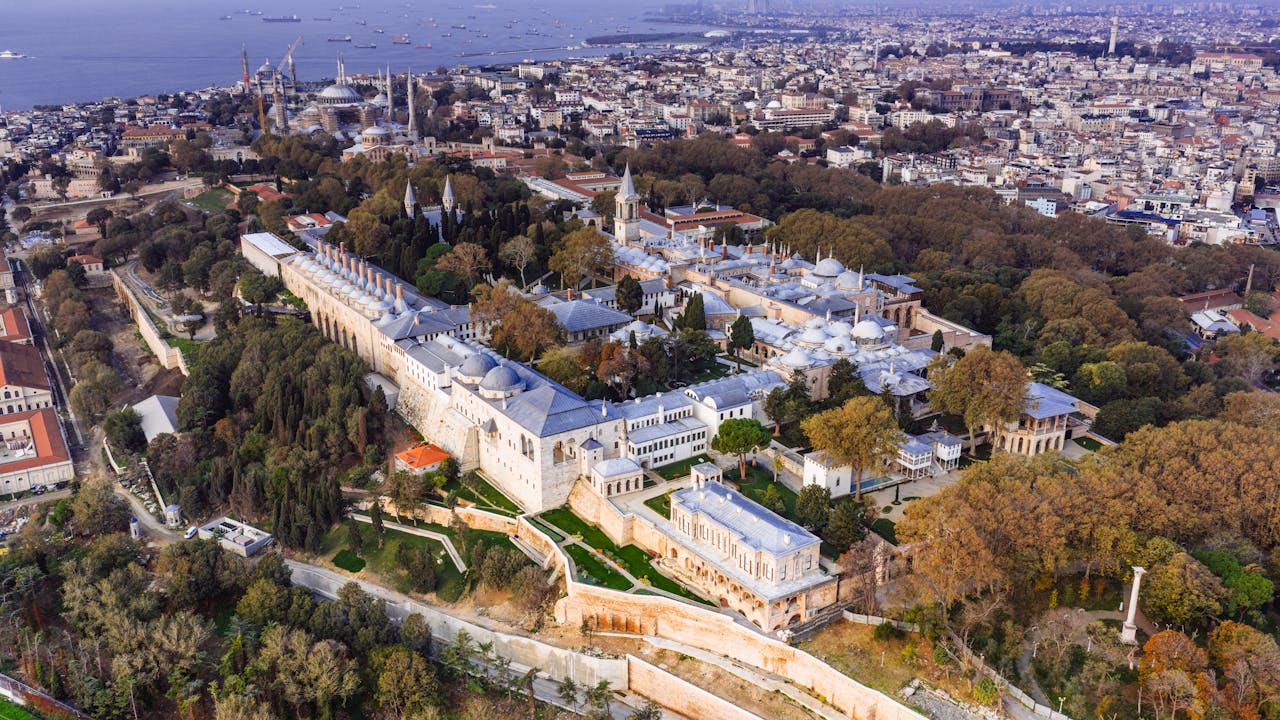
Topkapi Palace was home to Ottoman sultans from 1465 to 1856 — nearly four centuries. It’s not one building but a complex of courtyards, pavilions, kitchens, a treasury, a harem, and gardens, all spread across a hilltop overlooking the Bosphorus.
The First Courtyard is free to enter and mostly used as a park. The main paid section starts at the Gate of Salutation leading into the Second Courtyard. Here you’ll find the Imperial Council Hall, where the grand vizier ran the day-to-day business of the empire while the sultan listened through a latticed window above. The palace kitchens, which once fed 4,000 people daily, now house one of the world’s largest collections of Chinese porcelain.
The Third Courtyard is where things get properly impressive. The Treasury holds the Spoonmaker’s Diamond, the Topkapi Dagger (yes, the one from the 1964 film), and a collection of thrones encrusted with enough gemstones to make you wonder how anyone sat on them comfortably. The Sacred Relics room holds items of enormous religious significance, including what is said to be the mantle of the Prophet Muhammad.
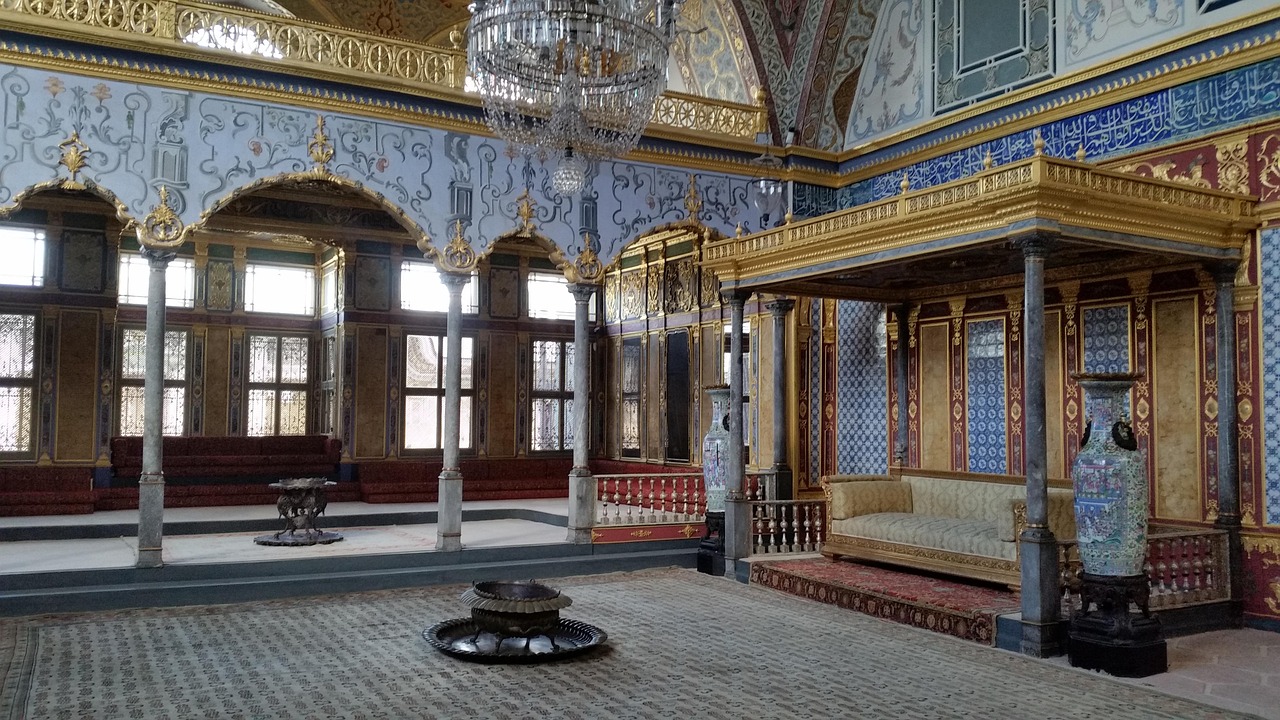
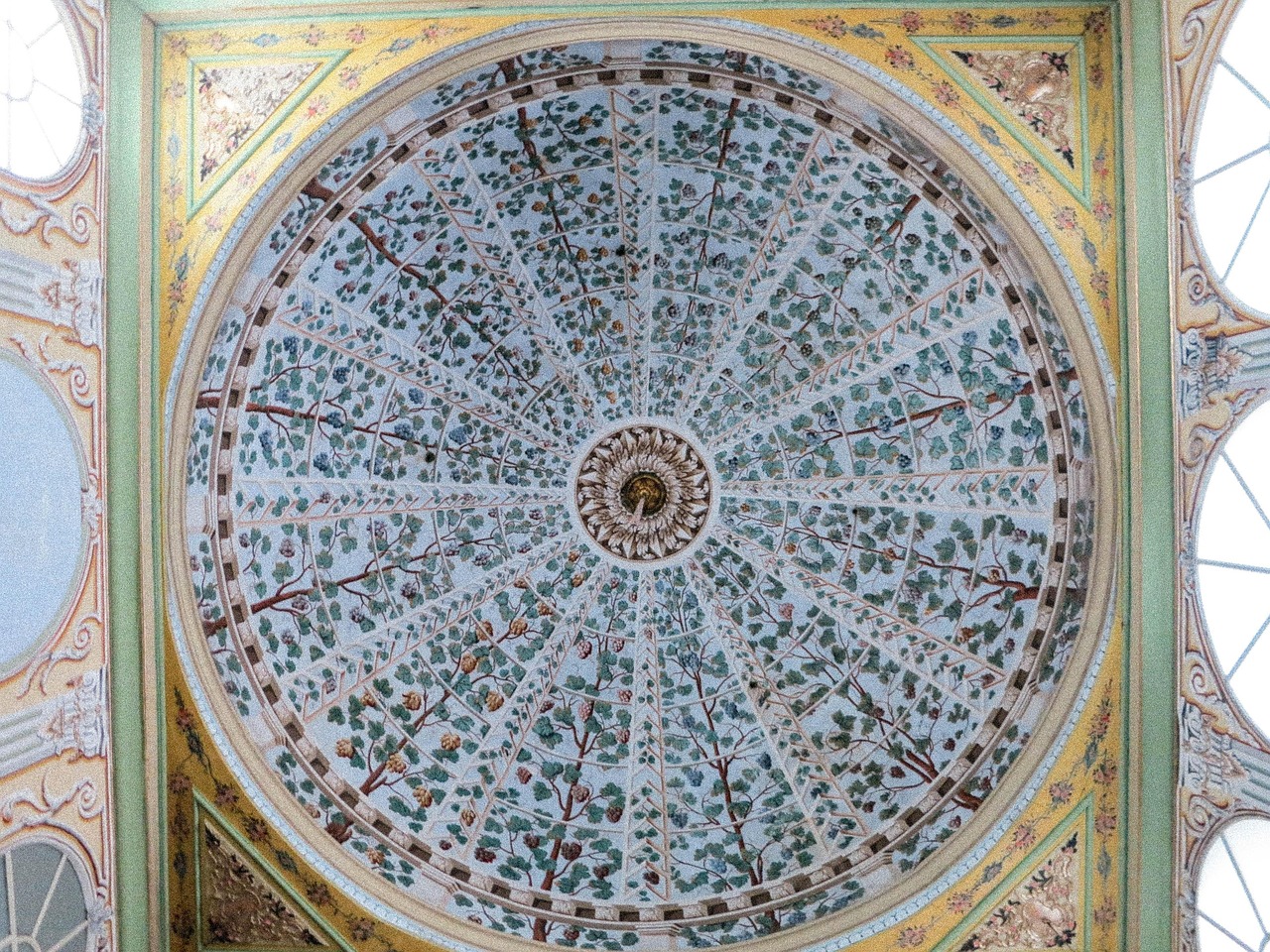
The Harem is a palace within the palace. Over 300 rooms spread across multiple levels, where the sultan’s mother (the Valide Sultan), his wives, concubines, and children all lived in a tightly controlled hierarchy. The painted ceilings, the tiled walls, and the sheer intimacy of the private rooms make this the most memorable part of the visit for most people. The Courtyard of the Favourites, with its small pool and upper-floor windows, gives you a concrete sense of how claustrophobic and politically charged life inside these walls actually was.
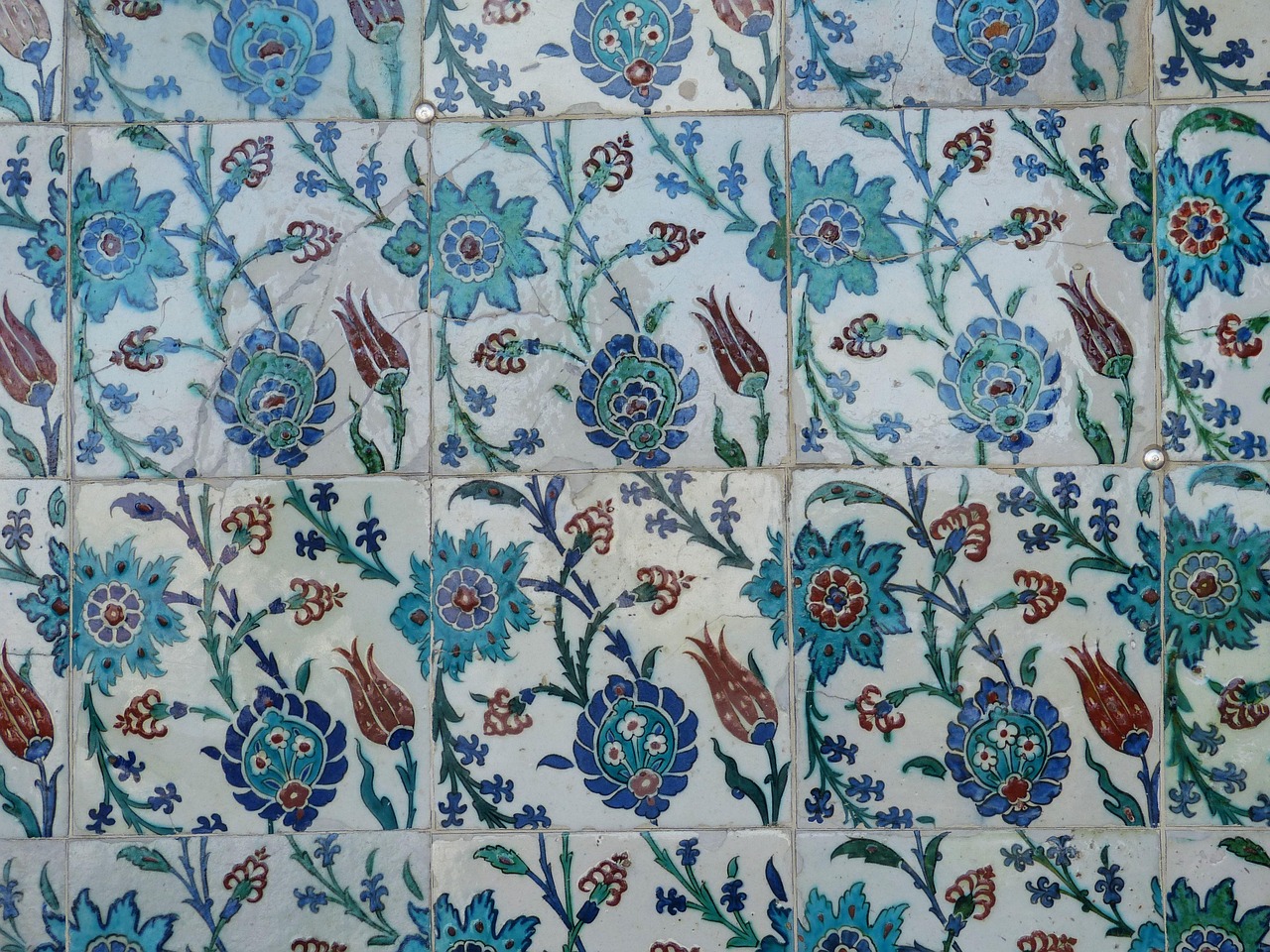
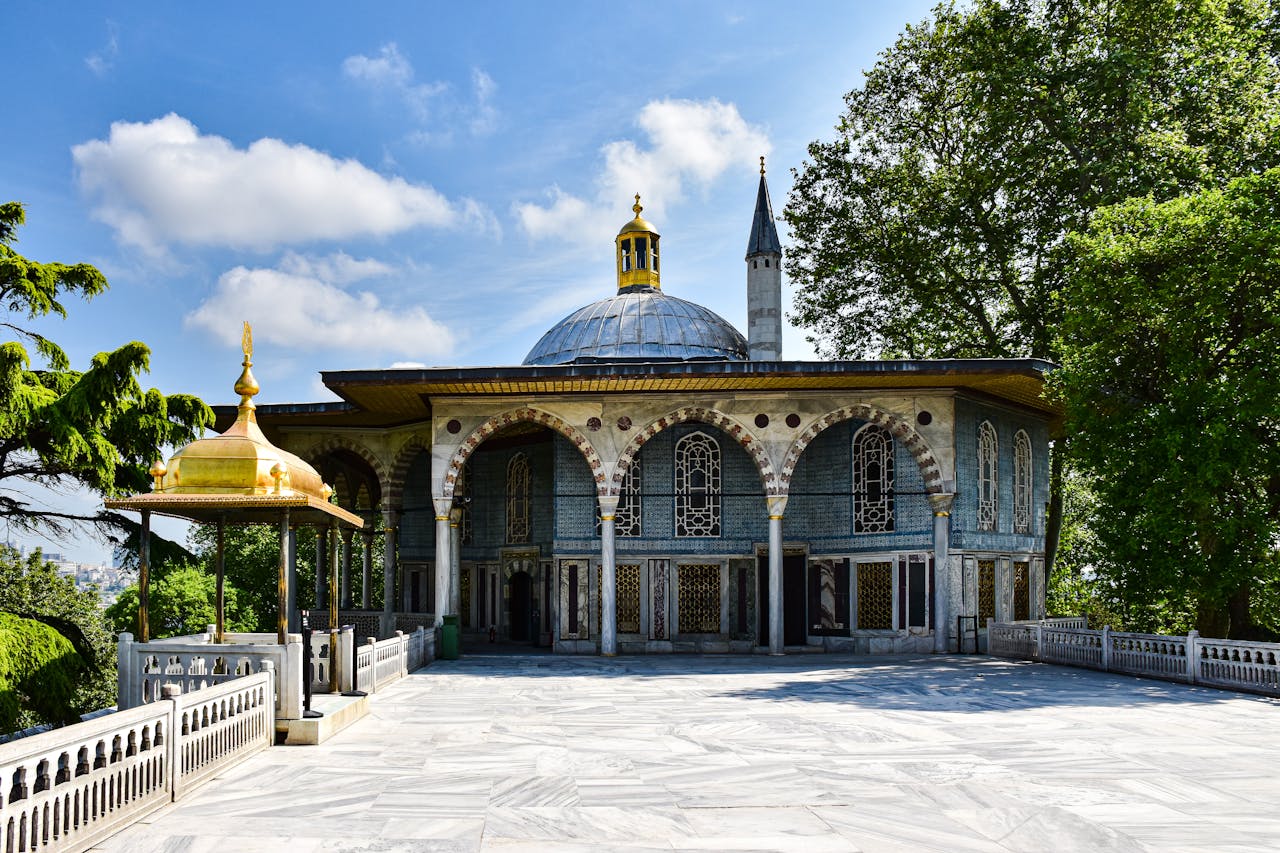
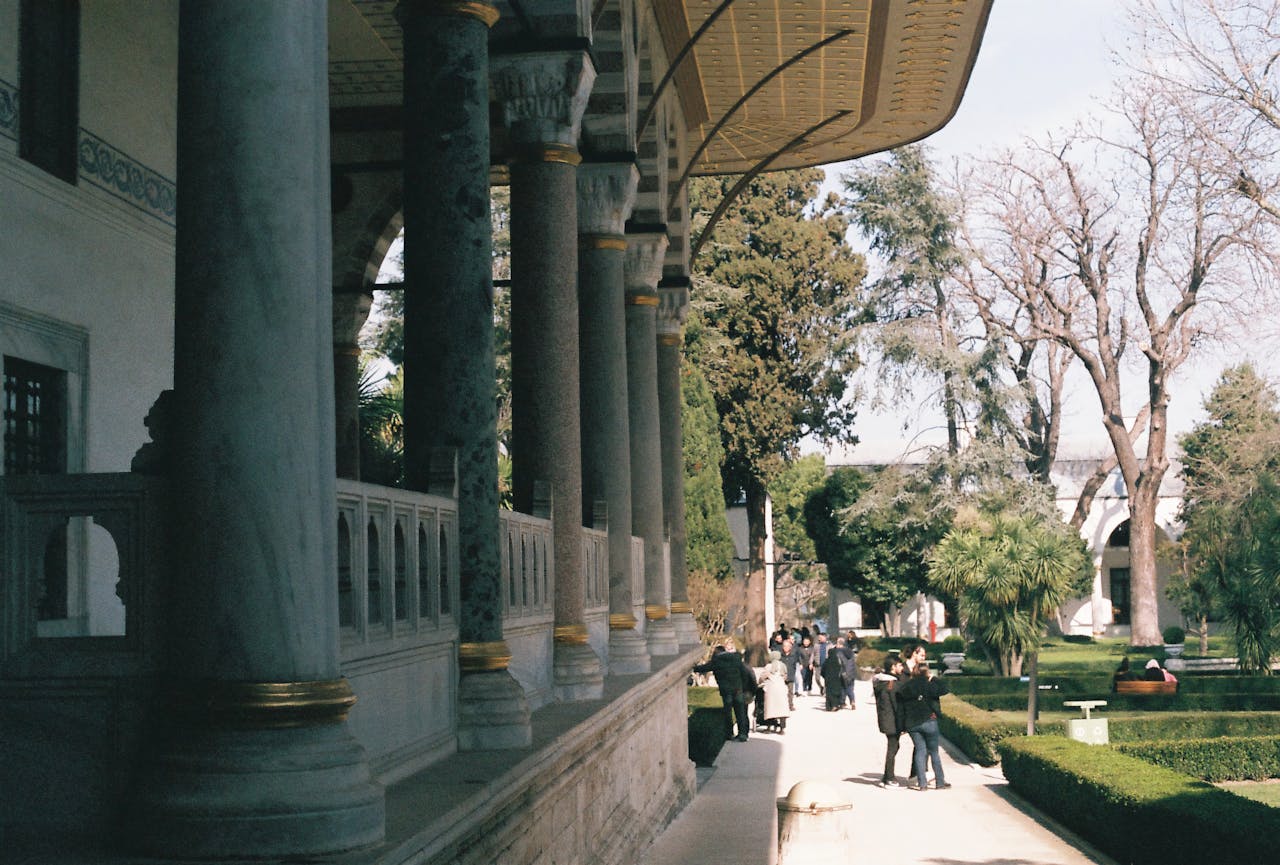
The Fourth Courtyard is the most peaceful. Kiosks, pavilions, and the famous terrace with panoramic Bosphorus views. The Baghdad Kiosk and the Circumcision Room are highlights — both covered floor to ceiling in Iznik tiles that still look fresh after 400 years. This is where the sultans came to relax, and honestly, you’ll understand why.
After Topkapi: What’s Nearby
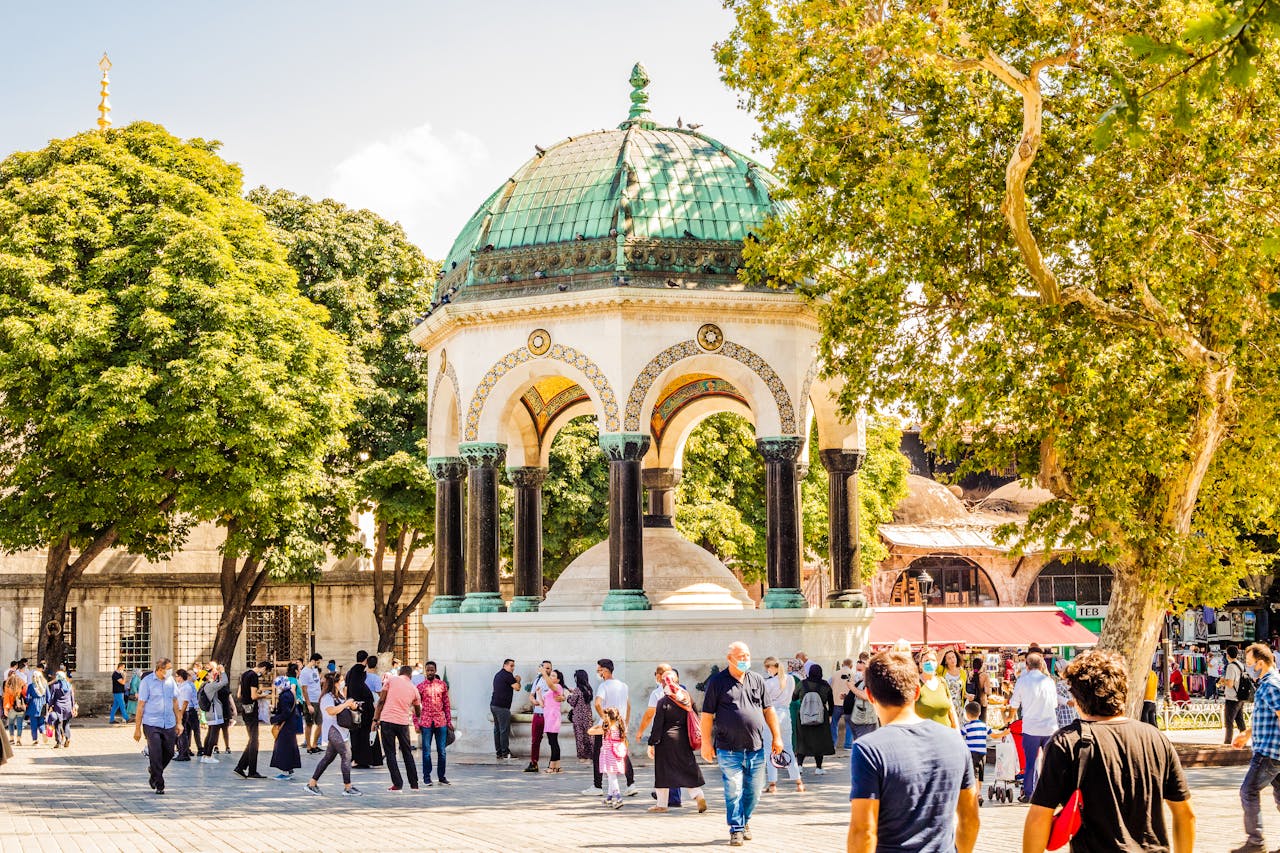
Topkapi sits right in the heart of Sultanahmet, which means you’re surrounded by Istanbul’s biggest attractions within walking distance. Hagia Sophia is literally across the park — a two-minute walk. The Basilica Cistern is another five minutes beyond that. The Blue Mosque is visible from the palace gates.
If you have energy left after the palace, the Grand Bazaar is a 15-minute walk downhill through atmospheric back streets. Or head toward the waterfront and grab a fish sandwich at Eminonu — one of those quintessential Istanbul experiences that costs almost nothing.

More Istanbul Guides
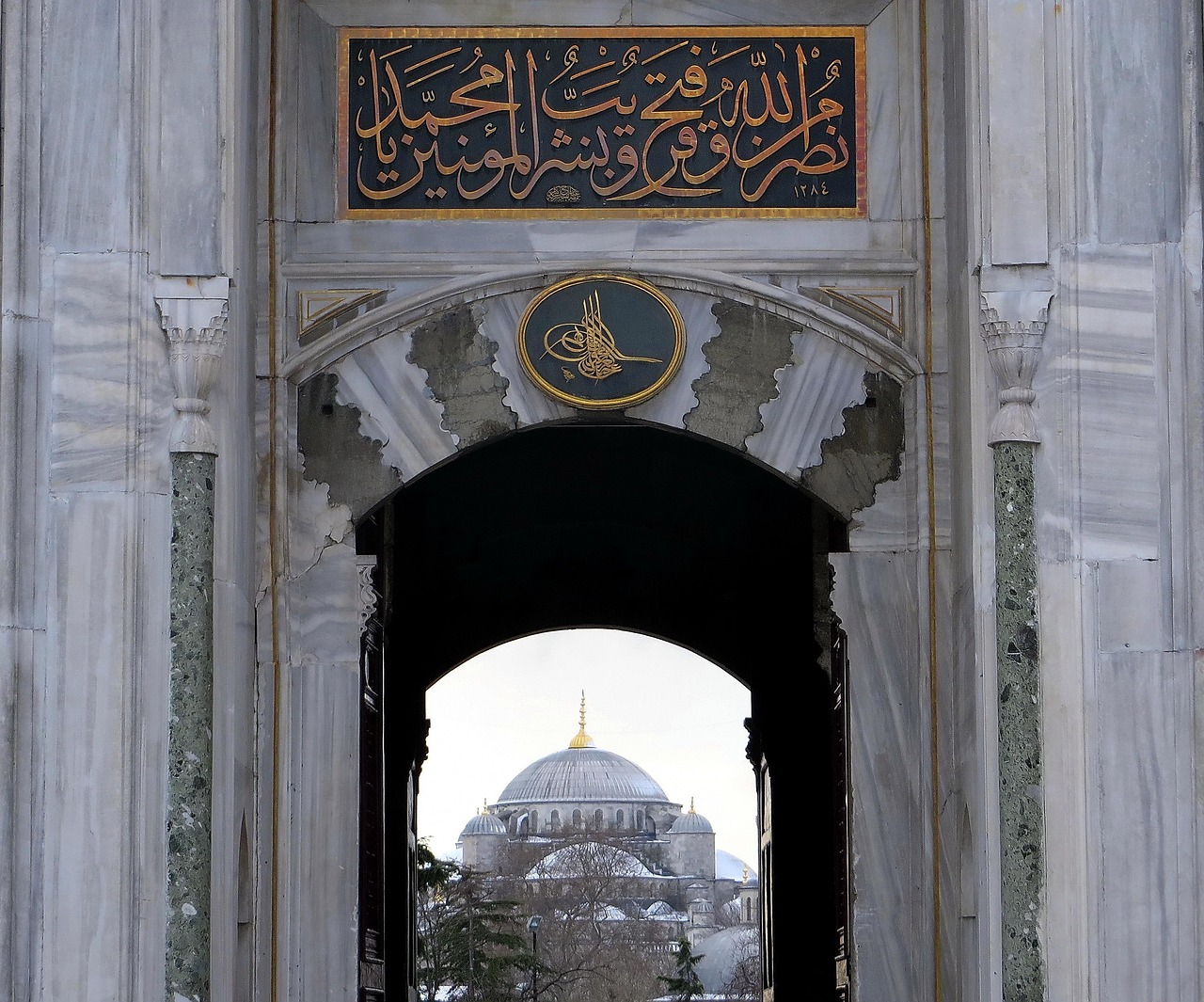
The gate between Topkapi Palace and Hagia Sophia is not just symbolic — you can walk from one to the other in three minutes. Hagia Sophia tickets sell out on busy days, so book those in advance if you plan to visit both in one morning. The two buildings together span nearly a thousand years of Istanbul history, from Byzantine cathedral to Ottoman throne room.
Below the plaza between them, the Basilica Cistern is a quick 30-minute visit that fits neatly between the two. For the full Sultanahmet circuit — including the Blue Mosque and Grand Bazaar — an Old City walking tour connects all the dots with a local guide who actually knows where to find a decent lunch in the area.
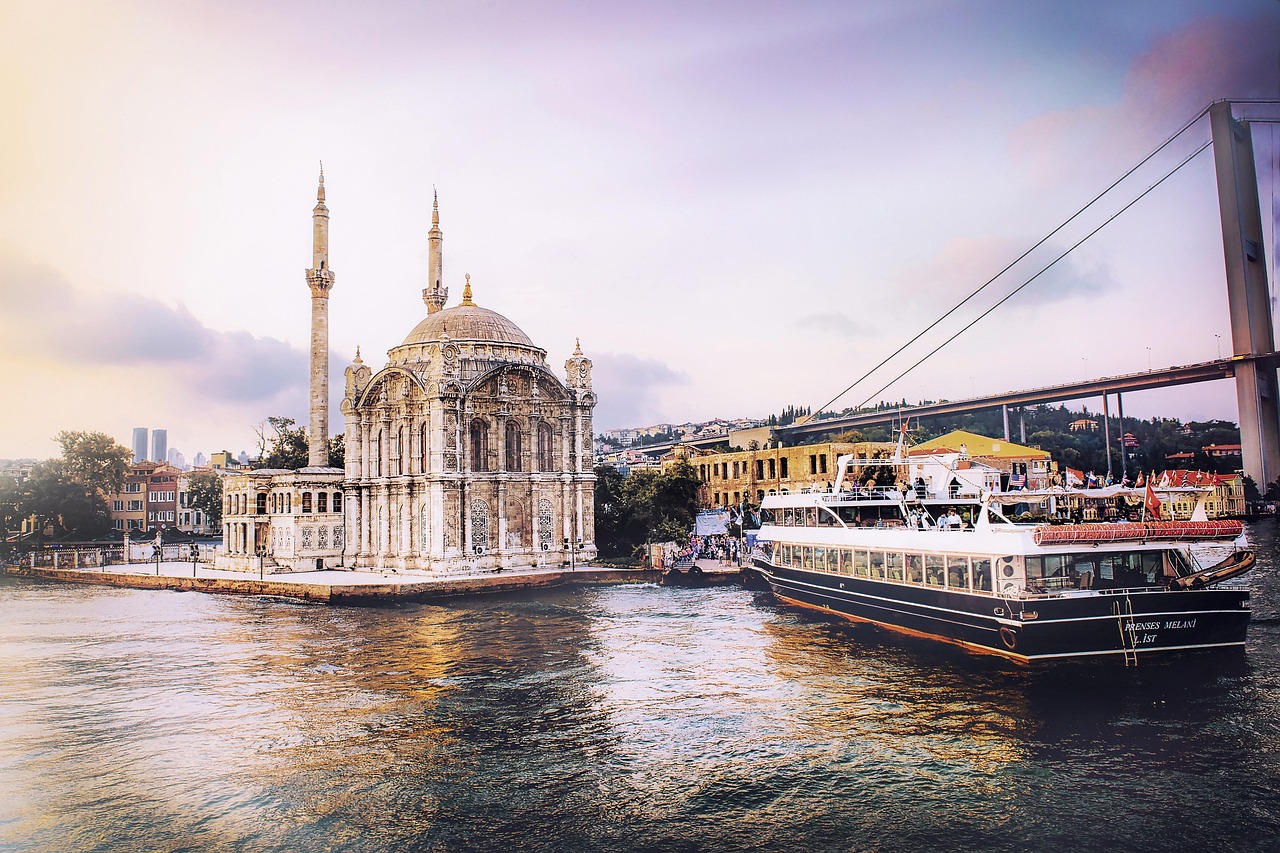
The Ottomans eventually abandoned Topkapi for Dolmabahce Palace, their lavish European-style replacement on the Bosphorus shore. A Bosphorus cruise sails past it, and seeing the two palaces in the same day drives home just how dramatically the empire changed.
To round out your Istanbul experience, a Turkish bath is the perfect recovery after a long day of palace walking, and a whirling dervish show adds a spiritual dimension that complements the political history of the palaces.