
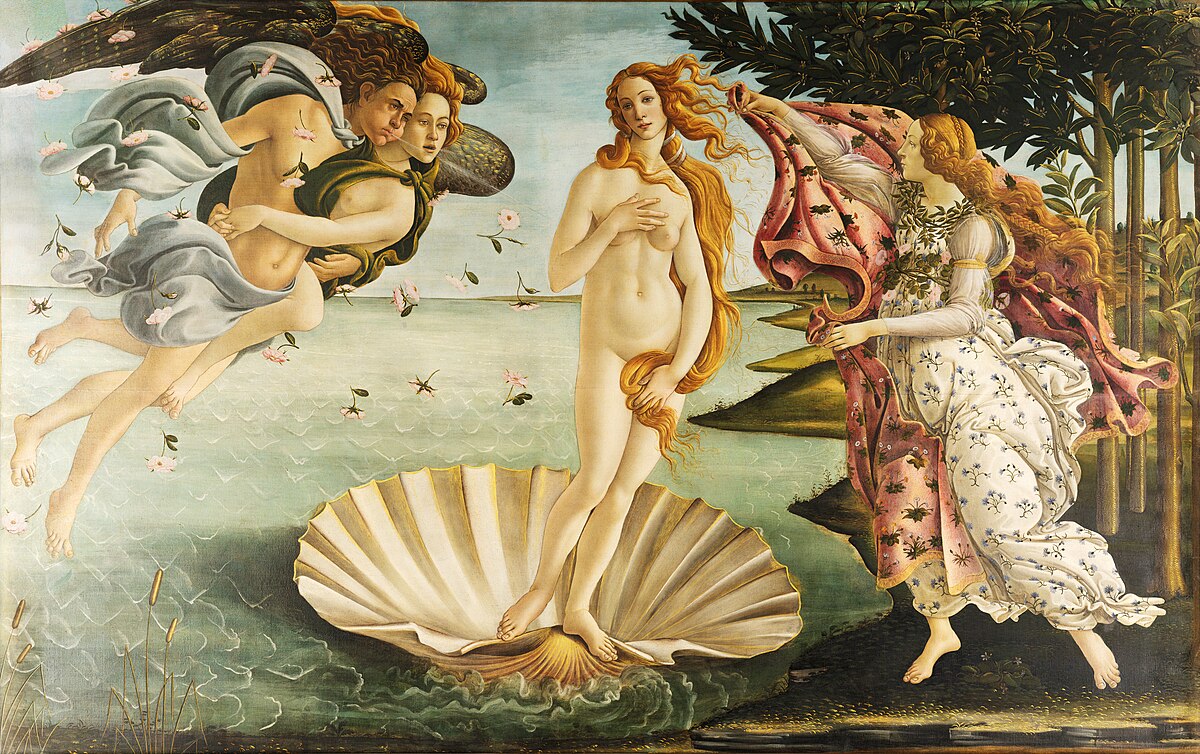
The first time I stood in front of Botticelli’s Birth of Venus, I noticed something no reproduction ever captures — the way the light catches the gold leaf in her hair, and how the painting is taller than you expect, almost overwhelming at close range. It stopped me mid-step. And that moment nearly didn’t happen, because I almost wasted half my day standing in the wrong line outside.
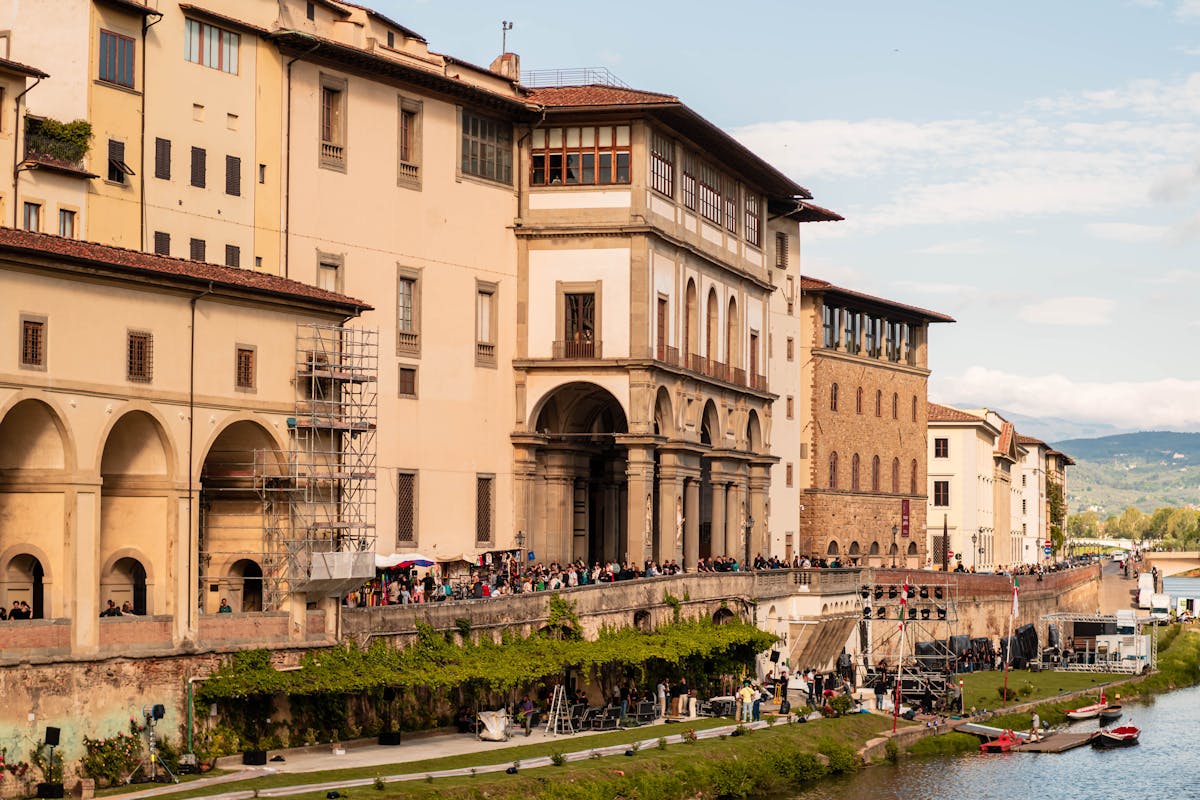
The Uffizi Gallery is one of those places where a little planning saves you a lot of frustration. The building itself was originally designed as government offices for the Medici family (the word “uffizi” literally means “offices”), and today it holds the most important collection of Renaissance art on the planet. But getting inside? That part trips people up.
Here’s everything I’ve learned about buying tickets, picking the right tour, and actually enjoying the experience once you’re through the door.
- Short on Time? Here Are My Top 3 Picks
- How the Uffizi Ticket System Actually Works
- Skip-the-Line Tickets vs. Guided Tours — Which Is Better?
- The Best Uffizi Gallery Tours (Tested and Reviewed)
- Florence: Skip-The-Line Uffizi Gallery Timed Entry Ticket
- Florence: Uffizi Priority Ticket & Masterpieces Audio App
- Uffizi Gallery: Renaissance Masterpieces Guided Tour
- Uffizi Gallery Small Group Tour with Guide
- Florence: Uffizi Gallery Small-Group Guided Tour with Ticket
- Best of Florence: Guided Accademia, David, Uffizi & Walking Tour
- Florence in a Day: David, Uffizi and Guided City Walking Tour
- When to Visit the Uffizi
- How to Get to the Uffizi Gallery
- Tips That’ll Save You Time and Money
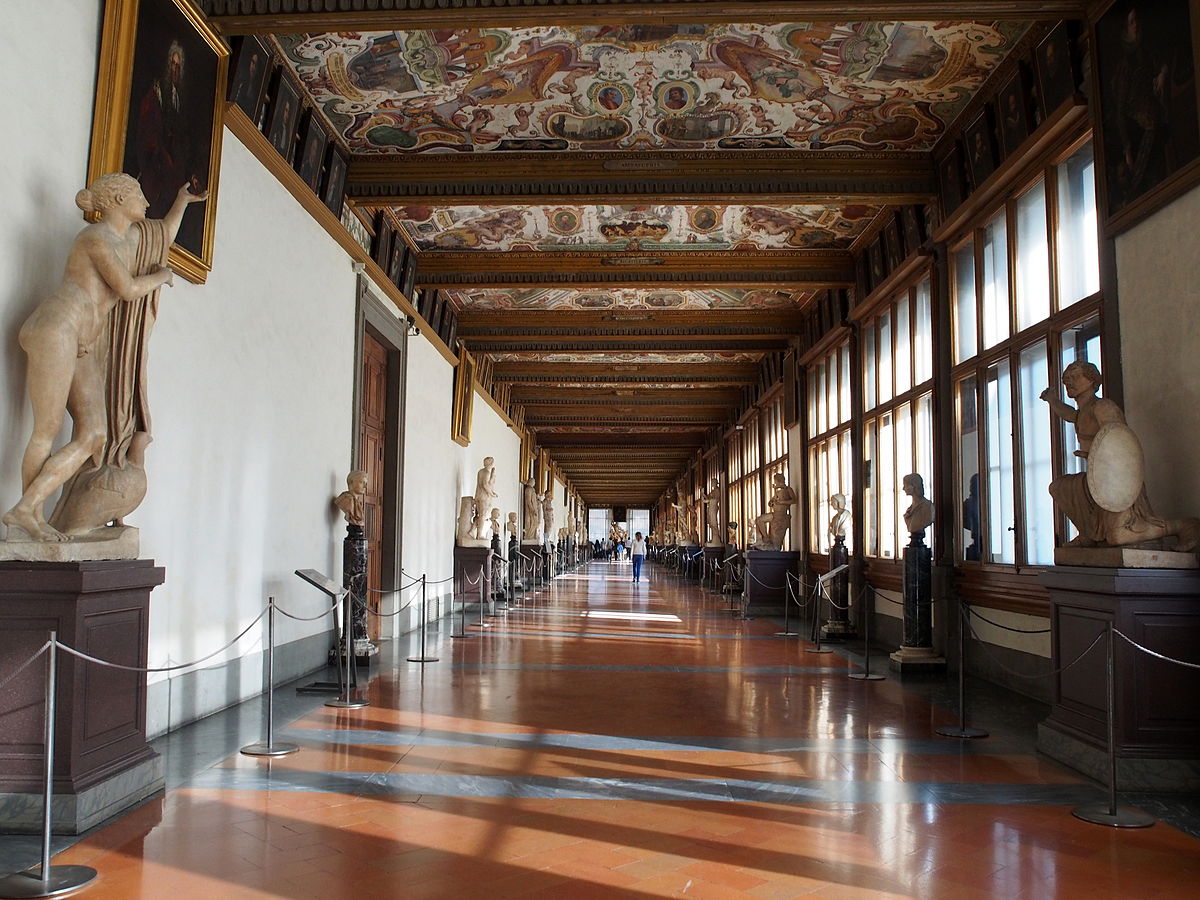
- What You’ll See Inside the Uffizi
Short on Time? Here Are My Top 3 Picks

If you don’t want to read the full breakdown, these three options cover the main ways most people visit:
1. Best Value Skip-the-Line Ticket — Florence: Skip-The-Line Uffizi Gallery Timed Entry Ticket
Around $30 per person. You pick your time slot, walk past the long line, and explore at your own pace. This is what most visitors should book.
2. Best Guided Tour — Uffizi Gallery: Renaissance Masterpieces Guided Tour
$88 per person for 90 minutes. A guide walks you through the highlights — Botticelli, Caravaggio, Leonardo, Raphael — and gives you context you’d never pick up on your own. Worth the extra money if it’s your first time.
3. Best for a Full Day — Best of Florence: Guided Accademia, David, Uffizi & Walking Tour
$47 per person for 3 hours — that’s absurd value. Covers the Accademia (Michelangelo’s David), the Uffizi, and a walking tour of Florence’s center. If you’re only in Florence for a day, this is the one.
How the Uffizi Ticket System Actually Works
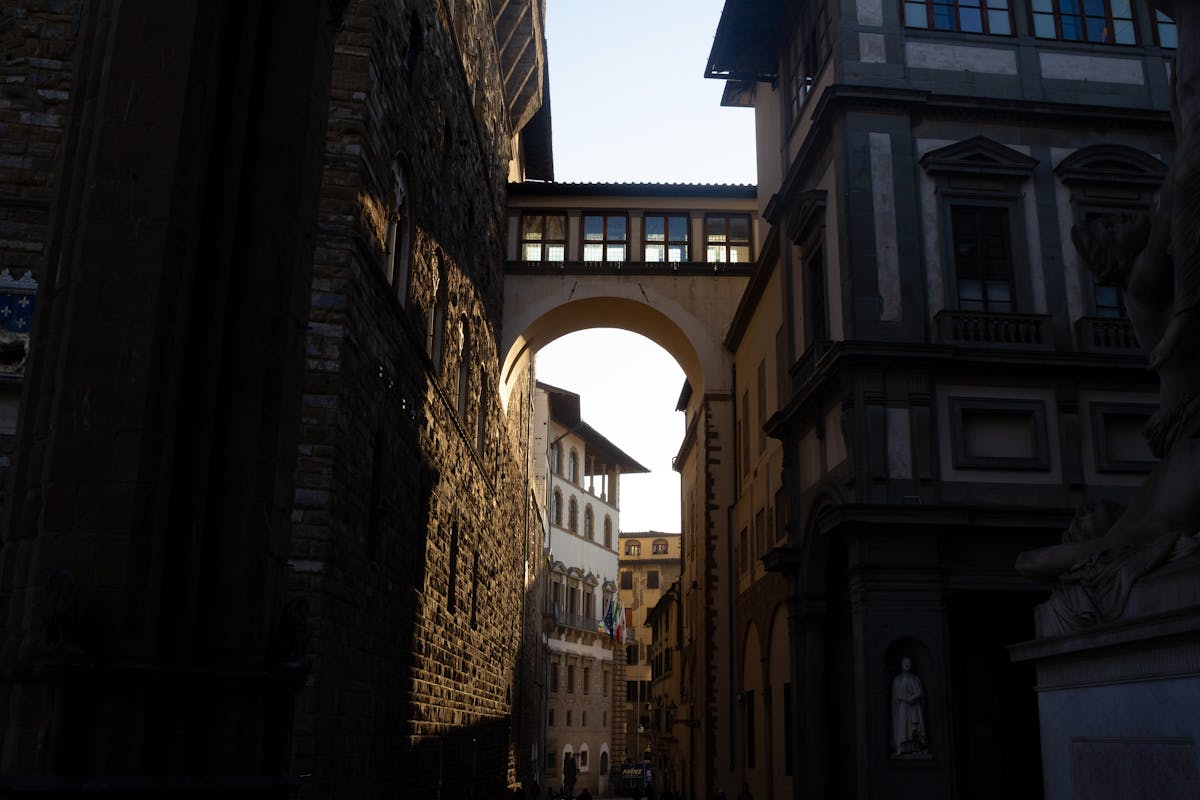
The Uffizi uses a timed-entry system. You don’t just show up and buy a ticket at the window — well, you can, but you’ll regret it. Lines regularly hit 2-3 hours during peak season (April through October, plus Christmas and Easter).
Here’s how the official system breaks down:
Buying directly from the Uffizi website (uffizi.it) — Full-price adult tickets cost €25, plus a €4 booking fee. You choose a specific date and 15-minute entry window. Show your QR code at the door and you’re in. Tickets go on sale about a month in advance, and popular time slots (especially 9:00-10:00 AM) sell out fast on weekends.
The “Prima Mattina” early bird discount — During high season, the Uffizi offers a reduced-price ticket for the 8:15-8:55 AM slot. If you’re an early riser, this gets you in before the crowds and saves a few euros. Check the official site for current pricing.
The PassePartout 5-Day Pass — Covers the Uffizi, Pitti Palace, Boboli Gardens, and optionally the Vasari Corridor for a combined discounted price. Valid for 5 consecutive days. The catch: you must visit the Uffizi first. Good deal if you’re spending several days in Florence and plan to hit multiple Medici sites.
Free entry days — The Uffizi offers free admission on the first Sunday of each month. Sounds great, right? In practice, the lines are insane and the galleries are so packed you can barely see the paintings. I’d skip it unless you genuinely can’t afford the ticket.
Who gets in free or reduced — EU citizens under 18 get in free. EU citizens aged 18-25 pay a reduced rate (currently €2). Non-EU visitors pay full price regardless of age. You still need to reserve a time slot even with free admission.
Skip-the-Line Tickets vs. Guided Tours — Which Is Better?
This depends on how you like to experience museums.
Go with a skip-the-line ticket if:
You prefer wandering at your own pace, you’ve already read up on the major works, or you’re on a tight budget. You’ll save $40-60 per person compared to a guided tour. Pair it with the free official Uffizi Gallery app or Rick Steves’ free audio tour and you’ll get solid commentary without paying guide prices.
Go with a guided tour if:
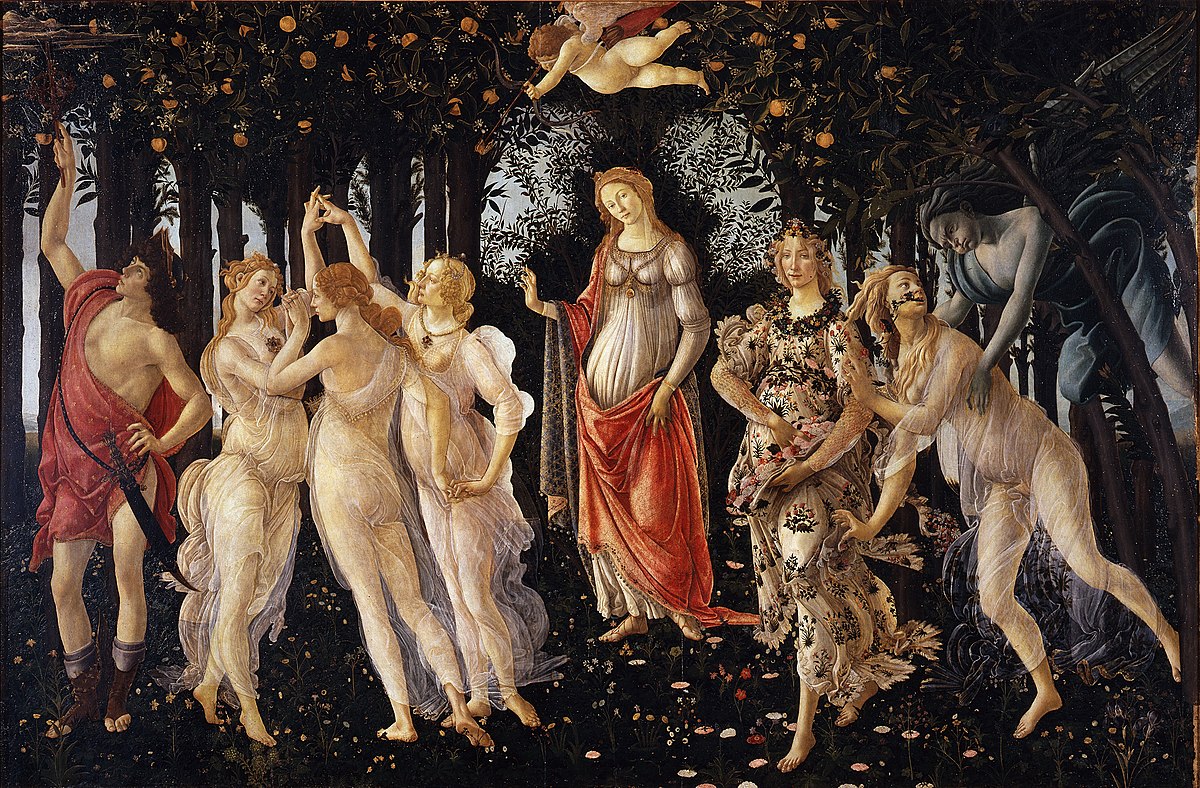
It’s your first time, you have limited time (a guide will hit the highlights efficiently in 90 minutes), or you actually want to understand why Botticelli’s Primavera was revolutionary, not just look at it. The difference between walking through the Uffizi alone and having someone explain the Medici family drama behind each commission — it’s like watching a foreign film with and without subtitles.
One thing to know: even guided tours use the skip-the-line entrance. You’re not choosing between “skipping the line” and “getting a tour.” Every advance booking skips the line. The only people standing in that long queue are the ones who showed up without any reservation at all.
The Best Uffizi Gallery Tours (Tested and Reviewed)
I’ve pulled together the most popular Uffizi tours based on actual visitor reviews. These are sorted by review count because in my experience, high review volume plus a strong rating is the most reliable signal.
Florence: Skip-The-Line Uffizi Gallery Timed Entry Ticket
Price: ~$30 | Duration: Self-paced
This is the straightforward skip-the-line ticket. No guide, no audio — just your timed entry and you’re free to explore. It’s the cheapest legitimate way to guarantee entry without standing in line. Book this if you want total freedom.
Check availability on GetYourGuide
Florence: Uffizi Priority Ticket & Masterpieces Audio App
Price: ~$31 | Duration: Self-paced
One dollar more than the basic ticket, and you get a multimedia audio guide app that covers the major masterpieces. The reviews are slightly lower than the basic ticket — some people found the app a bit clunky — but for a dollar extra it’s worth trying. You can always ignore the app and just wander.
Check availability on GetYourGuide
Uffizi Gallery: Renaissance Masterpieces Guided Tour
Price: ~$88 | Duration: 90 minutes
This is the one I’d recommend for most first-time visitors. Ninety minutes is enough to see the major works without your legs giving out, and the consistently positive feedback is legitimately impressive. The guides are art history experts, not script readers.
Check availability on GetYourGuide
Uffizi Gallery Small Group Tour with Guide
Price: ~$76 | Duration: 1.5 hours
Similar concept to the one above, slightly cheaper, and done through Viator. Small group means typically under 20 people, which makes a big difference in how close you can get to the paintings. The consistently positive feedback is rock solid.
Florence: Uffizi Gallery Small-Group Guided Tour with Ticket
Price: ~$76 | Duration: 1.5 hours
The highest-rated small group option. Groups are capped at a smaller number, and it is one of the most consistently praised Uffizi tours available. If you want the best guide experience and don’t mind a slightly smaller pool of time slots, this one edges out the competition.
Check availability on GetYourGuide
Best of Florence: Guided Accademia, David, Uffizi & Walking Tour
Price: ~$47 | Duration: 3 hours
This combo tour is incredible value. In three hours you get the Accademia Gallery (Michelangelo’s David), the Uffizi, and a guided walk through Florence’s historic center — all with skip-the-line entry. At $47 per person, that’s less than some standalone Uffizi tours charge. The trade-off is you’ll spend less time in each museum, but for visitors with just one day in Florence, it’s hard to beat.
Florence in a Day: David, Uffizi and Guided City Walking Tour
Price: ~$134 | Duration: 5 hours
If the 3-hour combo feels rushed, this 5-hour version gives you more breathing room. You still get the Accademia, Uffizi, and city walk, but with time for the Duomo area and a more detailed tour of each museum. It’s pricier, but “Florence in a day” is genuinely what it delivers.
When to Visit the Uffizi

Timing matters more here than at most museums, because the Uffizi can swing from pleasantly quiet to crushingly overcrowded depending on when you go.
Best months: November through February (except Christmas/New Year week). The galleries are calm, you can actually stand in front of paintings without elbows in your ribs, and ticket prices sometimes drop with early bird offers.
Worst months: June through August. Florence becomes a furnace — regularly hitting 35+C — and every tourist in Europe seems to be funneling through the Uffizi’s corridors simultaneously.
Best days: Tuesday and Wednesday tend to be the quietest weekdays. Monday the Uffizi is closed. Weekends are always busier, and Fridays can get heavy with weekend travelers arriving early.
Best time of day: First thing in the morning (8:15 AM if you can get the early bird slot) or after 3:00 PM. The lunch-hour rush from 11:00 AM to 2:00 PM is the absolute worst. Late afternoon gets you softer light in the galleries and thinner crowds — plus the rooftop cafe has sunset views over Palazzo Vecchio that most visitors never see because they’ve already left.
How long to budget: Two hours minimum for a self-guided visit if you want to see the highlights properly. Three to four hours if you want to explore the full collection without rushing. Guided tours typically run 90 minutes and are laser-focused on the must-sees.
How to Get to the Uffizi Gallery
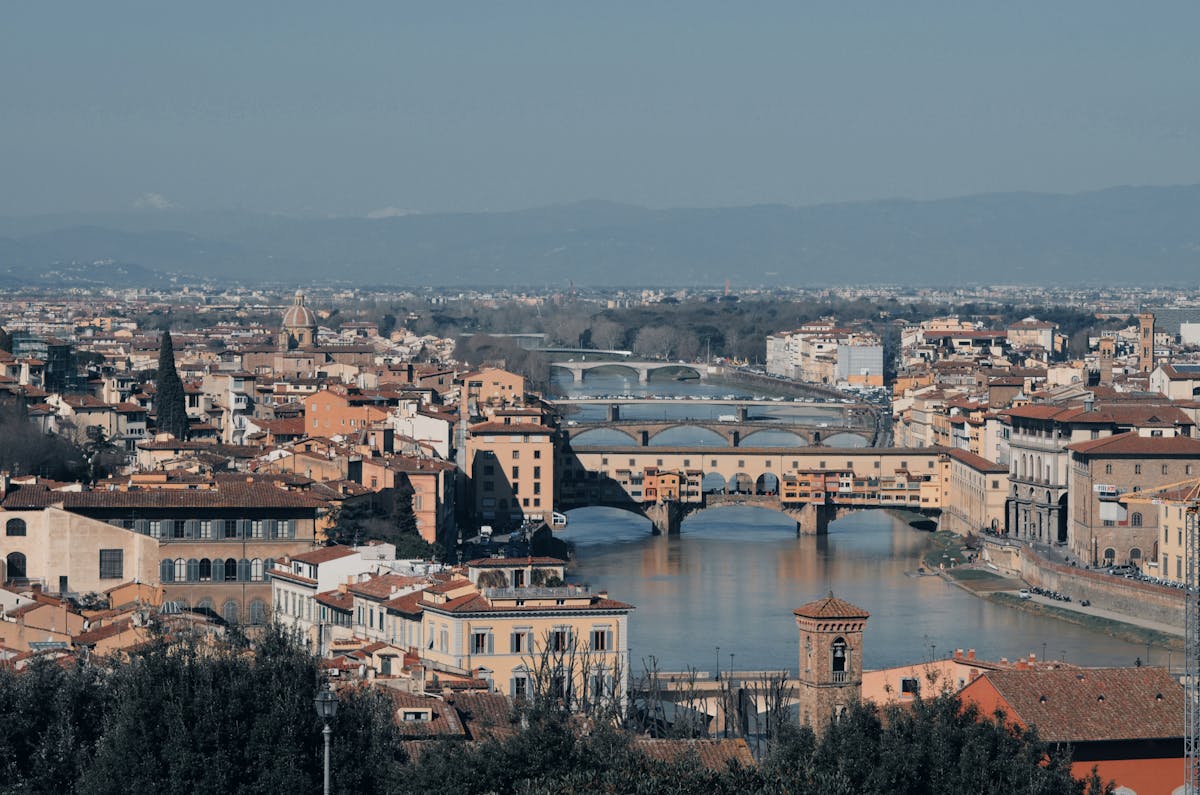
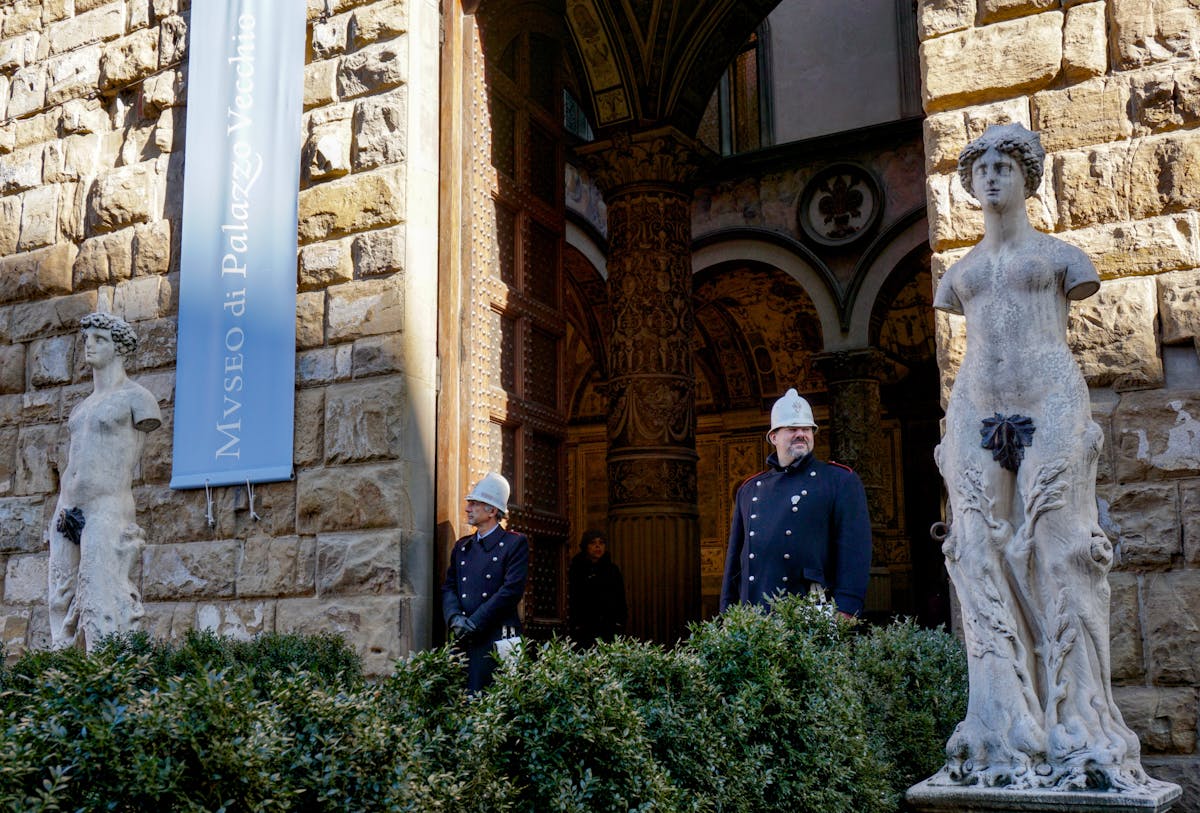
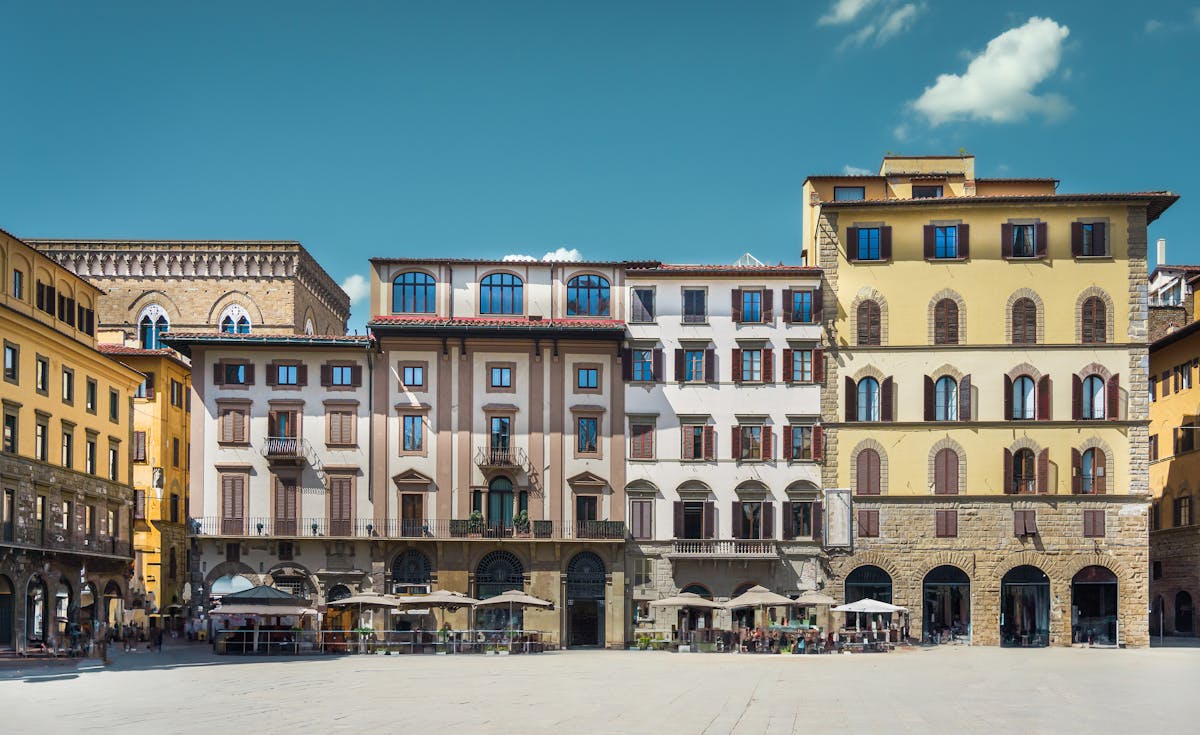
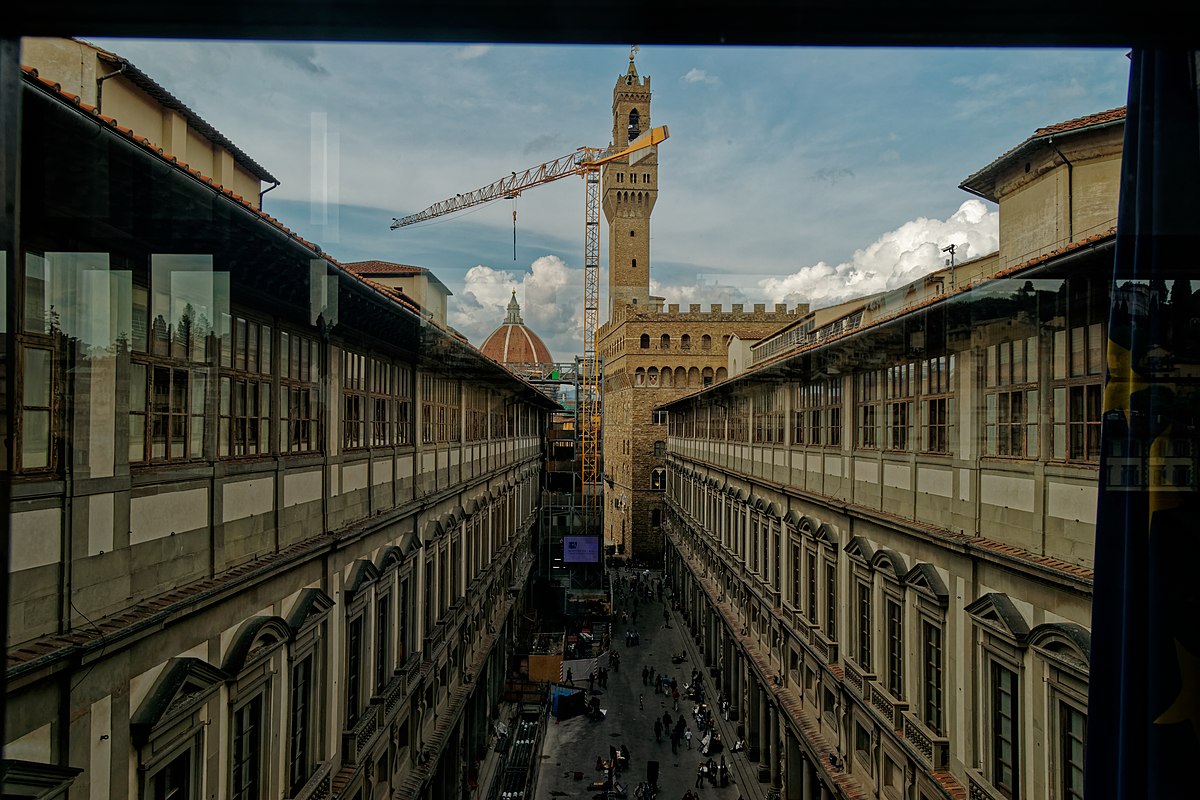
The Uffizi sits right in the heart of Florence’s historic center, between Piazza della Signoria and the Arno River. You’ll pass the Palazzo Vecchio (the imposing fortress-like town hall) on the way in.
On foot: From Florence’s Santa Maria Novella train station, it’s about a 15-minute walk south through the pedestrian center. Follow Via dei Calzaiuoli from the Duomo — it leads directly to Piazza della Signoria, and the Uffizi entrance is just beyond the piazza on the left side. From the Ponte Vecchio, you’re literally two minutes away.
By bus: The C1 bus line stops at Galleria degli Uffizi. The C2 line stops nearby at Piazza della Signoria. Florence’s center is compact enough that walking is almost always faster unless you have mobility issues.
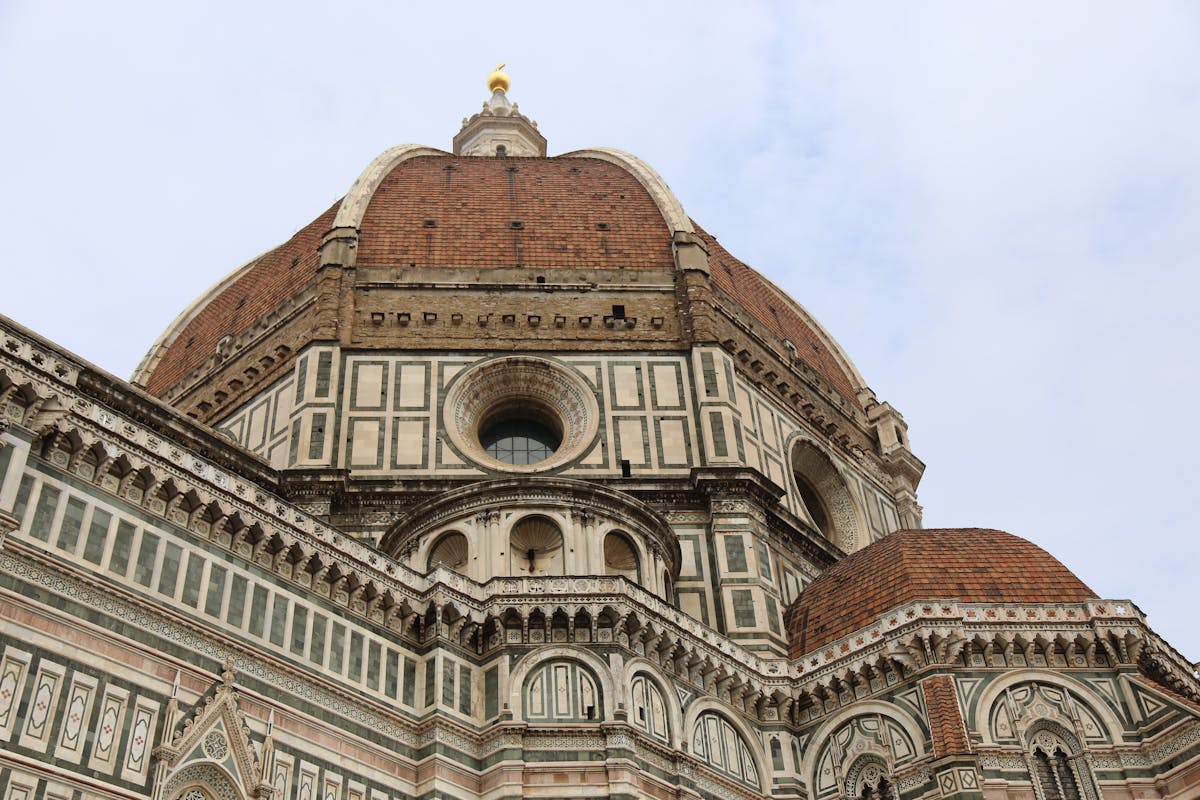
From outside Florence: High-speed trains from Rome take about 1.5 hours and arrive at Santa Maria Novella station. From there it’s that 15-minute walk. Some visitors do the Uffizi as a day trip from Rome, which is totally doable — several organized day trips from Rome include Uffizi entry and round-trip train tickets.
Important: The Uffizi has two entrances. Door 1 is for visitors with reservations (skip-the-line). Door 3 is the general ticket office. If you have a timed entry ticket, go to Door 1 — it’s clearly marked. Show up 15 minutes before your time slot. If you’re on a guided tour, your guide will tell you exactly where to meet, usually in Piazza della Signoria.
Tips That’ll Save You Time and Money
Book at least two weeks ahead in peak season. Morning time slots for July and August weekends can sell out a month in advance. If you’re flexible on timing, afternoon slots are easier to get.
The official site is cheapest, but third-party sites are more reliable for availability. I’ve found that when the official Uffizi site shows “sold out” for a date, platforms like GetYourGuide and Viator sometimes still have slots because they’ve pre-purchased blocks of tickets. Worth checking both.
Bring your passport or ID. If you’re claiming a reduced or free EU ticket, you’ll need proof of age and nationality.
Don’t bother with the “Firenze Card” for the Uffizi alone. The 72-hour museum pass costs about €85 and covers dozens of Florence museums. That’s good value if you’re museum-hopping, but overkill if you’re only planning the Uffizi. A standalone skip-the-line ticket at $30 makes more sense for most visitors.
The rooftop cafe is a secret weapon. Most visitors walk right past the signs for the terrace bar on the second floor. Up there you get espresso with a view of Palazzo Vecchio’s tower and the Duomo in the background. It’s included with your ticket and a perfect mid-visit break.
Bag check is free but slow. Large backpacks and umbrellas must be checked. The lockers are small. Travel light if you can.
Photography is allowed — no flash, no tripods, no selfie sticks. But honestly, the lighting in some galleries makes phone photos look terrible. Consider just looking with your eyes for once.
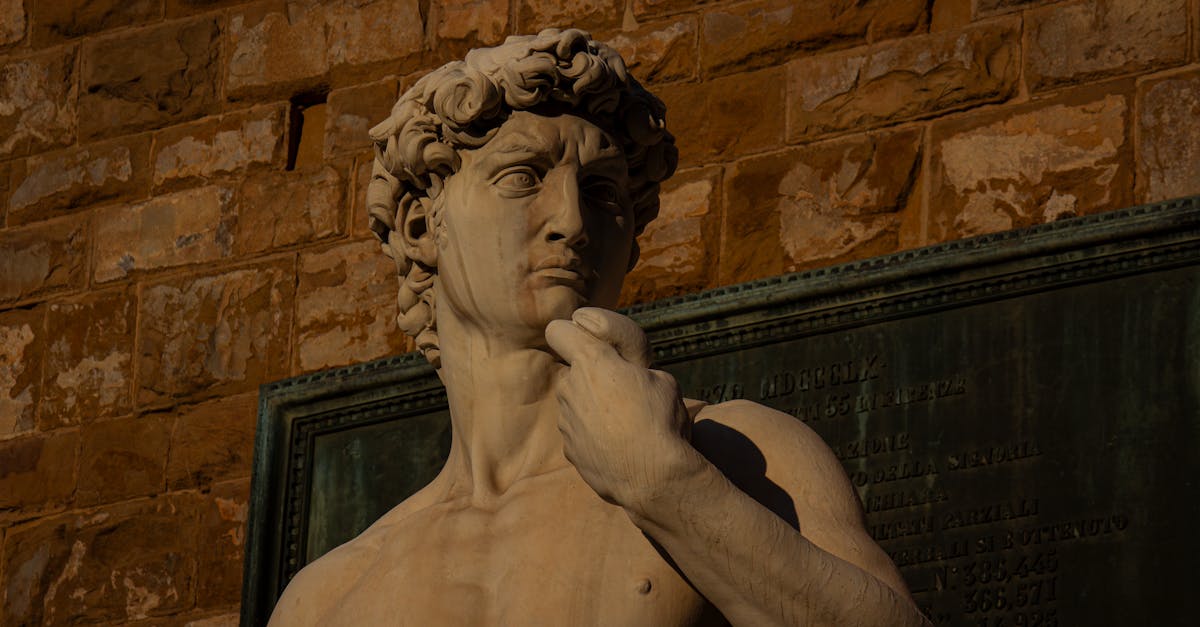
Combine with the Accademia. Michelangelo’s David lives at the Accademia Gallery, about a 20-minute walk north from the Uffizi. Most visitors do both museums in the same day — Accademia in the morning, Uffizi in the afternoon, or vice versa.
What You’ll See Inside the Uffizi

The collection spans centuries of Italian art, but here are the pieces nobody should miss:
Botticelli’s Birth of Venus (Room 10-14) — The one you’ve seen on a thousand postcards. In person it’s roughly 1.7 by 2.8 meters, much larger and more detailed than you’d expect. Notice the wind god Zephyr on the left and the intricate gold leaf details in Venus’s hair.
Botticelli’s Primavera (Room 10-14) — Right next to the Birth of Venus and arguably the more interesting painting. Over 500 different plant species are depicted, all botanically accurate. Scholars have been arguing about what it actually means for centuries.
Leonardo da Vinci’s Annunciation (Room 35) — Painted when Leonardo was barely 20 years old, and already showing the atmospheric perspective and detail he’d become known for. Look at the angel’s wings — they were modeled on real bird wings.
Caravaggio’s Medusa and Bacchus (Room 90) — Caravaggio’s dramatic lighting is even more intense in person. The Medusa is painted on a circular shield, and Bacchus looks suspiciously like a hungover teenager. Some art historians believe the face is a self-portrait.
Raphael’s Madonna of the Goldfinch (Room 66) — Restored after being shattered in a building collapse in 1547. If you look closely you can still see the fracture lines running through the painting. The restoration took 10 years.
Titian’s Venus of Urbino (Room 83) — Often called the most provocative painting of the Renaissance. Make of that what you will.
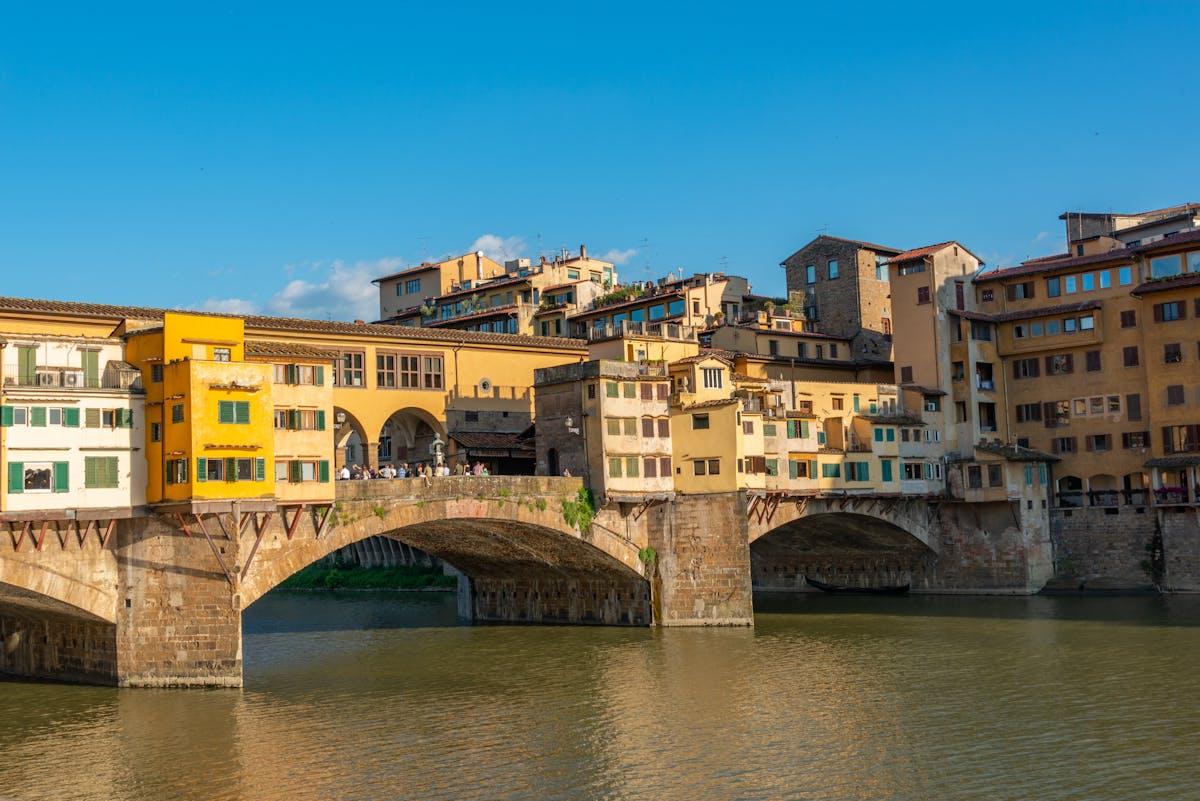
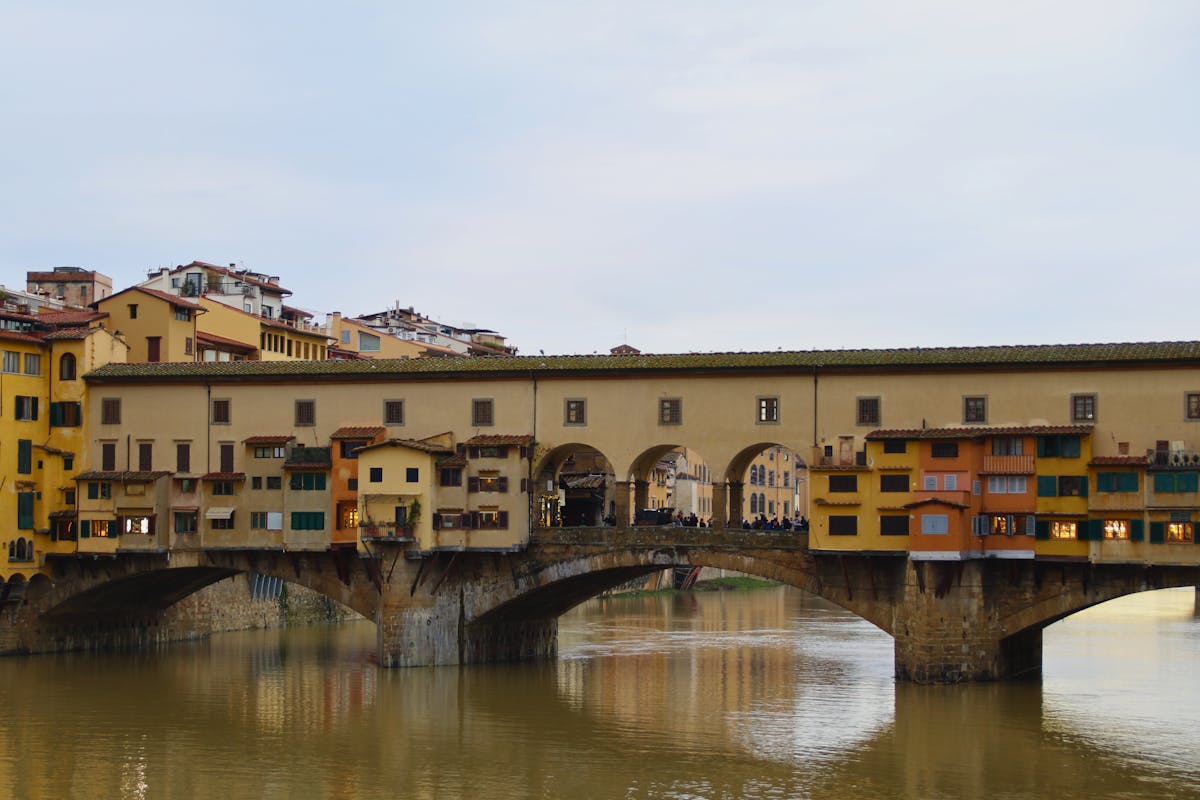
The Vasari Corridor — This elevated passageway connects the Uffizi to the Pitti Palace across the Arno via the Ponte Vecchio. It reopened in late 2024 after years of restoration. You need a separate supplement ticket on top of your Uffizi entry, and you must visit the Uffizi first. The corridor goes one way only (Uffizi to Boboli Gardens direction), with no turning back. It’s a unique experience if you love architectural history.
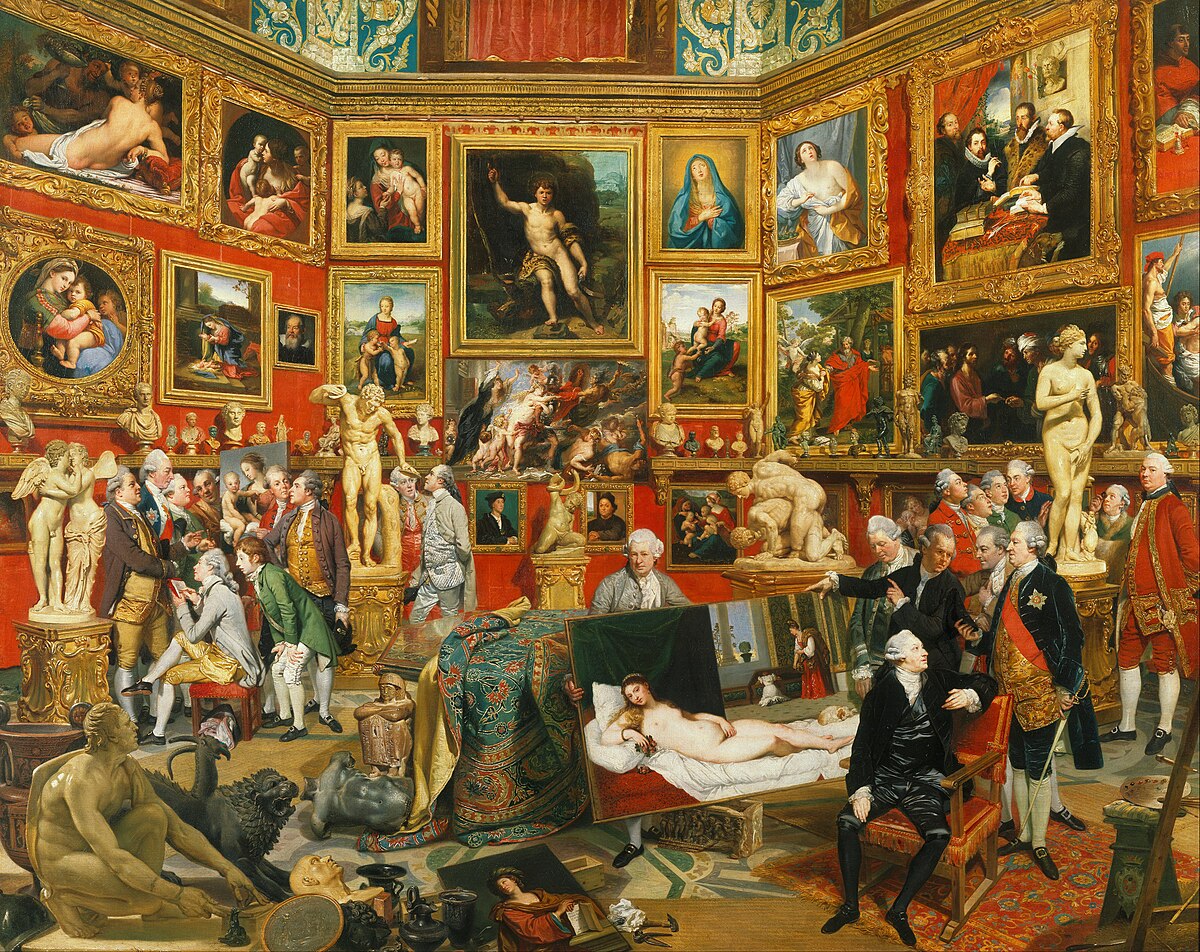
The Tribune (Tribuna) — The octagonal room with the red walls and shell-encrusted ceiling. It was the Medici family’s private viewing room and the first purpose-built museum gallery in Europe. The mother-of-pearl dome, red silk walls, and pietra dura floor were designed to represent the four elements.
If you’re planning a trip around Italy’s big museums, you might also want to read about getting Colosseum tickets in Rome and Vatican Museum tickets — both have similar timed-entry systems and the same “book ahead or regret it” reality.
For visitors based in the Naples area, we’ve also covered how to visit Pompeii, which pairs well with a multi-city Italy itinerary.

And if you’re spending more time in Florence, consider some of these popular experiences: a day trip to Tuscany’s hill towns, a Tuscan cooking class, the Florence sunset food and wine tour, a Cinque Terre day trip, or a Chianti bike tour through the hills. For art lovers, the Accademia Gallery with David is a must, and the Renaissance and Medici Tales walking tour ties everything together.

Disclosure: This article contains affiliate links to tours and tickets. If you book through these links, we may earn a small commission at no extra cost to you. We only recommend tours with strong review histories and ratings.