
Sixteen kilometres. One direction. No turning back.
I knew those numbers before I stepped onto the bus at 6:15 in the morning in Chania. What I didn’t fully grasp was what “one direction” actually means in practice. Once you start descending into Samaria Gorge, the only way out is through. Down through the narrowing canyon walls, past the Iron Gates where the cliffs squeeze to barely four metres apart, all the way to the Libyan Sea at Agia Roumeli. There’s no shortcut, no emergency exit halfway, no calling a taxi. You finish the hike or you get airlifted out.
That sounds dramatic. It is. But it’s also one of the best days you’ll spend in Crete.
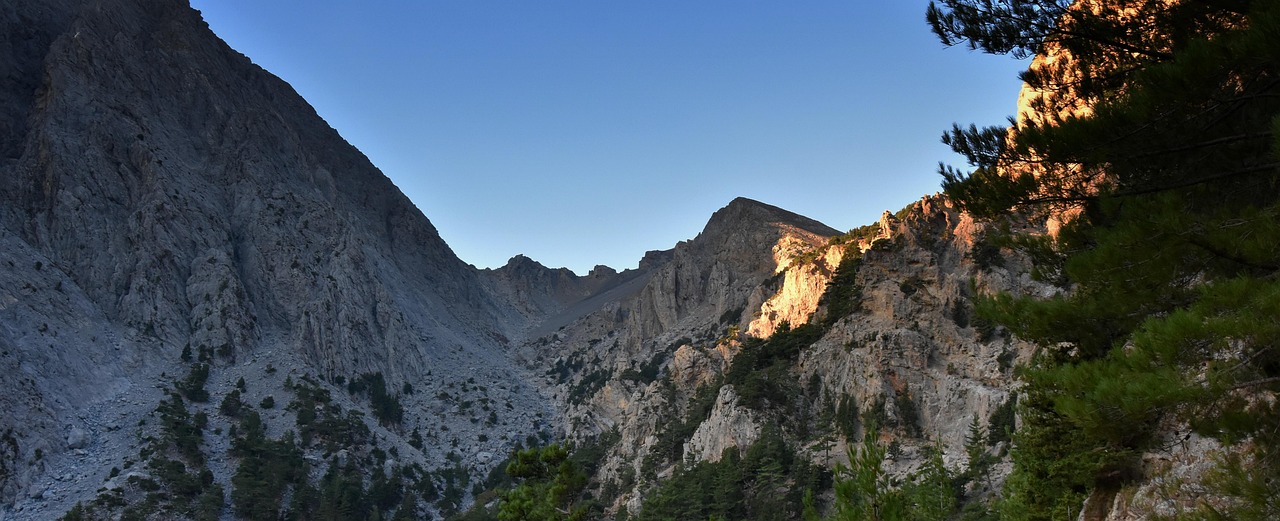
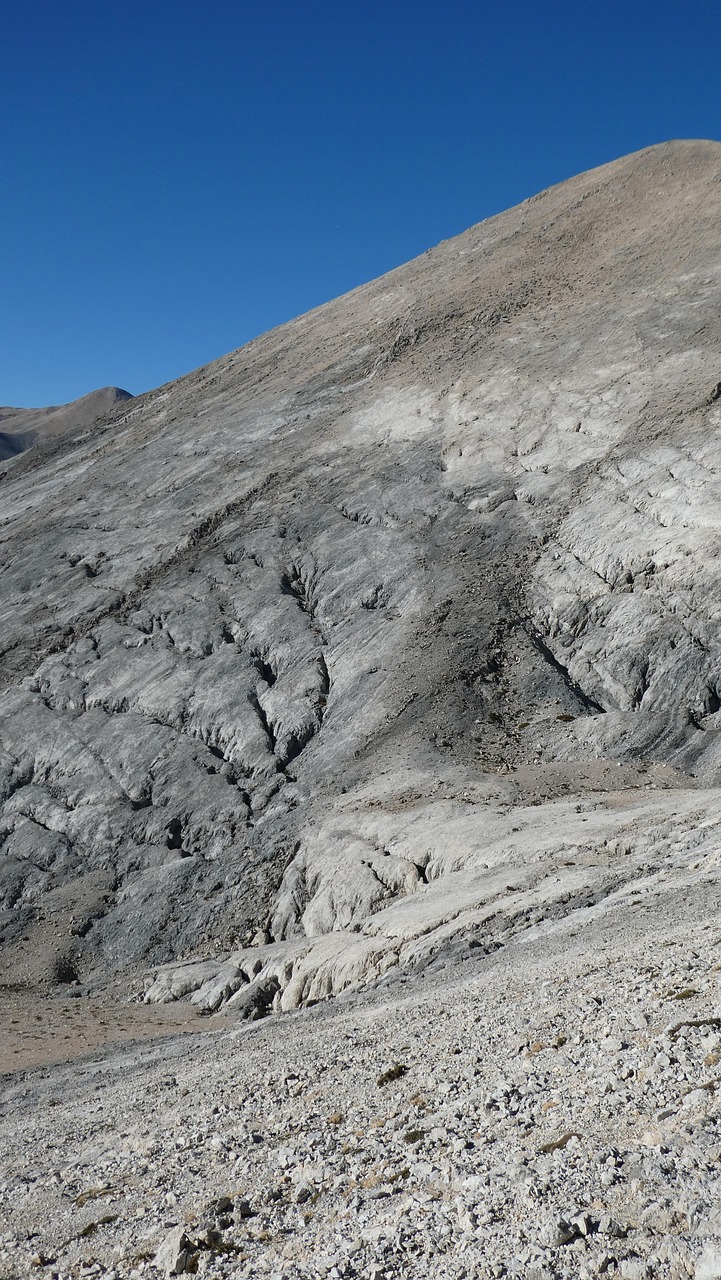
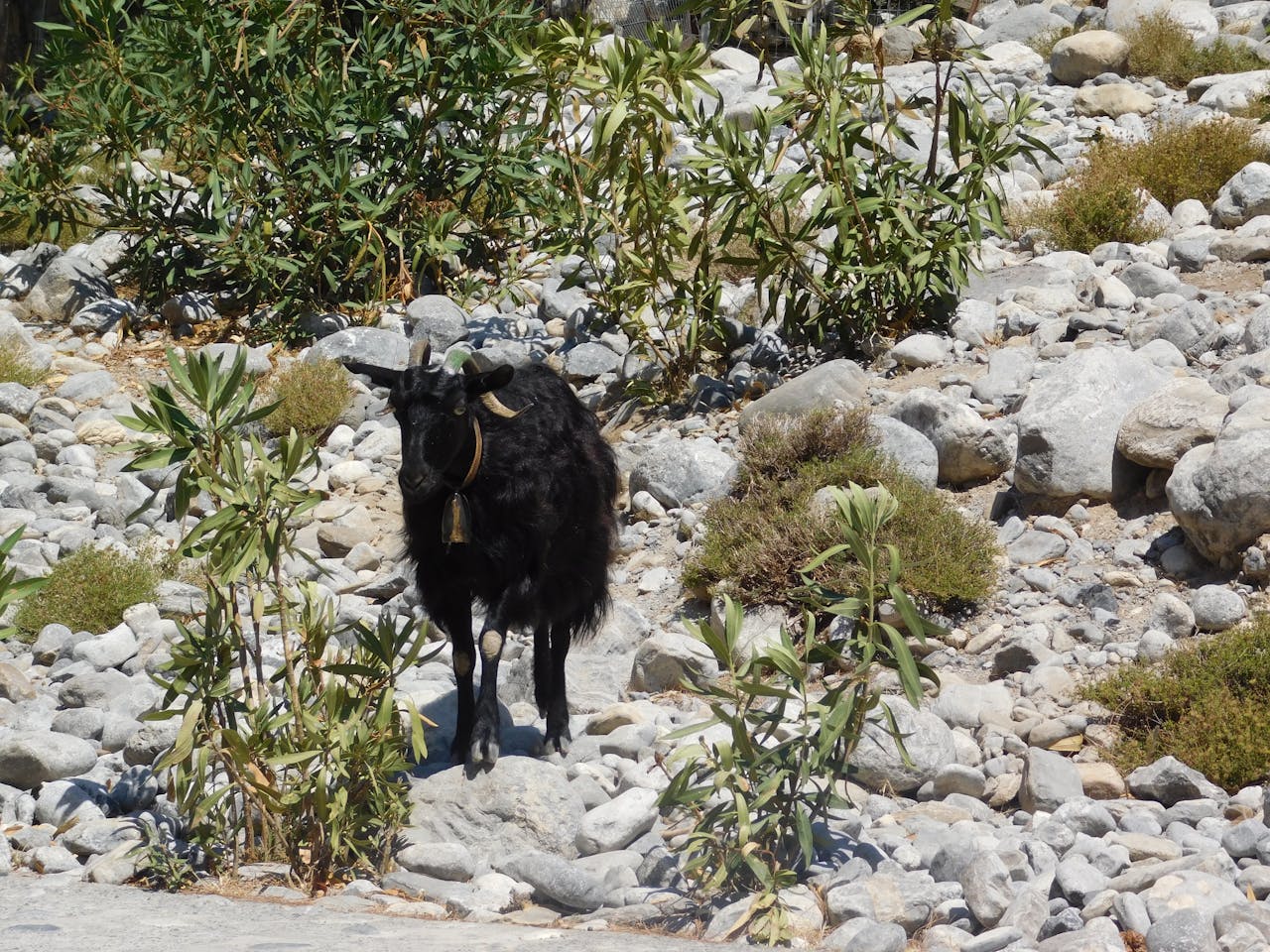
Best overall: Full-Day Samaria Gorge Chania Guided Tour — $36. Full guided day with pickup from Chania, the best value you’ll find for a complete gorge experience.
Best for groups: Samaria Gorge Trek: Full-Day Excursion from Chania — $41. Similar format but consistently praised for knowledgeable guides who keep the pace manageable.
Best from Heraklion: Crete: Samaria Gorge Hike — $56. The go-to option if you’re staying on the north coast and don’t want to base yourself in Chania first.
- How the Samaria Gorge Entry System Works
- Independent Hike vs Guided Tour
- The Best Samaria Gorge Tours to Book
- 1. Full-Day Samaria Gorge Chania Guided Tour —
- 2. Samaria Gorge Trek: Full-Day Excursion from Chania —
- 3. Crete: Samaria Gorge Hike —
- When to Hike Samaria Gorge
- How to Get to Samaria Gorge
- Tips That Will Save You Time and Pain
- What You’ll Actually See Inside the Gorge
- Where to Stay Before and After the Hike
- Planning the Rest of Your Crete Trip
- More Greece Guides
How the Samaria Gorge Entry System Works
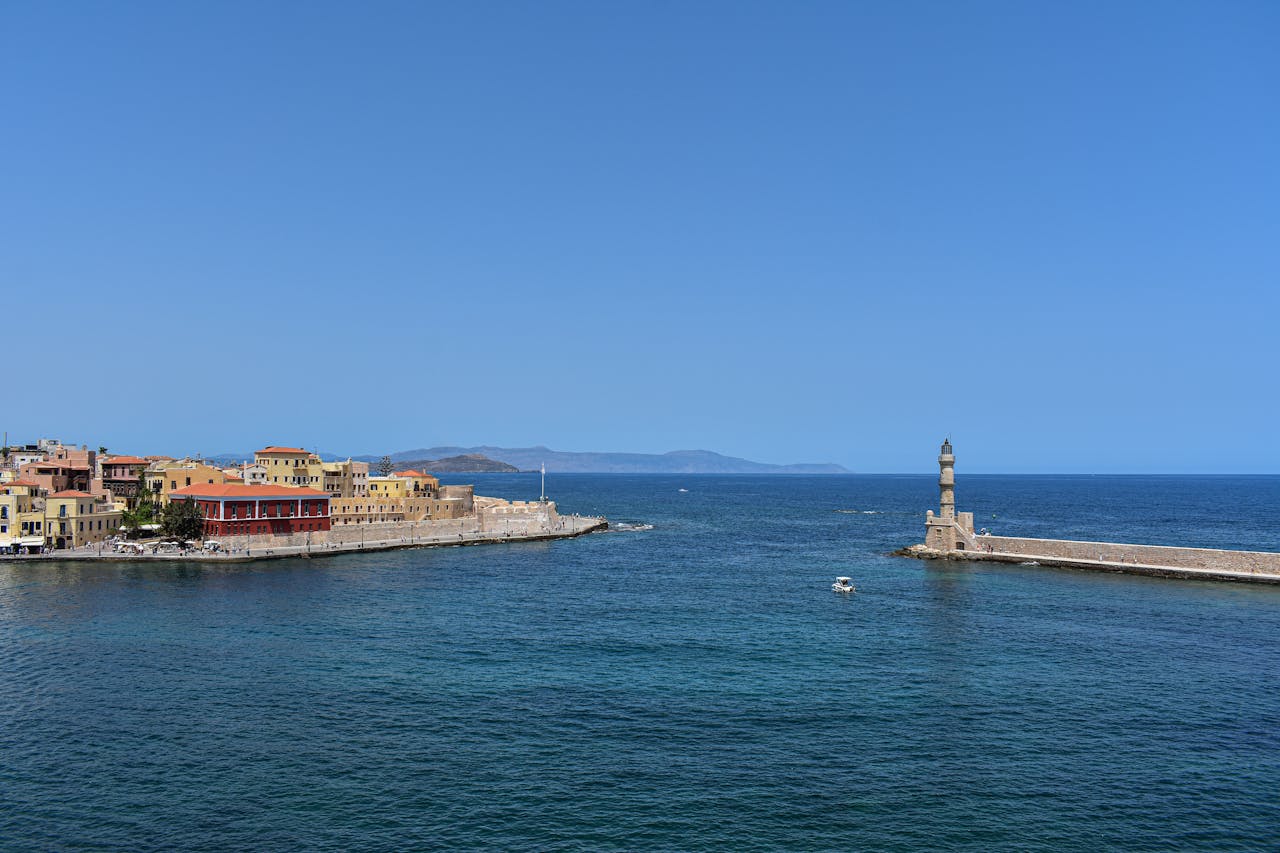
Samaria Gorge is a national park, and it runs on a seasonal schedule. The gorge opens between May 1 and October 31 each year, with gates opening around 7:00-7:30 in the morning. They stop letting hikers in sometime between 1:00 and 3:00 PM — if you arrive after the cutoff, they’ll let you walk two kilometres in and back, but you won’t be doing the full traverse.
The entry fee is EUR 5 per person. You pay at the Xyloskalo entrance at the top. Keep your ticket safe because you’ll need to hand it in at the exit in Agia Roumeli. This is how they track who’s still inside the gorge at the end of the day.
Getting there independently is entirely doable from Chania. The KTEL bus departs from Chania’s main bus station at 6:15 AM, arriving at Xyloskalo around 7:15 AM. There’s an earlier 5:30 AM departure, but the gorge doesn’t open until 7:00, so there’s not much point unless you want extra time at the cafe up top. Buy your bus return ticket from Hora Sfakion and the ferry ticket from Agia Roumeli at the same time — limited seats, and you don’t want to get stranded.
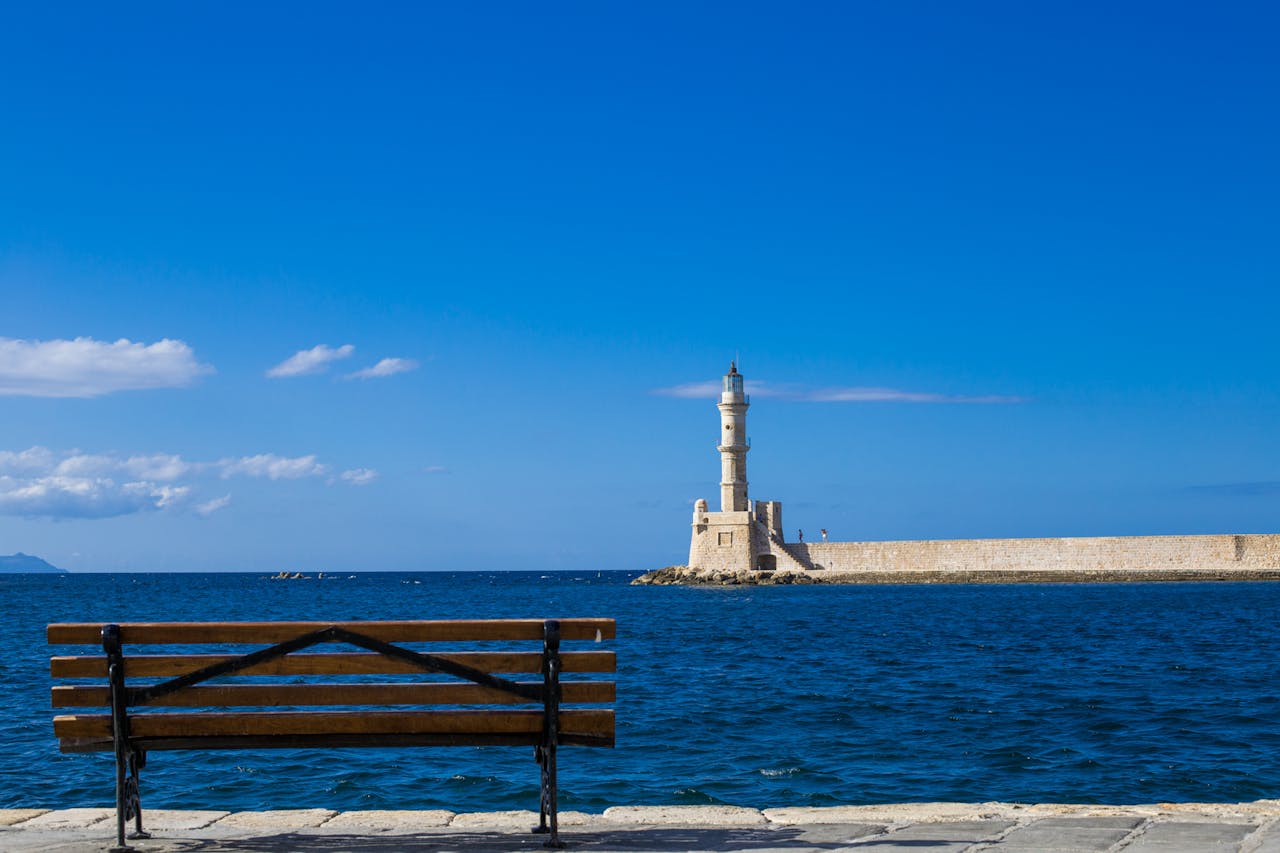
The full route for a self-guided day from Chania looks like this: Chania → bus to Xyloskalo (1 hour) → hike the gorge (5-7 hours) → walk to Agia Roumeli beach (30 min) → ferry at 5:30 PM to Hora Sfakion (1 hour) → bus back to Chania (1 hour 15 min). The final bus waits for the ferry, so even if the boat runs late, they won’t leave you behind.
Prices for the full independent loop in 2025 were roughly: gorge entry EUR 5, bus return EUR 16, and boat EUR 15.80. So around EUR 37 total. A guided tour with pickup runs $36-$56, which means the price difference between DIY and a tour is almost nothing — and the tour handles all the logistics.
Independent Hike vs Guided Tour
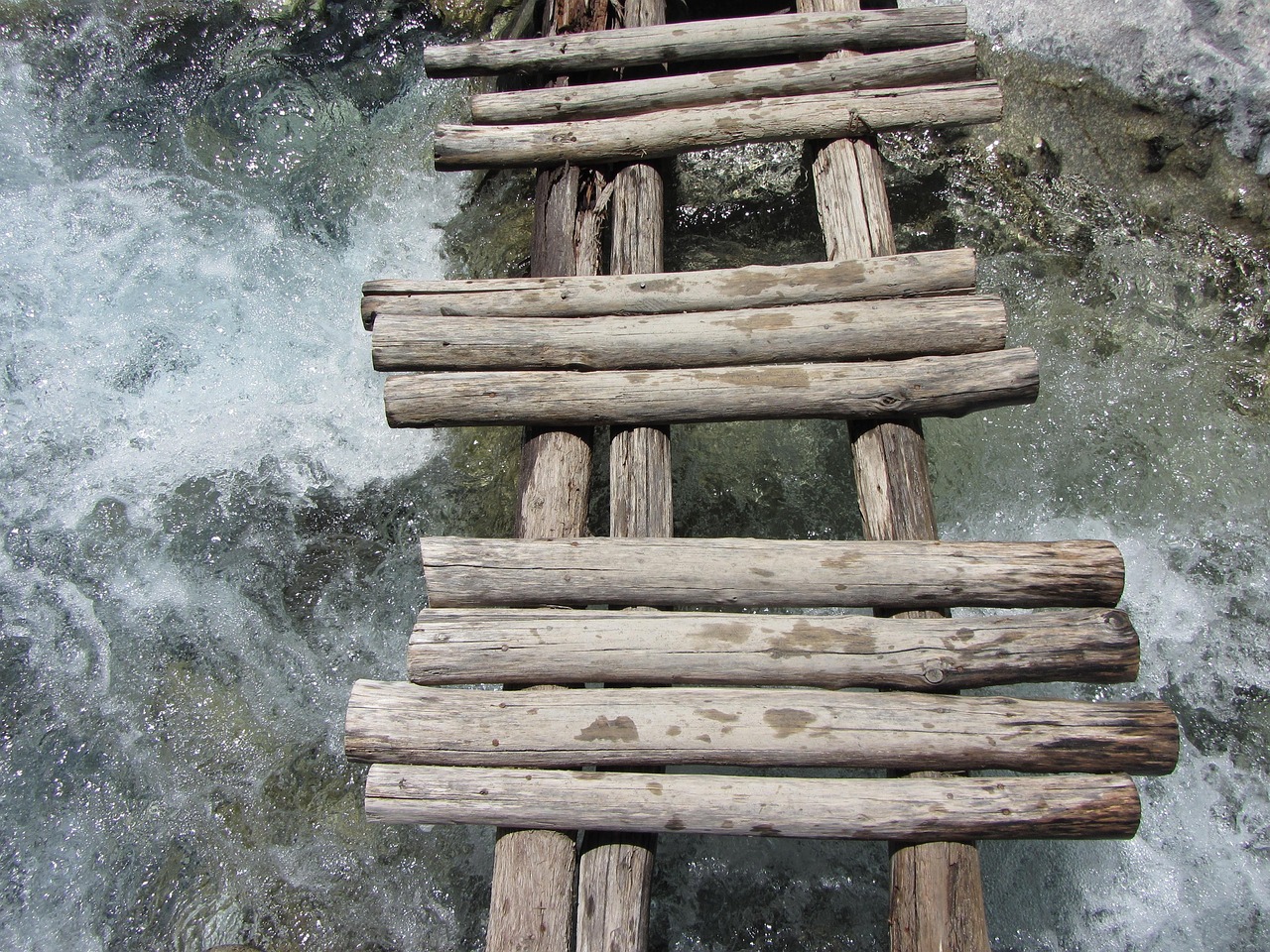
The trail itself is well-marked and straightforward — you don’t need a guide to navigate it. Every switchback is obvious, there are distance markers along the route, and you’ll be surrounded by other hikers the entire time. So the question isn’t really “can I do this alone?” It’s “do I want to handle the bus-ferry-bus logistics myself at 5:30 in the morning?”
Go independent if you want full control over your pace, prefer to linger at certain spots (the Iron Gates deserve more than a five-minute photo stop), and don’t mind buying three separate tickets and coordinating timetables. Bring cash for the cafe toilet at the entrance, fill your water bottle at the springs along the route, and pack enough snacks for six to seven hours of hiking.
Go with a tour if you want someone else to sort the early morning logistics, prefer having a guide who knows the flora, fauna, and history of the gorge, and like the security of knowing your return transport is guaranteed. Most guided tours from Chania include hotel pickup, bus to the trailhead, a professional guide for the hike, the ferry ticket, and the bus back. For the price difference, the convenience is hard to argue with.
One thing to consider: the gorge can close unexpectedly due to high winds or heavy rain. If you’ve booked a tour, the operator typically arranges a refund or alternative. If you’ve bought independent tickets, you’re sorting the refund yourself at the bus station.
The Best Samaria Gorge Tours to Book
I’ve gone through the tours available and picked three that cover different starting points and budgets. All of them include transport, the guide, and the ferry — you just need hiking boots and water.
1. Full-Day Samaria Gorge Chania Guided Tour — $36
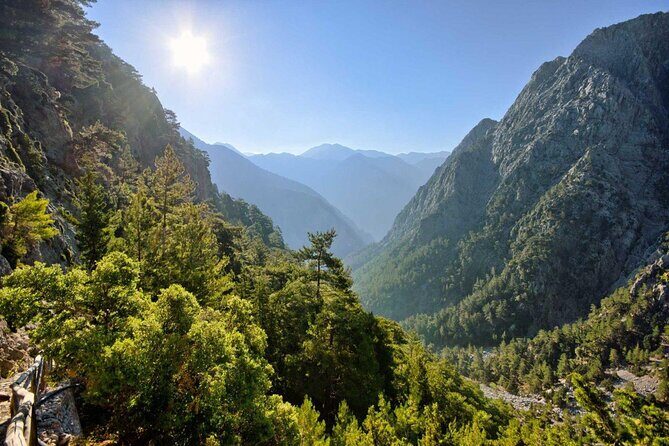
This is the one I’d pick if you’re staying in or near Chania and want the path of least resistance. At $36 per person, it’s actually cheaper than doing the gorge independently once you factor in the bus, ferry, and entry fees. The tour runs for about fifteen hours — which sounds extreme until you realize that includes the hour-long bus rides at each end and the ferry crossing.
The guide handles all the timing, keeps the group moving at a pace that won’t destroy slower hikers, and fills in the geological and botanical details that make the gorge more than just a long walk downhill. After the hike, there’s time to swim at Agia Roumeli beach before the ferry. The water there is some of the clearest on Crete’s south coast.
2. Samaria Gorge Trek: Full-Day Excursion from Chania — $41
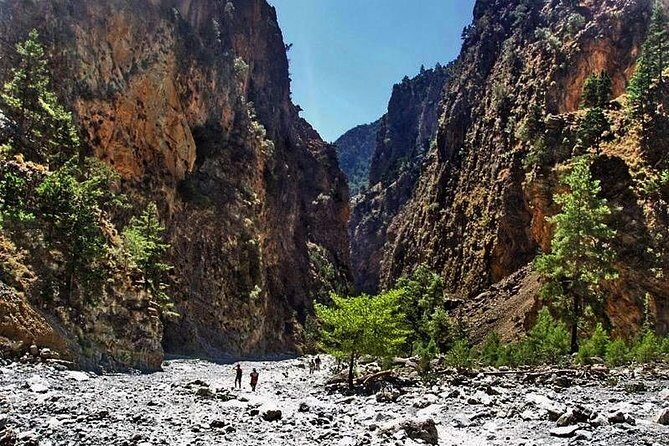
Five dollars more than the first option, but there’s a reason this one has its own following. The twelve-hour format is a bit more compact, and the guides on this tour are known for being genuinely passionate about the gorge’s ecology. You’ll learn about the endemic plants, the kri-kri goats, and how the gorge was used as a refuge during World War II.
The door-to-door pickup from Chania means you don’t need to find the bus station in the dark, and the guide manages the group pace so nobody gets left behind at the Iron Gates. One hiker put it perfectly: comfortable footwear is non-negotiable, but if you bring the right boots, this is a once-in-a-lifetime walk.
3. Crete: Samaria Gorge Hike — $56
This is the pick if you’re based in Heraklion, Agia Pelagia, or Malia and don’t want to relocate to Chania just for the gorge. At $56 it costs more because the drive from the north coast is longer — about seventeen hours total. But the alternative is booking a hotel in Chania, doing the hike the next day, and then driving back, which costs more in both time and money.
The tour covers pickup from the Heraklion area, the scenic drive through the mountains to Omalos, the guided hike, the ferry from Agia Roumeli, and the return journey. If you only have one day to spare for the gorge and you’re staying on the north coast, this is the most practical way to make it happen. It’s the most reviewed Samaria Gorge tour available with good reason.
When to Hike Samaria Gorge
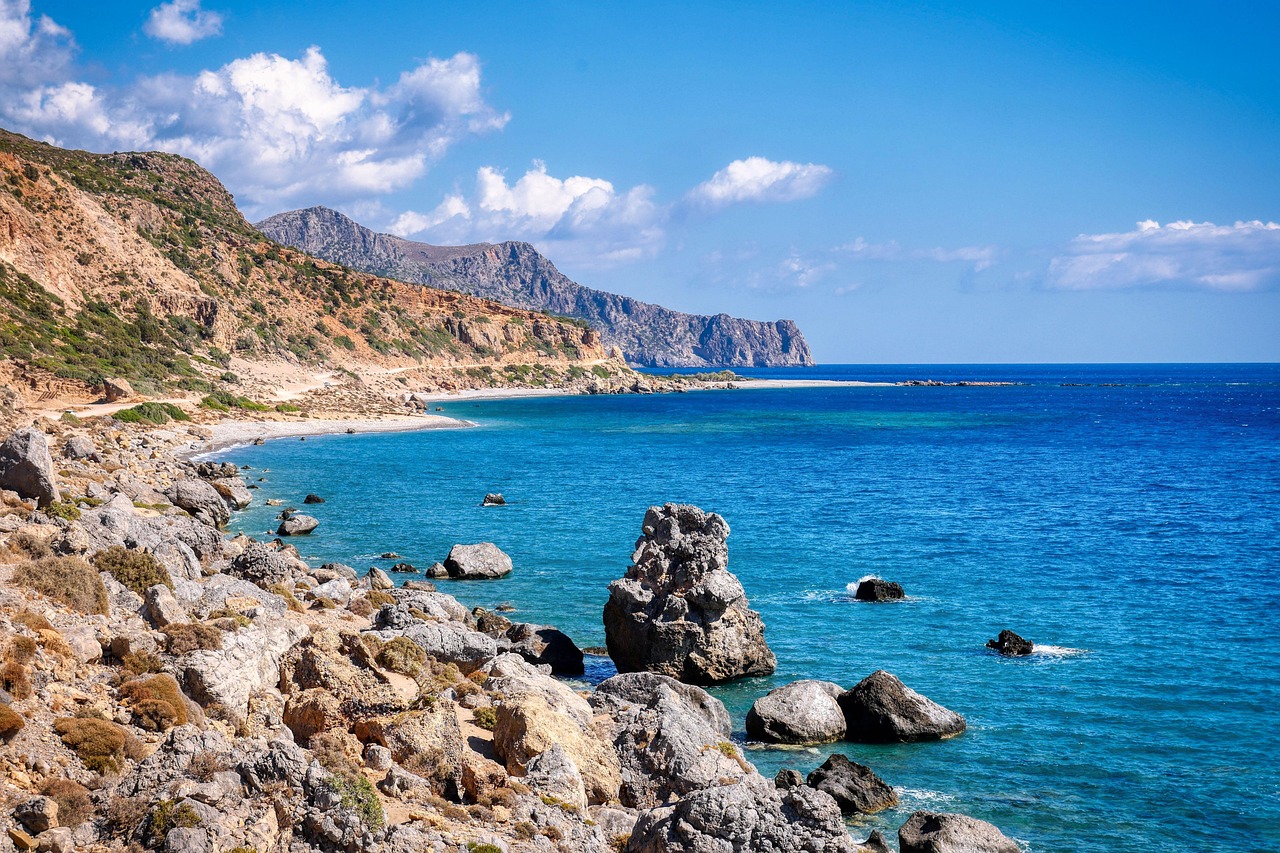
The gorge is open from May 1 through October 31. But “open” doesn’t mean equally pleasant across those six months.
May and early June are the sweet spot. The temperatures are comfortable (mid-20s Celsius), the wildflowers are blooming, the river still has water flowing through it, and the crowds haven’t peaked yet. The downside: the water crossings can be a bit deeper after winter rains, and some years the gorge opens a week or two late if conditions haven’t dried out enough.
July and August are hot. Really hot. The gorge acts like a wind tunnel, which helps, but by midday you’ll feel the heat radiating off the rock walls. Start as early as possible — the 7:00 AM gate opening isn’t a suggestion, it’s survival strategy. The river springs can dry up in high summer, so carry at least a litre of water and refill at every opportunity. Check beforehand whether the springs are running.
September and October offer a second sweet spot. The summer crowds thin out, the temperatures drop back to bearable levels, and the light in the gorge turns golden in the afternoon. Late October can bring early rains that occasionally close the gorge, so check conditions before you commit.
One important note: the gorge can close on any day due to weather. High winds, heavy rain, or rockfall risk will shut it without notice. If you’re planning your trip around the hike, give yourself a backup day in case your first attempt gets canceled. It happens more often than you’d think, even in peak season.
How to Get to Samaria Gorge
From Chania (easiest): KTEL bus from the main bus station. Departures at 5:30, 6:15, 7:30, and 8:30 AM during peak season — schedules change monthly, so check the current timetable. The ride to Xyloskalo takes about one hour through winding mountain roads. If you’re prone to motion sickness, take something before the bus.
From Rethymno: KTEL bus to Chania, then transfer to the Omalos bus. This adds about an hour to the journey, so you’ll want the earliest departure. Alternatively, book a tour from Rethymno that handles the transport directly.
From Heraklion: Driving to Chania takes about 2.5 hours, so a self-organized day trip is gruelling. A guided tour from the Heraklion area is the practical choice — they handle the long drive while you rest.
By rental car: You can drive to Omalos and park near the trailhead. The problem is your car will be at the top when you finish at the bottom. Some hikers arrange for a friend to collect the car. Others take the ferry from Agia Roumeli, bus to Chania, then bus back to Omalos — doable but exhausting after the hike.
Tips That Will Save You Time and Pain
Wear proper hiking boots. This is not negotiable. The terrain is rocky, uneven, and punishing on ankles. People do it in trainers, but their feet pay the price for days afterward. Good ankle support and grippy soles make the difference between enjoying the hike and enduring it.
Start at 7 AM sharp. The earlier you begin, the more of the hike you complete before the heat peaks around noon. By 11:30 in summer, the gorge feels like an oven in the exposed sections.
Bring at least a litre of water and refill along the way. There are springs and fountains along the route, but in late summer they can run dry. Check current conditions before relying on them.
Pack flip-flops and a swimsuit. You’ll want them at Agia Roumeli beach at the end. Peeling off hiking boots and wading into the Libyan Sea after six hours of downhill is genuinely one of the best feelings.
Bring cash. The cafe at the gorge entrance charges for the toilet. The tavernas in Agia Roumeli take cards, but don’t count on it for everything.
Don’t lose your exit ticket. You’ll need to present it when you leave the gorge at the bottom. They use it to track who’s still inside.
Pack snacks. There’s breakfast available at the Xyloskalo cafe and lunch at Agia Roumeli, but you’ll want protein bars, nuts, or dried fruit for the five to seven hours in between.
Sunscreen and a hat are essential. Parts of the gorge are shaded, but plenty of stretches are fully exposed, especially in the wider sections near the start and end.
What You’ll Actually See Inside the Gorge
The hike starts at Xyloskalo, at about 1,230 metres elevation. The first section is a steep, switchbacking descent through pine and cypress forest. Your knees will notice. The wooden stairs (“xyloskalo” literally means “wooden staircase”) give way to a rocky path that drops steadily for the first hour.
Around the midpoint, you reach the abandoned village of Samaria, evacuated in 1962 when the area became a national park. A few stone buildings still stand, and there’s a rest stop with water and toilets. This is where most hikers pause for a break and a snack.
The gorge narrows dramatically after Samaria village. The walls climb higher, the path gets rockier, and the riverbed becomes the trail in places. In spring, you’ll be hopping over small streams. In late summer, it’s mostly dry stones.
Then come the Iron Gates (Sideroportes) — the gorge’s most famous feature. The walls close in to just 3.5 metres apart while towering 300 metres above you. Standing in that slot and looking up at a strip of sky between two vertical rock faces is the moment everyone remembers. It’s humbling in a way that photos can’t quite capture.
After the Iron Gates, the gorge opens out gradually as you approach the coast. The last three kilometres from the official gorge exit to Agia Roumeli village are flat but feel endless after the main descent. Shade disappears, the path is dusty, and your legs will be talking to you. Push through — the beach and cold drinks are waiting.
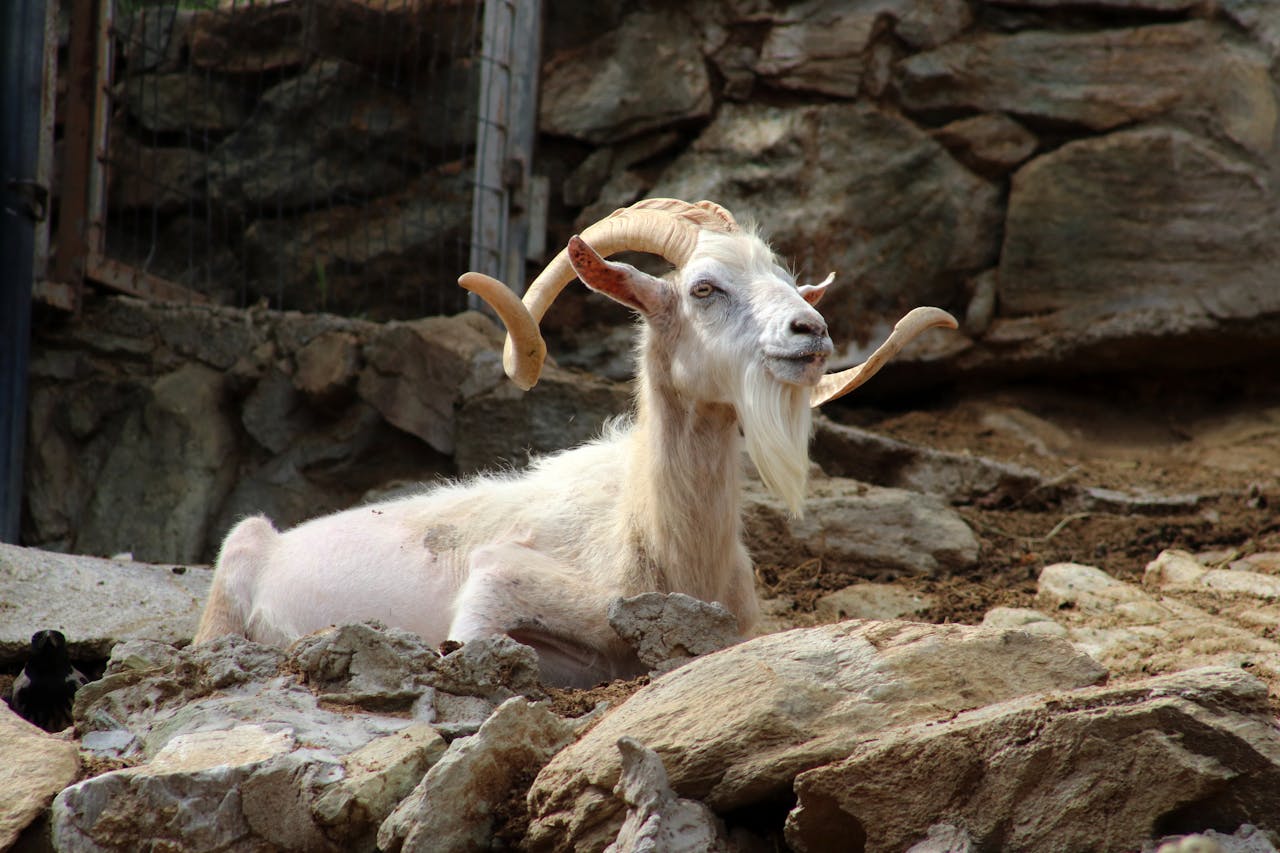
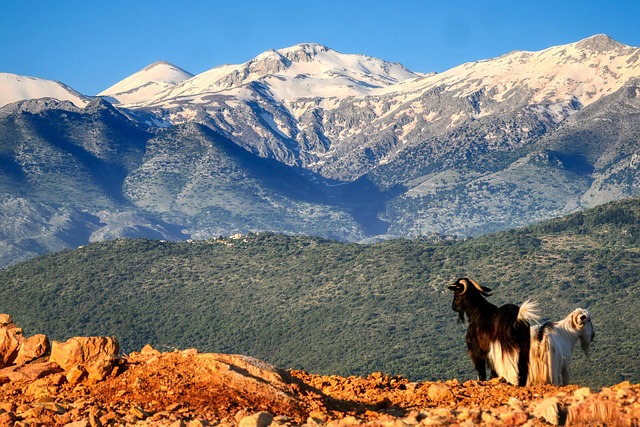
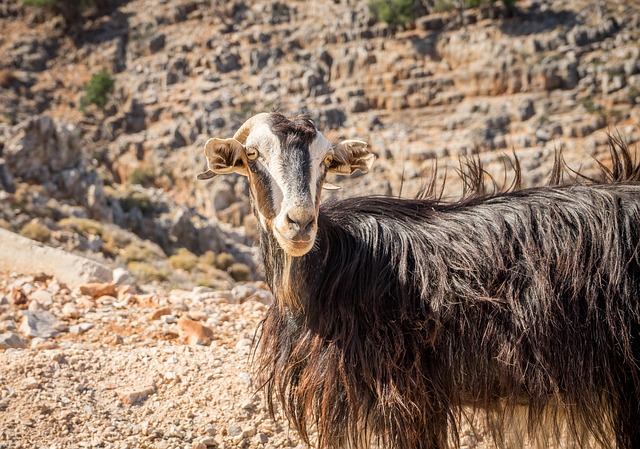
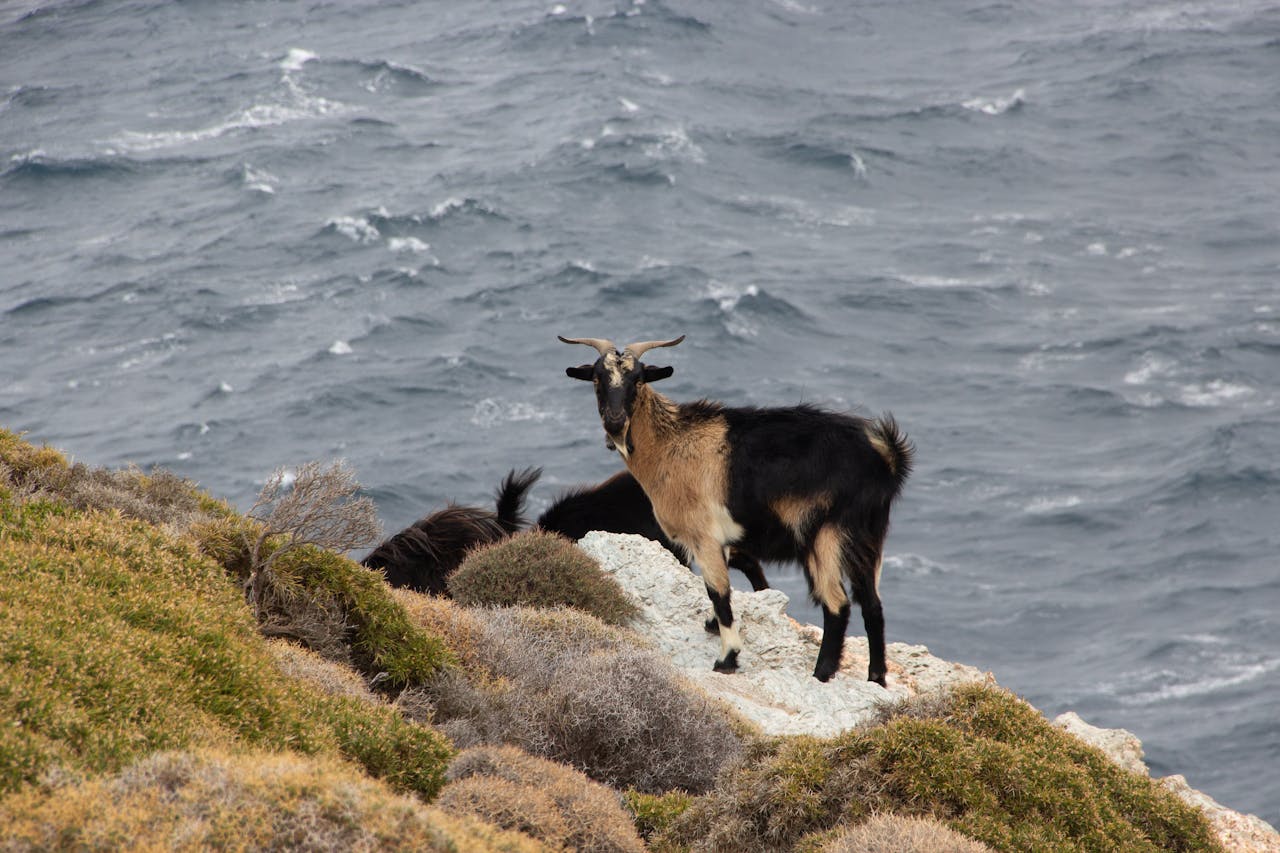
Along the entire route, keep your eyes on the clifftops for kri-kri, the Cretan wild goat. Samaria is one of their last strongholds, and the national park was partly created to protect them. They’re smaller than you’d expect, with curved horns and an attitude that suggests they’re tolerating your presence.
Where to Stay Before and After the Hike
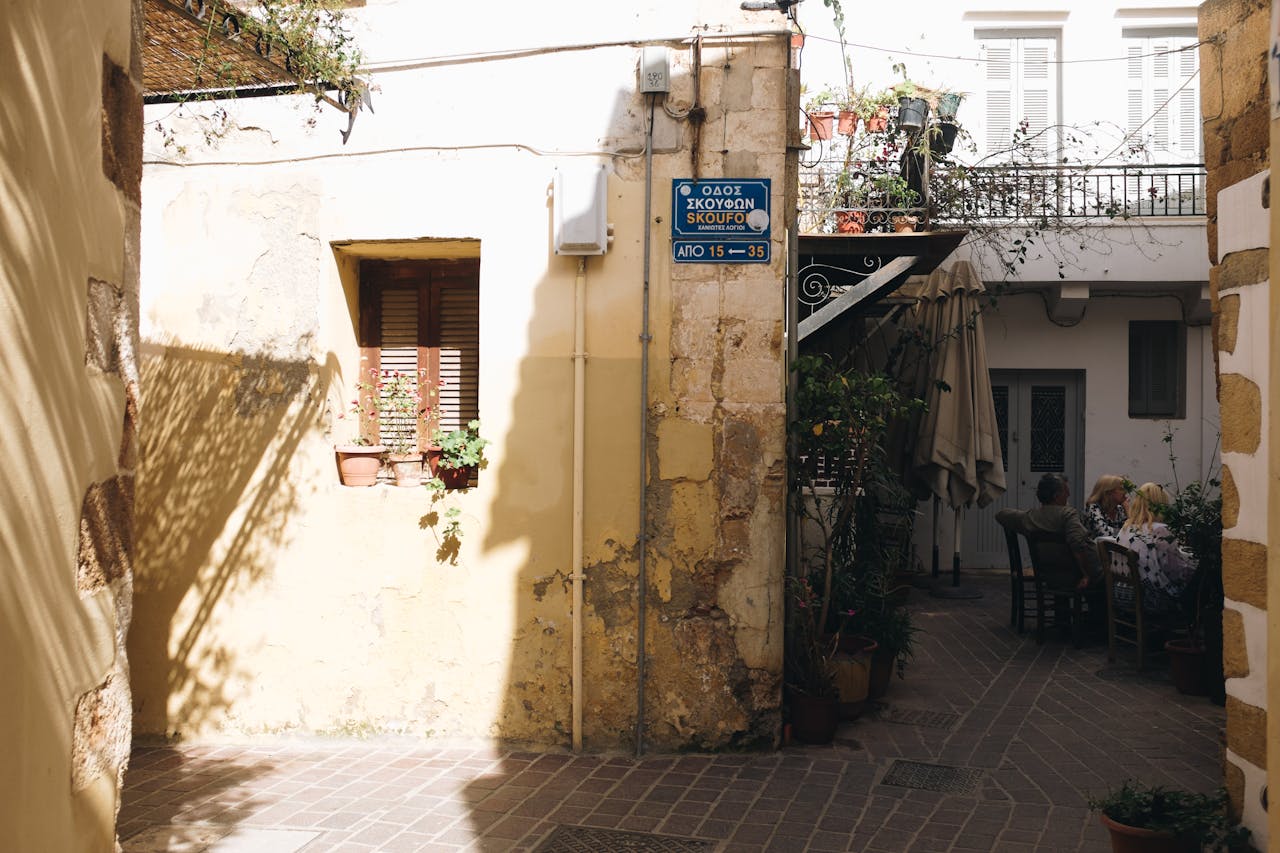
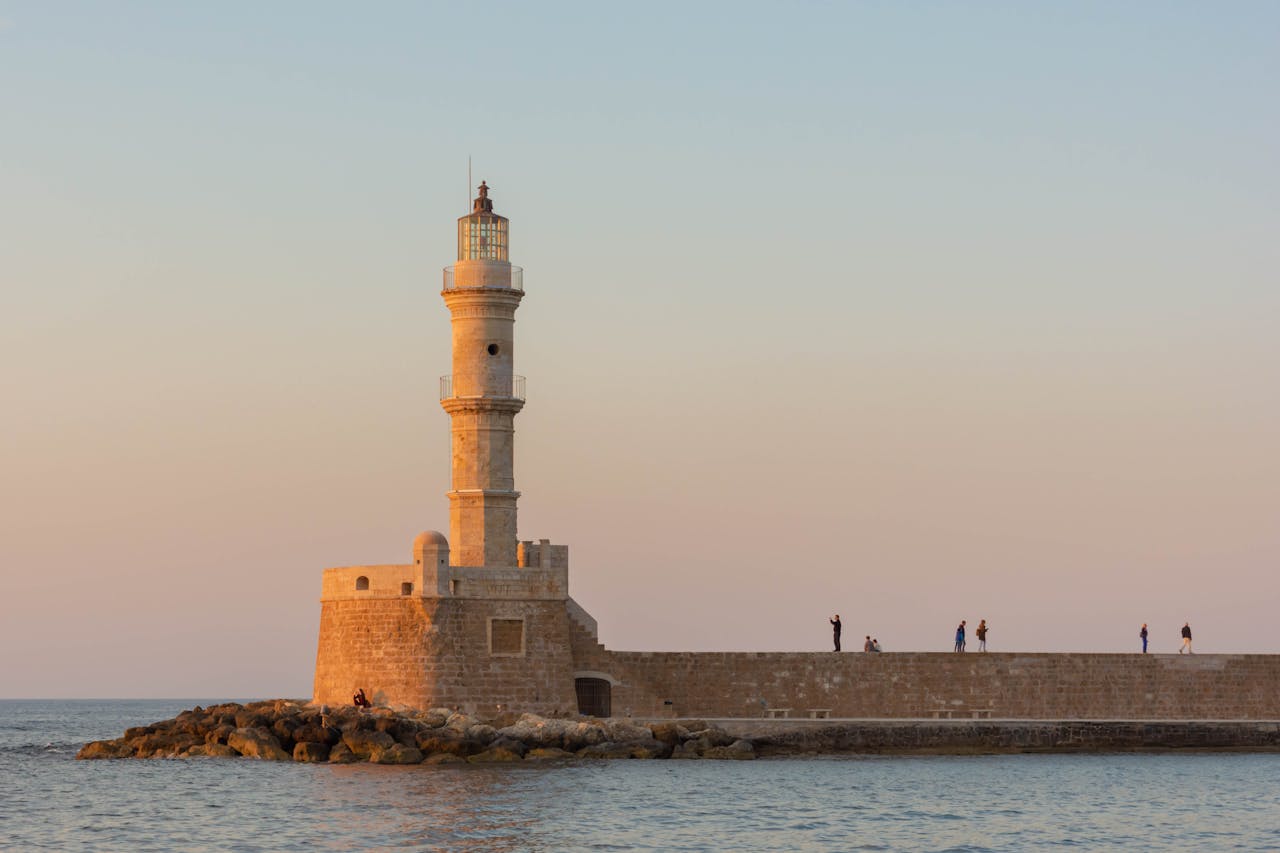
Chania is the most practical base. The bus station is central, the old harbor has restaurants and nightlife for your recovery evening, and most tours offer Chania hotel pickup. Book somewhere in or near the old town for the best access to both the bus station and the waterfront.
Omalos, the village near the gorge entrance, has a handful of guesthouses. Staying here means you can walk to the trailhead and skip the early bus, which is appealing if you hate 5 AM alarms. The downside: Omalos is tiny, with very limited dining and nothing to do after the hike except sleep.
Agia Roumeli, the village at the gorge exit, is an option if you want to break the day in half. Hike down, spend the night at the beach, and catch the ferry the next morning. It’s a small place with basic rooms, but finishing the hike and jumping straight into the sea with no rush to catch the 5:30 PM ferry is a genuine luxury.
Planning the Rest of Your Crete Trip
If the gorge has given you a taste for Crete’s wilder side, the island has plenty more to offer. The Balos Lagoon on the northwest coast is one of those beaches that actually looks like the photos — shallow turquoise water, pink-tinged sand, and dramatic cliffs. Knossos Palace near Heraklion takes you from natural Crete to ancient Crete, with the Minoan ruins dating back over 3,500 years. For a complete change of scenery, a Santorini caldera cruise is just a ferry ride from Heraklion, and the Acropolis in Athens pairs naturally with a Crete trip if you’re flying through the capital. If you haven’t had enough of hiking, the monasteries at Meteora offer a completely different kind of dramatic landscape on the Greek mainland.
This article contains affiliate links to tours and activities. If you book through these links, we earn a small commission at no extra cost to you. This helps us keep writing these guides.
More Greece Guides
Samaria Gorge takes a full day, so plan your other Crete activities around it. Knossos Palace works well as a half-day near Heraklion, and Spinalonga Island is an easy morning trip from the eastern coast — both shorter outings that balance out a long hike day.
If you want a beach day after the gorge, Balos Beach and Gramvousa is the obvious choice on the western end of the island — pink sand, three shades of blue, and a Venetian fortress you can climb.