
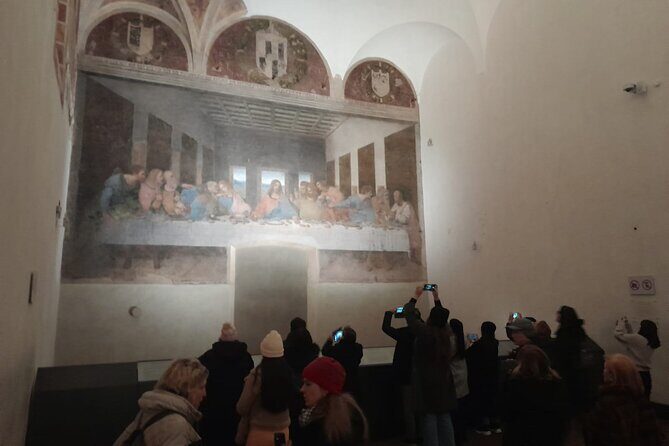
The painting is smaller than you think. That’s the first thing that hits you when you walk into the refectory at Santa Maria delle Grazie — Leonardo’s Last Supper is big, yes, at 15 by 29 feet, but somehow you expected it to fill the entire wall like a cinema screen. It doesn’t. And that makes the detail even more staggering.
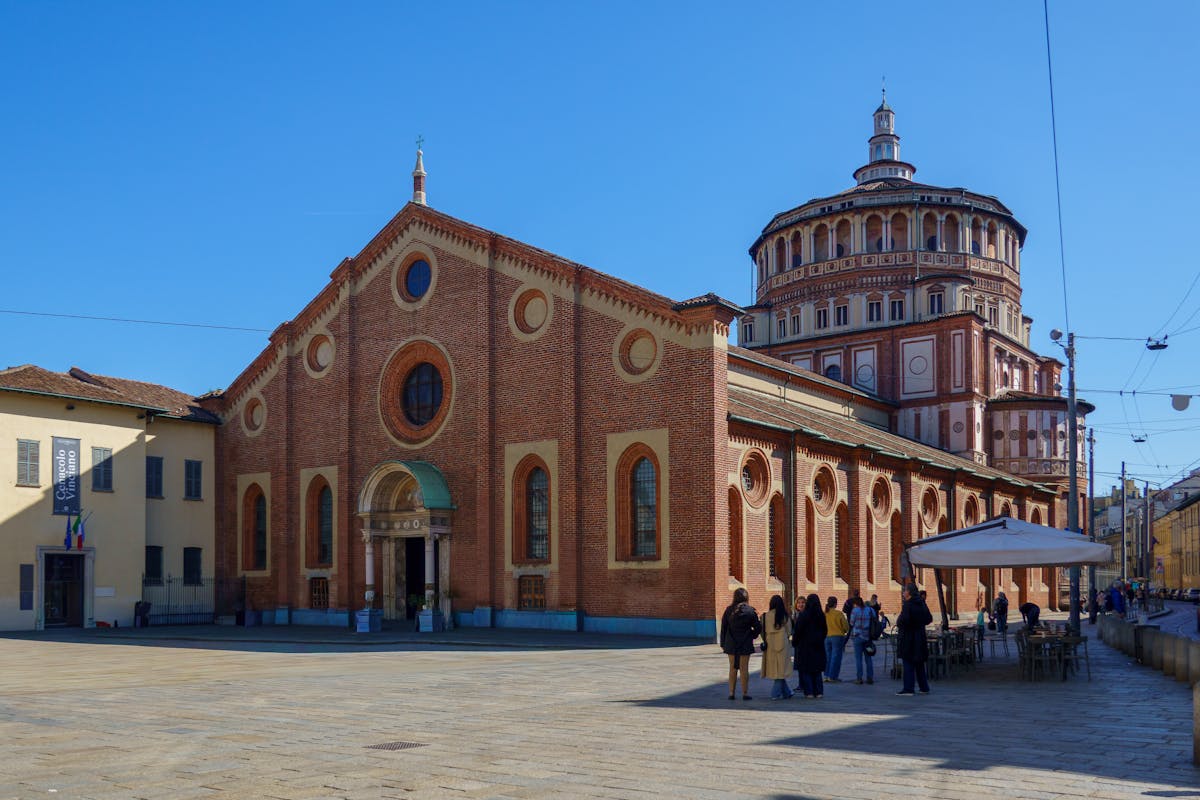
You get exactly 15 minutes. The doors close behind you, the air filtration system hums quietly, and you’re standing in a room with 29 other people, staring at a 530-year-old painting that’s slowly disappearing. Leonardo used an experimental technique — tempera and oil on dry plaster instead of traditional fresco — because he wanted to work slowly and layer detail. It worked beautifully. But it also meant the paint started flaking off the wall within decades of completion.
What survives today is the result of multiple restorations, the most recent one taking 21 years to complete. And it’s still incredible. The expressions on each apostle’s face the moment Jesus says one of them will betray him — Peter’s anger, Judas pulling back, Thomas raising a finger in disbelief — that emotional punch lands just as hard five centuries later.
But here’s the thing: getting in is genuinely difficult. Official tickets sell out in minutes when they’re released. The official booking site is notoriously frustrating. And if you show up hoping for walk-in availability, you’ll be turned away. This is one of the most tightly controlled viewings in the art world — only 30 people at a time, every 15 minutes, and every slot is accounted for months in advance.
So how do you actually see it? That’s what this guide is for.
If You’re in a Hurry: My Top 3 Picks
- Best focused tour: Last Supper and S. Maria delle Grazie Tour — $83. Skip-the-line, 90 minutes, expert guide, and enough context to make those 15 minutes count. Book this tour
- Best budget option: Skip the Line Last Supper Tour — $70. Quick 45-minute tour, gets you in and out with a solid guide. Book this tour
- Best premium experience: Express Tour Small Group of Max 6 — $138. Maximum 6 people with the guide. As intimate as it gets. Book this tour
- If You’re in a Hurry: My Top 3 Picks
- How the Official Ticket System Works
- Official Tickets vs Guided Tours
- The Best Last Supper Tours to Book
- 1. Last Supper and S. Maria delle Grazie Skip the Line Tour —
- 2. Skip the Line: Last Supper Tour in Milan —
- 3. Express Tour of the Last Supper — Small Group of Max 6 — 8
- 4. Milan Duomo and The Last Supper Skip-the-Line Small Group Tour — 7
- 5. Milan’s Must See: Half-Day Tour of Last Supper, Duomo and La Scala — 1
- 6. Historic Milan Tour with Skip-the-Line Last Supper Ticket — 1
- When to Visit
- How to Get There
- Tips That Will Save You Time
- What You’ll Actually See Inside
- More Milan Guides
How the Official Ticket System Works
Official tickets are sold through the Cenacolo Vinciano website and cost around EUR 15 plus a EUR 2 booking fee. They’re released on a rolling basis, anywhere from six weeks to four months in advance, and they vanish fast. We’re talking minutes. Sometimes seconds.
The official site (cenacolovinciano.vivaticket.it) is the only place to buy direct tickets. When you purchase, you choose a specific date and 15-minute time slot. Entry times run from 8:15 AM to 7:00 PM Tuesday through Saturday, and 2:00 PM to 7:00 PM on Sundays. The museum is closed Mondays.
Here’s what catches people off guard: there are no general admission walk-ups. Every single entry requires a timed reservation. You pick your slot, you show up 15 minutes early, you go through a series of dehumidification chambers (yes, really — the air quality around the painting is that carefully controlled), and then you get your 15 minutes with Leonardo’s masterpiece. Miss your slot, and your ticket is gone. No refunds, no rebooking.
Under-18s get in free, and EU citizens aged 18-25 pay a reduced rate of about EUR 2. On the first Sunday of each month, entry is free for everyone — but the queues are brutal and slots are grabbed even faster than usual.
Official Tickets vs Guided Tours
This is the real decision. And honestly? For most people, the answer is a guided tour.
Official tickets (EUR 15 + EUR 2 fee): Cheapest option. You get 15 minutes in the room with the painting, but no guide, no context, no explanation of what you’re looking at. You walk in, you look, you walk out. If you already know the history and the symbolism, this is fine. If you don’t, those 15 minutes go by fast and you’ll leave thinking “that was nice” instead of “that was incredible.”
Guided tours ($70-$140): More expensive, but the guide talks you through the painting before you enter — the history of Leonardo’s commission, why he chose this specific moment to depict, the experimental technique that nearly destroyed it, the hidden symbolism in each apostle’s gesture. By the time you walk into the refectory, you know exactly what to look for, and those 15 minutes become genuinely moving.
The other advantage: guided tours have their own ticket allocations. When official tickets are sold out (which is most of the time), tour operators still have slots. They buy them in bulk. So a guided tour is often the only realistic way to get in, especially if you’re booking less than a month ahead.
My take: unless you’re a Renaissance art historian, book a tour. The price difference is worth it for the context alone, and you’ll actually remember what you saw.
The Best Last Supper Tours to Book
I’ve gone through every Last Supper tour available and picked the six worth your money. They’re ordered by what I think gives the best overall experience, not just the cheapest price tag.
1. Last Supper and S. Maria delle Grazie Skip the Line Tour — $83
This is my top pick for a reason. At $83 for a 90-minute experience, it hits the perfect balance between value and depth. The guide walks you through the history of Santa Maria delle Grazie and Leonardo’s technique before you enter the refectory, so by the time you’re standing in front of the painting, every detail clicks.
It’s not a budget option and it’s not a premium splurge — it’s the one I’d tell a friend to book. You get skip-the-line entry, a knowledgeable guide, and enough time to actually absorb what you’re seeing without being rushed through a 3-hour city tour you didn’t ask for. This is the most consistently well-reviewed Last Supper tour in our database.
2. Skip the Line: Last Supper Tour in Milan — $70
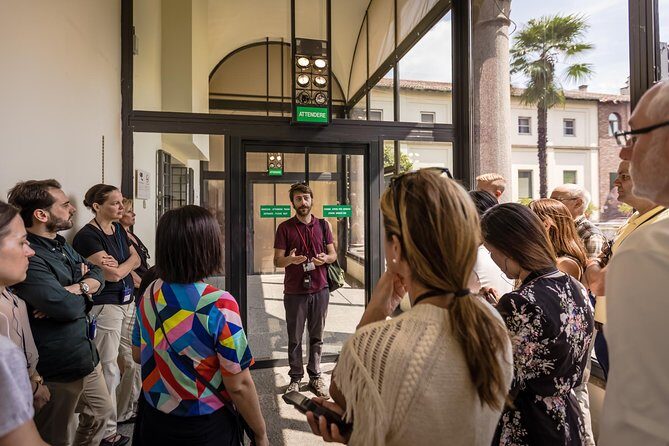
If you want to keep it simple and affordable, this $70 option is the one. Forty-five minutes, skip-the-line access, a guide who gives you the essentials without running you through a full art history lecture. It’s the least expensive guided option that still includes actual commentary.
The tradeoff is obvious: less time means less context. But the guides know they’re working with a short window and they pack the important stuff in. You’ll know why Leonardo painted on dry plaster, what went wrong, and what each apostle’s reaction represents. For anyone short on time or budget, this no-frills Last Supper tour delivers.
3. Express Tour of the Last Supper — Small Group of Max 6 — $138
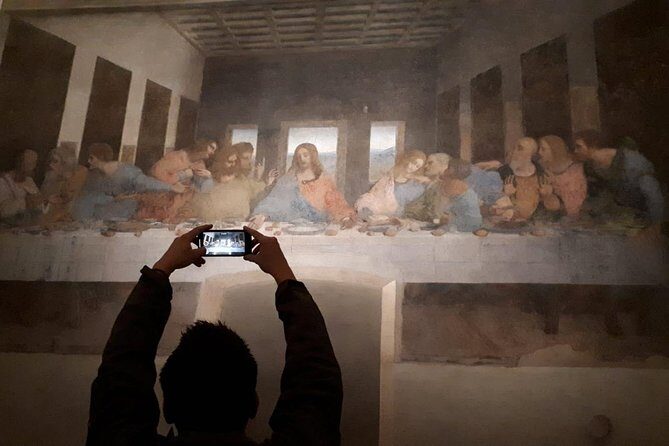
This is the tour for people who don’t like tours. $138 for a group capped at six — it feels more like having a private art historian walk you through the painting than a standard guided experience. The small group means the guide can actually tailor explanations to what you’re curious about.
Forty-five minutes is plenty when you’re not sharing the guide with a crowd. And the intimacy of a tiny group makes the 15 minutes inside the refectory feel more personal somehow. Yes, you’re still in there with 24 other people from different groups, but walking in with just five companions and a guide who knows your name changes the dynamic. This is the premium choice and it’s worth every cent if your budget allows it.
4. Milan Duomo and The Last Supper Skip-the-Line Small Group Tour — $127
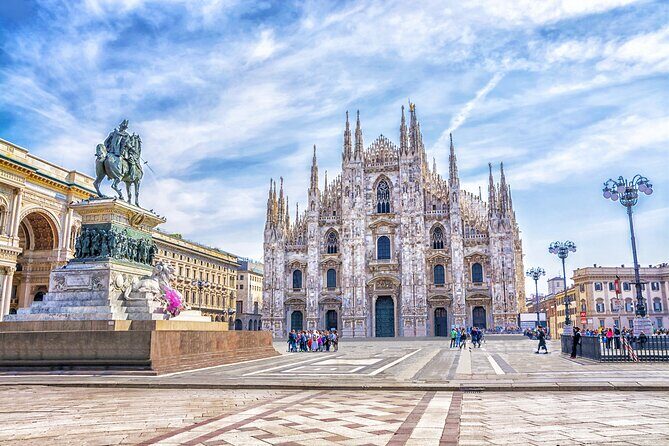
If you want to knock out both the Colosseum-level sights in one morning, this is the one. Three hours covering the Duomo and The Last Supper for $127, small group format, skip-the-line at both. The walk between the two gives the guide time to share context about Milan that you wouldn’t get on a painting-only tour.
The combo format works because the Duomo and Santa Maria delle Grazie are a 20-minute walk apart. It’s not a rushed bus-to-bus situation — you stroll through Milan’s historic center while the guide fills in the gaps. If you’re only in Milan for a day or two, this combined Duomo and Last Supper tour is the most efficient way to see the two essentials.
5. Milan’s Must See: Half-Day Tour of Last Supper, Duomo and La Scala — $131
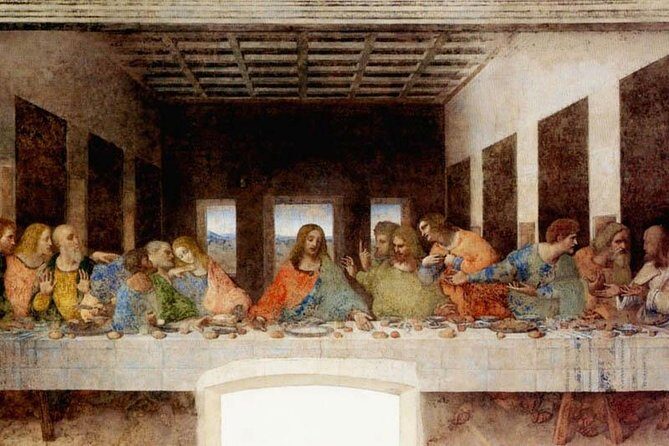
This is the “I have one morning in Milan” tour. Three and a half hours covering the Last Supper, the Duomo, and La Scala for $131. It’s a lot of walking — visitors consistently mention this — but you’re covering the three things most people come to Milan to see in a single outing.
The La Scala addition is what separates this from the other combo tours. Standing in the balcony boxes of one of the world’s most famous opera houses isn’t something you’d necessarily seek out on your own, but once you’re there, it’s hard not to be impressed. Fair warning: some guides are better than others on this one, and the tour can feel rushed if the group is slow. But at $131 for three major attractions with skip-the-line access, this half-day Milan highlights tour is solid value.
6. Historic Milan Tour with Skip-the-Line Last Supper Ticket — $111
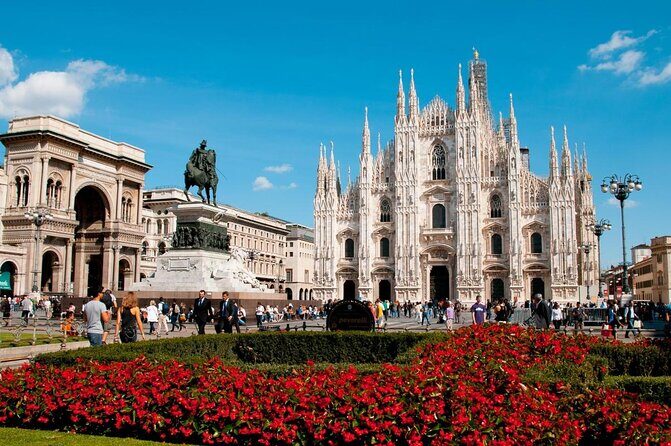
This one is the value pick among the combo tours. Three hours, Last Supper plus Milan’s historic highlights, for $111. You hit the Duomo, Sforza Castle, and the painting in a single morning, and the guide keeps it moving without making it feel like a forced march.
Where it differs from the half-day option above is scope — no La Scala, but that also means less time on your feet and more time at each stop. If you want a city overview with guaranteed Last Supper entry but don’t need the full three-and-a-half-hour commitment, this historic Milan walking tour threads the needle well. It’s also the strongest choice if you’re visiting multiple Italian cities and want to keep each one manageable.
When to Visit
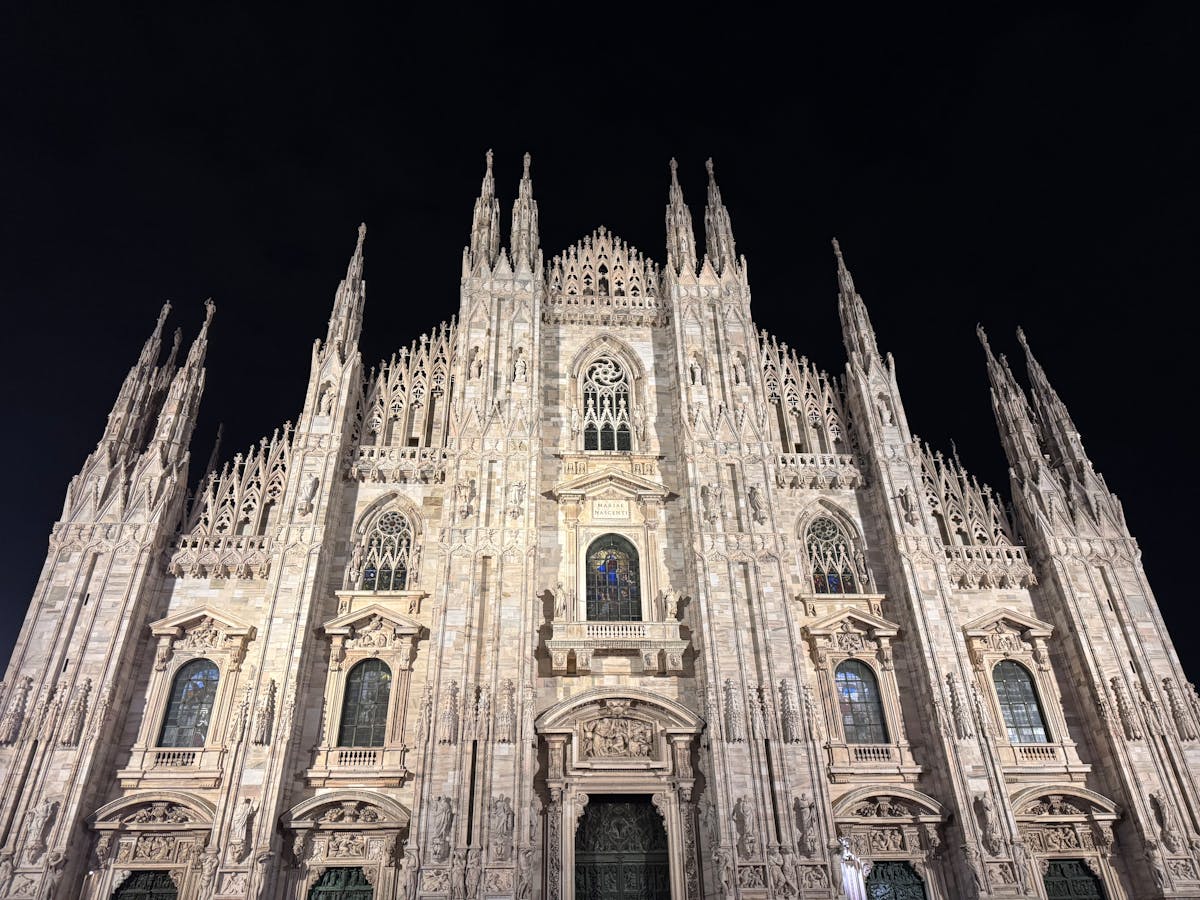
The refectory is open Tuesday through Saturday, 8:15 AM to 7:00 PM, and Sundays from 2:00 PM to 7:00 PM. Closed Mondays. Last entry is 15 minutes before closing.
Best time of day: The first slot at 8:15 AM is the calmest. The room is the same regardless — only 30 people at a time — but the area around Santa Maria delle Grazie is quieter early on, and it’s a nicer experience walking there before the city heats up.
Best time of year: October through March is easier for tickets. Summer (June-August) and Easter week are the hardest months to get slots. If you’re visiting Milan in peak season and haven’t booked at least two months out, a guided tour is realistically your only option.
Worst time: Free first Sundays. Yes, it’s free. But the crowds are intense, the slots fill instantly, and the atmosphere in the room suffers. Don’t plan your visit around saving EUR 15. It’s not worth the trade-off.
How to Get There
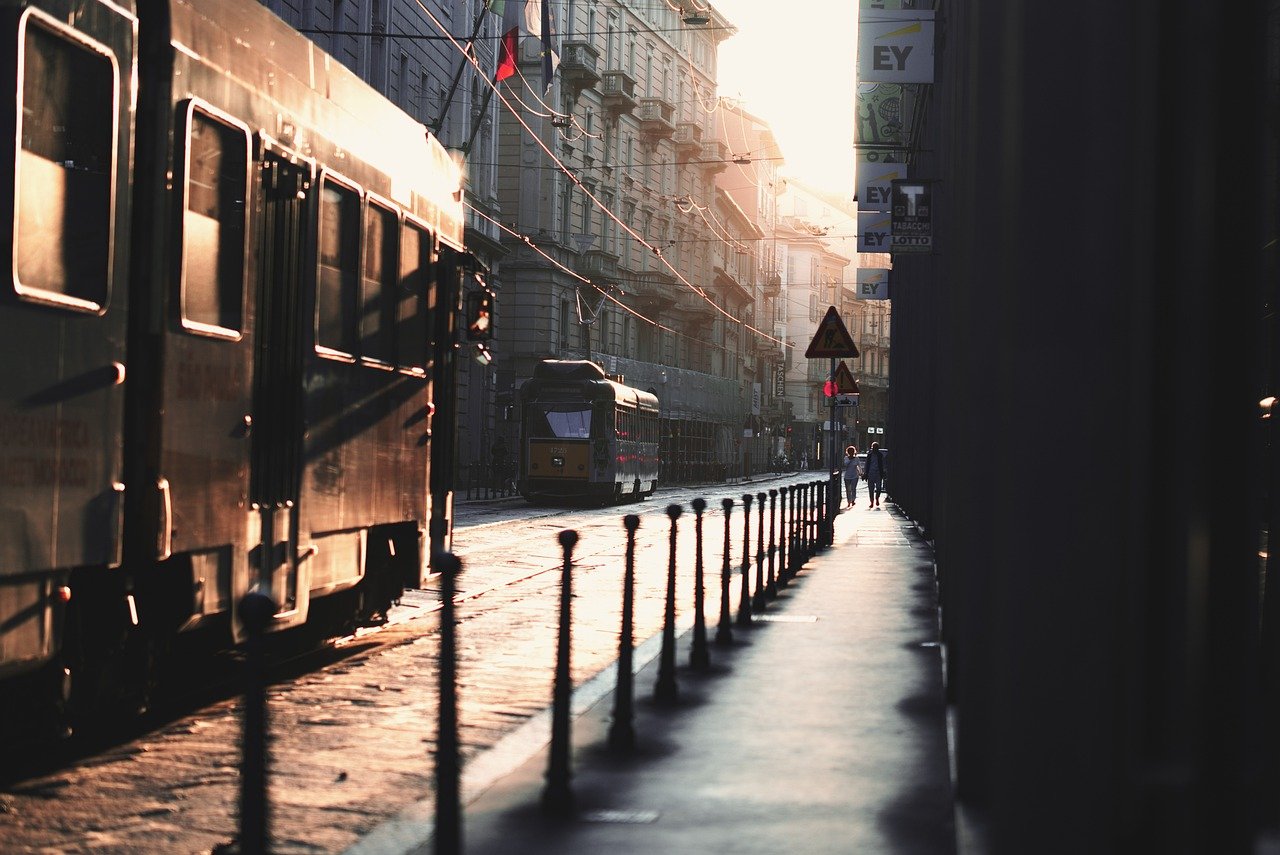
Santa Maria delle Grazie is at Piazza di Santa Maria delle Grazie, about 1.5 km west of the Duomo. Getting there is straightforward:
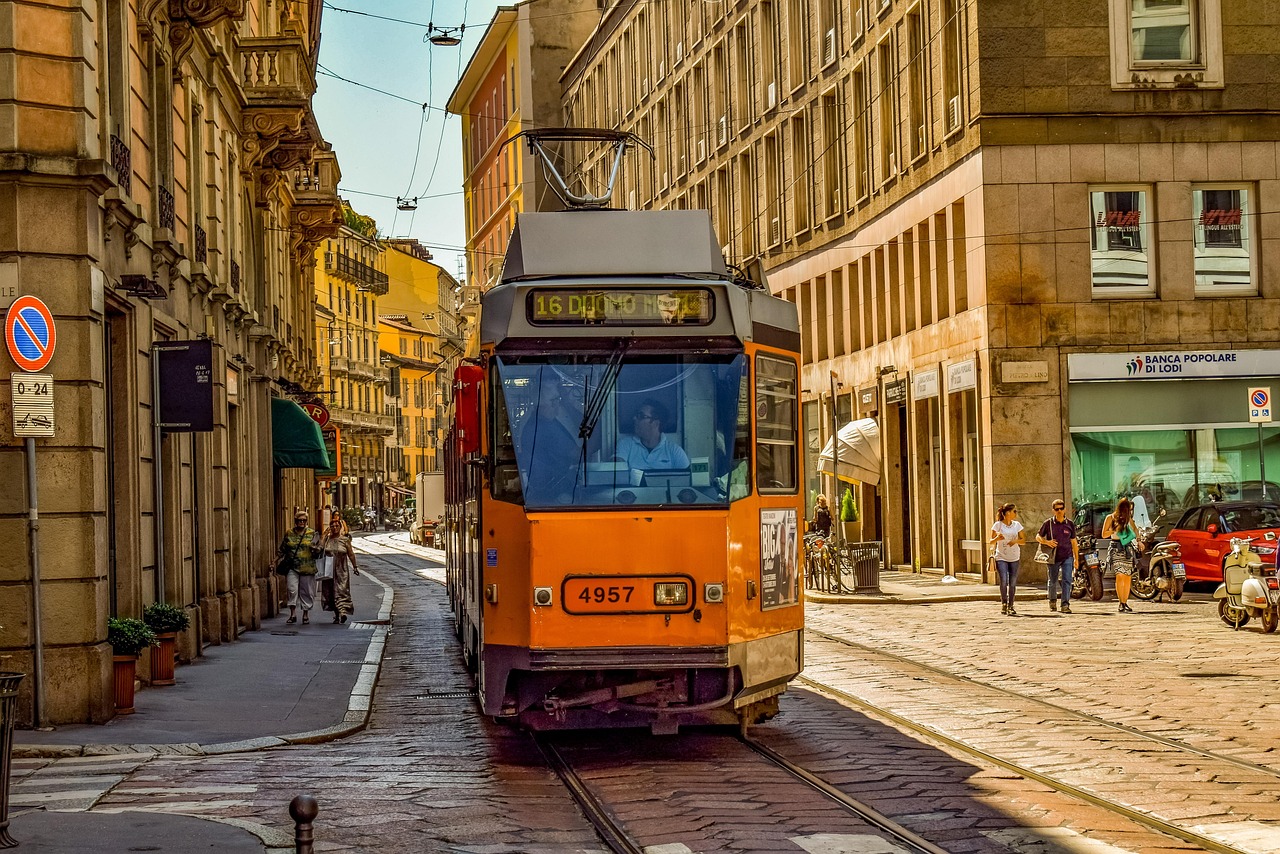
By tram: Tram 16 from Piazza Duomo stops right at the church. It takes about 10 minutes and costs a standard EUR 2.20 ATM Milano ticket. This is the easiest option.
By metro: Take the green line (M2) to Cadorna station, then walk about 5 minutes south. Or take M1 (red line) to Conciliazione, which is a 5-minute walk north.
On foot from the Duomo: About 20 minutes at a comfortable pace. Head west along Via Meravigli and continue to Corso Magenta — it’s a pleasant walk through Milan’s historic center with good shopping and cafes along the way.
By taxi: From Piazza Duomo, a taxi costs about EUR 10-12 and takes 5-10 minutes depending on traffic.
Tips That Will Save You Time
Book 2-3 months ahead. Official tickets are released on a rolling window. Set a calendar reminder for the release date for your travel period and be online the moment they drop. Or just book a guided tour and skip the lottery entirely.
Arrive 15 minutes early. This is non-negotiable. You need to check in, pass through the dehumidification chambers, and be ready when your slot opens. They won’t wait.
Bring ID. Tickets are non-transferable and they check names at the door. Make sure the name on your booking matches your passport or ID.
Photos are allowed, flash is not. You can take as many photos as you want, but flash photography, tripods, and selfie sticks are banned. The lighting inside is dim and warm — photos come out better than you’d expect on a modern phone, but don’t waste your 15 minutes staring through a screen.
Read up before you go. If you’re doing the self-guided option, spend 20 minutes reading about the painting beforehand. Know the apostles, know the composition, know about the experimental technique. It transforms the experience from “looking at old art” to “seeing something genuinely profound.”
Combine it with the Duomo. Santa Maria delle Grazie and the Duomo are a 20-minute walk apart. Book a morning Last Supper slot and spend the afternoon at the cathedral. Or grab a combo tour that covers both.
Don’t bother with the gift shop. It’s tiny and overpriced. If you want a Last Supper print, you’ll find better options at bookshops around Milan.
What You’ll Actually See Inside
The Last Supper depicts the moment Jesus tells his twelve apostles that one of them will betray him. Leonardo chose this exact instant — the second of shock, before anyone recovers — and froze it on the wall. Each apostle reacts differently. Judas flinches backward, clutching a money bag. Peter grabs a knife. John looks like he might faint. Thomas raises a single finger toward heaven, already doubting.
Leonardo spent four years on it, from 1495 to 1498, in the refectory (dining hall) of the Dominican convent of Santa Maria delle Grazie. The wall was chosen by Ludovico Sforza, Duke of Milan, who wanted the convent to serve as his family’s mausoleum.
The experimental technique is what makes the painting both remarkable and fragile. Traditional fresco painting requires applying pigment to wet plaster quickly — the artist has to work fast before it dries. Leonardo, ever the perfectionist, wanted to work slowly and add layers. So he applied tempera and oil paint directly to the dry plaster wall. The result was extraordinary detail and luminous color. But the paint didn’t bond permanently with the wall, and within 20 years it was already deteriorating.
Over the centuries, the painting survived a Napoleonic army using the refectory as a stable, Allied bombing in World War II that destroyed everything around it except the wall itself (protected by sandbags), and multiple botched restoration attempts. The most recent restoration, completed in 1999, took 21 years and removed centuries of overpainting to reveal what remains of Leonardo’s original brushwork.
What you see today is faded and fragmented — but the composition, the emotional intensity, the way perspective lines all converge on Christ’s head, the way the light falls from the left as if from the actual windows in the room — all of that is still there. It’s smaller and more damaged than most people expect. And somehow, that makes it more moving.
On the opposite wall, by the way, is Giovanni Donato da Montorfano’s Crucifixion, painted using proper fresco technique. It’s in much better shape than the Last Supper — which tells you everything about the trade-off Leonardo made. He chose beauty over durability, and the world has been paying to preserve the result ever since.
If you’re visiting other Italian masterpieces, the experience here is nothing like standing in the Sistine Chapel with hundreds of people craning their necks. It’s closer to visiting Michelangelo’s David in Florence — a single work in a purpose-built space, with a crowd small enough that you can actually stand still and look. The controlled 15-minute viewing is restrictive, yes. But it also means you’ll never be jostled or blocked. You’ll see it properly.
Disclosure: This article contains affiliate links. If you book a tour through our links, we may earn a small commission at no extra cost to you. This helps us keep creating free travel guides. All recommendations are based on our own research and experience.