
Napoleon used to drop by unannounced. He and Jean-Remy Moet were friends, and whenever the emperor passed through Epernay on his way to or from some military campaign, he’d stop at the cellars. That was the early 1800s. Two centuries later, the same chalk tunnels are still there, still holding champagne, and you can walk through them for about twenty euros.
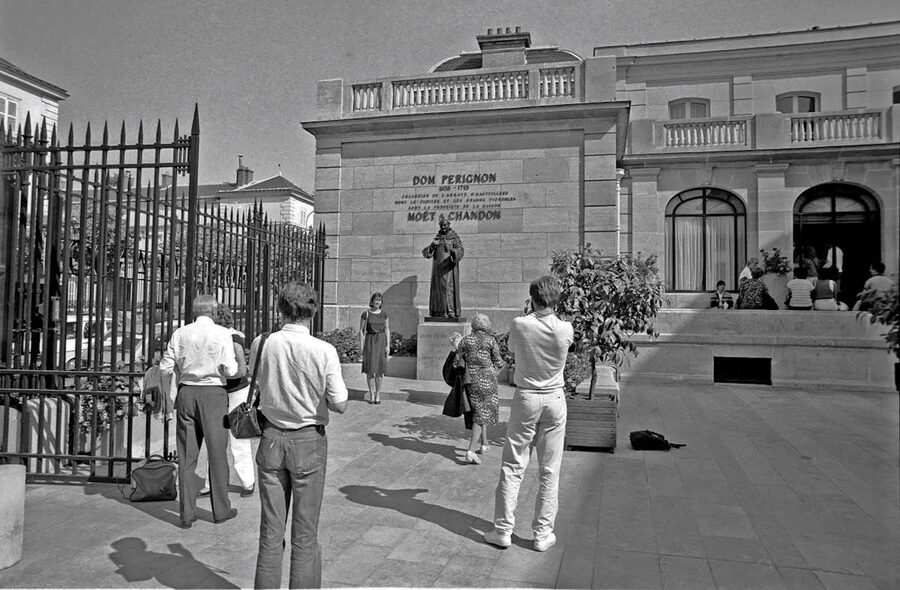
Epernay sits about 140 kilometres east of Paris, and its main street — the Avenue de Champagne — is said to be the most expensive street in the world. Not because of the buildings on top of it, but because of what’s underneath: 110 kilometres of chalk tunnels holding hundreds of millions of bottles. Moet & Chandon, Perrier-Jouet, Pol Roger, De Castellane, Boizel. They’re all right here, within a 10-minute walk of each other.
I went expecting a glorified gift shop with a glass of bubbly at the end. What I got instead was a 45-minute walk through tunnels carved by Romans, an explanation of riddling and disgorgement that actually made sense, and three glasses of champagne that were noticeably better than what you get in restaurants. The whole experience cost less than a cocktail in central Paris.
Best overall: Guided Tour of Champagne Cellar with Tastings — $20. A one-hour cellar tour at Vollereaux with three tastings included. Hard to beat at this price.
Best for exploring: Vintage Van Champagne Experience — $97. Three hours through the vineyards in a classic Renault, visiting small growers you’d never find on your own.
Best full day: E-Bike Champagne Day Tour with Tastings and Lunch — $224. A full day by e-bike with family winery visits and a proper regional lunch. Premium but worth it.
- How Cellar Visits Work in Epernay
- Booking Direct vs Guided Tours
- The Best Champagne Cellar Tours to Book
- 1. Epernay: Guided Tour of Champagne Cellar with Tastings —
- 2. Champagne Experience with a Vintage Van from Epernay —
- 3. E-Bike Champagne Day Tour with Tastings and Lunch — 4
- When to Visit Epernay’s Champagne Cellars
- How to Get to Epernay
- Tips That Will Save You Time (and Money)
- What You’ll Actually See Underground
- Epernay vs Reims: Which One Should You Visit?
- Beyond the Cellars
- More Champagne Region Guides
How Cellar Visits Work in Epernay
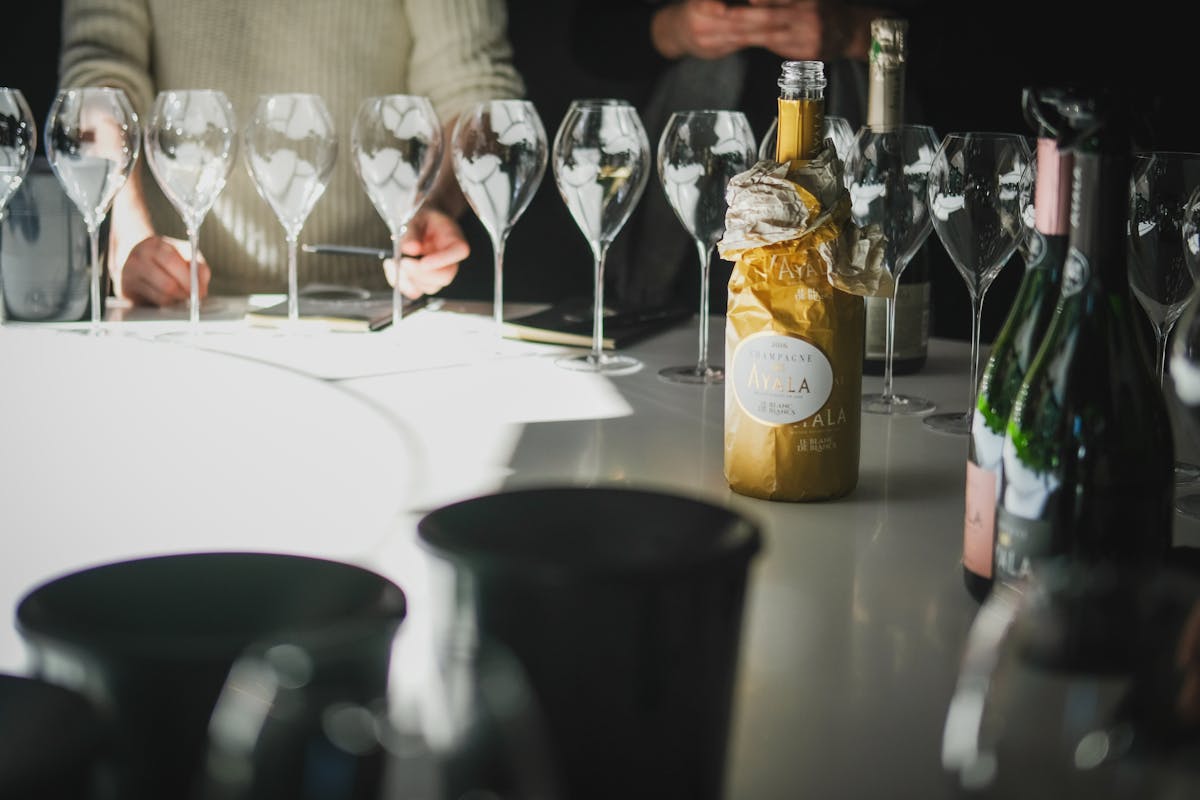
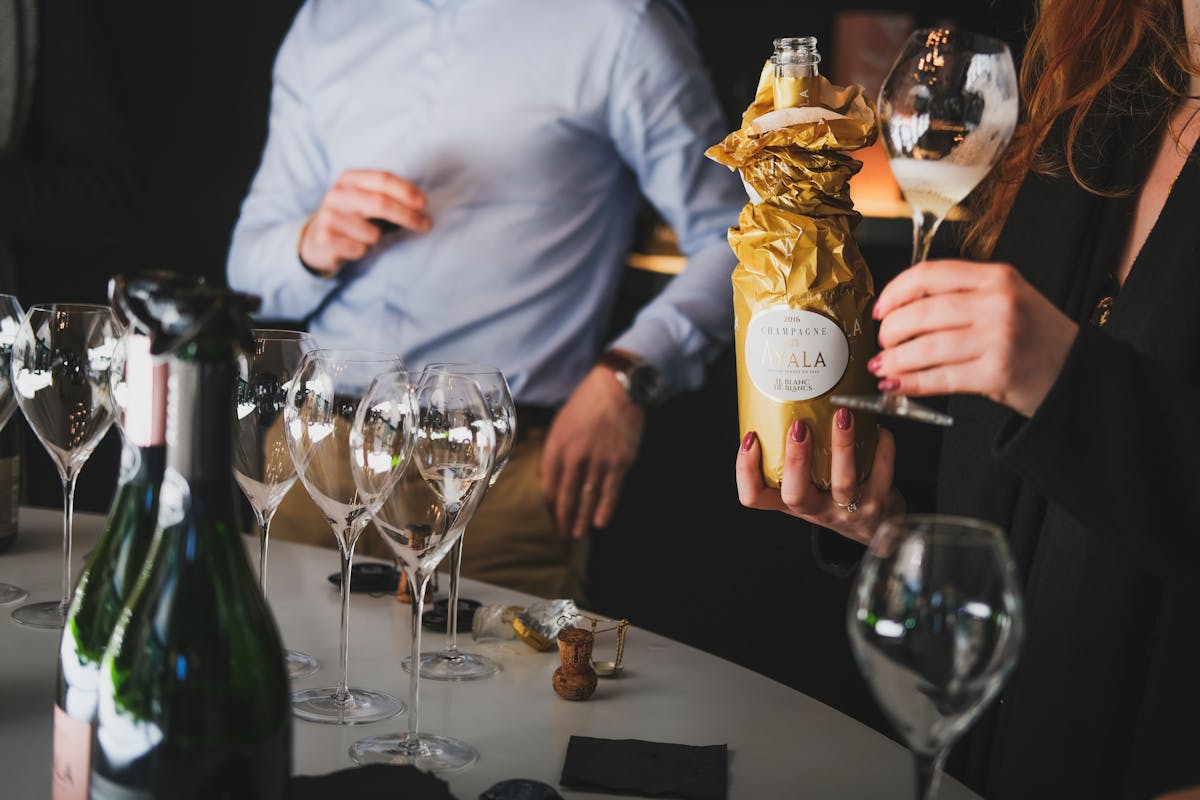
Most champagne houses in Epernay offer guided tours of their underground cellars, followed by a tasting. The format is pretty consistent: you arrive at the maison, a guide takes your group underground, you walk through the chalk tunnels while they explain how champagne is made, and you finish with two or three glasses in a tasting room or boutique.
The big houses — Moet & Chandon, Perrier-Jouet, De Castellane — run their own tours directly. You book on their websites. Prices vary from about EUR 25 to EUR 80 depending on whether you’re doing a basic tour or a prestige cuvee tasting.
Smaller grower-producers (called recoltants-manipulants or RM on the label) also welcome visitors, but usually only by appointment. The advantage of the smaller houses is that you’re often touring with the person who actually made the wine. The downside is that they don’t always have English-speaking guides.
The third option is booking a guided tour through a platform like GetYourGuide or Viator. This is what I’d recommend for a first visit. The guides handle the logistics, translate when needed, and usually take you to a house you wouldn’t have found independently. More on those options below.
Booking Direct vs Guided Tours
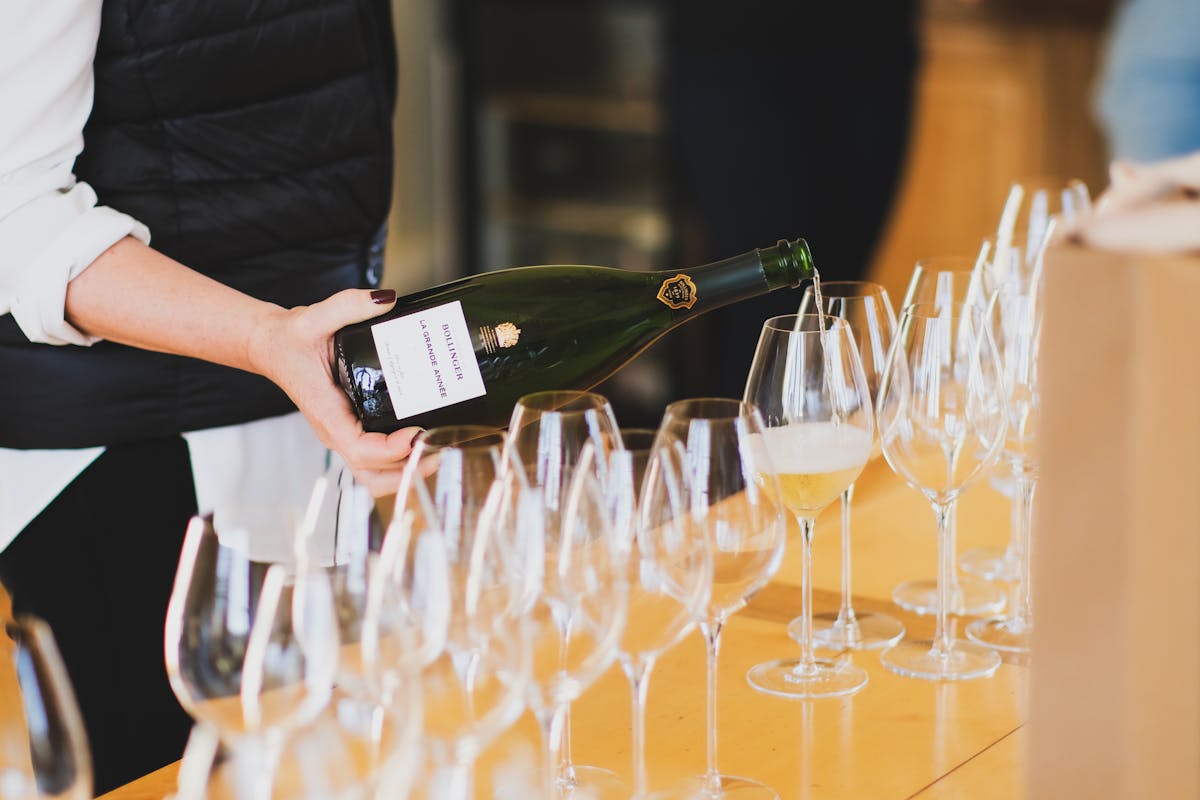
If you know exactly which house you want to visit, book direct. Moet & Chandon is the biggest draw — it’s where Dom Perignon is produced, and the cellars stretch for 28 kilometres. Their basic tour with two glasses runs about EUR 32. The Perrier-Jouet experience is more intimate and focuses heavily on their Art Nouveau heritage. De Castellane has a tower you can climb for views over the town.
But here’s the thing. Booking direct means you visit one house and that’s it. A guided tour typically covers two or three stops, handles the driving if you’re going out to vineyard villages, and gives you the regional context that a single-house tour won’t. You also get access to smaller producers who don’t have walk-in visitors.
My recommendation: Book a guided tour for your first time. If you fall in love with a particular house (you probably will), go back the next day and do their premium tasting direct.
One practical note: the big houses close for lunch (roughly 12:00-14:00) and most stop accepting visitors by 17:00. Weekends are busier but not unbearably so outside of harvest season (September). Monday is the quietest day, though a few smaller producers close on Mondays — check before showing up.
The Best Champagne Cellar Tours to Book
1. Epernay: Guided Tour of Champagne Cellar with Tastings — $20
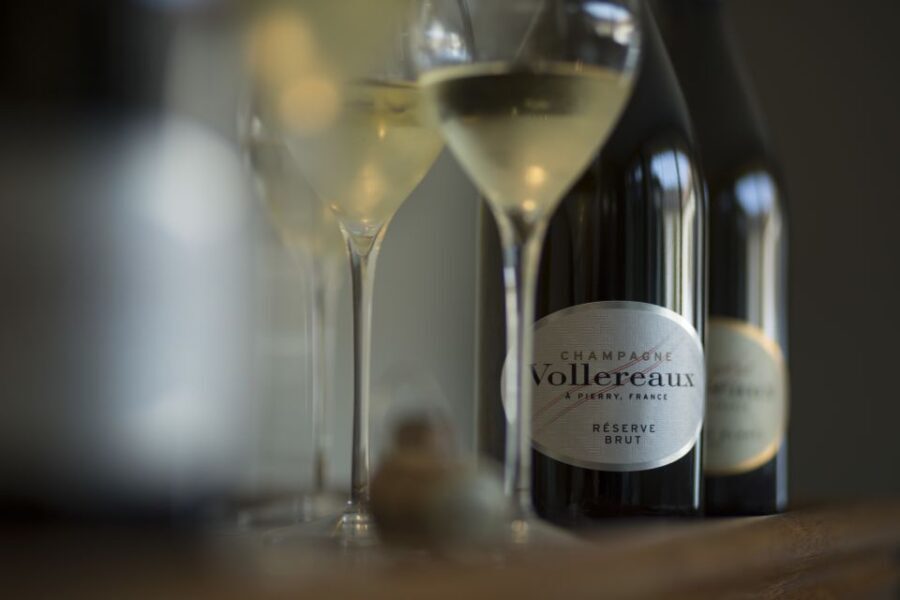
This is the one I’d pick if you’re visiting Epernay for the first time and want a straightforward, well-run cellar tour. It takes you through the Vollereaux champagne house, which has been family-run since 1805. The tour covers the production process from grape to glass — you’ll see the pressing rooms, the fermentation tanks, and the ageing tunnels where bottles sit in chalk caves for years.
At $20 per person for a one-hour tour with three tastings, this is the best value champagne experience in Epernay by a wide margin. The house is smaller than Moet or Perrier-Jouet, which means your group will likely be fewer than 15 people and the guide has time to answer questions properly. You also get to buy bottles in the boutique afterwards at cellar-door prices.
2. Champagne Experience with a Vintage Van from Epernay — $97
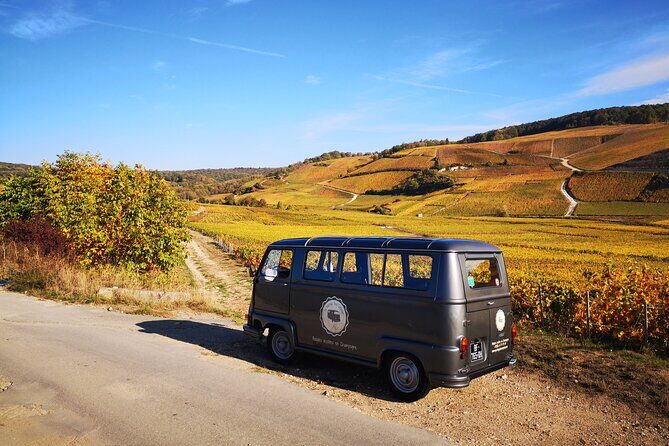
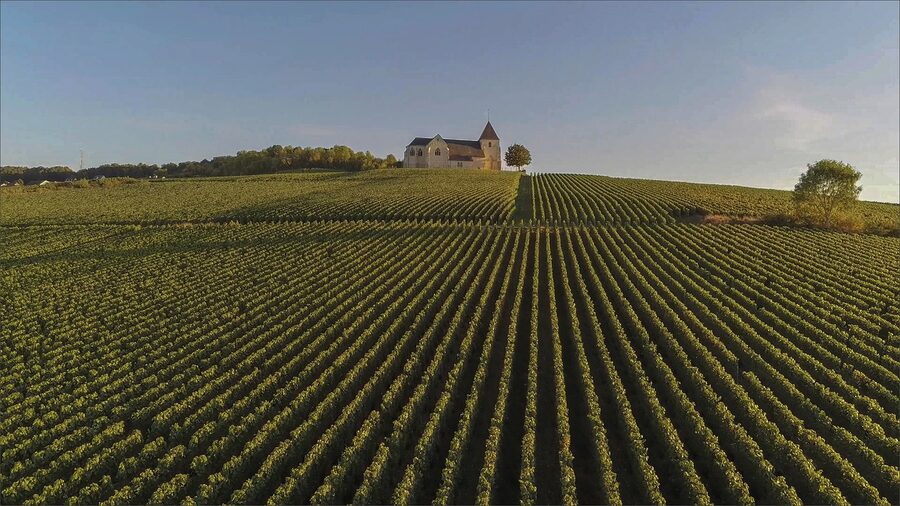
If the standard cellar walk-through feels too structured, this is the alternative. You pile into a classic Renault van and spend three hours driving through the champagne vineyards outside Epernay, stopping at small growers to taste wines you genuinely cannot buy in shops. The guide, Anais, grew up in the area and knows the back roads and the families who run these micro-operations.
At $97 per person, this is mid-range for a champagne tasting experience, and you get three tastings spread across different stops. It’s a completely different vibe from the big-house tours — more casual, more personal, and you’re out in the vineyards rather than underground. Book the afternoon slot if you can, because the light over the vines in the late afternoon is something else.
3. E-Bike Champagne Day Tour with Tastings and Lunch — $224
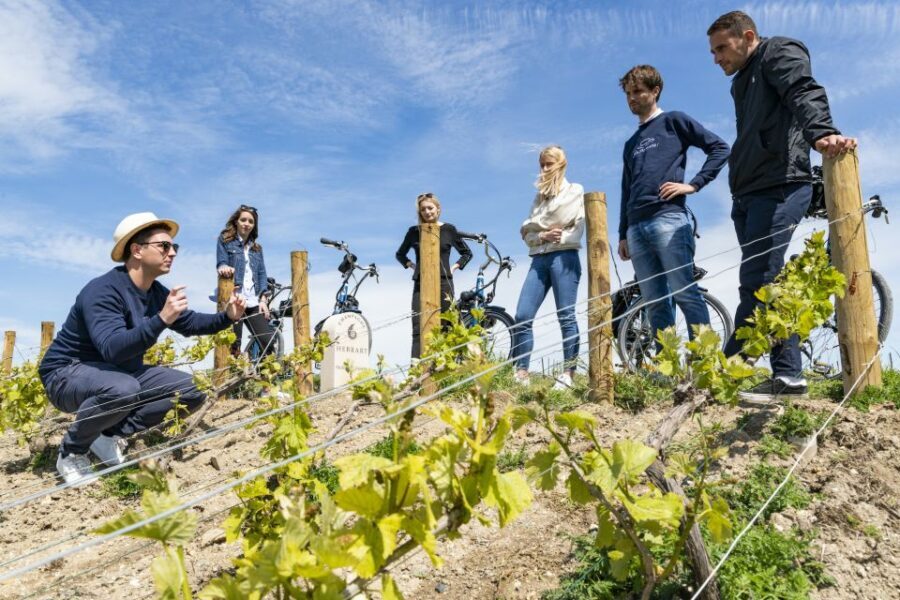
This is the splurge option, and it’s worth it if you have a full day. You spend five to seven hours cycling through the champagne vineyards on an e-bike, stopping at family wineries for tastings and sitting down for a proper regional lunch. The route passes through villages like Hautvillers — where Dom Perignon (the actual monk, not the brand) is buried — and the views from the hilltops over the Marne valley are the kind of thing that makes you consider moving to France.
At $224 per person, it’s the most expensive option here, but you’re getting an entire day including lunch, multiple tastings, and an e-bike to ride through the countryside. The guides are local and genuinely passionate about champagne — not reading from a script. If budget allows, this is the one that’ll stick in your memory.
When to Visit Epernay’s Champagne Cellars
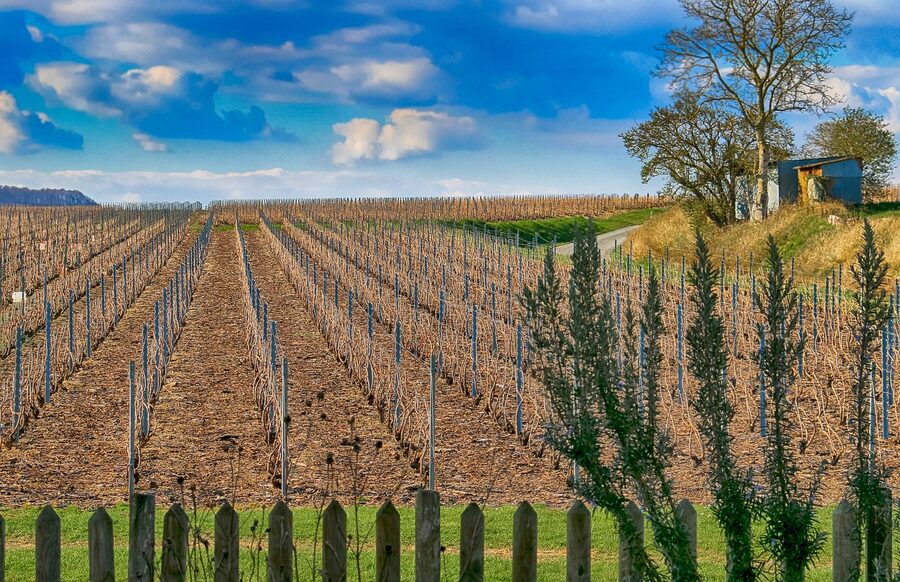
Most cellars are open from April through October, with peak season in July and August. A few of the big houses (Moet, De Castellane) stay open year-round, but the smaller growers often close in winter or only take visitors by appointment.
Best months: May, June, and September. The weather is pleasant, the vineyards are green, and the tourist crowds are manageable. September is especially good — harvest season means the vineyards are full of activity and you might catch the vendange (grape picking) in action.
Avoid if you can: The first two weeks of August. Half of France is on holiday and the town gets noticeably busier. It’s not terrible, but tour groups are larger and the experience feels less personal.
Opening hours: Most houses run tours between 09:30-11:30 and 14:00-17:00, with a hard stop for the French lunch break. Book morning slots if you want smaller groups — the afternoon tours tend to fill up more.
How to Get to Epernay
From Paris: Direct trains from Paris Gare de l’Est take about 1 hour 20 minutes. Trains run roughly every hour, and a return ticket costs around EUR 25-40. The train station in Epernay is a 10-minute walk from the Avenue de Champagne, so you don’t need a car.
From Reims: Epernay is just 30 minutes south of Reims by train or car. If you’re already visiting the champagne houses in Reims, adding Epernay as a half-day trip is easy and very much worth it. The two towns complement each other — Reims has the big names like Veuve Clicquot and Taittinger, while Epernay has Moet and a more concentrated walkable strip.
By car: About 1.5 hours from Paris via the A4 motorway. Parking is free or cheap on side streets near the Avenue de Champagne. Having a car is useful if you want to visit vineyard villages like Hautvillers, Ay, or Cramant — they’re only a few minutes away but not well-connected by public transport.
Day trip from Paris: Absolutely doable. Catch the 08:30-ish train, arrive by 10:00, do a cellar tour at 10:30, have lunch in town, visit a second house in the afternoon, and be back in Paris by 19:00. If you’d rather not organise it yourself, several champagne day trips from Paris include Epernay on their itinerary.
Tips That Will Save You Time (and Money)
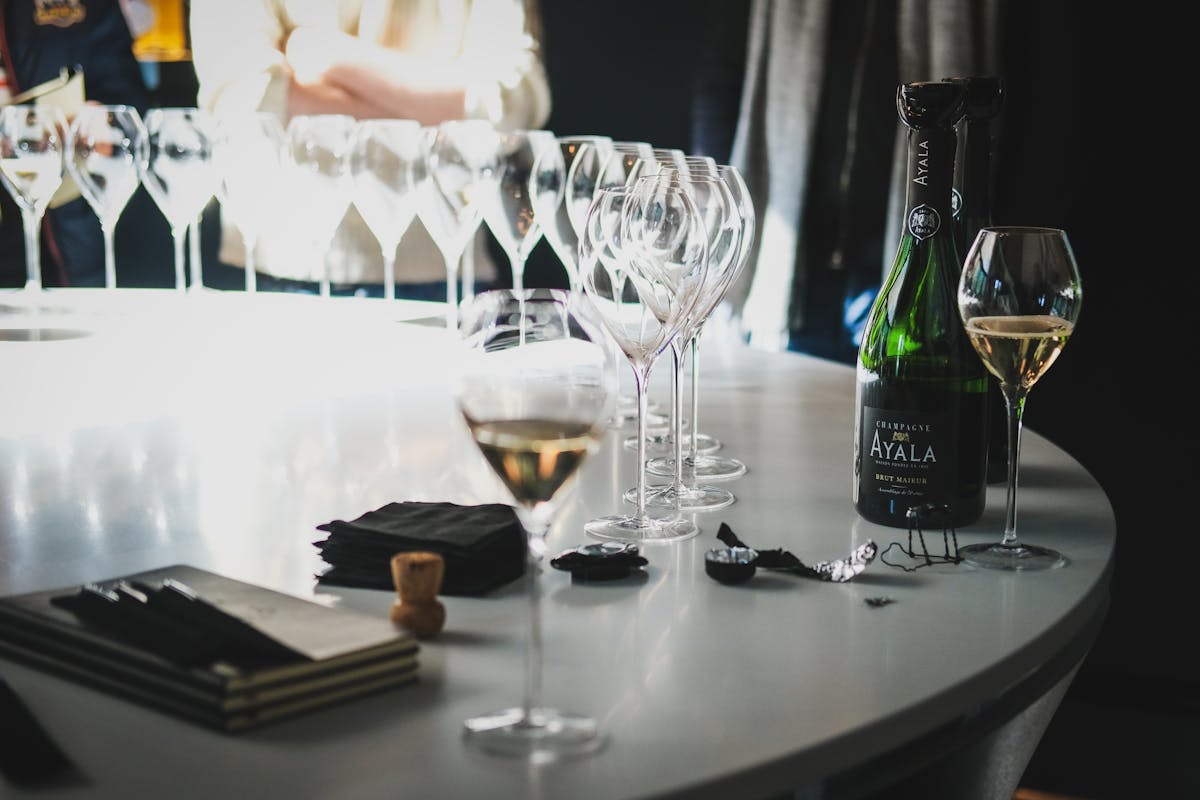
Book ahead in summer. The big houses cap group sizes. Moet & Chandon fills up days in advance from June through September. Walk-ins are sometimes possible at quieter times, but don’t gamble on it.
Wear proper shoes. The cellar floors are uneven stone and can be slippery. Heels are a terrible idea. Trainers or flat boots work fine.
Bring a jacket. I cannot stress this enough. The tunnels are 10-12 degrees regardless of the weather above ground. I visited on a 30-degree July day and was shivering within five minutes underground.
Don’t eat beforehand if you’re tasting. Champagne on an empty stomach hits differently, and you want your palate fresh. Most houses provide bread or crackers during the tasting.
Buy bottles at the cellar. Prices are 10-30% cheaper than Paris retail for the same bottles. If you’re checking luggage on the way home, stock up. Some houses ship internationally too.
Visit at least two houses. One big, one small. The contrast is what makes Epernay interesting. The big houses are impressive — Moet’s tunnels go on for kilometres — but the small growers give you a personal connection to the wine that you can’t get at a place processing 30 million bottles a year.
What You’ll Actually See Underground
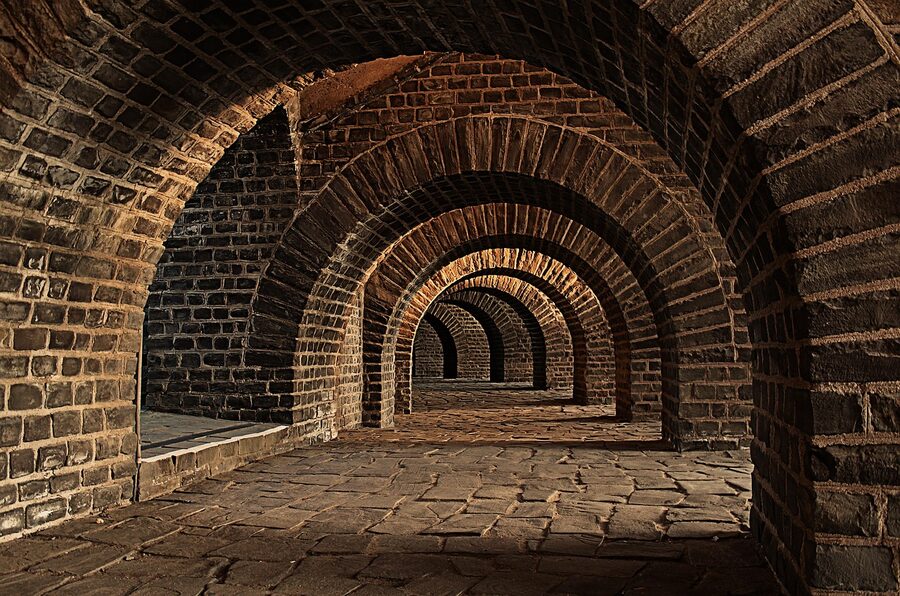
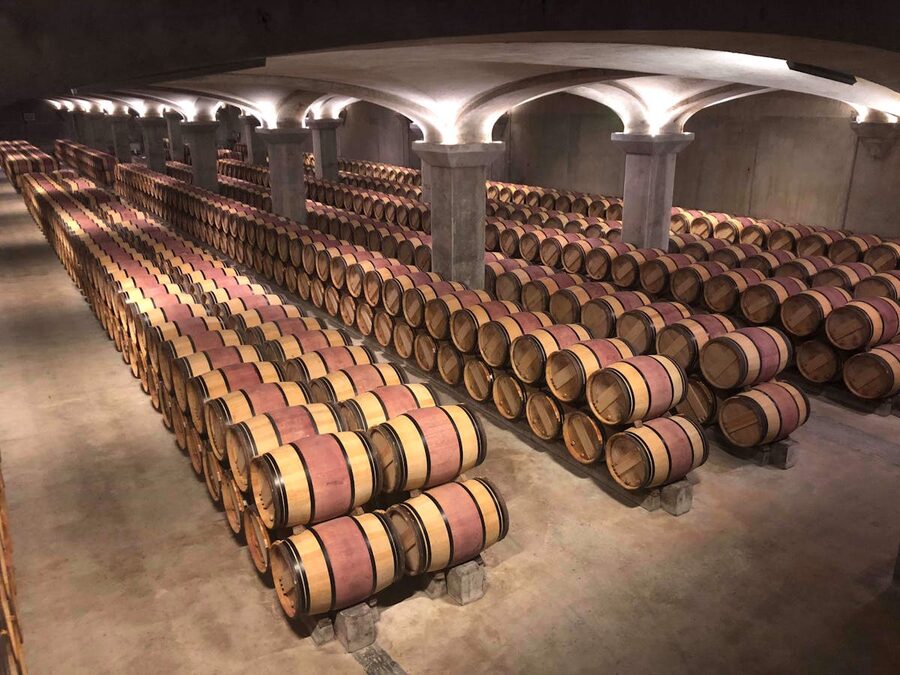
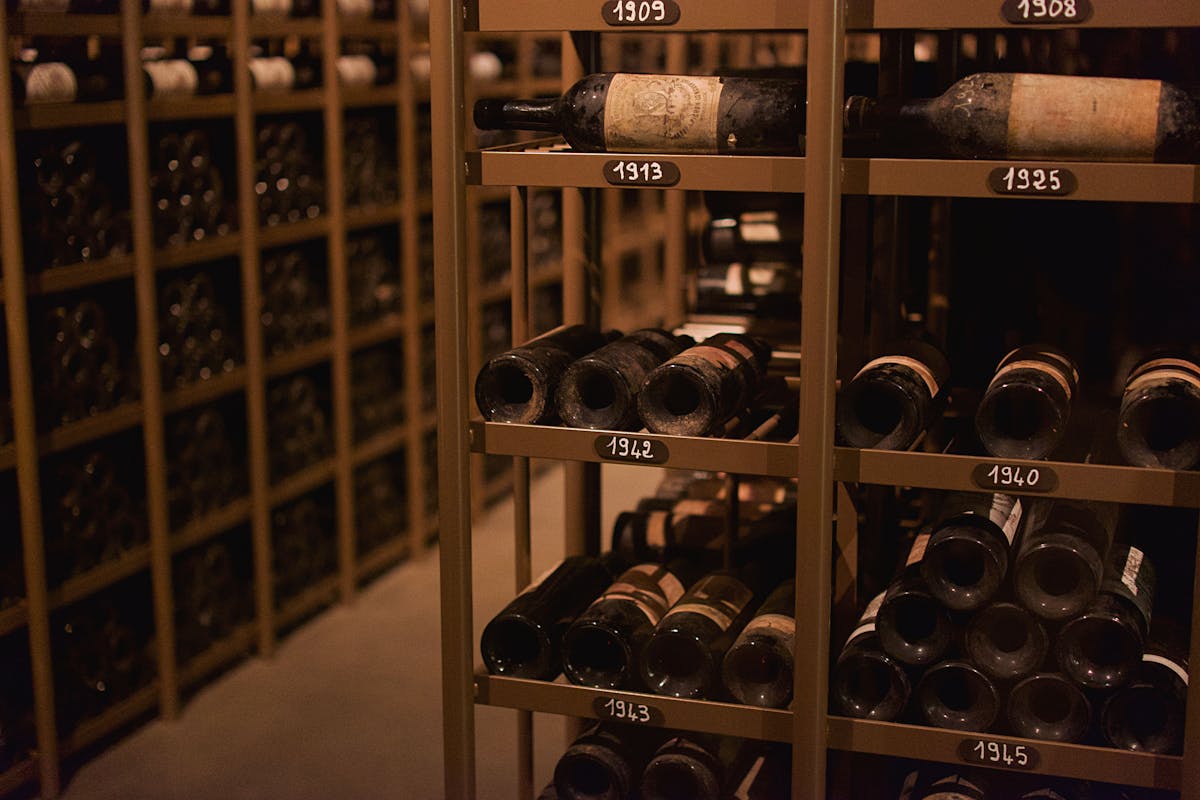
The chalk tunnels beneath Epernay date back to Roman times. They were originally quarries — the Romans cut blocks of chalk for building — and the champagne houses took them over centuries later when they realised the constant cool temperature was perfect for ageing wine.
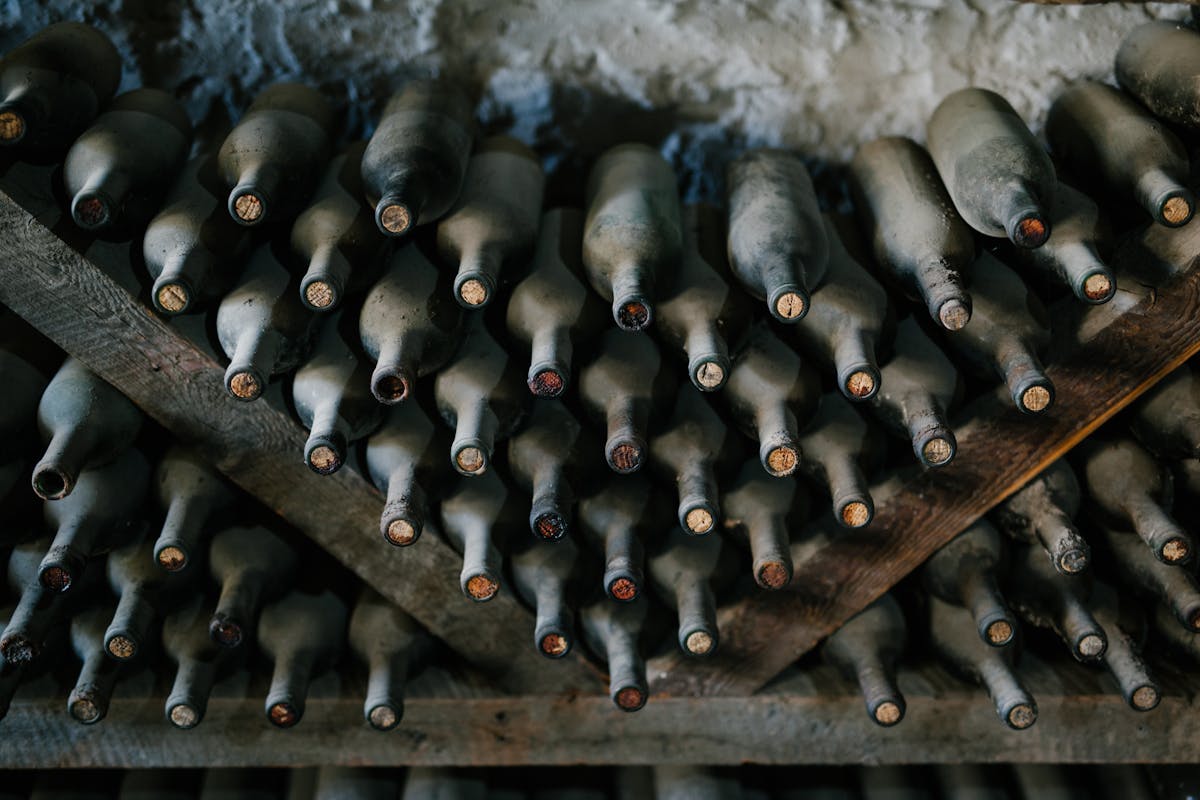
Winston Churchill was a famous customer of Pol Roger — he reportedly ordered around 500 cases per year and even named his racehorse after the brand. When you tour Pol Roger’s cellars, they still talk about him. The connection between specific historical figures and these houses is one of the things that makes the tours genuinely interesting rather than just a marketing exercise.
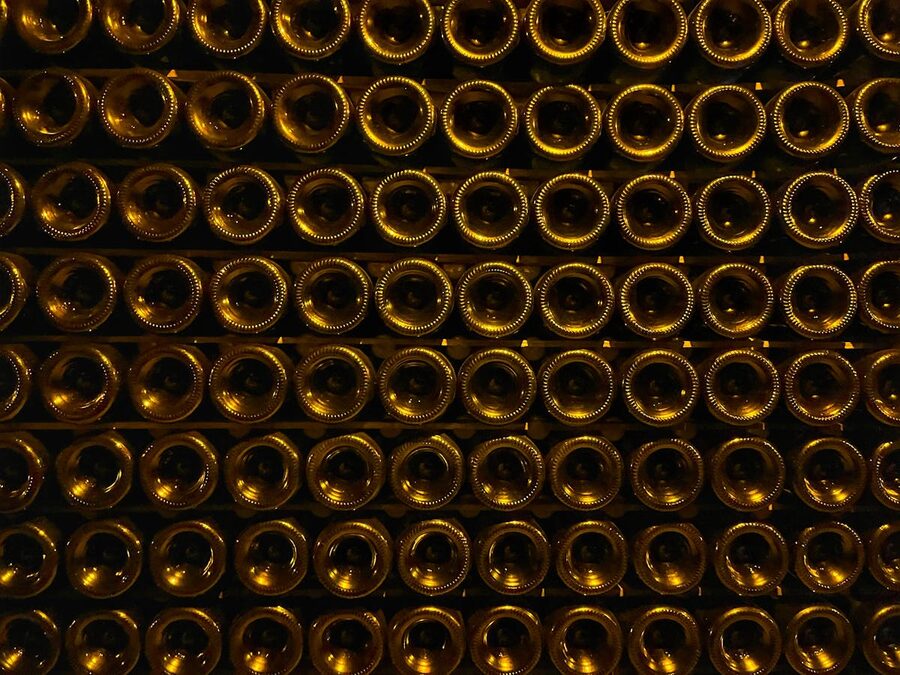
Most tours cover the methode champenoise in detail. You’ll see riddling racks (pupitres) where bottles are slowly rotated by hand over weeks to collect sediment in the neck. Then disgorgement, where the neck is frozen and the sediment plug is shot out by the internal pressure. It’s genuinely fascinating, even if you think you don’t care about wine production.
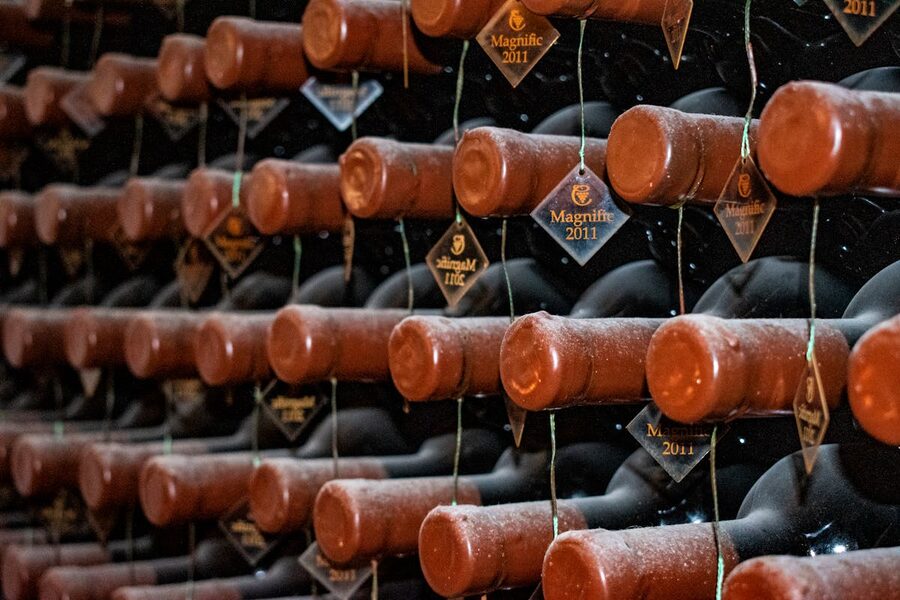
The depth of the tunnels varies. At Moet & Chandon, some passages run 30 metres below street level and extend for 28 kilometres. The total across all the houses on the Avenue de Champagne is around 110 kilometres. The walls drip slightly, and the chalk absorbs and releases moisture at a rate that keeps humidity exactly where it needs to be — around 90%. It’s not engineered; it’s just the natural properties of the chalk working in champagne’s favour.
Epernay vs Reims: Which One Should You Visit?
Both are champagne capitals, and they’re only 30 minutes apart. But they feel different.
Epernay is smaller, quieter, and more concentrated. Almost everything is on one street. You can walk between three major houses in 15 minutes. The town itself is pleasant but not a destination — you come here specifically for champagne.
Reims is a proper city with a cathedral, restaurants, and things to do beyond cellars. The big names there — Veuve Clicquot, Taittinger, Ruinart — have their own impressive underground operations. If you want to combine champagne with city sightseeing, Reims is better.
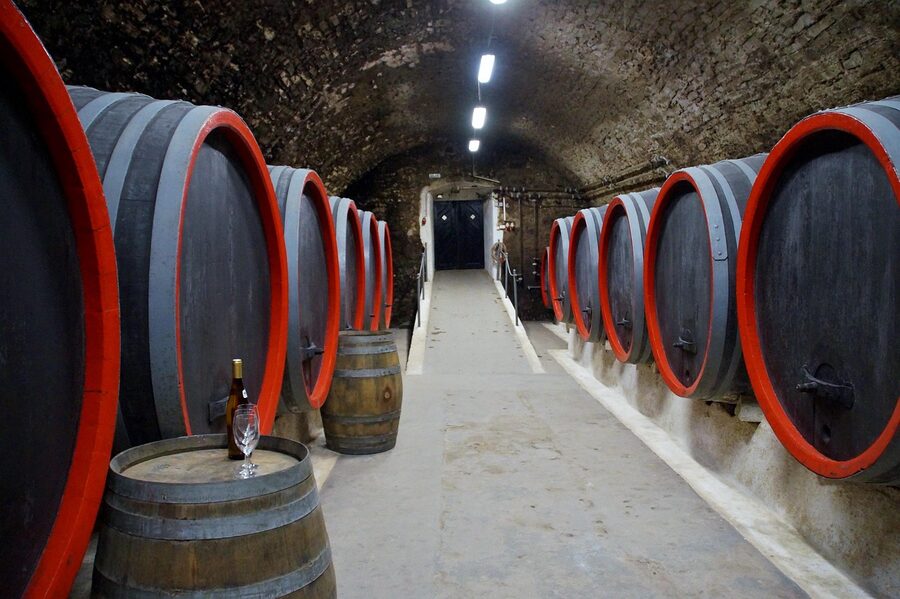
My take: Do both if you have two days. If you only have one day, pick Epernay for a pure champagne experience or Reims if you want the city atmosphere too. And if you’re doing a champagne tour from Paris, most organised trips include stops in both.
Beyond the Cellars
If you’re spending a full day or two in the Champagne region, Epernay pairs well with a few side trips. The village of Hautvillers is just 5 kilometres north and is where Dom Perignon (the Benedictine monk who refined champagne production) is buried. The village is tiny, photogenic, and has a few small producers offering tastings.
Ay-Champagne is another vineyard village 4 kilometres from Epernay. It has the Pressoria champagne museum — a modern, interactive space that’s good for understanding the history before you taste. There’s also a handful of small houses that welcome walk-ins.
For something completely different, the Champagne region connects well to Burgundy if you’re on a longer wine-focused trip. A wine tour in Beaune is about 3 hours south and makes a natural next stop — the winemaking philosophy is entirely different, and the contrast between champagne and Burgundy pinot noir is educational even if you’re not a wine person.
More Champagne Region Guides
If you’re building a Champagne trip, you’ll probably want to visit more than just Epernay. Our guide to booking a champagne tour in Reims covers the other big houses — Veuve Clicquot, Taittinger, and Pommery — with the same kind of practical booking advice. Coming from Paris for the day? The champagne tour from Paris guide breaks down which day trips are actually worth the money and which ones rush you through. And if you’re heading south afterwards, Beaune and the Burgundy wine route is a completely different wine experience that pairs brilliantly with a few days in Champagne.
This article contains affiliate links. When you book through our links, we earn a small commission at no extra cost to you. This helps us keep writing honest, detailed guides.