
The port wine that fills your glass in Porto has a journey behind it. It starts over an hour east of the city, in a valley so steep the vineyards look like staircases carved into the hillsides. The Douro Valley is Portugal’s oldest demarcated wine region — winemakers have been working these terraces since the 1700s — and the landscape alone is worth the trip from Porto. But getting there on your own takes some planning, and most people don’t realize just how many ways there are to do it until they’re already deep in a Google rabbit hole at midnight.
I spent a lot of time figuring this out. And honestly? The best approach depends on what kind of day you want. Some people just want wine and a river cruise. Others want to get deep into the back roads and smaller estates. Both are great, but they’re very different experiences.
Best overall: Douro Valley w/ Boat Tour, Wine Tasting & Lunch — $82. Hits every highlight (cruise, two wineries, lunch) without feeling rushed. The one most people should book.
Best on a budget: 6 Bridges Douro River Cruise — $23. A 50-minute cruise right in Porto. No vineyard visits, but you get the river and the views for the price of a decent lunch.
Best small group: Authentic Small Group Douro Wine Tour — $133. Capped at 8 people, family-run wineries, and a longer cruise. Worth the premium if you want a quieter day.
- How to Get to the Douro Valley from Porto
- River Cruise vs Wine Tour vs Both
- The Best Douro Valley Tours to Book
- 1. From Porto: Douro Valley w/ Boat Tour, Wine Tasting & Lunch —
- 2. Complete Douro Valley Wine Tour with Lunch, Tastings & River Cruise — 2
- 3. Porto: 6 Bridges Douro River Cruise —
- 4. Authentic Small Group Douro Wine Tour with Lunch & River Cruise — 3
- 5. Douro Valley Tour: 2 Vineyard Visits, River Cruise, Winery Lunch — 2
- When to Visit the Douro Valley
- Tips That Will Save You Time and Money
- What You’ll Actually See in the Douro Valley
- More to Do in Porto
- More Porto Guides
How to Get to the Douro Valley from Porto
There are basically four ways to do this, and they range from totally hands-off to full adventure mode.
Organized day tour from Porto — This is what most visitors do, and for good reason. A van or minibus picks you up in central Porto around 8:30am, drives you to the valley (about 90 minutes), and handles everything: winery visits, tastings, lunch, and usually a river cruise. You’re back by 6 or 7pm. No driving, no logistics, and the guides know which estates are worth your time. Prices range from about $76 to $170 depending on group size and how many wineries you visit.
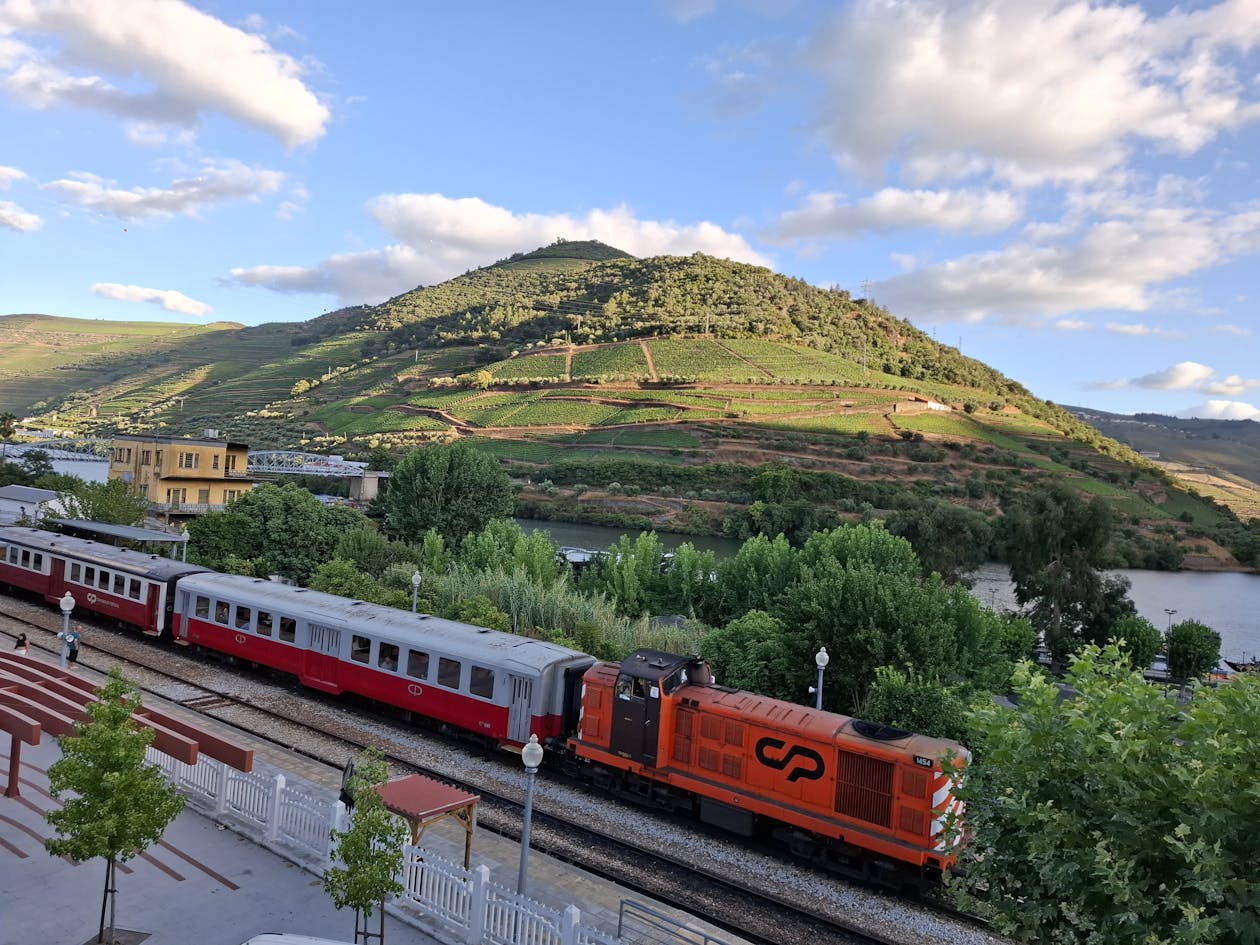
The Douro Line train — CP (Portuguese Railways) runs a scenic line from Porto’s Sao Bento station along the river to Regua and Pinhao. It’s one of the most beautiful train rides in Europe, full stop. The trip to Pinhao takes about 3 hours and costs under 15 euros each way. The catch? Once you arrive, you’re on your own. Regua has a few walkable wineries. Pinhao is smaller and prettier but harder to navigate without a car. Good if you want the train experience and don’t mind a looser itinerary.
Renting a car — Gives you total freedom to stop wherever you want, take the back roads through tiny villages, and visit estates that the tour groups skip. The N222 road from Regua to Pinhao is regularly called one of the world’s best driving roads. But you’re wine tasting, so you’ll need a designated driver or serious willpower at the wineries. Not ideal for couples.
Private tour — Higher cost (usually 200-400 euros for two people), but completely tailored. Worth considering if you have specific wine interests or hate group dynamics. Some private guides will take you to estates that don’t even accept walk-ins.
River Cruise vs Wine Tour vs Both
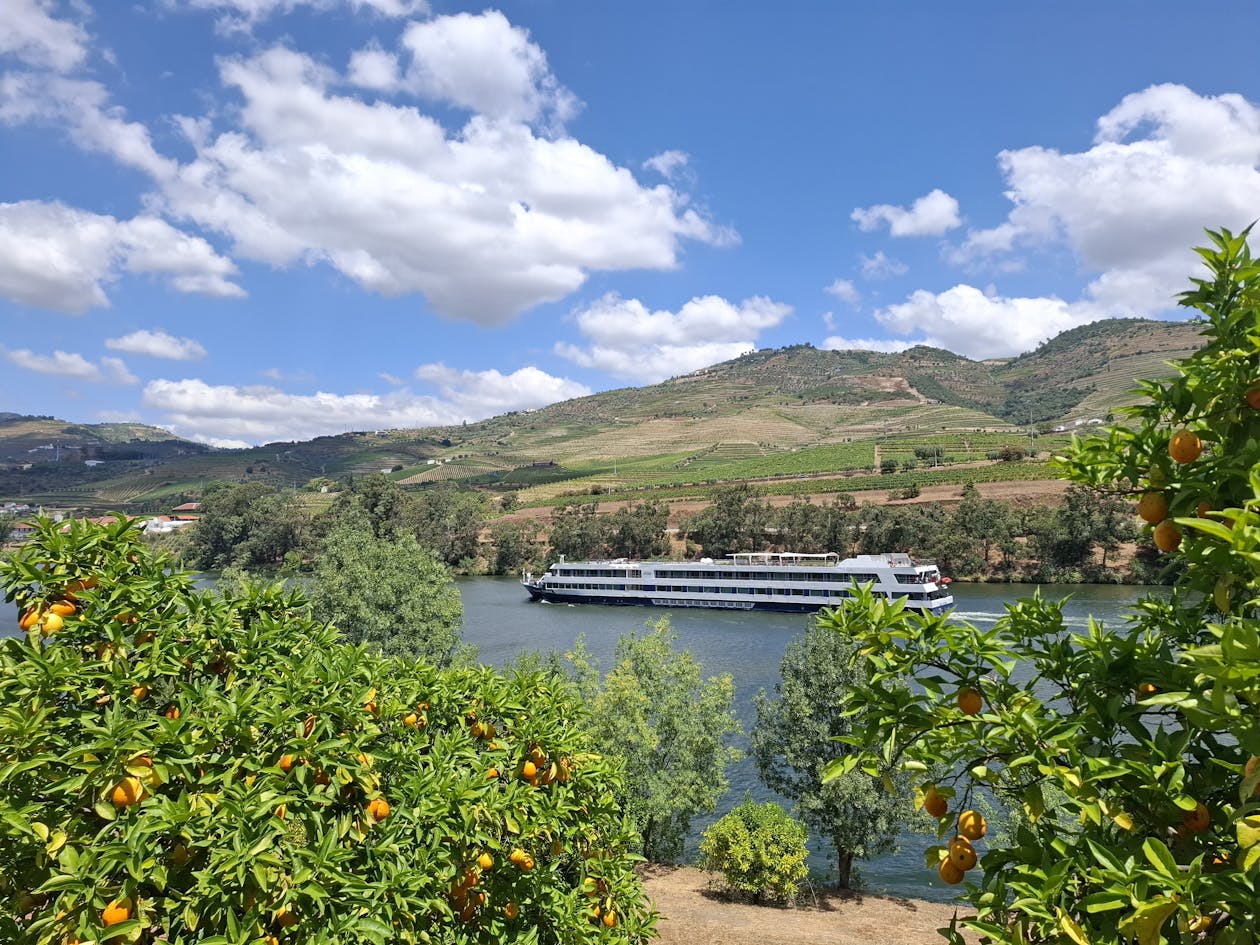
This is the question everyone gets stuck on, so let me break it down simply.
A river cruise only (like the 6 Bridges cruise in Porto) is short, cheap, and gives you Douro River views without leaving the city. You’ll cruise under Porto’s iconic bridges and see the Ribeira district from the water. It’s great, but it’s not the same as visiting the actual Douro Valley. Think of it as an appetizer.
A wine tour without a cruise gets you deeper into the valley. You’ll visit actual working quintas (wine estates), taste wine where it’s made, and usually have lunch with valley views. The drive through the terraced hillsides is half the experience. But you miss the river entirely.
A full-day tour with both is the sweet spot, and it’s what I’d recommend for a first visit. You get the drive through the countryside, two or three winery stops with tastings, a proper Portuguese lunch, and a cruise along the river. Most of the popular tours follow this format because it covers all the highlights in a single day. The day is long (9-10 hours) but well-paced, with the cruise usually coming after lunch when you’re happy to just sit and look at the scenery.
The Best Douro Valley Tours to Book
I’ve gone through the most popular options and picked five that cover different budgets and styles. These are ordered by popularity, but the best one for you depends on what kind of day you want.
1. From Porto: Douro Valley w/ Boat Tour, Wine Tasting & Lunch — $82

This is far and away the most booked Douro Valley day trip from Porto, and it’s easy to see why. At $82 per person, you get a full 6-10 hour day that includes a river cruise, wine tastings at two different quintas, and a traditional Portuguese lunch with wine included. The group sizes are moderate — not intimate, but not a packed bus either.
What makes this one stand out is the balance. You spend enough time at each winery to actually learn something, the cruise is long enough to enjoy without dragging, and the lunch isn’t just an afterthought. If you only have one day in the Douro and want the complete picture, this is the safe bet.
2. Complete Douro Valley Wine Tour with Lunch, Tastings & River Cruise — $102
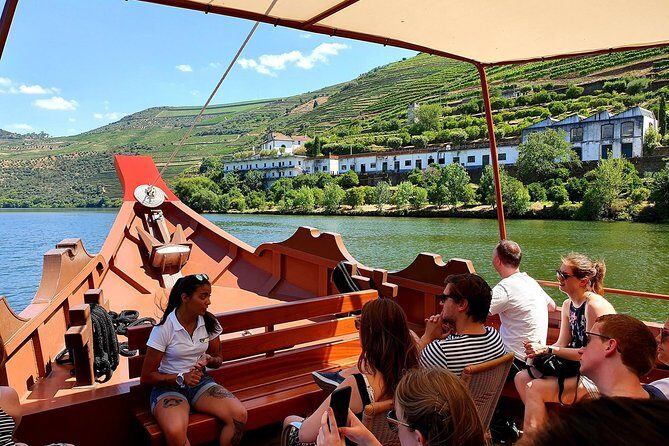
If you want a bit more depth and don’t mind paying an extra twenty bucks, this Viator option delivers. The itinerary covers about 10 hours and includes multiple wine tastings, a river cruise, and a full lunch at a winery. It’s a longer day than the option above, but the extra time means less rushing between stops.
The guides on this tour tend to go deeper into the winemaking process, which is great if you’re genuinely curious about how port wine differs from regular wine and why the Douro terroir matters. Not a wine-tasting-and-selfie tour — more of a proper educational experience with very good food thrown in. At $102, it’s still very reasonable for a 10-hour day with lunch and all tastings included.
3. Porto: 6 Bridges Douro River Cruise — $23
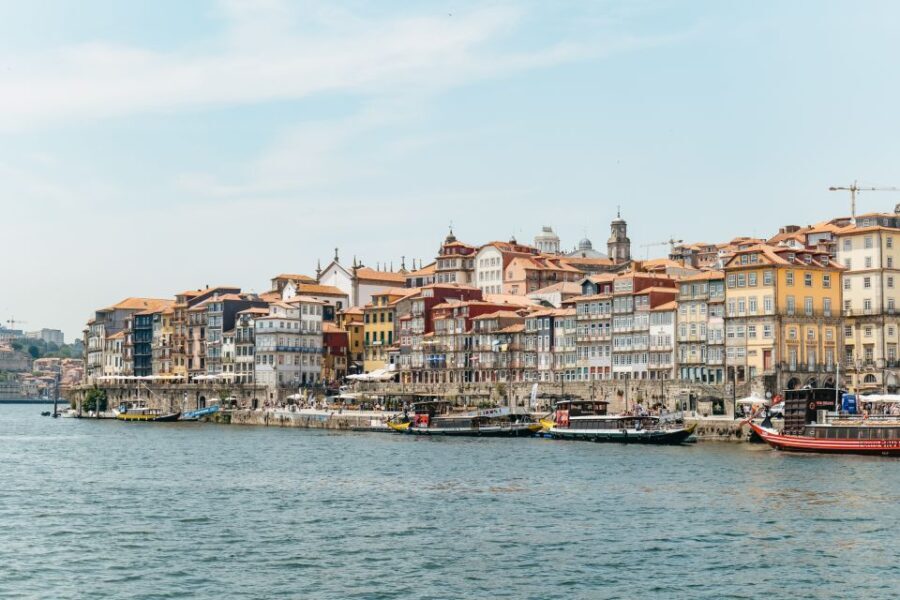
Completely different vibe from the others on this list. This isn’t a Douro Valley tour — it’s a 50-minute cruise through Porto itself, passing under all six of the city’s bridges. At $23 per person, it’s the cheapest option by far, and it’s perfect if you don’t have a full day to spare or if you’ve already done a wine tour and just want to see Porto from the water.
The views of the Ribeira district and the port wine cellars in Vila Nova de Gaia are genuinely beautiful from the river. Don’t expect wine tastings or vineyard visits — this is pure sightseeing. But as a standalone Porto activity or a warm-up before a full valley day trip, it’s hard to beat for the price. Morning departures tend to be less crowded.
4. Authentic Small Group Douro Wine Tour with Lunch & River Cruise — $133
This is the premium pick if you want a quieter, more personal day. Groups are capped at around 8 people, which means the winery visits feel more like being someone’s guest than being on a tour. The guides have space to actually talk to you, and the pace is more relaxed because you’re not herding a crowd.
At $133 per person, it’s the priciest full-day option here, but you get 9-10 hours, a proper lunch, a river cruise through the valley, and tastings at family-run estates that don’t always appear on the bigger tours. If you’re celebrating something or you just don’t like large groups, this is the one. The extra cost buys you a genuinely different experience.
5. Douro Valley Tour: 2 Vineyard Visits, River Cruise, Winery Lunch — $102
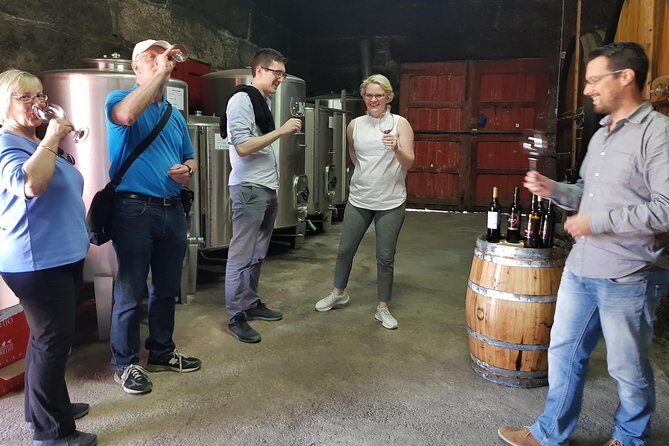
Same price point as #2 but with a slightly different emphasis. This one visits two specific vineyards (instead of tasting rooms attached to larger operations), which gives you a better feel for how different estates approach winemaking. The lunch is at one of the wineries rather than a standalone restaurant, which I actually prefer — eating where the wine is made adds something.
The river cruise is included and the full day runs about 10 hours. It’s a strong alternative to the first two options if you’re particularly interested in comparing different wine estates side by side. The two vineyards are chosen for contrast, so you’re not just doing the same tasting twice. At $102, it’s neck and neck with #2 in terms of value.
When to Visit the Douro Valley
September and October are the sweet spot. This is harvest season (vindima), when the valley is at its most alive. The vines are loaded, some estates let visitors participate in the grape-treading, and the light has that golden autumn quality that makes everything look like a painting. Book your tour early because this is peak demand.
May, June, and early July are excellent too. The weather is warm but not brutal, the vines are green and full, and crowds are more manageable than September. Late July and August can be scorching — we’re talking 38-40C in the valley, which has no sea breeze to save you. If you go in summer, pick a tour with an early start.
November through March is the quiet season. The terraces are bare, some estates close or reduce hours, and the river can be grey and cold. But the valley has a stark beauty in winter, hotel prices drop dramatically, and the wine cellars don’t care what month it is. Not the worst time if you’re mainly interested in tastings and don’t need the postcard views.
Tips That Will Save You Time and Money
Book at least 3-4 days ahead in summer and September. The most popular tours sell out fast, especially the small group ones. I’ve seen the top-rated options fully booked a week in advance during peak season.
Eat breakfast before your tour. Seriously. Most full-day tours don’t include lunch until 1:30 or 2pm, and the morning tastings on an empty stomach will catch up with you faster than you’d expect. A solid breakfast at your Porto hotel is essential.
Wear comfortable shoes. Winery visits involve walking on uneven ground, stone floors, and sometimes outdoor paths between vine rows. Sandals are fine for the cruise but not great for the vineyards.
The drive itself is part of the experience. Don’t sleep through it. The highway from Porto gives way to winding valley roads with pull-over viewpoints. If you’re on a tour, the guides usually stop at at least one scenic overlook. If you’re driving, the N222 between Regua and Pinhao is the stretch you don’t want to miss.
Bring cash for extras. Most wineries accept cards, but small producers and roadside spots sometimes don’t. A bottle of wine direct from a quinta costs 5-15 euros and makes a better souvenir than anything in a Porto gift shop.
If you get carsick, take something before the drive. The valley roads are genuinely winding. Not everyone struggles with this, but the combination of curves and wine tastings is not great for sensitive stomachs. Sit in the front of the van if you can.
What You’ll Actually See in the Douro Valley
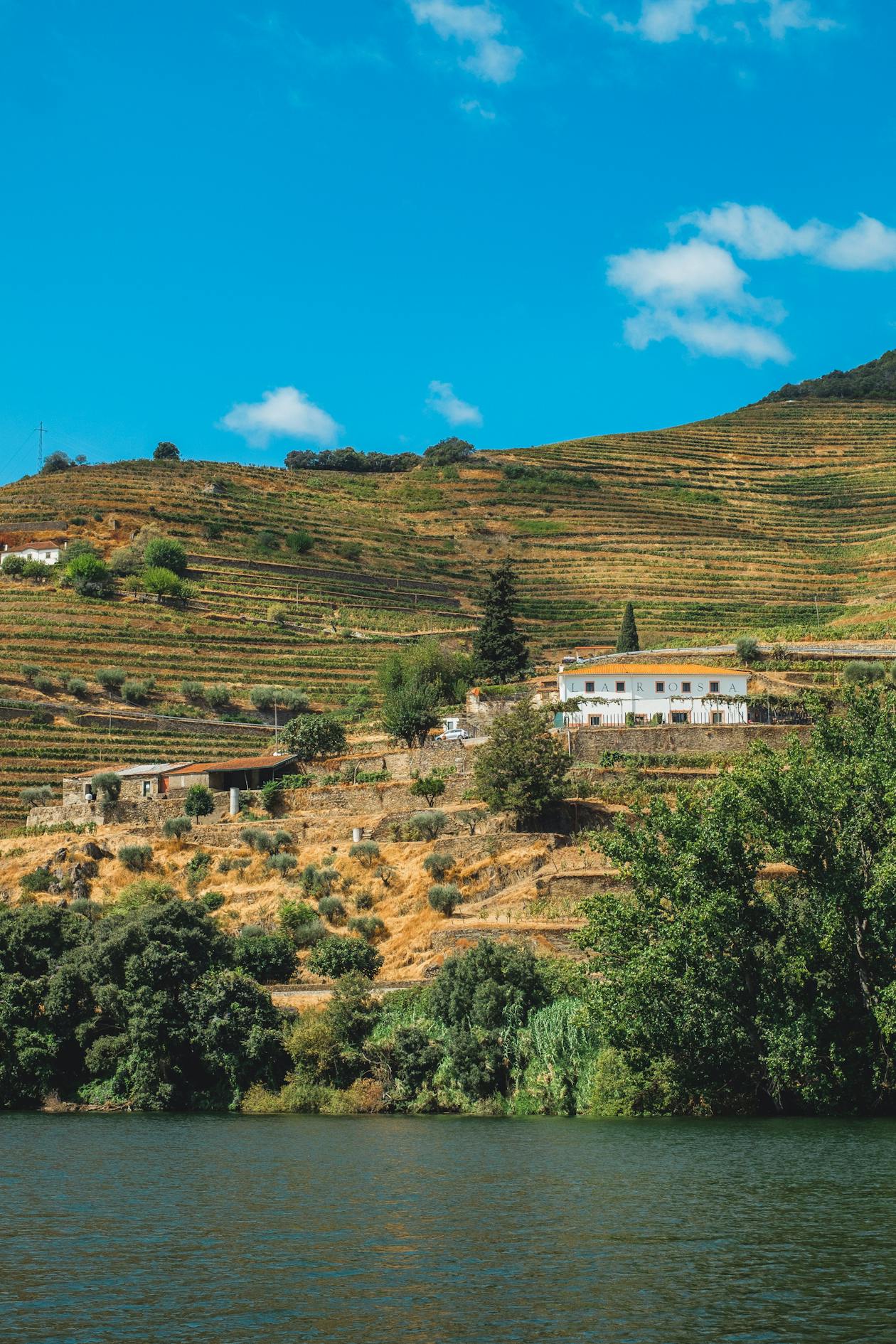
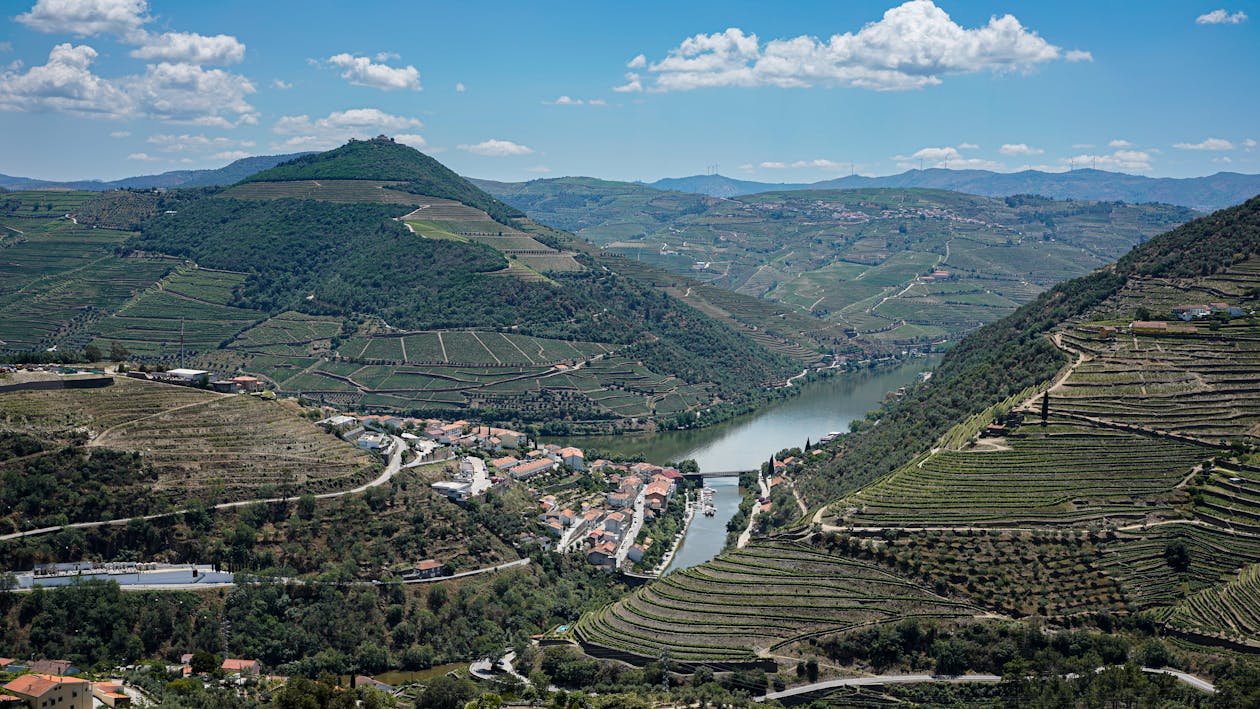
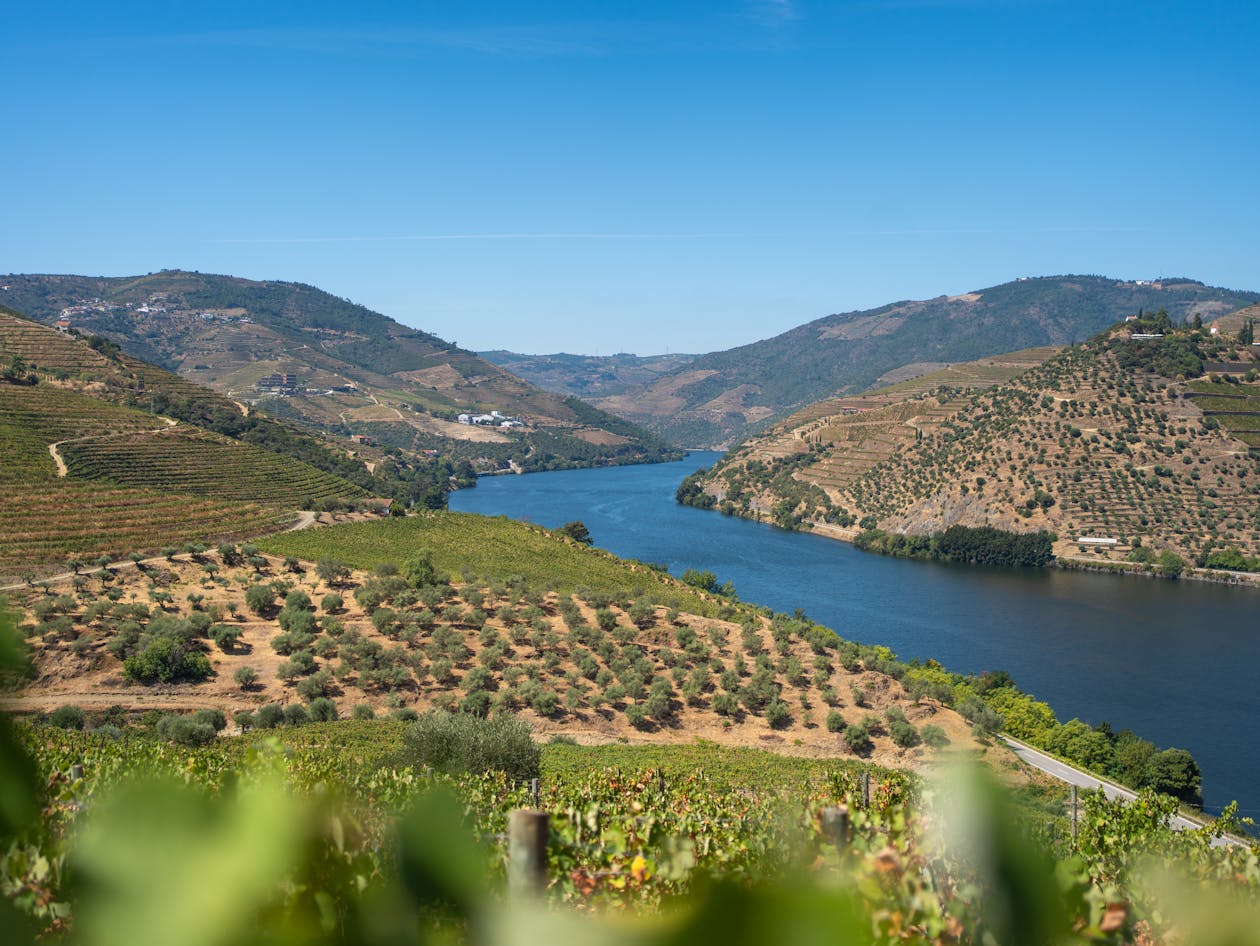
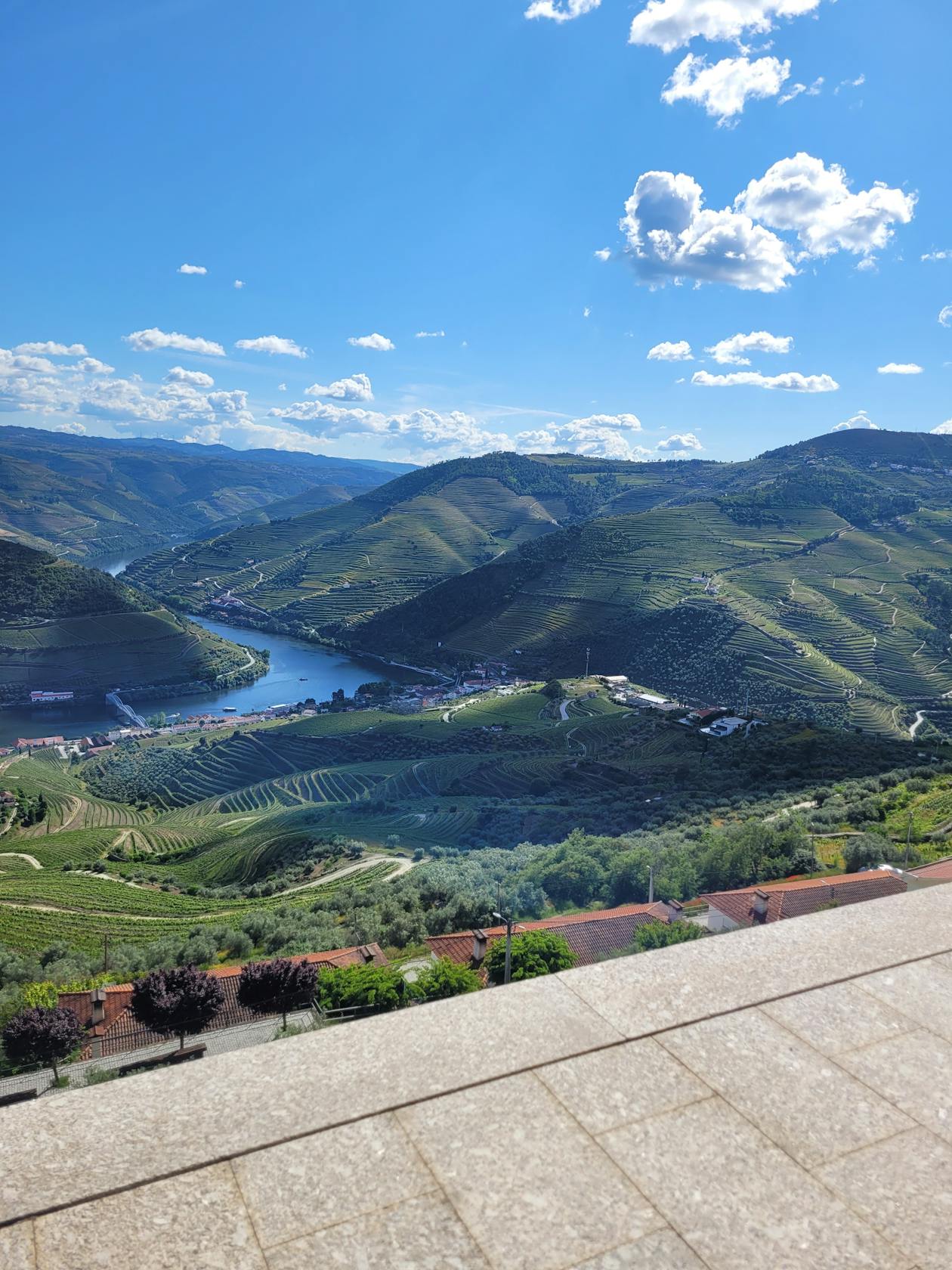
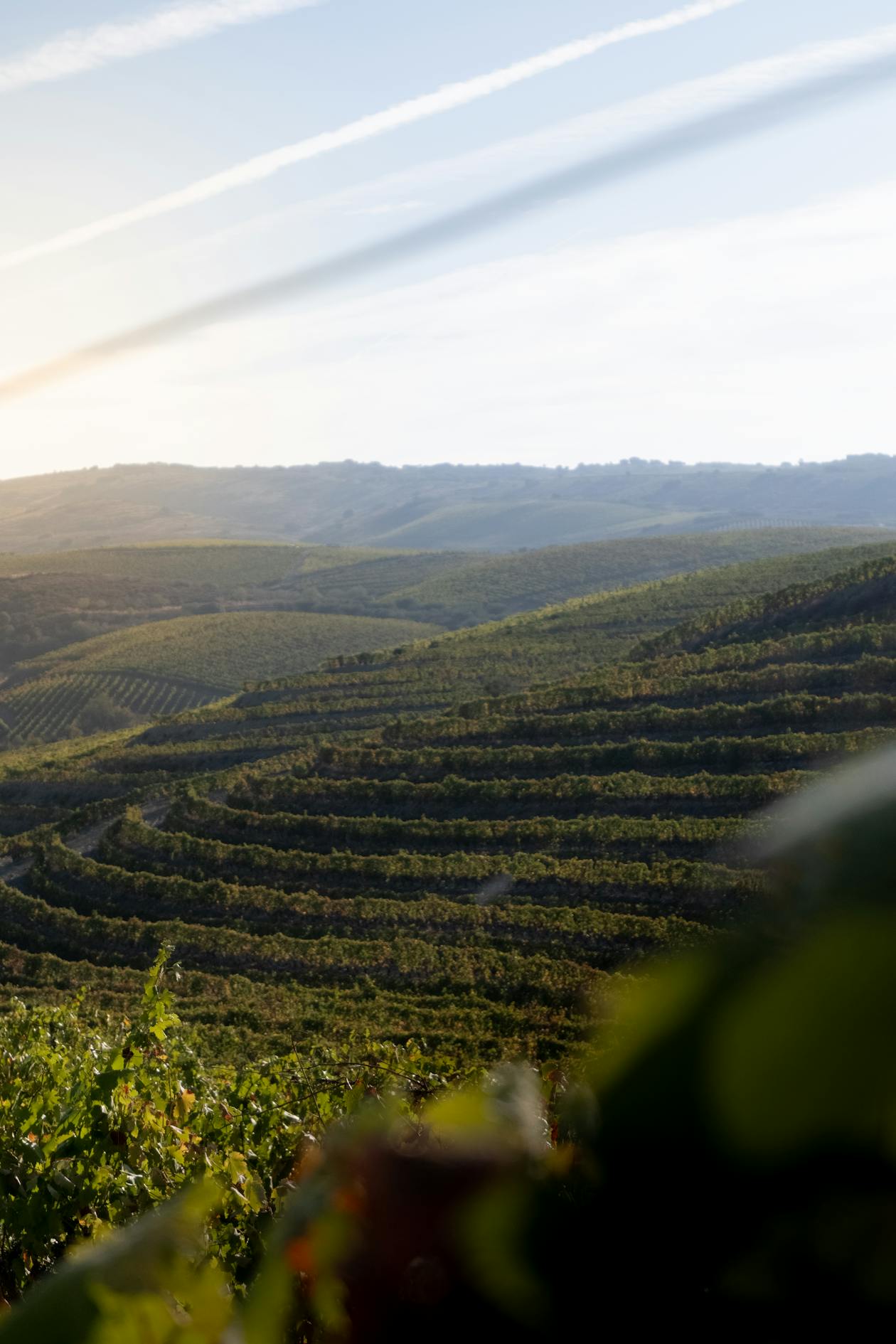
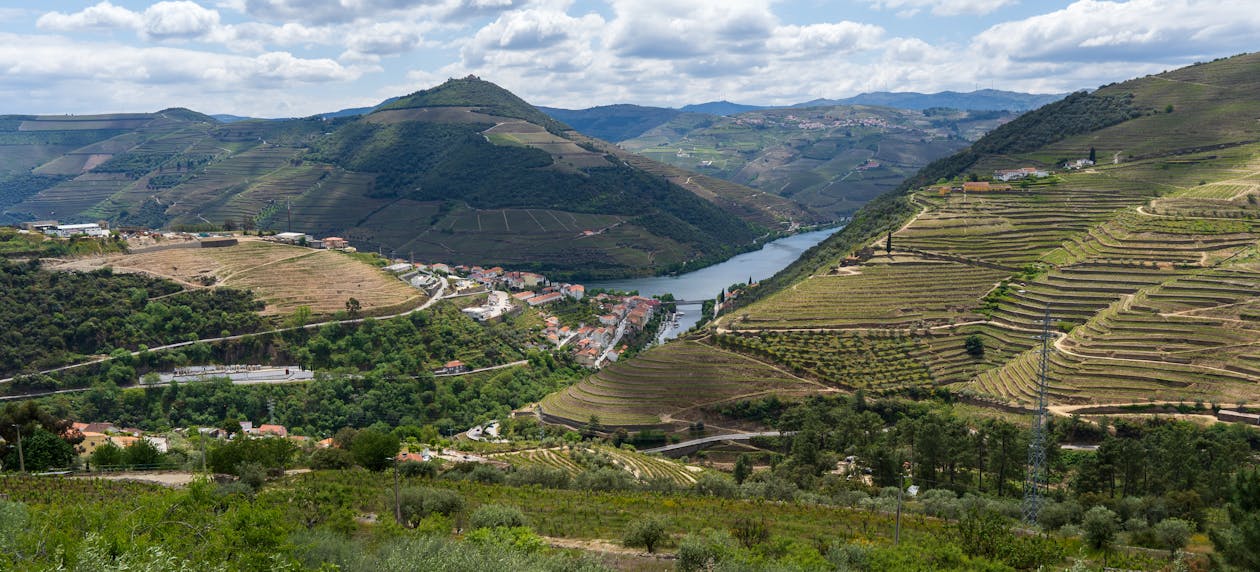
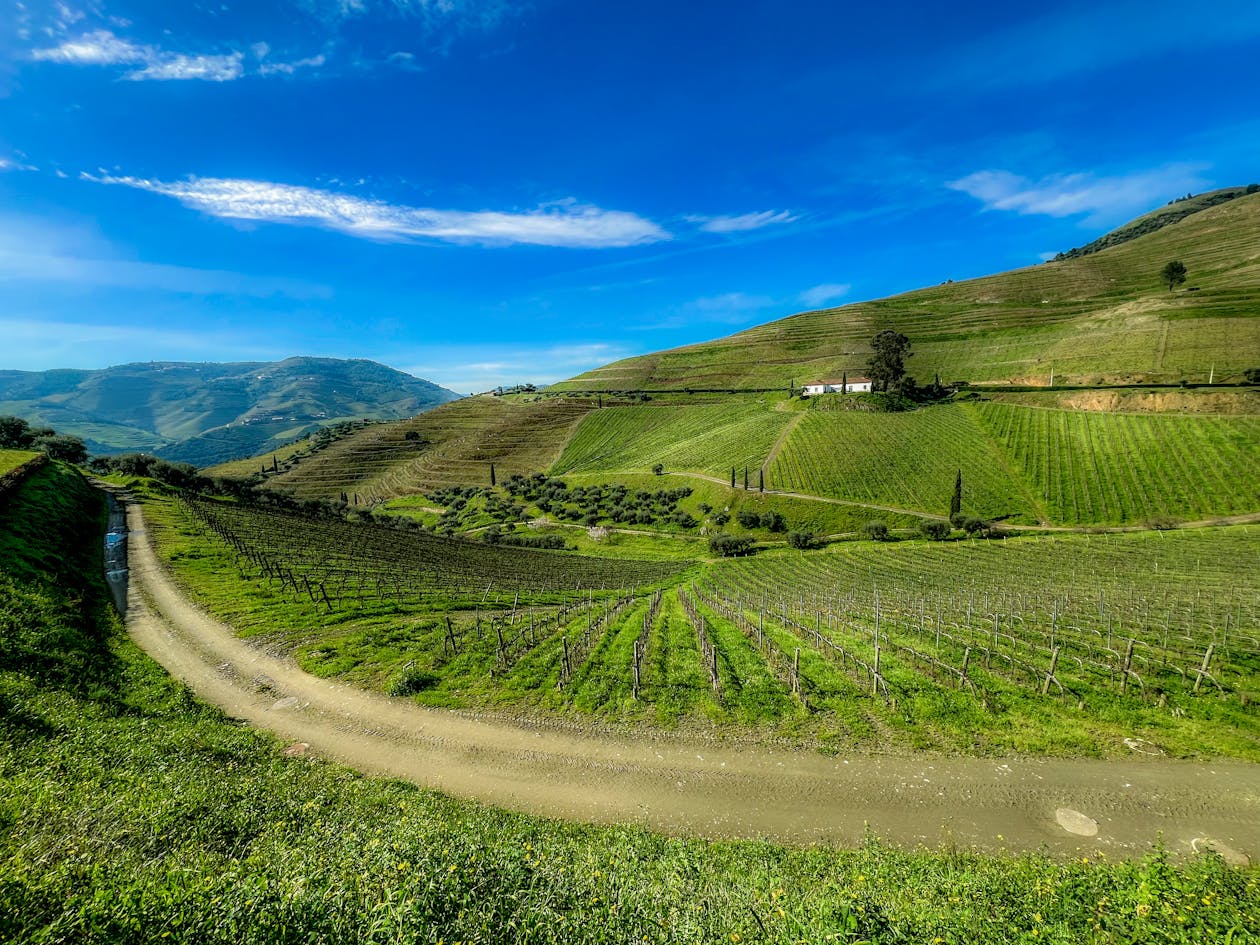
The Douro Valley became a UNESCO World Heritage Site in 2001, and the reason is right there in front of you the moment you round the first bend. Terraced vineyards stretch up impossibly steep slopes on both sides of the river, held in place by stone walls that generations of farmers built by hand. The terracing system (socalcos) dates back centuries and represents one of the most dramatic examples of humans reshaping a landscape to grow food.
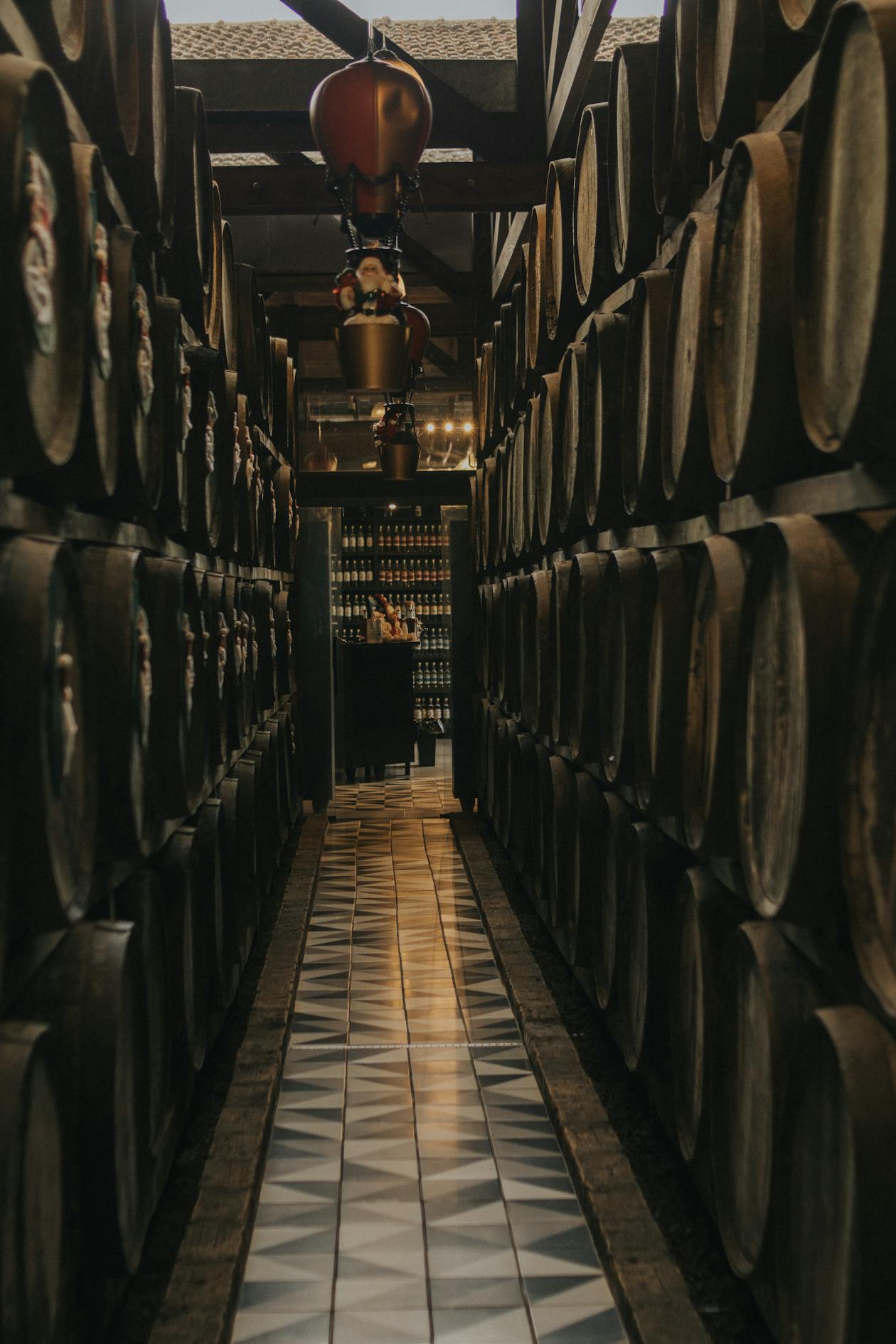
Port wine is the main product, but the valley also produces excellent still wines — both red and white — that don’t always make it to export markets. The quintas you’ll visit range from tiny family operations with a few hectares of vines to large estates that have been producing wine since the 18th century. Some have modern tasting rooms; others pour wine in the same stone buildings where it’s been made for 200 years.
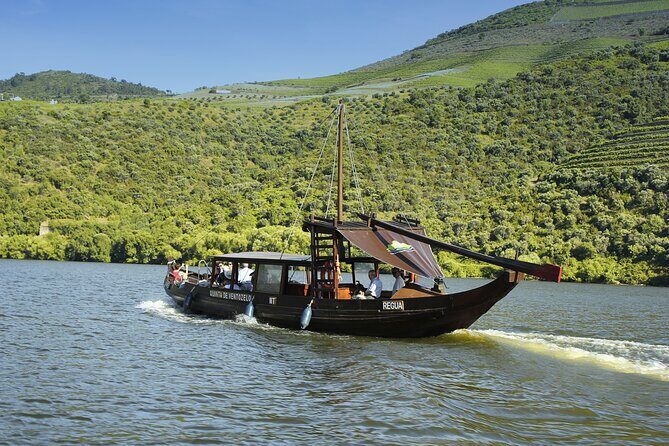
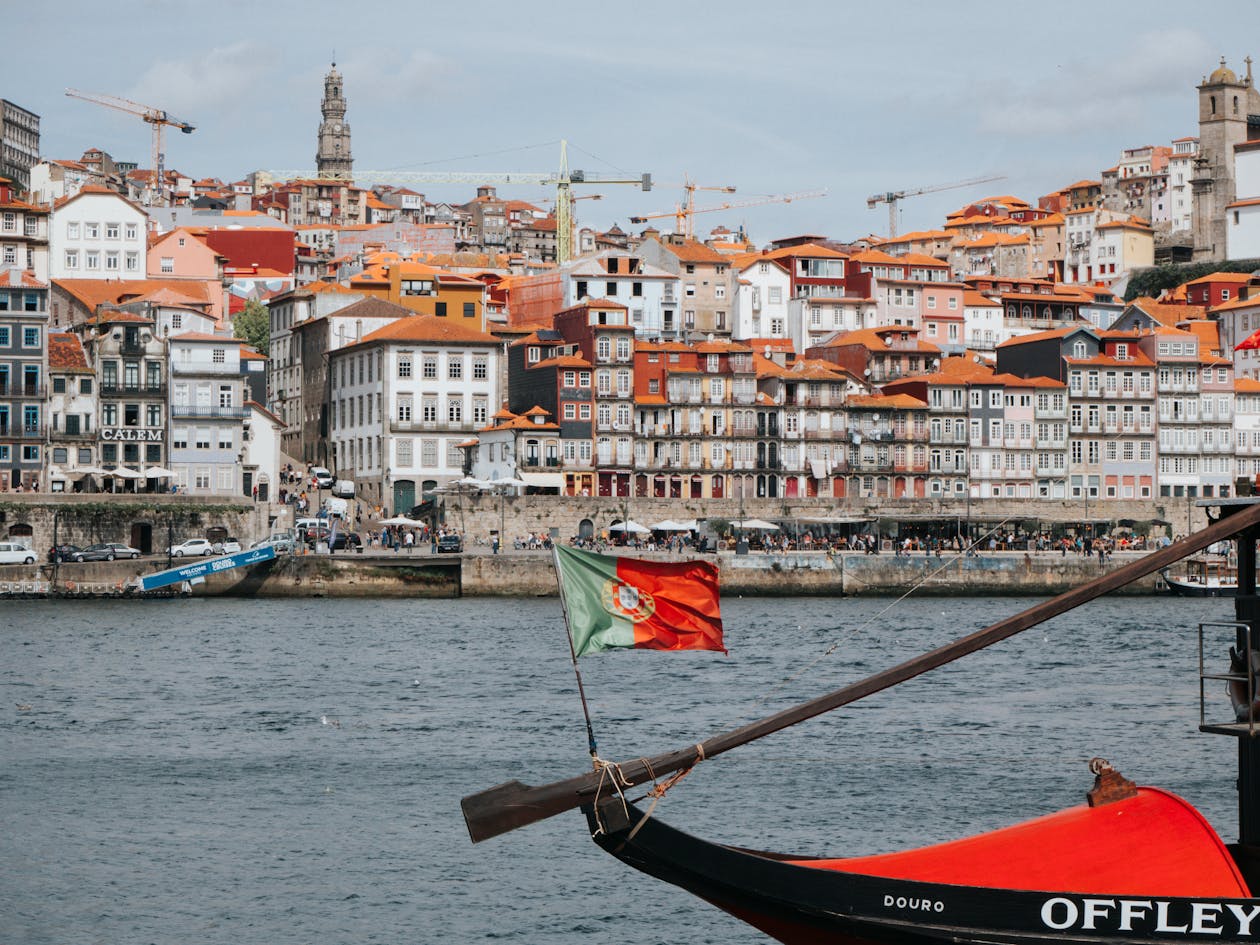
The river itself was the original highway for moving wine barrels downstream to Porto’s cellars in Vila Nova de Gaia. The traditional rabelo boats you see in Porto were the transport vessels. These days the river is dammed for hydroelectric power, which means the cruise sections are calm and wide — perfect for a lazy afternoon on the water after a morning of tastings.
More to Do in Porto
Porto is the kind of city that deserves more than just being a launchpad for the Douro. If you’re spending a few days there (and you should), the Ribeira waterfront is worth an evening wander — the way the light hits those tiled facades at sunset genuinely stops people in their tracks. The port wine cellars across the river in Vila Nova de Gaia are an obvious stop, but the smaller ones away from the main tourist drag tend to offer more interesting tastings at lower prices. And if you haven’t already taken the 6 Bridges river cruise, it’s a quick, cheap way to see the city from a completely different angle. For anyone heading south after Porto, the combination of a Douro Valley day trip and a couple of days exploring the city itself makes one of the best short trips in Portugal.
More Porto Guides
The Douro Valley is the big day trip from Porto, but the city itself deserves at least a couple of days. visiting port wine cellars in Porto takes you across the river to Vila Nova de Gaia where the big port houses have been ageing wine for centuries. a river cruise in Porto covers the same stretch of river at water level, which gives you a completely different view of the valley you just drove through. a walking tour in Porto is the best starting point if you want to understand the old centre, and a food tour in Porto digs into the local food scene beyond what most visitors find on their own. For a longer day trip, visiting Braga and Guimaraes from Porto heads north to two medieval towns that feel like they have barely changed in five hundred years. If you are heading south afterwards, the Algarve coastline is a completely different side of Portugal.
This article contains affiliate links. If you book a tour through one of these links, we earn a small commission at no extra cost to you. This helps us keep creating free travel guides.