
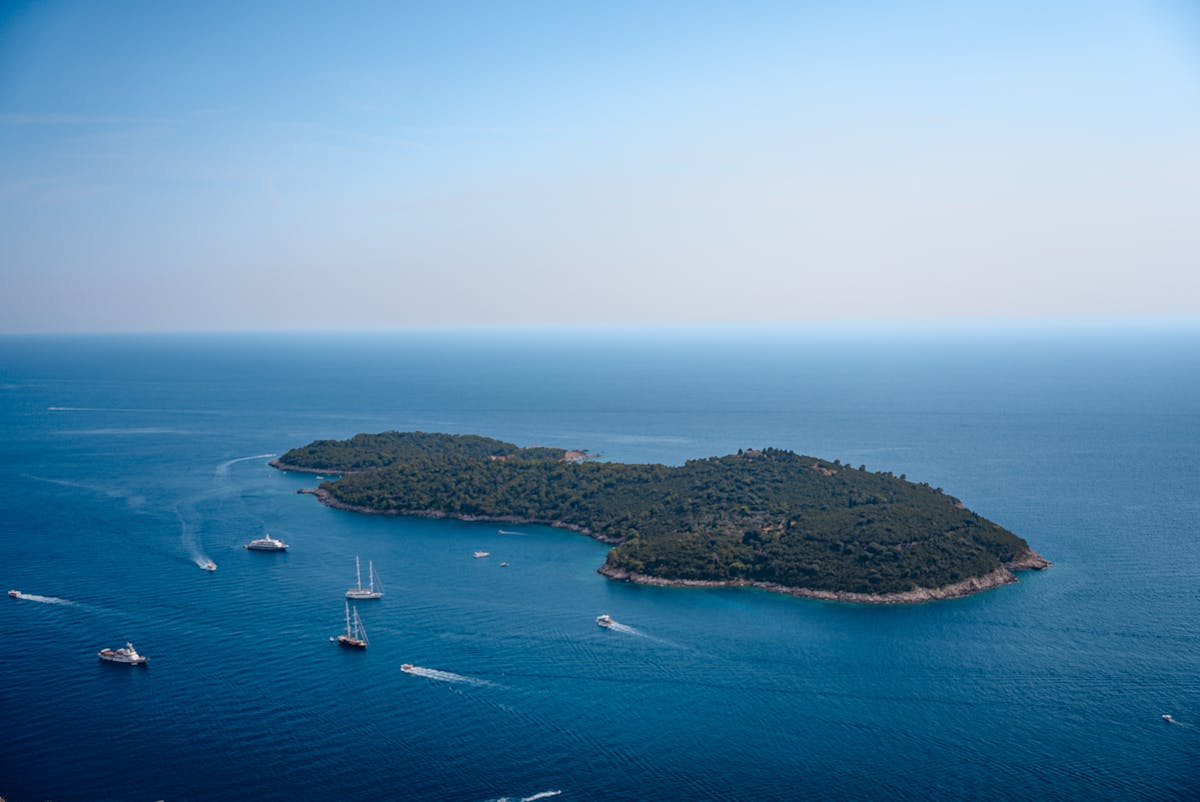
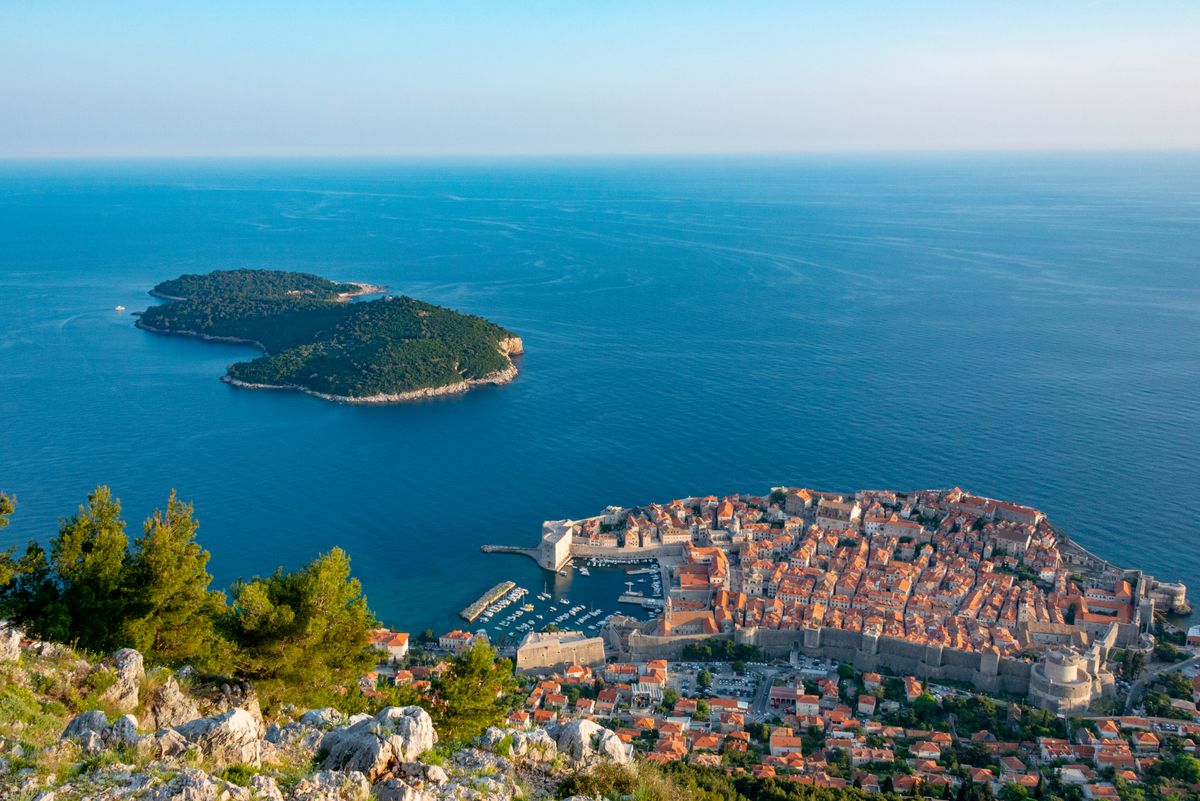
The Elaphiti Islands are Dubrovnik’s best-kept escape. A chain of thirteen islands scattered across the Adriatic just northwest of the city, only three are permanently inhabited — Kolocep, Lopud, and Sipan — and together they form one of the most rewarding day trips on the Croatian coast. No cars on Kolocep or Lopud, no high-rise hotels on any of them, and swimming in water so clear it barely looks real.
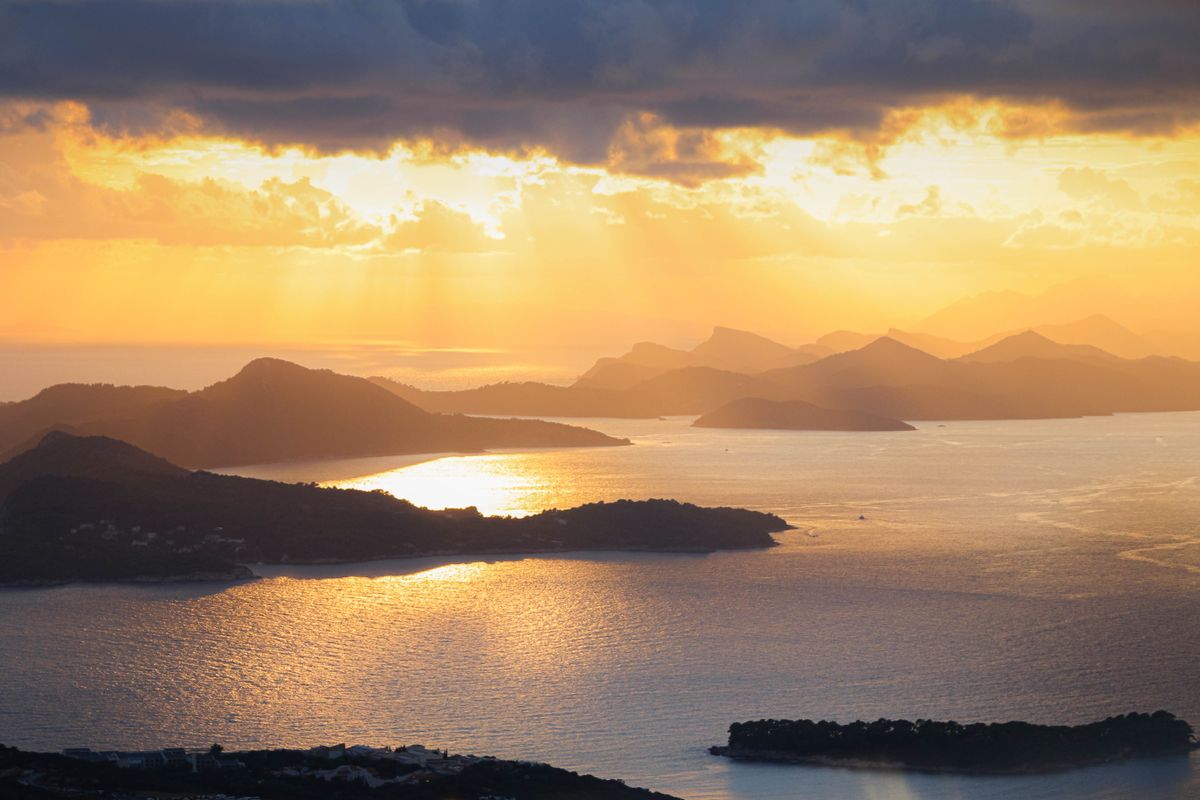
While Dubrovnik’s old town heaves with cruise ship crowds in summer, the Elaphiti Islands feel like Croatia did thirty years ago. Stone villages with orange-roofed houses, abandoned Renaissance villas slowly being reclaimed by fig trees, hidden coves accessible only by boat, and restaurants where the fish was caught that morning by the man serving it to you.

I’ve compared the most popular Elaphiti Islands cruises from Dubrovnik. Most include lunch, drinks, and stops at two or three islands with free time for swimming and exploring. Here are the best options, plus the fascinating history of these islands and practical tips for making the most of your day on the water.
Short on time? Here’s what to book:
Best overall: Elaphiti Islands Cruise with Lunch & Drinks — €79. Full-day three-island cruise with fish lunch grilled on board, unlimited drinks, and swimming stops. The most reviewed and highest-rated option.
Best multilingual: 3 Islands Boat Tour with Lunch & Drinks (FR/ES/EN) — €73. Same three-island format with guides in French, Spanish, and English. Excellent for non-English speakers.
Best premium: Luxury Blue Cave & Elaphiti Islands — €83. Smaller group on a premium vessel, combining the islands with the Blue Cave. Half-day format for a more exclusive experience.
- The Republic of Ragusa and the Elaphiti Islands: A Maritime History
- What to Know Before Booking
- Most cruises visit all three inhabited islands
- Lunch is usually included and surprisingly good
- Lopud’s Sunj Beach is the highlight for swimmers
- The boats vary widely in style
- The Best Elaphiti Islands Cruises from Dubrovnik
- 1. Full-Day Elaphiti Islands Cruise with Lunch & Drinks — €79
- 2. Elaphiti Islands Full-Day Cruise with Lunch — €79
- 3. Three Islands Boat Tour with Lunch & Drinks (FR/ES/EN) — €73
- 4. Elaphiti Islands Cruise with Lunch, Drinks & Pickup — €71
- 5. Luxury Blue Cave & Elaphiti Islands Small Group Tour — €83
- The Three Islands: What to Expect on Each
- Kolocep (Kalamota)
- Lopud
- Sipan
- Can You Visit the Elaphiti Islands Independently?
- When to Go
- Frequently Asked Questions
- Do I need to bring anything for the cruise?
- Is the cruise suitable for children?
- Can I get seasick on the cruise?
- Is lunch included on all cruises?
- How far are the islands from Dubrovnik?
The Republic of Ragusa and the Elaphiti Islands: A Maritime History

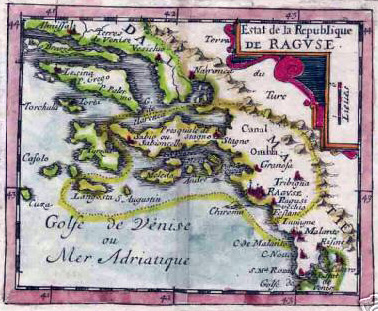
The Elaphiti Islands weren’t always a sleepy archipelago of fishermen and day-trippers. For over four centuries, they were a strategic part of the Republic of Ragusa — one of the most remarkable city-states in European history.
Ragusa (modern Dubrovnik) was a maritime republic that rivalled Venice, maintaining its independence from 1358 to 1808 through a combination of diplomatic genius, naval power, and strategic tribute payments. At its peak, Ragusa’s merchant fleet numbered over 300 ships, and the Elaphiti Islands served as the republic’s first line of defence and a critical staging point for its Adriatic trade routes.
Sipan, the largest of the inhabited Elaphiti Islands, was the summer retreat of Ragusa’s noble families. The Renaissance villas you’ll see crumbling among the olive groves were once palatial country estates where wealthy merchants escaped the city’s summer heat. Some have been partially restored; most stand as atmospheric ruins with fig trees growing through their windows and bougainvillea cascading over their walls.
Lopud was the republic’s main shipbuilding centre, and at one point had a population larger than it does today. The Franciscan monastery on the island, founded in 1483, still stands and houses a collection that includes a rare painting attributed to a follower of Titian. When you wander Lopud’s empty streets, you’re walking through the remains of what was once a thriving naval town.
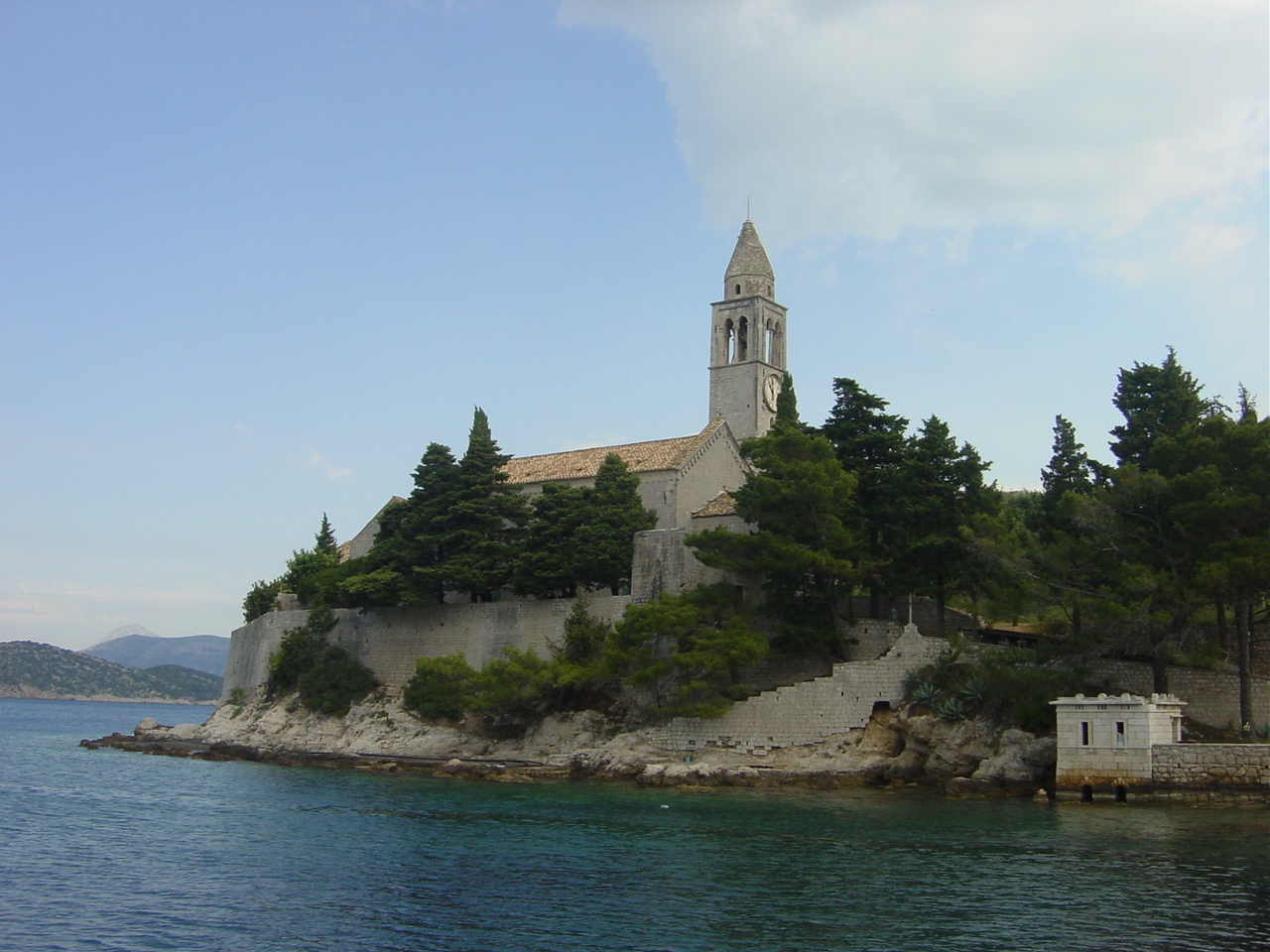
Kolocep, the smallest inhabited island and closest to Dubrovnik, was known for its coral divers. For centuries, Kolocep’s fishermen harvested red coral from the Adriatic seabed — a trade that made the island surprisingly wealthy for its size. The coral industry collapsed in the 19th century, but the island’s twin harbours and medieval churches remain as evidence of its former prosperity.
What to Know Before Booking
Most cruises visit all three inhabited islands
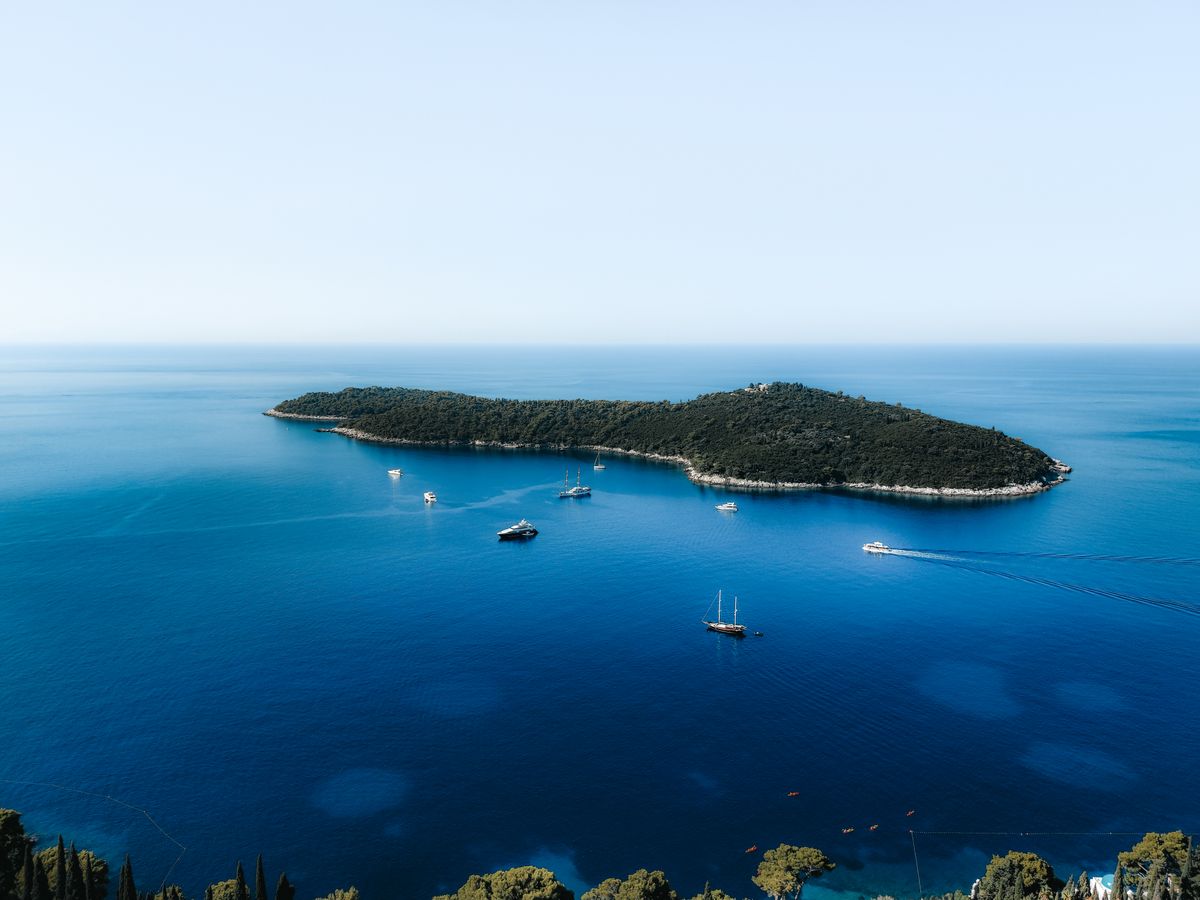
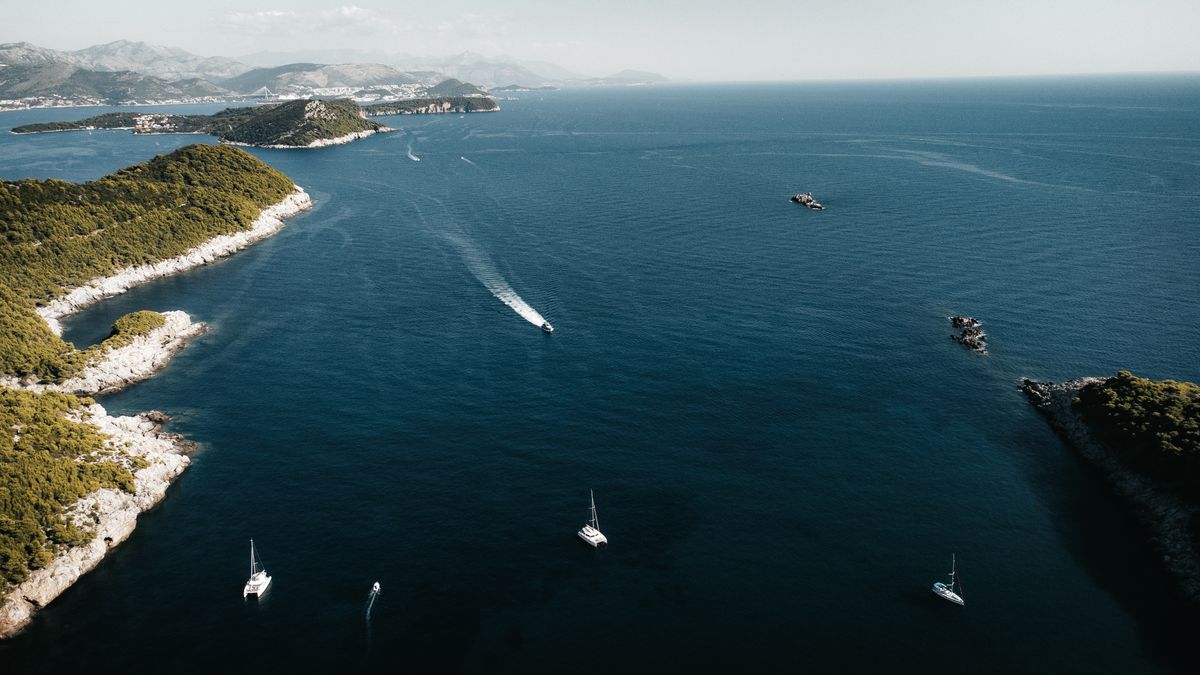
A typical Elaphiti Islands cruise stops at Kolocep, Lopud, and Sipan, giving you 45-90 minutes on each island. That’s enough time to swim, explore the village, and grab a coffee. The boat ride between islands is part of the experience — crystal-clear water, coastal scenery, and the Dubrovnik skyline receding behind you.
Lunch is usually included and surprisingly good
Most cruises serve a traditional Dalmatian fish lunch cooked on board — grilled fish, salad, bread, and fruit. On some boats, the captain catches the fish while you’re swimming. It’s not a restaurant meal, but fresh-caught fish grilled over charcoal on the open sea is its own kind of luxury. Wine, beer, soft drinks, and water are typically unlimited.
Lopud’s Sunj Beach is the highlight for swimmers
Sunj Beach on Lopud is one of the few sandy beaches in southern Croatia. It’s a 15-minute walk across the island from the harbour (or a short golf-cart ride), and the shallow, warm water is perfect for swimming. Most tours allocate the longest stop here — usually an hour to 90 minutes.
The boats vary widely in style
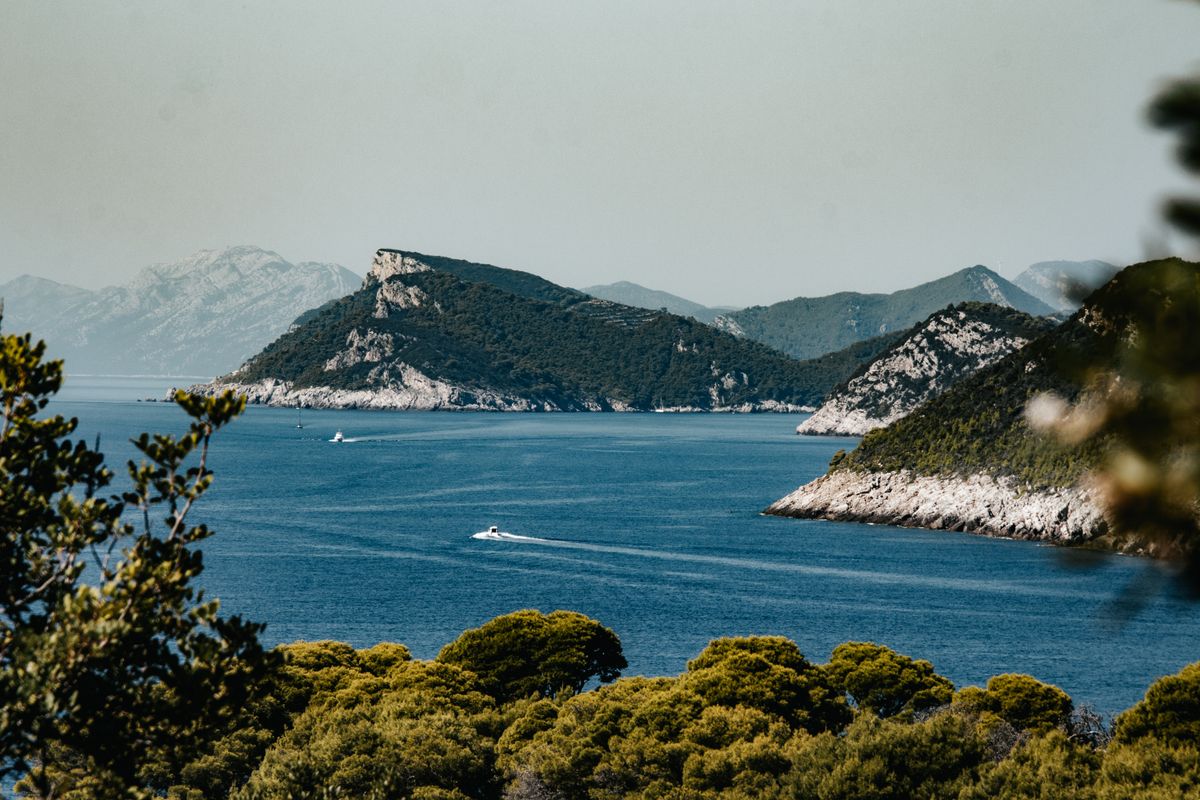
Some tours use traditional wooden gulet-style boats, others use modern catamarans or speedboats. The traditional boats are more atmospheric and have covered dining areas; the modern boats are faster and sometimes offer underwater viewing windows. Check the tour description for the boat type if this matters to you.

The Best Elaphiti Islands Cruises from Dubrovnik
1. Full-Day Elaphiti Islands Cruise with Lunch & Drinks — €79
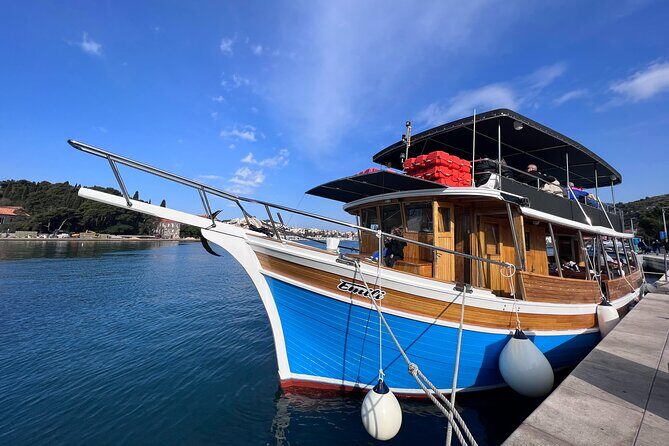
The most reviewed Elaphiti cruise from Dubrovnik and the benchmark all others are measured against. You board a traditional wooden boat at the old harbour, sail past the city walls, and spend the day visiting Kolocep, Lopud, and Sipan with swimming stops at each island. Lunch is fresh fish grilled on board in a secluded bay, with unlimited wine, beer, and soft drinks throughout the day.
What makes this tour stand out is the crew. The captain and staff are locals who know every hidden cove, the best swimming spots, and which side of each island catches the afternoon sun. The atmosphere on board is relaxed and social — by the time you’ve had a glass of wine with lunch, you’ll know half the passengers by name. Eight hours on the water flies by.
Duration: 8 hours | Departure: Dubrovnik Old Port, morning
2. Elaphiti Islands Full-Day Cruise with Lunch — €79
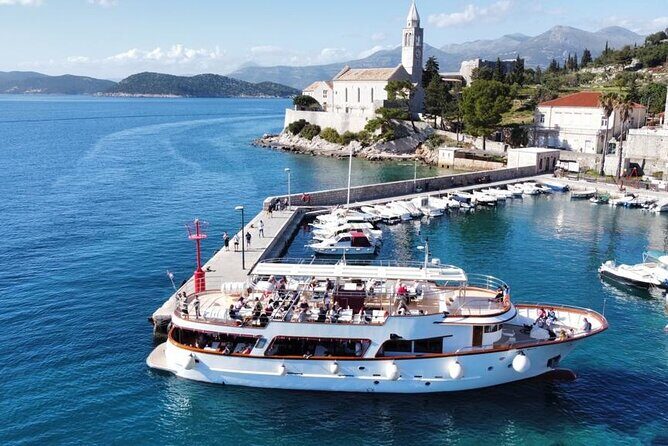
Nearly identical in format to the top pick — three islands, full-day cruise, fish lunch, drinks included — but operated by a different company with its own boat and crew. The experience is comparable in quality, and it often has availability on dates when the first option is sold out.
The itinerary follows the same three-island route with a slightly different order depending on conditions. Some days you start at Sipan, others at Kolocep — the captain reads the weather and adjusts. The fish lunch is prepared on board, and the swimming stops are chosen for shelter and water clarity. A great backup option if your preferred date is full on the first tour.
Duration: 8 hours | Departure: Dubrovnik Old Port, morning
3. Three Islands Boat Tour with Lunch & Drinks (FR/ES/EN) — €73
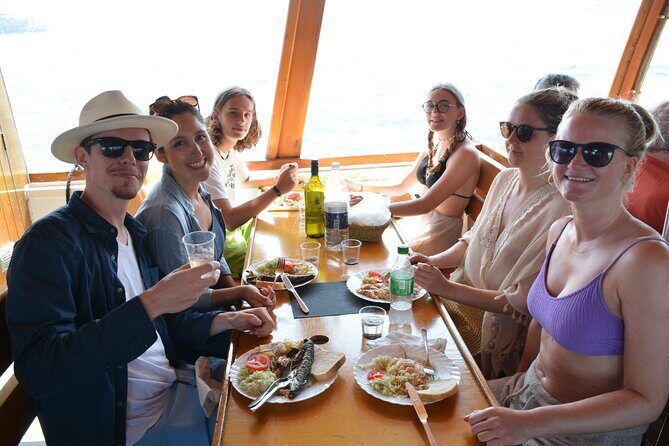
The same three-island experience with one crucial difference: guides speak French, Spanish, and English. If you or someone in your group is more comfortable in French or Spanish, this tour removes the language barrier that can dilute the experience on English-only trips.
The itinerary covers Kolocep, Lopud, and Sipan with swimming stops, an on-board fish lunch, and unlimited drinks. The slightly lower price and longer duration (9.5 hours vs 8 hours) mean more time on the islands and a more relaxed pace. The multilingual commentary adds context about each island’s history as you approach — particularly interesting when passing the old Ragusan villas on Sipan.
Duration: 9.5 hours | Departure: Dubrovnik, morning
4. Elaphiti Islands Cruise with Lunch, Drinks & Pickup — €71
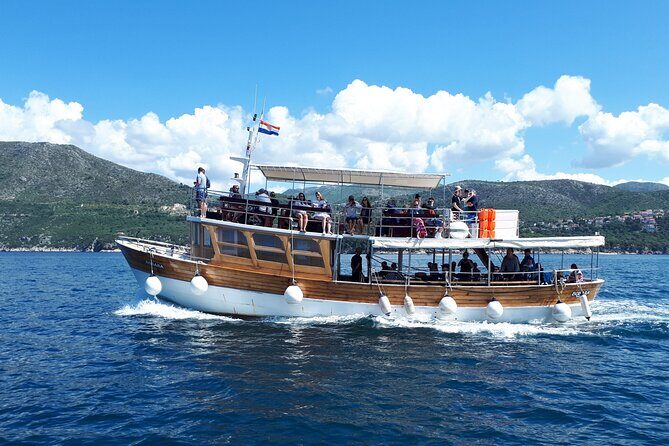
The convenience pick. This tour includes hotel pickup and drop-off, which in Dubrovnik is worth more than it sounds. The city is built on steep hills, and the walk from many hotels to the old harbour can involve hundreds of stairs in 35-degree heat. Having a minibus collect you from your hotel door and deliver you directly to the boat is a luxury worth the small price premium.
The cruise itself follows the standard three-island format with lunch and unlimited drinks. The flexible duration (listed as 9-17 hours) means the boat adapts to conditions — some days you linger longer at the best swimming spots, others you shelter from afternoon winds in a different cove. It’s a more laid-back approach that suits the island-hopping spirit.
Duration: Flexible (9-17 hours) | Departure: Hotel pickup, morning
5. Luxury Blue Cave & Elaphiti Islands Small Group Tour — €83
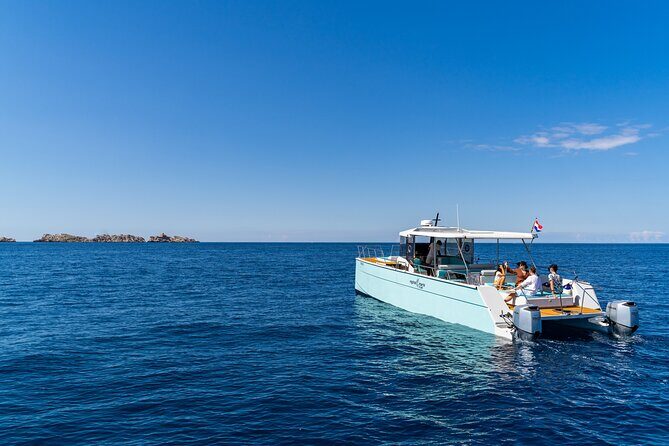
The premium option for travellers who want a more exclusive experience. This half-day tour uses a smaller vessel with fewer passengers, meaning less waiting at swimming spots and more personal attention from the crew. It combines the Elaphiti Islands with the Blue Cave — a natural sea cave that glows electric blue when sunlight refracts through the underwater entrance.
The shorter duration (4 hours vs 8) means fewer island stops, but the quality of each stop is higher. The Blue Cave visit is weather-dependent — seas need to be calm to enter — but when conditions cooperate, it’s one of the most memorable natural phenomena on the Adriatic. If you’ve already done a full-day cruise and want something different, or if half a day on the water is more your speed, this delivers.
Duration: 4 hours | Departure: Dubrovnik, morning
The Three Islands: What to Expect on Each
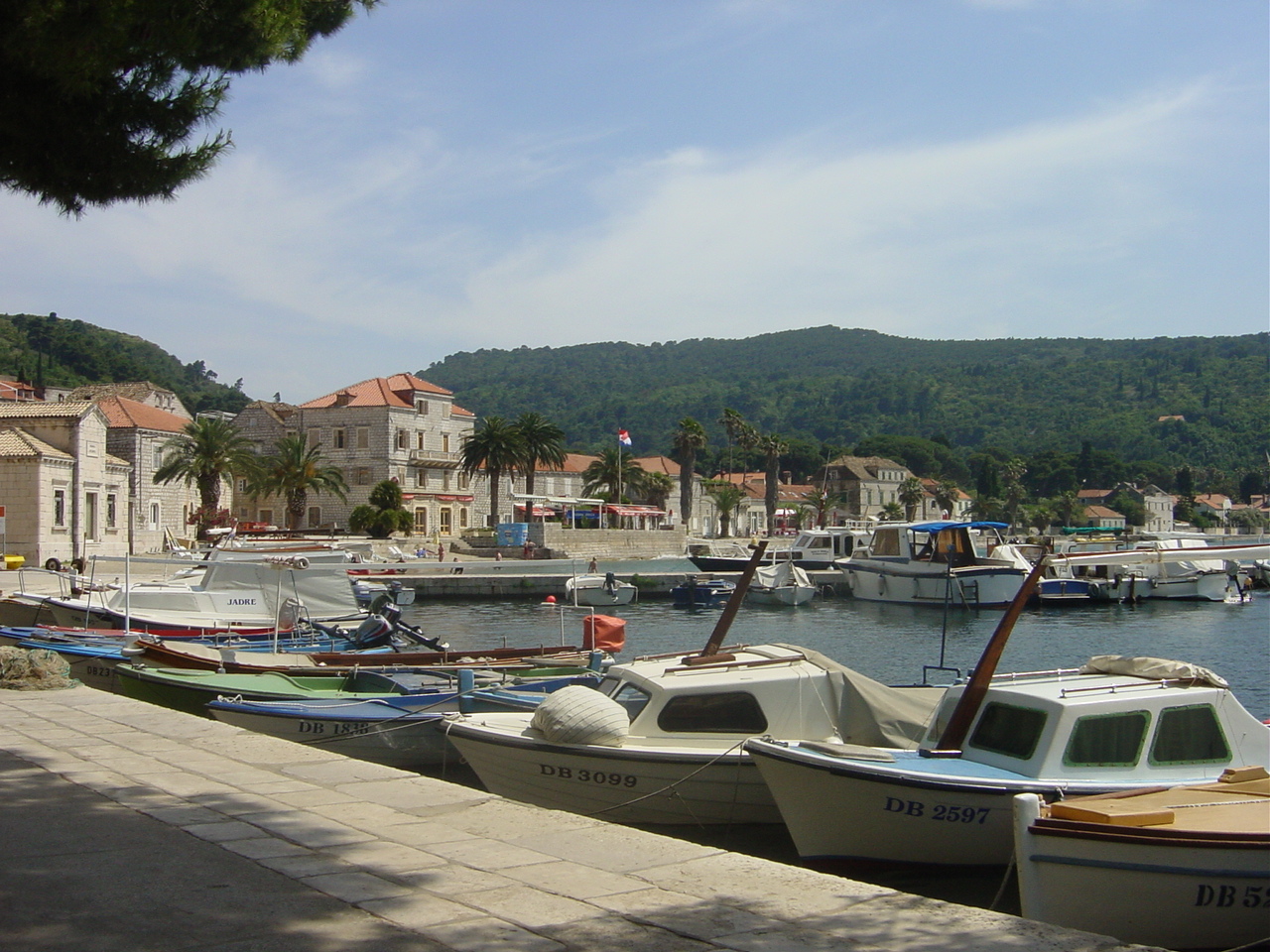
Kolocep (Kalamota)
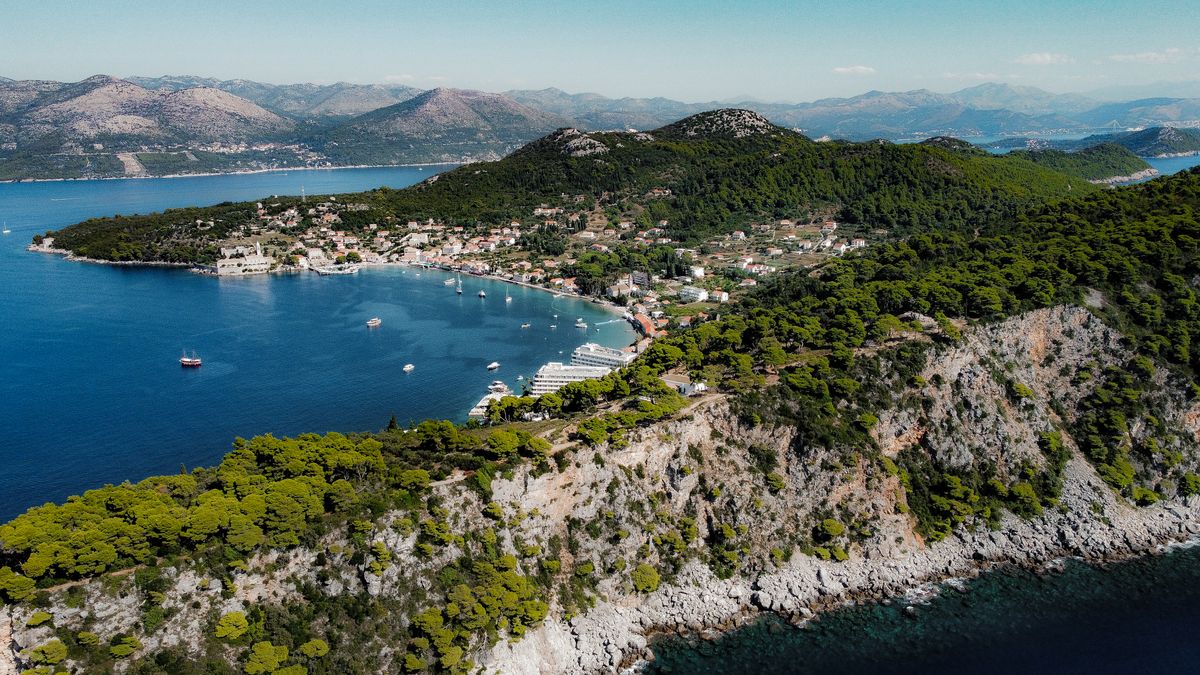
The closest island to Dubrovnik and the smallest of the three. Car-free and wonderfully quiet, Kolocep has two small villages connected by a path through a fragrant pine and citrus forest. The swimming is excellent — the water around the island is consistently ranked among the cleanest in Croatia. Look for the pre-Romanesque churches tucked among the olive trees, some dating to the 9th century.
Lopud
The middle island and the star of most cruises. Lopud has a gorgeous harbour village with a palm-lined promenade, several restaurants, and an abandoned Renaissance palace that’s hauntingly beautiful. But the main draw is Sunj Beach on the far side — a crescent of fine sand shelving into shallow turquoise water. It’s the best swimming beach accessible from Dubrovnik by a wide margin.

Sipan
The largest and most agricultural of the three. Sipan is where Ragusa’s noble families built their country estates, and the remains of their Renaissance and Gothic villas are scattered among working olive groves and vineyards. The village of Sipanska Luka has a quiet harbour with excellent seafood restaurants. Sipan feels the most “real” of the three islands — less touristic, more lived-in.
Can You Visit the Elaphiti Islands Independently?

Yes, and it’s easy. The state ferry company Jadrolinija runs daily services from Dubrovnik’s Gruz harbour to Kolocep, Lopud, and Sipan. Tickets cost just a few euros per island, and you can create your own itinerary.
Ferry strategy: Take the morning ferry to Sipan (the furthest island), explore and have lunch, then work your way back via Lopud (swim at Sunj Beach) and Kolocep (final swim), catching the evening ferry home. This way you’re moving with the afternoon sun rather than against it.
Water taxi: Small boats offer taxi services between the islands and from Dubrovnik. More expensive than the ferry but faster and more flexible — useful if you want to reach specific beaches or coves.
The guided cruise is better value if you want lunch, drinks, and multiple swimming stops handled for you. The independent ferry is better if you want complete flexibility, more time on one island, or a budget option.
When to Go
Best months: May through October for swimming temperatures and calm seas. June and September are the sweet spot — warm enough for all-day swimming, fewer boats than July-August, and better prices.
Peak season: July and August. The islands are busiest, the most popular cruises sell out a week ahead, and Sunj Beach can get crowded by early afternoon. The water temperature peaks at a bath-like 25-26 degrees.
Shoulder season: May and October. Swimming is still possible (water around 20 degrees), the islands are quiet, and you’ll share the beaches with a handful of people rather than hundreds. Some cruise operators don’t run daily in shoulder months — check availability.
Sea conditions matter. The Adriatic can get rough when the bura (north wind) or jugo (south wind) blow. Cruises occasionally cancel or modify routes due to sea conditions. Book with a flexible cancellation policy during shoulder months.

Frequently Asked Questions
Do I need to bring anything for the cruise?
A swimsuit, towel, sunscreen, and a hat. Most boats provide shade but the Croatian sun is intense from June to September. Bring a light cover-up if you burn easily. Snorkelling gear is sometimes available on board but bringing your own guarantees a pair that fits.
Is the cruise suitable for children?
Very much so. The calm, shallow waters around the islands are ideal for children. Most cruises welcome families and some offer reduced child rates. Sunj Beach on Lopud is particularly child-friendly — sandy bottom, gentle slope, and warm shallow water.
Can I get seasick on the cruise?
The waters between the Elaphiti Islands are sheltered by the mainland and the islands themselves, so conditions are usually calm. If you’re prone to motion sickness, sit near the centre of the boat and keep the horizon in view. Most passengers have no issues.
Is lunch included on all cruises?
The four full-day cruises listed here all include lunch and drinks. The half-day luxury option does not include a full lunch but may offer light refreshments. Check the specific tour description for current inclusions.
How far are the islands from Dubrovnik?
Kolocep is just 20 minutes by boat from Dubrovnik’s old port. Lopud is about 40 minutes, and Sipan is roughly an hour. The distances are short, which means more time on the islands and less time in transit.
The Elaphiti Islands are one of several outstanding experiences around Dubrovnik. For a different perspective on the city itself, a walking tour of the old town reveals the history behind those famous limestone walls. If you’re drawn to the water, sea kayaking along the city walls gives you a viewpoint that most visitors miss entirely. And for the Game of Thrones fans, a dedicated filming locations tour connects the fictional King’s Landing to the real stones beneath your feet.