
I stepped off the train at Gent-Sint-Pieters station and walked straight into the wrong century. The half-hour ride from Brussels Midi had been uneventful — commuters, coffee cups, the usual. But the moment I crossed the bridge over the Leie river and saw the medieval skyline rising above the water, I understood why locals treat this trip like a weekend ritual, not a day excursion.
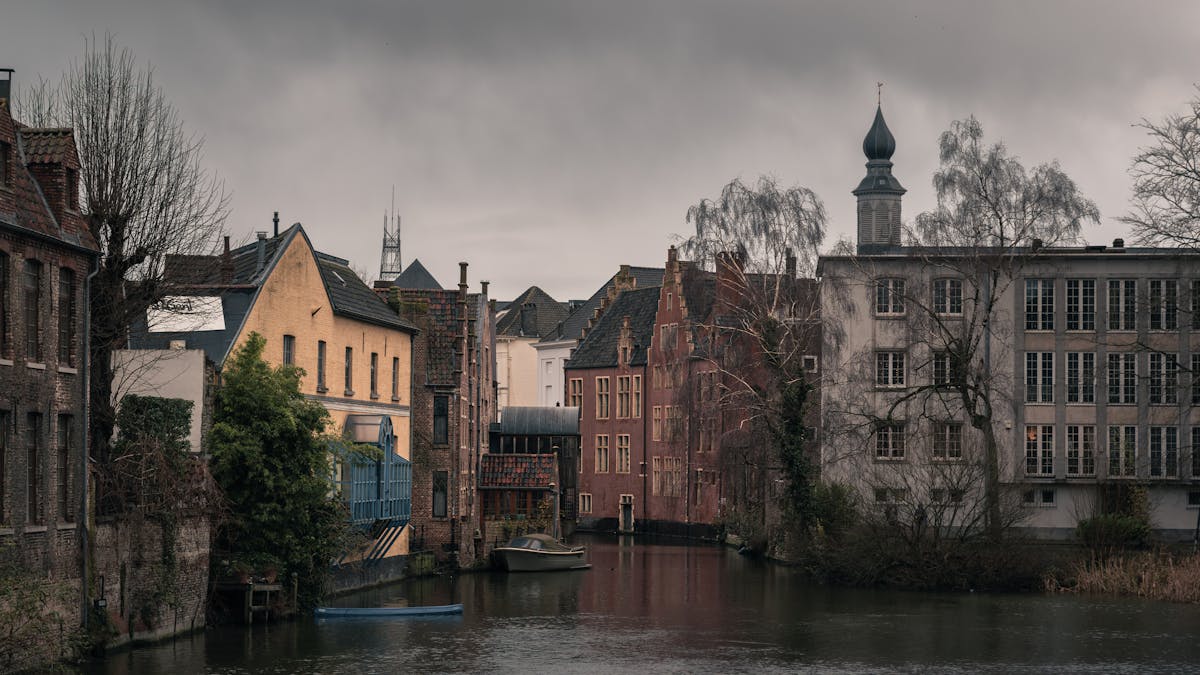
Ghent is the city that Brussels residents keep to themselves. It has the canals of Bruges without the cruise ship crowds, the history of Antwerp without the port-city grit, and a food scene that punches well above what a city of 260,000 should manage. The train takes 35 minutes. A day trip barely scratches the surface, but it’s enough to understand why people come back.
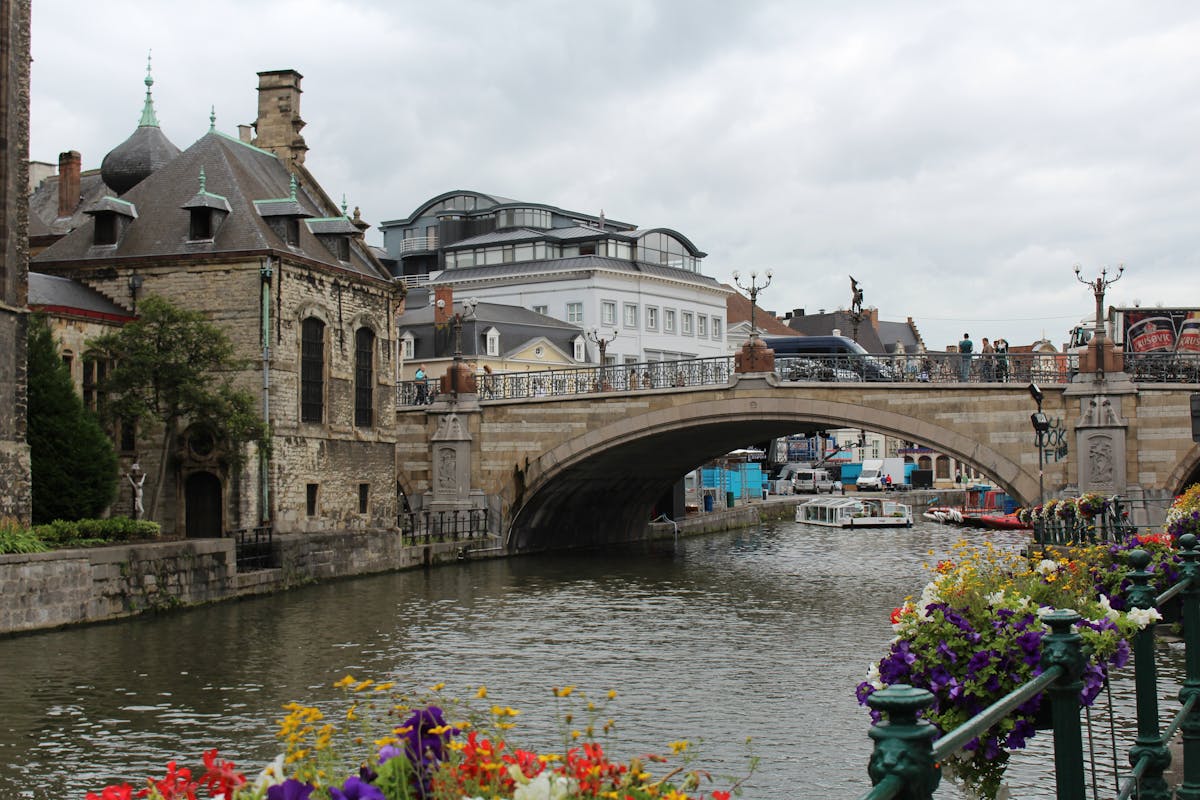
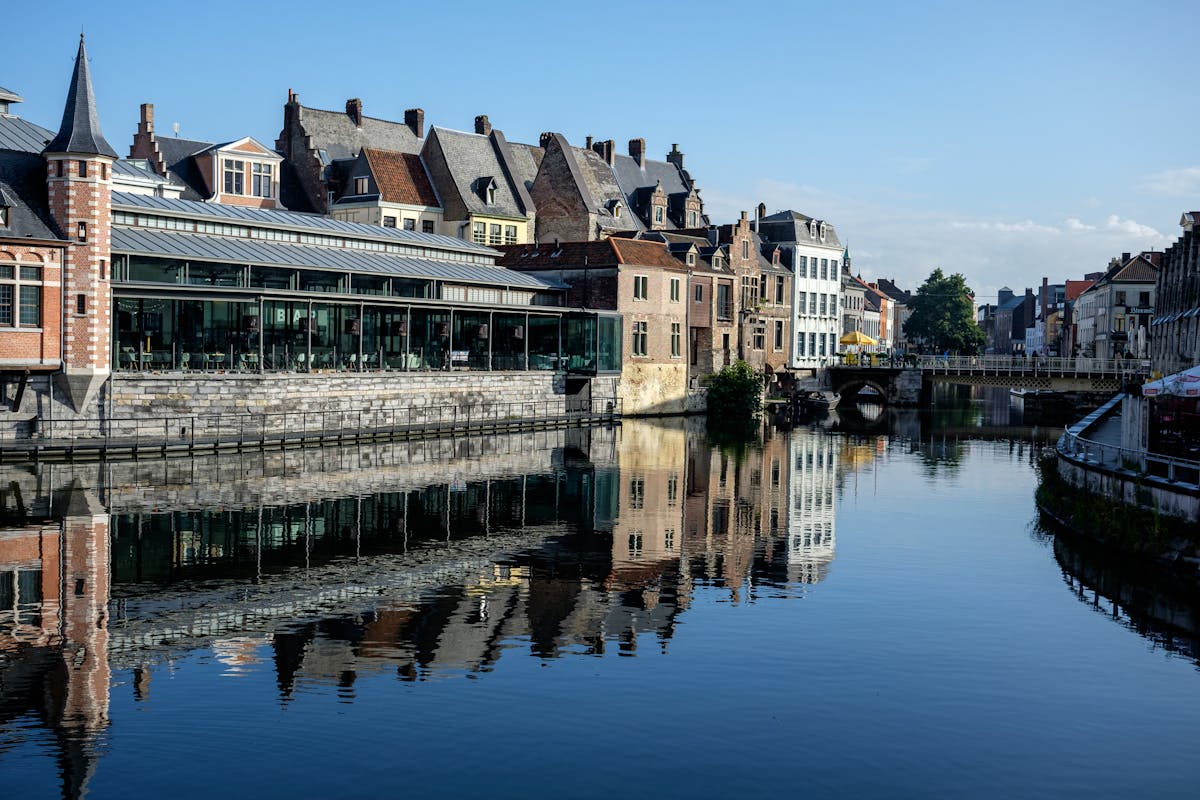
Best overall: Guided Day Trip to Bruges and Ghent — $55. Full-day tour that covers both cities with a guide who actually knows the backstreets.
Best budget: 50-Minute Medieval Boat Trip — $12. The cheapest way to see the best of Ghent’s canals and architecture in under an hour.
Best for variety: Antwerp and Ghent Guided Tour — $57. Pairs Ghent with Antwerp for travelers who want two cities in one shot.
- How to Get from Brussels to Ghent
- DIY Day Trip vs. Guided Tour — Which Makes Sense?
- The Best Ghent Tours to Book from Brussels
- 1. From Brussels: Guided Day Trip to Bruges and Ghent —
- 2. Ghent: 50-Minute Medieval Center Guided Boat Trip —
- 3. Bruges and Ghent — Belgium’s Fairytale Cities from Brussels —
- 4. From Brussels: Full-Day Antwerp and Ghent Guided Tour —
- 5. Ghent Bike Tour Off the Beaten Track —
- When to Visit Ghent
- What to See in Ghent (Walking Route)
- Tips That Will Save You Time and Money
- The History Behind the Canals: Why Ghent Matters
- Where to Eat in Ghent
- Planning the Rest of Your Belgium Trip
How to Get from Brussels to Ghent
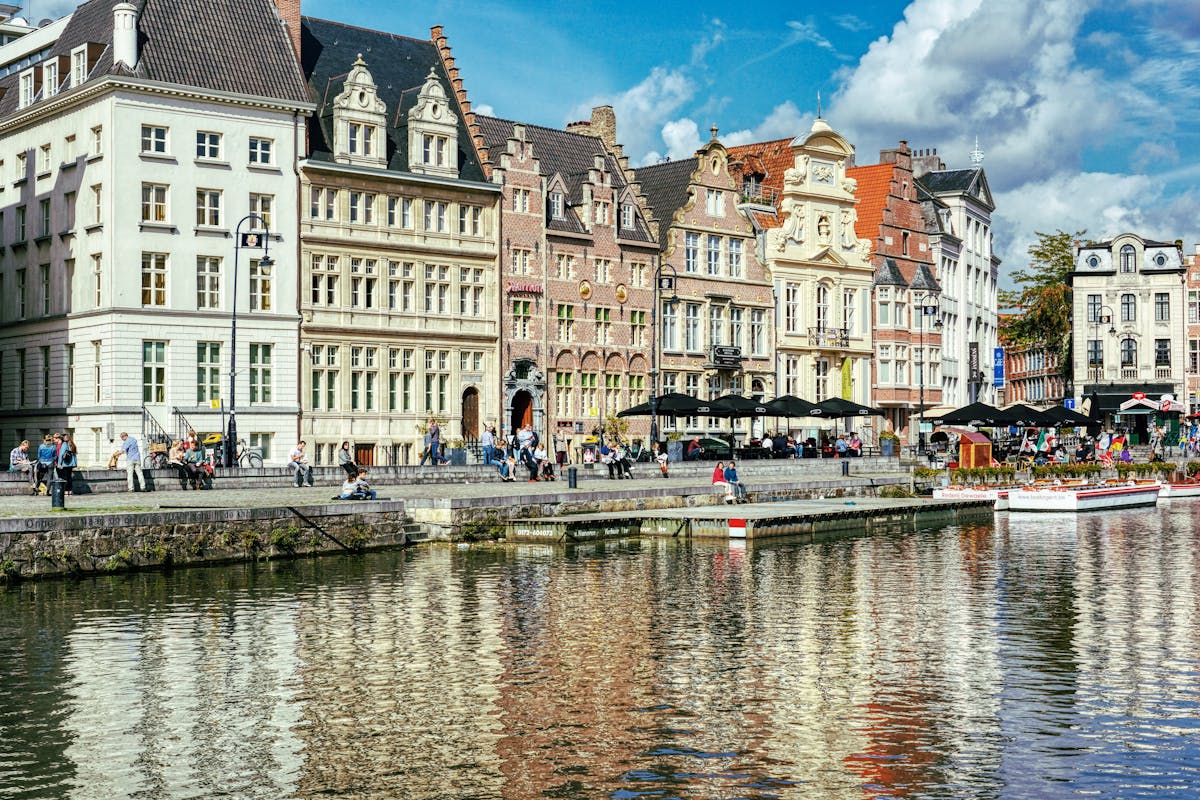
The fastest and simplest option is the train. Brussels Midi (Bruxelles-Midi/Brussel-Zuid) to Gent-Sint-Pieters runs multiple times per hour, and the ride takes between 31 and 38 minutes depending on whether you catch a direct IC train or one that stops at Denderleeuw.
Tickets cost around EUR 10.50 one way in second class if you buy at the station or on the SNCB app. No reservations needed — just tap your card or scan your QR code and hop on. Weekend return tickets are half price, which brings the round trip down to roughly the same as a single weekday fare.
A few practical notes that save time:
- Leave from Brussels Midi, not Central. Midi has the most frequent direct services and sits on the main north-south line. Brussels Central works too, but you’ll add 5-10 minutes and occasionally need a platform change.
- Gent-Sint-Pieters station is about 2 km south of the old town. Tram 1 runs straight from the station to Korenmarkt, the main square, in 15 minutes. Or walk it in 25 minutes along pleasant residential streets.
- The last trains back to Brussels run until around 23:00. Check the SNCB app for the exact schedule on your travel day — services thin out after 21:00.
- Driving is possible but pointless. Ghent’s city center is a low-emission zone with limited parking. The train is faster door-to-door once you factor in finding a spot.
DIY Day Trip vs. Guided Tour — Which Makes Sense?
This is a genuine question worth thinking through, not a formality.
Go DIY if: you want to wander at your own pace, spend two hours in the cuberdons shop (they’re cone-shaped nose candies — trust me, you’ll need time to pick flavors), linger over lunch, or visit the Ghent Altarpiece without a tour group blocking the view. The train system is dead simple and Ghent is compact enough to walk.
Book a guided tour if: you want context. Ghent’s history is wild — this is where Charles V was born, where the medieval cloth trade built an empire, and where the most stolen artwork in human history sits in a cathedral. A good guide connects those threads in ways that reading a plaque never will. The combined Bruges-and-Ghent tours are also genuinely efficient if you’re short on time and want both cities in one day.
The honest hybrid approach: take a guided tour to Ghent, then stay behind after the group leaves and explore solo for a few hours. Several of the tours below depart from Brussels in the morning and return by mid-afternoon, leaving you free to catch a later train home on your own.
The Best Ghent Tours to Book from Brussels
I’ve gone through every Ghent-related tour with a meaningful number of traveler ratings and picked five that cover different styles, budgets, and interests. These are ranked by how many people have actually taken and reviewed them — the most battle-tested options rise to the top.
1. From Brussels: Guided Day Trip to Bruges and Ghent — $55
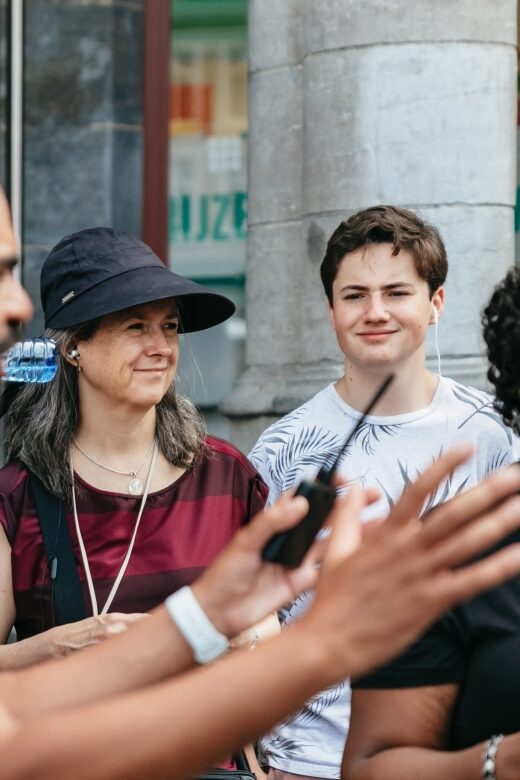
This is the most popular Ghent tour on the market, and for good reason. At $55 for a full day covering two of Belgium’s most photogenic cities, the value is hard to argue with. You get a licensed guide who handles all the logistics — pick-up in Brussels, coach to Ghent in the morning, walking tour of the old center, then on to Bruges for the afternoon.
The Ghent portion covers Graslei, the Gravensteen Castle exterior, Saint Bavo’s Cathedral, and the Belfry. You won’t have time to go inside everything, but the guide fills in what you’d miss. If you’re weighing whether to visit Bruges separately, this tour eliminates the decision — you get both in one go. Pair it with our full Bruges day trip guide if you decide to go deeper later.
2. Ghent: 50-Minute Medieval Center Guided Boat Trip — $12
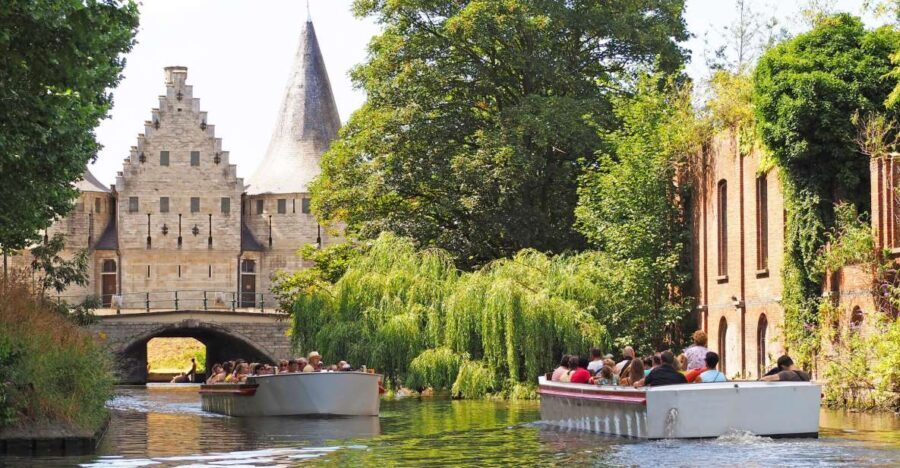
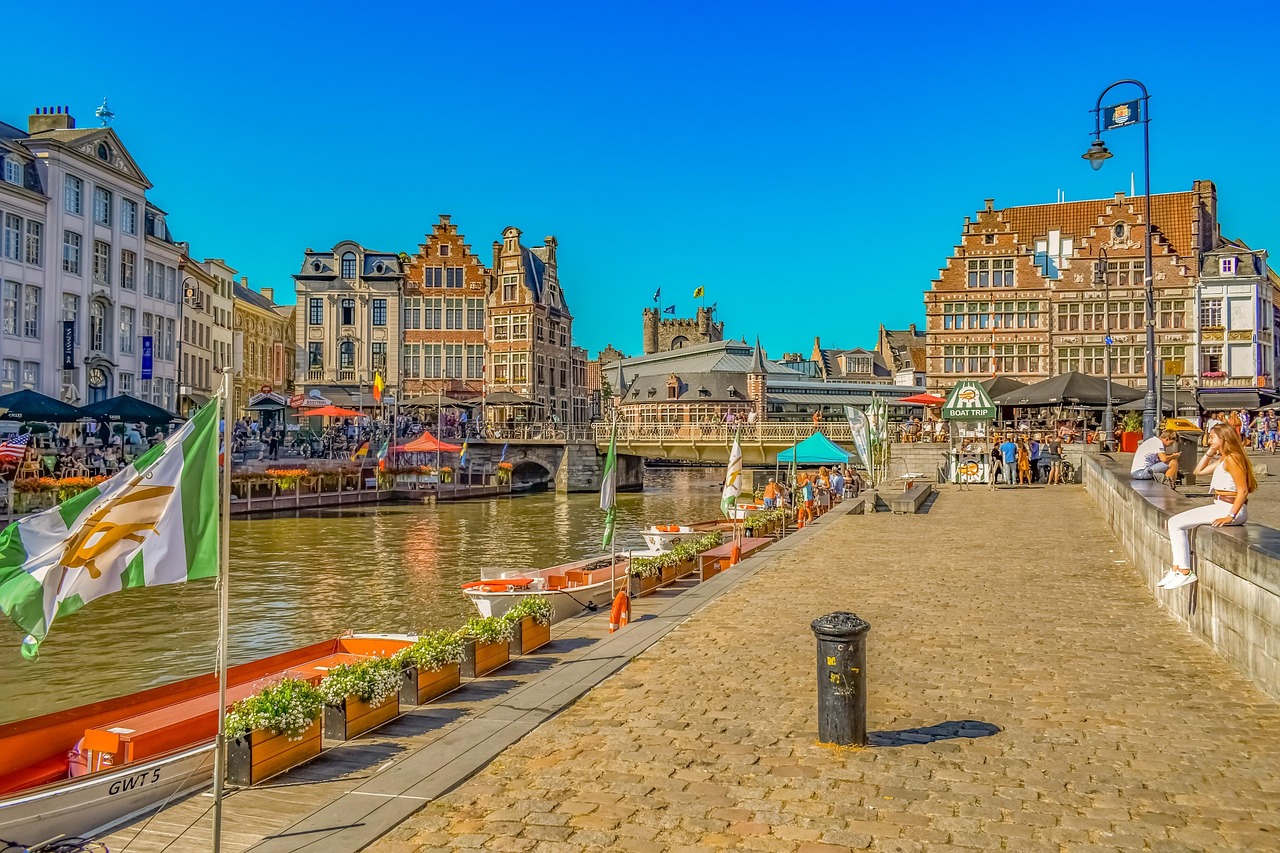
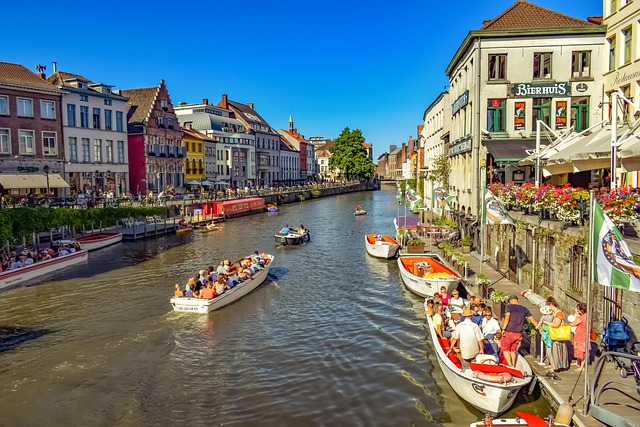
If you’re doing Ghent on your own and want one paid experience, make it this one. At $12 per person, the canal boat tour is absurdly good value. You glide past Graslei and Korenlei, under the bridges, alongside Gravensteen Castle, and through parts of the city you’d never find on foot.
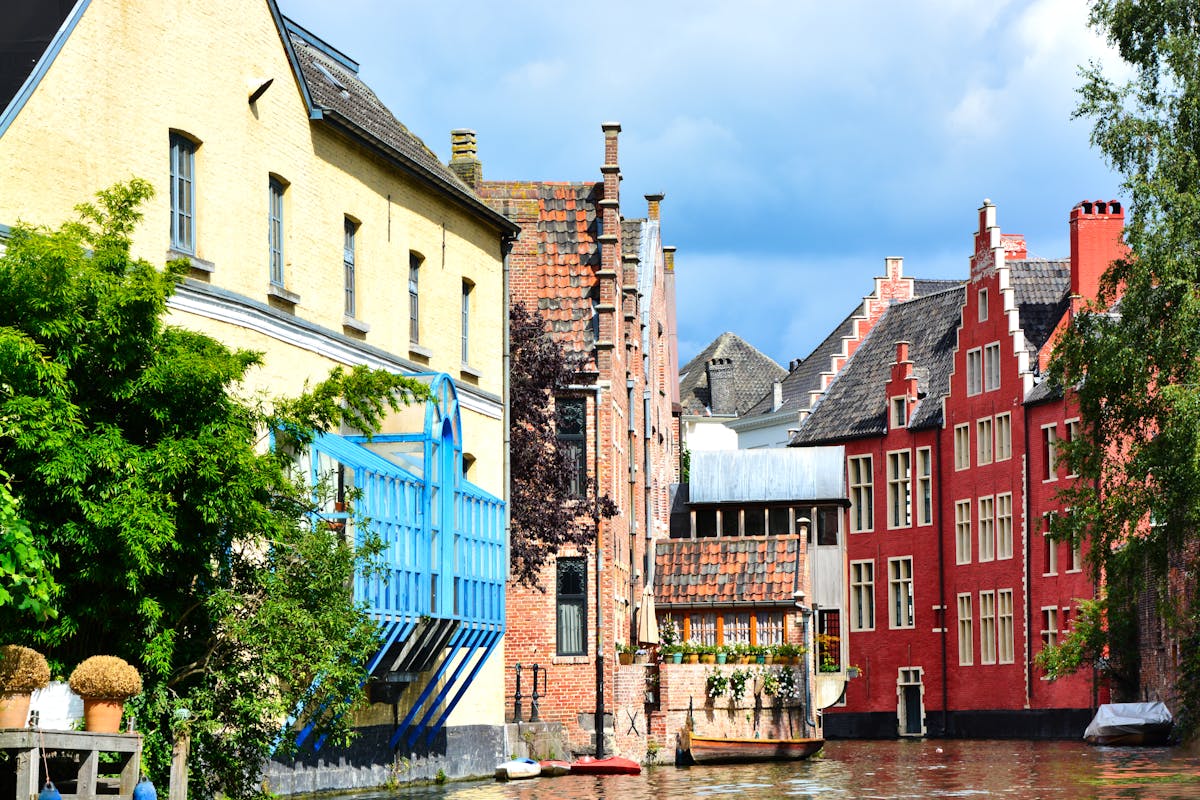
The boats are open-topped with a live guide who tells stories about the guild houses, the medieval trade routes, and why certain buildings lean at odd angles (spoiler: they were built on reclaimed marshland). This is the single most reviewed Ghent-specific activity for a reason — it gives you the full picture in under an hour and leaves the rest of the day free for exploring.
3. Bruges and Ghent — Belgium’s Fairytale Cities from Brussels — $59
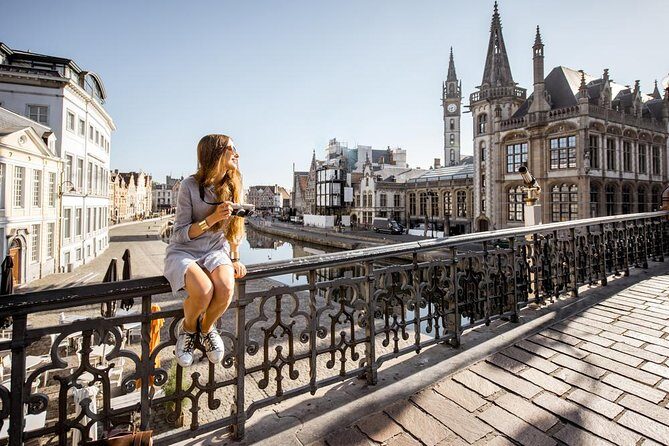
This is the Viator alternative to the GYG combo tour above, and it’s worth considering because the pickup locations and itinerary differ slightly. At $59, it’s a few dollars more, but this version sometimes includes extra walking time in Ghent’s old center and a slightly smaller group size depending on the day.
The format is the same — morning in one city, afternoon in the other, coach transport between stops, and a guide who handles the navigation. What pushes this into the top three is the sheer volume of travelers who’ve taken it. That many people can’t all be wrong, and the consistently strong feedback suggests the operators have the logistics dialed in tight.
4. From Brussels: Full-Day Antwerp and Ghent Guided Tour — $57
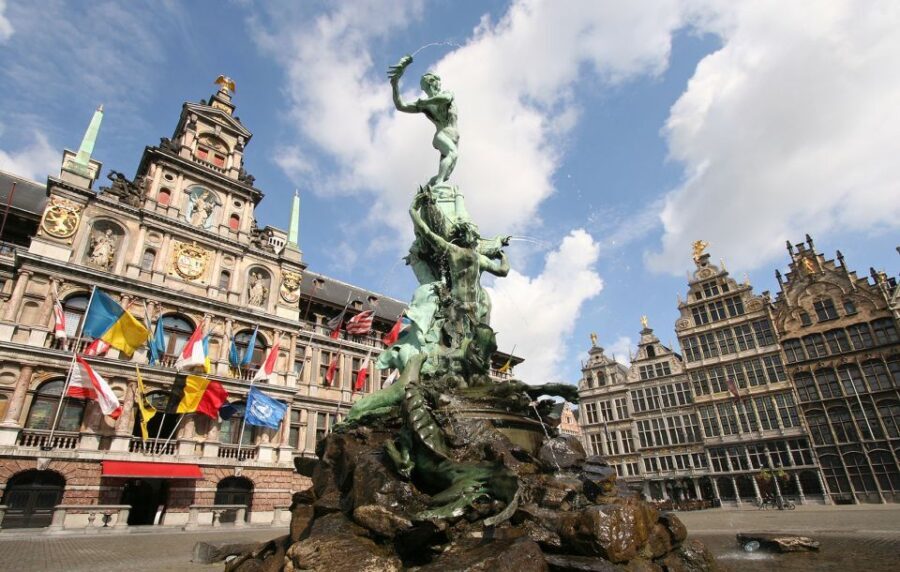
If you’ve already done Bruges (or it doesn’t interest you), this Antwerp-and-Ghent combination is the smart alternative. At $57, the price is nearly identical to the Bruges combos, but you get a wildly different second city. Antwerp is Belgium’s fashion capital, home to the largest diamond district in the world, and packed with Rubens paintings in actual churches.
The Ghent portion follows a similar pattern to the other combo tours — guided walk through the medieval center, free time at Graslei, and the cathedral. But the Antwerp half adds something the Bruges tours can’t: a city that feels genuinely modern alongside its history. Good pick if you want contrast rather than two medieval fairy tales back to back.
5. Ghent Bike Tour Off the Beaten Track — $58
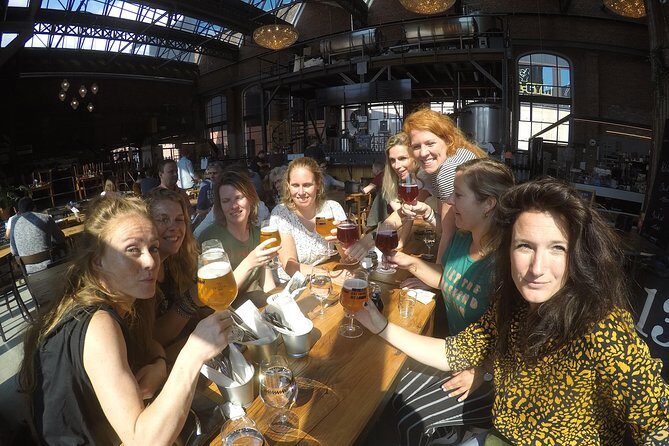
This is the one for people who’ve already seen the Graslei postcard shots and want to know what Ghent looks like when the tour groups aren’t around. The bike tour heads into neighborhoods most visitors never reach — along the Coupure canal, through the arts district, past street art that changes monthly, and into the Citadelpark where university students fill the lawns on any sunny afternoon.
At $58, it’s priced like the coached tours but feels nothing like them. The groups are small, the guide adjusts the route based on who’s riding, and Belgium is flat enough that even casual cyclists can handle it without breaking a sweat. If you’re visiting Ghent independently rather than on a Brussels day trip, this is how I’d spend a morning.
When to Visit Ghent
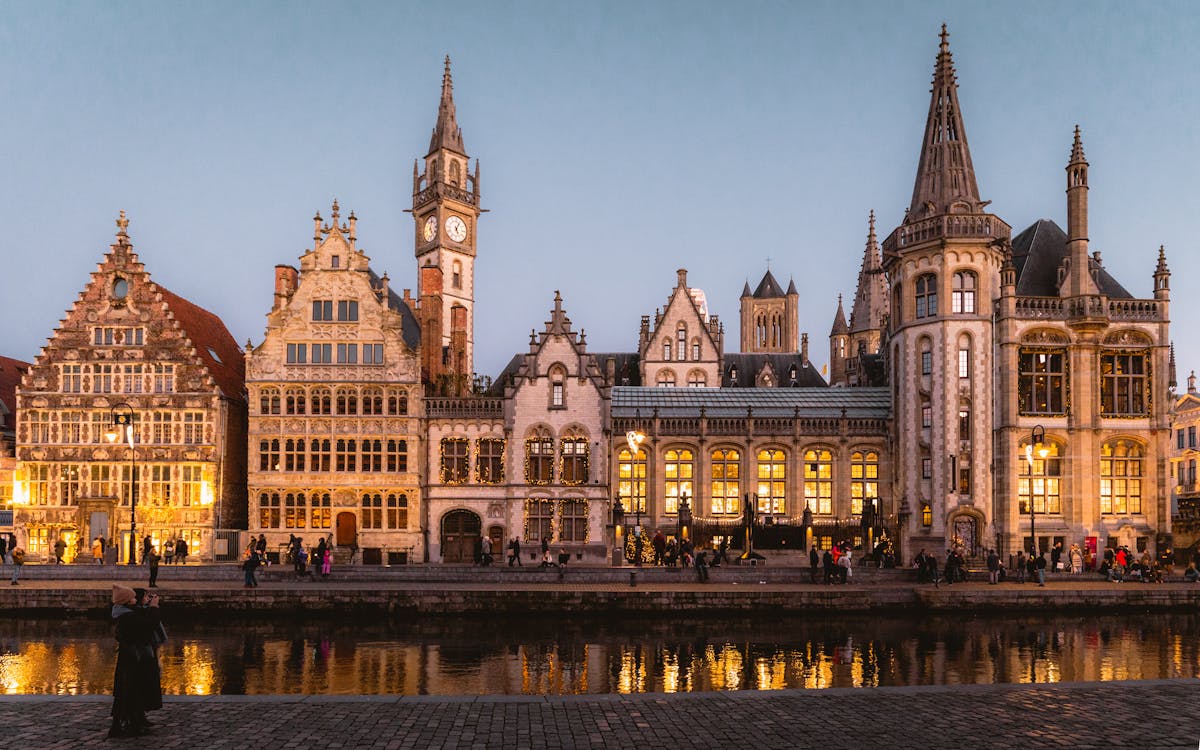
Ghent works year-round, which is one reason I keep recommending it over Bruges to people on tight schedules. There’s no “season” where the city shuts down or becomes unbearable.
Best months: May through September. Long daylight hours, outdoor terraces along Graslei packed with people, boat tours running at full capacity, and warm enough to cycle comfortably. July brings the Gentse Feesten — a ten-day street festival that transforms the entire city center into an open-air party. If your trip overlaps, adjust your plans to include it. If it doesn’t, the festival is honestly worth planning around.
Shoulder season (March-April, October): Fewer crowds, lower prices on accommodation if you decide to stay overnight, and the autumn colors along the canals are genuinely beautiful. You’ll want a rain jacket. The boat tours run but with reduced frequency.
Winter (November-February): The Christmas market fills Sint-Baafsplein and Korenmarkt from late November through early January. Ghent does winter markets well — smaller and less commercial than Brussels or Bruges, with local food stalls selling jenever (Belgian gin), stoofvlees (beef stew), and cuberdons. The medieval buildings look their best under grey skies, which is an odd thing to say but true once you see it.
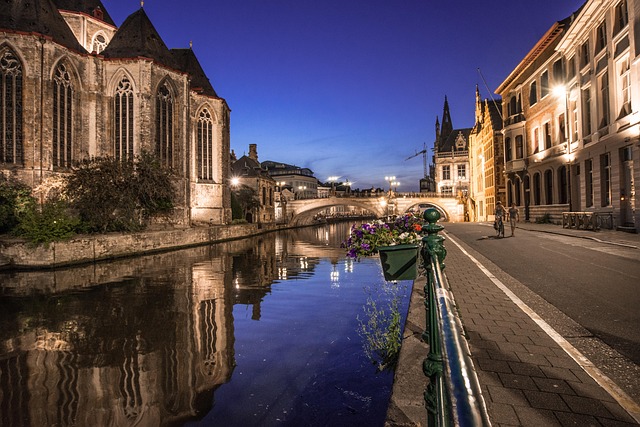
Time of day matters: If you’re doing a day trip, take an early train (before 09:00) and aim to arrive before the tour groups. The Graslei area is noticeably quieter before 10:00. Late afternoon is the second sweet spot — the golden light on the guild houses between 16:00 and 18:00 in summer is something else entirely.
What to See in Ghent (Walking Route)
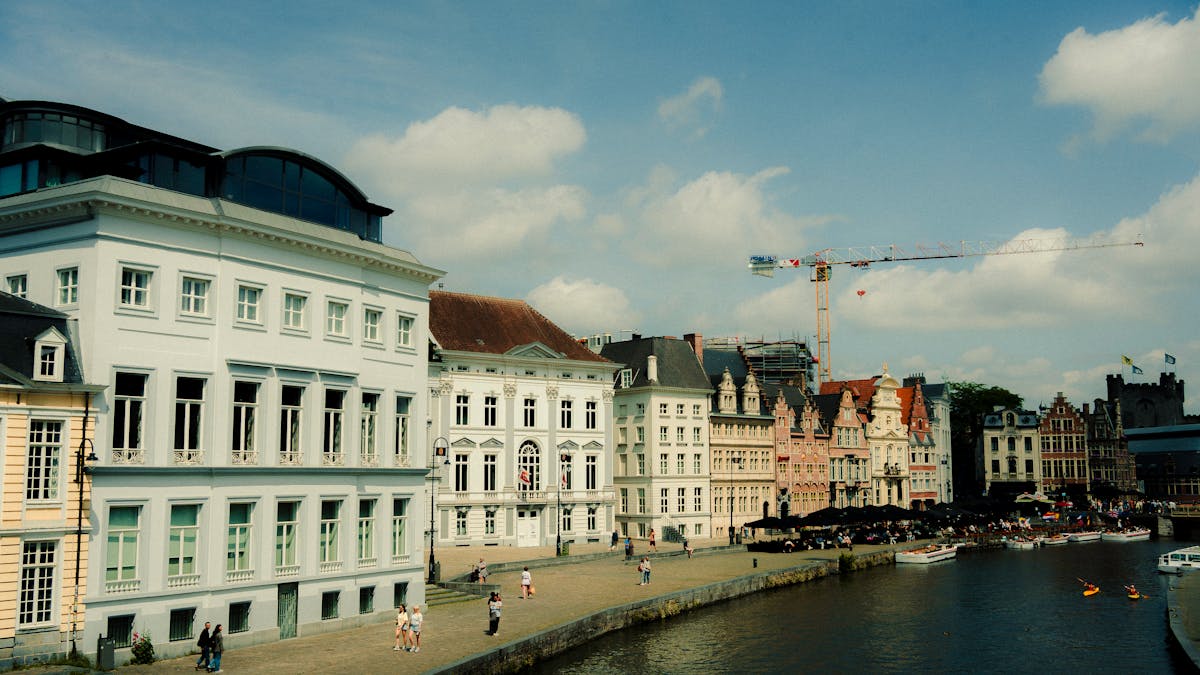
Whether you’re on a guided tour or exploring solo, the core route through Ghent’s old center follows a natural path that connects every major sight within about 2 km. Here’s the order that makes the most geographic sense:
Start at Korenmarkt. This is where tram 1 from the station drops you. The old post office building dominates one end, and Saint Nicholas’ Church sits at the other. Get your bearings here — everything fans out from this point.
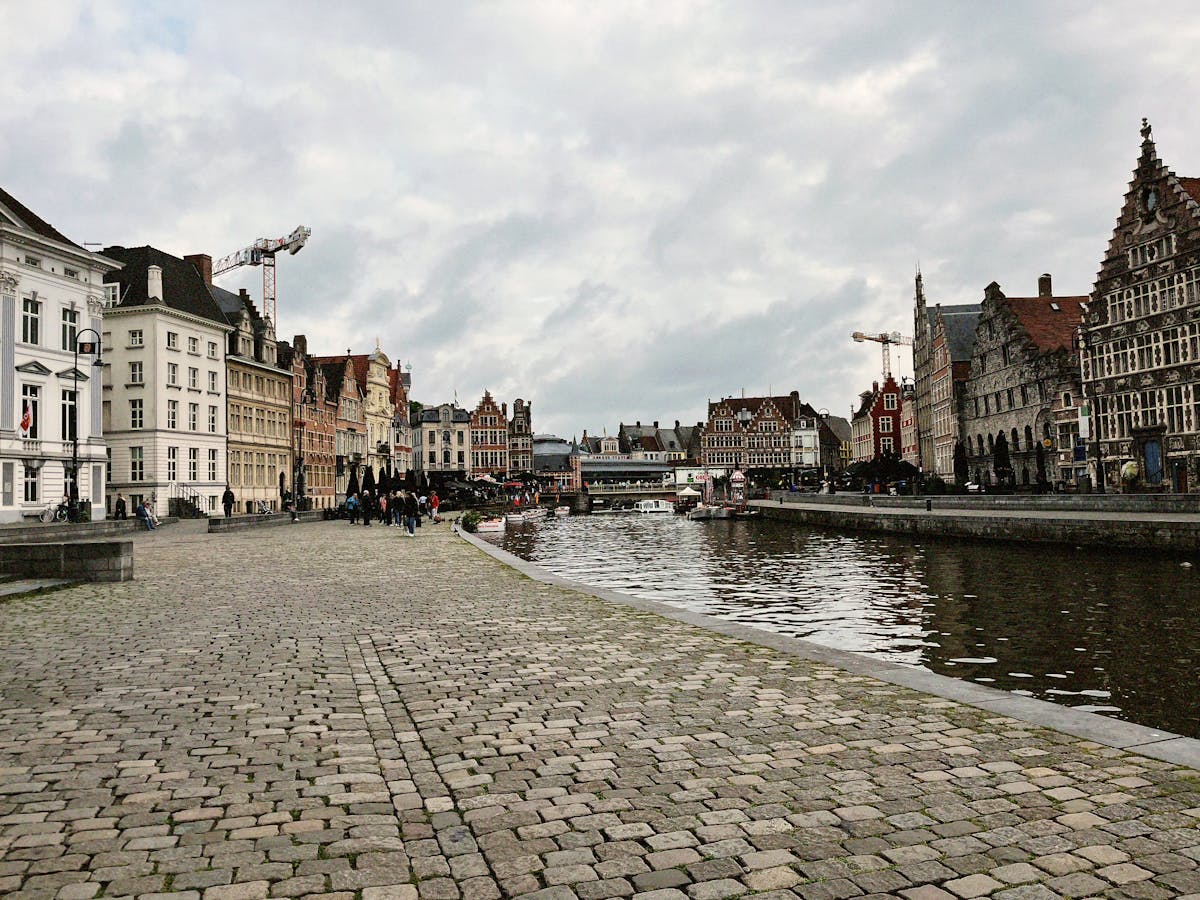
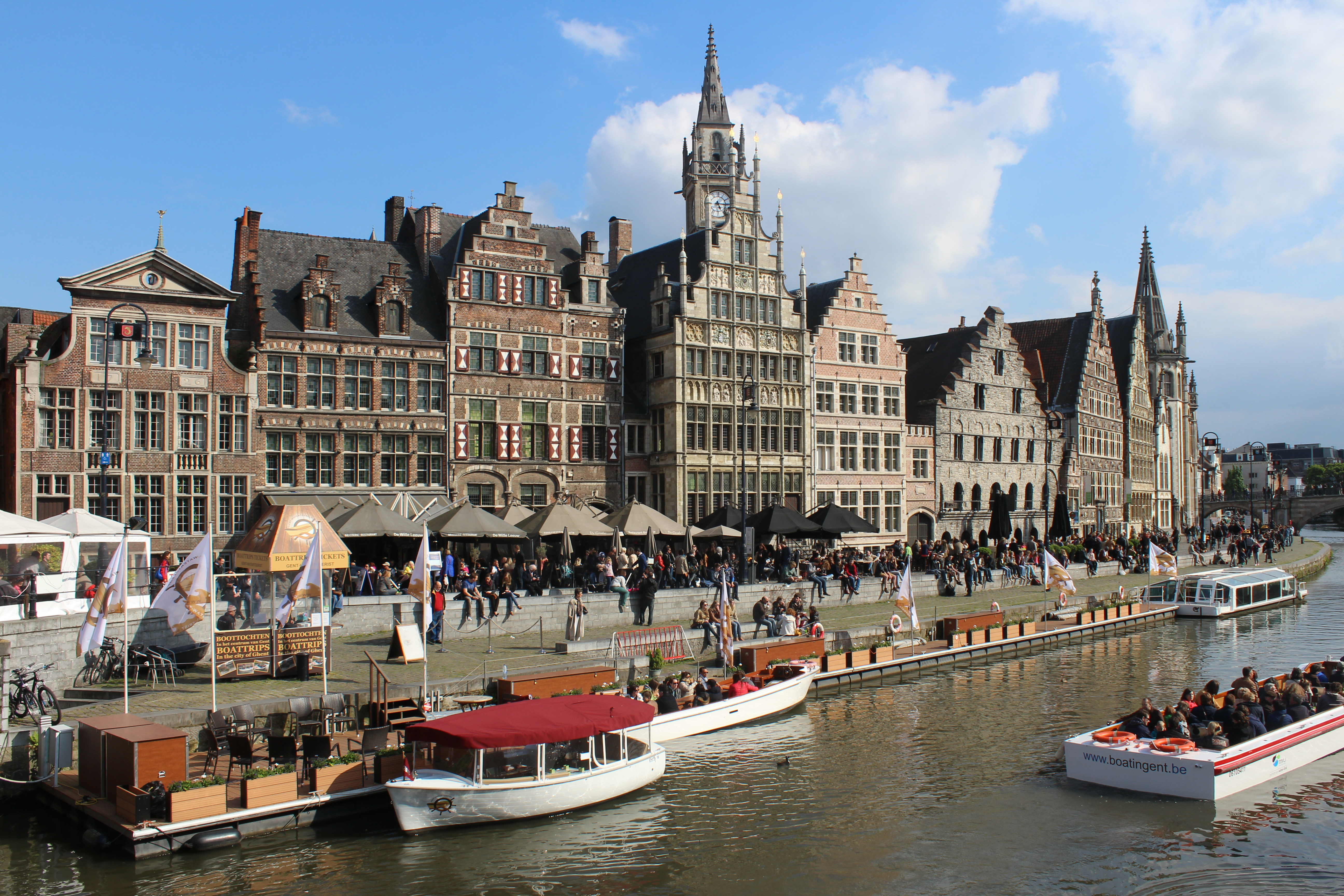
Walk to Graslei and Korenlei. These are the twin medieval quays that face each other across the Leie river. Graslei (the herb quay) has the more impressive guild houses. The Korenlei side has better views for photos. This is where you’ll want to sit with a coffee and stare at the water for longer than you planned.
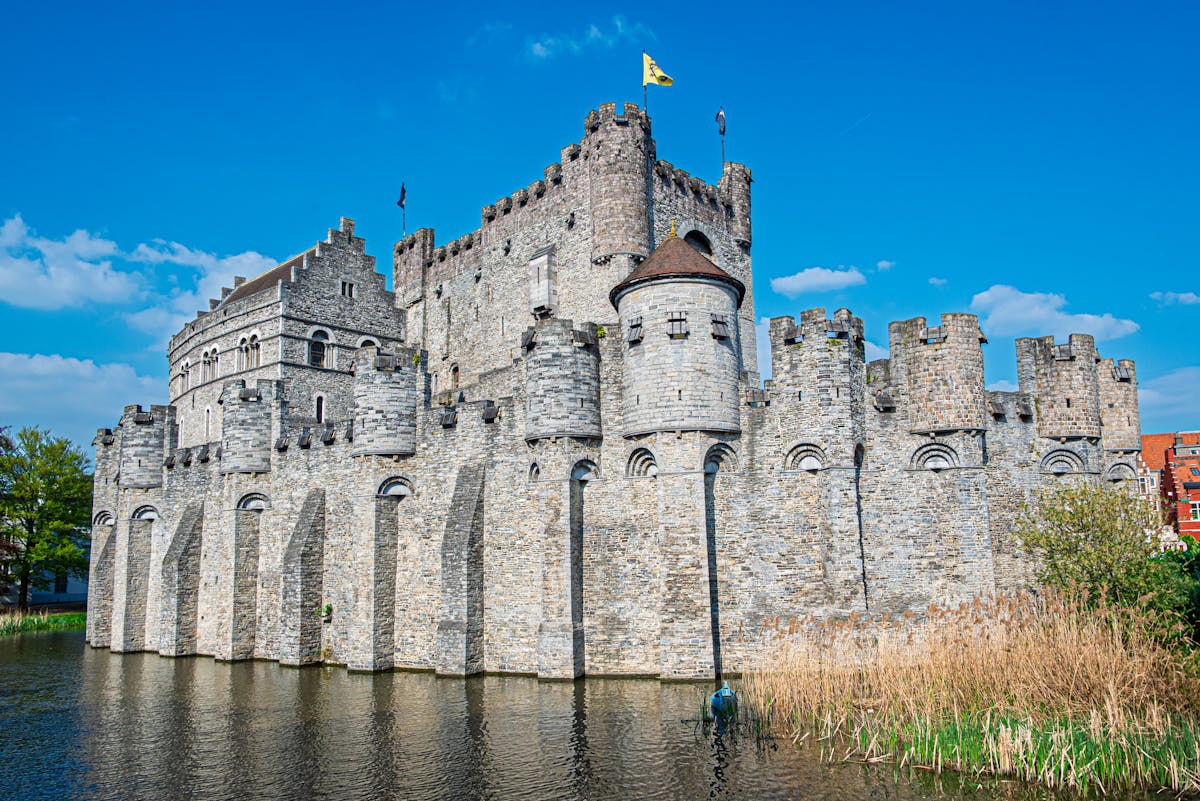
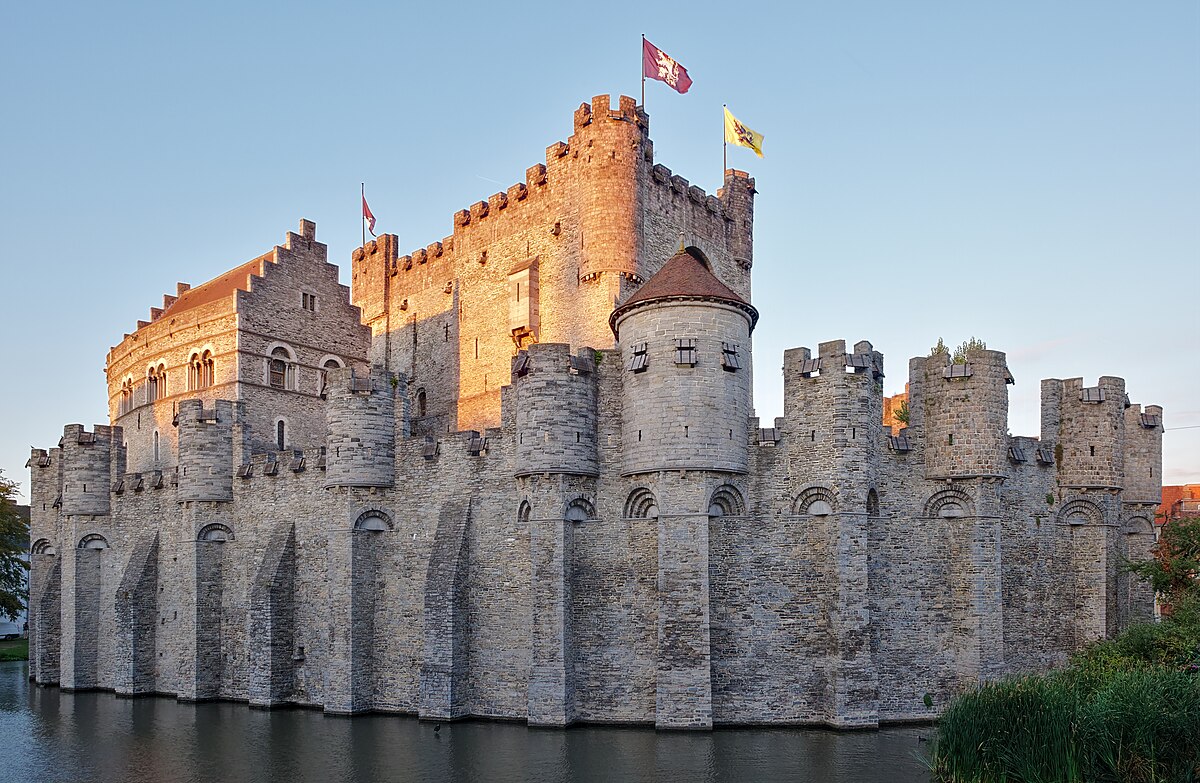
Cross to Gravensteen Castle. The Castle of the Counts is impossible to miss — it’s a full-on medieval fortress sitting in the middle of the city, surrounded by cafes and student apartments. Entry costs EUR 12, and the rooftop views over the city are worth every cent. The torture museum inside is oddly fascinating, though the exhibits play it with a dark sense of humor that feels very Belgian.
Head to Saint Bavo’s Cathedral. This is where the Ghent Altarpiece lives — the Van Eyck masterpiece that has been stolen, hidden from Napoleon, seized by the Nazis, and recovered from a salt mine. More on that below, but don’t skip it. The cathedral itself is free to enter; seeing the altarpiece costs EUR 4 and is worth every cent.
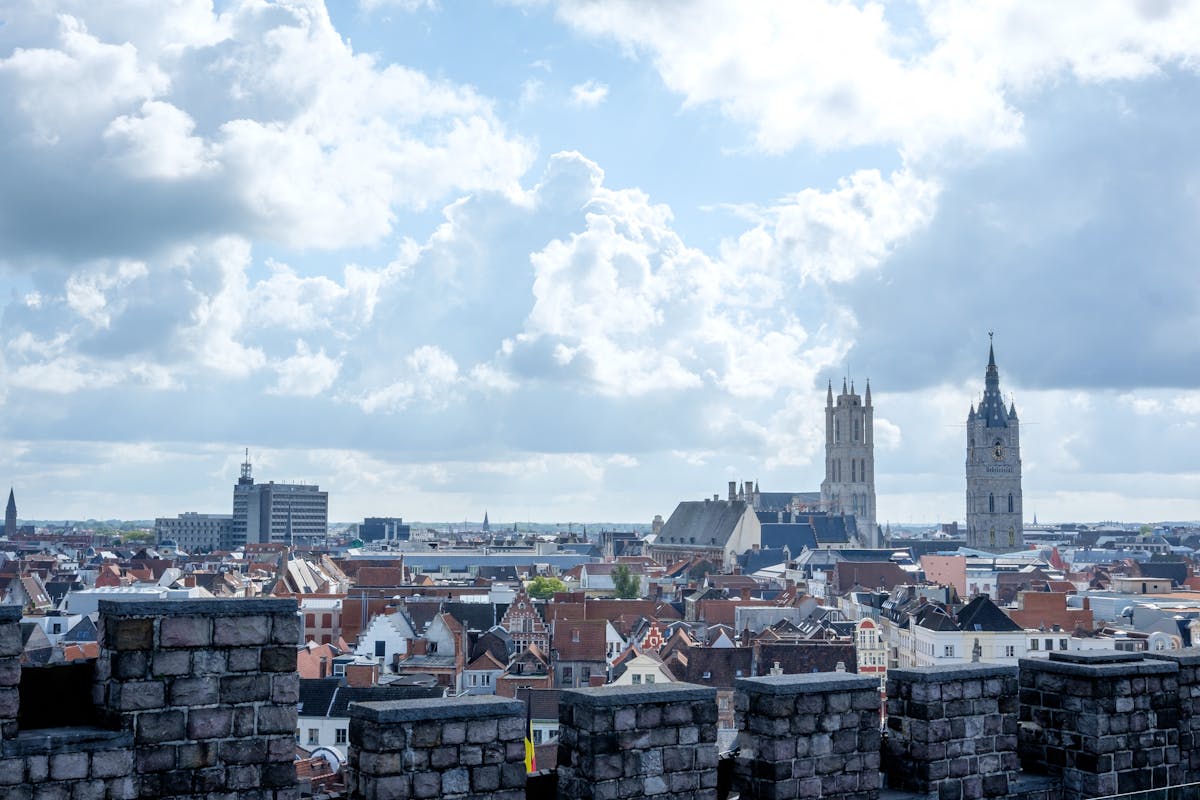
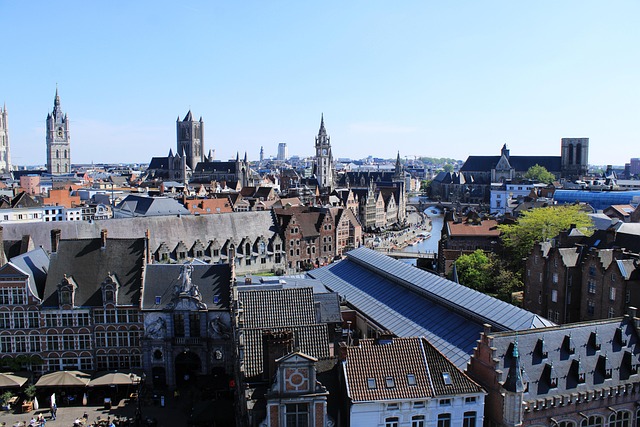
Climb the Belfry. The 91-meter tower offers the best aerial view of the three-tower skyline. There’s a lift partway up (thank God) and the final stretch is by stairs. The view from the top puts the whole city layout into perspective — you can trace the medieval walls, spot the canals threading between buildings, and pick out every church spire on the horizon.
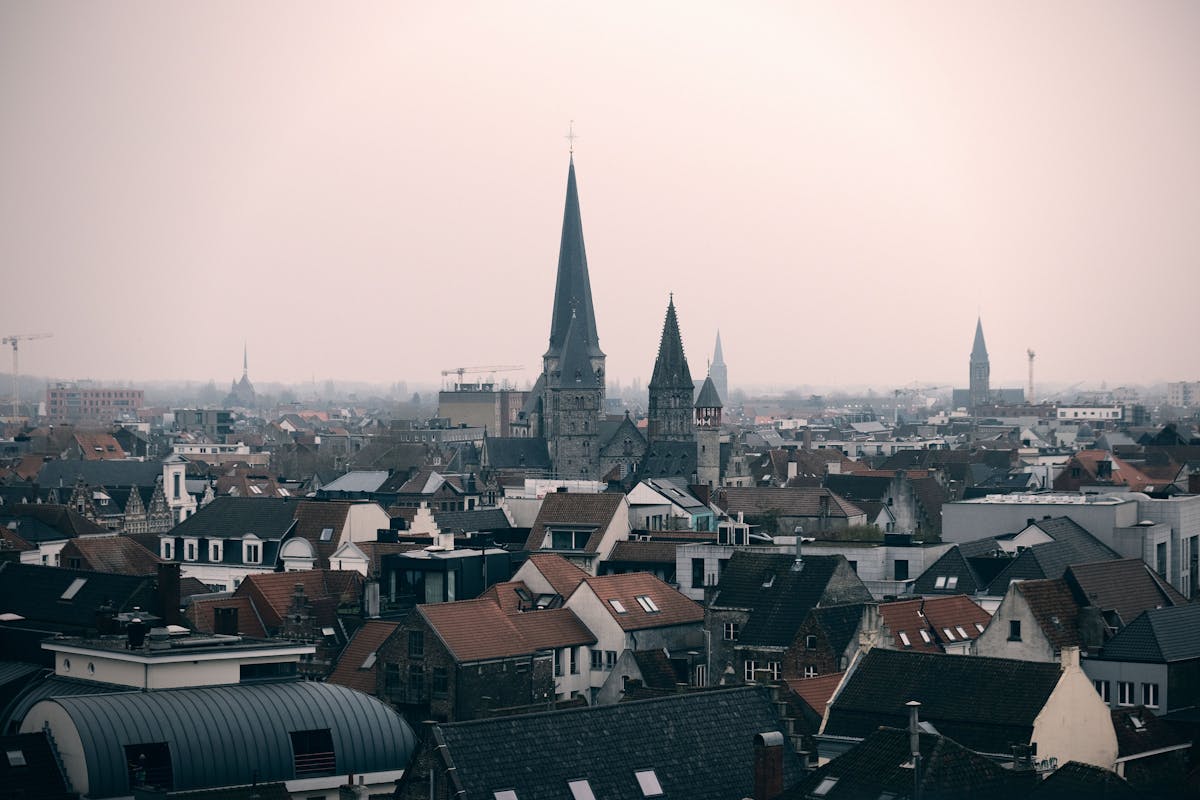
End at Patershol. This tiny neighborhood of narrow streets and small restaurants sits just north of Gravensteen. It’s the best place in Ghent for dinner — traditional Flemish stew, waterzooi (the city’s signature cream-based soup), and Belgian beer in settings that haven’t changed much since the 17th century.
Tips That Will Save You Time and Money
- Buy a CityCard Gent (EUR 38 for 48 hours) if you plan to enter multiple museums and attractions. It covers Gravensteen, the Belfry, the STAM city museum, the Design Museum, boat trips, and public transport. If you’re hitting three or more paid sights, the card pays for itself.
- Eat lunch at the Groentenmarkt. The old vegetable market has food stalls selling fresh-made sandwiches, local cheese, and the best mustard in Belgium. It’s half the price of sitting down in a Graslei restaurant and arguably better food.
- Cuberdons are Ghent’s signature candy — cone-shaped, raspberry-flavored, and unlike anything you’ve had before. The two rival cuberdon sellers at the market square have been feuding for years. Buy from both and decide for yourself.
- The boat tours depart from Graslei. No booking needed for most — just show up and wait for the next departure. They run every 15-20 minutes in summer. In winter, check schedules ahead.
- Ghent is a university city. This means cheap eats, late-night bars, and a younger energy than Bruges. If you’re a solo traveler or under 35, you’ll feel more at home here.
- Free walking tours depart from Sint-Baafsplein daily at 14:00 (check locally for current times). They work on tips and cover the major sights in 2 hours. A solid option if you want context without committing to a full-day guided tour from Brussels.
- The Graslei light show runs year-round after dark. If you can stay until evening, the illuminated guild houses reflected in the canal water are the single most photographed scene in the city.
The History Behind the Canals: Why Ghent Matters
Most visitors know Ghent as “the other Belgian city” — not Brussels, not Bruges, not Antwerp. But for about 400 years, Ghent was the largest city in northern Europe outside Paris. The medieval cloth trade made it obscenely wealthy, and you can still read that wealth in every guild house, church, and castle wall.
The Gravensteen tells the origin story. The Counts of Flanders built a fortress here in 1180 to keep the increasingly powerful merchant class in check. It didn’t really work — Ghent’s guilds became so rich and independent that they regularly defied both their local lords and the French crown. The castle went through phases as a mint, a prison, and eventually a cotton factory before being restored in the early 1900s.
Charles V was born here in 1500. The future Holy Roman Emperor — ruler of Spain, the Netherlands, much of Italy, and most of the Americas — came into the world at the Prinsenhof in Ghent. He later punished the city for rebelling against his taxes by forcing its leading citizens to walk through the streets wearing nooses. Ghent residents still call themselves “stroppendragers” (noose-bearers) with perverse pride.
The Ghent Altarpiece is the most stolen artwork in human history. Painted by Jan van Eyck (and possibly his brother Hubert) in 1432, the polyptych at Saint Bavo’s Cathedral has been targeted by Calvinists, revolutionaries, Napoleon, Kaiser Wilhelm, and Adolf Hitler. Individual panels have been stolen, sawed apart, hidden in salt mines, and ransomed. One panel — the Just Judges — was stolen in 1934 and has never been recovered. The rest of the altarpiece was returned after WWII from a salt mine in Austria, where the Nazis had hidden it alongside thousands of other looted masterpieces.
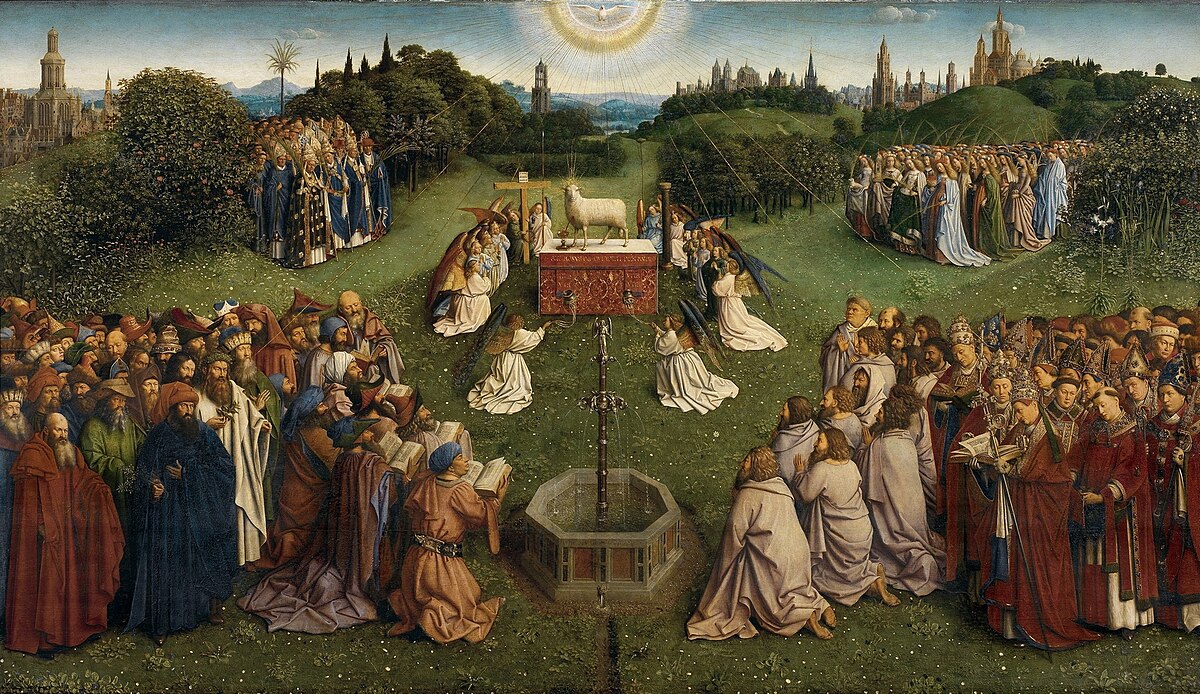
Seeing it in person is different from any reproduction you’ve encountered. The colors are impossibly bright for a painting nearly 600 years old — the result of Van Eyck’s pioneering use of oil paint techniques that European artists hadn’t seen before. The recently completed restoration removed centuries of overpainting and revealed details that scholars hadn’t known existed. At EUR 4 to enter the viewing room, it might be the single best art bargain in Europe.
Where to Eat in Ghent
Ghent was the first city in the world to introduce a weekly vegetarian day (Donderdag Veggiedag — Thursday Veggie Day), which tells you something about the food culture here. But don’t worry, the meat dishes are equally strong.
For waterzooi: This is Ghent’s signature dish — a creamy stew traditionally made with fish, though the chicken version has become more popular. Try it at any restaurant in Patershol, where the recipe has barely changed in decades.
For Belgian fries: Skip the tourist spots at Graslei and find a frituur (chip stand) in the backstreets. Locals will tell you the best one, and they’ll be right. Ghent fries are double-fried in beef fat and served in a paper cone with a forkful of mayonnaise.
For beer: Ghent has its own brewery — Gruut — that makes beer using a medieval herb blend instead of hops. The Gruut brewery bar near Groentenmarkt is the only place to try the full range. Beyond that, every pub carries Westmalle, Chimay, and local Flemish ales that you won’t find outside Belgium.
For chocolate: This is Belgium, so every second shop sells pralines. If you’re interested in the craft behind it, our guide to booking a chocolate tour in Brussels covers the best workshops — but Ghent’s smaller chocolatiers on Veldstraat are worth a stop on their own.
Planning the Rest of Your Belgium Trip
If you’re spending a few days in Brussels, Ghent and Bruges make the obvious day trip pairing — our Bruges guide covers the same train-vs-tour decision and the best ways to book. For something different on a second day, the Antwerp and Ghent combination tour gives you two cities for the price of one. And if Belgian food is your thing, a Brussels chocolate tour rounds out the trip nicely. Belgium is small enough that you can see a remarkable amount in a long weekend — just don’t try to cram everything into a single day.
This article contains affiliate links to tours and activities. If you book through these links, we earn a small commission at no extra cost to you. This helps us keep writing these guides.