
Three countries meet at Thingvellir. Or rather, two tectonic plates are slowly ripping apart, and you can stand in the gap between them with one foot on North America and the other on Europe. That alone would justify the drive from Reykjavik. But then you add a geyser that erupts every eight minutes, a waterfall so powerful the spray soaks you from 50 metres away, and a volcanic crater lake that looks like something from another planet — and you start to understand why the Golden Circle is the single most popular day trip in Iceland.
The whole loop is about 300 kilometres and takes 6–8 hours depending on how long you linger at each stop. You can drive it yourself if you have a rental car, but guided tours handle the logistics (and the Icelandic winter roads) for you. Here is everything you need to know to book the right one.
Best overall: Golden Circle Full-Day Tour with Kerid Crater — $82. The most reviewed Golden Circle tour by a mile. Covers all the major stops plus Kerid, and 7–8 hours gives you proper time at each site.
Best with hot springs: Golden Circle & Secret Lagoon Tour — $132. Same Golden Circle route but adds the Secret Lagoon for a soak. The lagoon is far less crowded than the Blue Lagoon and feels more authentically Icelandic.
Best premium: Golden Circle + Blue Lagoon + Kerid — $249. The ultimate combo day if you want the Golden Circle and the Blue Lagoon knocked out in one go. Long day but extremely efficient.
- What You Actually See on the Golden Circle
- Self-Drive or Guided Tour?
- The Best Golden Circle Tours to Book
- 1. Golden Circle Full-Day Tour with Kerid Crater —
- 2. Small-Group Golden Circle Classic Tour — 6
- 3. Golden Circle, Kerid & Secret Lagoon Tour — 2
- 4. Golden Circle + Blue Lagoon + Kerid Crater — 9
- 5. Golden Circle + Glacier Snowmobiling — 0
- When to Visit the Golden Circle
- How to Get There from Reykjavik
- Tips That Will Actually Save You Time
- What Else to Know Before You Go
- Kerid Crater: The Bonus Stop Most Tours Include
- Planning the Rest of Your Iceland Trip
What You Actually See on the Golden Circle
The Golden Circle is a roughly circular route that hits three major natural sites east of Reykjavik. Most tours add a fourth stop (Kerid Crater) and some throw in extras like the Secret Lagoon or a glacier snowmobile ride. But the core three are what made this route famous.
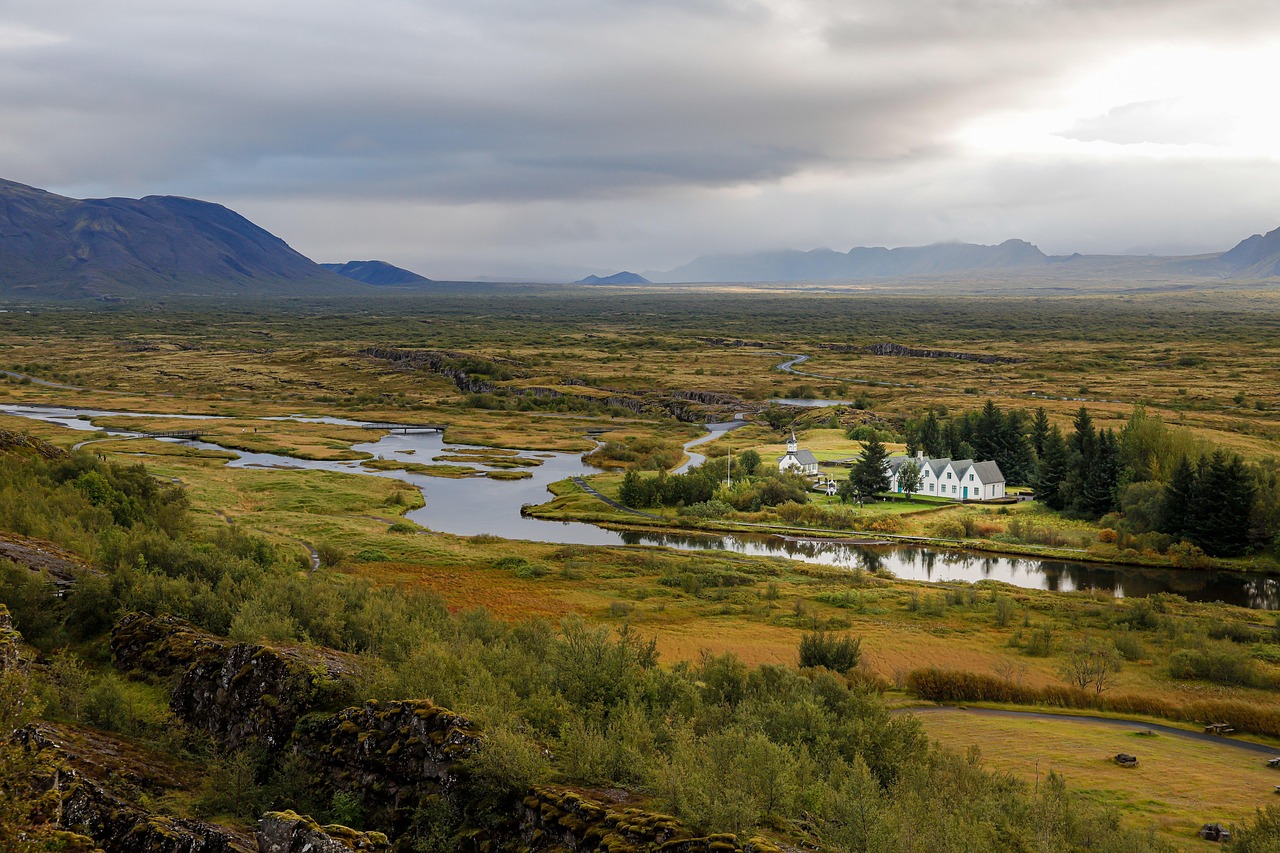
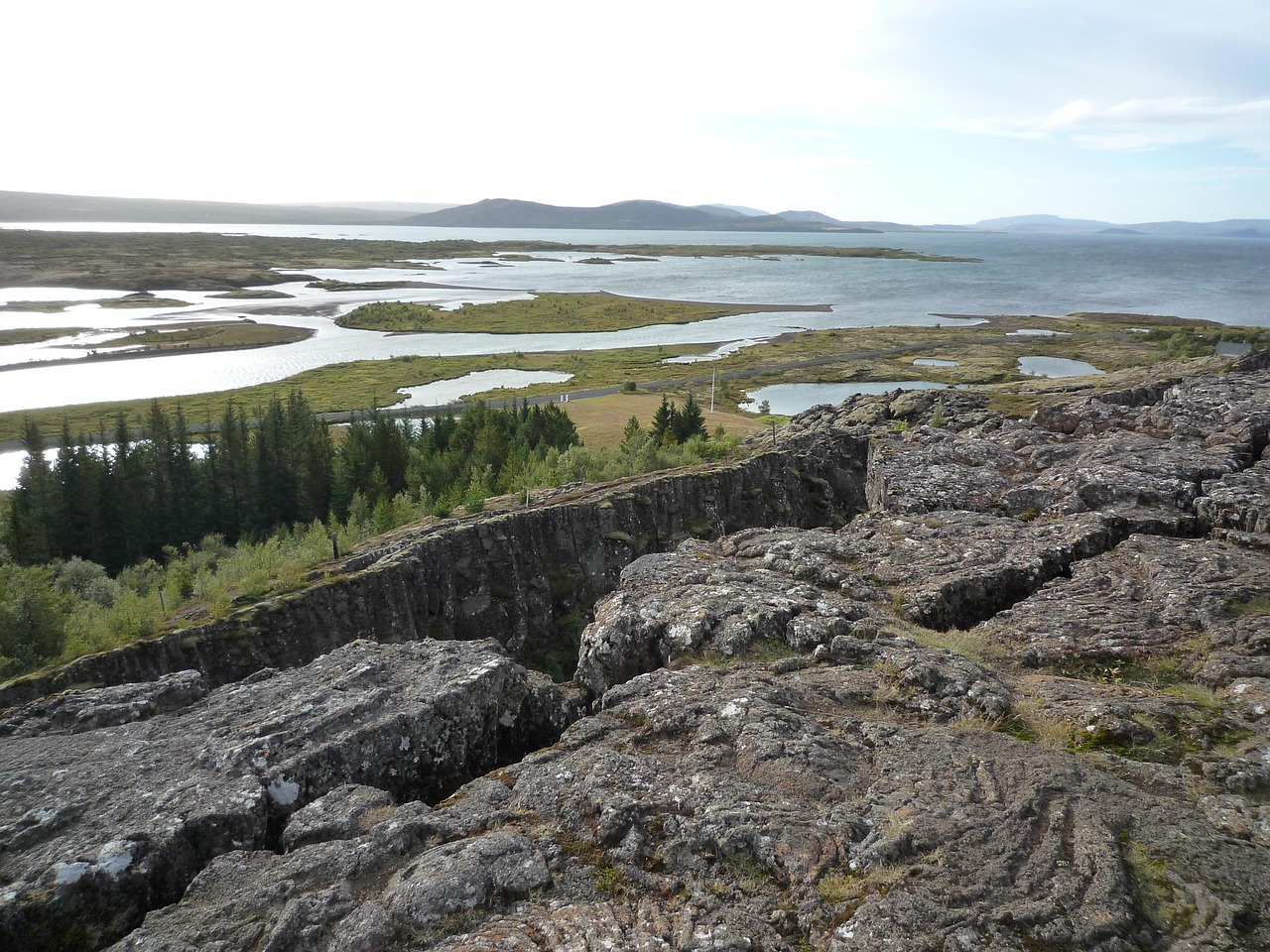
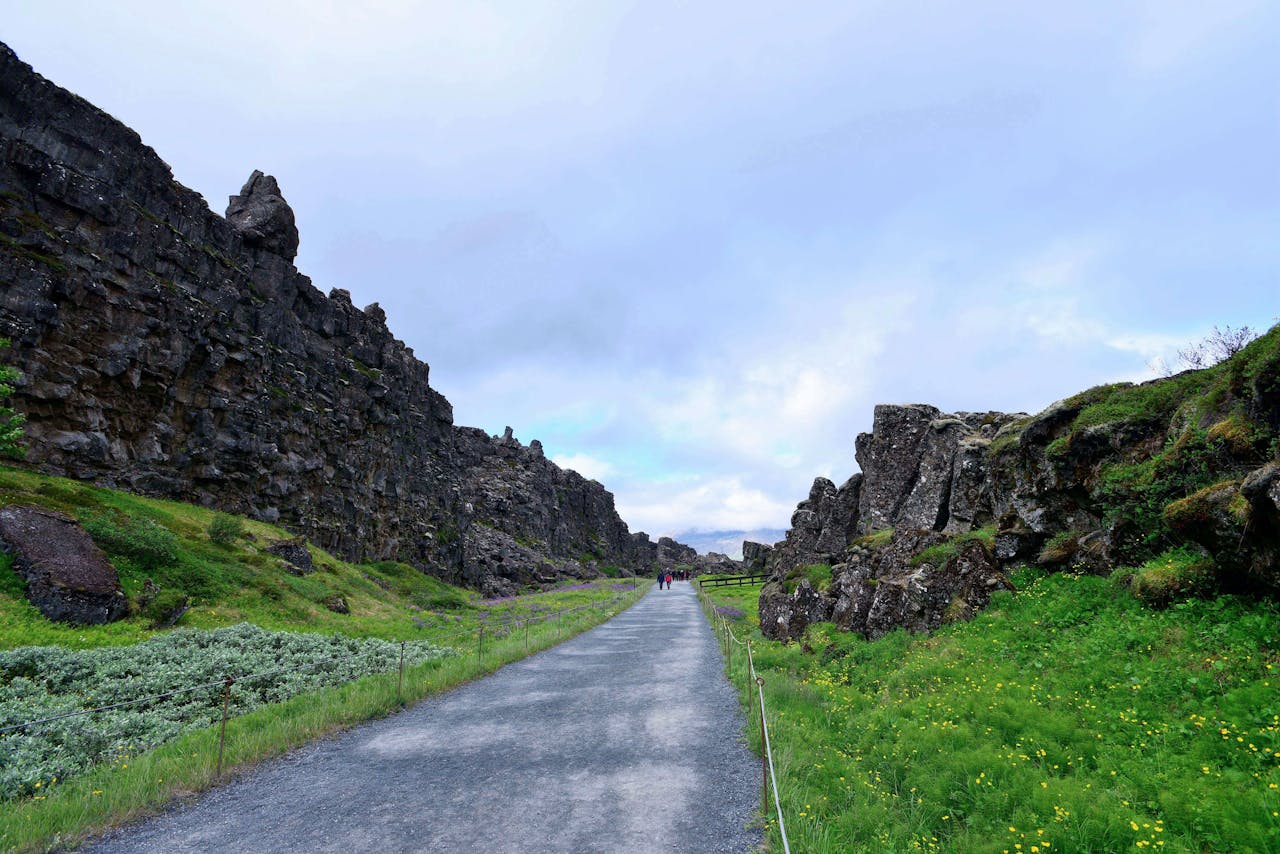
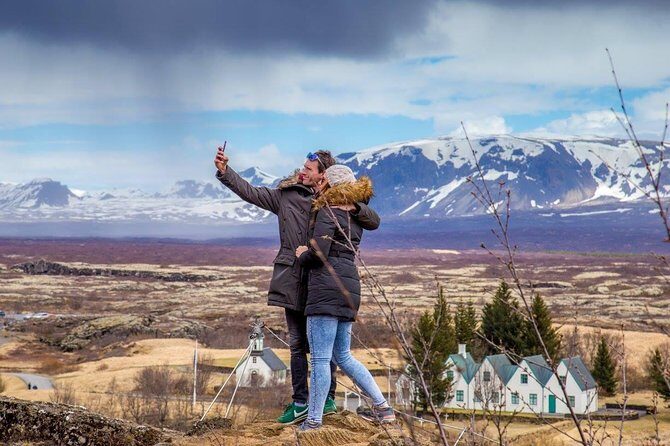
Thingvellir National Park is the first stop on most itineraries and honestly the most historically significant. This is where Iceland’s parliament — the Althing — was founded in 930 AD, making it one of the oldest parliamentary sites in the world. But the geology steals the show. The park sits right on the Mid-Atlantic Ridge, and you can walk through Almannagja, a dramatic gorge created by the tectonic plates drifting apart. The Silfra fissure, where you can actually snorkel between the plates in crystal-clear glacial water, is here too (though that is a separate booking).
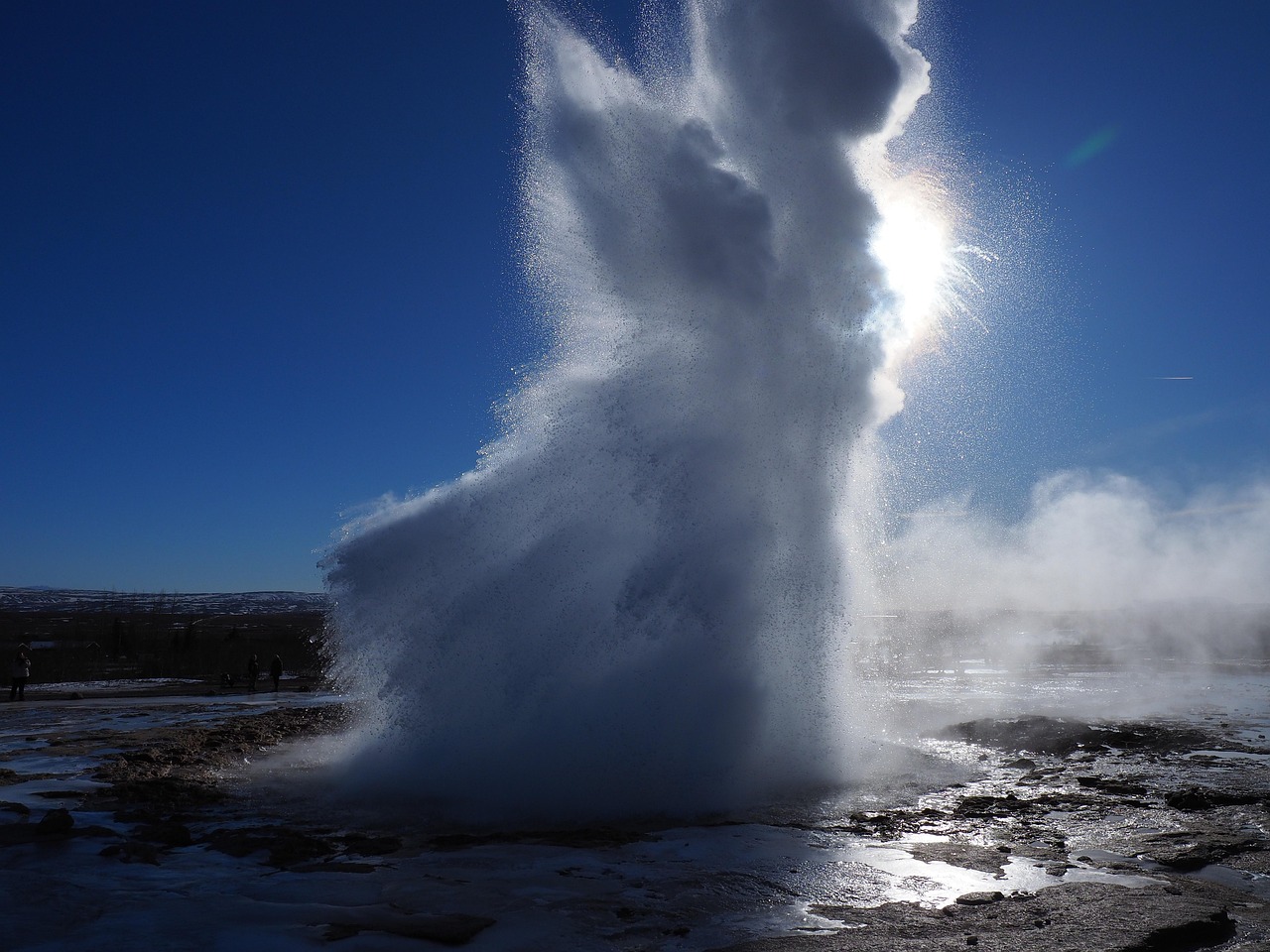
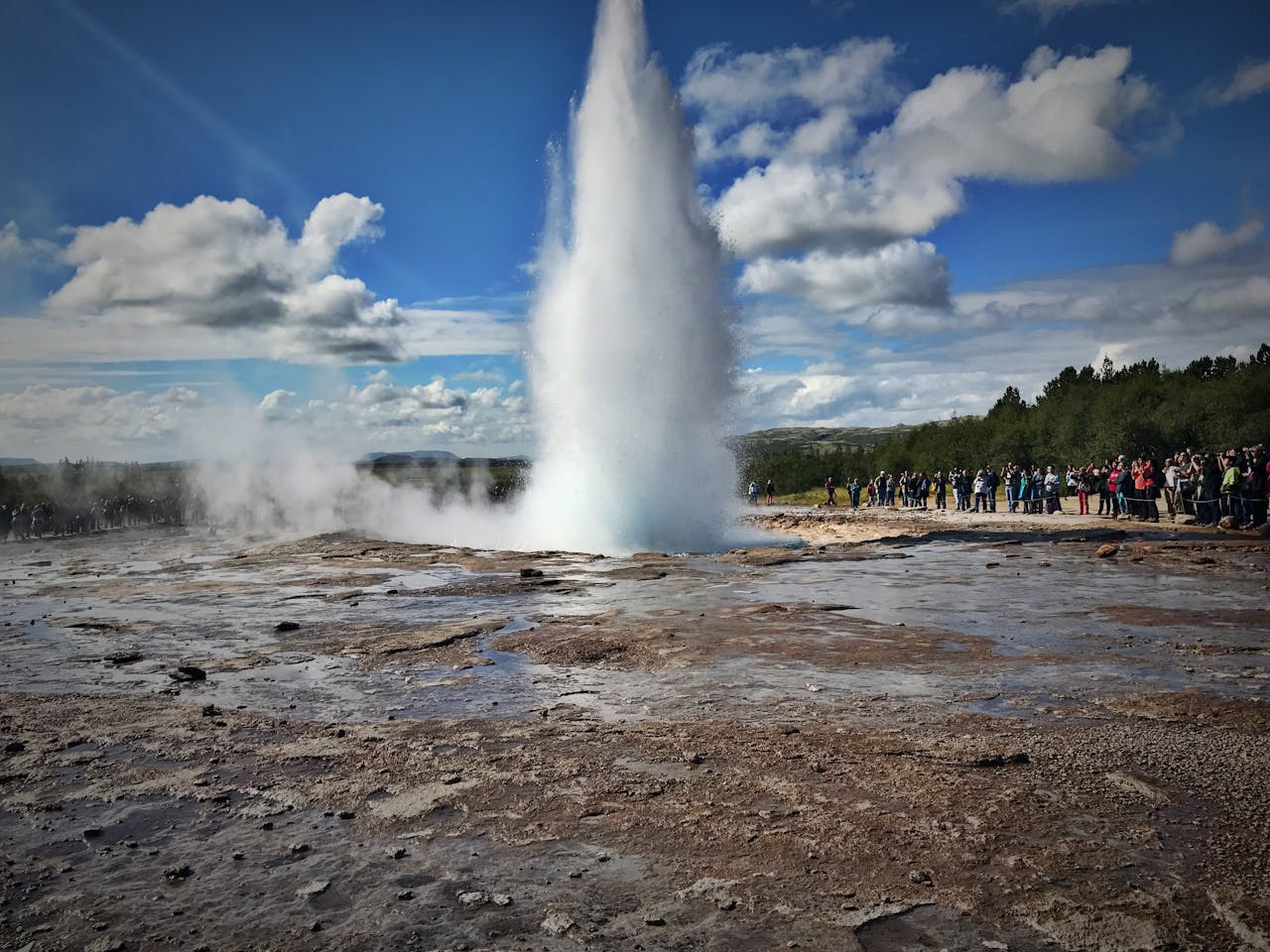
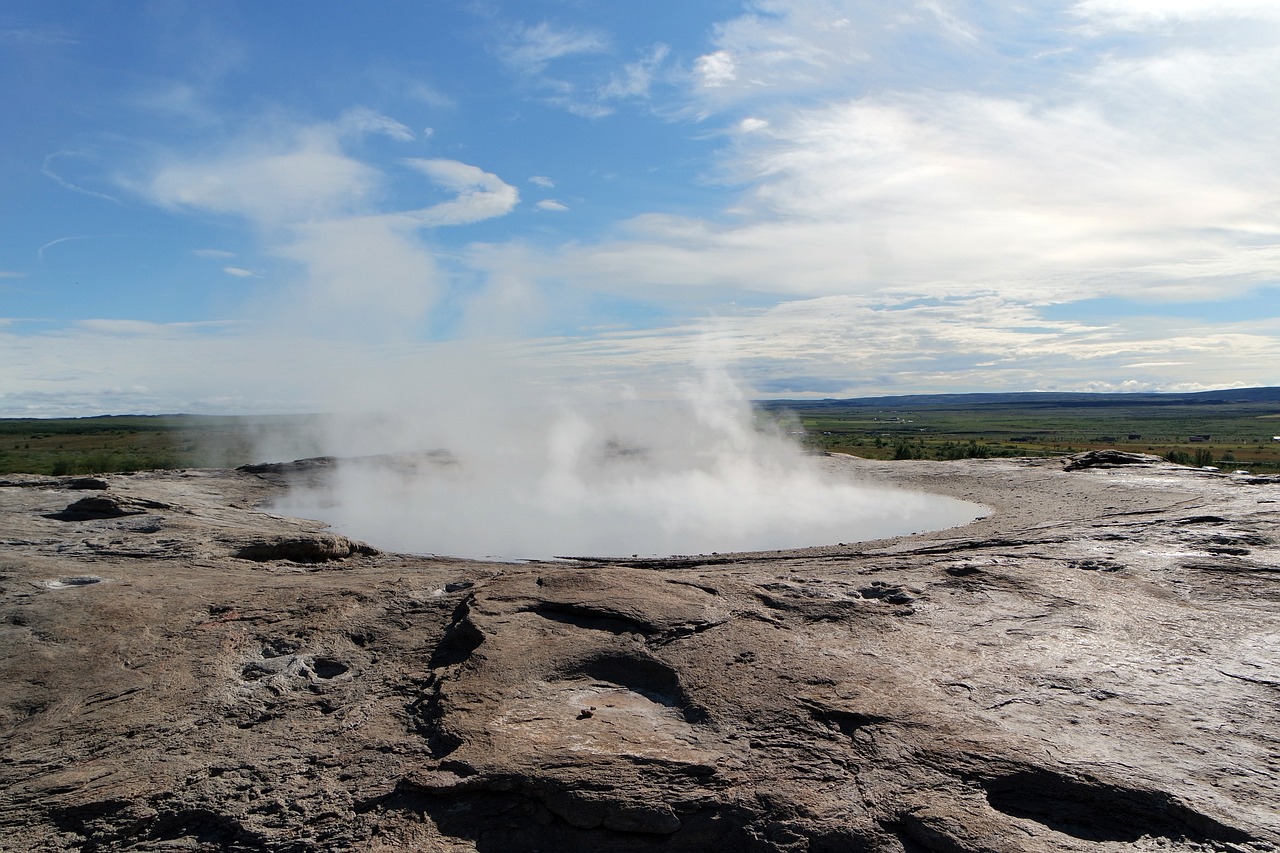
Geysir Geothermal Area is where the English word “geyser” comes from. The original Great Geysir is mostly dormant now, but Strokkur — its neighbour — erupts reliably every 6 to 10 minutes, shooting boiling water up to 30 metres into the air. The whole geothermal area is free to walk around, and you will find mud pots, fumaroles, and hot springs scattered across the hillside. There is a decent restaurant and gift shop at the site too.
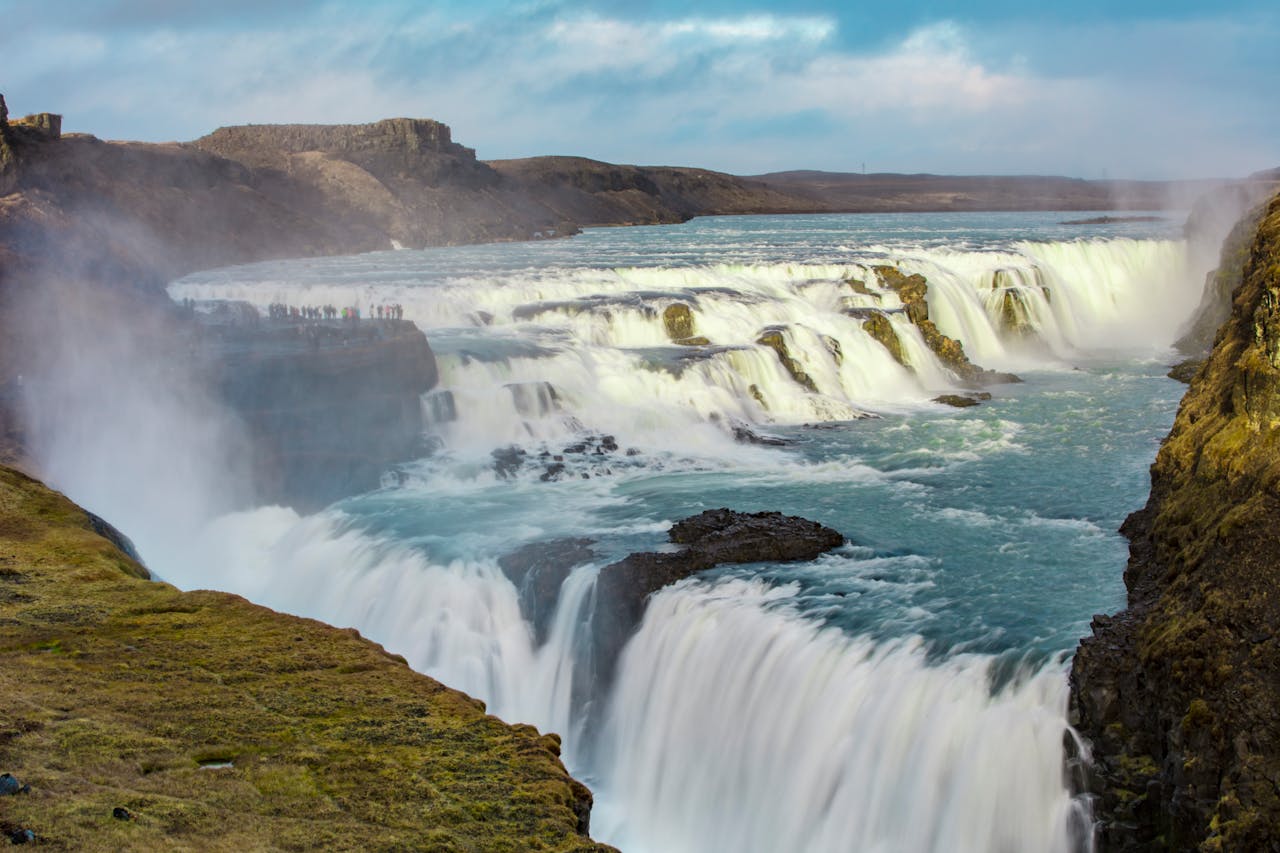
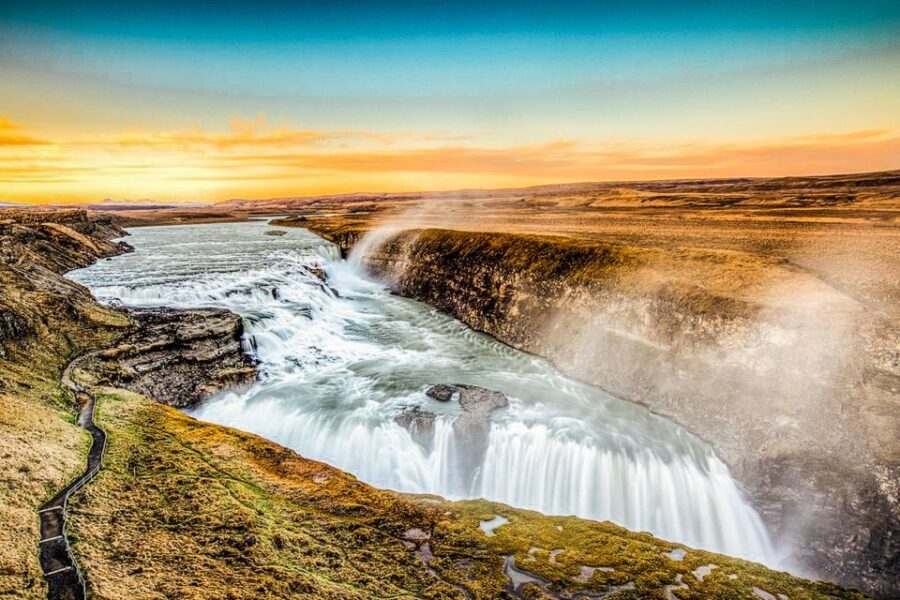
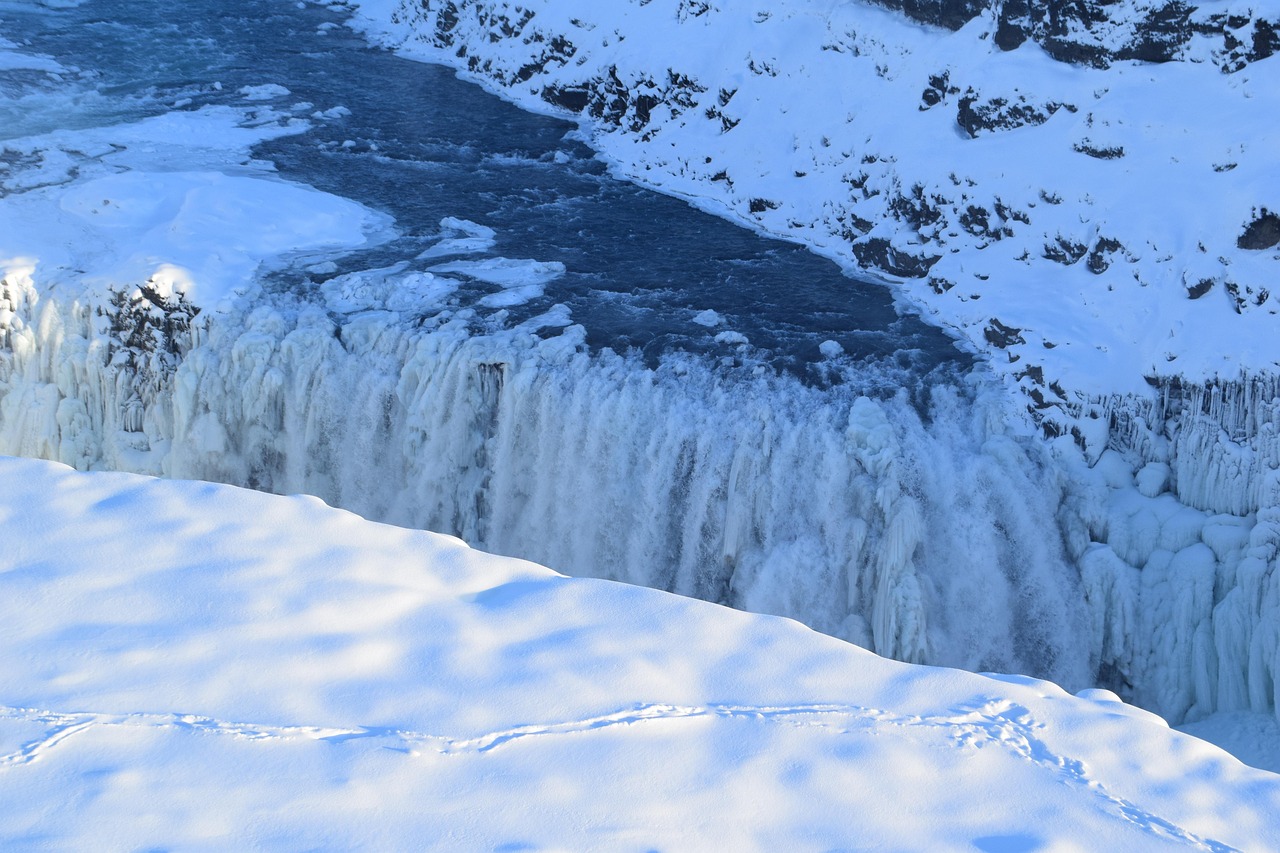
Gullfoss is the big finish. This two-tiered waterfall drops 32 metres into a narrow canyon, and the volume of glacial water thundering through is staggering. In summer you can walk right up to the edge of the upper tier on a marked path. In winter, ice formations build up along the canyon walls and the whole scene transforms. The waterfall was nearly lost to a hydroelectric dam project in the early 1900s, and the farmer’s daughter who fought to save it, Sigridur Tomasdottir, is memorialized with a plaque at the site.
Self-Drive or Guided Tour?
Both work, and the right choice depends on your confidence driving Icelandic roads and how much you value flexibility versus convenience.
Self-driving gives you total control. You can spend two hours at Thingvellir or skip straight to Gullfoss. You can stop at random farmsteads, take detours, and eat wherever you want. The roads on the Golden Circle route are paved and well-maintained year-round (Route 36 and Route 35), and the drive itself is gorgeous. But winter driving in Iceland is genuinely dicey — sudden whiteouts, black ice, and high winds are all real possibilities between October and April. If you are not used to winter conditions, a tour takes that stress off the table.
Guided tours run around $73–$130 for a standard Golden Circle day depending on group size and extras. The guides are usually Icelandic and add a lot of context — geology, Viking history, folklore — that you would miss driving yourself. Hotel pickup from central Reykjavik is standard. The downside is fixed timing: 30–45 minutes at each stop, which can feel rushed at places like Thingvellir where you could easily spend a couple of hours.
My honest take: if you are visiting in summer and already have a rental car, self-drive is the way to go. If it is winter, if you do not have a car, or if you just want someone else to handle everything while you take photos, book a tour. The price is fair for a full day of logistics-free sightseeing.
The Best Golden Circle Tours to Book
I have gone through the full list of available tours and narrowed it down to five that cover different budgets and styles. All of them depart from Reykjavik with hotel or bus terminal pickup.
1. Golden Circle Full-Day Tour with Kerid Crater — $82
This is the most popular Golden Circle tour on the market by a huge margin, and it has earned that spot. At $82 per person for a 7–8.5 hour day, you are getting Thingvellir, Geysir, Gullfoss, and Kerid Crater with a knowledgeable English-speaking guide. The bus is full-sized, so it is not as intimate as a minibus tour, but the guides make up for it with proper storytelling. One recent group had a guide named Thor who kept the whole bus laughing while dropping serious geological knowledge — that is the kind of experience you get.
If you are doing the Golden Circle once and want the straightforward, well-priced option that thousands of people rate highly every month, this is it. You do not need to overthink this one.
2. Small-Group Golden Circle Classic Tour — $116
If you want the same core stops but in a minibus with 15–19 people instead of a full coach, this is the upgrade worth making. The small-group format means the guide can be more flexible with timing, answer specific questions, and occasionally make unplanned stops — one recent group got a surprise visit to an Icelandic horse farm for ice cream, which is the kind of thing that does not happen on a 50-person bus.
At $116 the price premium over the standard tour is about $34, which I think is worth it if you care about the experience being more personal. The guides on this particular tour consistently get singled out by name in reviews, which says a lot. A solid middle-ground between budget and premium.
3. Golden Circle, Kerid & Secret Lagoon Tour — $132
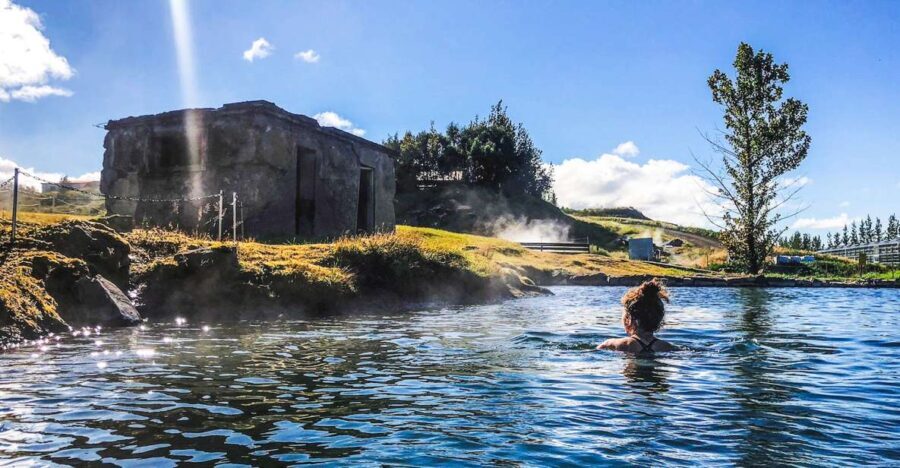
Same Golden Circle sightseeing plus a proper hot spring soak at the Secret Lagoon in Fludir. The lagoon is much less commercialized than the Blue Lagoon — it is a natural pool fed by geothermal water, surrounded by steam and with a small geyser visible from the water. Towels and changing facilities are included. The whole experience feels authentically Icelandic in a way the Blue Lagoon no longer does.
At $132 per person for a 10-hour day, this is excellent value. The Secret Lagoon admission alone is around 3,500 ISK ($25) if you go independently, so you are essentially paying a small premium to have it bundled with a full Golden Circle tour plus Kerid. If you want both sightseeing and a hot spring experience in one day without the Blue Lagoon price tag, this is the one.
4. Golden Circle + Blue Lagoon + Kerid Crater — $249
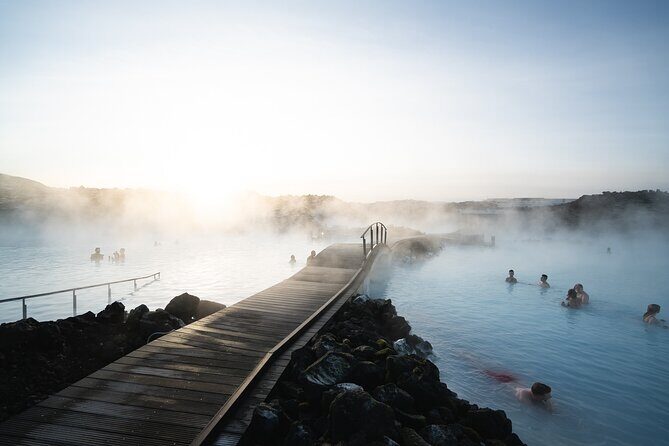
This is the efficiency play. The Golden Circle and the Blue Lagoon are the two biggest tourist draws in Iceland, and doing them separately means dedicating two full days to organized activities. This 11-hour combo tour hits every Golden Circle stop, adds Kerid Crater, and finishes at the Blue Lagoon with admission included in the price.
At $249 it is not cheap, but consider that Blue Lagoon entry alone starts at 6,990 ISK ($50) for the basic package and the Golden Circle tour would run you $80+ separately. You are saving both money and a full day of your Iceland itinerary. The reviews consistently call out the guides by name and mention being driven through weather that would have been sketchy to navigate alone, which is reassuring for a long winter day.
Fair warning: 11 hours is a long day. You will be tired by the time you sink into the Blue Lagoon, but honestly that is the perfect way to end it.
5. Golden Circle + Glacier Snowmobiling — $300
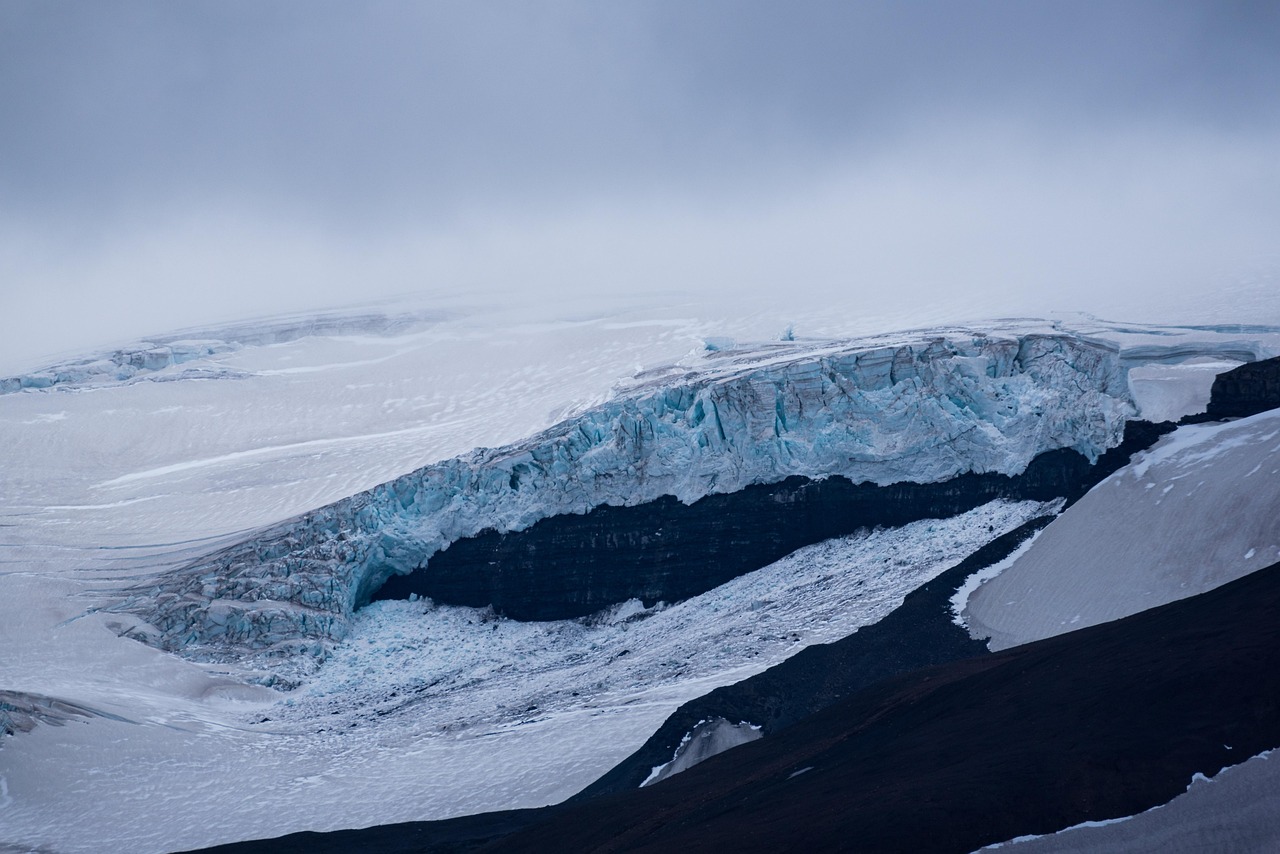
For people who want more than just looking at things, this combo adds a snowmobile ride on Langjokull — Iceland’s second-largest glacier — to the standard Golden Circle route. You gear up at a base camp, get a safety briefing, and then spend about an hour riding across the glacier surface at speed. The views from the ice cap are extraordinary — nothing but white in every direction, and on clear days you can see all the way to the coast.
At $300 per person this is the most expensive option here, and the 10-hour day is packed. But the snowmobiling genuinely transforms the trip from a sightseeing day into an adventure day. You need a valid driving license to operate the snowmobile (passengers ride for free). If you have the budget and want a story that is not “we looked at a waterfall,” this is the one.
When to Visit the Golden Circle
The Golden Circle runs year-round, and every season has its case.
Summer (June–August) gives you 20+ hours of daylight, the mildest weather (10–15°C), and all paths and viewpoints open. The downside is crowds — the parking lots at Gullfoss and Geysir fill up by late morning, and if you are on a tour bus you will be sharing every photo spot with 200 other people. If you can self-drive, start early and go counter-clockwise (Gullfoss first) to stay ahead of the tour bus wave that hits Thingvellir first.
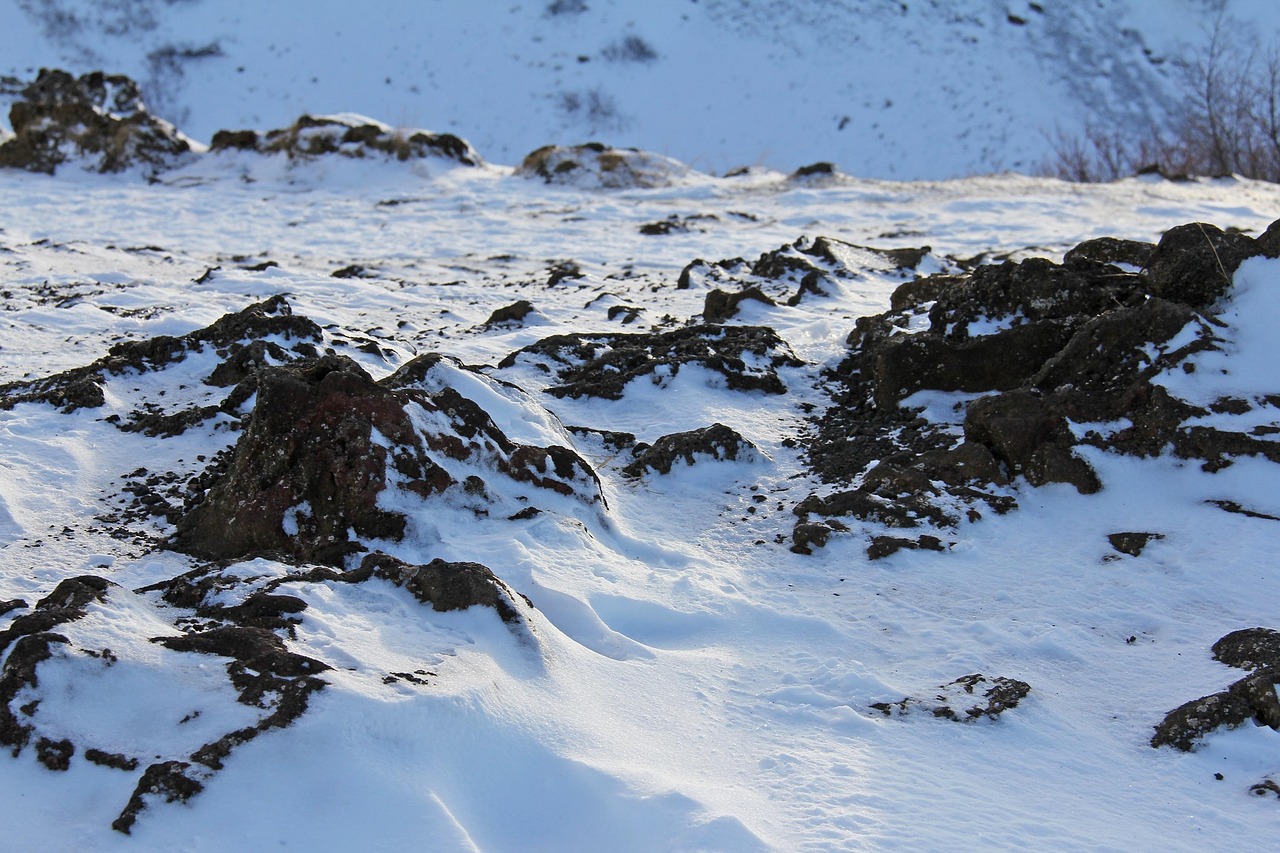
Winter (November–February) means short daylight hours (4–6 hours in December), icy roads, and cold that cuts through layers. But Gullfoss partially frozen is jaw-dropping, the Geysir eruptions look more dramatic against snow, and the crowds thin out dramatically. Plus there is a real chance of catching the Northern Lights on the drive back to Reykjavik. Winter is when a guided tour makes the most sense — let someone who drives these roads daily handle the conditions.
Shoulder seasons (April–May, September–October) are the sweet spot for many visitors. Reasonable daylight, smaller crowds, lower prices, and a chance of Northern Lights in the autumn months. September is particularly good — the autumn colours in Thingvellir are unexpected and stunning.
How to Get There from Reykjavik
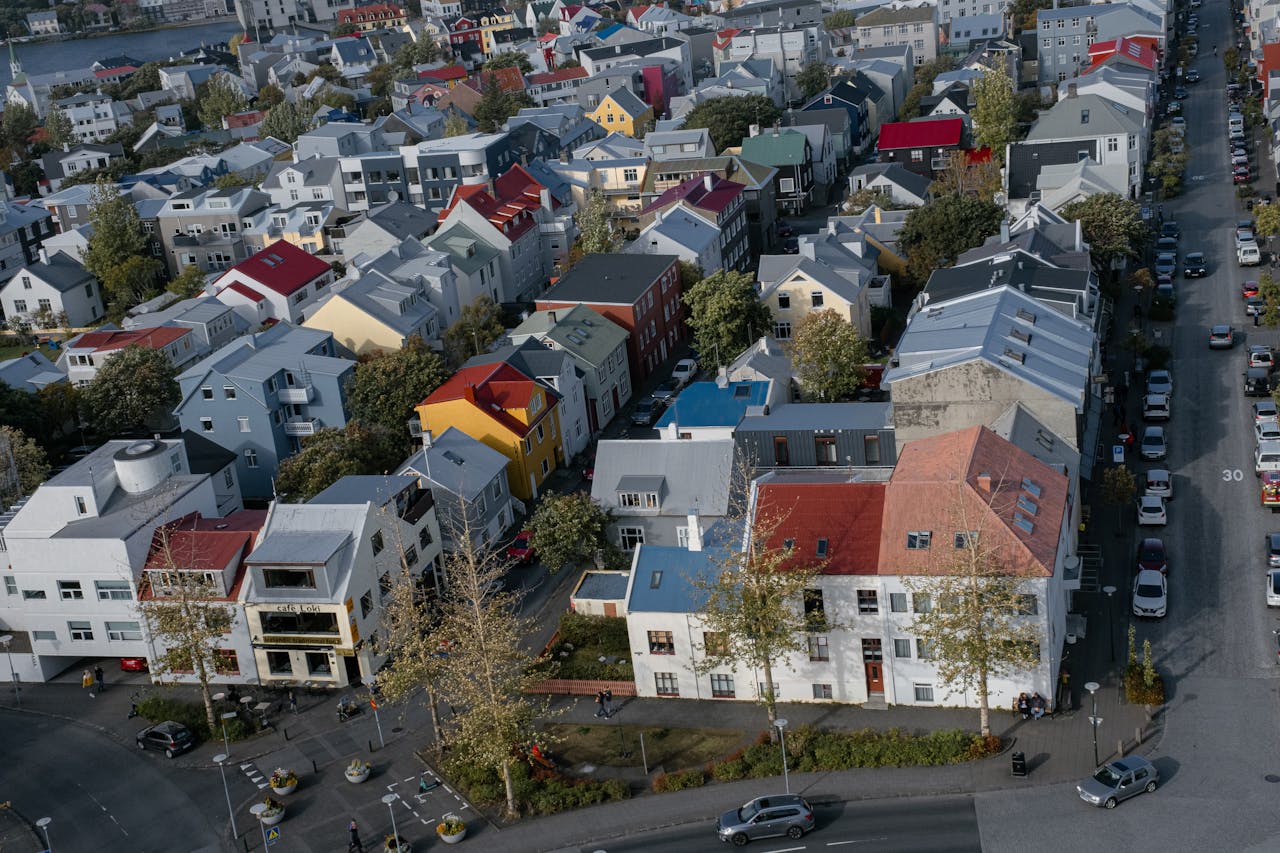
Every guided tour includes pickup from central Reykjavik hotels or a designated bus stop (usually Hallgrimskirkja or the BSI bus terminal). Most tours depart between 8:00 and 9:00 AM and return between 5:00 and 7:00 PM depending on the itinerary.
If you are self-driving, head east out of Reykjavik on Route 1 (Ring Road), then take Route 36 south to Thingvellir. From there, Route 365 and 37 take you to Geysir, and Route 35 continues to Gullfoss. The full loop back to Reykjavik via Route 35 and Route 1 is about 300 km / 190 miles. Allow 6–8 hours total including stops.
There is no public bus that runs the Golden Circle loop. Your options are a tour, a rental car, or a private driver (which runs upwards of $600 for a full day and only makes sense for larger groups splitting the cost).
Tips That Will Actually Save You Time
- Book at least 2–3 days ahead in summer. The most popular tours sell out, especially the small-group options. Winter is more relaxed but booking ahead still guarantees your preferred date.
- Dress in layers and bring waterproof outerwear. The weather on the Golden Circle can shift completely within an hour. Gullfoss in particular generates enough spray to soak your jacket. A wind-proof outer layer is essential.
- Bring snacks. Tour stops include a restaurant at Geysir and a cafe at Gullfoss, but prices are Icelandic (a soup and bread lunch runs 2,500–3,500 ISK / $18–$25). Bringing a sandwich from Reykjavik saves money and time.
- Camera batteries drain fast in the cold. Keep spares in an inner pocket, close to your body. Phone batteries are the worst offenders — mine dropped from 80% to dead in under an hour at Gullfoss in January.
- Wear proper footwear. Trainers are fine in dry summer conditions, but from October to April you want waterproof boots with decent grip. The paths at Thingvellir and the viewing platforms at Gullfoss can be genuinely icy.
- If self-driving, check road.is before you leave. This is the official Icelandic road conditions website and it is updated in real-time. Roads on the Golden Circle are well-maintained but winter closures do happen.
What Else to Know Before You Go
Thingvellir and Geysir are both free to enter. Gullfoss is free. Kerid Crater charges a small entrance fee of 400 ISK (about $3) — it is the only paid stop on the standard route. If your tour includes the Secret Lagoon or Blue Lagoon, those entrance fees are typically included in the tour price (always check before booking).
Toilet facilities exist at every major stop but most charge 200–300 ISK. Carry small change or a card — most accept contactless payment.
The Geysir area has the best food options on the route. The restaurant there serves traditional Icelandic fare (lamb soup is the go-to) and the quality is genuinely better than most tourist-stop cafes. Gullfoss has a smaller cafe with soup, sandwiches, and coffee. Thingvellir has a visitor centre with basic refreshments.

Wi-Fi is available at the restaurants and visitor centres at each stop. Mobile signal (Siminn and Vodafone networks) is strong along the entire route — you will not lose connection even in the more remote stretches.
Kerid Crater: The Bonus Stop Most Tours Include
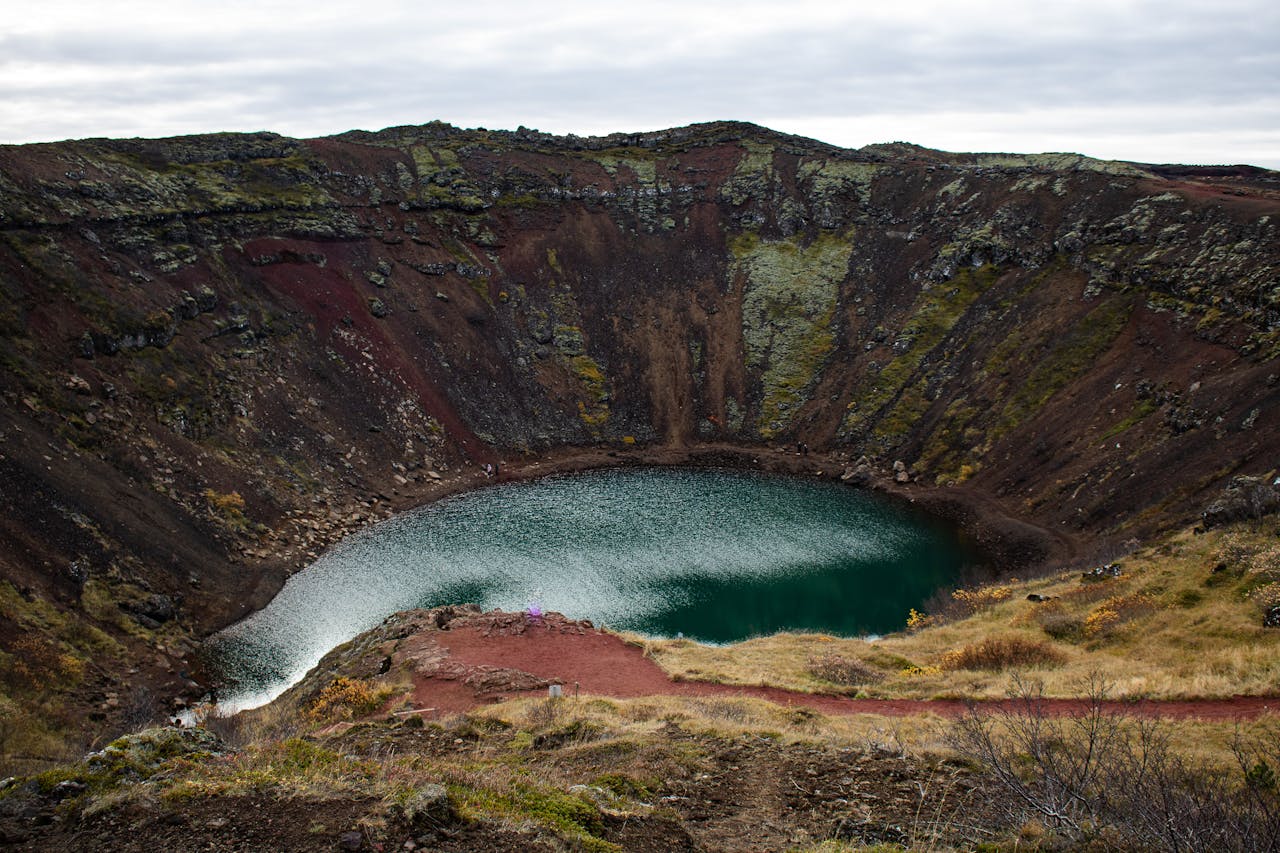
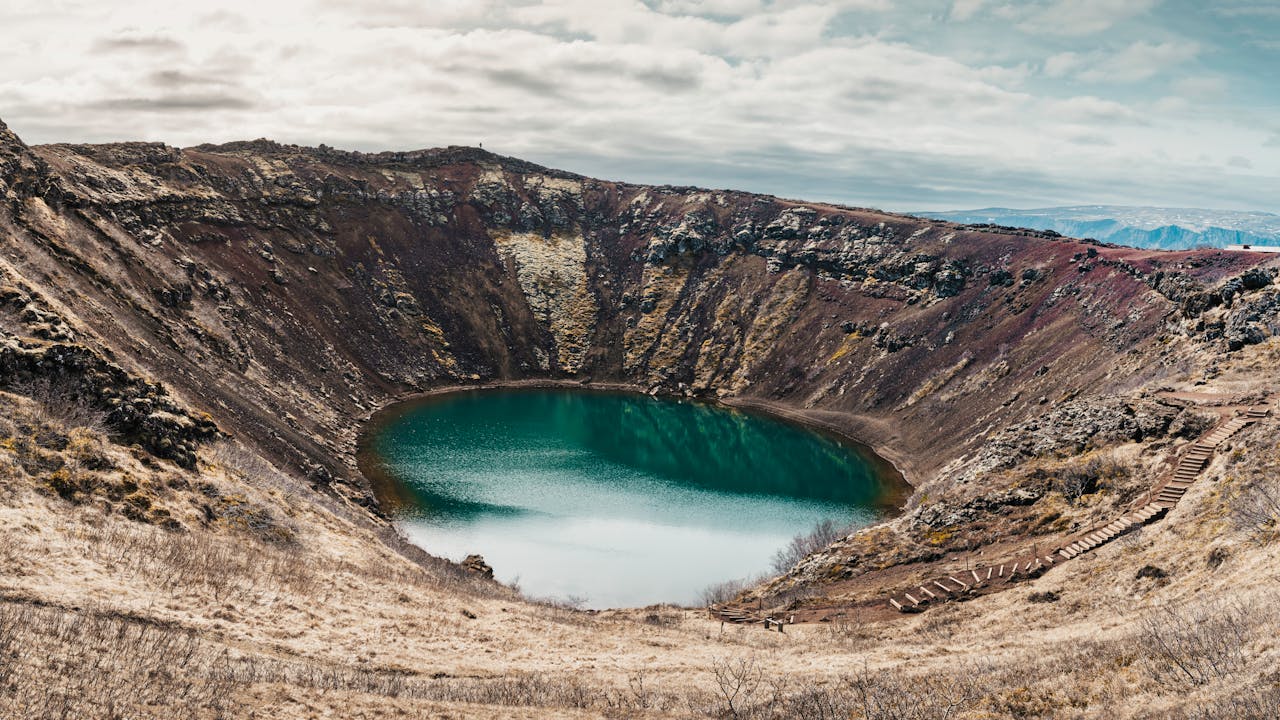
Kerid is a 3,000-year-old volcanic crater about 15 kilometres off the main Golden Circle route. It is not one of the original “big three” but most tours now include it, and for good reason. The crater is about 55 metres deep with an aquamarine lake at the bottom and vivid red volcanic rock walls. The colour contrast is striking — it looks like a different planet.
You can walk around the full rim in about 15 minutes, and a path leads down to the lake shore. The walk down is steep and can be slippery, so take it carefully. Most tour buses allow 20–30 minutes here, which is enough to do the rim walk and get your photos.
Planning the Rest of Your Iceland Trip
The Golden Circle is one of those day trips that makes you want to see more of Iceland, not less. If you are spending a few days in Reykjavik, the South Coast tour hits a completely different set of waterfalls, black sand beaches, and glacier views — it pairs perfectly as a second day trip. The Silfra snorkelling experience at Thingvellir is genuinely one of the most unique things you can do in Iceland if the walk between the tectonic plates made you curious about what is underneath. For evenings, the Northern Lights tours run from September through March and are worth doing at least once — the guides know where the clear skies are and adjust the route on the fly. Back in the city, a Reykjavik food tour is a solid way to spend a half-day exploring fermented shark, lamb soup, and the craft beer scene. And for something completely different, the Lava Show pours real molten lava five metres from your seat — it is the only indoor lava display in the world.
We use affiliate links in this article. If you book through our links, we earn a small commission at no extra cost to you. This helps us keep producing detailed travel guides.