
Somewhere in the Gothic Quarter, behind a nondescript apartment building on Carrer del Paradis, there are four Roman columns standing inside what used to be someone’s living room. No signs outside, no ticket booth, no line. You push through a heavy wooden door, walk up a few steps, and suddenly you’re looking at columns from the Temple of Augustus — the highest point of the Roman city of Barcino, built around 15 BC. Most visitors to Barcelona have no idea this place exists. And that’s the Gothic Quarter in a nutshell: a neighborhood that hides its most remarkable things behind unmarked doors.
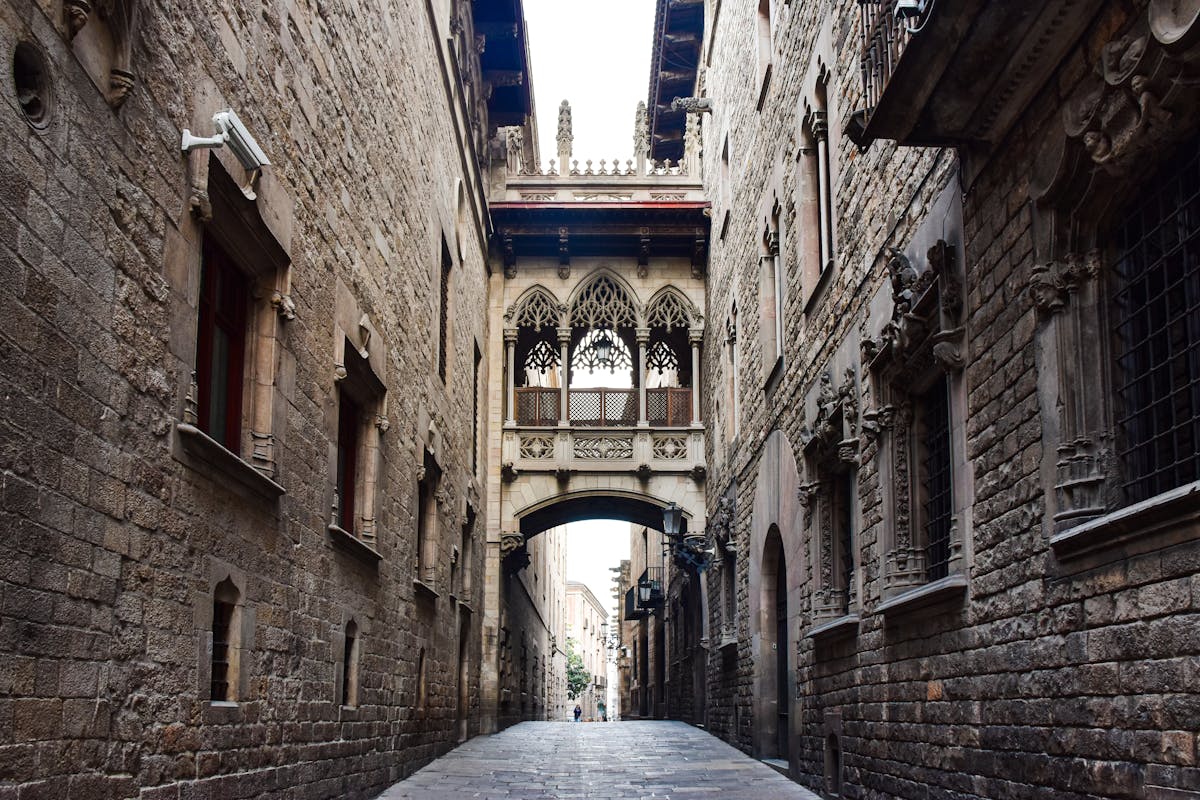
The Barri Gotic (its Catalan name, which locals use exclusively) covers roughly a quarter of a square mile between La Rambla and Via Laietana. That doesn’t sound like much. But this is 2,000 years of history compressed into a space you could cross in fifteen minutes — if you walked in a straight line, which is impossible here. The streets were laid out during the Roman era, reworked in the medieval period, and haven’t been meaningfully reorganized since. Every turn leads somewhere unexpected.
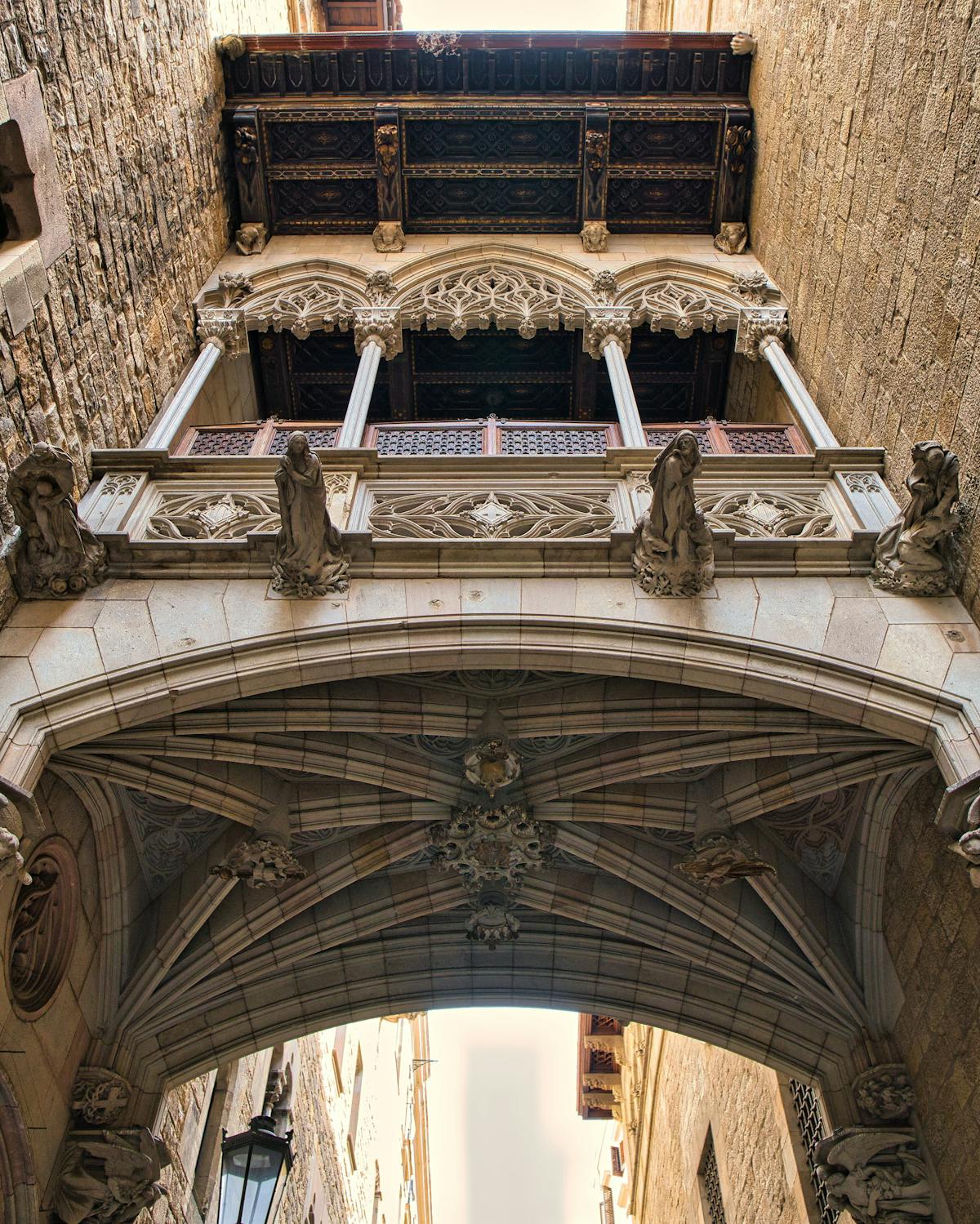
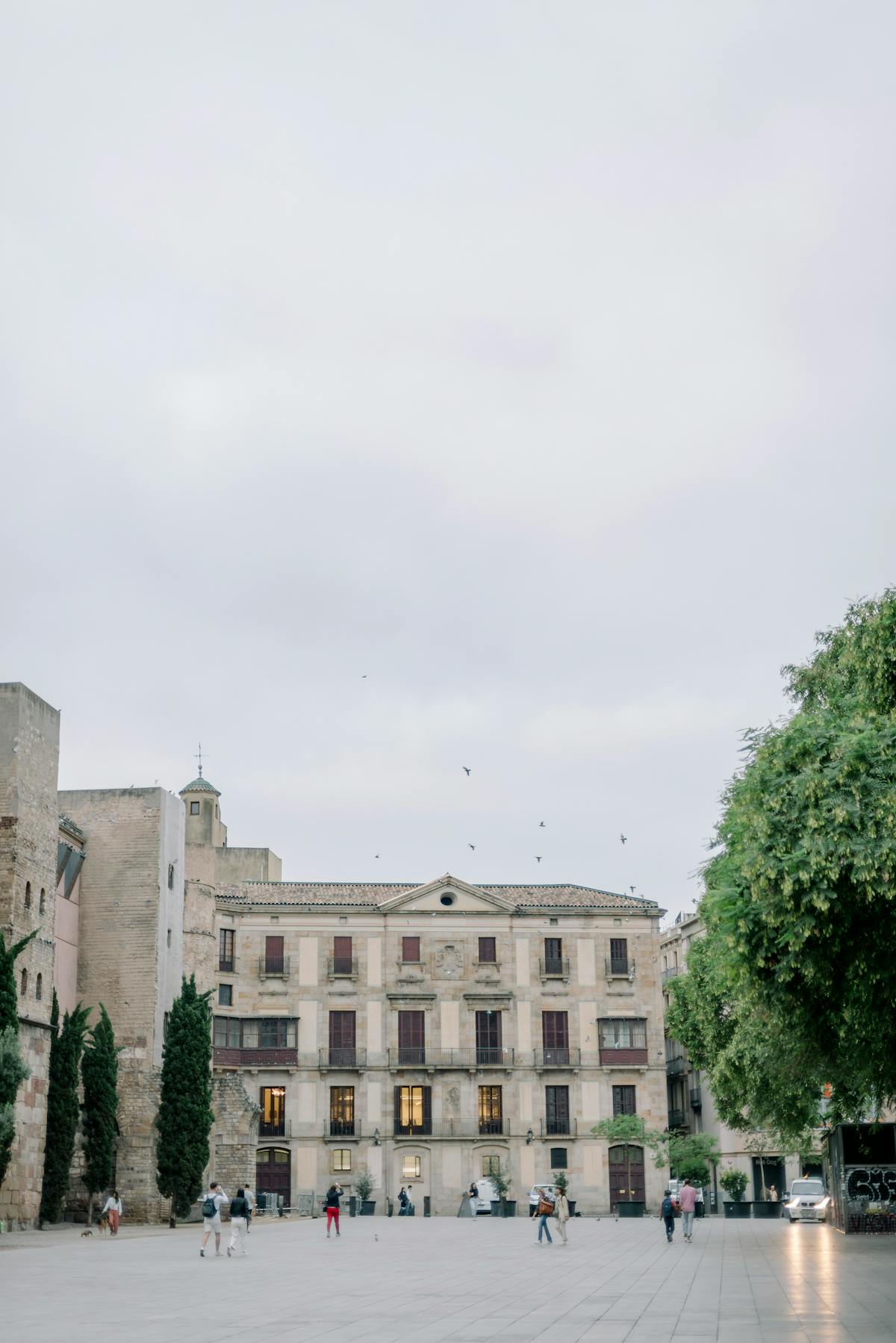
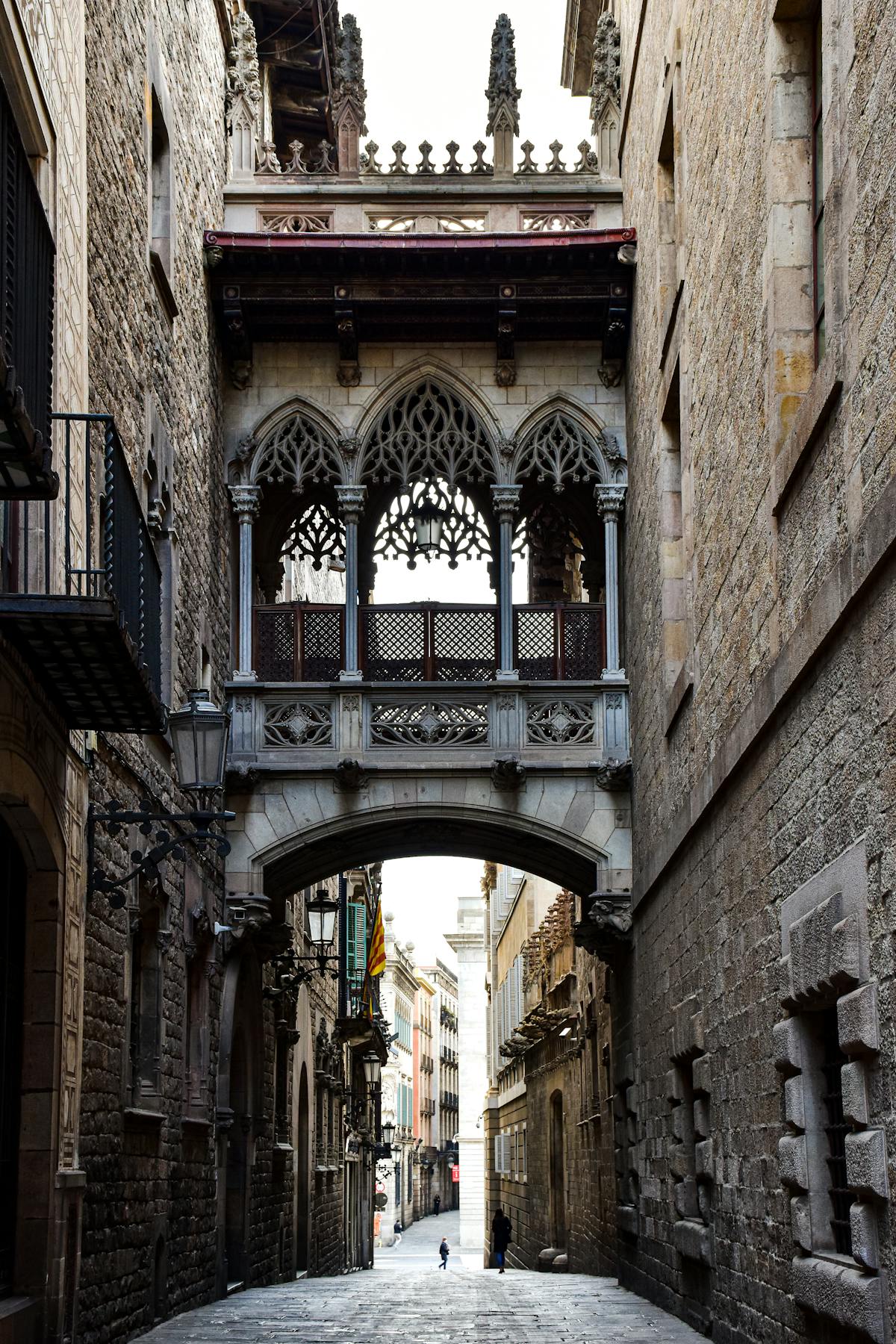
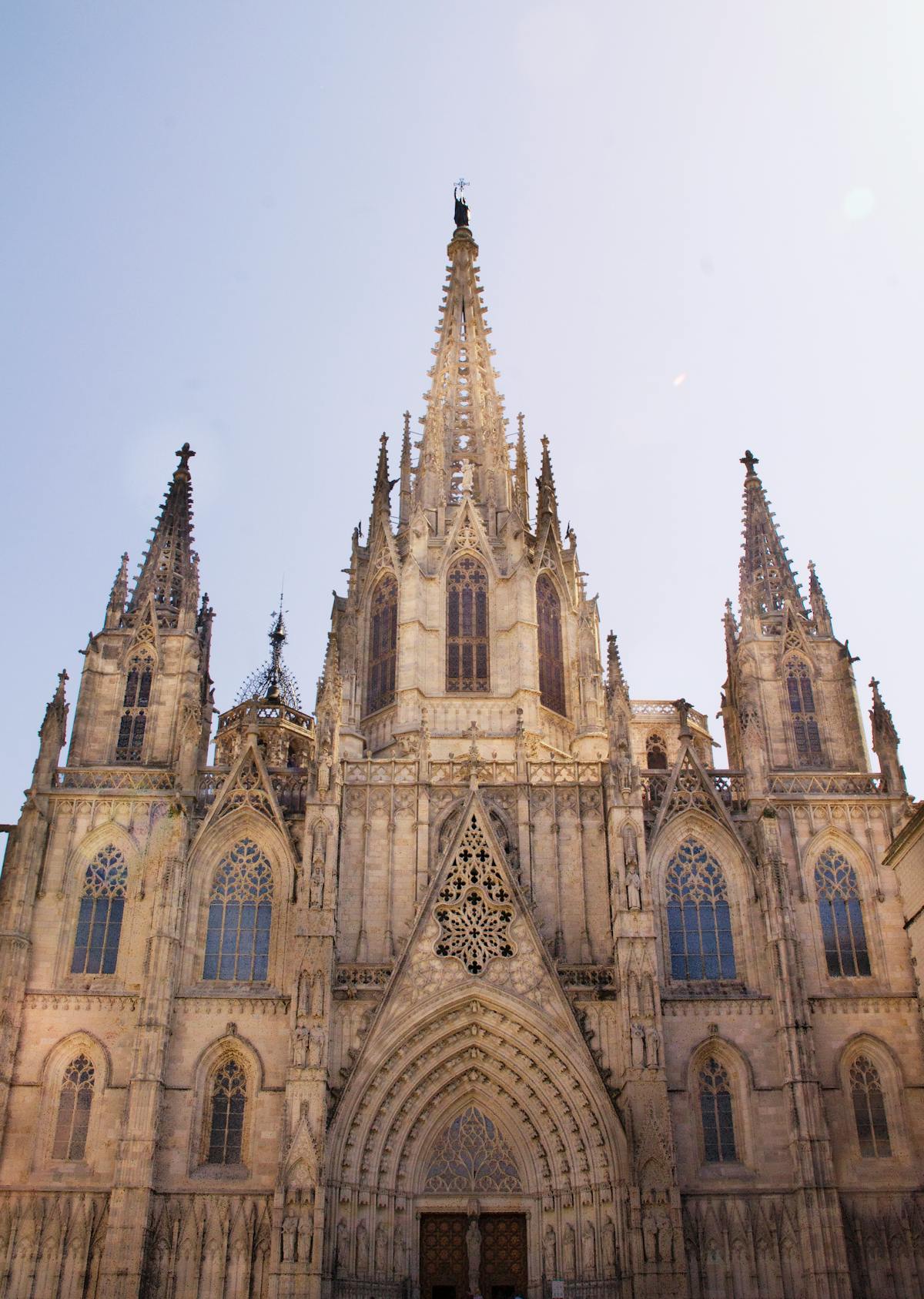
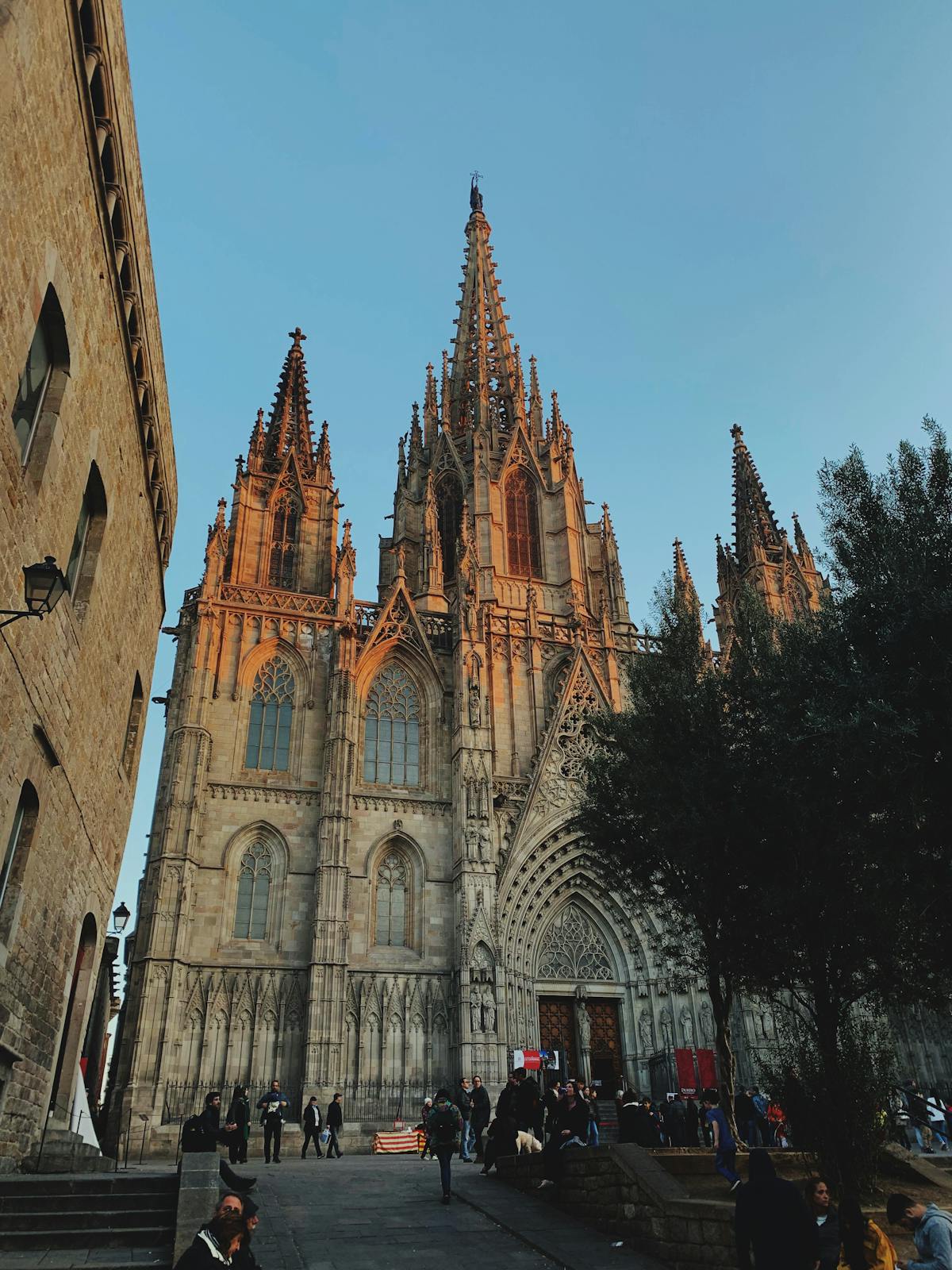
There’s the Bridge of Sighs (Pont del Bisbe), a neo-Gothic pedestrian bridge from 1928 that looks centuries older — apparently the architect who designed it was told to make something that blended in, and he took that instruction very seriously. There’s the Cathedral of Barcelona, which isn’t Sagrada Familia (travelers confuse these constantly), with its cloister full of 13 white geese — one for each year of Saint Eulalia’s life when she was martyred. And there’s Placa de Sant Felip Neri, a quiet square with shrapnel scars from a Fascist bombing in 1938 that killed 42 people, most of them children sheltering in the church.
You can walk these streets alone with a map, and plenty of people do. But the Gothic Quarter actively resists self-guided touring. The things worth seeing are behind closed doors, beneath street level, or hidden in plain sight with no explanation. A guided tour here isn’t a luxury — it’s the difference between seeing stone walls and understanding what happened behind them.
If You’re in a Hurry: My Top 3 Picks
- Best overall: Old Town and Gothic Quarter Walking Tour — From $21. The most thorough walk through the Barri Gotic, with flexible pacing. Book this tour
- Best food experience: Gothic Quarter Tapas & Taverns Food Tour — From $132. Walking tour meets wine dinner meets history lesson. Book this tour
- Best after dark: Ghosts and Legends Walking Tour — From $19. The Gothic Quarter at night with a guide who can actually tell a story. Book this tour
- If You’re in a Hurry: My Top 3 Picks
- Why the Gothic Quarter Needs a Guide
- Types of Gothic Quarter Tours
- The Best Gothic Quarter Tours
- 1. Old Town and Gothic Quarter Walking Tour — From
- 2. Gothic Quarter Tapas & Taverns Food & Wine Tour — From 2
- 3. Gothic Quarter Ghosts and Legends Walking Tour — From
- 4. Gothic Quarter Walking Tour with 10+ Attractions — From
- 5. El Born and Gothic Quarter Wine & Tapas Bar Tour — From
- When to Visit the Gothic Quarter
- Tips for Walking the Gothic Quarter
- More Barcelona Guides
Why the Gothic Quarter Needs a Guide
I’ll be direct: you don’t need a guide for Sagrada Familia. It has an audio guide, clear signage, and the building speaks for itself. The Gothic Quarter is the opposite of that. Its most important sites have no signage. The Roman walls are embedded into medieval buildings that are embedded into apartment blocks — you can walk right past an exposed section of 2,000-year-old wall and think it’s just ugly brickwork.
The layers matter here. A guide will stop you on Carrer del Call and explain that you’re standing in the old Jewish Quarter — one of the most important Jewish communities in medieval Europe until the pogrom of 1391. The street name gives it away if you know Catalan (call means “Jewish quarter”), but there’s no plaque. Or they’ll point to a wall in the Placa del Rei and show you where the building shifts from Roman stonework to medieval construction to a 19th-century repair — three civilizations visible in one wall if you know where the joints are.
The other problem with self-guided touring is navigation. Google Maps works poorly in the Gothic Quarter. The streets are narrow enough that GPS signals bounce between walls, and some alleys are too small to appear on the map at all. I’ve watched confused travelers walk the same loop three times trying to find Placa Reial (it was 40 meters from where they started, hidden behind an archway). A guide eliminates this entirely.
Types of Gothic Quarter Tours
Four categories worth knowing about:
History and architecture walks are the default. These run 2-3 hours, cover the Roman ruins, the cathedral, the medieval Jewish Quarter, and the major plazas. Prices range from $19-25 per person. They’re the obvious starting point and the best value.
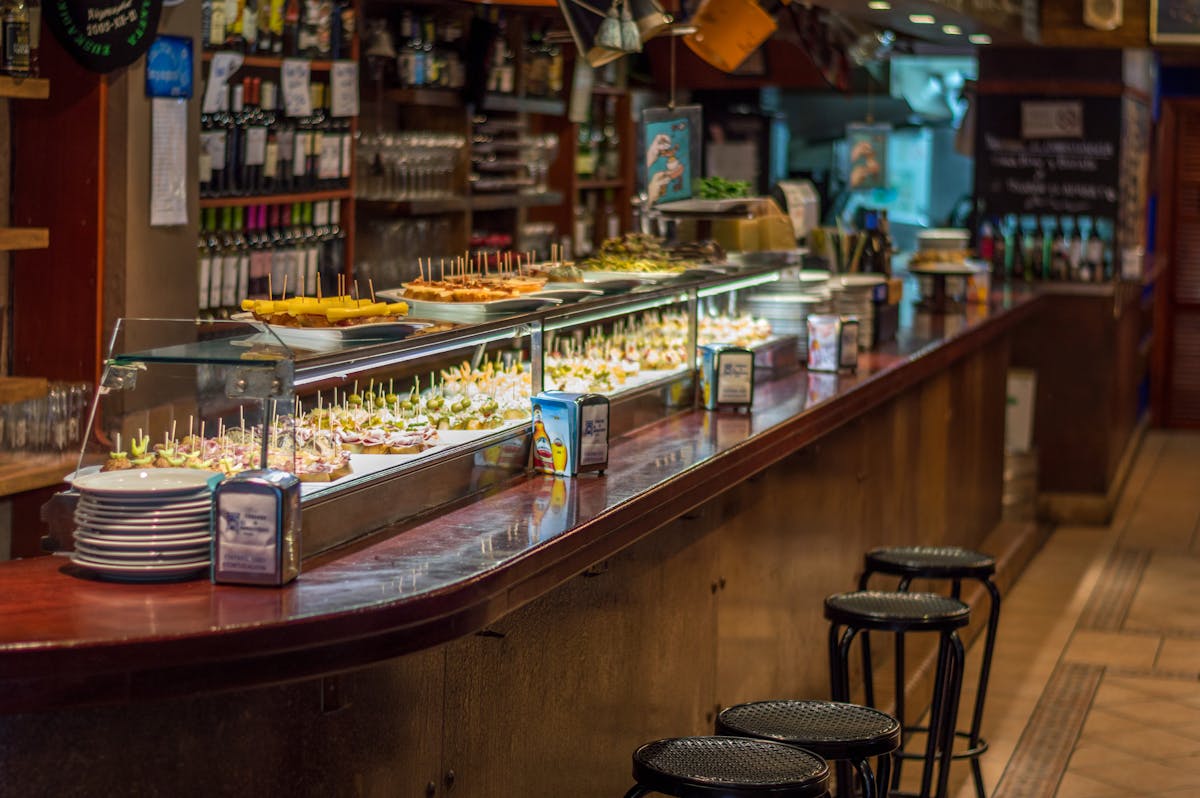
Food and wine tours combine walking with stops at tapas bars, wine cellars, and local restaurants. They cost more ($80-135) and run longer (3-3.5 hours). The food is included in the price, and the guides tend to have strong relationships with specific restaurants — you’re getting into places that don’t appear on TripAdvisor’s first page. These work best as an evening activity.
Ghost and legends tours run after dark and lean into the neighborhood’s spookier history. The Inquisition, medieval plagues, unsolved mysteries. At $19-25 and 1.5-2 hours, they’re short and affordable. The Gothic Quarter’s lighting after dark is theatrical by default — stone walls and gas-style lamps — so the atmosphere is built in.
Photography walks exist but are less common. These focus on finding the best angles and light in the narrow streets. They run $25-35 and are usually small groups (4-8 people). Worth it if you’re serious about photography and want someone who knows where the light falls at different times of day.
The Best Gothic Quarter Tours
After pulling data on every Gothic Quarter tour with significant traveler feedback, these five stood out for doing something genuinely different from each other.
1. Old Town and Gothic Quarter Walking Tour — From $21
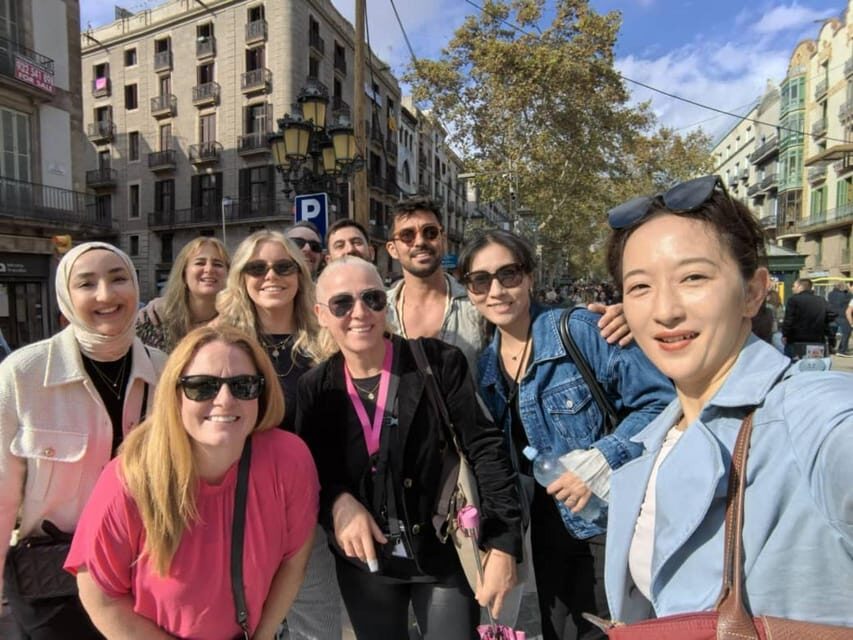
This is the foundational tour. The route runs from Placa de Catalunya down through the heart of the Gothic Quarter, hitting the cathedral, the Roman walls, the old Jewish Quarter, Placa del Rei, and finishing near the waterfront. Duration ranges from 2.5 to 4 hours — the variance comes from how many questions the group asks and whether the guide opens up bonus stops (the Temple of Augustus courtyard, for instance, isn’t always included).
At $21, the price is hard to argue with. You’re getting a proper professional guide, not a volunteer with a script. The tour covers the same ground as free walking tours but with significantly more depth and smaller group sizes.
Best for: First-time visitors to Barcelona who want a thorough introduction to the Gothic Quarter. Book a morning slot — the old town is at its best before the cruise ship passengers arrive around 11am.
2. Gothic Quarter Tapas & Taverns Food & Wine Tour — From $132
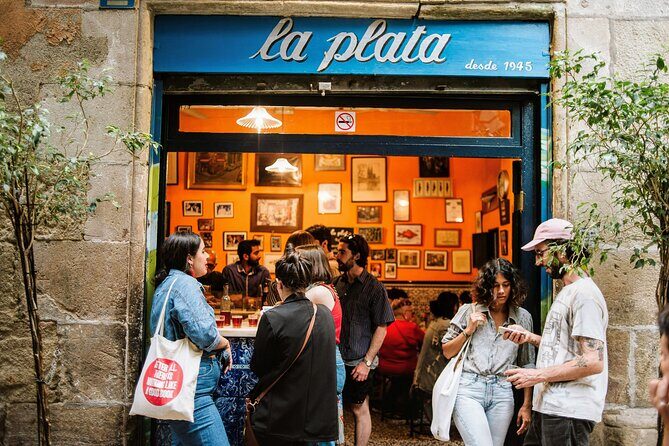
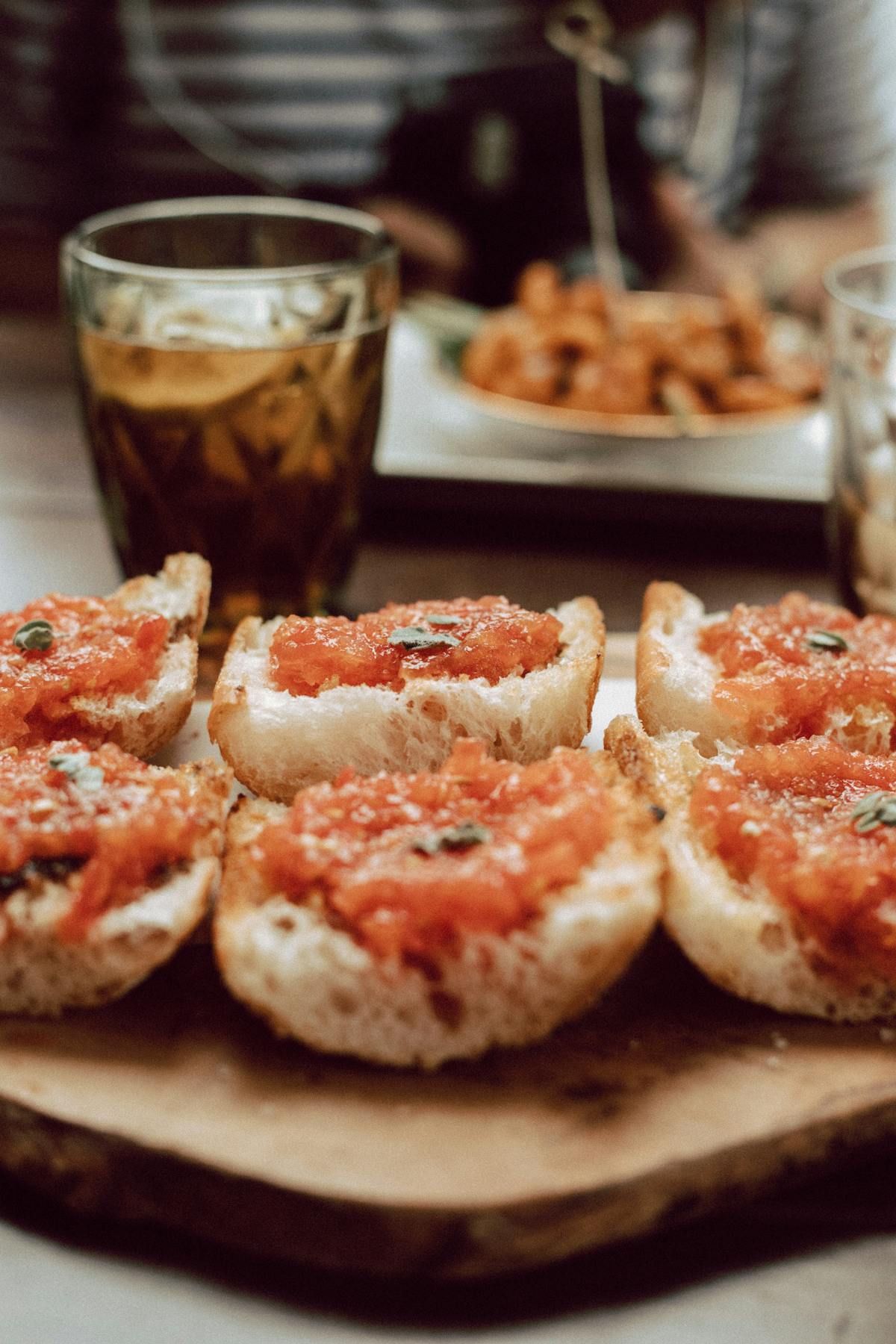
This is the splurge pick, and it earns the price. Over 3.5 hours, you’ll stop at four or five spots that the guide has a genuine relationship with — we’re talking family-run bars that have been pouring wine since the 1940s, not the tourist-trap tapas joints on La Rambla. The food and wine are all included in the $132 price, and by the time you’re done, you’ve had the equivalent of a full dinner.
The walking portion covers the same Gothic Quarter territory as the history tours, but the stops are dictated by the food route rather than the historical landmarks. You still get plenty of context — the guides explain why Catalan food is different from the rest of Spain, where the market traditions come from, what the wine regions mean. But the emphasis is firmly on eating.
Best for: Food-focused travelers, couples looking for an evening activity, or anyone who wants history and dinner rolled into one. Book the evening departure — the Gothic Quarter’s restaurant scene comes alive after 7pm.
3. Gothic Quarter Ghosts and Legends Walking Tour — From $19
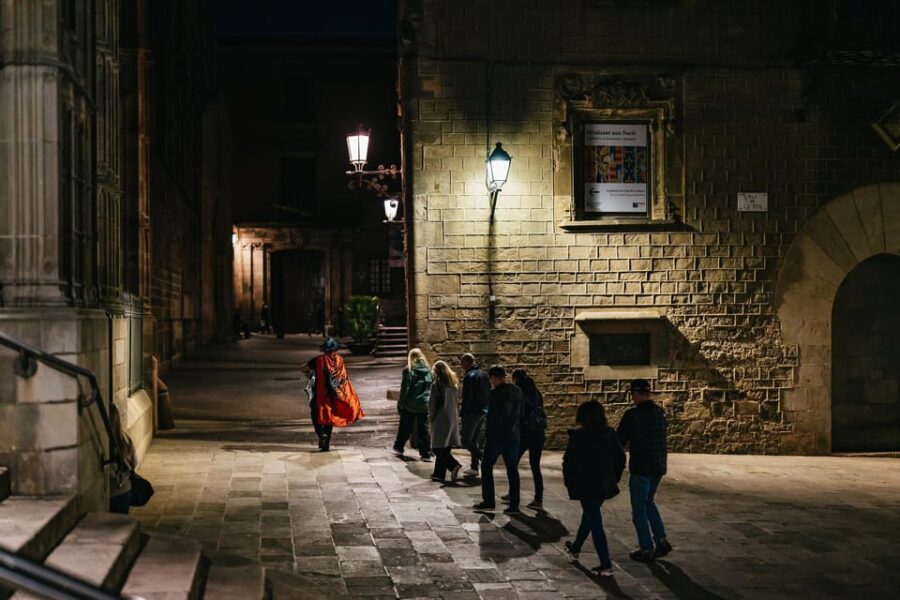
The cheapest tour on this list also happens to be one of the most entertaining. At 1.5 hours and $19, the Ghosts and Legends walk threads through the Gothic Quarter’s darkest alleys after sunset, mixing documented history with local folklore. The Inquisition gets heavy coverage — Barcelona was one of the last cities in Spain where the Inquisition operated — along with plague-era stories and accounts of hauntings that may or may not have rational explanations.
What sets this apart from generic ghost tours: the guide plays it straight. No cheesy jump scares, no theatrical costumes. Just a knowledgeable storyteller who knows the neighborhood’s dark history and how to use the atmosphere of narrow medieval streets lit by old-fashioned lamps. The Gothic Quarter does the theatrical heavy lifting on its own.
Best for: Evening entertainment that doubles as actual history. Pairs perfectly with a daytime walking tour — you’ll see the same streets but with a completely different narrative. Also great for people who find standard sightseeing tours a bit dry.
4. Gothic Quarter Walking Tour with 10+ Attractions — From $25
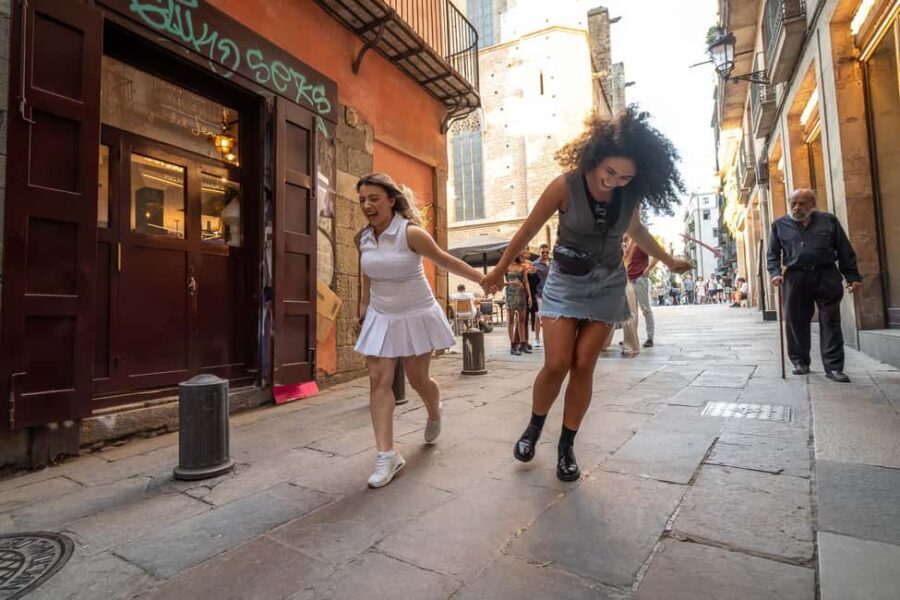
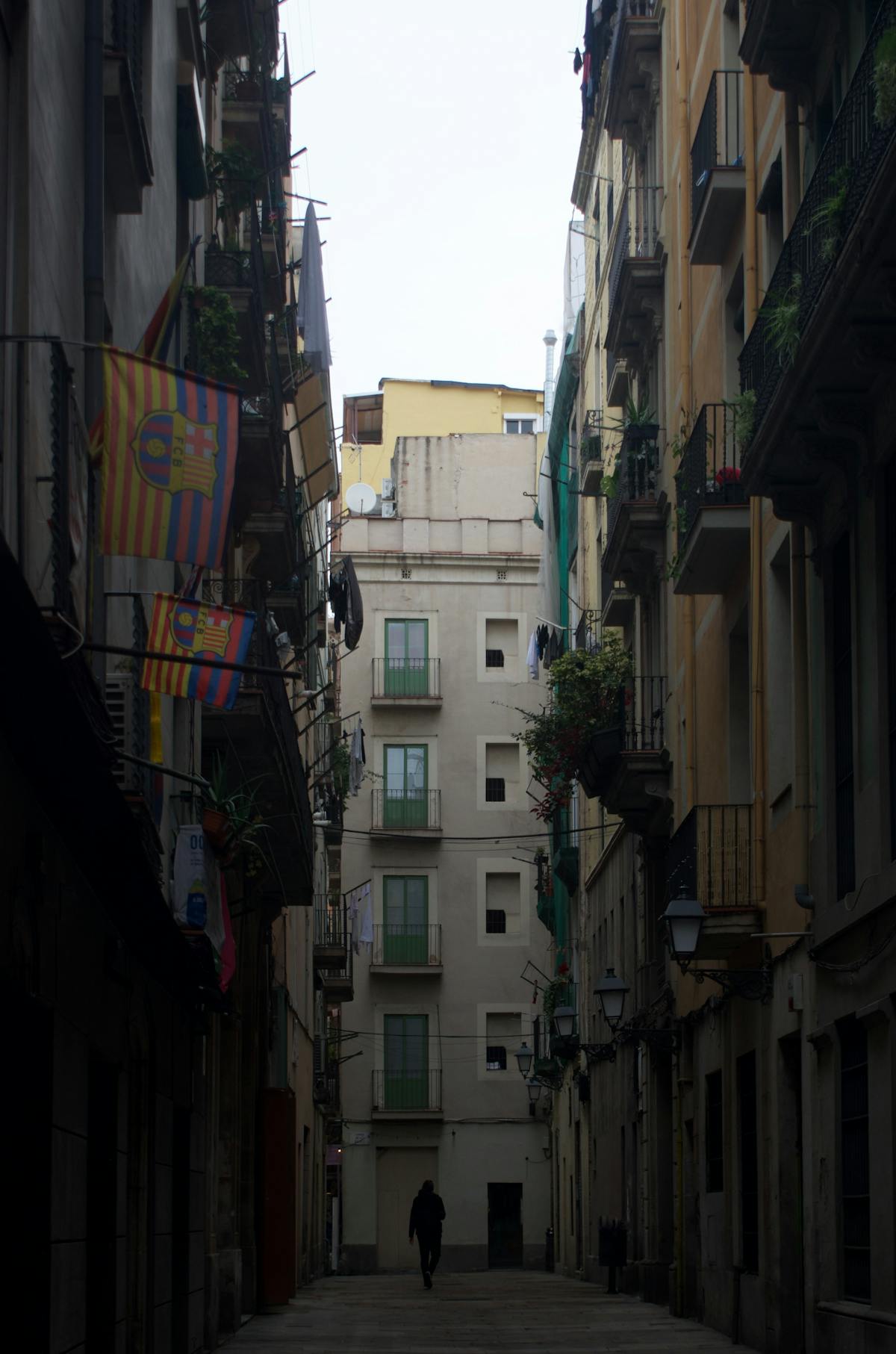
If efficiency is your priority, this is the tour. Ten or more attractions in two hours means the pacing is brisk — you’re spending 8-12 minutes at each stop rather than the 15-20 minutes that longer tours allow. The tradeoff is breadth for depth: you’ll see the cathedral, the Bridge of Sighs, the Roman walls, the Jewish Quarter, Placa del Rei, and several lesser-known spots, all with enough context to understand what you’re looking at.
At $25, the price sits slightly above the basic walking tours but below the premium options. The guides know they’re working against the clock and tend to be highly practiced at delivering punchy, memorable explanations rather than long lectures. If you have a short attention span for historical detail (no judgment — some of us do), this format works better than the 3-4 hour options.
Best for: Time-pressed visitors who want to cover the major Gothic Quarter landmarks in a single efficient loop. Also works well as a morning activity before an afternoon at the beach or a Gaudi building visit.
5. El Born and Gothic Quarter Wine & Tapas Bar Tour — From $81
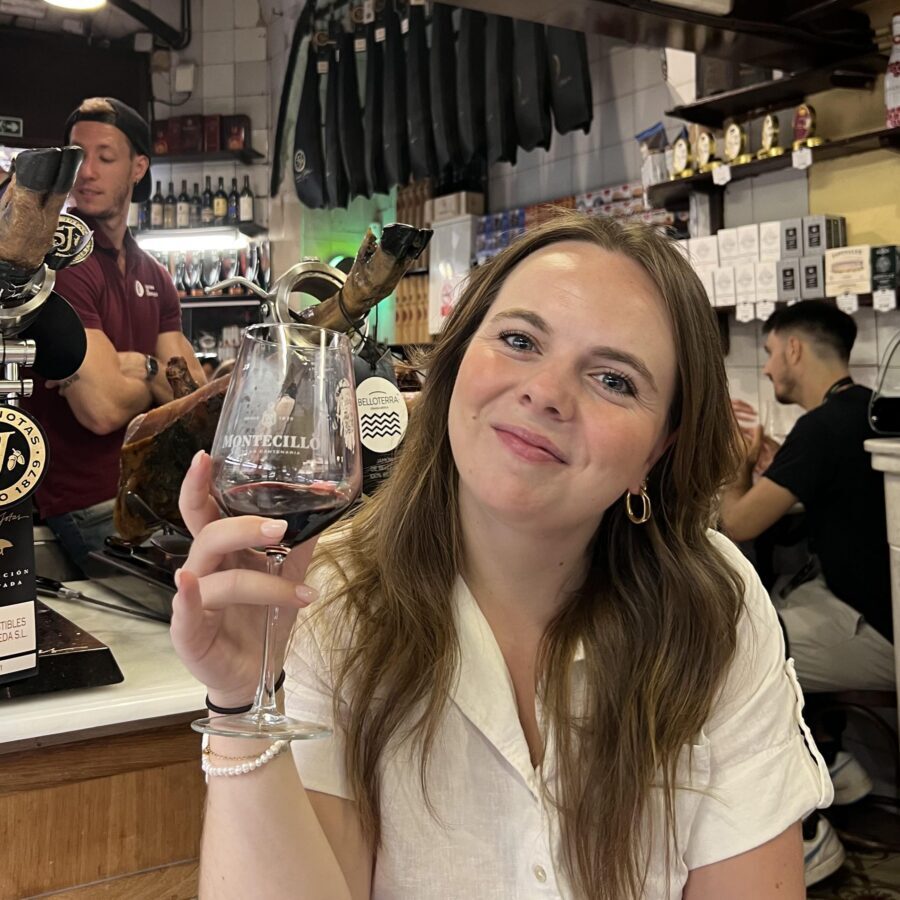
This is the food tour for people who want range. Instead of staying exclusively in the Gothic Quarter, the route crosses into El Born — the neighborhood next door that’s become Barcelona’s most exciting food district in the last decade. The Gothic Quarter’s restaurants tend toward traditional Catalan cooking. El Born’s lean contemporary — natural wines, modern tapas, fusion spots. Getting both in one tour gives you a genuine comparison.
At $81 and 2-3 hours, it sits between the basic walking tours and the premium food experiences. The wine component is a real highlight — the guides know Catalan and Spanish wine regions well enough to explain why the Priorat red you’re drinking tastes different from the Penedes white at the next stop. Food is included, and the portions across multiple stops add up to a full meal.
Best for: Wine lovers and food-curious travelers who want to understand the difference between Barcelona’s old-guard restaurants and its newer scene. Evening bookings work best — both neighborhoods come alive after sundown.
When to Visit the Gothic Quarter
The Gothic Quarter is open 24/7 — it’s a real neighborhood where people live, not a ticketed attraction. But timing changes the experience dramatically.
Early morning (8-10am) is when the neighborhood belongs to residents. Bakeries are open, the streets are nearly empty, and you can photograph the cathedral without 50 people in your frame. If you’re doing a guided tour, the early morning slots tend to have the smallest groups.
Midday (11am-3pm) is peak chaos. Cruise ship passengers flood in via La Rambla, the streets narrow enough that a group of eight people creates a bottleneck, and the heat between June and September turns the shadeless plazas into ovens. Avoid booking tours during this window if you can.
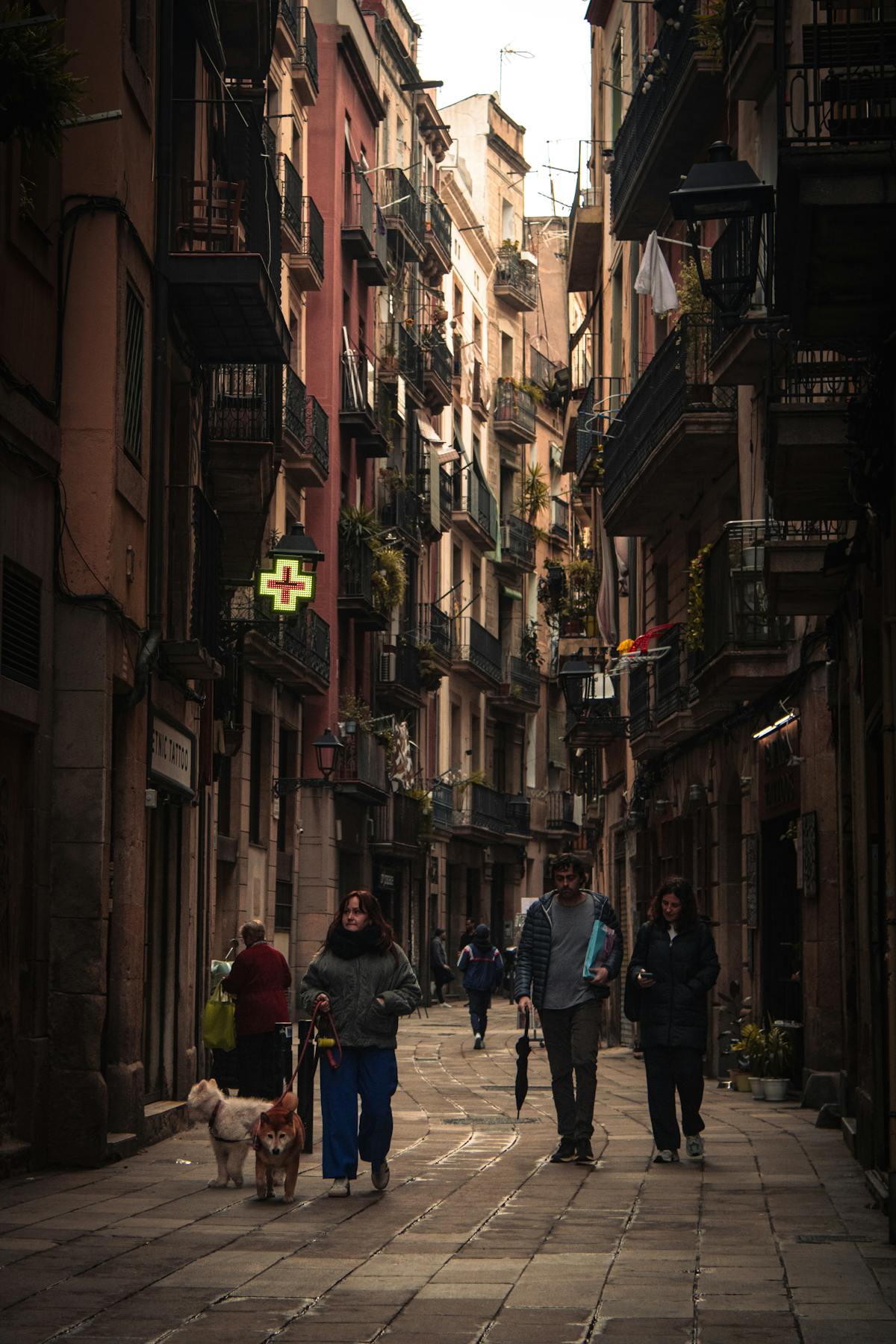
Late afternoon (4-6pm) is the sweet spot for photography. The sun drops low enough to light the narrow streets with golden indirect light, and the worst of the midday crowds have moved on to lunch. This is also prime time for the food tours — dinner starts late in Barcelona (8pm+), so a 5pm or 6pm food tour times perfectly.
Evening (8pm onwards) transforms the Gothic Quarter entirely. The old lamp-style street lights come on, the stones take on warmer tones, and the neighborhood becomes more atmospheric than any other part of Barcelona. Ghost tours and night walks use this to full effect, but even walking on your own after dark is worth doing at least once.
Seasonally: October through March is the quieter window. April and May see steady tourist numbers but without the crushing summer heat. June through September is peak season — everything costs more, groups are bigger, and you’ll fight for space in the narrowest alleys. December is underrated — Barcelona puts up Christmas markets in several Gothic Quarter plazas, and the weather is still mild enough for comfortable walking.
Tips for Walking the Gothic Quarter
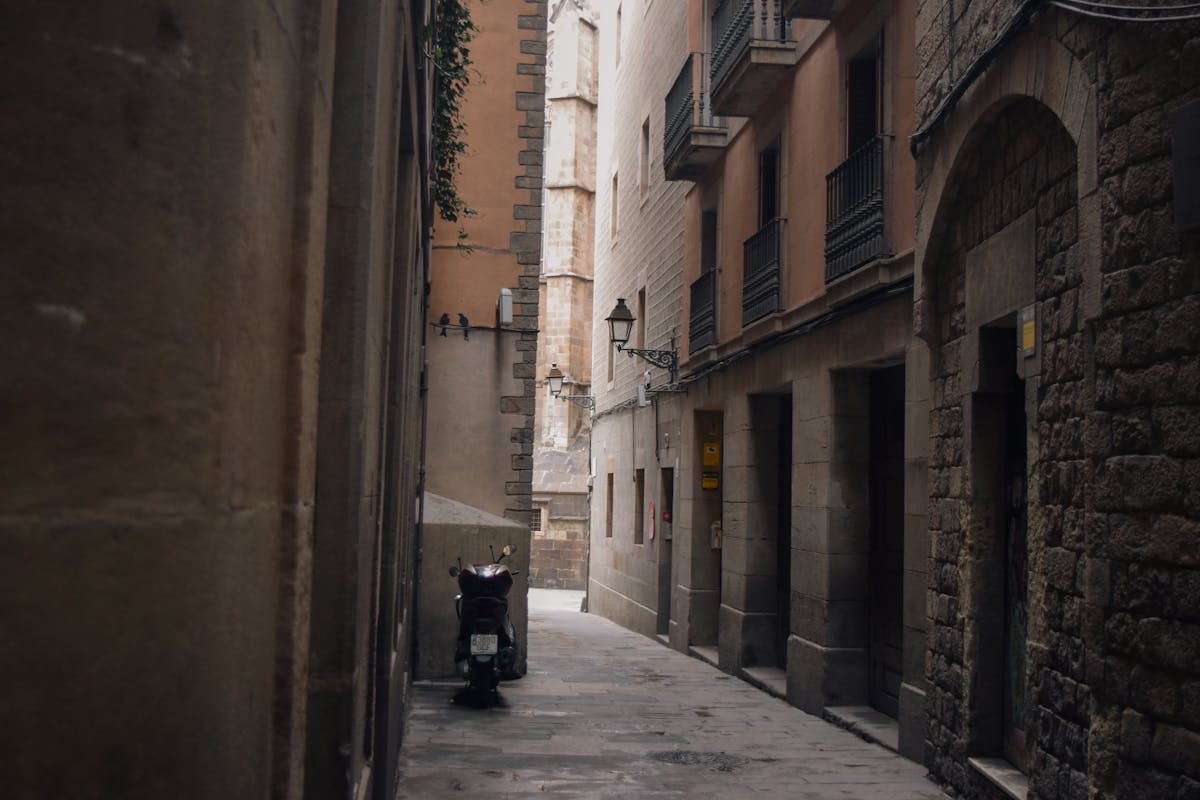
Pickpockets are real. Not a scare tactic — the Gothic Quarter and La Rambla are Barcelona’s two highest-risk areas. Front pockets, cross-body bags, and phone awareness. Don’t put your phone on a restaurant table, don’t leave your bag on the back of your chair, and be extra alert in crowds. Most incidents are quick grab-and-run, not confrontational.
Flat shoes with grip. The cobblestones are uneven and sometimes slippery after rain. Sandals work in dry weather but anything with a flat sole and traction is better. Heels are a genuinely bad idea.
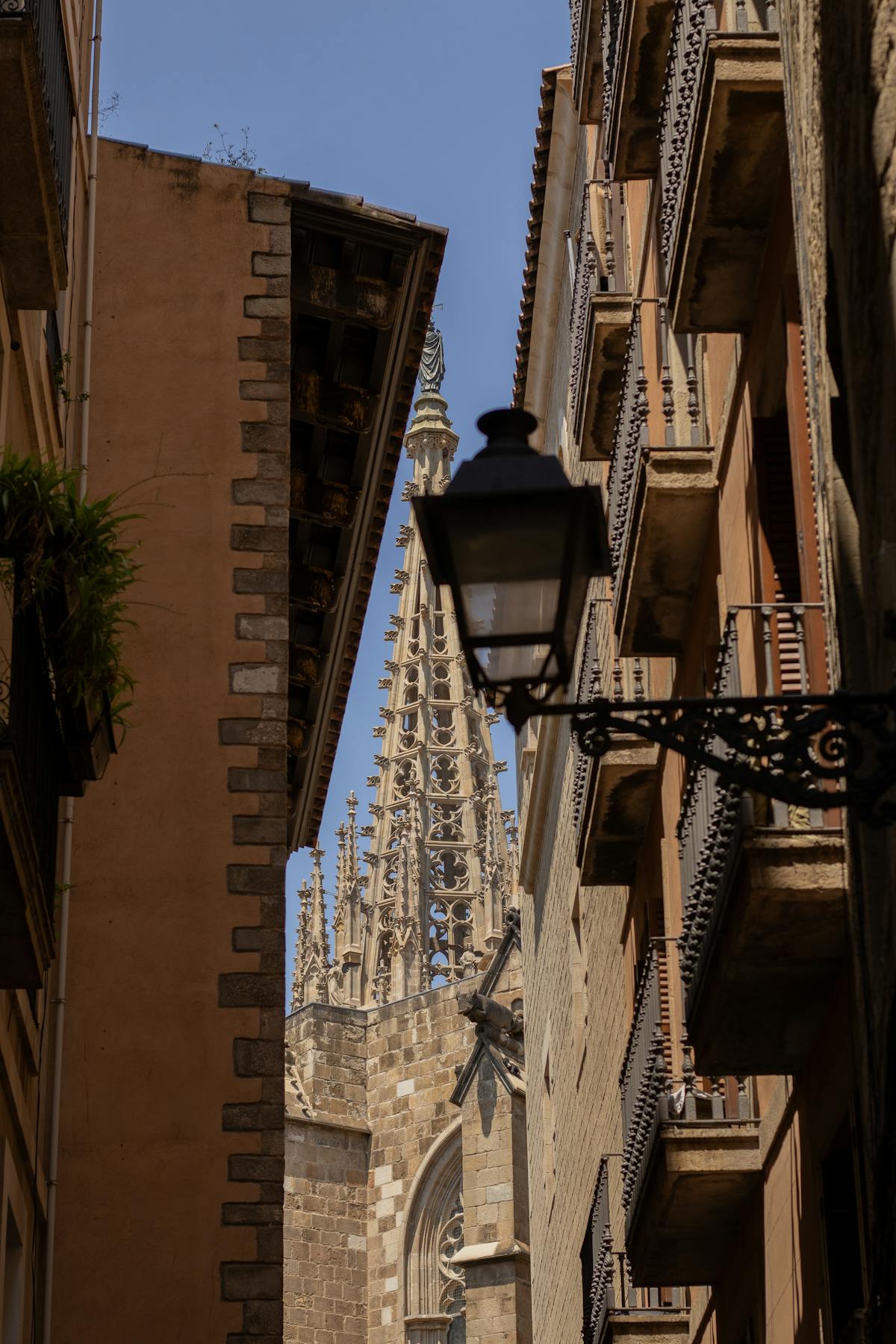
GPS doesn’t work well here. The streets are narrow enough to throw off phone GPS by 20-30 meters. If you’re navigating solo, download offline maps and use the cathedral spire as your landmark — you can see it from most of the Gothic Quarter’s wider streets.
The cathedral is free (mostly). Barcelona Cathedral has free entry for most of the day, but charges around 9 euros for the “tourist visit” window between 12:30pm and 5:30pm. Go before 12:30 or after 5:30 to enter free. The cloister with the geese is accessible from inside.
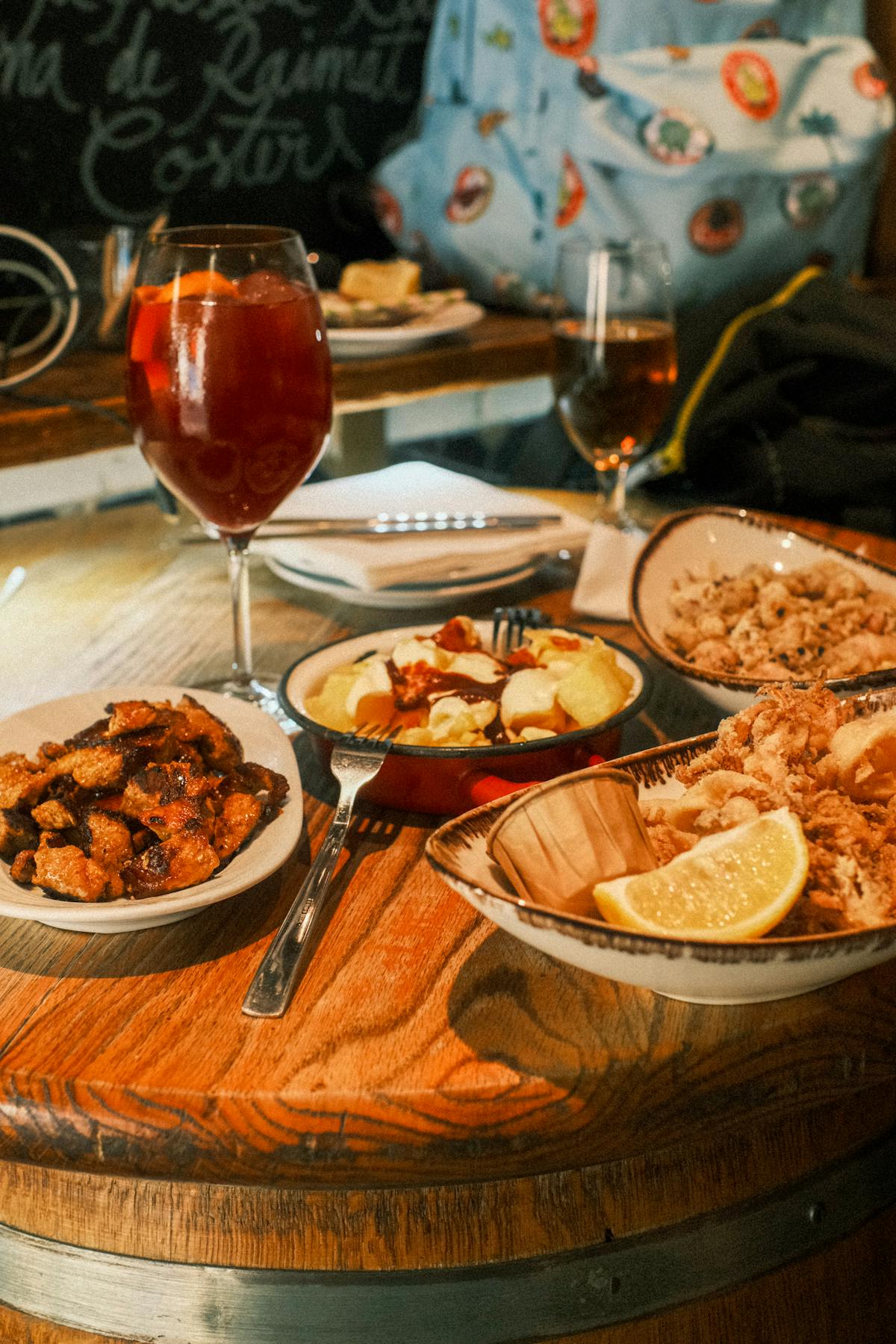
Eat one street back. The restaurants directly on La Rambla and around the cathedral are overpriced tourist traps. Walk literally one block into any side street and you’ll find better food at lower prices. Carrer dels Escudellers and Carrer de la Boqueria both have good options within 60 seconds of the main drag.
Combine with El Born. The Gothic Quarter’s eastern edge runs right into the El Born neighborhood, which has a completely different vibe — trendier bars, contemporary art galleries, the stunning Santa Maria del Mar church. The two neighborhoods are a natural pair for a half-day walking itinerary.