
China liked Hallstatt so much they built a full-scale replica. An entire Austrian village, copied stone by stone, sitting in the middle of Guangdong Province. I found that out standing on the real lakefront, staring at the same postcard reflection that apparently drove a Chinese mining company to spend millions recreating it 9,000 kilometers away. That tells you something about what this place does to people.
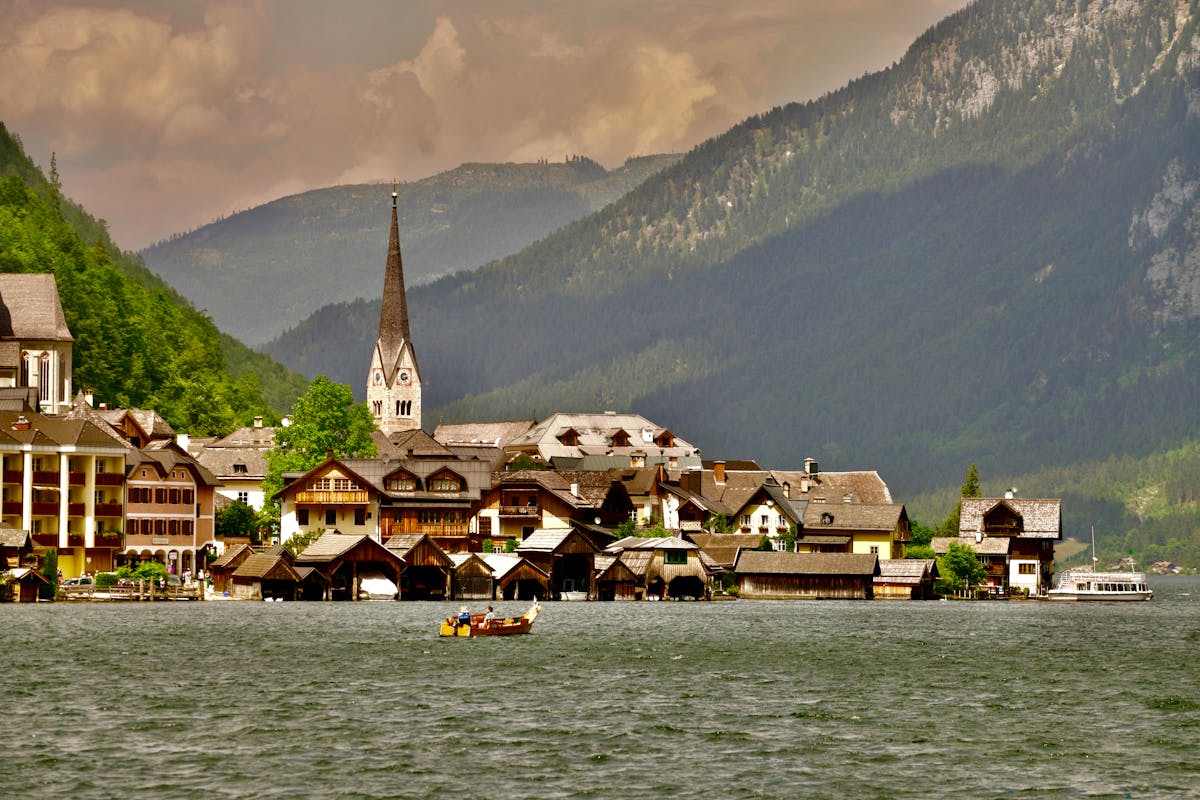
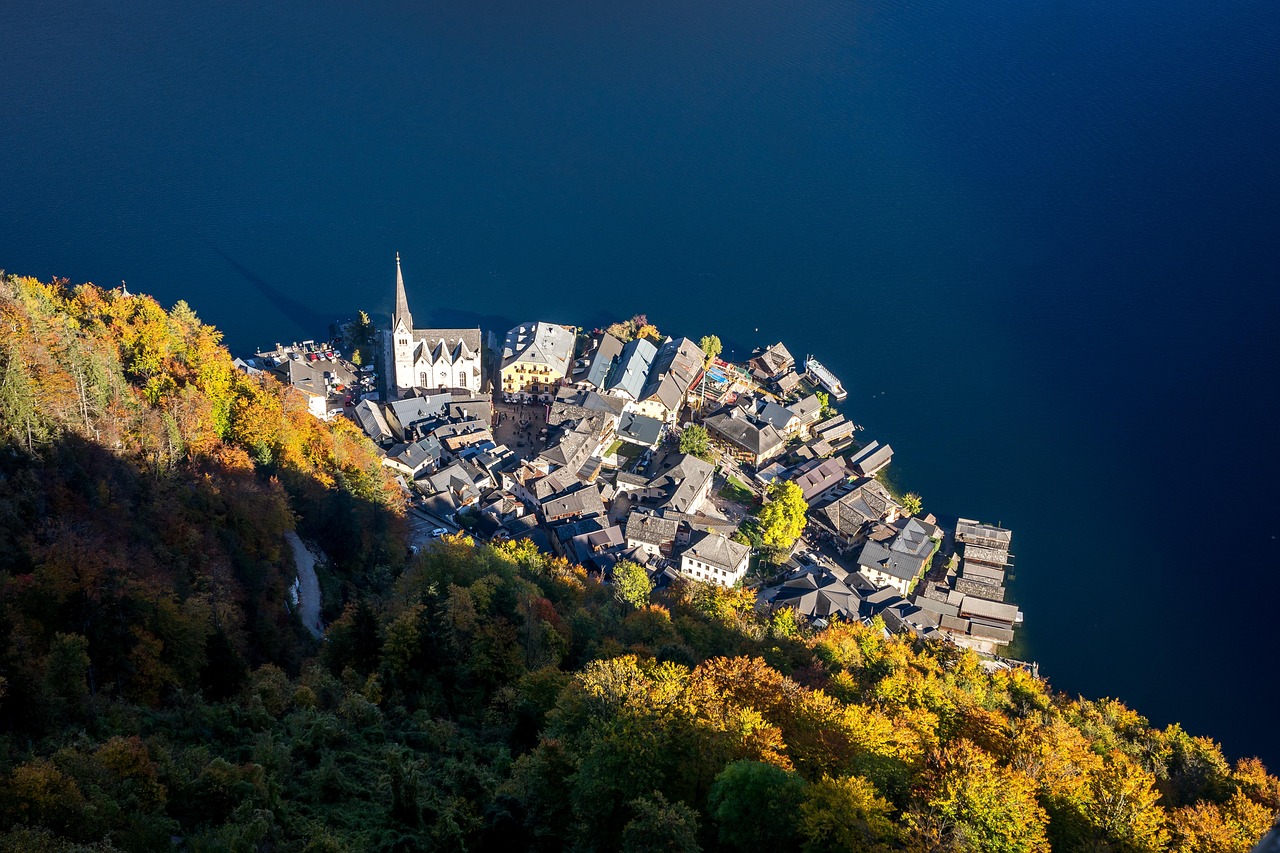
Hallstatt sits at the edge of a deep alpine lake in Austria’s Salzkammergut region, roughly four hours from Vienna by car. It has about 750 permanent residents, an ossuary where monks painted flowers and names on human skulls, and salt mines that have been running for 7,000 years. It also has roughly a million visitors a year, which means the logistics of getting there matter more than most people expect.
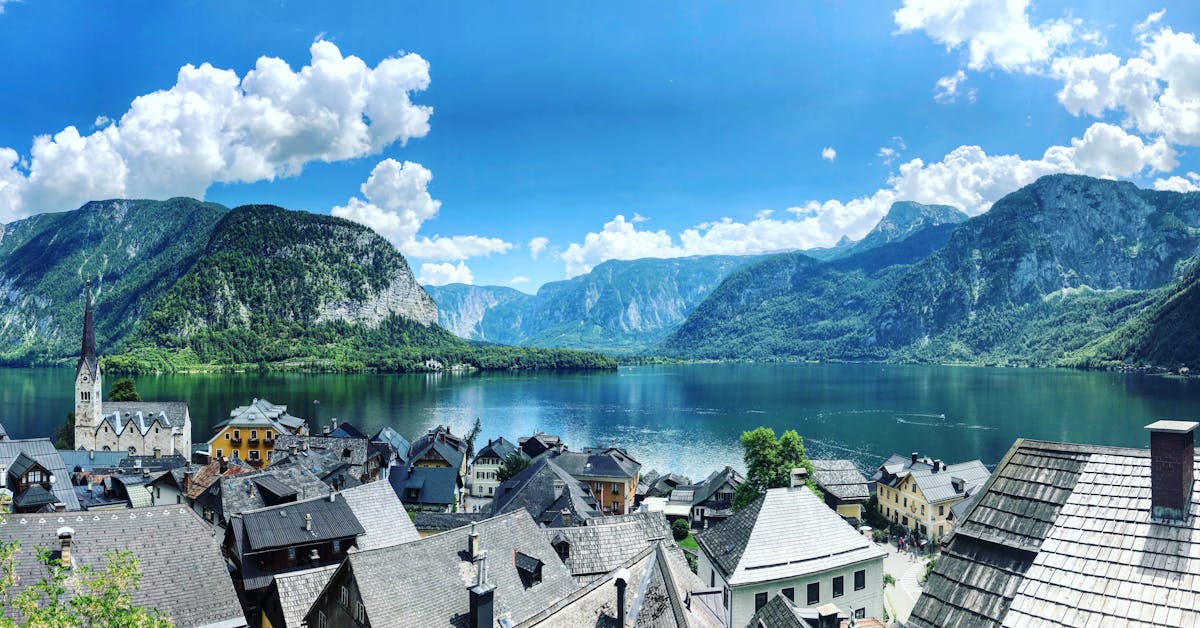
I did the day trip from Vienna and learned a few things the hard way. Here’s what I wish I’d known before booking.
Best overall: Vienna: Hallstatt Day Trip with Boat Ride Option — $108. Full-day trip with an optional boat ride and three hours of free time in the village.
Best with Skywalk: Hallstatt Day Trip with Skywalk Lift Option — $139. Adds the Skywalk viewing platform 350 meters above the lake.
Best small group: Hallstatt Small-Group Day Trip — $230. Capped at 8 people with a local guide walking you through the village.
- Getting from Vienna to Hallstatt
- Official Tickets vs Guided Tours
- The Best Hallstatt Tours from Vienna
- 1. Vienna: Hallstatt Day Trip with Boat Ride Option — 8
- 2. Hallstatt Day Trip from Vienna with Skywalk Lift Option — 9
- 3. Hallstatt Small-Group Day Trip from Vienna — 0
- When to Visit Hallstatt
- What You’ll Actually See in Hallstatt
- Tips That Will Save You Time
- How to Get There from Vienna
- More Austria Guides
Getting from Vienna to Hallstatt
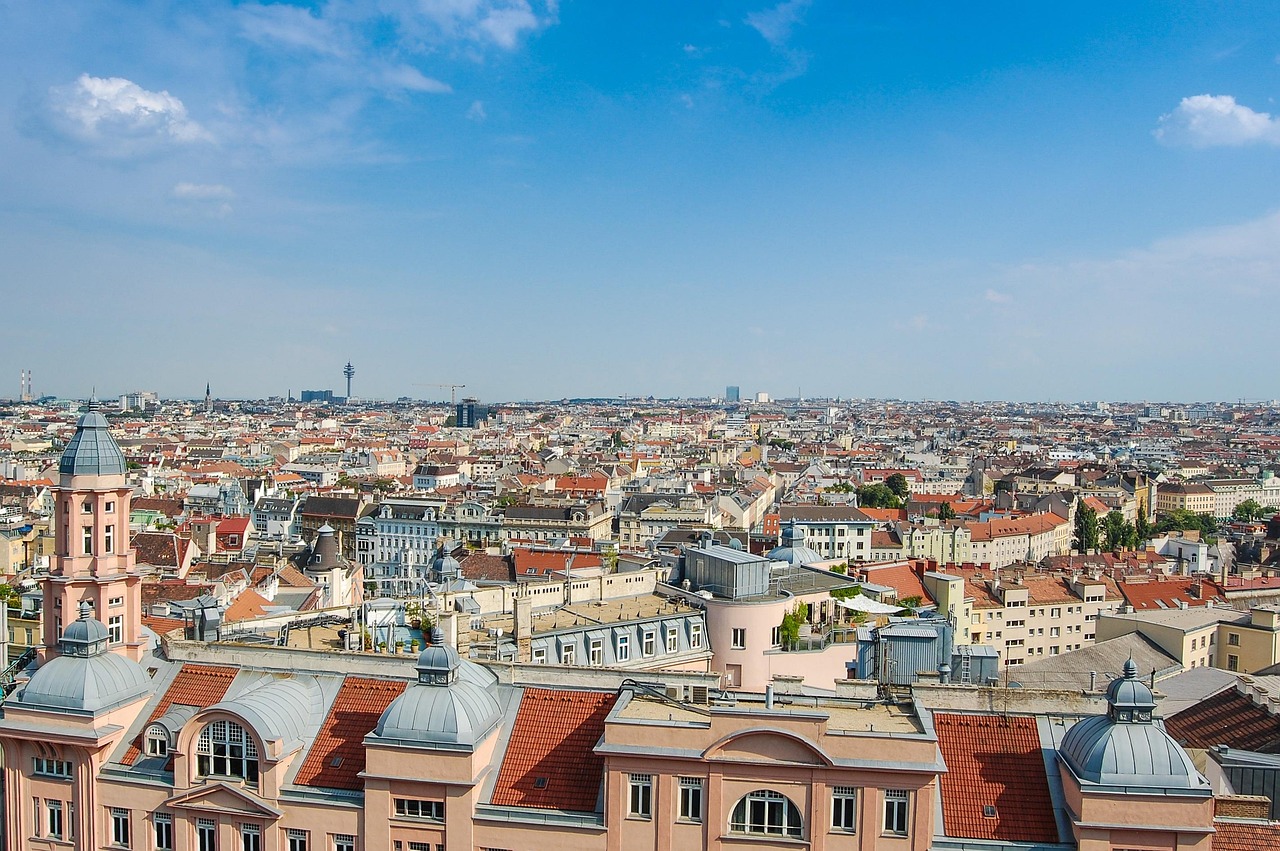
The distance from Vienna to Hallstatt is about 290 kilometers. You have three options, and each one has trade-offs worth understanding before you commit.
By organized tour (easiest): A guided day trip picks you up in central Vienna around 7:00-7:30 AM and drops you back around 8:00-9:00 PM. The drive takes about 3.5 hours each way, with scenic stops along the way. You get 2-3 hours in Hallstatt itself. This is what most first-timers choose, and honestly, it’s the smartest option if you don’t want to deal with train connections.
By train (cheapest but complicated): Vienna Hauptbahnhof to Attnang-Puchheim, then change to the local train to Hallstatt station. Total travel time is about 3.5-4 hours one way, but the connections can be tight. The Hallstatt train station is actually across the lake from the village, so you need to take a short ferry ride to get there. The ferry runs every 30-60 minutes and times roughly with train arrivals. A round-trip ticket runs about EUR 70-80.
By rental car (most flexible): About 3.5 hours via the A1 motorway. You’ll need a highway vignette (about EUR 10 for 10 days). Parking in Hallstatt is extremely limited — there’s a P1 garage at the tunnel entrance that costs about EUR 10/day, and it fills up early in summer. Arrive before 9 AM or you’ll be circling.
Official Tickets vs Guided Tours
Here’s the thing about Hallstatt: the village itself is free to walk around. There’s no entry ticket to the town. What costs money are the specific attractions inside it — the salt mines, the Skywalk, the ossuary — and the logistics of getting there from Vienna.
Going independently means cheaper transport costs but more planning. You’ll save maybe EUR 30-40 over a guided tour, but you’ll spend that time researching train schedules, ferry connections, and figuring out which attractions to pre-book. The salt mine tickets alone are EUR 40 for adults and sell out in summer.
A guided day trip bundles the transport, a guide who actually knows the history, and usually a boat ride or Skywalk ticket. You lose some flexibility (fixed schedule, set departure time), but you gain a stress-free day. For a 13-hour day trip where 7 of those hours are driving, I’d rather not add “navigate Austrian rail connections” to the list.
My recommendation: take a guided tour for your first visit. Go independent only if you’re spending a night in the Salzkammergut region or coming from Salzburg (which cuts the drive in half).
The Best Hallstatt Tours from Vienna
I’ve reviewed the most popular Hallstatt day trips from Vienna. Here are the three worth booking, ranked by what you get for the price.
1. Vienna: Hallstatt Day Trip with Boat Ride Option — $108
This is the one to book if you want the full Hallstatt experience without overspending. You leave Vienna early morning and drive through the Salzkammergut region with stops at scenic viewpoints along the way. Once in Hallstatt, you get roughly three hours of free time to explore the village, visit the ossuary, walk the waterfront, and grab lunch.
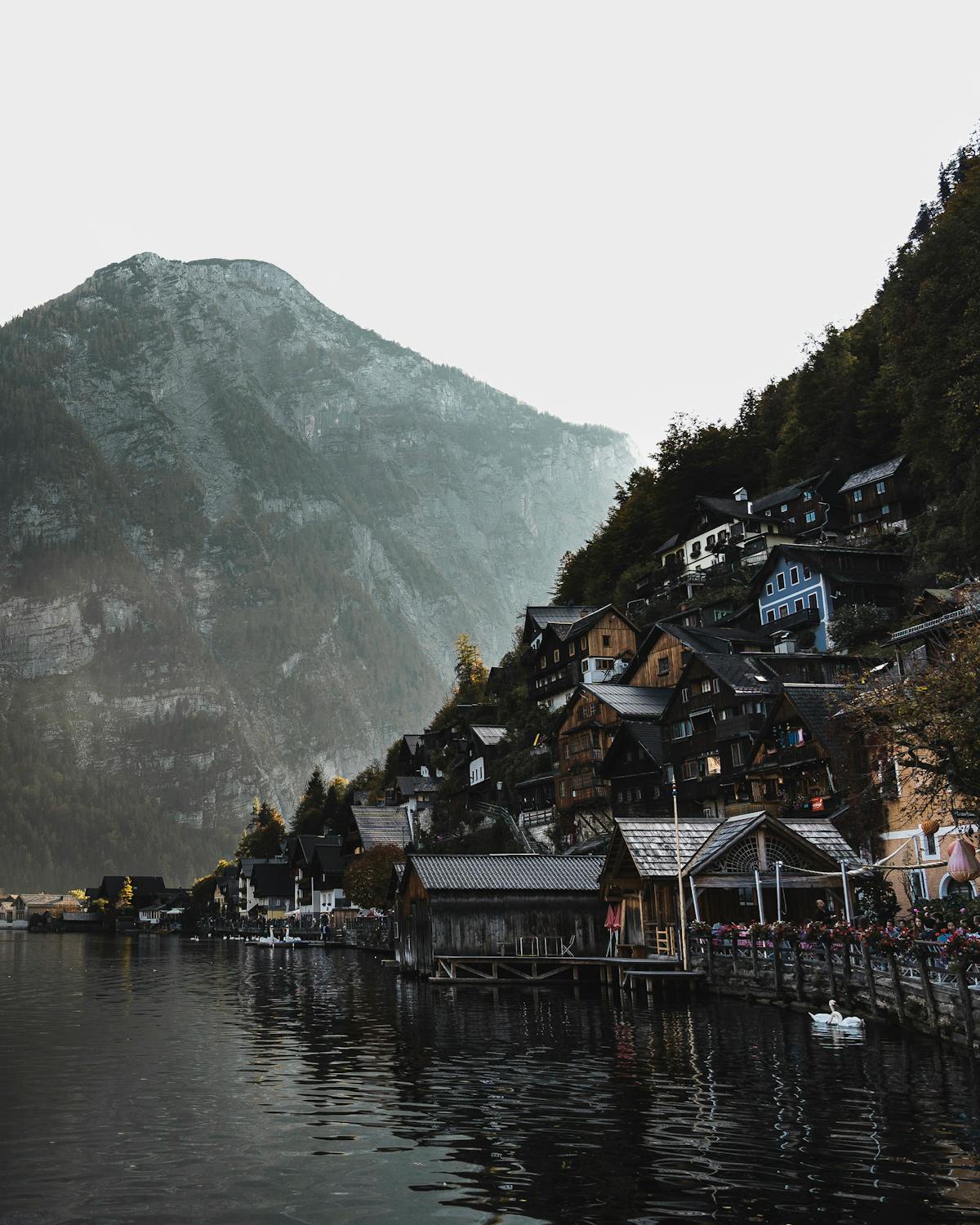
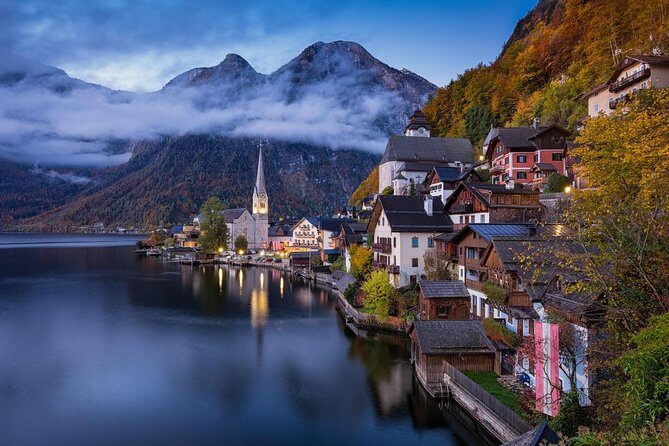
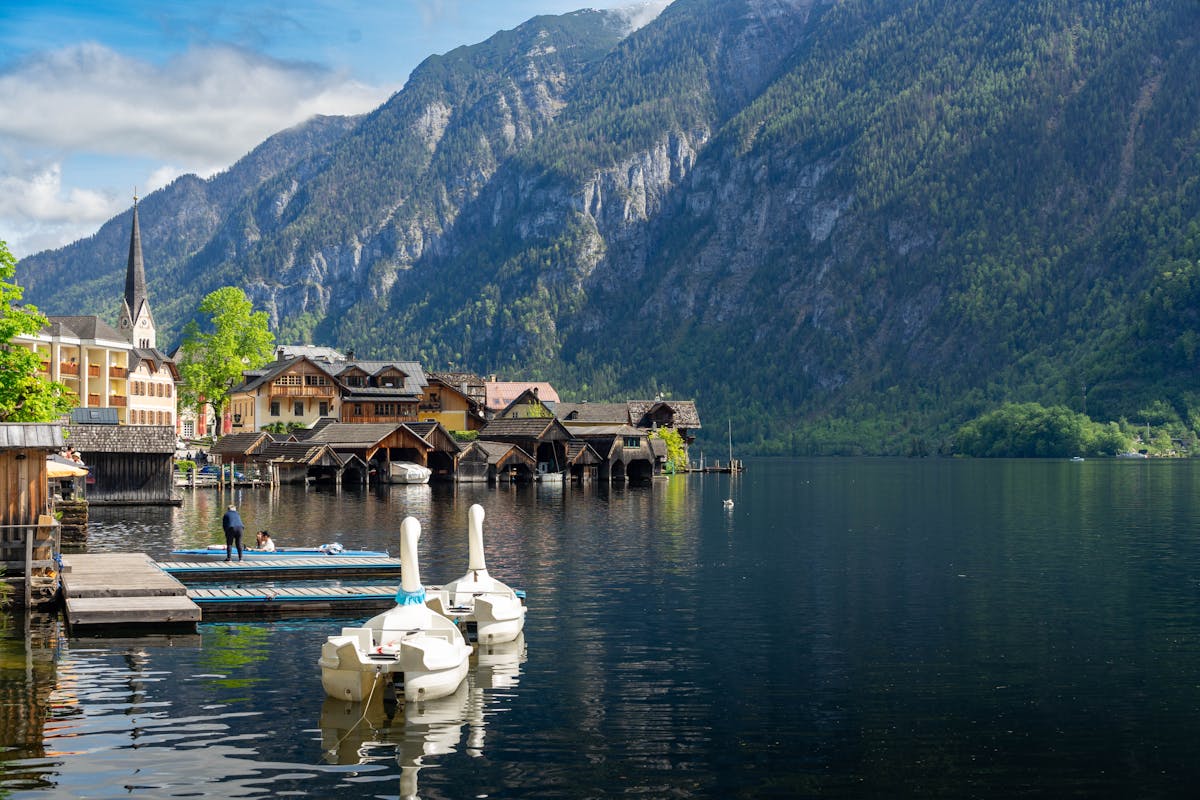
The optional boat ride is the highlight. It takes you across Lake Hallstatt with a view of the entire village reflected in the water — the shot you’ve seen on every travel blog and postcard. At $108, this is the best value among Vienna-Hallstatt tours, and it’s also the most popular for a reason. The full review covers what past visitors thought in detail.
2. Hallstatt Day Trip from Vienna with Skywalk Lift Option — $139
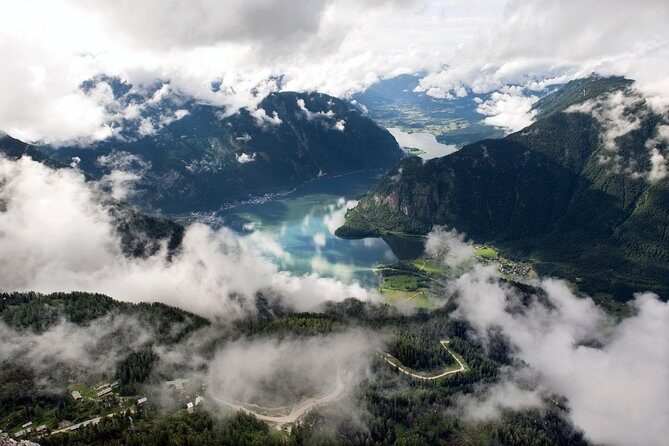
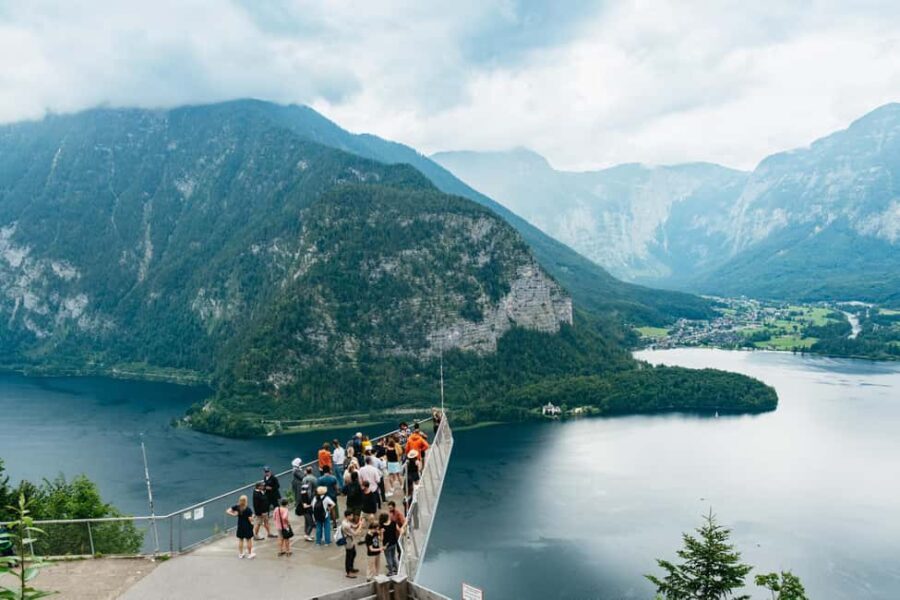
If you want more than just the village walk, this adds the Hallstatt Skywalk — a viewing platform perched 350 meters above the lake, reached by a funicular railway. The view from up there puts everything into perspective: the lake, the village, the Dachstein mountains stretching to the horizon. It also includes a stop at the salt mine entrance area, which gives you context on why this tiny village has been important for thousands of years.
At $139, you’re paying about $30 more than the standard trip for the Skywalk access and funicular. Worth it if heights don’t bother you and you want the dramatic aerial photos. The tour review breaks down the full itinerary.
3. Hallstatt Small-Group Day Trip from Vienna — $230
This is the premium option, and the price reflects it. Capped at just 8 passengers, you get a minivan instead of a bus, scenic stops that big coaches can’t reach, and a local guide who walks you through Hallstatt’s history once you arrive. The smaller vehicle also means the drive itself feels more like a road trip than a shuttle service.
The guide is the real differentiator here. On the larger tours, you get a bus driver who points out landmarks from behind the wheel. On this one, you get a dedicated guide who walks the village with you, explains the salt mining heritage, and takes you to spots that most day-trippers walk right past. At $230, it’s twice the price of the budget option, but the experience is noticeably different. See our detailed review for the full breakdown.
When to Visit Hallstatt
Timing matters more in Hallstatt than in most Austrian destinations, because the village is tiny and the crowds can overwhelm it.
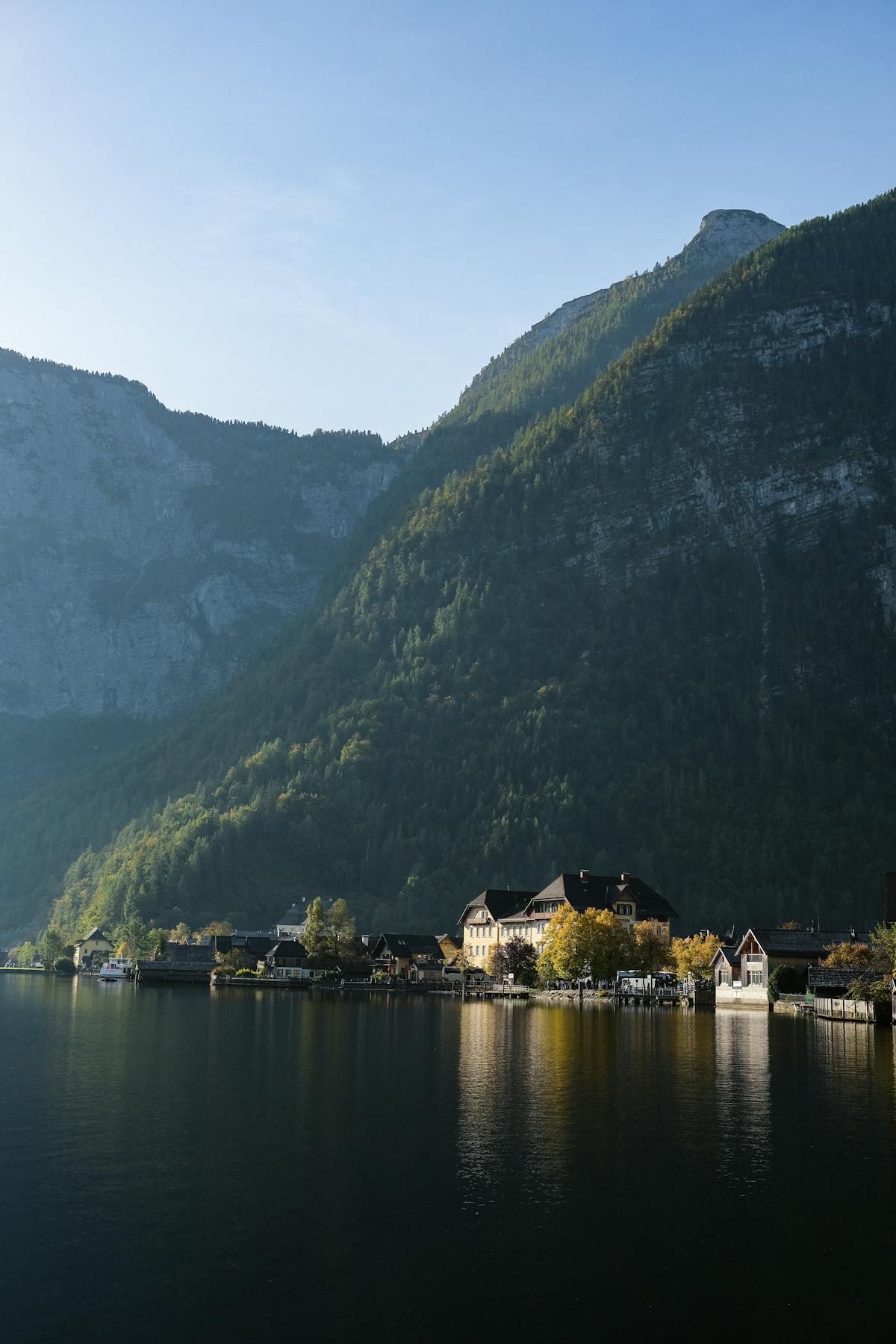
May to early June is the sweet spot. The weather is warm enough for comfortable walking, the lake is thawed and reflecting properly, and the peak summer hordes haven’t arrived yet. Late September through mid-October is equally good, with fall colors adding another layer to the scenery.
July and August are packed. Hallstatt introduced visitor management measures in recent years because the crowds were literally blocking the streets. Tour buses now need pre-booked parking slots, and the village can feel more like a theme park than a mountain town during peak hours. If you must go in summer, pick a weekday and aim for early morning arrival.
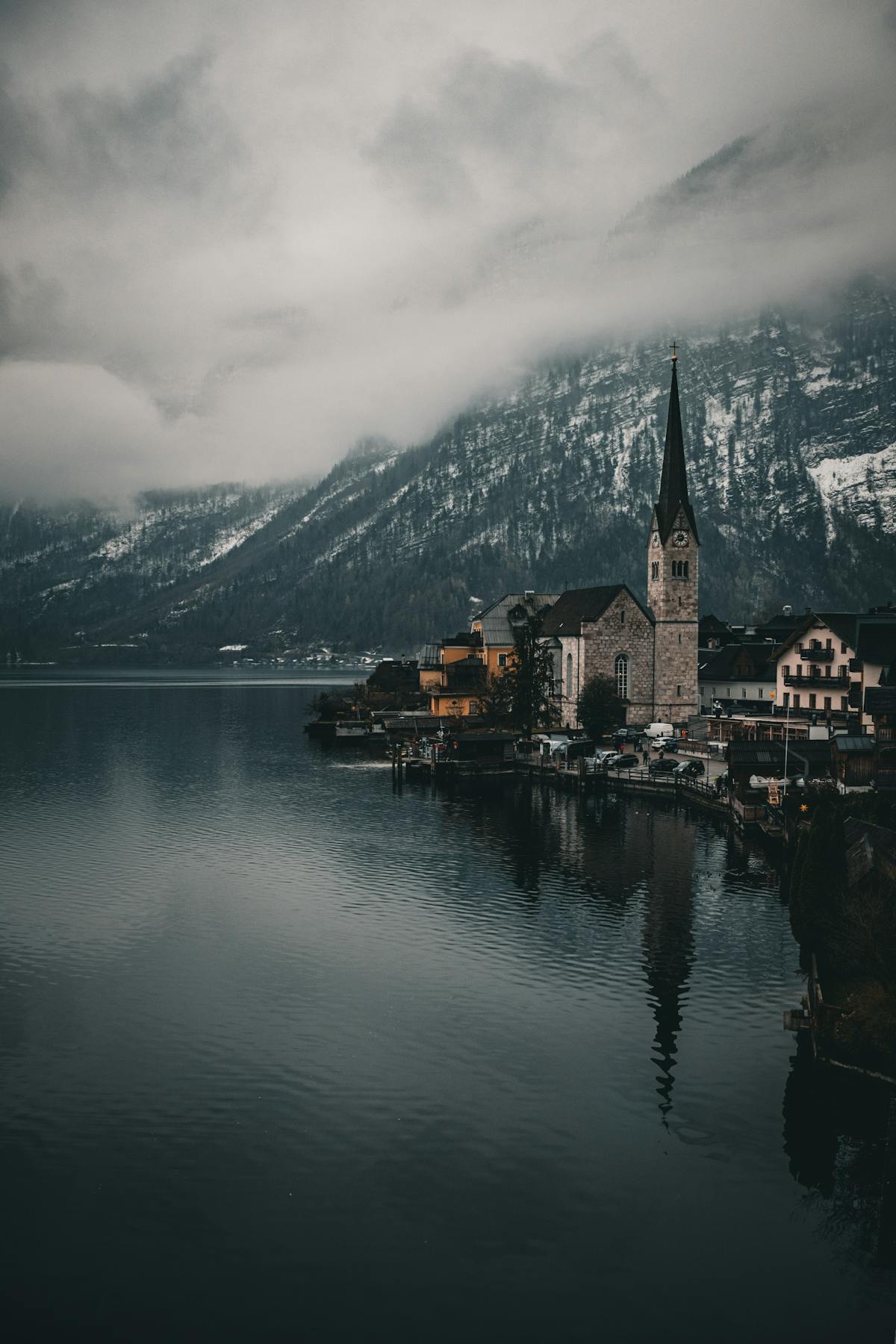
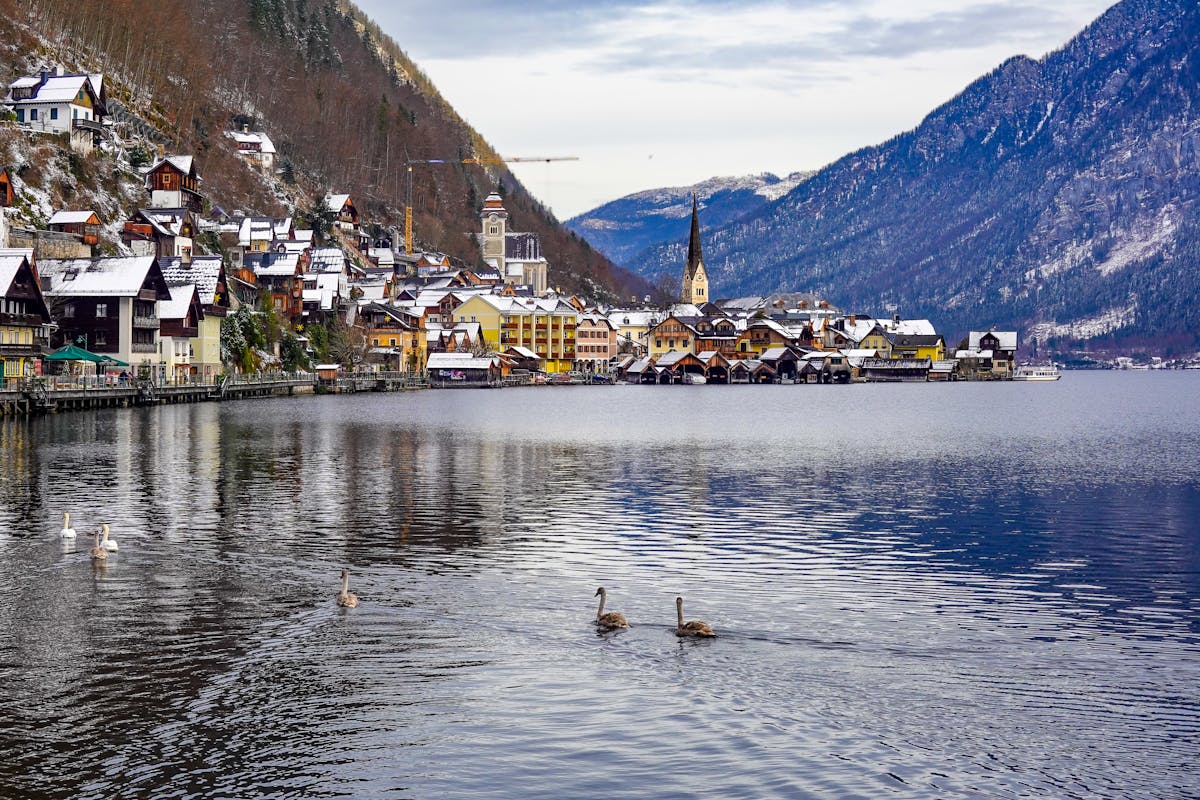
Winter (December to February) is beautiful but limited. The snow-covered village with steam rising from the lake is genuinely magical, and the Christmas market in early December is worth the trip. But some attractions close for the season (including the Skywalk), the ferry runs less frequently, and daylight hours are short. The salt mines stay open year-round.
What You’ll Actually See in Hallstatt
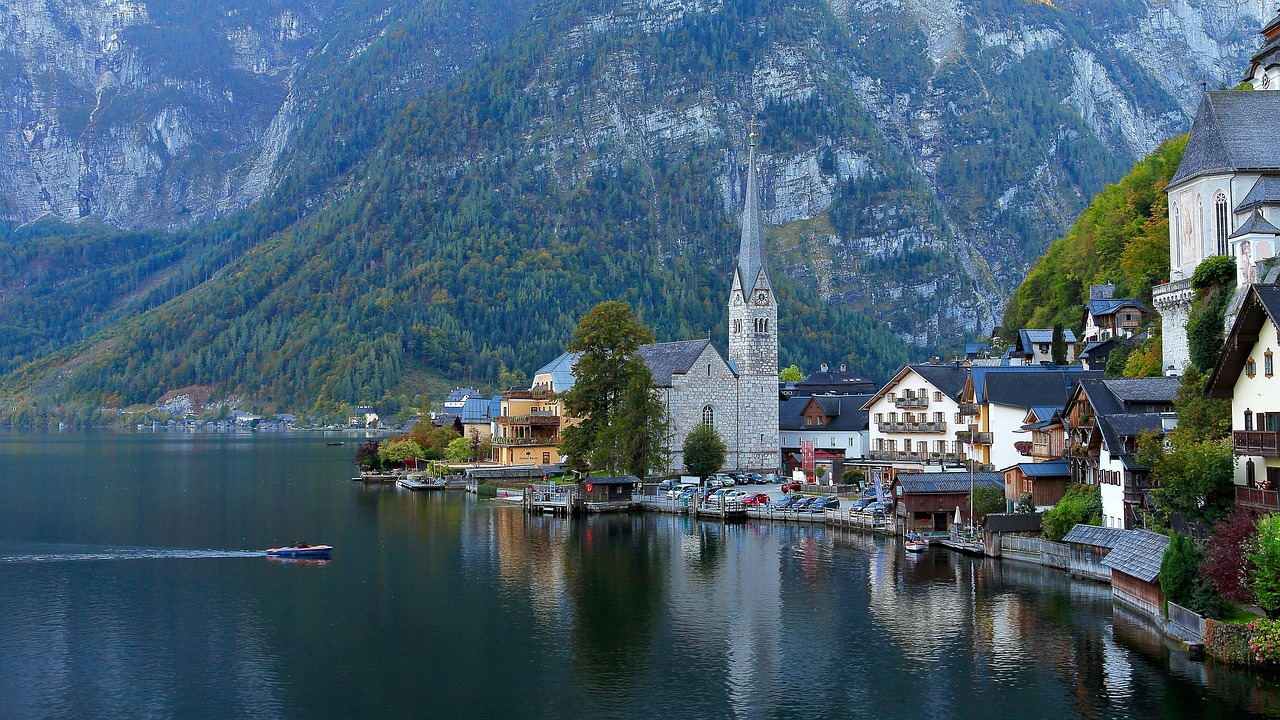
Most day trips give you 2-3 hours of free time. That sounds tight, but Hallstatt is genuinely small — you can walk the entire main strip in 20 minutes. Here’s what’s worth your time:
The Marktplatz (Market Square) is the heart of the village. A small triangular square surrounded by pastel-colored houses with flower boxes on every window. Most of the cafes and souvenir shops cluster here. It’s photogenic, but don’t spend all your time in the square — the side streets are more interesting.
The Beinhaus (Bone House) is the strangest thing in Hallstatt, and possibly in all of Austria. Because the village graveyard was too small for the growing population, bones were exhumed after 10-15 years, bleached in the sun, and stacked in a small chapel attached to the Catholic church. Starting in the 18th century, relatives began painting the skulls with flower wreaths, the deceased’s name, and date of death. There are over 600 painted skulls in there. Entry is about EUR 2, and it takes 10 minutes. Don’t skip it.
The Hallstatt Salt Mine (Salzwelten) is the oldest salt mine in the world — mining has been documented here for over 7,000 years. A Celtic burial site was discovered inside in the 19th century, and the term “Hallstatt culture” in archaeology comes directly from this place. The mine tour takes about 70 minutes and includes two underground slides (yes, actual slides down wooden chutes). Tickets are EUR 40 for adults. It’s not included in most Vienna day trips, so you’d need to pre-book separately if you want to fit it in during your free time.
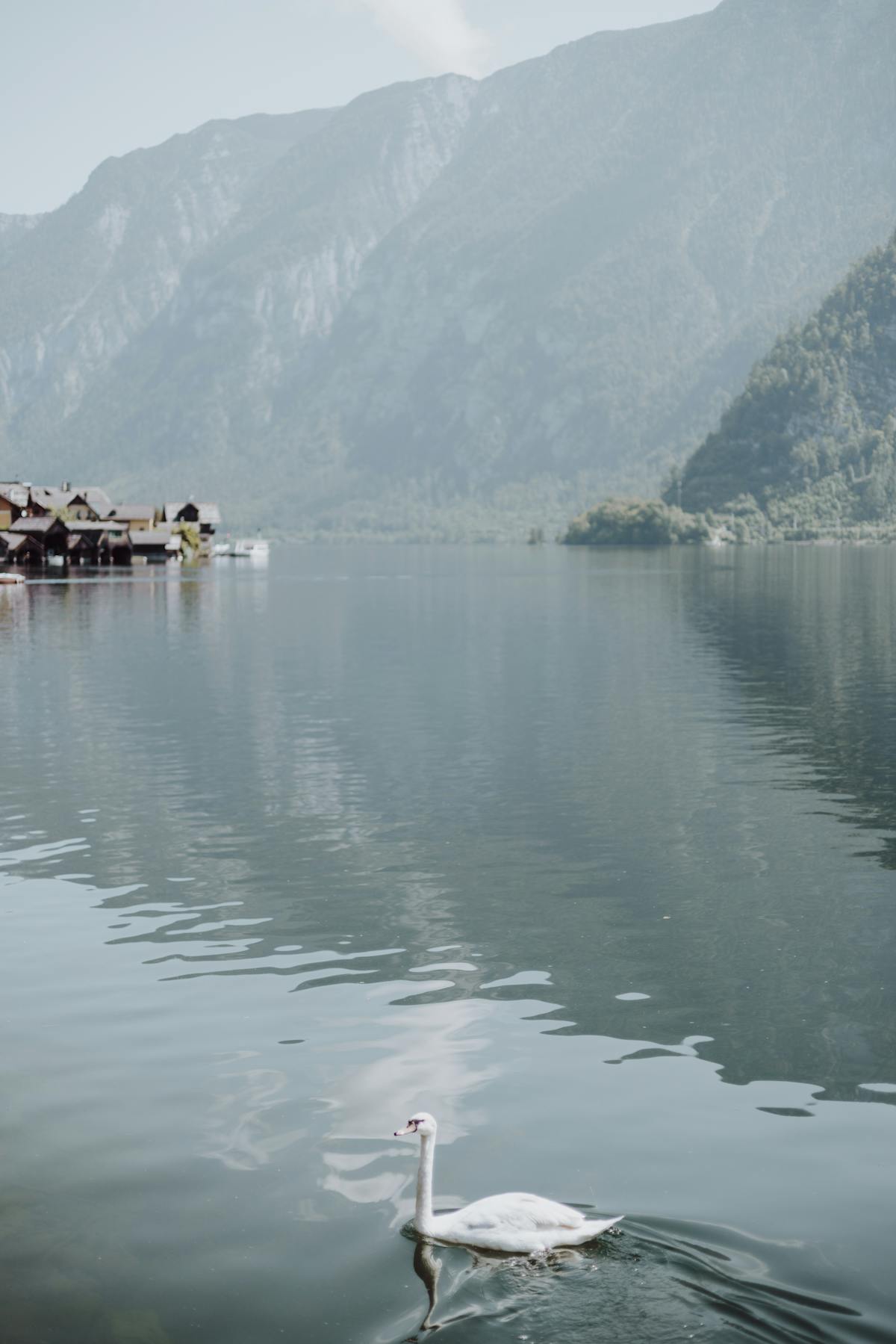
The Hallstatt Skywalk offers views from a platform that extends out over the mountain, 350 meters above the lake. You reach it via the funicular railway (included in some tours, otherwise about EUR 22 round-trip). On a clear day, you can see across the entire Dachstein massif. It’s one of the better viewing platforms in the Alps, and it’s built right next to the entrance of the salt mine.
The lakefront walk from the ferry dock to the southern end of the village takes about 15-20 minutes and is the most photographed stretch. The classic Hallstatt reflection shot — the one with the church spire mirrored in the water — is taken from roughly the midpoint of this walk.
Tips That Will Save You Time
- Book your tour at least a week ahead in summer. The popular Hallstatt day trips from Vienna sell out, especially on weekends. Midweek departures tend to have more availability.
- Wear comfortable shoes. Hallstatt is built on a slope. The streets are cobblestone or stone paths, and anything involving the Skywalk or salt mine means walking uphill. Leave the sandals at the hotel.
- Bring cash. Some of the smaller shops, the Beinhaus, and a few cafes in Hallstatt are cash-only. There’s one ATM in the village, and it sometimes runs out on busy days.
- Eat before the village or pack a lunch. Hallstatt has maybe a dozen restaurants, and during peak season the waits can be brutal. The tour buses all arrive between 10 AM and noon, which means every cafe is slammed. If your tour makes a stop along the way, eat there instead.
- The best photos happen at the edges. Walk past the main tourist cluster to either end of the village for less crowded, more dramatic angles. The classic reflection shot is from the south side, near the small beach area.
- Layer up. The Salzkammergut sits in a mountain valley. Even in summer, mornings are cool and rain can roll in without warning. A light waterproof jacket saves the day about once every three trips.
How to Get There from Vienna
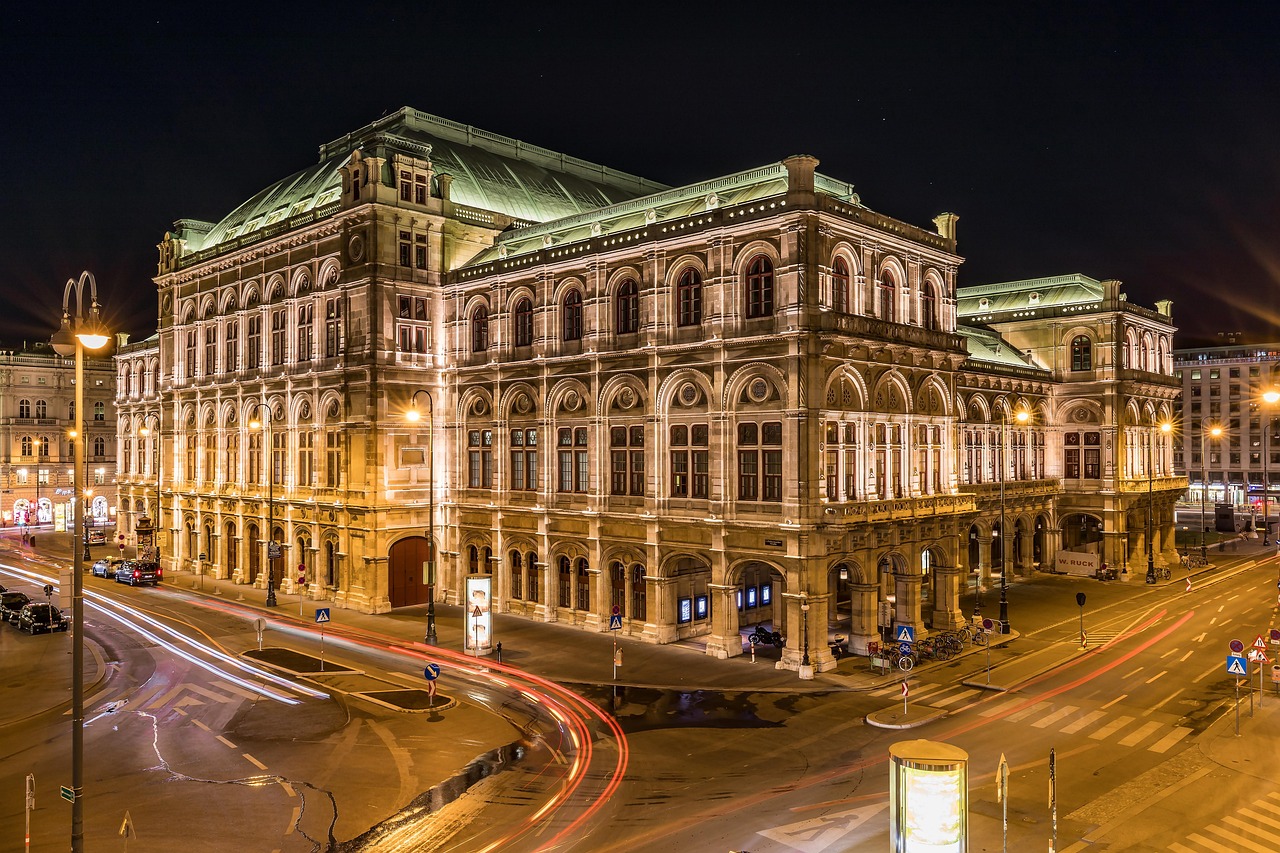
All three recommended tours above depart from central Vienna, typically near the State Opera or Schwedenplatz. Pickup is early — expect 7:00 to 7:30 AM — and return is around 8:00 to 9:00 PM. That’s a long day, but the drive through the Austrian countryside is scenic enough that it doesn’t drag.
If you’re going on your own by train, the route is: Vienna Hauptbahnhof to Attnang-Puchheim (about 2 hours on a direct OBB train), then Attnang-Puchheim to Hallstatt station (about 1.5 hours on a local train), then a ferry across the lake (about 7 minutes) to the village. Book your OBB tickets at oebb.at — earlier bookings get better prices, sometimes as low as EUR 19 each way for the Vienna-Attnang leg.
The ferry from Hallstatt station to the village costs about EUR 4 one way and is timed to meet incoming trains. If you miss it, the next one might be 30-60 minutes away, so don’t dawdle at the platform.
More Austria Guides
If you are building a few days around Vienna, Hallstatt works well paired with other experiences in the region. The Salzburg salt mines are on a similar route and cover comparable underground territory, so pick one or the other rather than both. Back in Vienna, Schonbrunn Palace fills a half-day perfectly, the Belvedere has Klimt as its centerpiece, and the Hofburg and Sisi Museum rounds out the palace trio. The Spanish Riding School is one of Vienna’s more unusual mornings if you catch the training sessions.
A walking tour and a hop-on hop-off bus ride cover different ground and pair well on the same day. For evenings, classical concerts run nightly, or a Danube cruise is a good way to unwind after a long day trip. A food tour sorts out lunch and culture in one go.
If your Austria trip extends to Salzburg, the Sound of Music tour and Eagle’s Nest are both strong day trips from there.