
It was the rooftops that broke my brain.
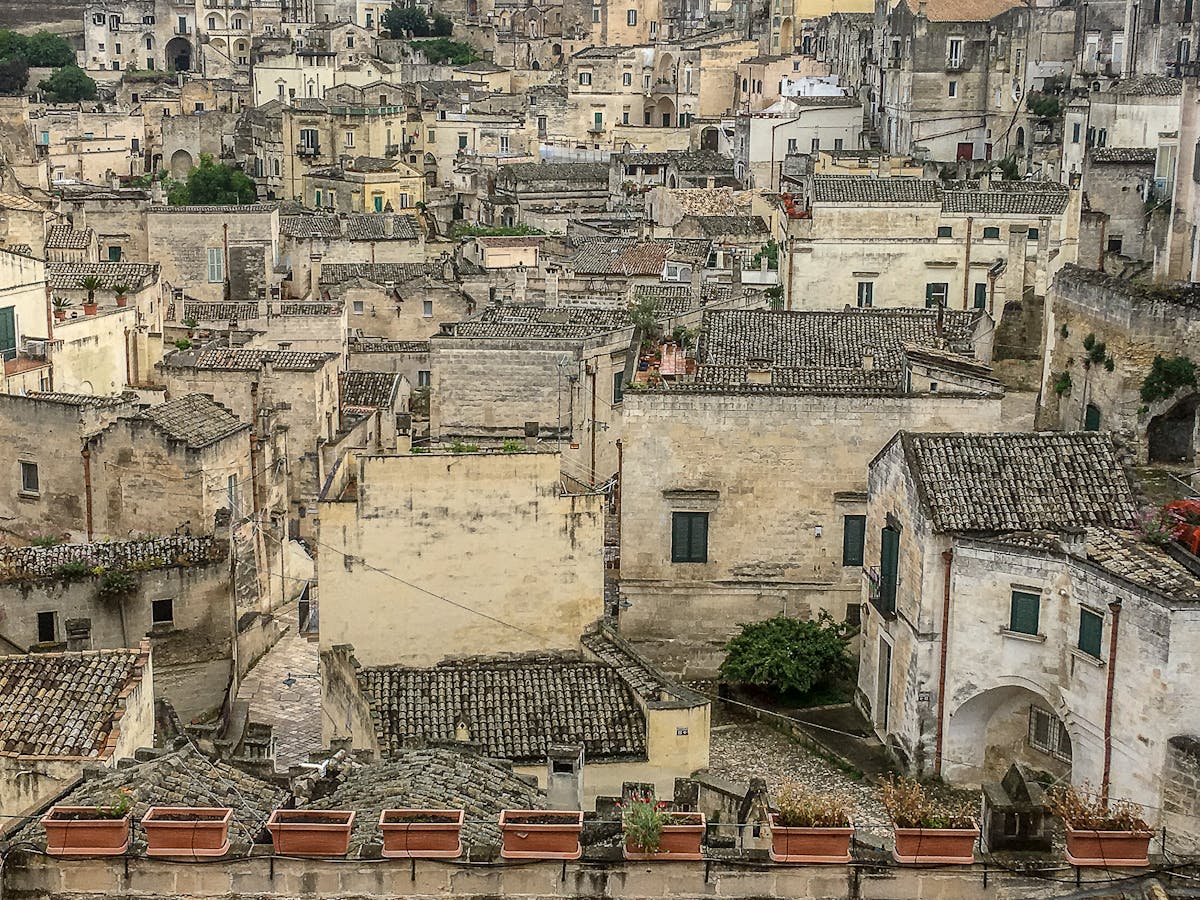
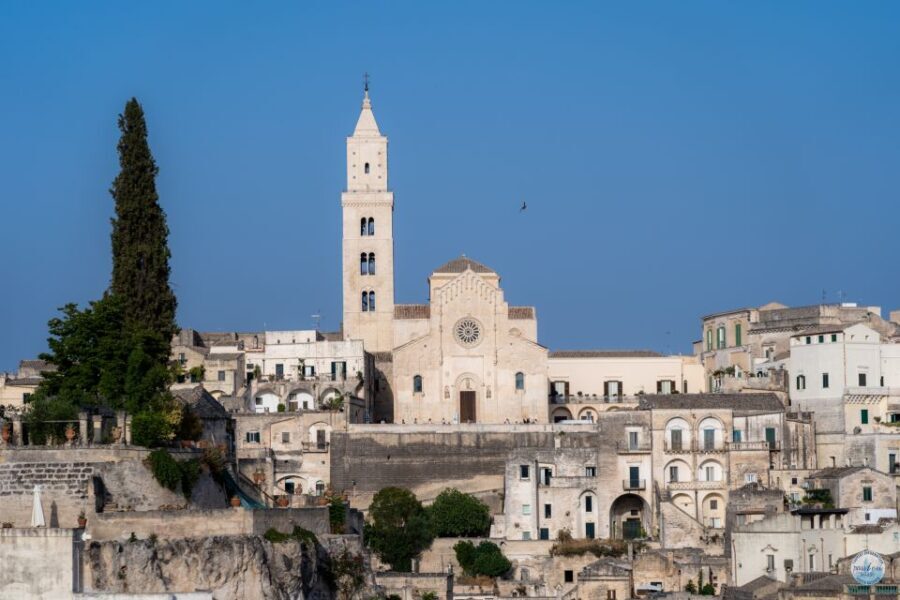
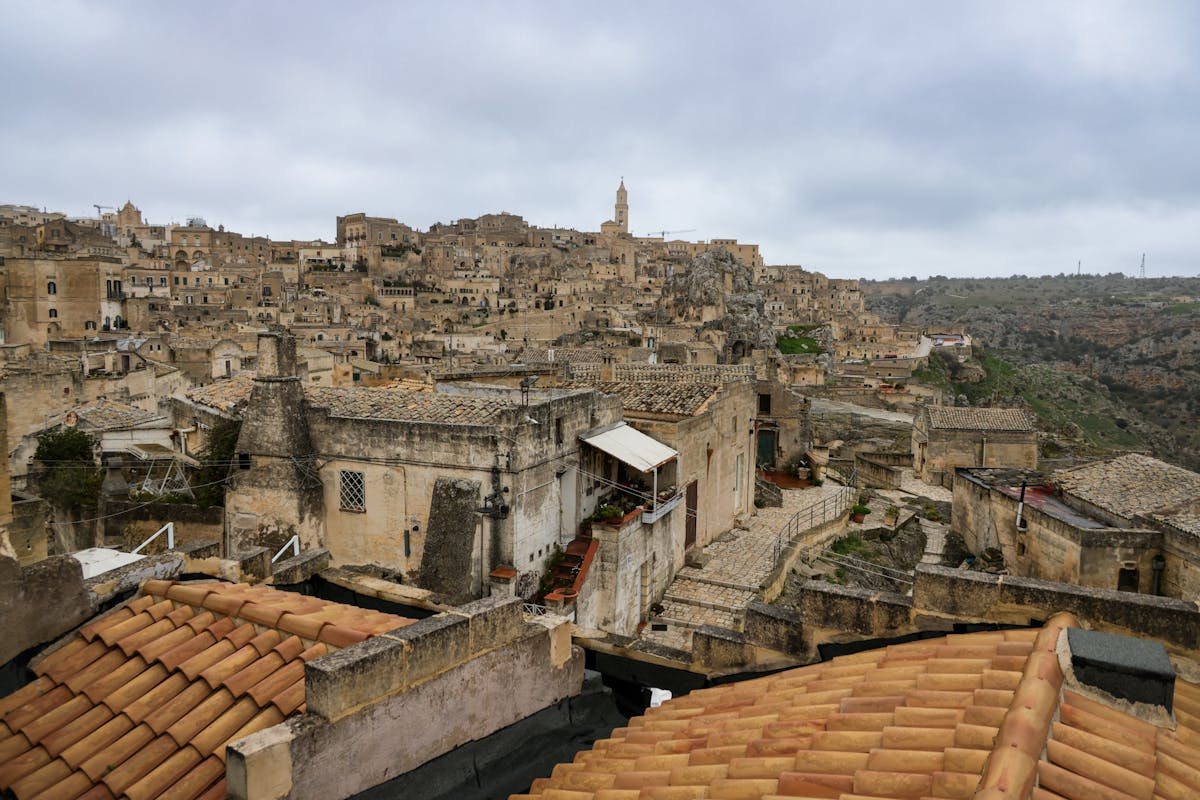
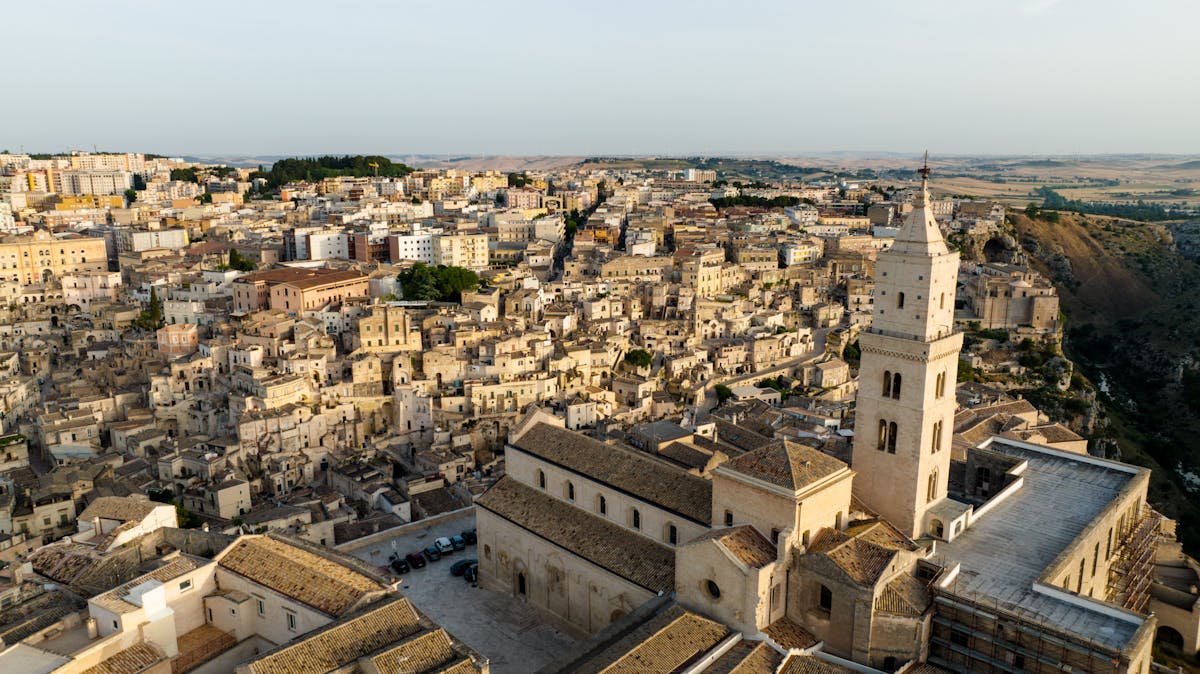
I was standing at the Belvedere viewpoint across the ravine, looking at Matera for the first time, and my brain could not reconcile what it was seeing. Buildings stacked on buildings, carved directly into the cliff face, tumbling down into a canyon in a way that looked like a giant had taken a Mediterranean village and poured it down a hillside. Except nobody built this. People carved it. Out of the living rock. Over thousands of years.
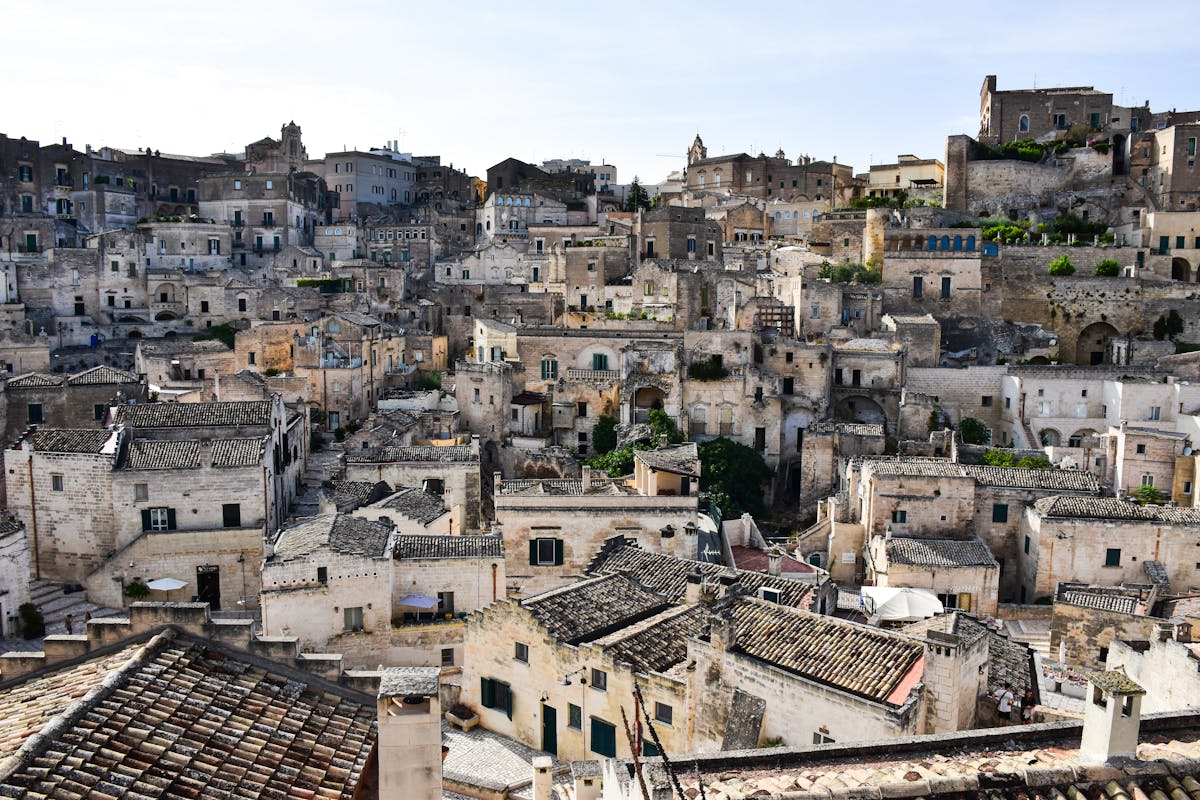
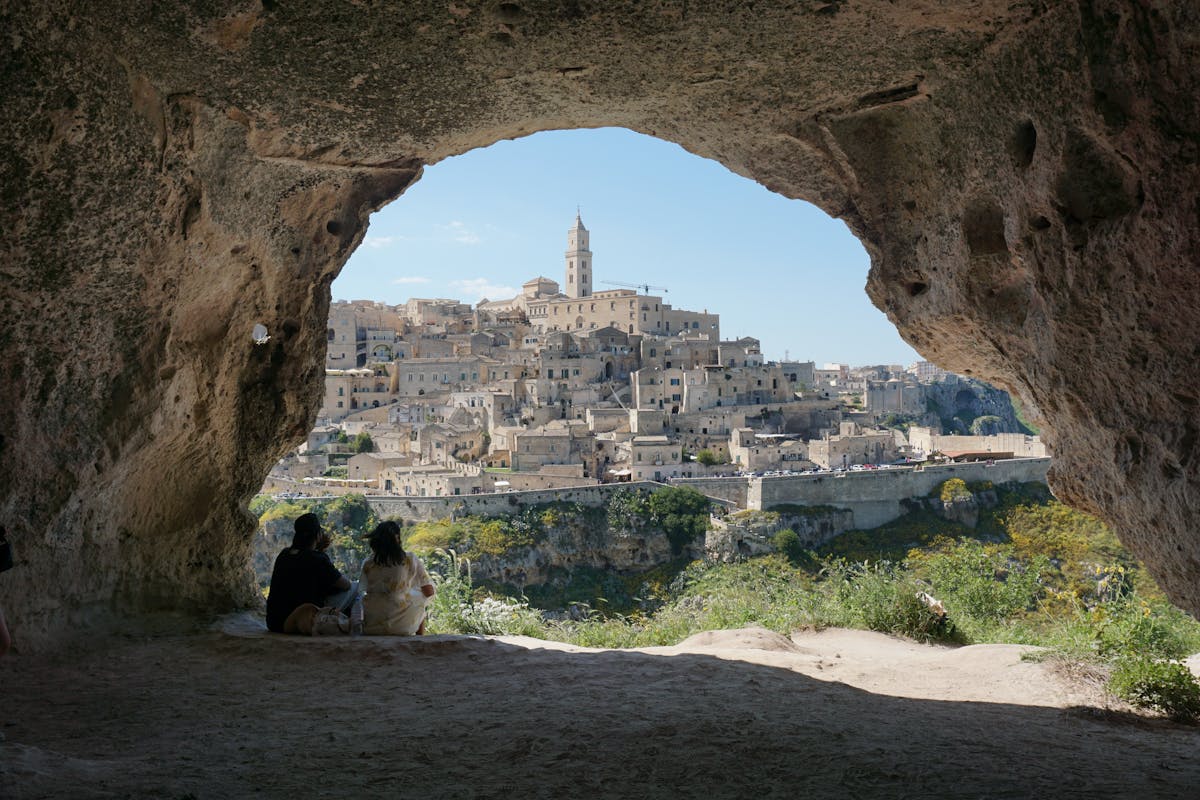
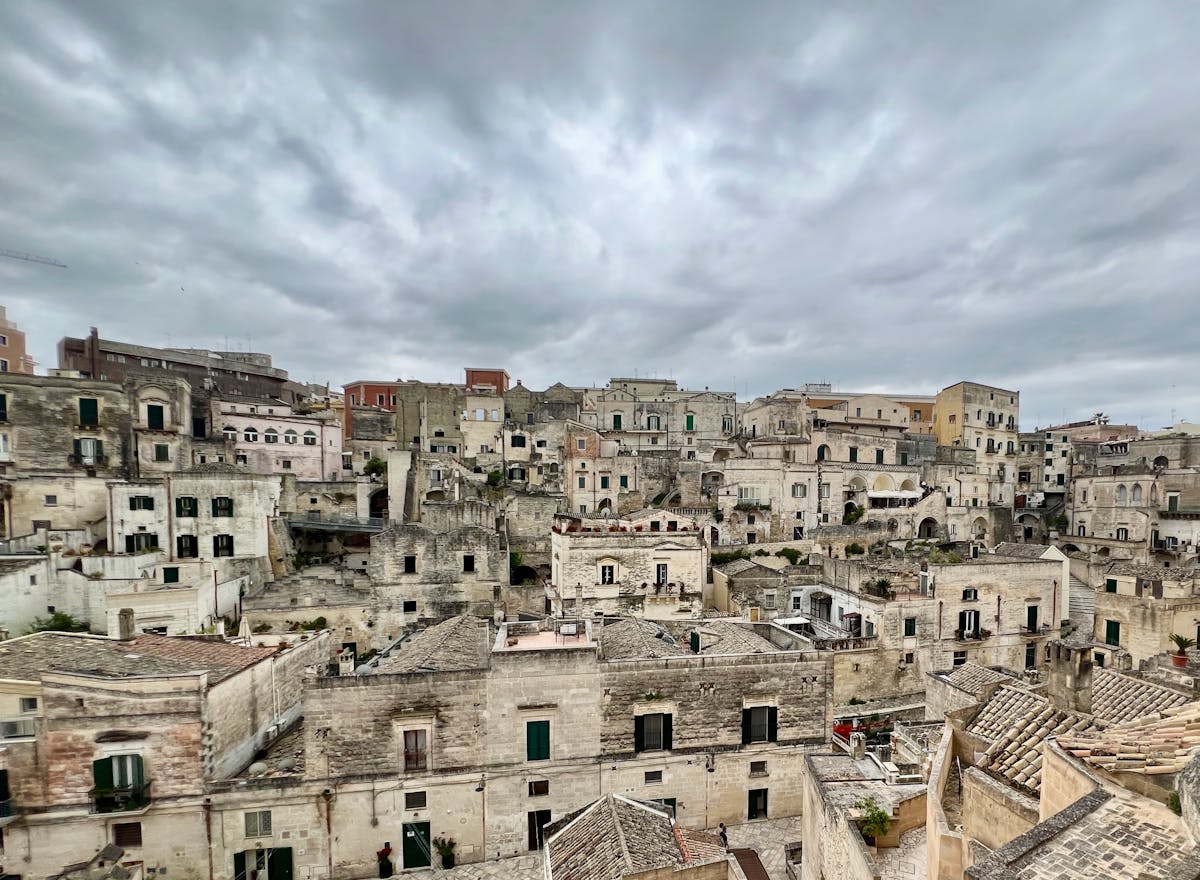
The turnaround is arguably the most dramatic urban redemption story in Europe. And the whole thing sits just 60 kilometers from Bari — close enough for a day trip, though I will argue below that you should seriously consider staying overnight.
- In a Hurry?
- How to Get from Bari to Matera
- Day Trip vs. Overnight: Which Should You Choose?
- The Best Tours for Visiting Matera from Bari
- 1. Tour of Matera and Alberobello by Comfortable Bus from Bari
- 2. Sassi di Matera Tour with Entry to Cave Houses
- 3. Walking Tour with Casa Grotta and Rock Church Entry
- 4. Alberobello and Matera from Bari (Private Tour)
- When to Visit Matera
- What to See in Matera
- Tips for Your Visit
- More Puglia Guides
In a Hurry?
Here are my three top picks if you just want to book and go:
- Best day trip from Bari: Tour of Matera and Alberobello by Bus — $65/person. Covers two UNESCO sites in one day with a comfortable bus, a local guide in Matera, and free time to explore both towns. The most efficient way to see Matera without a rental car.
- Best walking tour in Matera: Sassi di Matera Tour with Entry to Cave Houses — $31/person, 2 hours. If you are making your own way to Matera, this is the walking tour to book. You get inside actual cave dwellings and a rock church — the parts of Matera you cannot access on your own.
- Best cultural deep-dive: Walking Tour with Casa Grotta and Rock Church Entry — $35/person, 2 hours. Similar to above but includes Casa Grotta, a fully reconstructed cave home that shows exactly how families lived in these spaces until the 1950s evacuation.
How to Get from Bari to Matera
Here are your options:
By Regional Train (Ferrovie Appulo Lucane)
This is the budget option. Trains run by FAL (Ferrovie Appulo Lucane) connect Bari to Matera for around 5-6 euros each way. The catch: the journey takes about 1 hour and 50 minutes, often requires a change at Altamura, and the train departs from a separate station near Bari Centrale — not from Bari Centrale itself. Look for the FAL station, which is a short walk from the main station but easy to miss.
Trains run several times daily but the schedule is limited, especially on Sundays and holidays. Check the FAL website for current times, and use the Italian version with a browser translator since the English version is bare-bones.
By Bus (Marozzi, FlixBus, or Pugliairbus)
Buses are faster — about 1 hour and 15 minutes — and sometimes cheaper. Pugliairbus runs a direct service, and FlixBus occasionally has routes. The buses drop you at the Matera bus station (Via Don Luigi Sturzo), which is a short walk from the Sassi.
By Car
The drive takes about an hour via the SS96 highway. If you have a rental car, this is the most flexible option, but parking in Matera itself is limited and confusing. There is a large paid parking area near the viewpoint at Piazzale Pascoli, which is where most visitors end up.
By Guided Tour
Honestly? For a day trip, this is what I would recommend for most visitors. A guided tour handles all the transport logistics, includes a local guide who knows the Sassi inside out, and often combines Matera with Alberobello (the trulli village), which is along the route. More on the specific tours below.
Day Trip vs. Overnight: Which Should You Choose?
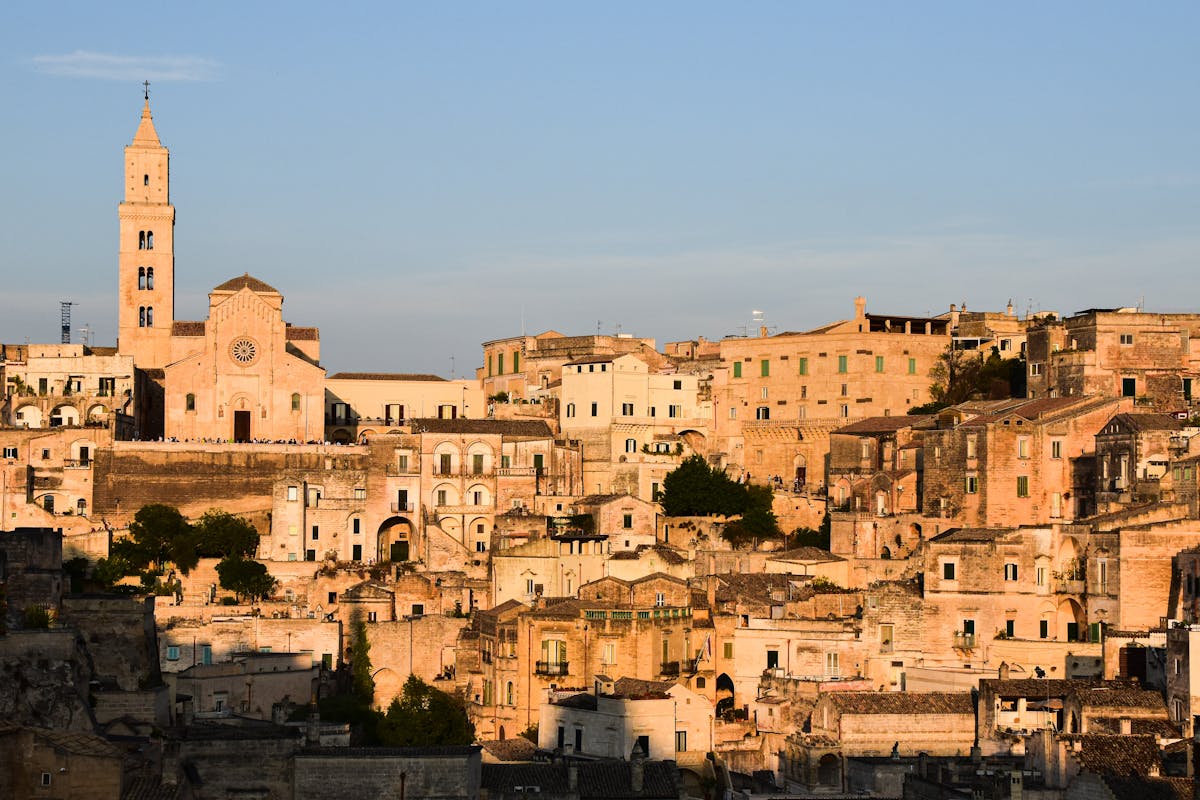
A day trip from Bari works and thousands of people do it. You can see the highlights of the Sassi, duck into a cave church, have a lunch of orecchiette and local bread, and make it back to Bari by evening. It is a perfectly good use of a day.
But Matera after dark is a different city. When the tour groups leave and the cave hotels light up and the streets empty out, the Sassi become almost eerily quiet. You can stand on a balcony and look out at a landscape that has barely changed in centuries. The cave restaurants serve some of the best food in southern Italy, and the prices are still reasonable by Italian standards.
If you are spending several days in Puglia, allocating one overnight in Matera gives you the full experience. If you are on a tight schedule, a day trip absolutely works — just book a tour so you are not wasting time on transport logistics.
The Best Tours for Visiting Matera from Bari
I have narrowed this down to four options that cover different budgets and styles. All have strong track records and will give you a solid Matera experience.
1. Tour of Matera and Alberobello by Comfortable Bus from Bari
- Price: $65 per person
- Duration: Full day
- Provider: GetYourGuide
This is the tour I would point most first-time visitors toward. It solves every logistical problem in one booking: transport from Bari, a local guide in Matera, structured time in both the Sassi and Alberobello, and a comfortable bus that means you are not navigating unfamiliar train systems or parking nightmares.
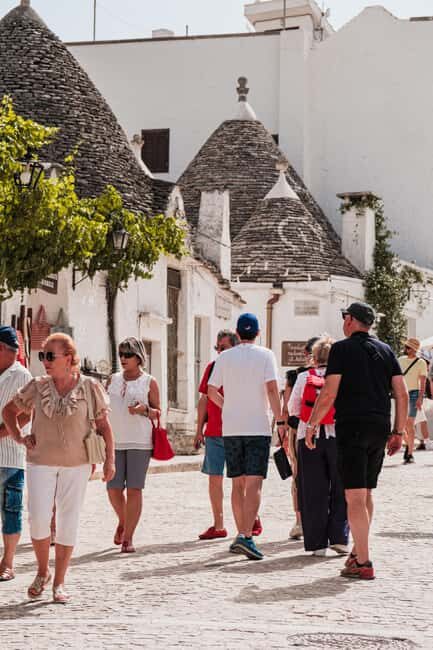
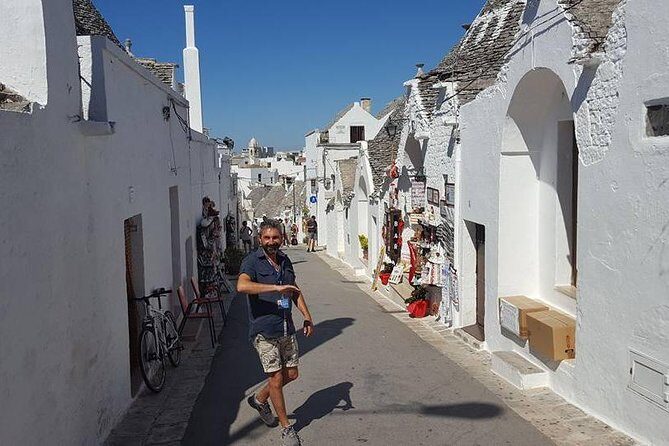
The Alberobello addition is a genuine bonus, not filler. The trulli — those white-washed cone-roofed houses — are another UNESCO site and they are only about 45 minutes from Bari. Seeing both in one day gives you two of southern Italy’s most distinctive landscapes without any of the planning headache.
Your Matera portion includes a guided walk through the Sassi with a local who can explain the history of the cave dwellings, the forced evacuation, and the remarkable rebirth. You also get free time to wander, eat, and explore on your own — which is when the best discoveries happen.
Best for: First-time visitors to the region who want maximum value. Covers two UNESCO sites, all transport handled, and the price is genuinely competitive.
2. Sassi di Matera Tour with Entry to Cave Houses
- Price: $31 per person
- Duration: 2 hours
- Provider: GetYourGuide
If you are making your own way to Matera — whether by train, bus, or car — this is the walking tour to book once you arrive. It is the most popular Matera experience by a wide margin, and the reason is simple: the guide takes you inside places you cannot enter on your own.
The cave houses are the heart of it. Walking through the Sassi streets is atmospheric, but stepping inside an actual cave dwelling is what makes the history visceral. You see the niches carved into walls for sleeping, the stone troughs for animals, the tiny windows that were the only source of light. Then your guide explains that entire families — parents, children, grandparents, plus a donkey and some chickens — shared this single room. That is the moment the scale of what happened here stops being abstract.
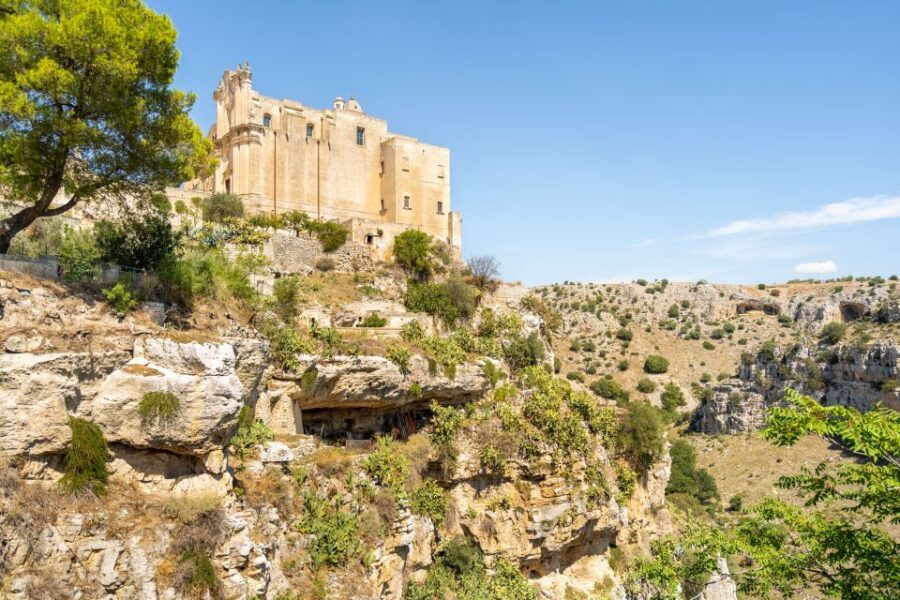
You also enter a rock church with frescoes still clinging to the cave walls, painted by monks hundreds of years ago. These are scattered throughout the Sassi and most are locked, so a guided tour is the only practical way to see them.
Best for: Independent travelers who handled their own transport and want the best value walking tour. At $31, this is a steal for what you get.
3. Walking Tour with Casa Grotta and Rock Church Entry
- Price: $35 per person
- Duration: 2 hours
- Provider: GetYourGuide
Very similar to the tour above, but with one key addition: entry to Casa Grotta, which is a fully reconstructed cave dwelling that has been set up as a museum. The difference matters. While the cave houses on the previous tour show you empty caves with explanatory context from your guide, Casa Grotta has furniture, tools, cooking equipment, and household items arranged exactly as they would have been when families lived there.
It is a more curated experience — less raw than seeing the bare caves, but arguably more educational. You get a clearer picture of daily life, including details like how families collected rainwater, where the children slept (hint: not in beds), and how cooking worked in a space with no chimney.
The rock church entry is also included, and the guides on this tour have a reputation for being particularly knowledgeable about the religious history of the Sassi — the early Christian communities, the Byzantine frescoes, and why monks chose these caves as places of worship.
Best for: History-focused travelers who want the most detailed picture of life in the Sassi. The $4 premium over the previous tour is worth it for Casa Grotta alone.
4. Alberobello and Matera from Bari (Private Tour)
- Price: $192 per person
- Duration: 6 hours
- Provider: Viator
This is the premium option for travelers who want the two-UNESCO-sites experience but with a private guide and private transport. No bus full of strangers, no fixed schedule, no waiting for the group to reassemble after free time. Your guide picks you up from your Bari accommodation, drives you to both sites, and tailors the visit to your interests.
At $192 per person, it is obviously a significant step up in price. But split between two or three travelers, it starts to look more reasonable, especially when you factor in the convenience of door-to-door service and the ability to linger at whichever site grabs your attention. The guides on this tour tend to be deeply local — the kind of people who grew up in Puglia and can tell you not just the official history but the family stories passed down through generations.
Best for: Couples or small groups who want a premium, personalized experience. Also excellent for travelers with mobility concerns, since the guide can adapt the walking route.
When to Visit Matera
Best months: April through June, and September through October. Temperatures are comfortable for walking (18-26 C), the light is gorgeous for photos, and crowds are manageable. May is arguably the sweet spot — warm enough for evening strolls, cool enough to explore all day without wilting.
Summer (July-August): Temperatures regularly hit 35-40 C, and the stone streets radiate heat. The Sassi become an oven. If you must visit in summer, go early morning (before 10 AM) or late afternoon (after 5 PM). Midday is for cave restaurants and gelato, not sightseeing.
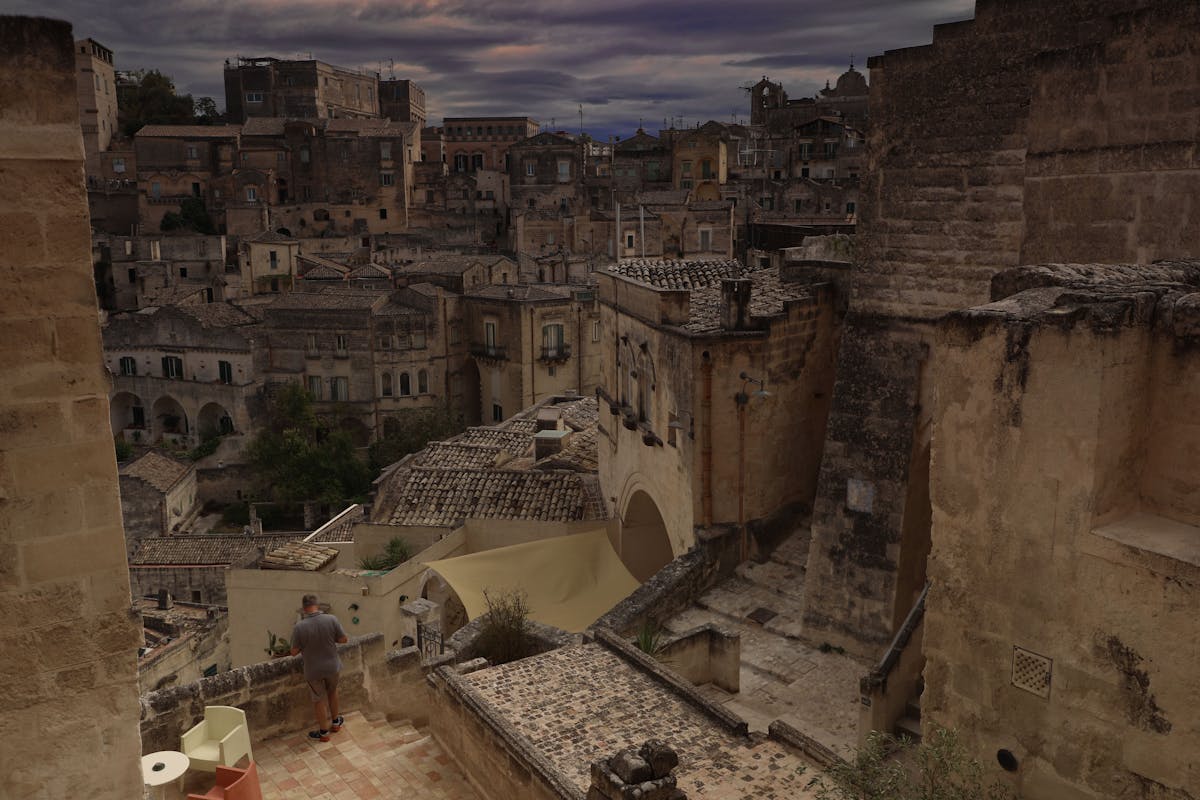
Winter (November-March): Matera is quiet, atmospheric, and cold. Temperatures hover around 5-10 C, and rain is common. But the upside is dramatic: fog rolling through the Sassi, empty streets, zero crowds, and the cave hotels at their coziest. If you are a photographer or someone who prefers moody solitude, winter Matera is genuinely special.
Christmas and New Year: Matera hosts a living nativity scene (Presepe Vivente) in the Sassi during the holiday season, and it is spectacular. The cave setting is so naturally suited to a nativity scene that the whole thing feels organic rather than staged.
What to See in Matera
Sasso Barisano and Sasso Caveoso
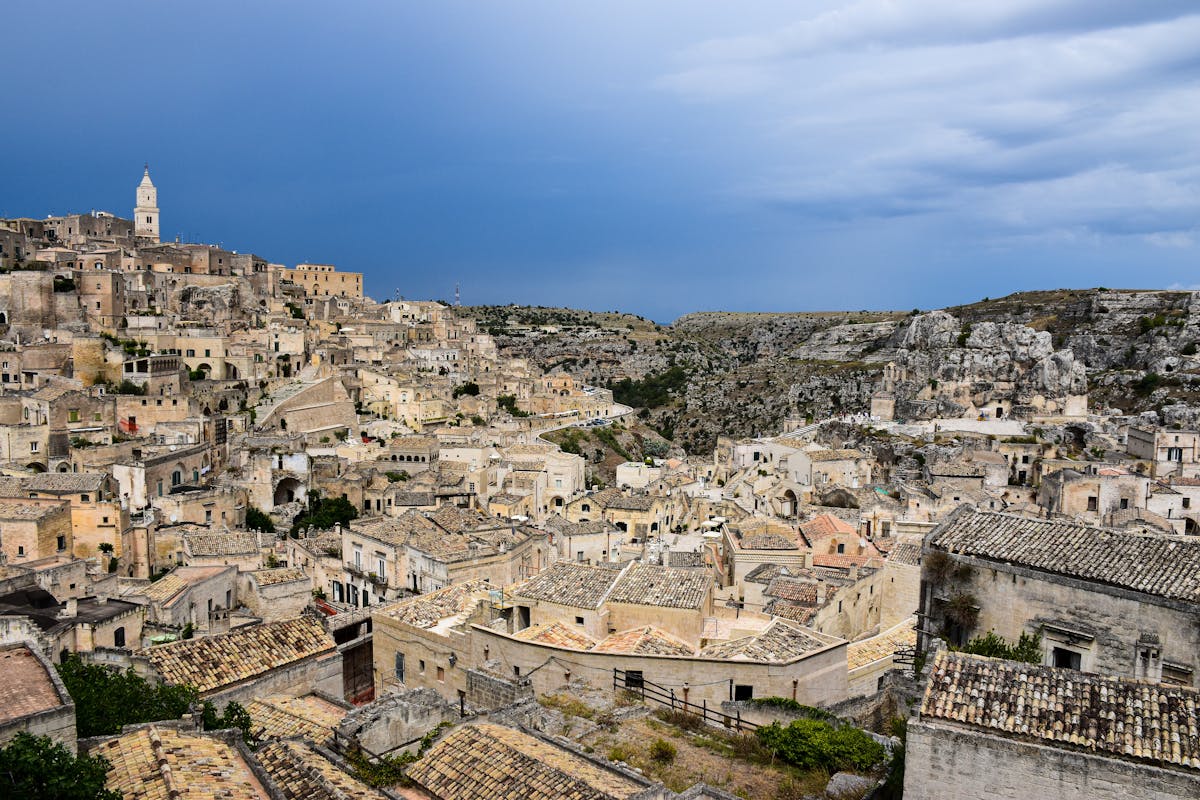
These are the two main Sassi districts. Sasso Barisano (the one facing Bari, hence the name) is more developed — this is where most of the cave hotels, restaurants, and boutique shops are. Sasso Caveoso is rawer and more atmospheric, with older caves that have been less commercially developed. Walk both. They have very different characters.
A museum recreating a typical cave dwelling as it would have looked when families lived here. The space is startlingly small when you realize an entire family and their animals shared it. Entry is a few euros and it takes about 20 minutes — worth it for the context it gives to everything else you see.
The Rock Churches (Chiese Rupestri)
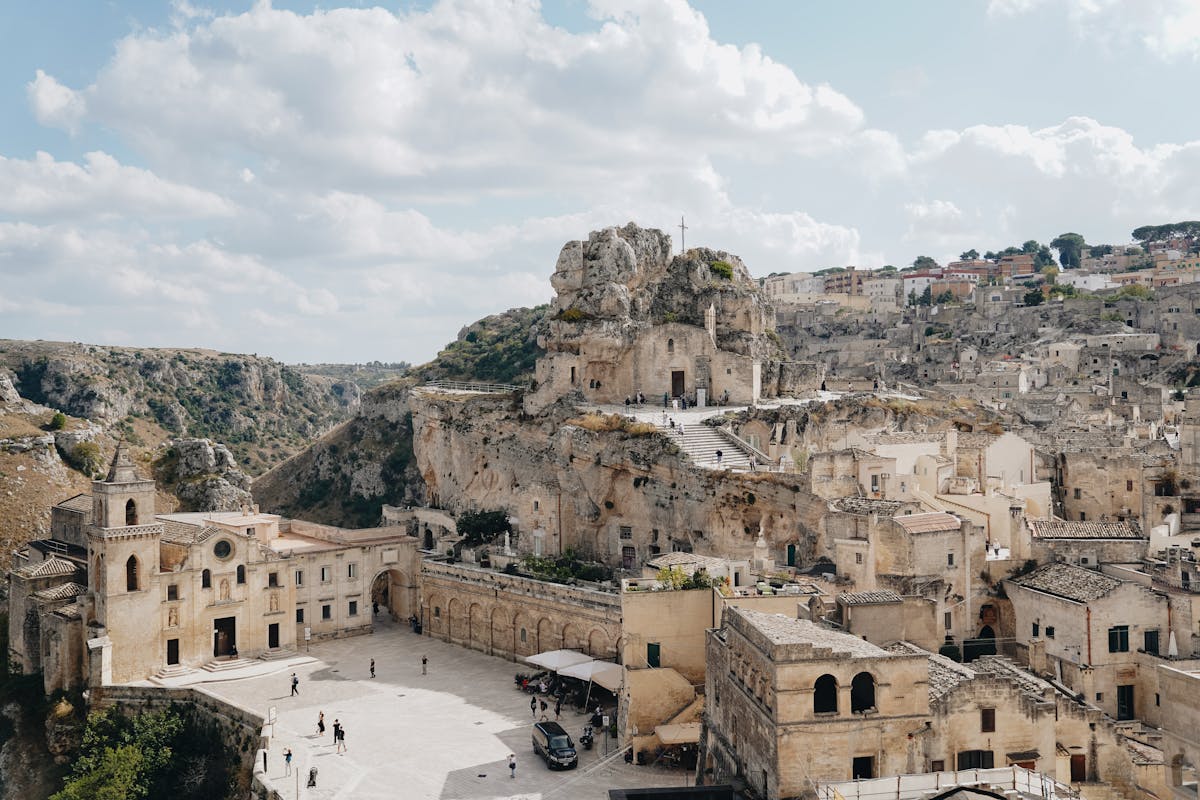
Scattered throughout the Sassi and the ravine walls opposite, these are small churches carved entirely out of rock, many containing Byzantine frescoes dating to the 8th-13th centuries. Most are locked, which is why a guided tour is valuable — your guide will have access to several of them. Santa Maria de Idris and San Pietro Caveoso are among the most accessible.
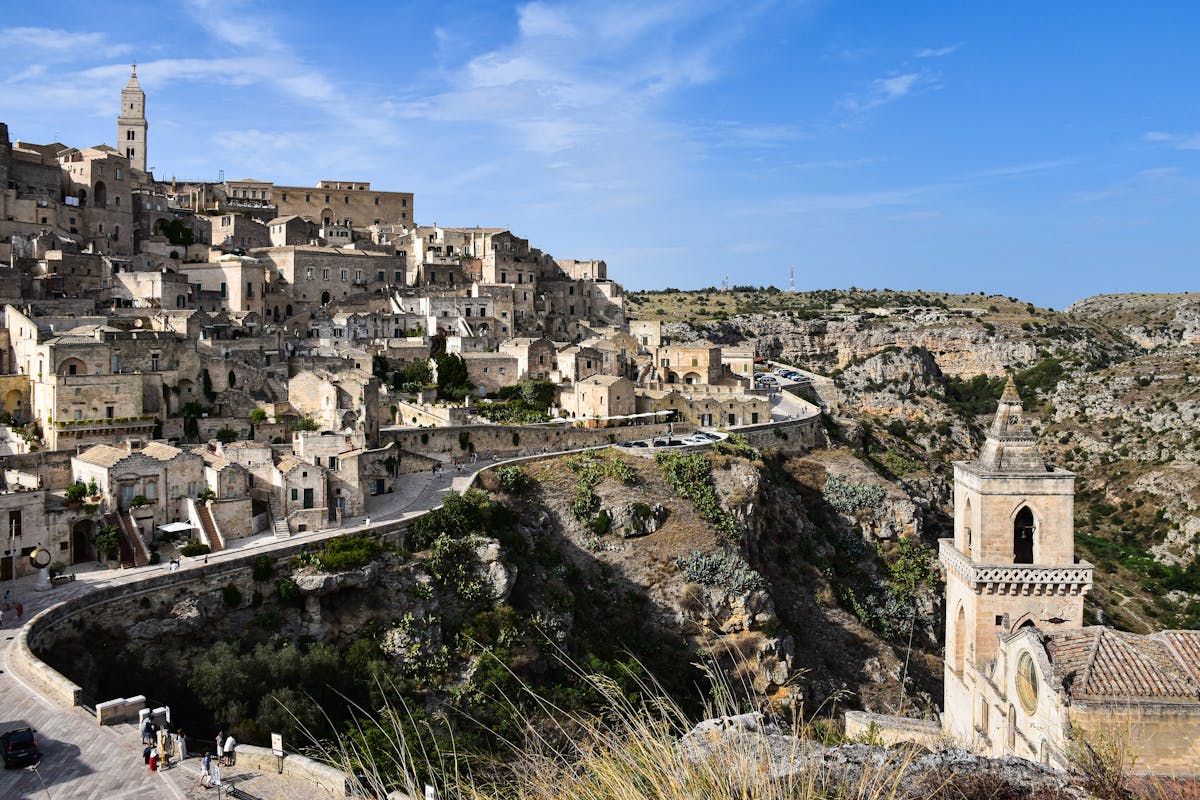
The most famous viewpoint is from Piazzale Pascoli (also called Belvedere Murgia Timone), across the ravine from the Sassi. This is where every postcard photo comes from, and it is genuinely stunning. Come at sunset if possible. There is also a closer viewpoint from Piazza Giovanni Pascoli near the Matera Cathedral that gives you a different angle.
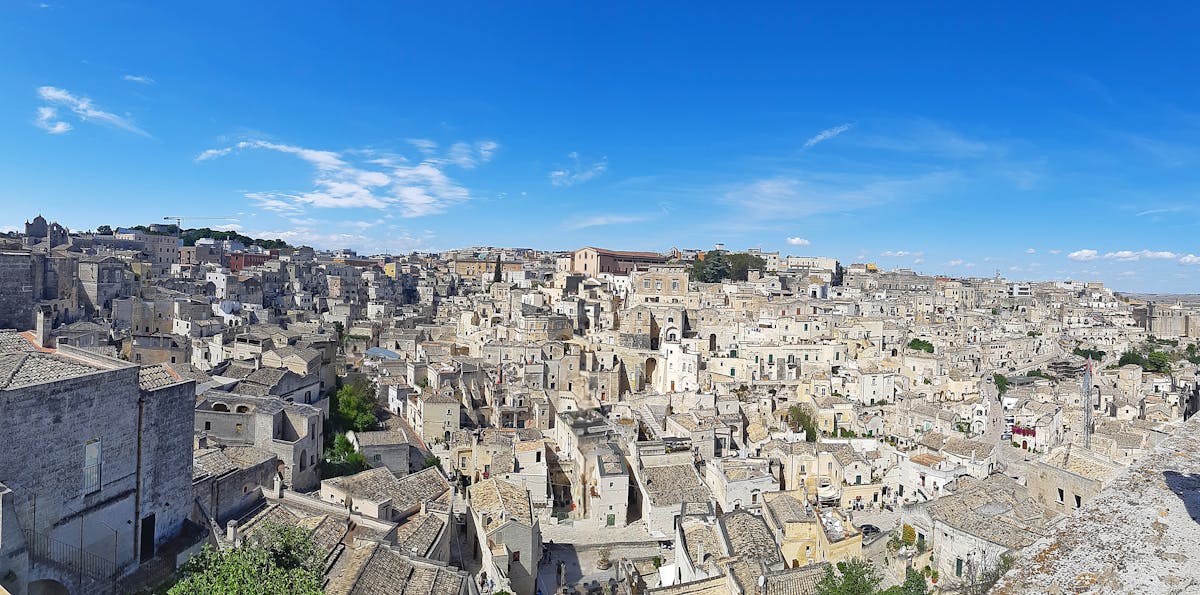
Sitting at the highest point of the old town, between the two Sassi, this 13th-century cathedral is worth the climb for the views alone. Inside, it is a relatively simple Puglian Romanesque church, but the position overlooking the entire Sassi is something else.
MUSMA (Museum of Contemporary Sculpture)
Housed inside a cave complex in Sasso Caveoso, this is one of the most unusual museum settings in Italy. Contemporary sculptures displayed inside Neolithic caves creates a strange and compelling contrast. Even if contemporary art is not your thing, the cave spaces themselves are worth seeing.
Tips for Your Visit
Bring water. There are few shops once you descend into the deeper parts of the Sassi. Fill a bottle before you head in, especially in warmer months.
Eat the local bread. Matera’s pane di Matera is famous throughout Italy — it is a large, golden-crusted sourdough loaf made with local durum wheat. You will find it at every restaurant, and it is the kind of bread that makes you rethink bread as a concept.
Try a cave restaurant. Several restaurants in the Sassi are set inside actual caves. The food quality varies, but the experience of dining inside a space that was carved out of rock thousands of years ago is worth it at least once. Prices are surprisingly reasonable — expect 15-25 euros for a full meal with wine.
Do not skip Alberobello if you are on a day trip. Most Bari-to-Matera tours include a stop at Alberobello, and it is genuinely worth seeing. The trulli are unlike anything else in Italy, and the two sites together give you a rich picture of how creative southern Italians have been with the materials their landscape provides.
Consider the Matera-Alberobello combo. If you are booking a day trip from Bari, the tours that combine both UNESCO sites are the best value. They are along the same route, and seeing both in one day is entirely comfortable timewise.
Get there early. Whether you are on a day trip or staying overnight, arrive in the Sassi early. By mid-morning, tour groups flood the narrow streets and the atmosphere shifts from timeless to touristy. Early morning, when the light is soft and the streets are empty, is when Matera is at its most powerful.
This article contains affiliate links. If you book a tour through our links, we earn a small commission at no extra cost to you. This helps us keep creating free travel guides.