
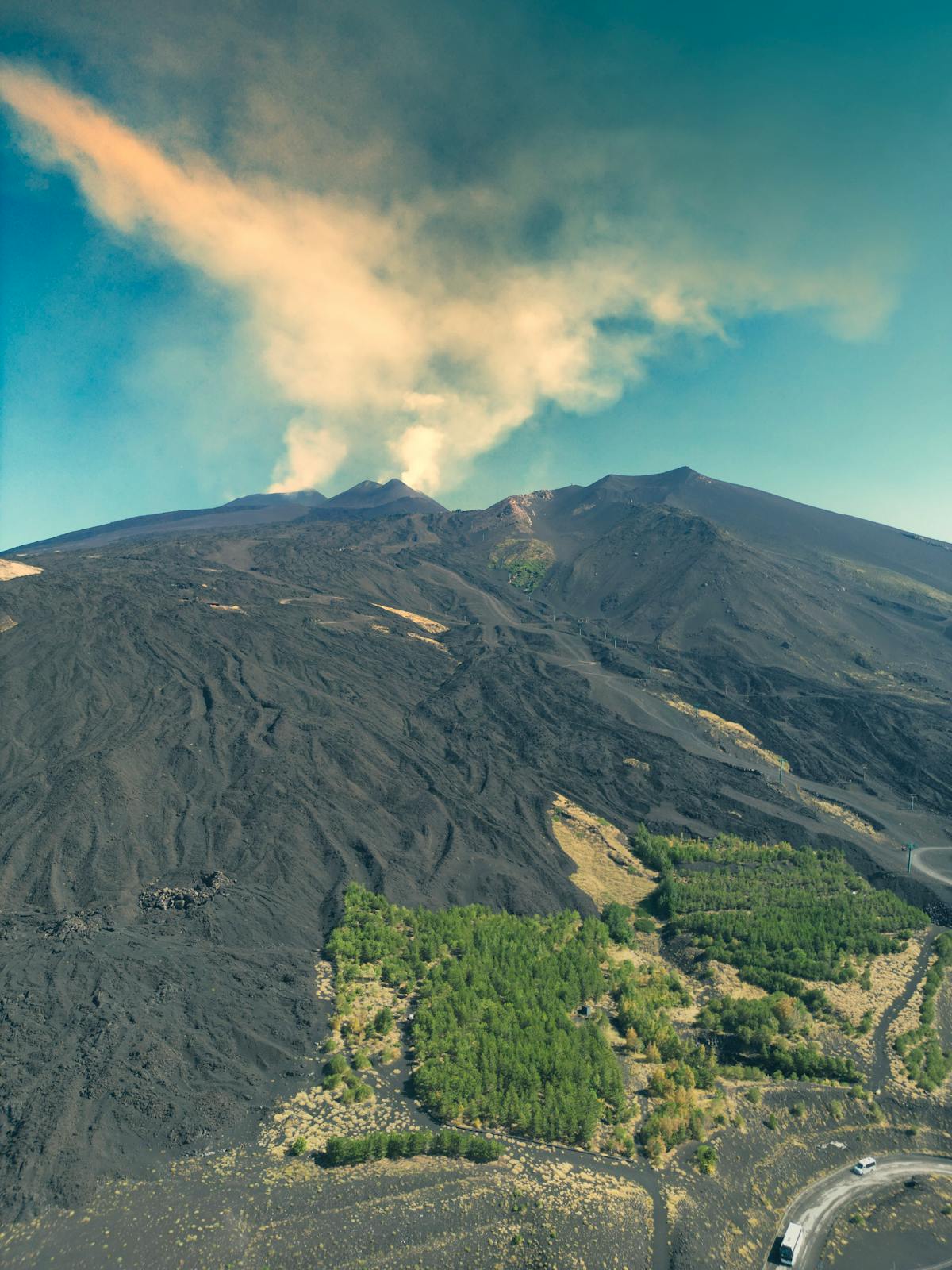
The ground felt warm under my boots. Not metaphorically warm, not poetically warm — literally warm, like standing on a floor with underfloor heating, except the floor was black volcanic rock and the heating system was a magma chamber a few kilometers beneath my feet. That was the moment Mount Etna stopped being a thing I had read about and became something completely real.
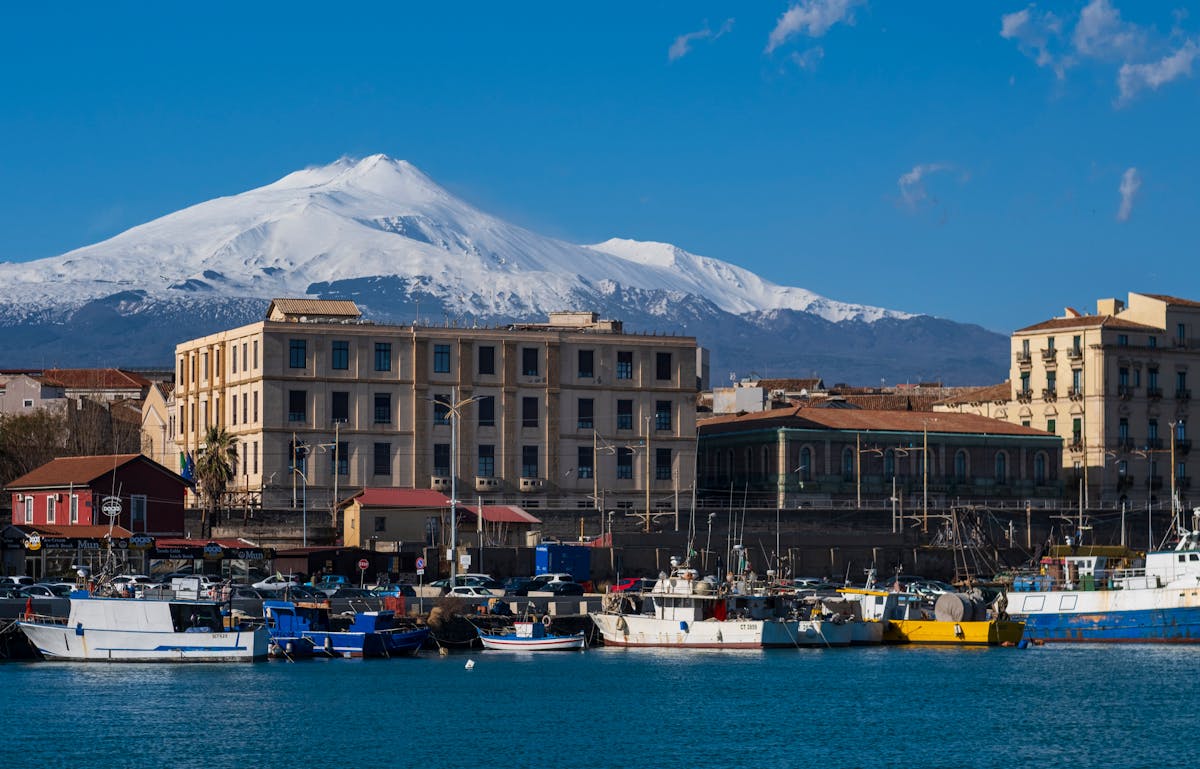
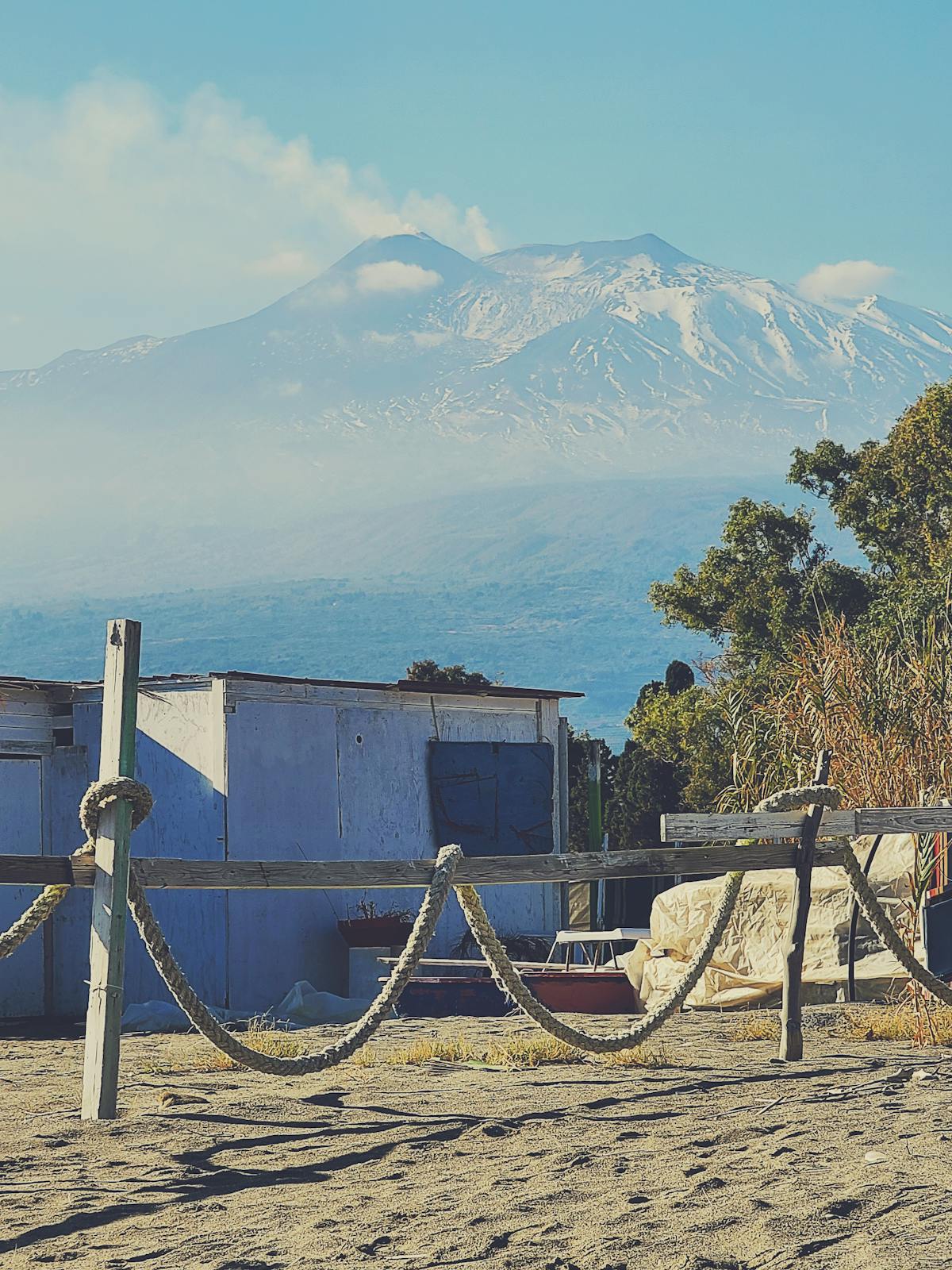
Europe’s tallest active volcano sits just 30 km from central Catania, and it erupts so regularly that locals barely look up anymore. The last significant eruption? Probably a few months ago. The one before that? A few months before that. Etna does not do dormancy — it does brief pauses. And that is precisely what makes visiting it so extraordinary. You are not looking at a dead geological relic. You are standing on something alive.
Getting up there from Catania is straightforward, and you have real choices about how to do it — DIY on a budget, guided with someone who actually knows where the best craters are, or a combo experience that pairs the volcano with wine, food, or sunset views. This guide covers all of it.
- Best overall tour: Trek to 3000m with Cable Car and Jeep — full summit experience with transport included
- Best for atmosphere: Sunset Jeep Tour — watching the sun drop behind the craters is genuinely unforgettable, around $71
- Best for foodies: Morning Excursion with Tasting — volcano plus volcanic wine, starting around $68
- Getting there DIY: AST bus from Catania (about 1 hour), cable car from Rifugio Sapienza to 2500m, then guided 4×4 to craters
- What to wear: Layers. Even in July the summit is cold and windy. Sturdy shoes are non-negotiable.
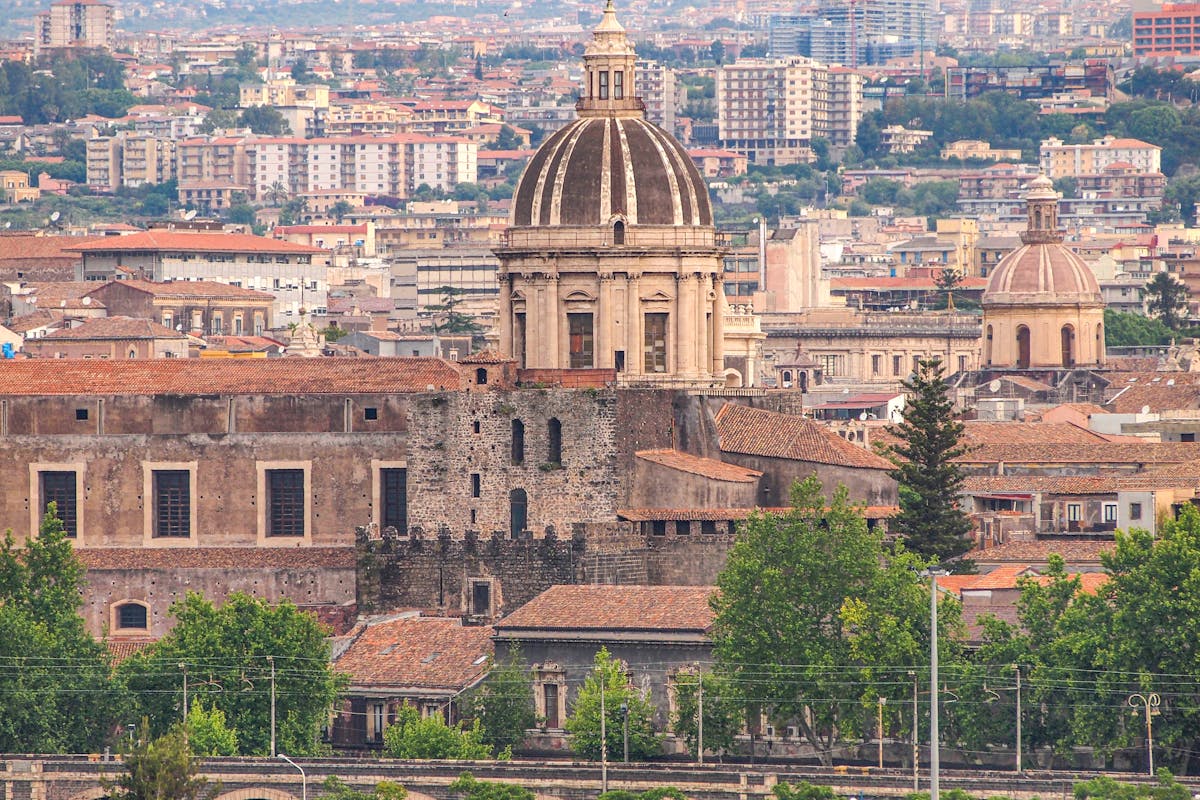
- How to Get to Mount Etna from Catania
- Option 1: The AST Bus (Budget Pick)
- Option 2: Rent a Car
- Option 3: Guided Tour with Pickup
- DIY vs. Guided Tour — Which Should You Pick?
- The 5 Best Mount Etna Tours from Catania
- 1. Mount Etna: Trek to 3000m with Cable Car and Jeep
- 2. Catania: Mount Etna Sunset Jeep/Van Tour
- 3. Catania: Etna Morning Excursion with Tasting and Pickup
- 4. Etna Morning Trip
- 5. Etna Tour in 4×4
- When to Visit Mount Etna
- What to Wear and Bring
- What You Will Actually See Up There
- Combining Etna with Other Sicily Day Trips
How to Get to Mount Etna from Catania
You have three realistic options, and the right one depends on your budget and how independent you want to be.
Option 1: The AST Bus (Budget Pick)
The AST public bus runs from Catania’s central train station (Piazza Papa Giovanni XXIII) to Rifugio Sapienza at 2,000 meters. It leaves once daily at 8:15 AM and returns around 4:30 PM. The fare is around 6.60 euros each way. That gives you roughly seven hours up there, which is plenty.
From Rifugio Sapienza, you can take the Funivia dell’Etna cable car to 2,500 meters (about 35 euros round trip), then pay for an authorized 4×4 vehicle to get near the summit craters (roughly another 30 euros). Or you can just hike from Rifugio Sapienza — there are several marked trails that do not require going higher.
One thing to know: the bus runs daily in summer (roughly June through September) but schedules get unreliable outside that window. Check the AST Catania website before counting on it. And there is literally one bus. Miss it, and you are stuck.
Option 2: Rent a Car
Drive the SP92 from Catania to Nicolosi, then continue up to Rifugio Sapienza on Etna’s south side. It takes about 45 minutes with no traffic. Parking is free but fills up by mid-morning in summer, so aim to arrive before 9 AM.
The south side (Rifugio Sapienza) is the most developed and where most tours depart from. The north side (Piano Provenzana) is wilder, less crowded, and arguably more dramatic — but you will need a car to get there since there is no public transport.
Option 3: Guided Tour with Pickup
This is what most visitors from Catania end up doing, and honestly, for good reason. Tours pick you up from your hotel or a central meeting point, handle all the logistics, and include a guide who can explain what you are actually looking at — which craters are new, where the last lava flow went, and why the rocks under your feet are different colors.
Most tours from Catania run 5-6 hours and start from around $67-71 per person, hotel pickup included. That price usually covers the guide and transport but not the cable car or 4×4 (some premium tours include everything).
DIY vs. Guided Tour — Which Should You Pick?
This is actually a decision worth thinking about, because the experiences are quite different.
Go DIY if: You want total flexibility with your time, you are an experienced hiker comfortable with volcanic terrain, you are on a tight budget, or you have already visited once and just want to explore at your own pace. The south side trails from Rifugio Sapienza are well-marked and manageable without a guide below the summit zone.
Go guided if: It is your first time, you want to reach the summit craters (legally required to have an authorized guide above 2,920m), you do not want the stress of figuring out buses and cable cars, or you want someone who will tell you what you are actually looking at. Volcanic geology is fascinating, but a lava field just looks like a pile of black rocks without context.
The sweet spot for most people? A guided half-day tour that includes transport from Catania. You keep your morning simple, someone else deals with the logistics, and you are back in the city by early afternoon with time for a proper Catanian lunch.
The 5 Best Mount Etna Tours from Catania
I have narrowed this down to five tours that each offer something genuinely different. No point listing ten variations of the same half-day jeep ride.
1. Mount Etna: Trek to 3000m with Cable Car and Jeep
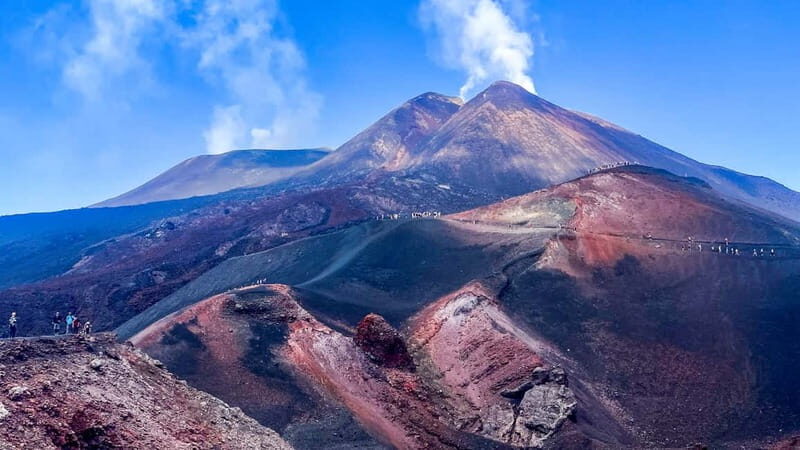
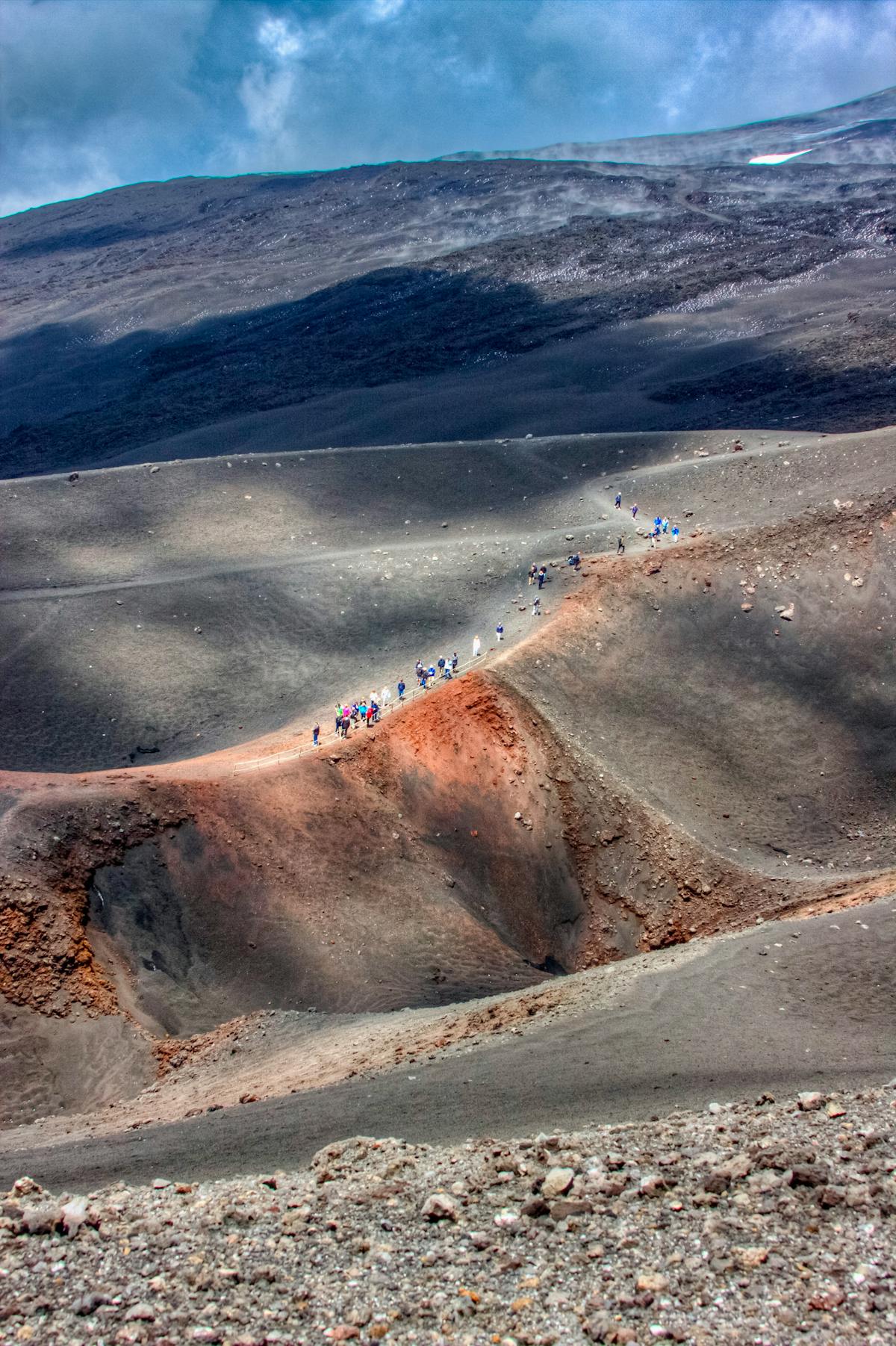
This is the full experience. Cable car up to 2,500m, then a 4×4 to around 2,900m, followed by a guided trek to just over 3,000 meters. You will walk along active craters with a volcanologist guide who explains the geology and points out features you would completely miss on your own.
What makes this different from just buying a cable car ticket yourself is the guide quality and the access. The authorized guides know which craters are actively venting, where it is safe to walk, and where to stand for the most dramatic views. The trek itself is moderate — you do not need to be a mountain athlete, but you should be comfortable walking on loose volcanic gravel for a couple of hours.
Good for: Anyone who wants the closest possible look at Etna’s summit without a serious mountaineering commitment.
Read our full review of this tour
2. Catania: Mount Etna Sunset Jeep/Van Tour
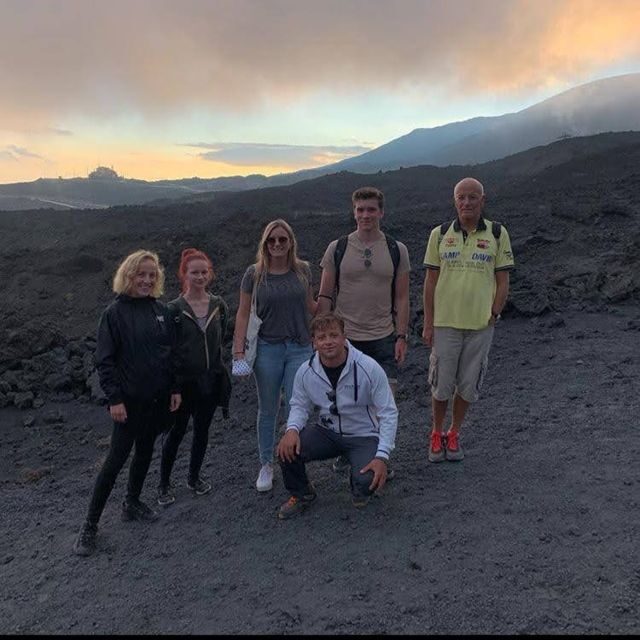
This one starts in the late afternoon and takes you up the south side of Etna in a 4×4 for sunset. The timing completely transforms the experience. The lava fields that look flat and gray at midday turn copper and gold in the low-angle light, and watching the sun sink below the crater rim while steam wisps up from vents around you is — I will just say it — one of the best sunsets in Europe.
The tour runs about 5 hours, departs from Catania with hotel pickup, and costs around $71. You will visit lava caves, walk across recent lava flows, and usually stop for a bit of local wine and snacks (Etna DOC wine, which is grown on the volcanic slopes and has a mineral quality you will not taste anywhere else).
Good for: Photographers. Couples. Anyone who has seen enough morning tours and wants something with more atmosphere. Also great in summer when midday on the volcano is blisteringly hot and afternoon is far more pleasant.
Read our full review of this tour
3. Catania: Etna Morning Excursion with Tasting and Pickup
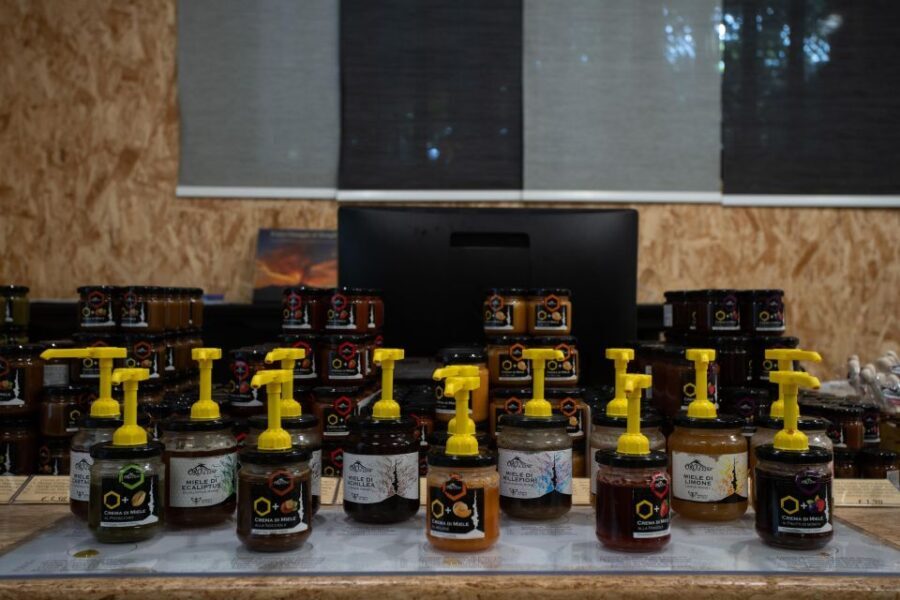
If you want Etna plus a food and wine dimension, this is the one. The morning excursion combines a proper volcano visit — walking on lava flows, exploring craters, learning about eruption history — with a tasting of local products grown on Etna’s volcanic slopes. We are talking wine from vines planted in volcanic soil, local honey, and Sicilian cheeses.
At around $68 per person with hotel pickup from Catania, this is solid value. The tasting is not an afterthought either — Etna’s wine region has been producing since the ancient Greeks, and the mineral-rich volcanic soil gives the wines a distinctive character that serious wine people travel specifically for.
Good for: Foodies, wine lovers, anyone who wants a more rounded experience than just staring at rocks (even if the rocks are spectacular).
Read our full review of this tour
4. Etna Morning Trip
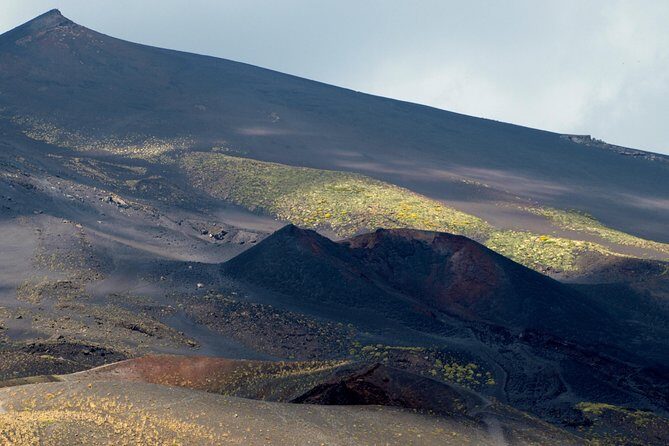
A no-frills, solid half-day morning tour that does exactly what it promises. Six hours, south side of Etna, a guide who knows the terrain, and a route that hits lava caves, panoramic viewpoints, and recent eruption sites. At around $71 per person, it is competitively priced.
The morning timing works well from April through October when visibility tends to be better before afternoon clouds build up. You will be back in Catania by early afternoon, leaving the rest of the day for the city, the beach, or a nap.
This is not the fanciest option on this list, and it will not take you to the absolute summit, but it is reliable, well-reviewed, and gives you a thorough introduction to Etna without premium pricing. Sometimes that is exactly what you need.
Good for: First-time visitors who want a straightforward introduction. Families with older kids. Anyone who wants the morning free and the afternoon for other plans.
Read our full review of this tour
5. Etna Tour in 4×4
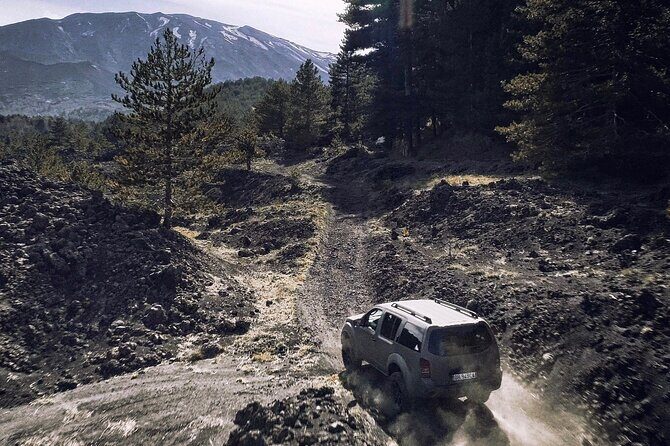
Five hours in a proper off-road vehicle covering terrain you simply cannot reach on foot or by bus. This tour takes you across old lava flows, through forests that have regrown after past eruptions, and up to viewpoints that the walking tours do not access. The 4×4 element is not a gimmick — it genuinely gets you to places that are otherwise inaccessible.
At around $91 per person, it is a step up in price, but you cover significantly more ground. The smaller vehicle size also means a more intimate experience than the big bus tours that cram 50 people together at every photo stop.
Good for: People who have done a basic Etna tour before and want to go deeper. Anyone with mobility issues who wants to see more of the volcano without extensive hiking. Adventure seekers who enjoy the off-road driving itself.
Read our full review of this tour
When to Visit Mount Etna
Etna is accessible year-round, but each season delivers a genuinely different experience.
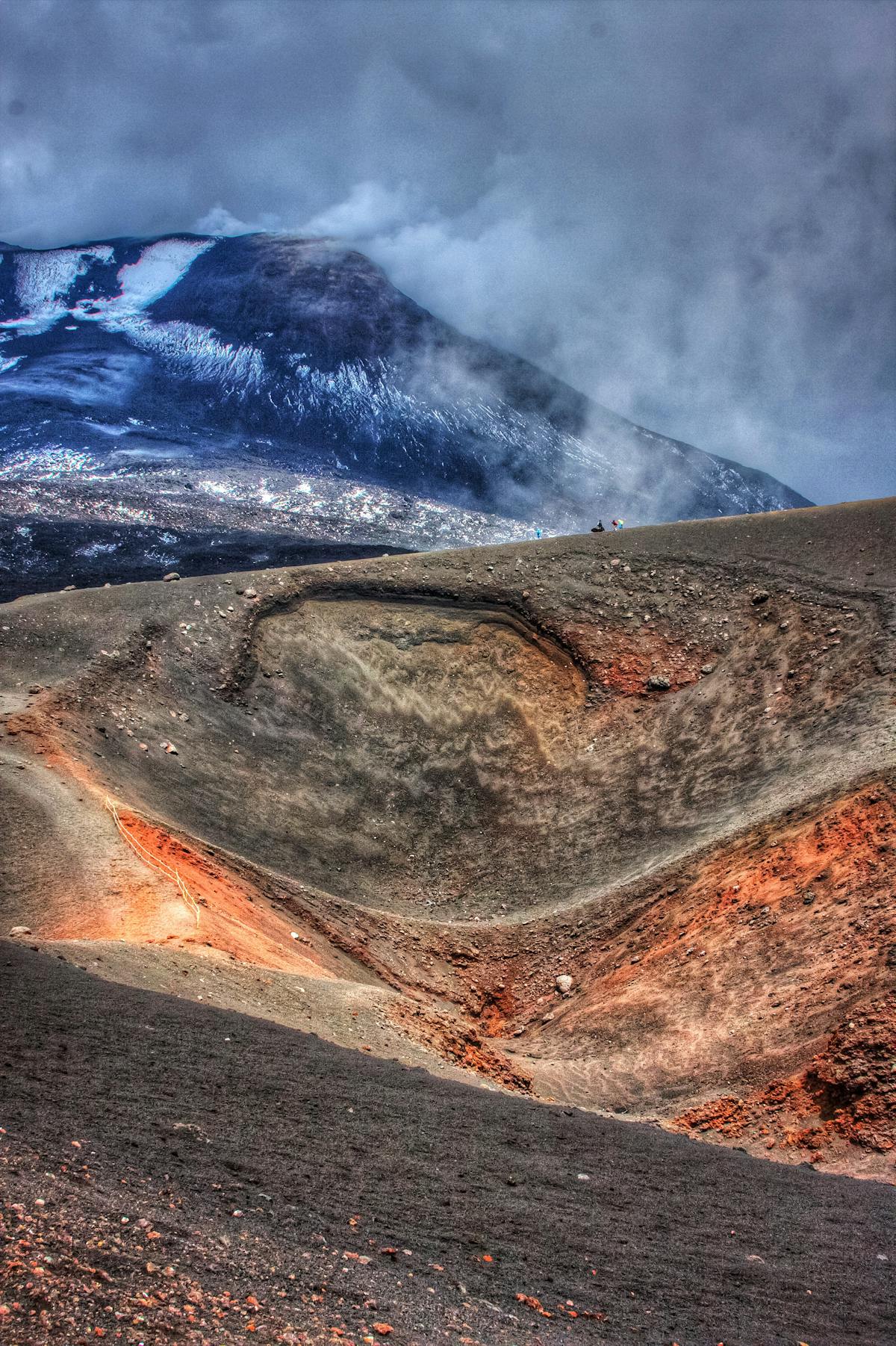
Spring (April-May) is arguably the sweet spot. Wildflowers carpet the lower slopes, temperatures are comfortable for hiking, and the summer crowds have not arrived yet. Snow still lingers at the summit, creating dramatic contrasts between white peaks and black lava.
Summer (June-August) brings the best weather and longest days, but also the biggest crowds and the most heat on the lower slopes. Go early morning or late afternoon — midday at 2,000 meters in July is surprisingly brutal with the sun reflecting off all that dark rock. The sunset tours are at their absolute best during these months.
Autumn (September-October) is underrated. Grape harvest on the volcanic slopes, fewer travelers, still-warm weather, and often the clearest visibility. If you are combining Etna with wine tasting, this is when to do it.
Winter (November-March) turns Etna into a different beast entirely. The upper slopes get genuine snow cover, and there is even a small ski resort on the south side. Access above Rifugio Sapienza depends on conditions and many tours do not run, but if you can get up there, the snow-on-lava landscape is otherworldly. The cable car sometimes closes for weather — check ahead.
What to Wear and Bring
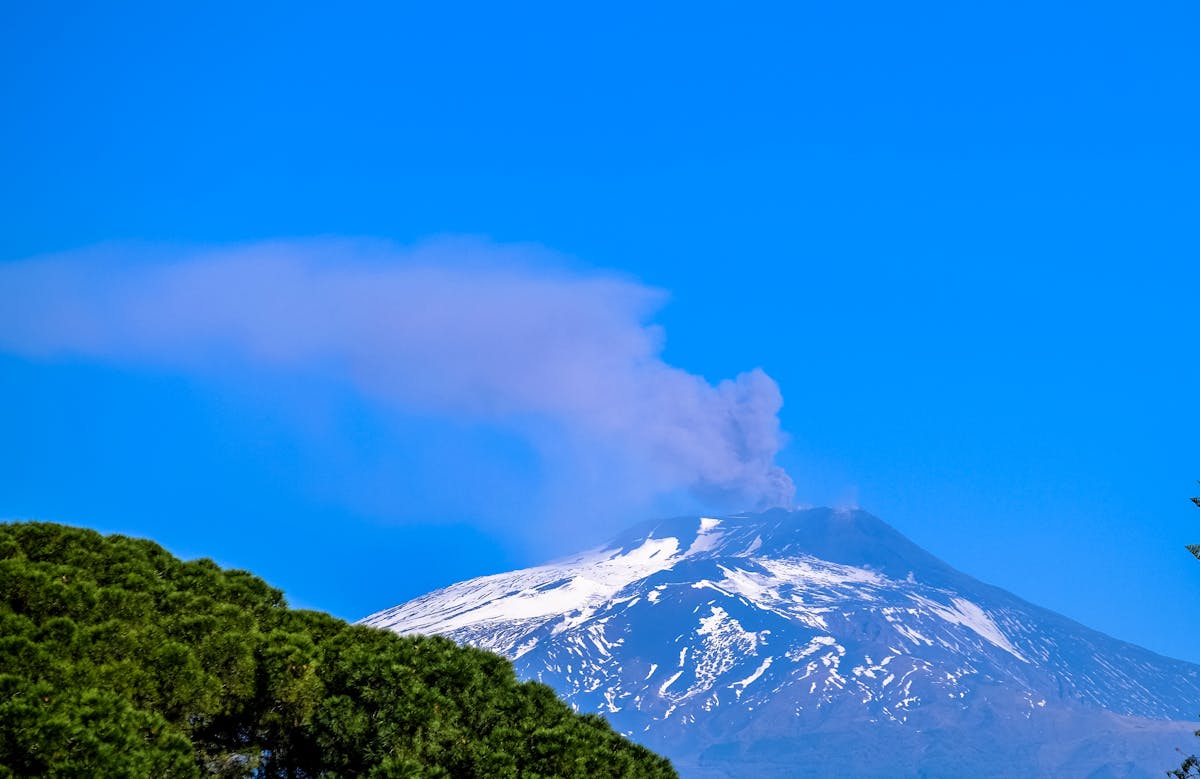
This catches people out more than anything else. You are in Sicily, it is 35 degrees in Catania, and you think “volcano = hot, right?” Wrong. The summit sits at 3,357 meters and temperatures can drop to near-freezing even in summer, with wind chill making it feel worse.
Clothing essentials:
- Sturdy hiking boots or shoes with ankle support — the volcanic gravel is loose and sharp, and sneakers will be destroyed
- Windproof jacket — wind at the summit is no joke, 50+ km/h is normal
- Layers you can add and remove — the temperature difference between 2,000m and 3,000m is dramatic
- Long pants — the volcanic rock can be rough on bare skin if you slip
- Sunglasses and sunscreen — the UV intensity at altitude is significantly higher than at sea level, and the dark rock reflects heat upward
Good to have:
- A buff or scarf for the sulfur gases near active vents (the smell is strong and can irritate your throat)
- Water — at least 1.5 liters. There are no water sources above Rifugio Sapienza
- A small backpack for carrying layers as you shed them on the way up
- Cash for the cable car and 4×4 if going DIY (card machines up there are unreliable)
Skip the flip-flops and beach wear. I have seen people arrive at Rifugio Sapienza in sandals and shorts, realize their mistake, and spend 40 minutes in the overpriced gear shop buying emergency hiking boots. Do not be that person.
What You Will Actually See Up There
The landscape shifts dramatically as you climb, and that is part of what makes Etna special. It is not just “a volcano” — it is a whole sequence of environments stacked on top of each other.
At the base (500-1,000m): Orchards, vineyards, and citrus groves growing in impossibly fertile volcanic soil. This is where Etna’s famous wines come from. The villages here — Nicolosi, Zafferana Etnea, Linguaglossa — have been rebuilt multiple times after lava flows and somehow keep going.
Mid-slopes (1,000-2,000m): Dense forests of Etna birch and Corsican pine give way to scrubby vegetation. Old lava flows from eruptions going back centuries cut through the treeline like black rivers. Some are decades old with lichen growing on them; others are disturbingly recent and still bare.
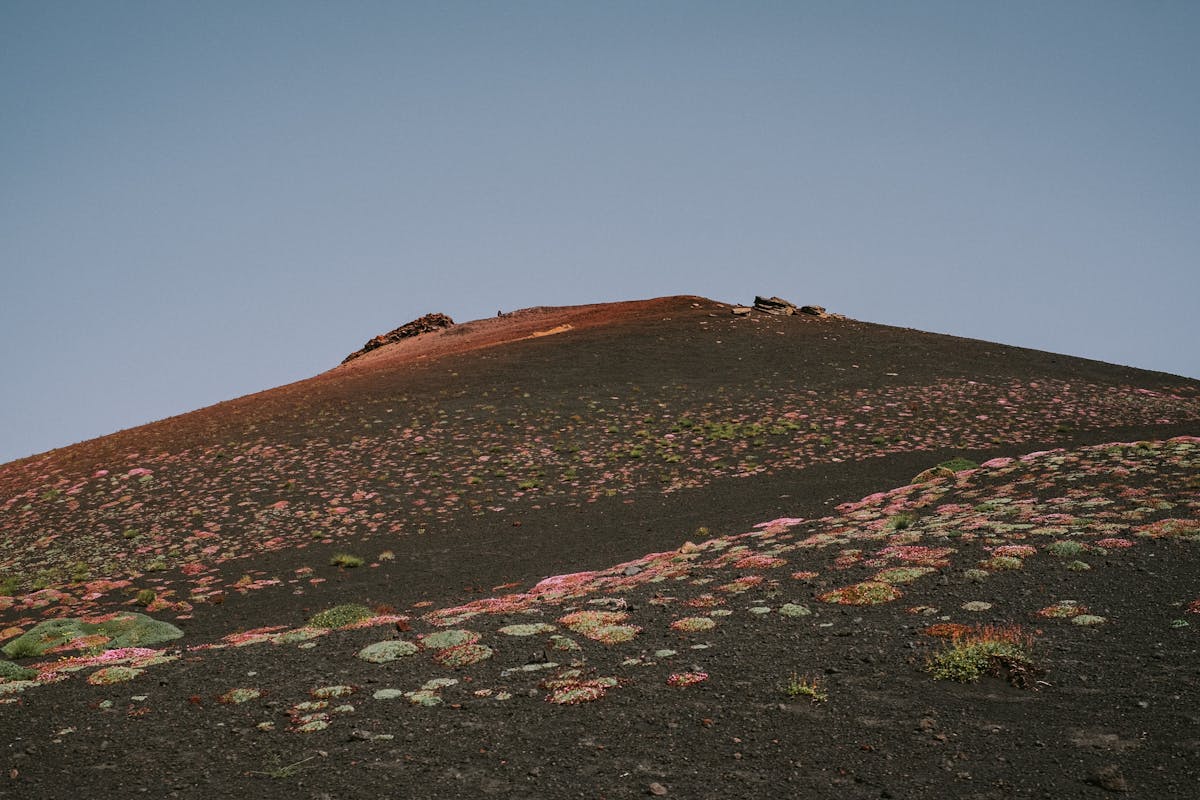
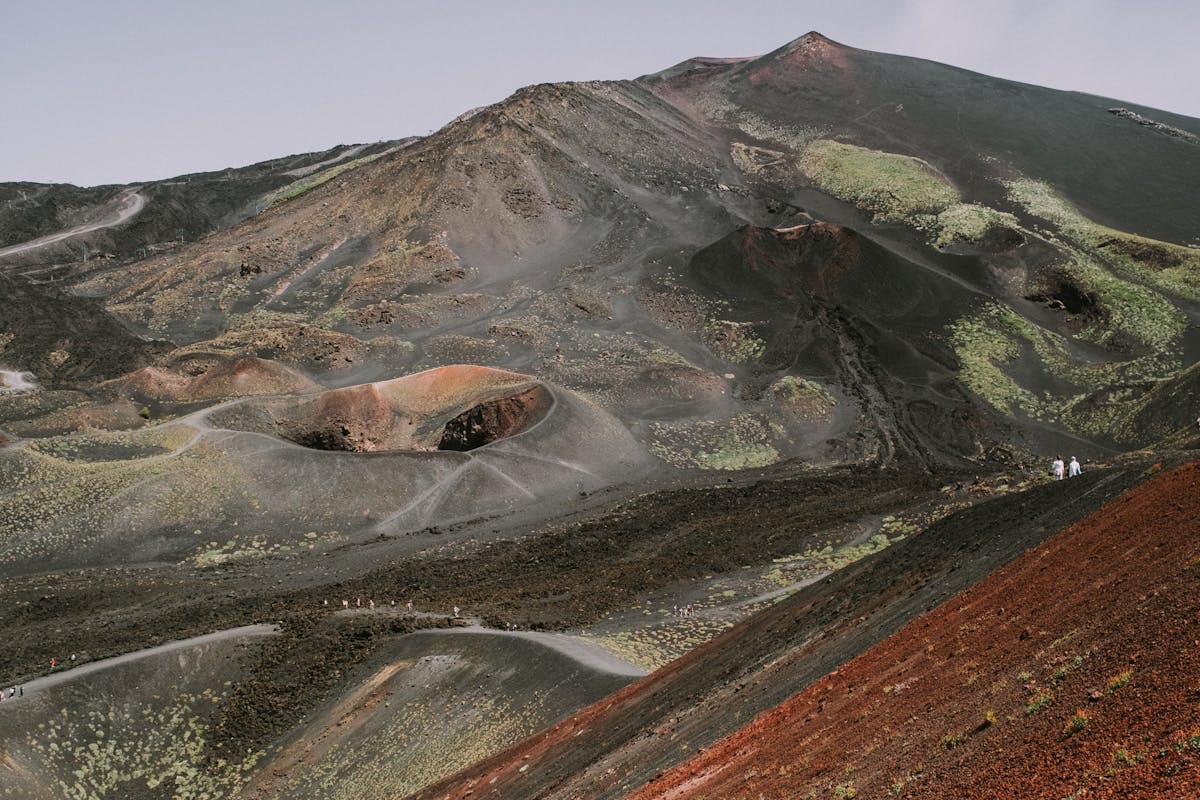
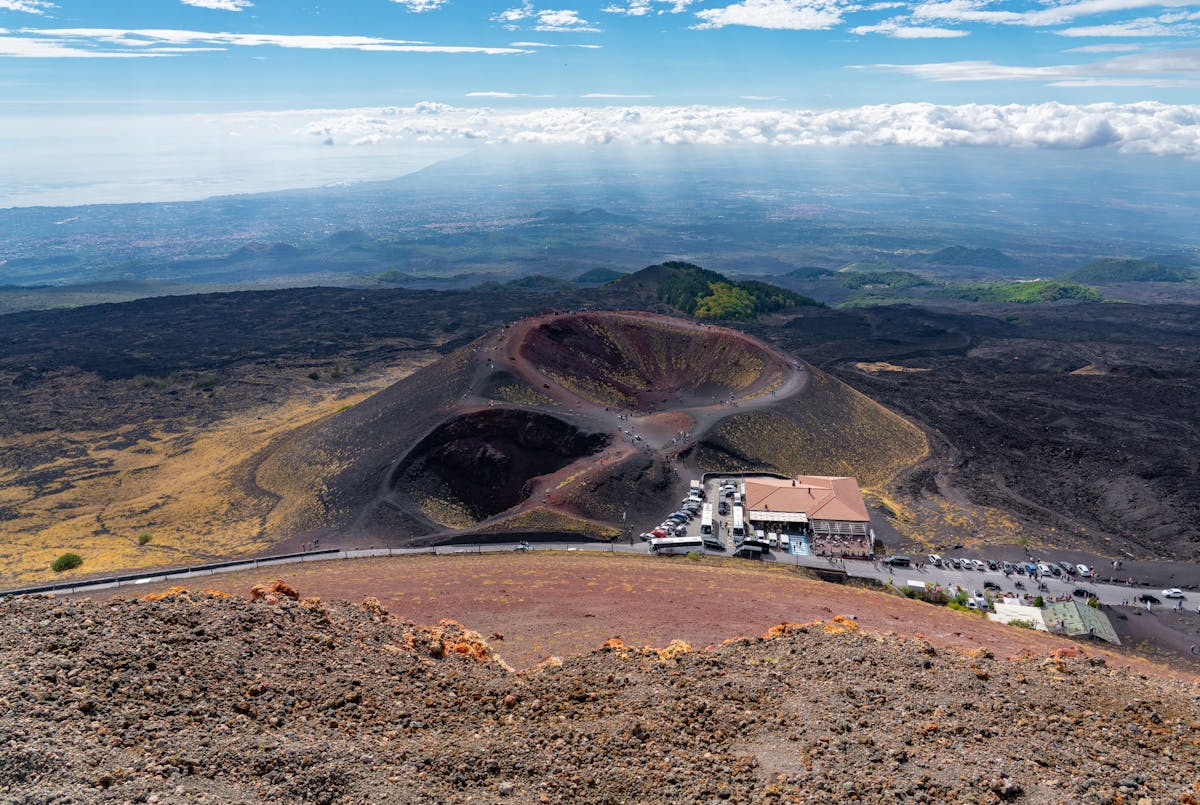
Above treeline (2,000-2,500m): This is Rifugio Sapienza territory. The landscape turns lunar — nothing but volcanic gravel, old craters, and the occasional hardy plant clinging to a crack. The cable car station is here, and it is where most tours begin their walking segments.
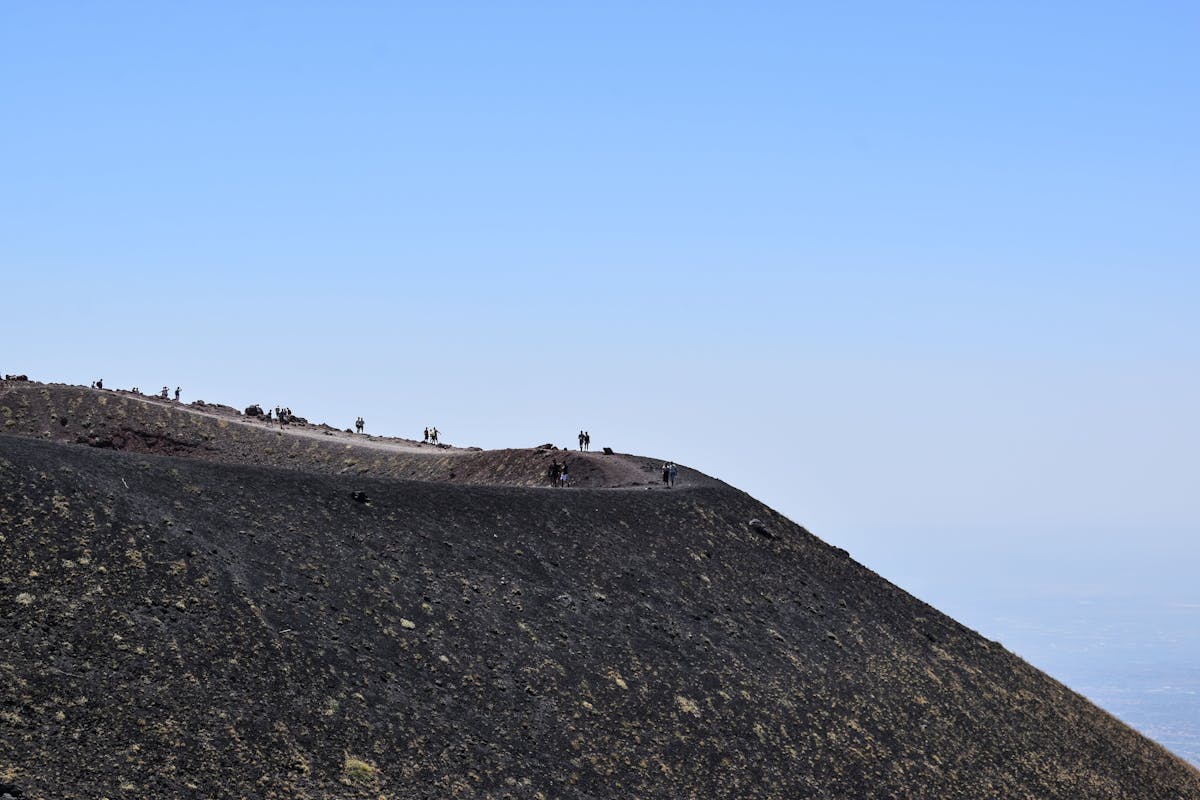
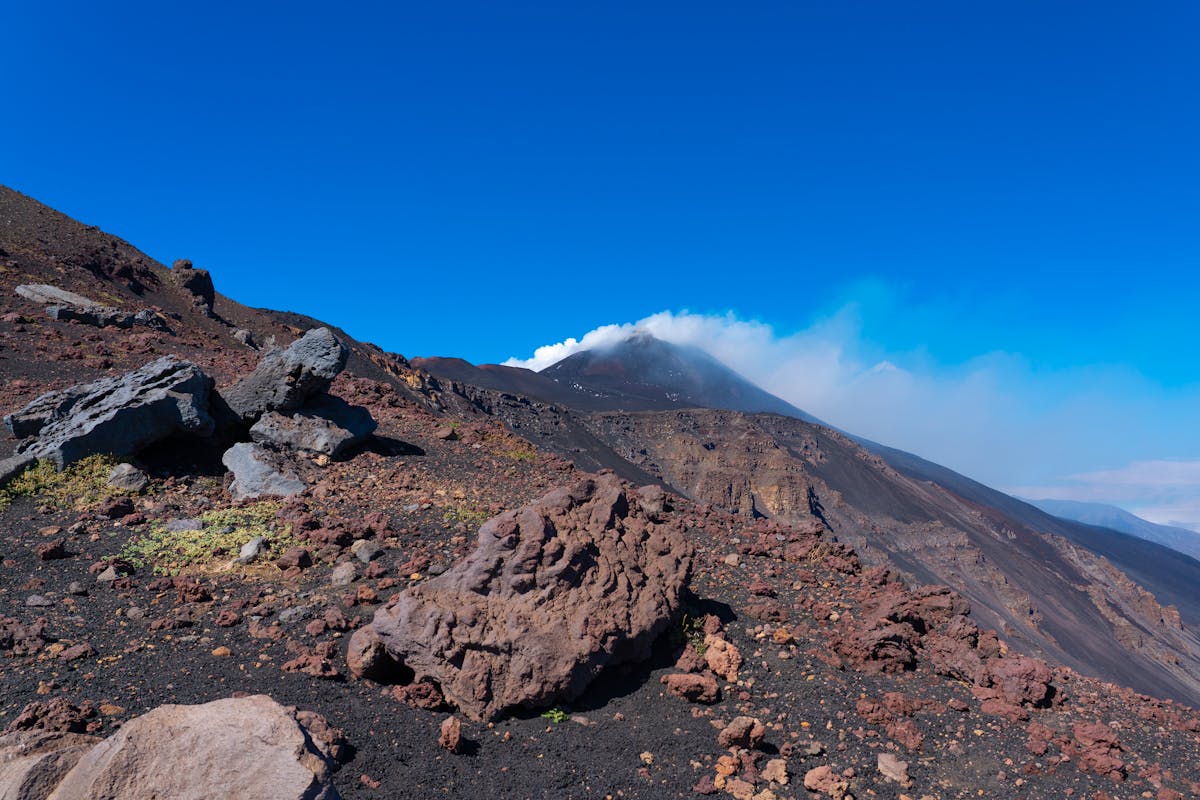
Summit zone (2,500-3,357m): Active craters, steaming vents, sulfur deposits painting the rocks yellow, and views that stretch across the entire eastern coast of Sicily. On a clear day, you can see Calabria on the Italian mainland. The summit itself shifts in height with every eruption — it is genuinely a living, breathing thing.
The lava caves are another highlight that many tours include. Formed when the outer layer of a lava flow cooled and hardened while molten rock kept flowing underneath, they are like rough-hewn tunnels through solid rock. Some are wide enough to walk through comfortably; others require ducking. Bring a flashlight or use your phone — it is genuinely dark in there.
Combining Etna with Other Sicily Day Trips
If you are basing yourself in Catania for several days, Etna pairs well with a few other excursions. Pompeii from Naples is another volcanic site worth visiting if you are traveling around southern Italy — the contrast between a volcano that buried a civilization and one that people still live on is striking.
Taormina is just an hour from Catania and makes a natural afternoon add-on if you do a morning Etna tour. Some tours even combine the two, though those tend to be rushed. Better to do them on separate days if you have the time. And the Colosseum in Rome is always worth a stop if your Sicily trip includes time in the capital.
We may receive a small commission if you book a tour through the links on this page. This does not cost you anything extra and helps us keep creating free travel guides. We only recommend tours we have genuinely researched and believe are worth your time.