
Forty meters below the chaos of Piazza San Gaetano, there’s a passage barely wider than your shoulders. The walls are carved from soft tufa stone — Greek quarrymen cut this rock 2,400 years ago — and the air is cool and damp even when Naples is baking under 35-degree heat above.
- In a Hurry?
- What Naples Underground Actually Is
- How to Get Tickets
- The Best Tours to Book
- 1. Naples Underground Entry Ticket and Guided Tour
- 2. The Bourbon Tunnel Guided Tour with Entrance Ticket
- 3. Catacombs of San Gennaro Entry Ticket and Guided Tour
- 4. Naples Underground Spanish Quarters with Guide
- When to Visit
- What You Need to Know Before You Go
- What You Will See Underground
- Getting There and Getting Around
- More Naples Guides
In a Hurry?
Short on time? These are my top picks for experiencing underground Naples:
- Best overall experience: Naples Underground Entry Ticket and Guided Tour — $21/person, 1.5-2 hours. The classic Napoli Sotterranea tour through Roman aqueducts and WWII shelters. The one most people should book first.
- Best for something different: The Bourbon Tunnel Guided Tour — $12/person. A 19th-century royal escape tunnel packed with vintage cars and motorcycles confiscated over the decades. Cheaper and less crowded than the main tour.
- Best for history buffs: Catacombs of San Gennaro Entry Ticket and Guided Tour — $15/person, 45 minutes. Early Christian burial chambers with frescoes dating back to the 2nd century. The most historically significant of the lot.
What Naples Underground Actually Is
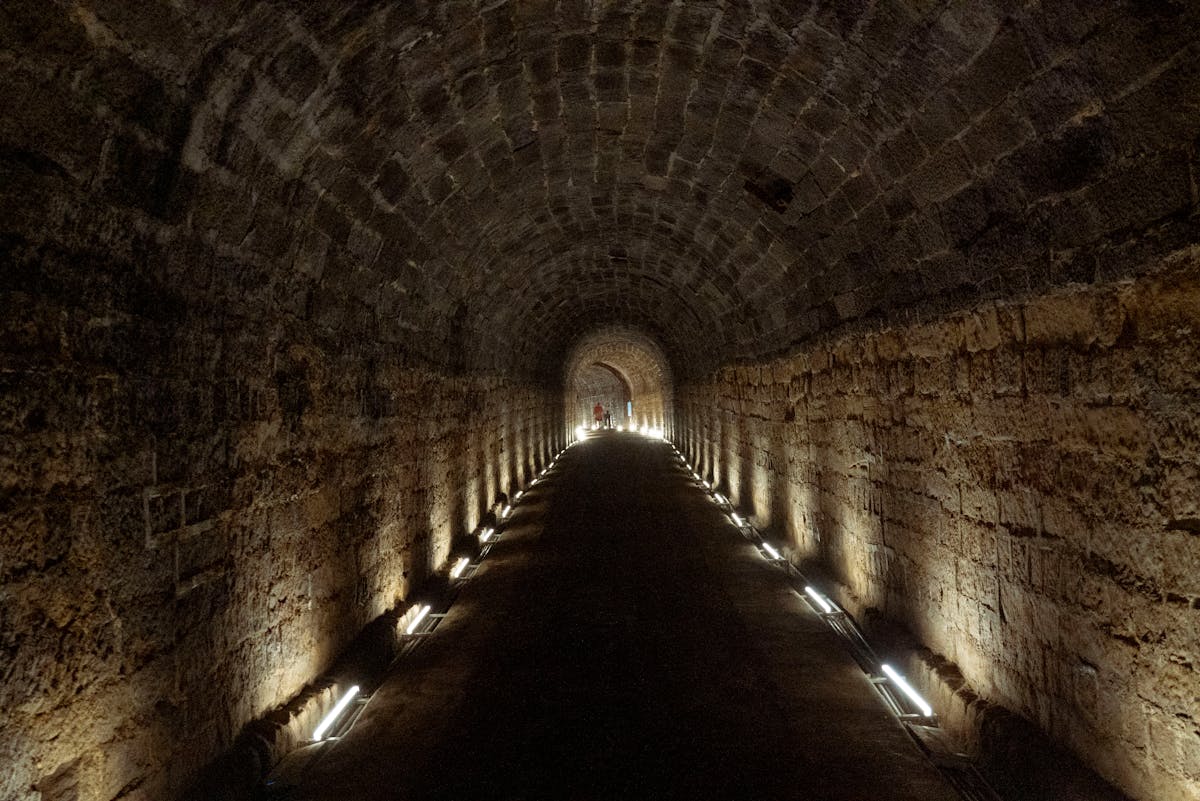
Napoli Sotterranea (Piazza San Gaetano) — the original, the famous one. This is the network of Greek-era quarries that became Roman aqueducts, then WWII bomb shelters. The tour takes you through ancient cisterns, narrow passages carved from tufa, and wartime refuges still marked with graffiti and drawings from people hiding during the bombings. You will also see the remains of a Roman theater buried beneath a modern apartment. The entrance is on Piazza San Gaetano, right in the historic center.
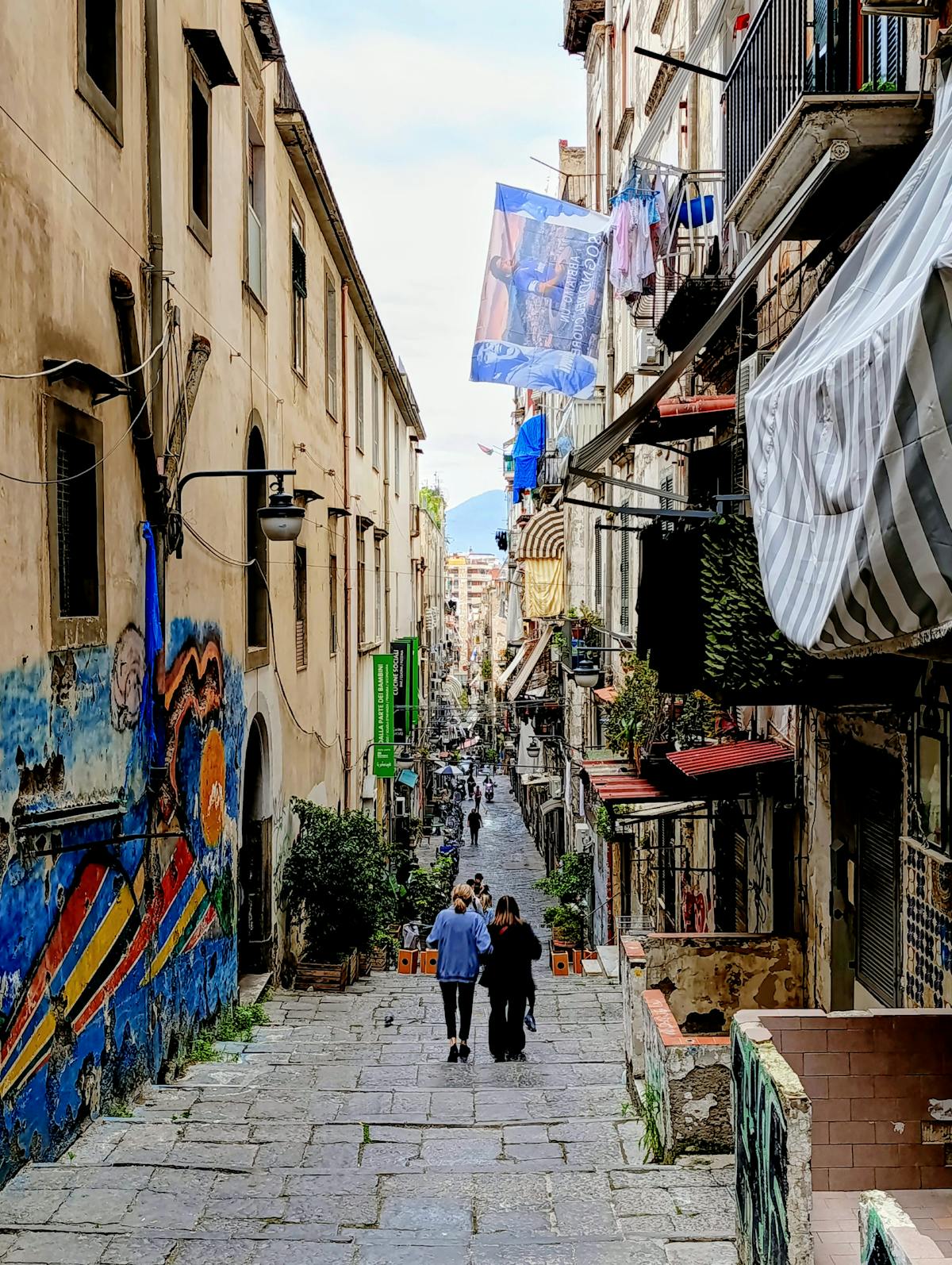
Napoli Sotterranea (Spanish Quarters) — a separate entrance and a different organization, confusingly with the same name. This one focuses more on the Greek aqueducts from around 400 BCE. The cisterns here are enormous, and WWII graffiti covers the walls. More intimate, slightly less touristy than the Piazza San Gaetano site.
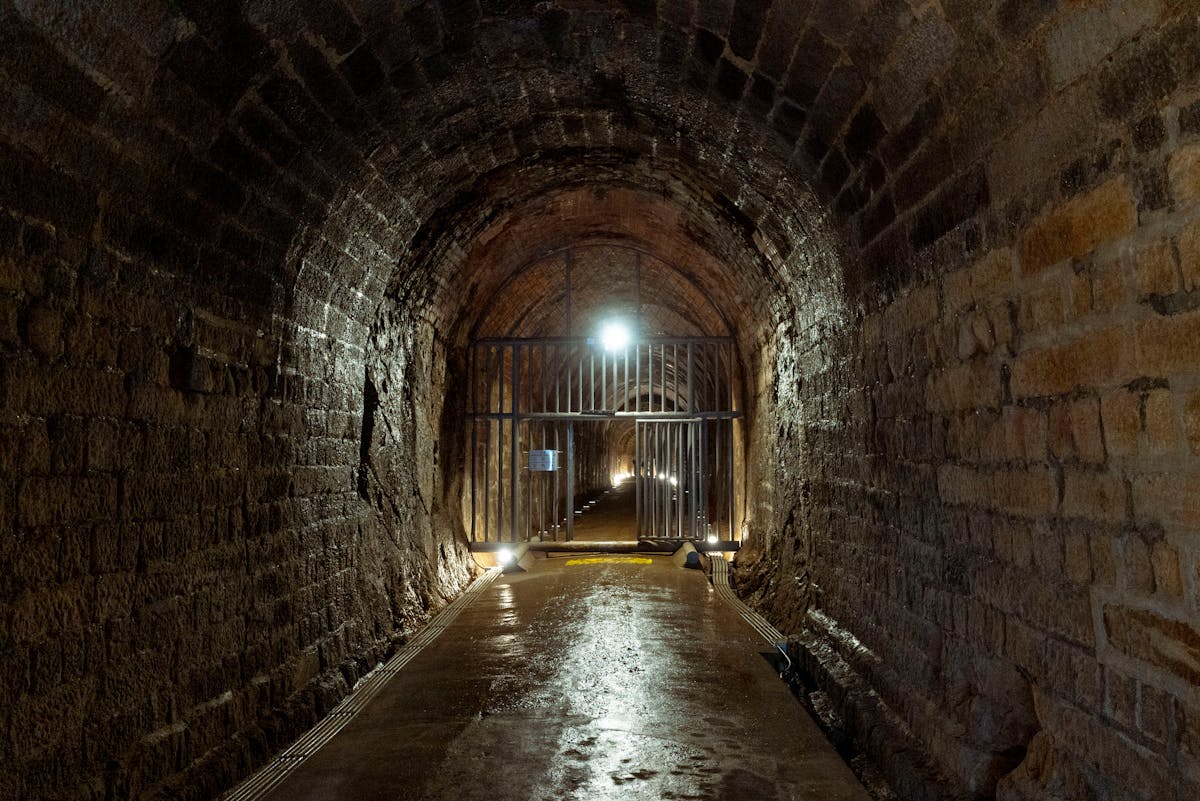
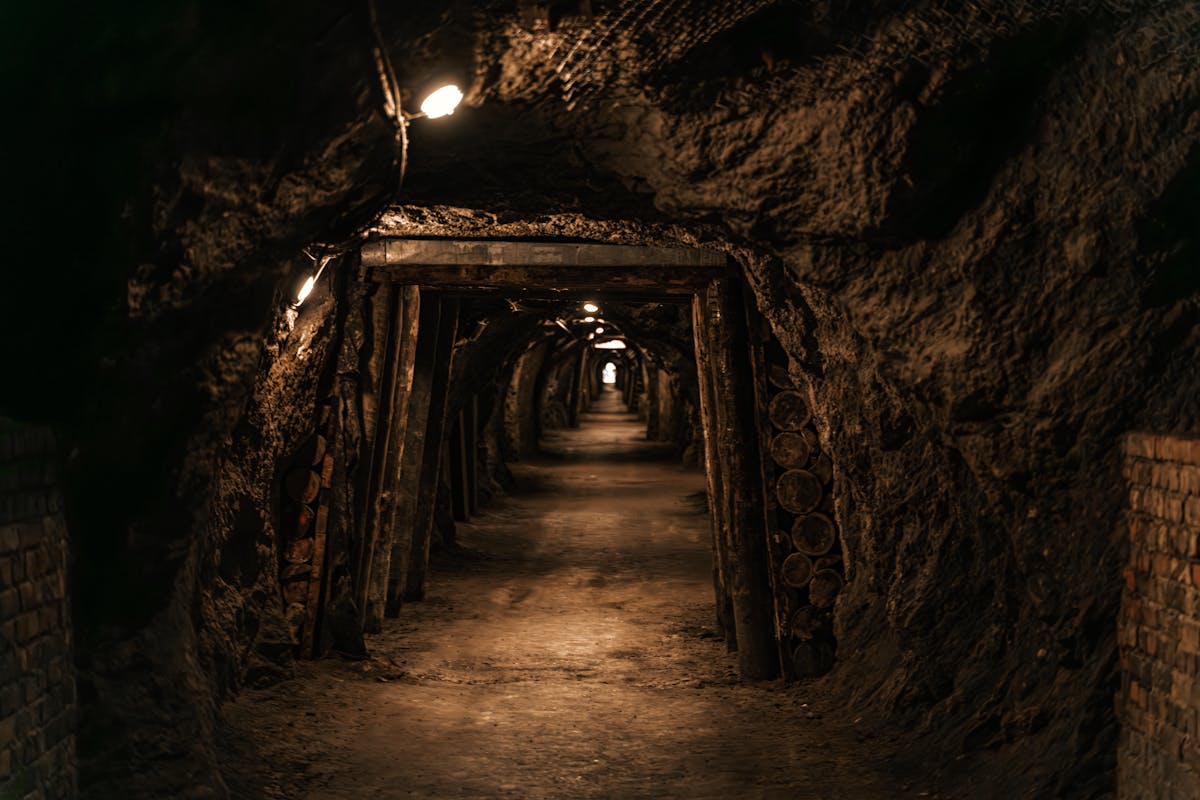
Galleria Borbonica (Bourbon Tunnel) — built in the 1850s as an escape route for King Ferdinand II to flee from the royal palace to the military barracks. He never needed it. During WWII it became a bomb shelter, and afterward the city used it as an impound lot. There are still vintage Fiat 500s and Vespas down there from the 1950s and 60s, slowly decaying in the dark. It is the most visually striking of all the underground sites.
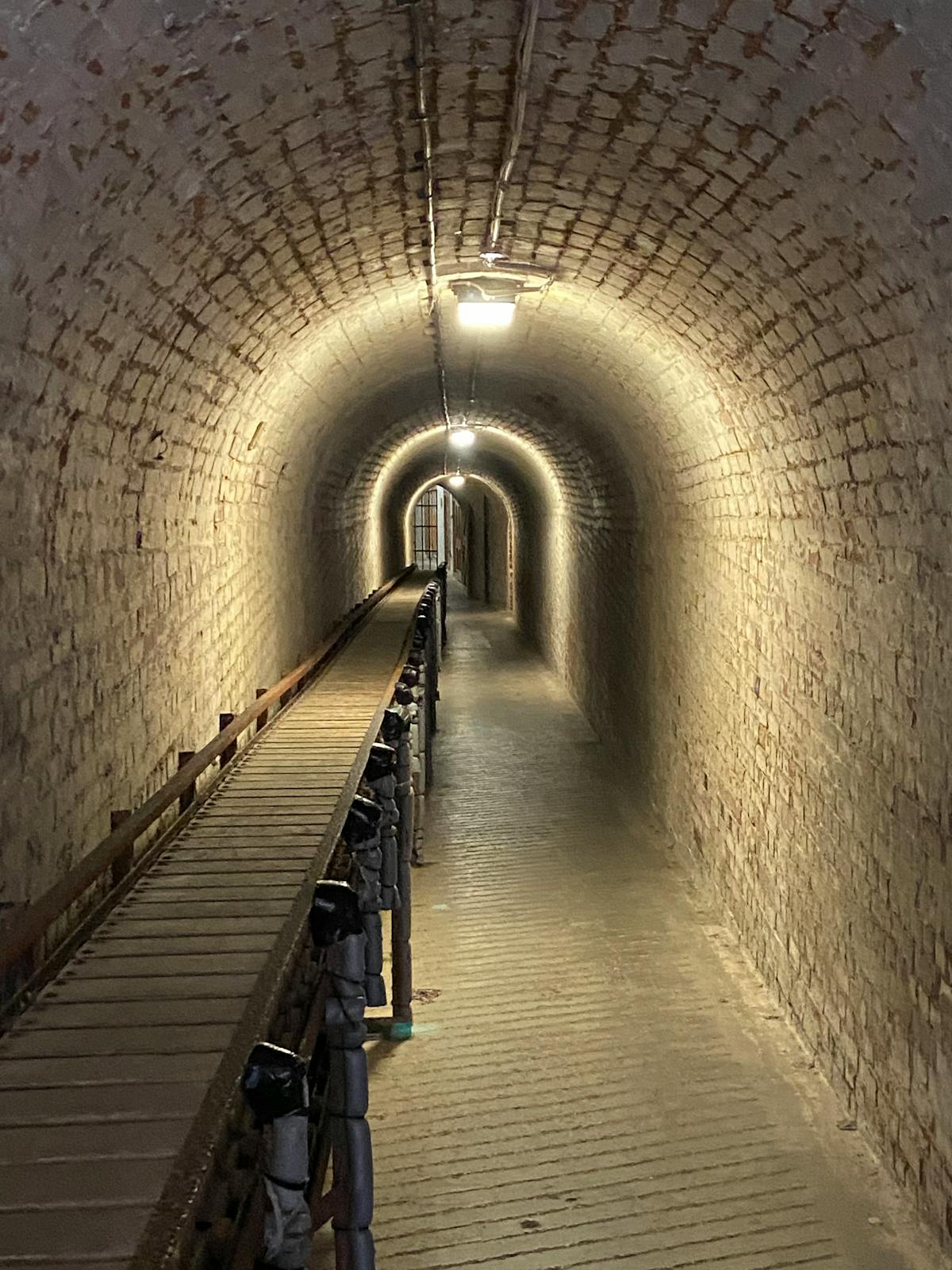
Catacombs of San Gaudioso — smaller and darker than San Gennaro, with a more unsettling atmosphere. Named after a North African bishop who was buried here in the 5th century. The bone drainage practices here are… memorable. Not for the squeamish.
How to Get Tickets

For Napoli Sotterranea (Piazza San Gaetano): You can book directly through the official site, but I would recommend booking through a tour platform. The official site is only in Italian and the booking system can be clunky. Walk-ups are possible, but during peak season (April to October) the popular time slots fill up, especially the English-language tours.
For the Bourbon Tunnel: Same deal — book online in advance. They offer four different tour routes: the standard path, an adventure route with rafting on the underground water, a speleo-light route for those wanting to climb and squeeze through tight spaces, and a “darkness” tour done entirely by candlelight. The standard route is fine for most visitors.
For the Catacombs: Book through the Catacombs of Naples cooperative. They run both San Gennaro and San Gaudioso, and you can get a combined ticket for both.
Pricing is reasonable across the board. Most tours run between $12 and $22 per person. This is one of Naples’ best value attractions.
The Best Tours to Book
I have looked through what is available and picked four that cover the main underground experiences. Each one takes you to a different site, so they are not interchangeable — you could do all four over a couple of days if you are serious about going deep (pun intended).
1. Naples Underground Entry Ticket and Guided Tour
- Price: $21 per person
- Duration: 1.5 – 2 hours
- Provider: GetYourGuide
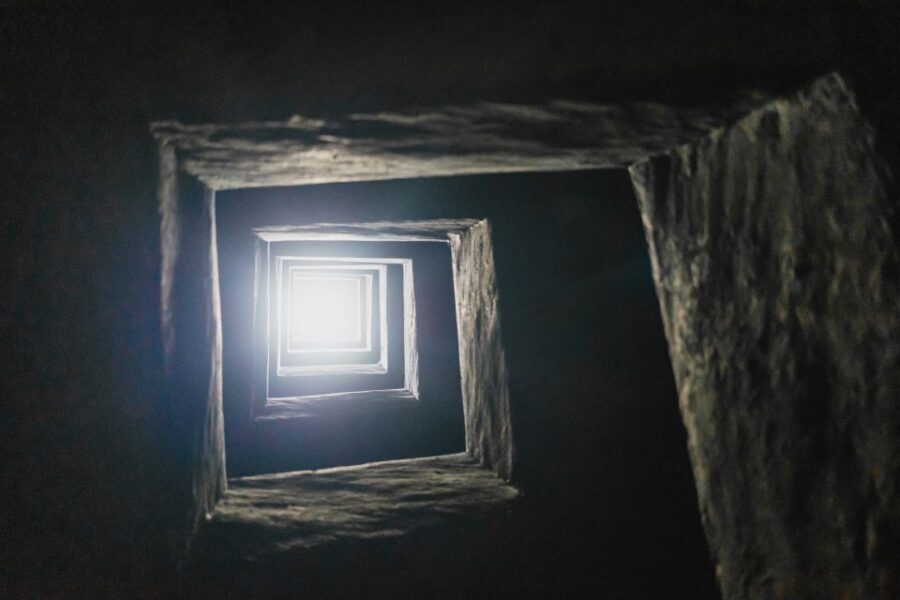
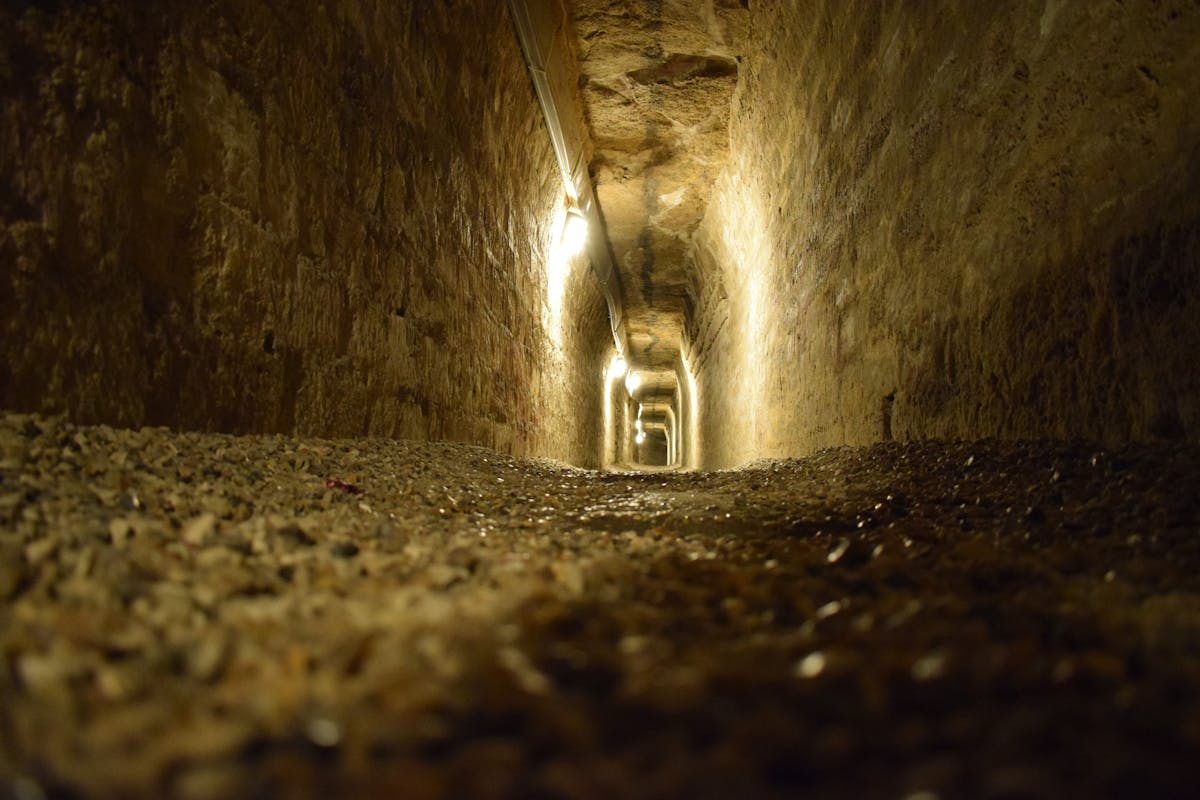
This is the flagship Napoli Sotterranea tour, and it is the one you should book if you only do one underground experience. Your guide takes you down 40 meters through Greek-era quarries, Roman aqueduct cisterns, and WWII bomb shelters. The narrow passage section is the part everyone talks about — a squeeze through a gap barely 50 centimeters wide, lit only by a candle. It is not actually dangerous, but if you are claustrophobic, it will test you.
The guides are passionate and know the history cold. Two hours flies by. The WWII shelter section, where you can still see drawings and personal items left behind by families who lived underground for months, is the most emotionally powerful part.
Best for: First-time visitors. This is the definitive Naples Underground experience.
2. The Bourbon Tunnel Guided Tour with Entrance Ticket
- Price: $12 per person
- Duration: About 1 hour
- Provider: GetYourGuide
At twelve dollars, this might be the best value underground tour in Naples. The Bourbon Tunnel is completely different from Napoli Sotterranea — where that one is ancient, this one is 19th century. King Ferdinand II ordered this tunnel built in 1853 as a secret escape route from the Royal Palace to the barracks near the port. He was paranoid about revolution (justifiably, as it turned out).
The tunnel was never finished for its original purpose. During WWII it became a shelter, and later the city used it as a judicial warehouse. That is why there are rusting 1950s cars and motorcycles piled up down there — seized vehicles that nobody ever came back for. Walking through this space feels like a post-apocalyptic movie set.
Best for: Visitors wanting something different from the standard ancient ruins experience. Also great for photography.
3. Catacombs of San Gennaro Entry Ticket and Guided Tour
- Price: $15 per person
- Duration: 45 minutes
- Provider: GetYourGuide
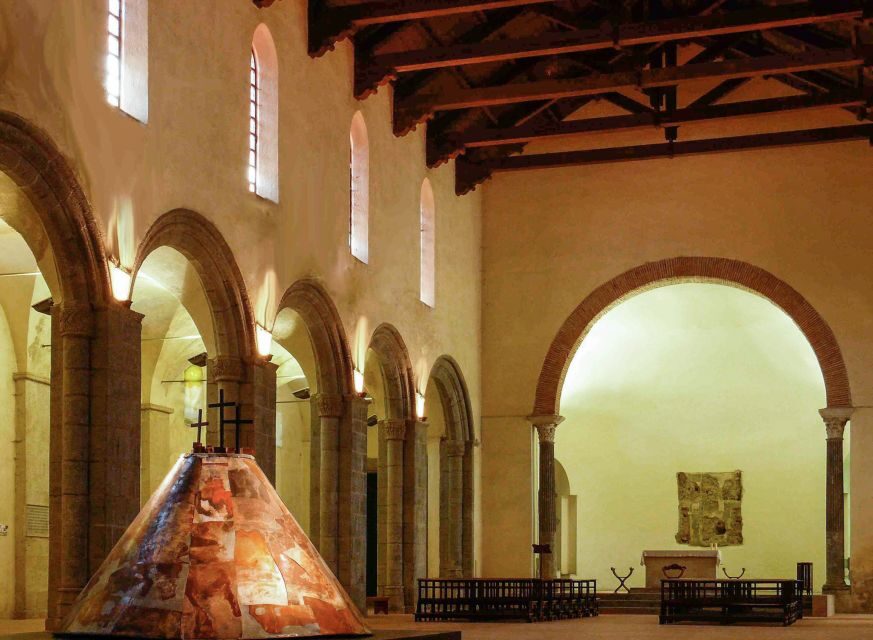
The catacombs are the most historically significant underground site in Naples, but they feel different from the aqueduct tours. These are burial chambers — large, vaulted spaces carved into the hillside in the Sanita district, used from the 2nd century through the early medieval period.
What makes San Gennaro special are the frescoes. Some of the earliest depictions of Christian saints in Italy are down here, painted directly onto the rock. The scale surprises people too — these are not narrow tunnels. Some chambers are the size of small churches, with arched ceilings and carved alcoves for burial niches.
The tour is shorter than the Napoli Sotterranea one (about 45 minutes), but it is dense with information. The guides are volunteers from the local cooperative that manages the site, and their personal connection to the neighborhood adds something commercial tour operators cannot replicate.
Best for: History lovers, anyone interested in early Christianity, and visitors who want to see the Sanita district.
4. Naples Underground Spanish Quarters with Guide
- Price: $18.14 per person
- Duration: 1 hour
- Provider: Viator
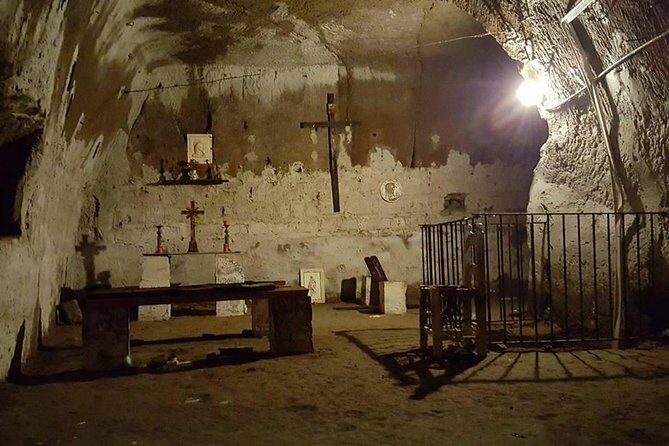
This is the “other” Napoli Sotterranea — accessed through the Spanish Quarters rather than Piazza San Gaetano. The experience is similar in theme (Greek aqueducts, Roman cisterns, WWII shelters) but the specific tunnels and chambers are different, and the groups tend to be smaller.
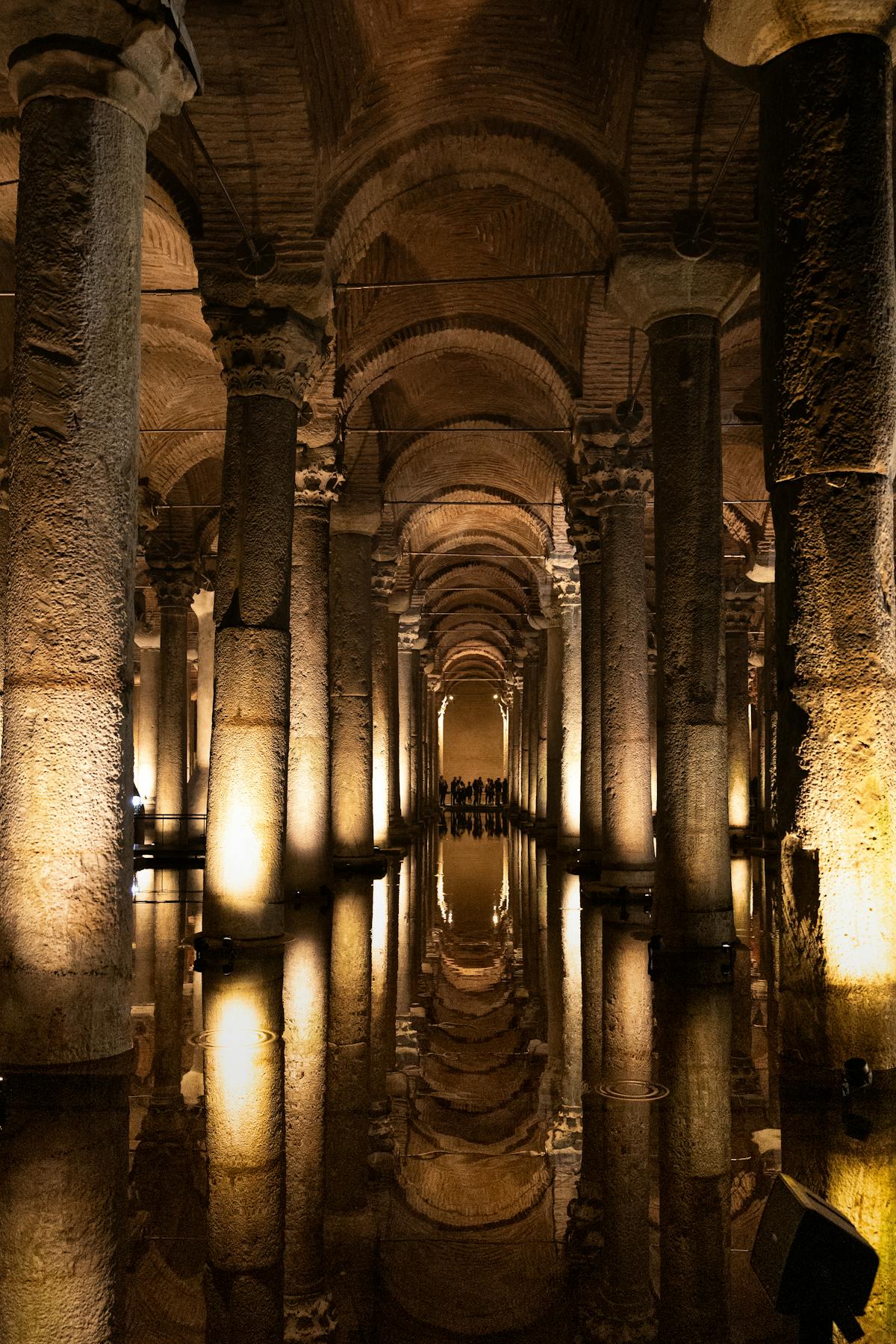
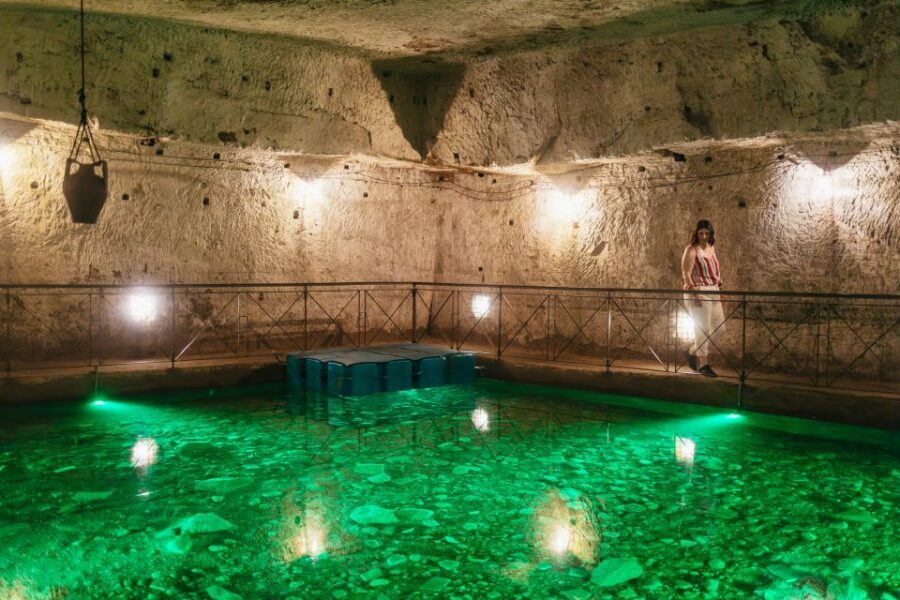
The Greek-era cisterns on this route are some of the most impressive — tall, cavernous spaces that make you realize just how much engineering went into Naples’ ancient water supply. The WWII shelters here still have graffiti and drawings on the walls, and the guides do a good job connecting the ancient and modern history.
If you have already done the main Napoli Sotterranea tour and want more, or if you are staying in the Spanish Quarters and want something close by, this is worth the time.
Best for: Visitors who want a less crowded alternative to the main Napoli Sotterranea, or those doing multiple underground experiences.
When to Visit

Peak season (April-October): Book English-language tours at least 2-3 days in advance, especially for Napoli Sotterranea. The main Piazza San Gaetano tours run roughly every hour, but the English ones are less frequent. The Bourbon Tunnel is slightly easier to book last-minute.
Off-season (November-March): Walk-ups are usually fine. Smaller groups, more intimate experience, and the guides have more time for questions. The downside is that some sites reduce their tour schedule.
Time of day: Morning tours (10-11 AM) tend to draw fewer people than the afternoon slots. If you are doing Napoli Sotterranea, the first English tour of the day is your best bet for a smaller group.
How long to budget: Each individual site takes 45 minutes to 2 hours. If you want to do two underground sites in one day (which I would recommend — the Napoli Sotterranea plus either the Bourbon Tunnel or the catacombs), budget a full morning or afternoon.
What You Need to Know Before You Go
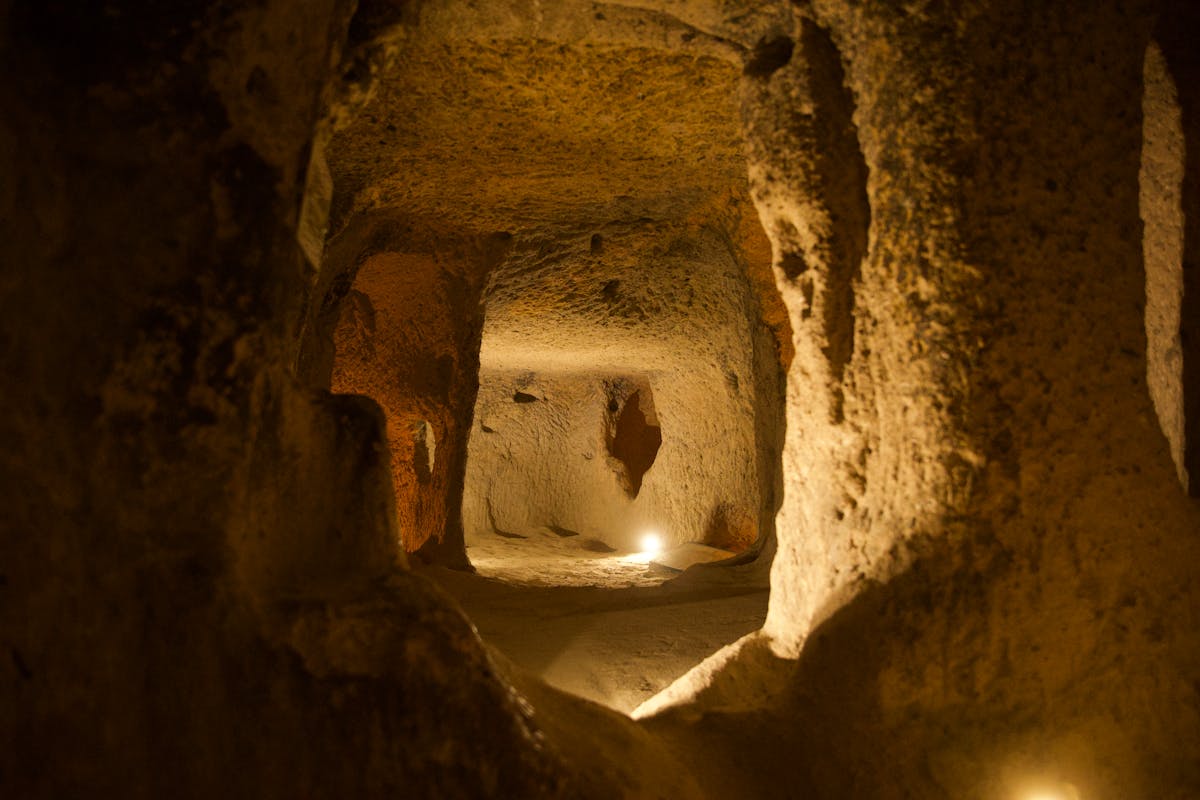
Wear layers. It is 16 degrees underground even when it is 35 above. That temperature shift hits hard. A light jacket or hoodie stuffed in your bag is enough. You won’t need it topside, but you will be grateful down there.
Comfortable shoes, not sandals. The floors are uneven stone, sometimes wet. Some sections involve steep stairs carved into rock. Closed-toe shoes with decent grip. I have seen people in flip-flops and it looked miserable.
Bring a phone with a flashlight. The tours are lit, but some sections are deliberately dim for atmosphere. Your phone light helps on the uneven stairs.
Kids are welcome on most tours, but use your judgment. Children under 6 might find the narrow passages and dark spaces frightening. The Bourbon Tunnel’s standard route is the most kid-friendly. The catacombs — with their burial niches and bones — depend on the child.
Accessibility is limited. Most underground sites involve steep stairs and narrow passages. The Catacombs of San Gennaro are the most accessible, with ramp access and wider corridors. But none of the sites are fully wheelchair accessible.
What You Will See Underground
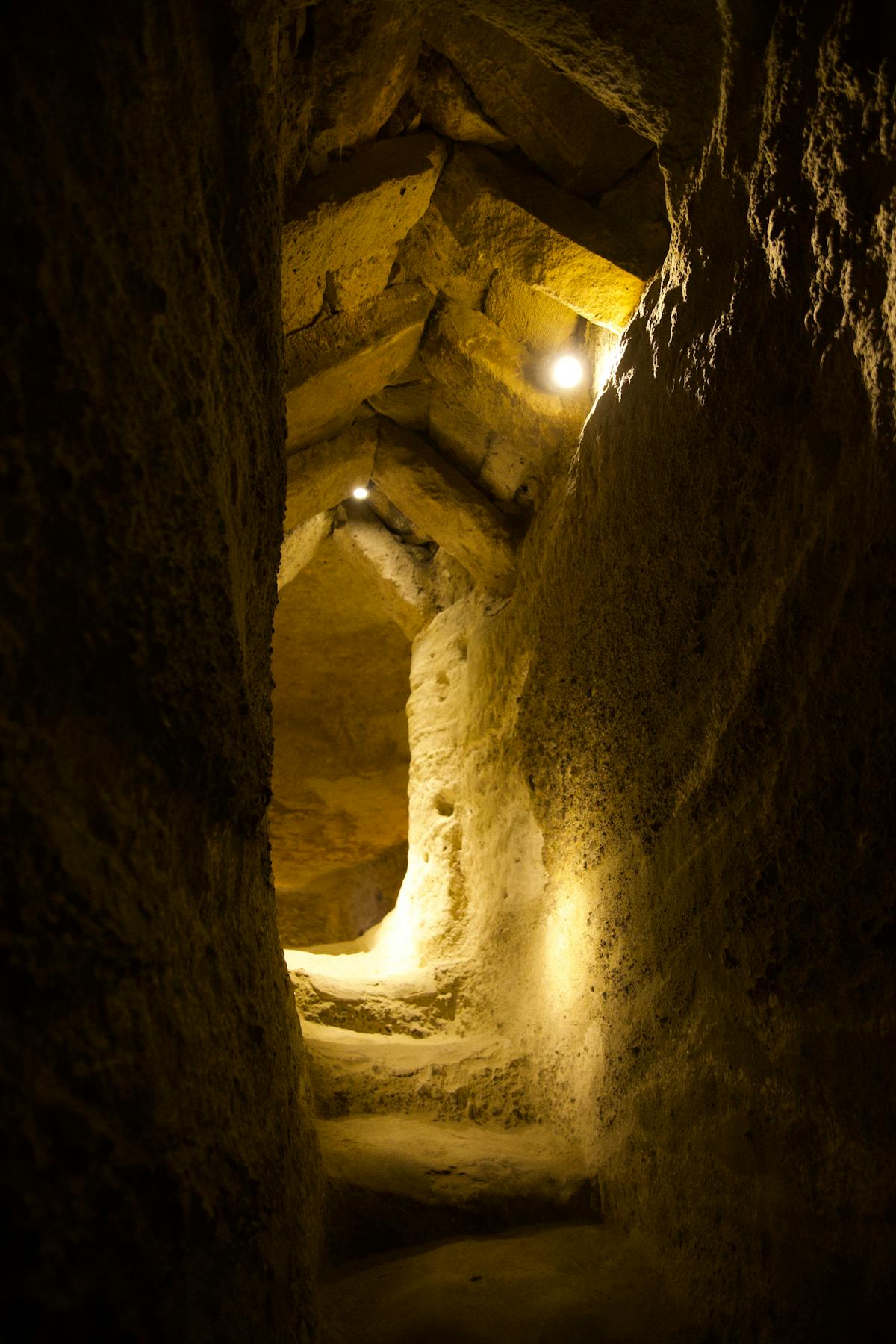
The Greek Layer (4th-3rd century BCE): The first major excavation. Greeks quarried tufa blocks to build the walls and temples of Neapolis. The quarries left behind enormous caverns that would later be repurposed.
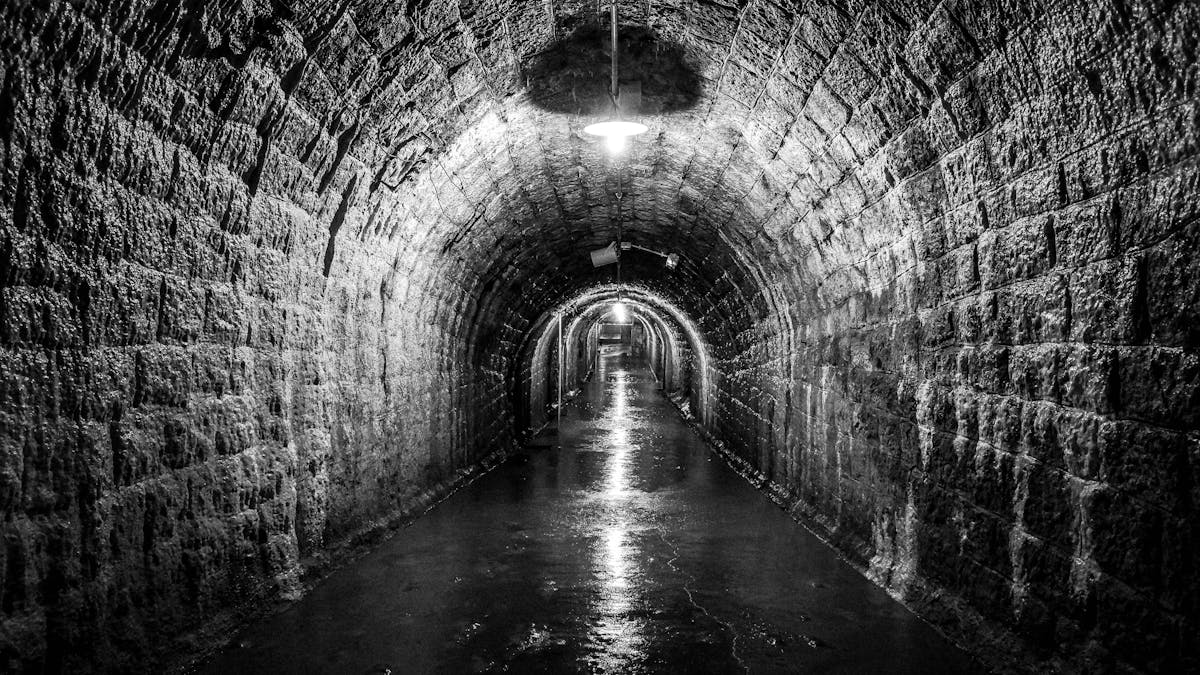
The Roman Layer (3rd century BCE – 5th century CE): The Romans connected the Greek quarries into an elaborate aqueduct system that channeled water from the slopes of Mount Vesuvius into the city. These cisterns served Naples for over 2,300 years — the system was not decommissioned until the cholera epidemic of 1884, when open-air cisterns were blamed for spreading disease.
The Bourbon Layer (1850s): The Galleria Borbonica was an entirely separate project — a military tunnel rather than a water system. Its later use as a city impound lot created the bizarre tableau of mid-century Italian cars and motorbikes decaying in a royal tunnel.
Getting There and Getting Around
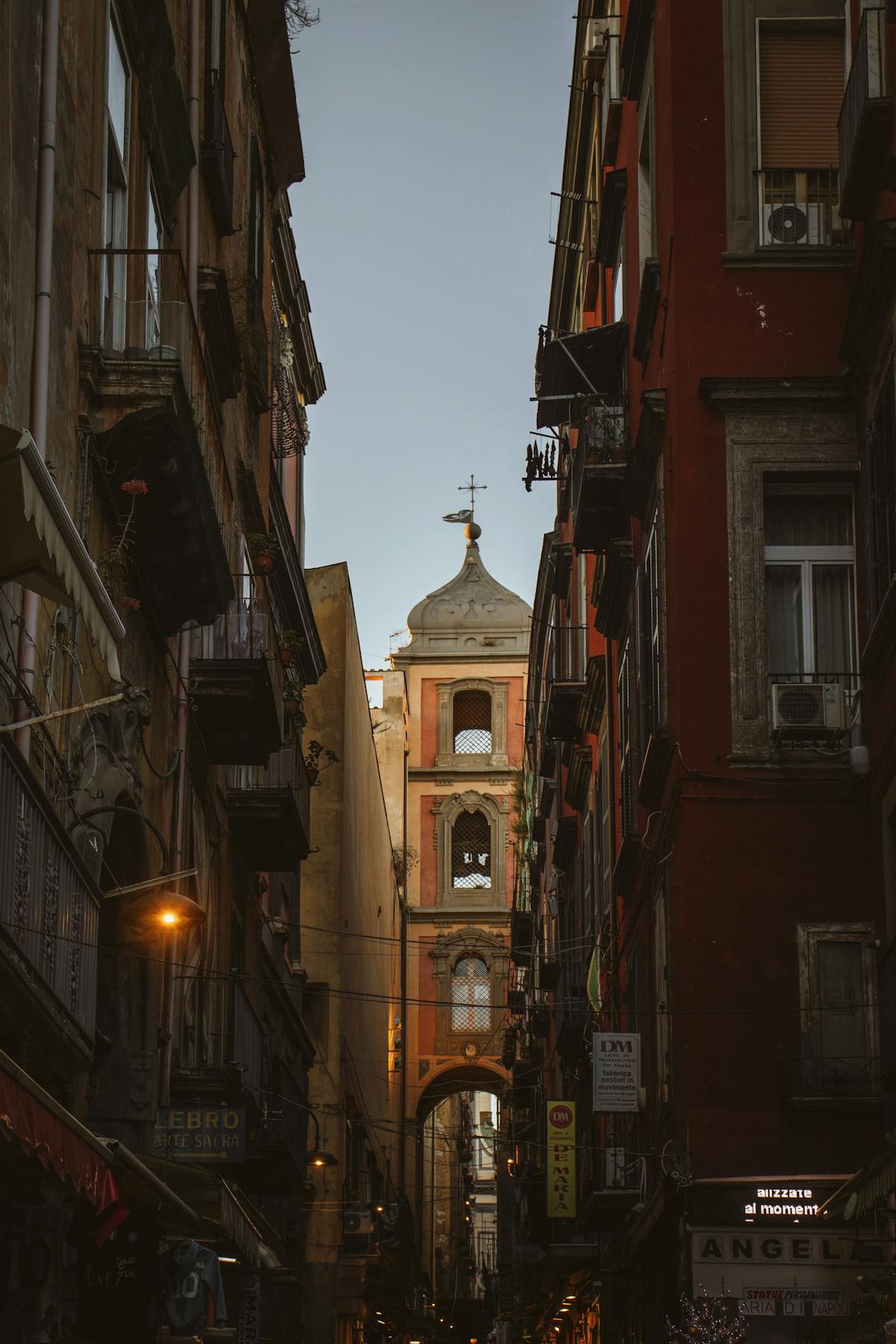
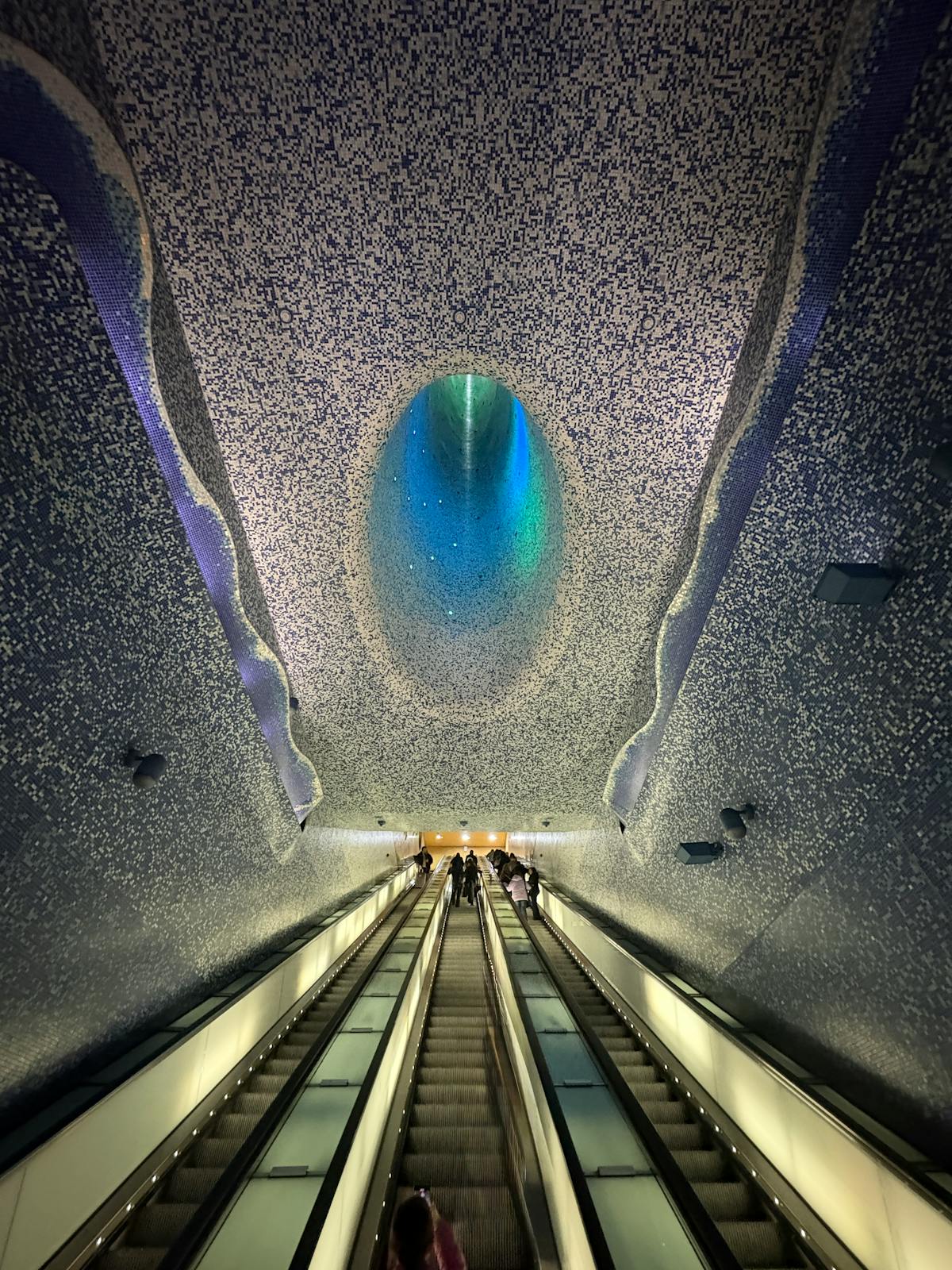
Napoli Sotterranea (Piazza San Gaetano): In the heart of the Centro Storico, on Via dei Tribunali. The nearest metro station is Dante (Line 1), about a 7-minute walk. Look for the entrance on Piazza San Gaetano, next to the church of San Paolo Maggiore.
Napoli Sotterranea (Spanish Quarters): Entrance on Vico Sant’Anna di Palazzo. Walking distance from Via Toledo metro station (Line 1). The Spanish Quarters themselves are worth wandering before or after the tour.
Galleria Borbonica: Entrance at Via Domenico Morelli 40, in the Chiaia district near the waterfront. Closest metro: Piazza Amedeo (Line 2) or Municipio (Line 1). It is about a 10-minute walk from the seafront promenade.
Catacombs of San Gennaro: Located next to the Basilica of the Madre del Buon Consiglio, in the Sanita district. A bit further from the center — a 20-minute walk from the Archaeological Museum, or take bus C51 from Piazza Cavour. The Sanita neighborhood is rough around the edges but full of character, and the cooperative managing the catacombs has done a lot to revitalize it.

This article contains affiliate links. If you book through these links, we earn a small commission at no extra cost to you. This helps us keep producing free travel guides.