
The new spire stopped me in my tracks. I had walked past Notre-Dame dozens of times before the 2019 fire, and honestly, I had stopped really seeing it. Then five years of scaffolding, a global pandemic, and one of the most ambitious restoration projects ever attempted — and suddenly there it was again, gleaming against a cold December sky, looking better than it had in my lifetime.
Notre-Dame reopened in December 2024 after a full five-year rebuild. And here is the thing most people do not realize: entry is completely free.
You do not need tickets. You do not need a reservation (though getting one helps). You just show up, join the line, and walk in. But there is a catch — everyone else knows this too. So the question is not whether you can visit. It is how to do it without losing half your day in a queue.
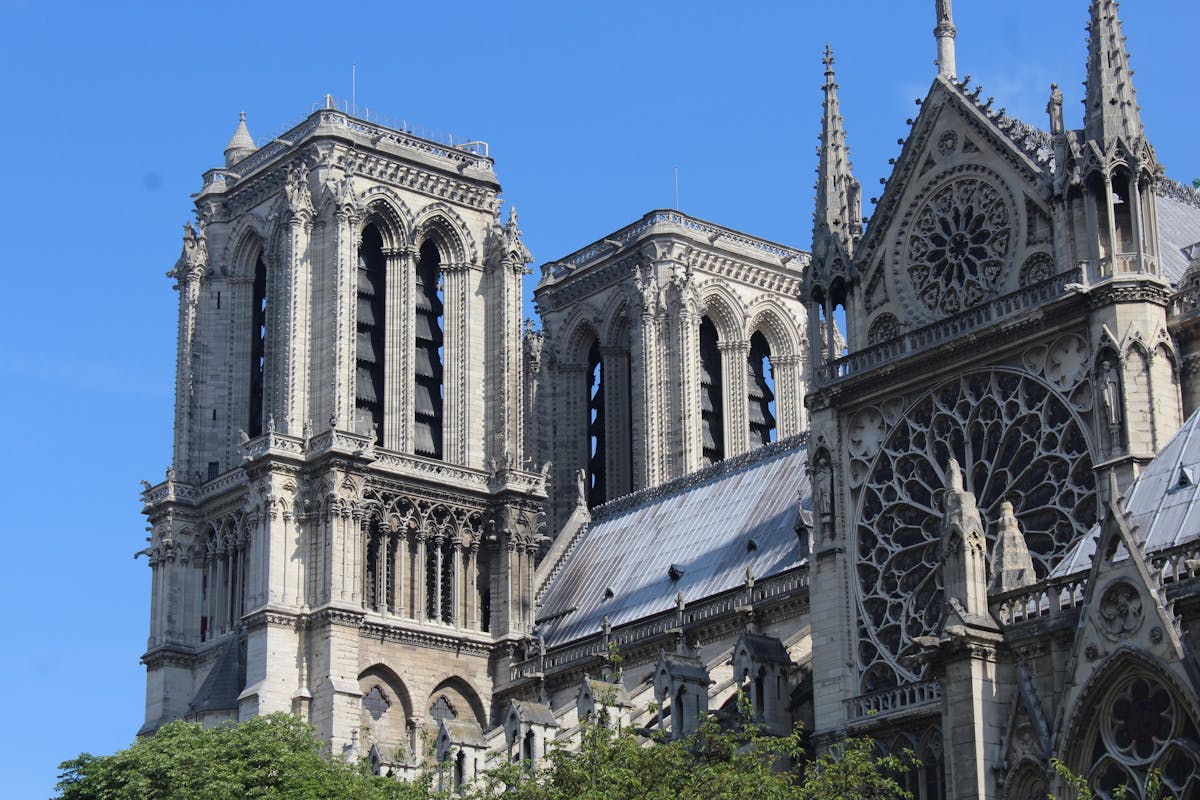
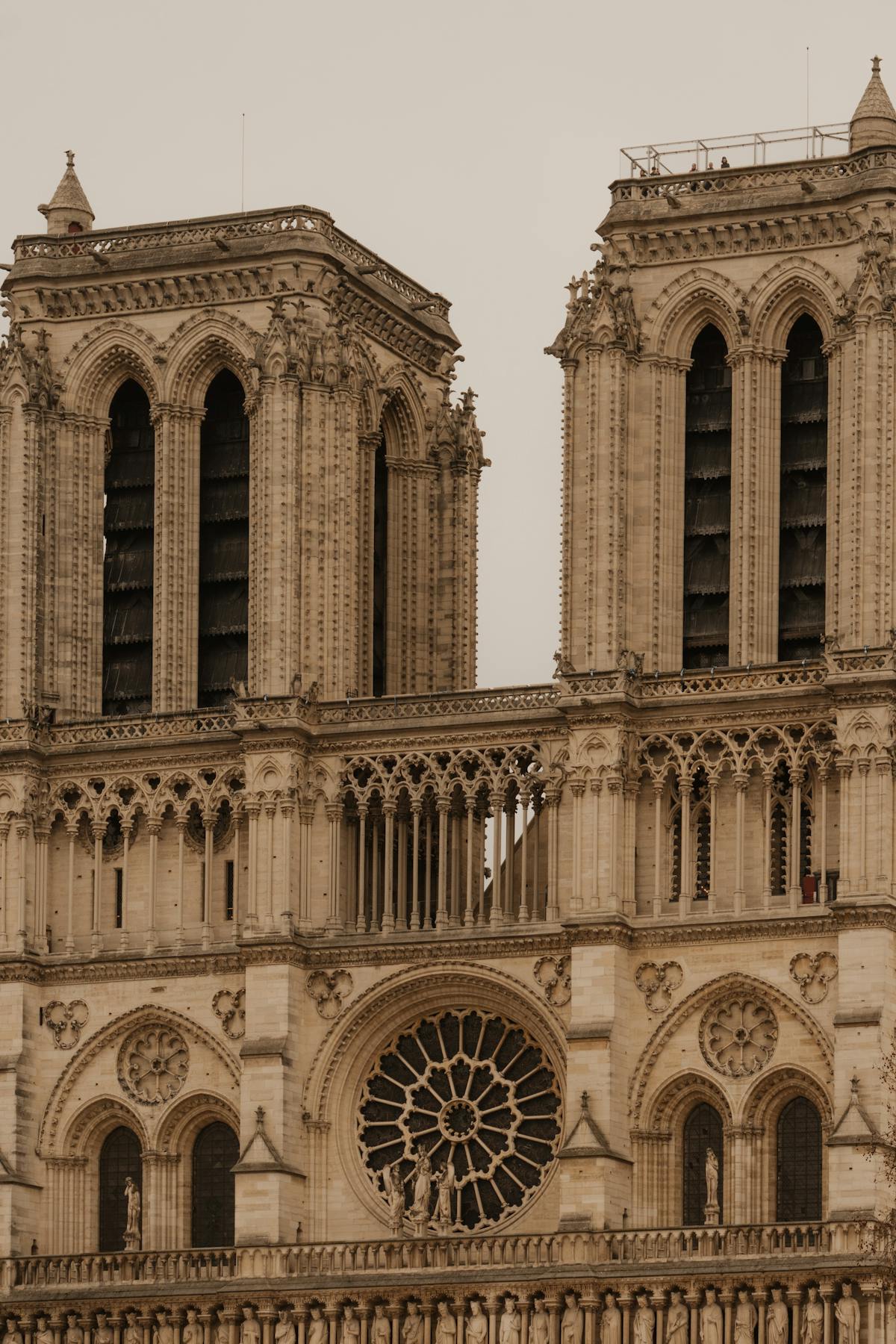
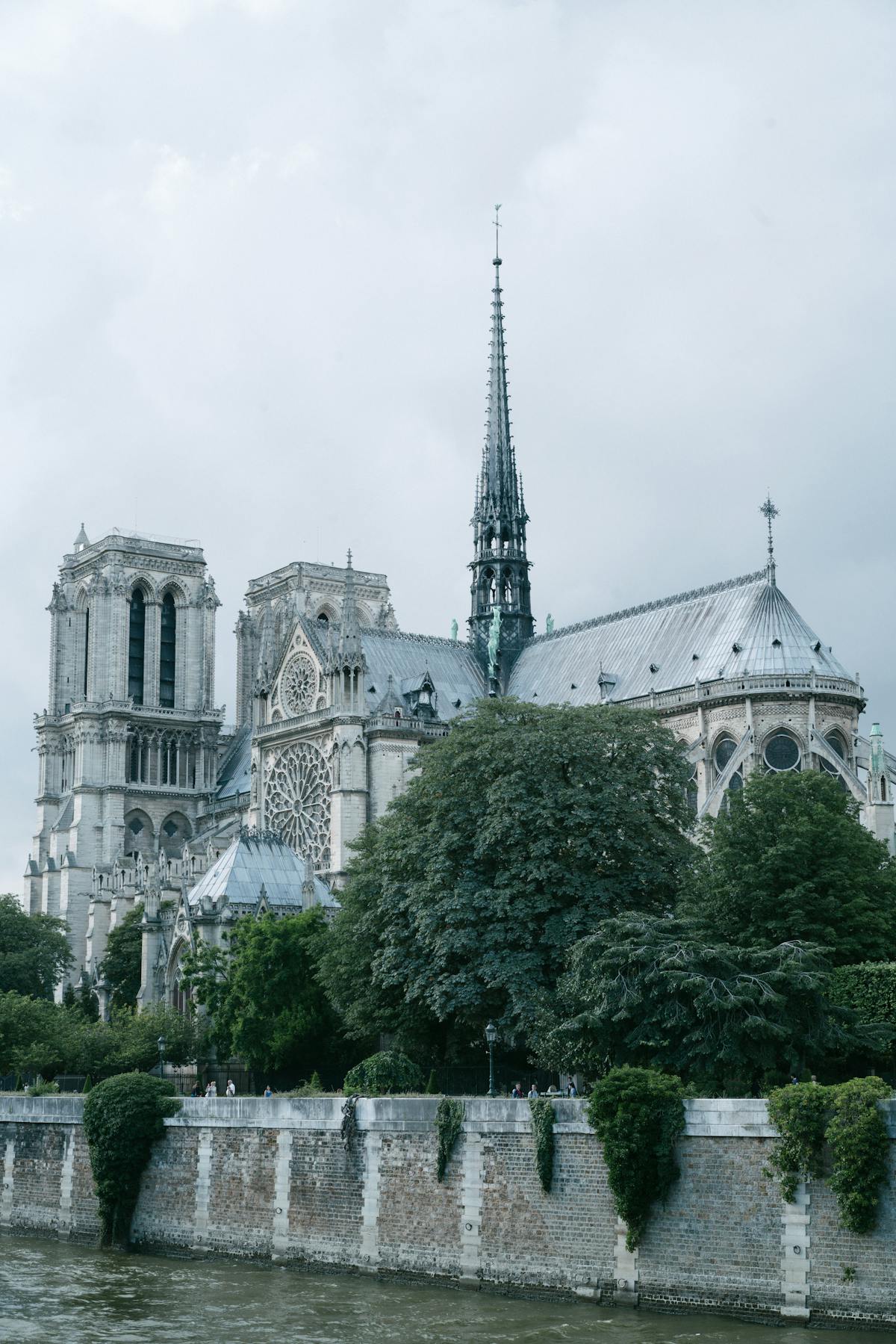
Best guided tour: Interior and Exterior Guided Tour — $15. The cheapest guided option and the highest rated. Covers both the outside and inside with a local guide who actually knows the history.
Most unique experience: Eternal Notre-Dame VR Experience — $36. Straps you into a VR headset and walks you through 800 years of the cathedral history, including the fire. Nothing else like it in Paris.
Best deep dive: Ile de la Cite Walking Tour with Crypt — $47. Covers the whole island including the archaeological crypt underneath the parvis. Two hours well spent.
- How to Visit Notre-Dame Right Now
- Free Entry vs. Guided Tours
- The Best Notre-Dame Tours to Book
- 1. Interior and Exterior Guided Tour —
- 2. Eternal Notre-Dame VR Experience —
- 3. Exterior Tour with Cathedral Entrance —
- 4. Ile de la Cite and Notre-Dame Walking Tour with Crypt —
- When to Visit Notre-Dame
- How to Get There
- Tips That Will Save You Time
- What You Will Actually See Inside
- More Paris Guides
- More France Guides
How to Visit Notre-Dame Right Now
The cathedral is open daily. Current hours are 8am to 7pm on most days, with extended hours to 9:45pm on Fridays and Saturdays. Mass services happen regularly, and during those times tourism access is limited — check the schedule on the official site before you go.
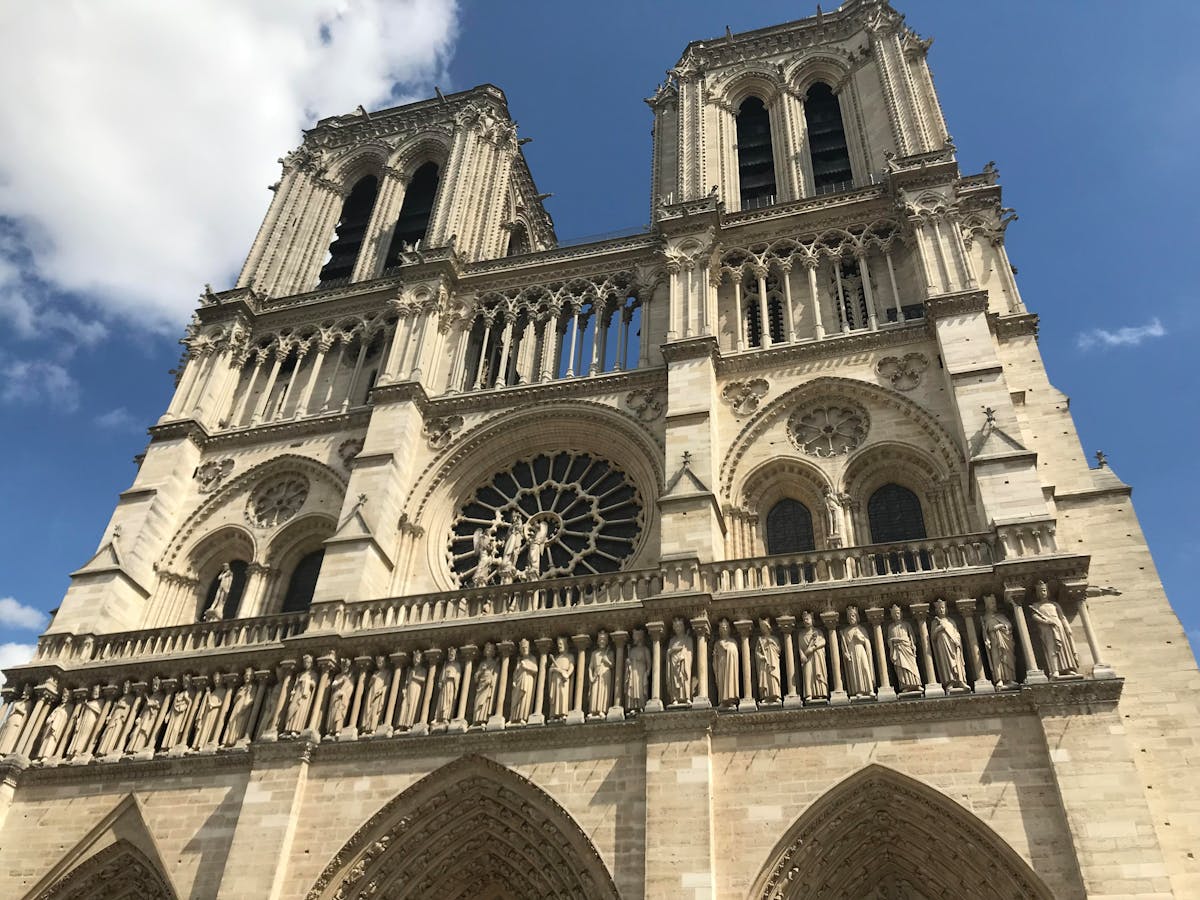
Entry is free and no reservation is required. The cathedral has a timed reservation system through its official website at notredamedeparis.fr, but it is optional. Having a reservation lets you skip ahead in the queue, which during peak season can save you 30-60 minutes. Without one, you join the general line on the parvis.
The general queue moves faster than you would expect. Most people spend 10-20 minutes on weekday mornings, though it can stretch past an hour on summer afternoons and weekends. If you are visiting between June and September, I would strongly recommend either booking a timed slot or arriving before 8:30am.
Security screening is airport-style: bags are scanned, large backpacks and suitcases are not allowed inside. Leave the big luggage at your hotel.
Free Entry vs. Guided Tours
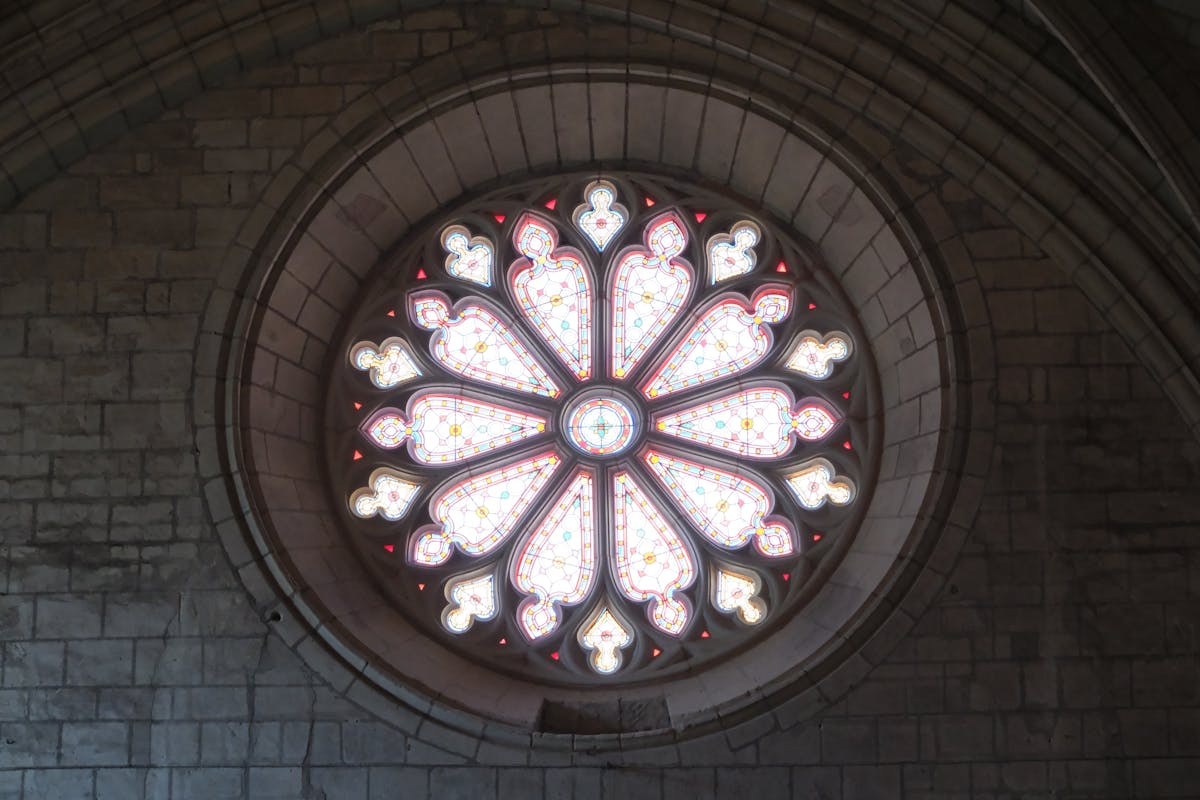
Free entry gets you access to the full nave, the choir, the ambulatory, and the treasury. You can stand in front of the rose windows, walk the side aisles, and see the Crown of Thorns reliquary. It is a genuinely complete experience — Notre-Dame does not hold anything behind a paywall.
So why would you pay for a guided tour?
Two reasons. First, context. Notre-Dame has 861 years of history layered into every stone, and most of it is not labeled. Without a guide, you will admire the architecture and move on. With a good guide, you will learn why the portals depict the Last Judgment, how the flying buttresses actually saved the walls during the fire, and where to find the 13th-century stonework that survived everything from the Revolution to the bombing of Paris in 1944.
Second, access. Some guided tours include the archaeological crypt beneath the parvis, which you cannot enter on a standard free visit. The crypt contains ruins from Roman-era Lutetia and medieval Paris — layers of the city stacked on top of each other. It is genuinely fascinating, and most visitors walk right over it without knowing it exists.
My honest take: if this is your first time, go inside for free, then book a guided tour separately if the history hooks you. If you are a repeat visitor or a history person, skip the free queue and go straight for a guided option.
The Best Notre-Dame Tours to Book
I have gone through the available tours and picked four that cover different angles and budgets. All of these are well-reviewed and run by established operators.
1. Interior and Exterior Guided Tour — $15
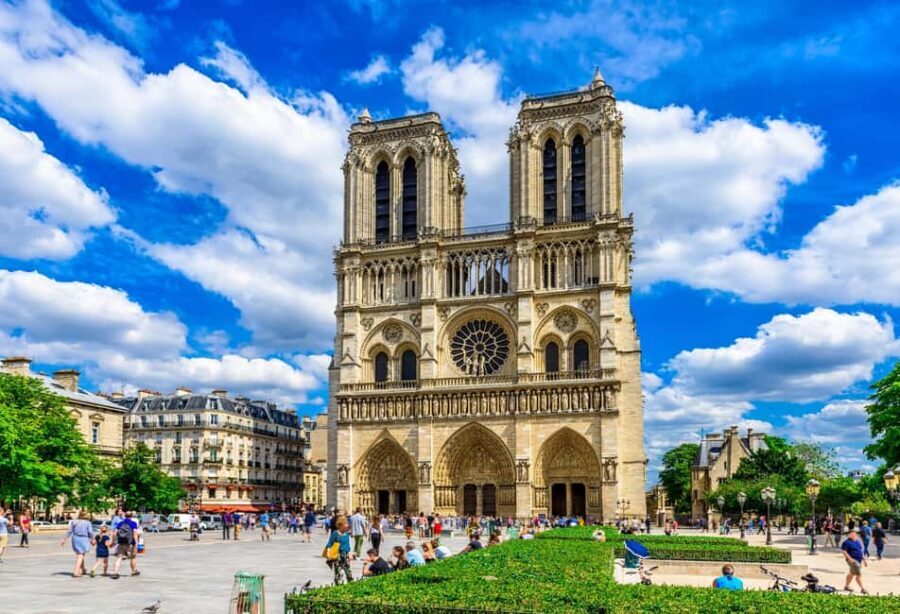
This is the one I would recommend to most people. At $15, it is the lowest-priced guided tour available, and it covers both the exterior (portal sculptures, Gallery of Kings, flying buttresses) and the interior (nave, rose windows, choir, relics). One hour, small-ish groups, and the guides are licensed Paris historians.
The combination of outside and inside coverage means you will not need to do a separate walking tour of the facade. It is efficient, it is affordable, and it gets consistently strong marks from visitors. If you only book one thing at Notre-Dame, this is the one.
2. Eternal Notre-Dame VR Experience — $36
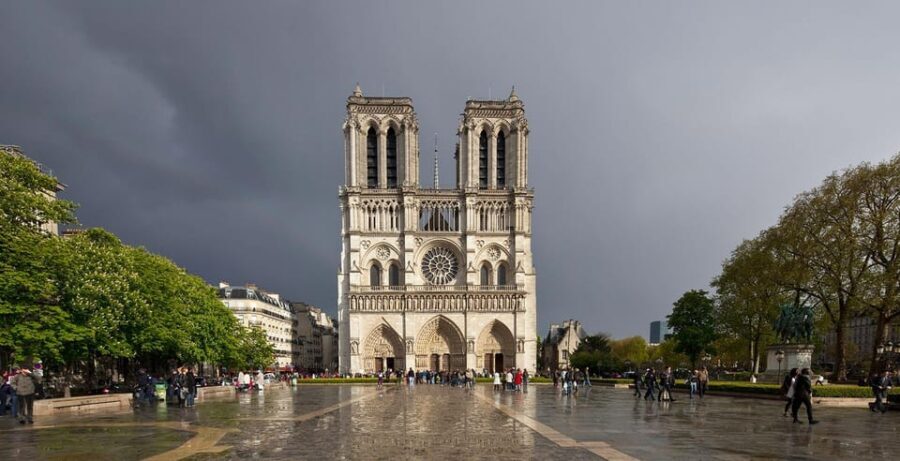
This is unlike anything else on the list. The Eternal Notre-Dame VR experience puts you in a headset and walks you through the cathedral across eight centuries — medieval construction, Napoleon coronation, the fire, and the rebuild. It runs in a dedicated venue right next to the cathedral.
It is 45 minutes long and surprisingly moving. The recreation of the fire sequence is intense. If you are traveling with teenagers who might zone out during a traditional guided tour, this is the one that will actually hold their attention. $36 per person is reasonable for a premium VR experience in central Paris, though it is worth noting this is not a tour of the actual cathedral — it is entirely virtual.
3. Exterior Tour with Cathedral Entrance — $29
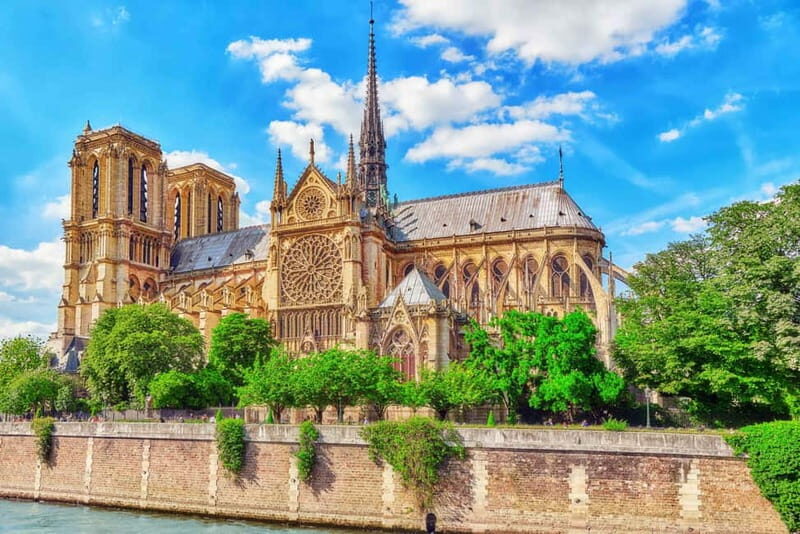
This is the most popular Notre-Dame tour by booking volume, and I think that is partly because the name is straightforward: you get a guided exterior walk plus guaranteed cathedral entry. The guide covers the major facade elements — the three portals, the gargoyles, the Gallery of Kings — before taking you inside.
At $29 it sits in the middle of the price range. One hour total, which is tight but manageable. The trade-off compared to the $15 option above is that this one puts more emphasis on the exterior, which is arguably where the best stories are (the Revolution-era statue beheadings, the medieval drainage system, Viollet-le-Duc 19th-century additions). The rating is lower than the interior-focused tour, though, so manage your expectations accordingly.
4. Ile de la Cite and Notre-Dame Walking Tour with Crypt — $47

If you want the full picture, this is the tour to book. The Ile de la Cite walking tour covers not just Notre-Dame but the entire island — the Conciergerie where Marie Antoinette was imprisoned, the flower market, Sainte-Chapelle exterior, and the medieval street layout. Then it takes you underground to the archaeological crypt.
At $47 for 90 minutes, it is the priciest option on this list, but you are getting considerably more coverage. The crypt is the real draw here — most travelers do not even know it exists, and seeing Roman-era foundations directly beneath the cathedral square puts 2,000 years of Paris into physical perspective. Best for history enthusiasts or anyone who wants to understand the Ile de la Cite as a whole, not just the cathedral in isolation.
When to Visit Notre-Dame
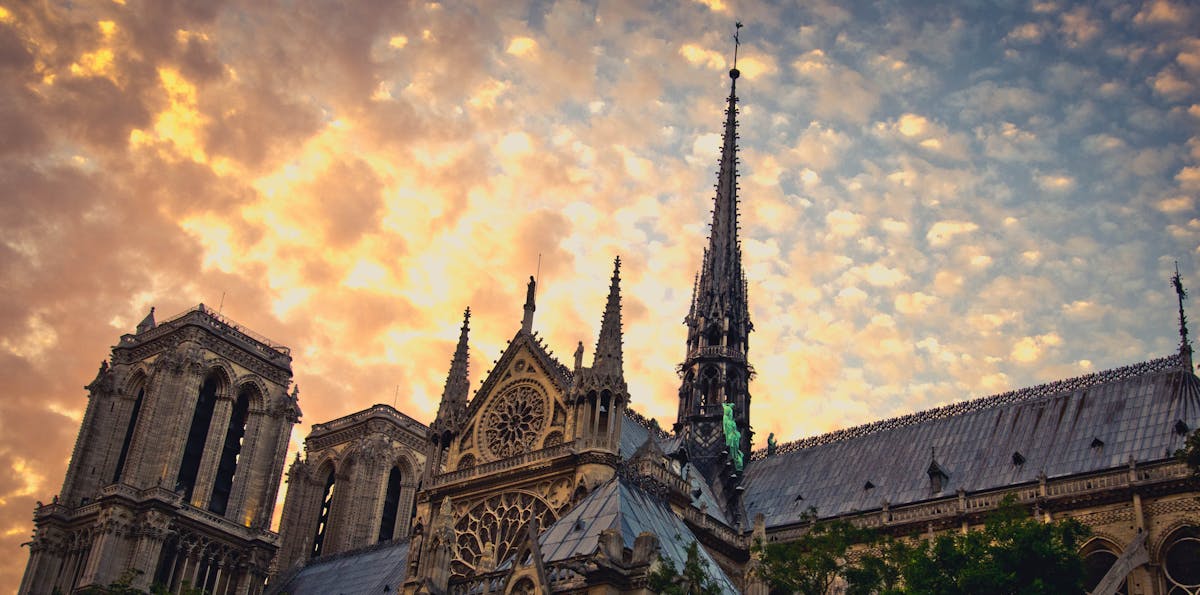
Best time: Weekday mornings between 8am and 10am, especially in shoulder season (March-May, October-November). The cathedral is quieter, the light through the east windows is at its best, and you will actually be able to stand still and look up without being jostled.
Worst time: Weekend afternoons in July and August. The queue can stretch past an hour, the interior gets packed, and the experience feels rushed. If summer is your only option, go at opening or after 5pm.
Friday and Saturday evenings are underrated. The cathedral stays open until 9:45pm, and something shifts after 7pm — the tour groups leave, the light changes, and the space feels closer to what it must have been like for the people who actually worshipped here. If you are choosing between a daytime and an evening visit, pick the evening.
Sunday mornings feature Mass services. The cathedral is open for worship, not tourism, during these hours. You are welcome to attend, but walking around with a camera during Mass is not appropriate.
How to Get There
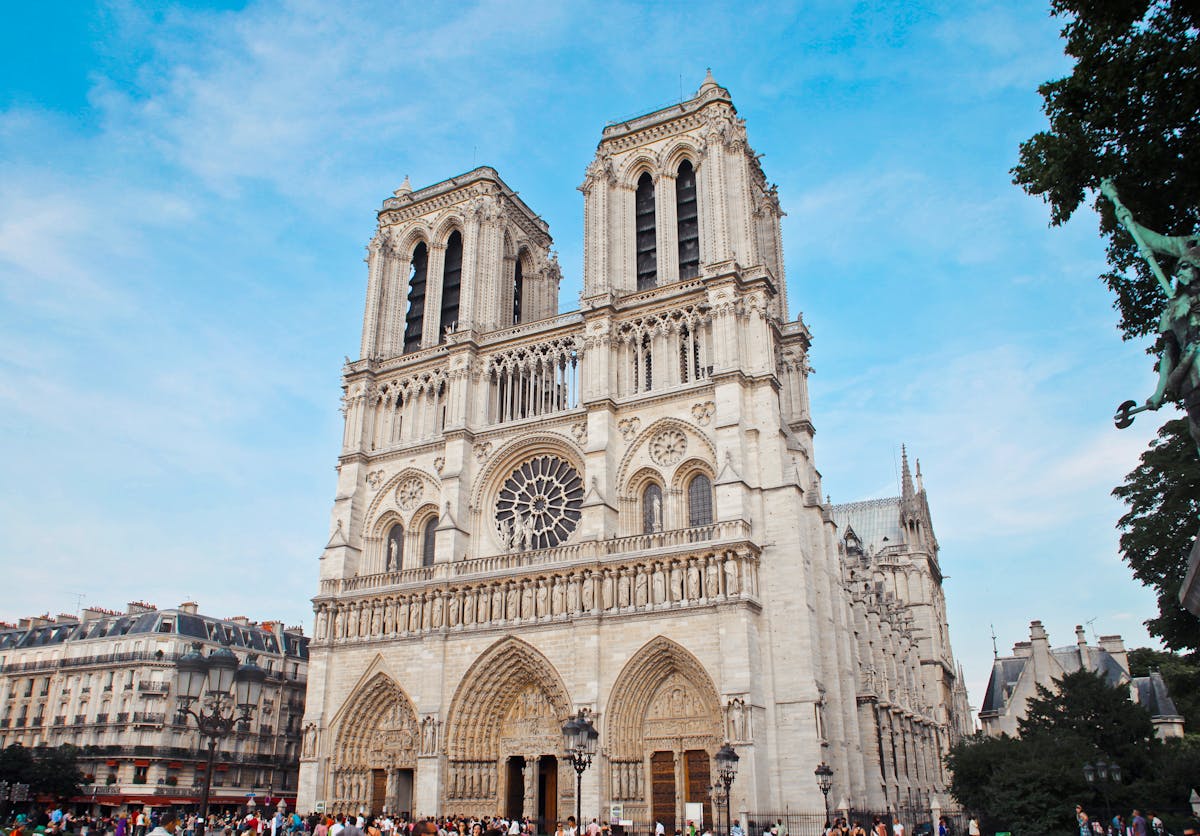
Metro: The closest station is Cite (Line 4), which drops you about 200 metres from the cathedral entrance. Saint-Michel — Notre-Dame (RER B and C) is on the Left Bank side, a 5-minute walk across the Pont au Double.
Bus: Lines 21, 38, 47, and 85 all stop within a few minutes walk. The bus is a good option if you are coming from the Marais or the Latin Quarter and do not want to deal with Metro transfers.
Walking: From the Louvre, it is about 20 minutes along the Seine — one of the best walks in Paris. From the Latin Quarter (Saint-Germain-des-Pres), cross the Pont de l Archeveche and you are there in 10 minutes. From the Marais, cross the Pont Louis-Philippe to the Ile Saint-Louis, then cross again to the Ile de la Cite.
No dedicated parking. If you are driving in Paris (brave choice), the nearest underground car park is beneath the parvis itself — Parking Notre-Dame. It fills up quickly on weekends.
Tips That Will Save You Time
Book a free timed reservation. Even though it is optional, the dedicated queue for reservation holders moves much faster. It takes two minutes on the official website and costs nothing.
Visit on a Tuesday or Wednesday. These are statistically the quietest days. Monday is also decent, but some nearby attractions are closed on Mondays, which pushes more people toward Notre-Dame.
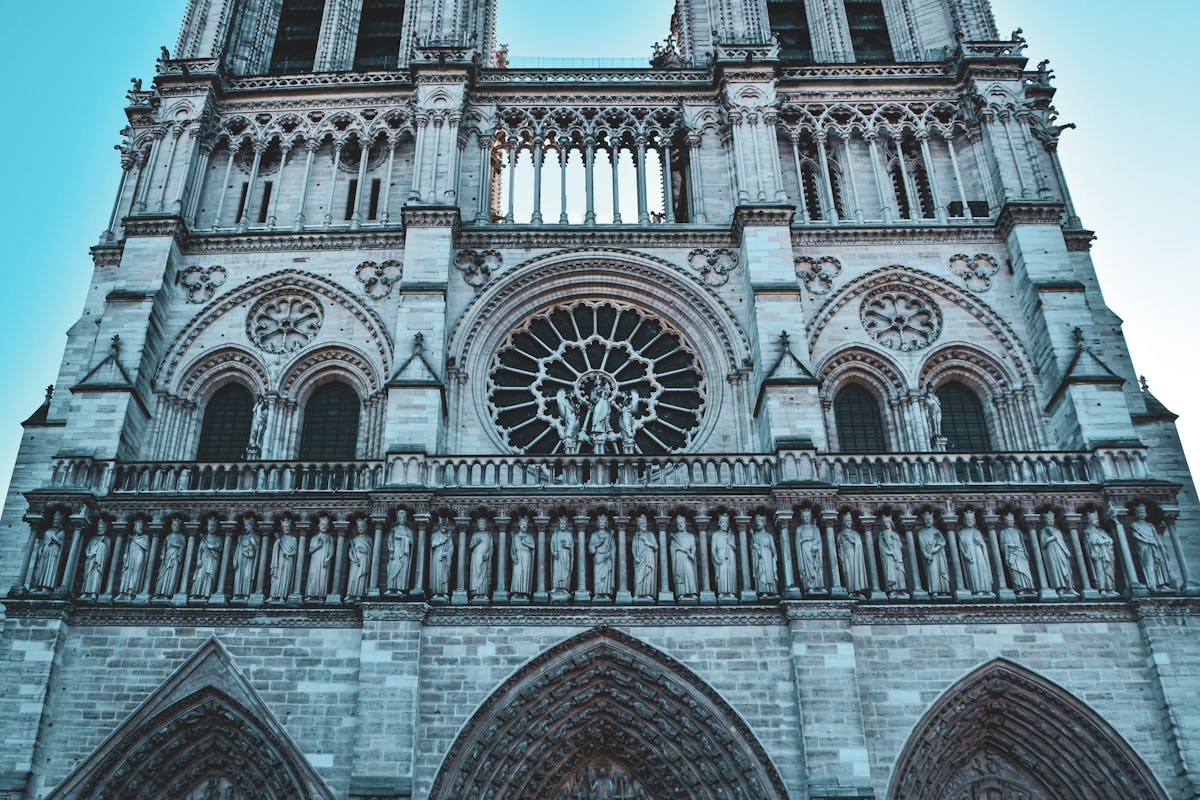
Do not skip the exterior. Most visitors rush inside and barely glance at the facade. The three portals alone could keep you occupied for 20 minutes if you actually look at the sculptural details — hundreds of carved figures telling the story of the Last Judgment, the life of the Virgin Mary, and the legend of Saint Anne.
Walk around the entire building. The flying buttresses on the south and east sides are architectural engineering at its most elegant, and the small Square Jean XXIII garden behind the apse is a calm spot to sit and take it in.
The towers are not yet open to the public as of early 2026. When they reopen, expect a separate ticket and limited capacity. Check the official site for updates before your trip.
Dress code is enforced. Shoulders and knees should be covered. They will turn you away in very short shorts or bare shoulders, same as any working church in Europe.
What You Will Actually See Inside

The interior of Notre-Dame is brighter than it was before the fire. The restoration team cleaned centuries of candle soot and grime from the stone walls, and the result is dramatic — pale, luminous Lutetian limestone where there used to be blackened surfaces. The vaulted ceiling rises 35 metres above the nave floor, and the sense of vertical space hits you the moment you step inside.
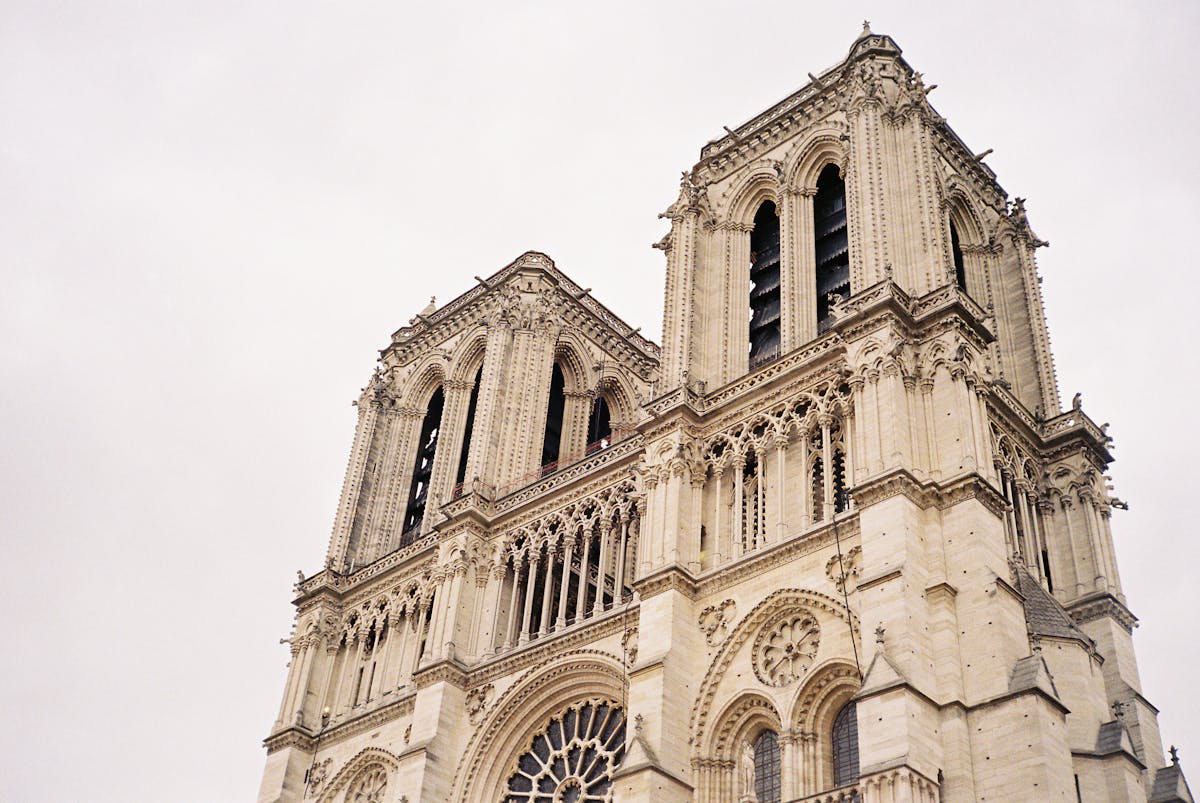
The three rose windows are the stars. The north rose, dating from around 1250, is considered one of the finest examples of medieval stained glass in the world. It depicts Old Testament figures and prophets in deep blues and reds that light up when the afternoon sun hits them. The south rose is even larger — 13 metres in diameter — and shows scenes from the New Testament.
The choir and the high altar were completely rebuilt during the restoration using traditional materials and techniques. The Crown of Thorns — one of Christianity most important relics — is displayed in a new reliquary designed specifically for the reopened cathedral. Whether you are religious or not, the craftsmanship is extraordinary.
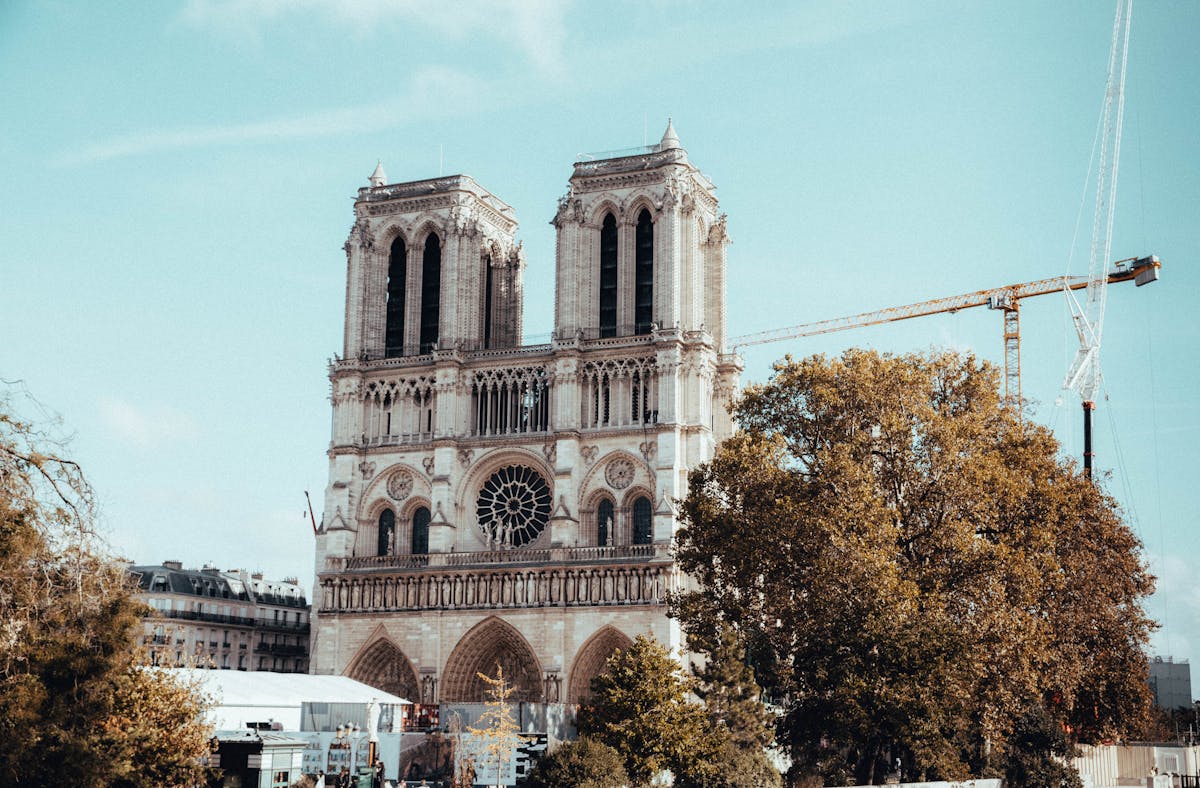
One thing that surprised me: the new furniture. The pews, the altar, and the baptismal font were all commissioned from contemporary artists, and they are strikingly modern against the Gothic stonework. Opinions on this are divided — some people find the contrast jarring, others think it makes the space feel alive rather than frozen in time. I lean toward the second camp, but you will form your own view within about ten seconds of walking in.
More Paris Guides
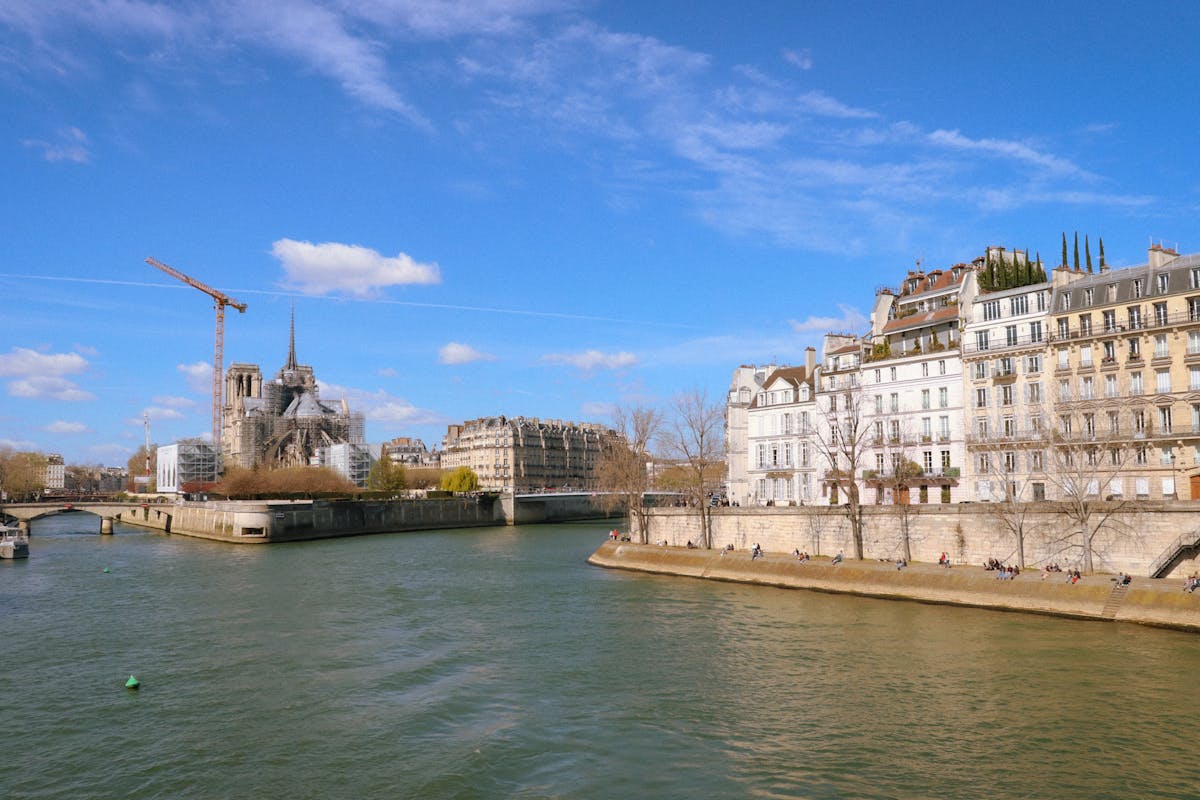
Notre-Dame sits at the geographic and emotional heart of Paris, so you are never far from the next thing worth seeing. Sainte-Chapelle is a five-minute walk from the cathedral parvis — it is smaller and less famous, but its 15 floor-to-ceiling stained glass windows make Notre-Dame rose windows look restrained by comparison. If you visit one church interior in Paris, make it Notre-Dame; if you visit two, add Sainte-Chapelle.
From the Ile de la Cite, the Louvre is a 20-minute walk along the right bank of the Seine, and we have put together a full guide on how to get Louvre tickets that covers skip-the-line options and the best times to go. The Eiffel Tower is reachable in about 30 minutes on foot or one Metro ride, and it pairs well with a late afternoon Notre-Dame visit followed by sunset at the tower. And if your feet are done for the day, a Seine river cruise departing from near Pont Neuf passes directly under Notre-Dame south side — it is the laziest and arguably most beautiful way to end a day in Paris. For those with a full day to spare, Versailles is an easy train ride from central Paris and worth every minute of the trip.
More France Guides
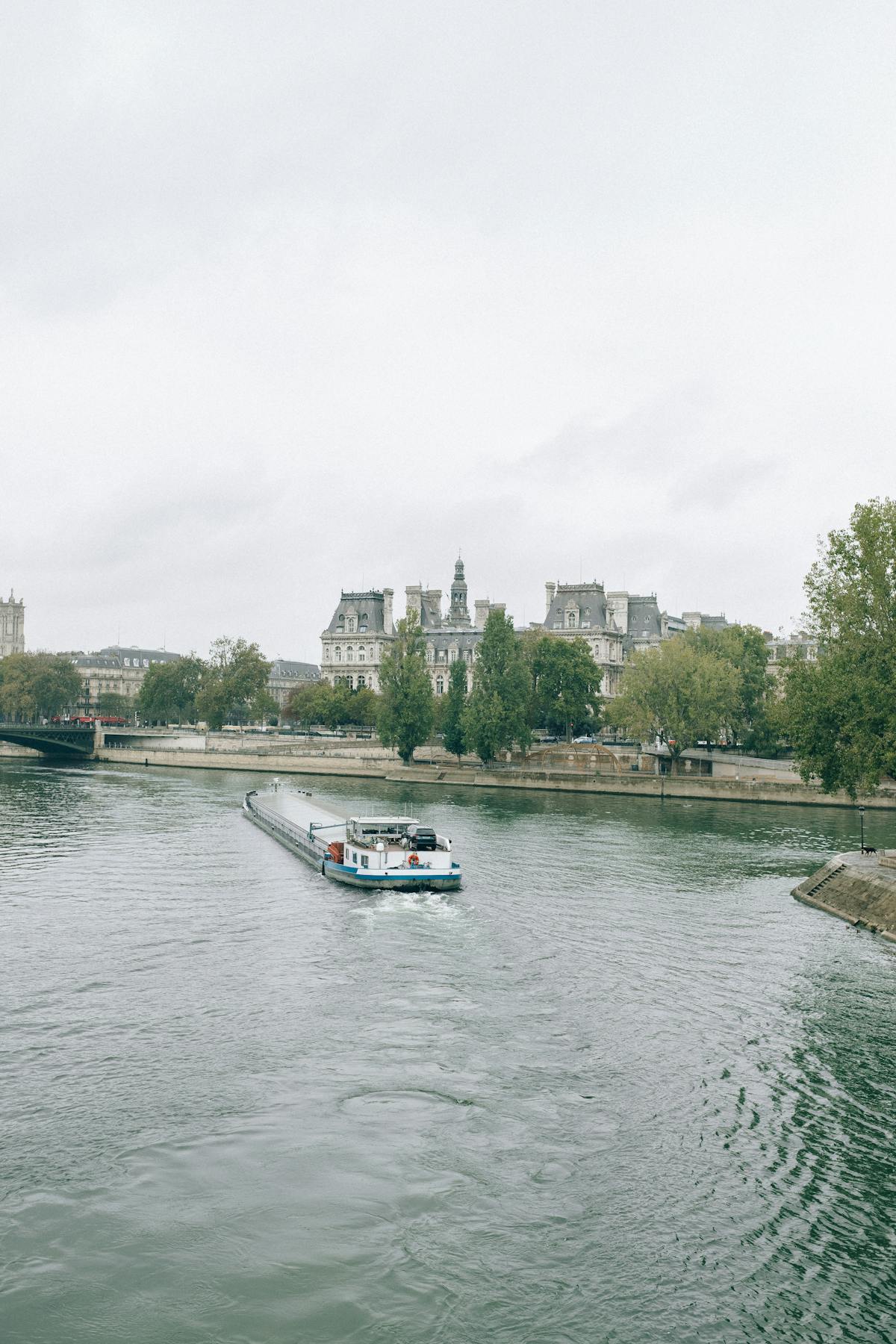
Notre-Dame sits on the Ile de la Cite, which puts you within walking distance of some of the best things to do in Paris. Sainte-Chapelle is a five-minute walk from the cathedral and holds some of the most extraordinary stained glass in the world — the two make a natural pair. Cross the river south and you can reach the Musee d’Orsay in about fifteen minutes. If you want to see the city from the water instead of the pavement, Seine river cruise boats depart from docks just around the corner. And for a complete change of pace, the Moulin Rouge is a Metro ride north and the kind of over-the-top spectacle that balances out a day of medieval architecture.
This article contains affiliate links. If you book a tour through one of these links, we earn a small commission at no extra cost to you. This helps keep our guides free and independent.