
I almost skipped Pamukkale. Istanbul had me so wrapped up in Bosphorus sunsets and bazaar negotiations that spending an entire day — or two — getting to a calcium deposit in southwestern Turkey felt like a stretch. Then I saw the terraces in someone’s phone gallery at a hostel in Sultanahmet, and that was it. Two days later I was standing barefoot on warm white limestone with thermal water running between my toes, looking out over the Menderes River valley, genuinely stunned that a place like this exists.
Pamukkale sits about 600 kilometres from Istanbul. That’s not a quick pop-over. But the journey is completely worth it, and there are more ways to do it than you’d expect — flights, overnight buses, multi-day tours that bundle Ephesus in. The trick is picking the option that fits your budget and timeline, because getting this wrong can turn a highlight into a headache.
Here’s everything I learned about making the trip work.
Best day trip: Ephesus & Pamukkale Day Trip by Plane — $563. Fly in, see both sites, fly back same day. Expensive but time-efficient.
Best value 2-day: Private 2-Day Pamukkale & Ephesus Tour — $350. Private guide, flights included, and you actually get to slow down and enjoy Pamukkale properly.
Best group experience: 2-Day Ephesus & Pamukkale with Flights — $472. Well-organized group tour with solid guides and good pacing across both days.
- Getting from Istanbul to Pamukkale: Your Options
- Should You Do It as a Day Trip or Stay Overnight?
- The Best Pamukkale Tours from Istanbul
- 1. Ephesus & Pamukkale: Day Trip by Plane from Istanbul — 3
- 2. From Istanbul: Ephesus & Pamukkale 2-Day Trip with Flights — 2
- 3. 2 Days Ephesus and Pamukkale Tours from Istanbul — 0
- 4. From Istanbul: 2 Days Private Pamukkale & Ephesus Tour — 0
- What You’ll Actually See at Pamukkale
- Entry Fees and Tickets
- When to Go
- Tips That Will Actually Help
- How to Get Around Once You’re There
- Doing It Independently vs With a Tour
- Is Pamukkale Worth the Trip from Istanbul?
- More Turkey Guides
Getting from Istanbul to Pamukkale: Your Options

There’s no direct train from Istanbul to Pamukkale and no way to drive it comfortably in a day trip. So you’re really choosing between three approaches, each with distinct trade-offs.
By domestic flight (fastest): Turkish Airlines and Pegasus both fly from Istanbul Airport (IST) to Denizli Cardak Airport (DNZ). The flight takes about 1 hour and 15 minutes. From Denizli airport, Pamukkale is roughly 70 kilometres — about an hour by shuttle or taxi. Round-trip flights run $80-150 depending on when you book. This is the best option if you want to do it as a day trip or have limited vacation days.
By overnight bus (cheapest): Buses leave from Istanbul’s main bus station (Esenler Otogar) to Denizli throughout the day and night. The ride takes 10-12 hours and costs around $15-25 each way with companies like Pamukkale Turizm (yes, they’re named after the destination) or Metro Turizm. The overnight option saves you a hotel night — you sleep on the bus and arrive in the morning. From Denizli’s otogar, minibuses (dolmus) run to Pamukkale town every 20-30 minutes for about $2.
By organized tour (most convenient): Multi-day tours from Istanbul handle all the logistics — flights, ground transport, guide, meals, sometimes even Ephesus. This is what most visitors end up doing, and honestly, for Pamukkale specifically, I’d recommend it. The site is far enough from Istanbul that having someone else handle transfers and timing is genuinely worth the premium.
Should You Do It as a Day Trip or Stay Overnight?
This depends entirely on how much time you have in Turkey.
Day trip by plane is doable but rushed. You’ll fly to Denizli in the morning, get bussed to the site, have maybe 3-4 hours there, then head back for an evening flight. It works, but you’re spending most of your day in transit for a relatively short visit. Some tours bundle Ephesus into the day trip, which sounds incredible on paper but means you’re sprinting through two UNESCO sites.
Two days is the sweet spot. Most 2-day tours from Istanbul do Ephesus on day one and Pamukkale on day two (or vice versa), with a night at a hotel in the region. This gives you proper time at both sites, and you get to see the terraces during golden hour — something the day-trippers miss entirely.
If you’re doing it independently, I’d say stay one night in Pamukkale town. The hotels there are basic but cheap (around $30-50 for a decent double), and being able to hit the terraces first thing in the morning when they open at 6am through the south gate is worth every lira. The place transforms when the crowds aren’t there yet.
The Best Pamukkale Tours from Istanbul
I’ve gone through every tour option that connects Istanbul to Pamukkale. These four stood out — and they’re all genuinely different from each other, not just the same bus with a different logo on the side.
1. Ephesus & Pamukkale: Day Trip by Plane from Istanbul — $563
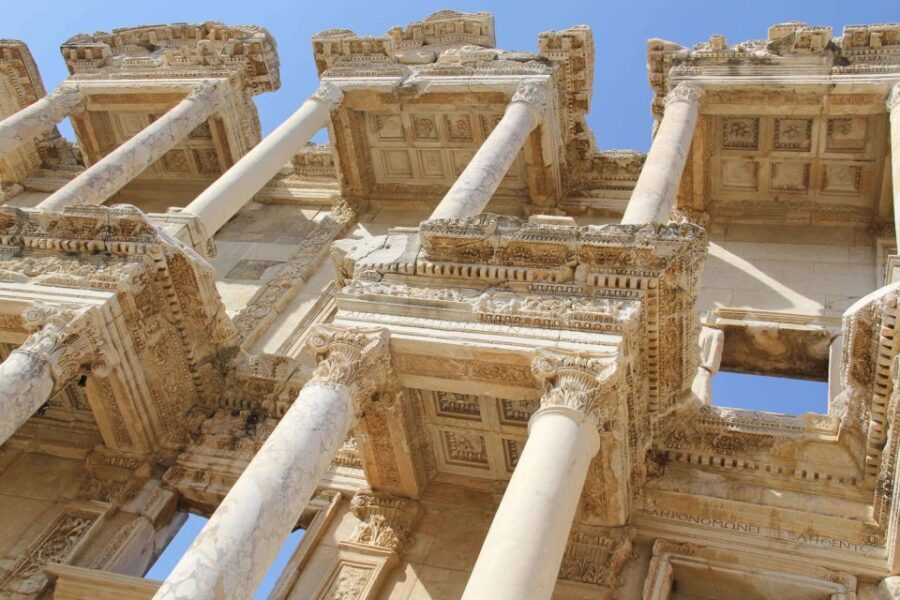
This is the only realistic way to see Pamukkale as a day trip from Istanbul. You fly to Izmir in the morning, spend a few hours at Ephesus with a guide, then drive to Pamukkale for the afternoon. The logistics are tight, and at $563 per person it’s not cheap, but everything is handled — flights, transfers, entrance fees, guide, and lunch.
The guide quality seems to make or break this one. When the guide is good and keeps things moving, it works brilliantly. When they’re not, you feel the time pressure. Best suited for people who only have one free day and want to maximise it. If you have two days, I’d go with a 2-day option instead.
2. From Istanbul: Ephesus & Pamukkale 2-Day Trip with Flights — $472
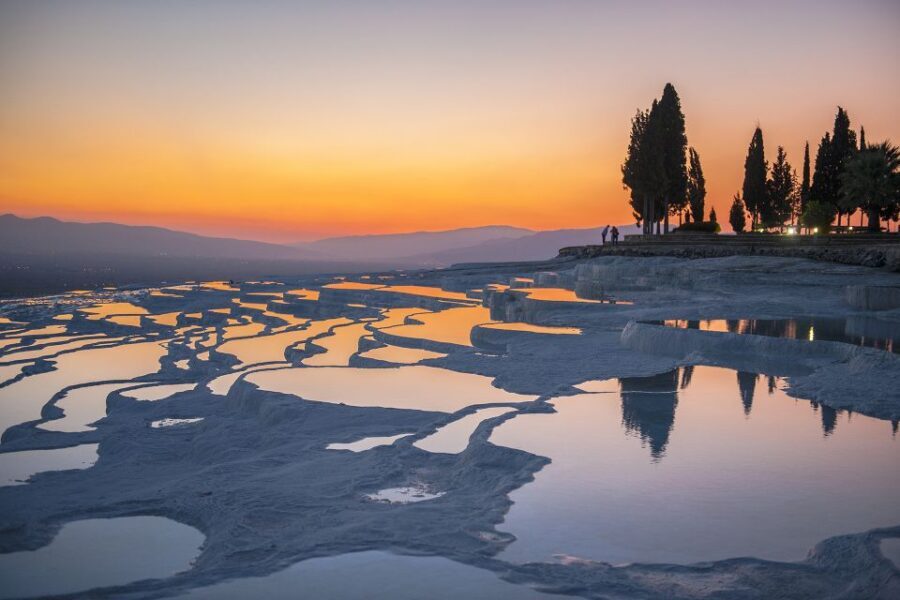
This is probably the best balance of value and experience for most people. Day one covers Ephesus, the House of the Virgin Mary, and the Temple of Artemis. Day two is all Pamukkale — the terraces, Hierapolis ruins, and the Cleopatra Pool. Domestic flights both ways keep your travel time short, and you get a hotel night in between.
At $472, it’s actually cheaper than the day trip option and you get twice as much time at the sites. The group size varies, but the guides tend to be local experts who genuinely know the history. If Pamukkale is on your Turkey must-see list (and it should be), this is the format I’d recommend to most travellers.
3. 2 Days Ephesus and Pamukkale Tours from Istanbul — $820
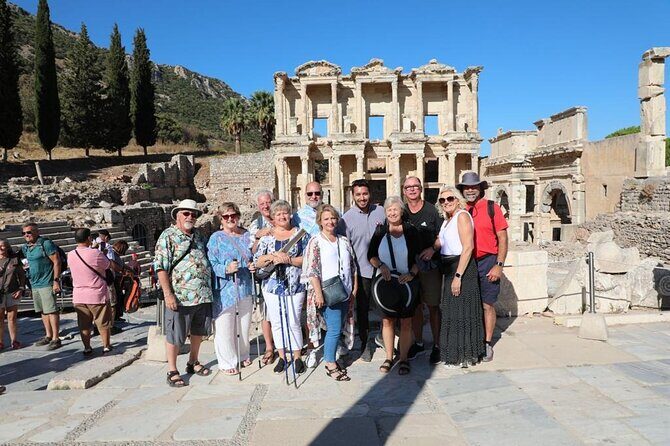
The most expensive option on this list, and whether it’s worth the extra $350 over the group tour depends on what kind of traveller you are. This is a smaller-group experience with higher-end meals and a more relaxed pace. The itinerary covers the same ground — Ephesus day one, Pamukkale day two — but with more time at each stop.
Where this really shines is the guide quality. The reviews consistently praise the guides as exceptionally knowledgeable. At $820, you’re paying a premium, but you’re getting a more polished experience with authentic local lunches and fewer people competing for photo spots. Best for couples or people who care more about the quality of the experience than the price tag.
4. From Istanbul: 2 Days Private Pamukkale & Ephesus Tour — $350
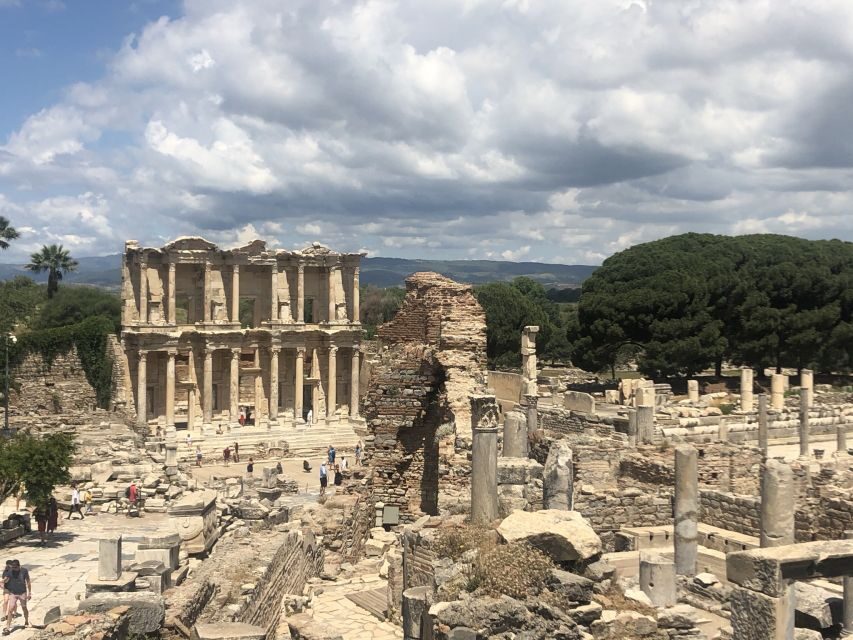
This is the one I’d book if I were doing it again. At $350 per person, it’s the cheapest 2-day option and it’s private — just you, your travel companions, and a guide. That means you can spend an extra 30 minutes at Hierapolis if it grabs you, or skip the souvenir shop the group tours always seem to include.
The guides are local to the Denizli/Izmir region, which means they actually grew up near these sites. The overnight accommodation has reportedly excellent views, and because the tour became essentially private for smaller parties, some travellers got bonus stops that aren’t on the official itinerary. Flights, entrance fees, lunch on both days, and the hotel are all included. For the money, this is hard to argue with.
What You’ll Actually See at Pamukkale
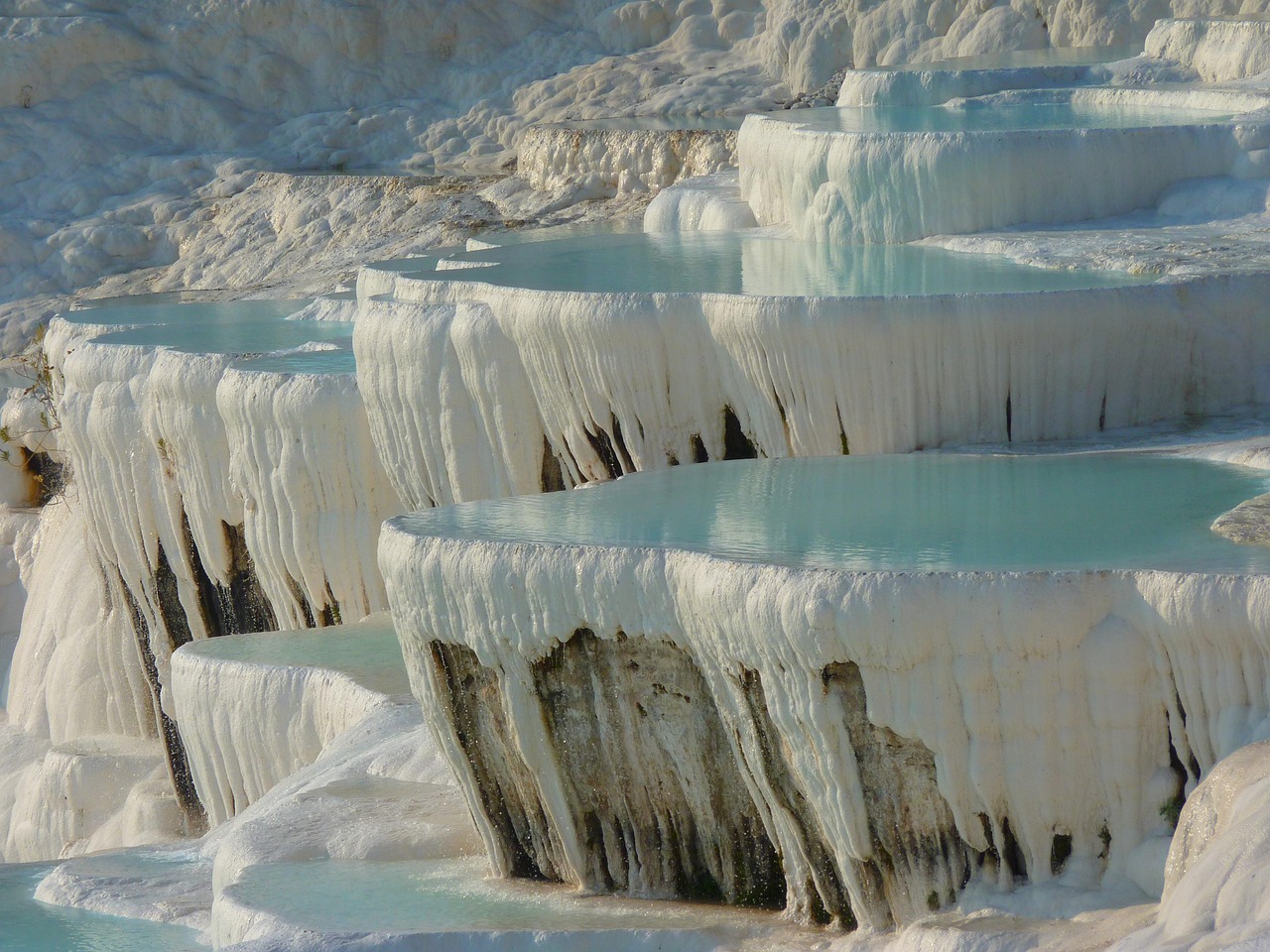
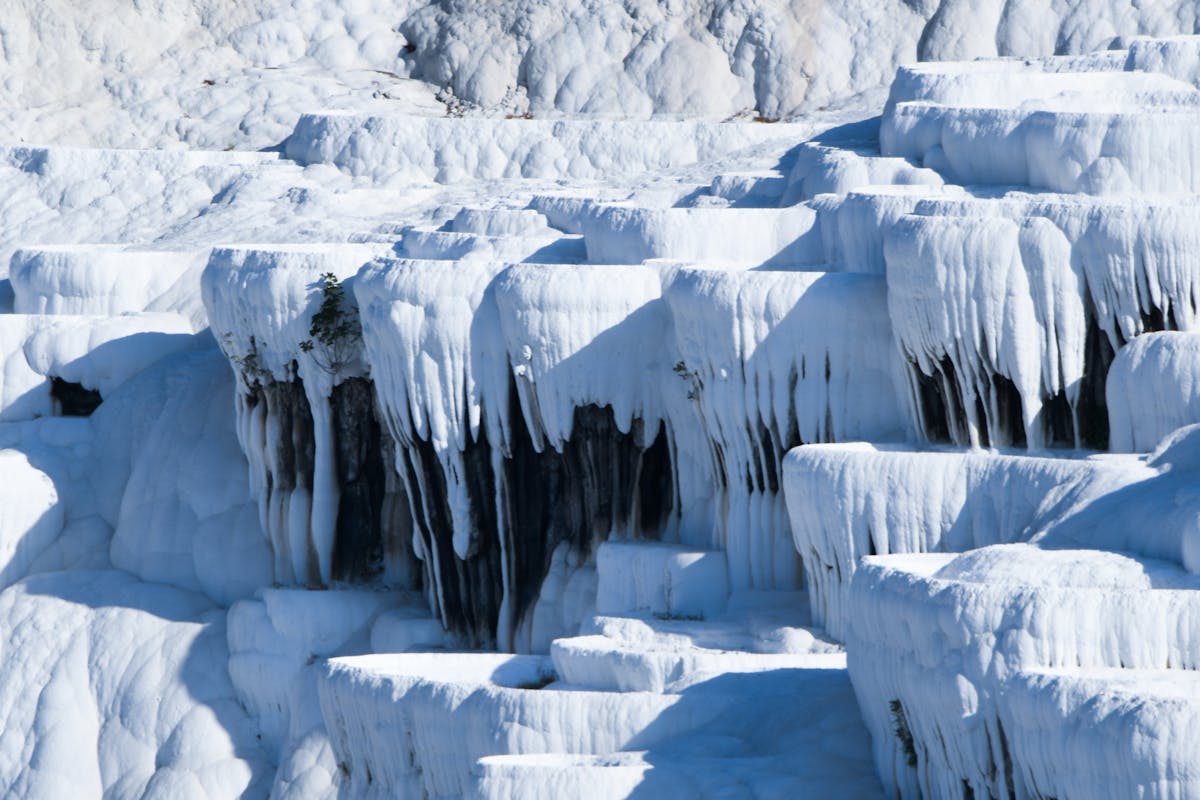
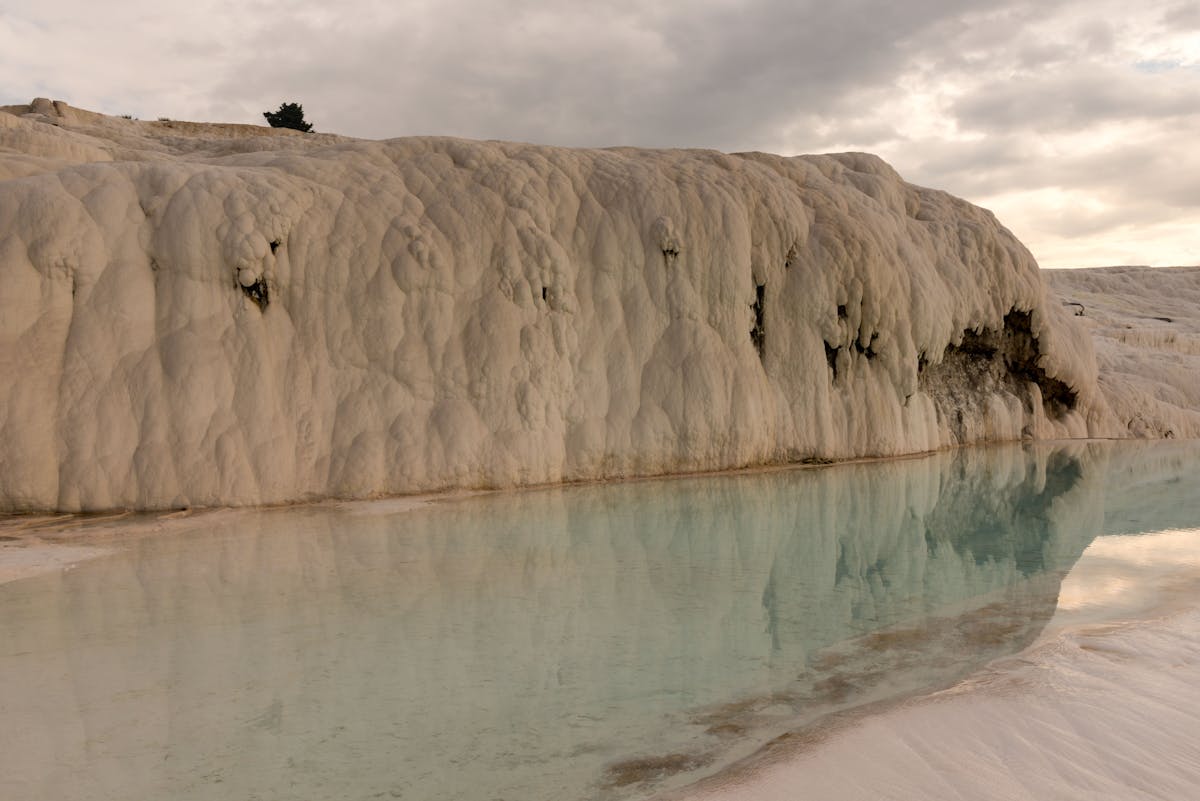
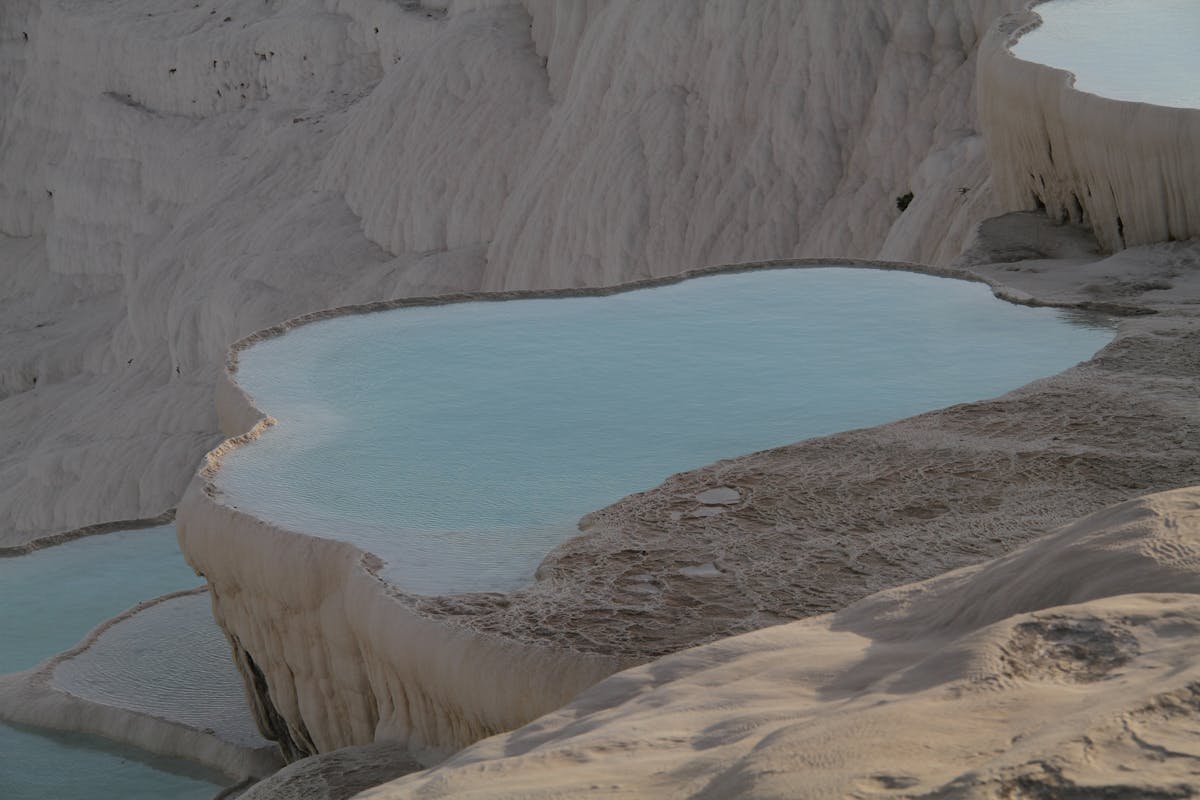
Pamukkale means “cotton castle” in Turkish, and when you see it from the valley floor, you’ll get it immediately. The terraces look like a frozen waterfall made of cloud. In reality, they’re travertine — calcium carbonate deposited over thousands of years by mineral-rich thermal water that seeps from the earth at around 36 degrees Celsius.
The main site has three parts that all fall under one admission ticket:
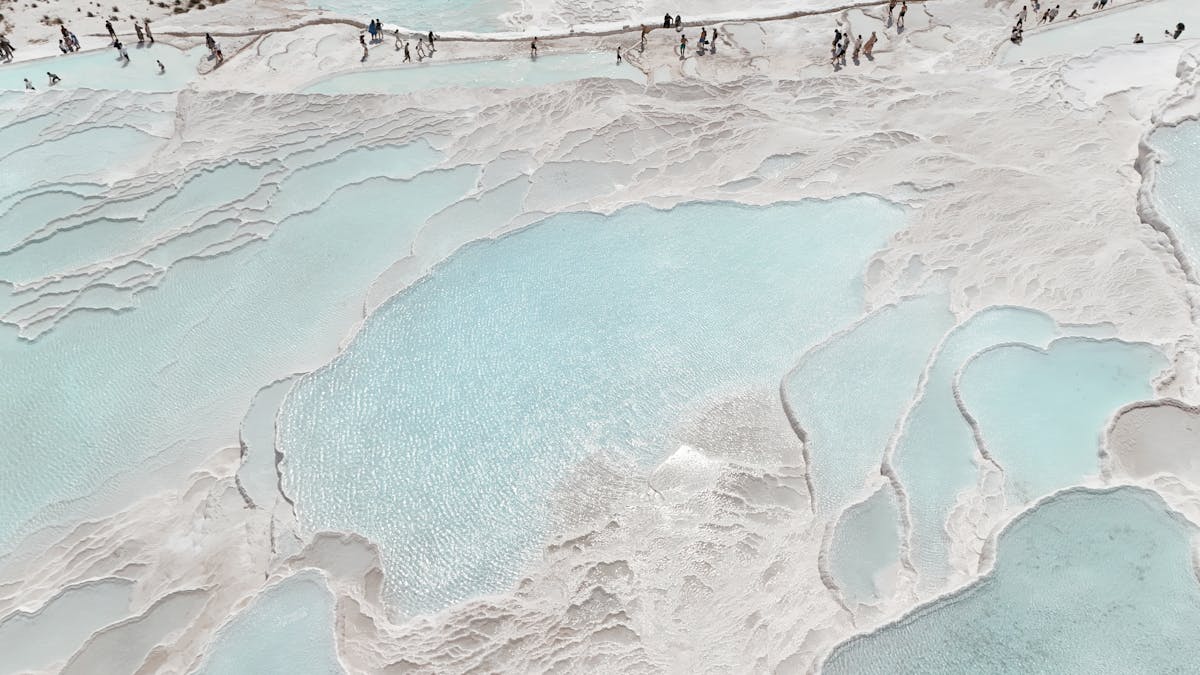
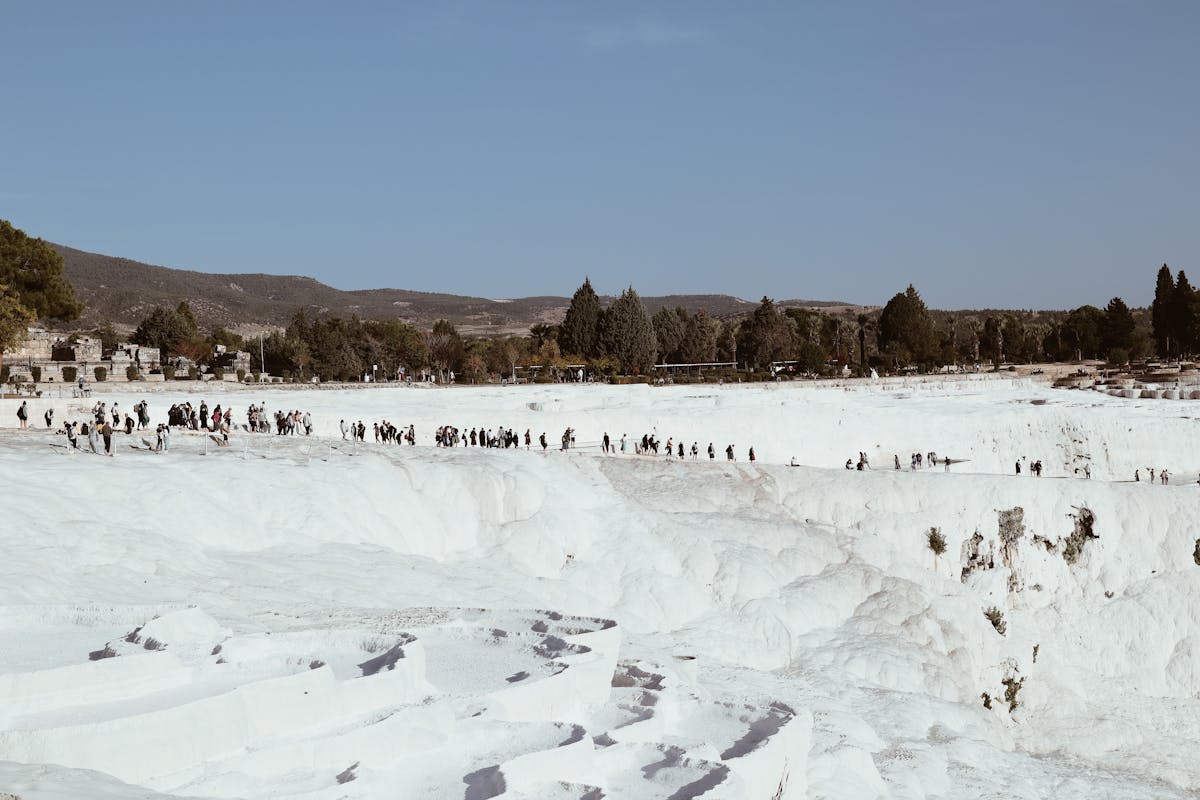
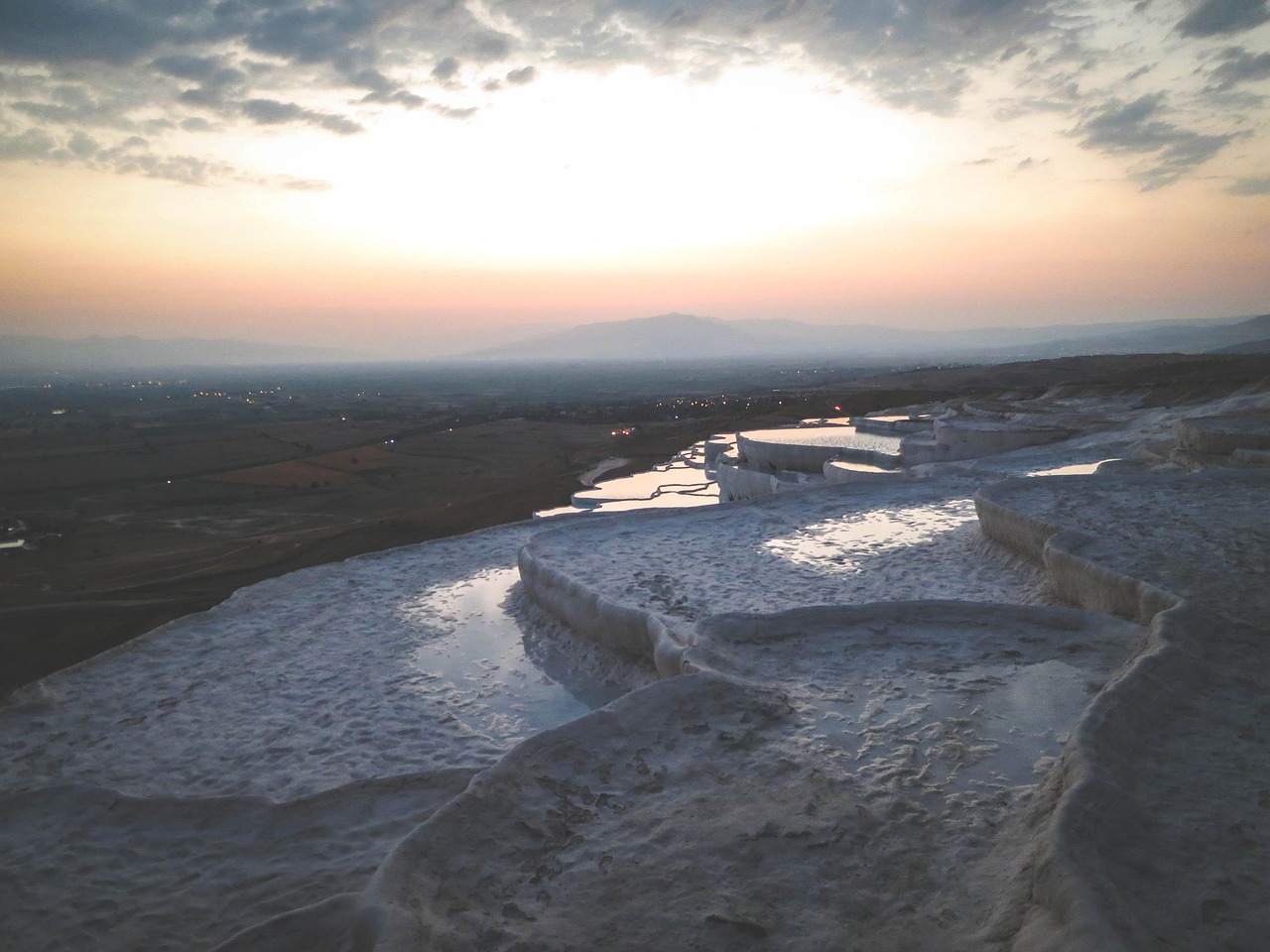
The travertine terraces are the star. You walk barefoot through shallow pools of warm mineral water on bright white calcium formations. Some pools are knee-deep, others barely cover your ankles. The water is slightly milky and genuinely warm — not lukewarm, actually warm. Photography here is incredible, especially in late afternoon when the low sun creates long shadows across the white surface.
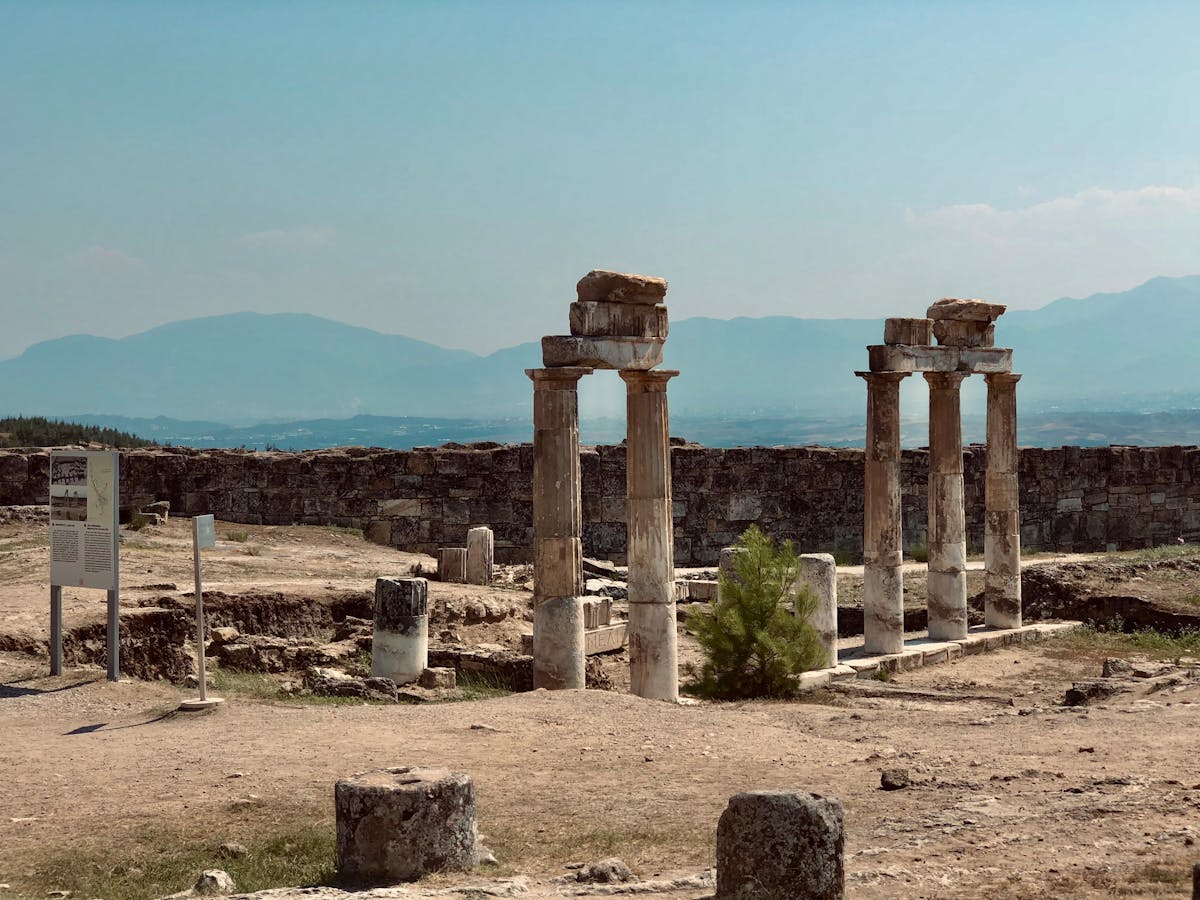
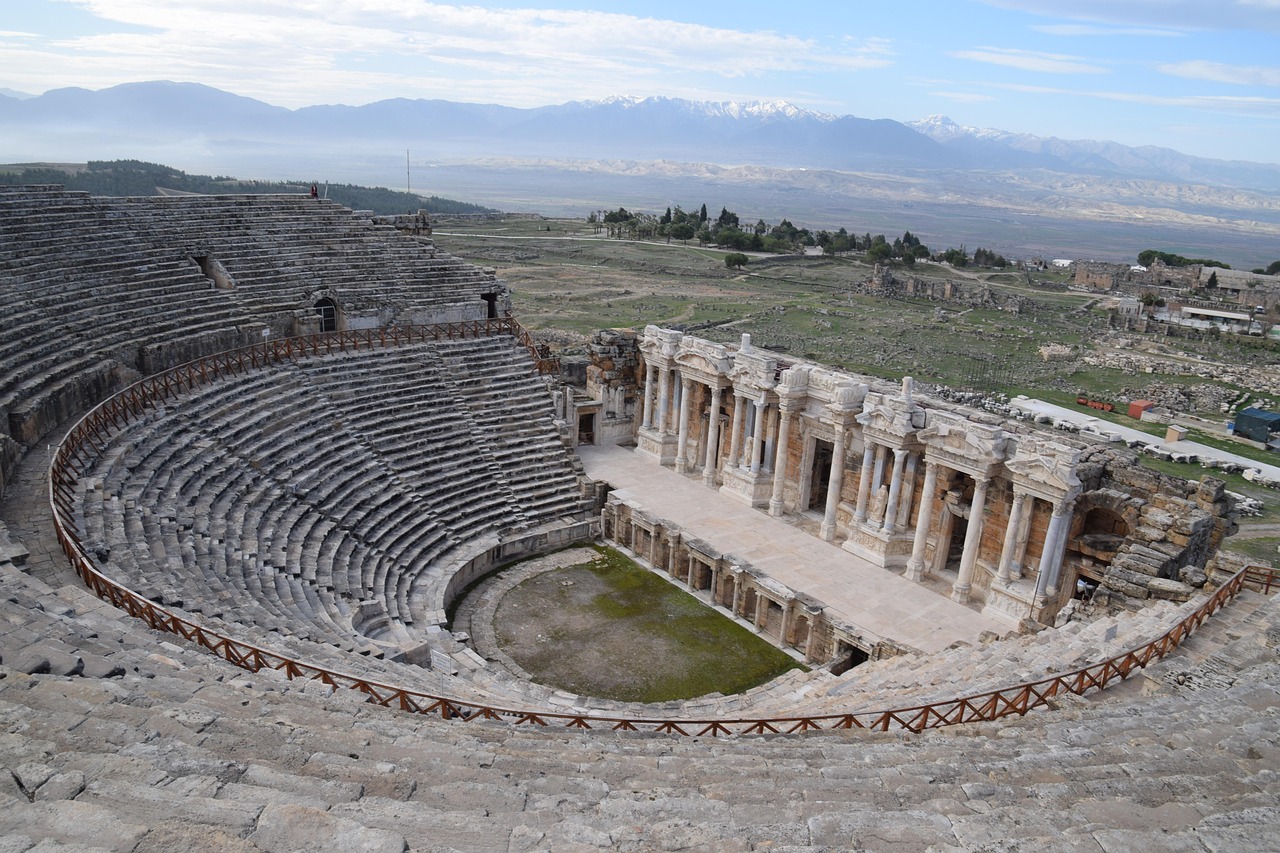
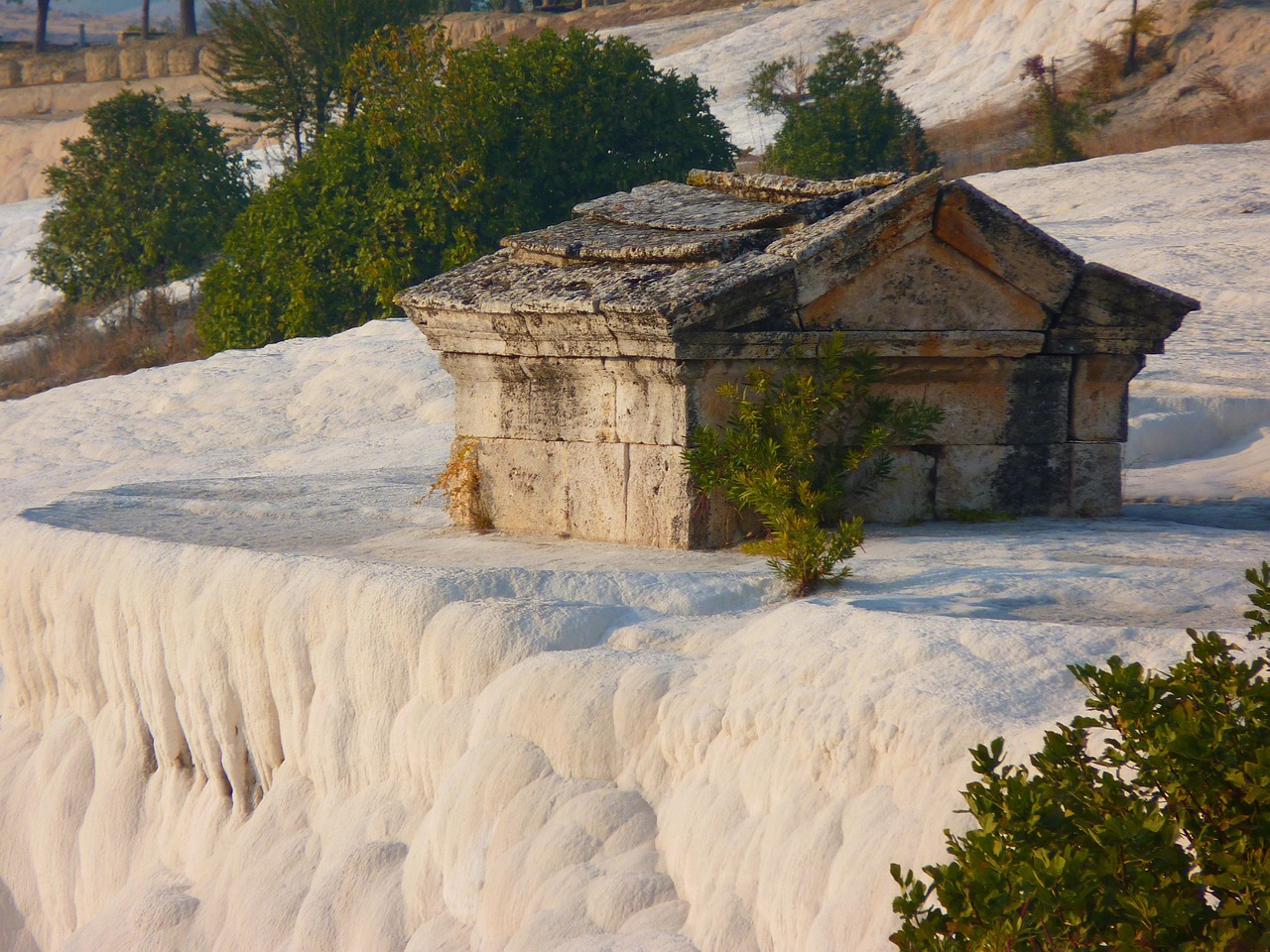
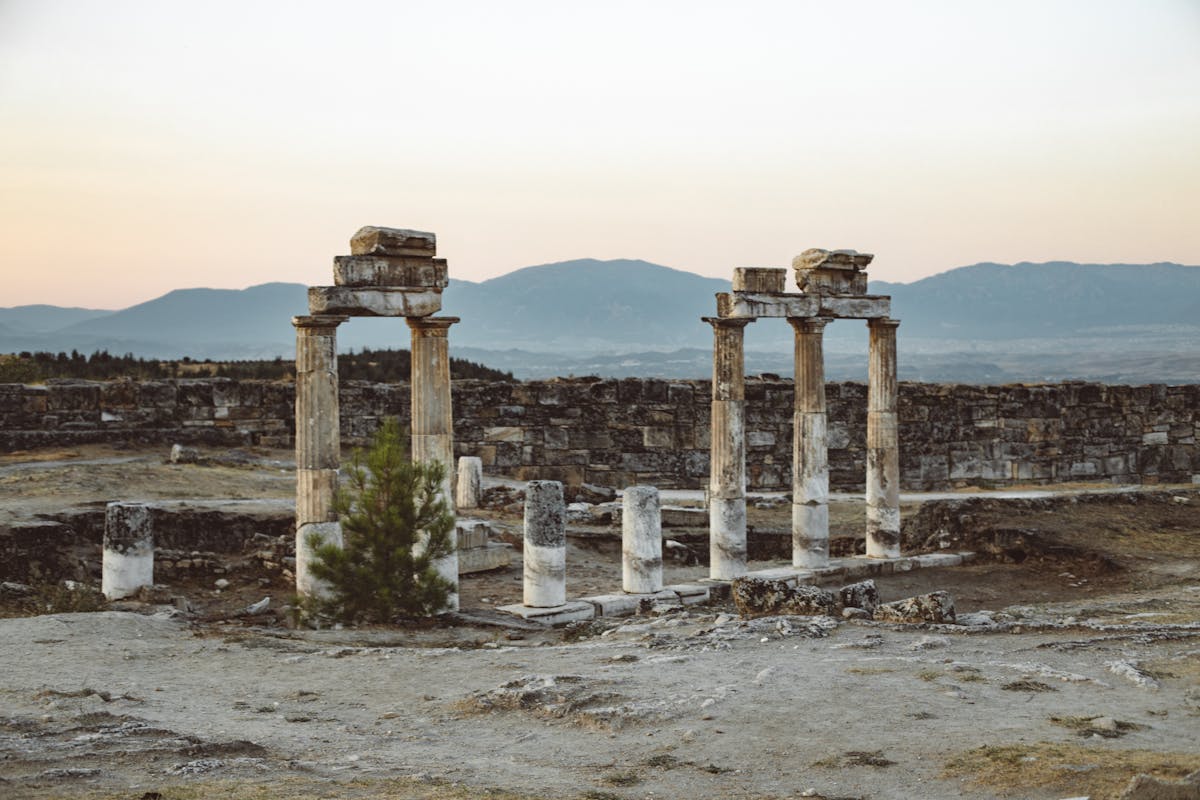
Hierapolis sits on top of the terraces. This Greco-Roman spa city dates back to the 2nd century BC, and it’s far more extensive than most visitors expect. The amphitheatre is enormous — 15,000 seats carved into the hillside, well preserved enough that you can still sit in the upper rows and imagine the scene two millennia ago. There’s also a necropolis (ancient cemetery) with over 1,200 tombs stretching along the road. Hierapolis alone would be worth the trip. Getting it bundled with the terraces is absurd value.
Cleopatra’s Pool (the Antique Pool) costs an extra $7 on top of your entrance ticket. It’s a natural thermal pool filled with submerged marble columns from ancient earthquakes. The water is about 36 degrees year-round and mildly carbonated — like swimming in warm sparkling water. Legend says Cleopatra herself bathed here, which is almost certainly nonsense, but the pool itself is genuinely unique and worth the extra fee.
Entry Fees and Tickets
Pamukkale’s pricing has gone up a lot in recent years. Here’s what you’re looking at:
General admission: 700 TL (about $20 USD) — covers both the terraces and all of Hierapolis. This ticket is valid all day, so there’s no rush.
Cleopatra’s Pool: Extra 250 TL ($7) — paid at the pool entrance, separate from the main ticket.
Museum Pass: If you have a Turkish Museum Pass, Pamukkale is included. The pass costs about $75 for 15 days and covers 300+ sites across Turkey, including Hagia Sophia, Topkapi Palace, and Ephesus. If you’re visiting more than three or four paid sites during your trip, it pays for itself fast.
All tour prices listed above include entrance fees, so you don’t need to worry about these if you’re going with a guided tour from Istanbul.
When to Go
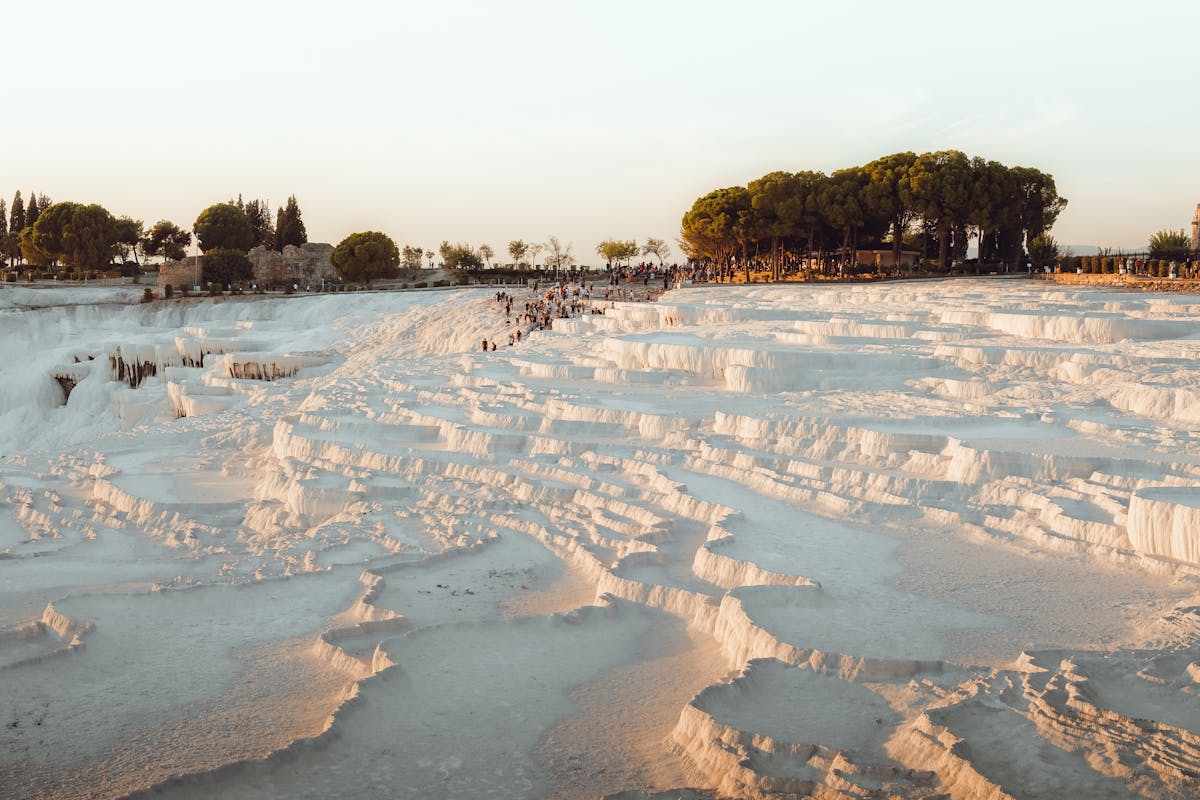
Best months: April through June and September through October. The weather is warm enough to enjoy the pools without the brutal summer heat, and the crowds are thinner. July and August bring 40-degree temperatures — walking barefoot on white calcium in that heat is genuinely uncomfortable, and the site is packed with tour groups from Antalya.
Best time of day: Early morning (south gate opens at 6am) or late afternoon (2-3 hours before closing). Midday is the worst — maximum crowds, maximum heat, maximum regret. If you’re on a day trip from Istanbul, you’ll likely arrive midday, which is unavoidable. For overnight visitors, hit the terraces at sunrise. You’ll practically have them to yourself.
Winter visits: Pamukkale is open year-round. Winter (December through February) is cold and sometimes wet, but the terraces look otherworldly with steam rising off the warm water into cold air. Very few visitors. The thermal water is still warm.
Tips That Will Actually Help
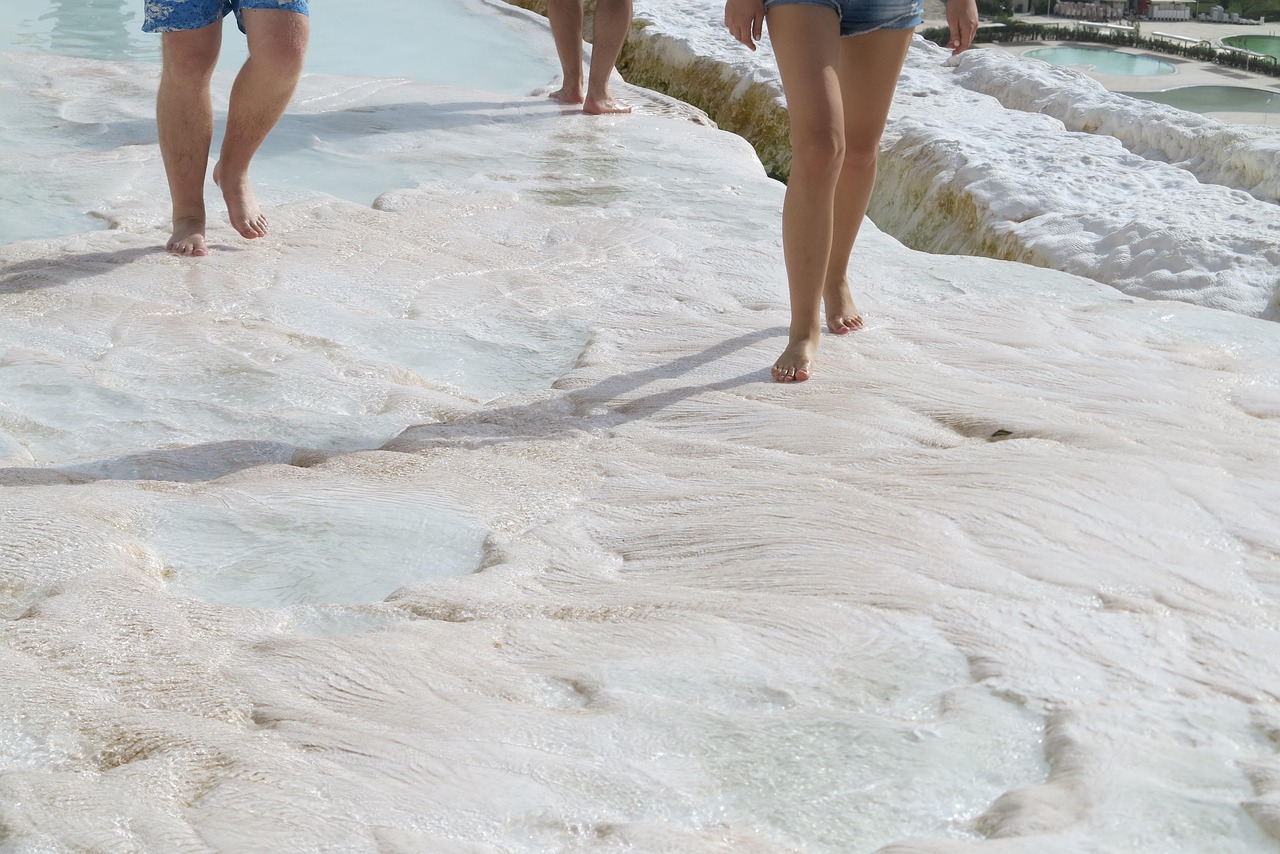
Bring a waterproof bag. You’ll be walking through ankle-to-knee-deep water. Your phone, wallet, and camera need protection. A simple dry bag or even a ziplock works.
Wear swimwear under your clothes. You’ll want to wade in the pools, and possibly swim in Cleopatra’s Pool. Changing facilities exist but they’re basic.
Use the south (lower) entrance. It opens at 6am (two hours before the north gate) and lets you walk UP through the terraces — which is the better direction anyway. The north entrance starts you at the top near Hierapolis, so you walk down through the terraces. Going up is better for photos and the overall experience.
Don’t skip Hierapolis. I’ve seen people spend 45 minutes on the terraces and then leave. The amphitheatre alone is worth an hour. Walk out to the necropolis too — it’s one of the largest ancient cemeteries in the world and barely anyone goes past the first few tombs.
Bring sunscreen and water. There’s almost no shade on the terraces. The white calcium reflects sunlight like a mirror. I’ve seen people get seriously sunburned in under an hour.
The calcium surface is fragile. Stay on the designated walking paths. Some of the terraces are roped off for restoration. Don’t be the person who climbs over the ropes for a photo — it damages formations that took centuries to build.
How to Get Around Once You’re There
Pamukkale town is tiny. Everything is walkable within 15-20 minutes. The main strip has a handful of restaurants, a few pensions, and a couple of souvenir shops. It’s not a destination town — it exists because the terraces are there.
From Denizli to Pamukkale: Dolmus minibuses run from Denizli’s otogar (bus station) to Pamukkale town every 20-30 minutes during the day. The ride is about 30 minutes and costs a few lira. Tell the driver where you’re staying and he’ll drop you near your hotel — there isn’t a formal bus stop in town.
Taxis from Denizli airport: About 200-250 TL ($6-7) to Pamukkale town. Some hotels arrange airport transfers if you ask in advance.
From the town to the site: The south entrance is about a 10-minute walk from the centre of Pamukkale town. You can’t miss it.
Doing It Independently vs With a Tour
Both work. But they suit different types of trips.
Go independent if: You have 2+ free days and are comfortable navigating Turkish domestic flights or overnight buses. Book your own flight to Denizli (usually $40-75 one way on Pegasus or Turkish Airlines), find a pension in Pamukkale town ($30-50/night), and visit at your own pace. Total cost: roughly $150-200 per person for transport and accommodation, plus entrance fees.
Go with a tour if: Your Istanbul time is limited, you don’t want to deal with connections, or you want a guide to explain the history at Hierapolis and Ephesus. The private 2-day tour at $350 is outstanding value considering it includes flights, hotel, meals, entrance fees, and a private guide. That’s hard to beat even if you booked everything separately.
The one thing tours don’t give you is sunrise at the terraces. If that matters to you — and it should — stay overnight independently or arrive the day before a tour starts.
Is Pamukkale Worth the Trip from Istanbul?
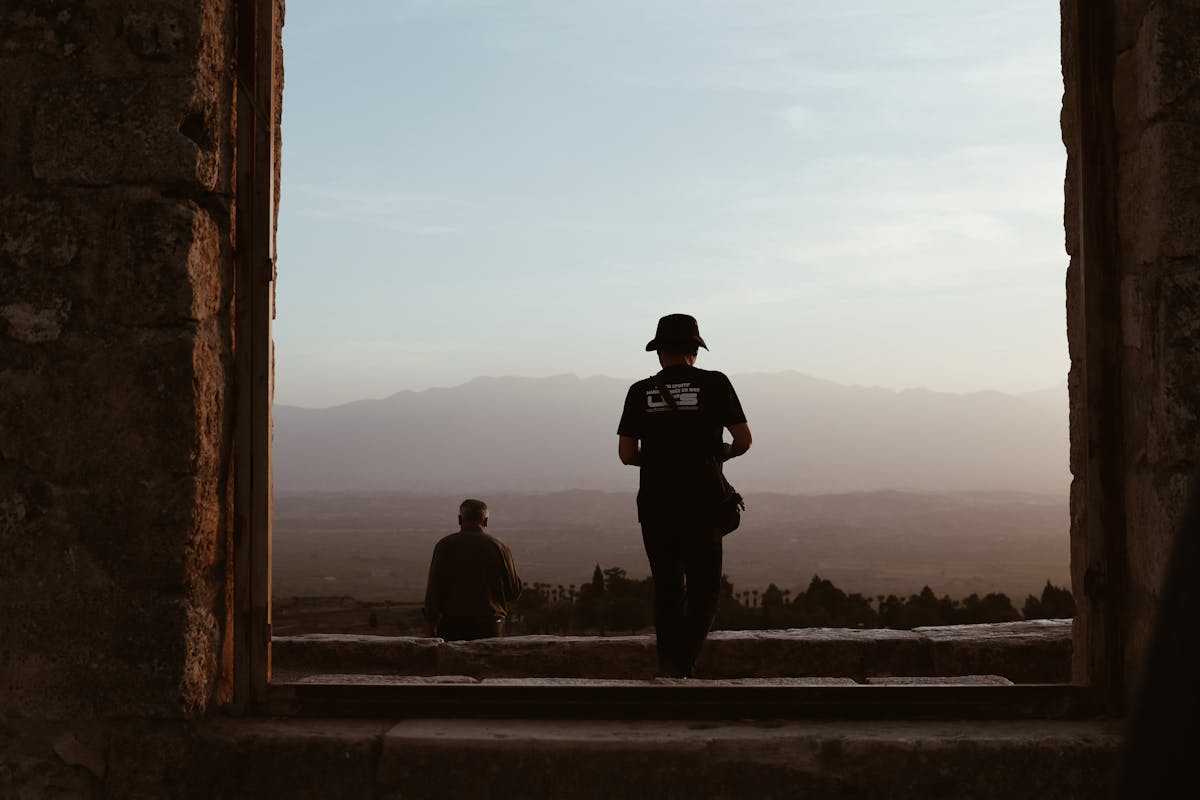
Yes. Without hesitation.
Pamukkale is one of those places that delivers exactly what the photos promise — which is rare. The travertine terraces really are that white, the water really is that blue-green, and Hierapolis really is that impressive. It’s Turkey’s most-visited tourist site for a reason, pulling over 2 million people a year, and yet at 6am on a spring morning it can feel like you have the whole place to yourself.
Is it far from Istanbul? Yes. Is it awkward to reach? A bit. But that’s also why it feels special. This isn’t another attraction you can walk to from Sultanahmet. Getting here takes commitment, and the payoff matches the effort.
More Turkey Guides
Pamukkale trips from Istanbul usually involve a full day of travel each way, so build in time for Istanbul itself. The historic core — Hagia Sophia, Topkapi Palace, and the Basilica Cistern — fills a solid day in Sultanahmet. An Old City walking tour is the most efficient way to cover it with a guide who knows the side streets and lunch spots.
For your Istanbul evenings, a Bosphorus cruise at sunset rivals Pamukkale’s travertines for sheer visual impact. A whirling dervish ceremony is genuinely unlike anything else, and after all the thermal pools, a Turkish bath in a 15th-century hamam continues the hot-water theme. Dolmabahce Palace on the Bosphorus waterfront is the most visually extravagant building in Istanbul.
Many multi-day tours combine Pamukkale with Ephesus, which is only a few hours away by road — the two make a natural pair. Cappadocia is the third major destination, though it requires either a domestic flight or a long overland journey from Pamukkale.
For the Turkish coast, Antalya boat tours and Alanya cruises are both reachable from Pamukkale in about three hours by bus, making them viable add-ons if you are heading south.