
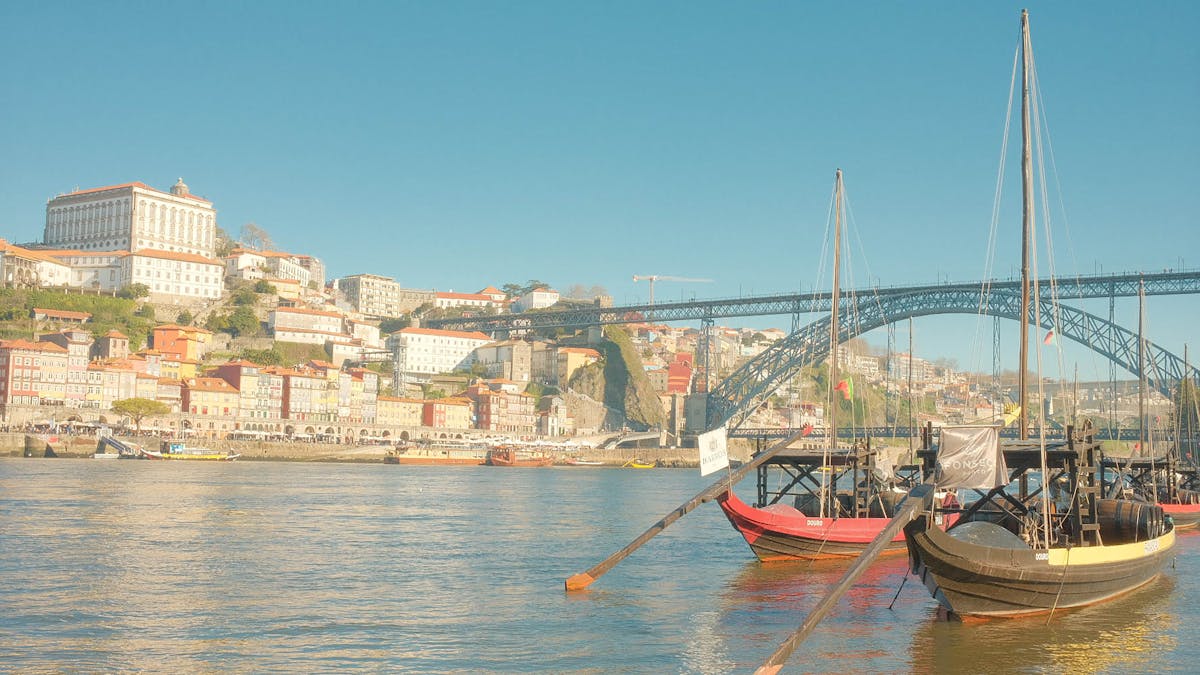
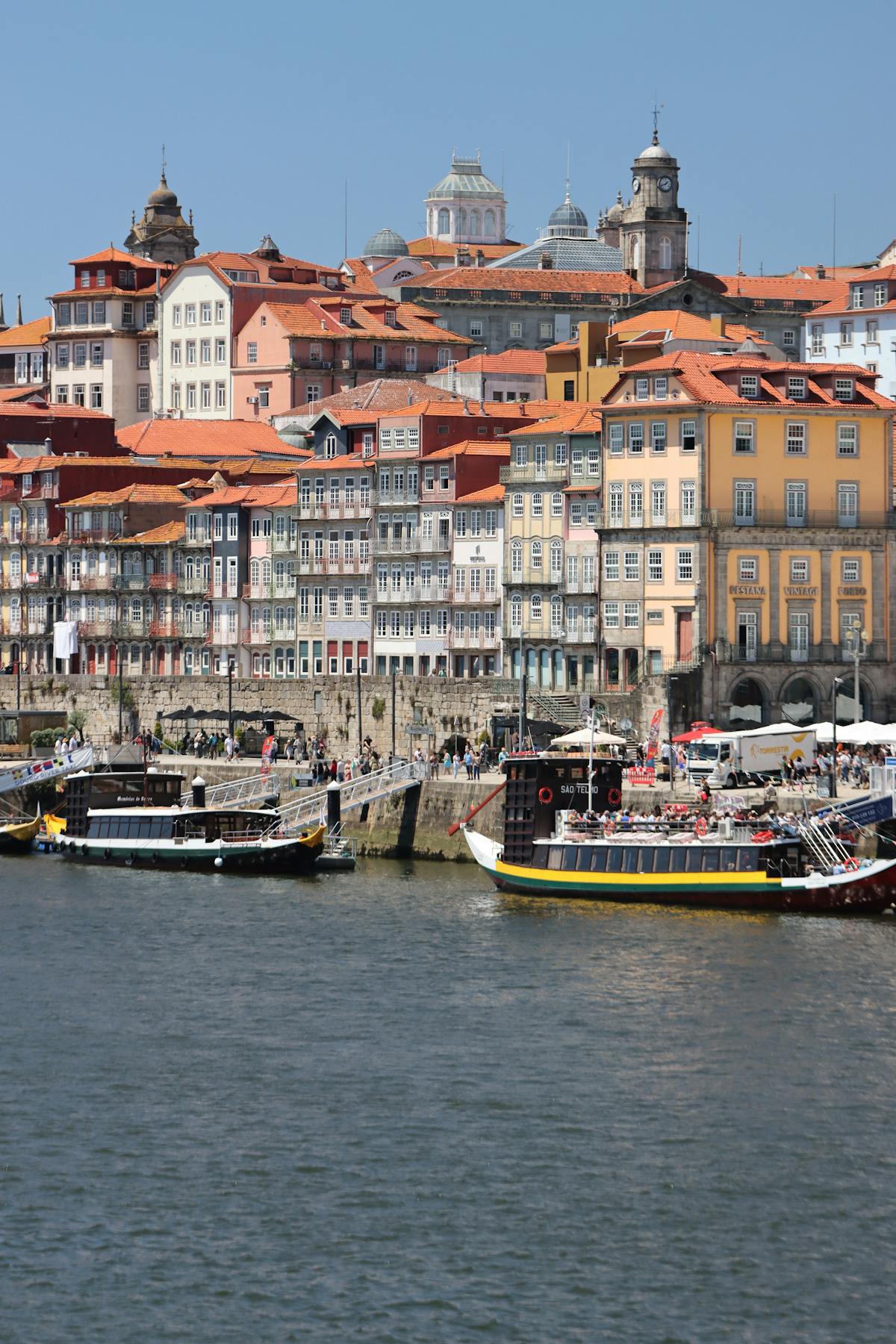
Cross the Dom Luis I bridge from Porto’s old town into Vila Nova de Gaia, and the first thing you notice is the signs. Graham’s, Taylor’s, Sandeman, Calem, Ferreira, Cockburn’s — the entire south bank of the Douro is one long stretch of port wine warehouses that have been storing and aging wine in cool, dark stone cellars since the 1700s.
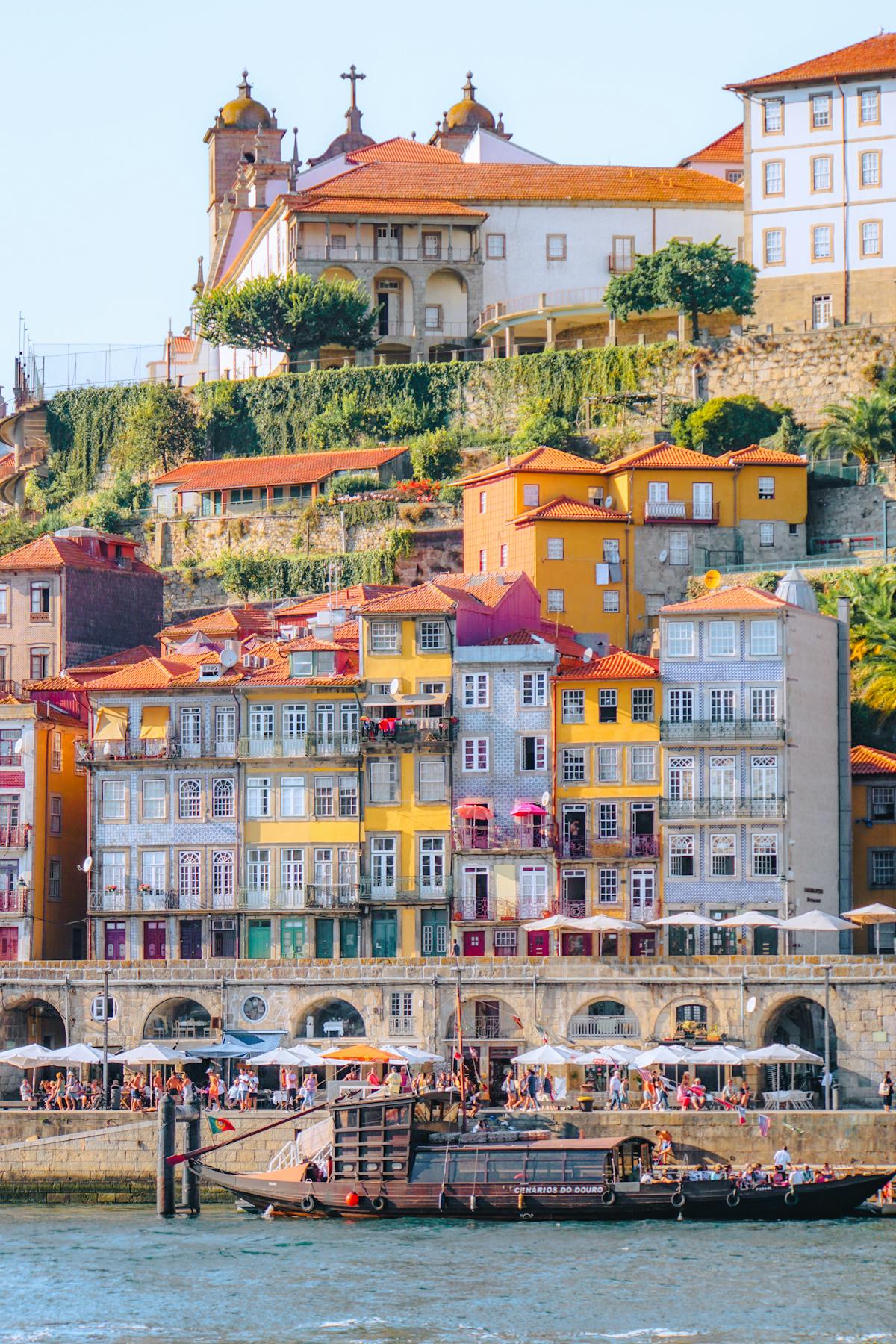
This is where port wine lives. Not in Porto itself (despite the name), but in Gaia, where the Atlantic breeze and the proximity to the ocean keep the cellars naturally cool. The big houses have been here for centuries, each with their own approach to aging, blending, and showing off their product to anyone who walks through the door.
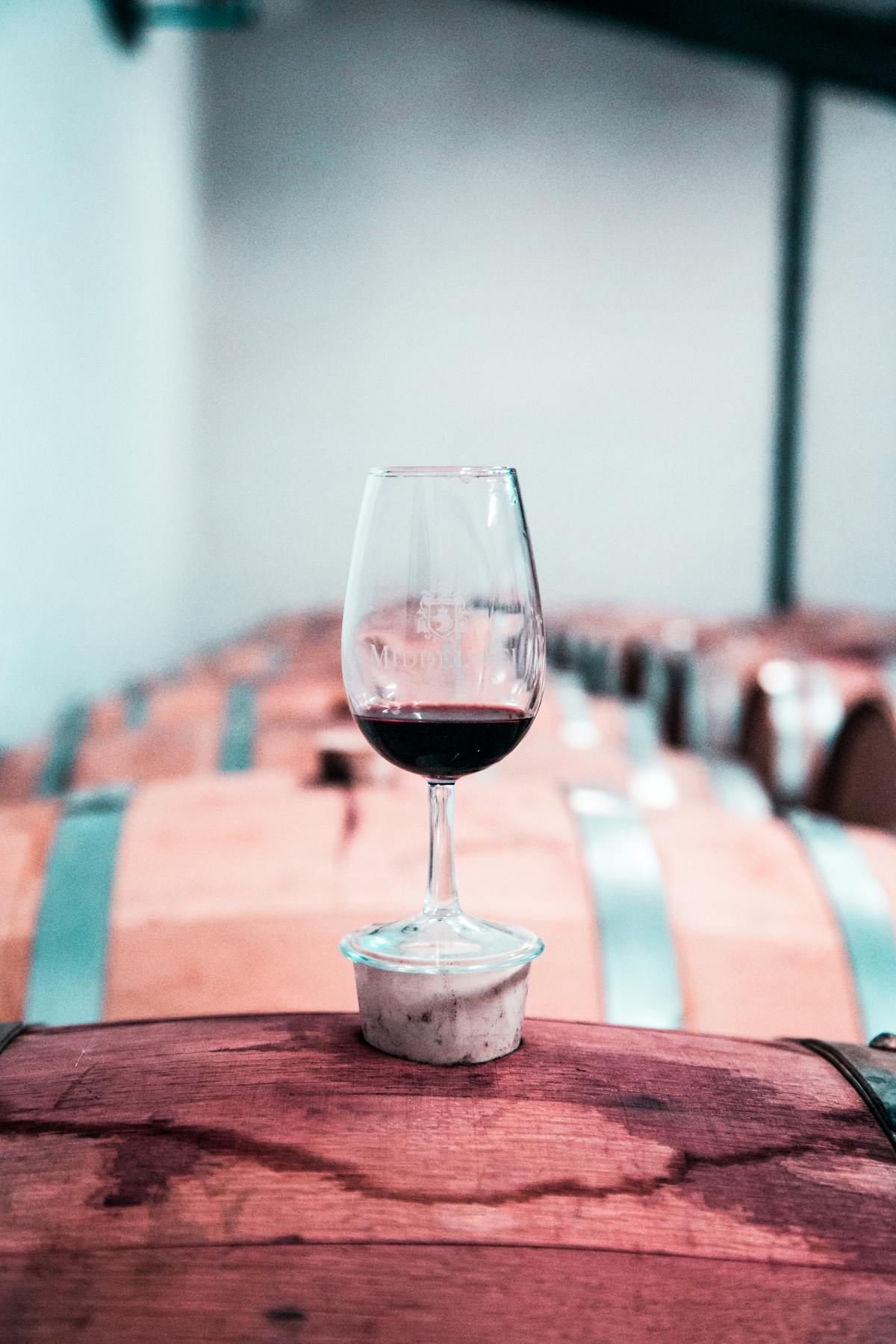
The good news: visiting port wine cellars in Porto is straightforward, cheap, and genuinely enjoyable even if you know nothing about wine. You don’t need a sommelier vocabulary. You don’t need to pretend the 1963 vintage has notes of dried fig and cedar. You just need to like drinking, and possibly to pace yourself, because most visits include three to seven tastings and they all hit harder than you expect on a warm afternoon.
Here is everything you need to plan a cellar visit, including which tours are actually worth your time and money.
- In a Hurry?
- How Port Wine Cellar Visits Actually Work
- Which Cellars Are Worth Visiting
- The Best Port Wine Cellar Tours to Book
- 1. Calem Cellar Tour, Interactive Museum & Wine Tasting —
- 2. Taylor’s Port Cellars & Tasting —
- 3. Cockburn’s Port Lodge Tour & Tasting —
- 4. Calem Cellar Tour, Fado Show & Wine Tasting —
- 5. Port Wine Lodges Tour with 7 Tastings —
- When to Visit the Port Wine Cellars
- Tips That Will Actually Save You Time
- Beyond the Cellars: The Douro Valley
- More Porto Guides
In a Hurry?
- Calem Cellar Tour with Museum & Tasting — The easiest entry point. An interactive museum explains port wine basics before you head into the cellars, and at $23 for about an hour it is the best value single-house visit in Gaia.
- Taylor’s Port Cellars & Tasting — Stunning hilltop location with gardens and river views. The tasting room alone makes this worth the slightly higher $29 price, and the port itself is exceptional.
- Port Wine Lodges Tour with 7 Tastings — If you only have one afternoon and want to try everything, this guided crawl through multiple lodges at $63 covers more ground than you could manage solo.
How Port Wine Cellar Visits Actually Work
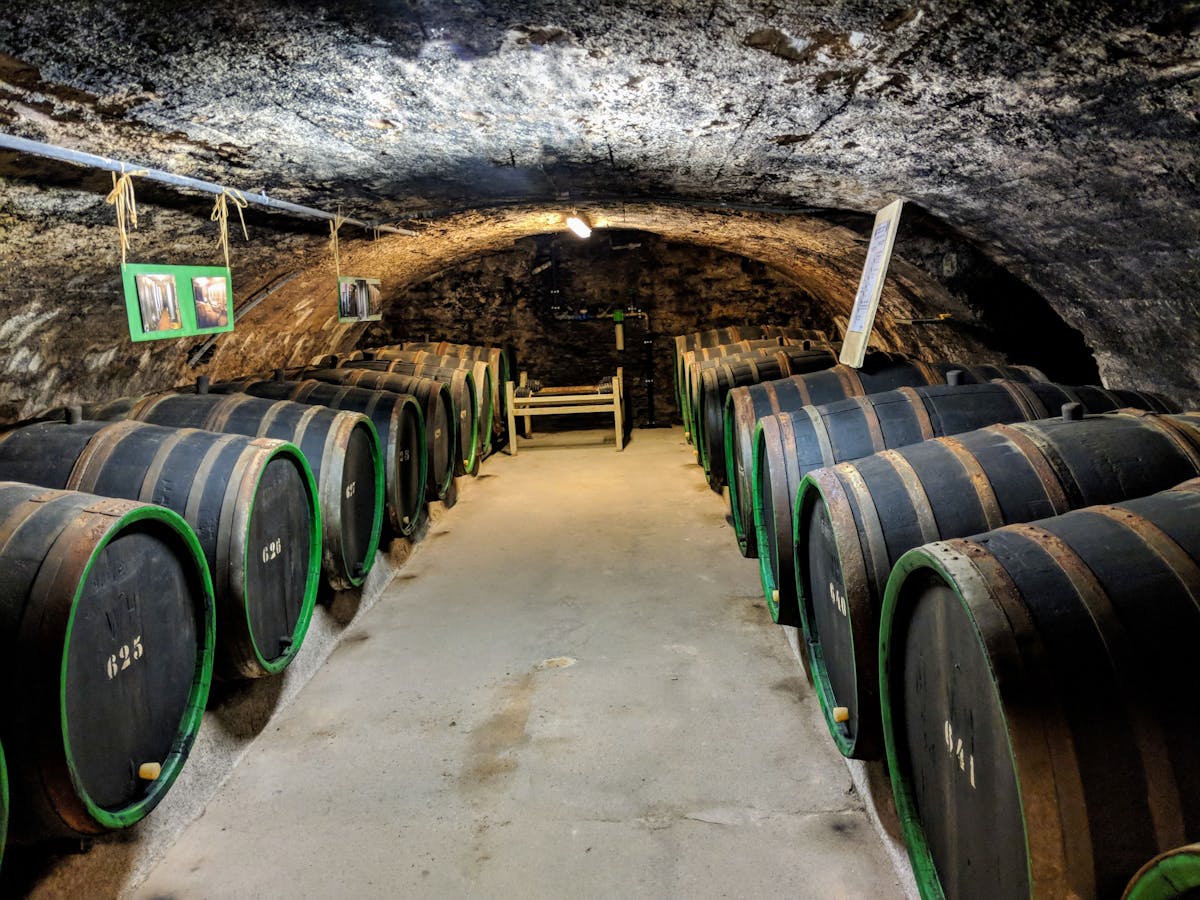
There are two ways to do this. You can visit individual cellars on your own, or you can join a guided tour that takes you through several houses in one go.
Visiting on your own is simple. Walk across the bridge to Gaia, pick a cellar, pay at the door or book online, and follow the guided tour they give you. Most houses run tours every 30 minutes in English and Portuguese. A standard visit takes 45 minutes to an hour: a walk through the aging rooms, a quick explanation of how port is made, and a tasting of two or three wines at the end.
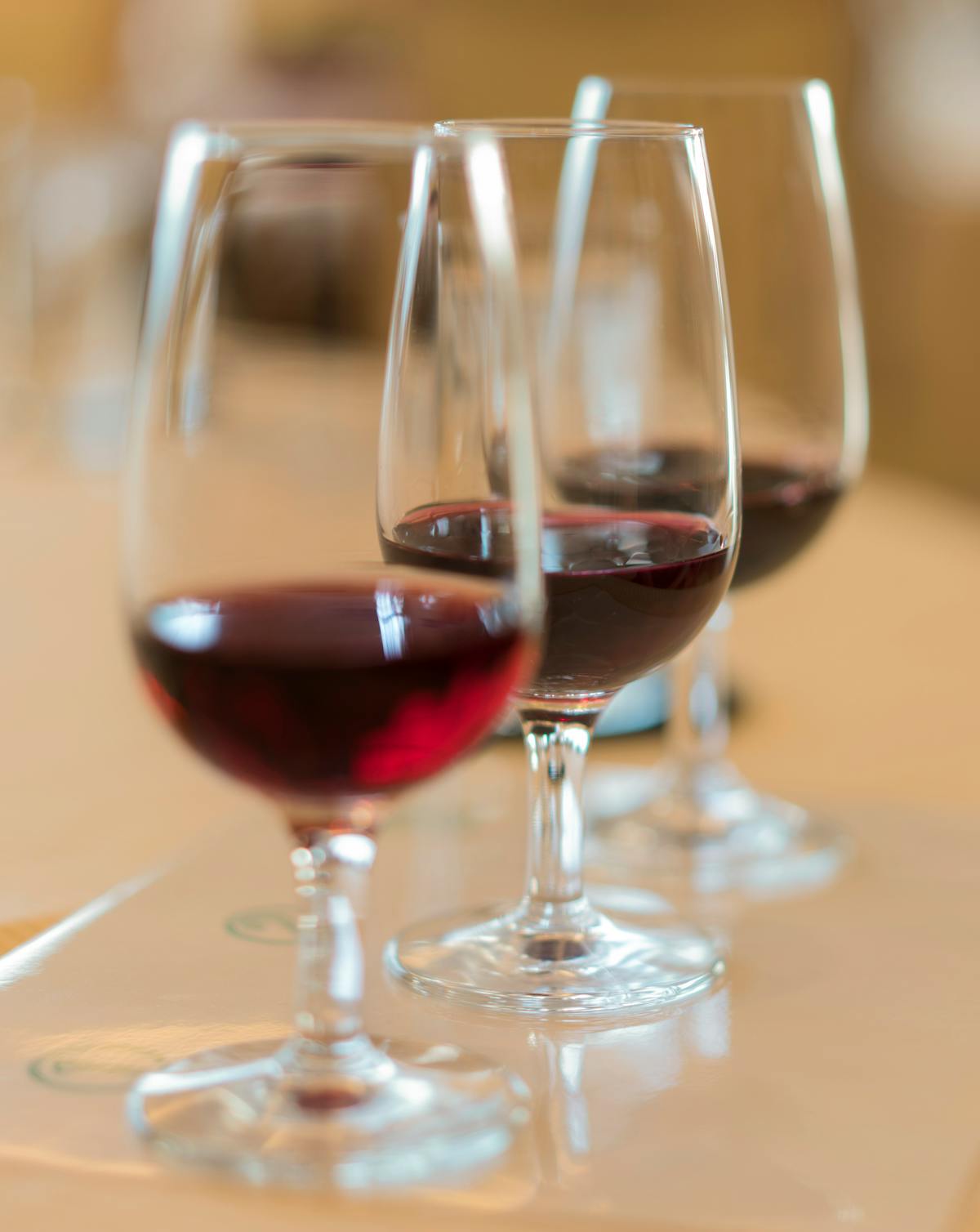
Prices for individual cellar visits typically run between 15 and 25 euros. The more expensive tickets usually mean more wines in the tasting, not a longer tour. Some houses offer premium tastings — 10, 20, or 40-year tawnies — for 30 to 50 euros. These are worth it if you actually care about tasting the difference between a young ruby and a decades-old tawny. The gap is enormous.
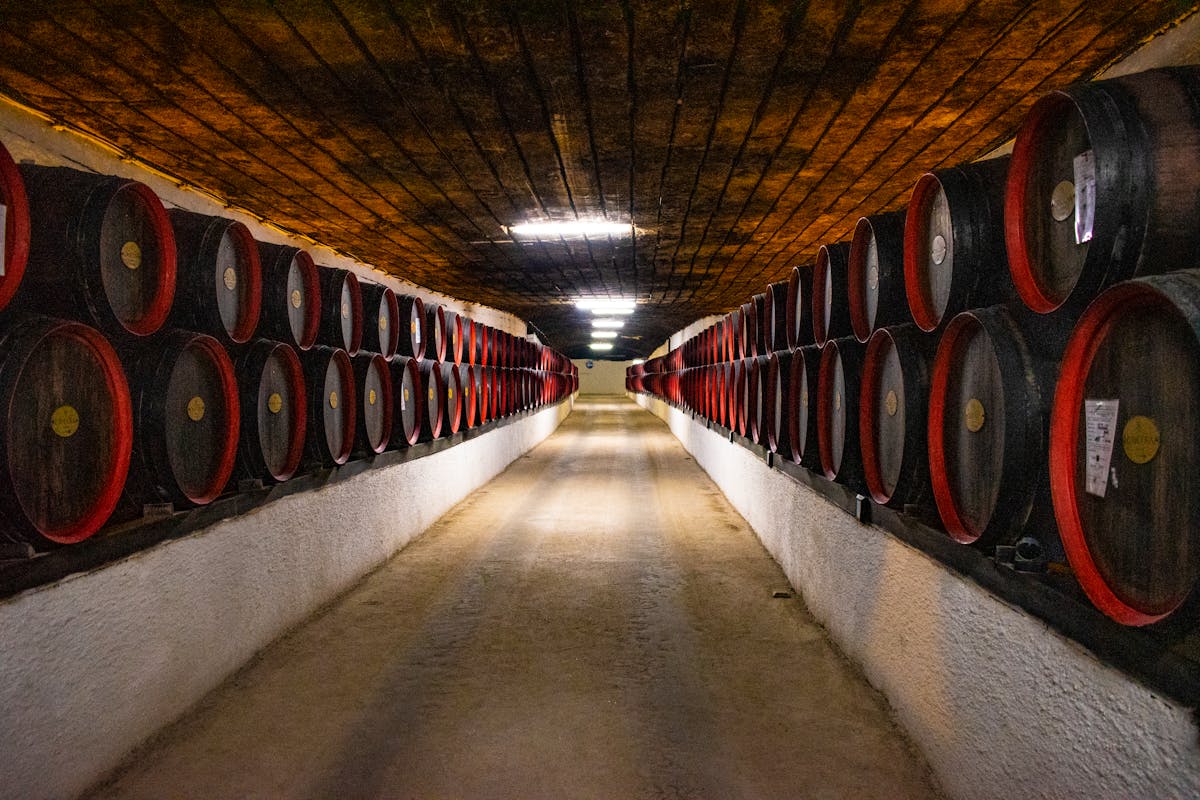
Joining a multi-cellar tour makes more sense if you want variety without the logistics. A guide walks you through two, three, or even seven different lodges, explains the differences between houses, and handles all the pouring. These tours typically last two to four hours and include enough wine to make the walk back uphill… interesting.
Which Cellars Are Worth Visiting

There are over two dozen port wine lodges in Vila Nova de Gaia. You don’t need to visit all of them. Here are the names that come up again and again, and what each one does differently.
Taylor’s sits at the top of the hill in Gaia with gardens and a terrace overlooking the Douro. It is probably the most photogenic cellar visit in Porto. The wines are consistently excellent, particularly their Late Bottled Vintage and 20-year tawny. The location alone sets it apart — most other cellars are crammed along the waterfront, while Taylor’s feels like visiting a country estate that happens to be in a city. Book ahead, especially in summer. The terrace fills up.
Calem is the most-visited cellar in Gaia and the one best set up for first-timers. Their interactive museum walks you through the entire port-making process before you enter the cellars, so by the time you are tasting you actually understand what you are drinking. They also run an evening option that pairs the cellar tour with a live fado performance, which is a genuinely good combination — dark cellars and melancholy Portuguese guitar go surprisingly well together.
Graham’s is on the opposite hill from Taylor’s, with arguably the best restaurant of any port house — Vinum serves seasonal Portuguese food paired with Graham’s wines and the terrace views are ridiculous. The cellar tour itself is thorough and unhurried. If you want to combine a tasting with a proper lunch, this is the one.
Cockburn’s reopened their Gaia lodge after a major renovation and the tasting room is now one of the most modern in the city. They lean into education — their guided tastings break down each wine style with more detail than most houses bother with. Good for anyone who wants to understand port rather than just drink it.
Sandeman is immediately recognizable by the black-caped figure on their logo and the prime waterfront location. The tours are well-organized and run frequently. Not the most memorable cellar visit, but solid, reliable, and easy to walk into without a booking. Their cask-aged tawnies are the highlight.
Ferreira is the only major port house that was founded by a Portuguese family rather than British merchants (most of the big names — Taylor, Cockburn, Graham, Sandeman — are British). Their story is worth hearing. The wines are excellent, the museum section is well done, and the location right on the waterfront makes it an easy stop.
The Best Port Wine Cellar Tours to Book
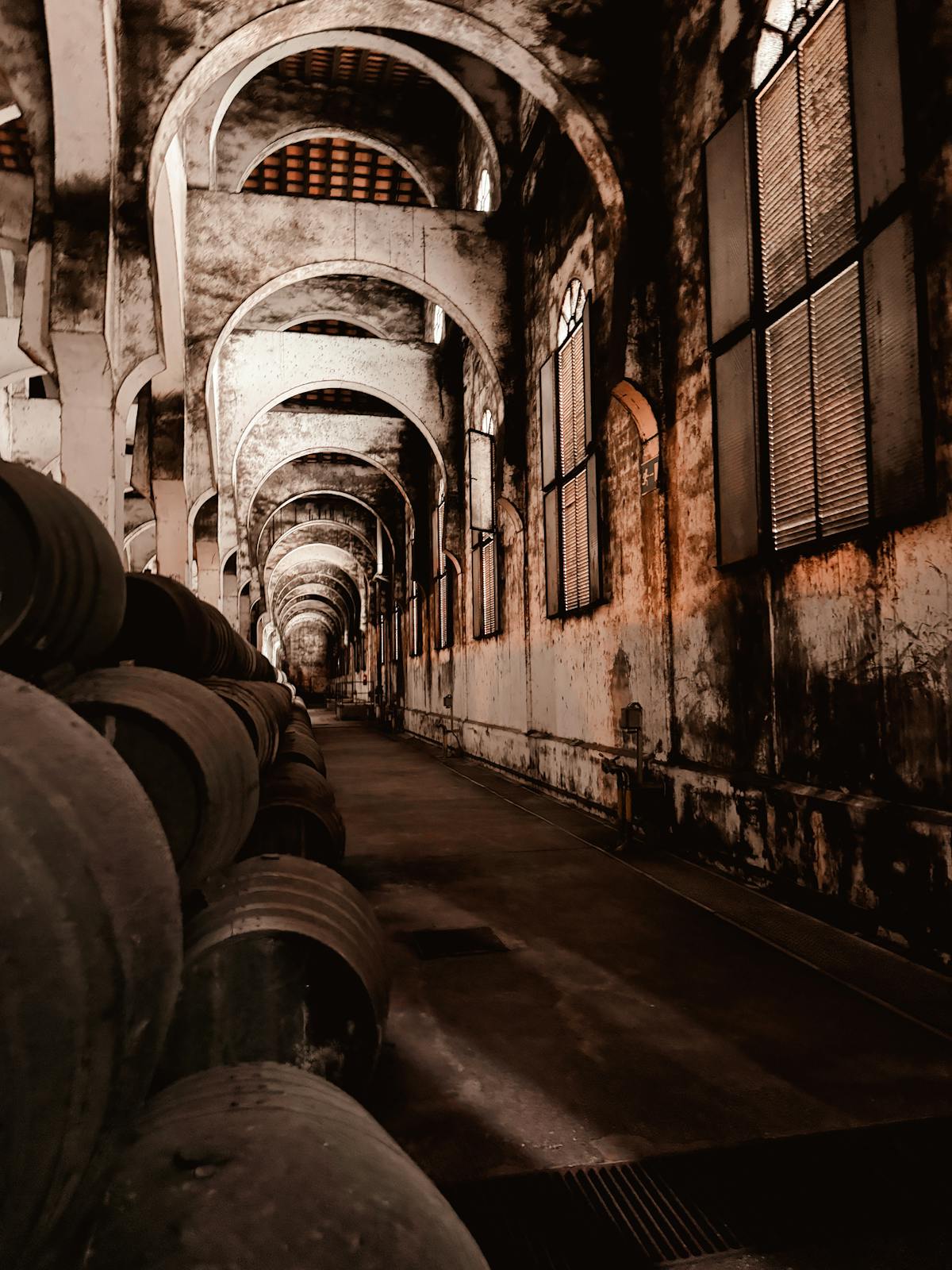
We track thousands of tours across Portugal, and the port wine cellar tours below consistently get the best feedback from visitors. Here are the ones worth booking.
1. Calem Cellar Tour, Interactive Museum & Wine Tasting — $23
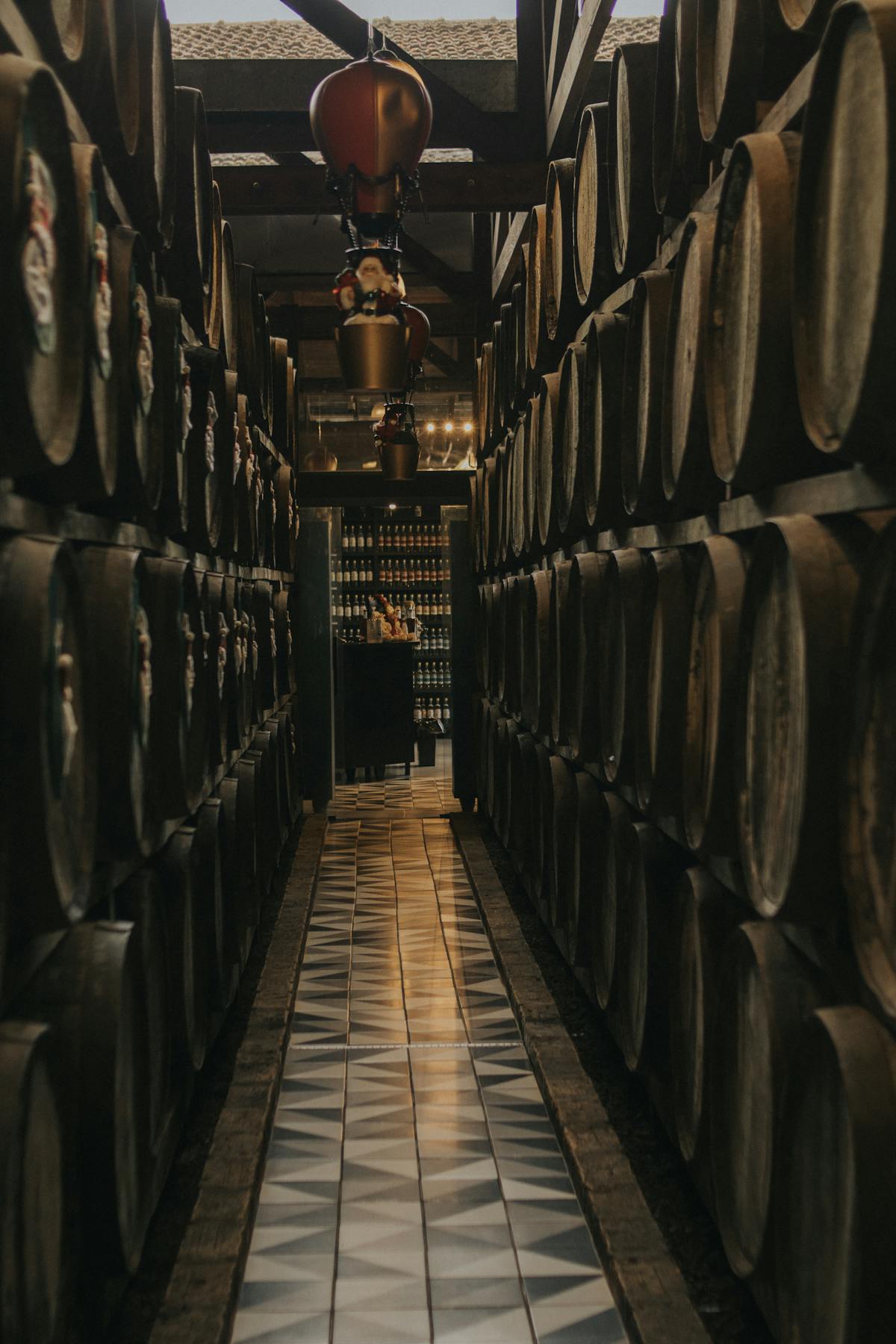
This is the single most popular cellar tour in Porto, and the price is almost absurdly low for what you get. The interactive museum section sets it apart from every other cellar — instead of just walking through dusty rooms while someone talks at you, Calem actually makes the learning part engaging. Touch screens, multimedia displays, a timeline of port wine history. Then you descend into the real cellars, walk between the barrels, and finish with a tasting of two wines.
At $23 for about an hour, this is the tour to book if you are only doing one cellar visit. It covers everything a first-timer needs and the central waterfront location means you can easily combine it with lunch or a day trip to the Douro Valley.
2. Taylor’s Port Cellars & Tasting — $29
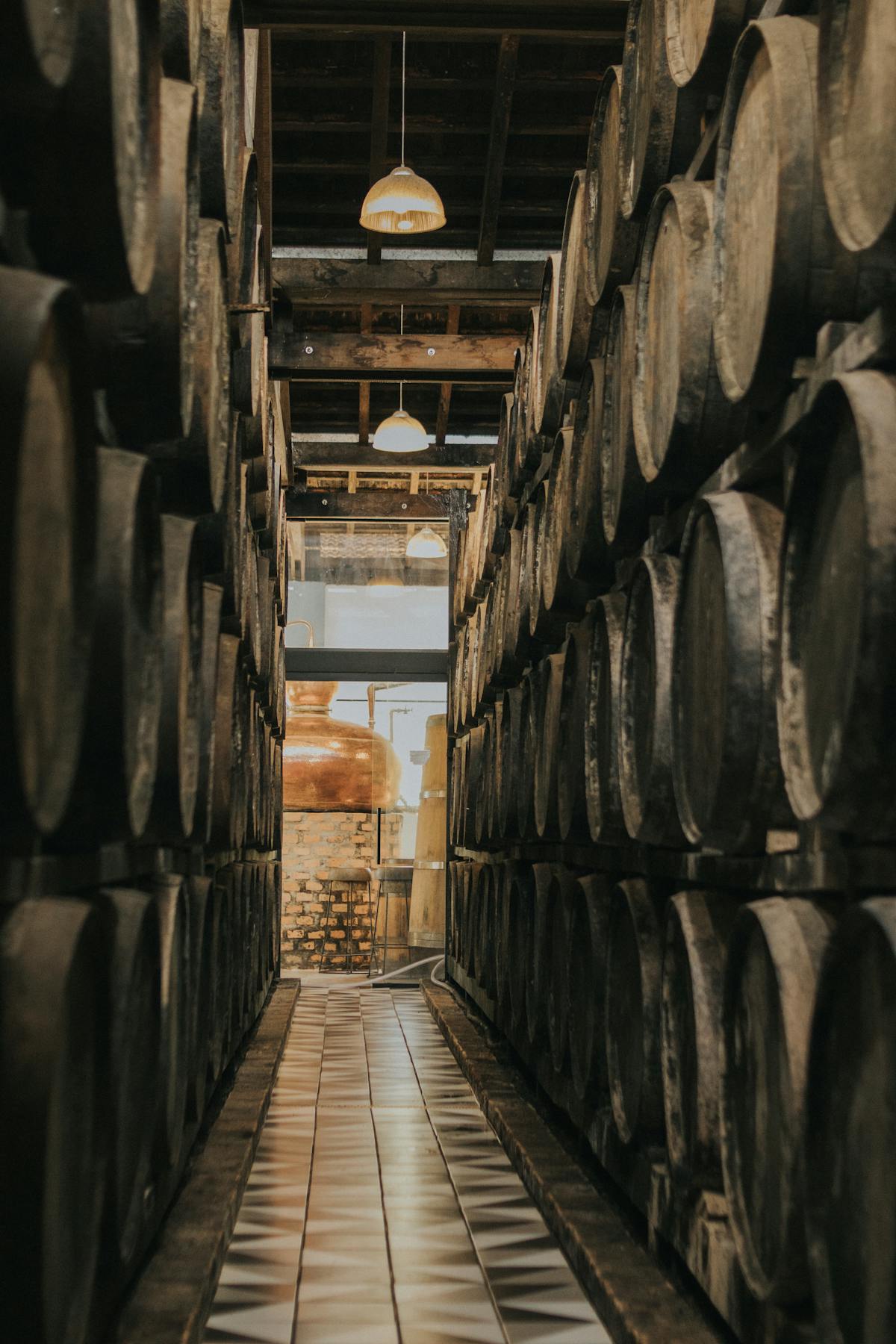
Taylor’s is where you go when you want the full experience — the setting, the history, the quality of the wine. The hilltop location with its gardens and terraced views over the Douro feels completely different from the waterfront cellars. You are not shuffling through a tourist-oriented museum here. You are visiting a working wine lodge that happens to let people in.
The tasting includes their flagship wines and the staff actually know what they are talking about. At $29 it costs a little more than Calem but the overall experience is a step up, especially if you care about the wine itself rather than just the process. The terrace bar afterward is one of the best places in Porto for a glass of tawny at sunset.
3. Cockburn’s Port Lodge Tour & Tasting — $35
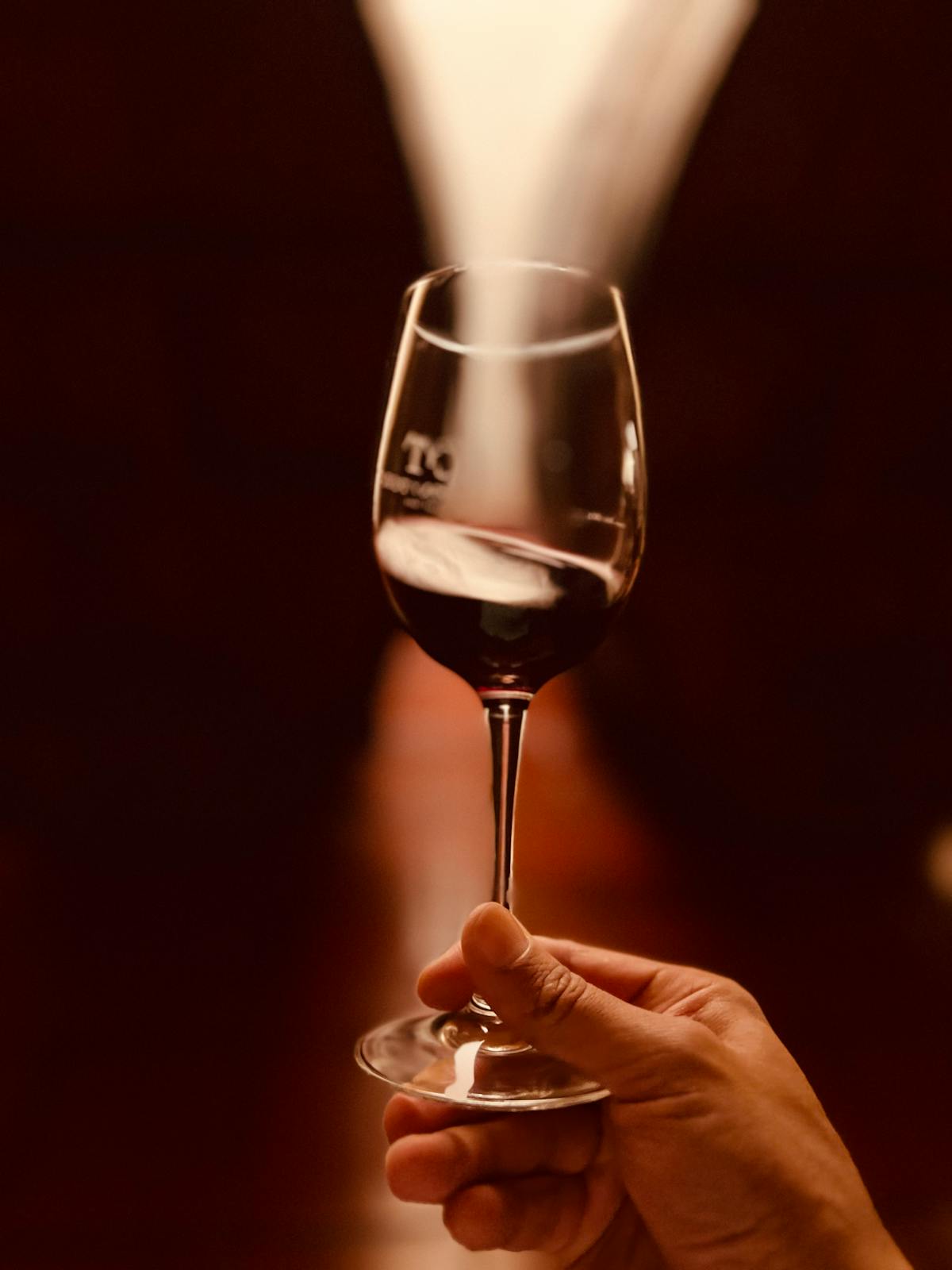
The recently renovated Cockburn’s lodge is the best option if you want to actually learn something. Their guided tastings go deeper into the differences between wine styles than anywhere else in Gaia — white port versus ruby versus tawny versus colheita, with the guide explaining what makes each one distinct rather than just listing tasting notes.
At $35 for about 90 minutes, it sits at the higher end of single-cellar visits but includes a premium tasting that would cost extra at most other houses. The modern renovation means the facilities are excellent, and the smaller group sizes make it feel less like a tourist conveyor belt. If you have already visited Calem or Taylor’s and want something that goes further, this is the next step.
4. Calem Cellar Tour, Fado Show & Wine Tasting — $33
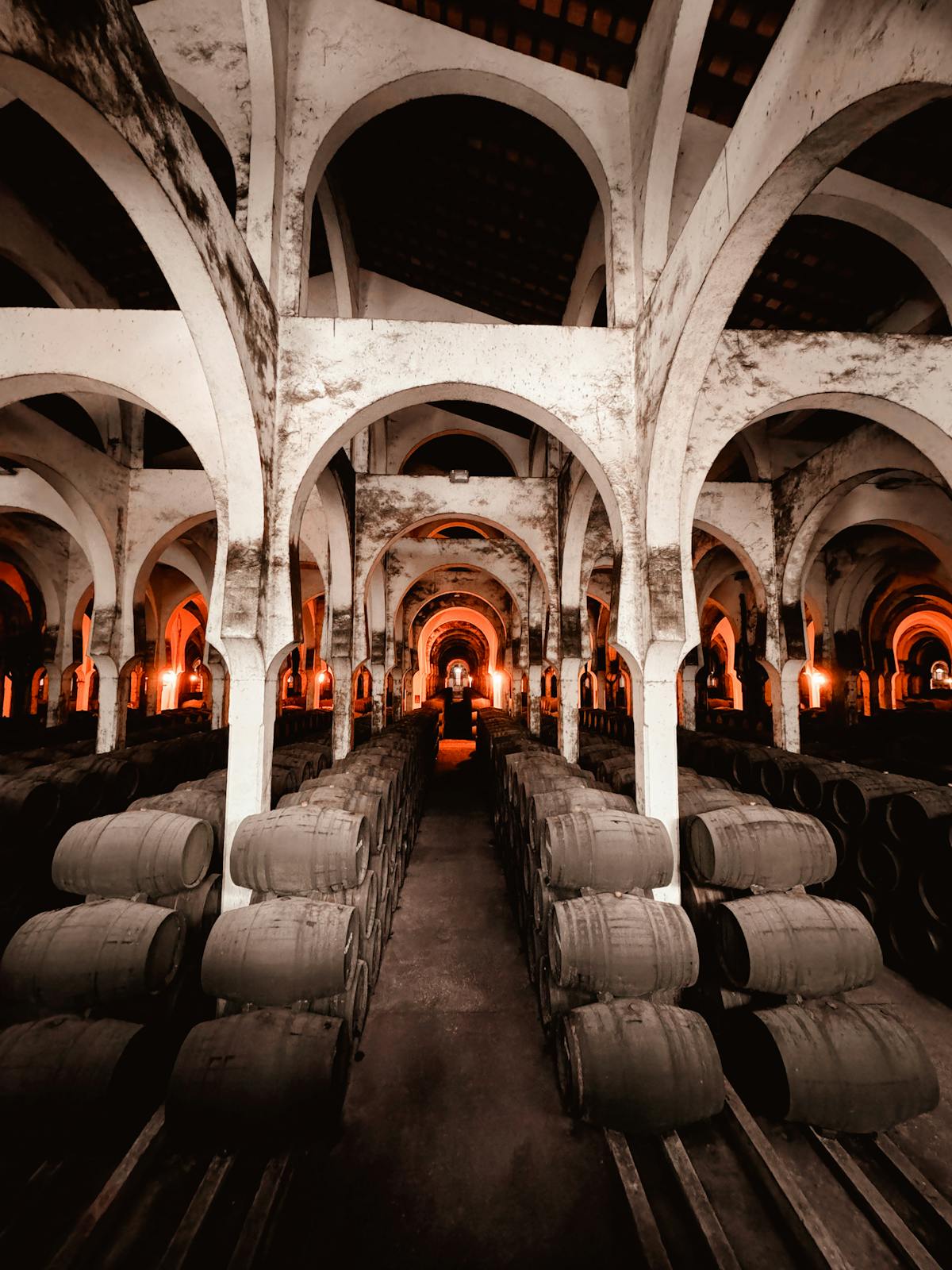
This is Calem’s cellar tour plus a live fado performance, and the combination works much better than it sounds on paper. You get the same interactive museum and cellar walk as the standard tour, but then you sit down in a candlelit space inside the lodge for 20 to 30 minutes of live fado while sipping port. The acoustics in those old stone rooms are something else entirely.
At $33 for 75 minutes, the upgrade from the standard Calem tour is only ten dollars. If you were already planning to visit Calem, this version is the obvious choice. And if you haven’t heard live fado before, hearing it for the first time inside a port wine cellar is a hard introduction to beat.
5. Port Wine Lodges Tour with 7 Tastings — $63
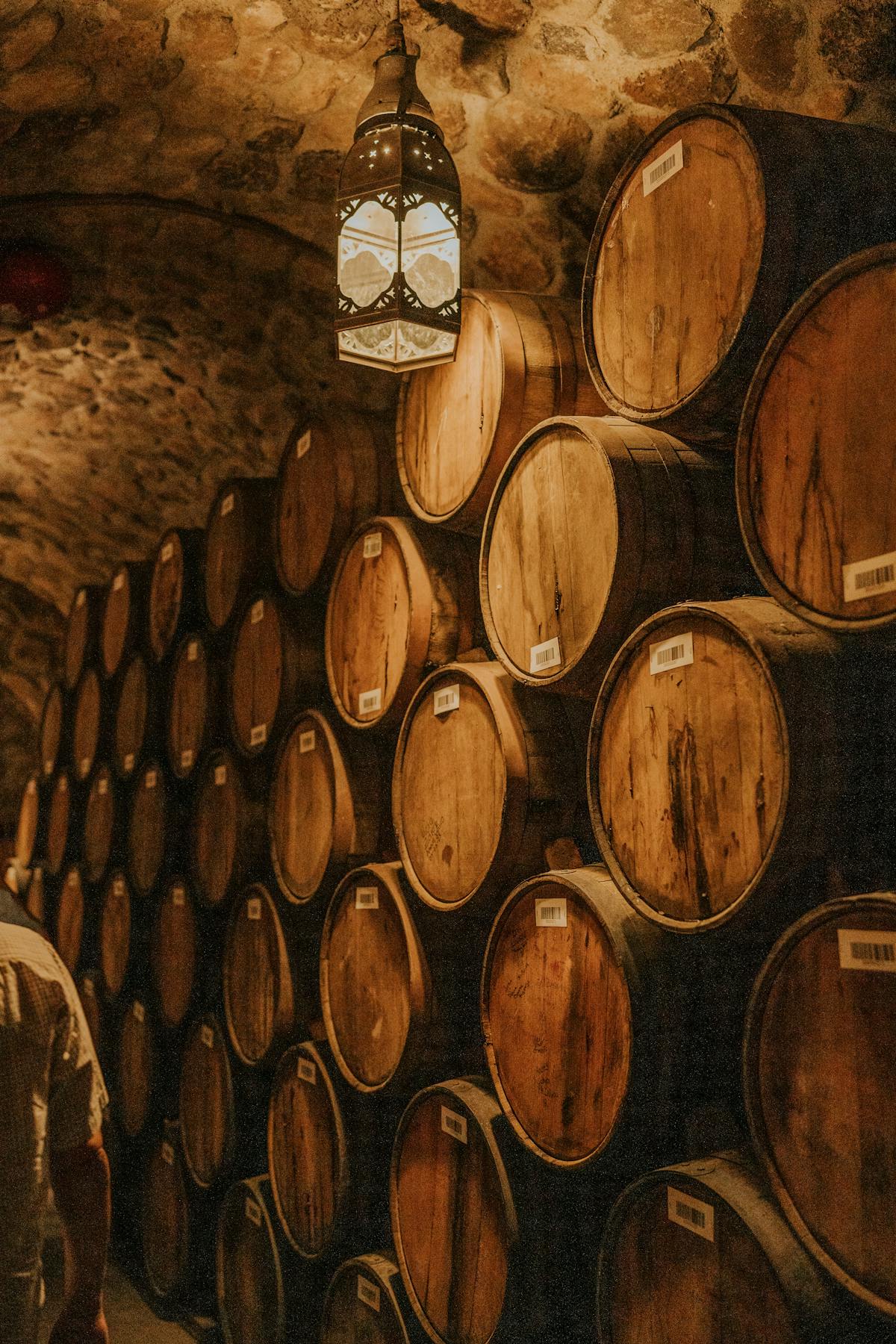
This is the tour for the person who wants to try everything in one afternoon. A local guide takes you through multiple port wine lodges across Vila Nova de Gaia, with seven tastings along the way. That is seven different wines from seven different producers, which gives you a range that you simply cannot get by visiting one or two houses on your own.
At $63 for about three and a half hours, it costs more than visiting two cellars independently but covers far more ground. The guide handles logistics, pours, and context — by the end you will genuinely understand the difference between houses and styles. The pace is relaxed, with enough walking between stops to keep your head clear. Mostly. Book this if your time is limited and you would rather go wide than deep.
When to Visit the Port Wine Cellars
Most cellars in Vila Nova de Gaia are open daily from 10:00 to 18:00 or 19:00, with the last tours starting about an hour before closing. Some houses close on Mondays in winter or reduce their schedule from November through February.
Best time of day: Early afternoon, between 14:00 and 16:00. The morning tours tend to fill with large bus groups, and the last tours of the day feel rushed. Mid-afternoon gives you the best chance of a smaller group and a guide who is not watching the clock.
Best time of year: April through June and September through October. July and August are packed — queues at the popular houses like Calem and Sandeman can stretch to 30 or 40 minutes even with a booking. The shoulder months give you the same good weather without the crowds.
Worst time: Portuguese public holidays, particularly around Easter and June 24 (Sao Joao, Porto’s biggest festival). The cellars stay open but the entire Gaia waterfront becomes a slow-moving mass of people.
Tips That Will Actually Save You Time
Book online, even if it is same-day. The popular cellars (Calem, Sandeman, Taylor’s) sell out their peak-hour slots in summer. Booking online also means you skip the ticket counter queue and go straight in at your scheduled time.
Start at the top of the hill, work down. If you are visiting multiple cellars on your own, begin at Taylor’s or Graham’s (both at the top of the Gaia hillside) and walk downhill to the waterfront. Walking uphill after three or four tastings is a bad idea. Trust this.
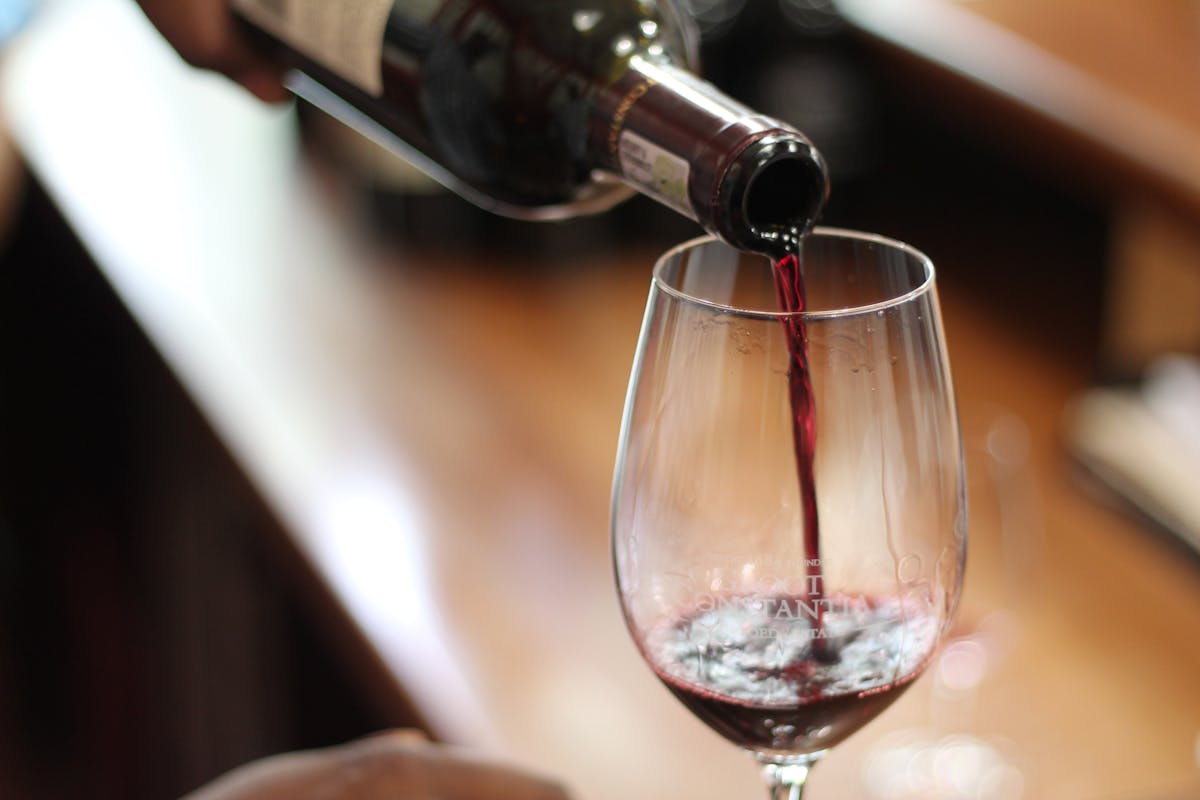
Eat before you drink. This sounds obvious but people consistently underestimate how strong port wine is. It runs between 19 and 22 percent alcohol, roughly double a glass of table wine. Have a proper lunch in Porto before crossing the bridge. The francesinha at Cafe Santiago is a solid bet.

The tasting room shops are not a rip-off. Unlike most tourist attractions where the gift shop is overpriced, port bought directly from the cellars is often the same price as in town or even cheaper, especially for vintage and reserve bottles. If you find a wine you like during the tasting, buy it there.
White port exists and it is good. Most visitors fixate on ruby and tawny and completely ignore white port. Ask for it during tastings. A glass of chilled white port with tonic water (a “Porto tonico”) is the unofficial drink of summer in Porto and it is excellent.
The Gaia cable car is skippable. It runs from the top of the hill to the waterfront and costs about 7 euros one way. The walk takes ten minutes and the views are just as good from the path. Save the money for another tasting.
Beyond the Cellars: The Douro Valley
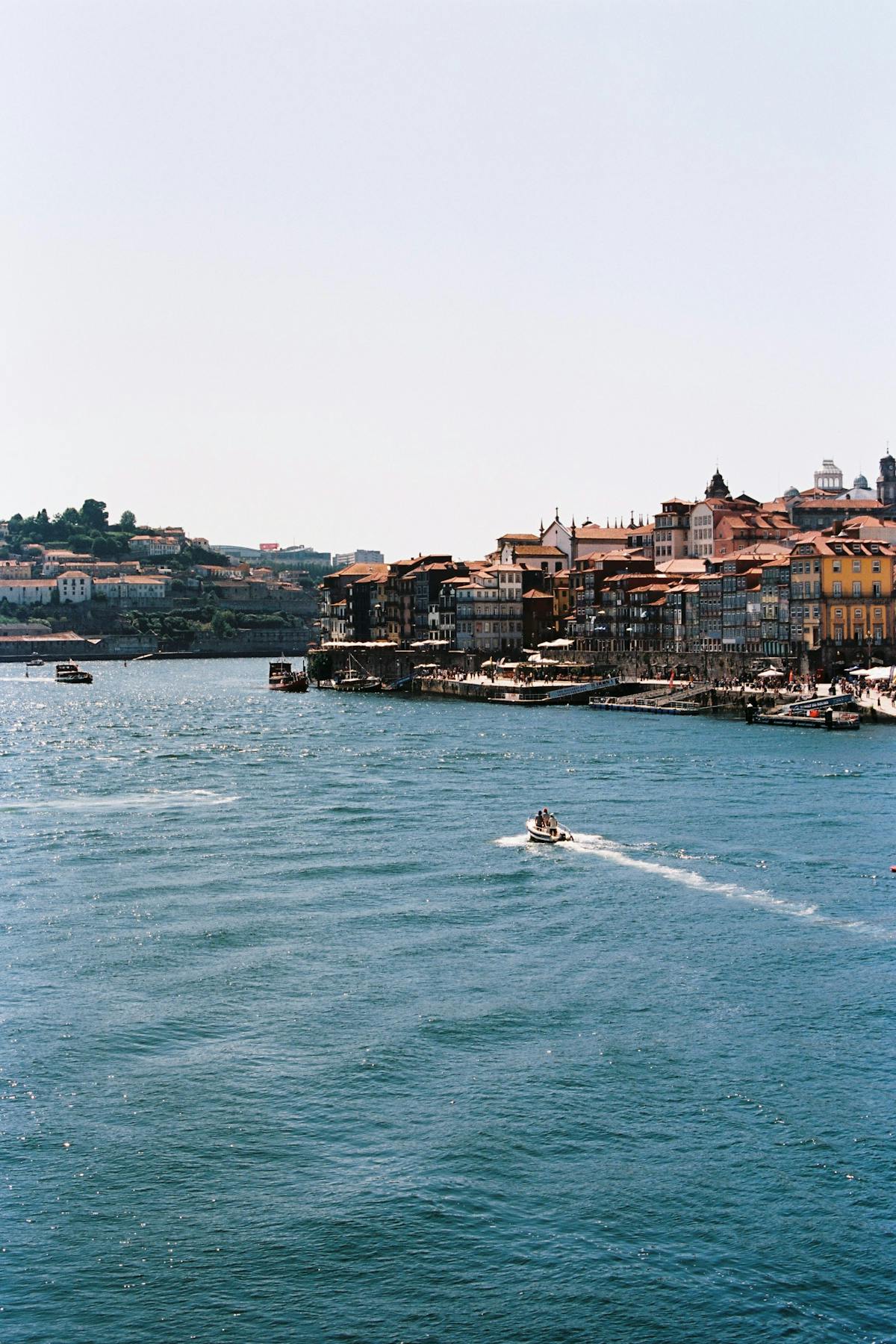
The cellars in Vila Nova de Gaia are where port wine is aged, blended, and sold, but the grapes themselves grow in the Douro Valley, about 90 minutes east of Porto. If the cellar visits leave you wanting more — and they usually do — a day trip to the Douro Valley from Porto takes you to the terraced vineyards where port wine begins its life. The valley is a UNESCO World Heritage Site and one of the oldest wine-producing regions on the planet, with quintas (wine estates) scattered along the river that offer tastings, lunches, and views that make the Gaia waterfront look modest by comparison.
Most Douro day trips include a river cruise, lunch at a winery, and two or three tastings. The combination of a cellar visit in Gaia on one day and a Douro Valley trip on the next gives you the full picture of how port wine is made — from the vineyard terraces where the grapes bake in the summer sun, to the cool dark cellars where the wine quietly ages for decades, to the glass in your hand at a rooftop bar in Porto while the sun drops behind the bridge. That sequence, that whole arc from vine to glass, is one of the best things you can do in Portugal.
More Porto Guides
After a few hours tasting port, you will probably want to explore the rest of what Porto has to offer. a walking tour in Porto takes you through the Ribeira district and up to the cathedral area, covering the stories behind the buildings you have been looking at from the Gaia side. a food tour in Porto is worth booking for an afternoon since Porto has one of the most underrated food scenes in Europe. For a day on the water, a river cruise in Porto takes you along the Douro with the same landscape the wine barges used to navigate. If you want a bigger day trip, visiting the Douro Valley from Porto heads deep into the terraced vineyard country, and visiting Braga and Guimaraes from Porto goes north to two medieval towns. Heading to Lisbon next? a walking tour in Lisbon is a good first step in the capital.
Disclosure: This article contains affiliate links. When you book through our links, we earn a small commission at no extra cost to you. This helps us keep producing free travel guides.